Categories
W1 World

Bohemian Grove and Elite Club Unmasked: Where the World’s Most Powerful Vanish from View

Introduction: Power Thrives in Secrecy

Each July, in a remote redwood forest in Monterey County, Northern California, some of the most influential men on Earth disappear behind guarded gates and armed checkpoints. This annual gathering, known as Bohemian Grove, has for over 150 years hosted presidents, CEOs, bankers, military brass, and global influencers for a two-week retreat far from the prying eyes of the public.

What happens there—amid towering trees and torch-lit rituals—remains largely a mystery. Officially, it’s a celebration of arts, music, and camaraderie. Unofficially, it’s rumored to be a place where world-shaping policies are born, future leaders are groomed, and strange rites blur the line between symbolic theater and occult performance.

From whispered tales of the Cremation of Care ceremony to hidden recordings and alleged deals brokered in private cabins, Bohemian Grove occupies a unique—and controversial—place in America’s power structure. Is it simply an elite summer camp, or is something deeper at work?

Boho Club – From Artists to Power Brokers

The Bohemian Club was founded in San Francisco in 1872, originally as a gathering for journalists, actors, writers, and artists. The name “Bohemian” reflected a spirit of counterculture and intellectual freedom. But by the late 19th century, the club had evolved into something much different—a place where wealth and power quietly took the reins.

As the years went by, the club began attracting America’s industrial and political elite. Railroad tycoons, Wall Street financiers, and future presidents joined its ranks. What began as a fraternity of free thinkers became a sanctum for global decision-makers, where art and influence fused into something more potent.

The club eventually purchased a 2,700-acre redwood grove near Monte Rio, California, and began hosting their annual July encampment there. From that point on, the Bohemian Grove became a meeting ground where policy, power, and secrecy intertwined.

Cremation of Care – Theater or Occult Ritual?

Perhaps the most infamous aspect of Bohemian Grove is the Cremation of Care, a nighttime ceremony performed at the start of each retreat. In it, robed men gather before a 40-foot stone owl—the club’s symbol—and conduct a mock sacrifice to rid themselves of “worldly concern.”

Participants burn an effigy named “Dull Care” in a fire-lit pageant involving incantations, music, and ritual drama. While club members describe it as harmless performance art—designed to release stress and open the way for uninhibited bonding—others see something more sinister.

The secrecy and symbolism have sparked allegations of paganism, occult worship, and even satanic undertones. In 2000, right-wing activist Alex Jones infiltrated the grove and filmed the Cremation of Care ceremony, fueling public suspicion and viral conspiracy theories.

Whether metaphor or mysticism, the ceremony is undeniably strange—and its symbolic abandonment of “care” by the powerful has become an unsettling metaphor for elite detachment from real-world consequences.

Presidents, Power Plays, and Locked Gates

Bohemian Grove’s guest list reads like a who’s who of American political history. Richard Nixon, Ronald Reagan, Dwight Eisenhower, and both Bush presidents attended. Nixon once called it “the most faggy goddamn thing you could imagine” but admitted its influence. Reagan and Nixon are said to have cemented their political alliance at the Grove in the 1960s.

Members of Congress, corporate titans, military generals, and global financiers also attend—often relaxing in the nude, drinking, and participating in high-end musical performances and mock plays. But amid the revelry, many believe serious conversations are taking place. While official club policy prohibits “business talk” during the retreat, numerous accounts suggest otherwise.

One of the most notable examples: the Manhattan Project, which some historians claim was first informally discussed at Bohemian Grove in the early 1940s. This pattern of “relaxation alongside influence” raises questions: How much world policy is quietly drafted here? Who gets access to this space? And who is left out?

Whistleblowers, Leaks, the Wall of Silence

Despite the Grove’s tight security, some details have emerged—leaked guest lists, whistleblower accounts, and investigative reports have shed light on what goes on beneath the redwoods.

Former attendees and staff have described a mix of opulent comfort, bizarre performances, drunken camaraderie, and pointed exclusion of women (who are not allowed full membership). Camps within the grove are often divided by status, with names like Mandalay, Caveman, and Owl’s Nest, each with their own culture and hierarchy.

Those who break the code of silence often face backlash. In addition to the Alex Jones footage, journalists like Philip Weiss (who infiltrated the Grove for Spy Magazine) and Jon Ronson (Them) have published first-hand accounts of the surreal experience.

Common themes emerge: ritualistic behavior, excessive alcohol consumption, and a strong sense of tribal identity among the ultra-elite. Yet, the Grove remains largely untouched by scandal or reform. Its private land, legal protections, and connections ensure a cloak of invulnerability few other institutions enjoy.

The Debate – Conspiracy or Consequence?

Bohemian Grove sits at the intersection of fact, speculation, and cultural anxiety. Is it truly a center of dark ritual and backroom governance—or just an eccentric vacation for powerful men?

For conspiracy theorists, the Grove is a symbol of the global elite’s unaccountable rule—a shadowy gathering where decisions are made without input from the public. The secrecy, the symbolism, and the guest list seem to confirm their worst fears.

For skeptics, it’s just an elitist version of a fraternity reunion, where political theater and ritualized bonding reinforce existing relationships but don’t necessarily determine the fate of the world.

Yet perhaps the truth lies somewhere in between. Even if no specific policies are signed, the relationships and understandings formed in such spaces are real. Trust, loyalty, and consensus—especially among those in power—are often built not in public forums, but in private rituals, shared myths, and secluded forests.

Conclusion: The Hidden Mirror of Power

Bohemian Grove remains a powerful symbol of secrecy, privilege, and ritual in modern political culture. Whether viewed as harmless tradition or a forum for elite consolidation, its existence forces us to ask uncomfortable questions about access, transparency, and who really shapes the future.

In an age where surveillance is constant and secrets are rare, Bohemian Grove stands out—not for what we know, but for what we’re not allowed to know. Its redwood canopy may hide laughter, theater, and old friendships—or it may conceal the quiet forging of tomorrow’s world order.

Either way, Bohemian Grove is not just a gathering. It is a ritual in its own right—a reflection of how power celebrates, shields, and sustains itself, out of sight, and far from accountability. In the shadows of the redwoods, the world’s most powerful men don’t just retreat from view—they remind us that true power often thrives where no one is watching.

Categories
W1 World

Eternal Egypt: How Pharaohs Engineered Immortality Through Tombs, Rituals, and Magic

Introduction: The Pharaohs’ Eternal Quest

The pharaohs of ancient Egypt were not merely kings—they were living gods, intermediaries between the divine and the mortal. But even gods, in human form, had to face death. What sets the pharaohs apart in human history is their extraordinary and sophisticated obsession with conquering mortality. Their belief in an eternal afterlife was not symbolic—it was literal, and they planned for it with staggering precision.

From the awe-inspiring Step Pyramid of Saqqara built for Djoser—the earliest colossal stone structure in history—to the iconic tomb of Tutankhamun, their quest for immortality gave rise to some of the most astonishing funerary practices ever devised. Blending spirituality, architecture, science, and magic, the Egyptians created a civilization where death was not an end, but the beginning of eternity.

Architecture – Building the Path to Eternity

In ancient Egypt, a pharaoh’s life was a preparation for the afterlife, and his tomb was his eternal vessel. The grandeur of Egyptian tomb architecture reflected not just status, but deeply held spiritual beliefs. The concept of “ma’at”—cosmic order—demanded balance and perfection in all things, especially in death.

The Step Pyramid of Saqqara, constructed around 2667 BCE for King Djoser, was the first monumental stone building ever built. Designed by the high priest and architect Imhotep, the structure broke from tradition—replacing low mastabas with a stacked, stairway-to-heaven formation. This architectural innovation symbolized a ladder to the gods, literally helping the pharaoh ascend to the heavens.

Later pharaohs, like Khufu, Khafre, and Menkaure, built the Great Pyramids of Giza, further refining this celestial journey. These structures weren’t just tombs—they were mathematical, spiritual, and symbolic engines, aligned with stars and cardinal points to help guide the pharaoh’s soul, or “ka,” to the afterlife.

Preserved – Mummification as Science, Ritual

For the pharaoh to live forever, his physical body had to be preserved. Mummification was both a sacred rite and a highly developed proto-scientific process. It took 70 days to complete and involved removing internal organs, drying the body with natron salt, and wrapping it in layers of linen—each stage accompanied by ritual prayers and incantations.

The body was not just a shell; it was essential for the soul’s return. The “ba” (spiritual personality) and “ka” (life force) could only reunite with the deceased if the body remained intact. Pharaohs were buried with elaborate funerary masks, amulets like the Eye of Horus, and magical items to protect their soul and guide them through the dangers of the underworld.

Recent discoveries, including X-ray scans and CT imaging of mummies, reveal the advanced anatomical understanding of Egyptian embalmers. For example, Tutankhamun’s mummification shows signs of chemical experimentation, possibly indicating attempts to preserve him more effectively—though these may have backfired, causing partial decomposition.

The Book of the Dead – Manual for the Afterlife

The journey through the afterlife was treacherous, filled with monsters, judgment, and divine tests. To navigate this perilous path, pharaohs were buried with The Book of the Dead, a collection of magical spells, hymns, and instructions compiled over centuries.

This “book” was not a single volume but a customized scroll placed in tombs, written in hieroglyphics on papyrus or linen. It served as a spiritual guidebook, helping the pharaoh overcome obstacles in the Duat (underworld) and pass the Weighing of the Heart—a divine judgment overseen by Osiris.

If the heart was lighter than the feather of Ma’at, the soul would achieve eternal life; if heavier, it would be devoured by the monstrous Ammit. Modern translations reveal that these texts also contain philosophical wisdom, not just superstition—reflecting a complex vision of morality, truth, and cosmic justice.

Hidden Tombs – Secret Traps and Royal Curses

Egyptian tombs were not only sacred spaces but fortresses of secrecy, designed to outwit grave robbers and preserve the pharaoh’s journey for eternity. The Valley of the Kings, the royal necropolis of the New Kingdom, is riddled with hidden chambers, decoy paths, and symbolic architecture.

Perhaps the most famous tomb is that of Tutankhamun, discovered by Howard Carter in 1922. Unlike most royal tombs, it was relatively intact. Its golden mask, nested sarcophagi, and thousands of artifacts stunned the world and offered unmatched insight into pharaonic burial rituals.

Tutankhamun’s tomb also sparked stories of curses—with mysterious deaths of several expedition members giving rise to the “Curse of the Pharaohs.” Though most scientists dismiss these as coincidence, some speculate on potential microbial dangers from sealed tombs or psychological stress triggered by the intense experience of such discoveries.

Modern Discoveries – Science vs Spirituality

The 21st century has brought a new golden age of Egyptology. With ground-penetrating radar, 3D scanning, and DNA analysis, researchers are uncovering lost tombs and rewriting what we know about ancient beliefs. Projects at Saqqara, Abydos, and the Valley of the Kings continue to reveal hidden chambers and cryptic inscriptions.

In 2020, a cache of over 100 sealed coffins was found near Saqqara—some untouched for 2,500 years. In 2023, a “digital unwrapping” of Amenhotep I’s mummy gave us the first 3D look at a pharaoh’s burial without physically disturbing it. These advances show that ancient rituals and modern science can coexist, illuminating not just how the pharaohs lived, but how they died—and what they believed came after.

Some researchers now believe there are still undiscovered tombs, possibly belonging to Nefertiti or even Imhotep, hiding behind false walls or under desert sands. Every new find brings us closer to understanding how deeply the Egyptians believed in the permanence of the soul.

Conclusion: When Death Was Just Beginning

For the pharaohs of ancient Egypt, death was not a final curtain—it was an initiation into a divine eternity. Through architecture, ritual, texts, and preservation, they built an elaborate system designed to cheat death and live forever. They didn’t just hope for immortality—they engineered it. From Djoser’s revolutionary step pyramid to the magical incantations buried with Tutankhamun, every element of their civilization served a single goal: to defy time.

And remarkably, in many ways, they succeeded. Thousands of years later, we still speak their names, study their bodies, marvel at their works, and ponder the mysteries they left behind. The pharaohs are not just remembered—they are still present. In doing so, they achieved exactly what they set out to do: cheat death and become eternal.

Categories
W1 World

Operation Gunnerside: The Daring Sabotage Mission That Crippled Hitler’s Atomic Bomb Quest

Introduction: Six Men on Skis Changed History

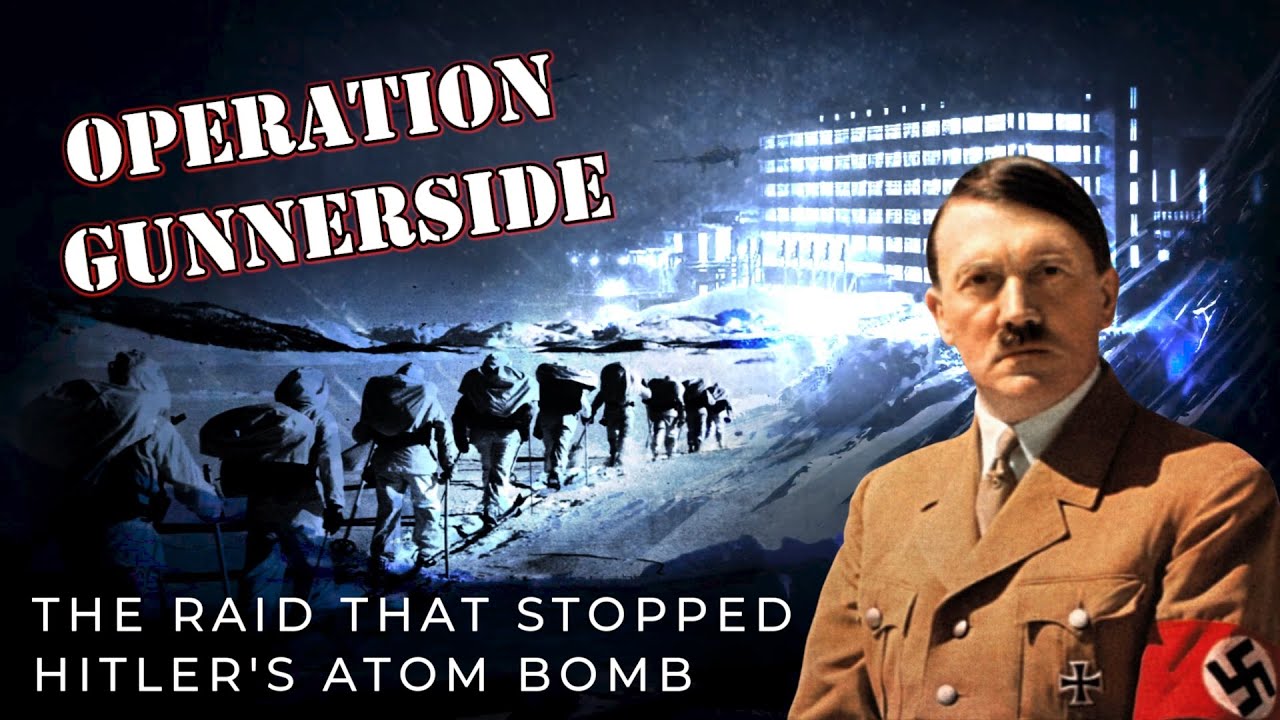
In the frozen wilderness of Nazi-occupied Norway, six men on skis carried not just explosives, but the fate of the free world. In what the CIA would later call “the most successful act of sabotage in World War II,” a small team of elite Norwegian commandos infiltrated the heavily guarded Vemork heavy water facility in 1943. Their mission: to destroy the heart of Nazi Germany’s atomic bomb program.

Codenamed Operation Gunnerside, this daring mission combined meticulous British planning, local resistance bravery, and immense physical endurance. The raid succeeded where larger military offensives might have failed—by slipping past Nazi patrols, scaling cliffs in deep snow, and planting explosives under the enemy’s nose. The result was a crushing blow to Hitler’s nuclear ambitions—and a critical edge for the Allies in the race for the atomic bomb.

Nazi Nuclear Threat: Why Heavy Water Worked

During the early years of WWII, both Allied and Axis scientists were racing to unlock the secrets of nuclear fission. Germany, with its rich scientific tradition and access to resources, was seen as a frontrunner. But building an atomic bomb requires more than brilliant minds—it demands key materials, including deuterium oxide, better known as heavy water.

Heavy water is essential for moderating nuclear reactions in certain types of reactors, including the design Nazi scientists were pursuing. At the time, the only significant source of heavy water in Europe was the Vemork plant, perched high above a river gorge in southern Norway, and operated by the Norsk Hydro company. Once Germany invaded Norway in 1940, the facility fell into Nazi hands, and production of heavy water began to rise sharply.

British intelligence, alarmed by the prospect of a Nazi atomic weapon, prioritized the destruction of Vemork. Winston Churchill himself approved the mission. The question was how to do it—conventional bombing was too risky, and precision was impossible from the air due to the plant’s mountainous location. The answer lay in sabotage from the ground.

Covert Plan and Skilled Elite Commando Team

Enter the Norwegian resistance—a network of patriots working in secret to undermine Nazi control. From this network, the British Special Operations Executive (SOE) handpicked a group of skilled, physically hardened men familiar with the terrain. They would parachute into Norway, endure the harsh winter, and carry out the attack from behind enemy lines.

Operation Gunnerside was actually the second phase of the plan. An earlier attempt, Operation Freshman, had ended in tragedy when two gliders crashed, killing or capturing everyone on board. The survivors were executed by the Gestapo under Hitler’s infamous Commando Order. The pressure on Gunnerside was enormous—failure was not an option.

The Gunnerside team, led by Joachim Rønneberg, a 23-year-old Norwegian with exceptional survival skills, trained extensively in Scotland before deploying. They joined an advance party already in Norway and spent weeks skiing across frozen plateaus and hiding in mountain cabins, surviving on meager rations while evading German patrols. The terrain was so remote and treacherous that the operation’s success depended as much on endurance and secrecy as on explosives.

Infiltration and Sabotage: The Night of the Raid

On the night of February 27, 1943, after weeks of preparation, the commandos made their final approach to the Vemork facility. The plant sat atop a steep gorge, accessible only by a narrow bridge and surrounded by minefields and guards. Rather than take the obvious route, the saboteurs descended into the icy ravine and scaled the sheer cliff on the other side—a feat of near-superhuman strength and stealth.

Once inside the compound, they located the electrolysis chambers where heavy water was produced. In complete silence, they placed plastic explosives with delayed fuses and then escaped into the night. The raid lasted only 30 minutes, but the explosion destroyed the critical machinery and over 500 kilograms of heavy water, setting the Nazi atomic program back by months—if not years.

Miraculously, not a single shot was fired, and not one saboteur was captured or killed. They melted back into the snowy wilderness and evaded German search parties for days, ultimately rejoining the resistance or escaping to Sweden.

The Long-Term Impact: Delaying Hitler’s Bomb

The destruction of the Vemork plant dealt a devastating blow to German hopes for a nuclear weapon. Though the Nazis attempted to resume production, further sabotage and Allied bombing raids continued to disrupt operations. Eventually, in 1944, the Germans attempted to transport the remaining heavy water to Germany—but Norwegian resistance fighters once again intervened, sinking the ferry “Hydro” on Lake Tinn, killing the cargo and ensuring none of it reached the Reich.

Historians continue to debate just how close Hitler was to building an atomic bomb. Some argue the German program was disorganized and would have failed regardless; others believe that without the Gunnerside raid, the war—and the nuclear age—might have unfolded very differently.

What is clear is that Operation Gunnerside bought the Allies precious time. It allowed the Manhattan Project, already underway in the United States, to surge ahead without fear of German competition. When the first atomic bombs were dropped in 1945, Hitler’s dream of a nuclear weapon was long dead—thanks in part to six men on skis.

A Remarkable Legacy of Heroism and Precision

Operation Gunnerside has become a symbol of resistance, courage, and strategic excellence. The bravery of the Norwegian saboteurs has been honored in books, documentaries, and films, including “The Heroes of Telemark” (1965). But beyond the dramatization lies a deeper truth: this was a mission defined by preparation, precision, and minimal force—everything special operations aspire to be.

In a world now shaped by nuclear weapons, it’s sobering to remember how close those weapons came to being developed under the Nazis. Had Operation Gunnerside failed—had even one element gone wrong—history might have looked very different.

The mission’s success wasn’t just about blowing up machinery; it was about shaping the future of warfare and saving millions of lives. Even the CIA, in a 1990s retrospective, declared Gunnerside “the most successful act of sabotage in all of WWII,” a rare acknowledgment from an agency steeped in covert operations.

Conclusion: When Sabotage Changed the World

Operation Gunnerside stands as one of the clearest examples of how a small group of determined individuals can alter the course of history. Armed with little more than courage, cold weather gear, and carefully placed explosives, the Norwegian saboteurs struck a blow not only to Nazi science but to the very foundation of Hitler’s war strategy. Finally, their mission was not just about halting a bomb—it was about protecting humanity from the unthinkable.

In doing so, they demonstrated that strategy, sacrifice, and stealth could be more powerful than brute force. They didn’t just destroy a plant—they destroyed a future that could have ended in atomic fire across Europe. Today, the ruins of Vemork stand as a museum and a testament to this extraordinary mission. And the story of Operation Gunnerside remains a reminder that history can pivot on the silent footsteps of heroes in the snow.

Categories
W1 World

Battle of Jutland: The Bloody Naval Clash That Silently and Strategically Won World War I

Introduction: Greatest Naval Clash

The Battle of Jutland, fought from May 31 to June 1, 1916, was the largest and most dramatic naval engagement of the First World War. Involving 250 warships and over 100,000 sailors, it marked the first—and only—clash between the British Royal Navy’s Grand Fleet and the German High Seas Fleet. The battle unfolded in the icy waters of the North Sea, off the coast of Denmark’s Jutland Peninsula.

Initially perceived as a strategic blunder for the British, Jutland became the subject of controversy and public outcry. The Royal Navy, long hailed as the world’s greatest maritime force, suffered unexpectedly heavy losses in ships and sailors, leading many to question its competence and preparedness. Yet beneath the surface of disappointment lies a profound reality: Jutland was not the tactical victory Germany hoped for. It was a strategic triumph for Britain and the Allies, one that secured control of the seas and helped seal the fate of the German Empire.

A Battle Born of Blockade, Ambition

By 1916, Britain had imposed a devastating naval blockade on Germany, choking off critical supplies of food, fuel, and raw materials. Germany, a growing industrial power with limited access to overseas colonies, was highly dependent on imported goods. The blockade’s effects were crippling—not just economically, but socially and politically—causing widespread hardship, malnutrition, and unrest among the German population.

To break the blockade and regain initiative, the German Imperial Navy developed an ambitious plan. Admiral Reinhard Scheer, newly appointed commander of the High Seas Fleet, sought to isolate and destroy segments of the Royal Navy by using his faster, more modern battlecruisers under Vice-Admiral Franz von Hipper as bait. His goal was to lure the British out, inflict enough damage to weaken their naval superiority, and shift the balance of power in the North Sea.

However, British naval intelligence had a secret weapon—Room 40, a top-secret codebreaking unit within the Admiralty. They intercepted and deciphered German plans, allowing Admiral Sir John Jellicoe, commander of the Grand Fleet, and Vice-Admiral David Beatty, in charge of the Battlecruiser Fleet, to prepare an intercepting maneuver. The result was a fateful convergence of two massive fleets on the open seas.

The Clash Off the Coast of Denmark

The fleets met in the late afternoon on May 31, 1916, under grey skies and increasingly poor visibility. Initial contact was made between Beatty’s six battlecruisers and Hipper’s five, igniting a fierce duel. Within minutes, British ships began taking devastating hits. HMS Indefatigable exploded in a massive blast, sinking almost instantly and taking over a thousand crewmen with her. Soon after, HMS Queen Mary suffered a similar fate. These losses stunned observers and demoralized crews, raising alarms throughout the fleet.

Despite superior numbers, the British suffered from serious shortcomings. The early engagements revealed deep flaws in British naval doctrine, including poor ship design, lack of armor, and dangerous ammunition handling practices. Nonetheless, Beatty succeeded in drawing the Germans toward the main body of the Grand Fleet, where Admiral Jellicoe was poised for a major confrontation.

As night approached, Jellicoe executed a masterful tactical maneuver known as “crossing the T,” placing his battleships in an ideal position to unleash devastating broadsides against the oncoming German fleet. But poor visibility, evasive German tactics, and cautious decision-making limited the full impact of Jellicoe’s advantage.

The Hidden Causes of British Losses

Though the Royal Navy outnumbered the Germans in ships and guns, they lost more vessels—14 ships to Germany’s 11—and suffered over 6,000 casualties, more than twice the German toll. These figures shocked the British public and fueled political criticism. Yet recent research, including undersea exploration of the wrecks and analysis of wartime documents, offers deeper insight into why the Royal Navy suffered so heavily.

Outdated Tactical Doctrine: Many British admirals clung to 19th-century tactics despite the advent of modern naval technologies like radio communications, centralized fire control, and armor-piercing shells. Commanders lacked real-time situational awareness, leading to delays in action and missed opportunities to deliver decisive blows.

Design Flaws in British Ships: British battlecruisers were designed to prioritize speed over armor, a dangerous tradeoff. Their thin protection, especially around magazines and turrets, made them highly vulnerable to shellfire. When German shells hit, explosions often tore through entire decks, triggering catastrophic detonations.

Lax Ammunition Protocols: In pursuit of higher firing rates, British crews commonly stored extra powder charges outside of armored magazines. This reckless practice saved seconds but cost lives—once ignited by enemy shells, these charges amplified internal explosions, turning ships into floating infernos.

Meanwhile, German ships, though fewer in number, had superior armor distribution, compartmentalization, and disciplined handling of ammunition. Their heavy shells were also more effective at penetrating British defenses, contributing to the disparity in damage.

Tactical Stalemate, Strategic Victory

By the end of the night, the High Seas Fleet had managed to retreat under cover of darkness, avoiding total destruction. Superficially, it looked like a draw—or even a German win. However, this interpretation overlooks the strategic consequences of the battle.

After Jutland, the German navy never again seriously challenged the Royal Navy in surface combat. The High Seas Fleet remained largely confined to port for the remainder of the war, effectively ceding control of the North Sea to Britain. The Royal Navy, despite its losses, continued to enforce the blockade, tightening the economic noose around Germany.

Admiral Jellicoe was criticized by some for being overly cautious, but his restraint ensured that the British fleet—upon which the Empire’s security depended—remained intact. As Winston Churchill famously said, Jellicoe was “the only man on either side who could lose the war in an afternoon.” He chose prudence over glory—and in doing so, helped preserve the path to eventual victory.

Naval Aftermath and Transformation

In the months following Jutland, both navies undertook massive overhauls. The Royal Navy reevaluated its doctrines, improved ship designs, and implemented stricter ammunition safety procedures. Lessons from Jutland directly influenced the construction of newer battleship classes such as the Revenge-class and later the Queen Elizabeth-class, which balanced firepower, armor, and speed more effectively.

For Germany, the battle marked a turning point. Having failed to destroy the Grand Fleet, they shifted focus toward unrestricted submarine warfare—a strategy that would provoke neutral nations, including the United States, and help tip the balance of the war.

Moreover, the psychological toll on the German fleet was immense. Morale declined steadily, and by late 1918, widespread mutinies among German sailors broke out, playing a key role in the collapse of the German monarchy and the onset of revolution.

Footage, Shipwrecks, Living Memory

In the modern era, marine archaeologists have revisited the Jutland battlefield beneath the sea. The wrecks of HMS Invincible, Queen Mary, and several others lie undisturbed in deep water, serving as haunting underwater memorials. Remotely operated vehicles (ROVs) and sonar scans have revealed twisted hulls, collapsed gun turrets, and the scars of explosions that ended thousands of lives in an instant.

Previously classified naval records, survivor memoirs, and rare film footage now allow historians to reconstruct the battle with unprecedented accuracy. This new understanding reframes Jutland not as a failure, but as a critical juncture in the war’s outcome—a pyrrhic tactical loss that delivered a strategic masterstroke.

Conclusion: Victory Beneath the Loss

The Battle of Jutland was not the resounding triumph the British people had hoped for, nor was it the crushing defeat the Germans needed. Instead, it was something subtler but far more significant: a quiet turning point in a long and brutal war.

It exposed weaknesses in British naval operations, leading to necessary reforms. It paralyzed the German fleet and maintained Allied dominance at sea. It showed that modern naval warfare required not just courage and firepower, but strategy, adaptation, and technological superiority.

In hindsight, Jutland was not just a clash of ships—it was a collision of eras, tactics, and empires. Though thousands died, their sacrifice helped preserve Allied maritime supremacy, eventually enabling the blockade and reinforcements that would win the war on land. It was, in every sense, the battle that secretly won World War I.

Categories
W1 World

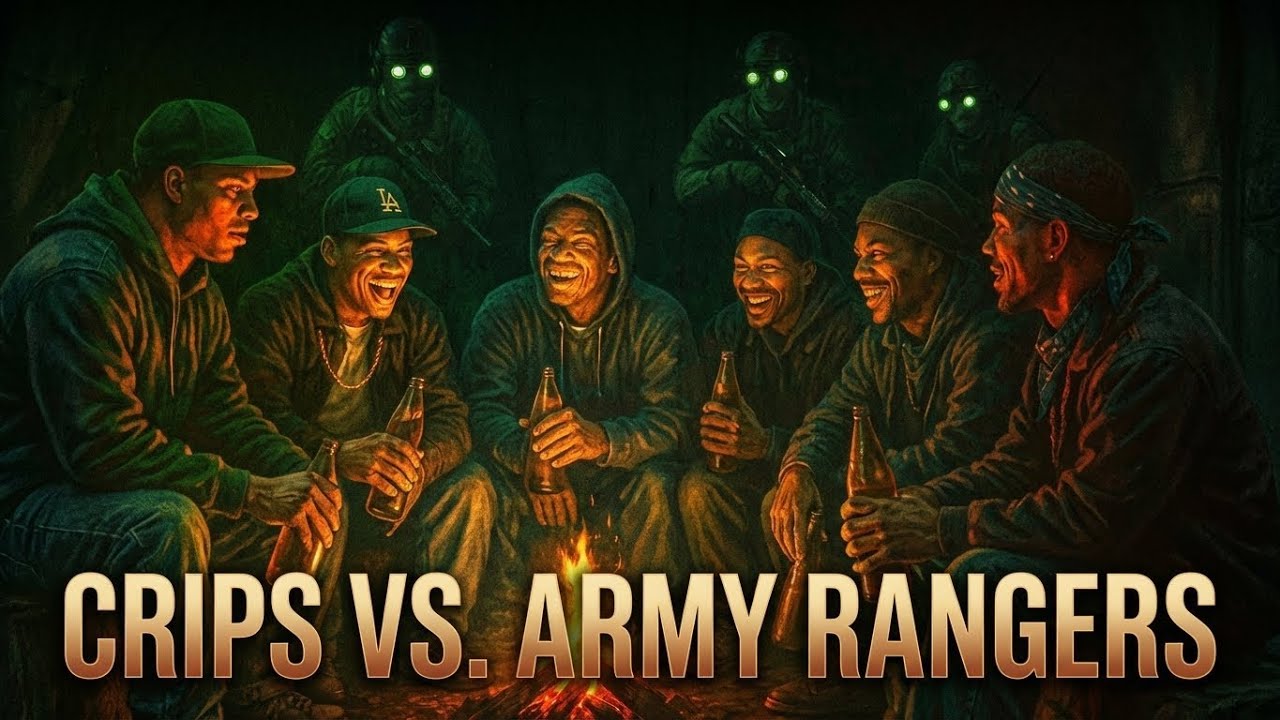
Ash Street Warzone: When Elite U.S. Army Rangers Took On the Crips in Suburban America

Introduction: Unseen War Breaks Out

In January 1989, a quiet residential neighborhood in Tacoma, Washington, became the backdrop for one of the most bizarre and explosive clashes in American street history. On one side stood the Crips—an infamous and violent street gang with roots in Los Angeles and a growing influence in the Pacific Northwest. On the other stood a group of U.S. Army Rangers—elite, highly trained soldiers stationed at nearby Fort Lewis. When these two forces collided on Ash Street, what unfolded was not a typical police call—it was a full-blown firefight that shook the nation.

The Ash Street Shootout blurred the lines between law, justice, and chaos. It raised questions that still resonate: Can elite soldiers be vigilantes? What happens when civilians, frustrated with law enforcement inaction, take matters into their own hands? And who is to blame when bullets start flying? The answers weren’t easy then, and they remain controversial to this day.

The shootout wasn’t just a clash between individuals—it was a symptom of deeper problems: institutional failure, eroded public trust, and the desperation that arises when people feel abandoned by the system. It showed how quickly the illusion of peace can collapse when communities are left to fend for themselves.

The Setup: One Man’s Breaking Point

Bill Foulk, a retired U.S. Army Ranger and Vietnam veteran, had bought a modest home on Ash Street with hopes of settling into a peaceful post-military life. But the neighborhood, like many parts of Tacoma at the time, was in decline. What had once been a safe middle-class area had become plagued with crime, drug activity, and increasing gang presence. Residents lived in fear, especially at night, as gunshots, vandalism, and intimidation became routine.

Foulk, trained to handle high-stress combat situations, couldn’t sit idly by. He began recording drug deals with a camcorder from his porch, kept detailed logs, and made dozens of complaints to local police. But the response was slow and ineffective. Determined not to be driven out, Foulk took matters into his own hands. He contacted fellow Rangers and soldiers he trusted, asking them to help protect his home and community. For him, it wasn’t just about safety—it was about reclaiming the neighborhood from lawlessness.

The Crips Move In: Expansion & Fear

By the late 1980s, the Crips had expanded far beyond their Los Angeles origins. Tacoma’s underserved neighborhoods provided fertile ground for recruitment and drug operations. Ash Street became one of their unofficial strongholds. The gang’s presence brought not just crime, but a climate of intimidation. Residents feared retaliation if they spoke out, and many did not trust the police to protect them.

Members of the Crips established a near-constant presence across from Foulk’s house, turning a rented property into a base of operations. From this location, they hosted parties, sold narcotics, and occasionally threatened residents. Foulk, ever watchful, was perceived as a dangerous agitator to their dominance. Over time, tensions escalated. The situation became a standoff—on one side, a gang staking its claim; on the other, a veteran determined not to back down.

The Night It All Finally Went Down

January 15, 1989, marked the boiling point. That evening, the gang hosted a loud party that escalated into a gathering of over 20 individuals, many suspected to be armed. Reports circulated that they intended to confront Foulk. Fearing a direct attack, Foulk called in reinforcements. Over a dozen Army Rangers and military friends arrived at his house, some off-duty, others on leave, all armed. They took defensive positions and waited.

As the night deepened, shouting between the two groups escalated. Then, without warning, gunfire erupted. Witnesses later claimed that the first shots came from the street toward Foulk’s property. The Rangers responded with military precision—returning fire, using their training to maintain cover and suppress threats. Neighbors dove to the floor as bullets flew across lawns and through windows. The exchange lasted several minutes, and though no one died, several people were wounded, and the street resembled a war zone.

When police finally arrived, they found a surreal scene—civilians in camouflage, armed and organized, facing off against known gang members. The scale and intensity of the shootout shocked even hardened law enforcement.

Vigilantes or Heroes in Uniform?

Public opinion quickly split. Some hailed Foulk and his comrades as heroes who stood up to gang violence when the authorities wouldn’t. To these supporters, the Rangers were not vigilantes—they were protectors, using their skills to defend an abandoned community. Media interviews with neighbors revealed both fear and gratitude, with many saying they felt safer knowing the Rangers were there.

Critics, however, saw the incident as dangerous vigilantism. They argued that even trained soldiers had no business taking the law into their own hands, especially in a civilian setting. Local officials feared the precedent—what if others followed suit? Would neighborhoods become battlegrounds of private justice?

The legal system had its own struggle. Foulk and the participating Rangers were detained and questioned extensively. Prosecutors considered charges, but ultimately, none were filed against the soldiers due to lack of evidence of unlawful conduct. Several gang members, however, faced prosecution for illegal weapons possession and inciting violence. Still, the debate raged in public forums and media for months.

Legal Fallout and Lasting Legacy

In the aftermath, Ash Street and the city of Tacoma became national talking points. The incident led to increased police funding in the area and reforms in gang intervention strategies. The city was forced to acknowledge the growing threat of gang activity, and new community outreach programs were launched to prevent future violence.

For the Army, the shootout raised complex questions about military conduct in civilian life. Soldiers were reminded of the legal boundaries they must respect off-base. However, the bond between service members and their communities remained a potent force. The Rangers involved never saw themselves as outlaws—they saw themselves as doing what they were trained to do: protect those who couldn’t protect themselves.

The Ash Street Shootout is now studied in criminal justice courses and military ethics discussions. It remains one of the few recorded instances of organized military-trained civilians engaging directly with a domestic gang in an urban setting—a clash where both sides brought firepower, but only one fought with discipline.

Conclusion: Discipline Meets Chaos

The Ash Street Shootout remains one of the most surreal episodes in modern American criminal history. A quiet street became a warzone, not in Iraq or Afghanistan, but in the Pacific Northwest. What began as a neighborhood dispute spiraled into a firefight involving one of the most feared gangs in the country and some of the most elite soldiers in the world.

Decades later, it still raises hard questions: What would you do if the law failed you? Can ordinary citizens—or even soldiers—draw a line in the sand without crossing into vigilantism? The shootout on Ash Street was more than a gun battle; it was a clash of order versus disorder, of community frustration against criminal terror.

Finally, in Bill Foulk’s front yard, military precision met street chaos—and for a few terrifying minutes, war came home. The echoes of that night still resonate, reminding America that sometimes, the battle for safety begins just beyond your doorstep.

Categories
W1 World

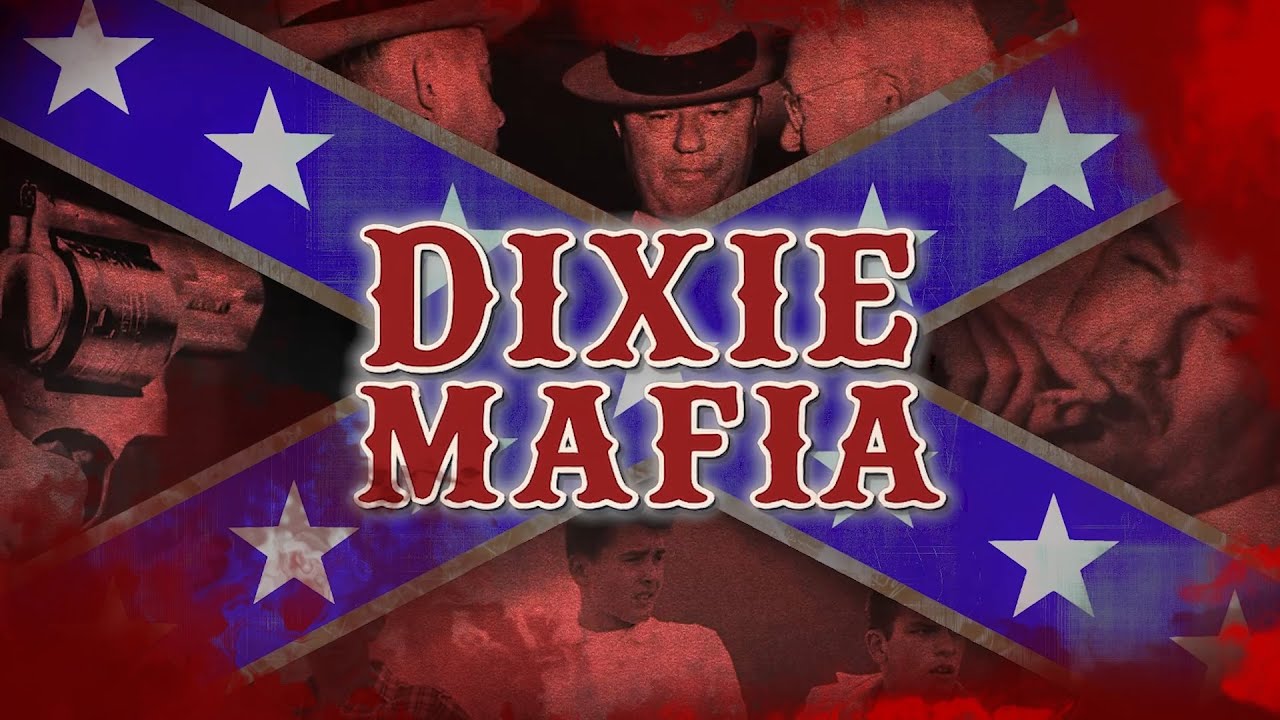
Shadow Empire: Dixie Mafia—America’s Deadliest Crime Syndicate That Terrorized the South

Introduction: Crime in the Cotton Shadows

They weren’t the Corleones. They didn’t sip fine wine or speak in Italian whispers. The Dixie Mafia was as American as moonshine and murder, a syndicate of criminals born in the heart of the Deep South. For decades, they ruled roadhouses, rigged courthouses, and operated out of small-town motels instead of mob mansions. They weren’t bound by codes of honor or family loyalty—only greed and violence.

From the backroads of Mississippi to the dusty streets of Louisiana and Arkansas, this loosely knit network of thieves, hitmen, and corrupt officials flourished beneath the radar. Most Americans have never heard of them—but those who have rarely forget. This is the story of the Dixie Mafia, a criminal underworld that made the South run red while the rest of the country looked away.

Origins: Moonshine, Mayhem, Mississippi Roots

The Dixie Mafia began as a ragtag group of bootleggers and hustlers in the 1950s and 60s. Born out of the moonshine culture in Mississippi, these early criminals operated in a world where rural poverty, political corruption, and weak law enforcement provided perfect cover. There were no official initiations, no loyalty oaths—just a shared understanding that everyone got paid, and snitches ended up dead.

Unlike the hierarchical Italian Mafia, the Dixie Mafia had no true “bosses.” It was more of a brand than a bureaucracy—a banner under which criminals could operate, share contacts, and access dirty lawmen and judges who looked the other way for a fee. This loose structure made the Dixie Mafia harder to dismantle, as its members operated independently yet benefited from a shared reputation of fear and violence.

Key Figures: The Ruthless Southern Godfathers

One of the most infamous names tied to the Dixie Mafia is Kirksey Nix, a career criminal who eventually operated from behind bars. Nix was tied to gambling rackets, contract killings, and a phone scam operation from prison that generated millions. His influence, even while incarcerated, showed just how decentralized yet dangerous this syndicate could be.

Other notable names included Jim “Big Jim” West, a gambler and enforcer, and Billy Burt, a brutal hitman for the Georgia faction. These weren’t subtle operators—they made their presence felt with violence, intimidation, and sheer audacity. Whether blowing up cars or rigging elections, they were a force unlike anything else in American crime history.

Ties to Power: Judges, Sheriffs, and Politicians

What made the Dixie Mafia so dangerous wasn’t just their willingness to kill—it was their ability to buy silence. Local sheriffs were frequently on the take, judges handed down favorable rulings, and politicians owed their careers to the syndicate’s muscle.

In one case, the corruption ran so deep that a Mississippi district attorney investigating the group was assassinated in broad daylight. Court files vanished, witnesses recanted, and no one was ever convicted. This wasn’t crime hiding from the law; this was crime wearing a badge.

Perhaps most controversially, whispers of Dixie Mafia involvement reached the orbit of Bill Clinton during his time as Governor of Arkansas. While no direct evidence implicated Clinton himself, several associates and events—like the Mena Airport drug smuggling operations—bore the hallmarks of Dixie Mafia involvement. The blurred lines between crime and politics were never more evident than in the shadowy corridors of Southern power.

Global Reach: Inside the Medellín Connection

While the Dixie Mafia started with moonshine and slot machines, by the 1980s, their ambitions went global. They found partners in the Medellín Cartel, becoming middlemen for Pablo Escobar’s empire. Drugs flowed north through the Gulf Coast, hidden in shrimp boats and private planes. In return, cash and favors went south.

This partnership transformed the Dixie Mafia from a regional menace into a transnational criminal force. DEA investigations in the 1980s and 90s uncovered Dixie Mafia figures acting as logistical liaisons for South American traffickers. Though many operations were busted, key figures escaped justice, hidden by layers of corruption and the chaos of jurisdictional confusion.

Roadhouses, Revenues: Controlling Small Towns

One of the Dixie Mafia’s most chilling strengths was its control over entire communities. In many Southern towns, the local economy, law enforcement, and justice system were all under their thumb. They ran roadhouses, illegal casinos, and truck stops that served as hubs for drug deals, prostitution rings, and black-market sales.

If someone crossed them, they vanished. Murders were often staged as accidents. And because many crimes occurred in jurisdictions without proper investigative resources, killings went unsolved. Journalists who got too curious were silenced, and families learned to keep their heads down. This wasn’t just organized crime—it was social control, exercised through fear and familiarity.

Decline and Resurgence: Where Are They Now?

By the late 1990s, federal crackdowns and internal betrayals began to unravel parts of the Dixie Mafia. RICO cases, witness flips, and changing political landscapes made it harder to operate as openly as before. Many leaders were arrested or died, and for a time, it seemed the empire was crumbling. But whispers remain.

In recent years, law enforcement has suggested that elements of the Dixie Mafia are still active—now operating in the opioid trade, cyber fraud, and local political manipulation. Their methods may have evolved, but the DNA remains the same: violence, corruption, and a deep-rooted connection to Southern life.

Conclusion: America’s Hidden Underworld

The Dixie Mafia didn’t need Hollywood to mythologize them. Their story is real—and more terrifying than fiction. While the nation watched films about New York mob bosses and Chicago hitmen, the Deep South was rotting from the inside. The Dixie Mafia blended in, wore no uniforms, and never spoke Sicilian—but they were deadly all the same.

Their crimes, though often overlooked by the national media, changed laws, killed public servants, and reshaped Southern politics. They remind us that organized crime doesn’t always wear Armani or operate out of cigar lounges—it can just as easily wear cowboy boots, shake your hand at the town fair, and run for sheriff. In the shadows of the South, the Dixie Mafia made its own rules. And for too long, no one dared to break them.

Categories
W1 World

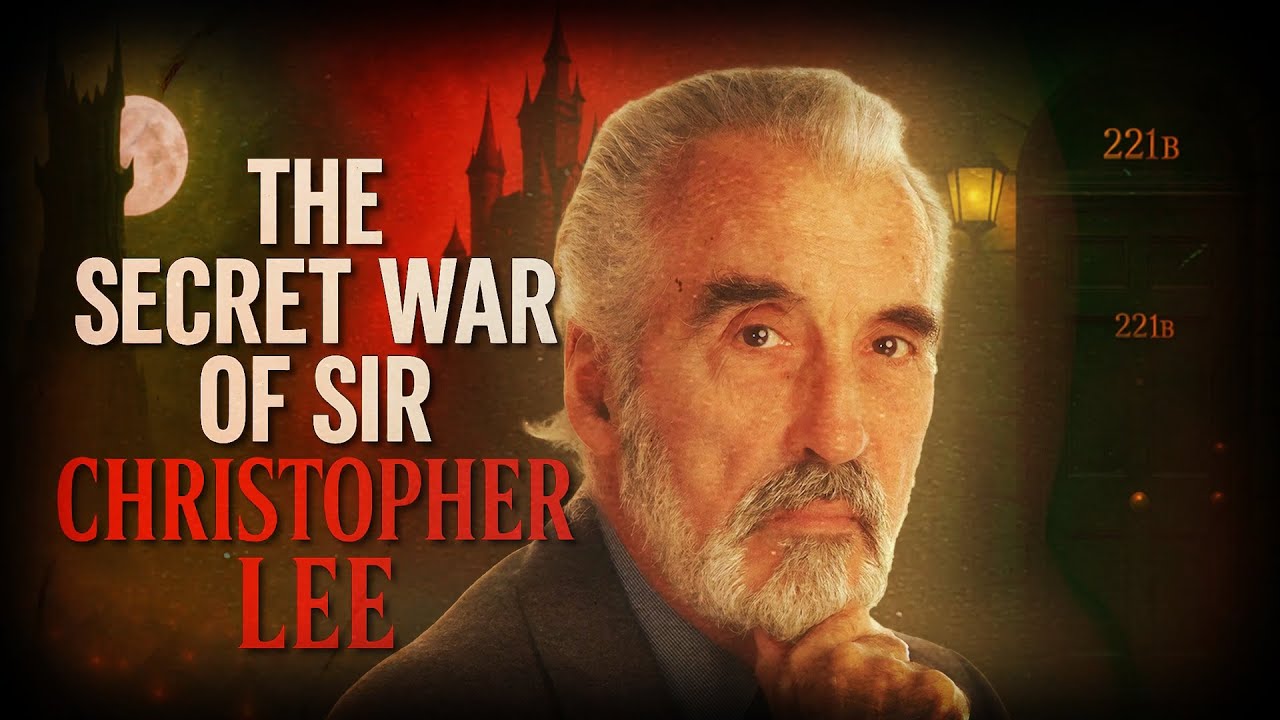
The Secret War of Sir Christopher Lee: From Covert Battlefield Missions to Big Screen Legend

Introduction: The Man Behind the Myths

Sir Christopher Lee is best remembered as a towering presence on screen—Dracula, Saruman, Count Dooku. But behind his cinematic legacy lies a shadowy past more thrilling than any of his film roles. Before Hollywood, before Hammer Horror, Lee was a soldier and a spy. During World War II, he served with distinction in the Royal Air Force and was attached to British intelligence and special forces, including the SAS and the Special Operations Executive (SOE).

Some of his missions remain classified, adding an air of mystery to an already enigmatic man. This is the story of a war hero whose real life may have inspired fictional legends like James Bond, and whose experiences shaped him as both an actor and a man. Long before he wore fangs or wielded a wizard’s staff, he stared down real danger in the shadows of history.

The Making of a Warrior: Early Life, War

Born in 1922 to a military family, Christopher Frank Carandini Lee grew up in a world shaped by war and aristocracy. His father was a decorated army officer, and his mother came from Italian nobility. From an early age, Lee showed an interest in languages, history, and adventure.

Lee was fluent in several languages—skills that would later serve him well in intelligence work. When World War II broke out, Lee enlisted in the Royal Air Force. Initially grounded due to a vision problem, he nonetheless found ways to serve. His aptitude and demeanor quickly led him into intelligence roles, and eventually into elite covert units.

Into the Shadows: SOE, SAS, Missions

Lee was quietly recruited into the SOE—Special Operations Executive, Winston Churchill’s infamous spy organization, often referred to as “the Ministry of Ungentlemanly Warfare.” He also had ties with the SAS, the Special Air Service, known for its deadly raids behind enemy lines. His work included sabotage operations, tracking down Nazi war criminals, and assisting in the liberation of concentration camps.

Lee operated in North Africa, Italy, and possibly Eastern Europe. Although Lee remained tight-lipped about many of his missions, he once told interviewers, with a knowing smile, “Let’s just say I was involved in some very confidential things.”

Hunting Evil: Post-War Pursuit of Nazis

Following the war, Lee worked with the Central Registry of War Criminals and Security Suspects (CROWCASS), the organization tasked with identifying and capturing Nazi war criminals. It was grueling and emotionally exhausting work—digging through evidence of atrocities and helping bring fugitives to justice.

Lee was present at several interrogations and assisted with intelligence that led to arrests. This chapter of his life haunted him and shaped his profound sense of justice. He once said, “If I could take just one man down who committed such acts, it was all worth it.”

Silence and Secrecy: A Code That Endured

Throughout his life, Lee maintained a strict code of silence regarding his military service. He believed that talking too much would dishonor the memory of those who served and died. When Peter Jackson asked him how he knew what a man sounded like when stabbed in the back—a moment while filming The Lord of the Rings—Lee replied, “Because I know what it sounds like.”

This cryptic answer added to the legend, but it was rooted in real, harrowing experience. Even in his autobiography, he glossed over many wartime details, preserving the dignity and confidentiality of those turbulent years.

Hollywood and the Haunted Heroic Past

After the war, Lee returned to civilian life and eventually found his way to the silver screen. His imposing height, deep voice, and stoic demeanor made him perfect for villainous roles. But beneath the horror makeup and menacing characters was a man shaped by unimaginable experiences.

Lee’s time in war gave him an intensity and authenticity that few actors could match. He was not pretending to understand fear or death—he had lived it. His military discipline carried over into his acting career; he was professional, punctual, and precise.

A Real-Life Bond: Spy, Soldier, or Legend?

Many have speculated that Christopher Lee’s cousin, Ian Fleming, drew on Lee’s life for inspiration when creating James Bond. Fleming and Lee were close, and the timeline of Lee’s wartime service overlaps significantly with Fleming’s own intelligence work.

Like Bond, Lee was suave, multilingual, deadly when needed, and accustomed to moving through shadows. While Lee never confirmed the theory, he didn’t deny it either. The parallels are compelling: both were British, both were involved in secretive operations across Europe, and both had a cool, lethal charisma.

Recognition Long Overdue: Hidden Valor

Despite his service, Lee never boasted or sought recognition for his military contributions. It wasn’t until much later in life that many people learned of his wartime record. In 2009, he was knighted for his contributions to drama and charity—but his military service was mentioned with reverence.

Lee’s commitment to duty, silence, and integrity stood in stark contrast to the modern age of oversharing. Lee’s life serves as a reminder that true heroism often resides in humility. In truth, he was the myth behind the myth.

Legacy: From War Rooms to Wizardry

Sir Christopher Lee’s legacy is unique. Few people can claim to have fought Nazis and also portrayed wizards and Sith Lords. His war service adds a profound dimension to his performances. When you see him wield a sword or issue a grave warning as Saruman, remember: this was not an act.

This was a man who had looked evil in the face and lived to tell the tale—if only in hints and whispers. His roles in cinema become even more iconic when framed by the knowledge of the life he led before the camera rolled.

Conclusion: A Hero in Shadow and Light

Sir Christopher Lee lived many lives. Soldier, spy, actor, legend. His wartime service remains a lesser-known but essential part of his story. In a century marked by conflict and change, Lee stood as a bridge between the brutal realities of war and the magical worlds of film. He showed that heroism takes many forms—on the battlefield, on the screen, and in the quiet dignity of a life lived with purpose and honor.

Overall, the world may remember him for Dracula or Saruman, but behind those characters stood a real man—a man who once fought in the shadows to defend the light. Sir Christopher Lee’s legacy is more than cinematic—he lived a life so extraordinary, it rivaled even the legends he portrayed on screen. In many ways, he wasn’t just playing heroes and villains—he was living the kind of story most actors could only dream of.

Categories
W1 World

Dead Pope on Trial: The Cadaver Synod and the Twisted Power Struggles of the Medieval Papacy

Introduction: When Death Was No Defense

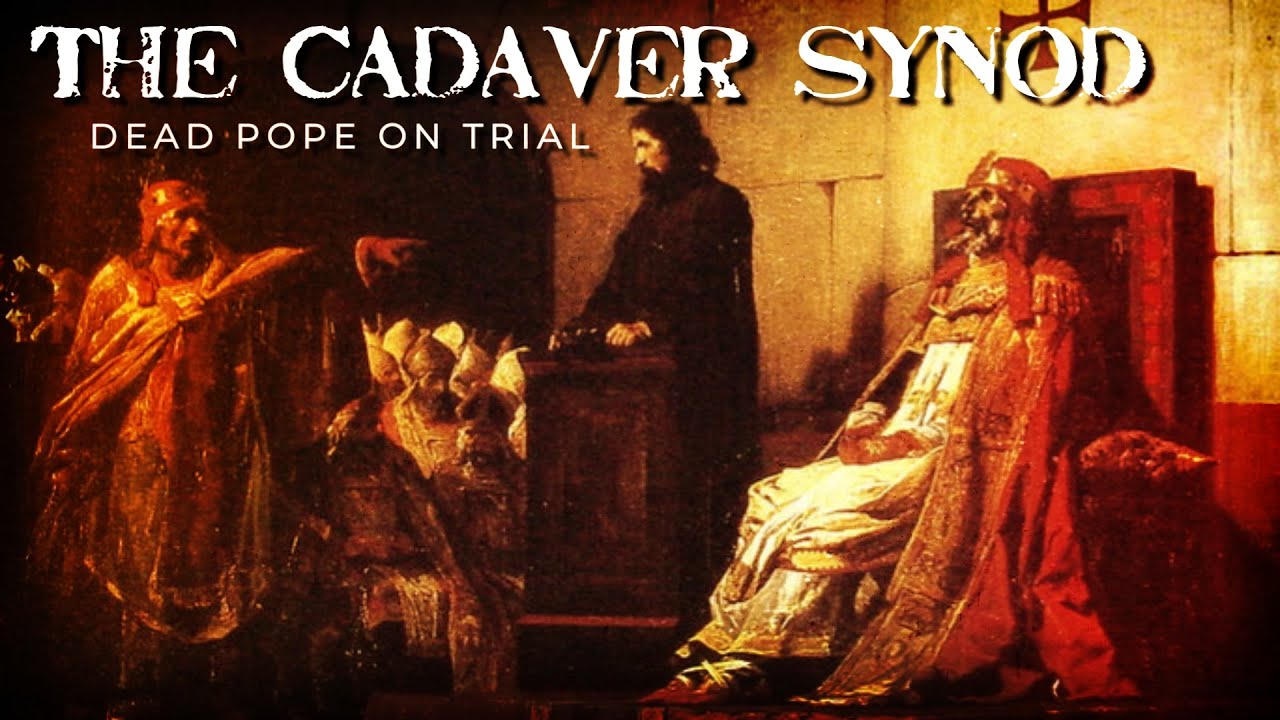
In January 897 A.D., one of the most bizarre and grotesque trials in human history took place—not in secret, not in fiction, but under the watchful eyes of the Catholic Church. The defendant? Pope Formosus, long dead and buried. Exhumed from his tomb, clad in papal vestments, and propped up on a throne, the corpse of Formosus faced a synod of bishops and a hostile successor, Pope Stephen VI, in what history would remember as the Cadaver Synod.

But this was no ordinary trial. It was a manifestation of medieval power struggles, revenge politics, and the often bloody intersection between the sacred and the profane. The Cadaver Synod wasn’t merely an act of religious madness—it reflected the deep political instability of Rome at the time, as papal authority collided with aristocratic ambition and imperial influence. To understand why a dead pope was put on trial, we must first understand the chaos that engulfed the Church in the late 9th century.

Power and Politics: Inside Medieval Papal States

The papacy of the 9th century was a far cry from the spiritual beacon it’s often imagined to be today. Instead, it was a political institution caught in a web of aristocratic rivalries, military alliances, and foreign interference—especially from the Holy Roman Empire. Popes were regularly installed and deposed by powerful Roman families or imperial factions seeking influence over Christendom.

Pope Formosus had a controversial past. Before his election, he had been excommunicated by Pope John VIII, accused of attempting to usurp the throne of Constantinople and refusing to return to Rome. Though the excommunication was lifted, the accusations lingered. When Formosus finally ascended to the papacy in 891, he aligned with Arnulf of Carinthia, a Frankish king vying for the imperial crown, directly opposing the interests of Lambert of Spoleto—a powerful aristocrat whose family considered the papal throne part of their inherited sphere.

This alliance made Formosus many enemies in Rome, especially among the Spoleto faction. After Formosus died in 896, Lambert’s loyalist Pope Stephen VI took the throne. What happened next was both vengeance and spectacle.

The Corpse on Trial: Gruesome Theater of Power

Pope Stephen VI, under pressure from the Spoletans, ordered Formosus’s corpse exhumed and brought before a church tribunal. The body, decomposed and rotting, was dressed in papal robes and seated on a throne in the Basilica of St. John Lateran. A deacon was appointed to “speak” on behalf of the dead pope, while Stephen presided as judge and accuser.

Formosus was charged with multiple crimes: violating canon law by becoming bishop of Rome while already bishop of another see, perjury, and conspiring with Arnulf against Lambert. The charges were rooted in actual church disputes of the time but were clearly politically motivated.

The trial was pure spectacle—medieval propaganda at its most grotesque. Witnesses were summoned, documents read aloud, and gestures of mockery made toward the corpse. In the end, the synod declared Formosus guilty. His papacy was annulled, his acts and ordinations invalidated, and his body stripped of its sacred vestments. Three fingers used for blessing were cut off, and the body was thrown into the Tiber River.

Aftermath: Riots, Retribution, and a Deadly Price

Stephen VI may have momentarily pleased his political patrons, but the grotesqueness of the Cadaver Synod backfired. The Roman public, deeply disturbed by the desecration of a former pope’s body, rose in outrage. Riots broke out in the streets of Rome. Stephen was arrested and imprisoned by his opponents, and soon after, he was strangled to death in his cell—ironically suffering the kind of posthumous disgrace he had tried to bestow on Formosus.

In the wake of this chaos, subsequent popes sought to distance themselves from the Cadaver Synod. Pope Theodore II and later Pope John IX convened synods that annulled Stephen’s decisions, declared the Cadaver Synod invalid, and reburied Formosus with honors. But the damage to the Church’s image and spiritual credibility was profound.

The spectacle also set a precedent for political manipulation of the papacy—a trend that would continue through the Middle Ages, reaching new levels during the Avignon Papacy and the Western Schism centuries later.

The Symbolism: Divine Justice or Vengeance?

The Cadaver Synod raises critical questions about the nature of justice, legitimacy, and power in a religious context. Was Stephen VI seeking justice, or merely revenge? Could a dead man truly be held accountable for his actions? The trial blurred the lines between law, theater, and ritual humiliation, using religious ceremony as a tool for political control.

Symbolically, the Cadaver Synod illustrates how the medieval Church—while often portrayed as purely spiritual—was deeply entangled in the same worldly power struggles that plagued secular rulers. Its ability to anoint kings, crown emperors, and excommunicate heretics made it a force to be both respected and feared. But as the Synod proved, that power could also be grotesquely abused.

Echoes Through History: The Cadaver Synod

The Cadaver Synod is still cited today as one of the strangest and most extreme abuses of power in ecclesiastical history. Historians and theologians alike debate its meaning, wondering whether it represents an isolated moment of madness or a deeper reflection of how vulnerable spiritual institutions are to temporal corruption.

While the Church officially buried the memory of the Synod in later centuries, it has remained a chilling reminder of how far leaders will go to rewrite history—even if they have to dig up the dead to do it.

Today, the Synod is studied not just by religious scholars, but also by legal historians, ethicists, and students of political theatre. Its bizarre images—a dead pope on trial, robed in regalia, accused by the living—linger in the imagination as a symbol of the extreme lengths humans will go to secure power and punish enemies.

Conclusion: Morbid Mirror of Medieval Power

The Cadaver Synod remains one of the most disturbing yet revealing episodes in the history of the Catholic Church. It was not merely a grotesque miscalculation—it was a manifestation of the madness that ensues when religious institutions are hijacked by political ambition. The trial of a dead pope, while deeply unsettling, forces us to confront the darker side of human nature and the institutions we build.

Beneath the spectacle lies a cautionary tale of unchecked power, blurred boundaries between church and state, and how history remembers the absurd as much as the righteous. In the end, the Cadaver Synod may be remembered not only for its horror, but for what it says about the men who believed they could judge the dead—and the system that allowed them to try.

Categories
W1 World

Ghosts on the Battlefield: History’s Deadliest Snipers and the Shadows They Left Behind

Introduction: Deadly Precision in the Shadows

They were never meant to be seen. The world’s deadliest snipers operated not in open confrontation, but in the ghostly realm of silence, patience, and a single well-placed bullet. They turned the battlefield into a psychological chessboard, unnerving entire armies and altering the course of wars from hidden vantage points.

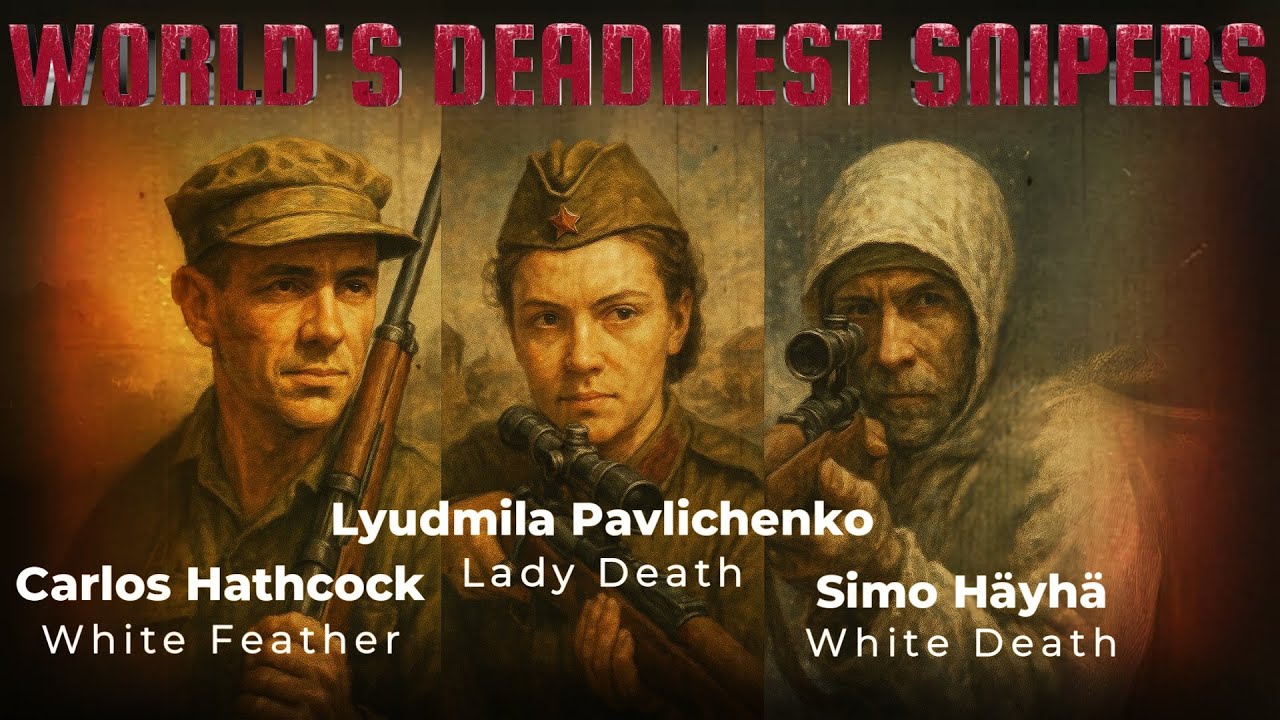
Snipers are more than just shooters—they are master tacticians, survivalists, and psychological weapons. In this article, we trace the lives and legends of three of the most lethal snipers in military history: Carlos Hathcock, Lyudmila Pavlichenko, and Simo Häyhä. Each hailed from different corners of the globe, but all shared one thing in common: they became mythic figures cloaked in deadly precision.

Carlos Hathcock: White Feather of Vietnam

In the dense, humid jungles of Vietnam, Gunnery Sergeant Carlos Hathcock II became a whispered nightmare among North Vietnamese troops. Born in Arkansas in 1942, Hathcock joined the U.S. Marine Corps at the age of 17, bringing with him a love for shooting that had defined his childhood.

What made Hathcock legendary wasn’t just his 93 confirmed kills—although many estimate the real number to be much higher—but his ability to stalk enemy lines for days, undetected. His most famous mission involved crawling over 1,500 yards of open field, inch-by-inch, for four days and three nights to eliminate a high-ranking North Vietnamese Army officer. He did it without being spotted once.

His use of a white feather in his bush hat led to a bounty being placed on his head, reportedly $30,000—the highest for any American sniper. The Viet Cong called him “White Feather Sniper”, and even elite enemy teams failed to track him down.

Hathcock’s legacy wasn’t just built on lethality, but on a code of discipline and honor. He later helped establish the U.S. Marine Corps Sniper School, shaping future generations of military marksmen. Severely burned while rescuing fellow Marines from a burning vehicle, Hathcock retired with a legacy unmatched and a spirit never broken.

Lyudmila Pavlichenko: Lady Death Rises

In the rubble-strewn battlefields of World War II, a young Soviet woman emerged as one of the most lethal snipers in history. Lyudmila Pavlichenko, nicknamed “Lady Death,” recorded 309 confirmed kills, including 36 enemy snipers, making her the most successful female sniper of all time.

Born in Ukraine in 1916, she was a student and amateur sharpshooter when the German invasion of the Soviet Union in 1941 changed her life. She joined the Red Army’s 25th Rifle Division and quickly became a symbol of Soviet resistance.

Pavlichenko fought in the sieges of Odessa and Sevastopol, enduring hellish trench warfare and constant German offensives. She was wounded four times but kept returning to the front. Her reputation spread not only due to her impressive kill count but also because she defied gender expectations, becoming a propaganda icon.

In 1942, the Soviet Union sent her on a goodwill tour of the United States, where she met Eleanor Roosevelt and gave speeches that shocked American audiences. One famous quote remains:

“I am 25 years old and I have killed 309 fascist invaders. Do you not think, gentlemen, that you have been hiding behind my back for too long?”

Pavlichenko retired from active service due to injury and trained other snipers for the rest of the war. Her life remains a testament to courage, intellect, and unflinching resolve.

Simo Häyhä: The White Death of Finland

The winter of 1939 was brutal in Finland, and the invading Soviet forces learned that the cold was the least of their problems. Simo Häyhä, a quiet Finnish farmer and hunter, became the most feared sniper of the Winter War—a 105-day conflict between Finland and the Soviet Union.

Nicknamed “The White Death,” Häyhä killed over 500 Soviet soldiers, with 505 confirmed sniper kills and an additional 200 with submachine guns, all in less than four months. Remarkably, he used iron sights, not a scope, to avoid the sun’s reflection and remain hidden in the snow.

Häyhä built snowbanks to conceal himself, kept snow in his mouth to prevent breath mist from giving away his position, and endured temperatures as low as -40°C. The Soviets tried everything—artillery, snipers, ambushes—to eliminate him, all in vain.

He was eventually hit by an explosive round that shattered his jaw and left him in a coma for a week. Yet, Häyhä survived, recovered, and lived until 2002. Despite his incredible kill count, he remained humble and quiet, rarely speaking about the war.

His battlefield genius, patience, and resilience have earned him legendary status in military circles and beyond.

Tools of the Trade: Lethal Sniper’s Edge

The common thread among these snipers wasn’t just deadly aim—it was discipline, patience, and intimate knowledge of terrain and human behavior. A great sniper blends into their environment, waits for the perfect moment, and disappears before anyone even realizes a shot was fired.

Whether using scoped rifles or iron sights, these warriors demonstrated that warfare isn’t only fought with massed troops and artillery. Sometimes, one person—hidden, silent, and unseen—can shape the entire outcome.

Snipers often had to endure isolation, extreme weather, and psychological strain, but those like Hathcock, Pavlichenko, and Häyhä turned these obstacles into advantages. Their kills weren’t just numbers—they were missions accomplished under impossible odds.

Legacy: When Shadows Become Legend

What makes the legacy of these snipers endure is not just the body count—it’s what they represented in their times. Carlos Hathcock became a symbol of the Marine Corps’ elite skill. Lyudmila Pavlichenko stood as a feminist icon of power in a male-dominated world. And Simo Häyhä showed how one man could hold the line against an army.

Today, militaries around the world continue to study their tactics. Modern sniper training programs—from the U.S. Navy SEALs to Russian Spetsnaz—teach lessons rooted in these legends’ real-life experiences.

Their stories remind us that in war, visibility does not equal power. The most dangerous threats are often the ones you never see coming.

Conclusion: Death in Silence, Legends in Echoes

The world’s most lethal snipers were not monsters—they were soldiers shaped by the brutal realities of their time. They didn’t seek fame, yet they became myths. They didn’t roar into battle—they waited in silence, letting their rifles speak only once.

Their names—White Feather, Lady Death, The White Death—have become part of military folklore. But behind the nicknames were real people, who endured loneliness, injury, and unimaginable tension. In the shadows of history, they remain not just as killers, but as symbols of strategic brilliance, resilience, and the haunting power of one well-aimed shot.

Categories
W1 World

From Fort to Palace: The Fall of Medieval Military Fortresses and the Rise of Regal Splendor

Introduction: From Battlefield to Fairytale

In the Middle Ages, castles loomed over the countryside as formidable military fortresses, centers of power, and homes to nobility. Built for defense and dominance, they were strategic strongholds that shaped the political and military landscapes of their time. Their towering walls and moats were not only barriers against invasion but symbols of authority and feudal control.

But as centuries passed, their thick walls and moats gave way to balconies, gardens, and banquets. Increasingly, castles transitioned into lavish residences that served more as symbols of authority and refinement than bastions of war. This transformation offers a window into the shifting currents of military technology, cultural ideals, and royal ambition.

Windsor Castle and the Royal Reinvention

One of the most striking examples of this shift is Windsor Castle during the reign of Edward III in the 14th century. Edward, a monarch steeped in chivalric ideals and a deep sense of royal prestige, initiated sweeping renovations that turned the fortress into a grand palace reflecting his imperial aspirations. At the heart of this transformation was the establishment of the Order of the Garter, Edward’s own revival of Arthurian legend. It brought together England’s most loyal and powerful knights in a circle modeled after the fabled Knights of the Round Table.

Windsor became more than a castle—it was a stage upon which the king dramatized his divine right to rule. The Garter ceremonies, held in St George’s Chapel, symbolized unity, loyalty, and the glamour of chivalry. These rituals helped elevate Edward’s image across Europe and left a lasting architectural and cultural legacy. The towered silhouette of Windsor no longer warned of incoming armies but stood as a proud emblem of royal continuity.

Warfare: Changing Tools, Changing Roles

The fading role of castles in warfare was also due to advancements in military technology. The arrival of gunpowder and cannon made even the thickest walls vulnerable. Siege warfare changed dramatically; traditional battlements and towers could no longer withstand prolonged bombardment. Cannons such as the French “Basilisk” or the Ottoman Empire’s famed bombards during the 1453 siege of Constantinople demonstrated the vulnerability of stone walls.

Castles began to lose their primary function as defensive structures. Instead, military priorities shifted to newer fortification designs such as star forts, which could better deflect artillery. As a result, many older castles were repurposed, abandoned, or rebuilt as elaborate homes reflecting Renaissance and Baroque ideals. Castles became showcases of heritage and wealth rather than frontline defenses.

Burg Eltz: Noble Identity Without the War

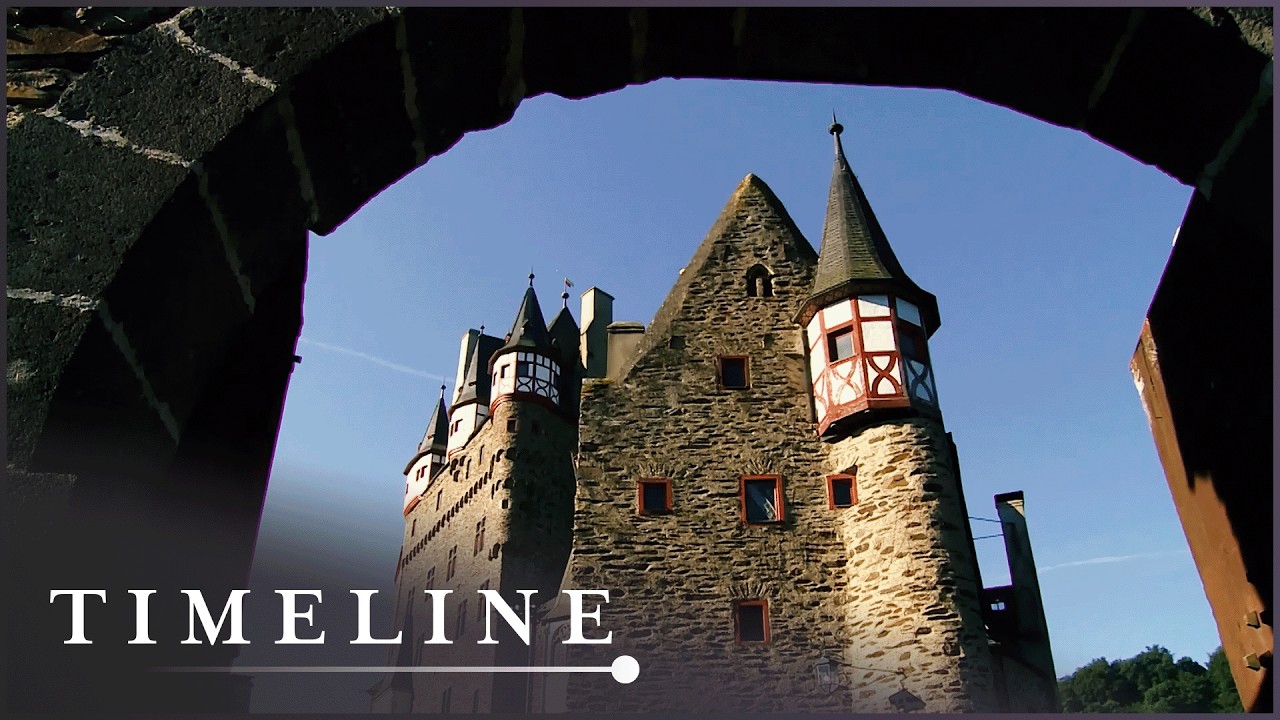
Burg Eltz in Germany illustrates a different aspect of this evolution. Nestled in the Moselle hills, this 15th-century stronghold is less about warfare and more about continuity and status. Remarkably untouched by conflict or decay, Burg Eltz survived because it adapted to changing times. Rather than being a garrison, it became a multigenerational home that balanced medieval design with increasing comfort.

Burg Eltz exemplifies how smaller noble families preserved their legacy without engaging in warfare. The castle’s elegant wooden balconies, intricate armory, and frescoed rooms speak to a period when appearance and symbolism mattered more than military readiness. The Eltz family maintained its independence through diplomacy and allegiance, allowing the castle to stand as a preserved monument to aristocratic life.

Loire Valley: Castles Become Grand Châteaux

Nowhere is the shift from fort to palace more visible than along the Loire Valley in France. By the 16th century, powerful nobles and royals commissioned opulent châteaux such as Chambord and Chenonceau—structures more akin to Renaissance palaces than medieval fortresses. They reflected ideals of leisure, proportion, and classical beauty, inspired by Italy’s flourishing art and architecture.

These châteaux were built not for war, but for entertainment, courtship, and artistic patronage. Wide staircases, decorative facades, and expansive gardens signaled a dramatic departure from defensive necessity. The Renaissance’s humanist values found a home in these buildings, where the celebration of intellect, beauty, and culture supplanted the grit of feudal struggle.

Chambord, with its iconic double helix staircase, is rumored to have been influenced by Leonardo da Vinci himself. The Loire châteaux became the blueprint for palaces across Europe, culminating in extravagant structures like Versailles. This trend represented a broader cultural pivot—royal and noble residences were now curated experiences, not military instruments.

Cardiff Castle and 19th-Century Gothic Revival

By the 19th century, the military function of castles was virtually obsolete, yet public fascination with them only grew. The Gothic Revival period saw a resurgence in castle building—not for defense, but for nostalgia, drama, and national pride. Cardiff Castle in Wales, extensively remodeled by the Marquess of Bute and architect William Burges, was transformed into a fantasy vision of the medieval past.

Richly decorated interiors, heraldic motifs, and whimsical towers gave Cardiff Castle an almost theatrical presence. This revival was part of a larger Victorian fascination with Gothic architecture, which found parallels in literature (such as Tennyson’s Arthurian poems) and historical fiction (like Sir Walter Scott’s Ivanhoe). These castles projected an idealized version of the Middle Ages, one that emphasized myth over history.

They also mirrored the British Empire’s self-image: powerful, ancient, and cultured. The medieval castle became a canvas for imperial identity and architectural storytelling.

Stone and Symbol: A Rich Legacy of Nostalgia

Though medieval castles have long since lost their role as military outposts, their cultural and architectural legacy continues to shape our world. Today, they serve as museums, tourist attractions, and filming locations, preserving a visual memory of power, romance, and resistance. The fantasy genre, from Game of Thrones to Harry Potter, has reinvigorated global fascination with castles, making them enduring icons of both history and imagination.

Their transformation from fortresses to palaces—and ultimately to symbols—reflects broader shifts in human society: from conflict to courtly life, from survival to splendor. The story of castles is not just about stone and steel; it’s about how civilizations evolve, repurpose their past, and enshrine their values in architecture that outlasts empires.

Why Castles Changed: Power, Prestige, Peace

So what truly caused the decline of the military fortress? The answer lies in a confluence of factors:

  • Advancements in warfare made stone walls ineffective.
  • Political centralization reduced the need for local lords to defend territory.
  • Economic growth allowed the elite to invest in luxury, not logistics.
  • Cultural movements like the Renaissance and Gothic Revival shifted architectural priorities toward beauty and symbolism.

Ultimately, castles changed because the world around them changed. Peace, prosperity, and progress allowed people to imagine a life beyond defense—a life of art, ideals, and architectural wonder.

Conclusion: Stones, Symbols, and Stories Past

Medieval castles may have lost their military relevance, but they gained something equally powerful—a lasting legacy as symbols of imagination, identity, and culture. From Edward III’s Arthurian vision at Windsor to the romantic daydream of Cardiff Castle, these fortresses evolved into stages for royal narratives and social aspiration.

Today, they survive not as outposts of war, but as monuments to history, where each stone tells a story—not just of battles fought, but of identities shaped, myths revived, and a world in transition. Their silent walls now echo with the legacy of changing empires, evolving tastes, and the enduring human desire to leave a mark on the landscape of time.