Categories
W1 World

The Secret War of Sir Christopher Lee: From Covert Battlefield Missions to Big Screen Legend

Introduction: The Man Behind the Myths

Sir Christopher Lee is best remembered as a towering presence on screen—Dracula, Saruman, Count Dooku. But behind his cinematic legacy lies a shadowy past more thrilling than any of his film roles. Before Hollywood, before Hammer Horror, Lee was a soldier and a spy. During World War II, he served with distinction in the Royal Air Force and was attached to British intelligence and special forces, including the SAS and the Special Operations Executive (SOE).

Some of his missions remain classified, adding an air of mystery to an already enigmatic man. This is the story of a war hero whose real life may have inspired fictional legends like James Bond, and whose experiences shaped him as both an actor and a man. Long before he wore fangs or wielded a wizard’s staff, he stared down real danger in the shadows of history.

The Making of a Warrior: Early Life, War

Born in 1922 to a military family, Christopher Frank Carandini Lee grew up in a world shaped by war and aristocracy. His father was a decorated army officer, and his mother came from Italian nobility. From an early age, Lee showed an interest in languages, history, and adventure.

Lee was fluent in several languages—skills that would later serve him well in intelligence work. When World War II broke out, Lee enlisted in the Royal Air Force. Initially grounded due to a vision problem, he nonetheless found ways to serve. His aptitude and demeanor quickly led him into intelligence roles, and eventually into elite covert units.

Into the Shadows: SOE, SAS, Missions

Lee was quietly recruited into the SOE—Special Operations Executive, Winston Churchill’s infamous spy organization, often referred to as “the Ministry of Ungentlemanly Warfare.” He also had ties with the SAS, the Special Air Service, known for its deadly raids behind enemy lines. His work included sabotage operations, tracking down Nazi war criminals, and assisting in the liberation of concentration camps.

Lee operated in North Africa, Italy, and possibly Eastern Europe. Although Lee remained tight-lipped about many of his missions, he once told interviewers, with a knowing smile, “Let’s just say I was involved in some very confidential things.”

Hunting Evil: Post-War Pursuit of Nazis

Following the war, Lee worked with the Central Registry of War Criminals and Security Suspects (CROWCASS), the organization tasked with identifying and capturing Nazi war criminals. It was grueling and emotionally exhausting work—digging through evidence of atrocities and helping bring fugitives to justice.

Lee was present at several interrogations and assisted with intelligence that led to arrests. This chapter of his life haunted him and shaped his profound sense of justice. He once said, “If I could take just one man down who committed such acts, it was all worth it.”

Silence and Secrecy: A Code That Endured

Throughout his life, Lee maintained a strict code of silence regarding his military service. He believed that talking too much would dishonor the memory of those who served and died. When Peter Jackson asked him how he knew what a man sounded like when stabbed in the back—a moment while filming The Lord of the Rings—Lee replied, “Because I know what it sounds like.”

This cryptic answer added to the legend, but it was rooted in real, harrowing experience. Even in his autobiography, he glossed over many wartime details, preserving the dignity and confidentiality of those turbulent years.

Hollywood and the Haunted Heroic Past

After the war, Lee returned to civilian life and eventually found his way to the silver screen. His imposing height, deep voice, and stoic demeanor made him perfect for villainous roles. But beneath the horror makeup and menacing characters was a man shaped by unimaginable experiences.

Lee’s time in war gave him an intensity and authenticity that few actors could match. He was not pretending to understand fear or death—he had lived it. His military discipline carried over into his acting career; he was professional, punctual, and precise.

A Real-Life Bond: Spy, Soldier, or Legend?

Many have speculated that Christopher Lee’s cousin, Ian Fleming, drew on Lee’s life for inspiration when creating James Bond. Fleming and Lee were close, and the timeline of Lee’s wartime service overlaps significantly with Fleming’s own intelligence work.

Like Bond, Lee was suave, multilingual, deadly when needed, and accustomed to moving through shadows. While Lee never confirmed the theory, he didn’t deny it either. The parallels are compelling: both were British, both were involved in secretive operations across Europe, and both had a cool, lethal charisma.

Recognition Long Overdue: Hidden Valor

Despite his service, Lee never boasted or sought recognition for his military contributions. It wasn’t until much later in life that many people learned of his wartime record. In 2009, he was knighted for his contributions to drama and charity—but his military service was mentioned with reverence.

Lee’s commitment to duty, silence, and integrity stood in stark contrast to the modern age of oversharing. Lee’s life serves as a reminder that true heroism often resides in humility. In truth, he was the myth behind the myth.

Legacy: From War Rooms to Wizardry

Sir Christopher Lee’s legacy is unique. Few people can claim to have fought Nazis and also portrayed wizards and Sith Lords. His war service adds a profound dimension to his performances. When you see him wield a sword or issue a grave warning as Saruman, remember: this was not an act.

This was a man who had looked evil in the face and lived to tell the tale—if only in hints and whispers. His roles in cinema become even more iconic when framed by the knowledge of the life he led before the camera rolled.

Conclusion: A Hero in Shadow and Light

Sir Christopher Lee lived many lives. Soldier, spy, actor, legend. His wartime service remains a lesser-known but essential part of his story. In a century marked by conflict and change, Lee stood as a bridge between the brutal realities of war and the magical worlds of film. He showed that heroism takes many forms—on the battlefield, on the screen, and in the quiet dignity of a life lived with purpose and honor.

Overall, the world may remember him for Dracula or Saruman, but behind those characters stood a real man—a man who once fought in the shadows to defend the light. Sir Christopher Lee’s legacy is more than cinematic—he lived a life so extraordinary, it rivaled even the legends he portrayed on screen. In many ways, he wasn’t just playing heroes and villains—he was living the kind of story most actors could only dream of.

Categories
W1 World

When Birds Defeated Bullets: The Bizarre True Tale of Australia’s Great Emu War of 1932

Introduction: A War Unlike Any Other

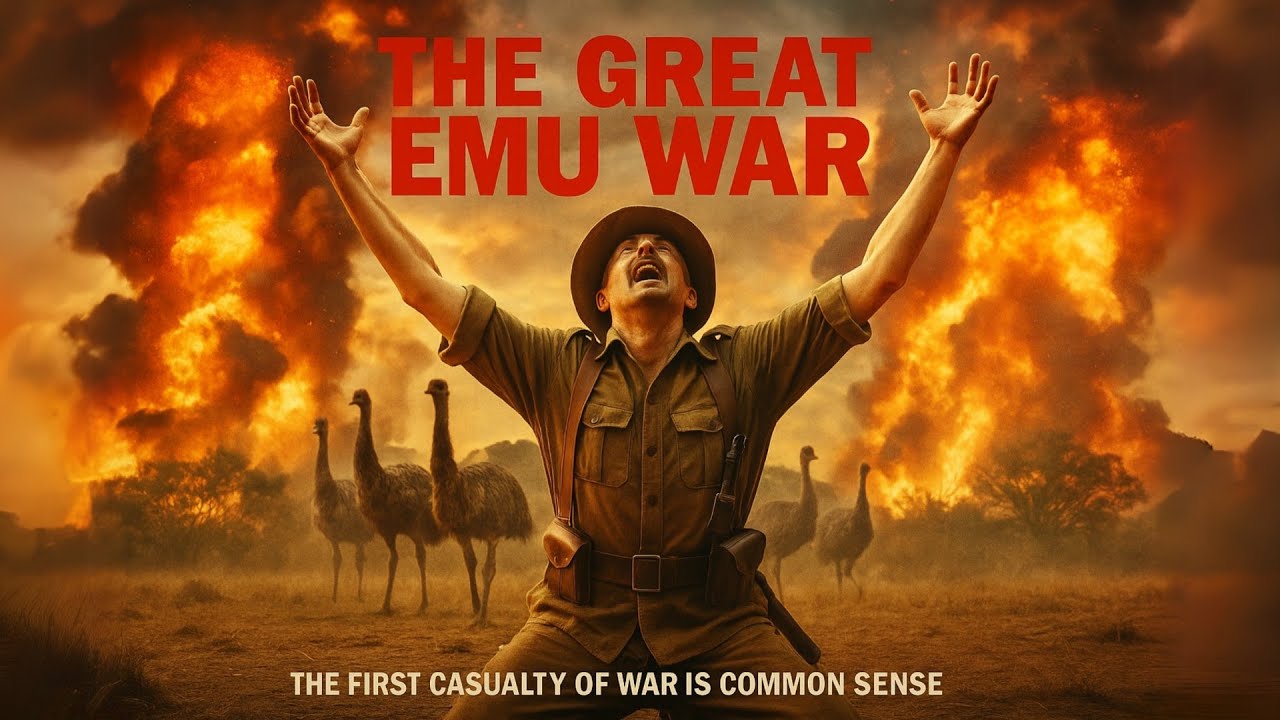
In the annals of military history, few conflicts are as strange or as oddly comical as the Great Emu War of 1932. It was a battle not between nations or ideologies, but between man and bird. Following World War I, Australia found itself facing a very peculiar crisis: tens of thousands of emus were migrating westward and destroying farmlands in Western Australia. Desperate to protect their crops, farmers turned to the government for help.

What followed was a full-blown military operation involving soldiers, machine guns, and one of nature’s most unyielding birds—the emu. This was not just a footnote in history—it was a large-scale effort involving military planning, logistical challenges, and public scrutiny. Yet despite the firepower and experience of the soldiers, the emus would emerge victorious. This article dives deep into one of the most absurd chapters of military history.

A Post-War Agricultural Economic Crisis

The roots of the Emu War lie in the economic and environmental conditions that plagued Australia after World War I. Many veterans, as part of a government resettlement plan, were given land in Western Australia to take up farming. Unfortunately, the land was often arid, infertile, and difficult to cultivate. Compounding their struggles, the Great Depression had just begun, further driving down crop prices and pushing farmers into desperation.

Adding to their troubles, emus—large, flightless birds native to Australia—began migrating from inland areas toward the coast. Drawn by the water sources and crops in the farmlands, these emus arrived in droves—estimated at 20,000 or more. They trampled fences, devoured wheat fields, and left chaos in their wake. Farmers were helpless against this avian onslaught and petitioned the government for military intervention.

Operation Emu: When Army Was Called In

Responding to the farmers’ cries for help, the Minister of Defence, Sir George Pearce, approved a plan to deploy soldiers armed with Lewis machine guns to take care of the emu problem. This was not a joke—the government treated it as a legitimate military operation. Major G.P.W. Meredith of the Royal Australian Artillery was put in command, and he was accompanied by two soldiers, equipped with 10,000 rounds of ammunition, and two Lewis guns.

The first phase of the operation began in November 1932. The idea was simple: locate the emus, open fire, and reduce their numbers dramatically. But this proved easier said than done. The emus, far from being easy targets, displayed remarkable agility and unpredictable group behavior. Instead of bunching together in convenient clusters, they scattered in small groups that were difficult to hit. The soldiers discovered that these birds were not only fast but seemingly had a sixth sense for danger.

The Birds Strike Back: Emu Evasion Tactics

The operation quickly turned into a farce. In one instance, the soldiers ambushed a group of over 1,000 emus, only to have their gun jam after just a few kills. The rest of the birds escaped into the scrubland. Another plan involved mounting a machine gun on a truck to chase down the emus, but the terrain was too rough, and the truck couldn’t keep up. The gunner couldn’t even aim properly due to the bouncing vehicle.

Emus often traveled in smaller flocks led by a large, dominant bird that appeared to serve as a lookout or commander. When soldiers opened fire, these leaders would dart off in unexpected directions, confusing the troops and scattering the rest of the flock. The birds proved nearly impossible to corner or trap, and each encounter ended with high ammunition use and very few birds downed.

Within a week, only a few hundred birds had been killed, and the operation had used up a significant portion of its allotted ammunition. Newspapers began mocking the effort, with headlines suggesting that the emus had outmaneuvered the army and won the war.

Political Embarrassment and Withdrawal

By the end of the first attempt in mid-November 1932, the operation had to be paused. In its first seven days, 2,500 rounds had only netted around 200 confirmed kills. That’s over 12 bullets per emu—not exactly a successful mission. The press ridiculed the military effort, and members of Parliament questioned why resources were being wasted this way.

Despite the embarrassment, a second campaign was launched later that same month with more planning and a new strategy. This time, the soldiers managed to kill about 986 emus with an estimated 9,860 bullets—still an extremely high ammunition-to-kill ratio. Eventually, the military withdrew altogether, and the war was officially declared a failure.

The Aftermath and the Bird’s Victory

In the end, it wasn’t firepower but fencing that ultimately provided some relief to the farmers. The government later supported the installation of exclusion barriers and promoted a bounty system that paid locals for each emu killed. Though it took time, these more conventional methods proved far more effective than military action.

The Great Emu War became the subject of satire and mockery, not just in Australia but around the world. Yet it also highlighted deeper issues: the difficulties of post-war resettlement, government mismanagement, and the unpredictable force of nature. It served as a reminder that even a highly trained military can be humbled by something as seemingly harmless as a bird.

The Emu War in Popular Culture

Since then, the Emu War has achieved near-mythic status in pop culture. It has inspired memes, songs, video games, and documentaries. It is frequently cited as an example of bureaucratic absurdity and the folly of overconfidence. For many Australians, it remains a source of humor and historical curiosity.

Despite the comical overtones, it’s also become a cautionary tale. Environmental mismanagement, ignoring the natural patterns of wildlife, and hastily turning to militaristic solutions can backfire spectacularly. The Emu War endures as a bizarre but potent metaphor for human misjudgment.

Conclusion: A Feathered Victory

The Great Emu War of 1932 remains one of the strangest conflicts ever recorded. What began as a serious attempt to protect farmlands ended in a spectacular—and public—failure. In a literal battle of bullets versus birds, the emus won hands down.

This unlikely episode in Australian history teaches us that brute force is not always the best solution, especially when facing an opponent adapted to the environment. It also reminds us that history is full of unexpected stories—where the victors don’t always wear uniforms, and sometimes, they have feathers instead.

Categories
W1 World

The Untold Story of the CIA’s War in Laos: America’s Secret War That Changed Modern Asia

Introduction: A Battlefield Without Borders

While American eyes were fixed on the bloody jungles of Vietnam, a parallel and equally brutal war unfolded in neighboring Laos. Unlike Vietnam, however, this conflict was cloaked in secrecy, orchestrated not by generals in uniform but by operatives from the CIA. Known as “The Secret War,” it was one of the largest covert operations in American history—so secretive that many members of Congress were unaware it was even happening.

Laos, a small landlocked country, became the pawn in a high-stakes Cold War chess match. Under the banner of containing communism, the CIA recruited, trained, and armed local forces—primarily the Hmong ethnic minority—to fight a shadow war that lasted more than a decade. What followed was an intense and relentless campaign of bombings, assassinations, and guerrilla warfare that would leave a permanent scar on Laos and its people.

Deep Seeds of Secrecy: Why Laos Mattered

After the Geneva Accords of 1954 declared Laos a neutral nation, the United States found itself in a conundrum. The geopolitical fear was simple but urgent: if Laos fell to communism, so might Thailand, Cambodia, and the rest of Southeast Asia. To prevent this “domino effect,” the CIA launched a covert operation under the guise of civilian aid and development.

Laos’ rugged terrain and its proximity to the Ho Chi Minh Trail made it strategically vital. The Trail, a lifeline for North Vietnamese troops, wound through Laotian territory, making Laos a target of American aerial assaults and clandestine counter-insurgency missions. However, with official neutrality in place, U.S. boots on the ground would violate international agreements. The CIA became the ideal instrument—unregulated, secretive, and ruthless.

The Hmong and the CIA: An Unlikely Alliance

To wage their hidden war, the CIA turned to the Hmong people—a fiercely independent ethnic group in the mountains of northern Laos. Under the leadership of General Vang Pao, tens of thousands of Hmong soldiers were recruited into what became known as the “Secret Army.” They were trained in jungle warfare, sabotage, and intelligence gathering. In return, the U.S. promised protection, support, and a better future.

The Hmong fighters played a critical role in delaying communist advances, rescuing downed American pilots, and guarding U.S. radar stations and airbases. But they were also thrown into some of the most dangerous battles of the war, often with inadequate resources and no international recognition.

For the Hmong, it was a war of survival. For the CIA, it was a disposable battleground. The consequences of this partnership would be long-lasting and painful.

Operation Barrel Roll: Bombs in the Shadows

With boots on the ground provided by the Hmong and local forces, the air war over Laos became the second pillar of U.S. strategy. Operation Barrel Roll, and later Operation Steel Tiger and Operation Tiger Hound, unleashed an unprecedented aerial bombardment campaign.

Between 1964 and 1973, the United States dropped over 2 million tons of ordnance on Laos—more than what was dropped on all of Europe during World War II. The goal was to destroy supply routes, disrupt the Pathet Lao (Laos’ communist party), and target North Vietnamese incursions.

But many of the bombs missed their targets or failed to explode. Today, Laos remains the most heavily bombed country per capita in history. Millions of unexploded cluster bombs (UXOs) still lie buried beneath rice fields and villages, killing and maiming civilians even decades after the last U.S. aircraft left Laotian skies.

Washington’s Denial: The Covert Becomes Convenient

Throughout the operation, the U.S. government continued to deny involvement in Laos, maintaining the illusion of respect for its neutrality. Congressional hearings made vague references to “civilian assistance” and “logistics support.” American pilots who crashed in Laos were often recorded as “missing in action” in Vietnam. Reporters who uncovered the truth were censored or dismissed.

Meanwhile, the CIA ran an entire shadow war apparatus out of Long Tieng—an unmarked base that became one of the busiest airports in the world at the time. Dubbed “the most secret place on Earth,” Long Tieng housed CIA agents, Air America pilots, and a rotating cast of military advisors and mercenaries. But unlike Saigon or Hanoi, Long Tieng never appeared on any official map.

The Aftermath: Betrayal and Forgotten Allies

When the U.S. pulled out of Vietnam in 1973 and Congress cut funding for covert operations, the CIA quietly withdrew from Laos. No evacuation plan was created for the Hmong. Thousands were left behind to face the wrath of the communist Pathet Lao, who labeled them traitors and collaborators. Entire families were hunted down, imprisoned, or executed. Survivors fled into the jungle, living in fear for years.

Eventually, some Hmong refugees made it to Thailand, and a fraction were resettled in the United States. But the emotional and psychological toll remained. Many felt abandoned by the very government they risked everything to help. Even decades later, efforts to secure U.S. recognition for their service have been slow and met with bureaucratic indifference.

Legacy: Unhealed Wounds and Unanswered Questions

The Secret War in Laos remains one of the most poorly understood chapters of American foreign policy. Declassified documents, oral testimonies, and belated apologies have slowly pulled back the curtain, but full accountability has never been realized.

Laos is still dealing with the war’s consequences: UXO removal continues, rural communities live in fear of accidental detonations, and historical scars remain raw. Meanwhile, many veterans of the CIA’s covert operations have spoken out in their twilight years, haunted by what they witnessed and participated in.

The war also raises broader ethical questions: Should a democratic government be allowed to wage wars without the knowledge or consent of its people? How should a nation treat the allies it enlists in its covert battles? And what happens when secrecy becomes a shield for injustice?

Conclusion: A War Not Meant to Be Remembered

The CIA’s war in Laos was never intended to be part of the public record. Conceived and executed in the shadows, it unfolded beyond the reach of democratic oversight, leaving behind a brutal and largely forgotten battlefield. Yet, as with all secrets kept too long, the truth eventually surfaced—unveiling not only the staggering human toll but also the deep sense of betrayal felt by those who risked everything for an ally that ultimately walked away.

For the Hmong, the cost was incalculable: families torn apart, villages destroyed, and a legacy of trauma that still endures. For Laos, it meant decades of suffering, unexploded bombs buried in fields, and a nation left to recover in silence. And for the United States, it remains a haunting moral stain—an enduring reminder of the hidden costs of unchecked power and the devastating consequences of invisible wars waged in the name of ideology.

Categories
W1 World

War Gaming Against the U-Boat Threat: How Britain Outsmarted the Nazi Peril in WWII

Introduction: The U-Boat Threat for Britain

At the outbreak of World War II, the German Kriegsmarine launched an aggressive campaign to strangle Britain’s supply lines using their formidable fleet of U-boats. These stealthy submarines prowled the Atlantic, targeting merchant ships carrying vital food, fuel, and war materials to the British Isles. The German High Command, under Admiral Karl Dönitz, believed that an all-out U-boat offensive could force Britain into submission by cutting off its lifeline. This strategy, known as the Battle of the Atlantic, became one of the most significant threats to the survival of the United Kingdom.

As the war progressed, the U-boats wreaked havoc on Allied convoys. German wolf packs—groups of submarines coordinating their attacks—sank thousands of tons of shipping, creating shortages that threatened Britain’s war effort. The Royal Navy, stretched thin and struggling to keep merchant vessels safe, needed a game-changing strategy. It was within this desperate scenario that war gaming emerged as a crucial tool in countering the U-boat menace.

The Role of Vera Laughton Mathews and the WRENS

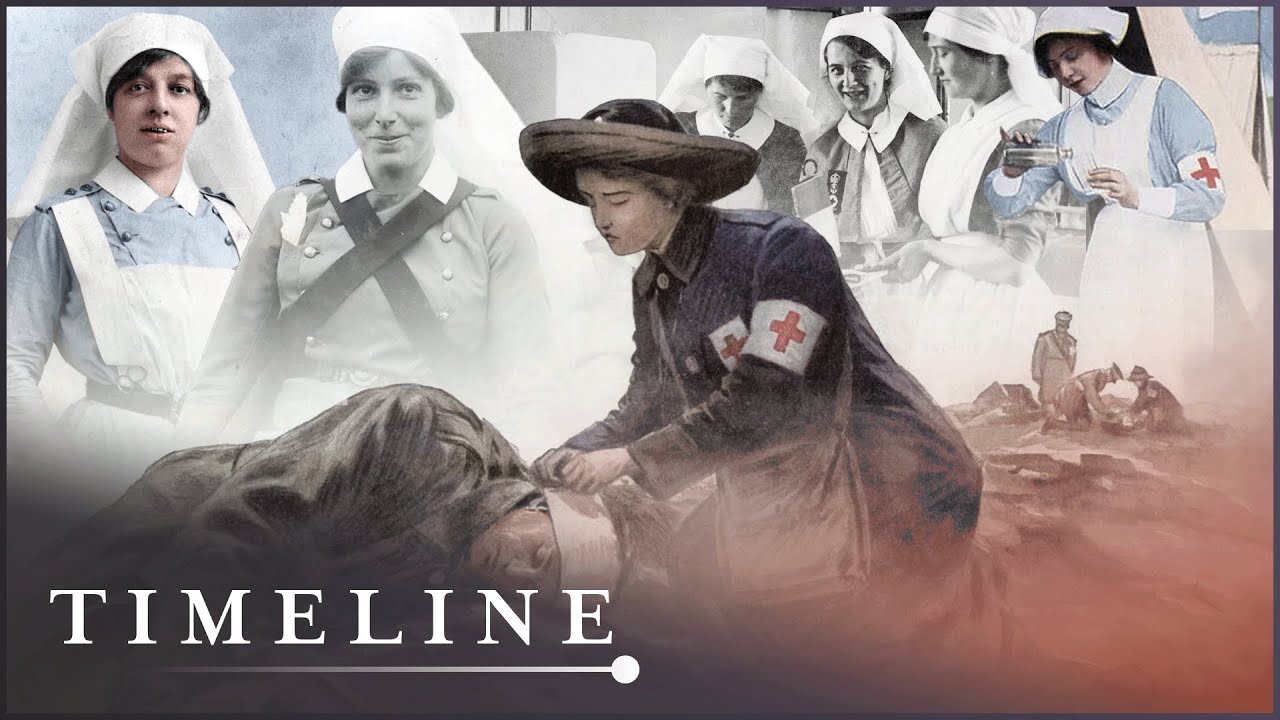
During the early years of the war, Britain saw the reformation of the Women’s Royal Naval Service (WRENS) under the leadership of Vera Laughton Mathews. Tasked with playing an integral role in the war effort, the WRENS initially performed administrative and logistical duties. However, Mathews had a broader vision—one that would see women taking a more direct role in naval operations.

With the Royal Navy struggling to develop counter-U-boat tactics, the Admiralty sought innovative solutions. This led to the creation of the Western Approaches Tactical Unit (WATU) in 1942, a top-secret department dedicated to analyzing and simulating naval battles. It was here that Mathews pushed for the inclusion of WRENS in war gaming exercises, recognizing their analytical capabilities and attention to detail.

Women were soon assigned to work with experienced naval officers in what would become one of the most influential tactical teams of the war. Their mission was clear: study U-boat attack patterns, develop counter-strategies, and refine convoy defense tactics using war gaming simulations.

The Return of a War Gaming Mastermind

To spearhead this initiative, the Royal Navy turned to Captain Gilbert Roberts, a retired naval officer and a seasoned expert in war gaming. Roberts had previously engaged in naval war games before the war and was known for his strategic acumen. Now recalled to service, he was given the monumental task of devising a way to neutralize the U-boat threat using war gaming techniques.

War gaming had long been used in military strategy, but Roberts took it to a new level. Instead of merely using it as a theoretical exercise, he applied it to real-world scenarios, simulating U-boat attacks and defensive maneuvers on an operational scale. Working closely with the WRENS and experienced naval commanders, Roberts began reconstructing recorded U-boat attacks to analyze weaknesses in Allied convoy defenses.

The War Gaming Room: Simulating Naval Battles

Inside the Western Approaches Tactical Unit, a specially designed war gaming room became the nerve center of counter-U-boat operations. Large tabletop maps represented the Atlantic, with wooden ship models indicating convoy movements and U-boat positions. The WRENS, acting as enemy submarines, moved pieces based on actual attack reports, recreating the tactics employed by German commanders.

Through these simulations, patterns began to emerge. The team discovered that U-boats often targeted the edges of convoys, exploited gaps in escort coverage, and coordinated night attacks to maximize damage. By studying these vulnerabilities, the team devised innovative countermeasures, such as the “Raspberry” maneuver—a sudden, coordinated turn by convoy ships to disrupt U-boat attack patterns.

One of the most significant breakthroughs came when the team identified the importance of aggressive escort tactics. Rather than reacting defensively to U-boat attacks, convoy escorts were trained to take the offensive, actively hunting down submarines before they could strike. This approach led to the refinement of the “Hunter-Killer” groups—dedicated warships that sought out and engaged enemy submarines before they could inflict damage.

Implementing the Strategies at Sea

Armed with these newly developed tactics, Royal Navy commanders put the WATU strategies into action. Escort captains underwent specialized training based on the war gaming exercises, equipping them with the knowledge to predict and counter U-boat movements.

The results were remarkable. Convoy survival rates improved significantly, and the losses inflicted by U-boats began to decline. One of the earliest tests of these tactics came in 1943 when a British convoy successfully repelled multiple U-boat attacks using aggressive escort maneuvers learned through war gaming.

The impact of WATU’s work extended beyond the Royal Navy. The United States Navy, recognizing the effectiveness of British war gaming techniques, adopted similar training methods for their anti-submarine warfare efforts. The collaboration between British and American forces in implementing these strategies played a key role in turning the tide of the Battle of the Atlantic.

The Legacy of WATU and War Gaming

By the time World War II ended, the war gaming efforts at WATU had contributed significantly to the Allied victory in the Atlantic. The ability to simulate battles and predict enemy behavior provided the Royal Navy with a strategic edge over the once-dominant U-boat forces.

Captain Gilbert Roberts and the WRENS received recognition for their contributions, though their role remained classified for many years. Today, historians acknowledge the pioneering work of WATU in advancing modern military strategy. The principles of war gaming developed during the war continue to influence military planning and simulation-based training programs across the world.

Moreover, the success of the WRENS in a traditionally male-dominated sphere laid the groundwork for greater inclusion of women in military strategy and operational roles. Their analytical skills and dedication helped shift perceptions, paving the way for more integrated armed forces in the post-war years.

Conclusion: The Innovation and Strategy

The fight against the U-boat peril was not won solely through superior firepower but through intelligence, strategy, and innovative thinking. The use of war gaming by Britain’s Western Approaches Tactical Unit demonstrated that understanding the enemy’s tactics and simulating combat scenarios could change the course of battle.

Led by the foresight of Captain Gilbert Roberts and driven by the determination of the WRENS, the war gaming initiative proved to be a decisive factor in securing Britain’s supply lines and ensuring the survival of the war effort. The lessons learned from WATU’s work remain relevant today, serving as a testament to the power of strategy, adaptation, and unconventional problem-solving in warfare.

Categories
W1 World

Djinn of the Afghan War: The Haunting Mystery of OP Rock and Marines’ Supernatural Encounters

Introduction

During the war in Afghanistan, stories of the supernatural often intertwined with the harsh realities of combat. Soldiers and Marines stationed in remote outposts reported eerie encounters that defied logic, blurring the line between myth and reality. One such tale emerged from OP Rock, a desolate Marine Corps outpost where an enemy beyond the Taliban seemed to lurk in the shadows—the Djinn. This enigmatic presence, feared in Middle Eastern folklore for centuries, left many questioning what they had truly encountered in the darkness of war.

A War Beyond the Physical Realm

The war in Afghanistan was a brutal conflict, marked by insurgent attacks, relentless firefights, and the psychological toll of an ever-present enemy. But among the countless war stories, one stands apart—not for its strategic significance, but for its chilling, supernatural elements. At an isolated Marine Corps outpost known as OP Rock, a group of US Marines faced not only the Taliban but something else, something unseen yet deeply terrifying. Whispers of the Djinn began to circulate among the soldiers, an entity of Middle Eastern folklore that had allegedly made its presence known in the eerie Afghan landscape. But was this merely war-induced paranoia, or did they truly encounter something beyond human understanding?

The Desolation of OP Rock

OP Rock was a remote outpost in the Helmand Province, a barren, sun-scorched land where danger lurked in every shadow. Positioned far from reinforcements, the Marines stationed there had to rely on each other for survival. The Taliban presence in the region was strong, and the soldiers were constantly on edge. But soon, it wasn’t just enemy combatants they feared—it was something far more elusive.

Reports began surfacing of strange occurrences: eerie whispers in the wind, shadowy figures disappearing into the darkness, and an unshakable feeling of being watched. Some Marines claimed to hear voices speaking in an unknown language, while others described the sensation of an unseen force brushing against them. Equipment malfunctions, unexplained radio interference, and sudden temperature drops added to the growing unease. As the stories spread, one name kept surfacing—the Djinn.

Djinn: Ancient Beings of Fire and Shadow

The Djinn are supernatural creatures deeply rooted in Islamic and Middle Eastern folklore. Described as beings of smokeless fire, they are said to exist in a parallel world, capable of interacting with humans in both benevolent and malevolent ways. Unlike spirits or ghosts, Djinn are considered sentient and possess free will, capable of choosing their actions—whether to help, harm, or simply observe.

Legends of Djinn have circulated for centuries, often linked to desolate places such as caves, deserts, and abandoned ruins—locations not unlike OP Rock. Afghan locals, well-versed in these stories, warned the Marines to respect the land and avoid certain areas at night. But in the heat of war, such warnings were easy to dismiss—until strange occurrences made them reconsider.

Eyewitness Accounts: Fear in the Dark

Several Marines recounted chilling experiences that defied rational explanation. One soldier reported waking up in the middle of the night to see a tall, shadowy figure standing at the edge of the outpost. When he raised his weapon, the figure vanished into thin air. Another described hearing a voice calling his name from outside the perimeter, only to find nothing there when he investigated.

Perhaps the most unsettling story came from a Marine who claimed to have seen a shape darting between the rocks, moving faster than any human could. He fired at it, only to hear an unnatural, guttural laugh echoing in the darkness. The next morning, he found no traces of blood or footprints—only the unsettling knowledge that something had been watching them.

Some Marines, hardened by combat, dismissed the encounters as stress-induced hallucinations. Others, however, remained convinced that something unnatural was sharing the outpost with them.

Psychological Warfare or Paranormal Encounter?

The horrors of war take a toll on even the most seasoned soldiers. Sleep deprivation, extreme stress, and the isolation of OP Rock could have contributed to heightened paranoia and hallucinations. Studies on combat stress indicate that prolonged exposure to high-threat environments can trigger auditory and visual hallucinations, making soldiers more susceptible to supernatural interpretations of mundane occurrences.

However, those who experienced the encounters firsthand rejected the idea that their fear was mere paranoia. Some pointed to the region’s long history of supernatural folklore, suggesting that what they encountered was not a figment of their imagination but a manifestation of something ancient.

The Local Perspective: Warnings from Afghan Villagers

For the Afghan people, the Djinn are not mere myth—they are a reality woven into the fabric of daily life. Local villagers warned the Marines about disturbing certain areas, cautioning that supernatural entities had long inhabited the land. Some claimed that past encounters with the Djinn had led to misfortune, illness, or even death.

One elder recounted an old tale of a soldier from a previous war who had laughed at the warnings, only to be found days later, lost in the desert, raving about voices and figures that tormented him. The locals firmly believed that OP Rock stood on cursed ground and that the Marines had unknowingly provoked forces beyond their understanding.

Lingering Questions: What Really Happened at OP Rock?

The accounts from OP Rock remain a subject of speculation. Was it the psychological strain of war? The power of suggestion? Or did the Marines truly encounter something beyond human comprehension? The answers remain elusive, but the stories persist, passed down among those who served in the region.

As the years go by, the legend of the Djinn of the Afghan War continues to intrigue both skeptics and believers alike. Whether the stories were a byproduct of war or a genuine brush with the supernatural, one thing is certain—OP Rock remains a place of mystery, where the boundaries between the real and the unknown blur.

The Thin Line Between Reality and Myth

War is often described as hell, a place where the mind is pushed to its limits, and the ordinary rules of existence seem to break down. For the Marines at OP Rock, the conflict wasn’t just against a visible enemy but against the unseen as well. Whether the Djinn were real or imagined, their presence left a lasting mark on those who served there, a haunting reminder that sometimes, the greatest threats are the ones we cannot see. As the Marines who lived through the events at OP Rock will attest, the Afghan war had its fair share of terrors—but some of them may have been far older than the conflict itself.

Categories
W1 World

Strategic Innovation: How War Gaming and Women Helped Win the Battle of the Atlantic

Introduction

The Battle of the Atlantic, fought from 1939 to 1945, was one of World War II’s most consequential conflicts. This relentless struggle between the Allies and the Axis powers for control of Atlantic shipping lanes held the key to sustaining Britain and enabling the eventual liberation of Europe. Central to the Allied victory were two unexpected elements: the innovative use of war gaming and the vital contributions of women. These elements, combined with technological advancements and tactical ingenuity, played a decisive role in defeating the German U-boat “Wolf Packs” that threatened to starve Britain into submission.

The U-Boat Menace

At the onset of the war, German U-boats (submarines) emerged as one of the most potent threats to Allied shipping. Their strategy relied on “Wolf Packs,” groups of submarines that coordinated attacks on convoys of merchant ships. With advanced torpedoes and skilled crews, the U-boats inflicted devastating losses. In 1940 alone, they sank over 3,000 Allied ships, severely disrupting supply lines carrying food, weapons, and other essential goods to Britain.

The Allies faced a formidable challenge. The vastness of the Atlantic Ocean, coupled with limited technological capabilities, made it difficult to detect and neutralize U-boats. To counter this existential threat, the Allies turned to a novel approach: war gaming.

Core Strategies That Defined World War II

  • Advanced German Tactics: German U-boats operated with stealth and precision, often attacking under the cover of darkness to exploit the limitations of Allied defenses.
  • Impact on Morale: The sinking of civilian and military vessels by U-boats not only disrupted supply chains but also had a psychological impact, creating fear and uncertainty across Allied nations.
  • Technological Superiority of U-Boats: Early in the war, U-boats were equipped with advanced periscopes, torpedoes, and communication systems that outmatched Allied detection technologies.
  • Challenges of Escorting Convoys: Limited numbers of escort ships and aircraft meant that many convoys were left vulnerable to coordinated U-boat attacks in the mid-Atlantic, beyond the range of air cover.
  • Global Implications: The success of U-boats in the Atlantic had ripple effects, straining Allied operations in other theaters by delaying critical supplies and reinforcements.

War Gaming: A Tool for Tactical Mastery

War gaming, a method of simulating battles to test strategies and tactics, had been used for centuries by military planners. However, its application during the Battle of the Atlantic marked a significant evolution in its use. The British Royal Navy and the United States Navy adopted war gaming to anticipate German strategies and refine convoy defense tactics.

Simulating the U-Boat Threat

The essence of war gaming lay in its ability to replicate battlefield conditions without actual combat. Planners used maps, models, and markers to simulate convoy movements, U-boat attacks, and countermeasures. These exercises revealed vulnerabilities in convoy formations and escort tactics, enabling the Allies to devise more effective strategies.

One critical innovation was the introduction of the “hunter-killer group” strategy. These were specialized teams of warships and aircraft tasked with aggressively pursuing U-boats instead of merely defending convoys. By employing war gaming to test this tactic, the Allies significantly improved their ability to neutralize U-boat threats.

Adapting to Technological Advancements

War gaming also facilitated the integration of new technologies, such as sonar and radar, into anti-submarine warfare. These tools allowed Allied forces to detect U-boats more effectively, even in poor visibility. War gaming helped commanders understand the strengths and limitations of these technologies, ensuring their optimal use in combat scenarios.

Women at the Forefront of Innovation

An often-overlooked aspect of the Allied victory in the Battle of the Atlantic is the critical role played by women. Thousands of women served in roles that were traditionally reserved for men, particularly in intelligence and operational planning. Among them were the Women’s Royal Naval Service (WRNS), colloquially known as “Wrens,” who were integral to the success of war gaming and anti-submarine operations.

Breaking Codes and Breaking Barriers

Women worked at Bletchley Park, the epicenter of Allied codebreaking efforts. They were instrumental in deciphering the German Enigma code, which provided critical intelligence about U-boat positions and movements. This information was fed into war games, enabling planners to develop preemptive strategies against U-boat attacks.

Operating the Tactical Tables

In naval war gaming, Wrens managed tactical tables—large maps where convoy and U-boat positions were plotted in real-time. They used intelligence from intercepted communications and reconnaissance to simulate engagements and assess potential outcomes. Their meticulous work ensured that war games were as realistic as possible, providing invaluable insights to naval commanders.

Turning the Tide

By mid-1943, the tide of the Battle of the Atlantic began to shift in favor of the Allies. The combination of war gaming, technological innovation, and effective intelligence gathering culminated in a series of decisive victories against the U-boats, significantly weakening the German submarine fleet and securing vital supply lines for the Allied forces.

By the end of 1943, U-boat losses had become unsustainable for Germany, and their effectiveness as a strategic weapon diminished. The Atlantic lifeline was secured, allowing the Allies to build up the forces needed for the D-Day invasion and the eventual defeat of Nazi Germany. Key factors included:

Key Innovations in Allied Strategy

  • Improved Convoy Tactics: War gaming demonstrated the effectiveness of tighter convoy formations, better escort placement, and the hunter-killer group strategy.
  • Technological Edge: Advances in sonar, radar, and air patrols reduced the U-boats’ ability to operate undetected.
  • Intelligence Superiority: Breaking the Enigma code allowed the Allies to preempt U-boat attacks, often routing convoys around known threats.

Lessons for Modern Conflict

The Battle of the Atlantic offers timeless lessons in the value of innovation, collaboration, and adaptability in warfare. War gaming demonstrated the importance of testing strategies in simulated environments to prepare for real-world challenges. The integration of diverse talents, including the critical contributions of women, highlighted the strength of inclusivity in achieving strategic goals.

Today, war gaming remains a cornerstone of military planning, enhanced by advanced technologies such as artificial intelligence and virtual reality. The principles established during the Battle of the Atlantic continue to guide modern armed forces as they confront evolving threats in an increasingly complex world.

Key Takeaways for Modern Applications

  • Scenario Planning: Modern war gaming helps military planners anticipate various scenarios, including cyber warfare and hybrid threats.
  • Technology Integration: Incorporating emerging technologies like drones and autonomous systems can be tested and refined through simulated environments.
  • Cross-Disciplinary Collaboration: Just as women and diverse talents contributed to Allied successes, today’s military operations benefit from a broad spectrum of expertise, including data analysts, engineers, and social scientists.
  • Resilience Building: Simulated exercises strengthen decision-making under pressure, preparing leaders for the complexities of modern conflicts.
  • Adapting to New Threats: Lessons from the Atlantic battle remind us of the importance of continually evolving strategies to counteract innovative adversaries.

Conclusion

The Allied victory in the Battle of the Atlantic was not merely a triumph of technology and tactics but also a testament to human ingenuity and resilience. War gaming, supported by the unwavering dedication of women and the relentless pursuit of innovation, turned the tide against the German Wolf Packs and secured the vital lifeline across the Atlantic. Finally, as we reflect on this historic achievement, we are reminded that the keys to overcoming even the most daunting challenges lie in the power of collective effort and creative problem-solving.

Categories
W1 World

The Last Voices of the Somme: Survivors’ Accounts of World War One’s Brutal Reality

Introduction: Echoes of the Great War

The Battle of the Somme stands as one of the most devastating episodes of World War One. It was a campaign steeped in hope but marked by unspeakable loss, with over 150,000 troops perishing by its grim conclusion in November 1916. Through a treasure trove of interviews with soldiers and their families—voices now forever silent—we gain unparalleled insights into the heroism, heartbreak, and unvarnished reality of war. These first-hand accounts bring the battlefields of 1914-1918 back to life, offering a profound glimpse into the human toll of the Great War.

The High Hopes of 1916

In the summer of 1916, Allied forces embarked on the Battle of the Somme with great expectations. Military leaders believed that a decisive offensive on the Western Front would break the deadlock of trench warfare and deliver a much-needed victory. Soldiers on the ground, buoyed by patriotic fervor and camaraderie, harbored a cautious optimism.

Private William Roberts, interviewed years later, recalled, “We believed this would be it—the end of the war. We were tired of waiting in the trenches and ready to do something, anything, to move forward.”

However, the realities of war soon quashed these hopes. On July 1, 1916—the first day of the Somme offensive—the British Army suffered 57,000 casualties, the bloodiest single day in its history. Survivors described the battlefield as a nightmarish landscape of churned earth, barbed wire, and unending artillery fire.

Life in the Trenches: A Soldier’s Perspective

For the men fighting on the front lines, life in the trenches was a relentless ordeal. Soldiers endured mud-filled ditches, scarce rations, and constant bombardment. Disease was rampant, with trench foot and dysentery claiming as many as the bullets and shells.

Corporal James Harding shared his memories: “You slept with rats and woke up to the sound of shells. Letters from home were the only thing keeping us sane. The fear of going over the top never left you.”

Despite the grim conditions, camaraderie and a sense of duty bound the soldiers together. Harding recalled how shared suffering forged unbreakable bonds: “It didn’t matter where you came from—we were brothers in that hellhole.”

The Role of Loved Ones: Waiting and Worrying

While soldiers endured the horrors of the front, their families faced an agony of a different kind. Mothers, wives, and children waited anxiously for news, dreading the arrival of the dreaded telegram announcing a loved one’s death.

Alice Bennett, whose husband fought and died at the Somme, shared her recollections in a rare interview: “Every knock at the door made my heart stop. We lived in constant fear, but we had to keep going for the children.”

The voices of these families reveal a side of the war often overshadowed by tales of heroism—the emotional toll on those left behind. Letters from the front, often stained with mud and blood, became precious lifelines.

The Turning Point: From Optimism to Despair

The Battle of the Somme was intended as a breakthrough, but it soon devolved into a prolonged stalemate. The unrelenting artillery bombardments failed to dislodge the German defenses, and soldiers were sent repeatedly into near-suicidal assaults.

Captain Edward Langley, one of the few surviving officers, described the futility of the tactics: “We charged straight into machine gun fire, over and over. It felt like madness, but orders were orders.”

By November 1916, the battle had ground to a halt, with no significant gains for either side. The cost in human lives was staggering—more than a million casualties, including 150,000 deaths among British forces.

Remembering the Fallen: The Legacy of the Somme

The survivors of the Somme carried their scars, both physical and emotional, for the rest of their lives. Many struggled with what was then called “shell shock,” now recognized as post-traumatic stress disorder.

In interviews conducted decades later, veterans like Sergeant Harold Green emphasized the importance of remembering those who never returned: “We fought not for glory, but for each other. The real heroes are the ones still buried out there.”

The families of the fallen also played a crucial role in preserving their memory. Memorials, letters, and diaries became cherished artifacts, ensuring that the sacrifices of 1916 would never be forgotten.

The Last Voices of World War One

The interviews collected for this documentary represent a unique historical treasure. Conducted with veterans and their loved ones—most of whom had never spoken publicly about their experiences—they offer a raw, unfiltered look at the realities of war. These accounts serve as a powerful reminder of the deep personal cost of conflict and the courage it takes to face its aftermath.

Historian Margaret Ellis, who helped compile the recordings, noted: “These are not just stories of war; they are stories of humanity, resilience, and the enduring impact of conflict.” Through these voices, we hear not just the horrors of the Somme, but also the strength, sacrifice, and solidarity that defined a generation.

Shaping the Future: Key Lessons

The Battle of the Somme, with its staggering human cost, serves as a stark reminder of the futility of war. The testimonies of those who lived through it underscore the need for diplomacy, understanding, and the pursuit of peace, highlighting the immense value of human life and the collective responsibility to prevent such tragedies from recurring.

Their stories compel us to confront the devastating consequences of conflict and to strive tirelessly to resolve differences without resorting to violence. As we listen to the last voices of World War One, we are reminded of our shared humanity and the enduring importance of remembering the past to shape a better future.

Conclusion: Echoes That Resonate

The voices of the Somme veterans, now silent, continue to echo across the years. Their accounts remind us not only of the brutal realities of war but also of the courage, resilience, and hope that endured in the face of unimaginable adversity.

By preserving their stories, we honor their sacrifices and ensure that the lessons of 1916 are never forgotten. As we reflect on the heroism and heartbreak of the Somme, we are called to remember the cost of conflict and strive for a world where such sacrifices are no longer necessary.

Categories
W1 World

The Evolution of World War II Tanks: Key Models, Battles, and Their Impact on Modern Warfare

Introduction

During World War II, tanks became a defining element of ground warfare, serving as symbols of military might and technological advancement. The development of powerful tanks like the Steel Tiger, Churchill, T-34, and Sherman marked a significant leap in armored warfare. Each tank had its own unique design, strengths, and weaknesses, adapted to the strategic needs of its respective army.

Tank battles, such as those at Kursk, Normandy, and the Ardennes, showcased not only the tactical significance of these armored vehicles but also how they influenced battle outcomes and the broader trajectory of the war. This article explores these iconic WWII tanks, examines their roles in pivotal tank battles, and looks at how their legacy continues to shape modern armored warfare.

Iconic Tanks of World War II

The Steel Tiger (Panzer VI Tiger I)

The German Panzer VI, commonly known as the “Tiger,” was an impressive example of German engineering. Introduced in 1942, this tank was heavily armored and equipped with an 88 mm KwK 36 gun, capable of piercing through the armor of most Allied tanks at considerable distances. Designed to withstand and dominate enemy fire, the Tiger tank symbolized German military prowess and was feared by Allied forces due to its firepower and armor. However, it was also heavy, slow, and difficult to transport, often requiring extensive maintenance. Its introduction added a new dimension to tank warfare, particularly in defensive and frontal assault operations.

The Churchill Tank

Named after the British Prime Minister Winston Churchill, the Churchill tank was designed for trench warfare, with robust armor and a short-barreled gun. Despite being slow, it was ideal for navigating rugged terrain, including hills and trenches. Its design underwent numerous modifications to address initial flaws, resulting in one of the most versatile and dependable tanks of the war. Churchill tanks served in various roles, from infantry support to specialized engineering tasks like laying bridges or clearing mines, proving vital to British forces in the Mediterranean and European theaters.

The T-34

The Soviet T-34 was one of the most influential tanks of the war, celebrated for its combination of speed, firepower, and armor. Unlike its German counterparts, the T-34 was relatively easy to produce, making it possible for the Soviet Union to deploy large numbers on the battlefield. The tank’s sloped armor helped deflect projectiles, increasing its survivability, while its 76.2 mm gun was effective against most Axis armor. It became the backbone of Soviet armored forces and was instrumental in turning the tide of the war on the Eastern Front, particularly in battles like Kursk.

The Sherman Tank

The American M4 Sherman was a versatile and reliable tank used extensively by Allied forces. Though its 75 mm gun and armor were inferior to heavier Axis tanks like the Tiger, the Sherman’s reliability, speed, and ease of production made it an asset. Known for its adaptability, the Sherman was modified for various roles, from flamethrower tanks to mine-clearers, playing a key role in major Allied campaigns. The Allies relied on sheer numbers of Shermans to counter the Germans’ technically superior tanks, showing that quantity and adaptability could overcome the Axis’s qualitative edge.

Major Tank Battles and Their Significance

The Battle of Kursk (1943)

The Battle of Kursk, fought on the Eastern Front, was one of the largest tank battles in history and a critical turning point in the war. The Soviets, anticipating the German offensive, fortified the area with layers of defenses, and their extensive preparations paid off. During the battle, over 8,000 tanks clashed, with the T-34 tanks playing a crucial role in halting the German advance. The Tiger tanks were formidable, but their limited numbers and the Soviets’ numerical advantage ultimately led to a German defeat. Kursk marked the beginning of a relentless Soviet advance toward Germany, as the Germans would never again launch a major offensive on the Eastern Front.

The Battle of Normandy (1944)

After the D-Day landings in June 1944, Allied forces faced fierce resistance from German armored divisions in the Normandy countryside. The Sherman tank was the backbone of the Allied armored force here, going up against German Tigers and Panthers in challenging terrain. The Battle of Normandy demonstrated the Allied reliance on maneuverability and numerical superiority, as well as the value of air support in blunting the effectiveness of German tanks. Allied forces sustained heavy tank losses, but their capacity for rapid reinforcements allowed them to wear down the Germans, eventually leading to the liberation of France.

The Ardennes Offensive (1944-1945)

Also known as the Battle of the Bulge, the Ardennes Offensive was Germany’s last major push on the Western Front, launched through the dense Ardennes forest. In this battle, the Sherman tank clashed with German Panthers and Tigers in intense combat during harsh winter conditions. The Germans initially made gains, but logistical issues, fuel shortages, and the resilience of the Allied forces turned the tide. The Shermans, though outgunned, were more maneuverable and had critical support from air and artillery. The failure of this offensive marked the beginning of the end for Nazi Germany, as it severely depleted their remaining armored divisions.

The Evolution and Legacy of World War II Tanks

World War II was a pivotal period in the evolution of tank technology. Tanks transformed from slow-moving, trench-crossing vehicles to highly specialized, versatile machines capable of various roles, from direct combat to support functions. The lessons learned in the production, deployment, and tactics of tanks during the war laid the groundwork for modern armored warfare.

  1. Technological Advancements
    The war spurred rapid innovations in armor, weaponry, and mobility. Tanks like the T-34 introduced the concept of sloped armor, a feature still relevant in tank design today. Similarly, the versatility of the Sherman and the firepower of the Tiger influenced the development of future tanks, such as the main battle tank (MBT) that combines firepower, armor, and mobility in a single platform.
  2. Operational Doctrine
    World War II taught military strategists the importance of combined arms tactics, where tanks worked alongside infantry, artillery, and air support. The Soviet deep-battle doctrine and the German Blitzkrieg showcased the tank’s strategic potential in both offensive and defensive roles, shaping doctrines that are still studied in military academies worldwide.
  3. Strategic and Psychological Impact
    Tanks became more than just battlefield tools; they became symbols of national power and military prowess. The sight of a Sherman tank advancing through liberated towns or a German Tiger holding a defensive line had significant psychological effects on soldiers and civilians alike. These machines represented the strength and resilience of their respective nations and added to the aura of each army’s reputation.

Conclusion

The evolution of tanks during World War II represents one of the most significant advancements in military history, transforming warfare and influencing conflicts for decades. Tanks like the Tiger, Churchill, T-34, and Sherman each left an indelible mark, with their strengths and limitations shaping both individual battles and the broader course of the war. The major tank battles at Kursk, Normandy, and the Ardennes demonstrated the importance of tank warfare and underscored the need for adaptability, strategy, and innovation on the battlefield.

Today, the legacy of WWII tanks lives on in modern armored vehicles and the continued evolution of military tactics. These formidable machines, born out of necessity and tested in battle, became legends in their own right and remain symbols of an era when technological innovation and strategic bravery changed the course of history.

Categories
W1 World

Pat Tillman: From NFL Star to War Hero – The Truth Behind His Death and Military Cover-Up

Introduction

Pat Tillman, a name synonymous with both athletic prowess and unparalleled patriotism, made a choice that sent shockwaves through the sports world. As a star player in the National Football League (NFL), Tillman had the world at his feet. Yet, in the aftermath of the September 11, 2001, terrorist attacks, he walked away from the fame and fortune of professional football to serve his country.

The decision was as honorable as it was shocking, embodying the spirit of sacrifice in a time of national crisis. However, Tillman’s journey from NFL star to Army Ranger ended in tragedy, and the circumstances of his death became embroiled in controversy that tarnished his legacy and raised unsettling questions about military transparency and political cover-ups.

A Man of Conviction

Pat Tillman’s decision to leave the Arizona Cardinals and enlist in the U.S. Army was driven by a profound sense of duty. Born on November 6, 1976, in Fremont, California, Tillman was always known for his fierce loyalty, determination, and moral compass. He excelled as a football player in high school and went on to play for Arizona State University, where he became a standout linebacker, earning the Pac-10 Defensive Player of the Year award in 1997. His success on the field continued into the NFL when he was drafted by the Arizona Cardinals in 1998.

Tillman was known not only for his performance on the field but also for his intellectual depth and humility. After the 9/11 attacks, he felt compelled to contribute in a more meaningful way. As he explained in an NBC News interview, “My great grandfather was at Pearl Harbor, and a lot of my family has… fought in wars, and I really haven’t done a damn thing as far as laying myself on the line like that.” With that conviction, Tillman turned down a $3.6 million contract extension from the Cardinals and enlisted in the Army in May 2002, alongside his brother Kevin.

From the NFL to the Battlefield

Tillman’s decision to join the Army Rangers, an elite special operations force, highlighted his commitment to putting himself in harm’s way for his country. After completing rigorous training, Tillman was deployed to Iraq in 2003 during the U.S.-led invasion. He later served in Afghanistan, where the U.S. military was engaged in a campaign to dismantle the Taliban and Al-Qaeda forces.

Throughout his military career, Tillman remained an inspiring figure. He kept a low profile, shying away from media attention despite widespread admiration for his decision to sacrifice a lucrative football career. His fellow soldiers respected him not only for his past as an NFL player but for his determination, grit, and willingness to embrace the challenges of military life.

The Tragic Death of Pat Tillman

On April 22, 2004, during a patrol mission in the remote mountains of Afghanistan, Tillman was killed. The initial reports from the U.S. military stated that he had died in a heroic firefight with enemy forces. Tillman was posthumously awarded the Silver Star and Purple Heart, and the narrative of his death portrayed him as a hero who died protecting his comrades from insurgent gunfire. However, it wasn’t long before doubts began to surface.

Five weeks after his death, the Army admitted that Tillman had been killed by “friendly fire.” The admission that he was accidentally shot by fellow U.S. soldiers during the confusion of battle marked the beginning of a protracted controversy. The real story of Tillman’s death was far more complex and, ultimately, devastating.

A Political Cover-Up?

As details emerged, it became clear that the circumstances of Tillman’s death were deliberately obscured. Investigations revealed that the military knew almost immediately that he had been killed by friendly fire but withheld that information from the public—and even from Tillman’s family—for weeks. The initial reports were not just misleading but seemingly constructed to present a false narrative of heroism that fit the patriotic sentiment of the time.

Tillman’s family was outraged by what they saw as a cover-up. His mother, Mary Tillman, became an outspoken critic of the military’s handling of her son’s death, accusing the government of exploiting his sacrifice to serve a political agenda. The family was particularly angered by the fact that Pat’s death had been used in high-profile speeches by politicians, including President George W. Bush, without any mention of the friendly fire incident.

Several investigations were launched, including a Pentagon probe and a congressional hearing. However, no one was held accountable for the misinformation or the apparent cover-up. While the investigations found that Tillman’s death was the result of “gross negligence” on the part of his fellow soldiers, they stopped short of attributing any criminal wrongdoing to military officials.

The Quest for Accountability

Tillman’s death and the subsequent handling of the incident raised significant questions about the military’s transparency and the ethics of using soldiers’ deaths for political gain. Many saw the delay in acknowledging the truth as a deliberate attempt to protect the institution of the military at a time when public support for the wars in Iraq and Afghanistan was waning.

Tillman’s family fought tirelessly for accountability, pushing for answers as to why their son’s death had been so deeply misrepresented. They also questioned the process by which the Silver Star had been awarded, arguing that it had been part of an effort to craft a narrative of heroism around his death, regardless of the truth.

Despite their efforts, the Tillman family never received the full accounting they sought. While investigations acknowledged missteps, they ultimately stopped short of holding anyone personally responsible for the misinformation surrounding his death.

Pat Tillman’s Legacy

Pat Tillman’s story is one of profound sacrifice, but also one of profound disillusionment. His decision to leave the NFL for the battlefield is remembered as a testament to his character, while the circumstances of his death serve as a cautionary tale about the dangers of military and political machinations. His legacy continues to inspire not only for his athletic achievements but for his courage, his patriotism, and the moral questions his life and death raised.

The Pat Tillman Foundation, established in his honor, supports military veterans and their families through educational scholarships, ensuring that his legacy lives on in a meaningful way. But for many, the haunting truth about how his life ended remains a source of unresolved pain and a reminder of the cost of war—not only in human lives but in the erosion of trust between soldiers, their families, and the institutions that govern them.

Conclusion

Pat Tillman’s journey from NFL star to Army Ranger embodies the ideals of sacrifice, courage, and patriotism. Yet, the tragic circumstances of his death, compounded by the military’s initial attempts to cover up the truth, leave an indelible mark on his legacy. While Tillman’s decision to serve his country remains a powerful symbol of commitment, the controversy surrounding his death serves as a stark reminder of the complexities of war and the importance of transparency in honoring the truth.

Pat Tillman’s sacrifice will always stand as a symbol of patriotism and integrity. Yet, the haunting controversy surrounding his death reminds us that even heroes deserve the full truth, no matter how difficult it may be to confront. His story is a powerful reminder that even in war, the truth should never be hidden.

Categories
W1 World

The Missing Victims of the Anglo-Irish War: Unearthing a Dark Chapter in Ireland’s History

Introduction: A War Beyond Heroism

The Anglo-Irish War, also known as the Irish War of Independence (1919-1921), is often regarded as a tale of bravery and resistance. For many, it is the story of Irish republicans courageously fighting the British Empire, an imperial force that had long oppressed their homeland. The subsequent Irish Civil War (1922-1923) is similarly viewed through the lens of noble intentions, with Irish factions struggling over the terms of the Anglo-Irish Treaty.

However, beneath the surface of these romanticized narratives lies a much darker and often overlooked aspect of Ireland’s history: the secret executions of suspected spies and the disappearance of countless victims whose fates remain unknown. This is a story of shadowy killings, secret graves, and a long search for truth that continues to this day.

The Dark Side of Irish Republicanism

During the Anglo-Irish War, the Irish Republican Army (IRA) carried out a campaign of guerrilla warfare, targeting British forces, police, and sympathizers. While many acts of war involved direct combat, there was another, more sinister aspect to the conflict: the execution of suspected spies. The IRA, deeply distrustful of informers who could betray their cause to British intelligence, often took extreme measures. Men—and sometimes women—suspected of collaborating with the British were shot and disappeared, their bodies never found.

Historians now estimate that dozens, if not hundreds, of individuals were killed in secret, their fates hidden from their families. The reasoning was often simple: eliminate anyone who posed a threat to the movement, whether or not they were guilty. Some of these victims may have been genuine informants, but many were innocent—caught up in the paranoia of a war where loyalty was constantly questioned.

Who Were the Missing Victims?

The individuals executed as spies during the Anglo-Irish War were often civilians or lower-ranking military personnel. Many were local men accused of passing information to the British. However, the process by which someone was condemned was often opaque. In some cases, allegations of spying were based on hearsay or weak evidence. Some of these men may have been caught in the crossfire of personal vendettas rather than genuine espionage.

Notably, the British also engaged in brutal counterinsurgency tactics, executing suspected IRA members without trial, sometimes burying their bodies in unmarked graves. Thus, the search for missing victims extends to both sides of the conflict, complicating the narrative of heroism that often dominates discussions of the war. This tragic complexity serves as a reminder that history is often painted in shades of gray, rather than in simple black-and-white terms of good versus evil.

Burial Sites: Uncovering Secret Graves

Historians and archaeologists have been working tirelessly to locate the burial sites of those who disappeared during the Anglo-Irish War. While some victims’ graves have been uncovered, many remain lost to time. Local accounts, passed down through generations, have played a crucial role in identifying potential burial sites. These locations, often in remote areas or hidden in the Irish countryside, serve as grim reminders of the conflict’s dark side.

In some cases, the remains of the executed have been found in mass graves, hastily dug to hide the bodies of those shot as spies. The conditions of these burials vary, but in many cases, the bodies were dumped unceremoniously in shallow pits, with little regard for proper burial practices. These discoveries have brought closure to some families, but for others, the search continues.

The Role of Historians: Shedding Light on a Dark Past

The search for the missing victims of the Anglo-Irish War has attracted the attention of eminent historians and researchers. Their work, often based on archival documents, local testimonies, and forensic analysis, seeks to bring clarity to this dark chapter of Irish history. These historians have faced numerous challenges in their work, including the reluctance of some communities to revisit the past. The subject of secret executions remains sensitive, and there are those who would prefer that these stories remain buried along with the victims.

However, historians are determined to uncover the truth. By documenting the stories of those who disappeared, they are challenging the romanticized view of the Anglo-Irish War and highlighting the human cost of Ireland’s struggle for independence. Their work is not only about finding bodies—it is about restoring dignity to the victims and acknowledging the complex realities of war.

The Legacy of the Disappeared

The missing victims of the Anglo-Irish War left behind grieving families, many of whom never received answers about their loved ones’ fates. The legacy of these disappearances continues to haunt Ireland, as the families of the executed continue to seek justice and recognition. For many, the discovery of a relative’s remains represents closure—an opportunity to finally lay their loved one to rest with dignity.

Yet, for others, the lack of answers fuels ongoing frustration and pain. While some of the victims’ remains have been found, many more are still missing. Their absence represents an unfinished chapter in Ireland’s history, a reminder that the truth about the Anglo-Irish War is far more complicated than the heroic narratives that are often told. This ongoing search for the truth not only honors the memory of the victims but also challenges society to confront its past and ensure that such tragedies are never repeated.

The Civil War and its Impact

The aftermath of the Anglo-Irish War, marked by the Irish Civil War, saw the conflict’s wounds deepen. As Ireland grappled with the consequences of the Anglo-Irish Treaty, the division between pro- and anti-Treaty forces led to further bloodshed and political instability. The Civil War brought with it new stories of secret killings and disappearances, further clouding the search for truth.

For the families of those who disappeared during the Anglo-Irish War, the Civil War only served to delay justice. The chaos and division that followed the Treaty meant that the fate of the missing victims was often forgotten or ignored. In some cases, those responsible for the executions went on to hold positions of power in the new Irish government, further complicating efforts to uncover the truth.

Conclusion: Searching for Justice, Restoring Dignity

The search for the missing victims of the Anglo-Irish War is more than a historical exercise—it is a quest for justice and recognition. For too long, the stories of those executed and disappeared during the conflict have been overshadowed by the broader narratives of Ireland’s fight for independence. But as historians continue to uncover the truth, the legacy of these victims is finally being acknowledged.

As Ireland continues to confront its past, the story of the missing victims serves as a reminder that war is never simple. Beneath the surface of heroic struggles lie the hidden stories of those who paid the ultimate price. For the families of the disappeared, the search for answers represents the hope of closure and the restoration of dignity to their lost loved ones. In uncovering the past, Ireland moves closer to healing the deep scars left by its fight for freedom.

Categories
W1 World

The Bigfoot War of 1855: A Dark Legend of Cannibalistic Sasquatch in Eastern Oklahoma

Introduction: The Origins of the Bigfoot Legend

For centuries, stories of a large, elusive creature lurking in the forests of North America have captivated the imagination. Known as Bigfoot or Sasquatch, this cryptid is often described as a shy and reclusive creature, avoiding human interaction. Eyewitnesses commonly report fleeting sightings of the creature disappearing into the wilderness. However, one tale from 1855 in Eastern Oklahoma offers a very different perspective on Bigfoot—one that paints the creature as far more aggressive and deadly. This is the story of the so-called “Bigfoot War of 1855,” where a group of Sasquatch, according to local lore, terrorized settlers, allegedly committing acts of murder and cannibalism. Let’s delve into this dark and fascinating chapter of cryptid folklore.

The Setting: Oklahoma in the Mid-19th Century

By the mid-1800s, settlers were expanding westward across the United States, including the untamed lands of Eastern Oklahoma. This was a region dense with forests, rivers, and wildlife, and it held great appeal for those looking to start new lives. However, it also came with its own dangers, from hostile wildlife to conflict with Native American tribes. In this backdrop of wilderness and uncertainty, tales of mysterious creatures and supernatural happenings were not uncommon. It was in this environment that the legend of the “Bigfoot War” emerged—a story of a clash between early settlers and a group of aggressive Sasquatch.

As settlers ventured deeper into these uncharted territories, they often relied on local Native American tribes for guidance and knowledge of the land. Many tribes already had long-standing legends of large, hairy creatures that roamed the forests, beings they regarded with a mix of respect and fear. These stories only fueled the imaginations of the settlers, who soon began to interpret strange noises, missing livestock, and other unexplained occurrences as the work of these mysterious creatures, eventually leading to the infamous events that would later be called the “Bigfoot War.”

The Tale of the Bigfoot War of 1855

The “Bigfoot War of 1855” began when settlers in Eastern Oklahoma began to experience strange occurrences. At first, it was livestock going missing or being found dead under mysterious circumstances. These incidents were blamed on wild animals, but the settlers soon realized that something far more sinister was happening. Eyewitnesses claimed to have seen large, hairy creatures lurking in the forests near their settlements.

According to the legend, the settlers’ encounters with these creatures escalated quickly. The Sasquatch were no longer just stealing livestock but had begun to attack people as well. The settlers described the creatures as massive, standing at least seven to nine feet tall, with incredible strength and an aggressive demeanor. Unlike the typical Bigfoot sightings, these creatures did not flee upon being spotted; instead, they were said to be violent and even cannibalistic.

One particularly chilling account speaks of a group of hunters who ventured deep into the woods, only to encounter a band of these creatures. According to the story, none of the men returned, but their remains were found days later—partially eaten. This incident set off a wave of fear among the settlers, who soon dubbed the situation a “war” against the Sasquatch.

Cannibalistic Sasquatch: Fact or Folklore?

The idea of a cannibalistic, murderous Bigfoot diverges sharply from the typical cryptid folklore that describes Sasquatch as reclusive and timid. However, in many Native American cultures, stories exist of “wild men” or giant creatures living in the woods, and some of these tales involve more aggressive behaviors.

In the case of the Bigfoot War of 1855, it’s important to recognize that this legend, like many others, may have been influenced by the fears and superstitions of the time. As settlers moved into unfamiliar lands, it’s likely that mysterious deaths, missing livestock, and other unexplained events were attributed to supernatural creatures.

Cannibalism, in particular, is a horrifying concept that adds a layer of fear to any story. While there is no concrete evidence that Sasquatch—if it exists—would be cannibalistic, the inclusion of this detail in the legend serves to heighten the terror and mystery surrounding the creatures involved in the Bigfoot War.

The Battle with Bigfoot: How the War Ended

The conflict reached its peak when the settlers decided to band together and confront the Sasquatch head-on. Armed with whatever weapons they had, including rifles and knives, a group of settlers reportedly set out to track down the creatures and put an end to the reign of terror.

According to the legend, the settlers followed the Sasquatch to a cave deep in the wilderness. What they found inside the cave, however, was even more horrifying—remains of human bodies, possibly those of the missing hunters, along with other grisly evidence of cannibalism. It’s said that a bloody battle ensued, with many Sasquatch killed, though several settlers also lost their lives in the fight.

The remaining Sasquatch fled deeper into the wilderness, and the attacks ceased. The settlers returned to their homes, shaken but victorious. Over time, the legend of the Bigfoot War became just that—a legend. Though it was never officially recorded in historical documents, it has been passed down through generations, becoming part of local folklore in Oklahoma.

Examining the Evidence: Could Legend be True?

As with many cryptid stories, separating fact from fiction in the Bigfoot War of 1855 is difficult. There are no contemporary records that document the event, and much of the story exists in the realm of oral tradition and folklore. However, some cryptozoologists argue that there could be a grain of truth to the tale, perhaps rooted in real events that were exaggerated over time.

Some suggest that the settlers may have encountered a group of large, unidentified animals—possibly bears or other wildlife—that were misinterpreted as Sasquatch. The fear and isolation of frontier life, combined with the mysterious deaths and disappearances, may have fueled the creation of the legend. Others believe that there may have been actual encounters with a reclusive group of hominids or another unknown species.

The Haunting Legacy of the Bigfoot War of 1855

Whether based on fact or folklore, the Bigfoot War of 1855 has left an indelible mark on the region’s history and culture. Today, Bigfoot remains a popular subject of cryptozoology, with countless enthusiasts dedicated to proving the existence of this elusive creature. While most modern encounters with Bigfoot are of the shy and reclusive variety, the legend of the cannibalistic Sasquatch of Eastern Oklahoma serves as a reminder that cryptid stories are as much about human imagination as they are about the creatures themselves.

As new sightings and theories continue to emerge, the debate over the existence of Bigfoot only intensifies, drawing in skeptics and believers alike. Ultimately, these tales highlight the intersection of myth and reality, inviting us to explore the unknown in our own backyards. As communities and researchers delve deeper into the folklore, they uncover a rich tapestry of local history that reflects our fascination with the mysteries of nature and the creatures that may inhabit it

Conclusion: Reflections of the Bigfoot War

The Bigfoot War of 1855 is a dark and mysterious chapter in the lore of cryptids. Whether a story born from fear and superstition or a tale with roots in reality, it continues to captivate those interested in Bigfoot and the unexplained. As with many such stories, it may never be fully explained, but its legacy endures in the annals of American folklore. The legend of the Bigfoot War serves as a chilling reminder that the line between myth and reality can often blur, leaving us to wonder what truly lurks in the shadows of our history. In a world where the unexplained still evokes fascination and dread, the tale of the Bigfoot War invites us to confront our deepest fears and curiosities about the unknown.

Categories
W1 World

Seduced by ‘Romeo Spies’: The Untold Stories of Women Betrayed in the Cold War Sexpionage

Introduction: A Love That Was Never Real

The Cold War was not just a clash of ideologies, military strategies, and covert operations—it was also a battlefield of human desires and emotions. Amid the tension between East and West, espionage took on many forms, but few were as insidious or psychologically devastating as “sexpionage.” One of the most chilling examples of this was the covert activities orchestrated by the East German intelligence service, the Stasi. At the height of the Cold War, Stasi agents, specifically those working for the HVA (Main Directorate for Reconnaissance), were dispatched to West Germany, particularly Bonn, to seduce women working in embassies or government ministries.

These “Romeo Spies” exploited the vulnerabilities of single, often lonely women, seducing them to extract valuable state secrets. Among the many women caught in this web of deception were Gabriele Kliem and Margaret Hike. Both had no idea that their lovers were secret agents working for the Stasi until they were arrested for treason. Their stories reveal the tragic personal cost of espionage and the emotional toll it took on those unwittingly ensnared in Cold War intelligence operations.

The Man Without a Face: Markus Wolf’s Shadowy Legacy

Markus Wolf, the elusive and feared head of the HVA, was one of the Cold War’s most formidable figures. Known as the “Man Without a Face” due to the lack of photographic evidence of his appearance for many years, Wolf orchestrated some of East Germany’s most successful espionage operations. His strategic mind and profound understanding of human psychology made him a pioneer in using emotions as a tool of warfare. Wolf recognized that espionage was not just about gathering information but about manipulating human emotions—specifically, love and trust.

Under his leadership, the HVA developed a sophisticated network of spies who specialized in seduction and long-term manipulation. These “Romeo Spies” were attractive, well-trained men whose sole mission was to infiltrate the personal lives of women working in sensitive positions, especially those in West Germany. Wolf’s approach was unique because it did not rely on force or blackmail; instead, he weaponized love and loneliness, making the emotional betrayal all the more devastating. His shadowy legacy left a trail of broken lives in its wake, and to this day, his tactics remain a stark reminder of the human cost of espionage.

Gabriele Kliem: A Victim of the Romeo Trap

Gabriele Kliem was one such woman who fell victim to the “Romeo Trap.” Kliem worked in a high-level position within the West German government, an ideal target for East German spies. Like many others, Kliem was hardworking, dedicated, and deeply patriotic. But her personal life was marked by isolation, a fact that made her vulnerable to the carefully orchestrated schemes of the Stasi. When Kliem met her “Romeo,” an East German agent posing as a charming West German man, she believed she had finally found love. The relationship blossomed quickly, and she felt a deep emotional connection to her lover, who seemed to offer the affection and companionship she had long desired.

What she didn’t know was that every intimate conversation, every moment of vulnerability, was being carefully monitored and recorded by her lover, who was trained to extract critical information from her. Over time, Kliem began to share sensitive details from her work, believing she was helping her partner with innocuous personal affairs. She had no idea that she was, in fact, passing on top-secret intelligence to the Stasi, contributing to the Cold War espionage efforts of East Germany.

Margaret Hike: A Parallel Story of Betrayal

Margaret Hike’s story mirrors that of Gabriele Kliem in many ways. Hike, also employed in a sensitive position within a West German government ministry, found herself the target of a similar operation. Lonely and longing for connection, Hike was drawn into a whirlwind romance with a man who, unbeknownst to her, was a Stasi agent. Like Kliem, Hike believed her lover was a kind, supportive West German, eager to build a life with her. Their relationship unfolded over months, with her “Romeo” slowly gaining her trust and affection.

When he began subtly requesting information related to her work, she saw it as an innocent gesture of support for a man she loved. Hike, too, had no idea that her partner’s true mission was to gather state secrets for the East German regime. The years she spent with him were filled with emotional intimacy and trust, making the eventual revelation of his identity as a spy all the more devastating. When Hike was finally arrested and charged with treason, she was left grappling with the profound sense of betrayal—not just of her country, but of her heart.

The Tactics of Seduction: How Romeo Spies Worked

The methods employed by the Romeo Spies were as sophisticated as they were cruel. The agents did not rely solely on physical attraction; rather, their true weapon was emotional manipulation, which was far more effective and long-lasting. These agents were carefully selected for their charm, patience, and psychological acumen. Before being deployed, they underwent extensive training in human behavior, learning how to identify vulnerable women who were isolated, lonely, or dissatisfied with their personal lives. The Stasi did not use coercion or threats; their strategy was to make the women feel cherished and loved.

By the time the agents requested access to classified information, the women were so emotionally invested in the relationship that they often complied without hesitation, believing they were helping someone they loved. The emotional manipulation was so subtle that many of these women, including Kliem and Hike, were unaware they were even engaging in espionage. Their devotion to their partners blinded them to the reality of the situation, making the eventual revelation all the more heartbreaking. These relationships often lasted for years, with the women completely unaware that their lives were part of a broader, cold, and calculated espionage operation.

The Psychological Impact on Victims

The psychological toll on women like Gabriele Kliem and Margaret Hike was immense. For both women, the relationships they had invested in so deeply were revealed to be lies. The emotional devastation of discovering that the most significant relationships of their lives had been based on deceit was compounded by the legal consequences they faced for treason. These women were not professional spies; they were ordinary citizens who had been manipulated into betraying their country, often without fully realizing what they were doing. The guilt and shame that followed were overwhelming.

Many of the women who fell victim to the Romeo Spies struggled with feelings of self-blame, wondering how they could have been so easily deceived. For Kliem and Hike, the arrest and subsequent trial were just the beginning of their emotional ordeal. Even after serving their sentences, they were left to deal with the profound sense of betrayal, not just from their lovers but from the very system they had believed in and served. The emotional scars left by these experiences were deep, and many women, including Kliem and Hike, struggled for years to rebuild their lives in the aftermath of their public humiliation and private heartbreak.

Markus Wolf’s Legacy and the Fallout of Sexpionage

Markus Wolf’s legacy as the architect of sexpionage remains one of the most effective, yet morally questionable, strategies in the history of espionage. Under his leadership, the HVA successfully infiltrated critical institutions in West Germany and gathered valuable intelligence that played a significant role in the East-West standoff. The “Romeo Spies” were not unique to the HVA—other intelligence agencies, including the KGB and CIA, also used sexpionage to varying degrees—but it was the East Germans under Wolf who perfected the strategy.

By the time the Berlin Wall fell and the Cold War ended, the full extent of the Stasi’s operations was still not entirely known, and many victims, like Kliem and Hike, continued to grapple with the emotional fallout. Wolf’s methods demonstrated the power of exploiting human emotions, showing that love and loneliness could be just as effective as any military operation or political strategy. However, the cost of this success was borne by the women who had been manipulated and betrayed, leaving a dark and painful legacy in the annals of Cold War history.

The Role of Women in Cold War Espionage

While many women, like Gabriele Kliem and Margaret Hike, were victims of Romeo Spies, it is important to recognize that women also played active roles in Cold War espionage. On both sides of the Iron Curtain, women served as couriers, informants, and even spies, often exploiting the fact that they were underestimated by their male counterparts. Female agents could gather intelligence with less suspicion, and their roles were critical in numerous clandestine operations. In some cases, women were even used as “Juliet Spies,” sent to seduce men in positions of power and extract information.

The dual role of women—as both victims and active participants in espionage—underscores the complexity of Cold War intelligence operations. For many women, the Cold War was not just a geopolitical struggle; it was a deeply personal one, played out in secret meetings, coded messages, and, tragically, in relationships built on lies.

Conclusion: The Cold War’s Cruelest Betrayal

The stories of Gabriele Kliem, Margaret Hike, and the Romeo Spies serve as powerful reminders of the human cost of espionage. In the shadowy world of Cold War intelligence, emotions became weapons, and love was manipulated for political gain. While Hollywood may glamorize the life of a spy, the reality was far more devastating for those who unwittingly became pawns in a much larger game.

For women like Kliem and Hike, the betrayal they experienced was not just of their country, but of their hearts—a personal tragedy that lingered long after the Cold War ended. The emotional stakes were as high as the political ones, as women navigated a dangerous world where trust could easily be exploited, and loyalty could be weaponized against them.

Categories
W1 World

Fallujah – The Struggle for Control in Iraq: A Pivotal Turning Point in the Battle of Iraq War

Introduction: The Road to War

The terrorist attacks of September 11th, 2001, shattered the sense of security in the United States and led to a global war on terror. In the immediate aftermath of the attacks, President George W. Bush signed a joint resolution authorizing the use of force against the groups responsible. The first target of this military action was Afghanistan, where Al-Qaeda, under the protection of the Taliban, had orchestrated the attacks.

On October 7, 2001, U.S. and coalition forces launched strikes against Taliban and Al-Qaeda compounds, marking the beginning of the War on Terror. However, as the war unfolded, the U.S. shifted its focus from Afghanistan to Iraq, leading to one of the most defining and brutal battles in modern military history—the Battle of Fallujah. This article explores the origins, execution, and significance of this battle, and its place in the broader context of the Iraq War.

Iraq: The Shift from Afghanistan to a New Front

While the U.S. initially targeted Afghanistan, the scope of the War on Terror expanded dramatically in March 2003 with the invasion of Iraq. President Bush and his administration justified the invasion by claiming that Iraq, under Saddam Hussein, was developing weapons of mass destruction (WMDs) and that it posed a threat to global security. Despite widespread controversy and the failure to find WMDs, the invasion of Iraq began, swiftly toppling Saddam Hussein’s regime.

However, the fall of Baghdad did not mark the end of the conflict. Instead, it signaled the beginning of a protracted and violent insurgency, as various factions, including former regime loyalists, Islamist militants, and foreign fighters, sought to resist the U.S. occupation. One of the epicenters of this resistance was Fallujah, a city located 43 miles west of Baghdad in the Anbar province.

Fallujah had long been a stronghold of Sunni Muslims and former Ba’athist loyalists. As the U.S. sought to stabilize Iraq and quell the insurgency, the city became a focal point for some of the most intense fighting in the entire war.

The First Battle of Fallujah: Operation Vigilant Resolve

The first major confrontation between U.S. forces and insurgents in Fallujah took place in April 2004. Known as Operation Vigilant Resolve, the offensive was launched after the brutal killing and mutilation of four U.S. contractors from the private military firm Blackwater. Their bodies were publicly displayed and dragged through the streets of Fallujah, an event that shocked the world and led to an immediate military response.

U.S. Marines were sent into the city to root out the insurgents responsible, but the operation quickly encountered fierce resistance. Fallujah’s dense urban landscape provided ample cover for the insurgents, who used guerrilla tactics, sniper fire, and improvised explosive devices (IEDs) to inflict heavy casualties on U.S. forces.

Despite the U.S. military’s superior firepower, the operation faced significant challenges. Civilian casualties mounted, and the images of destruction in Fallujah led to growing outrage both in Iraq and internationally. After several weeks of intense fighting, the U.S. decided to withdraw from the city and turn control over to an Iraqi force composed largely of former Ba’athists. This force, however, quickly collapsed, and Fallujah remained firmly under insurgent control.

The Second Battle of Fallujah: Operation Phantom Fury

Realizing that Fallujah had become a critical base of operations for the insurgency, U.S. military leaders and the Bush administration knew that another confrontation was inevitable. In November 2004, the U.S. launched Operation Phantom Fury, also known as the Second Battle of Fallujah. This battle would become one of the bloodiest and most intense urban engagements since the Vietnam War.

Operation Phantom Fury began with a coordinated air and ground assault, with U.S. Marines, Army soldiers, and coalition forces converging on Fallujah from multiple directions. The primary objective was to dislodge the insurgents from the city and eliminate their command and control networks. Insurgents had fortified themselves in key positions across Fallujah, turning the city into a labyrinth of defensive positions, traps, and ambush points.

The U.S. forces faced brutal urban combat as they moved from building to building, clearing each area with intense firefights. The insurgents used the city’s dense neighborhoods to their advantage, launching hit-and-run attacks, employing snipers, and setting IEDs throughout the streets. The fighting was particularly vicious in the Jolan district, where some of the most diehard insurgents had made their stand.

Casualties and Destruction: The Toll of the Battle

The toll of the Second Battle of Fallujah was staggering. Approximately 95 U.S. troops were killed, and over 500 were wounded during the operation. However, the toll on the insurgents was far higher, with estimates ranging between 1,200 and 1,500 killed in the fighting.

The human cost was also felt by the civilian population. While many civilians had fled Fallujah before the battle began, those who remained were caught in the crossfire. The urban combat left large portions of the city in ruins, with homes, schools, and hospitals devastated by the fighting. The widespread destruction of infrastructure and property in Fallujah led to growing anger among the local population, complicating efforts to stabilize Iraq in the years to come.

The Legacy of Fallujah: A Defining Battle in the Iraq War

The Second Battle of Fallujah is often regarded as a turning point in the Iraq War, both for the U.S. military and the insurgents. For the U.S., the battle demonstrated the immense challenges of fighting a determined insurgency in an urban environment. Despite their superior firepower and coordination, U.S. forces found that eliminating the insurgent threat in Fallujah required grueling, house-to-house combat that took a heavy toll on both sides.

For the insurgency, Fallujah became a symbol of resistance against the U.S. occupation. Although the city was eventually retaken, the battle galvanized militants across Iraq and inspired further acts of insurgency. In the years that followed, Fallujah would remain a contested area, and insurgent groups like Al-Qaeda in Iraq (AQI) and later ISIS would continue to draw support from the region.

Fallujah and the Broader Context of the Iraq War

The battle for Fallujah was not just a military confrontation; it was a microcosm of the broader struggles facing the U.S. and coalition forces in Iraq. The insurgency, fueled by sectarian divisions and opposition to the U.S. occupation, proved to be far more resilient than initial expectations. The Iraq War itself became deeply unpopular, both in the U.S. and abroad, as the death toll mounted and the promised stability failed to materialize.

For many Iraqis, the destruction of Fallujah represented the profound suffering and devastation caused by the war. The city’s ruins became a stark reminder of the challenges of rebuilding a nation fractured by conflict, and the battle exposed the limitations of military force in resolving deeply rooted political and social divisions.

Conclusion: Fallujah as a Defining Moment

The Battle of Fallujah remains one of the defining moments of the Iraq War, illustrating both the ferocity of the insurgency and the complex challenges facing U.S. forces. What began as part of the broader War on Terror evolved into a brutal and costly engagement that highlighted the difficulties of achieving lasting peace and stability in the region. Today, the legacy of Fallujah continues to resonate, not just in military history, but in the ongoing discussions about the Iraq War, counterinsurgency, and the long-term impacts of the conflict.

Categories
P1 People UN

Shattered Dreams: The Impact of Conflict on Gaza’s Children and Their Education

Introduction

The Gaza Strip, a small Palestinian territory along the Mediterranean coast, has been a focal point of Israeli-Palestinian tensions for decades. This narrow stretch of land, just 365 square kilometers, is home to over two million people, making it one of the most densely populated areas in the world. The ongoing conflict, marked by periodic escalations of violence, has had profound effects on every aspect of life in Gaza, with children bearing a disproportionate share of the burden. Recent hostilities have further devastated the education sector, leaving lasting scars on the minds of young Gazans.

Historical Context

The roots of the Gaza conflict trace back to the early 20th century, amid the broader Arab-Israeli conflict. After World War II and the subsequent establishment of the state of Israel in 1948, hundreds of thousands of Palestinian Arabs were displaced, many of whom sought refuge in Gaza. The territory came under Egyptian control until 1967, when it was occupied by Israel during the Six-Day War. In 2005, Israel unilaterally disengaged from Gaza, withdrawing its settlers and military, but it maintained control over the territory’s borders, airspace, and maritime access.

Since 2007, Gaza has been governed by Hamas, a Palestinian militant organization. The political and ideological divide between Hamas and the Palestinian Authority, based in the West Bank, has further complicated the situation. Israel and Egypt have imposed a blockade on Gaza, citing security concerns, which has severely restricted the movement of people and goods, exacerbating the humanitarian crisis.

Education Under Siege

Education is a fundamental right enshrined in numerous international conventions, yet for children in Gaza, accessing quality education has become an increasingly daunting challenge. The territory’s education system has been under constant strain due to the blockade, periodic military operations, and internal political strife. Schools often operate in double or triple shifts to accommodate all students, and resources are perpetually scarce.

The recent hostilities in Gaza have tragically witnessed a high trend of attacks on school facilities, exacerbating the already dire humanitarian situation and impacting the psychosocial wellbeing of children and teachers. According to a UN-partnered report, the latest round of violence has seen an alarming increase in the destruction of educational infrastructure. Schools have been damaged or destroyed by airstrikes, shelling, and other military activities, forcing many to close temporarily or operate under extremely challenging conditions.

The Impact on Children

For children in Gaza, the loss of educational opportunities is compounded by the broader psychosocial impacts of living in a conflict zone. Many have witnessed violence firsthand, lost family members or friends, and live in constant fear of the next escalation. The destruction of schools not only disrupts their education but also shatters a crucial sense of normalcy and safety.

Children in Gaza suffer from high rates of trauma-related symptoms, including anxiety, depression, and post-traumatic stress disorder (PTSD). The constant threat of violence, combined with the pervasive poverty and lack of opportunities, creates a toxic environment that hinders their cognitive and emotional development. Teachers, who are also affected by the conflict, struggle to provide a supportive and effective learning environment under such conditions.

Broader Humanitarian Crisis

The situation in Gaza cannot be understood in isolation from the broader humanitarian crisis that afflicts the territory. The blockade has crippled the economy, leading to high unemployment rates, widespread poverty, and a dependency on international aid. Basic services, including healthcare, water, and electricity, are severely limited. The United Nations has repeatedly warned that Gaza is on the brink of becoming uninhabitable.

The blockade has also stifled reconstruction efforts. Buildings damaged or destroyed in previous conflicts remain in ruins, and the infrastructure is in a perpetual state of disrepair. The import of construction materials is tightly controlled, and funding shortfalls often delay or halt projects aimed at rebuilding schools and other essential facilities.

International Response and Advocacy

The international community has been vocal in its condemnation of attacks on educational facilities in Gaza. Various UN agencies, including UNICEF and UNESCO, have called for the protection of schools and the right to education in conflict zones. Humanitarian organizations continue to provide emergency education programs, psychosocial support, and advocacy for the rights of children in Gaza.

Despite these efforts, the political and security dynamics of the region pose significant challenges. Efforts to broker a lasting peace have repeatedly faltered, and the cyclical nature of violence continues to undermine any progress made on the ground. The international community faces the complex task of addressing immediate humanitarian needs while working towards a sustainable resolution to the conflict.

The Path Forward

The plight of Gaza’s children underscores the urgent need for a comprehensive and lasting solution to the Israeli-Palestinian conflict. This requires addressing the root causes of the conflict, including the occupation, the blockade, and the political divisions within Palestinian society. It also necessitates a robust international commitment to upholding human rights and international law.

For the children of Gaza, peace is more than just an end to hostilities; it is a promise of a future where they can dream, learn, and thrive without fear. This vision requires not only political will but also the concerted efforts of the international community to support education, provide psychosocial care, and rebuild the shattered infrastructure.

Voices from the Ground

Amidst the dire circumstances, the resilience and determination of Gaza’s children and educators shine through. Teachers often go beyond their professional duties to support their students emotionally and academically. They serve as pillars of strength and hope, providing stability in an otherwise turbulent environment.

Stories of individual children highlight the broader struggle. For instance, Amal, a 10-year-old girl, dreams of becoming a doctor. Despite the destruction of her school and the trauma of losing her brother in a recent airstrike, she diligently attends makeshift classes and studies by candlelight due to the frequent power outages. Amal’s story is emblematic of the broader resilience seen throughout Gaza; children and their families are determined to pursue education and a better future, despite the overwhelming odds.

Similarly, Mohammed, a 12-year-old boy, lost his home and both parents in a recent conflict. He now lives with his grandparents and walks several kilometers to attend a school that operates in a partially damaged building. Despite the psychological scars, Mohammed remains optimistic, often expressing his dream of becoming an engineer to help rebuild his homeland.

Community Efforts and Grassroots Initiatives

Local organizations and community groups play a crucial role in supporting Gaza’s children. Grassroots initiatives have sprung up to provide informal education, recreational activities, and psychosocial support. These initiatives are often run by volunteers who understand the unique challenges faced by children in Gaza and are deeply committed to making a difference.

One notable initiative is the creation of child-friendly spaces in various neighborhoods. These spaces offer a safe environment where children can engage in learning and play, away from the stresses of conflict. They also provide crucial psychosocial support, helping children to process their experiences and build resilience.

The Role of Technology

In the face of physical destruction and resource limitations, technology has emerged as a vital tool in the education of Gaza’s children. Online learning platforms and digital resources are increasingly being utilized to provide continuous education. However, this approach is not without challenges. Internet access in Gaza is often unreliable, and many families lack the necessary devices or stable electricity to support online learning.

Despite these obstacles, there have been successful initiatives. For example, virtual classrooms have been set up with the help of international organizations, allowing teachers to reach students even when physical schools are unsafe or inoperable. These virtual interactions also provide an opportunity for children to connect with the outside world, fostering a sense of global solidarity and support.

Long-Term Implications

The long-term implications of the ongoing conflict on Gaza’s children are profound. The disruption of education not only affects their immediate academic progress but also has far-reaching consequences for their future prospects. Education is a key determinant of socioeconomic mobility, and without it, the cycle of poverty and violence is likely to continue.

Moreover, the psychosocial impacts of living in a conflict zone can lead to a generation struggling with mental health issues. This can manifest in various ways, from difficulties in learning and social interaction to more severe psychological disorders. Addressing these needs requires a comprehensive approach that includes not only educational support but also robust mental health services.

A Call to Action

The international community has a moral obligation to support the children of Gaza. This support should go beyond immediate humanitarian aid to include long-term developmental assistance. Investing in education and psychosocial support is crucial for building a resilient and hopeful future for Gaza’s children.

Policymakers, humanitarian organizations, and civil society must work together to ensure that schools are protected from attacks and that children have safe, continuous access to education. This includes advocating for adherence to international laws that protect educational institutions in conflict zones and holding perpetrators accountable for violations.

Furthermore, efforts to lift the blockade and improve the living conditions in Gaza are essential. Economic stability and access to basic services are foundational to any educational and developmental progress. International diplomacy must prioritize these issues, seeking sustainable solutions that respect the rights and dignity of all people in the region.

Conclusion

The shattered dreams of Gaza’s children reflect the broader tragedy of a region caught in perpetual conflict. The destruction of schools and the constant threat of violence cast long shadows over their lives, but amid the despair, there is also resilience and hope. Children like Amal and Mohammed, and the dedicated educators and community members who support them, embody a spirit of perseverance that refuses to be extinguished.

To truly support Gaza’s children, the international community must commit to comprehensive, long-term solutions that address both the immediate humanitarian needs and the underlying political and economic challenges. Only through such a holistic approach can we hope to see a future where the children of Gaza can dream freely, learn without fear, and build a brighter tomorrow.

The plight of Gaza’s children is not just a local issue; it is a global concern that calls for our collective action and compassion. Their dreams may be shattered now, but with concerted effort and unwavering support, we can help piece them back together, creating a mosaic of hope and possibility for future generations.

Categories
P1 People UN

Transforming War Waste: Innovative Solutions for Post-Conflict Recovery

Introduction

In the wake of armed conflict, the devastation extends beyond human suffering and societal disruption, leaving behind vast quantities of debris and hazardous materials. This war waste poses significant challenges to recovery efforts, demanding innovative approaches for effective management. Ukraine, a country severely impacted by military operations, exemplifies the struggle with war waste. The United Nations Development Programme (UNDP), in collaboration with the European Union, has pioneered an innovative waste processing station in the Bucha community, marking a crucial step towards sustainable recovery. This initiative highlights the importance of integrated solutions that address environmental, social, and economic dimensions, offering valuable lessons for other conflict-affected regions worldwide.

Background and History

War has always left a significant footprint on the physical landscape, from ancient battles that destroyed cities to modern conflicts that create widespread devastation. The waste generated by war includes everything from rubble and debris to unexploded ordnance and toxic materials. Managing this waste is a monumental challenge, requiring innovative solutions to not only clear the debris but also recycle and repurpose it effectively.

Historically, war waste management has often been a reactive process, dealt with only after immediate humanitarian needs were addressed. Post-World War II Europe, for example, saw massive reconstruction efforts that included clearing rubble and rebuilding infrastructure. However, the environmental impact of these efforts was not a primary concern. In the immediate aftermath of the war, the focus was on rebuilding homes and infrastructure to accommodate the displaced populations and revitalize war-torn economies. The environmental consequences of this rapid reconstruction were largely overlooked, leading to long-term ecological issues.

In recent decades, there has been a shift towards more sustainable approaches, recognizing the need to manage war waste in ways that minimize environmental harm and promote long-term recovery. The introduction of modern waste management techniques, such as recycling and repurposing materials, has revolutionized the way we handle post-conflict debris. This shift reflects a growing awareness of the interconnectedness of environmental health, human well-being, and economic stability in post-conflict scenarios.

The Case of Ukraine

Ukraine, a country profoundly affected by military operations, presents a modern example of the war waste challenge. According to the State Emergency Service of Ukraine, 26 percent of the country’s territory has been impacted by military activities. This has resulted in large-scale destruction and the accumulation of thousands of tons of waste. The scope of the problem is staggering, and without proper management, it could take decades to address.

In many communities, the lack of knowledge and infrastructure for sorting and processing waste has led to the proliferation of spontaneous landfills. These unorganized sites pose significant environmental and health risks, as they can contaminate soil and water sources and create hazardous living conditions for local populations. The presence of hazardous materials, such as unexploded ordnance and toxic chemicals, exacerbates these risks, posing immediate dangers to human health and safety.

The challenge in Ukraine is not just the volume of waste but also its complexity. War waste is a heterogeneous mix of materials, including concrete, metals, plastics, and hazardous substances. Effective management requires a comprehensive approach that addresses the diverse nature of the waste and implements strategies for safe disposal, recycling, and repurposing.

UNDP’s Innovative Approach

Recognizing the urgent need for a comprehensive waste management system in Ukraine, the United Nations Development Programme (UNDP) has been actively involved in clearing rubble and managing waste. For the past two years, UNDP has been working on introducing a systematic approach to waste management in the country. One of the most significant milestones in this effort is the recent opening of an innovative station for processing war waste in the Bucha community, located in the Kyiv region.

This station, the first of its kind in Ukraine, was established with the support of the European Union. It represents a crucial step towards creating a sustainable waste management system that can be replicated in other regions affected by conflict. The station is designed to sort, recycle, and repurpose various types of waste, turning what was once a burden into valuable resources.

The Bucha station employs state-of-the-art technology to process war waste. Advanced sorting systems separate different types of materials, enabling efficient recycling and repurposing. For instance, concrete rubble can be crushed and reused in construction, metals can be melted down and reformed, and plastics can be processed into new products. This approach not only reduces the volume of waste but also transforms it into valuable resources that support reconstruction efforts.

Broader Perspective on War Waste Management

The concept of war waste management extends beyond the immediate needs of conflict-affected areas. It encompasses broader environmental, social, and economic dimensions that require innovative and integrated solutions. Here are some key aspects to consider:

Environmental Impact

War waste can have devastating environmental consequences. Rubble and debris can disrupt ecosystems, while hazardous materials such as unexploded ordnance and toxic chemicals can contaminate soil and water sources. Effective waste management must prioritize environmental protection, ensuring that waste is processed and disposed of in ways that minimize ecological harm.

Innovative technologies and best practices are essential for mitigating the environmental impact of war waste. For example, bioremediation techniques can be used to clean up contaminated soil, and advanced filtration systems can purify water sources. Additionally, the adoption of green building standards and sustainable construction practices can reduce the environmental footprint of reconstruction efforts.

Social and Economic Recovery

Managing war waste is not just about clearing debris; it is also about supporting the recovery and rebuilding of communities. Innovative waste management solutions can create jobs, stimulate local economies, and provide valuable materials for reconstruction. For example, recycled building materials can be used to rebuild homes and infrastructure, reducing the need for new resources and lowering costs.

The social benefits of effective war waste management are significant. By creating employment opportunities in waste processing and recycling, communities can regain economic stability and improve living standards. Moreover, the availability of affordable, recycled building materials can accelerate the reconstruction of homes, schools, and hospitals, fostering a sense of normalcy and hope for the future.

Technological Innovations

Advancements in technology play a critical role in modern war waste management. Innovative techniques for sorting, recycling, and repurposing waste can enhance efficiency and effectiveness. For instance, mobile processing units can be deployed to remote or hard-to-reach areas, while advanced sorting systems can separate different types of materials for recycling.

Technological innovations also enable real-time monitoring and management of waste. Geographic Information Systems (GIS) and remote sensing technologies can map and track waste sites, providing valuable data for planning and decision-making. Additionally, the use of robotics and automation in waste processing can improve safety and efficiency, reducing the risks associated with handling hazardous materials.

International Collaboration

War waste management is a global issue that requires international collaboration and support. Organizations like the UNDP and the European Union play a vital role in providing resources, expertise, and funding for innovative projects. By working together, countries and international bodies can share best practices, develop new technologies, and implement comprehensive waste management systems.

International collaboration also facilitates the exchange of knowledge and experiences. Countries that have successfully managed war waste can provide valuable insights and lessons learned to others facing similar challenges. Furthermore, collaborative efforts can leverage global resources and expertise, ensuring that the best possible solutions are implemented.

The Future of War Waste Management in Ukraine

The innovative station in Bucha is a promising start, but it is just the beginning. The UNDP plans to introduce similar waste recycling systems in other regions of Ukraine, aiming to create a network of facilities that can handle the vast amounts of war waste generated by the conflict. This approach not only addresses the immediate waste problem but also lays the foundation for long-term, sustainable development.

In addition to expanding the network of waste processing stations, there is a need for ongoing education and training. Communities must be equipped with the knowledge and tools to sort and manage waste effectively. Public awareness campaigns, training programs, and community engagement initiatives are essential components of a successful waste management strategy.

Furthermore, integrating waste management into broader reconstruction and development plans is crucial. As Ukraine rebuilds, it is essential to adopt sustainable practices that prioritize environmental protection and resource efficiency. This includes using recycled materials in construction, implementing green building standards, and developing policies that support waste reduction and recycling.

Long-term sustainability also requires the development of robust regulatory frameworks. Governments must establish and enforce regulations that promote safe and effective waste management practices. This includes setting standards for waste processing, ensuring compliance with environmental protection laws, and providing incentives for recycling and repurposing initiatives.

Conclusion

The innovative station for processing war waste in Bucha represents a significant advancement in addressing the complex challenge of war waste in Ukraine. It exemplifies a broader approach that combines environmental protection, social recovery, technological innovation, and international collaboration. By taking a comprehensive and integrated approach to war waste management, Ukraine can turn the devastating impacts of conflict into opportunities for sustainable development and long-term recovery.

The lessons learned from Ukraine’s experience can serve as a model for other conflict-affected regions around the world. As we continue to face the challenges of war and its aftermath, innovative solutions and collaborative efforts are essential for building a more resilient and sustainable future. Effective war waste management not only addresses the immediate needs of post-conflict recovery but also contributes to the global goals of environmental sustainability, social well-being, and economic development.

Categories
W1 World

Operation North Pole: The Tragic Untold Story of WWII’s Failed Intelligence Mission

During World War II, countless operations were undertaken by Allied forces to undermine the Axis powers. Many of these missions involved highly trained operatives being dropped behind enemy lines to conduct sabotage, gather intelligence, and support local resistance movements. However, not all of these operations went as planned. One such mission in the Nazi-occupied Netherlands quickly turned into a deadly battle for survival, marking the beginning of one of British intelligence’s greatest disasters.

The Plan: Operation Market Garden

In September 1944, the Allies launched Operation Market Garden, a bold and ambitious plan designed to hasten the end of the war by securing key bridges in the Netherlands. The operation involved airborne troops being dropped behind enemy lines to capture these bridges and allow ground forces to advance rapidly into Germany. While Market Garden itself is well-known, another lesser-known but equally ambitious operation was simultaneously underway.

The Setup: Operation North Pole

Operation North Pole, also known as the Englandspiel, was a British intelligence operation aimed at establishing a network of agents in the Netherlands to support the Dutch resistance and sabotage German military operations. The plan involved dropping agents, supplies, and radio equipment into the country to coordinate efforts against the occupying forces. However, the operation quickly became one of the most infamous intelligence blunders of the war.

The Drop: Initial Success

In the early stages, Operation North Pole seemed to be proceeding smoothly. Agents were successfully dropped into the Netherlands, and contact was established with what appeared to be a robust resistance network. The operatives, highly trained in espionage, sabotage, and guerrilla warfare, were eager to begin their mission. They received regular transmissions from London, providing them with vital information and instructions.

The Turn: Betrayal and Deception

Unbeknownst to the British, the Abwehr, the German military intelligence service, had already infiltrated the Dutch resistance network. When the first agents were captured, the Germans forced them to transmit false messages back to London, convincing British intelligence that the operation was proceeding as planned. This deception allowed the Germans to systematically capture each new agent dropped into the Netherlands, turning the operation into a deadly game of cat and mouse.

The Nightmare: Captivity and Execution

As more agents were sent into the field, the scale of the disaster became apparent. Each drop resulted in immediate capture, with agents falling into German hands almost as soon as they landed. The captured operatives faced brutal interrogations and, in many cases, were executed. The few who managed to evade capture found themselves isolated and hunted in a hostile environment, struggling to survive behind enemy lines.

The Battle for Survival

For the agents who managed to escape immediate capture, the mission became a harrowing battle for survival. Cut off from their contacts and support networks, they had to rely on their training and wits to evade the relentless pursuit of the German forces. These operatives navigated the perilous landscape of occupied Netherlands, where betrayal lurked around every corner, and the Gestapo’s presence was ever-threatening.

One such agent, Lieutenant John Smith (a pseudonym), recounted his harrowing experience in his memoirs. Dropped into a remote area, he quickly realized something was wrong when he failed to make contact with the expected resistance members. After narrowly escaping an ambush, Smith spent weeks hiding in barns, forests, and abandoned buildings, constantly on the move to avoid detection. His survival depended on the goodwill of a few brave Dutch civilians who risked their lives to provide him with food and shelter.

The Cost: Human Lives and Intelligence

The full extent of the catastrophe that was Operation North Pole became clear only after the war. Approximately 54 agents had been sent into the Netherlands, of whom 47 were captured and executed or died in captivity. The operation’s failure resulted in a significant loss of life and compromised the effectiveness of the Dutch resistance. The Germans had used the captured agents to feed false information to the Allies, leading to further operational failures and wasted resources.

The Aftermath: Lessons Learned

The disastrous outcome of Operation North Pole prompted a thorough reassessment of intelligence operations and procedures. British intelligence agencies scrutinized their methods, leading to significant changes in how agents were recruited, trained, and deployed. The debacle highlighted the critical importance of secure communications, thorough vetting of resistance contacts, and the need for constant vigilance against enemy infiltration.

The Legacy: Honoring the Fallen

Despite the operation’s failure, the bravery and sacrifice of the agents who participated in Operation North Pole are remembered and honored. These men and women displayed extraordinary courage, knowing the risks they faced but pressing on in the hope of contributing to the liberation of their country. Memorials and commemorations in both the Netherlands and the United Kingdom pay tribute to their heroism.

A Cautionary Tale

The story of Operation North Pole serves as a cautionary tale about the complexities and dangers of intelligence work during wartime. It underscores the importance of meticulous planning, secure communications, and the constant threat of enemy deception. While the mission ended in tragedy, it also provided valuable lessons that have shaped modern intelligence practices.

In the annals of World War II, Operation North Pole stands as a testament to the perils faced by those who operated behind enemy lines and the high price of intelligence failures. The courage and sacrifice of these operatives continue to inspire and remind us of the human cost of war.

Categories
W1 World

The Real James Bond: How Duško Popov Shaped D-Day and Nearly Prevented Pearl Harbor

The name’s Popov. Duško Popov. As tales of espionage go, few are as thrilling as the life and exploits of Duško Popov, the Croatian secret agent who many believe was the real inspiration behind Ian Fleming’s legendary spy, James Bond. Popov’s daring missions and intricate double-crosses not only made D-Day possible but also nearly prevented the attack on Pearl Harbor. His story is a testament to the complex and shadowy world of wartime intelligence.

Early Life and Recruitment

Born in 1912 in Titel, Austria-Hungary (now Serbia), Duško Popov hailed from a wealthy and influential family. Fluent in several languages and possessing a sharp intellect, Popov was well-suited for the clandestine world of espionage. His journey into the secretive realm of intelligence began when he was studying law at the University of Freiburg in Germany. There, he befriended Johannes Siegfried Becker, a member of the Abwehr, Germany’s military intelligence service. Recognizing Popov’s potential, Becker recruited him as an agent.

Double Agent in the Making

Popov, however, was no Nazi sympathizer. His distaste for the regime led him to offer his services to the British. The British intelligence agency, MI6, saw immense value in having an operative within the Abwehr and accepted his offer. Thus, Popov became a double agent, codenamed “Tricycle.”

The Art of Deception

As a double agent, Popov excelled in the art of deception. His charm and charisma allowed him to win the trust of his German handlers while feeding them misinformation crafted by the Allies. This misinformation was crucial in misleading the Germans about the timing and location of the D-Day invasion, thereby playing a significant role in the success of Operation Overlord.

One of Popov’s most famous operations involved creating a fictitious network of spies for the Germans, complete with fabricated reports and detailed intelligence. The Germans believed these reports, which significantly diluted their defensive preparations for the Normandy invasion. Popov’s skillful manipulation of information showcased his brilliance as a master of deception and contributed immensely to the Allied war effort.

The Pearl Harbor Warning

Among Popov’s many missions, one stands out for its potential to alter the course of history. In August 1941, he was sent by the Abwehr to the United States with a questionnaire that included detailed questions about American defenses at Pearl Harbor. Realizing the implications, Popov immediately informed the FBI of the imminent threat. However, his warning was not taken seriously by J. Edgar Hoover, who distrusted Popov and was more interested in his playboy lifestyle than his intelligence reports. This failure to act on Popov’s warning resulted in the devastating attack on Pearl Harbor on December 7, 1941.

The Bond Connection

Ian Fleming, the creator of James Bond, was a naval intelligence officer during World War II and was well-acquainted with Popov’s exploits. Fleming once observed Popov’s bravado firsthand when he saw him place a bet of $50,000 at a casino, an audacious move that would later inspire the iconic casino scenes in the Bond novels. Fleming’s character, James Bond, shares many traits with Popov: a suave demeanor, a penchant for high-stakes gambling, a knack for seduction, and an unyielding resolve in the face of danger.

Popov’s real-life escapades are mirrored in many of Bond’s adventures. Both men operated under codenames, navigated the treacherous world of espionage with finesse, and undertook perilous missions that required nerves of steel. The resemblance is so striking that it is hard to dismiss the notion that Duško Popov was indeed the blueprint for James Bond.

Life After the War

After World War II, Popov settled in France and wrote his memoirs, “Spy/Counter-Spy,” published in 1974. The book provided a detailed account of his wartime activities, shedding light on the intricate operations that shaped the course of the war. Despite his significant contributions, Popov remained a relatively obscure figure until recent years, when interest in his life and connection to James Bond began to resurface.

Popov continued to live a life of relative quiet, far removed from the thrilling days of espionage. He passed away in 1981, but his legacy endures through the annals of history and the enduring popularity of James Bond.

In conclusion, Duško Popov’s life is a fascinating blend of daring missions, intricate deception, and high-stakes intrigue. His contributions to the Allied victory in World War II are immeasurable, from feeding false intelligence to the Germans to attempting to warn the U.S. about Pearl Harbor. The connection between Popov and Ian Fleming’s James Bond adds an intriguing layer to his legacy, suggesting that the fictional spy may indeed have a real-life counterpart.

While James Bond will forever be remembered as the suave, unflappable secret agent, it is essential to acknowledge the real-life heroics of Duško Popov. His courage, intelligence, and unwavering commitment to defeating the Nazis exemplify the very best qualities of a spy. In the end, whether or not he directly inspired James Bond, Popov’s contributions to the Allied war effort and his remarkable life story secure his place in history as one of the most extraordinary secret agents of World War II.

Categories
W1 World

SAS Italian Job: The Audacious Mission to Infiltrate and Storm a Nazi Fortress

In the final months of 1944, the Allied advance in northern Italy had stalled, and the tide of World War II hung in a precarious balance. The German forces, entrenched in fortified positions, made every inch of progress costly and slow. It was during this critical juncture that the Special Operations Executive (SOE), a British organization created to conduct espionage, sabotage, and reconnaissance in occupied Europe, prepared a daring attack on the German military headquarters in the region. The plan, however, would take an unexpected turn, leading to a dramatic confrontation between duty and defiance.

Background: The Stalemate in Northern Italy

By late 1944, the Italian Campaign had already seen a series of brutal battles, from the landings in Sicily and Anzio to the relentless push through the Gothic Line. The terrain of northern Italy, characterized by its rugged mountains and narrow valleys, provided the Germans with natural defensive advantages. The Allied forces, composed of British, American, and other multinational troops, faced stiff resistance from the seasoned German soldiers.

The strategic importance of breaking through the German lines in northern Italy was paramount. Not only would it hasten the collapse of German defenses in the region, but it would also draw German resources away from other critical fronts, thereby aiding the broader Allied effort in Europe. The SOE, known for its unconventional warfare tactics, devised an audacious plan to strike at the heart of the German command structure.

The Plan: A Daring Raid on the German Headquarters

The target of the SOE’s operation was the German military headquarters located in a heavily fortified castle in northern Italy. This fortress, perched atop a steep hill and surrounded by formidable defenses, served as a crucial command and control center for the German forces in the region. Capturing or destroying this hub would disrupt German communications and command capabilities, potentially turning the tide in favor of the Allies.

The operation, codenamed “Operation Tombola,” was to be executed by a combined force of British Special Air Service (SAS) operatives, Italian partisans, and local resistance fighters. The plan involved a stealthy approach to the fortress, followed by a swift and decisive assault to neutralize the German command structure. The element of surprise and the coordination between the different groups were critical to the mission’s success.

A Last-Minute Call from London

As the preparations for the raid were in their final stages, an unexpected order came from London: the mission was to be called off. The reasons for this abrupt cancellation were not entirely clear, but it is believed that concerns over potential heavy casualties and the high risk of failure played a significant role. The decision from London placed the leaders of the operation in a difficult position.

Captain Mike Lees, the British officer in charge of the SAS contingent, faced a momentous decision. The mission had been meticulously planned, and the men were ready to execute the raid. Canceling the operation would mean wasting months of preparation and could demoralize the troops and the local resistance fighters who had placed their trust in the British leadership.

Defiance: The Decision to Proceed

Despite the direct order from London, Captain Lees and his team decided to proceed with the mission. The decision was not taken lightly. Defying a command from high authority in the midst of war carried significant personal and professional risks. However, the perceived strategic importance of the operation and the commitment to their Italian allies drove Lees and his men to move forward.

On the night of the raid, the combined force of SAS operatives, Italian partisans, and local resistance fighters made their way to the German headquarters. The approach was fraught with danger, as the steep terrain and enemy patrols posed constant threats. Nevertheless, the element of surprise was on their side.

The Assault on the Fortress

As dawn approached, the assault force reached the outskirts of the fortress. Using explosives and small arms fire, they launched a ferocious attack on the German defenses. The initial moments of the raid were chaotic, with intense firefights breaking out across the fortress’s perimeter. The attackers moved with speed and precision, targeting key positions and neutralizing German soldiers.

The German defenders, though taken by surprise, quickly regrouped and mounted a fierce counterattack. The battle raged for several hours, with both sides sustaining casualties. The SAS operatives and their allies displayed remarkable bravery and determination, pressing the attack despite the overwhelming odds.

The Aftermath and Legacy

Ultimately, the raid on the German headquarters did not achieve all of its objectives. The fortress was heavily damaged, and significant disruption was caused to the German command structure. However, the cost was high. Several members of the assault force were killed or wounded, and the mission’s partial success did not deliver the decisive blow hoped for by the planners.

In the immediate aftermath, Captain Lees and his surviving men faced the consequences of their defiance. The decision to proceed with the raid despite the order from London was scrutinized, and Lees’s career in the military was affected by his choice. However, the raid became a symbol of the courage and resolve of the SAS and their Italian allies.

The legacy of Operation Tombola extends beyond its immediate tactical outcomes. It demonstrated the value of cooperation between Allied forces and local resistance movements, a key factor in the broader success of the Italian Campaign. The mission also highlighted the complexity of wartime decision-making, where leaders must balance orders from higher command with the realities on the ground.

In conclusion, the SAS Italian Job, the rogue mission to storm a Nazi fortress, remains a remarkable episode in the history of World War II. It exemplifies the daring and determination of the Allied forces and their willingness to take extraordinary risks to achieve their objectives. While the raid did not fully accomplish its goals, it stands as a testament to the bravery of those who defied orders in pursuit of a higher strategic aim. As historians continue to study and reflect on these events, the story of Operation Tombola offers valuable insights into the complexities and human dimensions of wartime leadership and decision-making.

Categories
W1 World

Fort Sumter: The Provocative Prelude that Ignited the American Civil War

The origins of the American Civil War are deeply rooted in the nation’s complex and contentious history, with the bombardment of Fort Sumter serving as the catalytic event that ignited the conflict. This flashpoint, which marked the beginning of the most bitter and bloody period in American history, was not an isolated incident but the culmination of escalating tensions between the North and the South. These tensions were driven by profound differences in economic interests, political ideologies, and social structures, particularly around the issue of slavery. The events leading up to the bombardment of Fort Sumter reveal the intricate web of causes that ultimately led to war.

The Antebellum Tensions

In the decades leading up to the Civil War, the United States experienced significant growth and change. The industrial revolution transformed the Northern economy, which became increasingly diverse and industrialized. In contrast, the Southern economy remained predominantly agrarian, heavily dependent on the labor of enslaved African Americans to sustain its agricultural production, particularly of cotton.

Slavery was the central point of contention. The North, where abolitionist sentiment was growing, pushed for the containment and eventual eradication of slavery. Meanwhile, the South sought to protect and expand the institution to new territories and states. The Missouri Compromise of 1820 and the Compromise of 1850 were temporary measures that attempted to maintain a balance between slave and free states, but they did little to resolve the underlying conflicts.

The Road to Secession

The 1850s were marked by increasing sectional strife. The Kansas-Nebraska Act of 1854, which allowed territories to decide the issue of slavery through popular sovereignty, led to violent conflicts known as “Bleeding Kansas.” The Dred Scott decision of 1857 by the Supreme Court further polarized the nation by ruling that African Americans could not be citizens and that Congress had no authority to prohibit slavery in the territories.

The election of Abraham Lincoln in 1860 was the final straw for many in the South. Lincoln’s Republican Party was founded on the principle of halting the expansion of slavery. Although Lincoln repeatedly stated that he had no intention to abolish slavery where it already existed, Southern states perceived his election as an existential threat to their way of life. South Carolina was the first to secede on December 20, 1860, followed by six other states: Mississippi, Florida, Alabama, Georgia, Louisiana, and Texas.

The Fort Sumter Crisis

Fort Sumter, located in Charleston Harbor, South Carolina, became the focal point of the secession crisis. As a federal fort in a seceded state, it was a symbol of federal authority that the Confederacy sought to eliminate. Major Robert Anderson, a Union officer, commanded the fort, but his position was increasingly precarious as supplies dwindled and Confederate forces surrounded the fort.

President James Buchanan, in his final months in office, took a passive approach, hoping to avoid conflict. However, when Lincoln took office on March 4, 1861, he faced an immediate crisis. Lincoln was determined to maintain federal authority without provoking war. He informed South Carolina authorities of his intent to resupply the fort, emphasizing that the mission was peaceful.

The Bombardment Begins

Confederate leaders, led by President Jefferson Davis, faced a dilemma. Allowing the resupply would undermine their sovereignty claims, but attacking the fort could provoke a war. On April 12, 1861, after failed negotiations, Confederate forces under General P.G.T. Beauregard opened fire on Fort Sumter. The bombardment lasted for 34 hours, with over 3,000 shells fired at the fort. Major Anderson and his men, outgunned and outnumbered, eventually surrendered on April 14. Remarkably, there were no casualties during the bombardment, though two Union soldiers died during the subsequent evacuation.

Aftermath and Outbreak of War

The fall of Fort Sumter galvanized the North. Lincoln called for 75,000 volunteers to suppress the rebellion, leading to an outpouring of support in the Union states. The call for troops, however, prompted four more states—Virginia, Arkansas, Tennessee, and North Carolina—to join the Confederacy, completing the secession.

The bombardment of Fort Sumter marked the official start of the Civil War, but it was more than a military engagement; it symbolized the irreconcilable differences between the North and South. The event crystallized the nation’s division, making war inevitable.

Legacy and Significance

The bombardment of Fort Sumter is remembered not just as the opening battle of the Civil War but as a symbol of the deep-seated divisions within the United States. It underscored the failure of political compromise and highlighted the profound moral and ideological rifts over slavery and states’ rights.

The Civil War that followed would become the deadliest conflict in American history, leading to the end of slavery and significant social and political transformations. The events at Fort Sumter remind us of the complex causes of war and the devastating consequences of a nation divided.

In conclusion, the bombardment of Fort Sumter was the spark that ignited the American Civil War, but the fire had been smoldering for decades. The episode encapsulates the culmination of escalating tensions over slavery, state sovereignty, and national unity, reflecting a nation on the brink of transformation.

In reflecting on Fort Sumter’s bombardment, we gain insights into the perils of unresolved conflicts and the profound impact of leadership decisions during crises. The legacy of this pivotal event continues to shape America’s ongoing struggle for unity and justice.

Categories
W1 World

Liberation Shadows: Unveiling Secret Routes to Escape Nazi-Occupied Europe in WWII

Introduction: The Secret Routes to Escape Nazi-Occupied in WWII

Amidst the darkness of World War II, a glimmer of hope emerged for those trapped within the clutches of Nazi-occupied Europe. Secret routes and clandestine networks, collectively known as escape lines, offered a lifeline to freedom for countless individuals fleeing persecution, imprisonment, and certain death. Spanning across borders and operating under the constant threat of discovery, these escape routes became a beacon of resilience and defiance in the face of tyranny. This article delves into the perilous journeys and remarkable stories behind the secret routes that facilitated the escape of thousands during one of the darkest periods in human history.

The Need for Escape: Facing the Tyranny of Nazi Occupation

As Nazi forces tightened their grip on Europe, millions found themselves trapped in a nightmare of oppression and persecution. Jews, political dissidents, resistance fighters, and Allied soldiers evading capture were among those desperately seeking refuge from the horrors of the Holocaust and the brutality of war. For many, escape was not only a matter of survival but also a defiant act of resistance against the forces of tyranny.

The Birth of Escape Lines: Networks of Hope in a Sea of Despair

In the early years of the war, scattered efforts to assist refugees and resistance members coalesced into organized networks of escape routes, commonly referred to as escape lines. These networks were comprised of individuals and organizations dedicated to aiding those seeking to flee Nazi-occupied territory. Operating in secrecy, they established routes, safe houses, and forged documents to facilitate the passage of escapees across borders and into neutral or Allied-controlled territories.

The Comet Line: Guiding the Desperate to Freedom

One of the most renowned escape lines was the Comet Line, which operated in occupied Belgium and France. Established in 1941 by Belgian resistance members Andrée de Jongh and Jean-François Nothomb, the Comet Line guided hundreds of Allied airmen, Jewish refugees, and others to safety. Brave guides, known as “couriers,” led groups of escapees on perilous journeys through mountainous terrain and across enemy lines, risking their lives to deliver them to freedom.

The OSE Network: Rescuing Jewish Children from Certain Death

In France, the OSE (Oeuvre de Secours aux Enfants) network focused on rescuing Jewish children from deportation to concentration camps. Working in collaboration with local resistance groups, OSE operatives smuggled children out of ghettos and detention centers, providing them with new identities and safe passage to neutral Switzerland and other Allied territories. Through their courageous efforts, thousands of young lives were saved from the horrors of the Holocaust.

The Pat O’Leary Line: A Lifeline for Allied Soldiers and Refugees

Operating primarily in southern France, the Pat O’Leary Line, named after its founder, Irish-American journalist Albert Guérisse, provided escape routes for Allied soldiers, downed airmen, and refugees. With the help of local resistance networks and sympathetic civilians, Guérisse and his comrades smuggled escapees across the Pyrenees mountains into neutral Spain, from where they could reach Allied embassies and continue their journey to safety.

The Perils of Escape: Facing Betrayal, Capture, and Death

The journey along escape routes was fraught with danger at every turn. Betrayal by informants, infiltration by enemy agents, and the constant threat of capture by Nazi patrols meant that escapees and their guides lived in a constant state of peril. Those caught attempting to flee faced imprisonment, torture, and execution, while those who aided them risked their own lives and the safety of their families.

The Legacy of Escape Routes: A Testament to Courage and Compassion

Despite the risks and hardships, the escape routes of World War II stand as a testament to the indomitable spirit of humanity in the face of adversity. They embody the courage, resilience, and compassion of those who refused to stand idly by in the face of injustice and tyranny. The stories of escapees and their guides serve as reminders of the power of solidarity and the triumph of hope over despair in the darkest of times.

Conclusion: Honoring the Memory of the Brave and the Resilient

As we reflect on the legacy of the secret routes that helped thousands escape Nazi-occupied Europe, we must never forget the sacrifices made by those who risked everything to help others find freedom. Their courage, determination, and unwavering commitment to the principles of justice and humanity serve as beacons of light in a world too often overshadowed by darkness. May their stories inspire future generations to stand up against oppression and injustice, and may their memory be honored for eternity.

Categories
W1 World

Unveiling Orford Ness: Exploring Britain’s Abandoned Anti-Nuclear War Base

Introduction: An Account of Unlocking Forgotten Corridors

Embarking on a journey to unlock the secrets of Britain’s abandoned anti-nuclear war base, we find ourselves standing on the precipice of history, poised to delve into the mysteries of four extraordinary abandoned locations. Among these, Orford Ness emerges as a beacon of intrigue, its silent shores bearing witness to a century of clandestine operations and classified research. Nestled off the coast of Suffolk, England, this remote peninsula has stood as a sentinel against the tides of time, preserving tales of secrets, spies, and superpowers within its sandy dunes and crumbling edifices.

A Legacy Shrouded in Secrecy: Orford Ness and the MOD’s Reign

Orford Ness’s association with secrecy and clandestine activities dates back to the early 20th century when it was acquired by the Ministry of Defence (MOD). From its inception, the peninsula became a hub of military experimentation and research, shielded from public scrutiny by layers of security and classified information. Its remote location and vast expanse of uninhabited marshland made it an ideal testing ground for weapons development, surveillance technology, and nuclear research. Over the decades, Orford Ness evolved into a labyrinth of hidden bunkers, underground laboratories, and covert monitoring stations, serving as a silent sentinel against potential threats to national security.

The Cold War Chronicles: Espionage, Innovation, and Superpower Rivalry

Throughout the Cold War, Orford Ness played a pivotal role in Britain’s efforts to maintain its position on the global stage. As the specter of nuclear conflict loomed large over the horizon, the MOD intensified its activities on the peninsula, transforming it into a frontline outpost in the battle against communism. From monitoring Soviet missile tests to conducting experiments on radioactive materials, Orford Ness became a crucible of innovation and espionage, where the fate of nations hung in the balance. Against the backdrop of superpower rivalry and geopolitical brinkmanship, the peninsula stood as a testament to the resilience and determination of those who sought to safeguard the nation’s security in the face of an uncertain future.

Abandoned Yet Echoing: Orford Ness’s Enduring Legacy

In 1993, as the Cold War drew to a close and the threat of nuclear conflict began to recede, Orford Ness was finally decommissioned by the MOD. Yet, despite its closure, the legacy of secrecy and intrigue that defined the peninsula’s existence continues to echo through the corridors of time. Today, Orford Ness stands as a haunting reminder of a bygone era, its abandoned buildings and crumbling infrastructure bearing witness to the sacrifices made in the name of national security. Though no longer a bastion of military might, the echoes of its past continue to resonate, drawing visitors from around the world to uncover the secrets hidden within its silent shores.

Unlocking the Doors: Delving Into Orford Ness’s Hidden Depths

For intrepid explorers and history enthusiasts alike, Orford Ness offers a unique opportunity to step back in time and experience a piece of Britain’s hidden history. Guided tours of the peninsula provide access to its abandoned buildings and secret installations, allowing visitors to delve into the mysteries of its past. From the iconic pagodas of the Cobra Mist radar station to the eerie remains of the bomb ballistics testing site, each location offers a glimpse into the shadowy world of Cold War espionage and intrigue. As visitors wander through the decaying remnants of a bygone era, they are transported back to a time when the fate of nations hung in the balance and the secrets of the world lay hidden beneath the sands of Orford Ness.

Conclusion: Unveiling the Secrets of Orford Ness and Beyond

As we unlock the doors to Britain’s abandoned anti-nuclear war base, we peel back the layers of secrecy that have shrouded Orford Ness for decades. From its origins as a military testing ground to its role in the Cold War arms race, the peninsula stands as a testament to the ingenuity, determination, and sacrifice of those who sought to safeguard the nation’s security. Though its buildings may now lie abandoned and its secrets laid bare, the legacy of Orford Ness endures as a reminder of the price of freedom and the enduring human spirit in the face of adversity. Through exploration and discovery, we honor the sacrifices made in the name of national security and ensure that the stories of Orford Ness and other abandoned locations are preserved for generations to come.

Categories
W1 World

Unmasking Hitler’s Nemesis: Lions Of Judah – Heroes of Valor, Resilience, and Justice in WWII

Introduction

In the annals of military history, there exist stories of valor and courage that transcend the battlefield. Among these tales is the remarkable saga of the Special Interrogation Unit, known colloquially as the “Lions of Judah.” Comprised of soldiers with a shared heritage and a deep-seated vendetta against Hitler’s regime, this elite unit played a pivotal role in disrupting German forces during World War II. Their ability to speak German fluently, coupled with their personal connection to the Holocaust, imbued their mission with a sense of urgency and purpose that set them apart from conventional military units.

Origins and Mission

The genesis of the Special Interrogation Unit can be traced back to the darkest days of the Holocaust, when the systematic persecution and extermination of Jews by the Nazi regime shocked the world. Many of the soldiers who would later form this elite force were the children of German Jews who had fled the horrors of the Holocaust, only to find themselves drawn back into the conflict as soldiers fighting against the very regime that had sought to annihilate their families.

Their shared heritage and intimate knowledge of the German language and culture made them uniquely suited for a specialized role within the British Army. Recognizing the potential of these soldiers, British military leaders established the Special Interrogation Unit with a dual mandate: to gather intelligence from captured German soldiers and to conduct covert operations behind enemy lines.

Personal Connection and Determination

What set the Lions of Judah apart from other military units was the deeply personal nature of their mission. For these soldiers, every German soldier they captured represented a potential link to the atrocities committed against their families and their people. This sense of righteous indignation fueled their determination to extract valuable intelligence from their captives, often through unconventional means.

Operating behind enemy lines, the Special Interrogation Unit employed a combination of psychological manipulation, cunning, and courage to achieve their objectives. They would infiltrate German ranks, posing as fellow soldiers or civilians, in order to gather vital information on enemy troop movements, supply lines, and strategic objectives. Their ability to blend seamlessly into German society, coupled with their fluency in the language, allowed them to operate with a level of stealth and precision that confounded their adversaries.

Valor on the Battlefield

But it was not just their prowess in gathering intelligence that made the Lions of Judah such a formidable force. It was their unwavering resolve to seek justice for the victims of the Holocaust and to ensure that the atrocities committed by the Nazis would never be forgotten. Each mission undertaken by the unit was imbued with a sense of moral imperative, driving them to push beyond their limits in pursuit of their goals.

Their exploits on the battlefield became the stuff of legend. From daring raids on enemy outposts to covert assassinations of high-ranking Nazi officials, the Lions of Judah struck fear into the hearts of their enemies and inspired awe among their allies. Their commitment to their cause never wavered, even in the face of overwhelming odds and unimaginable danger.

Recognition and Post-War Impact

Despite their significant contributions to the Allied victory, the Lions of Judah often operated in the shadows, their heroism unrecognized by many. However, in recent years, efforts have been made to shed light on their remarkable story and ensure that their sacrifices are properly acknowledged. Documentaries, books, and memorial plaques have been dedicated to honoring their memory, ensuring that future generations remember their bravery and resilience.

Furthermore, the legacy of the Lions of Judah extends beyond the battlefield. Their experiences as soldiers fighting against injustice and oppression have inspired countless individuals to stand up for what is right in the face of adversity. Their unwavering commitment to their cause serves as a timeless reminder of the power of courage, determination, and solidarity in the fight against tyranny.

In recognizing the contributions of the Lions of Judah, we pay tribute not only to their heroism but also to the enduring spirit of all those who have stood up against tyranny throughout history. Their story serves as a beacon of hope and inspiration, reminding us that even in the darkest of times, the human spirit has the power to triumph over adversity.

Conclusion

As the war drew to a close and the Allied forces emerged victorious, the legacy of the Special Interrogation Unit endured. Their contributions to the Allied war effort were invaluable, providing crucial intelligence that helped to turn the tide of battle in favor of the Allies. But perhaps more importantly, they served as a potent symbol of resistance and resilience in the face of tyranny, reminding the world of the indomitable spirit of those who refused to be cowed by oppression.

In the decades that followed, the story of the Lions of Judah faded from public memory, overshadowed by other events and other heroes. But their legacy lives on, a testament to the power of courage, conviction, and the unbreakable bond of shared heritage. Though they may have been soldiers in a distant conflict, their deeds serve as a timeless reminder of the enduring struggle for justice and freedom in the face of tyranny and oppression.

Categories
W1 World

From Fashion to Espionage: The Remarkable Story of Hardy Amies, WW2 Spymaster

In the annals of World War II history, amidst the tales of battlefield heroism and strategic maneuvering, there exists an unlikely figure—a celebrated postwar fashion designer turned spymaster. Hardy Amies, renowned for his impeccable taste and sartorial expertise, played a clandestine role in orchestrating countless secret operations during the war, leaving a legacy that transcends the realms of fashion and espionage.

Born in London in 1909, Hardy Amies ascended to prominence as a leading figure in the world of haute couture, establishing himself as a visionary designer and style icon. His eponymous fashion house garnered international acclaim, dressing royalty, celebrities, and socialites with his signature blend of elegance and sophistication.

Yet, beneath the veneer of glamour and refinement lay a clandestine persona—one steeped in intrigue and espionage. In the early days of World War II, Amies found himself recruited into the secretive world of British intelligence, leveraging his connections and keen intellect to serve the Allied cause.

Amies’ journey into espionage was as unexpected as it was remarkable. Tasked with designing clothing for British intelligence operatives, he soon found himself embroiled in covert operations of far-reaching significance. His attention to detail and astute observational skills made him a natural fit for the world of espionage, where success often hinged on the ability to navigate intricate webs of deception and subterfuge.

Operating under the guise of his fashion empire, Amies established a network of agents and informants spanning Europe, gathering intelligence vital to the Allied war effort. From the streets of occupied Paris to the corridors of power in Berlin, he orchestrated daring missions and clandestine operations, earning the trust and admiration of his superiors and peers alike.

One of Amies’ most notable contributions to the war effort was his role in overseeing assassination missions targeting high-ranking Nazi officials. Operating under the codename “Agent Needle,” he masterminded covert operations aimed at eliminating key figures within the German military and intelligence apparatus, striking fear into the hearts of the enemy and bolstering Allied morale.

Amies’ dual identity as both a fashion designer and spymaster exemplified the blurred lines between the worlds of style and espionage during World War II. His ability to seamlessly navigate between the realms of high society and covert intelligence operations underscored his versatility and resourcefulness, earning him the respect and admiration of his colleagues within British intelligence.

Following the conclusion of the war, Amies resumed his illustrious career in fashion, cementing his legacy as one of the preeminent designers of the postwar era. Yet, his contributions to the Allied victory remained shrouded in secrecy, known only to a select few within the intelligence community.

In addition to his espionage activities, Hardy Amies’ contributions to the war effort extended beyond orchestrating secret operations. He played a vital role in designing practical and stylish attire for women working in war industries, ensuring both functionality and fashionability on the home front. Moreover, his expertise in camouflage techniques led to the development of innovative designs to conceal military installations and vehicles, further showcasing his ingenuity and versatility in serving the Allied cause during World War II.

It was not until decades later that Amies’ wartime exploits came to light, shedding new light on the remarkable life of this enigmatic figure. His legacy serves as a testament to the indomitable spirit of those who served in the shadows during World War II, their contributions often overshadowed by the larger-than-life personalities of military leaders and political figures.

In the pantheon of World War II heroes, Hardy Amies occupies a unique and singular position—a man of style and substance, whose talents transcended the boundaries of fashion and espionage. His story serves as a reminder of the extraordinary individuals who played pivotal roles in shaping the course of history, their deeds immortalized in the annals of time.

Categories
W1 World

The Mafia’s Influence on World War II: Unraveling the Intricate Web of Power

The Mafia’s unexpected entanglement in the geopolitical landscape of World War II, particularly in the Allied invasion of Italy, represents a compelling saga of clandestine alliances and strategic maneuvering. At the heart of this narrative stands Charles “Lucky” Luciano, a notorious figure whose rise from criminal kingpin to wartime strategist underscored the complex dynamics at play during this pivotal moment in history.

Born in 1897 in Sicily, Luciano immigrated to the United States with his family at a young age. Establishing himself as a formidable force within the criminal underworld of New York City, Luciano rose through the ranks of the Mafia, earning a reputation for his shrewd business acumen and ruthless tactics. By the 1930s, he had become one of the most influential mob bosses in America, controlling vast networks of illegal enterprises, including gambling, prostitution, and narcotics trafficking.

Luciano’s reign came to an abrupt halt in 1936 when he was convicted on charges of compulsory prostitution and sentenced to 30 to 50 years in prison. Incarcerated at New York’s Clinton Correctional Facility, Luciano found himself at a crossroads. However, he soon recognized an opportunity to leverage his connections for strategic gain in the midst of World War II.

As the United States entered the conflict following the bombing of Pearl Harbor in December 1941, the federal government faced mounting challenges on both the domestic and international fronts. Amidst the chaos of war, American authorities sought innovative strategies to combat Axis powers while simultaneously addressing internal threats, including organized crime. It was within this context that Luciano’s offer of assistance to the war effort emerged.

In a series of covert negotiations orchestrated by naval intelligence officer Charles Ruffo, Luciano proposed a deal: in exchange for his release from prison and leniency for his associates, he would provide valuable intelligence and logistical support to the Allied cause. Recognizing the potential benefits of such an arrangement, U.S. authorities cautiously agreed to Luciano’s terms, viewing his cooperation as a potential asset in the fight against fascism.

With his release secured in 1946, Luciano wasted no time in mobilizing the resources of the Mafia to support the Allied invasion of Italy. Central to his strategy was the liberation of Sicily, a strategic stronghold held by Axis forces. Leveraging his connections within the Sicilian Mafia, Luciano facilitated the dissemination of crucial intelligence to Allied commanders, including information on enemy troop movements, supply routes, and coastal defenses.

Operation Husky, the Allied invasion of Sicily launched in July 1943, saw the culmination of Luciano’s efforts. Mafia operatives worked in tandem with Allied forces, providing invaluable assistance in the planning and execution of the operation. Their contributions proved instrumental in securing the swift capture of the island and paving the way for further advances into mainland Italy.

Beyond intelligence gathering, the Mafia played a multifaceted role in supporting the Allied war effort. Mafia-controlled ports and dockyards served as logistical hubs for the movement of troops and supplies, while Mafia operatives engaged in sabotage operations targeting Axis infrastructure and communications networks. In return for their cooperation, the Mafia was granted certain concessions by the Allies, including leniency in law enforcement and protection of their interests in post-war Italy.

Despite their contributions to the Allied cause, the alliance between the Mafia and the U.S. government was not without controversy. Critics raised concerns about the ethical implications of collaborating with organized crime and questioned the long-term consequences of such alliances. Accusations of corruption and collusion tarnished the reputation of the Allied forces and fueled debates about the morality of wartime tactics.

In addition to Charles “Lucky” Luciano’s pivotal role in mobilizing the Mafia for the Allied cause during World War II, it’s crucial to understand the broader context of organized crime’s influence in wartime Italy. The Mafia, entrenched in southern Italian society for centuries, wielded significant power and control over various aspects of daily life, including politics, commerce, and law enforcement.

With the outbreak of war, the Mafia saw an opportunity to capitalize on the chaos and uncertainty, forging alliances with both Axis and Allied forces to further their own interests. While Luciano’s collaboration with the Allies is perhaps the most well-known example of Mafia involvement in the war effort, it’s essential to recognize the multifaceted nature of organized crime’s impact on the Italian theater of war, from espionage and intelligence gathering to black market profiteering.

Moreover, exploring the aftermath of the Mafia’s involvement in World War II sheds light on its enduring legacy in post-war Italy and beyond. Despite the temporary alliances forged during the conflict, the Mafia’s influence continued to permeate Italian society long after the war’s end. In the years following World War II, the Mafia expanded its operations, diversifying into new illicit enterprises such as drug trafficking, extortion, and money laundering.

The scars of war, coupled with social and economic instability, provided fertile ground for organized crime to thrive, perpetuating cycles of corruption and violence that continue to plague Italy to this day. By examining the lasting impact of the Mafia’s wartime activities, we gain a deeper understanding of its role in shaping not only the outcome of World War II but also the trajectory of Italian history in the decades that followed.

In the aftermath of World War II, the legacy of the Mafia’s involvement in the conflict continues to be scrutinized by historians and scholars. While some view their contributions as a necessary evil in the pursuit of victory, others condemn their actions as a betrayal of democratic values. The story of Charles “Lucky” Luciano and the Mafia’s impact on World War II serves as a sobering reminder of the complexities inherent in warfare and the moral compromises often made in the name of victory.

Categories
W1 World

Decoding the Deadly Weaponry: German War Trains in WWII

Introduction:

During the tumultuous years of World War II, the strategic landscape was shaped not only by the prowess of armies on the battlefield but also by the intricate web of logistical networks that sustained their operations. Among these vital arteries of supply and reinforcement, the rail networks of German-occupied Europe stood as linchpins of the Axis war machine, enabling the swift movement of troops, equipment, and essential supplies to the front lines. Recognizing the critical importance of disrupting enemy logistics, Allied planners devised comprehensive strategies to target key elements of the German rail infrastructure.

The Casablanca Conference of January 1943 marked a turning point in this regard, as Allied leaders crafted the Pointblank Directive, which prioritized the destruction of essential German war assets, including aircraft factories, shipyards, and, notably, rail networks. This directive laid the groundwork for a sustained aerial campaign against German rail infrastructure, setting the stage for one of the most relentless and impactful air campaigns of the war.

The Importance of Rail Networks in WWII:

Railways, serving as the arteries of military logistics, played a vital role in facilitating the movement of troops, equipment, and supplies during World War II. In German-occupied territories, the efficiency of the rail network was crucial for sustaining the war effort, enabling the rapid transportation of resources from production centers to frontline units. The strategic significance of these railways did not escape the attention of Allied strategists, who recognized the potential impact of disrupting enemy supply lines on weakening the German war machine.

The Genesis of the Pointblank Directive:

The formulation of the Pointblank Directive at the Casablanca Conference represented a concerted effort by Allied leaders to systematically dismantle German military capabilities. By prioritizing key targets, including rail networks, the directive aimed to disrupt the flow of supplies and reinforcements to German forces, thereby undermining their ability to sustain prolonged military operations. The directive laid the foundation for coordinated air attacks on vital industrial and logistical hubs, signaling a shift towards strategic bombing as a primary means of warfare.

The Vulnerability of German War Trains:

German war trains, indispensable for logistical support, presented lucrative targets for Allied air attacks. As these trains traversed through enemy territory, they were exposed to the constant threat of strafing runs and bombing raids by Allied aircraft. The vulnerability of these locomotives and their cargo made them prime targets for disrupting enemy supply lines and impeding the movement of troops and materiel. To counteract this threat, German authorities devised a series of defensive measures aimed at safeguarding their rail infrastructure.

German Countermeasures and Defensive Strategies:

To protect their war trains from Allied air attacks, German forces implemented a combination of active and passive defensive measures. Tactical fighter aircraft were tasked with providing aerial cover for trains in transit, engaging Allied fighters and bombers to deter them from targeting vulnerable locomotives and cargo. Additionally, anti-aircraft batteries were strategically positioned along railway lines to provide ground-based defense against low-flying aircraft. Furthermore, camouflage techniques and decoy tactics were employed to deceive Allied pilots and disrupt their targeting capabilities.

The Impact of Allied Bombing Campaigns:

Despite German efforts to safeguard their rail networks, Allied bombing campaigns inflicted significant damage on German war trains and infrastructure. Persistent aerial attacks disrupted railway lines, rendering them impassable and severing crucial supply routes. Marshalling yards and repair facilities became primary targets, further hampering German logistical capabilities and exacerbating supply shortages for Axis forces. The cumulative effect of these bombing raids weakened the German war machine and contributed to the eventual Allied victory in the conflict.

The Legacy of Targeting Enemy Logistics:

The targeting of German war trains during World War II underscores the strategic importance of disrupting enemy logistics in modern warfare. The Pointblank Directive and subsequent Allied bombing campaigns against rail infrastructure demonstrated the effectiveness of strategic aerial bombardment in undermining enemy capabilities. The lessons learned from these operations continue to shape military doctrine and strategy, emphasizing the importance of targeting enemy supply lines to achieve strategic objectives.

Conclusion:

In the annals of military history, the targeting of German war trains during World War II stands as a testament to the enduring importance of logistics in shaping the outcome of conflict. The Allied efforts to disrupt Axis supply lines, epitomized by the Pointblank Directive and subsequent bombing campaigns, played a pivotal role in weakening the German war machine and hastening the end of the conflict. The legacy of these operations reverberates through contemporary military doctrine, underscoring the enduring relevance of targeting enemy logistics in modern warfare.

As we reflect on the harrowing toll and triumph of the German war trains in World War II, let us also remember the countless individuals whose lives were affected by the relentless aerial campaigns, from the brave pilots who flew perilous missions to the civilians caught in the crossfire below. Their sacrifices serve as a poignant reminder of the human cost of war and the imperative of preserving peace for future generations.

Categories
W1 World

Marie Thérèse Coincoin: A Slave Master’s Story in Antebellum America

Introduction:

In the annals of American history, the narrative of slavery is often depicted as a binary struggle between oppressors and the oppressed. However, the reality is far more nuanced, as evidenced by individuals like Marie Thérèse Coincoin, whose life challenges simplistic notions of power and complicity. Born into slavery in August 1742 in Natchitoches Parish, Louisiana, Marie Thérèse Coincoin defied conventional roles and expectations, emerging as a prominent figure in the complex tapestry of antebellum America.

Amidst the backdrop of systemic oppression and racial hierarchy, Marie Thérèse Coincoin’s narrative emerges as a compelling testament to the complexities of life under slavery. Her story exemplifies the intricate interplay of agency, survival, and resilience within the context of slavery, inviting us to explore the multifaceted dynamics of power and identity in the pre-Civil War South. Her remarkable journey challenges conventional narratives, prompting a deeper examination of the diverse experiences and strategies employed by individuals navigating the harsh realities of antebellum society.

Marie Thérèse Coincoin: A Legacy of Complexity

The 1830 U.S. census reveals a startling statistic: 3,776 free blacks owned 12,907 black slaves, a phenomenon predominantly observed in port cities such as Savannah, Georgia; Charleston, South Carolina; and New Orleans. Among these unconventional slave owners, Marie Thérèse Coincoin occupies a unique place in history, challenging prevailing narratives of race, gender, and power dynamics in antebellum America. Her story sheds light on the complexities of identity, agency, and survival in a society rife with contradictions and inequities.

The Enigmatic Figure of Marie Thérèse Coincoin:

Marie Thérèse Coincoin’s life defies easy categorization. While she was born into slavery, she navigated the intricate social hierarchies of colonial Louisiana with remarkable tenacity and resilience. A Louisiana Creole of African descent, Marie Thérèse Coincoin rose to prominence not only as a slave owner but also as a savvy businesswoman and landowner in her own right. Her story challenges conventional narratives of victimhood and subjugation, offering a complex portrait of agency and empowerment in the face of systemic oppression.

Navigating the Complexities of Ownership:

As a slave owner, Marie Thérèse Coincoin occupied a precarious position within the rigid hierarchy of antebellum society. While some may view her ownership of slaves as evidence of complicity in the institution of slavery, closer examination reveals a more nuanced reality. Many of the individuals “owned” by Marie Thérèse Coincoin were likely family members or loved ones whom she sought to protect and, if possible, liberate from bondage. Her ownership of slaves must be understood within the broader context of survival and resistance in a society built on exploitation and inequality.

Marie Thérèse Coincoin’s Entrepreneurial Spirit:

Beyond her role as a slave owner, Marie Thérèse Coincoin demonstrated remarkable entrepreneurial acumen, engaging in various business ventures that allowed her to accumulate wealth and influence in colonial Louisiana. She leveraged her resources to purchase land and establish successful enterprises, defying the constraints imposed by her status as a woman of color in a deeply stratified society. Her achievements serve as a testament to the resilience and resourcefulness of marginalized individuals in the face of systemic oppression.

Legacy and Historical Context:

Marie Thérèse Coincoin’s legacy raises profound questions about power, privilege, and agency in the context of slavery. Her ability to navigate the complexities of antebellum society speaks to the resilience and resourcefulness of marginalized communities in the face of oppression. While her actions may defy easy moral categorization, they invite us to reexamine our understanding of historical actors and the complex forces that shaped their lives. In grappling with the legacy of individuals like Marie Thérèse Coincoin, we are compelled to confront the uncomfortable truths of America’s past and reckon with the enduring legacies of slavery and its aftermath.

Conclusion:

In the tapestry of American history, the story of Marie Thérèse Coincoin serves as a powerful reminder of the complexities of human experience and the ambiguities of power and complicity. Her life challenges us to move beyond simplistic narratives of victimhood and villainy, urging us to confront the multifaceted realities of slavery and its aftermath. As we continue to reckon with the legacies of America’s past, the story of Marie Thérèse Coincoin reminds us of the importance of grappling with nuance and complexity in our understanding of history and its enduring impact on our world today.

Marie Thérèse Coincoin’s journey resonates as a testament to the resilience and agency of marginalized individuals, offering insights into the enduring struggles for freedom and dignity that shape our collective history. Her legacy prompts a deeper reflection on the complexities of power dynamics and the moral ambiguities inherent in systems of oppression. Through her resilience and determination, Marie Thérèse Coincoin’s story becomes a beacon of hope, illuminating the path towards a more equitable and just future for all. Her story serves as a sobering reminder of the complex and often painful realities of history, urging us to acknowledge the full spectrum of human experiences and injustices.

Categories
W1 World

Defending Civilization: The Allied Effort to Thwart Hitler’s Quest for Nuclear Weapons

During the tumultuous years of the Second World War, amidst the chaos of battlefields and diplomatic maneuvers, there loomed a chilling specter: the possibility of Nazi Germany acquiring nuclear weapons. The mere thought sent shivers down the spines of Allied leaders, prompting frantic efforts to prevent this nightmare scenario from becoming a reality. This article delves into the what-ifs and the covert operations undertaken in the race to thwart Hitler’s pursuit of the ultimate destructive power.

The genesis of this fear can be traced back to the discovery of nuclear fission in the late 1930s. As scientists unlocked the secrets of the atom, it became evident that the immense energy released could be harnessed for devastating purposes. Albert Einstein’s letter to President Franklin D. Roosevelt in 1939 warned of the potential for Germany to develop such weapons, setting off a chain of events that would shape the course of history.

As the war raged on multiple fronts, intelligence agencies and military strategists became increasingly fixated on the prospect of a Nazi atomic bomb. Operation Alsos, led by the Allied forces, sought to infiltrate German territories, gather intelligence on their nuclear research efforts, and sabotage their progress. Meanwhile, the Manhattan Project, the monumental Allied effort to build their own atomic bomb, intensified in urgency as fears of a German breakthrough grew.

One can only imagine the horror that would have ensued had Hitler’s regime succeeded in developing nuclear warheads. The balance of power would have shifted dramatically, with Allied nations facing an unprecedented threat to their survival. The very fabric of civilization seemed at stake, prompting extreme measures in the quest to prevent this cataclysmic outcome.

Among the most daring covert operations was Operation Epsilon, a mission aimed at disrupting German uranium supplies. Allied commandos, operating deep behind enemy lines, conducted raids on key facilities and transportation routes, crippling the Nazi’s ability to fuel their nuclear ambitions. These clandestine efforts were fraught with danger, but the stakes were too high for hesitation.

Simultaneously, Allied intelligence agencies employed every available resource to infiltrate German scientific circles and glean crucial information about their nuclear program. Spies risked their lives to gather intelligence, while codebreakers worked tirelessly to decrypt intercepted communications, uncovering vital clues about Nazi research efforts.

The race against time reached its climax in the waning months of the war, as Allied forces closed in on German territory. The fall of Berlin in April 1945 dealt a decisive blow to Hitler’s regime, but the specter of a Nazi atomic bomb still haunted Allied leaders. It was not until the surrender of Germany in May 1945 that the full extent of their nuclear program was revealed, painting a chilling picture of what might have been.

In the end, the nightmare scenario of a Nazi atomic bomb remained just that: a nightmare. The combined efforts of Allied intelligence, military prowess, and scientific ingenuity ensured that Hitler’s regime never achieved its apocalyptic ambitions. However, the race to stop Hitler acquiring nuclear warheads left an indelible mark on history, serving as a stark reminder of the dangers posed by the proliferation of weapons of mass destruction.

The significance of preventing Nazi Germany from acquiring nuclear warheads cannot be overstated. Had Hitler’s regime succeeded in developing atomic bombs, the outcome of the Second World War and the subsequent course of history would have been drastically different.

Firstly, the balance of power would have shifted dramatically in favor of the Axis powers, fundamentally altering the trajectory of the war. With the ability to unleash unprecedented destruction, Nazi Germany would have held a potent bargaining chip that could have forced the Allies into a disadvantageous position.

Moreover, the consequences of a Nazi atomic bomb would have reverberated far beyond the battlefield. The devastation wrought by nuclear weapons would have inflicted unimaginable suffering on civilian populations, leading to staggering casualties and widespread destruction.

Furthermore, the geopolitical landscape of the post-war world would have been fundamentally altered. The fear of nuclear annihilation would have cast a long shadow over international relations, exacerbating tensions and potentially triggering a nuclear arms race between rival powers.

In essence, the successful prevention of Nazi Germany acquiring nuclear warheads ensured the preservation of global stability and prevented a potential humanitarian catastrophe of unparalleled proportions. It underscored the importance of international cooperation in preventing the proliferation of weapons of mass destruction and served as a stark reminder of the grave consequences of failing to address existential threats to humanity.

As the world emerged from the shadow of war, the specter of nuclear annihilation continued to loom large. The Cold War that followed saw the United States and the Soviet Union locked in a tense standoff, each possessing enough nuclear firepower to destroy civilization many times over. The lessons learned from the race to stop Hitler acquiring nuclear warheads served as a sobering reminder of the need for vigilance and cooperation in preventing the proliferation of nuclear weapons.

In conclusion, the fear of Nazi Germany acquiring nuclear warheads during the Second World War sparked a frantic race against time. Through a combination of covert operations, scientific breakthroughs, and military victories, the Allies succeeded in preventing this nightmare scenario from becoming a reality. However, the specter of nuclear annihilation continues to haunt the world to this day, underscoring the importance of efforts to prevent the spread of weapons of mass destruction.

While the immediate threat was averted, the enduring legacy of this race underscores the ongoing imperative to prevent the proliferation of weapons of mass destruction in order to ensure a safer, more secure world for future generations. The thwarting of Nazi Germany’s nuclear ambitions stands as a testament to the triumph of human resilience over the darkest impulses of history, emphasizing the imperative of collective vigilance in safeguarding the future of humanity.

Categories
W2 World

CSS Hunley: Pioneering the Depths of Warfare in the American Civil War

Introduction:

In the midst of the American Civil War, a remarkable invention emerged, laying the groundwork for the modern submarine. The CSS Hunley, a Confederate vessel, holds the distinction of being the first submarine used in combat and achieving the historic feat of sinking an enemy ship. This article delves into the intriguing history of the CSS Hunley, exploring its design, role in the Civil War, and the pioneering advancements that marked a transformative moment in naval warfare.

The Birth of the CSS Hunley:

The CSS Hunley, named after its principal financial backer, Horace L. Hunley, was not the first attempt at creating a submarine, but it became the most famous and successful of its time. Conceived and built in Mobile, Alabama, by engineer James McClintock and machinist Baxter Watson, the vessel was initially launched as the “Pioneer” before being renamed the “Hunley” in honor of its patron.

The vessel was a hand-cranked, cigar-shaped submarine, approximately 40 feet long and equipped with a primitive torpedo affixed to a spar at its bow. Its innovative design incorporated several key features that set it apart from its predecessors, including a fully submerged hull and the ability to dive and resurface at will.

Combat Debut and Sinking the USS Housatonic:

The CSS Hunley made history on February 17, 1864, when it undertook a daring mission in the waters off Charleston, South Carolina. Commanded by Lieutenant George E. Dixon, the submarine approached the Union blockade ship USS Housatonic stealthily. Under the cover of darkness, the Hunley maneuvered into position and successfully embedded its spar torpedo into the side of the Housatonic.

The resulting explosion sank the Union vessel, marking the first instance of a submarine sinking an enemy ship in combat. However, the success came at a cost – the Hunley itself was also lost, mysteriously disappearing beneath the waves shortly after the attack.

A Series of Tragedies:

The sinking of the Housatonic brought momentary triumph to the Confederacy, but the fate of the CSS Hunley was shrouded in tragedy. The submarine and its crew faced a series of misfortunes during testing and training missions leading up to the historic event. The vessel sank twice before its final mission, claiming the lives of several crew members, including its namesake, Horace L. Hunley, who perished during a trial run.

The Mystery of the Hunley’s Loss:

The exact reasons behind the CSS Hunley’s sinking after its successful attack on the USS Housatonic remain a subject of historical speculation. Various theories suggest that the submarine may have fallen victim to its own torpedo’s blast, suffered damage from the Housatonic’s explosion, or encountered technical issues leading to its submersion. The Hunley’s final resting place was a mystery for over a century until its discovery off the coast of Charleston in 1995.

Salvage and Preservation Efforts:

The recovery of the CSS Hunley marked a significant moment in maritime archaeology. The submarine was carefully raised from the depths and transported to a specially designed conservation facility in North Charleston. Years of meticulous work were dedicated to preserving and studying the vessel and its contents.

The Hunley yielded invaluable insights into 19th-century submarine technology, naval warfare strategies, and the conditions experienced by its crew. The remains of the eight crew members were also interred with full military honors, providing a poignant conclusion to their long journey from the depths of the ocean to a final resting place on land.

Legacy and Impact:

The CSS Hunley’s legacy extends beyond its role as a pioneering wartime vessel. Its contributions to naval warfare and underwater exploration laid the foundation for subsequent advancements in submarine technology. The Hunley’s story captures the spirit of innovation and courage that characterized the Civil War era, showcasing the determination of individuals to push the boundaries of military capabilities.

Conclusion:

The CSS Hunley stands as a testament to the ingenuity and courage displayed during a turbulent chapter in American history. From its humble beginnings in Mobile, Alabama, to the historic sinking of the USS Housatonic, the Hunley left an indelible mark on naval warfare. The mysteries surrounding its fate and subsequent recovery have added layers to its narrative, turning the CSS Hunley into a symbol of both triumph and tragedy. As we reflect on this unique chapter in maritime history, the CSS Hunley remains a beacon of innovation that transcends the boundaries of time and technology.

Categories
W2 World

Shanghai 1937: A Crucible of Conflict Igniting World War II – Unraveling the Prelude to Global Turmoil

Introduction:

In the pages of history, the Battle of Shanghai stands as a pivotal chapter, a confluence of global tensions that marked both the conclusion of World War I and the inception of World War II. This article embarks on an in-depth exploration of the intricate events that unfolded in Shanghai in 1937, setting the stage for a broader, global conflict. We will navigate through the historical perspectives surrounding this crucial moment, enriched with rare footage and the poignant recollections of individuals who, as children, bore witness to the tumultuous events that transpired in the vibrant metropolis.

The Fragile Peace and Rising Tensions:

As the echoes of World War I faded, Shanghai found itself at the crossroads of divergent interests. The city, distinguished by its international concessions and strategic significance, became a theater for the geopolitical power struggles unfolding on the global stage. In the 1930s, Japan, seeking to expand its influence in East Asia, embarked on a campaign to assert control over Manchuria, laying the groundwork for the eventual clash in Shanghai. The city became a microcosm of the shifting dynamics that would define the turbulent era.

The Marco Polo Bridge Incident and Escalating Hostilities:

The turning point arrived with the Marco Polo Bridge Incident in July 1937, a precursor to the intense conflict that would soon engulf Shanghai. Skirmishes near Beijing escalated, prompting Japan to increase its military presence, compelling the Chinese Nationalist government to resist the encroachment. The conflict swiftly spread southward, culminating in the Battle of Shanghai, a harrowing episode of urban warfare that would leave an indelible mark on the city’s landscape.

The Battle of Shanghai:

August 1937 witnessed the commencement of the Battle of Shanghai, a brutal confrontation that would resonate far beyond China’s borders. The sprawling metropolis became the stage for a ferocious struggle, as Chinese and Japanese forces engaged in street-to-street combat, aerial bombardments, and the utilization of cutting-edge military technologies. The Battle of Shanghai was not merely a localized conflict but a harbinger of the global cataclysm that awaited the world.

International Repercussions:

The significance of the Battle of Shanghai transcended national boundaries, drawing the attention of the global community. Foreign nationals residing in the international concessions found themselves caught in the crossfire, becoming unwitting witnesses to the chaos unfolding around them. The internationalization of the conflict underscored the evolving dynamics of world politics, foreshadowing the impending storm of a broader, global war.

Rare Footage and Vivid Recollections:

As we traverse the corridors of history, rare footage and vivid recollections from individuals who experienced the events as children offer an intimate and human perspective. These personal narratives serve as a poignant testimony to the fear, resilience, and uncertainty that permeated the lives of Shanghai’s inhabitants during this tumultuous period. Through their eyes, we gain a deeper understanding of the human experiences that unfolded amidst the chaos of war.

The Impact on Shanghai’s Civilians:

The civilian population of Shanghai bore the brunt of the conflict, enduring not only the physical devastation of battle but also the subsequent displacement and hardships. The once cosmopolitan city underwent a profound transformation as its residents navigated the challenges of war, occupation, and the arduous struggle for survival. Shanghai’s story during this period reflects the resilience and tenacity of its people in the face of unprecedented adversity.

The Broader Canvas of World War II:

While the Battle of Shanghai unfolded as a localized conflict, its repercussions reverberated on the global stage, becoming a brushstroke on the broader canvas of World War II. The events in Shanghai set the stage for Japan’s further expansion in Asia and hinted at the larger struggle between the Axis and Allied powers that would define the subsequent decade. Shanghai, in 1937, became a crucial node in the intricate geopolitical landscape that would shape the course of history.

Historical Perspectives and Contested Narratives:

The Battle of Shanghai, as a historical event, continues to be scrutinized through various lenses, each offering a nuanced perspective. The conflict is viewed as a struggle for national survival, a precursor to global conflict, and a testament to the resilience of Shanghai’s people. The evolving historical interpretations invite us to appreciate the multifaceted nature of this pivotal moment in history, emphasizing the importance of understanding the contested narratives that surround it.

Conclusion:

Shanghai 1937, the crucible of conflict that ignited World War II, occupies a distinctive place in the collective memory of humanity. The Battle of Shanghai serves as a powerful reminder of the interconnectedness between local events and their profound resonance on the world stage. Through rare footage, personal recollections, and a nuanced historical lens, we gain a comprehensive understanding of the multifaceted dimensions of this crucial moment in history. As we reflect on Shanghai’s role in shaping the course of global events, we recognize the enduring impact of those tumultuous days on the fabric of our shared human experience.

Categories
W2 World

Preserving Britain’s Priceless WW2 Treasures at the Imperial War Museum: Unveiling Untold Efforts

Introduction:

Nestled in the heart of London, the Imperial War Museum stands as a guardian of Britain’s military heritage, housing thousands of priceless artifacts from the nation’s armed forces. Beyond the glass cases and dimly lit halls, a dedicated team of staff works tirelessly to preserve these treasures, ensuring that the stories they carry remain vivid and accessible. Join us as we delve into the behind-the-scenes efforts at the Imperial War Museum, exploring the incredible history encapsulated within its walls and the challenges of maintaining these irreplaceable relics from World War II.

The Imperial War Museum: A Repository of Valor:

The Imperial War Museum, founded in 1917, has evolved into the United Kingdom’s largest military museum. Its extensive collection spans the history of conflicts involving British and Commonwealth forces, with a significant focus on the artifacts from World War II. From tanks and aircraft to personal letters and uniforms, the museum houses a vast array of items that provide a tangible connection to the past.

Preservation Challenges:

Maintaining these artifacts poses unique challenges, especially when dealing with items that have weathered the tests of time and conflict. Conservationists and curators at the Imperial War Museum employ a delicate balance of science and art to ensure the long-term preservation of each object. Factors such as temperature, humidity, and exposure to light are meticulously controlled to prevent deterioration, corrosion, or fading.

One of the primary challenges faced by the museum is the fragility of organic materials, such as fabrics and paper. Uniforms, diaries, and letters from World War II carry with them the whispers of the past, and conservators work diligently to safeguard these fragile links to history. Each artifact is assessed individually, and specialized techniques are employed to arrest decay and prevent irreversible damage.

The Human Stories Behind the Artifacts:

What sets the Imperial War Museum apart is its commitment to telling the human stories behind the artifacts. Beyond the strategic significance of tanks and aircraft, the museum values the personal items that offer glimpses into the lives of those who served. Letters exchanged on the front lines, photographs capturing moments of camaraderie, and mementos carried by soldiers become windows into the lived experiences of individuals during the war.

Through meticulous curation, the museum strives to provide a holistic narrative that goes beyond dates and battles. Objects are not mere relics but vessels that carry the emotions, sacrifices, and resilience of those who lived through one of the most tumultuous periods in history.

Educating Future Generations:

The Imperial War Museum is not only a repository of artifacts but also a dynamic educational institution. Its mission extends beyond the preservation of objects to the dissemination of knowledge. Educational programs, exhibitions, and outreach initiatives aim to engage visitors, particularly younger generations, fostering an understanding of the profound impact of war on society.

Through interactive displays, immersive experiences, and educational workshops, the museum endeavors to make history tangible and relevant. By connecting the past with the present, it seeks to instill a sense of responsibility for the preservation of peace and an appreciation for the sacrifices made by those who came before.

A Glimpse Into the Collections:

As we journey through the Imperial War Museum, we encounter artifacts that encapsulate the essence of World War II. Tanks bearing scars from the Battle of Normandy, aircraft that soared through the skies in historic battles, and personal items that belonged to both soldiers and civilians unfold a vivid tapestry of the wartime experience.

One notable artifact is the Enigma machine, a cryptographic device used by the Germans during the war. Its capture and subsequent code-breaking efforts at Bletchley Park played a pivotal role in Allied intelligence. The machine stands as a symbol of ingenuity and determination in the face of adversity.

The museum’s Holocaust Exhibition confronts the atrocities of war, ensuring that the lessons from this dark chapter are not forgotten. Personal testimonies, artifacts, and interactive displays provide a sobering reminder of the human cost of conflict and the importance of safeguarding democratic values.

The Future of Preservation:

As technology advances, the Imperial War Museum embraces innovative approaches to preservation. Digitization efforts allow for the creation of virtual archives, ensuring that the stories and artifacts are accessible to a global audience. High-resolution imaging, 3D scanning, and immersive technologies enable a deeper exploration of the collections, bridging the gap between physical and digital preservation.

Conclusion:

The Imperial War Museum stands as a guardian of Britain’s priceless World War II treasures, offering a poignant and immersive experience that transcends the confines of time. The tireless efforts of its staff, from conservators to educators, breathe life into artifacts that bear witness to the triumphs and tragedies of a bygone era.

As we walk through the hallowed halls of the museum, we are reminded that each artifact, carefully preserved and thoughtfully curated, is more than an object – it is a vessel carrying the weight of history. The Imperial War Museum serves not only as a tribute to the past but as a beacon guiding us towards a future where the lessons learned from conflict pave the way for a more peaceful world.