Categories
W1 World

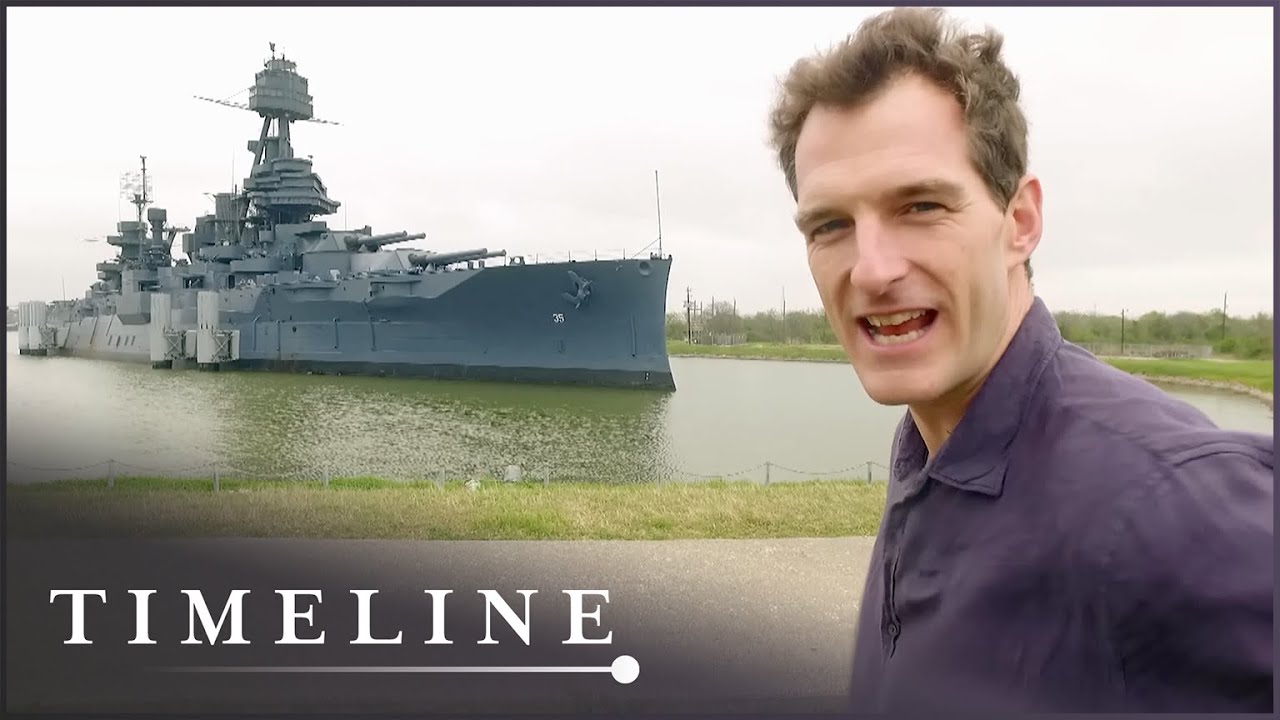
Battle of Jutland: The Bloody Naval Clash That Silently and Strategically Won World War I

Introduction: Greatest Naval Clash

The Battle of Jutland, fought from May 31 to June 1, 1916, was the largest and most dramatic naval engagement of the First World War. Involving 250 warships and over 100,000 sailors, it marked the first—and only—clash between the British Royal Navy’s Grand Fleet and the German High Seas Fleet. The battle unfolded in the icy waters of the North Sea, off the coast of Denmark’s Jutland Peninsula.

Initially perceived as a strategic blunder for the British, Jutland became the subject of controversy and public outcry. The Royal Navy, long hailed as the world’s greatest maritime force, suffered unexpectedly heavy losses in ships and sailors, leading many to question its competence and preparedness. Yet beneath the surface of disappointment lies a profound reality: Jutland was not the tactical victory Germany hoped for. It was a strategic triumph for Britain and the Allies, one that secured control of the seas and helped seal the fate of the German Empire.

A Battle Born of Blockade, Ambition

By 1916, Britain had imposed a devastating naval blockade on Germany, choking off critical supplies of food, fuel, and raw materials. Germany, a growing industrial power with limited access to overseas colonies, was highly dependent on imported goods. The blockade’s effects were crippling—not just economically, but socially and politically—causing widespread hardship, malnutrition, and unrest among the German population.

To break the blockade and regain initiative, the German Imperial Navy developed an ambitious plan. Admiral Reinhard Scheer, newly appointed commander of the High Seas Fleet, sought to isolate and destroy segments of the Royal Navy by using his faster, more modern battlecruisers under Vice-Admiral Franz von Hipper as bait. His goal was to lure the British out, inflict enough damage to weaken their naval superiority, and shift the balance of power in the North Sea.

However, British naval intelligence had a secret weapon—Room 40, a top-secret codebreaking unit within the Admiralty. They intercepted and deciphered German plans, allowing Admiral Sir John Jellicoe, commander of the Grand Fleet, and Vice-Admiral David Beatty, in charge of the Battlecruiser Fleet, to prepare an intercepting maneuver. The result was a fateful convergence of two massive fleets on the open seas.

The Clash Off the Coast of Denmark

The fleets met in the late afternoon on May 31, 1916, under grey skies and increasingly poor visibility. Initial contact was made between Beatty’s six battlecruisers and Hipper’s five, igniting a fierce duel. Within minutes, British ships began taking devastating hits. HMS Indefatigable exploded in a massive blast, sinking almost instantly and taking over a thousand crewmen with her. Soon after, HMS Queen Mary suffered a similar fate. These losses stunned observers and demoralized crews, raising alarms throughout the fleet.

Despite superior numbers, the British suffered from serious shortcomings. The early engagements revealed deep flaws in British naval doctrine, including poor ship design, lack of armor, and dangerous ammunition handling practices. Nonetheless, Beatty succeeded in drawing the Germans toward the main body of the Grand Fleet, where Admiral Jellicoe was poised for a major confrontation.

As night approached, Jellicoe executed a masterful tactical maneuver known as “crossing the T,” placing his battleships in an ideal position to unleash devastating broadsides against the oncoming German fleet. But poor visibility, evasive German tactics, and cautious decision-making limited the full impact of Jellicoe’s advantage.

The Hidden Causes of British Losses

Though the Royal Navy outnumbered the Germans in ships and guns, they lost more vessels—14 ships to Germany’s 11—and suffered over 6,000 casualties, more than twice the German toll. These figures shocked the British public and fueled political criticism. Yet recent research, including undersea exploration of the wrecks and analysis of wartime documents, offers deeper insight into why the Royal Navy suffered so heavily.

Outdated Tactical Doctrine: Many British admirals clung to 19th-century tactics despite the advent of modern naval technologies like radio communications, centralized fire control, and armor-piercing shells. Commanders lacked real-time situational awareness, leading to delays in action and missed opportunities to deliver decisive blows.

Design Flaws in British Ships: British battlecruisers were designed to prioritize speed over armor, a dangerous tradeoff. Their thin protection, especially around magazines and turrets, made them highly vulnerable to shellfire. When German shells hit, explosions often tore through entire decks, triggering catastrophic detonations.

Lax Ammunition Protocols: In pursuit of higher firing rates, British crews commonly stored extra powder charges outside of armored magazines. This reckless practice saved seconds but cost lives—once ignited by enemy shells, these charges amplified internal explosions, turning ships into floating infernos.

Meanwhile, German ships, though fewer in number, had superior armor distribution, compartmentalization, and disciplined handling of ammunition. Their heavy shells were also more effective at penetrating British defenses, contributing to the disparity in damage.

Tactical Stalemate, Strategic Victory

By the end of the night, the High Seas Fleet had managed to retreat under cover of darkness, avoiding total destruction. Superficially, it looked like a draw—or even a German win. However, this interpretation overlooks the strategic consequences of the battle.

After Jutland, the German navy never again seriously challenged the Royal Navy in surface combat. The High Seas Fleet remained largely confined to port for the remainder of the war, effectively ceding control of the North Sea to Britain. The Royal Navy, despite its losses, continued to enforce the blockade, tightening the economic noose around Germany.

Admiral Jellicoe was criticized by some for being overly cautious, but his restraint ensured that the British fleet—upon which the Empire’s security depended—remained intact. As Winston Churchill famously said, Jellicoe was “the only man on either side who could lose the war in an afternoon.” He chose prudence over glory—and in doing so, helped preserve the path to eventual victory.

Naval Aftermath and Transformation

In the months following Jutland, both navies undertook massive overhauls. The Royal Navy reevaluated its doctrines, improved ship designs, and implemented stricter ammunition safety procedures. Lessons from Jutland directly influenced the construction of newer battleship classes such as the Revenge-class and later the Queen Elizabeth-class, which balanced firepower, armor, and speed more effectively.

For Germany, the battle marked a turning point. Having failed to destroy the Grand Fleet, they shifted focus toward unrestricted submarine warfare—a strategy that would provoke neutral nations, including the United States, and help tip the balance of the war.

Moreover, the psychological toll on the German fleet was immense. Morale declined steadily, and by late 1918, widespread mutinies among German sailors broke out, playing a key role in the collapse of the German monarchy and the onset of revolution.

Footage, Shipwrecks, Living Memory

In the modern era, marine archaeologists have revisited the Jutland battlefield beneath the sea. The wrecks of HMS Invincible, Queen Mary, and several others lie undisturbed in deep water, serving as haunting underwater memorials. Remotely operated vehicles (ROVs) and sonar scans have revealed twisted hulls, collapsed gun turrets, and the scars of explosions that ended thousands of lives in an instant.

Previously classified naval records, survivor memoirs, and rare film footage now allow historians to reconstruct the battle with unprecedented accuracy. This new understanding reframes Jutland not as a failure, but as a critical juncture in the war’s outcome—a pyrrhic tactical loss that delivered a strategic masterstroke.

Conclusion: Victory Beneath the Loss

The Battle of Jutland was not the resounding triumph the British people had hoped for, nor was it the crushing defeat the Germans needed. Instead, it was something subtler but far more significant: a quiet turning point in a long and brutal war.

It exposed weaknesses in British naval operations, leading to necessary reforms. It paralyzed the German fleet and maintained Allied dominance at sea. It showed that modern naval warfare required not just courage and firepower, but strategy, adaptation, and technological superiority.

In hindsight, Jutland was not just a clash of ships—it was a collision of eras, tactics, and empires. Though thousands died, their sacrifice helped preserve Allied maritime supremacy, eventually enabling the blockade and reinforcements that would win the war on land. It was, in every sense, the battle that secretly won World War I.

Categories
W1 World

The Somme’s Bloody Toll: Why Hundreds of Thousands Paid the Price in a Devastating Battle

Introduction: Britain’s Darkest Battle

Few battles have left a deeper scar on British national memory than the Battle of the Somme. Fought from July 1 to November 18, 1916, it remains one of the deadliest and most haunting campaigns in human history. In just over four brutal months, the British Empire suffered around 420,000 casualties—killed, wounded, or missing—while their French allies lost another 200,000 men. German losses were even greater, with estimates of over 450,000 dead and wounded.

What began as a bold attempt to break the stalemate on the Western Front quickly descended into a nightmare of death, mud, and shattered hopes. The Battle of the Somme would come to symbolize the tragic and devastating cost of outdated military tactics clashing with the brutal and unforgiving realities of modern industrial warfare. In this article, we explore why the Somme proved so catastrophically deadly for Britain and examine whether the enormous human cost achieved any meaningful strategic goals.

Planning the Offensive at the Somme

The Somme offensive was originally intended to relieve the French Army, heavily engaged at Verdun, and to break through entrenched German defenses along a wide front. British commanders, led by General Sir Douglas Haig and General Sir Henry Rawlinson, believed that a prolonged artillery bombardment would decimate German positions, clearing the way for an easy infantry advance. Over 1.5 million shells were fired during a week-long barrage, which was expected to destroy enemy barbed wire, trenches, and fortifications.

However, many shells were defective, and German forces had constructed deep, reinforced bunkers that survived the bombardment with minimal losses. The British high command, confident of victory, ordered their soldiers to advance slowly and in tightly packed lines, believing resistance would be negligible. Tragically, these miscalculations would result in devastating casualties on the very first day.

Misjudgments and Overconfidence

One of the most fatal errors of the Somme campaign was the overconfidence of British military leadership. Senior commanders, many of whom had little experience with modern industrial warfare, continued to apply outdated 19th-century tactics against a technologically advanced enemy. The British Army was composed largely of newly raised volunteer units, known as Kitchener’s Army, whose enthusiasm was unmatched but whose training was often rushed and insufficient.

Planners assumed that slow, deliberate advances would be enough once German defenses were obliterated. They underestimated the ability of German troops to quickly man their machine guns once the bombardment ceased. The rigid attack orders left British troops marching across open fields, fully exposed to relentless fire from well-entrenched defenders. The result was catastrophic: nearly 60,000 British casualties on the first day alone, including more than 19,000 killed.

Outdated Tactics, New Technology

The Battle of the Somme revealed a tragic mismatch between old battlefield strategies and new technological realities. Warfare had changed dramatically with the advent of rapid-fire machine guns, heavy artillery, and intricate trench systems. However, military thinking had not kept pace. Traditional massed infantry assaults against fortified lines were no longer viable, but the British generals persisted with these approaches.

Barbed wire defenses were often still intact, forcing advancing troops to bunch up and become easy targets. While tanks made their first appearance during the Somme, their limited numbers, mechanical unreliability, and slow speeds meant they had little real impact. The commanders’ failure to adapt to the demands of industrialized warfare turned the battlefield into a slaughterhouse, where bravery alone was no match for machine guns and artillery shells.

The Heavy Toll on a Generation

The human cost of the Battle of the Somme for Britain was staggering and had long-lasting effects on society. The heavy casualties disproportionately affected young men, especially those from small towns and cities across Britain. Many “Pals Battalions”—units composed of men who had enlisted together from the same communities—were virtually wiped out in a single morning. Whole neighborhoods lost their youth and future leaders, creating a profound and collective grief that haunted Britain for decades.

The horror of the Somme helped destroy the romantic ideals of war that had characterized the pre-1914 era. Instead of glorious heroism, the dominant images of the First World War became mud, death, and futility. The trauma experienced by soldiers and their families back home contributed to a broader societal shift toward skepticism, disillusionment, and the questioning of traditional authority.

Gains Versus the Immense Costs

Historians have long debated whether the Somme achieved anything that justified its enormous price. In purely territorial terms, the gains were minimal—British and French forces advanced only about six miles over four months of fighting. Nevertheless, some argue that the battle played a crucial role in weakening the German Army, inflicting heavy casualties that the Germans could ill afford to replace.

Others maintain that the Somme exposed critical flaws in British military leadership, leading to reforms that ultimately contributed to victory in 1918. Still, it is difficult to ignore the sense that the battle epitomized the worst excesses of attritional warfare, where tens of thousands of lives were sacrificed for objectives that often seemed strategically insignificant. For many, the Somme remains a byword for senseless slaughter.

Lessons Learned From the Somme

Despite its catastrophic beginning, the Battle of the Somme forced important changes in British military doctrine. As the battle dragged on, commanders began to recognize the need for better coordination between artillery and infantry, improved communication systems, and greater tactical flexibility. New strategies such as creeping barrages, where artillery fire moved forward just ahead of advancing infantry, were developed to reduce exposure to enemy fire.

The early use of tanks, though ineffective at the Somme, sparked innovations that would lead to their decisive role later in the war. By learning painful lessons about how to fight a modern industrial war, the British Army gradually evolved into a more effective fighting force. Tragically, these improvements came too late for the hundreds of thousands who had already fallen on the fields of northern France.

The Lasting Legacy of the Somme

The legacy of the Battle of the Somme is deeply etched into British history and collective memory. The battlefields of France are now home to countless cemeteries and memorials, most notably the Thiepval Memorial, which honors over 72,000 missing soldiers. Annual commemorations ensure that the sacrifices of the Somme are not forgotten.

The battle also influenced literature, art, and popular culture, inspiring works that grapple with the horror and futility of war. In many ways, the Somme marked the end of a more innocent age, replacing optimism with a more cynical and questioning view of authority, empire, and the nature of war itself. It stands today as a solemn reminder of the terrible price of strategic miscalculation and human error on a grand scale.

Conclusion: The Somme’s Bitter Cost

The Battle of the Somme remains one of the most tragic episodes in British military history. It exemplified the terrible human cost of the First World War, the failures of outdated tactics, and the brutal realities of industrialized combat. While historians continue to debate whether the sacrifices were strategically necessary, there is no disputing that the fields of the Somme became a graveyard for a generation.

The battle reshaped Britain, leaving scars that lasted far beyond the war itself. Remembering the Somme is not only about honoring those who died but also about understanding the profound consequences of leadership, technology, and sacrifice in times of war. The fields of the Somme stand today as a solemn reminder of sacrifice, resilience, and the enduring lessons of unimaginable loss.

Categories
W1 World

Rushing to the Frontlines: Uncovering Why So Many Volunteered to Fight in World War I

Introduction: A Tide of Enthusiasm

When Britain declared war on Germany on August 4, 1914, a wave of patriotic fervor swept across the nation—and much of Europe. In the early months of World War I, thousands of young men eagerly lined up outside recruiting offices, willing and ready to go to war. Before the grim realities of trench warfare set in, the First World War was widely perceived as a grand adventure, a noble cause worth sacrificing everything for.

But why were so many so keen to volunteer? The answer lies in a potent mix of patriotism, peer pressure, societal expectations, economic factors, and carefully crafted propaganda. As the excitement of the early days spread, many saw enlistment as a rite of passage, a chance to prove their bravery and masculinity in the face of a global conflict. For some, it was also a way to escape the monotony of everyday life, offering a sense of purpose and belonging.

Patriotism, Duty, and the Call to Serve in Times of War

From the earliest days of the war, governments, newspapers, and community leaders hammered home the message that fighting was a moral duty. In Britain, posters proclaiming “Your Country Needs You” featuring Lord Kitchener’s stern gaze became iconic. Across France and Germany, similar campaigns framed the war as a defense of home, family, and national honor.

For many young men, national pride and a deep-seated sense of obligation made enlisting seem like the only honorable option. Generations had grown up with ideals of empire, monarchy, and loyalty drilled into them from childhood. Fighting was not just about personal bravery; it was about protecting everything they had ever known.

Propaganda: Selling the War as Glorious Adventure

Recruitment campaigns deliberately portrayed the war as a short, thrilling experience—almost a rite of passage into manhood. Posters and advertisements suggested that those who fought would be heroes, admired by women, and celebrated by their communities.

The war was marketed almost like a grand sporting event, with an emphasis on courage, honor, and camaraderie. In schools, boys were encouraged to join the military as part of their natural progression into adulthood. The grim realities of warfare—mud, blood, and death—were omitted in favor of promises of glory, brotherhood, and swift victory. In short, propaganda painted war in colors far brighter than reality could sustain.

Peer Pressure and the Fear of Social Shame

Beyond patriotism, there was an intense social pressure to enlist. In towns and villages across Britain and Europe, not volunteering could bring a heavy social cost. “White feather” campaigns—where women handed white feathers to men perceived as cowards—further stigmatized those who stayed behind.

Men who did not sign up faced ostracism, public humiliation, and the fear of being labeled a shirker. In closely knit communities, the decision to enlist was often made in groups: friends, teammates, coworkers, and even entire classes of schoolboys would join together. Pals Battalions in Britain, where groups of friends enlisted and served together, were a direct result of this social dynamic. The fear of appearing cowardly in front of one’s peers, family, and romantic interests proved to be a powerful motivator.

Economic Incentives and Escaping Hardship

For some, volunteering was less about patriotism or honor and more about opportunity. Before the war, many young men faced bleak economic prospects. In industrial towns hit hard by unemployment or rural areas plagued by poverty, military service offered regular pay, food, clothing, and a sense of purpose.

Enlistment bonuses, promises of adventure abroad, and the potential for social mobility attracted those who saw few other options. In some cases, joining the military was seen as a way to escape a stifling domestic life or an oppressive job with little hope of advancement. For countless men, the army was a means of survival as much as it was a badge of pride.

The Crushing Reality: A Romanticized View of War

The generation that rushed to fight in 1914 grew up immersed in tales of heroic battles and gallant soldiers. History lessons, books, and popular culture often celebrated the glories of past wars, from Waterloo to Crimea, downplaying the horrors and focusing instead on honor and triumph.

Few people truly understood what modern industrial warfare would entail. Machine guns, poison gas, endless shelling—these were not yet part of the public imagination. Instead, the initial assumption was that the war would be short-lived, fought on horseback with clear frontlines, and that soldiers would be home “by Christmas.” This tragically naïve view contributed significantly to the mass enthusiasm for enlistment.

From Enthusiasm to Disillusionment

It didn’t take long for the brutal reality to break through the illusions. By late 1915, the endless stalemates on the Western Front, the catastrophic loss of life, and the nightmarish conditions of trench warfare became widely known. Casualty lists published daily in newspapers grew longer.

Letters from soldiers described mud-filled trenches, constant shellfire, disease, and the gruesome deaths of comrades. The high hopes of 1914 were quickly replaced with a grim, determined endurance. As voluntary recruitment faltered under the weight of reality, countries like Britain introduced conscription to maintain troop numbers. The initial flood of eager volunteers became a trickle, and then a trickle became a draft.

Case Study: The Pals Battalions

The concept of the Pals Battalions perfectly illustrates the initial spirit of war enthusiasm—and its devastating consequences. Groups of close friends, neighbors, and even entire families from the same town would enlist together, forming tight-knit units to serve side-by-side.

While this created strong bonds of camaraderie, loyalty, and shared purpose, it also led to catastrophic local losses when these battalions suffered massive casualties. The Battle of the Somme in 1916 became a tragic turning point, devastating many of these Pals Battalions and wiping out entire generations of young men from single communities in a matter of hours.

What started as a proud and hopeful decision to sign up together quickly transformed into collective mourning back home, as families and entire towns were left to bear the unbearable weight of such profound loss, with many communities losing almost all of their able-bodied men.

The Pals Battalions were ultimately disbanded after the severe losses on the Somme, with military leaders recognizing the disastrous impact on local communities. The emotional and psychological toll was profound, as the war not only took away young men but also deeply scarred the towns they left behind, forever altering the social fabric of countless communities across Britain.

Case Study: The Canadian Expeditionary Force

One of the most remarkable and widely recognized examples of volunteerism during World War I was the Canadian Expeditionary Force (CEF). In 1914, Canada, as part of the British Empire, was automatically drawn into the war. However, unlike Britain, where conscription was initially not enacted, Canada relied heavily on volunteers to build its military presence.

From the outset, many Canadians eagerly enlisted for the war, driven by loyalty to the British Crown, a sense of adventure, and a desire to serve the empire. The government, led by Prime Minister Robert Borden, launched a large-scale recruitment campaign. Posters and advertisements invited men to join the CEF, often portraying the war as an opportunity for Canadian men to prove their worth on the world stage.

Despite Canada’s relatively small population (roughly 8 million at the time), by the end of the war, more than 61,000 Canadians had died, and more than 170,000 had served in various branches of the military. The Battle of Vimy Ridge in 1917, one of the most significant battles involving Canadian forces, became a defining moment for Canada as a nation.

This case study shows how Canada’s participation in the war was shaped not just by British imperialism but also by a desire to assert national identity. Many volunteers were inspired by patriotism, but there was also a heavy undercurrent of a young, growing nation eager to make its mark on the world stage.

Case Study: The French Foreign Legion

The French Foreign Legion, an elite unit of the French Army that primarily recruits foreign nationals, saw a significant surge in volunteers when World War I broke out. The Legion had a storied history of accepting men from various nations, including those seeking a fresh start or trying to escape troubled pasts.

When the war began, France needed to bolster its ranks quickly, and the Foreign Legion became an attractive option for many. Volunteers came from all walks of life—adventurers, convicts seeking redemption, unemployed men, and even soldiers from other countries eager to fight for the Allies.

For many, the Foreign Legion offered a sense of purpose and stability, especially in a world ravaged by economic hardship and political turmoil. The harsh and often brutal discipline of the Legion appealed to those looking for a fresh start or a sense of belonging. Additionally, the promise of French citizenship after service was a powerful motivator for men from countries outside France.

However, the reality of serving in the Legion was brutal. Many volunteers were sent to the front lines of some of the bloodiest battles, and casualties were high. Nevertheless, the Foreign Legion’s willingness to accept virtually anyone and offer a path to citizenship for the brave and the bold made it an attractive option for many men eager to escape their pasts and make a new life in the shadow of a world at war.

This case study demonstrates how desperate times, combined with the allure of adventure and potential rewards, led men to volunteer for one of the most dangerous and grueling military units of the time. The Foreign Legion played a pivotal role in France’s military strategy during the war, and its volunteers—often with no connection to France—became one of the war’s most determined fighting forces.

Conclusion: A Generation’s Sacrifice

The mass enthusiasm that fueled voluntary enlistment in World War I was born out of complex, overlapping forces—patriotism, propaganda, peer pressure, economic hardship, and romantic ideals of war. Young men stepped forward eagerly, unaware of the horrors that awaited them. Many were inspired by the heroic portrayals of soldiers in the media, convinced they would experience glory and adventure, little understanding of the grueling and deadly reality of trench warfare.

Their sacrifice marked a profound turning point in modern history. The shattered illusions of the Great War would leave scars not only on the battlefields but also deep within the cultural and political fabric of the 20th century. Today, the eagerness to volunteer is remembered with a mixture of awe, sorrow, and reflection—a powerful reminder of how quickly innocence can be consumed by the machinery of war.

Categories
W1 World

Prince Frederick William: Queen Victoria’s Disabled Grandson and Europe’s Path to WWI

At the end of the 19th century, Europe was a tapestry of interwoven royal families, many of whom were descendants of Queen Victoria. This complex network of kinship, however, did not prevent the continent from sliding into one of the most devastating conflicts in human history: World War I. Among these royals was Queen Victoria’s disabled grandson, Wilhelm II of Germany, whose tumultuous reign and personal insecurities played a crucial role in the path to war.

The House of Saxe-Coburg and Gotha

Queen Victoria, known as the “Grandmother of Europe,” had numerous children who married into various European royal families, creating a web of alliances and rivalries. Her children and grandchildren held thrones in Britain, Germany, Russia, Greece, and several other nations. This intermarriage was supposed to ensure peace through familial bonds, yet it often resulted in the opposite due to personal and political conflicts.

Wilhelm II, born in 1859, was the eldest grandson of Queen Victoria through her daughter Victoria, Princess Royal, and her husband, Prince Frederick of Prussia. Despite his high birth, Wilhelm’s life was marked by personal challenges. Born with a withered left arm due to complications during delivery, Wilhelm’s physical disability haunted him throughout his life. His mother’s obsessive efforts to correct his arm through painful and often cruel treatments only deepened his insecurities.

Wilhelm’s Reign and Insecurities

Wilhelm II ascended to the German throne in 1888 after the brief reign of his father, Frederick III. Unlike his father, who was a liberal and progressive thinker, Wilhelm adopted a more aggressive and autocratic approach. His reign was characterized by a desire to assert Germany’s power on the world stage, both through militarization and an assertive foreign policy.

Wilhelm’s insecurity about his disability and his need to prove himself played a significant role in his leadership style. He sought validation through military achievements and grandiose public displays of power, which often translated into erratic and provocative political decisions. His infamous “place in the sun” speech in 1901 exemplified his ambition for Germany to become a global imperial power, rivaling Britain and other European nations.

Fractured Family Ties

The intricate web of European royalty, though familial, was fraught with rivalry and distrust. Wilhelm’s relationships with his British relatives, particularly with his cousin King George V and his grandmother Queen Victoria, were complicated. Wilhelm’s often abrasive and confrontational demeanor did little to foster good relations. His support for the Boer War against Britain and his antagonistic naval policies only heightened tensions with his British cousins.

Furthermore, Wilhelm’s relationship with his cousin, Tsar Nicholas II of Russia, was equally strained. Despite their personal correspondence and shared lineage, Wilhelm’s aggressive posturing and alliance with Austria-Hungary against Russia’s interests in the Balkans exacerbated the rift between Germany and Russia.

The Path to War

The intricate alliances and mutual defense pacts among European powers set the stage for a conflict that needed only a spark to ignite. The assassination of Archduke Franz Ferdinand of Austria in June 1914 provided that spark. Wilhelm, initially shocked by the assassination, soon offered Austria-Hungary a “blank check” of support against Serbia. This unconditional backing emboldened Austria-Hungary to take a hardline stance, leading to a cascade of mobilizations and declarations of war.

Wilhelm’s impulsive decision-making and his inability to grasp the broader implications of his actions played a critical role in the escalation. His aggressive posturing and militaristic policies, combined with his need to assert Germany’s dominance, pushed Europe closer to the brink. As Germany mobilized against Russia and France, the complex web of alliances quickly drew the entire continent into conflict.

The Dysfunctional Royal Network

The outbreak of World War I highlighted the dysfunctionality of the European royal network. Instead of acting as a unifying force, the familial connections among monarchs became a source of discord and competition. The personal rivalries and mistrust among cousins who were supposed to ensure peace through their shared heritage instead contributed to the descent into war.

Queen Victoria’s vision of a Europe bound together by blood was ultimately shattered. The war pitted cousin against cousin, with Wilhelm II, George V, and Nicholas II all leading their respective nations into battle. The familial bonds that were meant to prevent conflict instead underscored the fragility of peace in the face of nationalistic fervor and personal insecurities.

The Consequences of Wilhelm’s Reign

The aftermath of World War I saw the collapse of empires and the end of monarchies across Europe. Wilhelm II abdicated in 1918, living the rest of his life in exile in the Netherlands. His reign, marked by ambition and insecurity, left a legacy of destruction and upheaval. The war fundamentally reshaped the political landscape of Europe, leading to the rise of new ideologies and the eventual onset of World War II.

Wilhelm’s personal shortcomings and his role in the lead-up to the war serve as a reminder of the profound impact individual leaders can have on world events. His disability, while a source of personal torment, also fueled a relentless drive to assert his power and validate his rule, often to disastrous ends.

In conclusion, the story of Queen Victoria’s disabled grandson, Wilhelm II, and his role in leading Europe into World War I is a complex narrative of personal ambition, familial rivalry, and political miscalculation. The dysfunctional family ties among Europe’s royalty, instead of preventing conflict, contributed to the escalation of tensions that culminated in one of the most devastating wars in history. Wilhelm’s reign, driven by insecurity and a desire for validation, exemplifies how individual leadership can profoundly shape the course of history, often with catastrophic consequences. Overall, the legacy of this period continues to influence the world, highlighting the enduring interplay between personal ambitions and broader geopolitical dynamics.

Categories
W2 World

Silent Echoes: The Haunting Ordeal of Families on the World War I Home Front

During the tumultuous years of World War I, the haunting specter of loneliness and paranoia gripped not only the soldiers entrenched in the trenches but also the families left behind on the home front. While the war raged on distant battlefields, those at home experienced their own harrowing ordeal, enduring a unique form of anguish amidst the chaos and uncertainty.

A remarkable collection, derived from hundreds of interviews with World War I veterans and their families, provides a poignant glimpse into the untold stories of heroism and heartbreak from the years spanning 1914 to 1918. These voices, captured in these interviews, serve as echoes of a bygone era, a testament to the experiences of those who endured the war’s upheaval, yet whose voices now remain forever silent.

The focus on these narratives transcends the typical accounts of battlefield heroics. Instead, they delve into the forgotten tales of families grappling with the grim realities of war on the home front. It was a time marred by fear, uncertainty, and the relentless toll exacted by the conflict.

At home, the families left behind shouldered burdens of their own. They weathered the terror of Zeppelin raids that cast a shadow of fear and destruction over their neighborhoods. Food shortages became a grim everyday reality, exacerbating the struggle to sustain their households in the face of scarcity and rationing. Yet, perhaps the most gut-wrenching anxiety that haunted their days was the constant, gnawing worry that their loved ones serving at the front lines might never return.

The arrival of the dreaded telegram, bearing the sorrowful news of a fallen soldier, shattered the fragile semblance of normalcy for thousands of families. It was a harbinger of irreparable loss, signaling the abrupt and tragic end to the lives of cherished husbands, sons, and brothers. The weight of grief descended upon these homes, leaving an indelible mark that altered the course of countless lives forever.

These poignant accounts from those who lived through the war’s impact on the home front paint a vivid portrait of the emotional landscape during World War I. They reveal the quiet fortitude and resilience of families, their struggles etched into the fabric of a war-torn society.

The silence that now envelops these voices, once vivid and resonant, serves as a poignant reminder of the passage of time. The experiences, emotions, and untold stories of these individuals, encapsulated within these interviews, stand as a testament to the profound and enduring impact of war on both the battlefront and the homes left behind.

During World War I, families left behind on the home front faced immense suffering and hardship. Their daily lives were consumed by a constant undercurrent of fear, uncertainty, and the grim realities of wartime existence.

  1. Anxiety and Fear: The families experienced profound anxiety and fear about the safety of their loved ones serving at the front lines. Every day brought the dread of receiving devastating news about their husbands, sons, or brothers. The looming threat of losing a family member in a distant, brutal war cast a pervasive shadow over their lives.
  2. Zeppelin Raids: The terror of Zeppelin raids compounded their distress. The sight of these ominous airships hovering over cities and towns brought the immediate fear of bombings, destruction, and loss of life. Families huddled in shelters, enduring the terror of these attacks and grappling with the uncertainty of what each raid might bring.
  3. Food Shortages and Rationing: Scarce resources led to severe food shortages. Rationing became a way of life, forcing families to make do with meager supplies. They had to adapt to limited food options and cope with the challenge of ensuring everyone had enough to eat amid scarcity and rising prices.
  4. Economic Hardship: With many men away at war, the absence of breadwinners created economic strain. Women took on new roles in the workforce, filling positions left vacant by men who had enlisted. Yet, these jobs often offered lower wages, exacerbating financial difficulties for families already struggling to make ends meet.
  5. Grief and Loss: The most heartrending aspect was the constant fear of losing loved ones. The arrival of the dreaded telegram bearing news of a family member’s death or injury shattered lives. Grief overwhelmed households, leaving a void that could never truly be filled. The sense of loss was profound and everlasting, impacting entire communities.
  6. Emotional Toll: The cumulative impact of enduring such distress was immense. Families coped with emotional strain, grappling with anxiety, grief, and the strain of daily survival. The constant worry and the pervasive atmosphere of loss and uncertainty took a heavy toll on their mental and emotional well-being.

The suffering endured by families on the home front during World War I was multi-faceted and deeply pervasive. It wasn’t merely the absence of their loved ones but also the relentless anxieties and hardships they faced daily that marked this period as one of profound struggle and sacrifice.

As the last echoes of these voices fade into history, their narratives serve as a poignant tribute to the sacrifices and hardships endured by those whose lives were forever altered by the relentless tumult of World War I. Their stories, though silent now, remain an integral part of the legacy of a generation whose resilience in the face of adversity echoes through time.

Categories
W2 World

Decoding the German Decision: Scuttling the Fleet after WWI

After World War I, the Treaty of Versailles imposed significant restrictions on Germany’s military capabilities. Among the many stipulations was the requirement for Germany to surrender a considerable portion of its naval fleet. This left Admiral Ludwig von Reuter, in command of the German High Seas Fleet, facing an unprecedented and agonizing decision: surrender the fleet to the Allied forces or carry out an act that would resonate in naval history.

The Treaty of Versailles demanded the surrender of Germany’s most formidable warships, including battleships and cruisers, to prevent Germany from posing a naval threat in the future. To comply with this directive, the German fleet was interned at Scapa Flow, a natural harbor in Scotland, under the watchful eyes of the Royal Navy.

However, as negotiations for the Treaty’s terms progressed, the German sailors became increasingly anxious about the uncertain fate of their ships. Fearful that the vessels might be divided among the Allies or fall into enemy hands, tensions mounted among the crew.

On June 21, 1919, amid a misunderstanding about the terms of the peace treaty and the news that Germany might have to surrender the fleet to the Allies permanently, Admiral Reuter decided on a drastic course of action. In a last, desperate act of defiance, he issued the command to scuttle the entire German High Seas Fleet.

The scuttling was a deliberate act of sinking the ships by opening seacocks and valves to flood them. On the morning of June 21, with a prearranged signal, crews on 74 ships carried out Reuter’s orders. Within hours, the once-mighty German fleet began to sink beneath the waters of Scapa Flow.

The scuttling took place despite the efforts of some officers and sailors who tried to sabotage the process, delaying or obstructing the sinking of certain ships. However, the majority of the fleet succumbed to the sea, sinking to the ocean floor.

The act of scuttling the German High Seas Fleet was a monumental event in naval history. It represented a stark demonstration of national pride and defiance in the face of defeat. The sight of these formidable war machines, which had once posed a significant threat to the Allied forces, disappearing beneath the waves was a symbolic and emotional moment.

The consequences were substantial. While some ships were salvaged and recovered, a significant number remained at the bottom of Scapa Flow, becoming a diving attraction and a reminder of the turbulent aftermath of World War I. The scuttling also left a lasting legacy, influencing subsequent disarmament treaties and shaping naval strategy and diplomacy in the years that followed.

If the scuttling of the German High Seas Fleet had not occurred, the aftermath of World War I might have unfolded differently, potentially altering the course of post-war diplomacy and naval history. Had the fleet been surrendered intact to the Allied forces as per the terms of the Treaty of Versailles, several scenarios might have emerged:

  1. Distribution Among Allies: The ships could have been divided among the victorious Allied nations. This distribution might have aimed to prevent any single nation from gaining an overwhelming naval advantage, potentially leading to a reconfiguration of naval power dynamics in Europe.
  2. Integration into Allied Fleets: Alternatively, some ships could have been integrated into the fleets of the Allied powers. This might have involved refitting or repurposing the vessels to serve the interests of the respective nations, strengthening their naval capabilities.
  3. Maintenance as a Symbolic Force: The High Seas Fleet might have been maintained as a symbolic force under strict Allied control. This scenario could have involved restricting Germany’s access to its own naval assets, using the fleet as a reminder of Germany’s defeat and as a means of exerting control over its military capabilities.
  4. German Naval Development: The absence of the scuttling could have allowed Germany to retain a portion of its naval power, potentially influencing its rearmament efforts in the interwar period. This might have influenced naval arms races and strategic developments in the years leading up to World War II.

However, any scenario involving the intact surrender or division of the High Seas Fleet would likely have been fraught with diplomatic tensions, as the disposition of such formidable war assets would have been a subject of intense negotiations and power plays among the Allied nations.

The scuttling of the German fleet at Scapa Flow had a profound impact, symbolizing a dramatic end to Germany’s naval power and demonstrating defiance in the face of defeat. The act eliminated the immediate threat posed by the German ships, but it also left a lasting legacy, shaping the discourse around disarmament, naval strategy, and post-war diplomacy.

Had the scuttling not taken place, the fate of the High Seas Fleet and its impact on subsequent geopolitical dynamics would have been significantly different, potentially reshaping alliances, armament treaties, and naval strategies in the volatile aftermath of World War I.

Admiral Reuter’s decision, born out of desperation and the desire to prevent the fleet from falling into enemy hands, was a dramatic and controversial choice. It was an act that echoed the complexities and emotions of a defeated nation grappling with the consequences of war and the harsh terms of a peace treaty. The scuttling of the German High Seas Fleet remains a poignant chapter in naval history, a testament to the sacrifices and the lingering echoes of conflict long after the guns fell silent.

Categories
W2 World

Forging Victory Amidst Turmoil: The Saga of the Boys of 1918 in World War I

The spring of 1918 witnessed a pivotal moment in World War I. The conflict, still teetering on the brink, took a dramatic turn as the German forces initiated a massive offensive. In response, a significant development unfolded: British conscripts, mere teenagers at 18 years old, were dispatched to France. This influx aimed to bolster the forces in a bid to confront the escalating turmoil of war. However, this deployment of fresh recruits into the crucible of battle proved a harrowing chapter in their young lives.

As the Germans unleashed their formidable offensive, the newly arrived British recruits found themselves thrust into the heart of the conflict. Thousands of these young soldiers were swiftly taken captive as the German advance surged, leaving them at the mercy of their captors. What followed was a period of profound adversity and suffering as these inexperienced youths endured months of hardship under the austere conditions imposed by their captors.

For the captured British conscripts, life in captivity was a relentless trial. Stripped of freedom and subjected to the grueling realities of war, they navigated a world of uncertainty and deprivation. Their days were marked by scarcity, deprivation of basic necessities, and the constant specter of danger. Yet amid this turmoil, a quiet resilience emerged within these young men, a testament to the strength of spirit amid the crucible of war.

However, as the summer unfolded, a shift in fortunes began to materialize. The tide slowly turned against the relentless German advance. The Boys of 1918, as they came to be known, found themselves part of a significant turning point. Their steadfast determination and unwavering commitment, despite their youth and inexperience, contributed to the gradual shift in the direction of the war.

The collective efforts of these young soldiers played a crucial role in transforming a potential defeat into an unexpected victory. Their resilience and fortitude in the face of adversity became a beacon of hope amid the chaos of war. With every passing day, their tenacity and dedication helped tip the scales, ultimately contributing to the eventual triumph that marked the turning point in the conflict.

The involvement of the Boys of 1918 in World War I not only marked a critical juncture in the conflict but also resonated deeply within their families back home. As these young soldiers embarked on their duty, their families grappled with a complex mix of emotions, from pride in their sons’ service to profound anxiety about their safety and well-being on the frontlines.

The families left behind experienced a profound sense of apprehension and concern for their sons’ safety as they were sent off to the battlegrounds. The gravity of war and the peril faced by these young recruits weighed heavily on the hearts of their loved ones. Families endured agonizing waits for news, uncertain whether their sons were safe, wounded, or worse.

For those whose sons were captured during the German offensive, the anguish was compounded. The families confronted the distressing reality of not knowing the fate of their young soldiers. Months passed with limited information, heightening the emotional toll as they grappled with the uncertainty of their sons’ conditions in enemy captivity.

Throughout this tumultuous period, families faced tremendous hardship, not only emotionally but often enduring economic strain due to the absence of their sons, who were typically contributors to the family income. The toll of war permeated every aspect of their lives, casting a shadow of anxiety and hardship over their households.

Yet, amid the distress, families also found solace in hope. News of the tide turning in favor of the Allied forces brought a glimmer of optimism. The resilience displayed by their sons, who persevered in the face of adversity, served as a source of pride and strength for their families back home.

Ultimately, as the conflict reached its turning point, the relief and joy were palpable among the families of these young soldiers. The news of victory and the eventual return of their sons, albeit deeply changed by their wartime experiences, brought immeasurable relief and a sense of profound gratitude.

The stories of the Boys of 1918 and their families intertwine to paint a portrait of resilience, sacrifice, and the enduring human spirit in the face of adversity. Their collective courage and perseverance, both on the battlefield and on the home front, remain a testament to the indomitable will of those impacted by the tumultuous events of World War I.

The Boys of 1918, thrust into the crucible of war in its final throes, bore witness to the brutality and hardships of battle. Their sacrifices, endurance, and unwavering resolve stood as a testament to the human spirit’s resilience amid the chaos of war. Their courage in adversity and their pivotal role in the turning tide of the conflict cemented their place in history, honoring their contribution to turning the tides of defeat into a resounding victory.

Categories
W2 World

The Tsar Tank in WWI: A Colossal Tricycle of Ambition and Engineering Challenges

In the annals of military history, there are few vehicles as peculiar and audacious as the Tsar Tank. Also known as the Netopyr or the Lebedenko Tank, this colossal armored tricycle was a product of the inventive spirit of its main designer, Nikolai Lebedenko, and a team of engineers including Nikolay Zhukovsky, Boris Stechkin, and Alexander Mikulin. Conceived in 1914, the Tsar Tank was an ambitious endeavor that pushed the boundaries of conventional tank design.

The Tsar Tank’s unique appearance immediately catches the eye. It featured a massive tricycle-like structure with two large front wheels measuring approximately 27 feet (8 meters) in diameter, dwarfing the smaller rear wheel. The rationale behind this design was to overcome the obstacles posed by trench warfare, allowing the tank to traverse trenches and other uneven terrain with ease. The tank’s height, estimated to be around 30 feet (9 meters), added to its imposing presence on the battlefield.

The Lebedenko Tank boasted an array of innovative features. Its main weapon was a 76.2mm gun, mounted in a revolving turret positioned in the center of the vehicle. This rotating turret allowed for 360-degree firing capabilities, ensuring that the tank could engage targets from any direction. Additional armament included several machine guns placed at strategic points on the tank’s hull.

The tank’s sheer size and weight posed significant engineering challenges. The front wheels, constructed with wooden planks and metal frames, were meant to provide traction and stability. However, their immense size made maneuverability a daunting task. Turning the Tsar Tank required a complex system of gears, chains, and pulleys, often necessitating the assistance of ground crew members to manually manipulate the wheels.

Despite its impressive appearance and innovative features, the Tsar Tank faced a multitude of problems that hindered its practicality. One of the key issues was the sheer weight of the vehicle, estimated to be around 60 tons. The weight distribution on the three wheels proved to be uneven, causing instability and rendering the tank prone to tipping over. Moreover, the tank’s size made transportation difficult, as it required specialized infrastructure and presented logistical challenges on the battlefield.

Another significant drawback of the Tsar Tank was its vulnerability to artillery fire. The large wheels, intended to protect the tank’s hull, proved to be a liability. They provided an easily targetable surface for enemy gunners, and the lack of effective armor plating made the tank susceptible to damage. Additionally, the immense size of the tank made it an easy target for enemy aircraft, rendering it an impractical and precarious weapon of war.

Despite the Tsar Tank’s limitations and impracticalities, it served as a testament to the innovative mindset prevalent during the early years of tank development. The engineers involved in the project demonstrated a willingness to explore unconventional designs and push the boundaries of what was considered feasible. While the Tsar Tank may not have been a practical success, it played a role in the evolution of armored warfare and the subsequent development of more efficient and effective tanks.

The story of the Tsar Tank embodies the spirit of experimentation and innovation that characterized the early stages of tank design. It serves as a reminder that progress often involves taking risks and venturing into uncharted territories. Although the Tsar Tank did not fulfill its intended purpose, its peculiar design and engineering challenges make it an enduring symbol of both ambition and eccentricity.

Today, remnants and photographs of the Tsar Tank serve as a testament to the audacity of those who dared to dream big in the realm of military technology. The colossal armored tricycle remains an intriguing piece of history, sparking fascination and curiosity among enthusiasts and historians alike. The Tsar Tank stands as a reminder that even in failure, there is much to learn and appreciate, as it represents the relentless pursuit of innovation and the indomitable human spirit. Here are the key features and significance of the Tsar Tank:

  1. Unique Design: The Tsar Tank featured a distinct tricycle-like design with two enormous front wheels and a smaller rear wheel.
  2. Massive Size: The tank measured approximately 30 feet (9 meters) in height, making it an imposing presence on the battlefield.
  3. Innovative Turret: The tank’s revolving turret, positioned in the center, allowed for 360-degree firing capabilities, enhancing its combat effectiveness.
  4. Diverse Armament: Equipped with a 76.2mm gun and several strategically placed machine guns, the tank had a formidable arsenal.
  5. Trench-Crossing Capability: The large front wheels were designed to facilitate crossing trenches and other uneven terrain, providing an advantage in trench warfare.
  6. Engineering Challenges: The immense size and weight of the tank presented significant engineering difficulties in terms of stability and maneuverability.
  7. Complex Turning Mechanism: Turning the Tsar Tank required intricate gear, chain, and pulley systems, often requiring the assistance of ground crew members.
  8. Vulnerability to Artillery: The large wheels, intended for protection, made the tank susceptible to artillery fire, undermining its defensive capabilities.
  9. Transportation Challenges: Due to its size, the tank required specialized infrastructure and faced logistical difficulties in transportation.
  10. Symbol of Innovation: Despite its shortcomings, the Tsar Tank represents a pioneering spirit in armored warfare, pushing the boundaries of tank design and inspiring future developments.

In the pantheon of military oddities, the Tsar Tank holds a special place. Its unconventional design, ambitious features, and ultimate impracticality make it an intriguing chapter in the history of armored warfare. The audacity of its creators and their willingness to explore uncharted territories left a lasting legacy, reminding us that even the most unusual ideas have the potential to shape the course of history. The Tsar Tank stands as a testament to the power of human ingenuity and the enduring quest for military superiority, forever etched in the annals of military innovation.

Categories
W3 World

The Armistice Unveiled: Decoding the Complexities of World War I’s Bitter Endgame

The conclusion of World War I was marked by a complex web of negotiations, power struggles, and military strategies as statesmen and generals worked behind the scenes to shape the terms of peace. While politicians and diplomats engaged in haggling and maneuvering, soldiers continued to fight and sacrifice their lives on the frontlines.

This journey takes us from the command centers to the battlefields, delving into the reasons behind the staggering loss of half-a-million men during the bitter endgame of the “Great War.” It unravels the events that led Germany, once a formidable power, to plunge into total defeat. The Armistice signed on November 11th, 1918, marked a fragile peace that would prove doomed, setting the stage for a century-long struggle for mastery over Europe.

As we explore the tumultuous period leading up to the Armistice, we uncover the wounded egos, political scheming, and strategic calculations that shaped the course of events. The frenetic politicking and brutality of the fighting in 1918 cast a long shadow, raising important questions about whether the seeds of the even bloodier Second World War were sown during this pivotal time.

The aftermath of World War I witnessed a delicate balance of power being established through a series of negotiations and treaties. The Paris Peace Conference in 1919, which aimed to settle the terms of peace, saw the major powers engaging in intense debates and jockeying for advantageous positions. The Treaty of Versailles, signed in June 1919, imposed harsh conditions on Germany, seeking to hold it accountable for the war and stripping it of significant territories and resources.

However, the consequences of these decisions would prove far-reaching. The war had left deep scars on both individuals and nations, and the economic and political instability that followed created fertile ground for future conflicts. The Armistice, meant to bring an end to the fighting, left many unresolved issues and simmering resentments, setting the stage for a new era of geopolitical tensions and rivalries.

The bitter endgame of World War I not only reshaped the map of Europe but also had profound implications for the subsequent course of history. The article investigates the connections between the events of 1918 and the outbreak of the Second World War just two decades later. Did the frenzied politicking and the brutality witnessed during the final stages of the Great War plant the seeds of an even more devastating global conflict?

Through a comprehensive examination of the political, military, and social dynamics during the endgame of World War I, we can gain a clearer understanding of the critical period leading up to the Armistice of 1918. This examination allows us to shed light on the intricate web of events, decisions, and unresolved grievances that shaped the post-war landscape and set the stage for the challenges and conflicts that would follow.

On the political front, the negotiations and deliberations behind closed doors were characterized by intense strategizing and power struggles. Statesmen and diplomats maneuvered to secure the best possible terms for their respective nations, seeking to shape the future balance of power. These negotiations often involved contentious debates and compromises as the major players sought to advance their own interests while navigating the delicate balance of peace.

Simultaneously, the military landscape was fraught with tension and strategic calculations. Generals and military leaders grappled with the daunting task of conducting operations while knowing that negotiations for peace were underway. The soldiers on the frontlines, often unaware of the political developments, faced the harsh realities of war with determination and sacrifice. Their resilience in the face of unimaginable hardships contributed to the final outcome of the conflict.

The social dynamics during this period were marked by a mix of emotions, ranging from weariness and disillusionment to hope and anticipation. The general population, weary of years of conflict, longed for an end to the bloodshed and devastation. However, the wounds of war ran deep, and the unresolved grievances and resentments among nations and individuals added complexity to the pursuit of lasting peace.

The Armistice of 1918, signed on November 11th, was meant to bring an end to the fighting and establish the foundations for a new era. However, the terms of the Armistice, though providing temporary respite, left numerous issues unresolved. The seeds of future conflicts, both political and territorial, were sown during this time. The repercussions of the Armistice would reverberate throughout the 20th century, culminating in the even bloodier Second World War just two decades later.

By delving into the political, military, and social dynamics of the period, we gain a deeper understanding of how the Armistice of 1918 set the stage for the challenges and conflicts that followed. Analyzing the decisions made by statesmen, the lingering grievances among nations, and the emerging power struggles provides valuable insights into the complexities of post-war reconstruction and the fragility of peace.

It is through this comprehensive examination that we can unravel the intricacies of the endgame of World War I and the subsequent Armistice. By understanding the dynamics at play and the consequences of the decisions made, we gain valuable insights into the complex tapestry of history and the lessons it offers for navigating the challenges of our own time.

The bitter endgame of World War I was not merely a conclusion but a prelude to a tumultuous century defined by ongoing struggles for dominance and control. It serves as a stark reminder of the complex interplay of human ambition, power dynamics, and the consequences of war. By exploring this pivotal moment in history, we gain valuable insights into the origins of the Second World War and the enduring impact of the Great War on the global stage.

In retrospect, the Armistice signed on November 11th, 1918, represented a fragile and incomplete peace. It left numerous unresolved issues and grievances, setting the stage for future conflicts. The bitter endgame of World War I serves as a cautionary tale, urging us to examine the consequences of political decisions, the impact of militarism, and the dangers of unresolved tensions on the global stage. It highlights the importance of understanding history to navigate the complexities and challenges of the present and shape a more peaceful future.

Finally, the story of the Armistice is a testament to the resilience of the human spirit, the enduring pursuit of peace, and the need to learn from the mistakes of the past. By uncovering the intricacies of the bitter endgame of World War I, we gain a deeper appreciation for the sacrifices made and the complexities involved in shaping the destiny of nations. It serves as a poignant reminder of the devastating consequences of war and the imperative of seeking diplomatic solutions to global conflicts.

Categories
W3 World

Hidden Narratives Unveiled: Women’s Experiences in Home Movies of WWI and WWII

Introduction

The world wars were pivotal events that shaped the course of history and affected countless lives. While the focus of historical narratives often revolves around the actions of men on the frontlines, it is equally important to explore the experiences and contributions of women during these turbulent times. Home movies provide a unique and intimate glimpse into the lives of women during World War I and World War II, shedding light on how they dealt with the challenges of war and how their responsibilities and credibility evolved throughout this period.

Women and the Changing Roles in Wartime

At the onset of World War I, societal norms placed women in traditional domestic roles. However, the exigencies of war soon necessitated their involvement in various capacities. Women assumed responsibilities on the home front, taking up jobs previously held by men who had gone off to fight. They worked in factories, farms, and other industries to support the war effort, showcasing their resilience and adaptability. Home movies captured these moments, showcasing women’s determination and their integral role in sustaining their communities during wartime.

Women as Caregivers and Volunteers

The home movies of World War I and II also portray women’s roles as caregivers and volunteers. Many women served as nurses, providing critical medical aid to wounded soldiers. Their selflessness and dedication are evident in these films, capturing the compassion and strength they displayed in the face of adversity. Women also engaged in voluntary organizations and supported war relief efforts, highlighting their commitment to alleviating the suffering caused by the conflicts.

Women Serving in the Military and Forces

While women’s participation in the military during World War I and II was limited compared to men, their contributions were nonetheless significant. Home movies depict women serving as members of auxiliary forces, such as the Women’s Army Corps (WAC) and the Women’s Auxiliary Air Force (WAAF). These films offer a glimpse into their training, daily life, and camaraderie, showcasing their determination and dedication to their respective services.

The Growth of Women’s Responsibility and Credibility

As the wars progressed, women’s responsibility and credibility grew, challenging traditional gender roles. Home movies reflect this transformation, capturing women’s increasing independence and empowerment. Women took on roles as factory workers, engineers, pilots, and more, demonstrating their capabilities and proving that they were capable of contributing to society in diverse fields. These films offer a testament to the resilience and strength of women during times of conflict.

The Challenges and Resilience of Women during Wartime

Home movies also reveal the challenges faced by women during wartime. They depict the emotional toll of separation from loved ones, the hardships of rationing and scarcity, and the grief and loss caused by the conflicts. Despite these difficulties, women remained resilient, supporting one another and finding ways to maintain hope and positivity in the midst of chaos. Here are 10 of the most significant stories and lives of women captured in home movies:

  1. Rosie the Riveter: Home movies captured the lives of women who worked in factories and industries during both World Wars. These women, often referred to as “Rosie the Riveter,” played a crucial role in supporting the war effort by taking up traditionally male-dominated jobs. Their stories showcase their resilience, determination, and the significant impact they had on the war and post-war societies.
  2. Nurses on the Frontlines: Home movies offer a glimpse into the lives of women serving as nurses during the wars. These women provided essential medical care to wounded soldiers, often in challenging and dangerous conditions. Their stories depict their compassion, strength, and unwavering commitment to saving lives, offering a poignant insight into their invaluable contributions.
  3. Women in Resistance Movements: Home movies capture the lives of women involved in resistance movements against occupying forces during World War II. These women risked their lives to gather intelligence, transmit messages, and provide aid to those in need. Their stories embody bravery, sacrifice, and the unyielding spirit of resistance against oppression.
  4. Women in the Armed Forces: Home movies showcase the experiences of women who served in auxiliary military forces, such as the Women’s Army Corps (WAC), Women’s Auxiliary Air Force (WAAF), and other women’s branches. These films capture their training, daily lives, and camaraderie, highlighting their dedication, professionalism, and the challenges they faced as they navigated a male-dominated environment.
  5. Evacuation and Home Front Experiences: Home movies provide a glimpse into the lives of women on the home front during air raids and evacuation processes. These films showcase their resilience in the face of adversity, as they cared for their families, adapted to new environments, and supported one another during times of uncertainty.
  6. Women Pilots: Home movies capture the stories of women pilots who served in organizations like the Women Airforce Service Pilots (WASP) in the United States and the Air Transport Auxiliary (ATA) in the United Kingdom. These films depict their skills, courage, and determination as they transported aircraft, performed test flights, and contributed to the war effort through aviation.
  7. Women in Occupied Territories: Home movies offer a glimpse into the lives of women living in occupied territories during World War II. These films portray their resilience, resourcefulness, and acts of resistance in the face of oppression. They provide a valuable perspective on the everyday challenges faced by women living under occupation.
  8. War Correspondents and Journalists: Home movies captured the lives of women who worked as war correspondents and journalists during the wars. These women reported on the frontlines, documenting the realities of war and providing critical insights into the experiences of soldiers and civilians. Their stories shed light on their courage, determination, and dedication to truth-telling.
  9. Women in Non-Combat Roles: Home movies portray the lives of women who served in non-combat roles, such as intelligence officers, codebreakers, and radio operators. These women played a significant role in gathering intelligence, decoding messages, and providing crucial information to military strategists. Their stories highlight their intellect, adaptability, and contribution to the war effort.
  10. Women’s Social and Cultural Contributions: Home movies also capture the social and cultural contributions of women during the wars. These films depict women organizing fundraisers, participating in patriotic events, and supporting morale-boosting initiatives. They showcase women’s creativity, resilience, and their role in maintaining a sense of community and normalcy in challenging times.

Overall, these stories and lives captured in home movies offer a rich and diverse perspective on the experiences of women during World War I and II, highlighting their courage, strength, and significant contributions to the war effort and the societies they lived in. Through these intimate glimpses into their lives, we gain a deeper understanding of their resilience and the lasting impact of their actions on history.

Conclusion

Home movies of World War I and World War II provide a valuable lens through which we can understand and appreciate the experiences of women during these tumultuous periods. They showcase the evolving roles and responsibilities of women, highlighting their resilience, determination, and unwavering commitment to their communities and the war effort. These films offer a poignant reminder of the significant contributions of women and their enduring impact on history, as well as the need to recognize and honor their roles in shaping our world.

Categories
W3 World

Innocence Unveiled: Capturing Children’s Experiences in WWI and WWII Home Movies

The world wars were defining moments in history that shaped the lives of millions of people across the globe. While historical accounts often focus on the political, military, and social aspects of these conflicts, there is another perspective that offers a unique and intimate portrayal of wartime experiences: the home movies captured by parents and friends. In these films, we find a fascinating glimpse into the lives of children during World War I and World War II, revealing the impact of war on their innocence, resilience, and understanding of the world around them.

Home movies, recorded on handheld cameras or amateur film equipment, provide a personal and unfiltered perspective on everyday life during wartime. They offer a window into the experiences of children, showcasing their interactions, playtime, and the unique challenges they faced as the world around them was engulfed in chaos.

One of the most striking aspects of these home movies is the stark contrast between the innocence of childhood and the harsh realities of war. In the early years of the conflicts, children’s lives were often disrupted as families faced separations, evacuations, and the uncertainties of war. Yet, despite the challenges, the films capture moments of joy, laughter, and resilience as children found ways to cope with their circumstances.

These home movies also reveal the role of play and imagination in children’s lives during wartime. In the face of adversity, children often turned to their creativity and invented games and stories that helped them navigate the difficult times. We see children reenacting scenes from the war, playing as soldiers or nurses, demonstrating their understanding of the world they were living in. Through these playful acts, they grappled with their own interpretations of the events unfolding around them.

Furthermore, the films shed light on the unique relationships children formed with their parents, siblings, and friends during wartime. Separations caused by military service or evacuations led to both joyous reunions and tearful farewells. These emotional moments are preserved on film, capturing the raw and heartfelt connections between children and their loved ones. The films also provide glimpses of the sacrifices and efforts made by parents and caregivers to shield children from the horrors of war and create a sense of normalcy and security.

The home movies of World War I and II not only document the experiences of children but also serve as historical artifacts. They provide valuable visual records of daily life during wartime, offering insights into fashion, technology, and the physical environments in which children grew up. These films depict the evolving social dynamics, the impact of rationing and scarcity, and the cultural shifts brought about by the war. They provide a rich tapestry of historical context and personal narratives, allowing us to better understand the times in which these children lived.

The role of home movie makers as storytellers becomes evident in their deliberate choices of what to capture and preserve on film. These films were often created by parents, relatives, or close friends who understood the significance of documenting the lives of their loved ones during this tumultuous period. They sought to create lasting memories, preserving moments of joy, milestones, and the strength of the human spirit amidst adversity.

The availability of portable film equipment during the early 20th century empowered individuals to become filmmakers in their own right. This democratization of filmmaking allowed ordinary people to document their lives and contribute to the historical record. Home movies became personal chronicles of family history and also shared stories that reflected the broader experiences of children and families during wartime. Here are some of the most significant children’s lives and stories captured in home movies of World War I and World War II:

  1. Evacuation and Separation: Home movies depict the experiences of children who were evacuated from their homes during the wars. These films capture the emotions of children as they bid farewell to their families and adapted to new environments. They highlight the resilience and strength displayed by children in the face of uncertainty.
  2. Sibling Bonds: Home movies often showcase the close relationships between siblings during wartime. These films capture the playful interactions, shared adventures, and support between brothers and sisters. They reveal the importance of familial bonds in providing comfort and stability amidst the turmoil of war.
  3. Education and Adaptation: Home movies offer glimpses into the educational experiences of children during wartime. They show children attending makeshift classrooms, receiving lessons in temporary shelters, or engaging in educational activities organized for war-affected communities. These films demonstrate the resilience and determination of children to continue learning despite the challenging circumstances.
  4. Children in War Zones: Some home movies capture the lives of children living in war zones. These films depict the daily struggles, resilience, and resourcefulness of children in environments heavily impacted by conflict. They shed light on the realities faced by children who grew up amidst destruction and hardship.
  5. Innocence Amidst Chaos: Home movies often present moments of innocence and joy amidst the chaos of war. They showcase children engaged in simple pleasures, such as playing games, laughing, and enjoying family time. These films serve as a poignant reminder of the resilience and ability of children to find moments of happiness even in the darkest times.
  6. Children’s Contributions to the War Effort: Home movies sometimes feature children actively participating in war efforts. These films show children involved in activities like fundraising, collecting supplies, and supporting relief efforts. They demonstrate the sense of responsibility and dedication that children felt towards supporting the war and their communities.
  7. Children’s Reactions to Bombings and Air Raids: Home movies capture the fear, confusion, and resilience of children during bombings and air raids. These films document the reactions of children to sirens, shelters, and the aftermath of attacks. They provide a visceral understanding of the impact of war on children’s emotional well-being.
  8. Children’s Loss and Grief: Sadly, home movies also depict the devastating effects of war on children, including the loss of loved ones and the grief they experienced. These films reveal the emotional toll of war on children and their resilience in navigating their grief.
  9. Children’s Role in Reconstruction: Home movies from the post-war period show children’s involvement in rebuilding their communities. These films capture children engaged in activities such as clearing debris, planting gardens, and participating in reconstruction projects. They highlight the spirit of hope and renewal that children brought to the post-war world.
  10. Children’s Reflections on War: Some home movies capture interviews or recorded reflections of children talking about their experiences during wartime. These films offer valuable firsthand accounts of children’s perspectives, fears, and hopes, providing a unique historical record.

Overall, these significant stories and lives captured in home movies of WWI and WWII offer a profound understanding of the impact of war on children and their resilience in the face of adversity. They serve as a reminder of the enduring human spirit and the importance of preserving these personal narratives as part of our collective history.

In conclusion, the home movies captured during World War I and World War II provide a unique and invaluable perspective on the experiences of children during these tumultuous periods. Through the lens of amateur filmmakers, we witness the juxtaposition of innocence and war, the power of play and imagination, and the enduring bonds between children and their families. These films not only serve as a testament to the resilience of children but also offer a glimpse into the larger social and cultural dynamics of the time.

Moreover, they remind us of the human side of history and the lasting impact of war on the lives of those who experienced it firsthand. The home movies of WWI and WWII allow us to see the world through the eyes of children, capturing moments of joy, sadness, and everything in between, providing a lasting testament to their experiences.

Categories
W4 World

Life in Europe between the World Wars: A Glimpse into the 1930s

The period between the two world wars, specifically the 1930s, was a time of significant transformation and uncertainty in Europe. The aftermath of World War I left a profound impact on the continent, both politically and socially. As Europe grappled with the consequences of war, the interwar period witnessed a complex tapestry of experiences and challenges for its inhabitants. By delving into the accounts of social historians and individuals with direct connections to that era, we can vividly explore what everyday life was like in Europe during this tumultuous time.

The 1930s marked a delicate balance between progress and turmoil. In the aftermath of the Great War, Europe was ravaged economically, socially, and psychologically. The Treaty of Versailles, signed in 1919, placed heavy burdens on Germany, leading to economic instability and political unrest. The effects of the worldwide Great Depression, which began in 1929, further exacerbated the challenges faced by Europeans. As the global economy contracted, unemployment soared, poverty deepened, and political ideologies gained traction.

One aspect that characterized life in Europe during the interwar period was the rise of political movements and ideologies. Fascism emerged in Italy under the leadership of Benito Mussolini, advocating for authoritarian rule and nationalistic policies. Adolf Hitler’s Nazi Party gained prominence in Germany, promising a restoration of national pride and economic stability. These ideologies appealed to many Europeans who felt disillusioned by the tumultuous post-war conditions. However, they also created a climate of fear and repression, as dissenting voices were silenced and marginalized.

In exploring everyday life during this time, it is essential to consider the socio-economic disparities that existed within European societies. The 1930s witnessed a stark contrast between the wealthy elite and the working class. While some individuals experienced economic prosperity and social advancements, many others struggled to make ends meet. Unemployment, poverty, and a lack of social safety nets were prevalent, leading to widespread hardship and inequality.

The impact of economic hardships on family life was profound. Breadwinners faced the constant pressure of providing for their families, often in the face of limited opportunities. Women, in particular, played a significant role in maintaining household stability and supporting their families. Many entered the workforce in various capacities, contributing to the family income and challenging traditional gender roles. This era saw the emergence of a new image of the working woman, striving to balance work and family responsibilities.

Education and entertainment also underwent significant transformations during the interwar period. Despite economic hardships, advancements in education were made, and literacy rates improved. The advent of radio and cinema brought new forms of entertainment into households, offering an escape from the challenges of everyday life. These mediums became powerful tools for disseminating political propaganda, shaping public opinion, and connecting people across borders.

Art and culture flourished amidst the uncertainties of the interwar years. The 1930s witnessed significant artistic movements, such as Surrealism and the Bauhaus school, which sought to challenge traditional norms and explore new creative frontiers. Literature and cinema reflected the social and political tensions of the time, providing insight into the collective consciousness of European societies.

It is crucial to acknowledge that life in Europe between the wars was not solely defined by hardship and unrest. Amidst the challenges, there were moments of resilience, innovation, and community spirit. Grassroots movements, social initiatives, and cultural endeavors brought people together, fostering a sense of unity and hope.

However, the specter of another war loomed large over Europe, and the rise of aggressive ideologies would eventually plunge the continent into the chaos of World War II. Looking back, the interwar period serves as a stark reminder of the consequences of political instability, economic inequality, and the dangers of divisive ideologies. Yet, it also showcases the resilience and determination of individuals who, in the face of adversity, sought to build a better future.

One notable aspect of everyday life in Europe during the interwar period was the social and cultural scene. Despite economic hardships, people found solace and entertainment in various forms. The emergence of jazz music, for example, brought a vibrant and energetic atmosphere to the nightlife of major cities. Jazz clubs became popular gathering places where people could escape the troubles of daily life and indulge in the joy of music and dance.

Sports and leisure activities also played a significant role in European society. Football (soccer) became increasingly popular, serving as a unifying force for communities and nations. International matches and tournaments captured the attention and passion of millions, providing a brief respite from the harsh realities of the time. Additionally, cinema flourished as a form of escapism, with film stars like Charlie Chaplin and Greta Garbo captivating audiences with their performances.

Travel and exploration became more accessible to a growing number of Europeans during this period. The development of commercial aviation and the expansion of railway networks allowed individuals to venture beyond their hometowns and experience different cultures and landscapes. Tourism became a burgeoning industry, with destinations such as the French Riviera and the Swiss Alps attracting visitors from near and far.

However, it is important to recognize that not all Europeans had equal opportunities to enjoy these cultural and leisure activities. The socio-economic disparities that plagued the era meant that many individuals struggled to afford such luxuries. For the working class, daily life often revolved around making ends meet and finding stability in an ever-changing world.

The interwar period also witnessed significant advancements in technology and infrastructure. Electricity became more widely available, transforming households and enabling new conveniences. The rise of the automobile brought newfound mobility to individuals, allowing them to explore beyond their immediate surroundings. These advancements laid the foundation for modernization and set the stage for the rapid societal changes that would follow in the post-war years.

In conclusion, life in Europe between the two world wars was a complex tapestry of experiences, shaped by the aftermath of World War I, economic hardships, political ideologies, and cultural developments. The era was marked by both adversity and resilience, as individuals navigated the challenges of daily life while seeking moments of joy, connection, and progress. It serves as a reminder of the profound impact that historical events can have on the lives of ordinary people and the enduring human spirit to overcome adversity and strive for a better future.

Categories
W4 World

The Evolution of Warfare: Preparing for Trench Warfare and the Rise of Aircraft in WWI

Introduction

World War I stands as a turning point in military history, characterized by the advent of trench warfare. The conflict’s protracted nature and the staggering human and material costs challenged the traditional methods of warfare. As the sides dug in and combatants faced the brutal reality of static warfare, the world responded by embracing innovative strategies and technologies. This article examines the preparations made by nations, particularly the construction of extensive trench networks and the rapid expansion of aircraft production in the United Kingdom.

The Rise of Trench Warfare

At the outbreak of World War I in 1914, the prevailing military strategies were ill-equipped to deal with the devastating advancements in weaponry. As a result, the initial battles saw rapid advances followed by catastrophic losses. To protect themselves from the destructive power of artillery and machine guns, both the Allied and Central Powers resorted to digging extensive trench networks. These intricate systems of interconnected trenches, barbed wire, and fortified positions transformed the battlefield into a static and deadly landscape.

Preparations for Trench Warfare

  • Construction of Trench Networks: The construction of extensive trench networks was a paramount undertaking in preparation for the grueling trench warfare that lay ahead. Approximately 25,000 miles of trenches were dug across the warfronts, spanning the Western Front in Europe, the Eastern Front, and other theaters of the conflict. The process was backbreaking and often perilous, with soldiers toiling in treacherous conditions, often under enemy fire. Trenches provided cover, allowed for troop movement, and created defensive lines. These networks consisted of frontline trenches, support trenches, communication trenches, and intricate systems of dugouts, saps, and tunnels. The design of the trenches evolved over time, incorporating elements such as zigzags, traverses, and dugout complexes to mitigate the effects of artillery barrages and enemy attacks.
  • Fortification and Defensive Measures: To reinforce the defensive capabilities of the trenches, soldiers employed various fortification techniques. Sandbags, wire entanglements, and wooden revetments were employed to strengthen the walls and protect against incoming projectiles. Additionally, machine gun posts, sniper nests, and observation points were strategically positioned along the trench lines to provide optimal defense.
  • Innovations in Warfare: The emergence of trench warfare prompted the development of new weapons and equipment. Grenades, flamethrowers, and gas masks were introduced to counteract the stalemate in trench battles. Tanks were deployed to navigate the difficult terrain and provide mobile firepower, although they were in their infancy during World War I. Trench mortars and artillery batteries were utilized to suppress enemy positions and support offensive operations.

UK Aircraft Production

  • The Urgency for Air Superiority: Recognizing the importance of air power in warfare, nations began investing heavily in aviation technology. In the United Kingdom, the urgency to gain air superiority led to a rapid expansion of aircraft production. The skies became another battleground, where reconnaissance, aerial bombing, and dogfights played decisive roles.
  • Factory Output: UK factories demonstrated remarkable industrial capacity during World War I, producing approximately 30,000 aircraft per year. These factories, many of which were repurposed from civilian industries, shifted their focus to manufacturing aircraft, engines, and other components. Manufacturers like the Royal Aircraft Factory, Sopwith Aviation Company, and Bristol Aeroplane Company played pivotal roles in meeting the escalating demand for aircraft.
  • Technological Advancements: The aviation industry witnessed rapid technological advancements during this period. Aircraft designs evolved from fragile biplanes to more robust and capable machines. The introduction of fighter aircraft, such as the Sopwith Camel and the Royal Aircraft Factory S.E.5, significantly bolstered the UK’s air power. These fighter planes were armed with machine guns, allowing pilots to engage in aerial combat and establish air superiority. Furthermore, advancements in engine technology, such as the development of more powerful and reliable engines, enabled aircraft to fly faster, higher, and carry heavier payloads.

Role of Aircraft in Trench Warfare

Aircraft played a crucial role in supporting ground forces and gathering intelligence in the challenging environment of trench warfare. Reconnaissance aircraft were employed to survey enemy positions, monitor troop movements, and identify potential weak points in the opposing lines. This information was crucial for planning offensives and coordinating artillery barrages.

Aerial bombing became a strategic tool in trench warfare, targeting enemy trenches, communication lines, and supply depots. Bombers were used to disrupt enemy operations, degrade morale, and create chaos behind the front lines. The psychological impact of aerial bombings cannot be understated, as the constant threat from above added to the immense stress experienced by soldiers in the trenches.

The presence of aircraft also provided an opportunity for ground support operations. Observers in aircraft could direct artillery fire, adjusting the aim and accuracy of the bombardments. Additionally, aircraft were used for aerial resupply missions, delivering crucial supplies, ammunition, and medical aid to the troops in the trenches.

Challenges and Evolving Strategies

While aircraft played an important role in World War I, the early years of aviation were fraught with challenges and limitations. Pilots faced significant risks, as aircraft were prone to mechanical failures and were vulnerable to enemy fire. The life expectancy of a pilot on the front lines was alarmingly low.

As both sides recognized the importance of controlling the skies, aerial combat became a fierce and deadly contest. Dogfights between fighter planes were common, as pilots engaged in aerial duels to protect their own aircraft and attack enemy planes. Aerial tactics and strategies rapidly evolved, with pilots developing maneuvers and formations to gain a tactical advantage.

The Legacy of Trench Warfare and Aviation

The preparations made for trench warfare, including the construction of extensive trench networks and the rapid expansion of aircraft production, left an indelible mark on military history. The grim reality of the trenches and the reliance on aircraft as a vital component of modern warfare shaped subsequent conflicts.

Lessons learned from World War I paved the way for advancements in military tactics and technology. The development of armored vehicles and improved aircraft design continued to revolutionize warfare in the decades that followed. The legacy of trench warfare and the importance of air superiority persisted in subsequent conflicts, shaping military strategies and the ongoing arms race between nations.

Conclusion

The preparations made for trench warfare in World War I were characterized by the construction of extensive trench networks and the rapid expansion of aircraft production. The relentless digging of trenches and the fortification of defensive positions reflected the desperate need for protection against the devastating firepower of modern weapons. The United Kingdom’s remarkable industrial capacity and advancements in aviation technology enabled it to produce a significant number of aircraft, establishing air superiority and transforming the nature of warfare.

The story of World War I is one of adaptation and innovation in the face of unprecedented challenges. Trench warfare and the reliance on aircraft forever changed the way wars were fought. The lessons learned from this conflict continue to shape military strategies and technologies, emphasizing the importance of preparedness and the relentless pursuit of an advantage in the ever-evolving world of warfare.

Categories
W4 World

A Tale of Heroism and Tragedy: The Story of the Courageous War Horses of History

The First World War was one of the deadliest conflicts in history, claiming millions of lives and wreaking havoc on countries across Europe. Amidst the chaos and devastation, there were many unsung heroes who played a crucial role in the war effort – the horses.

The World War I saw the deployment of millions of soldiers, but it was also a conflict that heavily relied on horses. These magnificent creatures were used for a wide range of tasks including transportation of guns, ammunition, and supplies. They carried soldiers to battle and were utilized in the cavalry regiments, and their contribution to the war effort cannot be underestimated.

It is estimated that over a million British horses were sent to fight in the Great War. These were not just any horses; they were the backbone of the British army, providing essential support and transportation to the troops. The call up for horses was so massive that every farm and country estate in the land was scoured for any equine that could be used.

Among the horses who fought in the war, one stood out above the rest. This was Warrior, the beloved horse of Jack Seely, an aristocratic British officer and the grandfather of Brough Scott. Warrior was renowned for his courage and loyalty, and would become the most famous horse of the war. In the spring of 1918, the cavalry led by Warrior and his rider, Seely, broke through the German lines and helped win the war, marking the finest hour of the cavalry.

The British army had hoped that their cavalry regiments would lead them to a swift victory, but the reality of trench warfare was far different. Heavy horses were needed to transport guns, ammunition, and food to the front lines. These animals were the unsung heroes of the war, enduring harsh conditions and grueling workloads.

The Somme and Passchendaele were some of the most brutal battles of the war, and the horses played a critical role in them. But their work came at a terrible cost – over a quarter of a million horses died from shrapnel wounds and disease during the war.

Despite the carnage, the bond between man and horse grew stronger. The soldiers relied on their animals to survive, and the horses found comfort in the human companionship. Behind the lines, an army of veterinarians worked tirelessly to treat the injured horses and keep them going.

However, when the war finally came to an end, there was further heartache for the horses. 85,000 of the oldest were sold for horse meat, while half a million were sold to French farmers to help rebuild the countryside. Only 60,000 made it back to Britain. It was a tragic end for so many horses who had loyally served their country.

Despite the sadness, six black horses that had survived the war together were chosen to pull the body of the unknown warrior to its final resting place in Westminster Abbey. It was a fitting tribute to these animals that had played such a significant role in the war effort.

But the most famous warhorse of all, Warrior, returned home in glory. His story, like the million other British horses who served, should never be forgotten. They were more than just animals; they were comrades and friends who helped the soldiers to survive the hell of the Somme and Passchendaele. There are many other moving stories of war horses during the First World War, in addition to the famous tale of Warrior.

One such story is that of Reckless, a horse who served in the Korean War. Reckless was a small Mongolian mare who became a member of the United States Marine Corps during the war. She carried ammunition to the front lines and was known for her bravery in battle. Reckless became a beloved mascot of the Marines and was even promoted to the rank of sergeant.

Another story is that of Sgt. York’s horse, who played a vital role in the famous battle of the Argonne Forest. Sgt. York was a sharpshooter who single-handedly captured over 130 German soldiers. He did so with the help of his trusty horse, who carried him to the front lines and provided cover as he fired his rifle.

There are countless other stories of war horses, each one a testament to the courage and dedication of these noble animals. From the dusty battlefields of the Great War to the frozen hills of Korea, they served their countries with honor and distinction. While many of these animals did not return home, their memory lives on, a tribute to their bravery and sacrifice.

The story of the war horses is one that should be remembered and cherished, for it is a reminder of the deep bond between humans and animals, and the power of that bond in times of crisis. Here are many more stories of war horses from different periods:

  1. Copenhagen: This was the favorite horse of the Duke of Wellington, who rode him at the Battle of Waterloo. Copenhagen survived the battle unscathed and was so beloved that he was allowed to retire to the Duke’s estate in England.
  2. Comanche: During the Battle of Little Bighorn in 1876, this horse survived while his rider, Captain Myles Keogh, was killed. Comanche was the only survivor of Custer’s Last Stand and was honored with a special military funeral.
  3. Traveller: This was the horse of Confederate General Robert E. Lee during the American Civil War. Traveller became a beloved symbol of the South and was often depicted in paintings and statues.
  4. Sergeant Murphy: This horse served in the British army during World War I and was known for his bravery. During the Battle of Arras in 1917, Sergeant Murphy was hit by shrapnel but continued to carry his wounded rider to safety.
  5. Rudi: This was a horse that served in the German army during World War II. Rudi was captured by American forces and became a symbol of reconciliation between the former enemies.
  6. Blackie: This was the horse of the famous World War I flying ace, Manfred von Richthofen, also known as the Red Baron. Blackie was a sturdy and reliable mount and carried von Richthofen to many aerial victories.
  7. Bucephalus: This was the horse of Alexander the Great, who rode him into many battles and conquests. Bucephalus was so beloved that he was given a state funeral when he died.
  8. Incitatus: This was the horse of the Roman Emperor Caligula, who was so fond of him that he made him a consul and even planned to make him a priest.
  9. Marengo: This was the horse of Napoleon Bonaparte, who rode him at many battles including the famous Battle of Waterloo. Marengo was wounded several times but survived and became a symbol of French military prowess.
  10. Billy: This was the horse of General George Patton during World War II. Billy survived many battles and even a plane crash, and was known for his bravery and loyalty.
  11. Sergeant Reckless II: This was another horse named Reckless, who served in the Korean War. She was a pack horse for the Marines and carried ammunition to the front lines. Reckless II was so beloved that she was given a full military funeral when she died.
  12. Gunner: This was the horse of Canadian World War I soldier John Shiwak, who served in the Royal Newfoundland Regiment. Gunner carried Shiwak and his machine gun to the front lines, and the two of them became inseparable. Gunner was wounded several times but survived the war and was honored with a special medal.

Behind the lines, an army of vets worked tirelessly to treat injured horses and keep them going. The bond that developed between man and horse during the war was a testament to the resilience of the human spirit and the loyalty and dedication of these magnificent animals.

The story of the war horses is a deeply moving one, highlighting the sacrifices made by these noble animals and the men who relied on them. It is a reminder of the true cost of war, and of the bonds that can form between humans and animals in times of crisis. Today, the memory of the war horses lives on, as a testament to their bravery and loyalty in the face of unimaginable hardship.

Categories
W4 World

The Landing of Gallipoli: A Pivotal Event in Australian History and Stories of the Soldiers

The Landing of Gallipoli is a significant event in the history of Australia. It was the first time that Australian soldiers fought on foreign soil, and it marked a turning point in the country’s identity. Private Thomas Anderson Whyte was among the first wave of soldiers who landed on the shores of Gallipoli on April 25, 1915. He was a champion rower, a member of the Australian rowing team that had won the world championship in 1914. His story, along with the stories of other soldiers, can be retraced through the weapons, artifacts, and letters found in the war memorials.

Private Whyte was born on May 4, 1891, in Melbourne, Victoria. He was an outstanding athlete and excelled in rowing, which was his passion. When the First World War broke out, he enlisted in the Australian Imperial Force (AIF) and was sent to Egypt to train for the Gallipoli campaign.

On April 25, 1915, Private Whyte and his fellow soldiers landed at what is now known as Anzac Cove. The landing was met with fierce resistance from the Turkish defenders, and many soldiers were killed or wounded. Private Whyte, however, managed to survive the landing and fought bravely throughout the campaign. He was eventually wounded in action and was evacuated to England for treatment.

Private Whyte’s story is just one of many that can be retraced through the artifacts, weapons, and letters found in the war memorials. These items provide a glimpse into the lives of the soldiers who fought in Gallipoli and the conditions they faced.

The Gallipoli campaign is often remembered as a symbol of Australian courage and sacrifice. The myth and legend surrounding the campaign have been perpetuated through the years, and it is difficult to separate fact from fiction. To gain a deeper understanding of the landing’s events, it is essential to seek insights and inputs from notable Australians who have extensively studied the subject.

One such Australian is journalist and historian Les Carlyon. In his book, “Gallipoli,” Carlyon describes the landing as “a human tragedy, a story of great courage, endurance, and self-sacrifice, and a story of political blunder and military folly.” He argues that the landing did not signal the birth of a young nation but rather reflected the incompetence of the British military command.

Another Australian who has studied the landing is military historian Peter Stanley. In his book, “Men of Mont St Quentin,” Stanley argues that the landing was a significant event in Australian history. He believes that the courage and sacrifice of the soldiers who fought in Gallipoli helped to shape Australia’s national identity.

Apart from them, there are several other notable Australians who have studied the events of the landing of Gallipoli. One such person is military historian Peter Stanley, who in his book “Men of Mont St Quentin,” argues that the landing was a crucial moment in Australian history. According to Stanley, the bravery and sacrifice of the soldiers who fought in Gallipoli played a vital role in shaping Australia’s national identity. He believes that the spirit of the ANZACs (Australian and New Zealand Army Corps) lives on in the country today and continues to inspire Australians to serve their nation with honor and courage.

Additionally, historian and author Robin Prior offers a unique perspective on the Gallipoli landing in his book “The Somme.” Prior suggests that the lessons learned by the Australian and New Zealand soldiers in Gallipoli were instrumental in their success during the Battle of the Somme in 1916. He notes that the experiences of the ANZACs in Gallipoli shaped their fighting tactics and strengthened their determination to succeed in subsequent battles.

Moreover, war memorials offer a valuable source of insights into the events of the landing. The weapons, artefacts, and letters on display provide a glimpse into the lives of the soldiers who fought and died during the Gallipoli campaign. They remind us of the hardships faced by the ANZACs, their courage and determination, and their commitment to their nation. These memorials serve as a poignant reminder of the sacrifices made by the soldiers who fought and died in Gallipoli and continue to inspire Australians to honor their memory.

The stories of Private Whyte and the other soldiers who fought in Gallipoli are a reminder of the sacrifices that were made in the name of freedom. The weapons, artifacts, and letters found in the war memorials provide a link to the past and help to preserve the memory of those who fought in the campaign.

In conclusion, the Landing of Gallipoli was a pivotal event in Australian history, and the stories of the soldiers who fought in the campaign should be preserved for future generations. Through the use of war memorials, interviews with well-known Australians, and historical accounts, we can gain a better understanding of the events that took place and the impact they had on the country’s identity. Private Thomas Anderson Whyte’s story, along with the stories of other soldiers, serves as a testament to the courage and sacrifice of those who fought in Gallipoli.

Categories
W4 World

Unsung Heroes of the Battle of Britain: Stories of Bravery and Skill

The Battle of Britain was a pivotal moment in World War II, and it was fought between the Royal Air Force (RAF) of Great Britain and the German Luftwaffe. The battle lasted from July to October 1940 and was one of the first major campaigns to be fought entirely by air forces. The RAF’s victory in the battle prevented Germany from gaining air superiority over Britain and thus ensured that the country would not be invaded.

This battle was a significant event in World War II that pitted the Royal Air Force (RAF) of Great Britain against the German Luftwaffe. The battle, which lasted from July to October 1940, was fought entirely by air forces and was a pivotal moment in the war. While many pilots served valiantly in this battle, there are several unsung heroes whose bravery and skill deserve recognition.

The Battle of Britain was fought by a small number of pilots, who became known as “The Few.” These pilots flew the iconic Spitfire and Hurricane fighter planes and were responsible for defending Britain’s airspace against the German attacks. The heroes of the Battle of Britain are many, but a few stand out for their bravery and skill. Here are some of their stories:

  • Sir Douglas Bader

Douglas Bader was a fighter pilot who lost both his legs in a flying accident before the war. Despite this, he was determined to serve in the RAF and was eventually accepted into the service. Bader became one of the most successful pilots of the Battle of Britain, and he was credited with shooting down 22 enemy planes.

Bader’s most famous moment came when he was shot down and captured by the Germans. He refused to let his disability prevent him from escaping, and he attempted to flee several times. Bader was eventually transferred to the infamous Colditz Castle, where he spent the rest of the war as a prisoner of war.

  • Geoffrey Wellum

Geoffrey Wellum was one of the youngest pilots to serve in the Battle of Britain, and he was just 18 years old when he joined the RAF. Wellum flew the Spitfire fighter plane and was involved in many of the most intense battles of the campaign.

Wellum’s experiences during the Battle of Britain were later chronicled in his book “First Light,” which is considered one of the best accounts of the battle. Wellum went on to serve in the RAF for the rest of the war and was eventually awarded the Distinguished Flying Cross for his bravery.

  • Sir Keith Park

Keith Park was the commander of the RAF’s 11 Group, which was responsible for defending London and the southeast of England during the Battle of Britain. Park’s strategy of using radar to detect incoming enemy planes and then sending fighters to intercept them was crucial to the RAF’s victory in the battle.

Park was a New Zealander and had previously served in the First World War. He was a brilliant tactician and was highly respected by his men. Park was later promoted to Air Chief Marshal and went on to serve in other important roles during the war.

  • Robert Stanford Tuck

Robert Stanford Tuck was one of the most famous pilots of the Battle of Britain, and he was credited with shooting down 27 enemy planes. Tuck was known for his aggressive flying style and his willingness to take risks.

Tuck was shot down and captured by the Germans during the Battle of Britain, but he managed to escape and make his way back to Britain. He went on to serve in other important roles during the war, including leading a squadron of Spitfires during the D-Day landings.

  • Adolph “Sailor” Malan

Adolph Malan was a South African pilot who flew for the RAF during the Battle of Britain. Malan was the commander of the No. 74 Squadron, which was responsible for defending the southeast of England.

Malan was known for his aggressive tactics and his ability to inspire his men. He was credited with shooting down 27 enemy planes during the Battle of Britain, and he went on to serve in other important roles during the war.

  • Pilot Officer Archie McInnes

Archie McInnes was a Scottish pilot who served with the No. 601 Squadron during the Battle of Britain. He was involved in numerous dogfights with the enemy and was credited with shooting down four German planes.

McInnes was known for his tenacity and his willingness to take risks. In one particular encounter, he followed a German plane into a cloud bank, where he lost sight of the enemy. Despite being outnumbered and outmatched, McInnes managed to outmaneuver his opponent and shoot down the plane. Sadly, McInnes was killed in action on October 7, 1940, at the age of 23.

  • Flight Lieutenant James Brindley Nicolson

James Nicolson was a Canadian pilot who served with the No. 249 Squadron during the Battle of Britain. He was involved in a dogfight with the enemy on August 16, 1940, during which he sustained severe injuries to his face, chest, and legs.

Despite his injuries, Nicolson managed to shoot down a German plane before his own plane was engulfed in flames. He managed to bail out of the plane but suffered further injuries upon landing. Nicolson was later awarded the Victoria Cross, the highest award for bravery in the British Armed Forces.

  • Squadron Leader Brian Lane

Brian Lane was a British pilot who served with the No. 19 Squadron during the Battle of Britain. He was involved in numerous dogfights with the enemy and was credited with shooting down at least eight German planes.

Lane was known for his calm demeanor and his ability to lead his squadron in the face of danger. During one particularly intense battle, he took out three enemy planes in quick succession, inspiring his men to fight harder. Lane survived the war and went on to become a successful businessman.

  • Pilot Officer Keith Ogilvie

Keith Ogilvie was a Scottish pilot who served with the No. 610 Squadron during the Battle of Britain. He was involved in numerous dogfights with the enemy and was credited with shooting down at least five German planes.

Ogilvie was known for his bravery and his willingness to take on the enemy, no matter the odds. During one encounter, he found himself outnumbered by enemy planes but managed to outmaneuver them and shoot down two planes before making a hasty retreat. Ogilvie survived the war and went on to become a successful businessman.

  • Flying Officer Tom Neil

Tom Neil was a British pilot who served with the No. 249 Squadron during the Battle of Britain. He was involved in numerous dogfights with the enemy and was credited with shooting down at least 13 German planes.

Neil was known for his accuracy and his ability to outmaneuver the enemy. During one particularly intense battle, he shot down three enemy planes in quick succession before his own plane was damaged. Despite his injuries, Neil managed to fly his damaged plane back to base, inspiring his men to fight harder.

In conclusion, the Battle of Britain was a significant event in World War II, and the bravery and skill of the pilots who fought in this battle deserve recognition. While there were many heroes of the Battle of Britain, the stories of these ten unsung heroes highlight the courage and determination of those who served in this campaign.

Their contributions to the war effort were invaluable, and without their bravery and sacrifice, the outcome of the Battle of Britain and the war as a whole may have been very different. The legacy of these pilots lives on, and their stories continue to inspire future generations of pilots and military personnel. We should always remember and honor the sacrifices made by these heroes and strive to uphold the values they fought to defend.

Overall, the heroes of the Battle of Britain were a diverse group of men who came from different backgrounds and countries. They shared a common goal of defending Britain from the German Luftwaffe and their bravery and sacrifice will always be remembered and honored.

Categories
W4 World

The Nazi Death March: A Harrowing Untold Story of World War Two

During the final months of World War II, as the Allies closed in on Germany, the Nazi regime began to panic. Among their many concerns was the fate of the thousands of Allied airmen who were being held captive in prisoner-of-war camps throughout the country. In a desperate attempt to keep these prisoners out of Allied hands, the Nazis decided to evacuate them from the camps and march them westward, away from the approaching armies.

The resulting forced march would become one of the most harrowing experiences of the war for those who endured it. Beginning in January 1945, an estimated 10,000 Allied airmen were marched out of their camps and into the freezing winter landscape of central Europe. The prisoners were ill-prepared for the journey, many of them wearing only thin prison uniforms and lacking proper footwear or blankets. They were given little food and water, and were often forced to sleep in the open air or in abandoned buildings along the way.

As the march progressed, the conditions only grew worse. The prisoners were frequently subjected to brutal treatment by their guards, who often beat or shot those who fell behind or tried to escape. They were forced to march for hours on end, through deep snow and freezing temperatures, without rest or relief.

For some, the march was a march to freedom. Many of the prisoners managed to escape along the way, slipping away into the darkness or taking advantage of moments of confusion and chaos. Others were liberated by Allied troops who were advancing from the west. According to historical records, approximately 1,500 of the 10,000 prisoners who were forced into the Nazi death march managed to escape or were liberated by Allied troops.

This means that despite the harsh conditions and brutal treatment, there were still moments of hope and triumph. Some prisoners were able to slip away into the darkness, taking advantage of moments of confusion and chaos, while others were rescued by Allied troops who were advancing from the west. However, for the majority of the prisoners, the march was a fatal walk into an icy death.

But for many others, the march was a fatal walk into an icy death. As the prisoners marched further and further westward, they were forced to cross rivers and other bodies of water that were frozen over with ice. Many of the prisoners fell through the ice and drowned, while others died of hypothermia or other cold-related illnesses.

As the march continued, the conditions grew increasingly dire for the prisoners. They were forced to march for hours each day, with little food or water to sustain them. And as they made their way through the freezing temperatures, many of them began to suffer from frostbite and other cold-related injuries.

In fact, of the total prisoners who were forced on these death marches by the Nazis, it’s estimated that up to 35% of them died along the way. In some cases, entire groups of prisoners were wiped out by the harsh conditions, leaving no survivors. Despite the incredible odds stacked against them, however, some prisoners managed to survive the march and lived to tell the tale of their incredible ordeal.

Despite the miraculous escapes and rescue efforts, the death toll from the Nazi Death March was staggering. It’s estimated that around 3,500 Allied airmen lost their lives during the forced march, with the majority of deaths occurring due to cold-related illnesses and accidents. For those who did survive, the physical and emotional toll was immense. Many of the prisoners suffered from lasting injuries and health complications as a result of their experiences.

The trauma of the march also had a profound impact on their mental health, with many struggling to cope with the memories of the brutality they endured. In the years and decades that followed, survivors of the march have spoken out about their experiences, bringing to light one of the most dramatic and harrowing untold stories of World War Two.

Despite the scale and horror of the march, however, it remained largely unknown for decades after the war. It wasn’t until the survivors began to speak out in the 1990s and 2000s that the full extent of the atrocity began to be understood.

In conclusion, the forced march of 10,000 Allied airmen at the end of World War Two is one of the most dramatic untold stories of the war. For some prisoners, it was a march to freedom as they managed to escape along the way or were liberated by Allied troops advancing from the west. However, for many others, it was a fatal walk into an icy death. The prisoners were forced to cross frozen bodies of water, causing many to drown or die of hypothermia.

Approximately 3,500 Allied airmen are estimated to have died during the march. Survivors faced a long road to recovery, both physically and emotionally, with many suffering from lasting injuries and trauma for years to come. Today, as the remaining survivors reach the end of their lives, they are finally ready to share their experiences and the story of the Nazi Death March.

Today, the story of the Nazi Death March serves as a reminder of the extreme lengths to which the Nazi regime was willing to go to avoid defeat. It’s a testament to the bravery and resilience of the Allied airmen who endured the march, and a warning of the dangers of unchecked authoritarianism and fascism.

Categories
W4 World

The Significance of Battle of Gallipoli in WWI: A Turning Point with Far-Reaching Consequences

The Battle of Gallipoli, fought during World War I, was a significant turning point in the course of the war. With threat levels increasing and global tensions running at an all-time high, the battle became one of the most vital of the entire conflict. It was fought between the Ottoman Empire, with Germany as its ally, and the Allied Powers, led by Britain and France. The battle was fought on the Gallipoli Peninsula, situated in the northwestern region of Turkey, between April 25, 1915, and January 9, 1916.

The battle began with the landing of the Allied troops on the peninsula, which was an attempt to open up a new front in the war and secure the sea route to Russia. The Ottoman Empire had anticipated such an attack, and they had already fortified their positions along the coast with artillery and machine guns. The Allied troops, primarily consisting of Australian, New Zealand, British, and French soldiers, were met with fierce resistance from the Ottoman forces.

The first few months of the battle saw heavy casualties on both sides, but the Ottoman Empire managed to hold on to its positions. They received reinforcements from Germany and other parts of the Ottoman Empire, which bolstered their defenses. The Ottoman soldiers, who were fighting on their home turf, had an added advantage of knowing the terrain well. They made use of the natural cover provided by the hills and valleys of the peninsula, which made it difficult for the Allied troops to advance.

The Allied forces made several attempts to break through the Ottoman defenses, but they were unsuccessful. The Ottoman soldiers were well-prepared and well-equipped, and they managed to repel the attacks. The Allied troops were forced to retreat and take up defensive positions.

In August 1915, the Allies launched a major offensive with the aim of breaking the stalemate. The offensive was named the Battle of Sari Bair. It was a joint effort by the Australian and New Zealand Army Corps (ANZAC), the British, and the French. The offensive was launched at night, and the soldiers climbed up steep hills to gain a strategic advantage over the Ottoman forces. The ANZAC forces managed to reach the summit of Chunuk Bair, but they were unable to hold the position for long. The British and French forces were also unsuccessful in their attempts to make significant gains.

The Battle of Sari Bair was a costly failure for the Allied forces, with heavy casualties on both sides. The Ottoman Empire had managed to hold on to its positions, and the battle had demonstrated the strength and resilience of the Ottoman soldiers.

The last significant battle of the Gallipoli campaign was fought in December 1915. The Allies launched an offensive with the aim of taking control of the strategic hill of Achi Baba. The attack was a joint effort by the ANZAC forces and the British. The attack began on December 7, and the Allied troops managed to make some gains. However, they were unable to capture Achi Baba, and the Ottoman forces managed to hold on to the hill.

The Battle of Gallipoli was a significant turning point in the course of World War I. It was the last significant Ottoman victory of the war, and it demonstrated the strength and resilience of the Ottoman Empire. The Ottoman forces had managed to hold on to their positions despite heavy casualties and a lack of resources. The battle had a profound impact on the course of the war, and it paved the way for the downfall of the Ottoman Empire.

If the outcome of the Battle of Gallipoli had been different, it could have had a significant impact on the course of World War I and the world as we know it today. If the Allied forces had been successful in taking control of the Gallipoli Peninsula, they would have opened up a new front in the war and secured a vital sea route to Russia.

This would have put significant pressure on the Ottoman Empire and possibly weakened their position in the war. Furthermore, a successful Gallipoli campaign could have boosted morale among the Allied forces and given them a much-needed victory after a series of defeats. It could have also led to a change in strategy, with the Allies focusing more on the Ottoman Empire and the Middle East.

On the other hand, if the Ottoman Empire had suffered a significant defeat at Gallipoli, it could have led to their early exit from the war, which would have had a significant impact on the region’s political landscape. The collapse of the Ottoman Empire could have led to the emergence of new nation-states in the Middle East, possibly altering the course of history significantly.

Overall, the outcome of the Battle of Gallipoli was a significant turning point in the course of World War I, and a different result could have had far-reaching consequences for the war and the world. A victory for the Allied forces could have potentially shortened the war and led to a different outcome for the post-war political landscape.

In conclusion, the Battle of Gallipoli was a pivotal moment in the course of World War I. The Ottoman Empire’s victory demonstrated their strength and resilience and had a profound impact on the course of the war. However, despite the Ottoman victory, the battle also resulted in significant loss of life for both sides and highlighted the importance of careful planning and strategy in military operations. The lessons learned from the Battle of Gallipoli would be remembered and studied by military strategists for years to come.

Categories
W5 World

The Wolf Truce: A Brief Moment of Humanity in the Trenches of World War I

The First World War was one of the most brutal and devastating conflicts in human history, with millions of lives lost and entire societies uprooted. The conflict was characterized by a relentless cycle of violence, with both sides constantly seeking to gain an advantage over the other. However, amidst this brutality, there were moments of humanity and compassion that offered a glimpse of hope amidst the darkness. One such moment was the Wolf Truce of 1914, when British and German soldiers put aside their weapons and celebrated Christmas together in no man’s land.

The origins of the Wolf Truce can be traced back to the early days of the war, when both the British and German armies were bogged down in trench warfare on the Western Front. The soldiers on both sides were exhausted, cold, and hungry, with many experiencing the horrors of war for the first time. Despite their differences in language, nationality, and ideology, they shared a common experience of suffering and sacrifice that created a sense of empathy and solidarity.

On Christmas Eve of 1914, German soldiers began singing Christmas carols from their trenches, prompting a response from the British soldiers on the other side. Soon, soldiers on both sides were singing together, with some even venturing into no man’s land to exchange greetings and gifts. The truce spread along the front, with soldiers from both sides emerging from their trenches to fraternize and celebrate the holiday.

During the truce, soldiers exchanged gifts such as cigarettes, food, and souvenirs. They played football (soccer) together, and even buried their dead comrades in a joint ceremony. The truce was not officially sanctioned by either side, but it was tolerated by many commanders who recognized the need for their soldiers to have some respite from the horrors of war.

The Wolf Truce was not an isolated event; similar truces occurred on other fronts and at other times during the war. However, the 1914 truce was particularly notable for its duration and widespread participation. The truce lasted for several days in some areas, with soldiers taking advantage of the opportunity to repair trenches, retrieve bodies, and gather intelligence on enemy positions.

The truce was not without its detractors, however. Many military leaders on both sides were appalled by the fraternization between soldiers, viewing it as a breach of military discipline and a threat to the war effort. Some soldiers were punished for their participation in the truce, and efforts were made to prevent similar incidents from occurring in the future.

Despite these efforts, however, the Wolf Truce remains a powerful symbol of humanity and compassion amidst the brutality of war. It was a moment when soldiers on both sides recognized each other’s humanity, and put aside their differences to celebrate a shared experience of life and death. It was a reminder that even in the darkest of times, there is still hope for peace and understanding.

The Wolf Truce of 1914 is a testament to the resilience of the human spirit in the face of adversity. It reminds us that even in the midst of war, there are moments of humanity and compassion that can bring people together across national and ideological divides. The truce may have been brief, but its impact was profound, and it continues to inspire us to this day.

The truce also allowed the soldiers to retrieve the bodies of their fallen comrades and give them a proper burial. The scene was moving as both sides worked together to collect and bury the dead soldiers. It was a reminder that the soldiers on both sides of the conflict were human beings, with families and loved ones who mourned their loss.

The Wolf Truce was not officially sanctioned by either the German or the British high command. However, it is estimated that as many as 100,000 soldiers took part in the truce. The fraternization between the soldiers was viewed as a serious breach of discipline and military etiquette. Officers on both sides worried that the truce would undermine their men’s willingness to fight and could lead to insubordination.

The truce lasted for several days in some areas and was short-lived in others. Eventually, the officers were able to reassert their authority and order the soldiers to resume hostilities. The ceasefire officially ended on January 7, 1915, and the war resumed its brutal course.

The Wolf Truce of 1914 is a testament to the soldiers’ humanity in the midst of a brutal and dehumanizing conflict. It was a brief moment of humanity and kindness that stands out as a bright spot in an otherwise dark chapter in human history. The truce is a reminder that even in the midst of war, people can come together and find common ground. It also serves as a reminder of the toll that war takes on those who fight it and the families and loved ones who are left behind.

In conclusion, the Wolf Truce of 1914 was a remarkable event that demonstrated the power of humanity and kindness in the midst of war. The soldiers on both sides of the conflict were able to put aside their differences and come together in a brief moment of camaraderie and friendship. Although it was short-lived, the truce remains a testament to the power of the human spirit and the capacity for people to come together in times of crisis.

Categories
W5 World

Hellhound of Mons” WWI Legend: Fact or Fiction?

The legend of the “Hellhound of Mons” is one of the most enduring tales of the First World War. According to the story, a terrifying black dog appeared on the battlefields of Mons, Belgium, in August 1914, just as the British Expeditionary Force was engaging with German troops. The dog, described as having glowing eyes and a coat of shaggy black fur, reportedly attacked German soldiers and savagely mauled them before disappearing into thin air. Some soldiers even claimed that the dog was invulnerable to bullets and artillery fire.

The legend quickly spread throughout the British army, and many soldiers believed that the dog was a supernatural being sent to protect them in battle. Some even claimed that the dog was a manifestation of the devil or a portent of death. The legend gained even more traction when it was reported in the British press, and many people back home believed that the “Hellhound of Mons” was a real creature.

However, is there any truth to this legend? While there are many reports of the “Hellhound” from soldiers who claimed to have seen it, there is no concrete evidence that the dog actually existed. Some historians speculate that the legend may have been a form of psychological warfare, used to demoralize German troops by making them believe that the British had supernatural allies on the battlefield.

Others suggest that the “Hellhound” may have been a misidentification of a real animal, such as a large black dog or even a bear. Still, others believe that the legend was simply a product of soldiers’ imaginations, fueled by the stress and trauma of battle.

Regardless of its origins, the legend of the “Hellhound of Mons” has endured for over a century and remains a fascinating aspect of World War I folklore. Whether fact or fiction, the story serves as a reminder of the power of legends and the enduring impact of war on the human psyche.

During the Battle of Mons, which took place on August 23, 1914, British soldiers reported seeing a large, black, spectral dog that seemed to be stalking them. The dog was described as having glowing red eyes and a muscular body, and it was said to move quickly and silently. The soldiers called this creature the “Hellhound of Mons.”

Some soldiers believed that the dog was a supernatural entity, while others thought it was a German war dog that had been trained to terrify enemy troops. However, there were no records of any German dogs being used in this way during the war.

The legend of the Hellhound of Mons grew in popularity, and it was later incorporated into various works of fiction and popular culture. Some people even claimed to have seen the creature in other parts of the world, suggesting that it was not just confined to the battlefields of World War I.

While the existence of the Hellhound of Mons remains unconfirmed, the legend has become an enduring symbol of the horrors of war and the supernatural terrors that soldiers face on the battlefield.

There are also reports of soldiers seeing spectral black dogs roaming the battlefield, seemingly watching over the fallen soldiers. These dogs were described as being larger than a normal dog, with glowing eyes and a menacing presence. Some soldiers even claimed to have seen the dogs attacking German soldiers.

The legend of the Hellhound of Mons continues to be a topic of interest and fascination for many people. Some believe that it was a manifestation of the soldiers’ collective fear and trauma during the war, while others believe that it was a supernatural being sent to protect the British soldiers. Whatever the case may be, the legend has become a part of the folklore surrounding World War I.

In recent years, there have been attempts to debunk the legend of the Hellhound of Mons. Some historians and researchers claim that the story was invented by British propagandists as a way to boost morale and paint the Germans as evil and demonic. However, many people still believe in the legend, and it remains a haunting reminder of the horrors of war and the mysterious nature of the supernatural.

Despite the lack of concrete evidence for the existence of the Hellhound of Mons, the legend continues to captivate and intrigue people. Some believe it was a supernatural phenomenon, while others speculate that it was a psychological response to the horrors of war. Regardless of its true nature, the Hellhound of Mons remains a powerful symbol of the fear and uncertainty that soldiers faced during World War I.

In modern times, the legend has inspired numerous books, movies, and TV shows, including the popular series “Doctor Who,” which featured an episode called “The Eaters of Light” that included a reference to the Hellhound of Mons. The legend has also been referenced in several video games, such as “Call of Duty: Black Ops III” and “Assassin’s Creed Syndicate.”

Overall, the Hellhound of Mons remains a haunting and enigmatic piece of World War I lore. Whether it was a real creature, a figment of soldiers’ imaginations, or something in between, it serves as a reminder of the fear and horror that defined the Great War.

Categories
W5 World

West Indies under British Colonialism: Life Stories of Ex-Servicemen and Women in World Wars

Introduction

The West Indies was once a vast colonial empire that spanned across multiple islands in the Caribbean Sea. The region became a major center of the slave trade and played a crucial role in the transatlantic economy. For centuries, the people of the West Indies endured the harsh realities of British colonialism, including forced labor, economic exploitation, and social and political oppression. This article explores the stories of West Indian ex-servicemen and women who served in the British forces during both World Wars, shedding light on the experiences of those who lived under colonialism in the West Indies.

British Colonialism in The West Indies: An Overview

The British colonial period had a profound impact on the West Indies, shaping the region’s political, economic, and social landscape. For many West Indians, life under British colonialism was marked by exploitation, racism, and a struggle for independence. However, despite the challenges they faced, many West Indian ex-servicemen and women served in the British forces during both World Wars, demonstrating their bravery and loyalty to a country that often treated them as second-class citizens. Through the stories of soldiers, pilots, and ground crew, we gain a glimpse into the complex and often contradictory experiences of West Indians living under British colonialism.

Their stories shed light on the ways in which colonialism shaped their lives and their contributions to the wider world. Despite the challenges and struggles faced under British colonialism, the West Indian people continued to resist and fight for their rights and freedoms. This resistance eventually led to the decolonization of the West Indies and the establishment of independent nations. Today, the legacy of those who fought for independence and equality lives on, and their stories serve as a reminder of the strength, resilience, and determination of the West Indian people in the face of oppression.

West Indian Ex-Servicemen and Women in World War I

During World War I, West Indian men and women served in the British military, fighting alongside their colonial masters. One such individual was Walter Tull, a soldier who fought for the English regiment and became the first black officer in the British Army. Despite facing discrimination and racism from his fellow soldiers, Tull proved himself to be a capable leader and was widely respected for his bravery on the battlefield. Other West Indian men and women served in various roles, including in the ground crew of the Royal Air Force and as nurses in military hospitals.

West Indian Ex-Servicemen and Women in World War II

During World War II, West Indian men and women once again answered the call to serve in the British military. One such individual was Ulric Cross, a Trinidadian pilot who joined the Auxiliary Territorial Service (ATS) and later became a navigator in the Royal Air Force. Cross went on to become a distinguished lawyer and diplomat, serving as the High Commissioner to the United Kingdom for Trinidad and Tobago. Other West Indian ex-servicemen and women played important roles in the British military, including in the ground crew of the RAF and as nurses in military hospitals.

Life Under British Colonialism

Life under British colonialism was not easy for the people of the West Indies. Forced labor, economic exploitation, and social and political oppression were just some of the harsh realities faced by the region’s inhabitants. Despite this, many West Indians saw the British military as a way to gain economic and social mobility, and as a means of fighting for their country and contributing to the war effort. There are some stories from people who experienced life under British colonialism in the West Indies:

  1. Cecil Rolle: Cecil Rolle was born in 1922 on the island of Eleuthera in the Bahamas. He was one of the many young men who joined the British Army during World War II. He served in North Africa and Italy and was wounded in action. After the war, he returned to the Bahamas and became a prominent businessman and politician.
  2. Una Marson: Una Marson was a Jamaican writer, feminist, and activist who was a leading voice in the struggle for Jamaican independence. She worked as a broadcaster for the BBC during World War II, and her radio programs were a powerful tool for raising awareness about the plight of black people in the West Indies.
  3. Allan Glaisyer Minns: Allan Glaisyer Minns was the first black mayor in Britain. He was born in the Bahamas in 1874 and went on to study medicine at Cambridge University. During World War I, he served as a medical officer in France and was awarded the Military Cross for his bravery. After the war, he settled in Britain and became a prominent physician and community leader.
  4. Ulric Cross: Ulric Cross was a Trinidadian who served as a navigator in the Royal Air Force during World War II. He flew over 80 missions and was awarded the Distinguished Flying Cross for his bravery. After the war, he studied law at Oxford University and became a lawyer and diplomat. He played a key role in the struggle for independence in Ghana and other African countries.
  5. Cy Grant: Cy Grant was a Guyanese actor, singer, and writer who served in the Royal Air Force during World War II. He was shot down over the Netherlands and became a prisoner of war. After the war, he became a successful actor and musician in Britain and was a leading voice in the struggle for racial equality.

These are just a few examples of the many West Indian ex-servicemen and women who served in the British forces during World Wars I and II, and went on to play important roles in their communities and in the fight for independence.

More Stories From People

The experiences of West Indian ex-servicemen and women shed light on the complex and often fraught relationship between colonial subjects and their colonial rulers. Here are a few more stories of people who experienced life under British colonialism in the West Indies:

  1. Althea Cooper was born in Jamaica in 1923 and grew up in poverty. When World War II broke out, she joined the Women’s Auxiliary Air Force and was stationed in England, where she worked as a radio operator. Despite facing racism and discrimination from her fellow servicemen, she persevered and became one of the first black women to serve in the British armed forces. After the war, she returned to Jamaica and continued to fight for racial equality and social justice.
  2. Hubert Nathaniel Critchlow was a labor leader and political activist in British Guiana (now Guyana) who fought for workers’ rights and independence from British rule. He organized strikes and protests throughout the 1920s and 1930s, despite facing harassment and imprisonment from colonial authorities. During World War II, he supported the British war effort but also demanded better treatment for West Indian soldiers and workers. After the war, he continued to fight for independence and was eventually elected to the Legislative Council of British Guiana.
  3. Samuel Jackman Prescod was a Barbadian politician and anti-colonial activist who fought for the rights of black and mixed-race people. He was elected to the Barbados House of Assembly in 1843, becoming the first non-white person to hold public office in the British Empire. He used his position to push for the abolition of slavery and the expansion of voting rights, but he faced opposition from white colonial officials who resented his influence. Despite this, he continued to fight for the rights of his people until his death in 1851.
  4. Una Marson was a Jamaican writer, broadcaster, and feminist who challenged colonial stereotypes and advocated for women’s rights. She worked for the British Broadcasting Corporation (BBC) during World War II, where she became the first black woman to produce and host radio programs for a mainstream audience. Her shows explored topics such as race, gender, and colonialism, and she used her platform to amplify the voices of marginalized people. After the war, she returned to Jamaica and continued to write and advocate for social justice until her death in 1965.
  5. Alphonso Dennie was a West Indian soldier who fought in World War II for the British Army. Dennie was born in Grenada in 1919 and joined the British Army in 1940. He served in North Africa and Italy as part of the 1st Battalion of the Manchester Regiment. During the war, Dennie was wounded twice and received the Military Medal for bravery. After the war, he returned to Grenada and worked as a farmer. He was also involved in community activities and served as the President of the Grenada Ex-Servicemen’s Association. Dennie passed away in 2006 at the age of 87.

These are just a few examples of the diverse and complex experiences of West Indians living under British colonialism. Despite facing racism, discrimination, and oppression, many people were able to resist and fight for their rights, both during and after the world wars.

Conclusion

The stories of West Indian ex-servicemen and women who served in the British forces during both World Wars offer a glimpse into the experiences of those who lived under British colonialism in the West Indies. Despite facing discrimination and racism, these individuals demonstrated their bravery and commitment to their country and their fellow soldiers. Their stories serve as a reminder of the complex legacy of colonialism and the ways in which it has shaped the lives of countless individuals across the globe.

Categories
W5 World

From Armistice to Versailles: The Devastating End of World War 1

Introduction

World War 1 was a catastrophic conflict that lasted for four long years, from 1914 to 1918, and claimed the lives of over 20 million people. The war left a permanent mark on human history, with global political and economic upheaval that would shape the course of the 20th century. The last months of the war were particularly destructive, far more so than trench warfare had ever been. As we reflect on the lessons of World War 1, let us remember the sacrifices made by those who fought and died in the trenches, and strive to build a world free from the scourge of war and conflict.

The End of World War I: An Overview

This article explores the violent and horrific end of World War 1, which saw Germany remaining on French soil and the Allies planning an armistice to obtain Germany’s unconditional surrender. The armistice was signed on November 11, 1918, but the war was not over as negotiations for peace began. The Treaty of Versailles held Germany accountable for the war and forced them to pay massive reparations, which ultimately fueled resentment and bitterness in Germany. The war, with losses of over 20 million, was later deemed a senseless waste of life, but at the time it was viewed positively for defence against aggression and glory.

The war did curb militarism, at least for a while, but it was not the war to end all wars. The lessons learned from World War 1 would shape global politics, economics, and culture for decades to come, leaving behind a world forever changed. Despite the senseless waste of life and resources, World War 1 did have a lasting impact on the world, teaching valuable lessons about the dangers of militarism and the need for global cooperation and diplomacy. It was a catastrophic conflict that inflicted immense suffering and loss of life, and its legacy continues to shape our world today.

Germany Remains on French Soil

As the war entered its final months, Germany remained on French soil, holding on to territory it had gained earlier in the war. The German army had been forced to retreat from its previous positions, but it was still strong and capable of inflicting serious damage on the Allied forces. The Allies knew they needed to find a way to bring the war to an end and began planning for an armistice that would result in Germany’s unconditional surrender. The armistice was their bid to obtain – on paper – what they hoped would be the end of the war.

The Armistice is Signed

The armistice was signed on November 11, 1918, at the 11th hour of the 11th day of the 11th month. It marked the end of the fighting and brought relief to many who had endured the horrors of war for so long. The armistice was seen as a victory for the Allies and the beginning of a new era of peace and prosperity. However, the armistice was not the end of the war. It was simply a cessation of hostilities while the terms of the peace were negotiated. The peace talks would ultimately lead to the Treaty of Versailles, which would have far-reaching consequences for Germany and the world.

Germany Forced to Pay for the War

At the Treaty of Versailles, Germany was made to shoulder the blame for the war and was forced to pay for it. The treaty was seen as a humiliation for Germany, and many Germans felt betrayed by their government. The treaty’s terms included massive reparations that Germany had to pay to the victorious Allies. The harsh terms of the treaty would fuel resentment and bitterness in Germany for years to come, leading to the rise of the Nazi Party and ultimately the Second World War.

The War as Senseless Waste

Despite the immense cost in lives and resources, the war was seen in positive terms at the time – as a defence against aggression and for glory. The war was viewed as a test of national strength and a way to demonstrate military prowess. In hindsight, the war was a senseless waste of life, with little to show for the enormous sacrifice made by those who fought and died in the trenches. The war had reshaped the world, and its impact would be felt for generations to come.

The Lasting Impact of World War 1

The lessons learned from World War 1, however painful, would ultimately help shape the course of the future as nations worked to prevent such a catastrophic conflict from ever happening again. The war had curbed militarism, at least for a while, but it was not the war to end all wars. The legacy of World War 1 would continue to shape global politics, economics, and culture for decades to come, leaving behind a world forever changed. The war’s impact would be felt not just in Europe, but across the globe, as nations struggled to rebuild and find a new path forward in the aftermath of one of the deadliest conflicts in human history.

Conclusion

World War 1 came to a violent and horrific end with devastating consequences for all involved. The war had been fought on an unprecedented scale and had inflicted immense suffering and loss of life. The armistice that marked the end of the war was seen as a victory for the Allies, but it was not the end of the conflict. The Treaty of Versailles would lead to further resentment and bitterness in Germany, ultimately leading to the rise of the Nazi Party and the outbreak of World War 2.