Categories
W1 World

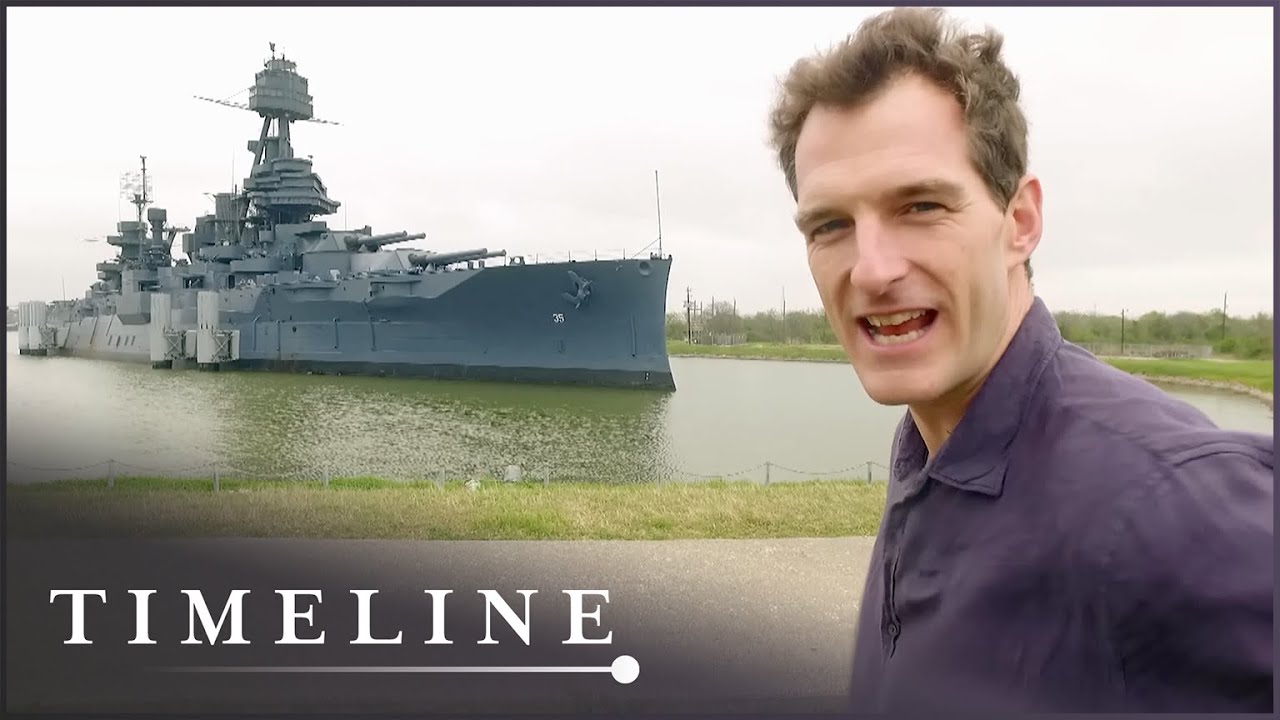
Battle of Jutland: The Bloody Naval Clash That Silently and Strategically Won World War I

Introduction: Greatest Naval Clash

The Battle of Jutland, fought from May 31 to June 1, 1916, was the largest and most dramatic naval engagement of the First World War. Involving 250 warships and over 100,000 sailors, it marked the first—and only—clash between the British Royal Navy’s Grand Fleet and the German High Seas Fleet. The battle unfolded in the icy waters of the North Sea, off the coast of Denmark’s Jutland Peninsula.

Initially perceived as a strategic blunder for the British, Jutland became the subject of controversy and public outcry. The Royal Navy, long hailed as the world’s greatest maritime force, suffered unexpectedly heavy losses in ships and sailors, leading many to question its competence and preparedness. Yet beneath the surface of disappointment lies a profound reality: Jutland was not the tactical victory Germany hoped for. It was a strategic triumph for Britain and the Allies, one that secured control of the seas and helped seal the fate of the German Empire.

A Battle Born of Blockade, Ambition

By 1916, Britain had imposed a devastating naval blockade on Germany, choking off critical supplies of food, fuel, and raw materials. Germany, a growing industrial power with limited access to overseas colonies, was highly dependent on imported goods. The blockade’s effects were crippling—not just economically, but socially and politically—causing widespread hardship, malnutrition, and unrest among the German population.

To break the blockade and regain initiative, the German Imperial Navy developed an ambitious plan. Admiral Reinhard Scheer, newly appointed commander of the High Seas Fleet, sought to isolate and destroy segments of the Royal Navy by using his faster, more modern battlecruisers under Vice-Admiral Franz von Hipper as bait. His goal was to lure the British out, inflict enough damage to weaken their naval superiority, and shift the balance of power in the North Sea.

However, British naval intelligence had a secret weapon—Room 40, a top-secret codebreaking unit within the Admiralty. They intercepted and deciphered German plans, allowing Admiral Sir John Jellicoe, commander of the Grand Fleet, and Vice-Admiral David Beatty, in charge of the Battlecruiser Fleet, to prepare an intercepting maneuver. The result was a fateful convergence of two massive fleets on the open seas.

The Clash Off the Coast of Denmark

The fleets met in the late afternoon on May 31, 1916, under grey skies and increasingly poor visibility. Initial contact was made between Beatty’s six battlecruisers and Hipper’s five, igniting a fierce duel. Within minutes, British ships began taking devastating hits. HMS Indefatigable exploded in a massive blast, sinking almost instantly and taking over a thousand crewmen with her. Soon after, HMS Queen Mary suffered a similar fate. These losses stunned observers and demoralized crews, raising alarms throughout the fleet.

Despite superior numbers, the British suffered from serious shortcomings. The early engagements revealed deep flaws in British naval doctrine, including poor ship design, lack of armor, and dangerous ammunition handling practices. Nonetheless, Beatty succeeded in drawing the Germans toward the main body of the Grand Fleet, where Admiral Jellicoe was poised for a major confrontation.

As night approached, Jellicoe executed a masterful tactical maneuver known as “crossing the T,” placing his battleships in an ideal position to unleash devastating broadsides against the oncoming German fleet. But poor visibility, evasive German tactics, and cautious decision-making limited the full impact of Jellicoe’s advantage.

The Hidden Causes of British Losses

Though the Royal Navy outnumbered the Germans in ships and guns, they lost more vessels—14 ships to Germany’s 11—and suffered over 6,000 casualties, more than twice the German toll. These figures shocked the British public and fueled political criticism. Yet recent research, including undersea exploration of the wrecks and analysis of wartime documents, offers deeper insight into why the Royal Navy suffered so heavily.

Outdated Tactical Doctrine: Many British admirals clung to 19th-century tactics despite the advent of modern naval technologies like radio communications, centralized fire control, and armor-piercing shells. Commanders lacked real-time situational awareness, leading to delays in action and missed opportunities to deliver decisive blows.

Design Flaws in British Ships: British battlecruisers were designed to prioritize speed over armor, a dangerous tradeoff. Their thin protection, especially around magazines and turrets, made them highly vulnerable to shellfire. When German shells hit, explosions often tore through entire decks, triggering catastrophic detonations.

Lax Ammunition Protocols: In pursuit of higher firing rates, British crews commonly stored extra powder charges outside of armored magazines. This reckless practice saved seconds but cost lives—once ignited by enemy shells, these charges amplified internal explosions, turning ships into floating infernos.

Meanwhile, German ships, though fewer in number, had superior armor distribution, compartmentalization, and disciplined handling of ammunition. Their heavy shells were also more effective at penetrating British defenses, contributing to the disparity in damage.

Tactical Stalemate, Strategic Victory

By the end of the night, the High Seas Fleet had managed to retreat under cover of darkness, avoiding total destruction. Superficially, it looked like a draw—or even a German win. However, this interpretation overlooks the strategic consequences of the battle.

After Jutland, the German navy never again seriously challenged the Royal Navy in surface combat. The High Seas Fleet remained largely confined to port for the remainder of the war, effectively ceding control of the North Sea to Britain. The Royal Navy, despite its losses, continued to enforce the blockade, tightening the economic noose around Germany.

Admiral Jellicoe was criticized by some for being overly cautious, but his restraint ensured that the British fleet—upon which the Empire’s security depended—remained intact. As Winston Churchill famously said, Jellicoe was “the only man on either side who could lose the war in an afternoon.” He chose prudence over glory—and in doing so, helped preserve the path to eventual victory.

Naval Aftermath and Transformation

In the months following Jutland, both navies undertook massive overhauls. The Royal Navy reevaluated its doctrines, improved ship designs, and implemented stricter ammunition safety procedures. Lessons from Jutland directly influenced the construction of newer battleship classes such as the Revenge-class and later the Queen Elizabeth-class, which balanced firepower, armor, and speed more effectively.

For Germany, the battle marked a turning point. Having failed to destroy the Grand Fleet, they shifted focus toward unrestricted submarine warfare—a strategy that would provoke neutral nations, including the United States, and help tip the balance of the war.

Moreover, the psychological toll on the German fleet was immense. Morale declined steadily, and by late 1918, widespread mutinies among German sailors broke out, playing a key role in the collapse of the German monarchy and the onset of revolution.

Footage, Shipwrecks, Living Memory

In the modern era, marine archaeologists have revisited the Jutland battlefield beneath the sea. The wrecks of HMS Invincible, Queen Mary, and several others lie undisturbed in deep water, serving as haunting underwater memorials. Remotely operated vehicles (ROVs) and sonar scans have revealed twisted hulls, collapsed gun turrets, and the scars of explosions that ended thousands of lives in an instant.

Previously classified naval records, survivor memoirs, and rare film footage now allow historians to reconstruct the battle with unprecedented accuracy. This new understanding reframes Jutland not as a failure, but as a critical juncture in the war’s outcome—a pyrrhic tactical loss that delivered a strategic masterstroke.

Conclusion: Victory Beneath the Loss

The Battle of Jutland was not the resounding triumph the British people had hoped for, nor was it the crushing defeat the Germans needed. Instead, it was something subtler but far more significant: a quiet turning point in a long and brutal war.

It exposed weaknesses in British naval operations, leading to necessary reforms. It paralyzed the German fleet and maintained Allied dominance at sea. It showed that modern naval warfare required not just courage and firepower, but strategy, adaptation, and technological superiority.

In hindsight, Jutland was not just a clash of ships—it was a collision of eras, tactics, and empires. Though thousands died, their sacrifice helped preserve Allied maritime supremacy, eventually enabling the blockade and reinforcements that would win the war on land. It was, in every sense, the battle that secretly won World War I.

Categories
W1 World

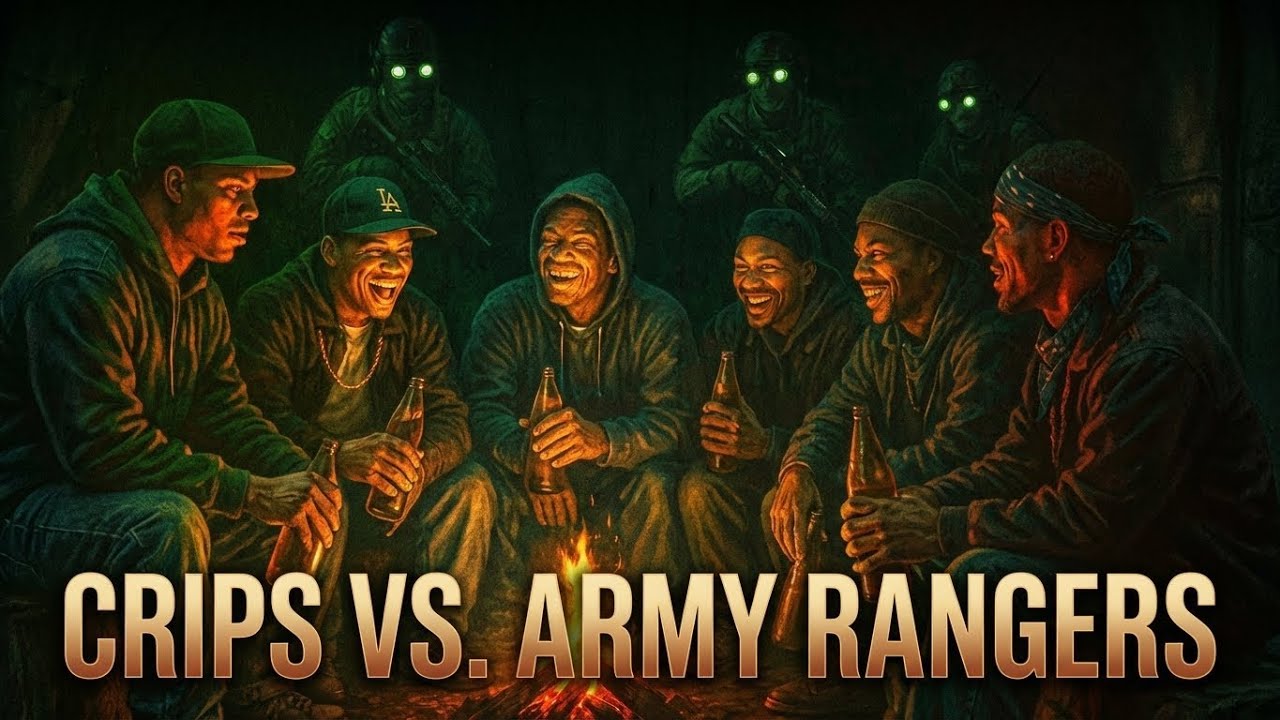
Ash Street Warzone: When Elite U.S. Army Rangers Took On the Crips in Suburban America

Introduction: Unseen War Breaks Out

In January 1989, a quiet residential neighborhood in Tacoma, Washington, became the backdrop for one of the most bizarre and explosive clashes in American street history. On one side stood the Crips—an infamous and violent street gang with roots in Los Angeles and a growing influence in the Pacific Northwest. On the other stood a group of U.S. Army Rangers—elite, highly trained soldiers stationed at nearby Fort Lewis. When these two forces collided on Ash Street, what unfolded was not a typical police call—it was a full-blown firefight that shook the nation.

The Ash Street Shootout blurred the lines between law, justice, and chaos. It raised questions that still resonate: Can elite soldiers be vigilantes? What happens when civilians, frustrated with law enforcement inaction, take matters into their own hands? And who is to blame when bullets start flying? The answers weren’t easy then, and they remain controversial to this day.

The shootout wasn’t just a clash between individuals—it was a symptom of deeper problems: institutional failure, eroded public trust, and the desperation that arises when people feel abandoned by the system. It showed how quickly the illusion of peace can collapse when communities are left to fend for themselves.

The Setup: One Man’s Breaking Point

Bill Foulk, a retired U.S. Army Ranger and Vietnam veteran, had bought a modest home on Ash Street with hopes of settling into a peaceful post-military life. But the neighborhood, like many parts of Tacoma at the time, was in decline. What had once been a safe middle-class area had become plagued with crime, drug activity, and increasing gang presence. Residents lived in fear, especially at night, as gunshots, vandalism, and intimidation became routine.

Foulk, trained to handle high-stress combat situations, couldn’t sit idly by. He began recording drug deals with a camcorder from his porch, kept detailed logs, and made dozens of complaints to local police. But the response was slow and ineffective. Determined not to be driven out, Foulk took matters into his own hands. He contacted fellow Rangers and soldiers he trusted, asking them to help protect his home and community. For him, it wasn’t just about safety—it was about reclaiming the neighborhood from lawlessness.

The Crips Move In: Expansion & Fear

By the late 1980s, the Crips had expanded far beyond their Los Angeles origins. Tacoma’s underserved neighborhoods provided fertile ground for recruitment and drug operations. Ash Street became one of their unofficial strongholds. The gang’s presence brought not just crime, but a climate of intimidation. Residents feared retaliation if they spoke out, and many did not trust the police to protect them.

Members of the Crips established a near-constant presence across from Foulk’s house, turning a rented property into a base of operations. From this location, they hosted parties, sold narcotics, and occasionally threatened residents. Foulk, ever watchful, was perceived as a dangerous agitator to their dominance. Over time, tensions escalated. The situation became a standoff—on one side, a gang staking its claim; on the other, a veteran determined not to back down.

The Night It All Finally Went Down

January 15, 1989, marked the boiling point. That evening, the gang hosted a loud party that escalated into a gathering of over 20 individuals, many suspected to be armed. Reports circulated that they intended to confront Foulk. Fearing a direct attack, Foulk called in reinforcements. Over a dozen Army Rangers and military friends arrived at his house, some off-duty, others on leave, all armed. They took defensive positions and waited.

As the night deepened, shouting between the two groups escalated. Then, without warning, gunfire erupted. Witnesses later claimed that the first shots came from the street toward Foulk’s property. The Rangers responded with military precision—returning fire, using their training to maintain cover and suppress threats. Neighbors dove to the floor as bullets flew across lawns and through windows. The exchange lasted several minutes, and though no one died, several people were wounded, and the street resembled a war zone.

When police finally arrived, they found a surreal scene—civilians in camouflage, armed and organized, facing off against known gang members. The scale and intensity of the shootout shocked even hardened law enforcement.

Vigilantes or Heroes in Uniform?

Public opinion quickly split. Some hailed Foulk and his comrades as heroes who stood up to gang violence when the authorities wouldn’t. To these supporters, the Rangers were not vigilantes—they were protectors, using their skills to defend an abandoned community. Media interviews with neighbors revealed both fear and gratitude, with many saying they felt safer knowing the Rangers were there.

Critics, however, saw the incident as dangerous vigilantism. They argued that even trained soldiers had no business taking the law into their own hands, especially in a civilian setting. Local officials feared the precedent—what if others followed suit? Would neighborhoods become battlegrounds of private justice?

The legal system had its own struggle. Foulk and the participating Rangers were detained and questioned extensively. Prosecutors considered charges, but ultimately, none were filed against the soldiers due to lack of evidence of unlawful conduct. Several gang members, however, faced prosecution for illegal weapons possession and inciting violence. Still, the debate raged in public forums and media for months.

Legal Fallout and Lasting Legacy

In the aftermath, Ash Street and the city of Tacoma became national talking points. The incident led to increased police funding in the area and reforms in gang intervention strategies. The city was forced to acknowledge the growing threat of gang activity, and new community outreach programs were launched to prevent future violence.

For the Army, the shootout raised complex questions about military conduct in civilian life. Soldiers were reminded of the legal boundaries they must respect off-base. However, the bond between service members and their communities remained a potent force. The Rangers involved never saw themselves as outlaws—they saw themselves as doing what they were trained to do: protect those who couldn’t protect themselves.

The Ash Street Shootout is now studied in criminal justice courses and military ethics discussions. It remains one of the few recorded instances of organized military-trained civilians engaging directly with a domestic gang in an urban setting—a clash where both sides brought firepower, but only one fought with discipline.

Conclusion: Discipline Meets Chaos

The Ash Street Shootout remains one of the most surreal episodes in modern American criminal history. A quiet street became a warzone, not in Iraq or Afghanistan, but in the Pacific Northwest. What began as a neighborhood dispute spiraled into a firefight involving one of the most feared gangs in the country and some of the most elite soldiers in the world.

Decades later, it still raises hard questions: What would you do if the law failed you? Can ordinary citizens—or even soldiers—draw a line in the sand without crossing into vigilantism? The shootout on Ash Street was more than a gun battle; it was a clash of order versus disorder, of community frustration against criminal terror.

Finally, in Bill Foulk’s front yard, military precision met street chaos—and for a few terrifying minutes, war came home. The echoes of that night still resonate, reminding America that sometimes, the battle for safety begins just beyond your doorstep.

Categories
W1 World

Monte Cassino: The Brutal WWII Battle That Shattered Armies, Spirits on the Road to Rome

Introduction: Gateway to Rome, Fortress of Fire

In the early months of 1944, World War II’s Italian Campaign reached a critical impasse. The Allied forces—comprising British, American, Polish, French, Indian, New Zealand, and other troops—had fought their way up the Italian Peninsula, only to be halted by the German Gustav Line, a fortified defensive position stretching across the mountainous terrain south of Rome.

At the heart of this line loomed Monte Cassino, a steep, rocky hill crowned by a centuries-old Benedictine monastery that overlooked the strategic Liri Valley. This location was key to controlling access to Rome, and the Germans had made it the linchpin of their defense. Breaking through this stronghold became a top priority for the Allies, but what followed was a months-long campaign of unspeakable carnage and bravery—culminating in one of the bloodiest battles of the Second World War.

The Strategic Military Significance of Monte Cassino

Monte Cassino’s natural elevation made it an ideal observation and defensive point. The Germans, particularly elements of the well-trained and battle-hardened 1st Parachute Division, entrenched themselves in its hills, ridges, and valleys, turning the entire area into a fortress of steel and stone. They commanded a full view of advancing Allied forces and rained down constant artillery and machine-gun fire on any attempt to approach. Beneath the monastery and throughout the surrounding terrain, bunkers, trenches, and minefields made progress nearly impossible without heavy casualties.

The abbey itself, built in 529 AD, became the center of intense controversy. Although initially unoccupied by German forces out of respect for its religious and cultural significance, Allied commanders feared that the towering monastery would eventually be used as a lookout or artillery post. In February 1944, a massive bombing raid by American forces reduced the ancient structure to rubble. Tragically, this move played into German hands, as they quickly occupied the ruins, using the broken stone and masonry as perfect defensive positions that were even harder to assault.

Into the Inferno: The Essex Battalion Joins the Assault

By March 1944, after three failed Allied assaults on Monte Cassino, British forces were brought in to spearhead a renewed effort. The 1st and 4th Battalions of the Essex Regiment—seasoned by previous action in North Africa and Sicily—were tasked with one of the most difficult missions: to advance on the heavily fortified slopes leading toward the ruins of the abbey. These battalions were composed largely of working-class volunteers from Essex and East Anglia, who found themselves thrust into one of the most harrowing episodes of the war.

The terrain was a nightmare. Mud, snow, jagged rocks, and treacherous minefields slowed every step. Communication was difficult, and maps were often inaccurate due to constant shelling. Advancing meant crawling on hands and knees while under withering fire. The Germans, well-hidden and well-supplied, made every movement deadly. At night, patrols edged forward silently, sometimes coming within feet of enemy positions. During the day, any movement drew immediate fire. Yet, against overwhelming odds, the Essex men fought with extraordinary courage, securing key positions and inflicting heavy losses despite taking many of their own.

A Relentless Battle Measured in Blood and Stone

The Battle of Monte Cassino was not one singular event, but a sequence of four major assaults from January to May 1944. Each wave of the campaign brought new nationalities and fresh troops, and each failed to secure a breakthrough until the final offensive. The March offensive—where the Essex Battalions played a vital role—was characterized by intense close-quarters combat, where trenches were sometimes no more than 20 yards apart. Snipers haunted every ridgeline, and mortars constantly shelled the Allied positions.

The British regiments, including the Essex men, advanced under punishing artillery fire, often suffering heavy casualties just to move a few dozen yards. Supplies were difficult to transport up the rocky slopes, and wounded soldiers sometimes waited days to be evacuated. But through it all, acts of remarkable heroism abounded. Company commanders led charges despite grievous injuries, stretcher-bearers braved machine-gun fire to retrieve the wounded, and riflemen held their ground against fierce counterattacks. These stories were not always recorded, but they form the foundation of the battle’s legacy.

A Devastating Toll: Human Cost of Monte Cassino

When the dust finally settled, the Battle of Monte Cassino had become one of the costliest engagements of the Second World War. Allied forces suffered more than 55,000 casualties, while German losses were estimated at over 20,000. The human toll was matched by the cultural loss—the complete destruction of the Monte Cassino Abbey, one of Europe’s most historic religious sites. The town of Cassino itself was almost entirely leveled, and the surrounding area became a wasteland of cratered roads, shattered trees, and unmarked graves.

For the Essex Regiment, the price was especially high. Whole platoons were decimated. Survivors carried physical wounds and emotional scars that would last a lifetime. Veterans of the Essex Battalions later spoke of the deafening roar of artillery, the sickening silence of death, and the fear that stalked them even in sleep. The physical victory came at an enormous psychological cost, but it also underscored the unbreakable will of the Allied forces.

Aftermath: A Mountain Claimed, A Nation Opened

Monte Cassino finally fell to the Allies in May 1944, after a final coordinated assault involving Polish troops who stormed the heights and planted their flag among the ruins. The fall of the fortress allowed the Allies to breach the Gustav Line and begin their advance toward Rome, which was liberated weeks later. Yet for many soldiers, the victory felt hollow. The abbey was gone. Thousands had died.

And while Rome represented a strategic milestone, it came far too late to change the broader course of the war in Europe, where the Soviet advance in the East and the impending Normandy landings in the West would decide the final outcome. Still, the capture of Monte Cassino was seen as a symbol of Allied tenacity. It demonstrated that even the most formidable defenses could be overcome through unity, sacrifice, and resolve. For the Essex men, their role in that victory earned them respect and remembrance in regimental histories and military commemorations.

Conclusion: Honoring Monte Cassino’s Silent Heroes

Today, Monte Cassino stands once again—rebuilt and restored, yet forever marked by what took place on its slopes. The Commonwealth War Cemetery below the mountain holds the graves of nearly 4,300 Allied soldiers, including many from the Essex Regiment. Their names are etched in white stone among olive trees and quiet walkways, a stark contrast to the chaos they once endured. The story of Monte Cassino is not just a military episode; it is a testament to human resilience.

It is about ordinary people caught in extraordinary times—men from Essex who left behind families and futures to fight in a war not of their choosing. Their bravery and sacrifice helped open the path to victory in Europe and gave new meaning to the words “Lest We Forget.” Monte Cassino was more than a battlefield—it was a crucible where courage was forged in fire, and history was written in blood and stone.

Categories
W1 World

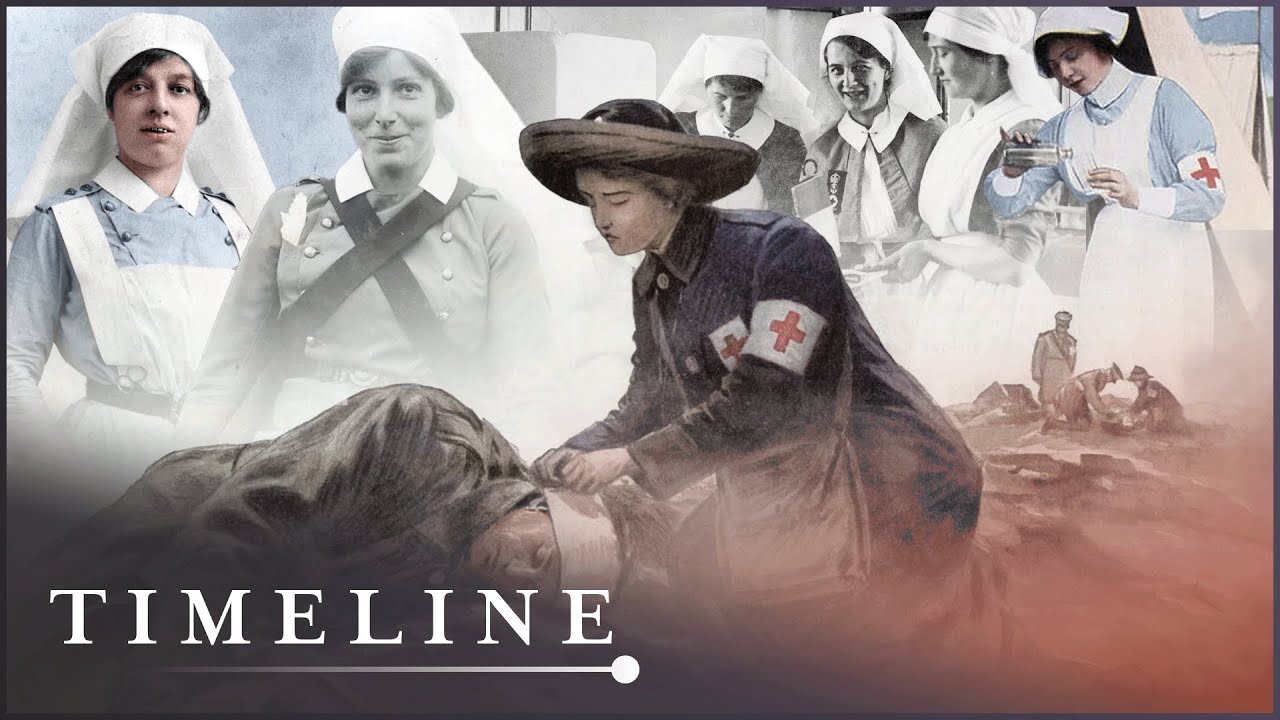
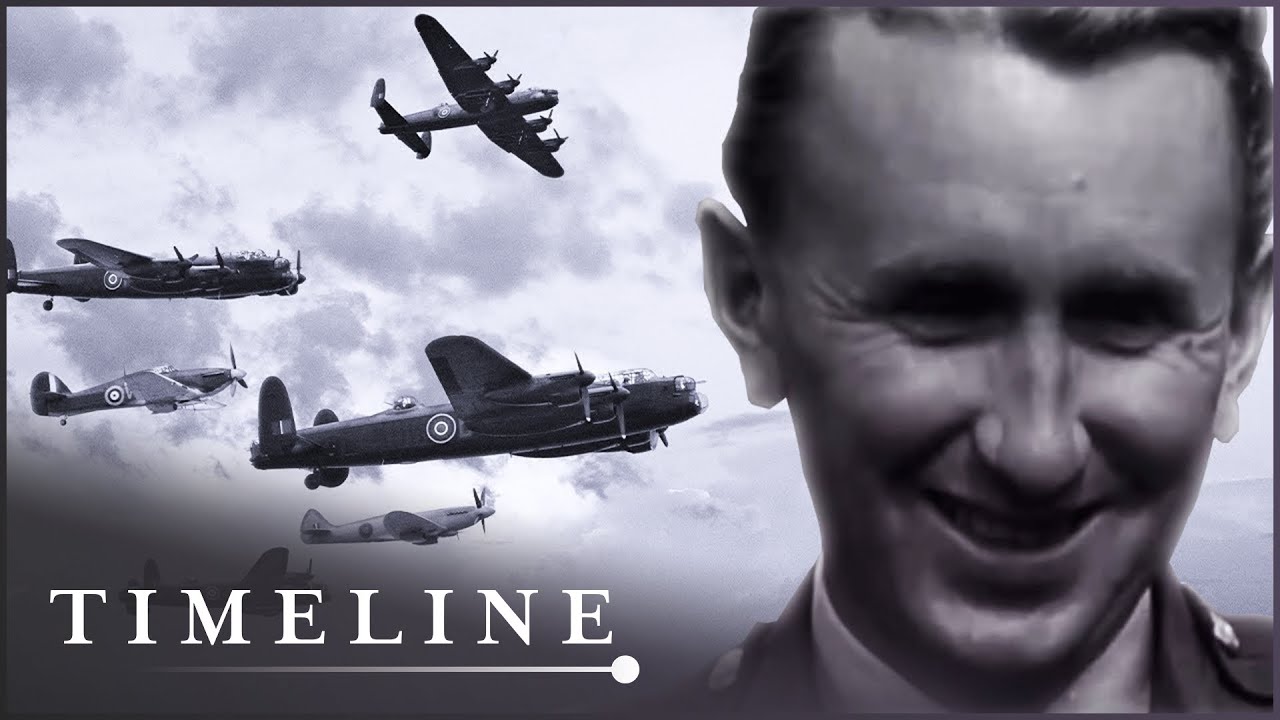
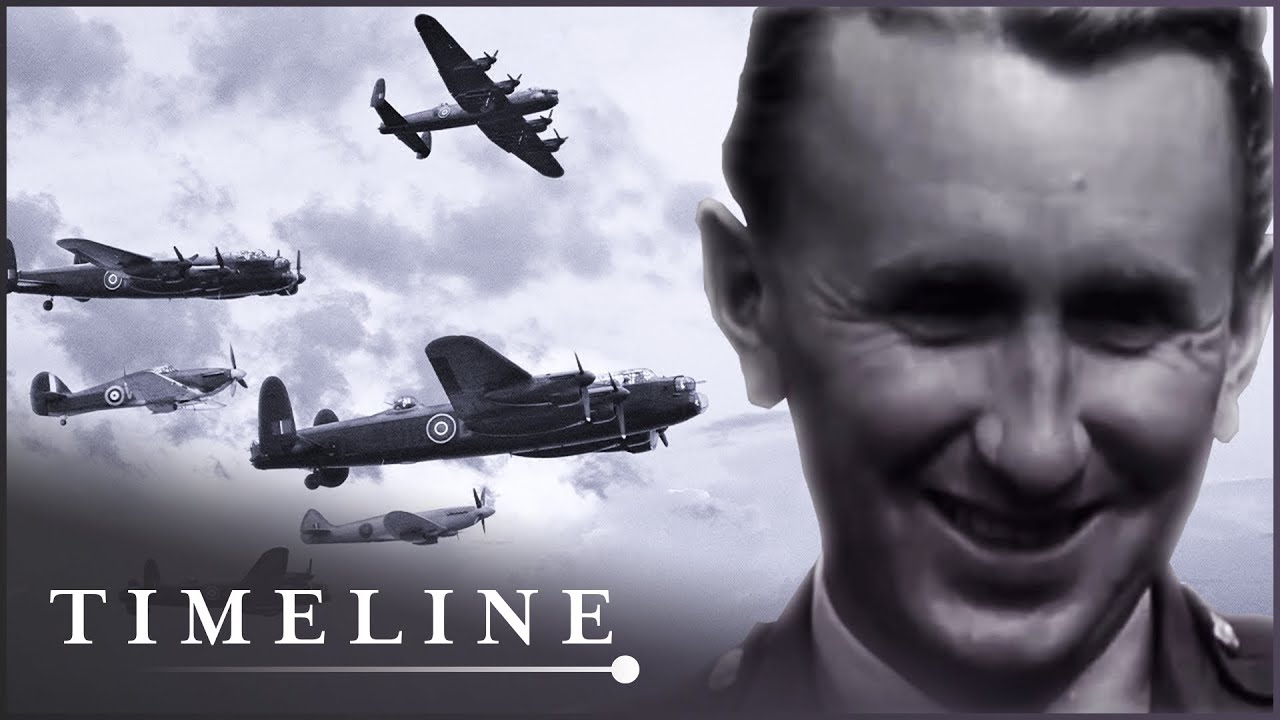
Wings of Defiance: How British Women Redefined Feminism During the Battle of Britain

Introduction: When War Called, Women Answered

The summer of 1940 saw Britain standing alone against the Nazi threat, its skies aflame with aerial dogfights and its people bracing for invasion. While the Battle of Britain has long been immortalized through the daring feats of male RAF pilots, an equally compelling and often underappreciated force was at work behind the scenes: the women of Britain.

In radar bunkers, aircraft factories, and even the cockpits of Spitfires and Hurricanes, thousands of women defied societal expectations to support their country’s survival. This wasn’t just a wartime necessity—it was the ignition of a feminist boom that reshaped gender roles in British society forever.

From Kitchen to Command: The Rise of the WAAF

Before the war, the notion of women engaging in military work was foreign to many. But with men called to the front lines, women stepped into roles once thought unimaginable. The Women’s Auxiliary Air Force (WAAF), formed in 1939, became a cornerstone of the RAF’s support system.

By 1940, thousands of WAAF personnel were operating radar equipment, plotting enemy aircraft movements in control rooms, and maintaining base operations. They were trained rigorously and trusted with decisions that directly influenced the outcome of the Battle of Britain.

Former WAAF operator Margaret Thomas recalled, “We plotted blips on radar screens with trembling hands at first—but soon, we were making life-and-death decisions without blinking.” These women weren’t just assistants; they were essential to Britain’s air defense network. Their visibility and responsibility marked a critical departure from traditional gender roles.

The ATA: Women Who Flew with No Guns and No Fear

While the WAAF ensured British skies were well-watched, another group of women took to the skies themselves. The Air Transport Auxiliary (ATA) was charged with ferrying aircraft—Spitfires, Hurricanes, and even bombers—from factories to airfields. And yes, women were at the controls.

The ATA was the first British organization to allow women to fly military aircraft. Though not allowed to fight in combat, their missions were perilous. They flew without weapons, radios, or navigational help, often in poor weather and in aircraft they had just met for the first time.

Among these fearless flyers was Mary Ellis, who delivered over 1,000 aircraft during the war. “Each plane had its own quirks. Some were dangerous, others just grumpy. But we flew them all because the boys needed them,” she said in an interview decades later. These women didn’t just support the war—they made victory possible.

On the Ground: Factory Workers and Home Front Army

Beyond the radar rooms and runways, women manned the industrial backbone of Britain’s war machine. In factories across the country, they assembled aircraft, ammunition, and radios. Often working long shifts under hazardous conditions, these women showed that strength and endurance were not male-exclusive domains.

One of the most iconic images of wartime Britain became that of the female munitions worker, her arms dusted with powder, her eyes set with purpose. These women balanced war production with caring for children and households, proving that “doing one’s bit” had no gender limitations.

Their contributions also transformed the economy. Women earned their own wages, took on leadership roles in unions, and gained financial independence—sparking broader conversations about equality that would carry into the post-war decades.

Breaking Stereotypes in the Ops Rooms and Airfields

Inside the operations rooms—nerve centers of the RAF’s battle coordination—women tracked aircraft, calculated fuel rates, and issued warnings to pilots. They worked under extreme pressure, often during bombing raids, and played a decisive role in intercepting enemy fighters.

At airfields, WAAF mechanics and engineers repaired planes damaged in combat, while female drivers and dispatchers ensured vital communication lines remained unbroken. In these male-dominated environments, women earned respect for their skill and cool-headedness.

One male officer wrote in his diary, “Without the girls in the plotting rooms and at the switches, we would’ve been flying blind.” That acknowledgment alone marks a pivotal moment in the war’s social fabric—when capability overtook convention.

Voices from the War: Stories of Courage and Defiance

Many of the women who served in these critical roles recall the experience not just as duty, but as liberation. They found identity, pride, and community. Jean Law, a radar specialist, shared, “The war gave us confidence. It showed us we were just as smart and strong as any man.”

Others recalled facing skepticism, especially in aviation, where male pilots were initially reluctant to trust their female counterparts. But performance quickly silenced doubt. ATA pilot Joy Lofthouse once quipped, “The aircraft didn’t care whether you were male or female—it just wanted to fly.”

Aftermath and Impact: A Legacy Written in the Skies

When the war ended, many of these women were expected to return quietly to domestic life. But something had changed. The visibility of women’s contributions had shattered the illusion that they were incapable of handling high-stakes work. It laid a foundation for post-war feminist movements, accelerated the push for equal employment rights, and opened military and civil service doors that had previously been bolted shut.

Though official recognition took decades—WAAF and ATA veterans only received formal honors in the 2000s—their influence remains unmistakable. Modern RAF units, women in combat aviation, and even national policy shifts toward gender parity can trace their roots back to the women who dared to serve in Britain’s darkest hour.

Conclusion: Forgotten Feminists of the War Effort

The Battle of Britain was not just won in the skies—it was also won in the shadows, where women worked tirelessly and fearlessly to secure their country’s future. In doing so, they reshaped public perceptions of what women could—and should—do in times of crisis. Their courage lit a fire under the feminist movement in Britain, one that would continue to grow for decades to come.

In the story of Britain’s resistance, their names may not always be in the history books—but their legacy echoes in every radar station, airfield, and open cockpit. These women didn’t just change the war—they changed the world. Their courage soared beyond the clouds, forever reshaping both the war effort and the fight for women’s equality.

Categories
W1 World

Guadalcanal, 1942: The Epic Dogfight Between American Ace Southerland and Japanese Sakai

Introduction: A Duel in the Skies Over Guadalcanal

In the blistering summer of 1942, as World War II raged across the Pacific, two pilots found themselves locked in a battle that would become the stuff of legend. On August 7, 1942, over the embattled island of Guadalcanal, Lieutenant James “Pug” Southerland, a seasoned 30-year-old American fighter pilot, squared off against Saburo Sakai, a 25-year-old Japanese ace.

Southerland, flying a rugged Grumman F4F Wildcat, represented the raw determination of the U.S. Navy. Sakai, piloting the nimble and lethal Mitsubishi A6M Zero, was already a rising star of the Imperial Japanese Navy Air Service, credited with numerous kills. Their fateful dogfight would highlight the strengths and flaws of both aircraft and showcase the skill and courage of two exceptional aviators.

Guadalcanal: The Crucible of the Pacific War

The backdrop for this iconic encounter was the Guadalcanal Campaign, a pivotal struggle in the Pacific Theater. Following Japan’s aggressive expansion, the U.S. launched Operation Watchtower in August 1942, aiming to secure the island’s vital airfield.

Guadalcanal’s strategic importance drew both Japanese and American forces into fierce combat. The skies above the island became a battleground for dominance. Daily dogfights between Japanese and American pilots defined the conflict, turning the tropical skies into a deadly arena.

The Pilots: American Wildcat vs. Japanese Zero

On the morning of August 7, 1942, Southerland was flying as part of Fighter Squadron VF-5 from the aircraft carrier USS Saratoga. The squadron’s mission was to protect the landing force during the initial phase of the Guadalcanal invasion.

Lieutenant James “Pug” Southerland:

  • Age: 30
  • Aircraft: Grumman F4F Wildcat
  • Experience: A skilled naval aviator with previous combat experience in the Pacific
  • Strengths: Exceptional gunnery skills and situational awareness

Petty Officer First Class Saburo Sakai:

  • Age: 25
  • Aircraft: Mitsubishi A6M Zero
  • Experience: One of Japan’s top aces, with over 50 confirmed kills at the time
  • Strengths: Incredibly agile flying, precision marksmanship, and an unyielding fighting spirit

Their aircraft were a stark contrast in design and capability.

The Grumman F4F Wildcat:

  • Slower and less maneuverable but heavily armored
  • Armed with four .50 caliber machine guns
  • Could sustain significant damage and keep flying

The Mitsubishi A6M Zero:

  • Faster and far more agile, with exceptional climb and turning capabilities
  • Lightly armored, making it vulnerable to machine-gun fire
  • Armed with two 20mm cannons and two 7.7mm machine guns, making it highly lethal in close combat

The Dogfight: Clash of Titans Over the Pacific

As the Guadalcanal invasion began, Japanese Zeros scrambled to intercept the American air cover. Southerland and his fellow Wildcat pilots engaged the incoming Zeros. During the chaotic engagement, Southerland became separated from his squadron and found himself facing Saburo Sakai—one of Japan’s deadliest pilots.

The First Engagement:
Southerland spotted Sakai’s Zero streaking toward him. Relying on the Wildcat’s durability, he attempted a head-on pass, opening fire with his .50 caliber machine guns. Despite the Zero’s superior speed, Southerland’s well-aimed burst forced Sakai to break off and reposition.

Dogfight in the Sun:
The two aces circled each other, climbing and diving through the clouds, pushing their machines to the limit. Sakai’s Zero had a significant edge in speed and maneuverability, allowing him to get on Southerland’s tail multiple times. Yet, Southerland’s Wildcat, despite its sluggish handling, proved incredibly resilient.

Tactical Maneuvering:
As the duel intensified, Sakai made multiple passes, raking Southerland’s aircraft with machine-gun fire. The Wildcat’s rugged design allowed it to absorb punishment, withstanding hits that would have downed lighter aircraft. Despite the damage, Southerland managed to perform evasive maneuvers, twisting and diving to escape Sakai’s deadly aim.

A Near-Fatal Moment:
Sakai eventually scored direct hits on Southerland’s Wildcat, setting parts of the aircraft ablaze. Despite the heavy damage, Southerland kept his aircraft aloft, fighting with remarkable skill and determination. However, with his Wildcat critically damaged, he was forced to bail out.

The Aftermath: Survival, Impact, and Legacy

Though Saburo Sakai had bested Southerland in the duel, the encounter nearly cost him his life. During the broader battle, Sakai was struck by American gunfire, suffering severe wounds to his face and body. Despite being partially blinded, Sakai miraculously managed to fly his crippled Zero over 560 miles back to base—an astonishing feat of endurance and skill.

Southerland, meanwhile, survived his bailout, floating in the Pacific until he was rescued. Despite losing his aircraft, his valiant defense became a celebrated episode of American aviation resilience.

Tactical Lessons: Strengths and Weaknesses Revealed

The dogfight between Southerland and Sakai highlighted the stark contrasts between the Wildcat and the Zero, as well as the skills of the pilots who flew them.

Strengths of the Wildcat:

  • Remarkable durability allowed it to sustain significant damage.
  • Superior firepower in sustained bursts.
  • Effective in diving and defensive tactics.

Weaknesses of the Wildcat:

  • Slower and less agile than the Zero.
  • Vulnerable to more maneuverable enemy aircraft.

Strengths of the Zero:

  • Exceptional agility and speed in aerial combat.
  • Highly effective in close-quarters dogfights.
  • Lethal armament with cannons and machine guns.

Weaknesses of the Zero:

  • Light armor made it highly vulnerable to machine-gun fire.
  • Limited durability in drawn-out battles.

The Guadalcanal Dogfight in Historical Context

The duel between Southerland and Sakai was just one of many ferocious encounters over Guadalcanal. The broader air battle was part of a larger struggle for air superiority during the Solomon Islands campaign. The lessons learned from these encounters shaped U.S. aerial strategies throughout the Pacific War.

The ruggedness of American aircraft like the Wildcat, combined with improved tactics, gradually helped U.S. pilots overcome the early dominance of Japanese fighters. Meanwhile, Japanese aces like Sakai would remain deadly adversaries, but the attrition of experienced pilots weakened Japan’s air power over time.

Conclusion: A Duel That Defined Pacific Air Combat

Finally, the legendary dogfight between James Southerland and Saburo Sakai was more than just a battle between two aces—it symbolized the larger clash of technology, skill, and resilience that defined the Pacific air war. Though Sakai emerged victorious in the duel, the encounter highlighted the durability and fighting spirit of American pilots.

Their showdown, immortalized in military history, serves as a testament to the bravery and skill of the pilots who fought over Guadalcanal. It also offers a window into the deadly ballet of aerial combat, where the courage and cunning of individual pilots could shape the course of war. Their epic duel, etched into the annals of aviation history, remains a powerful symbol of skill, resilience, and the brutal realities of aerial combat in the Pacific War.

Categories
W1 World

Surviving the U-Boat Onslaught: What It Was Like to Fight in WW2’s Worst Submarine Battle

Introduction

The Battle of the Atlantic was one of World War II’s longest and most brutal conflicts, pitting German U-boats against Allied naval forces in a relentless struggle for control of vital supply routes. With Britain heavily reliant on overseas shipments for food, weapons, and raw materials, Germany’s U-boat campaign aimed to choke off these lifelines and force the UK into submission. The fight against this invisible and deadly enemy was unlike any other in history. What was it like to endure these high-stakes battles deep in the ocean? For sailors, it meant constant fear of torpedo attacks, nerve-wracking convoy missions, and innovative countermeasures that turned the tide of war.

The U-Boat Threat: A New Kind of Warfare

When World War II erupted in 1939, the German Kriegsmarine unleashed a weapon that had the potential to bring Britain to its knees: the U-Boat. These deadly submarines roamed the Atlantic, preying on Allied shipping routes and cutting off vital supplies from reaching the UK. Germany’s ultimate goal was to starve Britain into submission, ensuring it could not sustain its war effort. The stakes were incredibly high, and for those who took part in the battle to defend these shipping lanes, the experience was one of relentless danger, constant innovation, and harrowing survival.

The Battle of the Atlantic was not merely a struggle between ships and submarines; it was a long and grueling conflict that stretched over six years, claiming tens of thousands of lives and determining the fate of nations. The sea itself became a vast graveyard, with shattered ships and countless men lost beneath its unforgiving waves.

Life on a Merchant Ship Under Siege

For the men serving on Allied merchant ships, every voyage became a nerve-wracking gamble with death. Sailing in large convoys protected by warships, these slow-moving vessels were prime targets for the German U-Boats lurking beneath the waves. The eerie silence of the open ocean was often shattered by the sudden explosion of a torpedo, turning an ordinary supply mission into a desperate fight for survival.

Sailors scrambled to abandon ship, knowing that freezing waters and enemy fire made survival unlikely. Many were lost at sea before rescuers could reach them, and those who survived often bore the psychological scars of the relentless attacks. The fear of an unseen enemy was constant—every shadow beneath the surface, every strange noise in the night, was enough to send chills down their spines.

Conditions aboard these merchant ships were harsh, even without the constant threat of U-Boat attacks. Sailors faced long, grueling shifts, extreme weather conditions, and the knowledge that a single mistake could cost hundreds of lives. Many of these men were not soldiers but civilians pressed into service to keep the vital supply lines open. Their courage and sacrifice were instrumental in ensuring that Britain could continue the fight, even as the threat of total blockade loomed large.

The Convoy System and Escort Strategies

To counter the U-Boat menace, the Allies implemented the convoy system—a formation where merchant vessels traveled together under the protection of naval escorts. This strategy significantly reduced the vulnerability of individual ships and introduced a more structured defense. Destroyers and corvettes, armed with depth charges and sonar technology, played a crucial role in detecting and neutralizing U-Boats.

However, these escorts were not invincible. U-Boats often attacked at night, using the cover of darkness to infiltrate convoys and pick off ships before vanishing into the depths. Many naval crews lived in a constant state of tension, knowing that at any moment, an unseen enemy could strike. The convoy system, while effective, was not foolproof. Supply losses remained high, and the success of the escorts depended heavily on weather conditions, available reinforcements, and intelligence reports.

The men aboard these escort ships lived under an immense burden of responsibility. Their role was not just to engage the enemy but to protect the fragile lifelines that kept Britain from starvation. Many spent days and nights scanning the horizon, listening for the telltale sound of a torpedo in the water. Sleep was often a luxury, as the need for constant vigilance outweighed the exhaustion that set in after weeks at sea. Despite the dangers, morale remained high among many escort crews, who knew that their mission was vital to the survival of millions.

The Wolfpack Tactic: A Deadly Challenge

One of the most terrifying aspects of U-Boat warfare was the implementation of the “wolfpack” tactic. Rather than operating alone, German submarines worked in coordinated groups to swarm and overwhelm convoys. A single U-Boat would shadow a convoy and call in reinforcements, leading to large-scale nighttime attacks. For those aboard the merchant ships and their escorts, these battles were chaotic and horrifying. The ocean would become a battlefield, lit by burning ships and echoing with explosions, gunfire, and the cries of men fighting for their lives.

Allied sailors often described these attacks as nightmares brought to life—torpedoes streaking through the water, ships breaking apart in fiery explosions, and lifeboats desperately trying to navigate through the wreckage. Many convoys suffered heavy losses before reinforcements could arrive. The wolfpacks demonstrated the ruthless efficiency of the German submarine forces, forcing the Allies to constantly adapt their strategies to counter this deadly threat.

Technological Innovations: Turning the Tide

The early years of the Battle of the Atlantic heavily favored the German U-Boats, but as the war progressed, Allied forces introduced new technologies and tactics that gradually turned the tide. Sonar (or ASDIC) became more refined, allowing escorts to detect submerged U-Boats with greater accuracy. The introduction of long-range aircraft provided aerial cover, forcing U-Boats to remain submerged for longer periods, limiting their effectiveness. Additionally, the breaking of the German Enigma code allowed the Allies to intercept and decode U-Boat communications, enabling convoys to avoid deadly ambushes.

Depth charges and hedgehog mortars became crucial weapons in the fight against submarines, allowing escort ships to launch coordinated attacks on suspected U-Boat positions. The Allies also developed improved radar systems that could detect periscopes and surfaced submarines, greatly reducing the element of surprise that U-Boats relied upon. By mid-1943, the balance had shifted, and U-Boat losses began to mount at an unsustainable rate.

1943 and the Decline of the U-Boat Peril

By 1943, the Battle of the Atlantic had reached its turning point. The combination of improved convoy tactics, technological advancements, and increased Allied production of escort ships and aircraft significantly weakened the U-Boat threat. More U-Boats were being sunk than could be replaced, and their effectiveness in disrupting supply lines waned. The coordinated efforts of the British and American navies, intelligence services, and industrial production ensured that the tide had turned in favor of the Allies. By the end of the war, Germany’s once-formidable submarine fleet had been reduced to scattered remnants, unable to influence the outcome of the conflict.

The final years of the war saw the gradual elimination of the U-Boat threat, but not without further losses. The men who had fought this long and deadly battle carried the scars—both physical and emotional—of a conflict that had tested their endurance beyond measure. Many had lost comrades, seen ships torn apart in moments, and faced the grim reality of the war at sea.

Reflections on the Battle and Its Legacy

The struggle against the U-Boat threat was one of the most grueling and strategically significant aspects of World War II. It was a battle that took place across thousands of miles of ocean, involving countless acts of heroism, sacrifice, and innovation. For those who lived through it, whether aboard merchant ships, escort vessels, or U-Boats, it was an experience defined by unrelenting tension and the ever-present specter of death.

The lessons learned during the Battle of the Atlantic shaped naval warfare for decades to come. It reinforced the importance of technological adaptation, intelligence gathering, and coordinated military strategy. Most importantly, it underscored the critical role of the sea in global conflict—a lesson that remains relevant in modern naval strategy.

Conclusion

The Battle of the Atlantic ultimately ended in an Allied victory, but it came at a tremendous cost—thousands of sailors lost their lives, and entire convoys were wiped out in an instant. The relentless struggle against U-boats forced rapid advancements in naval warfare, from sonar technology to escort carriers, fundamentally changing maritime combat forever. For those who fought in these harrowing battles, survival was not just about skill but also sheer luck. Their sacrifices ensured that supply lines remained open, helping to secure the eventual defeat of Nazi Germany. Today, the legacy of these battles lives on, a testament to the resilience and bravery of those who faced the deadly menace beneath the waves.

Categories
W1 World

Strategic Innovation: How War Gaming and Women Helped Win the Battle of the Atlantic

Introduction

The Battle of the Atlantic, fought from 1939 to 1945, was one of World War II’s most consequential conflicts. This relentless struggle between the Allies and the Axis powers for control of Atlantic shipping lanes held the key to sustaining Britain and enabling the eventual liberation of Europe. Central to the Allied victory were two unexpected elements: the innovative use of war gaming and the vital contributions of women. These elements, combined with technological advancements and tactical ingenuity, played a decisive role in defeating the German U-boat “Wolf Packs” that threatened to starve Britain into submission.

The U-Boat Menace

At the onset of the war, German U-boats (submarines) emerged as one of the most potent threats to Allied shipping. Their strategy relied on “Wolf Packs,” groups of submarines that coordinated attacks on convoys of merchant ships. With advanced torpedoes and skilled crews, the U-boats inflicted devastating losses. In 1940 alone, they sank over 3,000 Allied ships, severely disrupting supply lines carrying food, weapons, and other essential goods to Britain.

The Allies faced a formidable challenge. The vastness of the Atlantic Ocean, coupled with limited technological capabilities, made it difficult to detect and neutralize U-boats. To counter this existential threat, the Allies turned to a novel approach: war gaming.

Core Strategies That Defined World War II

  • Advanced German Tactics: German U-boats operated with stealth and precision, often attacking under the cover of darkness to exploit the limitations of Allied defenses.
  • Impact on Morale: The sinking of civilian and military vessels by U-boats not only disrupted supply chains but also had a psychological impact, creating fear and uncertainty across Allied nations.
  • Technological Superiority of U-Boats: Early in the war, U-boats were equipped with advanced periscopes, torpedoes, and communication systems that outmatched Allied detection technologies.
  • Challenges of Escorting Convoys: Limited numbers of escort ships and aircraft meant that many convoys were left vulnerable to coordinated U-boat attacks in the mid-Atlantic, beyond the range of air cover.
  • Global Implications: The success of U-boats in the Atlantic had ripple effects, straining Allied operations in other theaters by delaying critical supplies and reinforcements.

War Gaming: A Tool for Tactical Mastery

War gaming, a method of simulating battles to test strategies and tactics, had been used for centuries by military planners. However, its application during the Battle of the Atlantic marked a significant evolution in its use. The British Royal Navy and the United States Navy adopted war gaming to anticipate German strategies and refine convoy defense tactics.

Simulating the U-Boat Threat

The essence of war gaming lay in its ability to replicate battlefield conditions without actual combat. Planners used maps, models, and markers to simulate convoy movements, U-boat attacks, and countermeasures. These exercises revealed vulnerabilities in convoy formations and escort tactics, enabling the Allies to devise more effective strategies.

One critical innovation was the introduction of the “hunter-killer group” strategy. These were specialized teams of warships and aircraft tasked with aggressively pursuing U-boats instead of merely defending convoys. By employing war gaming to test this tactic, the Allies significantly improved their ability to neutralize U-boat threats.

Adapting to Technological Advancements

War gaming also facilitated the integration of new technologies, such as sonar and radar, into anti-submarine warfare. These tools allowed Allied forces to detect U-boats more effectively, even in poor visibility. War gaming helped commanders understand the strengths and limitations of these technologies, ensuring their optimal use in combat scenarios.

Women at the Forefront of Innovation

An often-overlooked aspect of the Allied victory in the Battle of the Atlantic is the critical role played by women. Thousands of women served in roles that were traditionally reserved for men, particularly in intelligence and operational planning. Among them were the Women’s Royal Naval Service (WRNS), colloquially known as “Wrens,” who were integral to the success of war gaming and anti-submarine operations.

Breaking Codes and Breaking Barriers

Women worked at Bletchley Park, the epicenter of Allied codebreaking efforts. They were instrumental in deciphering the German Enigma code, which provided critical intelligence about U-boat positions and movements. This information was fed into war games, enabling planners to develop preemptive strategies against U-boat attacks.

Operating the Tactical Tables

In naval war gaming, Wrens managed tactical tables—large maps where convoy and U-boat positions were plotted in real-time. They used intelligence from intercepted communications and reconnaissance to simulate engagements and assess potential outcomes. Their meticulous work ensured that war games were as realistic as possible, providing invaluable insights to naval commanders.

Turning the Tide

By mid-1943, the tide of the Battle of the Atlantic began to shift in favor of the Allies. The combination of war gaming, technological innovation, and effective intelligence gathering culminated in a series of decisive victories against the U-boats, significantly weakening the German submarine fleet and securing vital supply lines for the Allied forces.

By the end of 1943, U-boat losses had become unsustainable for Germany, and their effectiveness as a strategic weapon diminished. The Atlantic lifeline was secured, allowing the Allies to build up the forces needed for the D-Day invasion and the eventual defeat of Nazi Germany. Key factors included:

Key Innovations in Allied Strategy

  • Improved Convoy Tactics: War gaming demonstrated the effectiveness of tighter convoy formations, better escort placement, and the hunter-killer group strategy.
  • Technological Edge: Advances in sonar, radar, and air patrols reduced the U-boats’ ability to operate undetected.
  • Intelligence Superiority: Breaking the Enigma code allowed the Allies to preempt U-boat attacks, often routing convoys around known threats.

Lessons for Modern Conflict

The Battle of the Atlantic offers timeless lessons in the value of innovation, collaboration, and adaptability in warfare. War gaming demonstrated the importance of testing strategies in simulated environments to prepare for real-world challenges. The integration of diverse talents, including the critical contributions of women, highlighted the strength of inclusivity in achieving strategic goals.

Today, war gaming remains a cornerstone of military planning, enhanced by advanced technologies such as artificial intelligence and virtual reality. The principles established during the Battle of the Atlantic continue to guide modern armed forces as they confront evolving threats in an increasingly complex world.

Key Takeaways for Modern Applications

  • Scenario Planning: Modern war gaming helps military planners anticipate various scenarios, including cyber warfare and hybrid threats.
  • Technology Integration: Incorporating emerging technologies like drones and autonomous systems can be tested and refined through simulated environments.
  • Cross-Disciplinary Collaboration: Just as women and diverse talents contributed to Allied successes, today’s military operations benefit from a broad spectrum of expertise, including data analysts, engineers, and social scientists.
  • Resilience Building: Simulated exercises strengthen decision-making under pressure, preparing leaders for the complexities of modern conflicts.
  • Adapting to New Threats: Lessons from the Atlantic battle remind us of the importance of continually evolving strategies to counteract innovative adversaries.

Conclusion

The Allied victory in the Battle of the Atlantic was not merely a triumph of technology and tactics but also a testament to human ingenuity and resilience. War gaming, supported by the unwavering dedication of women and the relentless pursuit of innovation, turned the tide against the German Wolf Packs and secured the vital lifeline across the Atlantic. Finally, as we reflect on this historic achievement, we are reminded that the keys to overcoming even the most daunting challenges lie in the power of collective effort and creative problem-solving.

Categories
W1 World

The Historic 1946 Battle of Athens: How Armed Citizens Defended Democracy in Tennessee

Introduction

The phrase “government of the people, by the people, for the people” resonates deeply in American democracy. But what happens when that democracy is subverted, and electoral integrity is compromised? One of the most dramatic examples of citizens standing against corruption occurred during the 1946 Battle of Athens in Tennessee. This armed confrontation between returning World War II veterans and corrupt local officials serves as a stark reminder of the lengths to which Americans have gone to protect their rights and democracy.

Setting the Stage: Post-War America

The 1946 Battle of Athens unfolded against a backdrop of post-World War II tension. Veterans were returning home, eager to reintegrate into civilian life and reclaim their roles in society. However, many found their communities gripped by corrupt local governments that thrived during wartime.

In McMinn County, Tennessee, citizens had long suffered under the oppressive control of a political machine led by Sheriff Paul Cantrell and his deputy Pat Mansfield. Cantrell’s administration, supported by the Democratic political machine, was accused of election fraud, voter intimidation, and blatant misuse of power. Deputies were known to manipulate votes, engage in ballot stuffing, and intimidate voters at gunpoint.

The Catalyst: 1946 County Elections

By 1946, McMinn County residents had had enough. A group of World War II veterans, calling themselves the GI Non-Partisan League, decided to challenge the corrupt establishment by running for office in the local elections. These veterans, familiar with fighting tyranny abroad, were determined to ensure a free and fair election at home.

The veterans’ slate of candidates promised transparency, accountability, and an end to the oppressive political machine. However, Cantrell’s regime had no intention of relinquishing power. On Election Day, tensions reached a boiling point as reports of voter intimidation and fraud began to surface.

Election Day Chaos

Election Day on August 1, 1946, was fraught with violence and corruption. Cantrell’s deputies patrolled polling stations, intimidating voters and confiscating ballot boxes under the pretense of “safeguarding” them. Voters who opposed the regime were beaten or turned away.

The veterans, unwilling to stand idly by, began organizing to protect the integrity of the election. When Cantrell’s men seized ballot boxes and locked them in the county jail, suspicions of tampering ran high. The veterans decided to take matters into their own hands.

The Battle Begins

The confrontation escalated when the veterans armed themselves and surrounded the county jail, where the ballot boxes were held. Tensions rose as the veterans demanded the immediate release of the ballots to ensure a fair count. The deputies, heavily armed and barricaded inside, refused to comply.

What followed was a chaotic gunfight. Veterans used their military training to besiege the jail, exchanging gunfire with Cantrell’s men. The firefight continued for several hours, illuminating the night sky and leaving the town of Athens in shock.

Victory for the People

Eventually, the veterans managed to force the surrender of Cantrell’s deputies. They secured the ballot boxes and ensured that the votes were counted transparently. The result was a sweeping victory for the GI Non-Partisan League.

The aftermath of the battle sent shockwaves across the nation. While some criticized the use of violence, many Americans viewed the event as a justifiable stand against tyranny. The Battle of Athens became a powerful symbol of grassroots resistance and the importance of holding leaders accountable.

The Role of the Second Amendment

The Battle of Athens is often cited in discussions about the Second Amendment. Proponents argue that the event exemplifies the necessity of an armed populace as a check against government tyranny. For the veterans of McMinn County, their military training and access to firearms were crucial in their fight for justice. This event raises important questions about the balance between citizen empowerment and the rule of law. It highlights the delicate tension between democratic ideals and the potential for abuse of power.

The Impact on Local and National Politics

The Battle of Athens had a profound impact on both local and national politics. In McMinn County, the removal of the corrupt Cantrell machine ushered in a new era of governance rooted in fairness and accountability. At the national level, the event served as a wake-up call, prompting discussions about the need for electoral reforms and the dangers of unchecked local authority. It also highlighted the essential role of engaged citizens in safeguarding democracy, inspiring similar grassroots movements across the country. The battle’s legacy endures as a vivid reminder of the power of collective action in the face of injustice.

Legacy and Lessons

The Battle of Athens underscores several key lessons about democracy and civic responsibility:

  1. Vigilance Against Corruption: The McMinn County veterans demonstrated the importance of standing against corruption, even in the face of significant personal risk.
  2. Electoral Integrity Matters: Free and fair elections are the cornerstone of democracy. Without them, public trust erodes, and the system collapses.
  3. The Power of Grassroots Movements: Ordinary citizens, united by a common cause, can effect meaningful change. The veterans of Athens proved that collective action can overcome entrenched power structures.
  4. The Role of Accountability: Leaders must be held accountable for their actions. The veterans’ success in challenging Cantrell’s regime sent a clear message about the consequences of corruption.

Comparisons to Modern Challenges

The Battle of Athens resonates in modern discussions about electoral integrity and government accountability. While today’s challenges may not often result in armed confrontations, debates over voter fraud, interference, and the role of government persist.

Events like the 2020 U.S. presidential election, with its allegations of irregularities, highlight the enduring need for transparency and trust in the democratic process. The lessons of Athens remind us that vigilance and active participation are vital to preserving democracy.

Conclusion

The 1946 Battle of Athens, Tennessee, stands as a testament to the resilience and determination of ordinary Americans to uphold democratic principles. When faced with corruption and tyranny, the citizens of McMinn County refused to back down, even at great personal risk.

Their actions not only secured a fair election but also left a lasting legacy as a powerful example of grassroots resistance. The Battle of Athens reminds us that democracy is not guaranteed—it requires constant vigilance, courage, and a commitment to justice from its citizens.

Categories
W1 World

The Battle for Ramadi: The Fierce Fight Against al-Qaeda’s Grip on Iraq’s Deadliest Battlefield

Introduction

Ramadi, the capital of Iraq’s Anbar Province, became a central battleground in the Iraq War, second in notoriety only to Fallujah. Located just 68 miles west of Baghdad, Ramadi fell under al-Qaeda’s near-total control in the mid-2000s, making it a stronghold for insurgent forces. For U.S. Marines and other coalition forces, the task of reclaiming Ramadi was daunting. The insurgents were entrenched, the population terrorized, and every street could turn deadly.

Major Scott Huesing, who served as the captain and company commander of Echo Company, 2nd Battalion, 4th Marines, provides a unique perspective on the intense conflict and the fierce urban combat that defined this brutal chapter of the Iraq War. Echo Company’s relentless battle for every inch of the city would serve as a microcosm of the broader conflict, revealing the grit, sacrifice, and brutal realities faced by those who fought to restore order in Ramadi.

The Critical Strategic Importance of the Ramadi

Ramadi was more than a provincial capital; its strategic location meant controlling the city could significantly influence the broader outcome of the Iraq War. Situated on major highways that connect Baghdad with Jordan and Syria, Ramadi was critical for supply lines and movement. Moreover, its control allowed insurgents to operate freely, with access to smuggling routes and recruiting opportunities.

For al-Qaeda in Iraq, Ramadi was a base of operations and a symbol of defiance. Reclaiming it was a priority for coalition forces, who viewed it as a litmus test for the larger mission of stabilizing Iraq. The fight for Ramadi wasn’t just about defeating a localized insurgency; it represented the coalition’s commitment to Iraq’s stability and the Iraqi people’s hope for a future free from extremist rule.

Urban Combat and Counterinsurgency Challenges

Urban warfare in Ramadi presented unique challenges. Unlike open desert battles, fighting in a city of densely packed buildings, narrow streets, and concealed sniper positions created a dangerous environment for coalition forces. Every block, building, and rooftop provided an advantage for insurgents familiar with the territory. Improvised explosive devices (IEDs) and booby traps became deadly tools used by insurgents to deter advancing coalition forces, often hidden in the most inconspicuous places. Major Huesing recalls how his Marines had to adapt quickly to the reality of this urban battlefield, which required constant vigilance, creative tactics, and teamwork.

To gain any ground, coalition forces had to approach urban areas strategically, often with heavy armor and close air support to clear buildings, streets, and intersections one at a time. Echo Company, under Major Huesing’s command, exemplified this approach, using all available resources and relying on joint operations with the U.S. Army, Air Force, and other branches to create a cohesive front against a determined enemy. They engaged in brutal door-to-door fighting, enduring ambushes, sniper fire, and high casualties, but they pressed forward.

Major Scott Huesing’s Perspective: Leading Echo Company

As the company commander of Echo Company, Major Huesing was responsible not only for tactical decisions but also for the well-being and morale of his Marines. He remembers the challenges of maintaining order, discipline, and optimism amid the chaos of combat. His leadership had to balance aggression and caution, pushing his men to reclaim control from insurgents without unnecessary risk.

Huesing’s experience highlights the resilience and adaptability of Echo Company. Their strategies involved psychological as well as physical endurance, since insurgents constantly shifted tactics to evade coalition forces. Major Huesing emphasized the importance of camaraderie and trust in these extreme conditions, as each Marine depended on the others to keep moving forward through each dangerous phase of the battle. The operational unity and mutual reliance helped counter the insurgents’ psychological warfare tactics, which aimed to demoralize and fragment coalition units.

The Turning Point in Ramadi: A Battle for Control

One of the defining moments of the battle came when coalition forces implemented a new strategy to divide Ramadi into sectors, using physical barriers, checkpoints, and increased patrols to isolate insurgent forces. This approach allowed coalition forces to control smaller areas gradually, making it more difficult for al-Qaeda fighters to move freely and coordinate attacks. While it did not eliminate the danger, it shifted the balance and enabled troops to advance in a more organized fashion.

During this phase, Echo Company’s role became even more critical. They were at the front lines, tasked with holding key checkpoints and clearing buildings where insurgents were likely to hide. The Marines had to deal with both combat operations and the humanitarian aspects of the mission. They engaged with the local population, often distinguishing between civilians and enemy combatants, which was difficult in an environment where insurgents blended in with non-combatants.

Humanitarian Considerations Amidst Combat

Despite the intensity of the conflict, the U.S. military recognized the importance of gaining local support. Ramadi’s civilians were trapped in a city ruled by terror, and coalition forces needed to ensure they did not view the Marines as occupiers but as liberators. Major Huesing and his men often provided medical assistance and supplies, helping to build trust with the community.

However, this dual role of soldier and humanitarian was challenging, especially in an environment where insurgents used civilian areas for cover. Marines like those in Echo Company had to navigate the blurred lines between combatant and civilian, often with little guidance other than their own instincts. Major Huesing recalls how the interactions with locals added complexity but also revealed the genuine desire of many residents for stability and peace. These moments underscored the importance of the coalition’s mission to reclaim Ramadi not just from al-Qaeda but for the Iraqi people.

The Role of Technology and Intelligence in Ramadi

In the Battle for Ramadi, intelligence and technology played crucial roles. Surveillance drones provided real-time information, while advanced communication systems allowed better coordination among ground forces and air support. Major Huesing describes how the intelligence gathered by these means became a lifeline for his company, offering insights into insurgent positions and movements.

However, relying on technology was a double-edged sword; insurgents often adapted quickly, changing their tactics to evade detection and striking at moments when technology couldn’t predict their actions. As the battle progressed, this unpredictability underscored the constant need for on-the-ground intuition and rapid decision-making. The fusion of technology with raw human courage became essential, with soldiers relying on both their training and intelligence support to face a resilient, adaptive enemy who used the city’s complex terrain to their advantage.

The Aftermath and Legacy of the Battle for Ramadi

The campaign to reclaim Ramadi took months of intense fighting, costing many lives on both sides. By the time coalition forces gained control of the city, much of Ramadi lay in ruins, its infrastructure destroyed, and its population decimated. However, the Battle for Ramadi marked a turning point in the Iraq War, demonstrating that al-Qaeda’s hold over Iraqi cities could be broken with determination, coordination, and adaptability.

For Major Scott Huesing and the Marines of Echo Company, the victory came at a great personal cost. Many lost comrades, and others bore the psychological scars of the brutal combat they endured. However, their actions contributed significantly to the broader mission in Iraq, weakening al-Qaeda’s influence and setting a precedent for future urban combat operations. Today, the Battle for Ramadi is remembered as one of the defining moments in the Iraq War, highlighting the resilience and dedication of those who fought to reclaim the city from terror.

Conclusion

The Battle for Ramadi stands as a testament to the complexities and costs of modern warfare. The coalition forces, including Major Huesing’s Echo Company, faced not only a well-armed and determined enemy but also the monumental challenge of winning over a traumatized civilian population. Through sheer tenacity, tactical ingenuity, and a commitment to their mission, these Marines helped to reclaim a city and weaken an insurgency that once seemed unstoppable. For those who fought there, Ramadi was more than just a city; it symbolized the broader struggle for Iraq’s future.

The experiences of Major Huesing and Echo Company underscore the human side of warfare—the courage, sacrifice, and resilience required to confront an enemy in one of the most hostile environments imaginable. Their legacy lives on, serving as both a tribute to those who served and a reminder of the heavy cost of war. The Battle for Ramadi remains a defining chapter in military history, an example of courage in the face of overwhelming odds and a testament to the enduring spirit of those who fight for a cause they believe in.

Categories
W1 World

Fallujah – The Struggle for Control in Iraq: A Pivotal Turning Point in the Battle of Iraq War

Introduction: The Road to War

The terrorist attacks of September 11th, 2001, shattered the sense of security in the United States and led to a global war on terror. In the immediate aftermath of the attacks, President George W. Bush signed a joint resolution authorizing the use of force against the groups responsible. The first target of this military action was Afghanistan, where Al-Qaeda, under the protection of the Taliban, had orchestrated the attacks.

On October 7, 2001, U.S. and coalition forces launched strikes against Taliban and Al-Qaeda compounds, marking the beginning of the War on Terror. However, as the war unfolded, the U.S. shifted its focus from Afghanistan to Iraq, leading to one of the most defining and brutal battles in modern military history—the Battle of Fallujah. This article explores the origins, execution, and significance of this battle, and its place in the broader context of the Iraq War.

Iraq: The Shift from Afghanistan to a New Front

While the U.S. initially targeted Afghanistan, the scope of the War on Terror expanded dramatically in March 2003 with the invasion of Iraq. President Bush and his administration justified the invasion by claiming that Iraq, under Saddam Hussein, was developing weapons of mass destruction (WMDs) and that it posed a threat to global security. Despite widespread controversy and the failure to find WMDs, the invasion of Iraq began, swiftly toppling Saddam Hussein’s regime.

However, the fall of Baghdad did not mark the end of the conflict. Instead, it signaled the beginning of a protracted and violent insurgency, as various factions, including former regime loyalists, Islamist militants, and foreign fighters, sought to resist the U.S. occupation. One of the epicenters of this resistance was Fallujah, a city located 43 miles west of Baghdad in the Anbar province.

Fallujah had long been a stronghold of Sunni Muslims and former Ba’athist loyalists. As the U.S. sought to stabilize Iraq and quell the insurgency, the city became a focal point for some of the most intense fighting in the entire war.

The First Battle of Fallujah: Operation Vigilant Resolve

The first major confrontation between U.S. forces and insurgents in Fallujah took place in April 2004. Known as Operation Vigilant Resolve, the offensive was launched after the brutal killing and mutilation of four U.S. contractors from the private military firm Blackwater. Their bodies were publicly displayed and dragged through the streets of Fallujah, an event that shocked the world and led to an immediate military response.

U.S. Marines were sent into the city to root out the insurgents responsible, but the operation quickly encountered fierce resistance. Fallujah’s dense urban landscape provided ample cover for the insurgents, who used guerrilla tactics, sniper fire, and improvised explosive devices (IEDs) to inflict heavy casualties on U.S. forces.

Despite the U.S. military’s superior firepower, the operation faced significant challenges. Civilian casualties mounted, and the images of destruction in Fallujah led to growing outrage both in Iraq and internationally. After several weeks of intense fighting, the U.S. decided to withdraw from the city and turn control over to an Iraqi force composed largely of former Ba’athists. This force, however, quickly collapsed, and Fallujah remained firmly under insurgent control.

The Second Battle of Fallujah: Operation Phantom Fury

Realizing that Fallujah had become a critical base of operations for the insurgency, U.S. military leaders and the Bush administration knew that another confrontation was inevitable. In November 2004, the U.S. launched Operation Phantom Fury, also known as the Second Battle of Fallujah. This battle would become one of the bloodiest and most intense urban engagements since the Vietnam War.

Operation Phantom Fury began with a coordinated air and ground assault, with U.S. Marines, Army soldiers, and coalition forces converging on Fallujah from multiple directions. The primary objective was to dislodge the insurgents from the city and eliminate their command and control networks. Insurgents had fortified themselves in key positions across Fallujah, turning the city into a labyrinth of defensive positions, traps, and ambush points.

The U.S. forces faced brutal urban combat as they moved from building to building, clearing each area with intense firefights. The insurgents used the city’s dense neighborhoods to their advantage, launching hit-and-run attacks, employing snipers, and setting IEDs throughout the streets. The fighting was particularly vicious in the Jolan district, where some of the most diehard insurgents had made their stand.

Casualties and Destruction: The Toll of the Battle

The toll of the Second Battle of Fallujah was staggering. Approximately 95 U.S. troops were killed, and over 500 were wounded during the operation. However, the toll on the insurgents was far higher, with estimates ranging between 1,200 and 1,500 killed in the fighting.

The human cost was also felt by the civilian population. While many civilians had fled Fallujah before the battle began, those who remained were caught in the crossfire. The urban combat left large portions of the city in ruins, with homes, schools, and hospitals devastated by the fighting. The widespread destruction of infrastructure and property in Fallujah led to growing anger among the local population, complicating efforts to stabilize Iraq in the years to come.

The Legacy of Fallujah: A Defining Battle in the Iraq War

The Second Battle of Fallujah is often regarded as a turning point in the Iraq War, both for the U.S. military and the insurgents. For the U.S., the battle demonstrated the immense challenges of fighting a determined insurgency in an urban environment. Despite their superior firepower and coordination, U.S. forces found that eliminating the insurgent threat in Fallujah required grueling, house-to-house combat that took a heavy toll on both sides.

For the insurgency, Fallujah became a symbol of resistance against the U.S. occupation. Although the city was eventually retaken, the battle galvanized militants across Iraq and inspired further acts of insurgency. In the years that followed, Fallujah would remain a contested area, and insurgent groups like Al-Qaeda in Iraq (AQI) and later ISIS would continue to draw support from the region.

Fallujah and the Broader Context of the Iraq War

The battle for Fallujah was not just a military confrontation; it was a microcosm of the broader struggles facing the U.S. and coalition forces in Iraq. The insurgency, fueled by sectarian divisions and opposition to the U.S. occupation, proved to be far more resilient than initial expectations. The Iraq War itself became deeply unpopular, both in the U.S. and abroad, as the death toll mounted and the promised stability failed to materialize.

For many Iraqis, the destruction of Fallujah represented the profound suffering and devastation caused by the war. The city’s ruins became a stark reminder of the challenges of rebuilding a nation fractured by conflict, and the battle exposed the limitations of military force in resolving deeply rooted political and social divisions.

Conclusion: Fallujah as a Defining Moment

The Battle of Fallujah remains one of the defining moments of the Iraq War, illustrating both the ferocity of the insurgency and the complex challenges facing U.S. forces. What began as part of the broader War on Terror evolved into a brutal and costly engagement that highlighted the difficulties of achieving lasting peace and stability in the region. Today, the legacy of Fallujah continues to resonate, not just in military history, but in the ongoing discussions about the Iraq War, counterinsurgency, and the long-term impacts of the conflict.

Categories
W1 World

Stalingrad: Unveiling the Harrowing Toll and Triumph of a Legendary Battle

Introduction:

The Battle of Stalingrad, etched into history as one of the most pivotal engagements of World War II, remains a haunting reminder of the colossal sacrifices and devastating toll of warfare. Beyond its status as a battleground, Stalingrad encapsulates the convergence of strategic imperatives, ideological fervor, and the inexorable clash of two titanic powers. Delving into the intricate tapestry of events leading up to the battle and its profound aftermath unveils a saga of resilience, suffering, and the irreversible transformation of the global conflict. Amidst the rubble of war, the courage and determination of soldiers and civilians alike illuminate the darkest hours of human history, offering glimpses of hope and resilience amidst the chaos.

The Genesis of the Stalingrad Campaign:

The genesis of the Stalingrad campaign can be traced back to the summer of 1942, as Nazi Germany, emboldened by its prior conquests, embarked on a grand offensive to expand its dominion into the heartland of the Soviet Union. With its sights set on crucial industrial centers and access to vital resources, the Wehrmacht launched a sweeping assault aimed at securing the strategic Volga River and the city that bore the name of Soviet leader Joseph Stalin. Stalingrad, a symbol of Soviet resistance and industrial prowess, stood as a beacon of defiance against the advancing Axis forces.

The Opening Salvo and Descent into Urban Warfare:

The opening salvo of the battle on August 23, 1942, heralded a descent into the abyss of urban warfare unparalleled in its ferocity and brutality. The German Sixth Army, under the command of General Friedrich Paulus, spearheaded the assault, advancing swiftly into the labyrinthine streets of Stalingrad. Initially caught off guard by the German blitzkrieg tactics, the Soviet defenders, led by stalwart commanders such as Georgy Zhukov and Vasily Chuikov, rallied to stem the tide of the enemy onslaught.

The Relentless Struggle for Control:

The ensuing months witnessed a relentless and grueling struggle for control of the city, characterized by a relentless barrage of artillery fire, close-quarter combat, and the specter of death lurking around every corner. The once-thriving metropolis of Stalingrad transformed into a nightmarish landscape of rubble and ruin, where survival became the paramount objective amidst the chaos of war. The bitter onset of winter only compounded the misery, as both sides endured the ravages of frostbite, malnutrition, and disease amidst the unforgiving cold.

Acts of Heroism and Sacrifice:

Yet, amid the crucible of suffering and despair, the indomitable spirit of the defenders of Stalingrad burned bright. Fueled by a potent mixture of patriotism, ideological fervor, and the imperative to defend their homeland at all costs, Soviet soldiers and civilians alike demonstrated unparalleled acts of heroism and sacrifice. From the harrowing exploits of the “Rattenkrieg” (rat war) in the sewers to the valiant last stands at the infamous “Pavlov’s House,” tales of resilience and defiance emerged from the ashes of destruction.

The Turning Point and Surrender:

As the battle raged on, it became increasingly evident that Stalingrad would exact a devastating toll on both the aggressors and the defenders. The turning point of the battle came in the bitter winter months of 1943, as the Soviet counteroffensive encircled the German positions and sealed their fate. With starvation and surrender looming as the only alternatives, General Paulus reluctantly capitulated on February 2, 1943, marking a humiliating defeat for Nazi Germany and a triumphant victory for the Soviet Union.

The Aftermath and Human Cost:

The aftermath of Stalingrad bore witness to the staggering human cost of war, with estimates of casualties reaching into the millions and the city itself reduced to a desolate wasteland of rubble and ruin. Yet, amidst the devastation, Stalingrad also emerged as a symbol of resilience and redemption, where the tide of tyranny was decisively turned and the flames of freedom reignited.

Legacy and Remembrance:

In the decades since the end of World War II, the Battle of Stalingrad has left an indelible mark on the collective memory of humanity. Memorials and museums stand as solemn tributes to the sacrifices made by those who fought and died in the crucible of Stalingrad. The lessons learned from this harrowing chapter in history continue to resonate, serving as a stark reminder of the horrors of war and the imperative of peace.

Conclusion:

In conclusion, the Battle of Stalingrad stands as a testament to the enduring spirit of humanity in the face of unspeakable adversity. It serves as a somber reminder of the profound cost of war and the imperative of remembrance in honoring the sacrifices of those who laid down their lives in the pursuit of peace. As we reflect on the legacy of Stalingrad, let us pledge to heed the lessons of history and strive towards a future where the horrors of war remain but a distant memory. May the sacrifices made in the crucible of Stalingrad inspire us to build a world of peace, justice, and reconciliation, where the echoes of war are replaced by the voices of hope and healing.

Categories
W2 World

The Typhoon of Steel: Unveiling the Horror of the Battle of Okinawa

Introduction:

As the echoes of World War II reverberate through history, the Battle of Okinawa stands out as one of the penultimate clashes, marked by its ferocity and the grim toll it exacted on both sides. This article delves into the depths of this harrowing battle, often described as possibly the most horrific of the entire war, exploring the strategic intricacies, the indomitable spirit of those involved, and the lasting impact on the global landscape.

The Strategic Significance:

The Battle of Okinawa, which unfolded from April to June 1945, was a pivotal moment in the Pacific theater of World War II. Situated just 340 miles south of mainland Japan, Okinawa was seen as a crucial stepping stone for the impending Allied invasion. The island’s capture would provide airbases and naval facilities for the Allied forces, significantly advancing their position for the planned assault on the Japanese mainland.

The Prelude to Horror:

The battle began with a relentless bombardment, as Allied forces launched an extensive naval and aerial assault on Okinawa. The sheer scale of the offensive heralded the start of what would become a relentless and ferocious confrontation. Japanese forces, entrenched in an elaborate network of caves and tunnels, were prepared to wage a desperate defense.

The Ferocity of Ground Combat:

The ground assault on Okinawa was met with fierce resistance from Japanese forces. The island’s challenging terrain, coupled with the well-prepared defensive positions, turned the battle into a protracted and brutal affair. Both sides engaged in close-quarters combat, with infantry units clashing in the unforgiving landscape of caves, ridges, and dense vegetation.

The Kamikaze Threat:

As the battle raged on, the desperation of the Japanese defenders manifested in the form of kamikaze attacks. Swarms of suicide planes targeted Allied ships, resulting in devastating losses. The Kamikaze strategy, born out of a willingness to sacrifice everything for the homeland, added an extra layer of horror to an already intense and grueling conflict.

Civilian Suffering:

The Battle of Okinawa took an especially heavy toll on civilians caught in the crossfire. The local Okinawan population endured unimaginable hardships as they found themselves trapped between the warring forces. Many sought refuge in caves, facing starvation, disease, and the constant threat of violence.

The Battle’s Toll:

The Battle of Okinawa, spanning April to June 1945, marked a turning point in World War II’s Pacific theater. The Battle of Okinawa exacted a staggering human cost. The casualty toll was staggering, with over 12,000 Allied soldiers killed and around 110,000 Japanese soldiers and civilians perishing. Both Allied and Japanese forces suffered immense casualties, with estimates reaching over 100,000 deaths. The strategic importance of Okinawa came at an agonizingly high price, setting the stage for the subsequent decision on whether to invade mainland Japan.

Analyzing the Aftermath of Okinawa

The sheer ferocity of the conflict showcased the tenacity of Japanese resistance, and the Kamikaze attacks inflicted substantial damage on the Allied fleet. Okinawa’s strategic significance paved the way for the subsequent decision to employ atomic weapons, influencing the course of history. The island, scarred by war, became a vital staging ground for the eventual Allied occupation of Japan. The Battle of Okinawa, with its stark statistics, stands as a sobering reminder of the human cost and strategic complexities inherent in the war’s final chapters.

Legacy of Okinawa:

The Battle of Okinawa left an enduring legacy that extended beyond its immediate conclusion. The high casualty count, coupled with the realization of the ferocity of Japanese resistance, influenced the Allied decision-making process regarding the invasion of Japan. The battle’s horror cast a long shadow over the minds of military strategists, contributing to the eventual use of atomic bombs on Hiroshima and Nagasaki.

The Human Spirit Amidst Horror:

Despite the gruesome nature of the Battle of Okinawa, stories of resilience and courage emerged from the chaos. The indomitable spirit of individual soldiers, both Allied and Japanese, who faced unimaginable odds with unwavering determination, serves as a testament to the human capacity to endure in the face of horror.

Conclusion:

The Battle of Okinawa, often referred to as the “Typhoon of Steel,” encapsulates the ferocity and horror of the final chapters of World War II. The strategic significance of the island, coupled with the desperate defense mounted by Japanese forces, created a crucible of suffering and sacrifice. The echoes of this battle reverberate through history, reminding us of the profound human cost of war and the complex decisions faced by those navigating the penultimate stages of a global conflict. As we reflect on the Battle of Okinawa, we confront the visceral realities of war and the enduring impact it leaves on the collective memory of humanity.

Categories
W2 World

Shanghai 1937: A Crucible of Conflict Igniting World War II – Unraveling the Prelude to Global Turmoil

Introduction:

In the pages of history, the Battle of Shanghai stands as a pivotal chapter, a confluence of global tensions that marked both the conclusion of World War I and the inception of World War II. This article embarks on an in-depth exploration of the intricate events that unfolded in Shanghai in 1937, setting the stage for a broader, global conflict. We will navigate through the historical perspectives surrounding this crucial moment, enriched with rare footage and the poignant recollections of individuals who, as children, bore witness to the tumultuous events that transpired in the vibrant metropolis.

The Fragile Peace and Rising Tensions:

As the echoes of World War I faded, Shanghai found itself at the crossroads of divergent interests. The city, distinguished by its international concessions and strategic significance, became a theater for the geopolitical power struggles unfolding on the global stage. In the 1930s, Japan, seeking to expand its influence in East Asia, embarked on a campaign to assert control over Manchuria, laying the groundwork for the eventual clash in Shanghai. The city became a microcosm of the shifting dynamics that would define the turbulent era.

The Marco Polo Bridge Incident and Escalating Hostilities:

The turning point arrived with the Marco Polo Bridge Incident in July 1937, a precursor to the intense conflict that would soon engulf Shanghai. Skirmishes near Beijing escalated, prompting Japan to increase its military presence, compelling the Chinese Nationalist government to resist the encroachment. The conflict swiftly spread southward, culminating in the Battle of Shanghai, a harrowing episode of urban warfare that would leave an indelible mark on the city’s landscape.

The Battle of Shanghai:

August 1937 witnessed the commencement of the Battle of Shanghai, a brutal confrontation that would resonate far beyond China’s borders. The sprawling metropolis became the stage for a ferocious struggle, as Chinese and Japanese forces engaged in street-to-street combat, aerial bombardments, and the utilization of cutting-edge military technologies. The Battle of Shanghai was not merely a localized conflict but a harbinger of the global cataclysm that awaited the world.

International Repercussions:

The significance of the Battle of Shanghai transcended national boundaries, drawing the attention of the global community. Foreign nationals residing in the international concessions found themselves caught in the crossfire, becoming unwitting witnesses to the chaos unfolding around them. The internationalization of the conflict underscored the evolving dynamics of world politics, foreshadowing the impending storm of a broader, global war.

Rare Footage and Vivid Recollections:

As we traverse the corridors of history, rare footage and vivid recollections from individuals who experienced the events as children offer an intimate and human perspective. These personal narratives serve as a poignant testimony to the fear, resilience, and uncertainty that permeated the lives of Shanghai’s inhabitants during this tumultuous period. Through their eyes, we gain a deeper understanding of the human experiences that unfolded amidst the chaos of war.

The Impact on Shanghai’s Civilians:

The civilian population of Shanghai bore the brunt of the conflict, enduring not only the physical devastation of battle but also the subsequent displacement and hardships. The once cosmopolitan city underwent a profound transformation as its residents navigated the challenges of war, occupation, and the arduous struggle for survival. Shanghai’s story during this period reflects the resilience and tenacity of its people in the face of unprecedented adversity.

The Broader Canvas of World War II:

While the Battle of Shanghai unfolded as a localized conflict, its repercussions reverberated on the global stage, becoming a brushstroke on the broader canvas of World War II. The events in Shanghai set the stage for Japan’s further expansion in Asia and hinted at the larger struggle between the Axis and Allied powers that would define the subsequent decade. Shanghai, in 1937, became a crucial node in the intricate geopolitical landscape that would shape the course of history.

Historical Perspectives and Contested Narratives:

The Battle of Shanghai, as a historical event, continues to be scrutinized through various lenses, each offering a nuanced perspective. The conflict is viewed as a struggle for national survival, a precursor to global conflict, and a testament to the resilience of Shanghai’s people. The evolving historical interpretations invite us to appreciate the multifaceted nature of this pivotal moment in history, emphasizing the importance of understanding the contested narratives that surround it.

Conclusion:

Shanghai 1937, the crucible of conflict that ignited World War II, occupies a distinctive place in the collective memory of humanity. The Battle of Shanghai serves as a powerful reminder of the interconnectedness between local events and their profound resonance on the world stage. Through rare footage, personal recollections, and a nuanced historical lens, we gain a comprehensive understanding of the multifaceted dimensions of this crucial moment in history. As we reflect on Shanghai’s role in shaping the course of global events, we recognize the enduring impact of those tumultuous days on the fabric of our shared human experience.

Categories
W2 World

Preserving Britain’s Priceless WW2 Treasures at the Imperial War Museum: Unveiling Untold Efforts

Introduction:

Nestled in the heart of London, the Imperial War Museum stands as a guardian of Britain’s military heritage, housing thousands of priceless artifacts from the nation’s armed forces. Beyond the glass cases and dimly lit halls, a dedicated team of staff works tirelessly to preserve these treasures, ensuring that the stories they carry remain vivid and accessible. Join us as we delve into the behind-the-scenes efforts at the Imperial War Museum, exploring the incredible history encapsulated within its walls and the challenges of maintaining these irreplaceable relics from World War II.

The Imperial War Museum: A Repository of Valor:

The Imperial War Museum, founded in 1917, has evolved into the United Kingdom’s largest military museum. Its extensive collection spans the history of conflicts involving British and Commonwealth forces, with a significant focus on the artifacts from World War II. From tanks and aircraft to personal letters and uniforms, the museum houses a vast array of items that provide a tangible connection to the past.

Preservation Challenges:

Maintaining these artifacts poses unique challenges, especially when dealing with items that have weathered the tests of time and conflict. Conservationists and curators at the Imperial War Museum employ a delicate balance of science and art to ensure the long-term preservation of each object. Factors such as temperature, humidity, and exposure to light are meticulously controlled to prevent deterioration, corrosion, or fading.

One of the primary challenges faced by the museum is the fragility of organic materials, such as fabrics and paper. Uniforms, diaries, and letters from World War II carry with them the whispers of the past, and conservators work diligently to safeguard these fragile links to history. Each artifact is assessed individually, and specialized techniques are employed to arrest decay and prevent irreversible damage.

The Human Stories Behind the Artifacts:

What sets the Imperial War Museum apart is its commitment to telling the human stories behind the artifacts. Beyond the strategic significance of tanks and aircraft, the museum values the personal items that offer glimpses into the lives of those who served. Letters exchanged on the front lines, photographs capturing moments of camaraderie, and mementos carried by soldiers become windows into the lived experiences of individuals during the war.

Through meticulous curation, the museum strives to provide a holistic narrative that goes beyond dates and battles. Objects are not mere relics but vessels that carry the emotions, sacrifices, and resilience of those who lived through one of the most tumultuous periods in history.

Educating Future Generations:

The Imperial War Museum is not only a repository of artifacts but also a dynamic educational institution. Its mission extends beyond the preservation of objects to the dissemination of knowledge. Educational programs, exhibitions, and outreach initiatives aim to engage visitors, particularly younger generations, fostering an understanding of the profound impact of war on society.

Through interactive displays, immersive experiences, and educational workshops, the museum endeavors to make history tangible and relevant. By connecting the past with the present, it seeks to instill a sense of responsibility for the preservation of peace and an appreciation for the sacrifices made by those who came before.

A Glimpse Into the Collections:

As we journey through the Imperial War Museum, we encounter artifacts that encapsulate the essence of World War II. Tanks bearing scars from the Battle of Normandy, aircraft that soared through the skies in historic battles, and personal items that belonged to both soldiers and civilians unfold a vivid tapestry of the wartime experience.

One notable artifact is the Enigma machine, a cryptographic device used by the Germans during the war. Its capture and subsequent code-breaking efforts at Bletchley Park played a pivotal role in Allied intelligence. The machine stands as a symbol of ingenuity and determination in the face of adversity.

The museum’s Holocaust Exhibition confronts the atrocities of war, ensuring that the lessons from this dark chapter are not forgotten. Personal testimonies, artifacts, and interactive displays provide a sobering reminder of the human cost of conflict and the importance of safeguarding democratic values.

The Future of Preservation:

As technology advances, the Imperial War Museum embraces innovative approaches to preservation. Digitization efforts allow for the creation of virtual archives, ensuring that the stories and artifacts are accessible to a global audience. High-resolution imaging, 3D scanning, and immersive technologies enable a deeper exploration of the collections, bridging the gap between physical and digital preservation.

Conclusion:

The Imperial War Museum stands as a guardian of Britain’s priceless World War II treasures, offering a poignant and immersive experience that transcends the confines of time. The tireless efforts of its staff, from conservators to educators, breathe life into artifacts that bear witness to the triumphs and tragedies of a bygone era.

As we walk through the hallowed halls of the museum, we are reminded that each artifact, carefully preserved and thoughtfully curated, is more than an object – it is a vessel carrying the weight of history. The Imperial War Museum serves not only as a tribute to the past but as a beacon guiding us towards a future where the lessons learned from conflict pave the way for a more peaceful world.

Categories
W2 World

Decoding the German Decision: Scuttling the Fleet after WWI

After World War I, the Treaty of Versailles imposed significant restrictions on Germany’s military capabilities. Among the many stipulations was the requirement for Germany to surrender a considerable portion of its naval fleet. This left Admiral Ludwig von Reuter, in command of the German High Seas Fleet, facing an unprecedented and agonizing decision: surrender the fleet to the Allied forces or carry out an act that would resonate in naval history.

The Treaty of Versailles demanded the surrender of Germany’s most formidable warships, including battleships and cruisers, to prevent Germany from posing a naval threat in the future. To comply with this directive, the German fleet was interned at Scapa Flow, a natural harbor in Scotland, under the watchful eyes of the Royal Navy.

However, as negotiations for the Treaty’s terms progressed, the German sailors became increasingly anxious about the uncertain fate of their ships. Fearful that the vessels might be divided among the Allies or fall into enemy hands, tensions mounted among the crew.

On June 21, 1919, amid a misunderstanding about the terms of the peace treaty and the news that Germany might have to surrender the fleet to the Allies permanently, Admiral Reuter decided on a drastic course of action. In a last, desperate act of defiance, he issued the command to scuttle the entire German High Seas Fleet.

The scuttling was a deliberate act of sinking the ships by opening seacocks and valves to flood them. On the morning of June 21, with a prearranged signal, crews on 74 ships carried out Reuter’s orders. Within hours, the once-mighty German fleet began to sink beneath the waters of Scapa Flow.

The scuttling took place despite the efforts of some officers and sailors who tried to sabotage the process, delaying or obstructing the sinking of certain ships. However, the majority of the fleet succumbed to the sea, sinking to the ocean floor.

The act of scuttling the German High Seas Fleet was a monumental event in naval history. It represented a stark demonstration of national pride and defiance in the face of defeat. The sight of these formidable war machines, which had once posed a significant threat to the Allied forces, disappearing beneath the waves was a symbolic and emotional moment.

The consequences were substantial. While some ships were salvaged and recovered, a significant number remained at the bottom of Scapa Flow, becoming a diving attraction and a reminder of the turbulent aftermath of World War I. The scuttling also left a lasting legacy, influencing subsequent disarmament treaties and shaping naval strategy and diplomacy in the years that followed.

If the scuttling of the German High Seas Fleet had not occurred, the aftermath of World War I might have unfolded differently, potentially altering the course of post-war diplomacy and naval history. Had the fleet been surrendered intact to the Allied forces as per the terms of the Treaty of Versailles, several scenarios might have emerged:

  1. Distribution Among Allies: The ships could have been divided among the victorious Allied nations. This distribution might have aimed to prevent any single nation from gaining an overwhelming naval advantage, potentially leading to a reconfiguration of naval power dynamics in Europe.
  2. Integration into Allied Fleets: Alternatively, some ships could have been integrated into the fleets of the Allied powers. This might have involved refitting or repurposing the vessels to serve the interests of the respective nations, strengthening their naval capabilities.
  3. Maintenance as a Symbolic Force: The High Seas Fleet might have been maintained as a symbolic force under strict Allied control. This scenario could have involved restricting Germany’s access to its own naval assets, using the fleet as a reminder of Germany’s defeat and as a means of exerting control over its military capabilities.
  4. German Naval Development: The absence of the scuttling could have allowed Germany to retain a portion of its naval power, potentially influencing its rearmament efforts in the interwar period. This might have influenced naval arms races and strategic developments in the years leading up to World War II.

However, any scenario involving the intact surrender or division of the High Seas Fleet would likely have been fraught with diplomatic tensions, as the disposition of such formidable war assets would have been a subject of intense negotiations and power plays among the Allied nations.

The scuttling of the German fleet at Scapa Flow had a profound impact, symbolizing a dramatic end to Germany’s naval power and demonstrating defiance in the face of defeat. The act eliminated the immediate threat posed by the German ships, but it also left a lasting legacy, shaping the discourse around disarmament, naval strategy, and post-war diplomacy.

Had the scuttling not taken place, the fate of the High Seas Fleet and its impact on subsequent geopolitical dynamics would have been significantly different, potentially reshaping alliances, armament treaties, and naval strategies in the volatile aftermath of World War I.

Admiral Reuter’s decision, born out of desperation and the desire to prevent the fleet from falling into enemy hands, was a dramatic and controversial choice. It was an act that echoed the complexities and emotions of a defeated nation grappling with the consequences of war and the harsh terms of a peace treaty. The scuttling of the German High Seas Fleet remains a poignant chapter in naval history, a testament to the sacrifices and the lingering echoes of conflict long after the guns fell silent.

Categories
W2 World

Vimy Ridge: A Monumental Turning Point for Canada’s Identity and Sovereignty

Introduction

The Battle of Vimy Ridge stands as a defining moment in Canadian history, marking an exceptional display of unity, strategy, and valor during World War I. This remarkable triumph not only showcased Canada’s military prowess but also solidified its emergence as a respected and independent nation on the global stage, leaving an indelible mark on the world’s perception of Canada’s capabilities and resolve.

Context and Significance

Fought from April 9 to 12, 1917, near the town of Arras in France, the Battle of Vimy Ridge was part of the larger British-led offensive against German forces. Vimy Ridge, a formidable German stronghold, had proven impregnable to previous Allied attempts. However, the Canadian Corps, comprised of soldiers from across the nation, embarked on a mission to capture this strategic position.

The significance of Vimy Ridge extended beyond its tactical value. For Canada, the battle represented a pivotal moment of national identity and unity, as soldiers from diverse regions and backgrounds fought together under the Canadian flag, marking a departure from being viewed solely as a dominion of the British Empire.

Strategic Planning and Innovation

Under the leadership of General Sir Arthur Currie, meticulous planning and innovative tactics were employed. The Canadians executed a comprehensive strategy that included meticulous reconnaissance, extensive tunneling to secure underground passages, and a precise creeping barrage—a synchronized artillery barrage that advanced ahead of the infantry in a controlled manner.

Moreover, the Canadians utilized a technique known as “bite and hold,” emphasizing small incremental gains and consolidating captured ground rather than pushing too far too quickly. This methodical approach minimized exposure to counterattacks and maximized control over captured territory.

Triumph Amidst Sacrifice

The battle commenced with a meticulously timed artillery barrage, paving the way for the Canadian infantry to advance. Despite facing treacherous terrain, intense enemy fire, and intricate defensive networks, the Canadian soldiers showcased remarkable courage, determination, and adaptability.

Over the course of the four-day battle, Canadian troops faced formidable challenges but demonstrated exceptional bravery and resilience. The tenacity and valor displayed by the soldiers enabled them to capture Vimy Ridge on April 12, 1917. However, this triumph came at a significant cost, with over 10,000 Canadian casualties, including approximately 3,600 lives lost.

International Recognition and Impact

The triumph at Vimy Ridge garnered widespread international recognition, earning admiration from allies and foes alike. The meticulous planning, innovative tactics, and unwavering determination demonstrated by the Canadian Corps were hailed as exemplary in military strategy.

The victory at Vimy Ridge not only altered the course of World War I but also left a lasting impact on military doctrines worldwide. The effective use of artillery, combined with meticulous planning and coordinated infantry advancements, became a blueprint for future military operations. The battle’s significance transcended the war itself, influencing subsequent military strategies and tactics for generations.

Moreover, the Battle of Vimy Ridge elevated Canada’s standing on the world stage, earning the respect of other nations and solidifying its reputation as a capable and formidable force. The recognition of Canada’s accomplishment at Vimy Ridge served to reinforce the nation’s growing stature as an independent and respected member of the global community.

Legacy and National Identity

The victory at Vimy Ridge marked a turning point for Canada. It was not only a military success but also a defining moment that contributed to the nation’s sense of identity and unity. The unity forged on the battlefield transcended regional differences, emphasizing a shared sense of pride and identity among Canadians.

The sacrifices made by Canadian soldiers at Vimy Ridge became emblematic of the nation’s resilience and determination. The battle became a symbol of Canada’s coming-of-age as an independent nation and served as a foundation for its growing role on the world stage.

Remembrance and Commemoration

Vimy Ridge remains a place of profound significance in Canadian history and memory. The Canadian National Vimy Memorial, unveiled in 1936, stands as a solemn tribute to the sacrifice of Canadian soldiers and serves as a symbol of remembrance, honoring the bravery and valor displayed on the battlefield.

Every year on April 9th, Canadians gather to commemorate the Battle of Vimy Ridge, honoring the memory of those who fought and paying homage to their enduring legacy. The battle’s significance continues to resonate as a symbol of sacrifice, unity, and national pride for generations of Canadians.

Conclusion

The Battle of Vimy Ridge stands as a pivotal moment in Canadian history, encapsulating the courage, sacrifice, and resilience of Canadian soldiers. This triumph on the battlefield not only secured a strategic victory but also played an instrumental role in shaping Canada’s national identity and fostering a sense of unity among its citizens.

The legacy of Vimy Ridge endures as a testament to the valor of those who served and sacrificed, solidifying Canada’s place in history as a nation that rose to the challenge and left an indelible mark on the world stage.

Categories
W2 World

Echoes of Valor: Stories from Dunkirk Veterans Illuminate the Miracle That Shaped WWII

Introduction:

The Miracle of Dunkirk stands as a testament to human resilience, courage, and solidarity in the face of impending disaster. In the crucible of World War II, the evacuation of Dunkirk emerged as a defining moment that changed the course of history. This article offers a poignant journey into the past, reliving the bravery of Dunkirk veterans through their own words—capturing the spirit of heroism that unfolded as defenseless boats crossed the treacherous English Channel to rescue stranded soldiers from the inferno.

I. The Desperate Situation at Dunkirk:

As the German forces closed in on Dunkirk in late May 1940, the British Expeditionary Force, along with French and Belgian troops, found themselves surrounded and on the brink of annihilation. Trapped on the beaches with their backs to the sea, the soldiers faced an unimaginable predicament. It was against this backdrop that the daring evacuation plan, codenamed Operation Dynamo, took shape—a plan that would soon be hailed as the Miracle of Dunkirk.

II. The Call to Civilians: Dunkirk’s Little Ships:

In the face of a desperate situation, a call echoed across the English Channel, reaching the ears of civilians with boats of all shapes and sizes. The British government urgently requested civilian vessels to join the rescue mission and ferry stranded soldiers from the beaches of Dunkirk to safety. The response was overwhelming, as fishermen, pleasure boat owners, and other civilians volunteered their vessels for a perilous journey into the heart of a war zone.

III. Tales of Triumph Against All Odds:

The stories of those who were there, aboard the “Little Ships” of Dunkirk, paint a vivid picture of triumph against all odds. One such tale is that of Charles Lightoller, a retired naval officer and the most senior officer on the iconic yacht Sundowner. Lightoller, along with his son and a friend, braved enemy fire to rescue 127 soldiers and ferry them to safety. His words resonate through time, describing the harrowing experience and the unwavering determination that fueled the rescue mission.

IV. The Spirit of Solidarity:

Dunkirk brought to the forefront the spirit of solidarity that defined the evacuation. Countless small boats, some manned by naval officers, others by civilian volunteers, formed an armada of hope in the English Channel. Their stories are woven with acts of selflessness and bravery—ordinary people thrust into an extraordinary situation. Their collective mission was clear: to bring as many soldiers home as possible.

V. Personal Sacrifices and Acts of Heroism:

Among the stories of Dunkirk, there are accounts of personal sacrifices and acts of heroism that defy comprehension. Ordinary citizens risked their lives to navigate the perilous waters and evacuate soldiers under relentless enemy fire. Some boats made multiple trips, their crews exposing themselves to danger repeatedly. The veterans’ narratives, filled with humility and a sense of duty, underscore the extraordinary nature of the evacuation.

VI. The Unforgettable Soundtrack: Vera Lynn’s “We’ll Meet Again”:

As the Little Ships shuttled soldiers across the English Channel, the iconic voice of Vera Lynn serenaded the skies with “We’ll Meet Again.” The song became an anthem of hope and resilience, echoing through the minds of soldiers as they clung to the promise of reunion. Dunkirk veterans often recall the emotional impact of this musical accompaniment, reinforcing the indomitable spirit that sustained them through the darkest hours.

VII. The Aftermath: A Changed Landscape:

The Miracle of Dunkirk, though a triumph, came at a heavy cost. The British Expeditionary Force suffered significant losses, and the equipment left behind in France was a substantial blow to the Allied war effort. However, the successful evacuation infused a beleaguered Britain with newfound determination. The Dunkirk spirit, forged on the beaches and immortalized by those who were there, laid the foundation for the resilience needed to endure the challenges that lay ahead.

VIII. Legacy and Lessons:

The Miracle of Dunkirk left an indelible mark on the collective memory of those who experienced it. The stories of heroism, sacrifice, and solidarity continue to inspire generations, serving as a reminder of humanity’s capacity for courage in the face of adversity. The Dunkirk veterans’ accounts teach us valuable lessons about resilience, unity, and the power of ordinary individuals to make an extraordinary impact.

IX. Honoring the Heroes:

As time marches on, the number of Dunkirk veterans dwindles, but their stories live on. Honoring these heroes is not just a historical duty but a moral one. Their voices, shared through interviews, memoirs, and documentaries, resonate as a testament to the triumph of the human spirit. Their courage and sacrifice are eternally woven into the fabric of the Miracle of Dunkirk.

Conclusion:

The Miracle of Dunkirk, encapsulated in the heartfelt narratives of those who were there, stands as an enduring testament to the resilience and bravery of humanity. The defenseless boats that crossed the English Channel, laden with the hopes and dreams of stranded soldiers, were the vessels of salvation. As we relive the stories of Dunkirk veterans, their words transport us to a time when ordinary individuals became extraordinary heroes, shaping the course of World War II and leaving an everlasting legacy of courage for generations to come.

Categories
W2 World

The Pivotal Role of Lord Dowding: Architect of Victory in the Battle of Britain

Introduction

In the annals of history, there are individuals whose contributions stand as pivotal moments, forever shaping the course of events. One such figure is Hugh Dowding, also known as Lord Dowding, whose crucial role in the Battle of Britain remains etched in the annals of World War II. As the commander of the Royal Air Force’s Fighter Command, Dowding was instrumental in structuring an entire air defense force capable of confronting the formidable aerial might of the Luftwaffe. This article explores Dowding’s remarkable leadership and argues that it was primarily his strategic genius that saved Britain from defeat against Hitler in 1940, only for him to face a subsequent, unjust humiliation at the end of the conflict.

The Stakes of the Battle of Britain

The Battle of Britain, waged between July and October 1940, was a pivotal moment in World War II. As Adolf Hitler’s forces swept across Europe, the British Isles stood as a lone bastion of resistance. The Luftwaffe, Germany’s air force, was tasked with achieving air superiority over Britain—a critical step in the Nazi plan to invade and subdue the nation.

The stage was set for a battle of immense proportions. Britain’s survival hinged on its ability to withstand the relentless aerial onslaught launched by the Luftwaffe. In this dire hour, Hugh Dowding emerged as the key figure responsible for organizing and leading the defense against the formidable German air force.

Dowding’s Visionary Leadership

Hugh Dowding, a brilliant and innovative thinker, was appointed the head of the Royal Air Force’s Fighter Command in 1936. In the years leading up to the Battle of Britain, Dowding implemented a series of groundbreaking changes that would prove critical in the coming conflict.

One of Dowding’s most significant contributions was his championing of the integrated air defense system, which became known as the Dowding System. This system incorporated radar technology, early warning systems, and a decentralized command structure that allowed for quick and efficient deployment of fighter aircraft. The Dowding System revolutionized the way Britain defended its airspace, giving the RAF a crucial edge in responding to Luftwaffe attacks.

Dowding also understood the importance of preserving the lives of his pilots. He introduced tactics that emphasized the element of surprise, limiting direct engagement with enemy aircraft and promoting hit-and-run strategies. This approach not only conserved valuable fighter planes but also boosted the morale and confidence of RAF pilots.

The Battle of Britain

When the Battle of Britain erupted in the summer of 1940, Dowding’s meticulous preparations were put to the test. The Luftwaffe launched relentless waves of attacks, targeting British airfields, cities, and industrial centers. Despite overwhelming odds, Dowding’s leadership proved decisive.

Under Dowding’s command, RAF Fighter Command displayed unwavering resolve and extraordinary courage. The British pilots, often outnumbered, engaged the Luftwaffe with tenacity and skill. Dowding’s strategic brilliance and the effectiveness of the Dowding System allowed the RAF to inflict significant losses on the Luftwaffe, forcing a strategic reassessment by the German High Command.

By October 1940, it was clear that Hitler’s plan to conquer Britain through air superiority had failed. The Battle of Britain ended in victory for the British, with Dowding’s leadership and innovative tactics playing a pivotal role in this historic achievement.

Unjust Humiliation and Legacy

Despite his monumental contributions to Britain’s victory in the Battle of Britain, Hugh Dowding’s career took a surprising turn following the conflict. In November 1940, Dowding was relieved of his command, a decision that would later be regarded as unjust and politically motivated.

Some historians argue that Dowding’s ousting was due to his outspoken and controversial personality, which clashed with certain members of the British government. Others attribute it to the desire for scapegoats following perceived failures in other theaters of the war. Regardless of the reasons, Dowding’s removal marked a bitter end to the career of the man who had orchestrated one of the most crucial victories in British history.

After his departure from active service, Dowding lived a quiet life in retirement, during which he authored a book on spiritualism and became known for his advocacy of the paranormal. It wasn’t until decades later that the British government officially recognized Dowding’s contributions by erecting a statue in his honor on the Victoria Embankment in London.

Conclusion

Hugh Dowding’s leadership and visionary strategies during the Battle of Britain remain a testament to the power of innovation and determination in the face of overwhelming odds. His creation of the Dowding System and his ability to inspire and lead the RAF’s Fighter Command were instrumental in thwarting Hitler’s plans for a Nazi-dominated Britain.

Yet, Dowding’s story is a poignant reminder of the complexities and politics of wartime leadership. His unjust removal from command at the height of his career stands as a sobering example of how the fortunes of war can impact even the most brilliant and dedicated individuals.

Today, the legacy of Lord Dowding endures not only in the memory of the Battle of Britain but also as a symbol of resilience, innovation, and leadership in the face of adversity. His contributions continue to be celebrated as a crucial chapter in Britain’s history of perseverance and victory during World War II.

Categories
W2 World

White War: The Alpine Front of World War I – Battling Amidst Peaks and Peril

Introduction

The First World War, often characterized by its trench warfare on the Western Front, witnessed a unique and harrowing theater of conflict known as the “White War.” This lesser-known chapter of the war unfolded in the high-altitude Alpine sector of the Italian front, where soldiers faced not only the perils of combat but also the unforgiving terrain of the Dolomites, the Ortles-Cevedale Alps, and the Adamello-Presanella Alps. The White War is a testament to the resilience and sacrifice of those who battled amidst the breathtaking but treacherous mountain landscapes.

The Italian Front and the High-Altitude Challenge

As World War I raged on, Italy found itself on the side of the Allies, pitted against the Central Powers, including the Austro-Hungarian Empire. The Italian Front, spanning approximately 600 kilometers, offered a diverse array of landscapes, from the rugged mountainous terrain of the north to the plains of the Veneto in the south. It was in the high-altitude Alpine sector, however, that the most daunting and unique challenges awaited.

The Dolomites: A Battlefield Among the Peaks

The Dolomites, renowned for their breathtaking beauty, became a battlefield among the peaks during the White War. Soldiers on both sides of the conflict faced the harsh realities of warfare at altitudes often exceeding 3,000 meters. The extreme conditions posed by the rugged terrain, freezing temperatures, and thin air made combat in the Dolomites particularly grueling.

Trench Warfare at Altitude

Much like the trench warfare on the Western Front, the White War witnessed trench networks carved into the mountain slopes. Soldiers endured the hardships of high-altitude trench warfare, where avalanches, landslides, and frostbite were constant threats. The battle lines shifted as soldiers fought for control of strategic positions that could provide the upper hand in this unforgiving theater of war.

The Ortles-Cevedale Alps: Frozen Battlegrounds

Further west, the Ortles-Cevedale Alps presented their own unique challenges. These frozen battlegrounds were marked by glaciers and steep ascents, and soldiers contended with avalanches and crevasses as they maneuvered through the icy wilderness. The Ortles-Cevedale Alps witnessed some of the most intense fighting of the White War, with both sides vying for control of the high-altitude passes.

The Adamello-Presanella Alps: Glacial Struggles

To the southwest, the Adamello-Presanella Alps offered yet another arena for conflict. Glaciers and towering peaks defined this battleground, where soldiers engaged in relentless combat. The Adamello-Presanella Alps, though less renowned than the Dolomites, played a vital role in the overall campaign on the Italian front.

The Challenges of High-Altitude Warfare

The White War’s high-altitude theaters presented a unique set of challenges that tested the limits of human endurance. Soldiers found themselves contending not only with enemy forces but also with the formidable forces of nature. At altitudes that often exceeded 3,000 meters, the thin air made breathing difficult, and soldiers faced the constant risk of altitude sickness. Frostbite and hypothermia were ever-present threats in the freezing temperatures of the mountain peaks.

Moreover, the treacherous terrain of the Dolomites, Ortles-Cevedale Alps, and Adamello-Presanella Alps added to the complexity of the conflict. Soldiers navigated steep ascents, treacherous passes, and glaciers, all while under fire from enemy positions. The unforgiving landscape made it challenging to transport supplies, leading to logistical difficulties that exacerbated the already dire conditions faced by troops.

Trench Warfare’s Harsh Realities

Trench warfare, a hallmark of the First World War, was equally brutal in the high-altitude theaters of the White War. Soldiers on both sides dug intricate trench networks into the mountain slopes, seeking shelter from enemy fire and the elements. These trenches were often carved into the rock and covered with wooden boards to provide some semblance of protection.

However, life in the trenches was far from comfortable. Soldiers endured extreme cold, dampness, and the constant threat of avalanches and landslides that could bury them alive. Frostbite, a common affliction, led to the amputation of limbs in many cases. The thin air at high altitudes added to the physical strain, making even the simplest tasks a formidable challenge.

Shifting Battle Lines

The battle lines in the high-altitude theaters of the White War were in a constant state of flux. Control of strategic positions and mountain passes was fiercely contested, as both sides recognized their importance in gaining the upper hand. Battles were fought with tremendous determination and courage, often resulting in heavy casualties for both the Italian and Austro-Hungarian forces.

One of the most significant battles in the Dolomites occurred at Mount Lagazuoi, where Italian and Austro-Hungarian forces engaged in intense combat. The mountain changed hands several times, with each side attempting to secure its strategic advantage. Mount Lagazuoi serves as a poignant symbol of the White War’s fierce battles and shifting front lines.

The Human Cost

The White War exacted a heavy toll on both sides. The soldiers who fought in these high-altitude theaters displayed extraordinary courage and resilience in the face of overwhelming challenges. Many lost their lives, while others returned home with physical and psychological scars that would haunt them for the rest of their lives.

The enduring legacy of the White War is a testament to the human spirit’s ability to endure and persevere in the most extreme circumstances. It serves as a reminder of the sacrifices made by those who faced not only the enemy but also the harsh Alpine environment.

Conclusion

The White War, fought amidst the stunning yet treacherous mountain landscapes of northern Italy during World War I, was a testament to the indomitable human spirit’s ability to confront and overcome adversity. The soldiers who battled in the high-altitude theaters displayed unparalleled courage and resilience as they contended with the challenges of extreme altitudes, freezing temperatures, and unforgiving terrain.

Beyond the breathtaking vistas and picturesque peaks lay the harsh realities of warfare, where survival often hinged on a delicate balance between tactical prowess and sheer determination. The White War stands as a lasting tribute to the bravery and sacrifice of those who confronted not only the enemy but also the formidable forces of nature, leaving an enduring legacy of courage and resilience in the face of unimaginable hardship.

Categories
W2 World

The Great Stalemate: Unraveling the Battle of Edgehill in the English Civil War

Introduction

The 17th century in England bore witness to a tumultuous period of political, religious, and social upheaval, culminating in the seismic event known as the English Civil War. At its core, this conflict pitted the Royalists, staunch supporters of King Charles I, against the Parliamentarians, who aimed to curtail the king’s powers and assert their own authority. As tensions reached a fever pitch, the Battle of Edgehill emerged as a pivotal moment in history—one that unfolded in a manner neither side had anticipated. This article embarks on a detailed exploration of the gripping narrative surrounding this battle, revealing how it became a turning point that forever altered the course of the English Civil War.

The Prelude to Conflict

The English Civil War was a complex and multifaceted struggle, carrying profound implications for England and its people. On one side stood the Royalists, fervently loyal to King Charles I, while the Parliamentarians sought to restrict the king’s authority and assert their influence. The ideological chasm dividing these factions had grown so deep that a violent resolution seemed all but inevitable. The stage was set for a showdown of unprecedented proportions.

The Decision to Engage at Edgehill

Amidst the escalating tensions, both the Royalists and Parliamentarians made a fateful and historic decision—they would settle their irreconcilable differences through a decisive battle. The chosen battlefield was none other than Edgehill, a strategic location in Warwickshire, England. Positioned at the heart of the country, this site held the potential to deliver a resounding declaration of authority for the victor, and it was believed that triumph at Edgehill would swiftly conclude the conflict.

The Battle Unfolds

The fateful day arrived on the 23rd of October, 1642, as the opposing forces of King Charles I and the Parliamentarians, led by the Earl of Essex, converged upon the fields of Edgehill. What followed was a relentless and intense clash of arms, with muskets, pikes, and cannons roaring to life on the battlefield. The battle raged on for hours, with both sides displaying unwavering resolve and tenacity, as the fate of England hung in the balance.

The Stalemate Takes Hold

As the day progressed, it became increasingly apparent that the Battle of Edgehill was evolving into a protracted stalemate. Despite the fervent efforts of the Royalists and Parliamentarians, neither could secure a decisive advantage. The combatants, wearied and wounded, found themselves locked in a deadly embrace with no clear path to victory. This unexpected turn of events set Edgehill apart from other battles of the era.

The Unintended Consequences

What truly set the Battle of Edgehill apart was the unforeseen and unintended consequences it would unleash. Instead of providing the conclusive victory both sides had fervently anticipated, the battle ended in an inconclusive stalemate, leaving both the Royalists and Parliamentarians equally astonished. This unexpected outcome compelled both factions to reevaluate their strategies, inadvertently prolonging the war and altering the course of history.

The Aftermath and Lingering Conflict

The aftermath of the Battle of Edgehill was marked by profound frustration and disillusionment for both sides. While the battle had failed to provide the decisive outcome they had sought, it did serve as a stark reminder of the enduring and devastating nature of the English Civil War. The conflict persisted for years, plunging England into a state of ongoing turmoil and instability.

The Long-Term Consequences

The reverberations of the Battle of Edgehill were felt long after the cannons fell silent and the musket fire ceased. This protracted and inconclusive conflict would plunge England into years of unrest and uncertainty, ultimately reshaping the nation’s destiny. The inability of either side to secure a decisive victory at Edgehill compelled them to continue the struggle, leading to a prolonged and devastating civil war. It also sowed the seeds of political, social, and constitutional change, setting the stage for the transformative events that would follow in the wake of this Great Stalemate of the English Civil War.

Legacy and Historical Significance

The Battle of Edgehill left an indelible mark on English history, underscoring the intricate and unpredictable nature of warfare. It shattered the illusion of a swift and resolute victory for either the Royalists or Parliamentarians and highlighted the brutal and inconclusive reality of civil conflict. The battle’s unexpected outcome forced both sides to reassess their strategies, inadvertently contributing to the extended duration of the English Civil War.

Conclusion

The Battle of Edgehill stands as a poignant testament to the tumultuous nature of the English Civil War—a conflict characterized by shifting allegiances, unforeseen developments, and a profound impact on English history. The unexpected stalemate at Edgehill, which caught both the Royalists and Parliamentarians off guard, served as an omen of the persistent and bitter strife that would define the war for years to come. In the annals of history, the Battle of Edgehill remains a powerful reminder of the complexities and uncertainties of armed conflict, as well as the indomitable spirit of those who endured the chaos and chaos of the English Civil War.

Categories
W2 World

The US Naval Dominance at the Battle of Midway: Turning the Tide in the Pacific

The annals of military history are punctuated by pivotal moments that reshape the course of conflicts and alter the trajectory of nations. In the throes of World War II, the Battle of Midway emerged as a defining juncture, a crescendo in the symphony of warfare that resonated with strategic brilliance, unwavering resolve, and resounding victory. As the global theater of war extended its canvas to the vast expanse of the Pacific, the United States found itself engaged in a high-stakes confrontation with the formidable Empire of Japan. The battle that ensued showcased the indomitable spirit of American naval prowess and marked a turning point in the Pacific Theatre, cementing the US naval dominance that would shape the outcome of the war.

Amidst the backdrop of conflict, the Battle of Midway unfolded in the early days of June 1942, a clash of titans that would determine the fate of contested territories and the balance of power in the Pacific. The United States, reeling from the devastating blow of the Pearl Harbor attack merely six months prior, stood resolute in its determination to thwart Japan’s advances and regain strategic initiative. The stage was set for a monumental confrontation, as both sides marshaled their naval might and strategic acumen for a battle that would transcend mere naval engagements.

At the heart of the Battle of Midway lay the Midway Atoll, a remote and inconspicuous outpost that harbored immense significance in the grand tapestry of war. It was here that the United States, leveraging intelligence breakthroughs and cryptographic prowess, gained a pivotal advantage. The US codebreakers had successfully deciphered Japanese communications, providing invaluable insights into the enemy’s intentions and battle plans. Armed with this vital intelligence, Admiral Chester Nimitz, the commander of the US Pacific Fleet, orchestrated a masterstroke of strategy that would become a testament to American ingenuity.

As the battle raged on both the seas and the skies, the US naval dominance at Midway became increasingly evident. The formidable aircraft carriers, USS Enterprise, USS Hornet, and USS Yorktown, formed the vanguard of American naval power, launching waves of aircraft that struck at the heart of Japan’s carrier fleet. In a stunning reversal of fortunes, the tables turned decisively as Japanese carriers, once the architects of destruction at Pearl Harbor, now found themselves crippled and sinking beneath the weight of relentless American assaults. The turning point marked a seismic shift, a testament to the resolve and unwavering commitment of American forces to reclaim their standing in the Pacific.

The Battle of Midway was a symphony of coordinated effort, a testament to the synergy between intelligence, strategy, and valor. The sacrifices of American pilots and sailors were juxtaposed with strategic brilliance, forging a narrative of determination that resonated far beyond the confines of the Pacific. The courage of those who engaged in the aerial duels and naval clashes reverberated through history, etching their names into the annals of heroism.

In the aftermath of the Battle of Midway, the tides of war began to shift decisively in favor of the United States and its allies. The US naval dominance exhibited in those fateful days set the stage for a relentless counteroffensive, as American forces embarked on a series of campaigns that would roll back Japanese gains and pave the way for the ultimate defeat of the Empire of Japan. Midway became a symbol of resilience and redemption, a beacon of hope that illuminated the path to victory and the restoration of peace.

The Battle of Midway was not merely a naval engagement; it was a saga of determination, strategic innovation, and unyielding commitment to the defense of freedom. The triumph of American forces at Midway reverberated across the globe, a harbinger of the unwavering spirit that would come to define the United States’ role in the World War II theater. The legacy of Midway endures as a testament to the valor of those who turned the tide of battle and reaffirmed the indomitable resolve of a nation united in the pursuit of liberty.

Had the result of the Battle of Midway unfolded differently, the trajectory of World War II and the global balance of power would have been profoundly altered. A Japanese victory at Midway could have granted the Empire of Japan a foothold from which to further expand its territorial gains across the Pacific, potentially leading to a more extended conflict and an even greater sphere of influence for Japan. Such an outcome could have emboldened Japanese forces and fundamentally shifted the dynamics of the war, affecting the timing and nature of subsequent military operations.

In a scenario where the US naval dominance was not established at Midway, the Pacific Theatre may have witnessed prolonged and intensified hostilities, potentially delaying the ultimate defeat of Japan and extending the conflict’s duration. The success of the Japanese carrier fleet could have given them a strategic advantage, making it more challenging for the United States and its allies to launch effective counteroffensives. This could have led to increased casualties, altered battlefronts, and a reconfiguration of global alliances, ultimately shaping the post-war geopolitical landscape in unpredictable ways. The Battle of Midway stands as a testament to the pivotal nature of individual battles in shaping the course of history and the profound impact that their outcomes can have on the world’s destiny.

In conclusion, the US naval dominance at the Battle of Midway stands as a resounding testament to the power of strategy, intelligence, and courage. This pivotal engagement not only marked a turning point in the Pacific Theatre but also exemplified the spirit of the United States and its unwavering commitment to upholding the principles of freedom and justice. The legacy of Midway serves as a reminder that in the crucible of conflict, moments of triumph can emerge from the crucible of adversity, reshaping the course of history and illuminating the path to a brighter future. As history unfolds, the Battle of Midway remains a beacon of inspiration, a symbol of valor and determination that continues to guide and inspire generations.

Categories
W2 World

The Kapyong Conflict: A Decisive Turning Point in Avoiding a Devastating Nuclear Catastrophe

On April 24, 1951, amidst the chaos of the Korean War, a critical battle took place that would have far-reaching consequences for the entire world. The Chinese People’s Volunteer Army, following a successful rout of the South Korean army, pursued their enemy to the lines of Australian and Canadian troops who were desperately digging fall-back defenses. This encounter, known as the Battle of Kapyong, would prove to be a pivotal moment that prevented the escalation of the conflict into a catastrophic nuclear world war.

As part of China’s Fifth Offensive, the Chinese People’s Volunteer Army launched an attack on the United Nations forces in an attempt to drive them out of South Korea. The battle unfolded near the Kapyong Valley, a strategic location that served as an ancient invasion route to Seoul, the capital of South Korea. During the battle, the Chinese forces confronted Australian and Canadian troops who were responsible for defending the valley. Despite being heavily outnumbered, the United Nations forces held the advantage of high ground and artillery support.

The battle quickly turned into a fierce and close-quarter encounter, with individual soldiers engaged in intense and personal combat. The heroic resistance put up by the Australian and Canadian troops ultimately resulted in a significant victory, halting the Chinese offensive and preventing the fall of Seoul. The Battle of Kapyong marked a crucial turning point in the Korean War and played a pivotal role in preventing a potential nuclear world war.

The battleground was a valley, the ancient and traditional invasion route to Seoul. The stakes were high: if the valley fell, the southern capital would be lost, and with it, the entire war. The United Nations troops, comprising Australian and Canadian forces, held a significant military advantage with their strategic positions on the high ground and the support of artillery. However, they were vastly outnumbered by the Chinese forces who relied solely on their superior numbers.

In the midst of the battle, individual soldiers from both sides found themselves locked in a harrowing struggle. The fight was up close and personal, often in total darkness, with bayonets and sheer determination driving the combatants forward. Young men from different nations were thrust into this intense confrontation, where the outcome would shape the course of history.

The Battle of Kapyong represented a crucial moment in China’s Fifth Offensive of the Korean War. The Chinese forces aimed to expel the foreign troops from South Korea, pushing them back into the sea. However, what transpired on that fateful day changed the trajectory of the conflict. The Chinese were denied a decisive victory, and their hopes of a swift expulsion of foreign troops were dashed.

The valiant defense put up by the Australian and Canadian troops proved to be a turning point. Despite being outnumbered, they utilized their advantageous positions and the support of artillery to inflict heavy casualties on the advancing Chinese forces. The determination and resilience of these soldiers halted the Chinese offensive and forced them into a period of reassessment and negotiation.

The significance of the Battle of Kapyong cannot be overstated. Had the Chinese forces emerged victorious, pushing the foreign troops out of South Korea, it is likely that the United States would have suffered another crushing defeat. This could have had dire consequences, potentially triggering a chain of events that might have led to a nuclear holocaust in Asia and escalated into a full-blown World War Three.

The battle not only prevented the immediate threat of a nuclear conflict but also had broader implications for the ongoing negotiations and future direction of the Korean War. The Chinese were compelled to reassess their strategy and engage in peace talks, realizing that their initial objectives were not easily attainable. The Battle of Kapyong acted as a reality check, demonstrating the resilience and determination of the United Nations forces and making it clear that a swift victory would not come without significant cost.

The significance of the Battle of Kapyong extends far beyond the immediate military victory. Had the Chinese forces succeeded in their offensive and driven the foreign troops out of South Korea, it is likely that the United States would have faced another devastating defeat. This could have had dire consequences, potentially escalating the conflict into a nuclear war with global implications. The battle effectively prevented such a catastrophic outcome and forced the Chinese forces to reconsider their aggressive tactics.

The aftermath of the Battle of Kapyong saw a shift in the dynamics of the Korean War. The Chinese, recognizing the resilience and determination of the United Nations forces, were compelled to reassess their strategy. The battle demonstrated that a quick and decisive victory was not easily attainable, prompting them to engage in negotiations rather than pushing for an all-out military triumph.

Beyond its immediate impact, the Battle of Kapyong had a lasting legacy in shaping the future of the Korean Peninsula. The stalemate that followed the battle eventually led to the signing of an armistice in 1953, bringing an end to the active hostilities. While the Korean War did not result in a formal peace treaty, the armistice created a demilitarized zone that has maintained relative stability in the region for decades.

Finally, the valor and sacrifice of the Australian and Canadian troops in the Battle of Kapyong should not be forgotten. Their unwavering courage and resilience not only saved countless lives on the battlefield but also prevented the unimaginable horror of a nuclear world war. Their actions serve as a testament to the power of individual bravery and the profound impact it can have on shaping the course of history.

In conclusion, the Battle of Kapyong stands as a pivotal moment in the Korean War. It was a battle fought in the darkness, where individual soldiers from different nations faced each other with bayonets and determination. The victory of the Australian and Canadian troops not only halted the Chinese offensive but also prevented the escalation of the conflict into a nuclear world war. Their sacrifice and bravery changed the course of history and brought about a period of negotiation and eventual armistice. The Battle of Kapyong serves as a reminder of the immense consequences that can hinge on the outcome of a single battle, and the importance of valor and courage in the face of adversity.

Categories
W2 World

The Battle of Britain: The RAF’s Epic Stand Against the Luftwaffe’s Offensive

In the face of a looming threat from the Luftwaffe, the Royal Air Force (RAF) embarked on a series of crucial preparations that would ultimately shape the outcome of World War II’s most famous battle. The year was 1940, and Britain found itself in a state of crisis following a devastating defeat in Europe. This article delves into the key moments that led to the Battle of Britain and explores how the RAF’s meticulous preparations and the support of the Allies played a pivotal role in saving a nation.

The stage was set for the Battle of Britain after the fall of France in June 1940. With the British Expeditionary Force evacuated from Dunkirk, the German forces stood poised to launch a full-scale invasion of Britain. As the Luftwaffe, the German air force, prepared for an offensive, the RAF found itself facing a formidable challenge.

Recognizing the gravity of the situation, the RAF underwent a series of critical preparations to bolster its defenses. One of the key elements of their strategy was the implementation of a sophisticated radar network along the British coastline. This early warning system, known as Chain Home, provided crucial information about incoming enemy aircraft, enabling the RAF to respond swiftly and effectively.

In addition to radar, the RAF focused on strengthening its fighter squadrons. Aircraft such as the iconic Spitfire and the Hawker Hurricane became the backbone of the RAF’s air defense. The pilots underwent intensive training, honing their skills and preparing for the relentless air battles to come. The development of innovative tactics, such as the famous “Big Wing” formation, also played a crucial role in maximizing the effectiveness of the RAF’s fighter force.

The success of the RAF’s preparations was further enhanced by the support of the Allies. In a remarkable display of solidarity, pilots from various countries, including Poland, Czechoslovakia, Canada, Australia, and New Zealand, joined the ranks of the RAF. These international volunteers brought invaluable experience, skills, and a shared determination to defend Britain against the Luftwaffe’s onslaught.

As the summer of 1940 unfolded, the Battle of Britain entered a critical phase. The Luftwaffe launched a relentless campaign of air strikes, targeting British airfields, radar stations, and industrial centers. The RAF fought back with unwavering resolve, engaging the enemy in intense aerial battles over the skies of southern England.

The Luftwaffe’s objective was twofold: to establish air superiority and to cripple Britain’s war effort by destroying its infrastructure. However, the RAF’s resilience and determination proved to be a formidable obstacle. Despite being outnumbered, the RAF’s skilled pilots and the effectiveness of its defense systems inflicted heavy losses on the Luftwaffe.

The turning point came on September 15, 1940, a day forever etched in history as “Battle of Britain Day.” The Luftwaffe launched a massive assault, sending wave after wave of bombers escorted by fighters. In response, the RAF mustered its forces and engaged the enemy in an epic confrontation. The ferocity of the aerial battle was unmatched, and by the end of the day, the RAF emerged victorious, dealing a significant blow to the Luftwaffe’s morale and strategic plans.

The Battle of Britain marked a critical moment in World War II. The RAF’s resolute defense not only prevented a German invasion but also fundamentally changed the course of the war. Hitler’s plan for a swift conquest of Britain was thwarted, and the Allies gained a newfound confidence that would propel them towards ultimate victory.

The RAF’s preparations and the unwavering support of the Allies were instrumental in securing this pivotal victory. The radar network, the skilled pilots, and the determination to defend Britain at all costs were key factors in withstanding the Luftwaffe’s offensive. Moreover, the international collaboration within the RAF demonstrated the power of unity in the face of a common enemy.

The Battle of Britain stands as a testament to the courage, resilience, and indomitable spirit of the RAF and the British people. It is a reminder of how meticulous preparations, strategic thinking, and the unwavering commitment to freedom can overcome even the most daunting challenges. During the preparations for the Battle of Britain, the Royal Air Force (RAF) focused on several crucial elements to strengthen its defense against the Luftwaffe’s offensive. Here are some of the most important pointers:

  1. Radar Network: The implementation of a sophisticated radar network, known as Chain Home, provided early warning of incoming enemy aircraft. This allowed the RAF to track and respond to Luftwaffe formations with greater efficiency.
  2. Fighter Squadrons: The RAF concentrated on strengthening its fighter squadrons, particularly with the deployment of aircraft like the Spitfire and the Hurricane. These planes played a vital role in engaging and repelling enemy attacks.
  3. Pilot Training: Intensive pilot training programs were conducted to enhance skills, combat techniques, and aerial tactics. RAF pilots underwent rigorous training to prepare for the intense air battles they would face.
  4. International Volunteers: The RAF received support from international volunteers who joined its ranks, bringing their experience and skills to bolster the defense. Pilots from countries such as Poland, Czechoslovakia, Canada, Australia, and New Zealand joined forces with the RAF to protect Britain.
  5. Strategic Planning: The RAF developed innovative tactics, such as the “Big Wing” formation, to maximize the effectiveness of its fighter force. These strategic plans aimed to engage the enemy with superior firepower and tactical advantages.
  6. Industrial Production: The RAF focused on ramping up the production of aircraft, ensuring a steady supply of planes to meet the demands of the conflict. The industrial capacity of the nation was mobilized to support the war effort.
  7. Civil Defense: Civil defense measures were implemented to protect airfields, radar stations, and other key infrastructure from Luftwaffe attacks. This included the establishment of air raid shelters, blackout procedures, and the active involvement of the civilian population in defense efforts.
  8. Intelligence Gathering: The RAF worked closely with intelligence agencies to gather information on enemy movements, tactics, and targets. This intelligence played a vital role in formulating effective counter-strategies and anticipating Luftwaffe actions.

These preparations proved instrumental in fortifying the RAF’s defense and creating a formidable force to face the Luftwaffe’s offensive. The combination of advanced radar systems, skilled pilots, international collaboration, strategic planning, and industrial production set the stage for the RAF’s resilience and ultimate victory in the Battle of Britain.

In conclusion, the RAF’s preparations for the Luftwaffe’s offensive were a critical period in 1940 that shaped the outcome of the Battle of Britain. The implementation of radar systems, the strengthening of fighter squadrons, and the support of international volunteers all played a pivotal role in saving Britain from German invasion. The Battle of Britain not only marked a turning point in World War II but also showcased the bravery and determination of the RAF pilots who defended their nation against overwhelming odds. It serves as a powerful reminder of the resilience and triumph of the human spirit in the face of adversity.

Categories
W3 World

Reshaping the Continent: French-British Rivalry, Native American Allies, and Battle of New Orleans

The Battle of New Orleans, fought in 1815, stands as a significant event in North American history. This article explores the conflicts between the French and the British in North America during the eighteenth century, with a particular focus on the engagements that involved Native American warriors on both sides. By the end of the fighting, Quebec and Canada had fallen into British hands, marking a pivotal moment in the establishment of the British Empire’s dominance in North America.

The Battle of New Orleans, fought in 1815, stands as a significant event in North American history, symbolizing the conflicts between the French and the British in the eighteenth century. This article explores the engagements that featured Native American warriors on both sides, shedding light on their role in the larger struggle for territorial control. By the end of the battle, which concluded the War of 1812, the British hopes of expanding their empire in North America were dashed, solidifying the United States’ position on the continent.

In the tumultuous landscape of North America during the eighteenth century, the French and the British vied for dominance, igniting a series of conflicts that would shape the continent’s future. The Battle of New Orleans, fought in 1815, emerged as a pivotal moment in this struggle. This article examines the engagements that took place, paying special attention to the involvement of Native American warriors, who played a significant role on both sides of the conflict. As the battle concluded the War of 1812, it dealt a decisive blow to the British, halting their ambitions of expanding their empire in North America and solidifying the United States’ position as a dominant force in the region.

The French and British Rivalry in North America: Throughout the eighteenth century, the French and the British engaged in a fierce rivalry over territorial control in North America. The French had established a vast colonial empire, extending from the fertile lands of Louisiana in the south to the strategic stronghold of Quebec in the north. In their relentless pursuit of dominance, both factions came to recognize the pivotal role played by Native American allies, who proved instrumental in defending French interests, engaging in territorial disputes against the British forces, and leveraging their intimate knowledge of the land to their advantage.

Native American Involvement in the Conflicts: Native American tribes such as the Huron, Iroquois, and Shawnee found themselves intricately entwined within the complex tapestry of the intense French-British rivalry. Recognizing the inherent value of Native American warriors, both sides actively sought to enlist their support, acknowledging their unparalleled understanding of the terrain and their formidable combat skills. These strategic alliances with Native American tribes added a profound and dynamic dimension to the conflicts, providing invaluable support in terms of intelligence gathering, effective scouting, and employing adept guerrilla warfare tactics that greatly influenced the outcomes on the battlefield.

The French and Indian War (1754-1763): Within the broader context of the Seven Years’ War, the French and Indian War emerged as a pivotal conflict that irrevocably reshaped the balance of power between the French and the British in North America. Native American tribes faced a challenging choice, torn between aligning themselves with the French or siding with the British forces. Ultimately, the British emerged victorious, securing Quebec and Canada as part of their expanding empire. Consequently, Native American tribes that had previously pledged their support to the French experienced significant realignments in their allegiances and endured territorial transformations, as the consequences of this decisive defeat reverberated through the continent.

Pontiac’s Rebellion (1763-1766): Following the French and Indian War, discontent simmered among Native American tribes as the British tightened their control over the newly acquired territories. In response to their encroachment, Pontiac, a revered leader of the Ottawa tribe, skillfully united several tribes in a formidable rebellion against the British forces. Although the rebellion was ultimately suppressed, Pontiac’s bold and determined resistance vividly underscored the enduring tensions and unyielding resilience displayed by Native American tribes in the face of relentless British expansion.

The American Revolution and Native American Involvement: The American Revolution introduced a fresh wave of challenges and opportunities for Native American tribes. Some tribes, like the Iroquois Confederacy, initially aligned themselves with the British, perceiving this alliance as a means to protect their interests and maintain their hard-won autonomy. Conversely, other tribes, such as the Oneida and Tuscarora, forged alliances with the American colonists, driven by the desire to safeguard their own lands and secure their inherent rights. The conflicts of the revolution strained Native American alliances, exacerbating territorial disputes, and resulting in the displacement of indigenous communities across the continent as the competing forces clashed for control.

The Battle of New Orleans (1815): The Battle of New Orleans, fought between the United States and the British, stood as the dramatic culmination of years of simmering tensions and conflicts. Native American warriors were found on both sides of the battle lines, as certain tribes opted to reestablish their ties with the British forces. However, it was the resolute American forces, under the exceptional leadership of General Andrew Jackson, who ultimately prevailed. The Battle of New Orleans served as an enduring symbol of unwavering American resilience and determination, marking a definitive end to British ambitions in North America and solidifying the United States as a dominant power in the region for years to come.

Finally, the Battle of New Orleans serves as a testament to the resilience and strategic prowess of General Andrew Jackson and his diverse coalition of American troops, which included free people of color and even pirates, who successfully defended their homeland against the formidable British military force, forever etching their names in the annals of American history.

The conflicts between the French and the British in North America during the eighteenth century were complex and multifaceted, with Native American tribes playing significant roles on both sides. The French and Indian War, Pontiac’s Rebellion, and the American Revolution shaped the course of North American history, leading up to the decisive Battle of New Orleans in 1815. Through these conflicts, the British solidified their control over Quebec and Canada, marking a pivotal moment in the establishment of the British Empire in North America.

Categories
W3 World

Waterloo’s Warriors: The Duke of Wellington and the Multinational Army’s Triumphant Legacy

The history books often portray the army that defeated Napoleon Bonaparte at the Battle of Waterloo as a quintessentially English redcoat force. However, a little-known fact is that the majority of the men under the command of the Duke of Wellington were not English at all. Through the discovery of unpublished accounts, we can now tell the story of this historic battle from the perspective of those troops who fought alongside Wellington’s forces—Waterloo’s Warriors.

Arthur Wellesley, commonly known as the Duke of Wellington, was an exceptional military strategist who gathered a multinational coalition of troops to confront Napoleon’s formidable army. His forces were composed of soldiers from various nations, including Britain, Ireland, Scotland, the Netherlands, and the German states. These men came from diverse backgrounds, speaking different languages and adhering to distinct customs. Yet, they were united by a common purpose: to defeat the French Emperor and secure peace in Europe.

On the 18th of June, 1815, Wellington’s coalition army faced Napoleon’s forces on the fields of Waterloo. As the sun rose, tensions ran high, and the air was thick with anticipation. The troops knew that the outcome of this battle would shape the future of Europe. For many of the foreign soldiers, this was their first encounter with Napoleon’s vaunted Grande Armée.

The Irish Brigade, a unit within Wellington’s army, was comprised of Irish regiments from the British Army. These brave men had a strong sense of patriotism and a fierce determination to prove themselves on the battlefield. Despite the long-standing tensions between Ireland and England, the Irish soldiers fought side by side with their British counterparts, displaying unwavering loyalty to the cause.

The Dutch-Belgian troops, under the command of the Prince of Orange, formed an essential part of Wellington’s forces. They had experienced French rule firsthand and were driven by a deep desire to rid their homeland of the Napoleonic yoke. Their courage and tenacity were evident as they withstood wave after wave of French attacks, holding their ground with steadfast resolve.

Among the German troops fighting alongside Wellington were the Brunswick regiments. These soldiers hailed from the Duchy of Brunswick, a small German state. Despite their relatively modest numbers, the Brunswick troops displayed exceptional discipline and determination throughout the battle. Their unwavering commitment to the cause earned them the respect of their comrades and the enemy alike.

The Scottish Highland regiments, known for their distinctive kilts and bagpipes, added a unique flavor to the multinational force. They brought with them a fierce spirit and a rich martial heritage. These warriors from the Highlands, with their iconic appearance and their indomitable fighting spirit, struck fear into the hearts of their foes.

As the battle raged on, the foreign troops faced the full fury of Napoleon’s army. They fought valiantly, enduring heavy artillery fire, musket volleys, and cavalry charges. The multinational composition of Wellington’s army presented a language barrier, but the soldiers quickly learned to communicate through gestures, commands, and shared experiences. The bonds formed on the battlefield transcended nationality, forging a collective determination to overcome the French onslaught.

In the midst of the chaos, it was the indomitable leadership of the Duke of Wellington that provided the glue holding the multinational force together. His strategic brilliance and calm demeanor inspired confidence among his troops, regardless of their background. Wellington’s ability to rally his forces, adapt to changing circumstances, and exploit weaknesses in the French lines ultimately proved crucial to securing victory.

Finally, after a day of intense fighting, the tide turned in favor of Wellington’s coalition. The arrival of the Prussian army, led by General Gebhard Leberecht von Blücher, provided the much-needed reinforcement that sealed Napoleon’s fate. The combined forces of Wellington and Blücher overwhelmed the exhausted French troops, leading to a decisive victory that would forever alter the course of European history.

Waterloo’s Warriors, comprising soldiers from various nations, played a pivotal role in the defeat of Napoleon Bonaparte. Their bravery, resilience, and shared commitment to a common cause proved instrumental in securing victory at Waterloo. While the English redcoat may be the enduring symbol associated with Wellington’s army, it is essential to recognize the diverse composition of the forces that fought under his command.

Arthur Wellesley, better known as the Duke of Wellington, was a towering figure in British and European history. Born on May 1, 1769, in Dublin, Ireland, Wellington would go on to become one of the most celebrated military leaders of his time. His life was marked by a relentless pursuit of excellence, unwavering determination, and a remarkable string of victories on the battlefield.

From an early age, Wellington displayed exceptional intellect and a keen interest in military affairs. He received a quality education at Eton College and later attended the prestigious military academy at Angers in France. It was during this time that he honed his skills as a strategist and developed a deep understanding of the art of warfare.

Wellington’s military career took off in India, where he gained valuable experience and recognition for his leadership abilities. Serving as a commander in the British East India Company’s army, he successfully led campaigns against local rulers and bolstered British control over vast territories. His most notable achievement during this period was the defeat of the Maratha Empire in the Battle of Assaye in 1803, where he displayed remarkable tactical prowess and courage under fire.

Upon his return to England, Wellington’s reputation as a brilliant military leader continued to grow. In 1808, he was appointed to command British forces during the Peninsular War in Spain and Portugal. This conflict pitted the British and their allies against Napoleon’s forces, who had overrun much of Europe at the time.

Wellington’s campaign in the Iberian Peninsula was marked by a series of strategic victories and masterful maneuvering. He employed innovative tactics, such as his famous “reverse slope defense” at the Battle of Bussaco, which allowed him to repel the numerically superior French forces. Wellington’s leadership and his ability to rally his troops against overwhelming odds earned him the respect and admiration of both his men and his superiors.

One of Wellington’s most significant achievements came in 1812 at the Battle of Salamanca. There, he decisively defeated the French army, effectively driving them out of Spain. This victory solidified Wellington’s reputation as a formidable military commander and bolstered the morale of the British public, who had grown weary of the seemingly unstoppable French juggernaut.

Wellington’s crowning glory came on June 18, 1815, at the Battle of Waterloo. Leading a multinational coalition army, he faced off against Napoleon Bonaparte, who was attempting to make a triumphant return to power. Wellington’s strategic brilliance, combined with the unwavering resolve of his troops, ultimately led to Napoleon’s defeat. The victory at Waterloo effectively ended the Napoleonic era and established Wellington as a national hero.

Following his military successes, Wellington turned his attention to politics. He served in various governmental positions, including Secretary of State for War and Foreign Secretary. His leadership qualities and keen insight were invaluable in navigating the complexities of post-war Europe and ensuring British interests were well represented.

Wellington’s impact extended beyond his military and political achievements. He played a crucial role in the establishment of the modern British army, implementing reforms that improved training, discipline, and living conditions for soldiers. He also championed the creation of the Waterloo Campaign Medal, recognizing the sacrifices made by the troops who fought under his command.

In his later years, Wellington served as the Chancellor of the University of Oxford and was bestowed with numerous honors and titles. He passed away on September 14, 1852, leaving behind a legacy of leadership, military genius, and unwavering dedication to duty.

The Duke of Wellington’s life serves as an enduring example of what can be achieved through relentless pursuit of excellence, unwavering determination, and a commitment to the greater good. His military victories and political acumen shaped the course of European history, and his legacy as a statesman and military leader continues to inspire generations to this day. Arthur Wellesley, the Duke of Wellington, will forever be remembered as one of the greatest figures in British history.

In conclusion, the Battle of Waterloo was a testament to the power of unity and the strength that can be derived from diversity. The men who formed Waterloo’s Warriors overcame their differences, transcending language barriers and cultural distinctions to form an unbreakable bond forged in the crucible of war. Their collective sacrifice and unwavering resolve serve as a reminder that victory can be achieved when people come together in pursuit of a shared goal.

Categories
W4 World

Unsung Heroes of the Battle of Britain: Stories of Bravery and Skill

The Battle of Britain was a pivotal moment in World War II, and it was fought between the Royal Air Force (RAF) of Great Britain and the German Luftwaffe. The battle lasted from July to October 1940 and was one of the first major campaigns to be fought entirely by air forces. The RAF’s victory in the battle prevented Germany from gaining air superiority over Britain and thus ensured that the country would not be invaded.

This battle was a significant event in World War II that pitted the Royal Air Force (RAF) of Great Britain against the German Luftwaffe. The battle, which lasted from July to October 1940, was fought entirely by air forces and was a pivotal moment in the war. While many pilots served valiantly in this battle, there are several unsung heroes whose bravery and skill deserve recognition.

The Battle of Britain was fought by a small number of pilots, who became known as “The Few.” These pilots flew the iconic Spitfire and Hurricane fighter planes and were responsible for defending Britain’s airspace against the German attacks. The heroes of the Battle of Britain are many, but a few stand out for their bravery and skill. Here are some of their stories:

  • Sir Douglas Bader

Douglas Bader was a fighter pilot who lost both his legs in a flying accident before the war. Despite this, he was determined to serve in the RAF and was eventually accepted into the service. Bader became one of the most successful pilots of the Battle of Britain, and he was credited with shooting down 22 enemy planes.

Bader’s most famous moment came when he was shot down and captured by the Germans. He refused to let his disability prevent him from escaping, and he attempted to flee several times. Bader was eventually transferred to the infamous Colditz Castle, where he spent the rest of the war as a prisoner of war.

  • Geoffrey Wellum

Geoffrey Wellum was one of the youngest pilots to serve in the Battle of Britain, and he was just 18 years old when he joined the RAF. Wellum flew the Spitfire fighter plane and was involved in many of the most intense battles of the campaign.

Wellum’s experiences during the Battle of Britain were later chronicled in his book “First Light,” which is considered one of the best accounts of the battle. Wellum went on to serve in the RAF for the rest of the war and was eventually awarded the Distinguished Flying Cross for his bravery.

  • Sir Keith Park

Keith Park was the commander of the RAF’s 11 Group, which was responsible for defending London and the southeast of England during the Battle of Britain. Park’s strategy of using radar to detect incoming enemy planes and then sending fighters to intercept them was crucial to the RAF’s victory in the battle.

Park was a New Zealander and had previously served in the First World War. He was a brilliant tactician and was highly respected by his men. Park was later promoted to Air Chief Marshal and went on to serve in other important roles during the war.

  • Robert Stanford Tuck

Robert Stanford Tuck was one of the most famous pilots of the Battle of Britain, and he was credited with shooting down 27 enemy planes. Tuck was known for his aggressive flying style and his willingness to take risks.

Tuck was shot down and captured by the Germans during the Battle of Britain, but he managed to escape and make his way back to Britain. He went on to serve in other important roles during the war, including leading a squadron of Spitfires during the D-Day landings.

  • Adolph “Sailor” Malan

Adolph Malan was a South African pilot who flew for the RAF during the Battle of Britain. Malan was the commander of the No. 74 Squadron, which was responsible for defending the southeast of England.

Malan was known for his aggressive tactics and his ability to inspire his men. He was credited with shooting down 27 enemy planes during the Battle of Britain, and he went on to serve in other important roles during the war.

  • Pilot Officer Archie McInnes

Archie McInnes was a Scottish pilot who served with the No. 601 Squadron during the Battle of Britain. He was involved in numerous dogfights with the enemy and was credited with shooting down four German planes.

McInnes was known for his tenacity and his willingness to take risks. In one particular encounter, he followed a German plane into a cloud bank, where he lost sight of the enemy. Despite being outnumbered and outmatched, McInnes managed to outmaneuver his opponent and shoot down the plane. Sadly, McInnes was killed in action on October 7, 1940, at the age of 23.

  • Flight Lieutenant James Brindley Nicolson

James Nicolson was a Canadian pilot who served with the No. 249 Squadron during the Battle of Britain. He was involved in a dogfight with the enemy on August 16, 1940, during which he sustained severe injuries to his face, chest, and legs.

Despite his injuries, Nicolson managed to shoot down a German plane before his own plane was engulfed in flames. He managed to bail out of the plane but suffered further injuries upon landing. Nicolson was later awarded the Victoria Cross, the highest award for bravery in the British Armed Forces.

  • Squadron Leader Brian Lane

Brian Lane was a British pilot who served with the No. 19 Squadron during the Battle of Britain. He was involved in numerous dogfights with the enemy and was credited with shooting down at least eight German planes.

Lane was known for his calm demeanor and his ability to lead his squadron in the face of danger. During one particularly intense battle, he took out three enemy planes in quick succession, inspiring his men to fight harder. Lane survived the war and went on to become a successful businessman.

  • Pilot Officer Keith Ogilvie

Keith Ogilvie was a Scottish pilot who served with the No. 610 Squadron during the Battle of Britain. He was involved in numerous dogfights with the enemy and was credited with shooting down at least five German planes.

Ogilvie was known for his bravery and his willingness to take on the enemy, no matter the odds. During one encounter, he found himself outnumbered by enemy planes but managed to outmaneuver them and shoot down two planes before making a hasty retreat. Ogilvie survived the war and went on to become a successful businessman.

  • Flying Officer Tom Neil

Tom Neil was a British pilot who served with the No. 249 Squadron during the Battle of Britain. He was involved in numerous dogfights with the enemy and was credited with shooting down at least 13 German planes.

Neil was known for his accuracy and his ability to outmaneuver the enemy. During one particularly intense battle, he shot down three enemy planes in quick succession before his own plane was damaged. Despite his injuries, Neil managed to fly his damaged plane back to base, inspiring his men to fight harder.

In conclusion, the Battle of Britain was a significant event in World War II, and the bravery and skill of the pilots who fought in this battle deserve recognition. While there were many heroes of the Battle of Britain, the stories of these ten unsung heroes highlight the courage and determination of those who served in this campaign.

Their contributions to the war effort were invaluable, and without their bravery and sacrifice, the outcome of the Battle of Britain and the war as a whole may have been very different. The legacy of these pilots lives on, and their stories continue to inspire future generations of pilots and military personnel. We should always remember and honor the sacrifices made by these heroes and strive to uphold the values they fought to defend.

Overall, the heroes of the Battle of Britain were a diverse group of men who came from different backgrounds and countries. They shared a common goal of defending Britain from the German Luftwaffe and their bravery and sacrifice will always be remembered and honored.

Categories
W4 World

Remembering the Battle of Britain: Stories of Courage and Legacy

The Battle of Britain is considered one of the most significant events of World War II, marking a pivotal moment in the conflict. This battle was a major turning point in the war, as it prevented the Nazis from gaining control of the British skies, which would have had disastrous consequences for the Allies.

The Battle of Britain was fought between July and October 1940, and it was a confrontation between the Royal Air Force (RAF) and the German Air Force (Luftwaffe). Hitler had plans to invade Britain, but before he could do that, he needed to gain control of the skies.

The Battle of Britain was an intense and prolonged conflict, with the RAF pilots defending Britain against the might of the Luftwaffe. The battle was fought in the air and on the ground, with both sides sustaining significant losses. However, it was the bravery and determination of the RAF pilots that proved decisive in the end.

The story of the Battle of Britain is one of courage, determination, and sacrifice. The pilots who defended Britain in the summer of 1940 were young men who were willing to risk everything to protect their country. They flew in planes that were often outdated and outmatched, but they made up for it with their skill and bravery.

The strong arm behind the shield was a nation united to defend its freedom. The people of Britain supported the pilots and the war effort, with many volunteering to help in any way they could. The Home Guard was set up to protect the country in the event of an invasion, and the people of Britain rallied together to support the war effort.

The Battle of Britain was not just a military conflict; it was a battle of wills. The Nazis wanted to break the spirit of the British people, but they failed. The people of Britain stood firm, and their resolve never wavered. The Battle of Britain was a significant moment in the war, and it paved the way for eventual victory.

As we reflect on the Battle of Britain, it’s important to remember that the events of seventy years ago still resonate with us today. In addition to the historical accounts, it’s also valuable to hear contemporary interviews and stories that illustrate this point.

So, here we have come up with stories on the Battle of Britain that highlight the enduring impact of this critical event in British history. These stories illustrate how the bravery and sacrifice of those who fought during the Battle of Britain continue to inspire and shape British culture and identity today.

One such interview is with Sir Tom Moore, the World War II veteran who raised over £32 million for the National Health Service during the COVID-19 pandemic. Sir Tom served in Burma during the war, but he also remembers the impact of the Battle of Britain on the home front. In an interview with the BBC, he said, “I remember the Battle of Britain very well. It was a time when we didn’t know what was going to happen. It was a time of great fear, but also of great determination. The people of Britain came together to defend our country, and we succeeded.”

Another story that highlights the lasting impact of the Battle of Britain is that of the British Airborne Forces. The Airborne Forces were founded during the war, and their first major operation was during the invasion of Normandy in 1944. However, their training and tactics were heavily influenced by the experiences of the RAF during the Battle of Britain. In fact, the famous battle cry of the Parachute Regiment, “Who Dares Wins,” was first coined by the pilots of the RAF.

One of the stories comes from Wing Commander Andy Green, a Royal Air Force (RAF) fighter pilot who served in the Gulf War and now holds the world land-speed record. In an interview with the BBC, he shared his thoughts on the Battle of Britain: “The Battle of Britain was a defining moment in our history. It showed that a small group of people with the right training and equipment could defend their country against overwhelming odds. That lesson is still relevant today, as we face new threats and challenges.”

Another story that highlights the continued relevance of the Battle of Britain is that of the annual commemorative event held at the RAF Memorial in London. The ceremony honors the bravery and sacrifice of the RAF pilots who fought in the Battle of Britain, and is attended by members of the royal family, politicians, and military leaders. In recent years, the ceremony has taken on added significance as a reminder of the sacrifices made by service personnel in contemporary conflicts, such as Afghanistan and Iraq.

The Story of the Women’s Auxiliary Air Force (WAAF): During the Battle of Britain, the Women’s Auxiliary Air Force (WAAF) played a crucial role in supporting the RAF. They worked in a variety of roles, including administration, maintenance, and communications. Their efforts helped to ensure that the RAF pilots were properly supported and equipped to defend the skies over Britain.

Interview with a Current RAF Pilot: To gain a modern perspective on the Battle of Britain, it’s important to hear from those who are currently serving in the RAF. In an interview with a current RAF pilot, they shared their thoughts on the legacy of the Battle of Britain: “As an RAF pilot, I’m constantly reminded of the sacrifices made by those who came before me. The Battle of Britain was a defining moment in our history, and it’s an honor to continue that legacy today.”

The Role of Radar in the Battle of Britain: One of the key factors in the RAF’s successful defense during the Battle of Britain was their use of radar technology. Radar allowed the RAF to track incoming enemy aircraft and respond quickly to threats. The importance of radar in modern air defense is a testament to the legacy of the Battle of Britain.

The Impact of the Battle of Britain on British Identity: The Battle of Britain played a significant role in shaping British identity and national pride. It was a time when the people of Britain came together to defend their country against a common threat, and that spirit of unity and determination is still celebrated today.

Interview with a Battle of Britain Veteran: To gain a firsthand account of the Battle of Britain, it’s important to hear from those who were there. In an interview with a Battle of Britain veteran, they shared their memories of the intense air battles and the bravery of their fellow pilots. Their account serves as a powerful reminder of the sacrifices made by those who defended Britain’s skies.

The Legacy of the Battle of Britain in Popular Culture: The Battle of Britain has been the subject of numerous films, books, and television shows over the years. This enduring legacy in popular culture serves as a reminder of the ongoing impact of the Battle of Britain on British society. It also ensures that the sacrifices made by the RAF pilots during that time will never be forgotten.

These additional stories illustrate the ongoing impact of the Battle of Britain on British culture and identity. They demonstrate that the lessons learned from the Battle of Britain, such as the importance of courage, determination, and sacrifice, continue to resonate with people today. As we commemorate the 80th anniversary of the Battle of Britain, it is important to remember not only the historical events of the summer of 1940, but also the enduring legacy of those who defended Britain’s skies and paved the way for eventual victory.

Overall, these contemporary interviews and stories serve as a reminder that the Battle of Britain was not just a historical event, but one that has had lasting impact on the people and culture of Britain. The bravery and sacrifice of those who defended the skies during the summer of 1940 is still celebrated and remembered today.

In conclusion, the Battle of Britain was a defining moment in World War II. The RAF’s last stand against the Luftwaffe prevented the Nazis from gaining control of the British skies and ultimately led to their defeat. The Battle of Britain was a testament to the bravery and determination of the pilots who defended Britain and the nation united behind them. The events of 15th September 1940 were the crux of the battle, and they will forever be remembered.

Categories
W4 World

The Battle of 73 Easting: The Brutal Tank Battle of Gulf War That Changed Modern Warfare

In the early morning of February 26, 1991, the American 2nd Armored Cavalry Regiment encountered a violent sandstorm as they moved towards the Iraqi border during the Gulf War. Despite the difficult conditions, they continued their advance, unaware of the danger that awaited them. Little did they know, they were about to engage in what would become one of the most intense tank battles in history – the Battle of 73 Easting.

The Battle of 73 Easting was a significant tank battle fought on February 26, 1991, during the Gulf War. The battle took place in the desert of Iraq, near a small grid reference point called 73 Easting, which was named after its map coordinates. The American 2nd Armored Cavalry Regiment (ACR) clashed with the Iraqi Republican Guard’s Tawakalna Division in a brutal tank battle that lasted for only a few hours but resulted in a decisive victory for the Americans.

The battle was part of Operation Desert Storm, the US-led coalition’s effort to liberate Kuwait from Iraqi occupation. The Tawakalna Division was one of the elite units of the Iraqi Republican Guard, a force that was considered the best-trained and equipped in the Iraqi Army. The division was also heavily armed with Soviet-made tanks and other armored vehicles.

The 2nd ACR was tasked with probing the Iraqi lines and scouting for enemy positions. The unit was equipped with M1A1 Abrams tanks, M3 Bradley infantry fighting vehicles, and other vehicles, and had been trained to operate in desert conditions. On the morning of February 26, 1991, the 2nd ACR encountered elements of the Tawakalna Division near 73 Easting and quickly realized that they were facing a significant enemy force.

Despite the Iraqi Army’s reputation, the American soldiers had several advantages over their enemy, including better training, superior technology, and a well-coordinated plan of attack. The 2nd ACR was also equipped with the Global Positioning System (GPS), a new technology that allowed them to navigate through the desert and pinpoint enemy positions with greater accuracy.

The battle took place near the Iraq-Kuwait border, just east of a north-south running feature known as 73 Easting. As the sandstorm continued to rage, the American forces advanced, relying on their advanced technology and training to guide them through the blinding sand. Meanwhile, the Iraqi forces, consisting of the elite Republican Guard, were dug in and waiting for the American attack.

As the two forces engaged, it quickly became apparent that the American forces had a distinct advantage. Their M1 Abrams tanks were equipped with thermal imaging technology, allowing them to see through the sandstorm and detect enemy positions. In contrast, the Iraqi tanks had outdated night vision equipment that was rendered useless in the sandstorm.

As the battle unfolded, the Americans used their superior tactics and technology to outmaneuver and destroy the Iraqi tanks and armored vehicles. The battle was fought in a violent sandstorm, which made it difficult for both sides to see and communicate. However, the American soldiers used their GPS devices to navigate through the storm, while the Iraqi tanks had no such technology and were forced to rely on visual cues.

The battle quickly turned into a one-sided affair, as the American tanks took out the Iraqi tanks one by one with their superior technology and tactics. The Iraqi forces were unable to mount a coordinated defense, and many of their tanks were destroyed before they could even fire a shot.

Despite the overwhelming American firepower, the battle was not without its challenges. The sandstorm made it difficult for the American forces to maneuver, and they were forced to rely on GPS coordinates to locate the Iraqi positions. In addition, the Iraqi forces had dug themselves into fortified positions, making it difficult for the Americans to dislodge them.

However, the American forces were able to overcome these obstacles through their superior training and tactics. They used a combination of artillery, infantry, and tank fire to dislodge the Iraqi forces from their positions, and then pressed their advantage to inflict heavy casualties on the retreating Iraqi forces.

By the end of the battle, the American forces had destroyed over 80 Iraqi tanks and other vehicles, while suffering only a handful of casualties. The Battle of 73 Easting was a resounding victory for the American forces, and it demonstrated the effectiveness of their advanced technology and training in modern warfare. The battle was a decisive victory for the Americans and demonstrated the effectiveness of their tactics and technology in modern warfare. The battle also showed that the Iraqi Republican Guard was not invincible and helped to boost morale among US troops and the American public.

The battle also had wider implications for the Gulf War as a whole. The success of the American forces in the Battle of 73 Easting helped to break the back of the Iraqi military, and paved the way for the swift conclusion of the war. The American victory in the battle also helped to establish the M1 Abrams tank as one of the most effective tanks in the world, and set a new standard for modern armored warfare.

The Battle of 73 Easting is considered one of the most significant tank battles in modern history and is often studied by military historians and strategists. The battle demonstrated the importance of technology, tactics, and training in modern warfare and highlighted the effectiveness of combined arms operations. The battle also showed the importance of accurate intelligence and reconnaissance, which allowed the American soldiers to locate and engage the enemy quickly and effectively.

In conclusion, the Battle of 73 Easting was a brutal tank battle fought in a violent sandstorm during the Gulf War. The American forces were able to overcome the difficult conditions and the elite Republican Guard through their advanced technology and superior training. The battle demonstrated the effectiveness of the M1 Abrams tank and set a new standard for modern armored warfare. The battle also had wider implications for the Gulf War, as it helped to break the back of the Iraqi military and pave the way for the swift conclusion of the conflict.

Finally, the Battle of 73 Easting was a decisive victory for the American 2nd ACR and a significant moment in the Gulf War. The battle demonstrated the importance of technology, tactics, and training in modern warfare and highlighted the effectiveness of combined arms operations. The battle also showed that the Iraqi Republican Guard was not invincible and helped to boost morale among US troops and the American public. The Battle of 73 Easting will continue to be studied and analyzed by military historians and strategists for years to come.

Categories
W4 World

The Battle of Britain: How the RAF Defied the Odds and Prevented Hitler’s Invasion

The Battle of Britain was a pivotal moment in World War II, marking the first major military campaign fought entirely by air forces. It was fought between the Royal Air Force (RAF) and the German Luftwaffe in the summer and autumn of 1940, and it played a key role in preventing Hitler’s planned invasion of Britain. In this article, we will explore the reasons why the Germans lost the Battle of Britain and why air superiority was never achieved.

Firstly, it is important to understand the strategic context of the Battle of Britain. Hitler had recently conquered France and was planning a full-scale invasion of Britain, codenamed Operation Sea Lion. However, in order to do this, he needed to achieve air superiority over the English Channel and southern England. The Luftwaffe was ordered to destroy the RAF and its airfields, in what was known as the “Battle of Britain.”

The Germans had several advantages in the early stages of the battle. They had more experienced pilots and superior aircraft, particularly the Messerschmitt Bf 109 fighter, which was faster and more agile than the RAF’s main fighter, the Hawker Hurricane. The Germans also had a numerical advantage, with around 2,500 aircraft compared to the RAF’s 650.

However, despite these advantages, the Germans were unable to achieve air superiority. One reason for this was the strength of the RAF’s air defense system. This included an extensive network of radar stations, which provided early warning of approaching enemy aircraft, as well as a sophisticated system of ground control, which directed RAF fighters to intercept the Luftwaffe.

The RAF also had several other key advantages. For one, they were fighting on home turf, which meant they had a better understanding of the geography and weather conditions. This allowed them to take advantage of local weather patterns and use cloud cover to their advantage, making it harder for the Luftwaffe to locate and attack RAF airfields. The RAF also had better logistics and maintenance capabilities, which allowed them to repair and refuel their planes more quickly than the Germans.

Another important factor was the quality of the RAF’s pilots. While the Germans may have had more experienced pilots overall, the RAF had a higher proportion of “ace” pilots – those who had shot down five or more enemy aircraft. These pilots were often younger and less experienced than their German counterparts, but they were highly motivated and had been trained to fight in a specific style that emphasized teamwork and communication.

Perhaps most importantly, the Germans made several strategic mistakes that cost them the battle. One of the biggest mistakes was the decision to switch from attacking RAF airfields to bombing civilian targets, in what became known as the Blitz. This allowed the RAF time to recover and rebuild, and it also turned public opinion against the Germans, as many Britons saw the attacks as a sign of cowardice and desperation.

The Germans also failed to appreciate the importance of Britain’s naval blockade, which prevented them from receiving vital supplies and reinforcements. This meant that the Luftwaffe’s resources were stretched thin, and they were unable to sustain the kind of sustained air campaign that would have been necessary to achieve air superiority.

The chances of German victory in the Battle of Britain were not very high. Despite having a larger and more experienced air force, the German Luftwaffe underestimated the resilience and tactics of the British Royal Air Force (RAF). Additionally, the Germans faced logistical challenges in sustaining their air campaign over Britain, with long supply lines and limited resources.

If Germany had won the Battle of Britain and successfully invaded Britain, the outcome of World War II would have been dramatically different. With Britain out of the war, Germany would have had a secure base from which to launch further military operations against the Soviet Union and the United States. This would have greatly expanded Germany’s military and economic power, and could have potentially led to a German victory in the war.

It’s also important to consider the impact on Europe and the rest of the world. With Germany dominating the European continent, other countries would have had to either align with Germany or face potential invasion. This could have led to a drastically different political and economic landscape in Europe, potentially leading to a prolonged period of instability and conflict. Overall, the outcome of the Battle of Britain played a crucial role in shaping the course of World War II and the world as we know it today.

In conclusion, the Battle of Britain was a key turning point in World War II, and it demonstrated the power of air power in modern warfare. While the Germans had several advantages, including superior aircraft and experienced pilots, they were ultimately unable to achieve air superiority. The RAF’s strength in air defense, logistics, and pilot quality, combined with strategic mistakes by the Germans, all played a role in the outcome of the battle. Despite common belief, the RAF were not as outnumbered as many people think, and their victory was a testament to the power of effective planning and execution.

Categories
W4 World

The Battle of Britain: What if Germany had Won Britain in World War II

The Battle of Britain was a pivotal moment in World War II, marking the first major military campaign fought entirely by air forces. It was fought between the Royal Air Force (RAF) and the German Luftwaffe in the summer and autumn of 1940, and it played a key role in preventing Hitler’s planned invasion of Britain. The RAF’s victory in the battle was a turning point in the war, but what would have happened if Britain had lost?

At the time, it seemed entirely possible that Germany could have won the Battle of Britain. The Germans had several advantages in the early stages of the battle. They had more experienced pilots and superior aircraft, particularly the Messerschmitt Bf 109 fighter, which was faster and more agile than the RAF’s main fighter, the Hawker Hurricane. The Germans also had a numerical advantage, with around 2,500 aircraft compared to the RAF’s 650.

Had the Germans won the Battle of Britain, it is likely that they would have proceeded with Operation Sea Lion, the planned invasion of Britain. The plan called for the landing of around 160,000 troops on the coast of southern England, supported by the Luftwaffe. The invasion would have been one of the largest amphibious assaults in history and would have required the establishment of air superiority over southern England.

If the Germans had achieved air superiority over Britain, the consequences would have been dire. Britain would have been cut off from the rest of the world, unable to receive supplies or reinforcements. The German navy would have been free to operate in the English Channel, disrupting British shipping and preventing any attempt at a counter-invasion.

Churchill, who was Prime Minister at the time, had made it clear that he would fight to the end. In the event of a German victory, he would likely have gone down fighting. Churchill was known for his determination and resolve, and it is unlikely that he would have accepted defeat without a fight.

If Churchill had been captured or killed, it is unclear who would have taken his place. There were other potential leaders in the British government, such as Foreign Secretary Lord Halifax, who was known to be more sympathetic to the idea of negotiating a peace deal with Hitler. It is possible that Halifax could have taken over as Prime Minister and attempted to negotiate a settlement with the Germans.

However, it is unlikely that Hitler would have been interested in a peace deal with Britain. He saw Britain as the last remaining obstacle to his domination of Europe and was determined to defeat it. A victory in the Battle of Britain would have given him a secure base from which to launch further military operations against the Soviet Union and the United States. This would have greatly expanded Germany’s military and economic power, and could have potentially led to a German victory in the war.

The impact on Europe and the rest of the world would have been significant. With Germany dominating the European continent, other countries would have had to either align with Germany or face potential invasion. This could have led to a drastically different political and economic landscape in Europe, potentially leading to a prolonged period of instability and conflict.

It is important to note that a German victory in the Battle of Britain was not guaranteed. Despite having a larger and more experienced air force, the German Luftwaffe underestimated the resilience and tactics of the British Royal Air Force (RAF). Additionally, the Germans faced logistical challenges in sustaining their air campaign over Britain, with long supply lines and limited resources.

A German victory in the Battle of Britain would have had significant consequences for both Europe and the rest of the world. One of the most immediate consequences would have been the invasion of Britain itself. The planned Operation Sea Lion would have seen the landing of around 160,000 troops on the coast of southern England, supported by the Luftwaffe. The invasion would have been one of the largest amphibious assaults in history and would have required the establishment of air superiority over southern England. If the Germans had succeeded in landing their troops and establishing a foothold on British soil, it would have been a major blow to the Allied war effort.

Another consequence would have been the isolation of Britain from the rest of the world. With the Germans controlling the skies over Britain, it would have been nearly impossible for the British to receive supplies or reinforcements. This would have severely weakened Britain’s ability to continue fighting the war. The German navy would have been free to operate in the English Channel, disrupting British shipping and preventing any attempt at a counter-invasion.

A German victory would have also had significant political consequences. It is unlikely that Churchill would have surrendered without a fight, but if he had been captured or killed, it is unclear who would have taken his place. Lord Halifax, the Foreign Secretary, was known to be more sympathetic to the idea of negotiating a peace deal with Hitler. If Halifax had taken over as Prime Minister, he might have attempted to negotiate a settlement with the Germans. However, it is unlikely that Hitler would have been interested in a peace deal with Britain, as he saw Britain as the last remaining obstacle to his domination of Europe.

A German victory would have greatly expanded Germany’s military and economic power, which could have potentially led to a German victory in the war. With Britain out of the war, Germany would have been able to focus its military efforts on the Soviet Union and the United States. This would have given the Germans a secure base from which to launch further military operations, greatly expanding their military and economic power.

The impact of a German victory would have been felt far beyond Europe. It could have potentially led to a prolonged period of instability and conflict, with other countries forced to either align with Germany or face potential invasion. This would have significantly altered the political and economic landscape of the world, with far-reaching consequences for decades to come.

Overall, a German victory in the Battle of Britain would have had devastating consequences for Europe and the rest of the world. The invasion of Britain, the isolation of the country, and the expansion of Germany’s military and economic power would have altered the course of the war and potentially led to a drastically different political and economic landscape. While a German victory was not guaranteed, it is clear that the outcome of World War II would have been dramatically different had the Battle of Britain gone the other way.

In conclusion, if Britain had lost the Battle of Britain, the outcome of World War II would have been dramatically different. With Britain out of the war, Germany would have had a secure base from which to launch further military operations against the Soviet Union and the United States. This would have greatly expanded Germany’s military and economic power, and could have potentially led to a German victory in the war. The impact on Europe and the rest of the world would have been significant, with Germany dominating the continent and potentially leading to a prolonged period of instability and conflict.

The consequences of a German victory in the Battle of Britain would have been far-reaching and devastating. The entire course of World War II would have been altered, and the world as we know it today would be drastically different. It is a sobering reminder of the importance of courage and determination in the face of adversity, and the bravery of the RAF pilots who fought in the Battle of Britain should never be forgotten.