Categories
W1 World

Ash Street Warzone: When Elite U.S. Army Rangers Took On the Crips in Suburban America

Introduction: Unseen War Breaks Out

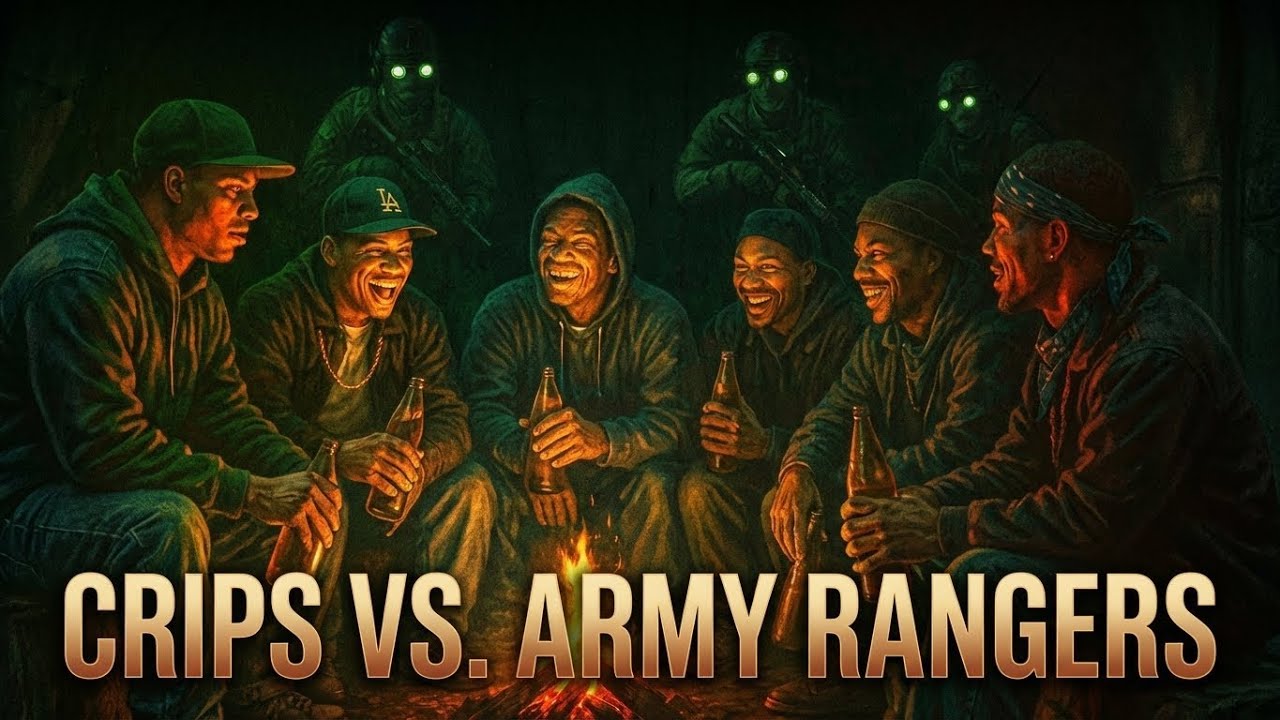
In January 1989, a quiet residential neighborhood in Tacoma, Washington, became the backdrop for one of the most bizarre and explosive clashes in American street history. On one side stood the Crips—an infamous and violent street gang with roots in Los Angeles and a growing influence in the Pacific Northwest. On the other stood a group of U.S. Army Rangers—elite, highly trained soldiers stationed at nearby Fort Lewis. When these two forces collided on Ash Street, what unfolded was not a typical police call—it was a full-blown firefight that shook the nation.

The Ash Street Shootout blurred the lines between law, justice, and chaos. It raised questions that still resonate: Can elite soldiers be vigilantes? What happens when civilians, frustrated with law enforcement inaction, take matters into their own hands? And who is to blame when bullets start flying? The answers weren’t easy then, and they remain controversial to this day.

The shootout wasn’t just a clash between individuals—it was a symptom of deeper problems: institutional failure, eroded public trust, and the desperation that arises when people feel abandoned by the system. It showed how quickly the illusion of peace can collapse when communities are left to fend for themselves.

The Setup: One Man’s Breaking Point

Bill Foulk, a retired U.S. Army Ranger and Vietnam veteran, had bought a modest home on Ash Street with hopes of settling into a peaceful post-military life. But the neighborhood, like many parts of Tacoma at the time, was in decline. What had once been a safe middle-class area had become plagued with crime, drug activity, and increasing gang presence. Residents lived in fear, especially at night, as gunshots, vandalism, and intimidation became routine.

Foulk, trained to handle high-stress combat situations, couldn’t sit idly by. He began recording drug deals with a camcorder from his porch, kept detailed logs, and made dozens of complaints to local police. But the response was slow and ineffective. Determined not to be driven out, Foulk took matters into his own hands. He contacted fellow Rangers and soldiers he trusted, asking them to help protect his home and community. For him, it wasn’t just about safety—it was about reclaiming the neighborhood from lawlessness.

The Crips Move In: Expansion & Fear

By the late 1980s, the Crips had expanded far beyond their Los Angeles origins. Tacoma’s underserved neighborhoods provided fertile ground for recruitment and drug operations. Ash Street became one of their unofficial strongholds. The gang’s presence brought not just crime, but a climate of intimidation. Residents feared retaliation if they spoke out, and many did not trust the police to protect them.

Members of the Crips established a near-constant presence across from Foulk’s house, turning a rented property into a base of operations. From this location, they hosted parties, sold narcotics, and occasionally threatened residents. Foulk, ever watchful, was perceived as a dangerous agitator to their dominance. Over time, tensions escalated. The situation became a standoff—on one side, a gang staking its claim; on the other, a veteran determined not to back down.

The Night It All Finally Went Down

January 15, 1989, marked the boiling point. That evening, the gang hosted a loud party that escalated into a gathering of over 20 individuals, many suspected to be armed. Reports circulated that they intended to confront Foulk. Fearing a direct attack, Foulk called in reinforcements. Over a dozen Army Rangers and military friends arrived at his house, some off-duty, others on leave, all armed. They took defensive positions and waited.

As the night deepened, shouting between the two groups escalated. Then, without warning, gunfire erupted. Witnesses later claimed that the first shots came from the street toward Foulk’s property. The Rangers responded with military precision—returning fire, using their training to maintain cover and suppress threats. Neighbors dove to the floor as bullets flew across lawns and through windows. The exchange lasted several minutes, and though no one died, several people were wounded, and the street resembled a war zone.

When police finally arrived, they found a surreal scene—civilians in camouflage, armed and organized, facing off against known gang members. The scale and intensity of the shootout shocked even hardened law enforcement.

Vigilantes or Heroes in Uniform?

Public opinion quickly split. Some hailed Foulk and his comrades as heroes who stood up to gang violence when the authorities wouldn’t. To these supporters, the Rangers were not vigilantes—they were protectors, using their skills to defend an abandoned community. Media interviews with neighbors revealed both fear and gratitude, with many saying they felt safer knowing the Rangers were there.

Critics, however, saw the incident as dangerous vigilantism. They argued that even trained soldiers had no business taking the law into their own hands, especially in a civilian setting. Local officials feared the precedent—what if others followed suit? Would neighborhoods become battlegrounds of private justice?

The legal system had its own struggle. Foulk and the participating Rangers were detained and questioned extensively. Prosecutors considered charges, but ultimately, none were filed against the soldiers due to lack of evidence of unlawful conduct. Several gang members, however, faced prosecution for illegal weapons possession and inciting violence. Still, the debate raged in public forums and media for months.

Legal Fallout and Lasting Legacy

In the aftermath, Ash Street and the city of Tacoma became national talking points. The incident led to increased police funding in the area and reforms in gang intervention strategies. The city was forced to acknowledge the growing threat of gang activity, and new community outreach programs were launched to prevent future violence.

For the Army, the shootout raised complex questions about military conduct in civilian life. Soldiers were reminded of the legal boundaries they must respect off-base. However, the bond between service members and their communities remained a potent force. The Rangers involved never saw themselves as outlaws—they saw themselves as doing what they were trained to do: protect those who couldn’t protect themselves.

The Ash Street Shootout is now studied in criminal justice courses and military ethics discussions. It remains one of the few recorded instances of organized military-trained civilians engaging directly with a domestic gang in an urban setting—a clash where both sides brought firepower, but only one fought with discipline.

Conclusion: Discipline Meets Chaos

The Ash Street Shootout remains one of the most surreal episodes in modern American criminal history. A quiet street became a warzone, not in Iraq or Afghanistan, but in the Pacific Northwest. What began as a neighborhood dispute spiraled into a firefight involving one of the most feared gangs in the country and some of the most elite soldiers in the world.

Decades later, it still raises hard questions: What would you do if the law failed you? Can ordinary citizens—or even soldiers—draw a line in the sand without crossing into vigilantism? The shootout on Ash Street was more than a gun battle; it was a clash of order versus disorder, of community frustration against criminal terror.

Finally, in Bill Foulk’s front yard, military precision met street chaos—and for a few terrifying minutes, war came home. The echoes of that night still resonate, reminding America that sometimes, the battle for safety begins just beyond your doorstep.

Categories
W1 World

The Killer Clown: Unmasking the Horror of John Wayne Gacy and America’s Failure in Justice

Introduction: A Smiling Monster in Suburbia

John Wayne Gacy wasn’t just a name on the news; he was a neighbor, a respected businessman, a Democratic Party volunteer, and a smiling clown who entertained children at parties and hospitals. But beneath the carefully constructed mask of normalcy was a monstrous truth: Gacy was one of the most prolific serial killers in American history. Between 1972 and 1978, he raped, tortured, and murdered 33 young men and boys—most of whom were buried beneath the floorboards of his modest suburban Chicago home.

The chilling contradiction between Gacy’s public persona and his private depravity continues to haunt the American psyche. How did a man so deeply involved in his community commit such atrocities for so long without detection? This article dives into the terrifying double life of John Wayne Gacy and exposes how systemic failures allowed one of the most horrific murder sprees in U.S. history to unfold.

From Contractor to Clown: John Wayne Gacy’s Rise

Born in 1942 in Chicago, Gacy’s early life was marked by abuse, bullying, and rejection—particularly from his alcoholic father, who routinely belittled and beat him. Though Gacy suffered health problems and social difficulties, he sought validation through success. As an adult, he became a successful contractor and active member of the local community, even posing for photographs with politicians, including the First Lady of the United States.

But Gacy also harbored dark impulses that surfaced long before his infamous killing spree. In 1968, he was convicted of sexually assaulting a teenage boy in Iowa and served 18 months of a 10-year sentence. Despite this conviction, he managed to rebuild his life upon release, returning to Illinois and embedding himself deeper into society’s fabric. He even created an alter ego—“Pogo the Clown”—and began performing at local events, a disguise that would later become synonymous with terror.

Chamber of Horror: 8213 W. Summerdale Avenue

Gacy’s home in Norwood Park, a quiet neighborhood in northwest Chicago, appeared ordinary. But it concealed a house of horrors. After luring his victims—many of them teenage boys and young men—through offers of construction work, money, or simply a place to stay, Gacy would drug or overpower them. He often used handcuffs or a “magic trick” involving ropes before assaulting, torturing, and eventually strangling them.

The bodies were disposed of in the crawl space beneath his home or dumped in nearby rivers when space ran out. He lived among the corpses for years, unfazed by the stench or the evil surrounding him. Neighbors occasionally complained of foul smells, but Gacy always had an excuse: moisture, rats, sewage issues. Despite this, the horror remained hidden, and he continued his deadly routine without suspicion—until the investigation that would unravel his dark secrets.

Cracks in the Mask: The Investigation Begins

Gacy’s carefully maintained illusion began to crumble in December 1978 when 15-year-old Robert Piest vanished after telling his mother he was going to meet a man about a job. That man was Gacy. When Piest didn’t return home, his family reported him missing—setting off a chain of events that would finally expose the killer clown.

Detectives found Gacy’s name in connection with multiple disappearances. A background check revealed his earlier conviction, and a subsequent search of his home unearthed suspicious items, including driver’s licenses, handcuffs, and clothing that didn’t belong to him.

Gacy grew increasingly nervous as police surveillance intensified. Just days before Christmas, he confessed to his crimes—chillingly recounting the murders of 33 victims. The search of his property revealed the full extent of his atrocities. Investigators found body after body buried in his crawl space. The media dubbed him the “Killer Clown,” and the nation recoiled in horror.

America’s Failure: How Gacy Got Away With It

Perhaps the most disturbing part of the Gacy saga isn’t just the horror of his crimes—but how preventable they may have been. Time and again, warning signs were ignored or overlooked:

  • After his 1968 conviction, Gacy was released early for “good behavior.”
  • Complaints and missing person reports involving young men near his home were not thoroughly investigated.
  • A former employee had told police about being raped by Gacy, but the claim was dismissed.
  • His frequent interactions with minors—many of them runaways or marginalized youth—did not raise alarms in a society where such young people were often invisible to authorities.

The system failed Gacy’s victims long before their final moments. A mix of institutional negligence, societal indifference to at-risk youth, and a reluctance to see a “respectable” man as a threat created the perfect storm for Gacy’s horrors to go undetected.

John Wayne Gacy: Trial, Execution, and Legacy

Gacy was tried in 1980 and convicted of 33 counts of murder. His trial was a media spectacle, with lurid details of his crimes shocking the nation. He was sentenced to death and spent 14 years on death row before being executed by lethal injection in 1994. His case became one of the most infamous in American criminal history, symbolizing the darkest extremes of human depravity and the complexities of the justice system.

Even in prison, Gacy remained disturbingly performative. He painted clown portraits—many of which were sold at auction—and gave chilling interviews where he denied responsibility. He claimed he was “the 34th victim,” shifting blame to imaginary accomplices and phantom versions of himself. His behavior continued to unsettle those around him, showing his manipulative nature even behind bars.

His death did not end the fascination. To this day, Gacy is the subject of documentaries, books, and podcasts. His house was demolished, but the ground it stood on became a macabre symbol of the darkness that can hide behind a friendly face. His legacy endures not just through his gruesome acts but through society’s ongoing obsession with the true nature of evil.

Conclusion: Remembering the Victims

As sensational as the story of John Wayne Gacy remains, it’s critical not to lose sight of the real tragedy—his victims. Many were young men from troubled backgrounds, some estranged from their families or homeless, and all of them were failed by the very systems meant to protect them. Their names and lives are often overshadowed by the infamy of their killer, but they deserve remembrance.

The horror of Gacy’s crimes lies not just in their brutality but in the fact that they happened in plain sight—enabled by societal blind spots and a justice system that ignored the vulnerable. Today, the Gacy case serves as a grim reminder of the monsters who can hide in our communities—and the importance of listening to those who cry out, even if society would rather look away.

Categories
W1 World

The Betz Sphere: Unraveling the Mystery of America’s Most Bizarre and Unexplained Artifact

Introduction: A Mysterious Discovery

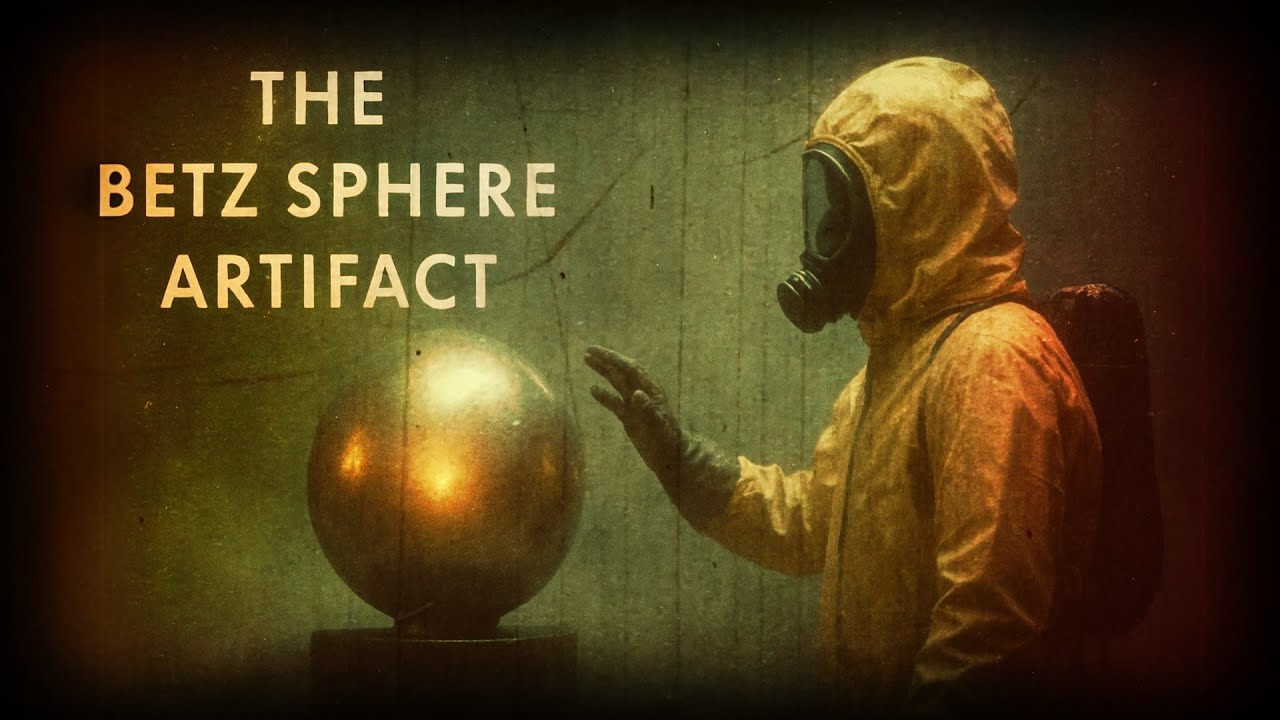
In 1974, a strange metallic object was discovered on Fort George Island, Florida, by the Betz family, sparking one of the most puzzling and enduring mysteries in American history. Known as the Betz Sphere, this seemingly ordinary object quickly captivated the imagination of the public, scientists, and government agencies alike. Its appearance, smooth and metallic, was nothing extraordinary at first glance, but the strange phenomena it exhibited soon turned it into a national enigma.

Over the years, the sphere has been the subject of countless theories, investigations, and speculations. Was it an alien artifact? A secret military device? Or perhaps an object with extraordinary properties that defied explanation? The story of the Betz Sphere is a tale of mystery, intrigue, and unanswered questions that continues to puzzle those who delve into it. Its legacy persists, stirring curiosity and sparking debates about the limits of our understanding of technology, physics, and the unknown.

The Shocking Discovery of the Betz Sphere

The story begins in March 1974, when the Betz family, residing on Fort George Island, stumbled upon a mysterious metallic sphere after a brush fire on their property. At first glance, the object appeared to be a simple ball, around 9 inches in diameter, with a smooth, metallic surface. The family initially thought it was a piece of discarded military equipment, but as they inspected it further, they realized it was far more unusual than anything they had encountered before.

The sphere was heavy, weighing about 22 pounds, and had strange markings on its surface, which only added to its intrigue. The Betz family was understandably baffled and unsure of what to make of it. They initially tried to move the sphere, but it seemed to have a will of its own. When they attempted to roll it, the object appeared to respond, moving in unpredictable ways, sometimes rolling back towards them, and at other times, moving in erratic directions.

This unusual behavior prompted the Betz family to share their discovery with others. Word quickly spread, and soon the sphere was the subject of intense curiosity and investigation. What seemed like an ordinary object turned into a mystery that would attract the attention of experts, government agencies, and conspiracy theorists alike.

Unexplained Phenomena: The Sphere’s Behavior

What truly set the Betz Sphere apart from other strange artifacts was the bizarre behavior it exhibited. As the Betz family continued to interact with it, they noticed that it seemed to respond to sounds, vibrations, and movements in ways that no ordinary object should. The sphere appeared to roll on its own, defying gravity in some instances, and even seemed to have an ability to change its direction without any physical influence.

One of the most well-known incidents occurred when the Betz family placed the sphere in their living room. When they played music or clapped their hands, the sphere would begin to roll, seemingly in time with the sounds. On one occasion, the sphere rolled towards the family dog, which was startled and backed away. This unusual behavior led to even more questions: Was it responding to sound? Was it somehow sensing its environment? Or was there something far more complex at play?

In addition to the sphere’s odd movement, there were reports of it emitting strange sounds. Some witnesses described hearing a high-pitched noise or a low hum emanating from the object, though no physical mechanism could be identified as the source of the sound. Some even reported that the sphere would vibrate or emit a pulsing energy when touched, further adding to its mystique.

The U.S. Navy’s Top-Secret Investigation

As word of the Betz Sphere spread, the U.S. government took notice. The mysterious object quickly became the subject of intense interest, and in the weeks following its discovery, the Betz family was contacted by the U.S. Navy. The Navy’s interest in the sphere seemed to indicate that it might be more than just an ordinary artifact.

In a series of investigations, the Navy conducted a series of tests on the Betz Sphere. The family was told that the object was being studied in connection with national security concerns, though the specifics of the investigation were never fully disclosed. Declassified documents revealed that Navy personnel observed the sphere’s strange movements and conducted experiments to determine its origins and purpose. However, they were unable to explain the object’s behavior, and some of the Navy officials involved in the investigation later stated that they believed the sphere might be of extraterrestrial origin.

Despite the Navy’s efforts to investigate the Betz Sphere, they never officially concluded what the object was. Some speculated that it might have been a secret military device, possibly a new piece of technology that was being tested, while others wondered if it could be something more otherworldly—an artifact from a distant civilization or a piece of alien technology.

Theories: Alien Artifact or Military Secret?

The Betz Sphere’s strange behavior and the secrecy surrounding the Navy’s investigation led to a number of theories about its origins and purpose. Some believed the object might be an alien artifact, possibly a probe or piece of technology sent to Earth by extraterrestrial beings. The way the sphere responded to sound and its unusual movement patterns suggested that it might be responding to some form of energy or frequency, which some theorists linked to extraterrestrial technology.

Others speculated that the Betz Sphere could be a secret military device. Given the proximity of the Betz family’s property to military installations and the Navy’s involvement in the investigation, it seemed plausible that the sphere might have been a new piece of military technology that had somehow been lost or discarded. Some even suggested that it could be a type of highly advanced sensor or communication device, capable of detecting vibrations, sounds, or even electromagnetic fields.

Still, other theories proposed that the Betz Sphere was simply an object with extraordinary physical properties that defied the laws of physics. The idea that it could exhibit such strange behavior without any external explanation led some to wonder whether the object was part of a scientific experiment or a natural phenomenon that had yet to be fully understood.

The Disappearance: A Final Chapter of Mystery

Despite the intense investigations and the widespread interest in the Betz Sphere, the object suddenly disappeared from public view. After several months of examination, the Betz family reported that the sphere had been taken from their home by individuals they did not recognize. It was later suggested that the object may have been confiscated by government agents, but no official explanation was ever provided.

The sudden disappearance of the Betz Sphere only deepened the mystery surrounding it. The object, which had captured the imaginations of so many, vanished without a trace, leaving behind a legacy of unanswered questions. Some believed that the sphere had been taken for further study, while others speculated that it had been destroyed to prevent further public interest.

Conclusion: An Enduring Mystery

The Betz Sphere remains one of the most enduring mysteries in American history. Despite numerous investigations, declassified documents, and expert analysis, the true nature of the object remains unknown. Was it an alien artifact? A secret military device? Or simply an object that defied explanation? The Betz Sphere continues to captivate those who seek to understand the unexplained, and its legacy lives on as one of the most bizarre unsolved mysteries of the 20th century.

The story of the Betz Sphere serves as a reminder that some mysteries may never be solved. It invites us to question the boundaries of human knowledge and to wonder what other strange artifacts or phenomena are waiting to be discovered in the world around us. Whether the Betz Sphere was a product of alien technology, government experimentation, or something else entirely, it remains a symbol of the unexplained, and it continues to fuel curiosity and speculation to this day.

Categories
W1 World

The Fall of Charles Lindbergh: From Celebrated Hero to Controversial Pariah, Nazi Sympathizer

Introduction: America’s Tarnished Icon

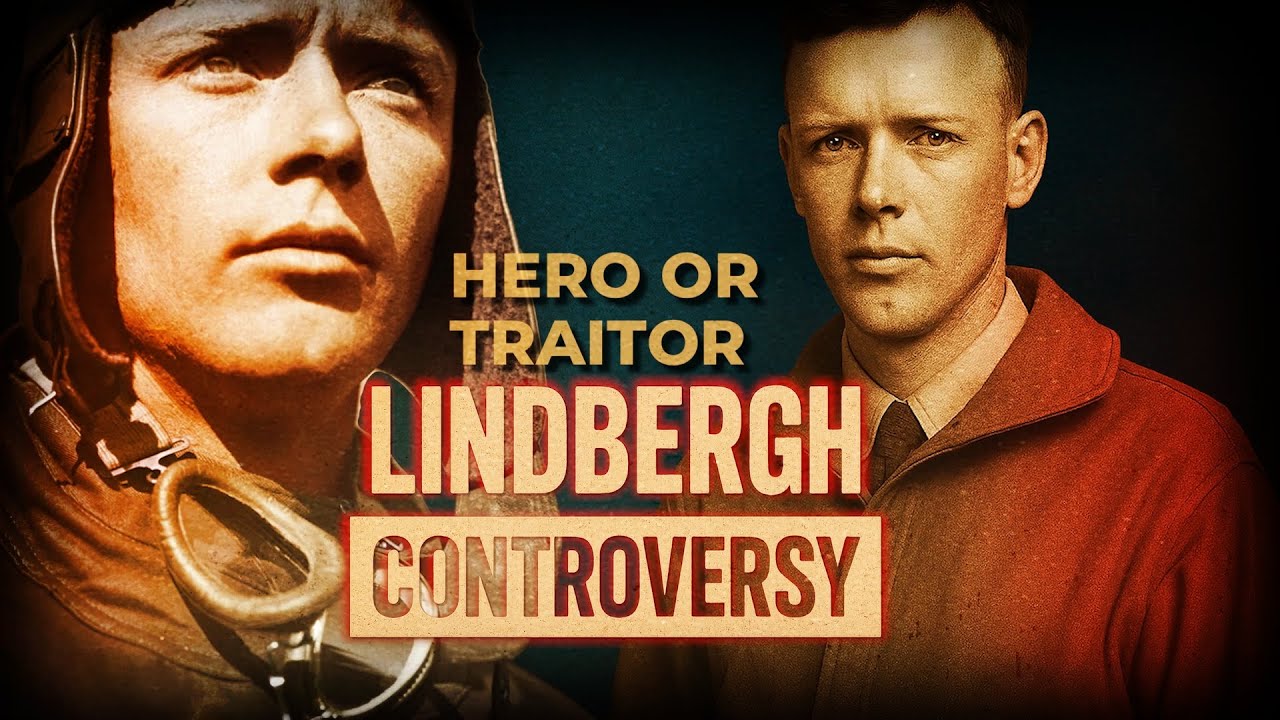
Charles Lindbergh, the legendary aviator who captured the hearts of millions with his solo flight across the Atlantic, was once celebrated as a national hero. His 1927 achievement, flying from New York to Paris, not only made him an international icon but also symbolized the American spirit of adventure, determination, and progress. Yet, just a decade after this monumental achievement, Lindbergh’s reputation began to unravel, as his controversial political beliefs, alleged sympathies with Nazi Germany, and antisemitic remarks turned him from a beloved hero into a figure of national disgrace.

In this article, we explore the rapid fall of Charles Lindbergh, examining the ties that led to his association with controversial political movements and exploring the truth behind his actions and beliefs during a critical period in American history. Charles Lindbergh’s transformation from a national hero to a deeply polarizing figure is a tale of betrayal, disillusionment, and the complexities of patriotism.

Lindbergh’s Heroic Rise to Fame

Charles Lindbergh’s fame began in 1927 with his groundbreaking transatlantic flight. The 25-year-old pilot made history by flying nonstop from Roosevelt Field in New York to Le Bourget Field near Paris, covering 3,600 miles in a 33.5-hour journey. This feat, which earned him the Orteig Prize, made him the first person to complete a solo transatlantic flight, an achievement that was hailed as one of the greatest in aviation history.

The accomplishment not only made Lindbergh a household name but also captured the imagination of the American public, who saw in him a symbol of the nation’s technological prowess and pioneering spirit. With his success, Lindbergh became the embodiment of American exceptionalism, receiving accolades from across the globe and becoming a model for the American youth of the time.

But as quickly as he rose to fame, Lindbergh would see his image transform from that of a hero to one associated with controversy and suspicion.

Political Shifts and America First

In the 1930s, as the world moved toward World War II, Lindbergh’s political views began to shift in a direction that would cast a shadow over his previously untarnished image. An outspoken critic of American involvement in the conflict, Lindbergh became heavily involved in the America First Committee (AFC), a political organization that advocated for the United States’ neutrality and opposed intervention in Europe’s escalating war.

While many Americans sympathized with the committee’s anti-war stance, Lindbergh’s involvement in the AFC eventually led to much deeper controversies. His outspoken opposition to President Franklin D. Roosevelt’s foreign policies and his frequent criticism of the growing involvement of the United States in global affairs made him a target for criticism. But what truly set Lindbergh apart from other isolationists was the nature of his rhetoric and his increasing alignment with far-right political groups, which was seen by many as dangerous and irresponsible.

Ties to Nazi Germany and Controversy

One of the most contentious aspects of Lindbergh’s post-aviation career was his alleged sympathy toward Nazi Germany. Lindbergh’s public speeches during the late 1930s and early 1940s raised suspicions about his political leanings, particularly his admiration for Germany’s achievements in aviation and his criticism of British policies.

In 1939, Lindbergh traveled to Germany as part of a fact-finding mission, where he met with high-ranking Nazi officials, including Hermann Göring, the head of the Luftwaffe. Lindbergh’s visit to Germany, combined with his positive remarks about the country’s technological advancements, fueled accusations that he was aligning himself with Nazi ideology. His stance appeared to contrast sharply with the more widely held American position, which was growing increasingly hostile toward the Nazi regime.

During his speeches for the America First Committee, Lindbergh repeatedly praised Germany’s military buildup, suggesting that the United States should learn from Nazi technological advancements. He also expressed concerns about the influence of Jewish organizations in the U.S. government, further deepening his association with far-right groups.

Antisemitism and Divisive Remarks

One of the most damaging aspects of Lindbergh’s legacy was his alleged antisemitism. While Lindbergh was not openly hostile toward Jews in the way that Nazi leaders were, his comments and actions left a trail of suspicion. He was particularly vocal in his criticism of Jewish organizations that lobbied for U.S. intervention in World War II, claiming that these groups were driving the United States into war for their own interests.

In a 1941 speech in Des Moines, Iowa, Lindbergh stated: “We, and we alone, are the ones who should be making decisions about this country’s involvement in war.” He further blamed “the Jewish race” for pushing America toward conflict with Germany. These remarks sparked outrage, with many accusing him of being a covert antisemite who used his platform to promote discriminatory views.

While Lindbergh’s defenders later argued that he was simply expressing concern about the power of foreign influence in American politics, there was little doubt that his rhetoric had crossed a line. His words helped solidify his association with the far-right and cast a shadow over his legacy.

The Hero’s Sudden Fall from Grace

Lindbergh’s fall from grace was not swift; it was a gradual erosion of the public’s trust. His political views, including his alignment with the America First Committee and his criticisms of the U.S. government’s foreign policies, alienated many of his former supporters. However, it was his associations with Nazi Germany and his controversial remarks about Jewish Americans that ultimately tarnished his reputation beyond repair.

As the United States entered World War II following the attack on Pearl Harbor in December 1941, Lindbergh’s isolationist views became increasingly irrelevant. He was banned from making public speeches, and his reputation as a hero was deeply marred. The man who had once been hailed as a symbol of American courage and achievement now faced widespread scorn and distrust.

Redemption and Lasting Impact

In the years following the war, Lindbergh attempted to rehabilitate his image. He continued his career in aviation, working as a consultant for the U.S. government and participating in scientific and environmental causes. He even sought to distance himself from his past associations with Nazi Germany, writing a memoir in which he defended his wartime actions and sought to explain his earlier views.

Despite these efforts, Lindbergh’s reputation was never fully restored. His legacy remains deeply complicated, and he continues to be a polarizing figure in American history. Some view him as a tragic hero who was undone by his misguided political beliefs, while others see him as a symbol of betrayal and tarnished ideals.

Conclusion: From Hero to Pariah

The rise and fall of Charles Lindbergh serves as a cautionary tale about the dangers of ideological extremism and the fragility of public opinion. The aviator who once symbolized American innovation and bravery became, in the eyes of many, a symbol of misguided nationalism, antisemitism, and political hubris. His tarnished legacy is a reminder that even the brightest heroes can fall from grace when their actions and beliefs are called into question.

As time passes, Lindbergh’s contributions to aviation history remain significant, but his political views and controversial associations continue to overshadow his achievements. Ultimately, Lindbergh’s fall from grace is a tragic chapter in the story of American iconography—a reminder that heroes can fall, and once the pedestal is knocked down, the consequences can be far-reaching.

Categories
W3 World

Unveiling the Forgotten Narratives: Indigenous Peoples of the Americas Before Columbus

The history of the Americas before the arrival of Christopher Columbus and the Spanish explorers is often overlooked, yet it holds a treasure trove of significant stories about the indigenous peoples who inhabited the continent. These untold narratives reveal the remarkable achievements, complex societies, and profound cultural legacies of these ancient civilizations. This article aims to shed light on ten of the most significant stories of the indigenous peoples of the Americas before the Spanish explorer Columbus arrived, offering a glimpse into their diverse cultures, advancements, and enduring impact.

  1. The Olmec Civilization: The Olmecs, who thrived in Mesoamerica from 1400 to 400 BCE, were pioneers of monumental architecture and complex social organization. They built colossal stone heads, developed a hieroglyphic writing system, and established trade networks spanning the region.
  2. The Maya Civilization: The Maya civilization, spanning from 2000 BCE to 1500 CE, left behind a legacy of extraordinary advancements in science, art, and mathematics. They constructed impressive cities with magnificent pyramids and temples, developed an intricate calendar system, and made significant astronomical observations.
  3. The Inca Empire: The Inca Empire, which flourished from the 13th to the 16th century, was one of the most extensive and organized civilizations in the Americas. They built a vast network of roads and bridges, created innovative agricultural terraces, and implemented a complex administrative system that unified diverse peoples.
  4. The Cahokia Mounds: Cahokia, located in present-day Illinois, was home to the largest pre-Columbian settlement north of Mexico. The city featured monumental earthen mounds and was the center of a thriving trade network that spanned thousands of miles.
  5. The Aztec Empire: The Aztec Empire, known for its capital city of Tenochtitlan, was a powerful civilization in Mesoamerica. They constructed magnificent temples and palaces, developed a sophisticated agricultural system using floating gardens called chinampas, and established a vibrant market economy.
  6. The Chaco Canyon: Chaco Canyon, located in present-day New Mexico, was a significant cultural and ceremonial center for the ancient Puebloan peoples. The complex architectural structures, including multi-story buildings and ceremonial kivas, demonstrate their advanced construction techniques and spiritual practices.
  7. The Mississippian Culture: The Mississippian culture, centered around the Mississippi River valley from 800 to 1500 CE, encompassed numerous Native American societies. They built large earthwork complexes, such as the city of Cahokia, and had a highly stratified social structure.
  8. The Ancestral Puebloans: The Ancestral Puebloans, also known as the Anasazi, inhabited the Four Corners region of the southwestern United States. They built intricate cliff dwellings, developed an extensive irrigation system, and created exquisite pottery and artwork.
  9. The Amazonian Rainforest Civilizations: The Amazon rainforest was home to several sophisticated civilizations, such as the pre-Columbian societies of the Marajoara and the Tapajonica. These cultures developed complex societies, built large earthen mounds, and practiced intricate agricultural methods.
  10. The Iroquois Confederacy: The Iroquois Confederacy, a union of Native American tribes in the northeastern United States, had a sophisticated political system known as the Great Law of Peace. This system emphasized democracy, consensus-building, and a balance of power among member tribes, serving as an inspiration for future democratic governance.
  11. The Mound Builders: The Mound Builders were a diverse group of indigenous cultures who constructed impressive earthen mounds throughout the eastern and central regions of North America. These mounds served as burial sites, ceremonial platforms, and community centers, showcasing their complex social and religious practices.
  12. The Hohokam Civilization: The Hohokam people inhabited the arid regions of present-day Arizona from approximately 1 CE to 1450 CE. They developed an extensive irrigation system that allowed them to cultivate crops in the desert, demonstrating their engineering prowess and adaptability to challenging environments.
  13. The Taino People: The Taino were the indigenous people of the Caribbean islands, including Hispaniola (now Haiti and the Dominican Republic), Cuba, and Puerto Rico. They had a vibrant culture, engaging in agriculture, fishing, and trading, and their artistic expressions influenced the aesthetics of the region.
  14. The Mapuche Resistance: The Mapuche, an indigenous people of Chile and Argentina, fiercely resisted Spanish colonization for centuries. They employed guerrilla warfare tactics, demonstrating their strength and resilience in the face of colonial oppression.
  15. The Hopewell Culture: The Hopewell culture flourished in the Ohio River Valley and surrounding regions from 200 BCE to 500 CE. They were known for their elaborate burial mounds, intricate artwork, and long-distance trade networks, which showcased their cultural sophistication and connectivity.
  16. The Tiwanaku Empire: The Tiwanaku Empire was a pre-Columbian civilization that thrived in the highlands of Bolivia from 300 to 1100 CE. They built monumental stone structures, such as the Sun Gate, and had a complex agricultural system that included raised fields and terraces.
  17. The Guaraní People: The Guaraní, indigenous to present-day Paraguay, Argentina, Brazil, and Bolivia, had a rich cultural heritage centered around agriculture and communal living. They cultivated crops such as corn, beans, and yucca, and their language and traditions continue to thrive today.
  18. The Lenape Confederation: The Lenape Confederation, also known as the Delaware Nation, was a confederacy of Algonquian-speaking tribes in the northeastern United States. They had a complex social and political structure and played a crucial role in the early interactions between indigenous peoples and European settlers.
  19. The Chibcha Civilization: The Chibcha civilization was centered in the Andean highlands of present-day Colombia, where they developed sophisticated agricultural terraces and engaged in goldwork and pottery. Their legacy can be seen in the vibrant culture and traditions of modern-day indigenous communities in the region.
  20. The Caral-Supe Civilization: The Caral-Supe civilization, located in present-day Peru, was one of the oldest known urban settlements in the Americas. Flourishing around 2600 to 2000 BCE, they built monumental structures, practiced advanced agricultural techniques, and had a complex social organization.

The untold stories of the indigenous peoples of the Americas before Columbus arrived reveal the rich tapestry of their civilizations, achievements, and cultural contributions. From the monumental architecture of the Olmecs and Maya to the complex social structures of the Inca and the innovative agricultural practices of various tribes, these stories challenge the notion of the Americas as a pristine, unexplored land. The profound legacies of these ancient civilizations continue to shape the Americas today, reminding us of the depth and diversity of human history in this vast and vibrant continent.

Categories
W5 World

The Untold Story of the Irish as the First Slaves in the Americas

The history of slavery in the Americas is a complex and brutal one, with millions of Africans forcibly transported across the Atlantic to work on plantations and in mines. But what many people don’t know is that the first slaves to be brought to the Americas were not Africans, but Irish.

In the early 17th century, the English were colonizing Ireland and attempting to suppress the native Irish population. One tactic they used was to round up Irish men, women, and children and sell them into slavery in the colonies. These “indentured servants” were typically promised a period of servitude in exchange for passage to the colonies, after which they would be released and allowed to start a new life. However, in practice, many of these indentured servants were treated no better than African slaves.

The first recorded instance of Irish people being sold into slavery in the Americas was in 1625, when a group of Irish men and women were sent to work in the English colony of Virginia. Over the next several decades, thousands more Irish people were shipped to the colonies to work as indentured servants, many of whom were treated cruelly and forced to work for years longer than their promised term of service.

One reason that the history of Irish slavery in the Americas is not well-known is that it has often been overshadowed by the much larger and more brutal system of African slavery. The scale of the African slave trade was much larger than that of Irish slavery, with millions of Africans being forcibly transported to the Americas over the course of several centuries. Additionally, African slavery was characterized by its hereditary nature, with slaves being born into slavery and unable to ever achieve freedom, while Irish indentured servants were typically released after a set period of service.

However, this does not mean that the experience of Irish slaves was any less horrific. Many were subjected to brutal treatment, including beatings, sexual abuse, and being worked to death in the fields. Irish slaves were also often treated as inferior to African slaves, with white slave owners using them as a way to maintain a racial hierarchy within the colonies.

Despite the fact that the Irish were not the only group of people to be sold into slavery in the Americas, their experience is an important part of the history of slavery in the New World. It serves as a reminder of the ways in which power and privilege can be used to exploit and oppress marginalized groups, and highlights the ongoing struggles for social justice and equality.

Today, the legacy of Irish slavery in the Americas lives on in the form of Irish-American identity and culture. The history of Irish slavery is an important part of the shared heritage of many Irish-Americans, and is often invoked in discussions of Irish-American identity and pride.

However, it is also important to acknowledge the ways in which this history has been distorted and mythologized over the years. Some people have attempted to use the history of Irish slavery as a way to downplay the significance of African slavery, or to argue that the Irish were somehow more deserving of sympathy or recognition than African slaves. These arguments are deeply flawed and serve to obscure the reality of slavery in the Americas, which was a brutal and dehumanizing institution that affected millions of people from many different backgrounds.

The Irish slaves faced harsh treatment, with many being worked to death on plantations, mines, and in other dangerous jobs. They were often sold at auction and treated as property rather than human beings. The conditions were so brutal that many chose to run away, only to be captured and punished severely. The death rate among Irish slaves was high, with many succumbing to disease, malnutrition, and overwork.

Despite the widespread suffering and abuse of Irish slaves, their history has been largely ignored in American education and popular culture. This omission has led to a lack of understanding of the unique challenges faced by the Irish in America and has contributed to a larger narrative of slavery that does not fully reflect the experiences of all enslaved people.

In recent years, there has been a growing effort to raise awareness of the Irish slave trade and to ensure that this important part of history is not forgotten. Many activists and scholars are working to document the experiences of Irish slaves and to ensure that their stories are included in discussions of American slavery.

By acknowledging the truth about the Irish slave trade, we can gain a deeper understanding of the legacy of slavery in America and the ongoing struggle for equality and justice. It is only through recognizing the full scope of this history that we can begin to address the systemic injustices that continue to affect marginalized communities today.

In conclusion, the truth about the Irish as the first slaves brought to the Americas is an important piece of history that has often been overlooked or distorted. While the scale and nature of Irish slavery were different from that of African slavery, it was still a horrific and degrading experience for those who were forced to endure it. Understanding and acknowledging this history is crucial for building a more just and equitable future.

Categories
W5 World

America’s Vietnam Shame: The Lingering Impact of Agent Orange on Children

Introduction

Forty years after the end of the Vietnam War, the legacy of Agent Orange still lingers on. This toxic herbicide, which was heavily sprayed during the conflict, has had devastating effects on the Vietnamese people, particularly on children who were born with birth defects and other medical conditions. Despite efforts to address the issue, the United States government has largely failed to take responsibility for the harm caused by Agent Orange, leaving many to suffer in silence.

Overview

The legacy of Agent Orange, a toxic herbicide sprayed by the United States military during the Vietnam War, continues to impact the Vietnamese people, particularly children, 40 years after the conflict’s end. Agent Orange contains dioxin, a toxic chemical that has been linked to various health problems, including cancer, birth defects, and mental health issues.

The children of Vietnam have been particularly affected, with many born with physical and mental disabilities, leading to discrimination, poverty, and limited access to healthcare and education. Despite efforts to address the issue, the US government has largely failed to take responsibility for the harm caused by Agent Orange, leaving many victims without compensation. The legacy of Agent Orange remains a shameful chapter in American history and underscores the need to prevent such atrocities in the future.

What is Agent Orange?

Agent Orange is a herbicide that was developed and used by the United States military during the Vietnam War. It was used to destroy forests and crops, and to clear areas of vegetation where enemy soldiers could hide. The herbicide was sprayed from planes and helicopters over large areas of Vietnam, Laos, and Cambodia. However, the chemical was later found to be highly toxic and carcinogenic, causing long-term health problems for those exposed to it. The most devastating effect of Agent Orange was its impact on the health of the Vietnamese people.

The Effects of Agent Orange

The devastating impact of Agent Orange on the Vietnamese people, particularly children, highlights the devastating consequences of war and the importance of accountability and responsibility for the harm caused. The herbicide contained dioxin, a toxic chemical that has been linked to a range of health problems, including cancer, birth defects, and other medical conditions. The effects of Agent Orange are still being felt today, with many children in Vietnam suffering from physical and mental disabilities as a result of exposure to the chemical.

The Children of Agent Orange

Agent Orange contains dioxin, a toxic chemical that has been linked to various health problems, including cancer, birth defects, and mental health issues. The children of Vietnam have been particularly affected by Agent Orange. Many were born with birth defects, such as missing limbs, cleft palates, and other deformities. Others suffer from mental health issues, such as depression and anxiety. These children face significant challenges in their daily lives, including discrimination, poverty, and limited access to healthcare and education.

The Failure of the US Government

Despite the devastating effects of Agent Orange, the United States government has largely failed to take responsibility for the harm caused by the chemical. In the decades since the end of the war, the US has provided some funding for cleanup efforts and medical assistance, but this has been insufficient to address the scale of the problem. Many Vietnamese victims of Agent Orange have been denied compensation, and efforts to hold the US government accountable have been largely unsuccessful.

The Legacy of Agent Orange

The legacy of Agent Orange, a toxic herbicide sprayed by the United States military during the Vietnam War, continues to impact the Vietnamese people, particularly children, 40 years after the conflict’s end. The children of Vietnam have been particularly affected, with many born with physical and mental disabilities, leading to discrimination, poverty, and limited access to healthcare and education. Despite efforts to address the issue, the US government has largely failed to take responsibility for the harm caused by Agent Orange, leaving many victims without compensation. The legacy of Agent Orange remains a shameful chapter in American history and underscores the need to prevent such atrocities in the future.

The Fight for Justice and Accountability

Despite the lack of accountability from the US government, there are individuals and organizations dedicated to seeking justice for victims of Agent Orange. In 2004, a group of Vietnamese citizens filed a class-action lawsuit against several US chemical companies involved in the production of Agent Orange. However, the lawsuit was dismissed by a US court, citing that the companies were acting on behalf of the US government at the time. Despite this setback, advocacy groups continue to push for recognition and compensation for victims. The fight for justice and accountability continues, as the legacy of Agent Orange remains a stain on both American and Vietnamese history.

Conclusion

The ongoing suffering and discrimination faced by victims of Agent Orange underscore the need for continued efforts to raise awareness and provide support to those affected. It is vital that the US government acknowledges its responsibility and takes steps to provide adequate compensation, healthcare, and education to those impacted by Agent Orange. By doing so, we can begin to address the injustices of the past and work towards a more just and equitable future.

Categories
W7 World

The Enigma of Carthaginians in the Americas: Exploring Ancient Transatlantic Contacts

Introduction

The ancient Carthaginians, known for their seafaring and trading skills, have long been the subject of fascination for historians and archaeologists. But could these skilled sailors have made their way to the Americas, long before Christopher Columbus? There are many theories and pieces of evidence that suggest that the Carthaginians may have made their way to the New World, but the truth remains a mystery. The possibility of such journeys still offers an exciting avenue for future research and exploration. Despite this, the topic remains shrouded in mystery and continues to be a subject of interest for researchers and enthusiasts.

The Story of Carthage: An Overview

The ancient civilization of Carthage, located in modern-day Tunisia, was a powerful maritime empire that rivaled Rome in the Mediterranean world. However, there have been theories suggesting that Carthaginians might have reached the Americas long before Columbus. This article delves into the mystery of Carthaginians in the Americas and explores the evidence that supports this claim.

Through analyzing archaeological findings and historical accounts, this article sheds light on the possible routes that Carthaginian explorers may have taken to reach the Americas, as well as the cultural and technological influences they might have had on the indigenous people they encountered. The article also examines the controversy surrounding this theory and the arguments made against it.

Overall, this article presents a compelling exploration of the mystery of Carthaginians in the Americas, providing readers with a fascinating glimpse into the history of this ancient civilization and its potential impact on the New World.

The History of Carthage

Carthage was an ancient city-state located on the coast of modern-day Tunisia in North Africa. Founded by the Phoenicians in the 9th century BC, Carthage grew into a powerful empire that controlled much of the western Mediterranean during the 4th and 3rd centuries BC. The Carthaginians were skilled sailors and traders, and their empire was built on a vast network of ports and trade routes.

The Mystery of Carthaginians

The idea that the Carthaginians may have reached the Americas is not a new one. There are many pieces of evidence that suggest that they may have made the journey. For example, there are several ancient carvings and inscriptions found in North and South America that bear a striking resemblance to the writing system used by the Phoenicians and Carthaginians. There are also many similarities between the cultures of the Carthaginians and the pre-Columbian cultures of the Americas, such as their love of gold and the practice of human sacrifice.

Carthage was founded in the 9th century BC by the Phoenicians, a seafaring people from the eastern Mediterranean. It quickly grew into a powerful empire, controlling much of North Africa, the western Mediterranean, and parts of southern Europe. Its navy was feared and respected throughout the ancient world, and it engaged in several major conflicts with the Roman Republic, including the Punic Wars.

Despite its wealth and power, Carthage ultimately fell to the Romans in 146 BC, and much of its history and culture was lost to the sands of time. However, recent archaeological discoveries have shed new light on this fascinating civilization, including the possibility that Carthaginians may have even reached the Americas long before Christopher Columbus.

The Evidence of Carthaginians

One of the most compelling pieces of evidence for the presence of Carthaginians in the Americas is the discovery of the Tavira inscription in Brazil. The inscription, which was discovered in the 19th century, bears a remarkable similarity to the writing system used by the Carthaginians. There is also evidence that the Carthaginians may have traded with the native peoples of the Americas. The Carthaginians were known to have traded in exotic goods such as spices, ivory, and gold, and it is possible that they may have brought these goods to the Americas.

The Controversy of Carthaginians

Despite the evidence, the idea of Carthaginians in the Americas remains controversial. Some scholars argue that the similarities between the cultures of the Carthaginians and the pre-Columbian cultures of the Americas are merely coincidence, and that the ancient carvings and inscriptions found in North and South America are not evidence of contact with the Carthaginians. Others argue that the Carthaginians were skilled enough sailors to have made the journey, but that there is simply not enough evidence to prove that they did.

Conclusion

The mystery of the Carthaginians in the Americas remains unsolved. While there is evidence to suggest that they may have made the journey, there is also much that is still unknown. Whether or not the Carthaginians did make their way to the New World, their seafaring and trading skills made them one of the most influential civilizations of the ancient world, and their legacy continues to fascinate historians and archaeologists today. The mystery of the Carthaginians in the Americas is a fascinating subject that offers an intriguing glimpse into the history of ancient civilizations.

Categories
W7 World

The Age of Exploration: European Colonization and Exploration of the Americas, Africa, Asia

Introduction

The Age of Exploration was a period of significant global exploration and discovery that occurred during the 15th and 16th centuries. European nations were motivated by various factors, including the search for new trade routes, the spread of Christianity, and the desire for political and economic power. This era of exploration led to the colonization of the Americas, Africa, and Asia, and the exchange of ideas, cultures, and resources between Europe and the rest of the world.

Overview of The Age of Exploration

The Age of Exploration began in the 15th century, with the Portuguese exploring the African coast and the Atlantic Ocean. In 1492, Christopher Columbus set sail on behalf of Spain and discovered the Caribbean islands and the Americas. This event marked the beginning of European colonization of the Americas. Other European nations, such as England, France, and the Netherlands, also began exploring and colonizing various parts of the world. The Age of Exploration continued throughout the 16th century, with expeditions to Asia and Africa and the establishment of trading posts and colonies. Here are some key points about History and Overview of The Age of Exploration.

History of The Age of Exploration

  • The Age of Exploration refers to the period from the 15th to the 17th century when European nations embarked on voyages of discovery and colonization.
  • These voyages led to the exploration and colonization of the Americas, Africa, and Asia.
  • The Age of Exploration was driven by various factors such as economic, religious, and political motivations.
  • It had significant impacts on the world, including the exchange of goods, ideas, and technologies, as well as the displacement and exploitation of indigenous peoples.

Overall, the Age of Exploration was a period of significant global impact, marked by European nations’ colonization and exploration of new territories across the Americas, Africa, and Asia. This period not only shaped the history and development of these continents but also had far-reaching consequences that continue to impact the world today.

Colonization of the Americas

The discovery of the Americas by Christopher Columbus in 1492 marked the beginning of European colonization of the New World. The Spanish were the first to establish colonies in the Americas, with settlements in present-day Mexico and South America. The English and French also established colonies in North America, with the English founding Jamestown in 1607 and the French establishing Quebec in 1608. European colonization of the Americas had a profound impact on the indigenous peoples and led to the transatlantic slave trade. Here are some key points about European colonization of the Americas:

  • The Spanish were the first Europeans to establish colonies in the Americas, starting with the Caribbean islands in the late 15th century and eventually expanding to Central and South America.
  • The Portuguese also established colonies in South America, including Brazil.
  • The English, French, and Dutch established colonies in North America, with the English colonies eventually becoming the United States.
  • Colonization often involved violent conflict with indigenous peoples, as well as the spread of diseases that had devastating effects on native populations.
  • European colonization led to the forced migration and enslavement of millions of Africans, who were brought to the Americas to work on plantations and in other industries.

These are just a few key points, but there is a lot more to explore in terms of the complex and often troubling history of European colonization in the Americas.

Exploration of Africa

During the Age of Exploration, European nations also explored the African continent. The Portuguese established trading posts along the African coast, while the Dutch and English began trading in West Africa. The exploration of Africa led to the exploitation of the continent’s resources and the enslavement of millions of Africans. During the Age of Exploration, the exploration of Africa largely contributed to the economic, political, and cultural changes of the continent and had a lasting impact on the world. Here are the key points about the exploration of Africa during the Age of Exploration:

  • The Portuguese were the first Europeans to explore the African coast, beginning in the 15th century.
  • Portuguese explorer Bartolomeu Dias reached the southern tip of Africa in 1488, opening up a sea route to India.
  • They established trading posts and forts along the coast, but did not venture far inland.
  • Other European nations followed, including the Dutch, British, and French, seeking to establish colonies and acquire valuable resources such as gold, ivory, and slaves.
  • European exploration of Africa was aided by advances in navigation technology such as the astrolabe and compass.
  • European explorers often encountered resistance from African tribes and kingdoms, leading to conflicts and the establishment of colonial empires.
  • The Scramble for Africa in the late 19th century saw European powers dividing up the continent among themselves, leading to the exploitation of African resources and people.

Overall, the exploration of Africa by European nations during the Age of Exploration had a profound impact on the continent, shaping its history and leading to long-lasting political and economic consequences.

Expeditions to Asia

The Age of Exploration also saw European nations exploring and trading in Asia. The Portuguese established trading posts in India and Southeast Asia, while the Dutch and English traded in China and Japan. The exploration of Asia led to the exchange of goods, ideas, and cultures between Europe and Asia. The Age of Exploration marked a significant period of global exploration and colonization, with European nations expanding their reach across the globe. The impact of this era is still felt today, shaping the world we live in and the way we interact with each other.

Here are some pointers on expeditions to Asia during the Age of Exploration:

  • European powers, such as Portugal, Spain, the Netherlands, and England, sought to establish trade routes with Asia to gain access to valuable goods such as spices, silk, and tea.
  • Portuguese explorer Vasco da Gama is credited with being the first European to reach India by sea in 1498.
  • The Portuguese established colonies in India, including Goa and Macau, and controlled the spice trade in the region for over a century.
  • The Spanish, led by Ferdinand Magellan, completed the first circumnavigation of the world from 1519-1522, opening up new trade routes to Asia.
  • The Dutch East India Company, founded in 1602, established a monopoly on the spice trade in the East Indies and became one of the wealthiest and most powerful companies in history.
  • European powers also established trading posts and colonies in Southeast Asia, such as the British in Singapore and the French in Vietnam.
  • The exploration of Asia during the Age of Exploration had a significant impact on the region’s history and culture, leading to the spread of Christianity and the introduction of new technologies and ideas.

However, it also had negative consequences, such as the exploitation and enslavement of indigenous peoples and the destruction of local economies and environments.

Conclusion

The Age of Exploration was a significant period of global exploration and discovery that had a profound impact on the world. European colonization of the Americas, Africa, and Asia led to the exchange of ideas, cultures, and resources between Europe and the rest of the world. The Age of Exploration also had negative consequences, such as the exploitation of indigenous peoples and the transatlantic slave trade. However, this era of exploration and discovery paved the way for globalization and the interconnected world we live in today.

FAQs

What motivated European nations to explore and colonize other parts of the world during the Age of Exploration? European nations were motivated by a combination of factors, including a desire for wealth and resources, religious and cultural expansion, and a thirst for adventure and discovery.

What impact did European colonization have on the indigenous populations of the Americas, Africa, and Asia? European colonization had a devastating impact on indigenous populations, including forced labor, violence, disease, and cultural erasure. This legacy continues to affect these regions today.

Were there any positive outcomes of the Age of Exploration? While the impact of European colonization was overwhelmingly negative, there were some positive outcomes such as the exchange of ideas, goods, and technologies between different cultures, as well as the advancement of navigation and exploration.

Who were some of the most famous explorers of the Age of Exploration? Some of the most famous explorers include Christopher Columbus, Vasco da Gama, Ferdinand Magellan, and Francis Drake, among others.

How did the Age of Exploration contribute to the growth of European empires? The Age of Exploration was a key factor in the growth of European empires, as it allowed nations to expand their territories, resources, and power. This laid the groundwork for the emergence of global imperialism in the centuries that followed.

References

  • European colonization of the Americas
  • Exploration of Africa by Europeans
  • Expeditions to Asia by European nations
  • Maritime trade and commerce during the Age of Exploration
  • Impact of the Age of Exploration on indigenous cultures
  • Exploration and expansion of European empires
  • Discovery of new trade routes during the Age of Exploration
  • Technological advancements in navigation and shipbuilding
  • Conflict and competition among European nations during the Age of Exploration
  • Legacy of the Age of Exploration in modern-day global society