Categories
W1 World

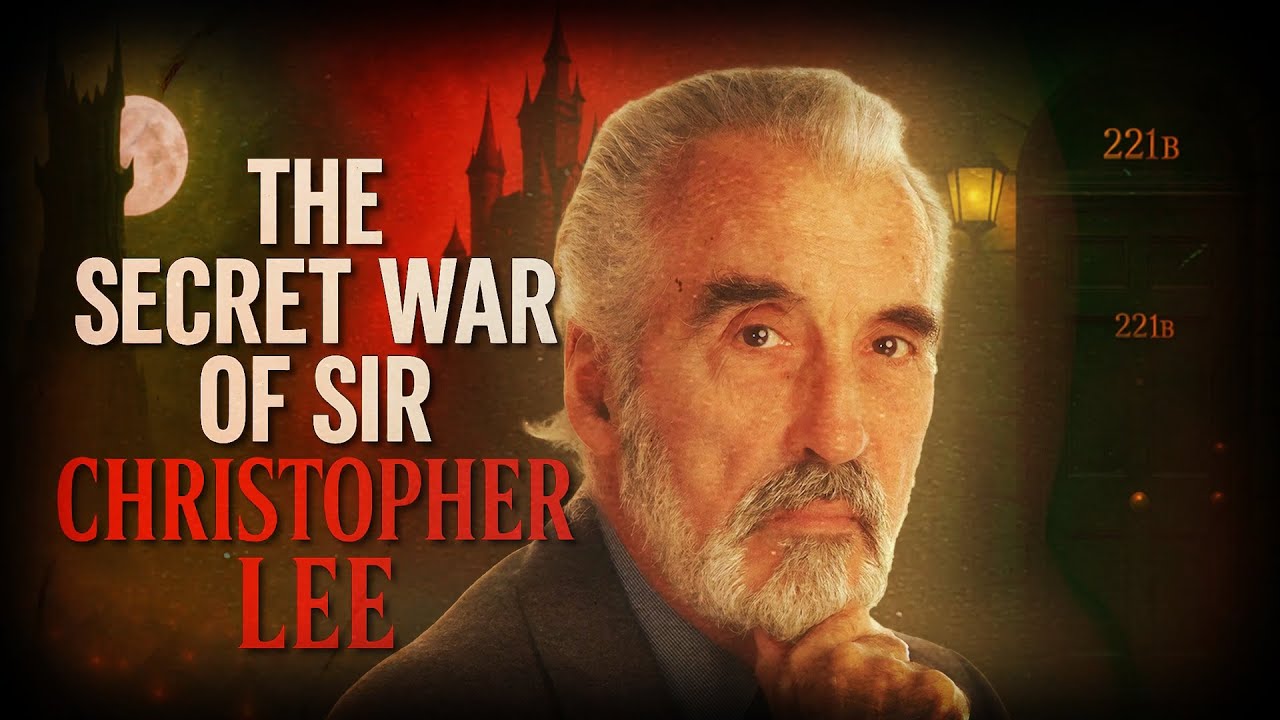
The Secret War of Sir Christopher Lee: From Covert Battlefield Missions to Big Screen Legend

Introduction: The Man Behind the Myths

Sir Christopher Lee is best remembered as a towering presence on screen—Dracula, Saruman, Count Dooku. But behind his cinematic legacy lies a shadowy past more thrilling than any of his film roles. Before Hollywood, before Hammer Horror, Lee was a soldier and a spy. During World War II, he served with distinction in the Royal Air Force and was attached to British intelligence and special forces, including the SAS and the Special Operations Executive (SOE).

Some of his missions remain classified, adding an air of mystery to an already enigmatic man. This is the story of a war hero whose real life may have inspired fictional legends like James Bond, and whose experiences shaped him as both an actor and a man. Long before he wore fangs or wielded a wizard’s staff, he stared down real danger in the shadows of history.

The Making of a Warrior: Early Life, War

Born in 1922 to a military family, Christopher Frank Carandini Lee grew up in a world shaped by war and aristocracy. His father was a decorated army officer, and his mother came from Italian nobility. From an early age, Lee showed an interest in languages, history, and adventure.

Lee was fluent in several languages—skills that would later serve him well in intelligence work. When World War II broke out, Lee enlisted in the Royal Air Force. Initially grounded due to a vision problem, he nonetheless found ways to serve. His aptitude and demeanor quickly led him into intelligence roles, and eventually into elite covert units.

Into the Shadows: SOE, SAS, Missions

Lee was quietly recruited into the SOE—Special Operations Executive, Winston Churchill’s infamous spy organization, often referred to as “the Ministry of Ungentlemanly Warfare.” He also had ties with the SAS, the Special Air Service, known for its deadly raids behind enemy lines. His work included sabotage operations, tracking down Nazi war criminals, and assisting in the liberation of concentration camps.

Lee operated in North Africa, Italy, and possibly Eastern Europe. Although Lee remained tight-lipped about many of his missions, he once told interviewers, with a knowing smile, “Let’s just say I was involved in some very confidential things.”

Hunting Evil: Post-War Pursuit of Nazis

Following the war, Lee worked with the Central Registry of War Criminals and Security Suspects (CROWCASS), the organization tasked with identifying and capturing Nazi war criminals. It was grueling and emotionally exhausting work—digging through evidence of atrocities and helping bring fugitives to justice.

Lee was present at several interrogations and assisted with intelligence that led to arrests. This chapter of his life haunted him and shaped his profound sense of justice. He once said, “If I could take just one man down who committed such acts, it was all worth it.”

Silence and Secrecy: A Code That Endured

Throughout his life, Lee maintained a strict code of silence regarding his military service. He believed that talking too much would dishonor the memory of those who served and died. When Peter Jackson asked him how he knew what a man sounded like when stabbed in the back—a moment while filming The Lord of the Rings—Lee replied, “Because I know what it sounds like.”

This cryptic answer added to the legend, but it was rooted in real, harrowing experience. Even in his autobiography, he glossed over many wartime details, preserving the dignity and confidentiality of those turbulent years.

Hollywood and the Haunted Heroic Past

After the war, Lee returned to civilian life and eventually found his way to the silver screen. His imposing height, deep voice, and stoic demeanor made him perfect for villainous roles. But beneath the horror makeup and menacing characters was a man shaped by unimaginable experiences.

Lee’s time in war gave him an intensity and authenticity that few actors could match. He was not pretending to understand fear or death—he had lived it. His military discipline carried over into his acting career; he was professional, punctual, and precise.

A Real-Life Bond: Spy, Soldier, or Legend?

Many have speculated that Christopher Lee’s cousin, Ian Fleming, drew on Lee’s life for inspiration when creating James Bond. Fleming and Lee were close, and the timeline of Lee’s wartime service overlaps significantly with Fleming’s own intelligence work.

Like Bond, Lee was suave, multilingual, deadly when needed, and accustomed to moving through shadows. While Lee never confirmed the theory, he didn’t deny it either. The parallels are compelling: both were British, both were involved in secretive operations across Europe, and both had a cool, lethal charisma.

Recognition Long Overdue: Hidden Valor

Despite his service, Lee never boasted or sought recognition for his military contributions. It wasn’t until much later in life that many people learned of his wartime record. In 2009, he was knighted for his contributions to drama and charity—but his military service was mentioned with reverence.

Lee’s commitment to duty, silence, and integrity stood in stark contrast to the modern age of oversharing. Lee’s life serves as a reminder that true heroism often resides in humility. In truth, he was the myth behind the myth.

Legacy: From War Rooms to Wizardry

Sir Christopher Lee’s legacy is unique. Few people can claim to have fought Nazis and also portrayed wizards and Sith Lords. His war service adds a profound dimension to his performances. When you see him wield a sword or issue a grave warning as Saruman, remember: this was not an act.

This was a man who had looked evil in the face and lived to tell the tale—if only in hints and whispers. His roles in cinema become even more iconic when framed by the knowledge of the life he led before the camera rolled.

Conclusion: A Hero in Shadow and Light

Sir Christopher Lee lived many lives. Soldier, spy, actor, legend. His wartime service remains a lesser-known but essential part of his story. In a century marked by conflict and change, Lee stood as a bridge between the brutal realities of war and the magical worlds of film. He showed that heroism takes many forms—on the battlefield, on the screen, and in the quiet dignity of a life lived with purpose and honor.

Overall, the world may remember him for Dracula or Saruman, but behind those characters stood a real man—a man who once fought in the shadows to defend the light. Sir Christopher Lee’s legacy is more than cinematic—he lived a life so extraordinary, it rivaled even the legends he portrayed on screen. In many ways, he wasn’t just playing heroes and villains—he was living the kind of story most actors could only dream of.

Categories
W1 World

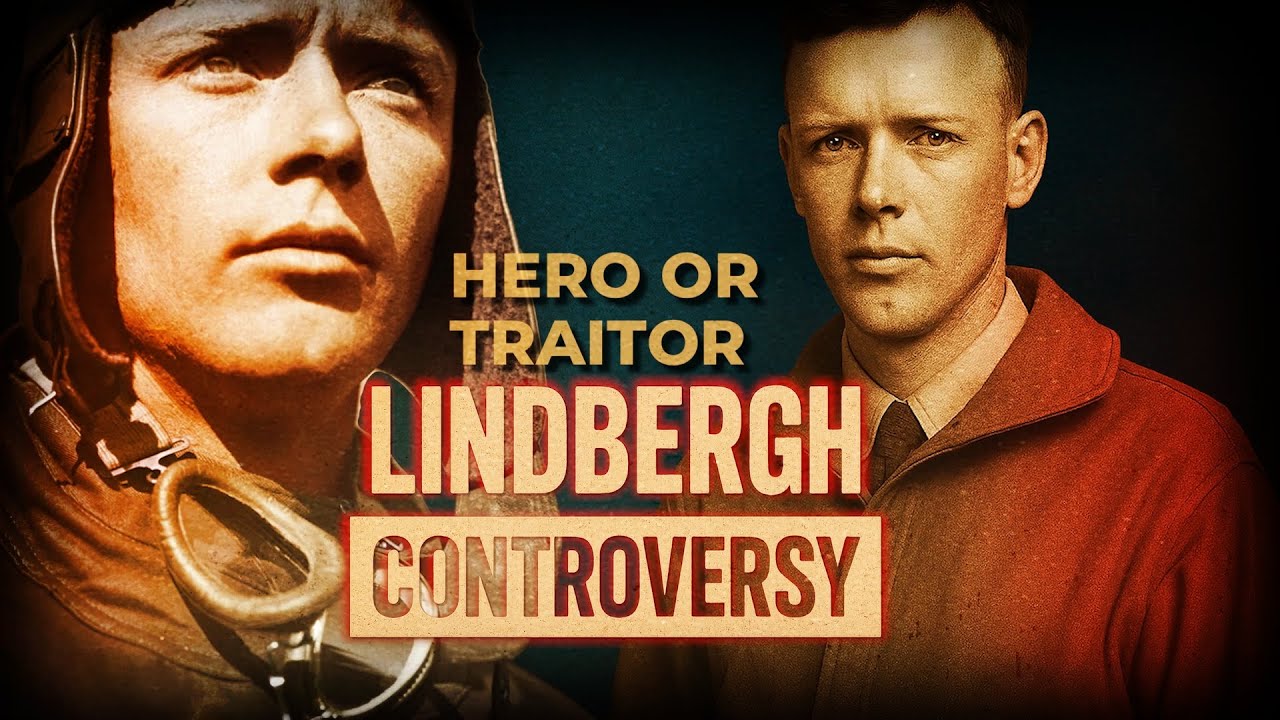
The Fall of Charles Lindbergh: From Celebrated Hero to Controversial Pariah, Nazi Sympathizer

Introduction: America’s Tarnished Icon

Charles Lindbergh, the legendary aviator who captured the hearts of millions with his solo flight across the Atlantic, was once celebrated as a national hero. His 1927 achievement, flying from New York to Paris, not only made him an international icon but also symbolized the American spirit of adventure, determination, and progress. Yet, just a decade after this monumental achievement, Lindbergh’s reputation began to unravel, as his controversial political beliefs, alleged sympathies with Nazi Germany, and antisemitic remarks turned him from a beloved hero into a figure of national disgrace.

In this article, we explore the rapid fall of Charles Lindbergh, examining the ties that led to his association with controversial political movements and exploring the truth behind his actions and beliefs during a critical period in American history. Charles Lindbergh’s transformation from a national hero to a deeply polarizing figure is a tale of betrayal, disillusionment, and the complexities of patriotism.

Lindbergh’s Heroic Rise to Fame

Charles Lindbergh’s fame began in 1927 with his groundbreaking transatlantic flight. The 25-year-old pilot made history by flying nonstop from Roosevelt Field in New York to Le Bourget Field near Paris, covering 3,600 miles in a 33.5-hour journey. This feat, which earned him the Orteig Prize, made him the first person to complete a solo transatlantic flight, an achievement that was hailed as one of the greatest in aviation history.

The accomplishment not only made Lindbergh a household name but also captured the imagination of the American public, who saw in him a symbol of the nation’s technological prowess and pioneering spirit. With his success, Lindbergh became the embodiment of American exceptionalism, receiving accolades from across the globe and becoming a model for the American youth of the time.

But as quickly as he rose to fame, Lindbergh would see his image transform from that of a hero to one associated with controversy and suspicion.

Political Shifts and America First

In the 1930s, as the world moved toward World War II, Lindbergh’s political views began to shift in a direction that would cast a shadow over his previously untarnished image. An outspoken critic of American involvement in the conflict, Lindbergh became heavily involved in the America First Committee (AFC), a political organization that advocated for the United States’ neutrality and opposed intervention in Europe’s escalating war.

While many Americans sympathized with the committee’s anti-war stance, Lindbergh’s involvement in the AFC eventually led to much deeper controversies. His outspoken opposition to President Franklin D. Roosevelt’s foreign policies and his frequent criticism of the growing involvement of the United States in global affairs made him a target for criticism. But what truly set Lindbergh apart from other isolationists was the nature of his rhetoric and his increasing alignment with far-right political groups, which was seen by many as dangerous and irresponsible.

Ties to Nazi Germany and Controversy

One of the most contentious aspects of Lindbergh’s post-aviation career was his alleged sympathy toward Nazi Germany. Lindbergh’s public speeches during the late 1930s and early 1940s raised suspicions about his political leanings, particularly his admiration for Germany’s achievements in aviation and his criticism of British policies.

In 1939, Lindbergh traveled to Germany as part of a fact-finding mission, where he met with high-ranking Nazi officials, including Hermann Göring, the head of the Luftwaffe. Lindbergh’s visit to Germany, combined with his positive remarks about the country’s technological advancements, fueled accusations that he was aligning himself with Nazi ideology. His stance appeared to contrast sharply with the more widely held American position, which was growing increasingly hostile toward the Nazi regime.

During his speeches for the America First Committee, Lindbergh repeatedly praised Germany’s military buildup, suggesting that the United States should learn from Nazi technological advancements. He also expressed concerns about the influence of Jewish organizations in the U.S. government, further deepening his association with far-right groups.

Antisemitism and Divisive Remarks

One of the most damaging aspects of Lindbergh’s legacy was his alleged antisemitism. While Lindbergh was not openly hostile toward Jews in the way that Nazi leaders were, his comments and actions left a trail of suspicion. He was particularly vocal in his criticism of Jewish organizations that lobbied for U.S. intervention in World War II, claiming that these groups were driving the United States into war for their own interests.

In a 1941 speech in Des Moines, Iowa, Lindbergh stated: “We, and we alone, are the ones who should be making decisions about this country’s involvement in war.” He further blamed “the Jewish race” for pushing America toward conflict with Germany. These remarks sparked outrage, with many accusing him of being a covert antisemite who used his platform to promote discriminatory views.

While Lindbergh’s defenders later argued that he was simply expressing concern about the power of foreign influence in American politics, there was little doubt that his rhetoric had crossed a line. His words helped solidify his association with the far-right and cast a shadow over his legacy.

The Hero’s Sudden Fall from Grace

Lindbergh’s fall from grace was not swift; it was a gradual erosion of the public’s trust. His political views, including his alignment with the America First Committee and his criticisms of the U.S. government’s foreign policies, alienated many of his former supporters. However, it was his associations with Nazi Germany and his controversial remarks about Jewish Americans that ultimately tarnished his reputation beyond repair.

As the United States entered World War II following the attack on Pearl Harbor in December 1941, Lindbergh’s isolationist views became increasingly irrelevant. He was banned from making public speeches, and his reputation as a hero was deeply marred. The man who had once been hailed as a symbol of American courage and achievement now faced widespread scorn and distrust.

Redemption and Lasting Impact

In the years following the war, Lindbergh attempted to rehabilitate his image. He continued his career in aviation, working as a consultant for the U.S. government and participating in scientific and environmental causes. He even sought to distance himself from his past associations with Nazi Germany, writing a memoir in which he defended his wartime actions and sought to explain his earlier views.

Despite these efforts, Lindbergh’s reputation was never fully restored. His legacy remains deeply complicated, and he continues to be a polarizing figure in American history. Some view him as a tragic hero who was undone by his misguided political beliefs, while others see him as a symbol of betrayal and tarnished ideals.

Conclusion: From Hero to Pariah

The rise and fall of Charles Lindbergh serves as a cautionary tale about the dangers of ideological extremism and the fragility of public opinion. The aviator who once symbolized American innovation and bravery became, in the eyes of many, a symbol of misguided nationalism, antisemitism, and political hubris. His tarnished legacy is a reminder that even the brightest heroes can fall from grace when their actions and beliefs are called into question.

As time passes, Lindbergh’s contributions to aviation history remain significant, but his political views and controversial associations continue to overshadow his achievements. Ultimately, Lindbergh’s fall from grace is a tragic chapter in the story of American iconography—a reminder that heroes can fall, and once the pedestal is knocked down, the consequences can be far-reaching.

Categories
W1 World

How a British Aristocrat Played a Strategic Gamble Paving Communism in Yugoslavia

Introduction: A Secret Mission

In 1943, British Prime Minister Winston Churchill made a momentous decision that would shape the future of Yugoslavia. As the war raged across Europe, intelligence reports from German-occupied Yugoslavia painted a complex and shifting picture of resistance efforts. Two major factions—one royalist and one communist—were waging separate wars against the Axis forces. The British government had initially backed the royalist Chetniks, led by General Draža Mihailović, but growing concerns over their lackluster resistance and suspected collaboration with the Germans led to a reevaluation of British policy.

To assess the situation on the ground, Churchill turned to Fitzroy Maclean, an aristocratic soldier, diplomat, and intelligence officer. Maclean, a dashing and well-connected member of the Special Operations Executive (SOE), was parachuted into Yugoslavia with orders to make contact with the leader of the communist partisans, Josip Broz Tito. His mission was not only to evaluate Tito’s effectiveness against the Germans but also to determine whether British support should shift from the Chetniks to the communists.

Fitzroy Maclean: The Aristocrat

Born into the Scottish aristocracy in 1911, Fitzroy Maclean was educated at Eton and Cambridge before joining the British Foreign Service. He soon gained a reputation for adventure and daring, traveling extensively through the Soviet Union in the 1930s and developing a keen understanding of communist ideology. When World War II broke out, he left the diplomatic corps to join the British Army and quickly rose through the ranks, distinguishing himself in North Africa.

Churchill saw in Maclean the perfect candidate for the Yugoslav mission—an officer with both the physical stamina for clandestine operations and the intellectual acumen to navigate the complexities of Balkan politics. More importantly, Maclean had the prime minister’s trust, a crucial factor in this high-stakes endeavor.

The Meeting With Josip Broz Tito

Parachuting into the Yugoslav countryside in September 1943, Maclean and his SOE team made their way to the partisan headquarters, deep in Axis-occupied territory. There, he met Tito, a man whose reputation as a relentless and strategic leader had already reached London. Over weeks of discussions and firsthand observations, Maclean reported back to Churchill that Tito’s forces were indeed the most effective resistance group in Yugoslavia.

Unlike the Chetniks, who were accused of prioritizing a post-war restoration of the monarchy over fighting the Germans, the communist partisans were waging an uncompromising war against Axis occupiers. They controlled vast swathes of territory, carried out sabotage operations, and engaged in large-scale battles. Maclean’s reports convinced Churchill that supporting Tito was the best way to tie down German forces and assist the Allied war effort.

Churchill’s Calculated Gamble

Despite recognizing the dangers of aiding a communist movement, Churchill was a pragmatist. His primary concern was defeating the Axis, and Tito’s effectiveness against the Germans was undeniable. In December 1943, at the Tehran Conference, Churchill and Franklin D. Roosevelt agreed to shift their full support to the partisans. This decision led to increased British arms supplies, air support, and strategic assistance for Tito’s forces, while aid to the Chetniks was largely cut off.

Churchill harbored no illusions about Tito’s long-term ambitions. He understood that empowering the communists in Yugoslavia could have profound geopolitical consequences, but he was willing to take that risk to hasten the defeat of Germany. In his characteristically wry manner, he later remarked that if the devil himself were fighting Hitler, he would make a favorable reference to the devil in the House of Commons.

The Road To A Communist Yugoslavia

With substantial British and later Soviet backing, Tito’s partisans gained the upper hand. By the end of the war, they had not only expelled the Axis forces but also positioned themselves as the dominant political force in Yugoslavia. In 1945, Tito established a socialist state, and by 1946, he had consolidated power, sidelining political opponents and severing ties with the Yugoslav monarchy. The very movement Churchill had helped strengthen would soon align itself with the Soviet Union—at least until Tito’s famous split with Stalin in 1948.

Maclean, despite his aristocratic background and firm anti-communist beliefs, had played a crucial role in bringing Tito to power. His reports and advocacy had been instrumental in convincing Churchill to abandon the Chetniks, setting Yugoslavia on the path to communist rule. Maclean himself would later write extensively about his wartime experiences, providing rare insights into the secret negotiations and battlefield decisions that had shaped Yugoslavia’s future.

The Aftermath And Historical Debate

The decision to back Tito remains one of the most debated aspects of British wartime strategy. Some historians argue that Churchill and Maclean made the right call, prioritizing military effectiveness over ideological concerns. Others contend that by empowering Tito, Britain inadvertently facilitated the rise of a one-party communist state, leading to decades of authoritarian rule and political repression.

Even within the British government, there were those who remained uneasy about the alliance with Tito. Many feared that the shift in support would alienate the Yugoslav royalists and undermine Britain’s influence in the region. Yet, in the context of World War II, immediate military priorities outweighed long-term political considerations.

Conclusion: A Pragmatic Decision

Fitzroy Maclean’s mission to Yugoslavia was a turning point in the war and in the history of the Balkans. By forging an alliance with Tito, Britain not only secured an effective fighting force against the Germans but also laid the groundwork for Yugoslavia’s post-war communist government. Churchill, ever the pragmatist, made a decision rooted in wartime necessity, but one whose consequences extended far beyond the battlefield.

For Maclean, his experiences in Yugoslavia were among the most defining of his career. Though he remained an anti-communist throughout his life, he recognized the strategic necessity of his mission. His role as Britain’s emissary to Tito showcased the complex interplay between war, diplomacy, and ideology—an episode in history where expedience trumped ideology, with profound and lasting effects on the fate of a nation.

Categories
W1 World

Strategic Innovation: How War Gaming and Women Helped Win the Battle of the Atlantic

Introduction

The Battle of the Atlantic, fought from 1939 to 1945, was one of World War II’s most consequential conflicts. This relentless struggle between the Allies and the Axis powers for control of Atlantic shipping lanes held the key to sustaining Britain and enabling the eventual liberation of Europe. Central to the Allied victory were two unexpected elements: the innovative use of war gaming and the vital contributions of women. These elements, combined with technological advancements and tactical ingenuity, played a decisive role in defeating the German U-boat “Wolf Packs” that threatened to starve Britain into submission.

The U-Boat Menace

At the onset of the war, German U-boats (submarines) emerged as one of the most potent threats to Allied shipping. Their strategy relied on “Wolf Packs,” groups of submarines that coordinated attacks on convoys of merchant ships. With advanced torpedoes and skilled crews, the U-boats inflicted devastating losses. In 1940 alone, they sank over 3,000 Allied ships, severely disrupting supply lines carrying food, weapons, and other essential goods to Britain.

The Allies faced a formidable challenge. The vastness of the Atlantic Ocean, coupled with limited technological capabilities, made it difficult to detect and neutralize U-boats. To counter this existential threat, the Allies turned to a novel approach: war gaming.

Core Strategies That Defined World War II

  • Advanced German Tactics: German U-boats operated with stealth and precision, often attacking under the cover of darkness to exploit the limitations of Allied defenses.
  • Impact on Morale: The sinking of civilian and military vessels by U-boats not only disrupted supply chains but also had a psychological impact, creating fear and uncertainty across Allied nations.
  • Technological Superiority of U-Boats: Early in the war, U-boats were equipped with advanced periscopes, torpedoes, and communication systems that outmatched Allied detection technologies.
  • Challenges of Escorting Convoys: Limited numbers of escort ships and aircraft meant that many convoys were left vulnerable to coordinated U-boat attacks in the mid-Atlantic, beyond the range of air cover.
  • Global Implications: The success of U-boats in the Atlantic had ripple effects, straining Allied operations in other theaters by delaying critical supplies and reinforcements.

War Gaming: A Tool for Tactical Mastery

War gaming, a method of simulating battles to test strategies and tactics, had been used for centuries by military planners. However, its application during the Battle of the Atlantic marked a significant evolution in its use. The British Royal Navy and the United States Navy adopted war gaming to anticipate German strategies and refine convoy defense tactics.

Simulating the U-Boat Threat

The essence of war gaming lay in its ability to replicate battlefield conditions without actual combat. Planners used maps, models, and markers to simulate convoy movements, U-boat attacks, and countermeasures. These exercises revealed vulnerabilities in convoy formations and escort tactics, enabling the Allies to devise more effective strategies.

One critical innovation was the introduction of the “hunter-killer group” strategy. These were specialized teams of warships and aircraft tasked with aggressively pursuing U-boats instead of merely defending convoys. By employing war gaming to test this tactic, the Allies significantly improved their ability to neutralize U-boat threats.

Adapting to Technological Advancements

War gaming also facilitated the integration of new technologies, such as sonar and radar, into anti-submarine warfare. These tools allowed Allied forces to detect U-boats more effectively, even in poor visibility. War gaming helped commanders understand the strengths and limitations of these technologies, ensuring their optimal use in combat scenarios.

Women at the Forefront of Innovation

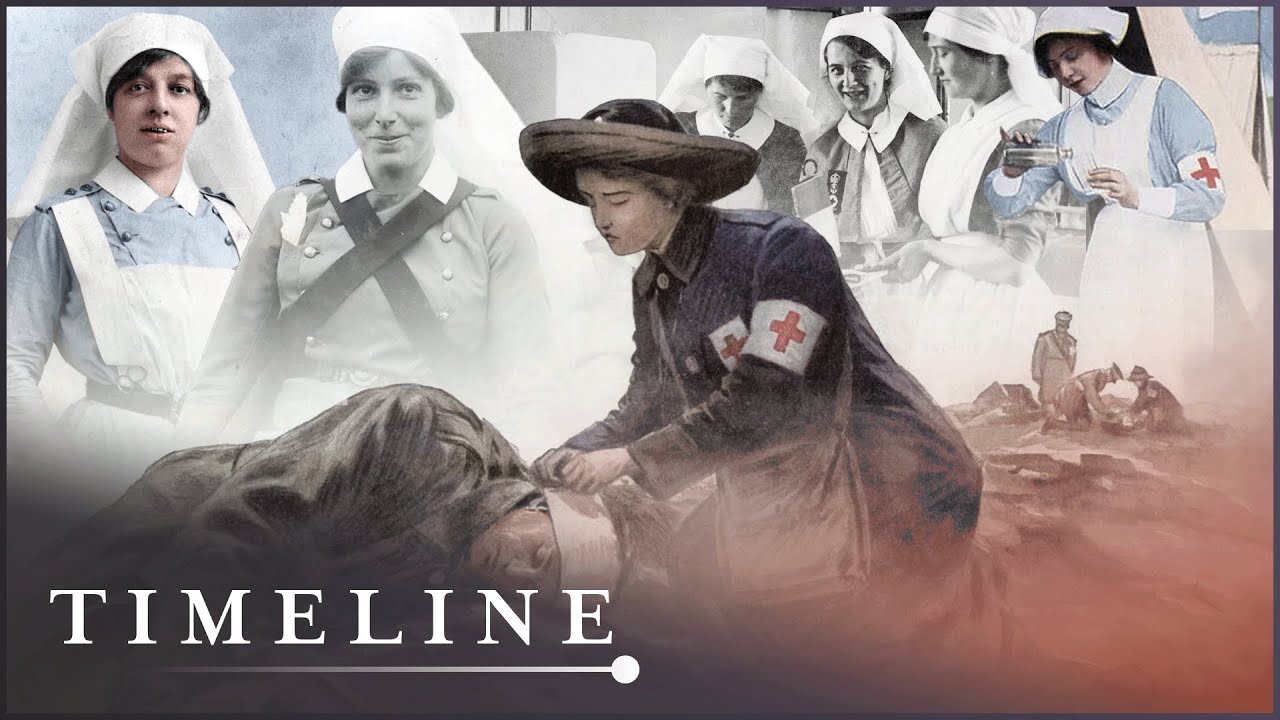
An often-overlooked aspect of the Allied victory in the Battle of the Atlantic is the critical role played by women. Thousands of women served in roles that were traditionally reserved for men, particularly in intelligence and operational planning. Among them were the Women’s Royal Naval Service (WRNS), colloquially known as “Wrens,” who were integral to the success of war gaming and anti-submarine operations.

Breaking Codes and Breaking Barriers

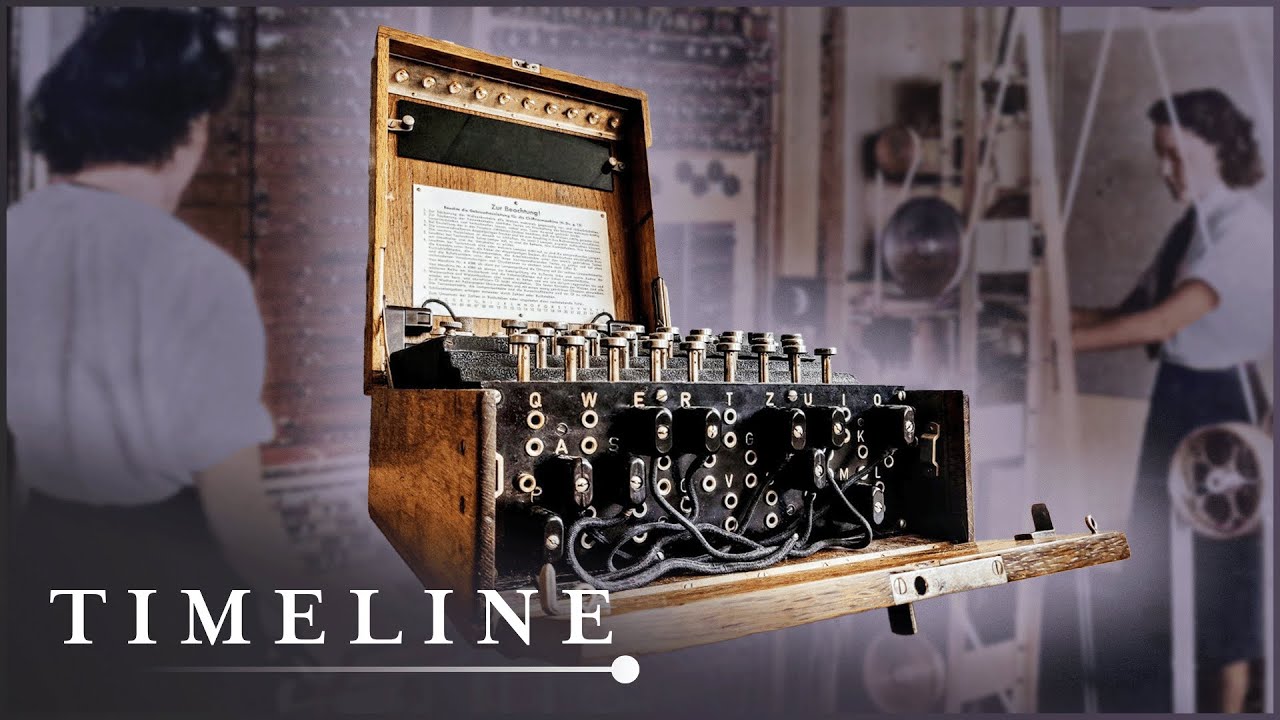
Women worked at Bletchley Park, the epicenter of Allied codebreaking efforts. They were instrumental in deciphering the German Enigma code, which provided critical intelligence about U-boat positions and movements. This information was fed into war games, enabling planners to develop preemptive strategies against U-boat attacks.

Operating the Tactical Tables

In naval war gaming, Wrens managed tactical tables—large maps where convoy and U-boat positions were plotted in real-time. They used intelligence from intercepted communications and reconnaissance to simulate engagements and assess potential outcomes. Their meticulous work ensured that war games were as realistic as possible, providing invaluable insights to naval commanders.

Turning the Tide

By mid-1943, the tide of the Battle of the Atlantic began to shift in favor of the Allies. The combination of war gaming, technological innovation, and effective intelligence gathering culminated in a series of decisive victories against the U-boats, significantly weakening the German submarine fleet and securing vital supply lines for the Allied forces.

By the end of 1943, U-boat losses had become unsustainable for Germany, and their effectiveness as a strategic weapon diminished. The Atlantic lifeline was secured, allowing the Allies to build up the forces needed for the D-Day invasion and the eventual defeat of Nazi Germany. Key factors included:

Key Innovations in Allied Strategy

  • Improved Convoy Tactics: War gaming demonstrated the effectiveness of tighter convoy formations, better escort placement, and the hunter-killer group strategy.
  • Technological Edge: Advances in sonar, radar, and air patrols reduced the U-boats’ ability to operate undetected.
  • Intelligence Superiority: Breaking the Enigma code allowed the Allies to preempt U-boat attacks, often routing convoys around known threats.

Lessons for Modern Conflict

The Battle of the Atlantic offers timeless lessons in the value of innovation, collaboration, and adaptability in warfare. War gaming demonstrated the importance of testing strategies in simulated environments to prepare for real-world challenges. The integration of diverse talents, including the critical contributions of women, highlighted the strength of inclusivity in achieving strategic goals.

Today, war gaming remains a cornerstone of military planning, enhanced by advanced technologies such as artificial intelligence and virtual reality. The principles established during the Battle of the Atlantic continue to guide modern armed forces as they confront evolving threats in an increasingly complex world.

Key Takeaways for Modern Applications

  • Scenario Planning: Modern war gaming helps military planners anticipate various scenarios, including cyber warfare and hybrid threats.
  • Technology Integration: Incorporating emerging technologies like drones and autonomous systems can be tested and refined through simulated environments.
  • Cross-Disciplinary Collaboration: Just as women and diverse talents contributed to Allied successes, today’s military operations benefit from a broad spectrum of expertise, including data analysts, engineers, and social scientists.
  • Resilience Building: Simulated exercises strengthen decision-making under pressure, preparing leaders for the complexities of modern conflicts.
  • Adapting to New Threats: Lessons from the Atlantic battle remind us of the importance of continually evolving strategies to counteract innovative adversaries.

Conclusion

The Allied victory in the Battle of the Atlantic was not merely a triumph of technology and tactics but also a testament to human ingenuity and resilience. War gaming, supported by the unwavering dedication of women and the relentless pursuit of innovation, turned the tide against the German Wolf Packs and secured the vital lifeline across the Atlantic. Finally, as we reflect on this historic achievement, we are reminded that the keys to overcoming even the most daunting challenges lie in the power of collective effort and creative problem-solving.

Categories
W1 World

The Spy Who Saved D-Day: Juan Pujol García, The Double Agent Who Fooled Hitler in WWII

Introduction

On a fateful spring day in 1941, a seemingly ordinary Spanish man named Juan Pujol García stepped into the German embassy in Madrid. In doing so, he set in motion a sequence of events that would ultimately alter the course of World War II. This man, who would come to be known by the codename “Garbo,” played a crucial role in deceiving Nazi Germany, leading to the success of the Allied invasion on D-Day.

By concocting an intricate web of false intelligence and an entirely fictitious spy network, Pujol duped Hitler and his high command, ensuring that reinforcements never arrived in time to stop the Allied landings. Decorated by both the Germans and the British, Pujol’s incredible story as a double agent remains one of the most fascinating and lesser-known narratives of the Second World War.

Early Life: A Man Against Extremism

Juan Pujol García was born in Barcelona in 1912, in Spain’s Catalan region. His early years were relatively uneventful, and he appeared destined for a quiet life working on his family’s poultry farm. However, his world changed dramatically with the outbreak of the Spanish Civil War in 1936, a conflict that pitted the left-wing Republicans against the right-wing Nationalists led by General Francisco Franco.

Pujol’s deep-seated aversion to both fascism and communism led him to avoid military service for two years by using forged identification papers. His disdain for totalitarianism was profound, and although his initial aim was to steer clear of the war, he eventually found himself serving on both sides. He first joined the Republicans, but after a dangerous defection, he ended up with Franco’s Nationalists. This early experience of ideological fluidity and moral conviction shaped Pujol’s view of the world and set the stage for his extraordinary career as a double agent.

World War II: Finding a Cause

By 1939, Franco had emerged victorious in the Spanish Civil War, establishing himself as dictator. The horrors of the conflict had left an indelible mark on Pujol, particularly his contempt for extremism, whether it was Franco’s fascism or the communism he had briefly fought for. Meanwhile, Europe was on the brink of an even larger conflict. In September 1939, Nazi Germany invaded Poland, and two days later, Britain declared war on Germany, marking the beginning of World War II.

Living in neutral Spain and now married, Pujol watched with growing alarm as Adolf Hitler’s forces swept through Europe. The German Blitzkrieg had overrun France, and Britain stood alone, facing the terrifying prospect of a German invasion. Pujol’s political ideals aligned with the British, whom he viewed as the last bastion of freedom against fascism. As he observed the unfolding chaos and oppression, he felt a deep sense of urgency to act. The values he cherished—liberty, democracy, and justice—were under threat, and he was determined to do whatever he could to support the Allied cause in the fight against tyranny.

Rejected by British Intelligence

Driven by a fierce desire to contribute to the Allied cause, Pujol and his wife made multiple attempts to contact the British Embassy in Madrid, offering his services as a spy. At the time, Pujol was just an ordinary civilian with no formal espionage training, and his persistent offers were dismissed by British intelligence. The embassy officers, skeptical of his qualifications, saw little value in the proposal of a Spanish hotel manager. They believed espionage required professional experience and trusted contacts, neither of which Pujol seemed to possess. This initial rejection could have discouraged most people, but Pujol was not one to give up easily.

Undeterred by the British dismissal, Pujol devised a bold plan. If the Allies wouldn’t accept his help directly, he would infiltrate the enemy’s intelligence network on his own. He approached the Germans, posing as a pro-Nazi sympathizer, and convinced them that he could establish a spy network within Britain. With sheer determination and creativity, he began to craft a web of deception, creating false identities and intricate reports that he sent to German intelligence. These early efforts, though entirely fabricated, laid the foundation for what would become one of the most successful acts of wartime espionage. Through his resourcefulness, Pujol was on his way to proving his worth as a crucial asset to the Allied war effort.

The Masterstroke: Infiltrating the German Intelligence

Undeterred by his rejection from the British, Pujol devised an audacious plan: if the British would not accept his help, he would gain their attention by infiltrating the German intelligence services. In early 1941, he walked into the German embassy in Madrid and presented himself as a fervent supporter of the Nazi cause. He claimed to have access to valuable information and offered to act as a spy for Germany within Britain.

At first, the Germans were skeptical, but Pujol was nothing if not convincing. He fabricated a backstory, claiming that he had connections that would allow him to infiltrate British society and gather intelligence for the German war effort. Though he had never set foot in Britain, Pujol convinced the Germans that he had found his way to London. Using nothing more than forged documents and an uncanny ability to bluff, he persuaded German officials to believe that he was providing them with real-time intelligence from inside the United Kingdom.

In truth, Pujol never left Spain. From the safety of his home in Madrid, he began crafting a vast network of fictional spies, each with distinct personalities and locations, all feeding the Germans completely fabricated information. His ability to weave intricate details into his reports gave them an air of authenticity, and soon, German intelligence was hanging on his every word.

Becoming Garbo: The British Finally Take Notice

As Pujol’s reports continued to pour into German intelligence, British operatives eventually intercepted some of his messages. To their surprise, they discovered that this supposed German agent was, in fact, undermining the Nazi war effort with false information. The British realized that Pujol was a man of extraordinary potential, and they quickly recruited him to work as a double agent under the codename “Garbo.”

The name was a tribute to his unparalleled acting skills, as he had managed to convincingly play both sides without ever being caught. Under the guidance of British intelligence, Pujol refined his deceptions even further. His imaginary spy network expanded, and his reports became more sophisticated, fooling even the most seasoned German intelligence officers. His greatest triumph, however, was yet to come. In preparation for the Allied invasion of Normandy, Pujol’s role became even more crucial.

Working with British intelligence, he crafted an elaborate ruse to convince the Germans that the main invasion would occur at Pas-de-Calais rather than Normandy. Through a series of carefully timed false reports, Pujol successfully diverted German attention and resources to the wrong location. This deception, known as Operation Fortitude, played a pivotal role in the success of the D-Day landings, as it kept vital German reinforcements away from the actual invasion site at a critical moment.

Operation Fortitude: Deceiving Hitler and Saving D-Day

By 1944, the Allies were preparing for the largest amphibious invasion in history—Operation Overlord, more commonly known as the D-Day invasion of Normandy. In the months leading up to the invasion, the success of the operation hinged on deceiving the Germans about where and when the invasion would take place. This was where Pujol’s talents came into play.

Operation Fortitude, a major part of the overall deception strategy, aimed to convince the Germans that the Allies would land at Pas-de-Calais, rather than Normandy. Pujol’s fictional network of spies played a key role in this operation. His reports detailed the movements of a large Allied force supposedly preparing to invade Calais. These false reports were so convincing that the Germans believed them to be true, leading Hitler to divert significant resources away from Normandy.

When D-Day finally arrived on June 6, 1944, the Germans were caught completely off guard. Thanks to Pujol’s elaborate deceptions, they were convinced that the Normandy invasion was merely a diversion. As a result, they kept over 350,000 troops stationed at Calais, waiting for an attack that never came. This delay in German reinforcements gave the Allies the critical time they needed to establish a foothold in Normandy, which eventually led to the liberation of Western Europe.

The Aftermath: A Legacy of Deception

For his extraordinary contributions, Juan Pujol García was awarded the Iron Cross by Nazi Germany—ironically, for his “services” to the Reich. At the same time, the British honored him with the Order of the British Empire for his role in ensuring the success of D-Day. Pujol is one of the few individuals in history to have been decorated by both sides in a conflict.

After the war, Pujol disappeared from public life, living under a new identity in Venezuela. His story remained largely unknown until the 1980s when historians uncovered the full extent of his contributions to the Allied victory. Today, Pujol is remembered as one of the greatest double agents in history, a man whose brilliant deceptions helped save Europe from the tyranny of Nazi rule.

Despite his remarkable achievements, Pujol never sought fame or recognition. He lived quietly, content with the knowledge of the role he played in shaping history. It wasn’t until 1984, when a British author tracked him down, that Pujol finally resurfaced, meeting with some of the men whose lives his actions had helped save. Though the world had moved on, his legacy endured. Pujol’s selflessness and unparalleled cunning stand as a testament to the impact one individual can have on the course of global events.

Conclusion

Juan Pujol García, also known as Agent Garbo, was not just an ordinary man but a remarkable figure whose courage and ingenuity played a crucial role in the success of D-Day and the eventual defeat of Nazi Germany. His unparalleled ability to deceive both sides, coupled with his unwavering commitment to the Allied cause, makes him one of the unsung heroes of World War II.

Juan Pujol’s story serves as a testament to the power of intelligence, deception, and individual resolve in shaping the course of history. Juan Pujol García’s legacy stands as a powerful reminder that, in the hands of a determined individual, intelligence and deception can become the most formidable weapons of war, altering the fate of nations and shaping the course of history forever.

Categories
W1 World

Revisiting the Legacy: How Modern Recruits Face Their First WWII Commando Mission Training

Introduction: Honoring the Past

World War II gave rise to some of the most iconic and elite fighting forces in military history. Among these was the 1st Special Service Force, famously known as the Devil’s Brigade, an elite joint American-Canadian commando unit renowned for its daring missions and relentless determination. Today, modern soldiers from various special forces and military units are often called to honor that legacy, facing grueling training regimes designed to emulate the experience and tactics of the original Devil’s Brigade.

For modern recruits, stepping into the boots of their WWII predecessors isn’t just about physical endurance; it’s a mental, strategic, and emotional challenge that pushes them to their limits. In this article, we explore how modern soldiers prepare for their first mock mission, training in the manner of the WWII Devil’s Brigade, and the hurdles they face while testing their mettle against the past’s rigorous standards.

The Legacy of the Devil’s Brigade

Formed in July 1942, the Devil’s Brigade was a specialized commando unit made up of both American and Canadian soldiers. The unit was established to perform special operations, including stealthy raids, reconnaissance, and guerilla warfare behind enemy lines. Their missions were known for their high level of risk and required exceptional physical stamina, mental resilience, and tactical adaptability.

The Devil’s Brigade earned a fearsome reputation, even gaining the nickname “Black Devils” from the Germans, who feared their stealth tactics and nighttime assaults. Members of the unit were trained in hand-to-hand combat, mountaineering, parachuting, and demolition. Their skill and discipline played a crucial role in key operations, particularly in Italy and Southern France.

In modern times, these traits and tactics still serve as a blueprint for many special forces units worldwide. For today’s recruits, facing a training regime based on the Devil’s Brigade means not only preparing for physically intense missions but also adopting the same psychological fortitude that made their WWII predecessors so effective.

Training Begins: Emulating WWII Commandos

Modern commando recruits stepping into a Devil’s Brigade-style mission begin their journey with a sense of reverence for the past. Their training kicks off in much the same way it did for the original WWII commandos—with intense physical conditioning, map-reading, and weapon-handling courses. Unlike regular soldiers, commando trainees are expected to surpass normal expectations, often performing tasks under extreme conditions to simulate the real-life pressures faced in combat.

Modern recruits understand that they are not just learning military tactics; they are stepping into the shoes of one of history’s most formidable fighting forces. The legacy of the Devil’s Brigade is one of resilience, innovation, and bravery, qualities that recruits must internalize from the very start. Every drill, every march, and every obstacle they encounter is meant to connect them with the mindset of WWII commandos, preparing them to operate with the same level of grit and ingenuity required to survive and succeed behind enemy lines.

The First Challenge: Endurance

The training starts with a focus on physical endurance, pushing the recruits to their breaking point. Modern soldiers are put through grueling exercises that include long marches carrying full gear, simulating the pack loads that WWII commandos would have carried through hostile territory. In extreme weather conditions—whether heat, rain, or snow—recruits must navigate challenging terrain, including mountainous regions similar to those that the Devil’s Brigade scaled in Italy.

Endurance is more than just a test of physical strength; it’s a mental battle. Much like their WWII counterparts, modern recruits quickly learn that their body’s ability to keep moving forward when fatigued comes down to their mindset. The grueling demands of long-distance hikes, often under strict time constraints, teach soldiers the importance of pushing through pain, exhaustion, and self-doubt.

Weaponry and Combat Training

The next phase of training involves familiarization with a range of weapons. For modern soldiers, this is a blend of classic WWII weaponry—like the Thompson submachine gun or the M1 Garand—and modern-day rifles and explosives. This dual focus provides recruits with a link to the past while ensuring they are prepared for contemporary combat scenarios.

Hand-to-hand combat training is another crucial element. Much like the Devil’s Brigade, which was trained in unarmed combat and knife fighting, modern recruits undergo rigorous close-quarters battle (CQB) training. Learning to disarm and neutralize enemies without relying on firearms becomes an essential skill, as it was for WWII commandos operating behind enemy lines.

Recruits practice a combination of martial arts, grappling, and self-defense techniques, drawing from both historical WWII manuals and modern special forces handbooks. They are taught to fight in confined spaces, often in low-light conditions, replicating the challenges the Devil’s Brigade faced during nighttime operations.

Mountaineering and Tactical Navigation

The Devil’s Brigade was famous for its ability to traverse harsh, mountainous terrain, particularly during the Italian Campaign. Modern soldiers facing their first practice mission in the spirit of the WWII commandos must undergo similarly challenging mountaineering exercises.

Recruits are tasked with scaling rock faces, crossing rivers, and navigating forests—often with little more than a map and compass. GPS technology is deliberately removed from these exercises, forcing soldiers to rely on traditional navigation methods. This tests not only their technical skills but also their ability to remain calm and collected when things go wrong.

In many cases, modern recruits have to complete nighttime navigation drills, working as a unit to locate objectives without the luxury of daylight. This level of stealth and precision echoes the Devil’s Brigade’s signature ability to surprise enemy forces with nighttime assaults.

The Psychological Toll: Mental Fortitude and Leadership

One of the most significant challenges modern recruits face during their first mission is the psychological toll of elite commando training. WWII commandos had to be not only physically capable but also mentally tough, able to endure isolation, fatigue, and the constant threat of danger. Modern-day recruits are placed in similar conditions during simulated missions. They experience sleep deprivation, hunger, and continuous pressure to make quick, life-or-death decisions.

One exercise, known as “The Kill House,” places soldiers in a simulated building raid. Here, recruits must work as a team to clear rooms, identify threats, and eliminate enemy targets—all while avoiding civilian casualties. This type of urban warfare training replicates the psychological stress of combat, where mistakes can have deadly consequences. It forces soldiers to balance aggression with control, a hallmark of the Devil’s Brigade tactics.

Leadership is another critical component of this training. Much like the original commandos, modern recruits are often put in leadership roles, requiring them to make difficult decisions under pressure. Whether directing a team through hazardous terrain or leading a high-stakes assault, recruits learn that effective leadership is the key to survival and success.

The Final Test: The Practice Mission

After weeks of intensive training, modern recruits face their final challenge: a full-scale practice mission designed to test all of the skills they’ve acquired. This mission is a tribute to the Devil’s Brigade’s bold, behind-enemy-lines raids. Recruits are tasked with infiltrating a simulated enemy base, gathering intelligence, and executing a series of objectives, all while evading detection. The mission is set up to mimic the chaos and uncertainty of real wartime conditions.

Recruits must operate in small units, relying on stealth, communication, and teamwork to complete their objectives. They face simulated enemy fire, improvised explosive devices (IEDs), and sudden ambushes, all designed to test their tactical adaptability and decision-making under duress. The practice mission not only measures the recruits’ physical and tactical readiness but also their ability to function as a cohesive unit, much like the Devil’s Brigade of WWII.

Conclusion: Shaping the Future

For modern recruits, facing their first mission under the rigorous training style of the Devil’s Brigade is a powerful way to honor the legacy of WWII commandos while preparing for the realities of modern warfare. The endurance, precision, leadership, and resilience required to complete such training echo the values that made the original Devil’s Brigade legendary. By undergoing this intense preparation, modern soldiers gain more than just tactical skills; they gain a deep appreciation for the sacrifices and achievements of those who came before them.

In doing so, they carry forward the spirit of the Devil’s Brigade, ensuring that the lessons of the past continue to shape the future of military excellence. This training instills in them a profound respect for the historical significance of their role, bridging the gap between past and present. By embracing the challenges faced by their WWII predecessors, modern recruits not only enhance their own combat capabilities but also uphold the proud tradition of elite military service, ensuring that the bravery and innovation of the Devil’s Brigade are never forgotten.

Categories
W1 World

The Origins of Concentration Camps: Unraveling the Shadows of a Dark Chapter in Human History

Introduction

When the term “concentration camps” is mentioned, the immediate association for many is World War II and the chilling names of infamous facilities like Auschwitz, Dachau, Buchenwald, Mauthausen, and Treblinka. The haunting imagery of trains packed with Jewish men, women, and children unloading their human cargo destined for gas chambers and crematoria occupies a prominent place in collective memory. However, this perception obscures several critical historical facts that are essential for a comprehensive understanding of these institutions.

Notably, there exists a significant difference between concentration camps, intended primarily for forced labor, and death camps, dedicated extermination centers where mass murder occurred. Importantly, it is essential to recognize that Germany did not invent the concept of concentration camps as we know it today; rather, the origins of such facilities can be traced back to earlier conflicts, ideologies, and political contexts that set the stage for the atrocities of the Holocaust.

Early Instances of Concentration Camps

The roots of concentration camps can be traced back to the late 19th and early 20th centuries, long before the rise of Nazi Germany and the events of World War II. One of the earliest and most notable examples occurred during the Second Boer War (1899-1902) in South Africa, where the British established camps to detain Boer civilians, particularly women and children. This strategy was aimed at undermining the Boer guerrilla fighters by removing their support base.

The conditions in these camps were deplorable, leading to the deaths of thousands due to rampant disease, malnutrition, and inadequate sanitation. In essence, this marked the first significant use of concentration camps in modern warfare, driven by the desire to control a civilian population and disrupt enemy operations. The lessons learned from these early camps would later inform the design and operation of concentration camps during World War II.

The Impact of World War I

The aftermath of World War I saw further developments in the use of concentration camps as a means of controlling and containing populations deemed undesirable by various governments. The Treaty of Versailles imposed harsh penalties on Germany, creating a fertile ground for resentment and political extremism. Various countries, including those in Eastern Europe and the newly formed states after the war, began utilizing concentration camps to detain political dissidents, ethnic minorities, and even former soldiers.

These facilities were often characterized by overcrowding, poor sanitation, and human rights abuses, laying the groundwork for the systematic approaches to mass incarceration that would later manifest in Nazi Germany. The ideological underpinnings of these camps were often rooted in nationalism, racism, and the belief that certain groups were threats to societal stability.

The Rise of the Nazi Regime

The establishment of the Nazi regime in Germany in the early 1930s marked a significant escalation in the use of concentration camps. Initially, these camps were designed to detain political opponents, particularly Communists and Socialists, as well as other groups deemed undesirable by the regime, including Jews, Roma, and homosexuals. The first concentration camp, Dachau, opened in 1933 and served as a model for future facilities, establishing a grim standard for the treatment of inmates.

The Nazis refined the camp system, implementing strict discipline, forced labor, and brutal treatment of prisoners. In these early camps, inmates were subjected to horrific conditions, including beatings, torture, and executions, reflecting the regime’s totalitarian ethos. The propaganda surrounding these camps often depicted them as necessary for maintaining social order, masking the brutal reality of life inside.

Differentiating Concentration Camps and Extermination Camps

Understanding the critical difference between concentration camps and extermination camps is crucial for grasping the full scope of the atrocities committed during the Holocaust. Concentration camps primarily functioned as labor camps where inmates were subjected to forced labor under horrific conditions. Inmates were often worked to the point of exhaustion and death, with little regard for their welfare. These camps were seen by the Nazi regime as a means of extracting economic value from imprisoned populations, particularly Jews, Roma, and political dissidents.

In contrast, extermination camps were specifically designed for mass murder. Facilities such as Auschwitz-Birkenau, Sobibor, and Treblinka were built solely for the purpose of systematic extermination. Inmates arriving at these camps were often met with deception, as they were told they were being relocated for labor. Instead, they were sent directly to gas chambers, where millions perished in horrific conditions. The operational efficiency of extermination camps was horrifyingly methodical, with advanced technology employed to facilitate mass killings, making the Holocaust one of the most organized and industrialized genocides in history.

The Expansion of the Concentration Camp System

As World War II progressed, the Nazi regime expanded its concentration camp system significantly, utilizing the infrastructure established during the early years of their rule. The onset of the war and the subsequent invasion of various European countries allowed for the establishment of new camps across occupied territories, leading to the internment of millions. The Einsatzgruppen, mobile killing units, were deployed to conduct mass shootings, particularly targeting Jews and other perceived enemies of the state.

The concentration camp system evolved into a vast network of incarceration and extermination facilities, encompassing millions of victims. By the end of the war, an estimated 11 million people, including 6 million Jews, had been murdered as part of the Holocaust. The sheer scale and brutality of these operations shocked the world and revealed the depths of human cruelty.

International Response and Human Rights Violations

The existence and operation of concentration camps during the Holocaust raised significant moral and ethical questions that continue to resonate today. While some governments and organizations condemned these practices, the global response was often insufficient, marred by political complexities and prejudices. Many countries remained indifferent to the plight of those imprisoned, and information about the camps was frequently dismissed as propaganda or exaggerated reports.

Human rights organizations struggled to raise awareness, as the scale of the atrocities made it difficult for the international community to comprehend the reality. It wasn’t until the post-war period, with the full revelation of the horrors of the Holocaust, that the international community began to grapple with the implications of such human rights violations, leading to the establishment of the Universal Declaration of Human Rights in 1948.

The Legacy of Concentration Camps

The legacy of concentration camps extends far beyond World War II and the Holocaust. The term has since been used to describe various forms of mass incarceration and political repression throughout history. Countries across the globe have utilized concentration camps or similar facilities to detain dissidents, ethnic minorities, and others viewed as threats to state security.

The implications of such practices continue to reverberate in contemporary discussions surrounding human rights, immigration policies, and state violence. The lessons learned from the history of concentration camps serve as a powerful reminder of the need for vigilance in protecting human rights and dignity, particularly in times of political unrest and societal division.

Conclusion

The origins of concentration camps reveal a complex and harrowing history that predates the Holocaust. While World War II and the atrocities committed within camps like Auschwitz have become synonymous with the term, it is essential to understand the broader context of concentration camps as tools of oppression, control, and extermination. Acknowledging this history is crucial not only for remembering the victims of the past but also for preventing similar atrocities in the future.

The lessons learned from the origins and implications of concentration camps must serve as a reminder of the need for vigilance in protecting human rights and dignity for all individuals, regardless of their background or beliefs. Understanding the historical trajectory of these camps is essential in fostering a culture of remembrance and resilience against the forces of hatred and intolerance in our society.

Categories
W1 World

Journey to Holocaust Horror: Visiting Auschwitz, Nazi Germany’s Largest Concentration Camp

Introduction

Stepping onto the grounds of Auschwitz is not merely a visit to a historical site. It is a journey through one of the darkest chapters in human history, an experience that evokes deep emotions and forces us to confront the horrifying reality of the Holocaust. More than 1.1 million people were murdered in this sprawling network of concentration and extermination camps, a place that, even in its silence today, speaks volumes about suffering, cruelty, and loss.

The infamous Auschwitz complex, located in Nazi-occupied Poland, is divided into three main camps: Auschwitz I, the original concentration camp; Auschwitz II-Birkenau, the extermination camp; and Auschwitz III-Monowitz, a labor camp. As you walk through these camps, you are reminded at every turn of the atrocities committed here and the importance of remembering the millions who perished in the Holocaust.

The Entrance: Arbeit Macht Frei

The journey begins at Auschwitz I, the original camp that was established in 1940. As you approach the entrance, the wrought-iron gate bearing the cynical phrase “Arbeit Macht Frei” (“Work Sets You Free”) looms ahead. This slogan, meant to deceive and instill false hope, greeted prisoners as they entered a world of unimaginable brutality. Crossing this threshold is a chilling experience—one that marks the beginning of a visit to a place where survival was uncertain and death was the likely outcome for the majority of those imprisoned.

Once inside, rows of brick barracks stand as silent witnesses to the suffering of those held here. The camp’s museum preserves a collection of personal belongings—suitcases, shoes, and even piles of hair—confiscated from prisoners upon their arrival. These everyday objects serve as a haunting reminder of the individuals, each with their own lives and families, who were stripped of their humanity upon entering Auschwitz.

The Barracks: Witnessing the Inhuman Conditions

Walking through the barracks, the living conditions of the prisoners become evident. The bunks, often shared by multiple inmates, were cramped, dirty, and devoid of warmth. These were the places where prisoners tried to rest, though overcrowding, malnutrition, and disease made such attempts almost impossible. Some barracks are now used to display the documentation of Nazi atrocities, including lists of the prisoners, Nazi propaganda, and evidence of medical experiments carried out on camp inmates.

The barracks reveal the systematic dehumanization of the victims. Prisoners were reduced to mere numbers, tattooed onto their forearms, stripping them of their identities. Their daily lives were marked by brutal labor, starvation, and constant fear of beatings or execution. The contrast between the stark barracks and the humanity of the prisoners imprisoned within them is overwhelming. Each block tells a story of survival, or more often, death.

Auschwitz II-Birkenau: The Heart of the Killing Machine

Leaving Auschwitz I, you head to Auschwitz II-Birkenau, the largest of the camps and the site where the majority of the mass killings occurred. The scale of Birkenau is staggering. It is vast, stretching out into the distance, and it is here that the sheer magnitude of the Holocaust becomes most evident. Rows of barbed wire fencing and watchtowers line the perimeter, and the railroad tracks, which once carried trains filled with deportees to their deaths, lead directly into the camp.

As you walk along the tracks, you can imagine the fear and confusion that must have gripped those arriving in cattle cars. Many believed they were being resettled; they had no idea that they were being taken to their deaths. Upon arrival, SS officers would separate families—men from women, children from their parents. Most would be sent immediately to the gas chambers. Elderly people, women with small children, and the infirm were typically selected for death upon arrival, their fate decided in mere minutes.

Walking through Birkenau, the remains of the crematoria and gas chambers—blown up by the Nazis as they attempted to cover up their crimes before the end of the war—can still be seen. These ruins stand as a testament to the methodical efficiency of the Nazi killing machine. It’s impossible to stand in this place without feeling an overwhelming sense of sorrow and disbelief at the scale of human suffering inflicted here.

The Memorial and Reflection: Remembering the Lost

At the far end of Auschwitz II-Birkenau stands the International Monument to the Victims of Fascism, a solemn place for reflection and remembrance. The memorial bears inscriptions in multiple languages, each expressing a universal message: that what happened at Auschwitz must never happen again. It is here that you can pause to contemplate the enormity of the loss—more than one million Jews, along with thousands of Poles, Romani, Soviet prisoners of war, and other persecuted groups, were murdered here.

The weight of history presses down on you in this place. The sheer inhumanity of the crimes committed in Auschwitz is difficult to grasp, yet it is vital that we continue to visit, to learn, and to remember. As the years pass and the number of Holocaust survivors dwindles, it becomes even more crucial to keep their stories alive. Auschwitz stands as a stark reminder of what can happen when hatred, racism, and totalitarianism are allowed to flourish unchecked.

The Lessons of Auschwitz: Never Forget

Visiting Auschwitz is not just about bearing witness to the horrors of the past; it is about understanding the consequences of intolerance and hatred in the present. The Holocaust didn’t happen in a vacuum—it was the result of years of propaganda, dehumanization, and the systematic targeting of an entire people. The lessons of Auschwitz are still relevant today, as we continue to confront issues of prejudice, discrimination, and genocide in different parts of the world.

The memory of the Holocaust also serves as a call to action—to challenge injustice, to stand against oppression, and to ensure that “never again” is not just a slogan, but a promise. The atrocities of Auschwitz were not committed by monsters, but by ordinary people who were complicit in a system of hatred. Visiting this place, with its powerful silence and lingering echoes of loss, forces you to confront the uncomfortable truth about the fragility of human morality.

Conclusion

Auschwitz is more than just a historical site—it is a place of remembrance, reflection, and responsibility. To walk through its gates is to honor the memory of those who perished and to commit to the responsibility of ensuring that future generations understand the horrors of genocide. In Auschwitz, the past feels uncomfortably close, but that proximity is necessary to ensure we never forget the lessons it has to teach us.

As the world continues to grapple with hatred and division, visiting Auschwitz serves as a reminder of what can happen when we fail to recognize the humanity in others. It is a place where silence speaks volumes, and where the responsibility to remember and to act is laid bare. As we leave Auschwitz, we carry with us the enduring responsibility to remember, to educate, and to stand against hatred in all its forms, ensuring that such atrocities are never repeated.

Categories
W1 World

The Decisive Battles That Shaped WWII: Victory, Defeat, and the War’s Strategic Turning Points

Introduction

World War II was fought across a global stage, with pivotal battles determining the fate of nations and shaping the geopolitical landscape for decades to come. These battles were not only tests of military might but were also contests for vital resources, strategic territories, and logistical supremacy. From the vast plains of Eastern Europe to the remote islands of the Pacific, the outcomes of these encounters dictated the war’s progression, influencing both immediate military strategies and the long-term course of history.

This article delves into the critical battles that ended World War II, exploring how victory or defeat in each shaped the world order, determined control over resources, and offered nations a strategic advantage or led to catastrophic loss. Some battles were defined by sweeping offensives, while others were more focused operations that nonetheless played a significant role in determining the final outcome of the war.

1. The Battle of Stalingrad (1942–1943): A Crushing Defeat for Nazi Germany

The Battle of Stalingrad is widely regarded as one of the most decisive battles of World War II. Fought between August 1942 and February 1943, this brutal conflict between Nazi Germany and the Soviet Union was a turning point in the Eastern Front. Hitler’s ambitions to capture the Soviet city of Stalingrad and secure access to the oil-rich Caucasus region were driven by a need for vital resources to sustain the German war machine.

However, the German Sixth Army, commanded by General Friedrich Paulus, underestimated the resilience of the Soviet forces and the harshness of the Russian winter. The city’s defenders, led by Soviet General Vasily Chuikov, mounted a fierce resistance. In a strategic encirclement during Operation Uranus, Soviet forces trapped the Germans in a devastating pincer movement.

Stalingrad became a symbol of Nazi Germany’s overreach and marked the beginning of the German army’s long retreat from the Eastern Front. The battle’s outcome drained German resources, decimated its armies, and shattered the myth of German invincibility. By the battle’s end, more than 800,000 Axis troops had been killed, wounded, or captured. Stalingrad was the first major defeat for Hitler, and it began the irreversible collapse of the German war effort in the East.

2. The Battle of Midway (1942): A Turning Point in the Pacific

The Battle of Midway, fought in June 1942, is considered the most significant naval engagement in the Pacific Theatre. This battle turned the tide of war in favor of the Allies, as the United States, still recovering from the attack on Pearl Harbor, dealt a crippling blow to the Japanese fleet.

Admiral Chester Nimitz, commanding the U.S. Pacific Fleet, leveraged intelligence reports that indicated the Japanese were planning an assault on Midway Island. With this foreknowledge, Nimitz laid a trap, positioning his forces to intercept the Japanese fleet. In a fierce air and naval battle, the U.S. sank four Japanese aircraft carriers—Akagi, Kaga, Soryu, and Hiryu—and severely weakened Japan’s naval air power.

The loss of these carriers, along with many experienced pilots, irreparably damaged Japan’s capacity to wage offensive operations in the Pacific. The strategic advantage gained by the U.S. at Midway halted Japanese expansion and allowed the Allies to go on the offensive, marking the beginning of the “island-hopping” campaign that would eventually lead to Japan’s defeat.

3. D-Day: The Normandy Invasion (1944): Opening the Western Front

The D-Day landings on June 6, 1944, also known as Operation Overlord, were among the most ambitious military operations in history. This massive Allied invasion marked the beginning of the end for Nazi Germany. More than 156,000 troops from the United States, the United Kingdom, Canada, and other Allied nations stormed the beaches of Normandy, France, in a bid to liberate Western Europe from German occupation.

The success of the Normandy landings was a critical strategic victory for the Allies, opening up a Western Front and stretching German forces thin as they now had to defend both the Eastern and Western Fronts. The operation also secured vital supply routes from the Atlantic, allowing the Allies to establish a foothold in Europe that would enable them to push deeper into Nazi-occupied territory.

The months following D-Day saw fierce fighting in France, culminating in the liberation of Paris in August 1944. The invasion was a logistical triumph and a crucial step in the eventual defeat of Nazi Germany, as it led to the Allied march toward Berlin.

4. The Battle of El Alamein (1942): Turning the Tide in North Africa

The Battle of El Alamein, fought in the deserts of Egypt in late 1942, was a pivotal moment in the North African Campaign. German Field Marshal Erwin Rommel, known as the “Desert Fox,” had led the Afrika Korps in a series of impressive victories across North Africa, aiming to capture the Suez Canal and secure oil supplies for the Axis powers.

However, the British Eighth Army, under the command of General Bernard Montgomery, launched a well-planned counteroffensive at El Alamein. The Allies, aided by superior intelligence and control over supply lines, defeated Rommel’s forces and forced the Axis to retreat.

The victory at El Alamein was a turning point for the Allies in North Africa, securing the Mediterranean and allowing them to launch subsequent operations, including the invasion of Italy. It also denied the Axis access to critical Middle Eastern oil supplies, further weakening their war effort.

5. The Battle of the Bulge (1944–1945): Germany’s Last Stand

The Battle of the Bulge, fought between December 1944 and January 1945, was Nazi Germany’s last major offensive on the Western Front. In a desperate attempt to split the Allied forces and capture the strategic port of Antwerp, Adolf Hitler ordered a surprise attack through the Ardennes forest in Belgium.

Initially, the German offensive created a significant “bulge” in the Allied lines, but the tenacity of American forces, particularly at Bastogne, and the rapid mobilization of Allied reinforcements, turned the tide. The weather, initially a German advantage, cleared, allowing Allied air superiority to resume.

The failure of the Ardennes Offensive exhausted Germany’s reserves, both in terms of manpower and equipment. This battle weakened the German war effort and hastened the Allied advance into Germany, culminating in the fall of Berlin just months later.

Conclusion

The Second World War was shaped by battles that stretched across continents, each deciding the fate of territories, resources, and ultimately, the nations involved. From the desolate streets of Stalingrad to the remote waters of the Pacific, the outcomes of these key battles not only determined military victories and defeats but also reshaped the geopolitical order for years to come. While some battles secured crucial territory or vital resources, others inflicted irreversible losses that would pave the way for eventual surrender. Together, these decisive encounters marked the beginning of the end for World War II, forever changing the course of history.

Categories
W1 World

Operation Carpetbagger: The Top-Secret Mission That Sabotaged Nazi Europe from Within

Introduction

World War II was a global conflict characterized by large-scale battles, secret intelligence operations, and daring missions that often tipped the balance of power. Among these clandestine efforts was Operation Carpetbagger, a top-secret mission designed to support resistance fighters and sabotage Nazi efforts in occupied Europe. Conducted primarily between January and September 1944, this operation involved specially modified B-24D Liberator bombers flying under the cover of night, delivering weapons, supplies, and agents deep into enemy territory. The courage, skill, and determination of the crews who carried out these perilous flights played a crucial role in weakening Nazi control and aiding the Allied war effort from within.

Origins of Operation Carpetbagger

As the Nazi regime extended its grip over much of Europe, the Allies recognized the importance of resistance movements operating in occupied territories. These underground forces, composed of brave men and women, were instrumental in gathering intelligence, disrupting enemy operations, and staging acts of sabotage. However, they needed supplies, weapons, and communication tools to maximize their effectiveness.

In response to this need, the Office of Strategic Services (OSS) — the forerunner of the CIA — and the British Special Operations Executive (SOE) devised a plan to covertly deliver these essentials to the resistance. This initiative became known as Operation Carpetbagger.

The operation primarily targeted France, Belgium, the Netherlands, and Norway, where resistance movements were actively fighting back against Nazi control. The mission was not just about material support; it also involved the deployment of highly trained OSS and SOE agents who worked alongside local resistance groups to coordinate sabotage efforts and gather intelligence vital to the Allied cause.

The Role of the B-24 Liberator

The Consolidated B-24D Liberator, a heavy bomber, became the aircraft of choice for Operation Carpetbagger. This decision was influenced by the plane’s long range, large cargo capacity, and ability to be modified for special missions. Originally designed for high-altitude bombing raids, the B-24 was retrofitted for low-altitude, nighttime operations, essential for the success of the operation.

Several modifications were made to adapt the B-24 for its new role. The bomb bay was converted to hold parachutes, containers, and other cargo instead of bombs. To minimize detection by enemy radar and spotlights, the aircraft were painted matte black. The nose and tail guns were removed to lighten the load, and special navigational equipment was installed to help pilots locate remote drop zones in the dark.

One of the most critical adjustments was the use of “Rebecca” and “Eureka” radio beacons, which allowed ground operatives in occupied Europe to guide the bombers to precise drop locations. Resistance fighters on the ground would light fires or use other signals to indicate where the supplies should be released.

The Missions: Courage Under Fire

Operation Carpetbagger officially began on January 4, 1944, with missions originating from airbases in the United Kingdom, particularly at Harrington, Northamptonshire. The 492nd and 801st Bombardment Groups (Provisional) were assigned the task of conducting these covert flights, with pilots and crew members handpicked for their skill, bravery, and ability to operate in extreme conditions.

Each mission was fraught with danger. Flying at low altitudes over enemy territory, the B-24s faced anti-aircraft fire, the threat of German night fighters, and the ever-present risk of mechanical failure. The margin for error was minimal, and any misstep could result in the plane being shot down or crashing in hostile territory.

Crews were extensively trained not only in night flying but also in the nuances of the secretive nature of their mission. This included practicing low-level flying, as missions often required pilots to fly at altitudes as low as 500 feet to avoid detection. They also rehearsed precise parachute drops, as timing and accuracy were critical to ensuring the supplies reached the intended recipients.

Among the brave airmen who participated in Operation Carpetbagger was Colonel Clifford Heflin, one of the key figures behind the operation’s success. His leadership and tactical insight helped the 492nd and 801st Bombardment Groups carry out hundreds of successful missions, delivering tons of supplies and dozens of agents behind enemy lines.

Key Players in Operation Carpetbagger

While Colonel Heflin was a key leader, the success of Operation Carpetbagger was a collective effort involving many unsung heroes. Among the notable participants was Major William C. Bailey, who played a crucial role in coordinating the operation’s logistics. His ability to streamline the supply chain ensured that the necessary equipment reached the B-24s for each mission.

Another important figure was Captain John P. R. “Jack” Fuller, a navigator whose expertise in navigating the treacherous night skies of Europe was vital. Fuller’s knowledge of radio navigation and radar systems allowed the B-24s to evade detection and reach their targets.

Additionally, many OSS and SOE agents who parachuted into occupied territories during Operation Carpetbagger became legends in their own right. These individuals, such as Virginia Hall (an American spy known as “The Limping Lady” due to her prosthetic leg), operated deep within enemy territory, providing intelligence, organizing sabotage operations, and coordinating supply drops.

Impact on the Resistance and the War

Operation Carpetbagger had a significant impact on the course of the war in Europe. By providing resistance groups with the resources they needed, the operation helped disrupt key German supply lines, communications, and military infrastructure. Resistance fighters, armed with Allied weapons and explosives, carried out countless acts of sabotage, from blowing up bridges and railways to attacking Nazi convoys.

The operation also played a critical role in preparations for D-Day, the Allied invasion of Normandy on June 6, 1944. Resistance groups, bolstered by the supplies and support they received through Operation Carpetbagger, carried out diversionary attacks and gathered intelligence on German troop movements, helping to ensure the success of the invasion.

In total, Operation Carpetbagger flew more than 3,000 sorties, delivering nearly 5,000 tons of supplies and deploying hundreds of agents into occupied Europe. Its contribution to the success of the Allied war effort cannot be overstated, as it significantly weakened Nazi control and laid the groundwork for the liberation of Europe.

Conclusion

Operation Carpetbagger remains one of the most daring and secretive missions of World War II. The courage of the men who flew the B-24 Liberators, coupled with the bravery of the OSS and SOE agents who risked their lives behind enemy lines, played a pivotal role in the defeat of Nazi Germany. Their efforts not only armed and supported resistance movements but also helped to erode the Nazi war machine from within, proving that even in the darkest of times, acts of courage and defiance can make a difference. This clandestine operation exemplified the strategic importance of unconventional warfare and laid the groundwork for modern special operations in future conflicts.

Categories
W1 World

Franklin D. Roosevelt: How a Visionary Leader Shaped the World Before WWII

Franklin Delano Roosevelt (FDR) is often remembered as one of the most influential presidents of the 20th century, primarily due to his leadership during World War II. However, FDR’s impact on the United States and the world began long before the outbreak of the global conflict. His early political career, economic policies, and visionary leadership laid the foundation for his wartime strategies and the post-war world order.

Early Life and Political Beginnings

Born on January 30, 1882, into a wealthy and politically prominent family, Franklin D. Roosevelt was primed for a life of public service. He was a distant cousin of President Theodore Roosevelt, who served as a significant role model. FDR’s privileged upbringing allowed him to attend prestigious schools, including Groton School and Harvard University. His early exposure to politics and public affairs set the stage for his future career.

Roosevelt’s political journey began in earnest when he was elected as a New York State Senator in 1910. As a Democrat, he quickly made a name for himself by challenging the dominant Tammany Hall political machine, advocating for progressive reforms. His commitment to public service and reform caught the attention of national leaders, leading to his appointment as Assistant Secretary of the Navy under President Woodrow Wilson in 1913.

Assistant Secretary of the Navy

FDR’s tenure as Assistant Secretary of the Navy was pivotal in shaping his understanding of global affairs and military strategy. Serving from 1913 to 1920, he played a crucial role in expanding and modernizing the U.S. Navy, advocating for a strong naval presence as essential to national security. His work during World War I, including overseeing naval operations and logistics, provided him with invaluable experience in military administration and strategic planning.

Roosevelt’s efforts to improve naval preparedness and innovation, such as supporting the development of new technologies and tactics, demonstrated his forward-thinking approach. This experience would later inform his decisions during World War II, where naval power played a critical role in the Allied victory.

Overcoming Personal Challenges

In 1921, Roosevelt was struck by polio, which left him paralyzed from the waist down. This personal challenge profoundly influenced his character and leadership style. Demonstrating remarkable resilience, he refused to be defined by his disability. He engaged in rigorous physical therapy and remained active in public life, founding the Georgia Warm Springs Foundation to help others suffering from polio.

Roosevelt’s battle with polio instilled in him a deep sense of empathy and determination, traits that would define his presidency. His ability to overcome adversity inspired many Americans and reinforced his image as a strong and compassionate leader.

Governor of New York

Roosevelt’s return to politics culminated in his election as Governor of New York in 1928. As governor, he implemented a series of progressive reforms aimed at addressing the economic challenges of the Great Depression. His administration focused on relief for the unemployed, public works projects, and social welfare programs. These efforts were a precursor to his New Deal policies as President.

FDR’s tenure as governor demonstrated his commitment to using government as a tool for positive change. His proactive approach to economic and social issues earned him national recognition and set the stage for his presidential campaign.

The New Deal

Elected as the 32nd President of the United States in 1932, Roosevelt inherited a nation crippled by the Great Depression. His response was the New Deal, a series of ambitious programs and policies aimed at providing relief, recovery, and reform. The New Deal fundamentally transformed the role of the federal government in American life, establishing a social safety net and regulatory framework that persists to this day.

The New Deal included a wide range of initiatives, such as the Civilian Conservation Corps (CCC), the Public Works Administration (PWA), the Social Security Act, and the National Recovery Administration (NRA). These programs created jobs, supported economic growth, and introduced social welfare measures that protected vulnerable populations.

FDR’s New Deal was not without controversy. Critics argued that it expanded government power too far and stifled free enterprise. However, Roosevelt’s policies were broadly popular and helped restore public confidence in the government during a period of severe economic hardship.

Foreign Policy Before WWII

Even before World War II, Roosevelt was keenly aware of the global political landscape and the growing threats posed by totalitarian regimes. His foreign policy was characterized by a commitment to internationalism and a belief in the importance of collective security.

One of his early actions was the recognition of the Soviet Union in 1933, aiming to open diplomatic and trade relations. Roosevelt believed that engaging with the USSR could counterbalance the rising power of Nazi Germany and Imperial Japan.

Roosevelt also championed the Good Neighbor Policy, which aimed to improve relations with Latin American countries. By renouncing military intervention and promoting mutual cooperation, he sought to foster stability and solidarity in the Western Hemisphere. This policy not only strengthened diplomatic ties but also secured regional support during the impending global conflict.

The Road to War

As the situation in Europe and Asia deteriorated in the late 1930s, Roosevelt took steps to prepare the United States for the possibility of war. He advocated for military preparedness and supported the Lend-Lease Act of 1941, which provided crucial aid to Allied nations, particularly Britain and the Soviet Union.

Roosevelt’s foresight in recognizing the threats posed by Axis powers and his efforts to support Allied nations were instrumental in positioning the United States as a leader in the global fight against fascism. His famous Four Freedoms speech in 1941 outlined a vision for a world based on freedom of speech, freedom of worship, freedom from want, and freedom from fear, setting the ideological foundation for America’s role in the war and post-war world.

Legacy and Impact

Franklin D. Roosevelt’s impact on the United States and the world extends far beyond his leadership during World War II. His early political career, progressive reforms, and innovative policies laid the groundwork for the modern welfare state and redefined the role of government in society. His commitment to internationalism and collective security shaped U.S. foreign policy for decades.

FDR’s legacy is one of resilience, vision, and transformative leadership. His ability to navigate the nation through the Great Depression and World War II established him as one of the most consequential figures in American history. Roosevelt’s actions before the war, from the New Deal to his diplomatic initiatives, played a crucial role in shaping the post-war world and ensuring that the United States emerged as a global leader.

In conclusion, Franklin D. Roosevelt’s legacy was forged long before the outbreak of World War II. His early career, progressive reforms, and forward-thinking policies set the stage for his wartime leadership and the establishment of a new world order. FDR’s contributions continue to resonate, reminding us of the enduring impact of visionary leadership in times of crisis.

Categories
W1 World

March of the Swastika: Unlimited Nazi Power and Hitler’s Dominance, 1934-1939

The period from 1934 to 1939 marked a pivotal juncture in world history, characterized by the rise of Adolf Hitler and the Nazi regime in Germany. During these tumultuous years, Hitler’s ascent to power witnessed the consolidation of Nazi control, the glorification of his leadership, and the ominous escalation of aggression on the international stage. From the ruthless elimination of internal opposition to the brazen flouting of international agreements, Hitler’s reign of terror left an indelible mark on Germany and the world. This article delves into the various phases of Hitler’s rule during this critical period, shedding light on the complexities of his dictatorship and its profound impact on global affairs.

The rise of Adolf Hitler and the Nazi regime from 1934 to 1939 also coincided with a wave of fervent nationalism and ideological fervor sweeping across Europe. In Germany, the allure of Hitler’s promises of economic revival and national rejuvenation resonated deeply with a population battered by the economic turmoil of the Great Depression. The Nazi propaganda machine, under the direction of Joseph Goebbels, skillfully exploited this sense of discontent and disillusionment, portraying Hitler as a messianic figure destined to lead Germany to greatness once more.

This fervent nationalism, coupled with the cult of personality surrounding Hitler, served as a potent force driving the consolidation of Nazi control and the entrenchment of authoritarian rule. Yet, as Hitler’s grip on power tightened, the seeds of aggression and expansionism sowed by the Nazi regime would ultimately plunge the world into the abyss of war, with devastating consequences for millions. Furthermore, the period from 1934 to 1939 witnessed the erosion of democratic institutions and the suppression of civil liberties as Hitler’s regime tightened its stranglehold on German society.

Opposition parties were banned, labor unions dissolved, and independent media silenced, leaving the populace vulnerable to the manipulative tactics of Nazi propaganda. The Gestapo, under the ruthless command of Heinrich Himmler, operated with impunity, instilling fear and paranoia among those who dared to dissent. Intellectuals, artists, and political dissidents were persecuted and driven into exile, their voices silenced in the face of overwhelming state repression. As Hitler’s dictatorship reached its zenith, the very fabric of German society was torn asunder, paving the way for the horrors that would soon engulf the world.

A Dictator (1934-1936):

By 1934, Adolf Hitler had solidified his grip on Germany, effectively establishing himself as an unassailable dictator. The Night of the Long Knives in 1934 saw the ruthless elimination of internal opposition, allowing Hitler to eradicate dissent and solidify Nazi control over every aspect of German society. This internal purge resulted in the execution of key political adversaries, such as Ernst Röhm and other leaders of the SA (Sturmabteilung), cementing Hitler’s authority within the Nazi Party.

Propaganda, under the guidance of Joseph Goebbels, played a pivotal role in shaping public perception, portraying Hitler as the savior of the nation amidst economic turmoil and political instability. The regime’s persecution of Jews, political dissidents, and other marginalized groups intensified during this period, with the establishment of concentration camps and the implementation of discriminatory laws, such as the Nuremberg Laws of 1935, which stripped Jews of their citizenship and rights. This consolidation of power laid the groundwork for Hitler’s totalitarian rule and set the stage for the atrocities to come.

The Fuehrer (1936-1937):

During this period, Hitler’s cult of personality reached its zenith as he embarked on a bold campaign to assert Germany’s dominance on the international stage. The remilitarization of the Rhineland in 1936, in blatant violation of the Treaty of Versailles, symbolized Germany’s defiance of international constraints and signaled its intent to reclaim its status as a global power. The meticulously choreographed Nuremberg rallies served as elaborate spectacles of Nazi ideology and military might, further solidifying Hitler’s image as a charismatic and invincible leader.

The 1936 Summer Olympics in Berlin provided a global platform for Hitler to project an image of a revitalized Germany to the world, despite calls for a boycott from some nations. Internally, dissent was ruthlessly suppressed, while externally, Germany’s aggressive actions sowed fear and uncertainty among its neighbors. This period marked the apex of Hitler’s power and influence, as he skillfully manipulated both domestic and international events to advance his agenda of domination and expansion.

A Statesman (1937-1938):

Hitler’s alliance with Italian dictator Benito Mussolini further bolstered his international standing, establishing him as a key player on the world stage. Together, they pursued a campaign of anti-Semitic persecution, culminating in the orchestrated violence of Kristallnacht in 1938. This infamous pogrom saw the destruction of Jewish homes, businesses, and synagogues across Germany, marking a dark chapter in the history of Nazi persecution.

Hitler’s personal life remained shrouded in secrecy, with the establishment of a clandestine existence in Obersalzberg allowing him to conduct state affairs away from public scrutiny. His relationship with Eva Braun, kept hidden from the German public, underscored the duality of his public persona and private life, revealing the complexities of the man behind the dictator and the depth of his deceit. Hitler’s meticulous cultivation of his public image contrasted sharply with the atrocities committed under his regime, highlighting the stark juxtaposition between his charismatic facade and the brutal reality of Nazi rule.

An Arsonist (1939):

In 1939, Hitler’s ambitions reached a dangerous crescendo as he brazenly flouted international agreements and pursued a path of aggressive territorial expansion. Exploiting ethnic tensions and political instability, Hitler orchestrated the annexation of Austria in the Anschluss of 1938, a blatant violation of the Treaty of Versailles and a clear display of Germany’s expansionist aims. This annexation was followed by the dismemberment of Czechoslovakia in 1939, as Hitler continued to redraw the map of Europe to suit his ambitions.

The Munich Agreement, hailed as a triumph of appeasement, only emboldened Hitler to pursue further aggression. In blatant disregard for peace accords and diplomatic norms, Hitler annexed the Sudetenland and eventually occupied the rest of Czechoslovakia, setting the stage for the outbreak of World War II. The world watched in horror as Hitler’s unchecked aggression plunged Europe into the depths of war, with devastating consequences for millions of people.

Reflecting on the years from 1934 to 1939, Adolf Hitler’s ascent to power stands as a chilling cautionary tale of the dangers posed by unchecked authoritarianism and aggressive expansionism. Through the manipulation of public sentiment, the ruthless suppression of dissent, and the brazen flouting of international norms, Hitler and the Nazi regime orchestrated a reign of terror that left an indelible mark on Germany and the world. As Europe teetered on the brink of war, Hitler’s unyielding pursuit of domination cast a dark shadow over the continent, foreshadowing the horrors of a conflict that would engulf the world in flames.

The lessons drawn from this tumultuous period remain profoundly relevant in the present day, serving as a stark reminder of the fragility of democracy and the enduring threat posed by tyrants who seek to sow division and chaos for their own gain. As authoritarianism continues to resurface in various forms around the globe, it is incumbent upon us to remain vigilant in safeguarding the principles of freedom, equality, and justice. By studying the rise and fall of Hitler’s regime, we gain invaluable insight into the warning signs of tyranny and the importance of standing firm in defense of democracy.

Ultimately, the legacy of Hitler’s reign serves as a sobering reminder of the catastrophic consequences that can arise when power is concentrated in the hands of a single individual or regime. As we confront the challenges of the modern world, let us heed the lessons of history and strive to build a future rooted in peace, tolerance, and respect for human dignity. Only by remaining vigilant and resolute in the face of tyranny can we ensure that the atrocities of the past are never repeated, and that the promise of a better world remains within our grasp.

Categories
W1 World

Liberation Shadows: Unveiling Secret Routes to Escape Nazi-Occupied Europe in WWII

Introduction: The Secret Routes to Escape Nazi-Occupied in WWII

Amidst the darkness of World War II, a glimmer of hope emerged for those trapped within the clutches of Nazi-occupied Europe. Secret routes and clandestine networks, collectively known as escape lines, offered a lifeline to freedom for countless individuals fleeing persecution, imprisonment, and certain death. Spanning across borders and operating under the constant threat of discovery, these escape routes became a beacon of resilience and defiance in the face of tyranny. This article delves into the perilous journeys and remarkable stories behind the secret routes that facilitated the escape of thousands during one of the darkest periods in human history.

The Need for Escape: Facing the Tyranny of Nazi Occupation

As Nazi forces tightened their grip on Europe, millions found themselves trapped in a nightmare of oppression and persecution. Jews, political dissidents, resistance fighters, and Allied soldiers evading capture were among those desperately seeking refuge from the horrors of the Holocaust and the brutality of war. For many, escape was not only a matter of survival but also a defiant act of resistance against the forces of tyranny.

The Birth of Escape Lines: Networks of Hope in a Sea of Despair

In the early years of the war, scattered efforts to assist refugees and resistance members coalesced into organized networks of escape routes, commonly referred to as escape lines. These networks were comprised of individuals and organizations dedicated to aiding those seeking to flee Nazi-occupied territory. Operating in secrecy, they established routes, safe houses, and forged documents to facilitate the passage of escapees across borders and into neutral or Allied-controlled territories.

The Comet Line: Guiding the Desperate to Freedom

One of the most renowned escape lines was the Comet Line, which operated in occupied Belgium and France. Established in 1941 by Belgian resistance members Andrée de Jongh and Jean-François Nothomb, the Comet Line guided hundreds of Allied airmen, Jewish refugees, and others to safety. Brave guides, known as “couriers,” led groups of escapees on perilous journeys through mountainous terrain and across enemy lines, risking their lives to deliver them to freedom.

The OSE Network: Rescuing Jewish Children from Certain Death

In France, the OSE (Oeuvre de Secours aux Enfants) network focused on rescuing Jewish children from deportation to concentration camps. Working in collaboration with local resistance groups, OSE operatives smuggled children out of ghettos and detention centers, providing them with new identities and safe passage to neutral Switzerland and other Allied territories. Through their courageous efforts, thousands of young lives were saved from the horrors of the Holocaust.

The Pat O’Leary Line: A Lifeline for Allied Soldiers and Refugees

Operating primarily in southern France, the Pat O’Leary Line, named after its founder, Irish-American journalist Albert Guérisse, provided escape routes for Allied soldiers, downed airmen, and refugees. With the help of local resistance networks and sympathetic civilians, Guérisse and his comrades smuggled escapees across the Pyrenees mountains into neutral Spain, from where they could reach Allied embassies and continue their journey to safety.

The Perils of Escape: Facing Betrayal, Capture, and Death

The journey along escape routes was fraught with danger at every turn. Betrayal by informants, infiltration by enemy agents, and the constant threat of capture by Nazi patrols meant that escapees and their guides lived in a constant state of peril. Those caught attempting to flee faced imprisonment, torture, and execution, while those who aided them risked their own lives and the safety of their families.

The Legacy of Escape Routes: A Testament to Courage and Compassion

Despite the risks and hardships, the escape routes of World War II stand as a testament to the indomitable spirit of humanity in the face of adversity. They embody the courage, resilience, and compassion of those who refused to stand idly by in the face of injustice and tyranny. The stories of escapees and their guides serve as reminders of the power of solidarity and the triumph of hope over despair in the darkest of times.

Conclusion: Honoring the Memory of the Brave and the Resilient

As we reflect on the legacy of the secret routes that helped thousands escape Nazi-occupied Europe, we must never forget the sacrifices made by those who risked everything to help others find freedom. Their courage, determination, and unwavering commitment to the principles of justice and humanity serve as beacons of light in a world too often overshadowed by darkness. May their stories inspire future generations to stand up against oppression and injustice, and may their memory be honored for eternity.

Categories
W1 World

Marie Thérèse Coincoin: A Slave Master’s Story in Antebellum America

Introduction:

In the annals of American history, the narrative of slavery is often depicted as a binary struggle between oppressors and the oppressed. However, the reality is far more nuanced, as evidenced by individuals like Marie Thérèse Coincoin, whose life challenges simplistic notions of power and complicity. Born into slavery in August 1742 in Natchitoches Parish, Louisiana, Marie Thérèse Coincoin defied conventional roles and expectations, emerging as a prominent figure in the complex tapestry of antebellum America.

Amidst the backdrop of systemic oppression and racial hierarchy, Marie Thérèse Coincoin’s narrative emerges as a compelling testament to the complexities of life under slavery. Her story exemplifies the intricate interplay of agency, survival, and resilience within the context of slavery, inviting us to explore the multifaceted dynamics of power and identity in the pre-Civil War South. Her remarkable journey challenges conventional narratives, prompting a deeper examination of the diverse experiences and strategies employed by individuals navigating the harsh realities of antebellum society.

Marie Thérèse Coincoin: A Legacy of Complexity

The 1830 U.S. census reveals a startling statistic: 3,776 free blacks owned 12,907 black slaves, a phenomenon predominantly observed in port cities such as Savannah, Georgia; Charleston, South Carolina; and New Orleans. Among these unconventional slave owners, Marie Thérèse Coincoin occupies a unique place in history, challenging prevailing narratives of race, gender, and power dynamics in antebellum America. Her story sheds light on the complexities of identity, agency, and survival in a society rife with contradictions and inequities.

The Enigmatic Figure of Marie Thérèse Coincoin:

Marie Thérèse Coincoin’s life defies easy categorization. While she was born into slavery, she navigated the intricate social hierarchies of colonial Louisiana with remarkable tenacity and resilience. A Louisiana Creole of African descent, Marie Thérèse Coincoin rose to prominence not only as a slave owner but also as a savvy businesswoman and landowner in her own right. Her story challenges conventional narratives of victimhood and subjugation, offering a complex portrait of agency and empowerment in the face of systemic oppression.

Navigating the Complexities of Ownership:

As a slave owner, Marie Thérèse Coincoin occupied a precarious position within the rigid hierarchy of antebellum society. While some may view her ownership of slaves as evidence of complicity in the institution of slavery, closer examination reveals a more nuanced reality. Many of the individuals “owned” by Marie Thérèse Coincoin were likely family members or loved ones whom she sought to protect and, if possible, liberate from bondage. Her ownership of slaves must be understood within the broader context of survival and resistance in a society built on exploitation and inequality.

Marie Thérèse Coincoin’s Entrepreneurial Spirit:

Beyond her role as a slave owner, Marie Thérèse Coincoin demonstrated remarkable entrepreneurial acumen, engaging in various business ventures that allowed her to accumulate wealth and influence in colonial Louisiana. She leveraged her resources to purchase land and establish successful enterprises, defying the constraints imposed by her status as a woman of color in a deeply stratified society. Her achievements serve as a testament to the resilience and resourcefulness of marginalized individuals in the face of systemic oppression.

Legacy and Historical Context:

Marie Thérèse Coincoin’s legacy raises profound questions about power, privilege, and agency in the context of slavery. Her ability to navigate the complexities of antebellum society speaks to the resilience and resourcefulness of marginalized communities in the face of oppression. While her actions may defy easy moral categorization, they invite us to reexamine our understanding of historical actors and the complex forces that shaped their lives. In grappling with the legacy of individuals like Marie Thérèse Coincoin, we are compelled to confront the uncomfortable truths of America’s past and reckon with the enduring legacies of slavery and its aftermath.

Conclusion:

In the tapestry of American history, the story of Marie Thérèse Coincoin serves as a powerful reminder of the complexities of human experience and the ambiguities of power and complicity. Her life challenges us to move beyond simplistic narratives of victimhood and villainy, urging us to confront the multifaceted realities of slavery and its aftermath. As we continue to reckon with the legacies of America’s past, the story of Marie Thérèse Coincoin reminds us of the importance of grappling with nuance and complexity in our understanding of history and its enduring impact on our world today.

Marie Thérèse Coincoin’s journey resonates as a testament to the resilience and agency of marginalized individuals, offering insights into the enduring struggles for freedom and dignity that shape our collective history. Her legacy prompts a deeper reflection on the complexities of power dynamics and the moral ambiguities inherent in systems of oppression. Through her resilience and determination, Marie Thérèse Coincoin’s story becomes a beacon of hope, illuminating the path towards a more equitable and just future for all. Her story serves as a sobering reminder of the complex and often painful realities of history, urging us to acknowledge the full spectrum of human experiences and injustices.

Categories
W2 World

The Typhoon of Steel: Unveiling the Horror of the Battle of Okinawa

Introduction:

As the echoes of World War II reverberate through history, the Battle of Okinawa stands out as one of the penultimate clashes, marked by its ferocity and the grim toll it exacted on both sides. This article delves into the depths of this harrowing battle, often described as possibly the most horrific of the entire war, exploring the strategic intricacies, the indomitable spirit of those involved, and the lasting impact on the global landscape.

The Strategic Significance:

The Battle of Okinawa, which unfolded from April to June 1945, was a pivotal moment in the Pacific theater of World War II. Situated just 340 miles south of mainland Japan, Okinawa was seen as a crucial stepping stone for the impending Allied invasion. The island’s capture would provide airbases and naval facilities for the Allied forces, significantly advancing their position for the planned assault on the Japanese mainland.

The Prelude to Horror:

The battle began with a relentless bombardment, as Allied forces launched an extensive naval and aerial assault on Okinawa. The sheer scale of the offensive heralded the start of what would become a relentless and ferocious confrontation. Japanese forces, entrenched in an elaborate network of caves and tunnels, were prepared to wage a desperate defense.

The Ferocity of Ground Combat:

The ground assault on Okinawa was met with fierce resistance from Japanese forces. The island’s challenging terrain, coupled with the well-prepared defensive positions, turned the battle into a protracted and brutal affair. Both sides engaged in close-quarters combat, with infantry units clashing in the unforgiving landscape of caves, ridges, and dense vegetation.

The Kamikaze Threat:

As the battle raged on, the desperation of the Japanese defenders manifested in the form of kamikaze attacks. Swarms of suicide planes targeted Allied ships, resulting in devastating losses. The Kamikaze strategy, born out of a willingness to sacrifice everything for the homeland, added an extra layer of horror to an already intense and grueling conflict.

Civilian Suffering:

The Battle of Okinawa took an especially heavy toll on civilians caught in the crossfire. The local Okinawan population endured unimaginable hardships as they found themselves trapped between the warring forces. Many sought refuge in caves, facing starvation, disease, and the constant threat of violence.

The Battle’s Toll:

The Battle of Okinawa, spanning April to June 1945, marked a turning point in World War II’s Pacific theater. The Battle of Okinawa exacted a staggering human cost. The casualty toll was staggering, with over 12,000 Allied soldiers killed and around 110,000 Japanese soldiers and civilians perishing. Both Allied and Japanese forces suffered immense casualties, with estimates reaching over 100,000 deaths. The strategic importance of Okinawa came at an agonizingly high price, setting the stage for the subsequent decision on whether to invade mainland Japan.

Analyzing the Aftermath of Okinawa

The sheer ferocity of the conflict showcased the tenacity of Japanese resistance, and the Kamikaze attacks inflicted substantial damage on the Allied fleet. Okinawa’s strategic significance paved the way for the subsequent decision to employ atomic weapons, influencing the course of history. The island, scarred by war, became a vital staging ground for the eventual Allied occupation of Japan. The Battle of Okinawa, with its stark statistics, stands as a sobering reminder of the human cost and strategic complexities inherent in the war’s final chapters.

Legacy of Okinawa:

The Battle of Okinawa left an enduring legacy that extended beyond its immediate conclusion. The high casualty count, coupled with the realization of the ferocity of Japanese resistance, influenced the Allied decision-making process regarding the invasion of Japan. The battle’s horror cast a long shadow over the minds of military strategists, contributing to the eventual use of atomic bombs on Hiroshima and Nagasaki.

The Human Spirit Amidst Horror:

Despite the gruesome nature of the Battle of Okinawa, stories of resilience and courage emerged from the chaos. The indomitable spirit of individual soldiers, both Allied and Japanese, who faced unimaginable odds with unwavering determination, serves as a testament to the human capacity to endure in the face of horror.

Conclusion:

The Battle of Okinawa, often referred to as the “Typhoon of Steel,” encapsulates the ferocity and horror of the final chapters of World War II. The strategic significance of the island, coupled with the desperate defense mounted by Japanese forces, created a crucible of suffering and sacrifice. The echoes of this battle reverberate through history, reminding us of the profound human cost of war and the complex decisions faced by those navigating the penultimate stages of a global conflict. As we reflect on the Battle of Okinawa, we confront the visceral realities of war and the enduring impact it leaves on the collective memory of humanity.

Categories
W2 World

Decisive Turning Points: Guadalcanal’s Triumph and Leningrad’s Resilience

Introduction:

The Second World War was a global conflict that witnessed numerous battles across various theaters, each with its own set of challenges and outcomes. Two such pivotal campaigns that marked the turning point in the war were the battles of Guadalcanal in the Pacific and the relief of Leningrad on the Eastern Front. These battles not only shaped the possession of territories but also influenced the future course of the war, heralding the beginning of the end for the Axis powers.

Guadalcanal: The Struggle for Control in the Pacific:

In the Pacific theater, the battle for Guadalcanal was a fierce and grueling campaign fought between the United States and Imperial Japanese forces. The strategic importance of Guadalcanal lay in its airfield, which the Allies aimed to capture and use as a base to launch further offensives against Japanese-held territories.

The campaign began in August 1942 when the U.S. Marines landed on the island, initiating a series of brutal battles in the dense jungles and on the surrounding waters. The Allies faced harsh environmental conditions, diseases, and a formidable enemy determined to defend their positions. The Japanese forces were deeply entrenched, and the struggle for control of the island became a desperate and protracted affair.

Despite initial setbacks and heavy casualties, the Allies managed to secure a foothold on Guadalcanal. The battles on land, sea, and air were relentless, with both sides enduring tremendous hardships. The naval clashes around the island, such as the Battle of Savo Island and the Battle of Guadalcanal, showcased the importance of control over the sea lanes.

As the campaign progressed, the United States gradually reinforced its troops and improved its supply lines. The relentless pressure applied by the Allies forced the Japanese to retreat, and by early 1943, Guadalcanal was firmly in American hands. The victory at Guadalcanal not only secured a crucial strategic position but also marked the first significant land defeat for the Japanese Empire, boosting Allied morale and setting the stage for further offensives in the Pacific.

Leningrad: The Siege and the Road to Relief:

On the Eastern Front, the city of Leningrad (now Saint Petersburg) faced one of the longest and deadliest sieges in history, lasting from September 1941 to January 1944. The German forces, aiming to capture the city and cut off the Soviet Union’s access to the Baltic Sea, surrounded Leningrad and subjected its inhabitants to a blockade, resulting in severe famine and suffering.

The citizens of Leningrad endured unimaginable hardships during the siege, with starvation claiming countless lives. However, the spirit of resistance remained strong, and the Soviet forces, along with the city’s defenders, held on tenaciously. The siege of Leningrad became a symbol of Soviet resilience in the face of overwhelming adversity.

The turning point in the Leningrad siege came in early 1943 when the Red Army launched a series of offensives to break the encirclement. The Soviet forces managed to open a narrow land corridor, known as the “Road of Life,” allowing for the transport of essential supplies and the evacuation of civilians. The relief of Leningrad was a testament to the Soviet Union’s determination to withstand the Nazi onslaught.

The Impact on the Axis Powers:

The victories at Guadalcanal and the relief of Leningrad had profound implications for the Axis powers. In the Pacific, the loss of Guadalcanal marked the beginning of a series of Allied offensives that would push the Japanese forces back across the Pacific islands. The momentum had shifted, and the Allies gained confidence in their ability to take the fight to the enemy.

On the Eastern Front, the relief of Leningrad not only lifted the blockade but also signaled a broader Soviet counteroffensive against the German forces. The Red Army’s success at Leningrad demonstrated that the seemingly invincible German war machine could be halted and eventually rolled back. This turning point marked the beginning of the end for the Axis powers on the Eastern Front.

Conclusion:

The battles of Guadalcanal and the relief of Leningrad were critical milestones in the Second World War. These campaigns, fought on opposite sides of the globe, shared a common theme of resilience, determination, and the turning tide against the Axis powers. The victories at Guadalcanal and Leningrad set the stage for further Allied offensives, ultimately leading to the defeat of the Axis forces and the end of the greatest conflict in history.

Categories
W2 World

Echoes of Destruction: The Impact of V-1 Flying Bombs on Wartime North England

Introduction

During World War II, amidst the chaos of aerial warfare, one ominous development stood out: the V-1 flying bomb. These sinister projectiles, often referred to as “doodlebugs” or “buzz bombs,” epitomized the relentless innovation and destructive potential of wartime technology. While the infamous Blitz campaigns ravaged cities like London and Coventry, the North of England also faced its share of terror from the skies, with relentless bombing raids by the Luftwaffe. This article delves into life in wartime North England, highlighting the impact of V-1 rocket raids on coastal towns and the crucial role played by anti-aircraft barrage balloon squadrons.

Life in Wartime North England

The onset of World War II brought profound changes to the daily lives of those residing in the North of England. Industrial centers, such as Newcastle, Sunderland, and Middlesbrough, were integral to the war effort, churning out munitions, ships, and other essential supplies. However, this industrial might made them prime targets for enemy bombing raids.

For civilians, the threat of airstrikes loomed large, leading to the widespread implementation of blackout measures and air raid drills. Families huddled in makeshift shelters, anxiously awaiting the wail of air raid sirens signaling incoming danger. Yet, amidst the fear and uncertainty, communities rallied together, demonstrating resilience in the face of adversity.

V-1 Rocket Raids on Coastal Towns

The introduction of the V-1 flying bomb added a new dimension to the horrors of aerial warfare. Developed by Nazi Germany, these unmanned cruise missiles were designed to strike terror into the hearts of civilians. Launched from hidden sites along the French coast, V-1 rockets followed a predetermined trajectory, targeting population centers with ruthless precision.

Coastal towns in the North East of England bore the brunt of these attacks, with places like Scarborough, Hartlepool, and Whitby facing devastation. The distinctive buzzing sound of approaching V-1s struck fear into the hearts of residents, who knew that death and destruction would soon follow.

The aftermath of a V-1 strike was harrowing, with buildings reduced to rubble and streets littered with debris. The toll on human life was immense, as innocent civilians paid the ultimate price for the horrors of war. Yet, amidst the devastation, acts of bravery and compassion emerged, as communities rallied together to aid the wounded and rebuild shattered lives.

The Role of Anti-Aircraft Barrage Balloon Squadrons

In the face of relentless aerial bombardment, the need for effective defense mechanisms became paramount. One such defense was provided by anti-aircraft barrage balloon squadrons, tasked with deploying large helium-filled balloons equipped with steel cables to deter enemy aircraft.

The North of England was home to numerous barrage balloon sites, strategically positioned to protect key industrial centers and population hubs. These balloons acted as a formidable barrier, forcing enemy aircraft to fly at higher altitudes, thus reducing their accuracy and effectiveness.

The men and women of the barrage balloon squadrons worked tirelessly, braving the elements to ensure the safety of those on the ground. Their efforts often went unnoticed amidst the chaos of war, but their contribution was invaluable in safeguarding civilian lives and infrastructure.

Legacy and Remembrance

The legacy of the V-1 flying bombs and the terror they wrought upon the North of England during World War II endures as a solemn reminder of the human cost of conflict. Memorials stand as poignant symbols of remembrance, honoring the lives lost and the sacrifices made by countless individuals. Through education and commemoration, we ensure that the horrors of war are never forgotten, and we strive to build a future where peace prevails over destruction.

As we look ahead, it’s essential to learn from the past and strive for a future free from the specter of war. The resilience and solidarity displayed by communities in the North of England during the darkest days of the V-1 rocket raids serve as a beacon of hope. By promoting understanding, dialogue, and cooperation, we can chart a course towards a world where conflict is resolved through diplomacy rather than destruction. Let us honor the memory of those who endured the horrors of war by working tirelessly for a future where peace reigns supreme.

Conclusion

The V-1 flying bombs represent a dark chapter in the history of aerial warfare, serving as a stark reminder of the destructive potential of human ingenuity. For the residents of wartime North England, these deadly weapons brought untold suffering and devastation, yet they also fostered a spirit of resilience and solidarity. Amidst the ruins of bombed-out towns and cities, communities came together, united in their determination to overcome adversity.

The bravery of anti-aircraft barrage balloon squadrons and the fortitude of civilians facing unimaginable horrors serve as enduring testaments to the human spirit in times of crisis. As we reflect on the legacy of the V-1 rocket raids, let us remember the sacrifices made by those who lived through the terror of aerial bombardment, and reaffirm our commitment to peace and understanding in a world scarred by the ravages of war.

Categories
W2 World

Lost Treasures: The Sunken WW2 Warplanes of Lake Michigan

Introduction

Beneath the serene surface of Lake Michigan, just off the Chicago shoreline, lies a hidden treasure trove: more than a hundred WW2 aircraft resting silently on the lakebed. Each plane holds a story of its own, recounting the trials and triumphs of a bygone era. This is the remarkable tale of how these warbirds came to rest at the bottom of the lake and the extraordinary training program that forever altered the course of World War II in the Pacific.

The Training Grounds: USS Wolverine and USS Sable

During World War II, the United States Navy faced a pressing need for trained carrier pilots to support its operations in the Pacific theater. To meet this demand, an innovative solution was devised: the conversion of two coal-fired, side-wheel passenger steamers into makeshift aircraft carriers. These vessels, known as the USS Wolverine and USS Sable, became the unlikely training grounds for over 15,000 carrier pilots.

Amidst the waves of Lake Michigan, aspiring naval aviators honed their skills, practicing takeoffs, landings, and aerial maneuvers on the pitching decks of these makeshift flattops. However, not every landing ended smoothly, and many aircraft found themselves plunging into the depths below.

The Sunken Warbirds: Lost and Found

As the war raged on, the sunken aircraft of Lake Michigan lay forgotten, resting undisturbed on the lakebed for decades. Yet, in the 1990s, a concerted effort was launched to recover these lost treasures and preserve them for future generations.

Underwater archaeologists and aviation enthusiasts joined forces, employing cutting-edge technology to locate and salvage the sunken warplanes. Each recovery mission was fraught with challenges, from navigating the murky depths to delicately extracting fragile artifacts from their watery graves.

Despite the obstacles, the efforts proved fruitful, with more than a hundred WW2 aircraft ultimately brought to the surface. These meticulously restored warbirds serve as tangible reminders of the sacrifices made by the men and women who served during the war, as well as testaments to the ingenuity and perseverance of those involved in their recovery.

The Ingenious Training Program

The recovery of the sunken warplanes of Lake Michigan sheds light on an often-overlooked aspect of World War II history: the vital role played by training programs in shaping the outcome of the conflict. The USS Wolverine and USS Sable may have been unconventional aircraft carriers, but they played a crucial role in preparing carrier pilots for the rigors of combat.

The intense training regime imposed by these makeshift flattops ensured that naval aviators were well-equipped to navigate the challenges of carrier-based operations in the Pacific. From mastering the intricacies of carrier landings to honing their aerial combat skills, pilots emerged from their training on Lake Michigan ready to take on the enemy in the skies above the Pacific islands.

Changing the Course of the War

The impact of the training program conducted on Lake Michigan extended far beyond the shores of the Great Lakes. The skills acquired by carrier pilots during their time on the USS Wolverine and USS Sable would prove instrumental in turning the tide of the war in the Pacific.

From the decisive battles of Midway and Guadalcanal to the relentless island-hopping campaign across the Pacific theater, carrier-based aircraft played a pivotal role in securing victory for the Allies. The training program on Lake Michigan ensured that America’s carrier pilots were among the best in the world, capable of facing the challenges of aerial combat with courage and skill.

The Future of the Sunken Warplanes

As custodians of history, it is incumbent upon us to ensure the preservation of these sunken warplanes for future generations. Through ongoing conservation efforts and educational initiatives, we can ensure that the legacy of these aircraft endures, serving as tangible reminders of the bravery and sacrifice of those who served during World War II.

By sharing their stories and showcasing their restored beauty, we honor the memory of the pilots who trained on Lake Michigan and the countless others who fought and died in the skies above the Pacific. In doing so, we pay tribute to their enduring legacy and reaffirm our commitment to preserving the lessons of the past for the benefit of generations yet to come.

Conclusion

The sunken warplanes of Lake Michigan serve as poignant reminders of a pivotal chapter in World War II history. Each aircraft tells a story of courage, sacrifice, and resilience, embodying the spirit of those who served during the conflict.

Through the efforts of dedicated individuals and organizations, these lost treasures have been brought back from the depths of the lake, allowing future generations to glimpse the past and pay tribute to those who fought and died for freedom. As we marvel at the recovered warbirds and reflect on their significance, let us never forget the sacrifices made by the men and women of the Greatest Generation.

Categories
W2 World

Beneath the Waves: Hitler’s Secret U-Boat Bases and the Battle for Control of the Atlantic

Introduction

Amidst the tumult of World War II, one campaign stood out as pivotal in shaping the course of the conflict: the Battle of the Atlantic. At the heart of this struggle lay Hitler’s ambitious plan to disrupt Allied supply lines and secure victory through the deployment of his formidable U-Boat fleet. Along the French Atlantic Coast, hidden from prying eyes, lay the key to Hitler’s strategy: five massive underwater bases designed to protect and resupply his U-Boats after their attacks on Allied shipping.

Now, with access to previously undisclosed German national archive documents, historians Luc and Marc Braueur offer a fresh perspective on this crucial chapter in wartime history. For the first time in 75 years, the secrets of these enigmatic superstructures are revealed, shedding new light on Hitler’s grand strategy and the Allies’ efforts to thwart it.

Unveiling Hitler’s U-Boat Lair

As Hitler’s forces occupied France, plans were set in motion to establish a network of underwater bases along the French Atlantic Coast. These colossal structures, concealed beneath the waves, served as crucial hubs for Hitler’s U-Boat fleet, providing shelter, repairs, and rearming facilities for the submarines returning from their deadly missions.

Constructed with meticulous attention to detail, the underwater bases represented a feat of engineering prowess and strategic foresight. Equipped with advanced technology and reinforced to withstand Allied bombing raids, they embodied Hitler’s vision of sea power as a decisive factor in the outcome of the war.

Decoding Allied Countermeasures

While Hitler’s U-Boat lair posed a formidable threat to Allied shipping, it was not without vulnerabilities. Utilizing a combination of espionage, codebreaking, and innovative tactics, the Allies devised a series of countermeasures aimed at neutralizing the U-Boat threat and safeguarding vital supply lines.

Through painstaking decryption efforts, Allied intelligence agencies gained invaluable insights into German naval operations, allowing them to anticipate U-Boat movements and deploy anti-submarine assets more effectively. Additionally, advances in sonar technology and coordinated convoy escort missions helped to minimize losses and disrupt U-Boat attacks on Allied convoys.

The Battle of Wits

The Battle of the Atlantic emerged as a contest of wits between Hitler’s U-Boat commanders and Allied naval forces. With each side employing increasingly sophisticated tactics and technology, the struggle for control of the seas reached a fever pitch.

Yet, despite Hitler’s best efforts to fortify his underwater bases and unleash his U-Boat fleet upon Allied shipping, the tide of the battle gradually turned in favor of the Allies. Through a combination of perseverance, ingenuity, and sheer determination, they managed to overcome the U-Boat menace and secure vital sea lanes for the transport of troops, supplies, and equipment.

The Impact of Allied Efforts

The Battle of the Atlantic exacted a heavy toll on both sides, with thousands of lives lost and countless ships sunk beneath the waves. However, the strategic importance of securing vital supply lines and denying Hitler control of the seas spurred the Allies to unprecedented levels of innovation and cooperation.

Through a combination of intelligence gathering, technological advancements, and coordinated naval operations, the Allies managed to turn the tide of the battle in their favor. By the end of the war, Allied anti-submarine efforts had resulted in the destruction of over 750 German U-Boats, effectively crippling Hitler’s submarine fleet and depriving Germany of crucial maritime resources.

Furthermore, the success of the Allied convoy system cannot be overstated. Convoy escorts, armed with the latest sonar technology and depth charges, played a crucial role in safeguarding merchant ships from U-Boat attacks. As a result, the vast majority of Allied shipping reached its destination safely, ensuring the uninterrupted flow of troops, supplies, and materiel to the European theater of operations.

In contrast, Hitler’s U-Boat fleet suffered staggering losses, with over 30,000 German submariners perishing at sea. Despite the construction of formidable underwater bases and the deployment of advanced submarine technology, Hitler’s dream of strangling Allied supply lines and forcing Britain to surrender ultimately proved elusive.

Legacy and Lessons Learned

The Battle of the Atlantic left an indelible mark on the course of World War II and the history of naval warfare. Hitler’s U-Boat lair, once hailed as the secret weapon that would secure victory for the Axis powers, ultimately proved to be their undoing. Through a combination of Allied intelligence, technological innovation, and strategic foresight, the U-Boat threat was neutralized, paving the way for Allied victory in the war.

Today, the remnants of Hitler’s underwater bases serve as stark reminders of the ingenuity and ruthlessness of the Nazi regime. Yet, they also stand as testaments to the bravery and resilience of those who fought against tyranny and oppression. As we reflect on the lessons of the Battle of the Atlantic, let us honor the sacrifices made by all those who contributed to the Allied victory and reaffirm our commitment to preserving peace and freedom for future generations.

Conclusion

The Battle of the Atlantic stands as a testament to the resilience of the human spirit in the face of adversity. Through innovation, determination, and unwavering resolve, the Allies managed to overcome one of the greatest threats to their war effort and secure victory in the struggle for control of the seas.

As we reflect on the lessons of this pivotal campaign, it is clear that the Battle of the Atlantic was not just a contest of naval power, but a battle of ideas and ideologies. The triumph of the Allies over Hitler’s U-Boat fleet reaffirmed the importance of cooperation, ingenuity, and moral clarity in the fight against tyranny and oppression.

Today, as we confront new challenges and threats on the global stage, the lessons of the Battle of the Atlantic remain as relevant as ever. By drawing inspiration from the courage and sacrifice of those who fought and died in the icy waters of the North Atlantic, we can chart a course towards a more peaceful and prosperous future for all humanity.

Categories
W2 World

The Dawn of a New Era: 1945 and the Shaping of the Post-War World

Introduction

As the year 1945 dawned, the world stood on the precipice of a new era. The tide of World War II had turned decisively in favor of the Allies, and the eventual defeat of the Axis powers seemed inevitable. However, amidst the final military campaigns in Europe and the Pacific, a different kind of struggle was unfolding – a power struggle among the wartime allies for control over the post-war world order.

At the heart of this struggle were the three major Allied powers: the Soviet Union, Britain, and America. This narrative thread delves into the intricate web of military victories, political maneuvering, and diplomatic negotiations that shaped the destiny of nations and defined the global landscape for decades to come.

The Military Campaigns: Europe and the Pacific

At the outset of 1945, the Allied forces were engaged in two major theaters of war – Europe and the Pacific. In Europe, the Allies had achieved significant victories, including the liberation of France and the relentless advance towards Germany. The Battle of the Bulge, a last-ditch German offensive, had been repelled, and the Allies were poised for a final assault on Nazi Germany’s heartland.

Concurrently, the Pacific theater witnessed the culmination of the island-hopping campaign, bringing Allied forces closer to the Japanese home islands. However, fierce resistance and bloody battles, such as the Battle of Okinawa, prolonged the conflict and exacted a heavy toll on both sides.

The Political Infighting Among the Big Three Allies

While the military campaigns raged on, behind the scenes, the leaders of the Allied powers were engaged in intense political maneuvering and negotiations. The “Big Three” – Soviet Premier Joseph Stalin, British Prime Minister Winston Churchill, and American President Franklin D. Roosevelt (later succeeded by Harry S. Truman) – each sought to shape the post-war world according to their own visions and interests. The Yalta Conference in February 1945 served as a pivotal moment in this power struggle.

Here, the leaders of the Allied powers convened to discuss the reorganization of Europe and the establishment of a new international order. While the conference resulted in agreements on the division of Germany and the formation of the United Nations, underlying tensions and competing agendas foreshadowed future conflicts. Moreover, the death of President Roosevelt in April 1945 and his replacement by Truman added another layer of complexity to the negotiations and dynamics among the Allies.

Defining the Post-War World

The outcome of the negotiations among the Big Three would indeed define the course of global history for the next half-century. The division of Europe into spheres of influence, with the Soviet Union dominating the Eastern bloc and the Western powers asserting control in the West, laid the foundation for the Cold War. The emergence of the United States as a superpower, wielding unprecedented influence on the world stage, reshaped geopolitics and diplomacy.

Furthermore, the dropping of atomic bombs on Hiroshima and Nagasaki brought a swift end to the war with Japan but ushered in a new era of nuclear proliferation and the threat of mutually assured destruction. The post-war reconstruction efforts, spearheaded by the United States through initiatives like the Marshall Plan, aimed to rebuild war-torn nations and foster economic stability and prosperity.

The Birth of the United Nations

Amidst the chaos and uncertainty of post-war reconstruction, another significant development emerged: the establishment of the United Nations (UN). Conceived as a forum for international cooperation and conflict resolution, the UN aimed to prevent future wars and promote peace and prosperity worldwide. The creation of the UN Charter in June 1945 laid the groundwork for a new era of multilateral diplomacy, where nations could come together to address global challenges and pursue common goals.

With its headquarters in New York City, the UN symbolized a renewed commitment to collective security and the pursuit of a more peaceful and just world order. From the ruins of war emerged a new world order, forged through hardship and resilience, laying the foundation for a more hopeful future, where the lessons learned from the past continue to guide us toward peace and progress.

Conclusion

The year 1945 marked the culmination of years of sacrifice, struggle, and determination. It was a year of triumph and tragedy, of victory and uncertainty. The legacy of the events of 1945 continues to shape the world we live in today – from the geopolitical rivalries of the Cold War to the principles of international cooperation embodied by the United Nations.

As we reflect on the significance of this pivotal year, we are reminded of the enduring impact of the decisions made and the actions taken in the crucible of history. From the ruins of war emerged a new world order, forged through hardship and resilience, laying the foundation for a more hopeful future. Finally, the year 1945 remains a beacon of hope and a reminder of the enduring human spirit.

Categories
W2 World

The Laconia Incident and the Trial of Karl Dönitz: Storms in Submarine Warfare During WWII

Introduction

World War II, a conflict marked by horrific atrocities and crimes against humanity, witnessed numerous trials and convictions of military and civilian leaders responsible for war crimes. Among those tried was Grand Admiral Karl Dönitz, who commanded Germany’s formidable submarine force, the Kriegsmarine. While many high-ranking Nazis faced justice for their roles in heinous crimes, Dönitz’s case stands out as he was charged with a unique offense – “waging a campaign of violent and unrestricted warfare.” This article delves into the Laconia Incident, Dönitz’s controversial trial, and the broader context of submarine warfare during WWII.

The Laconia Incident: A Turning Point in Submarine Warfare

The Laconia Incident, occurring on September 12, 1942, was a pivotal moment in the history of submarine warfare. The RMS Laconia, a British ocean liner requisitioned for wartime service, was torpedoed and sunk by a German U-boat, U-156, off the coast of West Africa. What set this incident apart from routine submarine attacks was the subsequent humanitarian effort by the German U-boat commander, Kapitänleutnant Werner Hartenstein.

After torpedoing the Laconia, Hartenstein observed that the ship carried not only Allied servicemen but also civilians, including women and children, as well as Italian prisoners of war. Acting against convention, Hartenstein initiated rescue operations, ordering his crew to save survivors and even broadcasting an open call for assistance to any nearby Allied vessels.

This display of humanity in the midst of war was met with astonishment by the Allies. British and American aircraft, initially sent to attack the U-boat, instead dropped supplies to the survivors and reported the incident to their respective commands. For a brief period, a unique and unofficial truce unfolded, centered around the common goal of saving lives.

However, the Laconia Incident took a tragic turn when an American bomber, unaware of the ongoing rescue efforts, attacked U-156, resulting in its eventual sinking. This marked the end of the remarkable display of humanity at sea.

Karl Dönitz: Commander of the U-Boat Fleet

Grand Admiral Karl Dönitz was appointed by Adolf Hitler to lead the German submarine force, commonly known as U-boats. He assumed command in January 1939 and was instrumental in shaping the strategy of submarine warfare for Nazi Germany. Dönitz’s tactics aimed to disrupt Allied supply lines and cut off Britain’s vital maritime connections, thus crippling their war effort.

Under Dönitz’s leadership, the U-boats engaged in unrestricted warfare, targeting both military and civilian vessels, often without warning. This approach led to the sinking of numerous Allied ships, inflicting heavy losses on the convoys that supplied Britain and the Soviet Union. U-boat attacks were a significant threat to the Allied war effort and a source of great concern.

The Controversial Trial of Karl Dönitz

After World War II, the Allied powers initiated a series of trials to hold Nazi officials accountable for war crimes. The most famous of these trials was the Nuremberg Trials, where top Nazi leaders faced judgment for crimes against humanity. Among the defendants was Karl Dönitz.

Dönitz’s trial was unique because his primary charge, “waging a campaign of violent and unrestricted warfare,” was considered contentious by many. The argument presented by his defense was that submarine warfare had been practiced by all major naval powers during WWII, including the United States and the United Kingdom.

Dönitz’s defense further contended that the charge against him amounted to “victor’s justice” and that he was being held to a different standard than Allied leaders who had ordered similar tactics. They argued that submarine warfare was inherently brutal, and Dönitz had merely followed the established rules of naval warfare.

Despite these arguments, Dönitz was found guilty of his charges. He was sentenced to ten years in prison, mainly for his role in the unrestricted submarine warfare campaign. His conviction was seen by some as a compromise, reflecting the complex nature of his actions during the war.

The Broader Context of Submarine Warfare

The controversy surrounding Dönitz’s trial raises questions about the ethics and legality of submarine warfare during WWII. The use of unrestricted submarine warfare, including attacks on civilian vessels without warning, was a highly contentious issue.

Both the Axis and Allied powers engaged in such tactics during the war. The German U-boats were a formidable force that caused substantial losses to Allied shipping. The sinking of the passenger liner RMS Lusitania in 1915 during World War I had already raised international concerns about the morality of targeting civilian vessels.

The Laconia Incident served as a stark reminder of the moral complexities of submarine warfare. Hartenstein’s efforts to rescue survivors highlighted the human side of the conflict, but the subsequent attack on his U-boat underscored the brutal reality of war.

Conclusion

The Laconia Incident and Karl Dönitz’s trial remain controversial chapters in the history of submarine warfare during World War II. The incident demonstrated the potential for humanity to prevail even in the midst of brutal conflict. Dönitz’s trial, on the other hand, raised difficult questions about the ethics of naval warfare and the application of justice after the war.

Submarine warfare, with its unique challenges and moral dilemmas, continues to be a subject of historical debate. The legacy of these events serves as a reminder of the complexities of wartime decision-making and the enduring need for ethical considerations in armed conflicts.

Categories
W2 World

Bridging Time: Modern Soldiers and the Reality of 1942 Special Forces Training

Introduction:

In the annals of military history, the year 1942 marked a pivotal moment when an elite group of over six hundred Canadian soldiers underwent rigorous training to form a lethal battalion. Their mission: to parachute behind German lines and wreak havoc upon the enemy alongside their American counterparts. As we delve into the training methods of these special forces from the past, the question arises: Can modern soldiers handle the reality of 1942 special forces training?

I. The Birth of Special Forces:

The context of 1942 was a world at war, and the need for unconventional warfare strategies became increasingly apparent. Special forces emerged as a response to the evolving nature of conflict, demanding soldiers with exceptional skills, resilience, and adaptability. The joint Canadian-American project, which birthed the First Special Service Force (FSSF), aimed to create a unit capable of conducting covert operations deep behind enemy lines.

II. The Harsh Realities of 1942 Training:

The training regimen devised for the FSSF was nothing short of grueling, demanding physical and mental toughness beyond conventional military standards. Endurance runs, obstacle courses, and combat drills were intensified to simulate the unpredictable challenges awaiting these elite soldiers. From mastering unconventional weapons to perfecting parachute drops, the training aimed to forge a unit capable of operating independently in hostile territory.

III. Physical Conditioning Beyond Conventional Limits:

Modern soldiers, accustomed to advanced training methodologies and technology, might find it challenging to fathom the physical conditioning endured by their counterparts in 1942. The FSSF’s training included arduous long-distance marches, cold-weather survival exercises, and hand-to-hand combat drills. The physical demands were relentless, pushing soldiers to their limits and beyond, fostering a level of endurance seldom required in conventional military training today.

IV. Unconventional Weaponry and Specialized Skills:

The arsenal available to special forces in 1942 was markedly different from that of contemporary soldiers. Training encompassed the use of unconventional weapons such as the V-42 combat knife, the M1942 Stiletto, and the M1A1 Thompson submachine gun. Modern soldiers, accustomed to advanced firearms and cutting-edge technology, might find themselves grappling with the simplicity and distinctiveness of these World War II-era weapons.

V. Survival Training in Hostile Environments:

Survival skills were paramount for the FSSF, given their mission to operate deep behind enemy lines. Training in survival techniques, camouflage, and evasion tactics took soldiers into diverse and challenging environments. Modern soldiers, who often rely on sophisticated gear and technology, would likely find themselves stepping out of their comfort zones in adapting to the austere conditions faced by their 1942 counterparts.

VI. Mental Resilience and Adaptability:

Beyond physical prowess, the training aimed to instill mental resilience and adaptability. The FSSF soldiers were subjected to intense psychological conditioning, preparing them for the isolation, stress, and uncertainty inherent in covert operations. The ability to think on their feet and adapt to rapidly changing circumstances was a cornerstone of their training, qualities that remain relevant for special forces in any era.

VII. Technological Disparities:

Modern soldiers benefit from cutting-edge technology, advanced communication systems, and precise weaponry. The FSSF, operating in an era devoid of such advancements, relied on ingenuity, resourcefulness, and strategic thinking. Bridging the technological disparities between then and now would be a significant challenge for today’s soldiers facing the stark realities of 1942 special forces training.

VIII. Lessons for the Modern Soldier:

While the nature of warfare has evolved, and technology has transformed the battlefield, the training philosophies from 1942 offer enduring lessons for the modern soldier. The emphasis on physical fitness, mental resilience, adaptability, and survival skills remains as crucial today as it was during World War II. The historical context of the FSSF’s training serves as a reminder that the core attributes of a successful special forces unit are timeless.

IX. Adapting Traditions to Contemporary Challenges:

Modern soldiers, equipped with knowledge and insights from the past, can adapt the lessons of 1942 to contemporary challenges. Integrating the principles of physical and mental toughness, survival skills, and adaptability into modern training programs can enhance the capabilities of special forces facing the complex and dynamic threats of the 21st century.

Conclusion:

The reality of 1942 special forces training presents a formidable challenge to the modern soldier. As we reflect on the historical crucible that forged elite units like the FSSF, we recognize the enduring qualities of resilience, adaptability, and resourcefulness. While the methods and technology have evolved, the essence of what makes a special forces soldier exceptional remains rooted in the lessons learned from the past. Bridging time, the modern soldier can draw inspiration from the indomitable spirit of those who, in 1942, trained to operate behind enemy lines and change the course of history.

Categories
W2 World

World War II: A Global Conflict That Reshaped the Modern World and Defined a Generation

World War II, often abbreviated as WWII or WW2, was a global conflict that lasted from 1939 to 1945, making it one of the most significant and devastating wars in human history. It emerged as a direct consequence of unresolved issues from World War I and was characterized by widespread destruction, loss of life, and far-reaching consequences for the world.

World War II was one of the most significant and devastating conflicts in human history, spanning from 1939 to 1945 and involving nations across Europe, Asia, Africa, and the United States. This article delves into the key events and turning points that defined this global war and its far-reaching consequences.

Key Events and Participants

  1. Origins: The war’s origins can be traced back to the aggressive expansionist policies of Adolf Hitler’s Nazi Germany, Benito Mussolini’s Fascist Italy, and Imperial Japan. Hitler’s invasion of Poland in September 1939 marked the official start of the war as Britain and France responded by declaring war on Germany.
  2. Major Participants: The conflict involved two major opposing alliances: the Axis Powers, led by Germany, Italy, and Japan, and the Allied Powers, led by the United States, the Soviet Union, the United Kingdom, and China. Over time, many other countries joined the Allies, including France, Canada, Australia, and more.
  3. European Theater: The war was fought on multiple fronts, with the European Theater being a major battleground. Key events in this theater included the Battle of Stalingrad, the Battle of Britain, D-Day, and the Holocaust, where millions of Jews and others were systematically murdered by the Nazis.
  4. Pacific Theater: In the Pacific Theater, the United States and its allies waged a brutal campaign against Japan, including the famous battles of Midway, Iwo Jima, and Okinawa. The war in this theater ended with the dropping of atomic bombs on the Japanese cities of Hiroshima and Nagasaki.
  5. African and Asian Campaigns: Fighting also took place in North Africa and Southeast Asia, with British forces clashing with the Axis Powers in places like El Alamein and Burma.
  6. Holocaust: The Holocaust, one of the darkest chapters in human history, saw the systematic genocide of around six million Jews and millions of others by the Nazis. The Nuremberg Trials held after the war aimed to hold Nazi war criminals accountable for their actions.
  7. Technological Advancements: World War II witnessed significant technological advancements, including the development and use of nuclear weapons, radar, jet engines, and computers, which would go on to shape the post-war world.
  8. End of the War: The war ended in 1945 with the unconditional surrender of Germany and Japan. The United Nations was established in an effort to prevent such global conflicts in the future.

Consequences

  • Loss of Life: World War II resulted in the deaths of an estimated 70-85 million people, making it the deadliest conflict in history.
  • Destruction: The war caused extensive damage to cities, infrastructure, and economies across the globe.
  • Redrawn Borders: The post-war period saw the redrawing of national borders in Europe and Asia, as well as the dismantling of empires.
  • The Cold War: Tensions between the United States and the Soviet Union, former allies, escalated into the Cold War, a prolonged period of ideological, political, and military rivalry.
  • United Nations: The United Nations was established to promote international cooperation, peace, and security.
  • Decolonization: The war accelerated the process of decolonization as colonial powers weakened.
  • Technological Advancements: The wartime technological advancements transformed industries, science, and society.
  • Legacy: World War II’s legacy continues to influence international relations, global politics, and the quest for lasting peace.

The Prelude to War

The seeds of World War II were sown in the aftermath of World War I, with unresolved issues, economic turmoil, and the rise of aggressive totalitarian regimes. The world watched anxiously as tensions escalated, leading to a series of critical events:

Germany Invades Poland: The Trigger

On September 1, 1939, Adolf Hitler’s Germany invaded Poland, marking the official start of World War II. The swift and brutal Blitzkrieg tactics used by the Germans overwhelmed the Polish defenses. In response, Britain and France declared war on Germany, honoring their commitments to support Poland.

Japan’s Attack on Pearl Harbor: The US Joins the Fray

The conflict widened dramatically on December 7, 1941, when Japanese forces launched a surprise attack on the US Pacific Fleet at Pearl Harbor, Hawaii. The attack prompted the United States to enter the war, marking a turning point in the global struggle.

The Holocaust: The Horrors of the Final Solution

Amid the chaos of war, the Nazis implemented the Final Solution, a horrifying plan to exterminate Europe’s Jewish population. On January 20, 1942, Nazi officials gathered at the Wannsee Conference in Germany to coordinate the systematic genocide. The Holocaust, characterized by mass killings and concentration camps, stands as one of the darkest chapters in human history.

Turning the Tide: The Eastern Front

In 1942 and 1943, a pivotal moment occurred on the Eastern Front in Russia. The Battle of Stalingrad saw the Soviet Union, under the leadership of Joseph Stalin, successfully halt and defeat the advancing German armies. This brutal battle shifted the momentum of the war and marked a significant turning point.

The Allied Invasion of Normandy: D-Day

June 6, 1944, witnessed a monumental operation as Allied forces launched the largest amphibious invasion in history. Codenamed D-Day, the invasion of Nazi-occupied France at Normandy involved American, British, Canadian, and other Allied troops. This operation created a vital Western front against the Axis powers.

The Collapse of Nazi Germany

As Allied forces continued to advance from the west and the Soviet Red Army pushed from the east, Nazi Germany found itself increasingly isolated. On May 8, 1945, Germany unconditionally surrendered to the Allies, signaling the end of the war in Europe. Victory in Europe (VE) Day was celebrated with relief and jubilation.

The Atomic Bombs: Hiroshima and Nagasaki

The war continued in the Pacific, where the US and its allies faced fierce resistance from Japan. To hasten the end of the conflict, the US made a fateful decision. On August 6 and 9, 1945, atomic bombs were dropped on the Japanese cities of Hiroshima and Nagasaki, causing immense destruction and loss of life. The unprecedented power of these weapons forced Japan’s surrender on August 15, 1945, bringing World War II to a close.

The End of World War II: A New World Order

The conclusion of World War II reshaped the world order and had profound and lasting consequences. The war led to the emergence of the United States and the Soviet Union as superpowers, setting the stage for the Cold War. The devastation of Europe paved the way for the formation of the United Nations, an organization aimed at preventing future global conflicts.

Legacy and Reflections

World War II left an indelible mark on the 20th century, with far-reaching and enduring consequences. The horrors of the Holocaust serve as a stark reminder of the depths to which humanity can sink. The war also led to the establishment of the Nuremberg Trials, where Nazi leaders were held accountable for their crimes against humanity.

On a geopolitical level, the division of Germany into East and West, with the Berlin Wall symbolizing the Cold War divide, remained a prominent feature of international relations until 1989. The nuclear arms race and ideological struggle between the US and the USSR defined global politics for decades.

In Asia, the war’s conclusion saw the emergence of Japan as a democratic and economic powerhouse. The United States played a pivotal role in the post-war reconstruction and democratization of Japan.

World War II’s impact extended beyond politics and diplomacy. It transformed societies, challenged gender norms, and contributed to civil rights movements. The war sparked technological innovations, including the development of computers and the jet engine.

In conclusion, World War II was a watershed moment in history, a global conflict that reshaped the world in numerous ways. Its lessons underscore the importance of international cooperation, diplomacy, and the pursuit of lasting peace in an interconnected world.

World War II’s immense impact on the world continues to be studied, remembered, and commemorated as a reminder of the horrors of war and the importance of diplomacy and cooperation to prevent future conflicts.

Categories
W2 World

The Pivotal Role of Lord Dowding: Architect of Victory in the Battle of Britain

Introduction

In the annals of history, there are individuals whose contributions stand as pivotal moments, forever shaping the course of events. One such figure is Hugh Dowding, also known as Lord Dowding, whose crucial role in the Battle of Britain remains etched in the annals of World War II. As the commander of the Royal Air Force’s Fighter Command, Dowding was instrumental in structuring an entire air defense force capable of confronting the formidable aerial might of the Luftwaffe. This article explores Dowding’s remarkable leadership and argues that it was primarily his strategic genius that saved Britain from defeat against Hitler in 1940, only for him to face a subsequent, unjust humiliation at the end of the conflict.

The Stakes of the Battle of Britain

The Battle of Britain, waged between July and October 1940, was a pivotal moment in World War II. As Adolf Hitler’s forces swept across Europe, the British Isles stood as a lone bastion of resistance. The Luftwaffe, Germany’s air force, was tasked with achieving air superiority over Britain—a critical step in the Nazi plan to invade and subdue the nation.

The stage was set for a battle of immense proportions. Britain’s survival hinged on its ability to withstand the relentless aerial onslaught launched by the Luftwaffe. In this dire hour, Hugh Dowding emerged as the key figure responsible for organizing and leading the defense against the formidable German air force.

Dowding’s Visionary Leadership

Hugh Dowding, a brilliant and innovative thinker, was appointed the head of the Royal Air Force’s Fighter Command in 1936. In the years leading up to the Battle of Britain, Dowding implemented a series of groundbreaking changes that would prove critical in the coming conflict.

One of Dowding’s most significant contributions was his championing of the integrated air defense system, which became known as the Dowding System. This system incorporated radar technology, early warning systems, and a decentralized command structure that allowed for quick and efficient deployment of fighter aircraft. The Dowding System revolutionized the way Britain defended its airspace, giving the RAF a crucial edge in responding to Luftwaffe attacks.

Dowding also understood the importance of preserving the lives of his pilots. He introduced tactics that emphasized the element of surprise, limiting direct engagement with enemy aircraft and promoting hit-and-run strategies. This approach not only conserved valuable fighter planes but also boosted the morale and confidence of RAF pilots.

The Battle of Britain

When the Battle of Britain erupted in the summer of 1940, Dowding’s meticulous preparations were put to the test. The Luftwaffe launched relentless waves of attacks, targeting British airfields, cities, and industrial centers. Despite overwhelming odds, Dowding’s leadership proved decisive.

Under Dowding’s command, RAF Fighter Command displayed unwavering resolve and extraordinary courage. The British pilots, often outnumbered, engaged the Luftwaffe with tenacity and skill. Dowding’s strategic brilliance and the effectiveness of the Dowding System allowed the RAF to inflict significant losses on the Luftwaffe, forcing a strategic reassessment by the German High Command.

By October 1940, it was clear that Hitler’s plan to conquer Britain through air superiority had failed. The Battle of Britain ended in victory for the British, with Dowding’s leadership and innovative tactics playing a pivotal role in this historic achievement.

Unjust Humiliation and Legacy

Despite his monumental contributions to Britain’s victory in the Battle of Britain, Hugh Dowding’s career took a surprising turn following the conflict. In November 1940, Dowding was relieved of his command, a decision that would later be regarded as unjust and politically motivated.

Some historians argue that Dowding’s ousting was due to his outspoken and controversial personality, which clashed with certain members of the British government. Others attribute it to the desire for scapegoats following perceived failures in other theaters of the war. Regardless of the reasons, Dowding’s removal marked a bitter end to the career of the man who had orchestrated one of the most crucial victories in British history.

After his departure from active service, Dowding lived a quiet life in retirement, during which he authored a book on spiritualism and became known for his advocacy of the paranormal. It wasn’t until decades later that the British government officially recognized Dowding’s contributions by erecting a statue in his honor on the Victoria Embankment in London.

Conclusion

Hugh Dowding’s leadership and visionary strategies during the Battle of Britain remain a testament to the power of innovation and determination in the face of overwhelming odds. His creation of the Dowding System and his ability to inspire and lead the RAF’s Fighter Command were instrumental in thwarting Hitler’s plans for a Nazi-dominated Britain.

Yet, Dowding’s story is a poignant reminder of the complexities and politics of wartime leadership. His unjust removal from command at the height of his career stands as a sobering example of how the fortunes of war can impact even the most brilliant and dedicated individuals.

Today, the legacy of Lord Dowding endures not only in the memory of the Battle of Britain but also as a symbol of resilience, innovation, and leadership in the face of adversity. His contributions continue to be celebrated as a crucial chapter in Britain’s history of perseverance and victory during World War II.

Categories
W2 World

Espionage and the Atomic Bomb: The Remarkable Life of Elizabeth Zarubina

On the 29th of August 1949, the world stood in shock as the Soviet Union successfully detonated their first atomic bomb. This astonishing feat, achieved just four years after the United States’ own atomic test, sent ripples of fear and uncertainty across the globe. Little did the world know that the Soviet Union’s rapid development of nuclear weapons was the result of a covert and daring espionage operation. At the heart of this clandestine endeavor was an extraordinary female spy, Elizabeth Zarubina, whose story reads like a gripping plot from the finest KGB spy novels ever written.

In the aftermath of World War II, the Cold War emerged as the defining conflict of the 20th century, pitting the United States and its allies against the Soviet Union and the Eastern Bloc. Both superpowers were determined to gain the upper hand in the nuclear arms race, and the race to possess atomic weapons became a top priority. The Americans, with their Manhattan Project, had successfully tested an atomic bomb in 1945. This breakthrough gave them a decisive advantage, or so they thought.

Unbeknownst to the Americans, Soviet intelligence had penetrated their most secure and classified nuclear facilities. Elizabeth Zarubina, an enigmatic and highly skilled KGB agent, led the operation. Trained in the art of deception and espionage, Zarubina had infiltrated American society with remarkable ease, assuming various identities and seamlessly blending in.

Operating under the code name “Cynthia,” Zarubina exploited her charm and intelligence to establish connections with key individuals in the American nuclear program. She befriended scientists, engineers, and military personnel, gaining access to classified information through a complex web of deception and manipulation. Her efforts to extract invaluable data from unsuspecting sources formed the foundation of the Soviet Union’s clandestine atomic bomb project.

The intelligence gathered by Zarubina was relayed back to Soviet scientists and engineers who worked tirelessly to develop their own atomic bomb. The success of this audacious espionage operation can be attributed to the meticulous planning, unwavering determination, and sheer audacity of Elizabeth Zarubina and her team.

In August 1949, the world was stunned when the Soviet Union conducted its first successful atomic test. The speed at which they had achieved this feat caught the West off guard, shattering the illusion of American nuclear monopoly. It soon became clear that the USSR’s nuclear capability was a result of more than just scientific advancement—it was the product of a highly successful and covert intelligence operation.

The revelation of Zarubina’s pivotal role in the Soviet atomic project remained unknown to the world for many years. Her identity and contribution were buried in the depths of classified intelligence files, shielded from public scrutiny. Only in the latter half of the 20th century did the true extent of her involvement come to light, solidifying her status as one of the most remarkable female spies in history.

Elizabeth Zarubina (Elizaveta Yulyevna Zarubina alias Elizaveta Gorskaya), a Soviet spy and podpolkovnik of the MGB, led a remarkable life of espionage and intrigue. Born on January 1, 1900, in Rzhavyntsi, in the Khotinsky Uyezd o the Bessarabia Governorate of the Russian Empire (present-day Ukraine), she was the daughter of Jewish parents, Yoel and Ita Rosentsveig. Zarubina’s early years were shaped by the tumultuous events of the early 20th century, and she became an ardent supporter of the Bolshevik cause during the rise of the Soviet Union.

Zarubina’s intelligence, linguistic skills, and ability to adapt seamlessly to different cultures proved invaluable in her espionage career. She studied history and philology at universities in Romania, France, and Austria, becoming fluent in English, French, German, Romanian, Russian, and Yiddish.

Her journey into the world of espionage began in the early 1920s when she joined the ranks of the Soviet intelligence apparatus. Under the alias “Cynthia,” she infiltrated elite social circles in Europe, gathering sensitive information covertly and earning the trust of her superiors in the Soviet intelligence agencies.

During her extensive career, Zarubina was one of the most successful agent recruiters, establishing her own illegal network of Jewish migrants from Poland and recruiting individuals who provided crucial technical data. She married Vasily Zarubin, a Soviet Intelligence Resident, and together, they embarked on daring missions that took them to various countries, including Denmark, Germany, France, and the United States.

In the USA, Zarubina’s mission was to collect information about the development of nuclear weapons, particularly related to the Manhattan Project. She and Gregory Kheifetz set up a social ring of young communist physicists around Robert Oppenheimer at Los Alamos to transmit nuclear weapon plans to Moscow. Zarubina skillfully befriended Oppenheimer to achieve her goal.

Despite facing false accusations from NKVD agent Vassili Mironov, Zarubina continued her successful espionage career. She was awarded the Order of the Red Star for recruiting a total of 22 agents into her network. Zarubina’s life as a spy remained largely unknown to the public for many years. However, her extraordinary contributions to Soviet intelligence during the Cold War came to light after her death on May 14, 1987, at the age of 87, following a traffic accident in Moscow. She was buried at Kalitnikovsky Cemetery.

The captivating story of Elizabeth Zarubina’s espionage career and her role in stealing atomic bomb secrets became the subject of the 2015 video “Cold War Secrets: Stealing the Atomic Bomb,” directed by Gerard Puechmorel. Her legacy stands as a testament to the power of intelligence gathering and covert operations during one of the most turbulent periods in history—the Cold War. Zarubina’s extraordinary life as a spy reminds us of the profound impact that individuals can have on the course of world events, operating silently in the shadows to shape the destiny of nations.

The story of Elizabeth Zarubina serves as a testament to the power of espionage and the lengths to which nations would go to gain a strategic edge during the Cold War. Her unparalleled espionage skills, along with the brilliance and determination of the Soviet scientists, reshaped the global power dynamics and established the USSR as a formidable nuclear power.

As the Cold War raged on, the arms race escalated, and the threat of nuclear war loomed large. The covert activities of spies like Elizabeth Zarubina contributed to an era of heightened tension and uncertainty. Ultimately, her story is a reminder of the shadowy world of intelligence agencies and the crucial role they played in shaping the course of history during one of the most intense and dangerous periods of the 20th century.

Categories
W2 World

Unveiling the Mystery of Martin Bormann: Decoding the Destiny of Hitler’s Enforcer

In the turbulent and harrowing landscape of World War II, one name stands out as a shadowy enforcer of the Nazi regime – Martin Ludwig Bormann. As a key Nazi Party official and head of the Nazi Party Chancellery, Bormann wielded immense power, utilizing his role as Adolf Hitler’s private secretary to orchestrate a complex web of influence, information control, and decision-making. Yet, as the tides of war shifted and the Third Reich crumbled, the fate of Martin Bormann became a perplexing and enduring mystery, shrouded in intrigue and speculation.

Born on June 17, 1900, in Wegeleben, Germany, Martin Bormann was initially drawn into the Nazi movement by his ideological alignment with its extremist doctrines. Bormann’s ascent within the ranks of the party was swift, and he soon became an indispensable figure within Hitler’s inner circle. As Hitler’s private secretary, Bormann’s proximity to the Führer granted him unparalleled access and influence. He exploited this position to establish a vast bureaucracy under his command, effectively shaping policy and orchestrating the administration of the Nazi regime.

Bormann’s influence extended far beyond the bureaucratic realm. He played a pivotal role in molding Hitler’s inner circle and shaping the dynamics of power within the Nazi hierarchy. By controlling access to Hitler, Bormann wielded immense authority, even over high-ranking officials. His ability to manipulate information and dictate who could reach the Führer made him a feared and influential figure, earning him the moniker of “Brown Eminence.”

Throughout the war, Bormann’s role evolved from that of an administrative enforcer to a key strategist, involving himself deeply in military and political decisions. His presence loomed over significant events, including the infamous Night of the Long Knives in 1934 and the ruthless implementation of the Holocaust. Bormann’s ruthless efficiency in executing the Nazi agenda solidified his position as a driving force behind the regime’s atrocities.

As the tide of war turned against the Third Reich, Bormann’s loyalty to Hitler remained steadfast. He chose to remain by the Führer’s side during the final days of the war, even as the walls closed in on the crumbling Nazi regime. The chaotic and surreal atmosphere of Hitler’s bunker in Berlin served as the backdrop for Bormann’s final acts of devotion to his leader.

The events leading up to Bormann’s ultimate fate remain a subject of contention and mystery. According to official reports, Bormann met his end on May 1, 1945, in the heart of Berlin. As the Soviet Red Army encircled the city, Bormann’s remains were purportedly discovered in a shallow grave near the Reich Chancellery. It was claimed that he had succumbed to suicide by gunshot.

However, the circumstances surrounding Bormann’s death were clouded by confusion and conflicting accounts. In the aftermath of the war, doubts emerged about the authenticity of the remains found near the Reich Chancellery. Speculation arose that Bormann had managed to escape capture and evade justice. Sightings of him in various parts of the world fueled rumors that he had successfully fled Germany, prompting investigations and search efforts that spanned decades.

It wasn’t until 1972 that the lingering doubts were partially put to rest. A West German court officially declared Bormann deceased and his remains were reinterred. The confirmation of his death, coupled with further forensic analysis, seemed to dispel the notion of his survival.

Despite the passage of time and the resolution of some uncertainties, the enigma of Martin Bormann endures. The web of intrigue, manipulation, and brutality that defined his role within the Nazi regime continues to captivate historians and researchers. Bormann’s legacy serves as a stark reminder of the depths to which human ambition and ideological fervor can descend.

Martin Ludwig Bormann’s life, a tale woven through the tumultuous tapestry of World War II and the Nazi regime, epitomizes the complexities of power, influence, and ideology. Rising from obscurity to become a central figure within Hitler’s inner circle, Bormann’s role as Adolf Hitler’s private secretary granted him unprecedented authority, enabling him to orchestrate a labyrinthine network of bureaucratic control and strategic decision-making.

A master manipulator of information, Bormann’s influence extended beyond administrative matters, shaping the very trajectory of Nazi Germany’s atrocities and atrocities. As the Third Reich faced its inevitable collapse, the circumstances of Bormann’s death became shrouded in mystery, leaving a lingering legacy of uncertainty that underscores the depths of human ambition and the haunting consequences of unchecked authority in times of ideological fervor.

The fate of Martin Bormann remains a potent symbol of the complex and troubling legacy of the Nazi era. His ability to wield power, manipulate information, and shape the course of history underscores the dangers of unchecked authority. Bormann’s story is a testament to the enduring quest for answers and the unending pursuit of truth in the face of historical obscurity.

As we navigate the historical labyrinth that is World War II, the enigma of Martin Bormann remains a haunting and cautionary tale. His life and actions serve as a stark reminder of the capacity for cruelty and manipulation that can arise in times of extreme ideology. In unraveling the mysteries surrounding his fate, we unearth not only the story of an individual, but also a reflection of the darkest aspects of human nature and the complexities of a world engulfed in conflict and chaos.

Categories
W2 World

Guernsey: A Chronicle of Wartime Resilience, Rediscovery, and Defiance Against Hitler

Introduction

In the annals of World War II history, the Channel Islands, including Guernsey, hold a unique and often overlooked distinction. While mainland Britain remained unconquered by Nazi Germany, these islands were the only part of the British Isles to fall under German occupation during the Second World War. This article delves into the extraordinary wartime experience of Guernsey and its neighboring islands, shedding light on the people who lived through this unprecedented chapter of history. From daring commando raids on Sark to the fascinating reconnoiter of untouched World War II archaeology submerged in an Alderney quarry, the secrets of Guernsey during the Nazi occupation are revealed.

The Channel Islands: A Vulnerable Outpost

Situated in the English Channel, the Channel Islands are a group of British Crown dependencies, each with its own unique identity and history. In the early stages of World War II, these islands were deemed indefensible and strategically insignificant by the British government. As a result, the decision was made to demilitarize them, leaving them largely defenseless in the face of German aggression.

The Invasion of Guernsey and the Channel Islands

On June 30, 1940, just weeks after the Dunkirk evacuation and the fall of France, German forces launched Operation Green Arrow, the occupation of the Channel Islands. Guernsey, the second-largest of the islands, was captured on July 1, 1940. This marked the beginning of a five-year occupation that would profoundly impact the lives of the islanders.

The Nazi occupation brought with it strict regulations, curfews, and the imposition of the German Reichsmark as the official currency. Islanders had to adapt to a new way of life under the watchful eye of their occupiers.

Life Under Occupation: Adaptation and Resistance

Life on Guernsey and the other Channel Islands during the occupation was marked by a mix of resilience, adaptation, and resistance. Islanders faced shortages of essential goods, as the German forces requisitioned supplies for their own use. Food, fuel, and other necessities became increasingly scarce, leading to inventive solutions such as home gardening and rationing.

Resistance against the occupation manifested in various forms. Some islanders secretly maintained contact with the British government in exile and supported the local resistance movement. Others engaged in acts of civil disobedience, while a few risked their lives to shelter escaped Allied prisoners of war.

Daring Commando Raids and Resistance Efforts

Despite the odds, acts of defiance and resistance persisted throughout the occupation. One of the most audacious events was the daring commando raid on Sark in October 1942. British commandos infiltrated the island to gather intelligence and carry out sabotage missions. Though the operation was ultimately unsuccessful, it demonstrated the determination of the Allies to disrupt Nazi control.

Additionally, islanders like Louisa Gould on Jersey and Doreen Le Poidevin on Guernsey risked their lives by sheltering escaped POWs. Their stories serve as a testament to the bravery and compassion of the islanders during this dark period.

The End of Occupation and Rediscovery

As the tide of the war turned against Nazi Germany, the Channel Islands were isolated and cut off from their occupiers. By May 1945, with the surrender of Nazi forces, the Channel Islands were finally liberated by British troops. The islanders emerged from five years of occupation to a world forever changed.

In the decades that followed, the secrets of Guernsey and the Channel Islands during the Nazi occupation began to surface. Archaeological excavations unearthed hidden bunkers, tunnels, and fortifications, shedding light on the physical legacy of the occupation. In Alderney, an abandoned quarry yielded a treasure trove of World War II relics submerged in its depths, including vehicles, artillery pieces, and personal effects.

Unearthing the Secrets of Guernsey

In the years following the liberation of Guernsey and the Channel Islands from Nazi occupation, a profound curiosity emerged about the hidden aspects of those turbulent times. Archaeologists, historians, and islanders alike embarked on a quest to uncover the secrets that lay beneath the surface. Buried beneath layers of history and memory were tangible remnants of the occupation — silent witnesses to a period marked by resilience and resistance.

The diligent efforts of those seeking to unearth these secrets have not only revealed the physical legacy of the occupation — the bunkers, tunnels, and fortifications — but also the intangible spirit of an island community that, against all odds, held onto hope and humanity during their darkest days. As the secrets of Guernsey continue to be brought to light, they serve as a poignant reminder of the enduring power of the human spirit, even in the face of adversity. These discoveries provide not only historical insights but also a profound testament to the indomitable will of a people who refused to be defined by the occupation but instead sought to reclaim their island’s history and heritage.

Conclusion

The Nazi occupation of Guernsey and the Channel Islands remains a testament to the resilience and spirit of the islanders who endured it. Their stories of adaptation, resistance, and courage are an integral part of the islands’ history, reminding us that even in the darkest times, the human spirit can triumph over oppression.

As the secrets of Guernsey continue to be uncovered, they provide valuable insights into the complexities of life under occupation and the enduring human capacity for hope and resistance. Overall, the Channel Islands’ unique wartime experience serves as a reminder of the profound impact of war on even the most remote and seemingly insignificant corners of the world.

Categories
W2 World

Greg “Pappy” Boyington in World War II: A Complex Legacy of Heroism and Controversy

Gregory “Pappy” Boyington, a Marine Corps aviator, became a household name during and after World War II. His fame was largely fueled by the popular 1970s TV show “Baa Baa Black Sheep,” later retitled “Black Sheep Squadron,” where actor Robert Conrad portrayed Boyington. This show romanticized and fictionalized his exploits, cementing his status as a war hero in the public imagination. However, as with any figure of historical significance, the perception of Boyington is multifaceted, with some celebrating his achievements as a fighter ace, while others questioned his character and conduct.

There is no doubt that Pappy Boyington’s combat record during World War II was remarkable. Serving in the Pacific theater, Boyington’s accomplishments as a fighter pilot were outstanding. He is credited with shooting down 28 enemy aircraft, making him one of the top American aces of the war. His squadron, known as the “Black Sheep,” earned a reputation for tenacity and bravery in the face of overwhelming odds. Boyington’s leadership was often seen as inspiring, and he played a crucial role in boosting the morale of his fellow pilots.

The Medal of Honor, the United States’ highest military decoration, was awarded to Boyington for his extraordinary heroism and gallantry in action. His ability to lead his squadron and inflict significant damage on the enemy made him a symbol of American resilience and determination during the war.

Despite his wartime accomplishments, Pappy Boyington was not without his flaws and controversies. Many of his fellow pilots and superiors found him to be a difficult and contentious personality. Some accounts suggest that he struggled with authority and often clashed with his superiors over matters of discipline and protocol. There were instances where his actions were perceived as insubordinate, and some critics argue that his disregard for regulations jeopardized the safety of his squadron.

Furthermore, allegations of excessive drinking and rowdy behavior followed Boyington throughout his military career. While his supporters claim that this was a common trait among pilots during the war, his behavior still raised concerns among those who expected officers to set a better example for their subordinates.

The diverging views on Pappy Boyington continue to shape his legacy. Those who served under him and admired his leadership skills remember him as a fearless and audacious pilot, who fought relentlessly to protect his comrades and achieve victory. They believe that his unorthodox approach and refusal to conform to military norms were instrumental in his squadron’s successes.

On the other hand, some of Boyington’s detractors portray him as a self-centered and egotistical individual. They argue that his maverick attitude not only put the lives of his squadron at risk but also undermined the authority of the chain of command. To them, Boyington’s actions were not those of a true hero, but rather a rebellious figure who lacked respect for the military establishment.

Finally, Gregory “Pappy” Boyington remains an enigmatic figure in American military history, with a legacy marked by both heroic achievements and contentious behavior. His prowess as a fighter ace cannot be denied, and his leadership during World War II undoubtedly left an indelible mark on the minds of the American public.

However, the controversies surrounding Boyington’s character and conduct during his military service cannot be ignored. While some see him as a hero who defied convention and achieved remarkable success, others view him as a flawed individual whose actions may have compromised the well-being of those under his command.

Therefore, the evaluation of Pappy Boyington’s legacy depends on individual perspectives and biases. It is essential to recognize both his remarkable achievements and the controversies that surround him, as this provides a more nuanced understanding of the complexities of human character and the challenges faced in times of war.

While it is important to acknowledge Boyington’s heroic achievements, it is equally important to examine the criticisms and allegations against him. The conflicting opinions surrounding his character raise valid questions about the nature of heroism and the standards by which we judge individuals in wartime.

It is worth considering the context in which Boyington operated. World War II was a time of immense pressure, where the rules of engagement often blurred, and survival depended on adaptability and resourcefulness. Boyington’s unorthodox approach may have been a response to the chaotic and demanding circumstances of the Pacific theater.

Furthermore, the era itself saw a rise in rebellious and unconventional figures who pushed against established norms. In the face of a formidable enemy, some argue that Boyington’s defiance and independent spirit were necessary for success. His willingness to challenge authority may have been a calculated strategy to keep his squadron motivated and ensure their survival.

However, it is important to differentiate between justified audacity and recklessness. The allegations of excessive drinking and rowdy behavior raise concerns about Boyington’s judgment and the potential impact on the mission. The military relies on discipline and adherence to rules for the effective functioning of units, and some argue that Boyington’s behavior undermined the overall effectiveness of his squadron.

The truth about Boyington’s character and his actions likely lies somewhere in between the extremes depicted by his supporters and critics. It is essential to remember that heroes, like all individuals, are complex and imperfect. They are products of their circumstances, with strengths and weaknesses that can both inspire and disappoint.

In the end, whether Greg “Pappy” Boyington is viewed as a hero or a villain is a subjective matter, influenced by personal perspectives and values. His undeniable skill as a fighter ace and his impact on the outcome of the war cannot be ignored. However, it is equally important to scrutinize his conduct and assess the validity of the criticisms against him.

Perhaps the true value of examining figures like Boyington lies in the lessons they offer. His story serves as a reminder that heroism can coexist with flaws, and that the pursuit of greatness often comes with sacrifices and compromises. It prompts us to question our own definitions of heroism and to consider the complexities of human nature in times of conflict.

Ultimately, Greg “Pappy” Boyington’s legacy will continue to be debated and analyzed. The impact he had on the war effort and the subsequent portrayal of his life in popular culture ensure that he will remain a figure of interest. By critically examining his actions and character, we can gain a more nuanced understanding of the challenges faced by those who fought in World War II and the complexities of human behavior in extraordinary circumstances.

Categories
W3 World

Virginia Hall: The Indomitable Espionage of World War II’s Deadliest Spy

In the clandestine world of espionage, where secrecy and danger intertwine, one name stands out as an epitome of courage, intelligence, and resilience: Virginia Hall. As World War II ravaged the globe, women emerged as vital figures in the espionage game, and Virginia Hall, a remarkable American spy, etched her name in history as one of the deadliest operatives of the era. This article delves into the extraordinary life and contributions of Virginia Hall, shedding light on her remarkable achievements and the significant impact she had on the Allied war effort.

Born on April 6, 1906, in Baltimore, Maryland, Virginia Hall embarked on a path that would see her defy societal norms and break barriers in the male-dominated world of espionage. Initially aspiring to a diplomatic career, her dreams were shattered when a hunting accident in 1932 resulted in the amputation of her left leg. Undeterred by this setback, Hall refused to be defined by her disability and instead found a new calling in the world of intelligence.

When war broke out in Europe, Hall, fluent in French and German, eagerly sought to contribute to the Allied cause. She joined the British Special Operations Executive (SOE) and became one of their first female agents. Hall’s early missions took her to Vichy France, where she coordinated resistance activities, gathered intelligence, and facilitated escape networks for downed Allied airmen.

As her reputation grew, so did the danger surrounding her. The Gestapo, aware of her activities, dubbed her “The Limping Lady.” Determined to evade capture, Hall embarked on a daring escape across the Pyrenees mountains into neutral Spain, making her way back to Britain. Undeterred by the perils she had already faced, Hall sought to continue her mission, this time joining the newly formed U.S. Office of Strategic Services (OSS), the precursor to the CIA.

Assigned to the Special Operations Branch, Hall returned to France as an OSS agent, assuming the codename “Diane.” Her operations were extensive and diverse, ranging from organizing sabotage and guerrilla warfare to providing critical intelligence to the Allied forces. She established a vast network of spies and resistance fighters, operating under immense risk and constant threat of exposure. Hall’s covert activities played a pivotal role in undermining German operations and bolstering the French Resistance, earning her the respect and admiration of her colleagues.

One of Hall’s most notable accomplishments was her instrumental role in organizing the Maquis, French guerrilla fighters who played a crucial role in disrupting German supply lines and communication networks. With her expertise in guerrilla warfare and her ability to coordinate resistance groups, Hall became a pivotal figure in the liberation of France. Her actions not only inflicted heavy losses on the German forces but also provided vital intelligence that contributed to the success of the D-Day invasion.

Throughout her time in occupied France, Hall’s bravery and resourcefulness never wavered. Despite constant surveillance and the constant threat of capture, she continued to outmaneuver the enemy and carry out her missions with unwavering determination. Her intelligence gathering, sabotage operations, and unwavering commitment to the Allied cause made her a force to be reckoned with and earned her the respect and admiration of her fellow operatives.

Virginia Hall’s contributions to the war effort did not go unnoticed. She was awarded the Distinguished Service Cross, becoming the only civilian woman to receive this honor during World War II. In addition, she was recognized with the Croix de Guerre and was made an honorary Member of the Order of the British Empire.

Beyond her extraordinary achievements, Virginia Hall’s legacy extends to inspiring future generations of intelligence operatives, particularly women, to follow in her footsteps. Her remarkable life and indomitable spirit serve as a testament to the power of resilience and determination in the face of adversity.

As we reflect on the remarkable life of Virginia Hall, it is essential to acknowledge the invaluable contributions of women in espionage and their often-overlooked role in shaping the outcome of World War II. Virginia Hall’s unwavering dedication, strategic brilliance, and unmatched courage continue to inspire us to this day.

In a world where heroes are forged in the crucible of conflict, Virginia Hall remains an icon of courage and defiance, a symbol of the countless unsung heroes who risked everything for the greater good. Her legacy serves as a reminder that the truest heroes often emerge from the most challenging of circumstances, and that the power to change the course of history resides within those who refuse to be bound by limitations or setbacks.

Virginia Hall’s story is a testament to the indomitable human spirit, and her contributions will forever be etched in the annals of espionage history. Her remarkable journey reminds us that the power to make a difference lies within each of us, waiting to be unleashed when the call of duty beckons. Her daring exploits and unwavering commitment continue to inspire generations of spies and storytellers alike.

Categories
W3 World

Inside Hitler’s Bunker: Secrets and Revelations from the Last Days of the Reich

In the waning days of World War II, Adolf Hitler, the notorious dictator of Nazi Germany, found himself holed up in his underground bunker in Berlin. Surrounded by a dwindling circle of loyal followers, Hitler’s final days were marked by desperation, delusion, and a futile attempt to turn the tide of the war. This article explores the secret Nazi attempts during the last days of Hitler’s reign, shedding light on the atmosphere inside the bunker and drawing from the revealing diaries of Joseph Goebbels, Hitler’s propaganda minister. Through these accounts, we gain a fresh understanding of the events and dynamics that unfolded as Berlin crumbled and the Third Reich neared its end.

As the Allied forces closed in on Berlin, Adolf Hitler, plagued by mounting military defeats and facing the imminent collapse of his regime, retreated to the Führerbunker beneath the ruined city. In this claustrophobic underground complex, Hitler, together with his closest confidants and high-ranking Nazi officials, sought refuge from the approaching Allied armies. The bunker became the epicenter of the Nazi regime’s last-ditch efforts to salvage the war and preserve their twisted vision of a racially pure, totalitarian empire.

Within the confines of the bunker, Hitler’s mental and physical decline was starkly evident. Struggling with Parkinson’s disease and the effects of drug addiction, Hitler oscillated between bouts of rage and despondency. He remained fixated on his delusions of grandeur, refusing to accept the reality of Germany’s impending defeat. Despite the dire circumstances, Hitler clung to the hope of a miraculous turnaround, fueled by secret weapons projects and the loyalty of his devoted followers.

Joseph Goebbels, Hitler’s trusted propaganda minister, meticulously recorded the events unfolding in the bunker in his diaries. Goebbels’ firsthand accounts provide valuable insights into the atmosphere of the bunker, the mindset of its inhabitants, and the desperation that permeated their actions. From Goebbels’ writings, we gain a chilling understanding of the prevailing mood of fanaticism, paranoia, and resignation that gripped those trapped inside the bunker.

In the final days, as Berlin faced relentless bombardment and encirclement by Soviet forces, Hitler’s grip on reality slipped further. He ordered the execution of supposed traitors within the Nazi ranks, including his longtime companion Eva Braun, whom he married shortly before their joint suicide. With defeat inevitable, Hitler committed suicide on April 30, 1945, leaving behind a ravaged and defeated Germany.

The fall of Berlin and the collapse of the Third Reich marked the end of Hitler’s reign of terror, but the legacy of his atrocities would forever scar the pages of history. The secrets and revelations from the last days of Adolf Hitler provide a chilling glimpse into the depths of human depravity and the consequences of unchecked power.

The diaries of Joseph Goebbels, Hitler’s propaganda minister, offer a chilling glimpse into the inner workings of the Nazi regime and the mindset of its leadership. Here are ten of the most significant stories and revelations found within Goebbels’ diaries:

  1. Hitler’s Declining Health: Goebbels’ diaries provide detailed accounts of Hitler’s deteriorating physical and mental condition during the final days of the war. They shed light on Hitler’s struggles with Parkinson’s disease, drug addiction, and his increasingly erratic behavior.
  2. Delusions of Victory: Despite the crumbling state of Nazi Germany, Goebbels’ diaries reveal Hitler’s persistent delusions of victory. Hitler remained convinced that secret weapons projects and unwavering loyalty would turn the tide of the war in Germany’s favor.
  3. The Fall of Berlin: Goebbels’ diaries chronicle the harrowing events leading up to the fall of Berlin. He vividly describes the relentless Soviet bombardment, the encirclement of the city, and the desperation of its inhabitants as the end neared.
  4. Execution of Traitors: As the situation grew dire, Goebbels records Hitler’s orders to execute suspected traitors within the Nazi ranks. This included the execution of his longtime companion, Eva Braun, and other individuals deemed disloyal to the regime.
  5. Hitler’s Marriage and Suicide: Goebbels’ diaries provide firsthand accounts of Hitler’s marriage to Eva Braun and their subsequent joint suicide in the bunker. These entries shed light on the personal dynamics and final moments of Hitler and those closest to him.
  6. The Propaganda Machine: Goebbels’ diaries unveil the extensive efforts of the Nazi propaganda machine to control and manipulate public opinion. They reveal the techniques used to spread Nazi ideology, stoke anti-Semitism, and maintain the illusion of German superiority.
  7. Antisemitic Views: Goebbels’ diaries expose the depth of his own antisemitic beliefs and his role in implementing Hitler’s genocidal policies. They offer insights into the rationale behind the Holocaust and the dissemination of anti-Jewish propaganda.
  8. Goebbels’ Fanaticism: Through his diary entries, Goebbels’ unwavering fanaticism and loyalty to Hitler become apparent. His writings reflect a deeply committed Nazi ideologue willing to sacrifice everything for the cause, even as defeat loomed.
  9. Manipulation of the Media: Goebbels’ diaries reveal the Nazi regime’s systematic control and manipulation of media outlets. Entries describe efforts to censor information, promote propaganda, and silence dissenting voices within Germany.
  10. The Legacy of Atrocities: Goebbels’ diaries serve as a haunting reminder of the atrocities committed under the Nazi regime. They provide evidence of the systematic dehumanization, persecution, and mass murder that defined Hitler’s reign and forever scarred the course of history.

Overall, these ten stories from Joseph Goebbels’ diaries offer a glimpse into the dark heart of the Nazi regime and the destructive power of propaganda, fanaticism, and unchecked power. They serve as a stark reminder of the importance of learning from history and safeguarding against the rise of authoritarian ideologies.

The diaries of Joseph Goebbels offer a unique perspective on life inside Hitler’s bunker and the desperate attempts of the Nazi regime to alter the course of the war. They unveil the unraveling of Hitler’s psyche and the stark realities faced by those who remained loyal to the bitter end. Through these accounts, we confront the chilling truth of Hitler’s final days and the tragic fate that befell not only him but also the countless lives destroyed by his reign of terror.

In conclusion, the last days of Adolf Hitler in the bunker stand as a poignant reminder of the consequences of unchecked fanaticism and the destructive power of totalitarianism. The revelations from Goebbels’ diaries provide a fresh understanding of this dark chapter in history and serve as a cautionary tale for future generations. As we examine the secrets and intrigues of Hitler’s final days, we must strive to learn from the past and ensure that the horrors of his regime are never repeated.