Categories
W1 World

Why Communism Works: A Brutal Satire of Utopian Promises, Totalitarian Realities

Introduction: The Price of Utopia

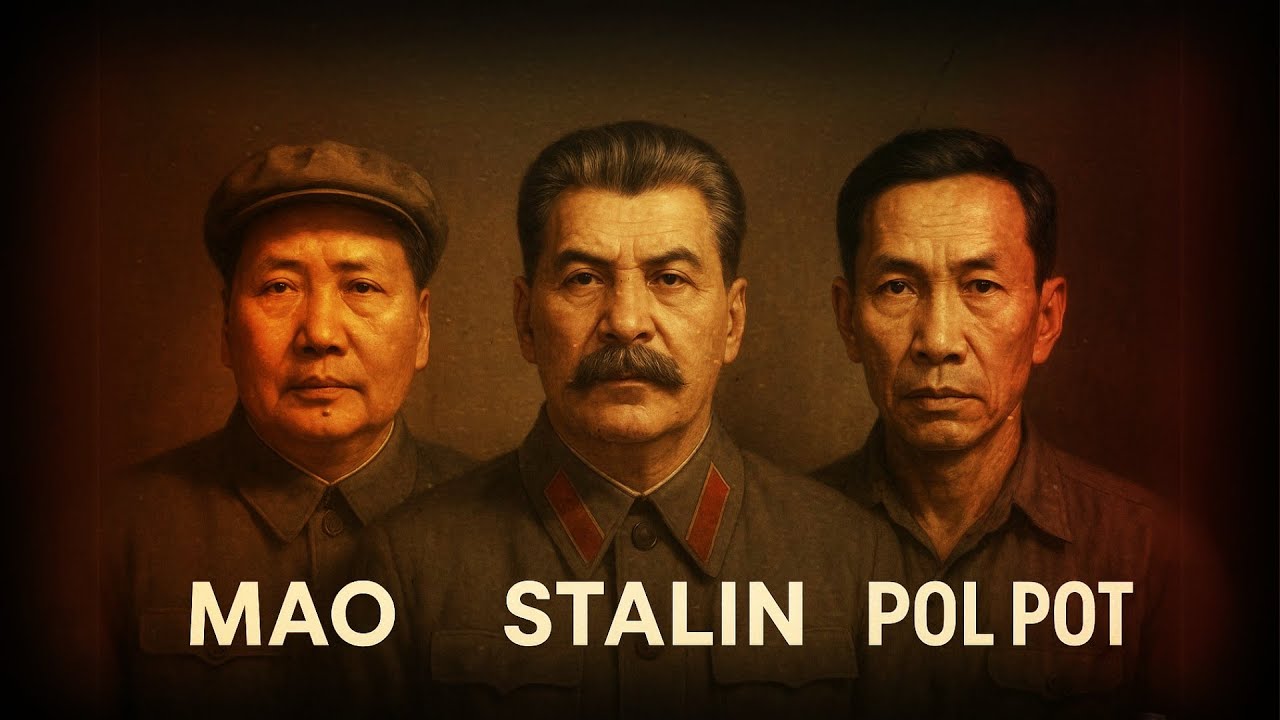
Communism, in its ideal form, promises a classless, stateless society built on cooperation and equality. It offers a dream of shared resources, the abolition of exploitation, and freedom from capitalist oppression. But history tells a darker tale. In practice, this utopian vision often gives rise to authoritarian regimes, mass suffering, and horrifying loss of life.

Through the brutal legacies of Stalin, Mao, and Pol Pot, we explore why communism—when turned into policy—so often collapses into tyranny. This article does not present a nuanced philosophical discussion; instead, it delivers a harsh, fact-based indictment of the historical outcomes of unchecked communist rule.

Stalin’s Soviet Union: Terror Behind the Curtain

Joseph Stalin’s reign over the Soviet Union from the 1920s to the 1950s is one of the bloodiest chapters in modern history. Rising to power after Lenin’s death, Stalin transformed the USSR into a totalitarian state through relentless purges, forced collectivization, and a cult of personality. The infamous Great Purge of the 1930s saw millions arrested, exiled, or executed under false pretenses. Even top Communist Party members and military leaders were not safe. Stalin weaponized fear to eliminate opposition, real or imagined.

Meanwhile, the forced collectivization of agriculture led to the Holodomor—an artificial famine in Ukraine that killed millions. Grain quotas were enforced with brutality, and dissenters were sent to gulags, Soviet labor camps infamous for inhumane conditions and staggering death rates. Stalin’s policies left the USSR industrialized but at the cost of tens of millions of lives. His version of communism traded freedom for fear and ideology for iron-fisted control. Any dream of equality was buried beneath the weight of state terror.

Mao’s China: Utopia Through Starvation

Mao Zedong promised a revolutionary new era for China—an end to imperialism, poverty, and inequality. Instead, he unleashed one of the deadliest social engineering experiments in history. His Great Leap Forward (1958–1962) sought rapid industrialization and agricultural reform by mobilizing peasants into communes and redirecting labor from farms to steel production. The result was catastrophic. Poor planning, inflated grain reports, and state propaganda led to mass famine. An estimated 30 to 45 million people died—many from starvation, others from execution or overwork.

But Mao didn’t stop there. In 1966, he launched the Cultural Revolution to purge capitalist and traditional elements from Chinese society. Red Guards—radical youth militia—were encouraged to attack intellectuals, destroy historical artifacts, and denounce their own families. Schools shut down. Chaos reigned. Thousands were killed, millions persecuted. Mao’s vision of communism consumed the very people it claimed to liberate. His legacy is a haunting reminder of the dangers of unchecked ideological zeal.

Pol Pot and the Khmer Rouge: Back to Year Zero

Pol Pot’s Khmer Rouge regime in Cambodia (1975–1979) took communist extremism to its most horrific extreme. Inspired by Maoist thought, Pol Pot envisioned an agrarian utopia, free from modernity, class distinctions, and even money. To realize this dream, he emptied cities, abolished currency, and forced urban dwellers into slave labor in the countryside. Intellectuals, professionals, and those who wore glasses were deemed enemies of the revolution.

What followed was genocide. Nearly a quarter of Cambodia’s population—about 1.7 to 2 million people—died from execution, starvation, disease, or overwork. The Tuol Sleng prison in Phnom Penh became infamous for torture and mass murder. Families were torn apart, religion was banned, and any sign of individuality was punished. Pol Pot’s vision of perfect equality produced unparalleled suffering. The Khmer Rouge collapsed only when Vietnam invaded and overthrew the regime in 1979, revealing a nation devastated by ideology-driven brutality.

Why “Real Communism” Always Fails

Defenders of communism often insist that the ideology has simply never been implemented “correctly.” But history suggests a different pattern: the systemic suppression of dissent, economic mismanagement, and human rights abuses appear consistently wherever communism has been tried at a national scale. Centralized planning eliminates competition and innovation. The promise of equality becomes a justification for silencing individual thought and enforcing conformity. Authoritarianism fills the power vacuum left by the dismantling of democratic institutions.

Every major communist regime has relied on propaganda, censorship, and state terror to maintain control. These aren’t accidents or betrayals of the doctrine—they are symptoms of the doctrine’s flaws when applied in the real world. The dream of a classless paradise becomes a nightmare precisely because of the unchecked power that the ideology demands. When the state owns everything, dissent becomes treason. True progress demands not blind faith in utopia, but critical thought, historical awareness, and unwavering respect for human dignity.

The Modern Myth and Its Appeal

Despite its grim history, communism still finds supporters today, often among those disillusioned with capitalism or inequality. The appeal of its promises—free healthcare, housing for all, and the end of poverty—is undeniable. But these ideals obscure the cost. The romanticization of revolution can blind people to the realities of authoritarian rule. In today’s polarized political climate, it’s more important than ever to confront history honestly and critically.

The ghosts of the 20th century’s failed revolutions should not be forgotten. Their stories serve as warnings about the seductive power of ideology and the danger of mistaking slogans for solutions. While reform is necessary in every society, extremism—whether economic, political, or ideological—inevitably breeds oppression. Only by remembering these dark chapters can we safeguard future generations from repeating the same catastrophic mistakes.

Conclusion: Never Again Forgotten

Communism, as practiced in the 20th century, promised freedom and delivered chains. The regimes of Stalin, Mao, and Pol Pot represent cautionary tales, not blueprints for justice. Their legacies should be studied not to revive their ideals, but to understand the horrors that arise when ideology overrides humanity.

This is why communism “works every time”—not in building utopias, but in creating suffering. The facts speak louder than any revolutionary chant. Let history be a mirror, not a blueprint. History has shown that when ideology overrides humanity, the cost is always measured in lives lost and freedoms destroyed.

Categories
W1 World

Winston Churchill: ‘Racist’ or ‘Product’ of His Time? The Complex Legacy of a Controversial Leader

Introduction

Winston Churchill remains one of the most prominent figures in 20th-century history, celebrated as a stalwart leader during World War II while simultaneously critiqued for his controversial views on race and empire. His indomitable spirit during Britain’s darkest days garnered him a reputation as a national hero, yet this acclaim is tempered by troubling aspects of his legacy that reveal a complex interplay between his personal beliefs and the socio-political context of his time.

Churchill’s image as a resolute leader is often juxtaposed with the darker elements of his rhetoric and policies, prompting a deeper investigation into the moral implications of his decisions. This article explores the duality of Churchill’s legacy, delving into whether he was a visionary statesman or merely a product of his time, shaped by the prevailing attitudes of his era, and how this dichotomy continues to spark debate in contemporary discussions about history and morality.

The Rise of Winston Churchill

Born into an aristocratic family in 1874, Churchill’s early life was marked by privilege, military service, and a formative education that would equip him for public life. His political career began in 1900 when he entered Parliament as a Conservative, soon switching to the Liberal Party and back again as his beliefs evolved in response to the changing political landscape. He rapidly became known for his oratory skills and staunch opposition to appeasement, which he viewed as a betrayal of British values and a potential disaster for the nation.

As Britain faced the existential threat of Nazi Germany, Churchill’s resolve and leadership became critical, culminating in his appointment as Prime Minister in 1940. His speeches inspired a beleaguered nation, earning him the admiration of many who viewed him as a heroic figure willing to stand against tyranny at great personal and political risk. Churchill’s strategic foresight and unwavering commitment to victory galvanized the Allied forces and helped shift the tide of the war, solidifying his legacy as a key architect of modern democracy.

The Context of Churchill’s Leadership

Churchill’s leadership was forged in a tumultuous period marked by imperialism, colonial conflicts, and global power shifts that fundamentally shaped his worldview. The 20th century was characterized by the decline of empires and the rise of nationalist movements, particularly in Asia and Africa. Churchill’s attitudes toward race and empire were shaped by the prevailing norms of Victorian and Edwardian society, which often placed a premium on Anglo-Saxon superiority and imperial expansion.

This period was rife with complex geopolitical dynamics, as former colonies sought independence and nations grappled with the repercussions of war and economic turmoil. His views reflected the imperialist mindset that characterized much of British politics during his lifetime, creating a backdrop against which his leadership decisions were made and understood. This context is essential for understanding the complexities of his policies and rhetoric, as they often mirrored the broader struggles of a world in transition.

Controversial Views on Race and Empire

Churchill’s legacy is clouded by his contentious opinions on race and imperialism, which have sparked significant debate among historians and scholars. He once infamously referred to Indians as “a beastly people with a beastly religion,” showcasing a blatant disregard for the cultures and identities of colonized peoples. His policies during the Bengal Famine of 1943, where millions died due to food shortages exacerbated by government negligence, are often cited as emblematic of his indifference toward colonial subjects.

Critics argue that Churchill’s prioritization of the British Empire over humanitarian concerns reveals a deep-seated racism and an imperialistic attitude that continued to influence British policies long after his tenure. The impact of these views was far-reaching, affecting British colonial policy and shaping perceptions of race both domestically and internationally. This aspect of his legacy raises uncomfortable questions about the moral implications of his actions and decisions during his time in power, prompting ongoing reevaluation of how societies remember their historical figures.

The Duality of Churchill’s Legacy

Despite these criticisms, Churchill’s legacy as a wartime leader cannot be easily dismissed. His ability to rally a nation during its darkest hours cannot be overstated; he became the embodiment of British resolve against fascism. Churchill’s determination to fight against tyranny galvanized the British public and secured his status as a national hero. His famous speeches—such as “We shall fight on the beaches” and “Their finest hour”—resonated deeply, providing hope in times of despair and showcasing his talent for powerful oratory.

The imagery and rhetoric he employed became integral to the national identity during the war. Yet, this duality presents a challenge in historical evaluation. Is it possible to separate the man from his time, and how do we reconcile his imperialist views with his contributions to defeating tyranny? The debate over Churchill’s legacy continues to evoke strong emotions, dividing historians, politicians, and the public, and challenging us to consider the complexities of historical narratives and their implications for contemporary society.

Churchill’s Impact on Post-War Politics

After World War II, Churchill’s political career saw him take on a different role as he advocated for European unity and the establishment of international institutions aimed at preventing future conflicts. His famous “Iron Curtain” speech in 1946 highlighted the geopolitical realities of the emerging Cold War, positioning him as a statesman who foresaw the necessity for cooperation against totalitarian regimes. This shift in focus illustrated his adaptability and recognition of the changing political landscape.

Churchill’s vision for a united Europe was complicated by his previous imperialist views, creating tension in how he was perceived in both British and global contexts. Critics argue that his understanding of global politics was still clouded by an imperial mindset, which influenced his approach to post-war reconstruction and decolonization, revealing a complex interplay between his ideals and the remnants of imperialism that defined his earlier career. The legacy of his post-war vision continues to be debated, as it raises questions about the future direction of international relations.

Reevaluation of Churchill in Contemporary Context

In recent years, Churchill’s legacy has come under increased scrutiny as movements advocating for social justice and decolonization prompt a reevaluation of historical figures who espoused views now recognized as racist or oppressive. Statues and memorials honoring Churchill have become focal points of protests, igniting heated debates about how societies remember their past and whom they choose to honor. This reassessment raises critical questions about how we evaluate historical figures: Should they be judged by the standards of their time, or should contemporary values prevail?

This debate is particularly relevant in Churchill’s case, where his contributions to democracy and freedom coexist uneasily with his imperialistic and racist beliefs. As scholars and activists continue to unpack the complexities of his life, the challenge lies in balancing the appreciation of his wartime leadership with a critical examination of his views on race and empire. This discourse is vital for fostering a more inclusive understanding of history that recognizes the diverse experiences of all individuals.

Conclusion

Winston Churchill’s legacy is undeniably complex, embodying the contradictions of his time. He was a man shaped by the norms of his era, yet he rose to prominence as a symbol of resilience and leadership during World War II. The duality of his legacy prompts an ongoing conversation about the nature of heroism, the impact of historical context, and the importance of addressing the uncomfortable truths about our past. This complexity necessitates a more nuanced examination of how we honor historical figures and the legacies they leave behind.

In the end, Churchill serves as a reminder that history is not a simple tale of heroes and villains, but rather a tapestry woven from the intricate and often conflicting threads of human experience. Understanding this complexity allows for a more nuanced appreciation of the figures who have shaped our world, fostering critical discourse that can inform our present and future as we navigate the legacies of our historical icons.

Categories
P1 People UN

Tackling the Plastic Crisis: A Comprehensive Overview of Challenges and Solutions

Introduction

Plastic has been a revolutionary material since its widespread introduction in the 1950s. It is versatile, durable, and inexpensive, making it an ideal choice for a multitude of applications, from children’s toys and medical equipment to beauty products and airplanes. However, the very properties that make plastic so useful have also led to a growing environmental crisis. Plastic pollution has become a pervasive threat to ecosystems, human health, and the global economy.

Background and History

The Rise of Plastic

The advent of synthetic plastics can be traced back to the early 20th century, with the invention of Bakelite in 1907. This marked the beginning of the modern plastics industry. The 1950s saw a significant increase in plastic production, fueled by post-World War II economic expansion and the material’s adaptability to a wide range of uses. Plastics became synonymous with progress and modernity.

The Plastic Waste Problem

As plastic production soared, so did the waste. The durability of plastic, once considered an asset, revealed a dark side: plastic does not biodegrade easily. Instead, it breaks down into smaller pieces known as microplastics, which persist in the environment for hundreds, if not thousands, of years. Today, we produce approximately 300 million tons of plastic annually, half of which is designed for single-use purposes – used just once and then discarded.

The Impact of Plastic Pollution

Environmental Impact

Plastic pollution impacts nearly every aspect of the environment. Oceans, which absorb much of the world’s plastic waste, suffer the most visible effects. Marine life, from plankton to whales, ingest plastic debris, mistaking it for food. This not only causes physical harm to the animals but also introduces toxic substances into the food chain, affecting human consumers as well. Birds, fish, and other wildlife become entangled in plastic waste, leading to injuries, strangulation, and death.

Climate Impact

Plastic pollution also contributes to climate change. The production and incineration of plastic release significant amounts of greenhouse gases. According to a study by the Center for International Environmental Law (CIEL), plastic production and incineration could produce more than 850 million metric tons of greenhouse gases in 2019. If current trends continue, by 2050, these emissions could rise to 2.8 billion metric tons per year.

Human Health Impact

Human health is another major concern. Microplastics have been found in drinking water, food, and even the air we breathe. While the long-term health effects of microplastic ingestion are still being studied, early research suggests potential risks, including inflammation, toxicity, and disruption of endocrine functions. Additionally, the chemicals used in plastic production, such as bisphenol A (BPA) and phthalates, are known to have adverse health effects.

UNEP’s Work and Global Efforts

UNEP Initiatives

The United Nations Environment Programme (UNEP) has been at the forefront of the global fight against plastic pollution. UNEP’s initiatives focus on raising awareness, promoting policy changes, and encouraging international cooperation to tackle this pressing issue. In 2018, UNEP launched the Clean Seas campaign, which aims to significantly reduce marine litter and the damage it causes to marine and coastal ecosystems.

Global Plastics Platform

One of UNEP’s major contributions is the development of the Global Plastics Platform, which encourages countries to share best practices and collaborate on solutions to plastic pollution. UNEP also supports the implementation of national and regional action plans to address the issue. In 2019, UNEP released a report titled “Single-Use Plastics: A Roadmap for Sustainability,” which provides a comprehensive overview of the measures that governments and businesses can take to reduce the production and consumption of single-use plastics.

Key Strategies

Central to ending plastic pollution is the elimination of unnecessary plastic, the redesign of products – including packaging – so they can be more easily reused, repaired, and recycled, and switching to non-plastic substitutes that help protect the environment, human health, and the economy.

The Role of Innovation and Policy

Technological Innovations

Innovation plays a crucial role in addressing plastic pollution. Companies and researchers are developing new materials and technologies to replace traditional plastics. Biodegradable plastics, made from renewable resources like corn starch, offer a promising alternative. Innovations in packaging design also aim to reduce the amount of plastic used and make recycling easier and more efficient.

Policy Measures

Governments around the world are implementing bans and restrictions on single-use plastics. For example, the European Union has banned a range of single-use plastic items, including straws, cutlery, and plates, as part of its Circular Economy Action Plan. Similarly, countries like Canada and India have announced plans to phase out single-use plastics within the next few years.

Extended Producer Responsibility

Extended Producer Responsibility (EPR) is another policy approach gaining traction. EPR programs hold manufacturers accountable for the entire lifecycle of their products, including post-consumer waste management. This incentivizes companies to design products that are easier to recycle and dispose of responsibly.

Community and Grassroots Efforts

Grassroots Movements

Grassroots movements and community initiatives are vital in the fight against plastic pollution. Around the world, local organizations and volunteers are conducting beach cleanups, raising awareness, and advocating for policy changes. These efforts not only remove plastic waste from the environment but also engage and educate the public about the importance of reducing plastic use.

Break Free From Plastic

For instance, the Break Free From Plastic movement, which consists of over 8,000 organizations worldwide, is working to eliminate plastic pollution through advocacy, education, and direct action. Their annual brand audits identify the companies most responsible for plastic waste, putting pressure on them to adopt more sustainable practices.

The Path Forward

Collective Action

The fight against plastic pollution requires a multifaceted approach involving governments, businesses, and individuals. Central to this effort is the recognition that plastic pollution is not just an environmental issue but a social, economic, and health challenge as well.

Product Redesign and Recycling

Eliminating unnecessary plastics and redesigning products to be more sustainable are crucial steps. This includes developing better recycling systems and creating a market for recycled materials. Businesses must take responsibility for their products throughout their lifecycle, and consumers need to make conscious choices to reduce their plastic footprint.

Non-Plastic Substitutes

The transition to non-plastic substitutes is also essential. Materials such as glass, metal, and biodegradable plastics can replace traditional plastics in many applications. Investment in research and development of new materials will play a critical role in this transition.

Conclusion

In conclusion, tackling plastic pollution is imperative for protecting ecosystems, human health, and the global economy. It demands collective action at all levels of society, from international organizations like UNEP to local community groups. By embracing innovation, implementing effective policies, and fostering global cooperation, we can make significant strides towards a plastic-free future and ensure a healthier planet for generations to come.

Additional Resources

For more information on fighting plastic pollution and promoting sustainability, consider exploring the following resources:

These resources provide valuable insights into ongoing efforts and initiatives to combat plastic pollution and promote sustainability worldwide.

Categories
P1 People UN

Navigating Climate Crunch Time: Harnessing AI for a Sustainable Future

Introduction

Climate change, one of the most pressing challenges of our time, demands immediate and concerted efforts from all sectors of society. As global temperatures rise and environmental impacts intensify, the need for innovative solutions and bold actions has never been more urgent. In recent years, the intersection of artificial intelligence (AI) and climate action has emerged as a promising avenue for addressing this crisis. This article explores the history and background of climate change, the UN Secretary-General’s impassioned climate speeches, the role of AI in driving positive change, and the intriguing possibility of communicating with whales.

The Historical Context of Climate Change

The understanding of climate change has evolved significantly over the past century. In the late 19th century, Swedish scientist Svante Arrhenius was one of the first to propose that the burning of fossil fuels could lead to an increase in Earth’s temperature. His calculations, although rudimentary by today’s standards, laid the groundwork for modern climate science.

The mid-20th century saw significant advancements in the study of climate change. Scientists began to systematically measure carbon dioxide (CO2) levels in the atmosphere, leading to the realization that human activities were indeed contributing to global warming. The seminal work of Charles David Keeling in the 1950s and 1960s, which produced the famous Keeling Curve, provided clear evidence of rising CO2 concentrations.

By the late 20th century, the scientific consensus on climate change had solidified. The Intergovernmental Panel on Climate Change (IPCC), established in 1988, played a crucial role in synthesizing research and providing comprehensive assessments of climate science. The IPCC’s reports have been instrumental in shaping international climate policy and raising global awareness about the urgent need for action.

UN Secretary-General’s Climate Advocacy

In recent years, United Nations Secretary-General António Guterres has been a vocal advocate for urgent climate action. His hard-hitting speeches have underscored the severity of the climate crisis and the necessity for transformative change. Guterres has called for a complete ban on fossil fuel advertising and promotion, arguing that the fossil fuel industry has a significant influence on public perception and policy decisions.

Guterres’ speeches emphasize the moral and ethical dimensions of climate change. He often highlights the disproportionate impact of climate change on vulnerable communities, urging wealthy nations to take greater responsibility. In one notable address, he declared, “Humanity is waging war on nature. This is suicidal. Nature always strikes back, and it is already doing so with growing force and fury.”

His advocacy extends to financial systems as well. Guterres has called for an end to fossil fuel subsidies and the redirection of investments toward renewable energy sources. He argues that the financial sector has a critical role in driving the transition to a sustainable and resilient global economy.

AI for Good: Harnessing Technology for Climate Action

Artificial intelligence holds immense potential to address the multifaceted challenges of climate change. From optimizing energy systems to enhancing climate modeling, AI is being leveraged in various ways to benefit society and the environment.

  1. Climate Modeling and Prediction: AI algorithms are revolutionizing climate modeling by processing vast amounts of data with unprecedented speed and accuracy. Machine learning techniques can identify patterns and trends in climate data, leading to more accurate predictions of future climate scenarios. These improved models help policymakers develop more effective strategies for mitigation and adaptation.
  2. Renewable Energy Optimization: AI is playing a crucial role in the transition to renewable energy sources. AI-powered systems can optimize the operation of solar panels, wind turbines, and energy storage units, maximizing their efficiency and reducing costs. Predictive maintenance algorithms can also identify potential issues before they become critical, ensuring the reliability of renewable energy infrastructure.
  3. Carbon Emissions Monitoring: AI-driven satellite imagery and remote sensing technologies enable real-time monitoring of carbon emissions from industrial sources, deforestation, and other activities. This data is essential for tracking progress toward emissions reduction targets and holding polluters accountable.
  4. Smart Grids and Energy Management: AI is transforming the way energy is distributed and consumed. Smart grids use AI to balance supply and demand, integrate renewable energy sources, and reduce energy waste. AI-powered energy management systems in buildings can optimize heating, cooling, and lighting, leading to significant energy savings.
  5. Agriculture and Land Use: AI applications in agriculture can enhance food production while minimizing environmental impacts. Precision agriculture uses AI to optimize irrigation, fertilization, and pest control, reducing resource use and greenhouse gas emissions. AI can also support reforestation and land restoration efforts by identifying suitable areas for planting and monitoring the growth of vegetation.

Communicating with Whales: A New Frontier

Beyond its applications in climate action, AI is opening up exciting possibilities in the field of animal communication. Researchers are exploring the potential of AI to decode the complex vocalizations of whales, potentially enabling interspecies communication.

Whales, particularly humpback whales and sperm whales, produce intricate songs and vocalizations that scientists believe may contain rich information about their social structures, behaviors, and environments. AI algorithms, capable of analyzing large datasets of whale sounds, are being developed to identify patterns and potentially translate these vocalizations into meaningful information.

The possibility of communicating with whales represents a profound shift in our relationship with the natural world. It underscores the importance of preserving marine ecosystems and highlights the interconnectedness of all life on Earth. If successful, this research could lead to new insights into whale behavior and contribute to the conservation of these magnificent creatures.

The Broader Implications

The intersection of AI and climate action represents a convergence of technology and sustainability that has the potential to reshape our world. As AI continues to evolve, its applications in climate science, renewable energy, and environmental conservation will become increasingly sophisticated and impactful.

However, the deployment of AI also raises important ethical and governance questions. Ensuring that AI technologies are developed and used responsibly is crucial. Issues such as data privacy, algorithmic bias, and equitable access to technology must be addressed to ensure that the benefits of AI are distributed fairly and do not exacerbate existing inequalities.

The role of global institutions like the United Nations is vital in guiding the responsible development and application of AI. By fostering international collaboration, setting ethical standards, and promoting the use of AI for the common good, the UN can help ensure that technology serves humanity’s highest ideals.

Conclusion

Climate change is at a critical juncture, demanding urgent and innovative solutions. The UN Secretary-General’s impassioned advocacy and the transformative potential of AI offer a path forward. By harnessing AI for climate action and exploring new frontiers like interspecies communication, we can address the pressing challenges of our time and build a sustainable and resilient future.

As we stand on the brink of unprecedented technological advancements, the choices we make today will shape the world for generations to come. It is a climate crunch time, and the integration of AI for good represents a powerful tool in our collective efforts to combat climate change and protect our planet. Through bold leadership, innovative technology, and global cooperation, we can rise to the challenge and create a better world for all.

Categories
W1 World

Forgotten Riches: Uncovering the Lost Copper Mines of the Lake District

The Lake District, renowned for its breathtaking landscapes, picturesque lakes, and rolling hills, has long captivated the hearts of poets, artists, and nature lovers. However, beneath its serene beauty lies a forgotten chapter of the nation’s industrial heritage: the Lake District was once a significant source of valuable copper. This hidden history beckons archaeologists and historians on an expedition that takes them both higher into the mountains and deeper into the earth than ever before.

The Industrial Significance of Copper

Copper has been a vital metal throughout human history, used for tools, weapons, and later, for industrial applications such as electrical wiring and plumbing. In Britain, the demand for copper surged during the Industrial Revolution, fueling advancements in technology and infrastructure. The Lake District, with its rich deposits of copper ore, played a crucial role in this period of industrial growth.

Early Mining in the Lake District

Mining in the Lake District dates back to ancient times, with evidence suggesting that the Romans exploited the region’s mineral resources. However, it was during the 16th and 17th centuries that copper mining in the area reached its peak. The most significant mining activities took place in areas such as Coniston, Borrowdale, and Keswick, where rich veins of copper ore were discovered.

These early mines were rudimentary by modern standards. Miners used basic tools to extract the ore, often working in dangerous and harsh conditions. Despite the challenges, the Lake District’s mines produced substantial quantities of copper, contributing to the region’s economy and the broader industrialization of Britain.

The Rise and Fall of Copper Mining

By the 18th century, technological advancements led to more efficient mining techniques, and the Lake District continued to be a key player in the copper industry. Steam engines and improved transportation networks allowed for deeper mining and easier shipment of ore to processing facilities. The picturesque village of Coniston became a bustling mining town, with a thriving community centered around the copper industry.

However, the prosperity was not to last. By the late 19th century, the decline of copper prices, coupled with the depletion of accessible ore veins, led to the gradual closure of many mines. Competition from other mining regions, both within Britain and abroad, also contributed to the downturn. By the early 20th century, most of the Lake District’s copper mines had ceased operations, leaving behind a landscape dotted with abandoned shafts and tunnels.

Rediscovering the Past

Today, the remnants of the Lake District’s mining heritage are being rediscovered and studied by archaeologists and historians. These expeditions aim to uncover the forgotten stories of the miners and the communities that once thrived on copper extraction. Using a combination of historical records, local folklore, and modern technology, researchers are piecing together a more comprehensive picture of the region’s industrial past.

One of the most notable rediscoveries has been the ancient mines of Coniston. Explorations have revealed extensive networks of tunnels and shafts, some of which date back centuries. These sites offer invaluable insights into the mining techniques and tools used by early miners. Artefacts such as picks, shovels, and even remnants of miners’ clothing have been found, providing a tangible connection to the lives of those who worked in the mines.

The Challenges of Exploration

Exploring the lost copper mines of the Lake District is not without its challenges. The rugged terrain and remote locations of many mine sites make access difficult. In some cases, archaeologists must hike for hours through dense forests and over steep hills to reach the abandoned mines. Once there, they often face the dangers of unstable tunnels and the risk of landslides.

To overcome these obstacles, researchers use advanced technologies such as ground-penetrating radar and 3D mapping to locate and safely explore the mines. Drones equipped with cameras and sensors provide aerial surveys of the terrain, helping to identify potential sites for excavation. These modern tools allow archaeologists to delve deeper into the earth and uncover hidden aspects of the region’s mining heritage.

Preserving the Heritage

The rediscovery of the Lake District’s copper mines has sparked efforts to preserve this important part of Britain’s industrial history. Local communities, historians, and conservationists are working together to protect and promote the mining heritage. Some abandoned mine sites have been stabilized and opened to the public, offering guided tours that educate visitors about the region’s industrial past.

Museums and heritage centers in the Lake District showcase artifacts and exhibits related to the copper mining industry. These institutions play a crucial role in preserving the history and ensuring that the stories of the miners and their communities are not forgotten. Educational programs and interactive displays help visitors understand the significance of copper mining and its impact on the region’s development.

The Legacy of the Copper Mines

The legacy of the Lake District’s copper mines is a testament to the ingenuity and perseverance of those who worked in the industry. The copper extracted from these mines contributed to the technological advancements and industrial growth that shaped modern Britain. While the mines themselves have long since fallen silent, their impact can still be felt in the region’s cultural and historical landscape.

The rediscovery and preservation of the Lake District’s mining heritage offer a unique opportunity to connect with the past. By exploring the forgotten tunnels and unearthing the stories of the miners, archaeologists and historians are bringing to light a hidden chapter of Britain’s industrial history. These efforts ensure that the legacy of the copper mines, and the people who worked them, will be remembered for generations to come.

In conclusion, the lost copper mines of the Lake District are a fascinating and integral part of Britain’s industrial heritage. From their early beginnings in Roman times to their peak during the Industrial Revolution, these mines played a vital role in the nation’s development.

Today, the efforts of archaeologists and historians to uncover and preserve this history offer valuable insights into the region’s past and ensure that the legacy of the copper mines is not forgotten. As we continue to explore and understand this hidden heritage, we gain a deeper appreciation for the ingenuity and resilience of the people who helped shape the modern world.

Categories
W2 World

Life in First-Century Judea: A Glimpse into the Daily Lives of Ordinary People in Biblical Times

Introduction:

Delving into the annals of history, the first-century Judea provides a unique lens through which to explore the daily lives of ordinary people during biblical times. In this historical journey, we will navigate through the emblematic events of the Christian Bible, shedding light on the routines, challenges, and cultural nuances that characterized the existence of the common folk in this ancient region.

Amidst the ancient landscapes of first-century Judea, the ordinary people of the time experienced a tapestry of life woven with threads of familial bonds, religious devotion, and agrarian toil. As the rhythms of daily existence echoed through modest homes and bustling marketplaces, individuals navigated the challenges of Roman rule, finding solace and strength in their shared cultural heritage.

The communal nature of meals, the echoes of prayers in synagogues, and the customs passed down through generations defined their collective identity. Life in biblical times, captured within the pages of history and religious texts, serves as a testament to the resilience, faith, and interconnectedness that marked the human experience in this ancient corner of the world.

  1. Social Structure and Family Life: In first-century Judea, society was structured around familial and communal bonds. Families were the cornerstone of daily life, and individuals found identity and security within these units. The extended family played a crucial role, providing support in times of need and contributing to the collective welfare.
  2. Occupations and Livelihoods: The majority of people in Judea were engaged in agrarian pursuits. Agriculture was the backbone of the economy, with families tending to their crops and livestock. Fishing, particularly around the Sea of Galilee, was another common occupation. A smaller percentage of the population worked in trades such as carpentry, masonry, and pottery.
  3. Religious Practices and Festivals: Religion permeated every aspect of life in biblical Judea. Daily rituals, prayers, and adherence to religious laws were integral to the routine of ordinary people. The observance of festivals and pilgrimages, such as Passover and the Feast of Tabernacles, brought communities together, fostering a sense of unity and shared faith.
  4. Housing and Living Conditions: Dwellings in first-century Judea varied widely, from modest rural homes to more elaborate structures in urban areas. Houses were often constructed with local materials like mudbrick and stone. Large extended families might share a compound, each having its own living space. Living conditions were influenced by the region’s climate, with some relying on natural ventilation and others using various heating methods.
  5. Food and Daily Meals: Dietary habits in biblical times were shaped by agricultural practices and the availability of local produce. Bread, olives, fish, fruits, and vegetables formed the staples of daily meals. The communal act of sharing meals held cultural significance, symbolizing hospitality and community bonding.
  6. Challenges and Hardships: Life in first-century Judea was not without its hardships. The region faced political unrest, economic disparities, and periodic famines. The Roman occupation brought both stability and oppression, shaping the socio-political landscape and influencing the daily struggles of the common people.
  7. Cultural Customs and Traditions: Cultural practices, including language, dress, and social etiquette, reflected the rich tapestry of first-century Judea. Aramaic was the common language, and traditional clothing emphasized modesty and practicality. Social customs, such as greetings and gestures, played a role in reinforcing community ties.
  8. Education and Literacy: Education in biblical times was primarily focused on religious teachings. Synagogues served as centers of learning, where individuals, regardless of social status, gathered to study scripture. While literacy rates varied, a basic understanding of religious texts was widespread.
  9. Healthcare and Medical Practices: Medical knowledge in first-century Judea was rudimentary compared to contemporary standards. Communities relied on herbal remedies, prayers, and communal support to address illnesses. The healing miracles attributed to figures in the Bible underscore the significance of faith in the face of physical ailments.
  10. Interactions with Roman Rule: The backdrop of first-century Judea included the pervasive influence of Roman rule. Ordinary people navigated a complex relationship with Roman authorities, balancing the demands of imperial governance with the preservation of their cultural and religious identity.

Conclusion:

Exploring the daily lives of ordinary people in biblical times offers a profound understanding of the challenges, joys, and cultural intricacies that shaped their existence. Finally, the narratives of first-century Judea, as depicted in the Christian Bible, intertwine with the fabric of everyday life, creating a vivid tapestry that reflects the resilience and humanity of those who lived during this pivotal period in history.

Categories
W2 World

“From Bakery Spark to City Engulfed: Decoding the Catastrophic Great Fire of London

The Great Fire of London stands as an enduring testament to the transformative power of catastrophe, a fiery tempest that reshaped the cityscape and rewrote the destiny of London for generations to come. The saga commenced inconspicuously on a September night in 1666, when an innocuous spark in a humble bakery near Pudding Lane set in motion a series of events that would engulf the city in an unrelenting inferno. While the original structure of the bakery may have disappeared, the site remains a poignant reminder of the calamity that ravaged the heart of London.

Venturing to the location where the bakery once stood, the bustling thoroughfare now adorning the spot evokes vivid imaginings of the frantic efforts undertaken by Londoners to salvage their belongings amidst the relentless advance of the flames. Though the physical remnants have long since vanished, the memory of that fateful night endures. It’s here, in the midst of the modern cityscape, that one can conjure the scenes of chaos and desperation as the conflagration consumed timber-built structures along narrow streets, leaving behind a haunting trail of destruction.

Contemporary accounts from eyewitnesses of the era paint a vivid portrait of the pandemonium that seized London during those harrowing days. The fire, fueled by the abundance of wooden structures and exacerbated by the prevailing dry weather, seized upon the closely-packed buildings with a ferocity unmatched. Feeble attempts to contain the blaze were no match for the tempestuous winds that whipped through the city, turning a simple spark into an uncontrollable inferno.

Digging into the construction methods prevalent in 17th-century London unveils a crucial aspect of the fire’s voracious spread. The cityscape was predominantly adorned with structures constructed from highly flammable timber, a choice that inadvertently fed the fire’s hunger for destruction. The tightly clustered buildings and narrow passageways created an environment conducive to rapid fire propagation, enabling the flames to swiftly engulf entire neighborhoods in a devastating embrace, leaving nothing but ash and remnants in its wake.

Moreover, the prevailing weather conditions significantly exacerbated the catastrophic impact. A prolonged period of drought had parched the cityscape, rendering the wooden structures parched and primed for ignition at the slightest spark. Fueled by this dryness, the relentless easterly winds acted as malevolent accomplices, carrying fiery embers aloft and scattering them with abandon across rooftops and streets, intensifying the conflagration’s unrelenting march.

The unchecked inferno, its flames dancing with wild abandon for four tumultuous days, etched a poignant testimony to annihilation. Homes, bustling businesses, storied warehouses, and cherished historic landmarks succumbed mercilessly to the insatiable appetite of the fire, leaving behind a trail of devastation valued at an estimated £37 billion in today’s currency—a chilling testament to the sheer ferocity of the disaster.

Yet, from the ashes emerged a phoenix—a testament to London’s resilience and determination. The aftermath of the Great Fire prompted an unprecedented wave of reconstruction efforts, spearheaded by luminaries like Sir Christopher Wren. These visionaries reshaped London’s urban landscape, opting for sturdy, fire-resistant materials like brick and stone in their architectural endeavors. Alongside these material shifts, groundbreaking urban planning strategies were implemented, fortifying the city against the specter of future cataclysmic events.

London emerged from this trial by fire, transformed and fortified, embodying the tenacity and adaptability that define great cities. The transformation that followed the ashes of the Great Fire of London was a testament to human resilience and innovation. In the wake of the unprecedented destruction, Londoners embarked on an ambitious journey to rebuild their city, laying the foundation for a radical metamorphosis in urban planning and architectural design.

Led by the ingenious Sir Christopher Wren and a cohort of visionary architects and city planners, the reconstruction efforts reshaped London’s skyline. The devastation offered an opportunity for innovation, prompting a departure from the traditional timber structures that had fueled the fire’s rampage. Instead, sturdy and fire-resistant materials like brick and stone became the building blocks of the city’s revival.

The architectural renaissance that emerged from the ashes saw the birth of iconic landmarks, including the magnificent St. Paul’s Cathedral—a beacon of resilience rising majestically from the ruins. Wren’s masterful designs not only epitomized architectural brilliance but also incorporated fire-safe features, setting new standards for urban resilience.

Moreover, the reconstruction efforts extended beyond mere architectural innovation. Urban planning underwent a revolution as well. The narrow, labyrinthine streets of old London were replaced with wider thoroughfares and open spaces, fostering better ventilation and impeding the rapid spread of potential future fires. These novel urban planning strategies aimed at fortifying the city against unforeseen calamities, nurturing a more resilient and vibrant London.

This transformative period not only rebuilt physical structures but also revitalized London’s spirit. The city emerged stronger, more resilient, and better equipped to withstand future challenges. The Great Fire of London, though a cataclysmic event, spurred a renaissance that left an indelible mark on the city’s identity—a testament to the resilience, adaptability, and unwavering spirit of its inhabitants.

In conclusion, the Great Fire of London etches an indelible mark in the city’s history—a tale echoing through the annals of time, highlighting the crucial nexus between urban planning, building materials, and the whimsical forces of nature in shaping the trajectory of a metropolis. This catastrophic saga serves as a poignant reminder of the lessons learned, the resilience shown, and the enduring spirit that defines the city of London.

Categories
W2 World

Matteo Ricci: The First European to Enter China’s Forbidden City and the Legacy of Perfect Time

Introduction

In the vast tapestry of human history, certain individuals stand as bridges between cultures, epochs, and ideologies. One such luminary was Matteo Ricci, a young Jesuit who, at the close of the 16th century, became the first European to step foot into the fabled Forbidden City of China. Trained in geometry and algebra, Ricci’s journey would unravel a fascinating connection between cosmology, the art of measuring time, and the heart of Chinese civilization—the Emperor’s Mandate of Heaven. As we traverse the annals of history, we uncover the tale of three Jesuits who vied for influence within the Forbidden City, and how China’s quest for precision in timekeeping forged an unexpected union between the East and the West.

The Life of Matteo Ricci

Matteo Ricci’s life, spanning from 1552 to 1610, was a tapestry of cultural exchange and intellectual exploration. Born in Italy, he joined the Jesuit order and embarked on a transformative journey to China. Arriving in Macau in 1582, Ricci immersed himself in Chinese language, culture, and sciences. His endeavors led him to Beijing in 1601, where he became the first European to enter the Forbidden City. Ricci’s legacy encompassed his pioneering efforts in bridging Western and Eastern knowledge, from mathematics and astronomy to fostering a deeper understanding between civilizations. His life remains a testament to the power of curiosity, diplomacy, and intellectual engagement to transcend barriers and ignite connections across continents and centuries.

Matteo Ricci’s Odyssey: From Europe to the Forbidden City

Matteo Ricci’s story is one of courage, curiosity, and cultural exchange. A young Jesuit hailing from Italy, Ricci embarked on a remarkable journey that carried him across vast oceans and unfamiliar lands. His arrival in China marked the beginning of a transformative period in history, as he endeavored to bridge the chasm between Western and Eastern thought. Trained not only in theology but also in the sciences, Ricci’s proficiency in geometry and algebra became instrumental in his engagement with Chinese scholars.

The Nexus of Cosmology and Imperial Authority

Ricci’s journey took an unexpected turn when he discovered the centrality of cosmology and time measurement to Chinese civilization. In the heart of the Forbidden City, he found that the meticulous art of measuring time held profound significance, extending even to the Emperor’s Mandate of Heaven—a concept deeply embedded in imperial authority. The astronomical knowledge and precision timekeeping systems that Ricci brought from the West resonated with China’s pursuit of perfect time, forging an intellectual and cultural bridge between the two civilizations.

Intrigue and Influence Within the Forbidden City

Over the span of a century, three Jesuits would engage in a complex dance of power, influence, and ideology within the Forbidden City. The halls that were once shrouded in mystery and secrecy witnessed the collision of Western astronomy and Chinese cosmology. The Jesuits, armed with their scientific prowess and an insatiable thirst for understanding, found themselves ensnared in the intricate webs of imperial politics. Their legacy serves as a reminder that knowledge and ideas are not confined by geographical boundaries, and that the pursuit of knowledge can ignite a transformative spark even within the most guarded of realms.

The Empire of Time: Bridging Past and Present

“The Empire of Time” not only encapsulates historical recreations but also delves into the modern echoes of the past. Modern astronomers, science historians, and time scientists draw captivating parallels between eras, from 16th-century celestial contests to contemporary timekeeping laboratories and the global race for supremacy in time data. The narrative reveals a timeless thread that binds the pursuit of precision time measurement across epochs, cultures, and technological advancements.

The Tapestry of Science, Imperial History, and Intrigue

The tale of Matteo Ricci and his fellow Jesuits is a symphony of science, imperial history, and intrigue. Their journey serves as a testament to the transcendent power of knowledge and the unanticipated connections it forges. The narrative resonates with the inherent curiosity of the human spirit, the thirst for understanding, and the boundless potential of individuals to become catalysts for cultural exchange. It illustrates that even amidst the barriers of language, ideology, and geography, the pursuit of wisdom can harmonize diverse worlds and illuminate shared humanity.

Conclusion

Matteo Ricci’s footsteps into the Forbidden City marked not only a moment of historical significance but also a profound meeting of minds. His role as the first European to enter the Forbidden City echoes through time as a symbol of humanity’s ceaseless quest for understanding and unity. The Empire of Time unveils how China’s unyielding pursuit of precise time measurement created an extraordinary union between East and West. In the embrace of this narrative, we witness the unbreakable bonds woven by knowledge and the indelible mark left by those who dared to traverse the frontiers of tradition, ideology, and geography in their search for truth.

Categories
W2 World

Temporal Convergence: European Missionaries and the Mastery of Time in the Forbidden City

In the heart of China’s Forbidden City, an extraordinary clash of civilizations unfolded in the late 16th century, as European missionaries embarked on a quest for power intertwined with the mastery of time. At the forefront of this captivating historical drama was Matteo Ricci, a young Jesuit who would become the first European to venture into China during this era. Armed with knowledge in geometry and algebra, Ricci’s journey would uncover the profound significance of cosmology and the measurement of time at the very core of Chinese civilization and imperial authority—the Emperor’s Mandate of Heaven.

The Forbidden City, also known as the Imperial Palace, is a historic palace complex located in the heart of Beijing, China. It served as the imperial palace and political center of Chinese emperors for nearly 500 years, from the Ming Dynasty (1368-1644) to the end of the Qing Dynasty (1644-1912). The Forbidden City is renowned for its grand architecture, exquisite artwork, and significant cultural and historical importance. It has been a UNESCO World Heritage Site since 1987 and is one of China’s most iconic and visited landmarks.

Over the course of a century, the Forbidden City would witness the endeavors of three Jesuit missionaries who, in their own distinct ways, vied for influence and power. Their stories, interwoven with dramatic historical recreations and aided by unprecedented access to the world’s most advanced time laboratories, come to life in “The Empire of Time.” This tale not only chronicles China’s relentless pursuit of perfect time but also reveals how it served as a bridge between East and West during this pivotal period.

Intriguingly, “The Empire of Time” draws striking parallels between the past and present, demonstrating the enduring relevance of the quest for precision in timekeeping. It takes us from the astronomical contests of the 16th century to the cutting-edge time-keeping laboratories of today, where modern astronomers, science historians, and time scientists engage in a satellite-driven race for time-data superiority. This epic narrative traverses the realms of science, imperial history, and intrigue, offering a captivating glimpse into a world where time was not merely a measure but a source of power and cultural exchange.

The story begins with Matteo Ricci, a brilliant young Jesuit who arrived in China at the end of the 16th century. Armed not with weapons but with knowledge, Ricci quickly realized that his mastery of geometry and algebra was his passport to the enigmatic world of the Ming Dynasty. However, what truly fascinated him was the central role that cosmology and time measurement played in Chinese society.

Ricci’s journey was not merely one of geographical exploration but also a deep dive into the intricacies of Chinese culture and belief systems. He soon discovered that the measurement of time was not just a practical necessity but a profound aspect of Chinese cosmology. The Chinese emperors’ legitimacy, known as the Mandate of Heaven, was closely linked to their ability to maintain harmony in the cosmos, including the accurate tracking of time.

As Ricci delved deeper into the mysteries of Chinese timekeeping, he realized that his knowledge could earn him influence and respect among the Chinese elite. With his unique blend of Western scientific knowledge and Jesuit diplomacy, he gained access to the Forbidden City, the heart of Chinese power. This marked the beginning of a fascinating interplay between East and West.

Over the following century, two more Jesuit missionaries, Johann Adam Schall von Bell and Ferdinand Verbiest, would follow in Ricci’s footsteps, each making their unique contributions to the Chinese imperial court’s understanding of time and cosmology. Schall von Bell, a German Jesuit, would become the official astronomer for the Ming and Qing dynasties, while Verbiest, a Flemish astronomer, would create groundbreaking astronomical instruments for the Chinese.

“The Empire of Time” brings to life the intricate dance of cultures and ideas that unfolded within the Forbidden City. It showcases the role of these European missionaries as intermediaries, facilitating a cross-cultural exchange that would have a profound impact on both East and West.

Moreover, this historical narrative sheds light on the enduring quest for precision in timekeeping. From the celestial observations of Ricci to the cutting-edge technologies of today’s time scientists, the pursuit of perfect time has never waned. Modern astronomers and time researchers continue to seek ever more precise measurements, driven by everything from scientific curiosity to the practical demands of modern technology.

Amidst the grandeur of the Forbidden City, the clash of civilizations was not limited to the exchange of knowledge; it also encompassed the contest for power and influence. European missionaries like Ricci, Schall von Bell, and Verbiest navigated a complex web of court politics and imperial intrigue. Their successes and challenges in gaining access to the inner circles of Chinese authority underscored the profound cultural and political implications of their mission.

As they sought to advance their understanding of Chinese cosmology and time measurement, these Jesuits also found themselves becoming key advisors to the Chinese emperors. They influenced imperial decisions on matters ranging from the calendar to diplomacy. In essence, they became indispensable intermediaries between two vastly different worlds.

Their legacy endures not only in the annals of history but also in the contemporary pursuit of precision and accuracy in timekeeping. “The Empire of Time” reminds us that the fascination with mastering time is not confined to a bygone era; it continues to shape our modern world, where every technological advancement hinges on the relentless pursuit of perfect time.

In this mesmerizing narrative, we witness the convergence of East and West, science and culture, and the enduring quest for knowledge and power. “The Empire of Time” serves as a testament to the enduring curiosity of humanity and the indomitable spirit of those who dare to bridge the gaps between worlds.

In conclusion, “The Empire of Time” is a captivating journey through the annals of history, where the quest for power, knowledge, and cultural exchange converged within the walls of China’s Forbidden City. It highlights the pivotal role of European missionaries in bridging the gap between East and West and underscores the timeless fascination with mastering the intricacies of time. Finally, as we explore the legacy of these missionaries, we gain a deeper understanding of the enduring pursuit of perfect time and its profound impact on our world today.

Categories
P1 People UN

Omicron’s Reality Check: The Persistent Threat of COVID-19 and Need for Continued Vigilance

Introduction

As the world grapples with the latest chapter of the COVID-19 pandemic, the narrative around the Omicron variant has shifted significantly. While initial reports suggested that Omicron might be a milder form of the virus, the World Health Organization (WHO) has issued a stern warning: Omicron is not a mild disease, and underestimating its impact could have serious consequences. According to WHO Chief Dr. Tedros Ghebreyesus, Omicron is not just a mild strain but a significant threat that continues to impact health systems and communities worldwide. This article explores the broader implications of the Omicron variant, the ongoing challenges in managing the pandemic, and why it is crucial to maintain vigilance and commitment to public health measures.

The Rise of Omicron: A Global Challenge

Omicron, first identified in South Africa in November 2021, quickly spread across the globe, becoming the dominant strain in many countries by early 2022. Its rapid transmission rate sparked concerns, even as some early data suggested that it might lead to fewer severe cases and hospitalizations compared to previous variants such as Delta. However, Dr. Tedros emphasized that this narrative is deceptive. While individual cases of Omicron may be less severe, the sheer volume of infections has the potential to overwhelm healthcare systems, resulting in increased hospitalizations and fatalities.

The numbers speak for themselves. As of January 2022, over 18 million cases were reported globally in a single week, highlighting the relentless spread of Omicron. Although the number of deaths remained stable at that time, the pressure on healthcare systems was immense. Dr. Tedros expressed deep concern over the strain on already exhausted health workers and overburdened hospitals, noting that even a high volume of “mild” cases could flood emergency rooms and intensive care units, disrupting care for other illnesses and emergencies.

The Broader Impact: Vulnerable Populations and Low Vaccination Rates

One of the most pressing concerns highlighted by the WHO is the disparity in vaccination rates across different regions. Dr. Tedros pointed out that many countries with low vaccination coverage are at a heightened risk of severe disease and death from Omicron. Unvaccinated individuals are significantly more vulnerable to severe illness, which can lead to a higher mortality rate. This underscores the need for a continued push towards equitable vaccine distribution to ensure that all countries, especially those with limited resources, have access to vaccines.

The situation in countries with low vaccination rates is particularly dire. In these regions, the combination of high transmissibility and limited vaccine coverage could lead to a surge in cases, overwhelming healthcare systems and causing a spike in mortality. This highlights the importance of global solidarity in the fight against COVID-19, with wealthier nations sharing vaccines and resources to help protect vulnerable populations worldwide.

Health Systems Under Siege: The Critical Weeks Ahead

Despite some countries reporting a peak in cases, suggesting that the worst of the current wave might be over, Dr. Tedros warned that no country is truly out of the woods yet. The virus continues to circulate at high levels, and the coming weeks will be critical for health workers and healthcare systems. Omicron’s impact is not limited to direct health outcomes; it also affects healthcare infrastructure, leading to burnout among health professionals and disruptions in routine medical care.

Dr. Tedros urged people to continue taking precautions to reduce the risk of infection and ease the burden on healthcare systems. This includes following public health measures such as wearing masks, practicing physical distancing, and getting vaccinated. “Now is not the time to give up and wave the white flag,” he stressed. Effective use of health tools and public health strategies can still significantly reduce the impact of the current wave and save lives.

A Call to Maintain Vigilance

Dr. Maria Van Kerkhove, WHO’s COVID-19 Technical Lead, reinforced the message that now is not the time for complacency. Despite some optimism about Omicron marking the end of the pandemic, she emphasized that the virus continues to circulate at an intense level globally. The WHO’s weekly epidemiological update indicated a 20% increase in cases over a seven-day period, with nearly 19 million new cases reported. This surge in cases, coupled with a steady number of deaths, underscores the ongoing threat posed by the virus.

Dr. Van Kerkhove noted that the real number of cases is likely much higher than reported, as many infections go undetected or unreported. She reiterated that Omicron is not the last variant, and as long as the virus circulates, new mutations could emerge, potentially leading to variants that are more transmissible or severe. The need for continued surveillance, research, and adherence to public health measures is crucial to keep the virus under control.

Rethinking Booster Shots and Animal Transmission

Another area of concern addressed by WHO officials is the use of booster shots. Dr. Soumya Swaminathan, WHO’s Chief Scientist, stated that there is currently no evidence suggesting that healthy children and adolescents need booster doses. However, she acknowledged that this is an area of ongoing research, with WHO’s Strategic Advisory Group of Experts on Immunization (SAGE) regularly reviewing data to make informed recommendations on booster policies. The focus remains on protecting the most vulnerable populations, such as the elderly and those with underlying health conditions.

In addition to human transmission, the WHO is closely monitoring COVID-19’s spread in animals. Dr. Van Kerkhove mentioned the potential for “reverse zoonosis,” where the virus could jump from humans to animals and back again. While the risk of animal-to-human transmission remains low, it is an area of concern that requires better surveillance to understand which animals are susceptible and to track the virus’s spread among animal populations.

A Collective Effort to Combat Omicron

The emergence of Omicron has reinforced the need for global cooperation and vigilance in the fight against COVID-19. While vaccines have proven to be a powerful tool in reducing severe illness and death, the pandemic is far from over. The WHO’s message is clear: underestimating Omicron as a “mild” disease is a mistake that could cost lives. Continued efforts to promote vaccination, implement public health measures, and strengthen healthcare systems are essential to managing the current wave and preventing future outbreaks.

Now is not the time to give up. By staying informed, adhering to public health guidelines, and supporting global vaccination efforts, we can collectively reduce the impact of Omicron and move closer to ending the pandemic. As Dr. Tedros aptly stated, the next few weeks are critical, and our actions today will shape the course of the pandemic tomorrow.

Conclusion

As the world grapples with the Omicron variant and its implications, it is essential to remember that the pandemic is far from over. The perception of Omicron as a mild disease must not undermine the seriousness of its impact on health systems and the continued need for global solidarity and action. The WHO’s warnings serve as a crucial reminder that the pandemic requires sustained vigilance, robust health measures, and equitable access to vaccines and treatments.

As we navigate the ongoing challenges, it is imperative to adhere to public health guidelines, support healthcare systems, and remain committed to a collective response to protect global health. The journey towards ending the COVID-19 pandemic is ongoing, and each decision made today will influence the trajectory of this crisis. By maintaining a proactive approach and addressing the gaps in response and preparedness, we can work towards a safer and healthier future for all.

Categories
W3 World

The Art of Medieval Feasting: A Gastronomic Spectacle of Power, Entertainment and Etiquette

Introduction

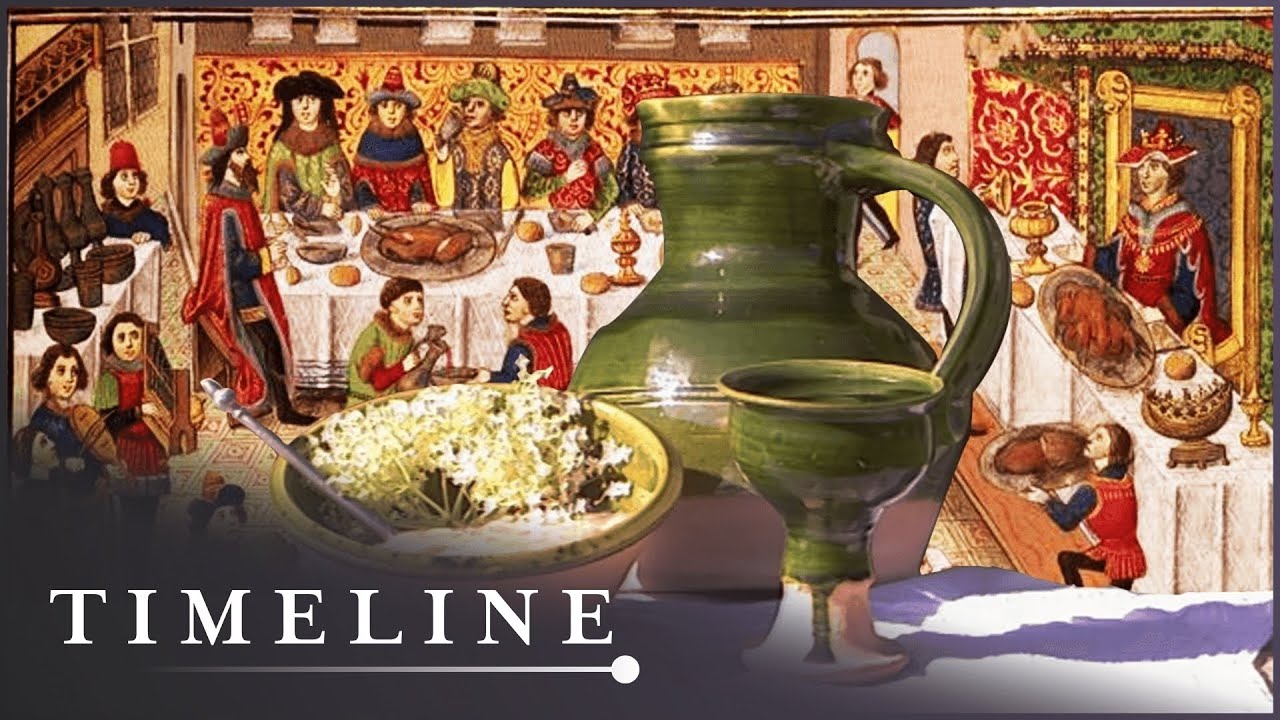
The medieval period is renowned for its grand feasts and elaborate banquets, which were a central aspect of social and cultural life. These feasts were not merely about sustenance but were highly symbolic events, showcasing power, wealth, and hospitality. In this article, we delve into the fascinating world of medieval feasting, exploring the ingredients, techniques, and customs that made these culinary extravaganzas so unique.

The Feast as a Social Spectacle

Medieval feasting was a social spectacle, bringing together nobles, knights, clergy, and other esteemed guests. These gatherings served multiple purposes beyond mere dining. Feasts were an opportunity to demonstrate wealth and status, reinforcing hierarchies within society. They were also occasions for forging alliances, celebrating victories, and fostering diplomatic relations.

Furthermore, medieval feasts provided a platform for the display of chivalry and courtly behavior. Knights and nobles showcased their prowess in combat through jousting tournaments and martial displays, emphasizing their skills and bravery. These feats of strength and skill added an element of excitement and competition to the feasting experience, captivating the guests and solidifying the image of the noble class as defenders of honor and virtue.

Additionally, feasts allowed for the exchange of knowledge, ideas, and cultural practices, as guests from different regions and backgrounds came together, creating opportunities for intellectual discourse and cultural enrichment. The convivial atmosphere fostered by these gatherings encouraged camaraderie and camaraderie, fostering a sense of community among the participants. In this way, medieval feasting went beyond the act of dining, serving as a multifaceted social event that shaped the fabric of medieval society.

Culinary Traditions and the Banquet Table

Medieval feasts were characterized by an abundance of rich and indulgent dishes. The ingredients used were often dictated by social class and availability. The nobility enjoyed a wide array of meats, including venison, boar, swan, and peacock, while the lower classes relied more on grains, vegetables, and fish. Spices, which were considered a luxury, played a crucial role in enhancing the flavors of dishes.

Cooking techniques during the medieval period were diverse. Roasting, boiling, and baking were the primary methods employed. Spit-roasting over an open fire was a common practice, especially for large cuts of meat. The use of herbs and spices was prevalent to mask the flavors of aging or lesser-quality ingredients.

The presentation of food was an art form during medieval feasts. Elaborate table settings were designed to impress and delight guests. Tables were adorned with vibrant tapestries, intricate centerpieces, and silverware. The use of decorative sugar sculptures, known as subtleties, added an element of whimsy and fantasy to the feasting experience.

Moreover, courses were served in a specific order, beginning with light and delicate dishes, such as soups and salads, followed by heavier meat-based courses. The feast would culminate with extravagant desserts, often featuring fruits, nuts, and sweet pastries.

Feasting Rituals and Entertainment

Medieval feasts were not solely about food; they were immersive experiences of entertainment and spectacle. Music, dancing, storytelling, and theatrical performances were common forms of entertainment during these events. Minstrels and jesters entertained guests, while troubadours and troubairitz enchanted them with songs and poetry.

The entertainment at medieval feasts was a vital component, captivating guests and creating a truly immersive experience. Musicians played lively melodies on instruments such as harps, lutes, and flutes, filling the air with enchanting tunes. Dancers adorned in vibrant costumes twirled and swayed to the rhythm, adding grace and elegance to the festivities. Meanwhile, skilled storytellers transported the guests to fantastical realms with their captivating tales of adventure and romance.

Theatrical performances, including plays and masques, brought to life mythological stories and historical events, adding an element of drama and spectacle. The presence of minstrels, jesters, troubadours, and troubairitz further enriched the ambiance, as they delighted guests with their humorous antics, lyrical ballads, and poetic recitations. Together, these diverse forms of entertainment created an atmosphere of mirth, enchantment, and celebration, making medieval feasts not only a feast for the senses but a feast for the soul as well.

Feasting Etiquette and Courtly Behavior

Etiquette and courtly behavior were of utmost importance during medieval feasts. Guests were expected to observe proper manners and follow strict protocols. These included using appropriate cutlery, not speaking with a full mouth, and refraining from belching or loud noises. Respect for hosts, as well as deference to higher-ranking guests, were essential aspects of medieval feasting etiquette.

In addition to these general guidelines, medieval feasting etiquette also encompassed intricate rules regarding seating arrangements and precedence. The seating plan was carefully devised to reflect the social hierarchy, with the most esteemed guests seated closest to the host. Guests were expected to wait for the host or highest-ranking guest to start eating before they could begin their own meal, displaying deference and respect.

Furthermore, conversation topics were to be chosen carefully, avoiding controversial or sensitive subjects. Politeness and courtesy were paramount, as guests were expected to engage in gracious and refined conversation, showcasing their wit, intelligence, and social charm. These strict codes of conduct contributed to the refinement and sophistication of medieval feasts, elevating them to the realm of refined social gatherings where refinement and grace were held in high esteem.

Conclusion

Medieval feasting was a lavish affair, combining gastronomy, symbolism, and social dynamics. These grand events showcased the wealth and power of the elite, while also serving as platforms for building relationships and displaying hospitality. The intricate preparation, presentation, and enjoyment of food were central to these feasts, which offered a unique insight into the cultural and culinary practices of the time. Exploring the art of medieval feasting allows us to appreciate the historical significance of these gatherings and the role they played in shaping medieval society.

Categories
W4 World

Luftwaffe Legends: The Top Fighter Aces of Nazi Germany in World War II

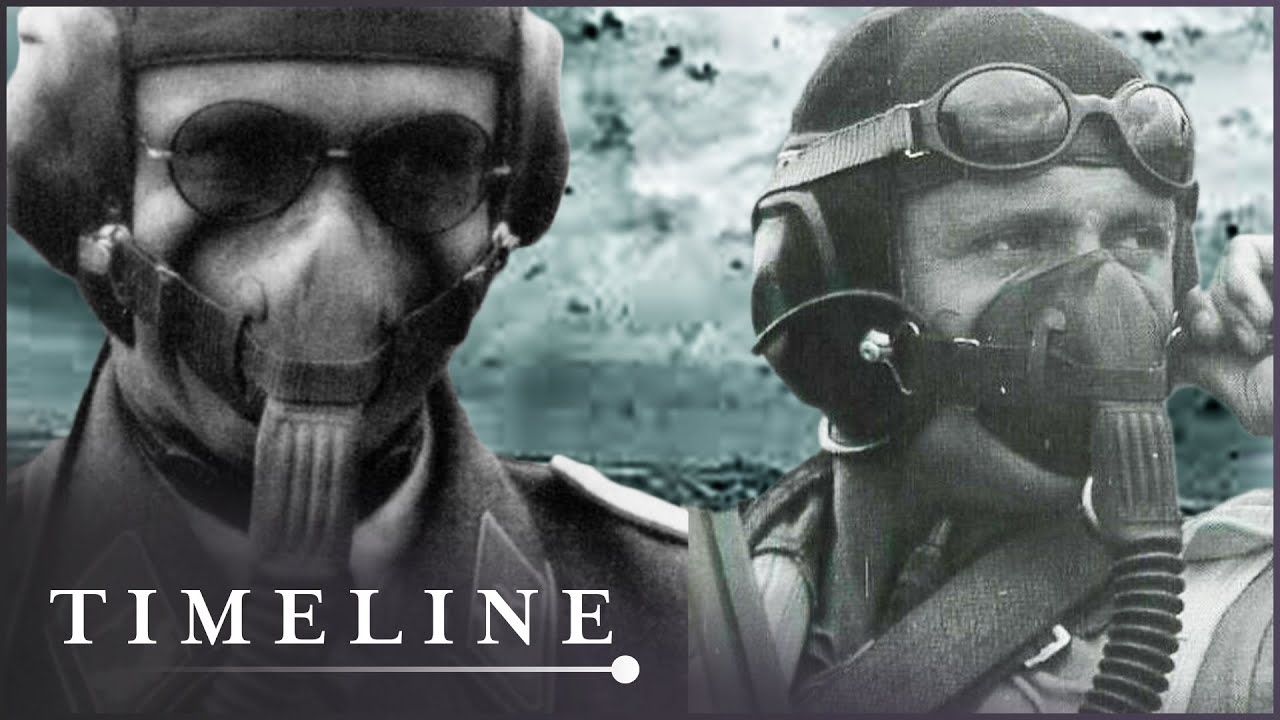
During World War II, the skies above Europe were the battlegrounds for some of the deadliest aerial combat ever witnessed. Among the combatants were the fighter aces of the Luftwaffe, the air arm of Nazi Germany. These pilots were highly skilled and experienced in air-to-air combat and were responsible for some of the most remarkable feats of flying during the war.

In this article, we will take an in-depth look at some of the most successful and notorious fighter aces of the Luftwaffe. Through exclusive interviews with the surviving few, we will examine their exploits and achievements in the air, as well as their lives and legacies.

Adolf Galland was one of the most renowned fighter aces of the Luftwaffe. He was known for his aggressive tactics and his ability to outmaneuver his opponents. Galland flew in more than 500 combat missions and scored 104 confirmed kills during the war. He survived the war and went on to write several books about his experiences in combat.

Gunther Rall was another highly successful fighter ace who flew in more than 800 combat missions and scored 275 confirmed kills. He was known for his tenacity and his ability to adapt to different situations in the air. After the war, Rall became a politician and was a strong advocate for the preservation of the environment.

Walter Krupinski was a skilled fighter pilot who flew in more than 1,100 combat missions and scored 197 confirmed kills. He was known for his expert marksmanship and his ability to take out enemy planes with a single shot. After the war, Krupinski worked as a test pilot and aviation consultant.

Erich Hartmann was the highest scoring fighter ace in the history of aerial warfare, with 352 confirmed kills. He was known for his ability to stalk his opponents and take them by surprise. Hartmann was captured by Soviet forces at the end of the war and spent several years in captivity. After his release, he worked as a civilian pilot in Germany.

Emil Lang was a fighter pilot who flew in more than 500 combat missions and scored 189 confirmed kills. He was known for his exceptional flying skills and his ability to make split-second decisions in the heat of battle. After the war, Lang worked as a test pilot and aviation consultant.

Hans Joachim Marseille was a fighter pilot who flew in more than 500 combat missions and scored 158 confirmed kills. He was known for his flamboyant personality and his ability to improvise in the air. Marseille died in a plane crash in 1942, but his legacy lived on as one of the most successful fighter pilots of the Luftwaffe.

While these fighter aces were undoubtedly skilled and accomplished in their craft, it is important to note that their actions and beliefs were aligned with the Nazi regime. Their success in the skies was a testament to the technological and tactical advancements of the German military, but it also came at a great cost to the Allied forces and to innocent civilians on the ground.

The absence of the top German fighter aces during WWII would have had a significant impact on the outcome of the war. These pilots were not only skilled and experienced but were also some of the most aggressive and daring in the Luftwaffe. Their absence would have severely weakened the German air force and allowed Allied forces to gain a significant advantage in the skies.

Without the likes of Adolf Galland, Gunther Rall, Walter Krupinski, Erich Hartmann, Emil Lang, and Hans Joachim Marseille, the German air force would have lacked the leadership and tactical expertise needed to effectively counter Allied air power. These ace fighters were responsible for some of the most successful operations and missions of the war, including the defense of the German homeland and the aerial assaults against Allied forces.

Their absence would have also affected morale within the Luftwaffe, as these pilots were not only skilled but were also respected and admired by their fellow pilots. Losing these elite fighters would have had a demoralizing effect on the Luftwaffe, further weakening the German war effort.

Additionally, the absence of these aces would have affected the propaganda efforts of the Nazi regime, as the exploits and achievements of these pilots were often used to boost morale and rally support for the war effort. Without them, the Nazi propaganda machine would have had to find other ways to convince the German people of their superiority and strength.

Overall, the absence of these elite fighter aces would have had a profound impact on the course of WWII. It is likely that the war would have ended sooner, with the Allies gaining a more decisive victory over Germany.

In conclusion, the fighter aces of the Luftwaffe were some of the most skilled and accomplished pilots of World War II. Their exploits and achievements in the air were remarkable, but it is important to remember the devastation and destruction caused by the Nazi regime and their military. Through examining the lives and legacies of these pilots, we can gain a deeper understanding of the complexities and consequences of war.

Categories
W4 World

The Survivors of Treblinka: Stories of Courage, Resilience and Hope

Treblinka was one of the most notorious Nazi concentration camps during World War II, located in Poland. It was established in July 1942 as part of the Aktion Reinhard operation, which aimed to exterminate Jews in German-occupied Poland. Over 800,000 people, mostly Jews, were murdered in Treblinka during its operation, and only a handful of survivors managed to escape.

Among these survivors were a group of prisoners who managed to stage a daring revolt in August 1943, leading to the partial destruction of the camp and the killing of several SS guards. However, most of the prisoners were recaptured and executed, and the camp was ultimately destroyed. Yet, a few individuals managed to escape and survive the war, and their harrowing stories are a testament to the unimaginable horrors that occurred in Treblinka.

One of these survivors was Samuel Willenberg, who was just 19 years old when he was transported to Treblinka from his hometown in Poland. Willenberg was one of the few prisoners who was not immediately sent to the gas chambers upon arrival, as he was chosen to work in the camp’s sorting yard, where he was tasked with separating the belongings of those who had been murdered.

Samuel Willenberg’s survival of the Treblinka death camp is a story of unimaginable courage and resilience. He was one of only 67 people known to have survived the camp, where nearly 900,000 Jews were murdered in just 13 months during World War II.

Willenberg witnessed the atrocities of Treblinka firsthand, including the daily routine of mass murder, the smell of burning bodies, and the endless screams of those being executed. However, he never lost hope, and he knew that he had to find a way to escape.

In August 1943, Willenberg and a group of other prisoners managed to overpower the guards and set fire to the camp. Willenberg crawled through a fence and ran for his life, eventually making it to a nearby forest, where he joined a group of partisans fighting against the Nazis.

Willenberg’s story of survival is one of incredible courage and determination, and he spent the rest of his life working to ensure that the world never forgets the atrocities that occurred in Treblinka.

Another survivor of Treblinka was Kalman Taigman, who was also a teenager when he was transported to the camp. Taigman was forced to work in the camp’s workshop, where he repaired machinery used in the gas chambers. He witnessed the horrors of Treblinka on a daily basis, but he never lost his will to survive.

In August 1943, Taigman and a group of other prisoners managed to escape during the revolt, and they fled into the nearby forest. Taigman eventually made it to Warsaw, where he joined the Polish resistance and fought against the Nazis until the end of the war. Taigman’s story is a testament to the resilience of the human spirit and the power of hope, even in the darkest of times.

Yet another survivor of Treblinka was Rudi Vrba, who was just 19 years old when he was transported to the camp. Vrba was a member of the Sonderkommando, a group of prisoners who were forced to work in the gas chambers and crematoriums. He witnessed the horrors of Treblinka firsthand, and he knew that he had to escape.

In June 1944, Vrba and another prisoner, Alfréd Wetzler, managed to escape from Treblinka and make their way to Slovakia. There, they wrote a detailed report on the operations of the camp, which became known as the Vrba-Wetzler report. This report was instrumental in informing the world about the horrors of Treblinka and the Nazi’s plan to exterminate Jews in Europe. Vrba’s bravery and determination to expose the atrocities of Treblinka were instrumental in bringing the horrors of the Holocaust to the attention of the world.

The survivors of Treblinka have given us a glimpse into the unimaginable horrors that occurred during the Holocaust. Their stories are a testament to the resilience of the human spirit and the power of hope, even in the darkest of times.

It is important to remember the atrocities that occurred in Treblinka and other concentration camps, as they serve as a reminder of the dangers of hatred and intolerance. The survivors’ stories remind us of the importance of standing up for what is right and fighting against injustice, no matter how difficult or hopeless the situation may seem.

Today, we honor the memories of those who were killed in Treblinka and other concentration camps, and we pay tribute to the survivors who managed to escape and tell their stories. We must continue to share their stories with future generations so that the world never forgets the horrors of the Holocaust and the importance of never letting such atrocities happen again.

As we reflect on the stories of the survivors of Treblinka, we are reminded that hope and determination can overcome even the most unimaginable horrors. Their stories inspire us to stand up against injustice, to fight for what is right, and to never give up hope in the face of adversity.

We owe it to the survivors of Treblinka and other concentration camps to never forget their stories and to continue to educate ourselves and future generations about the dangers of hatred and intolerance. Only by remembering the past can we build a better future for all.

Categories
W4 World

The Buried Defences of Blitz-Era London: Uncovering the Hidden Archaeology of WWII

During World War II, London was under constant threat of Nazi invasion, and the city’s defenders worked tirelessly to prepare for an attack. One of the key components of this defence was a network of underground bunkers and tunnels that were designed to protect Londoners from bombs and allow troops to move around the city undetected. Today, many of these defences remain buried beneath the streets of London, providing a fascinating glimpse into the city’s wartime past.

In the summer of 1940, Britain faced the very real prospect of invasion by Nazi forces. The country’s leaders knew that London would be a prime target for bombing, and so they set about fortifying the city’s defences. The plan was to create a network of defensive positions that would allow troops to fight off an enemy invasion.

One of the key features of this plan was a network of underground bunkers and tunnels that were dug beneath the streets of London. These bunkers were designed to protect troops and civilians from bombs, as well as to provide a secure location from which to coordinate the defence of the city.

Some of the most impressive defences were constructed in the area known as the East End. This area was considered to be the most vulnerable to attack, as it was closest to the enemy-held coast. To protect this area, a network of tunnels and bunkers was constructed, including the impressive Bethnal Green bunker.

The Bethnal Green bunker was built in 1940 and was designed to house up to 8,000 people. The bunker was constructed of reinforced concrete and was buried deep beneath the streets of the East End. It featured a network of tunnels that connected the various sections of the bunker, as well as air filtration systems and medical facilities.

Another important defensive feature was the anti-tank obstacles that were constructed throughout the city. These obstacles were designed to prevent enemy tanks from moving freely through the streets of London. They were typically constructed of concrete blocks and were placed at strategic points throughout the city.

Today, many of these defences remain buried beneath the streets of London. While some have been repurposed, many others have been left abandoned and forgotten. However, in recent years, there has been a growing interest in the city’s wartime past, and efforts have been made to uncover and preserve these hidden structures.

One example of this is the recently opened London Fire Brigade Museum. This museum is located in a former fire station that was used during the war, and it features a fascinating collection of artefacts and exhibits related to the city’s firefighting efforts during the war.

Another example is the Thames Discovery Programme, which is a community-based project that seeks to uncover the hidden archaeology of the Thames River. This project has uncovered a wealth of information about the city’s wartime defences, including a network of anti-aircraft gun emplacements that were constructed along the river.

Another example of buried Blitzkrieg defences in London is the Churchill War Rooms, a museum located in the underground bunkers where Churchill and his government directed the war effort. The rooms were originally built as a secure command centre in case of air raids, and they were used extensively during the war. Today, visitors can tour the bunker and learn about the history of the war effort and the challenges faced by the government during the conflict.

In addition, the city of London has many public parks and green spaces that were transformed during the war to serve as air raid shelters. One notable example is the Clapham South Deep-Level Shelter, which was used to house up to 8,000 people during air raids. Today, the shelter is open to the public and visitors can explore the network of tunnels that were once used to protect Londoners during the war.

The Tower of London is another site that played a critical role in the city’s defences during the war. The tower was used as a storehouse for important documents and artifacts, and it was also home to a number of prisoners of war. Today, visitors can tour the tower and learn about its history during the war, including the stories of the prisoners who were held there.

Finally, the Imperial War Museum in London is home to a vast collection of artefacts and exhibits related to the Second World War. The museum includes a number of interactive displays and immersive exhibits that allow visitors to experience what life was like during the war, including the air raids and bombings that affected the city. The museum also houses a collection of military vehicles and weapons, as well as a number of personal items and mementos from the war.

These sites and museums offer a unique insight into the hidden history of London during the Second World War. By uncovering the buried Blitzkrieg defences and artefacts, they allow visitors to experience first-hand the challenges faced by the city during the conflict, and to appreciate the bravery and resilience of the people who lived and worked in London during this time.

In conclusion, the buried Blitzkrieg defences of World War II London provide a fascinating glimpse into the city’s wartime past. These defences were a crucial part of the city’s defence against Nazi invasion, and they remain an important part of the city’s heritage today. While many of these defences remain buried and forgotten, efforts are being made to uncover and preserve them for future generations. Through these efforts, we can learn more about the bravery and ingenuity of the people who defended the city during its darkest hour.

Categories
W4 World

A Village Divided: Uncovering the Mysteries of Bitterley’s Church and Manor House

Nestled in the rolling hills of Shropshire, the picturesque village of Bitterley appears to be the epitome of rural charm. But beneath its quaint exterior lies a mystery that has puzzled historians for years: why are the village church and manor house located so far apart?

The village’s school and cottages are clustered around a beautiful green, creating a picturesque scene that is beloved by residents and visitors alike. But the church and manor house sit more than half a mile away, across an uneven and empty field. This unusual arrangement has sparked speculation about the village’s past and the reasons behind the curious placement of these important buildings.

To uncover the truth, a team of archaeologists embarked on an excavation of the field that separates the church and manor house. Using state-of-the-art technology, they began to dig into the earth, searching for clues that could shed light on Bitterley’s history.

Their efforts were quickly rewarded. As they uncovered the foundations of the manor house, they discovered evidence of an even older structure beneath it. This led to further excavations, which revealed the remains of a large Roman villa dating back to the 3rd century AD.

The discovery of the Roman villa was a significant one, and it raised more questions than it answered. How had a Roman villa ended up in the heart of rural Shropshire, so far from any major settlements or roads? And what had happened to it in the centuries since it was abandoned?

Further excavations and research have provided some answers. It seems that the villa was part of a larger Roman settlement that thrived in the area, likely due to its proximity to a nearby river. Over time, however, the settlement declined, and the villa was eventually abandoned and left to decay.

Centuries later, when the Normans arrived in England, they claimed the land and built the manor house on top of the ruins of the villa. The manor house became the focal point of the local community, and the church was built nearby to provide a place of worship for the manor’s residents.

As the excavation continued, the team also discovered evidence of medieval farming practices in the field between the church and manor house. This suggests that the land continued to be used for agricultural purposes throughout the centuries, even as the village and its buildings grew and changed.

The discovery of the Roman villa and the medieval farming practices shed new light on Bitterley’s history and challenge the assumptions that were previously held about the village. It seems that this idyllic corner of Shropshire has a rich and complex past that is only beginning to be uncovered.

As the excavation comes to a close, archaeologists are continuing to study the artifacts and evidence that they have uncovered. Their findings are sure to provide more insights into the history of Bitterley and its place in the wider story of England’s past.

There were no specific old assumptions or studies related to the issue at the village of Bitterley. However, the discovery of the buried foundations of a manor house and a chapel in the empty field near the village challenged the existing understanding of the village’s history. It was previously believed that the village had always been centered around the school and cottages, but the new discoveries suggest that the village had a different layout in the past.

The new studies have revealed that the manor house and chapel were likely built in the 12th or 13th century, which predates the current village layout by several hundred years. This suggests that the village underwent a significant transformation at some point in its history, and that the manor house and chapel were once central to the village’s layout and function.

Further research may help to shed light on the reasons for this transformation, as well as the relationship between the manor house and chapel and the village’s residents. It is possible that the manor house was once the home of a wealthy landowner who exerted a significant influence over the village, while the chapel may have served as a religious center for the community.

Overall, the discovery of the buried manor house and chapel has opened up new avenues for research and investigation, and may lead to a greater understanding of the history of the village of Bitterley.

In conclusion, the archaeological study of Bitterley has shed light on the history of this quaint English village, revealing a complex and interconnected network of buildings and structures. The discovery of the medieval church, the manor house, and the lost village of Bleddfa have added new layers to our understanding of the community’s past.

As the research continues, there is no doubt that further insights and discoveries will be made, uncovering even more mysteries and secrets of this fascinating corner of rural England. Through the efforts of archaeologists and historians, we can piece together the puzzle of our collective history and gain a greater appreciation for the lives and stories of those who came before us.

Categories
W4 World

Copper Mining in Swansea: Discovering the Riches of the Past

Two hundred years ago, Swansea was one of the wealthiest cities in the country, if not the world. The source of those riches was neither the coal nor the steel recently associated with the area, but copper. The Welsh town was at the forefront of the global copper industry in the 19th century, exporting the metal around the world. Today, remnants of that industry still litter the city, and archaeologists are unearthing new evidence of this once-thriving trade.

The city of Swansea was once a hub of copper mining and smelting, providing a significant portion of the world’s copper in the 19th century. However, the industry declined in the 20th century, and the area became known for its coal and steel production instead. Old assumptions and studies about the area focused on these industries, overlooking the significance of copper mining and smelting.

New studies have brought attention back to the importance of copper to Swansea’s history and economy. Excavations of copper mining sites and analysis of artifacts have provided valuable insights into the technology and labor involved in the copper industry. These discoveries are challenging previous assumptions and highlighting the need to revisit the history of Swansea’s copper industry.

The earliest evidence of copper mining in Swansea dates back to the Bronze Age, with evidence of smelting dating back to the 17th century. However, it wasn’t until the late 18th century that the copper industry began to boom, thanks in large part to the Industrial Revolution. New technologies allowed for greater efficiency in mining and smelting, and Swansea was ideally situated to take advantage of these developments.

Copper was used in a variety of applications, from household items like kettles and pans to shipbuilding and electrical wiring. The demand for the metal was high, and Swansea was ideally situated to supply it. The city’s natural harbor made it easy to export copper to other parts of the world, and the proximity of coal mines and other raw materials made it a prime location for smelting.

Today, archaeologists are unearthing new evidence of Swansea’s copper industry. Excavations at the Hafod-Morfa Copperworks, which operated from 1810 to 1980, have uncovered a wealth of artifacts and structures, including furnaces, slag heaps, and workshops. The site has been turned into a museum, allowing visitors to explore the history of the copper industry in Swansea.

In addition to the Hafod-Morfa site, archaeologists have also uncovered evidence of copper mining and smelting at other locations around Swansea. Excavations at White Rock Copper Works, which operated from the mid-19th century to the early 20th century, have revealed remains of furnaces and other structures. At Llangyfelach Copperworks, which operated from the 18th century to the early 20th century, archaeologists have uncovered evidence of mining, smelting, and even a worker’s village.

There were no specific old assumptions about the history of copper mining in Swansea, but early studies focused on the technical aspects of copper production rather than its social and economic impact on the city. These studies described the process of copper smelting and the machinery used, but neglected to examine the human aspect of the industry.

New studies, however, have shed light on the lives of the people who worked in the copper mines and how their labor contributed to the wealth of Swansea. Archaeological excavations have revealed the living conditions of miners and their families, providing insights into their diet, health, and daily lives. Additionally, research has shown that the profits made from copper mining were not evenly distributed, with the majority of the wealth going to a small number of mine owners.

Overall, new studies have provided a more nuanced and comprehensive understanding of the history of copper mining in Swansea, going beyond the technical aspects of the industry to examine its social and economic impact on the city and its people.

The ongoing excavations and research into Swansea’s copper industry are shedding new light on this once-thriving trade. They are also helping to preserve the history and heritage of a city that was once at the forefront of a global industry. As new technologies and techniques are developed, it is likely that even more discoveries will be made, revealing even more about the wealth of Swansea’s copper industry.

Further excavation and research in the area may shed more light on the history of copper mining in Swansea and its impact on the local economy and society. It could also provide insights into the technological advancements and mining techniques used during that era.

The discovery of the copperworks site highlights the importance of revisiting old assumptions and investigating historical sites with modern techniques to uncover new information and challenge previous beliefs about our past.

In conclusion, the story of Swansea’s copper industry is one of innovation, greed, and environmental degradation. As the city continues to evolve, it is important to acknowledge and learn from its complex past in order to create a sustainable future.

Categories
W4 World

Forgotten Technology: Unearthing the Secrets of Medieval Blast Furnaces through Archaeology

In the heart of rural England, a team of archaeologists have been unearthing the secrets of a medieval blast furnace, shedding light on the technology and industry that powered the country’s industrial revolution. The story begins with a test pit dug on a farm in the village of Buxton, Derbyshire, which uncovered traces of iron slag, the byproduct of iron production. This led to the excavation of the site of an Elizabethan blast furnace, revealing a wealth of information about the people who lived and worked there over 400 years ago.

The Buxton furnace was built in 1580 and operated until around 1610, producing pig iron from local iron ore using charcoal as fuel. The furnace was part of a larger industrial complex that included a nearby foundry and ironworking shops, which produced a range of iron goods including tools, weapons, and household items. The furnace was also connected to a network of canals and rivers that transported raw materials and finished products across the country.

The excavation of the furnace site has provided a rare glimpse into the daily lives of the people who worked there. Archaeologists have uncovered the remains of workers’ cottages, a chapel, a bakehouse, and a brewery, suggesting that the site was not just a place of work, but also a small community. The excavation has also revealed the tools and techniques used in iron production, including the tuyere, a pipe that blew air into the furnace to increase the temperature and speed up the smelting process.

While the Buxton furnace is a fascinating glimpse into the past, it is just one piece of a larger puzzle. Archaeologists have also explored medieval furnaces at nearby East Wall, where they have attempted to recreate the iron smelting process using the same materials and techniques as their medieval counterparts. By doing so, they have gained a greater understanding of the challenges faced by medieval ironworkers, and the skill and knowledge required to produce high-quality iron.

One of the key challenges faced by medieval ironworkers was the limited availability of raw materials. Unlike modern iron production, which uses imported iron ore and coke as fuel, medieval iron production relied on locally sourced iron ore and charcoal. This meant that iron production was closely tied to the availability of wood and other natural resources, which could vary from year to year. Ironworkers had to be adaptable and resourceful, constantly seeking out new sources of raw materials and experimenting with new techniques to improve their efficiency.

The excavation of the Buxton furnace and the exploration of medieval ironworking techniques have yielded valuable insights into the history of iron production in England, and the role of iron in the country’s economic and social development. By examining the tools, techniques, and artifacts left behind by the people who lived and worked at these sites, archaeologists have gained a new appreciation for the ingenuity and creativity of the people who built England’s industrial economy.

The excavation and study of the Elizabethan blast furnace at Buxton in the UK have shed new light on the medieval iron industry, and have altered our understanding of the history of this period. The new findings challenge the previous view that iron was only produced on a small scale in this era, and suggest that it was a much larger and more complex industry than previously thought. The discovery of the Elizabethan blast furnace has also provided evidence of the skills and knowledge of the people involved in the industry, and how it developed over time.

In addition to changing our understanding of the past, new discoveries often raise new questions and spark new research. For example, the excavation of the Buxton blast furnace has led to further exploration of other medieval furnaces in the area, as well as attempts to replicate the iron smelting process using traditional techniques. Researchers are also continuing to analyze the artifacts and remains found at the Buxton site, in hopes of uncovering more information about the people who worked in the industry and their daily lives.

Furthermore, new discoveries often have implications for other fields, such as technology and engineering. The knowledge gained from studying ancient iron production techniques could have applications in modern metallurgy and materials science. Overall, the impact of new discoveries in archaeology goes beyond simply changing our understanding of the past, and can have far-reaching implications for our present and future.

In conclusion, the excavation of the Buxton furnace and the exploration of medieval ironworking techniques have provided a fascinating glimpse into the past, shedding light on the technology and industry that powered England’s industrial revolution. As we continue to uncover new sites and artifacts, we will gain a deeper understanding of the people who lived and worked in England’s early industrial economy, and the challenges and opportunities they faced.

Categories
W5 World

The Fascinating Tale of John Titor: A Real Time Traveler or a Clever Hoax?

In 2000, a man claiming to be a time traveler from the year 2036 made headlines after his story gained traction on the internet. He went by the name John Titor, and his story was filled with details about the future that seemed to be uncannily accurate.

According to Titor, he was sent back in time to retrieve an IBM 5100 computer in the year 1975. This computer was apparently needed to “debug” some legacy computer code in the future. He began posting on internet forums in 2000, and over the course of several months, he shared detailed information about his life in the future and how he ended up in the past.

Many people were skeptical of Titor’s claims, but others found his story intriguing. He shared technical information about time travel and even provided pictures of his time machine, which he described as a stationary mass, temporal displacement unit powered by two top-spin, dual-positive singularities.

Titor also made a number of predictions about the future that were supposed to come true by the year 2036. These included a devastating civil war in the United States that would last from 2005 to 2015, the use of handheld devices for communication that would resemble modern smartphones, and the rise of a new form of government that would be more decentralized and local.

As the months went on, Titor’s story became more elaborate, and he provided a wealth of detail about his life in the future. He talked about his family, his job, and his experiences as a time traveler. He even shared drawings of futuristic technology, such as a portable power unit that could be used to power vehicles and homes.

Despite the compelling nature of his story, many people remained skeptical of Titor’s claims. Some pointed out that his predictions were vague enough to be interpreted in a variety of ways, while others pointed out that his descriptions of time travel didn’t seem to make sense from a scientific standpoint.

In the years that followed, a number of researchers attempted to investigate Titor’s claims and determine whether he was really a time traveler or simply a skilled storyteller. Some examined his predictions and found that some of them had already come true, while others remained unfulfilled.

In 2009, a group of researchers published a book called “The John Titor Phenomenon” in which they attempted to analyze Titor’s claims and determine their validity. They examined his predictions in detail and found that some of them were indeed uncannily accurate, while others were off the mark.

Despite the ongoing debate about the veracity of Titor’s story, his legacy has endured. He has been the subject of numerous books, articles, and documentaries, and his story continues to capture the imaginations of people all over the world.

Whether or not John Titor was really a time traveler from the year 2036, his story remains one of the most intriguing and mysterious in the annals of time travel lore.

While there is no conclusive evidence to support John Titor’s claims of being a time traveler from the year 2036, there have been several attempts to investigate his story and determine its authenticity.

One investigation was conducted by the website Above Top Secret, which attempted to track down John Titor’s IP address and locate the computer he used to post on various online forums. However, the investigation yielded no concrete evidence and ultimately proved inconclusive.

In 2009, a documentary titled “Time Traveler Zero” was released, which explored John Titor’s story in-depth and featured interviews with individuals who claimed to have interacted with him online. The documentary presented several theories about John Titor’s true identity, including the possibility that he was a hoaxer or a performance artist.

Another investigation was conducted by researcher Oliver Williams, who compiled a comprehensive timeline of John Titor’s online posts and attempted to verify his predictions about future events. Williams concluded that while some of Titor’s predictions had come true, many others had not, and there was no concrete evidence to support his claims of being a time traveler.

Despite these investigations and attempts to debunk his story, John Titor’s claims continue to capture the imaginations of many people interested in time travel and the possibility of alternate timelines. His story has been the subject of numerous books, films, and documentaries, and his legacy continues to inspire debate and speculation to this day.

Although there is a lack of tangible proof, the tale of John Titor has still managed to enchant the minds of numerous individuals globally. Some have suggested that Titor’s predictions of a civil war and a devastating nuclear attack on the United States were eerily prescient, given the current state of global politics and the threat of nuclear conflict.

Others have argued that Titor’s story may have been an elaborate hoax or a work of science fiction, created by someone with a talent for storytelling and a deep understanding of physics and engineering.

In recent years, several researchers and investigators have attempted to track down the true identity of John Titor, with mixed results. Some have suggested that Titor may have been a pseudonym used by a skilled hacker or internet troll, while others have argued that Titor was a real person who travelled back in time from the future.

Despite the many unanswered questions surrounding the story of John Titor, one thing is certain: his tale continues to capture the imagination of people around the world, inspiring countless books, movies, and works of art that explore the mysteries of time travel and the possibilities of the future. Whether or not John Titor was a real time traveller, his story has become a legend, a symbol of hope and possibility for those who dream of a better tomorrow.

In conclusion, the story of John Titor, the alleged time traveler from the year 2036, is a fascinating one that continues to spark debates and discussions among conspiracy theorists and enthusiasts alike. While there is no concrete evidence to support the claims made by Titor, the story has gained a significant following over the years and has inspired numerous works of fiction and art.

Whether or not John Titor was a real time traveler or simply an elaborate hoax, his story serves as a reminder of our enduring fascination with the concept of time travel and the mysteries of the universe.

Categories
W5 World

Recreating Ancient Egyptian Recipes: Uncovering the Secrets of Egyptian Cuisine

Introduction

Egyptian cuisine has a rich history that dates back to ancient times. The cuisine of Egypt has been influenced by various civilizations and cultures over the centuries, including Greek, Roman, and Arab. The ancient Egyptians were known for their love of food and their culinary skills. They used a variety of ingredients, including meats, fish, grains, vegetables, fruits, and spices, to create flavorful dishes that are still enjoyed today. In this article, we will explore the secrets of Egyptian cuisine and how to recreate ancient recipes with modern techniques.

Ancient Egyptian Recipes: An Overview

This article explores the fascinating world of Egyptian cuisine and the ancient recipes that have been passed down through generations. We will delve into the history and culture of Egyptian food, as well as the ingredients and techniques used by ancient Egyptian chefs. With a focus on recreating these traditional dishes with modern techniques, we will discover the secrets of Egyptian cuisine and learn how to bring a taste of ancient Egypt to our own kitchens.

Whether you’re a history buff or simply enjoy trying new foods, exploring the cuisine of ancient Egypt can be a fascinating and delicious journey. With a little bit of research and experimentation, you can recreate the flavors of this ancient civilization in your own kitchen and gain a new appreciation for the culinary traditions of the past. So, don’t hesitate to try out some of these ancient Egyptian recipes and discover the secrets of this ancient cuisine for yourself.

History of Egyptian Cuisine

Egyptian cuisine has evolved over thousands of years, and its history can be traced back to ancient times. The ancient Egyptians were skilled farmers and hunters, and they used their bountiful resources to create a wide variety of dishes. They used a range of cooking techniques, including grilling, baking, and frying, and they were known for their use of herbs and spices.

The ancient Egyptians also had a strong connection to religion and food. They believed that food was a gift from the gods and that it was important to honor them with offerings of food. This led to the development of elaborate feasts and banquets, which were often accompanied by music and dancing.

Understanding Ancient Egyptian Food Culture

Egyptian cuisine has a rich history dating back to ancient times. The food of the pharaohs was not only delicious but also reflected the culture and traditions of the Egyptian people. If you are interested in cooking like an ancient Egypt chef, here are some tips and recipes to get you started.

The ancient Egyptians were known for their love of food and hospitality. They believed that sharing a meal was a way to connect with the gods and with each other. The ingredients used in their dishes were influenced by the Nile River, which provided a bounty of fish and vegetables, as well as by the availability of spices and herbs.

Recreating Ancient Egyptian Recipes

While many ancient Egyptian recipes have been lost over time, some have been preserved on temple walls and papyri. These recipes provide a glimpse into the culinary traditions of the ancient Egyptians and can be recreated with modern techniques. One of the most famous ancient Egyptian dishes is koshari, a hearty vegetarian dish made with rice, lentils, chickpeas, and pasta. Another popular dish is ful medames, a savory bean stew that is typically eaten for breakfast. Both of these dishes are still enjoyed in Egypt today.

To recreate these ancient recipes with modern techniques, chefs often use ingredients that are similar to those used in ancient times, such as spelt flour, barley, and fava beans. They also use modern cooking techniques, such as sous vide and pressure cooking, to create dishes that are both flavorful and nutritious.

Discovering Egyptian Spices

Spices are an integral part of Egyptian cuisine and were highly prized by the ancient Egyptians. They used a variety of spices, including cumin, coriander, and cinnamon, to add flavor and depth to their dishes. Egyptian cuisine is also known for its use of herbs such as mint, parsley, and dill, as well as ingredients like garlic and onions, which were believed to have medicinal properties.

Today, Egyptian spices are still used in many traditional dishes, such as ful medames and koshari. They can also be used in modern dishes to add a touch of Egyptian flavor. Some of the most popular Egyptian spices include baharat, a blend of spices that includes cinnamon, allspice, and nutmeg, and dukkah, a blend of nuts, seeds, and spices that is often used as a dip for bread.

How to Cook Like an Egyptian Chef

To cook like an ancient Egypt chef, one must understand the ingredients and techniques used in their cuisine. The ancient Egyptians used a variety of herbs, spices, and vegetables in their dishes, including cumin, coriander, garlic, onions, and leeks. Meat, particularly beef and lamb, was also commonly used. Bread made from wheat and barley was a staple of the Egyptian diet, and beer was the most popular drink. Cooking techniques included grilling, baking, and stewing.

By studying and experimenting with these ingredients and techniques, modern chefs can recreate the flavors and dishes of ancient Egypt. Moreover, to cook like an Ancient Egyptian chef, it is also important to understand the ingredients and flavors that were commonly used in their cuisine, such as herbs, spices, and honey.

Conclusion

Egyptian cuisine is a testament to the rich history and culture of this ancient civilization. By exploring the secrets of Egyptian cuisine and recreating ancient recipes with modern techniques, we can gain a deeper understanding and appreciation for this fascinating culinary tradition. Whether you’re enjoying a hearty bowl of koshari or a spicy dip of dukkah, the flavors of Egyptian cuisine are sure to delight your taste buds and transport you to a bygone era.

Categories
W5 World

Exploring the Flavors of Ancient Greece: Traditional Recipes and Modern Twists

Introduction

Greek cuisine is renowned for its delicious flavors and fresh ingredients, with a culinary history that dates back thousands of years. Ancient Greeks had a deep appreciation for food and the role it played in their daily lives, and this is reflected in the wide variety of dishes that are still enjoyed today. By combining traditional recipes with modern cooking techniques, we can recreate these ancient flavors and bring the tastes of Greece to our own tables. Whether you’re a history buff or simply a food lover, exploring the rich and flavorful world of Greek cuisine is a journey worth taking.

Ancient Greek Recipes: An Overview

Greek cuisine is renowned for its fresh and seasonal ingredients, as well as its use of herbs and spices to add depth and complexity to flavors. With a rich history dating back to ancient times, Greek cuisine has evolved over the centuries, but still maintains its traditional roots. By recreating ancient recipes with modern techniques, we can experience the authentic tastes of ancient Greece while also adapting to more convenient and accessible cooking methods. Additionally, modern chefs are finding ways to put their own spin on classic Greek dishes, creating exciting variations that incorporate contemporary ingredients and techniques.

Greek cuisine is not only delicious but also holds cultural significance, with many traditional dishes having symbolic meanings and associations with certain holidays or events. For example, tsoureki, a sweet braided bread, is traditionally eaten during Easter and symbolizes the resurrection of Christ, while kourabiedes, buttery almond cookies, are often served during Christmas and symbolize the purity of the season. Exploring the rich history and symbolism of Greek cuisine can deepen our understanding and appreciation of this vibrant culinary tradition.

Exploring the Ingredients of Greek Cuisine

Greek cuisine relies heavily on fresh, seasonal ingredients, including vegetables, fruits, grains, and herbs. Olive oil, one of the most important ingredients in Greek cooking, is used in almost every dish and is considered a symbol of health and prosperity. Other staples of Greek cuisine include feta cheese, lamb, fish, and seafood. In addition, Greek cuisine makes use of a variety of herbs and spices, such as oregano, thyme, and garlic, which add depth and complexity to the flavors of the dishes.

In ancient Greece, food was not only a means of sustenance but also an integral part of their culture and social life. The Greeks were known for their lavish banquets and feasts, which were often held to celebrate religious festivals, weddings, and other important occasions. These feasts featured a wide variety of dishes and were accompanied by wine, music, and dancing. While the ancient Greeks may have enjoyed a more extravagant version of their cuisine, modern-day Greek cooking still honors the tradition of using fresh, seasonal ingredients and simple, yet flavorful, preparations.

Recreating Ancient Greek Recipes

One way to experience the authentic tastes of ancient Greece is to recreate traditional recipes using modern techniques. By adapting ancient recipes to modern cooking methods, we can create dishes that are just as flavorful and nutritious as their ancient counterparts, but with a more convenient and accessible preparation process. For example, traditional moussaka, a layered dish of eggplant, ground meat, and béchamel sauce, can be baked in the oven instead of cooked over an open fire, and seasoned with spices to suit modern tastes.

In addition to adapting ancient recipes, modern Greek cuisine has also evolved to incorporate new ingredients and techniques. Greek chefs have embraced the farm-to-table movement, using locally sourced, organic ingredients to create innovative and flavorful dishes. They have also incorporated influences from other Mediterranean cuisines, such as Italian and Turkish, to create unique and delicious blends of flavors. By embracing both tradition and innovation, modern Greek cuisine has continued to thrive and captivate food lovers around the world.

Modern Twists on Ancient Flavors

While traditional Greek cuisine is delicious in its own right, modern chefs are also finding ways to put their own spin on ancient dishes. By incorporating contemporary ingredients and techniques, chefs are able to create unique and exciting variations on classic Greek dishes. For example, a modern take on the classic Greek salad might include roasted beets or quinoa, while a twist on traditional spanakopita might incorporate feta and ricotta cheeses.

In addition to adapting ancient recipes, modern chefs are also experimenting with new ingredients and techniques to create their own interpretations of Greek cuisine. This fusion of ancient and modern flavors has given rise to a new wave of Greek cuisine, which showcases the versatility and adaptability of this ancient culinary tradition. With a rich history and a diverse range of ingredients, Greek cuisine is poised to continue to inspire and delight food lovers for generations to come.

How to Cook Like an Ancient Greek Chef

If you want to cook like an ancient Greek chef, the key is to use fresh, locally-sourced ingredients and a variety of herbs and spices. Greek cuisine is known for its simplicity and emphasis on natural flavors. Grilling, roasting, and stewing were common cooking techniques in ancient Greece, and olive oil was a staple ingredient. By using traditional ingredients and cooking techniques, and experimenting with modern twists, you can recreate the flavors and dishes of ancient Greek cuisine in your own kitchen.

Greek cuisine is also known for its use of fresh herbs such as oregano, thyme, and rosemary, which are often used to enhance the flavors of dishes. Olive oil is a staple ingredient in Greek cooking and is used for everything from sautéing vegetables to dressing salads. The Greeks also have a love for seafood, with dishes such as grilled octopus and stuffed calamari being popular choices.

Conclusion

The flavors of ancient Greece continue to inspire modern cooks and food enthusiasts. By exploring the traditional ingredients and recipes of Greek cuisine, as well as incorporating modern cooking techniques and ingredients, we can recreate the tastes of this rich culinary history and make it accessible to a wider audience. From traditional moussaka to modern takes on classic Greek dishes, there is no shortage of ways to experience the delicious flavors of Greece.

Categories
W5 World

The Life and Legacy of the Legendary White Queen: Elizabeth the Wife of Edward IV

Introduction

Elizabeth Woodville, also known as the White Queen, is a fascinating figure in English history. She was the wife of King Edward IV and the mother of two princes who were famously known as the “Princes in the Tower”. Despite being a controversial and often maligned figure, Elizabeth left a lasting impact on English history. In this article, we will explore the life and legacy of this remarkable woman. From her unlikely rise to queen consort to her later years as the mother of a deposed king, Elizabeth’s story is one of intrigue, power, and perseverance.

Elizabeth Woodville: An Overview

This article explores the life and legacy of Elizabeth Woodville, also known as the White Queen. Elizabeth was the wife of King Edward IV and the mother of two princes who were famously known as the “Princes in the Tower”. She was born in England in 1437 and married Sir John Grey, a Lancastrian knight, with whom she had two sons. After Sir John’s death, Elizabeth met King Edward IV and the two fell in love. Despite opposition from his advisors and family, they married in secret.

As Queen Consort, Elizabeth was known for her beauty, intelligence, and political acumen. She played a key role in securing the succession of her children and was a patron of the arts and literature. Elizabeth’s life was marked by love, tragedy, controversy, and triumph, but she left a lasting impact on English history. Her descendants include several monarchs of England and Scotland, and her story has been retold in literature, television, and film. Elizabeth is remembered as a powerful and influential woman who defied convention and left her mark on history.

Early Life and Marriage

Elizabeth was born in 1437 in England, the daughter of a minor nobleman. She married Sir John Grey, a Lancastrian knight, and together they had two sons. After Sir John’s death in battle, Elizabeth was left a widow with two young children.

Despite her status as a widow, Elizabeth’s life was about to change dramatically. She caught the eye of King Edward IV, who was immediately smitten with her. Edward’s pursuit of Elizabeth is the stuff of legend, involving a secret marriage, a controversial queen, and a series of political machinations that would shape the future of England. Despite the obstacles they faced, Edward and Elizabeth remained devoted to each other until his death in 1483, leaving behind a complex legacy that is still debated by historians today.

Marriage to Edward IV

In 1464, Elizabeth met King Edward IV and the two fell in love. Despite opposition from Edward’s advisors and family, the couple married in secret. Elizabeth’s background as a commoner and widow was seen as a scandalous match for a king, but Edward’s love for her was unwavering.

The marriage of Elizabeth and Edward IV caused quite a stir at court, and it was not well received by many of the nobles. However, Edward was determined to make Elizabeth his queen and legitimize their children. He even went so far as to pardon Elizabeth’s father and give him a title, and he also elevated many of Elizabeth’s family members to positions of power. Despite the controversy, Elizabeth was a devoted wife and queen, and she used her position to advance the interests of her family and supporters.

Queen Consort Elizabeth Woodville

As Queen Consort, Elizabeth was known for her beauty, intelligence, and political acumen. She was actively involved in her husband’s court and played a key role in securing the succession of her children. Elizabeth was also a patron of the arts and literature, commissioning works from poets such as William Caxton.

Elizabeth’s involvement in politics did not stop at securing her children’s succession. She also played a significant role in promoting reconciliation and peace between the Houses of York and Lancaster. In 1483, after her husband’s death, Elizabeth’s son Edward V was declared king, but was later deposed by his uncle, Richard III. Elizabeth took up arms against Richard III in support of her other son, who was known as the pretender to the throne. This ultimately led to her son’s defeat and her own exile to a convent. Despite these hardships, Elizabeth remained a resilient and influential figure until her death in 1492.

Controversy and Conspiracy

The disappearance of Elizabeth’s sons, the Princes in the Tower, has long been a source of controversy and speculation. Many believe that they were murdered on the orders of Richard III, who took the throne after Edward IV’s death. Elizabeth herself was accused of conspiring against Richard III, and she was briefly imprisoned before being released.

Elizabeth’s reputation suffered after the death of her husband in 1483, when her two sons were declared illegitimate and imprisoned in the Tower of London. The fate of the “Princes in the Tower” remains a mystery, but many historians believe they were murdered. Elizabeth’s involvement in politics and her perceived ambition for her family’s power have led to speculation that she may have played a role in their disappearance. However, there is no concrete evidence to support these claims, and Elizabeth continued to be a prominent figure in English society until her death in 1492.

Legacy of Elizabeth Woodville

Despite the controversies and tragedies of her life, Elizabeth left a lasting impact on English history. Her descendants include several monarchs of England and Scotland, and her story has been retold in literature, television, and film. Elizabeth is remembered as a powerful and influential woman who defied convention and left her mark on history.

Elizabeth’s legacy also includes her efforts to advance the status of women in medieval England. She advocated for the education of women and the recognition of their intellectual abilities. Her example as a powerful and influential woman paved the way for future generations of women to seek positions of authority and influence. Elizabeth’s life is a testament to the enduring power of female leadership and the impact it can have on shaping history.

Conclusion

Elizabeth Woodville, the White Queen, was a remarkable woman who lived in tumultuous times. Her life was marked by love, tragedy, controversy, and triumph. Despite the controversies that surrounded her, Elizabeth’s legacy lives on as a testament to her strength, intelligence, and perseverance. Elizabeth Woodville’s story is a reminder of the struggles faced by women in medieval times and her enduring legacy as a powerful queen who challenged the status quo. Her life continues to captivate and inspire people around the world.

Categories
W5 World

The Devastating Human Cost of Historical Military Blunders: Lessons for the Future

Introduction

Throughout history, military blunders have had devastating consequences. From ancient times to modern-day warfare, there have been numerous examples of poor planning, bad decisions, and flawed tactics that have led to catastrophic outcomes. These military blunders have caused loss of life, destroyed armies, and even led to the downfall of empires. In this article, we will delve into the full story behind the history’s greatest military blunders and the human cost due to them.

The Worst Military Blunders of All Time: An Overview

Throughout history, there have been many military blunders that have resulted in significant human costs. These blunders range from poor planning and execution to miscommunication and failed leadership. The consequences of these blunders have been devastating, with soldiers and civilians losing their lives, cities destroyed, and nations weakened. Some of the greatest military blunders in history include the Battle of Gallipoli, the Battle of the Somme, and the Invasion of Normandy during World War II. In each of these battles, poor planning and execution resulted in massive loss of life and little gain for the attacking forces.

The human cost of military blunders extends beyond the battlefield. The Battle of Gallipoli, in particular, was a significant loss for the Allied forces and resulted in the deaths of over 130,000 soldiers. The Gulf War, for example, caused significant suffering in the region and has had long-lasting effects on the health and well-being of those who were exposed to chemical weapons. The Vietnam War was also a devastating conflict that resulted in the loss of over 3 million lives, many of whom were civilians.

The Greatest Military Blunders of Human History

Military blunders throughout history have had enormous human costs, resulting in the loss of countless lives and often leading to significant geopolitical consequences. Despite the devastation caused by these blunders, they offer valuable lessons for future military planning and decision-making. By studying past mistakes, we can strive to avoid similar blunders in the future and ensure that military operations are as successful and humane as possible.

The Battle of Cannae

The Battle of Cannae, which took place in 216 BC, was one of the worst military blunders in ancient history. The battle was fought between the Roman Republic and the Carthaginian Empire, led by Hannibal. Despite being outnumbered, Hannibal outsmarted the Romans and created a deadly trap. He lured the Roman army into a narrow valley and then surrounded them, creating a massive slaughter. The Romans lost over 50,000 men, and the defeat was a severe blow to the Roman Republic.

The Charge of the Light Brigade

The Charge of the Light Brigade took place during the Crimean War in 1854. The British cavalry, led by Lord Cardigan, charged towards the Russian artillery, despite orders to the contrary. The charge was a disaster, and the British suffered heavy losses. It was a classic example of poor communication and leadership, and it cost the British army dearly.

The Gallipoli Campaign

The Gallipoli Campaign, which took place during World War I, was an ill-fated attempt by the Allied powers to capture the Gallipoli peninsula and knock the Ottoman Empire out of the war. The campaign was poorly planned, and the Allied troops were ill-equipped for the harsh terrain and conditions they faced. The result was a catastrophic failure, with over 140,000 casualties.

The Battle of Stalingrad

The Battle of Stalingrad, which took place during World War II, was a brutal and bloody conflict between Nazi Germany and the Soviet Union. The German army was ill-prepared for the harsh winter conditions they faced, and the Soviet forces were able to hold out for months. The result was a decisive victory for the Soviet Union, and it was a turning point in the war.

The Vietnam War

The Vietnam War, which lasted from 1955 to 1975, was a disastrous military blunder for the United States. The war was fought against the communist forces of North Vietnam, and it was a long and costly conflict. Despite massive military and economic support, the United States was unable to defeat the North Vietnamese, and the war resulted in over 58,000 American casualties.

The Siege of Constantinople

The Siege of Constantinople took place in 1204 during the Fourth Crusade. The Crusaders attacked the Byzantine Empire’s capital city, but they were not able to breach the city walls. Instead, they diverted their attention and attacked a different part of the city, which was poorly defended. This allowed them to enter the city and take control, resulting in the looting and destruction of the city. The attack caused irreparable damage to the Byzantine Empire and allowed its enemies to gain a foothold in the region.

The Charge of the Heavy Brigade

The Charge of the Heavy Brigade took place during the Crimean War in 1854. The British cavalry, led by General Scarlett, charged towards the Russian artillery. The charge was successful, but it was also unnecessary and costly. The British lost over 100 men, and the charge did little to change the outcome of the battle.

The Battle of Little Bighorn

The Battle of Little Bighorn, also known as Custer’s Last Stand, took place in 1876. The United States Army, led by General Custer, attacked a Native American encampment. However, the Native Americans had superior numbers and tactical advantage, and they were able to defeat the United States Army. The battle was a significant loss for the United States, and it became a symbol of Native American resistance against colonialism.

The Invasion of Russia

The Invasion of Russia, also known as the Patriotic War of 1812, was an attempt by Napoleon Bonaparte to invade Russia. The invasion was a disaster, and the Russian winter and guerilla warfare tactics caused significant losses for the French army. The French lost over 400,000 men and were forced to retreat, marking a significant turning point in the Napoleonic Wars.

The Gulf War

The Gulf War, which took place in 1990, was a military conflict between Iraq and a coalition of countries led by the United States. The war began with a massive aerial bombardment campaign, which failed to achieve its objectives. The ground invasion was also poorly executed, and the coalition forces suffered significant losses. The war ended with a ceasefire, leaving Saddam Hussein in power and setting the stage for future conflicts in the region.

The Devastating Human Cost of Military Blunders

The human cost of these military blunders has been enormous. Thousands of soldiers lost their lives, and countless civilians were killed or displaced. The aftermath of these wars has left deep scars on the nations involved, and it has taken generations to heal.

The Battle of Cannae resulted in the loss of over 50,000 Roman soldiers. The Charge of the Light Brigade led to the deaths of 247 British soldiers and wounded over 600 more. The Gallipoli Campaign saw over 140,000 casualties, with over 44,000 Allied soldiers losing their lives. The Battle of Stalingrad resulted in over 1.1 million casualties, with over 700,000 Soviet soldiers and civilians losing their lives. The Vietnam War saw over 1.3 million deaths, with over 58,000 American soldiers losing their lives.

The human cost of other military blunders has been massive, with hundreds of thousands of soldiers and civilians losing their lives. The Siege of Constantinople resulted in the destruction of the city and the weakening of the Byzantine Empire. The Charge of the Heavy Brigade caused unnecessary loss of life, and the Battle of Little Bighorn was a significant defeat for the United States. The Invasion of Russia resulted in the loss of over 400,000 French soldiers, and the Gulf War caused significant loss of life and suffering in the region.

The Impact of Worst Military Blunders

These military blunders have left a lasting impact on the world. They serve as a reminder of the human cost of war and the importance of sound decision-making and planning. While we cannot change the past, we can learn from these mistakes and strive to improve our military strategies and tactics to prevent similar mistakes from happening in the future. It is also essential to remember and honor the sacrifices of the soldiers who lost their lives due to these blunders.

The worst military blunders in history have caused immeasurable human suffering and loss of life. These events have taught us valuable lessons about the consequences of poor planning, communication, and leadership in warfare. By learning from these mistakes, we can ensure that our future military endeavors are more successful and avoid the devastating human costs of war.

Military blunders can have significant geopolitical consequences as well. The Invasion of Iraq in 2003, for example, has had far-reaching effects on the stability of the Middle East and has contributed to ongoing conflicts in the region. Similarly, the Treaty of Versailles, which was signed after World War I, is often seen as a significant blunder that contributed to the rise of Nazi Germany and the start of World War II.

Despite the human cost of military blunders, they continue to occur. However, each blunder offers an opportunity to learn from mistakes and improve military strategies and tactics. By studying the causes and consequences of military blunders, we can strive to avoid similar mistakes in the future and ensure that our military operations are as successful and humane as possible.

The Legacy of Worst Military Blunders

The legacy of the greatest historical military blunders is one of caution, reflection, and the pursuit of improved decision-making. These blunders serve as reminders of the devastating consequences of failed military strategies and tactics, and the importance of careful planning and execution in military operations.

By studying the causes and effects of military blunders, military leaders and policymakers can gain valuable insights into how to avoid similar mistakes in the future. For example, the Battle of Gallipoli and the Battle of the Somme have been studied extensively to identify the failures in leadership, strategy, and tactics that led to their catastrophic outcomes.

The legacy of military blunders also extends to the broader field of international relations and diplomacy. The Treaty of Versailles, for example, is often cited as a blunder that contributed to the rise of Nazi Germany and the start of World War II. As such, it serves as a cautionary tale about the importance of considering the long-term consequences of diplomatic decisions.

Ultimately, the legacy of the greatest historical military blunders is one of ongoing learning and improvement. By analyzing past mistakes and seeking to avoid their repetition, we can strive to create a more peaceful and stable world for future generations.

Conclusion

The worst military blunders in history have had a significant impact on the world, resulting in loss of life, destruction, and long-lasting consequences. These blunders serve as a reminder of the importance of sound decision-making, planning, and execution in military operations. By learning from these mistakes, we can strive to avoid similar blunders in the future and ensure that our military endeavors are more successful and humane.

Categories
W5 World

The Shopping Experience of Victorian England: A Journey Back In Time

Introduction

A group of modern shopkeepers and their families have taken on the challenge of reviving the British High Street. They’re embarking on a journey through time, setting up shop in a neglected market square in Shepton Mallet to live and trade through six key eras of history. In this series, they begin their journey in the 1870s, the birth of the high street. This article is about a group of modern shopkeepers and their families who are taking on the challenge of reviving the British High Street by setting up shop in a neglected market square in Shepton Mallet.

The Victorian Shopping Experience: An Overview

The Shopping Experience of Victorian England takes us on a journey back in time, providing an authentic look at the shops and trades that shaped the British High Street. They are embarking on a journey through six key eras of history, starting with the birth of the high street in the Victorian era. The shopkeepers represent the key trades of the time, including the butcher, baker, candlestick maker, and grocer.

Through the eyes of modern shopkeepers and their families, we see the customs and manners of the time, as well as the skills and trades that were necessary to succeed in the highly competitive market of the Victorian era. From the butcher expertly selecting and preparing meat for customers, to the baker baking fresh bread every day using traditional methods, to the candlestick maker handcrafting beautiful candles for all occasions, and the grocer sourcing the finest produce, the shopkeepers represent the key trades of the time.

The article explores the Victorian shopping experience, including the customs and manners of the time, and celebrates the skills and trades that shaped the British High Street. Their journey through the eras of history is a reminder of the importance of innovation and adaptability in business, and a celebration of the resilience and diversity of British shopkeepers. The article concludes by highlighting the importance of innovation and adaptability in business and the vital role of shopkeepers in shaping our culture and society.

The Key Trades of the Victorian Era

The shopkeepers represent the key trades of the Victorian era. There’s the butcher, who expertly selects and prepares meat for customers. The baker, who bakes fresh bread every day using traditional methods. The candlestick maker, who handcrafts beautiful candles for all occasions. And the grocer, who sources the finest produce for his customers.

The Victorian era was a time of great change and innovation, and the key trades of the time were instrumental in shaping the British High Street. These trades were vital to the success of the local economy and the wellbeing of the community. The butcher was responsible for selecting and preparing the finest cuts of meat for customers, while the baker used traditional methods to create fresh bread every day.

The candlestick maker crafted beautiful candles for all occasions, and the grocer sourced the finest produce from around the world. Each trade required a unique set of skills and expertise, and shopkeepers took great pride in their work. These trades were the backbone of the local economy, providing employment for many people and sustaining the community. Today, we can still see the influence of these trades on the modern high street, and their legacy continues to inspire new generations of shopkeepers and entrepreneurs.

Shopping Experience of Victorian England

The shopkeepers and their families immerse themselves in the Victorian era, dressing in period clothing and using authentic tools and equipment to run their businesses. They engage with customers in a way that reflects the customs and manners of the time, providing a truly authentic shopping experience. The Marvellous Shopping Experience of Victorian England is not only a journey back in time, but also a celebration of the skills and trades that shaped the British High Street.

By exploring the past, the shopkeepers hope to inspire a new generation of entrepreneurs and bring life back to neglected high streets across the country. The Victorian shopping experience was vastly different from what we know today. It was a time when shopping was seen as a leisurely activity, and customers expected a high level of service and attention from shopkeepers. Customers would often visit their local shops to browse and chat with the shopkeepers, and the quality of the products and customer service was a key factor in the success of a shop.

Shopkeepers would take great pride in their work, and many had unique skills and expertise that set them apart from their competitors. The Victorian era was also a time of great innovation, and many new products and technologies were introduced to the market, including new types of food, fabrics, and household items. Today, we can still see the influence of the Victorian era on the shopping experience, and many of the customs and practices from that time continue to shape the way we shop and do business.

Conclusion

The journey of the modern shopkeepers through the eras of history is a reminder of the importance of innovation and adaptability in business. By looking back at the past, we can learn valuable lessons that can help us to create a brighter future for the British High Street. The Shopping Experience of Victorian England is a journey that celebrates the diversity and resilience of British shopkeepers, and their vital role in shaping our culture and society.

Categories
W5 World

Rethinking the Dark Ages: Recognizing a Time of Innovation and Advancement in Britain

Introduction

The term “Dark Ages” is often used to describe the period of European history between the fall of the Roman Empire and the High Middle Ages, a period roughly spanning from the 5th to the 10th century. It’s a term that suggests a time of decline and stagnation, but recent scholarship has begun to challenge this view, revealing a period of great achievements in areas such as art, literature, and technology. This article explores the idea that the Dark Ages were not a period of decline and stagnation, but rather a time of great achievement in areas such as art, literature, and technology.

Achievements of Dark Ages: An Overview

The Hiberno-Saxon style of art, the epic poem Beowulf, and the development of the heavy plow and wheelbarrow are just a few examples of the accomplishments of this era. The article also touches on the emergence of King Arthur’s legend in Britain during the Dark Ages, which has had a lasting impact on British culture and identity. Ultimately, the article argues that the achievements of the Dark Ages laid the foundations for the great accomplishments of later periods in European history.

Furthermore, the term “Dark Ages” itself has been criticized by scholars as a Eurocentric and inaccurate portrayal of this period in history. It suggests that Europe was the only part of the world experiencing a decline, whereas other regions such as the Islamic world and China were flourishing during the same time. Thus, the idea of the Dark Ages as a time of decline is increasingly being challenged, and the achievements of this era are being recognized as important contributors to the cultural, social, and technological developments of Europe and beyond.

Artistic Achievement

One of the most remarkable achievements of the Dark Ages was the creation of intricate and ornate works of art. This period saw the development of the Hiberno-Saxon style of art, which blended elements of Celtic and Germanic art to create intricate designs that were often inspired by nature. The Book of Kells, an illuminated manuscript created in the late 8th century, is a prime example of this style, with its highly detailed illustrations and intricate patterns.

Literary Achievement

The Dark Ages were also a time of great literary achievement. It was during this period that the epic poem Beowulf was composed, a masterpiece of Anglo-Saxon literature that has become one of the most celebrated works of the English language. Other notable works of literature from this period include the poems of Caedmon, an Anglo-Saxon poet who is considered the first English poet, and the Exeter Book, a collection of Anglo-Saxon poetry that includes religious and secular works.

Technological Achievement

Despite the fall of the Roman Empire, technological advancements continued to be made during the Dark Ages. One of the most significant achievements was the development of the heavy plow, which allowed farmers to till the heavy, clay soil of northern Europe. This innovation greatly increased agricultural productivity, enabling more people to be fed and leading to the growth of cities and towns. Additionally, the Vikings made significant technological advancements during this time, including the creation of the longship, which greatly improved their ability to navigate and conquer the seas.

Invention of the Wheelbarrow

The wheelbarrow, a simple but essential tool, was also invented during the Dark Ages. It revolutionized transportation, enabling goods to be moved more easily and efficiently, and played a crucial role in the construction of medieval cathedrals and other buildings. The invention of the wheelbarrow was a testament to the ingenuity and practicality of the people of the Dark Ages, who continued to innovate and adapt despite the challenges of the time.

King Arthur’s Britain

In Britain, the Dark Ages saw the emergence of the legendary figure of King Arthur. Although it’s unclear whether King Arthur was a real historical figure or simply a legend, the stories and myths that surround him have had a profound impact on British culture and identity. The stories of King Arthur and his Knights of the Round Table continue to captivate audiences to this day, with numerous books, films, and television shows based on the legend.

King Arthur’s Britain has been a subject of fascination and debate for centuries. Although the historical existence of King Arthur himself is still a topic of much scholarly discussion, the legend of his knights, Round Table, and battles against invading forces has captured the imaginations of people around the world. The legend has inspired countless works of art, literature, and film, and has played a significant role in shaping the cultural identity of Britain. Even today, the legacy of King Arthur continues to fascinate and inspire people to explore the rich history and mythology of Britain.

Conclusion

While the term “Dark Ages” may suggest a period of decline and stagnation, the reality is far more complex. The achievements of the Dark Ages in areas such as art, literature, and technology laid the foundations for the great achievements of the High Middle Ages and beyond. And while King Arthur’s Britain may be shrouded in myth and legend, it remains a testament to the enduring power of storytelling and the human imagination.

Categories
W5 World

Discovering Secrets of Roman Cuisine: Recreating Ancient Recipes with Modern Techniques

Introduction

Roman cuisine is a fascinating part of culinary history, and today, people are recreating ancient Roman recipes with the help of food historians and archaeologists. These recipes offer a glimpse into the past and provide a taste of what life was like in ancient Rome. From simple street food to elaborate feasts, Roman cuisine was diverse and sophisticated. In this article, we will explore the world of Roman recipes and the people who are bringing them back to life. Cooking is not only about satisfying our hunger but also about preserving the cultural heritage and traditions that have been passed down through generations. In this article, we will explore the world of Roman cuisine, recreate some ancient recipes, and take a step back in time.

Recreating Roman Cuisine: An Overview

Roman food is an interesting and fascinating topic that offers a glimpse into the culinary world of ancient Rome. From the ingredients used in their dishes to the cooking techniques and cultural significance of their cuisine, there is much to learn and discover. Today, there are many efforts to recreate these ancient recipes and bring the flavors of the past to modern-day tables. In this article, we will explore the fascinating world of Roman cuisine, its ingredients, techniques, and cultural significance, and also delve into the ways in which these ancient recipes are being recreated today.

Roman cuisine is not only a reflection of the food and ingredients available in ancient Rome but also a glimpse into the social, cultural, and economic aspects of the Roman Empire. Recreating these ancient recipes not only allows us to taste the flavors of the past but also helps us to understand the diverse and fascinating world of ancient Roman culture. From the exotic spices used in their dishes to the cooking techniques and cultural significance of their cuisine, the world of Roman cuisine offers a rich and captivating insight into the culinary heritage of the ancient world.

The Fascinating World of Roman Cuisine

The Roman Empire was vast, and its culinary culture was equally diverse. From the simple peasant fare to the extravagant banquet dishes, Roman cuisine has something to offer for everyone. The Romans believed in the idea of “mens sana in corpore sano,” which means “a healthy mind in a healthy body,” and they were particular about the quality and variety of food they consumed.

Roman cuisine offers a glimpse into the culinary world of ancient times. The Romans were known for their elaborate and sumptuous feasts, and their cuisine reflected their opulent lifestyle. From simple peasant dishes to exotic delicacies served at the banquets of the elite, Roman cuisine was varied and diverse. It was a cuisine that was influenced by the different cultures and regions that made up the vast Roman Empire.

Ingredients Used in Roman Cooking

The Roman diet was rich in grains, legumes, and vegetables, with meat being consumed in moderation. The Romans were also fond of exotic spices and herbs, such as saffron, cumin, coriander, and mint. Garum, a fermented fish sauce, was a staple ingredient in many Roman dishes, adding a salty and umami flavor to the food.

The ingredients used in Roman cuisine were diverse and varied. The Romans were skilled at using local and seasonal ingredients to create their dishes. Some of the common ingredients used in Roman cooking included wheat, barley, lentils, beans, peas, vegetables, fruits, meat, fish, poultry, cheese, honey, and spices. The use of sauces was also an integral part of Roman cuisine, with many dishes being served with a variety of sauces.

Recreating Roman Recipes for Modern Tastes

Thanks to the meticulous documentation of the Roman recipes by writers such as Apicius, Columella, and Cato, we can recreate these ancient dishes in our modern kitchens. One such recipe is the “Isicia Omentata,” which is a minced meat patty stuffed with pine nuts, dates, and spices, served with a side of boiled eggs and greens. Another popular dish is “Moretum,” a simple salad made with cheese, garlic, herbs, and olive oil.

Recreating Roman recipes can be an exciting and educational experience. The recipes have been passed down through the ages, and many of them have been adapted and modified to suit modern tastes. However, many ancient Roman recipes have been lost, and historians and chefs have to rely on written accounts and archaeological evidence to recreate them. The recreation of these recipes involves a lot of experimentation and research to get the ingredients, techniques, and flavors just right.

Cooking Techniques Used in Roman Cuisine

The Romans had a variety of cooking techniques at their disposal, including boiling, frying, baking, and grilling. They were also adept at preserving food, with techniques such as salting, smoking, and drying. The use of earthenware pots and pans was prevalent, and they were often used to cook stews and soups.

The Romans had a range of cooking techniques that were used to prepare their dishes. Some of the common techniques included boiling, roasting, frying, baking, grilling, and stewing. They also used a variety of cooking vessels such as pots, pans, and ovens. The Romans were known for their skill in cooking meat and fish to perfection, and they were also adept at making bread, pastries, and desserts.

The Cultural Significance of Roman Cuisine

Roman cuisine not only provided sustenance but also served as a medium for social and cultural exchange. The elaborate banquets hosted by the wealthy Romans were an opportunity to display their wealth and status, as well as to impress their guests with exotic and extravagant dishes.

Roman cuisine had a significant cultural significance in ancient times. It was not just a means of sustenance but was also used to express social status, wealth, and power. The elaborate banquets hosted by the wealthy and elite were a symbol of their wealth and influence. The cuisine also had a religious significance, with many of the dishes being associated with religious festivals and ceremonies.

How to Cook Like a Roman Chef

To cook like a Roman chef, one can start by using authentic ingredients such as honey, fish sauce, and garum, which were commonly used in ancient Roman cuisine. Another important aspect is to use the correct cooking techniques, such as roasting and baking, which were popular methods of cooking during the Roman era. It is also essential to understand the cultural significance of the dishes, as many of them had a symbolic and ritualistic meaning.

By studying Roman recipes and techniques, and experimenting with authentic ingredients and methods, one can recreate the flavors and culinary traditions of ancient Rome. To cook like a Roman chef, it’s important to understand the significance of each ingredient and how it complements the other flavors in the dish. Experimentation and adaptation are also key, as Roman cuisine evolved over time with the influence of new ingredients and cooking techniques.

Conclusion

Recreating Roman recipes is not just about satisfying our curiosity about the past, but it is also about preserving a rich cultural heritage that has been passed down through generations. It is about appreciating the importance of food as a medium for social and cultural exchange and acknowledging the timeless wisdom of the Roman philosophy of “mens sana in corpore sano.” So, let us take a step back in time, explore the fascinating world of Roman cuisine, and discover the flavors that have stood the test of time. From hearty stews to sweet desserts, Roman cuisine was rich and diverse. By recreating these ancient recipes, we can get a taste of what life was like in ancient Rome and better understand the cultural significance of food in the past.

Categories
W5 World

The Prehistoric Treasures of the Rocky Mountains: A Journey into Dinosaur Fossil Hunting

Introduction

The Rocky Mountains are one of the most fossil-rich areas in the world. With vast expanses of rock formations dating back millions of years, it is no surprise that the area is a treasure trove of dinosaur fossils. Paleontologists from around the world flock to the Rocky Mountains in search of these prehistoric remains. Dinosaur fossils have captivated people’s imaginations for centuries, and the Rocky Mountains are a treasure trove of these prehistoric remains. The hunt for dinosaur fossils in this region has been ongoing for more than a century and has yielded some of the world’s most remarkable discoveries.

Dinosaur Hunt: An Overview

The Rocky Mountains of North America are a treasure trove for paleontologists and dinosaur enthusiasts, offering some of the most significant and diverse fossil discoveries in the world. Over the years, the region has yielded remarkable fossils of different species of dinosaurs, from the iconic Tyrannosaurus Rex to the massive herbivorous sauropods. The hunt for dinosaur fossils in the Rocky Mountains has been an ongoing effort that has involved a combination of scientific research, exploration, and sheer luck. This article will explore the history of dinosaur fossil discoveries in the region, the methods used by paleontologists to uncover and study them, and the significance of these findings in our understanding of the Earth’s prehistoric past.

In recent years, advancements in technology and new techniques for extracting and analyzing fossils have led to exciting new discoveries in the Rocky Mountains. Paleontologists have discovered a variety of new dinosaur species and gained new insights into the lives of these prehistoric creatures. With ongoing research and exploration, the hunt for dinosaur fossils in the Rocky Mountains is far from over and holds the potential for many more exciting discoveries in the future.

The Excavation Process

Excavating dinosaur fossils is a meticulous and time-consuming process. After the fossils have been discovered and documented, paleontologists use specialized tools to carefully extract them from the ground, ensuring that they are not damaged in the process. The first step is to locate a site where fossils are likely to be found. This can involve surveying the terrain for certain types of rock formations or looking for areas where fossils have previously been found.

Once a potential site has been identified, the next step is to begin the excavation process. The excavation process is a delicate balance between uncovering the fossil and preserving it. Paleontologists use a variety of tools to carefully remove the surrounding rock and dirt from the fossil. This can take weeks, months, or even years depending on the size and complexity of the fossil.

Types of Fossils Found in the Rocky Mountains

The Rocky Mountains are home to a wide variety of dinosaur fossils. Some of the most commonly found fossils include those of the Triceratops, Stegosaurus, and Tyrannosaurus Rex. However, paleontologists have also discovered fossils of lesser-known dinosaurs such as the Allosaurus and the Apatosaurus. The Rocky Mountains are home to a wide variety of dinosaur fossils, including bones, teeth, tracks, and even entire skeletons. Some of the most commonly found dinosaur fossils in the area include the Stegosaurus, Triceratops, and Tyrannosaurus Rex.

The Importance of Dinosaur Fossils

The study of dinosaur fossils found in the Rocky Mountains is crucial to understanding the evolution and diversity of life on Earth. Dinosaur fossils are not only fascinating, but they also provide valuable insight into the world as it was millions of years ago. By studying these fossils, paleontologists can learn about the environment in which these creatures lived, their behavior, and even their physiology. The study of dinosaur fossils has contributed greatly to our understanding of the natural world and has helped shape our knowledge of evolution and the history of life on Earth.

Challenges Faced by Paleontologists

While the hunt for dinosaur fossils is exciting, it is not without its challenges. The Rocky Mountains can be a harsh and unforgiving environment, and the excavation process can be physically demanding. Additionally, funding for research can be limited, and competition for grants can be fierce. Despite these challenges, paleontologists continue to push forward in their quest to uncover the secrets of the past. These fossils provide a glimpse into the prehistoric world and help scientists better understand the evolution and behavior of these magnificent creatures.

Conclusion

The search for dinosaur fossils in the Rocky Mountains is a fascinating and important endeavor. The fossils found in this region provide valuable insight into the prehistoric world and help us better understand the history of life on Earth. While the process of excavating these fossils can be challenging, the rewards are great for those who are willing to put in the time and effort. The hunt for dinosaur fossils will continue for years to come, and we can only imagine what new discoveries will be made in the future.

Categories
W7 World

The Enigmatic Manor Moat: Unraveling the Mysteries of an Ancient English Site

Introduction

Manor moats are a common feature in the British countryside, but one particular moat has captured the attention of historians and archaeologists for decades. The Manor Moat in Northamptonshire, England, is a unique and mysterious site that has yet to reveal all its secrets. Nevertheless, the Manor Moat remains one of the most intriguing archaeological sites in England. Its unique design and lack of clear purpose continue to puzzle researchers. While theories abound, the true nature of the site remains shrouded in mystery, waiting to be uncovered by further research and excavation.

The Mystery of the Manor Moat: An Overview

Archaeologists believe that the moat was likely constructed during the 12th century, and may have served as a defensive structure for the manor. The manor itself was likely built during the Song Dynasty, which lasted from the 10th century to the 13th century. It is believed to have been owned by a wealthy landowner, who would have used the property to farm and raise livestock.

The discovery of the Manor Moat provides valuable insight into the history of the region, as well as the lives of the people who lived there. The defensive structure suggests that there may have been conflicts in the area during the 12th century, while the nearby village and agricultural activities point to a thriving community. Overall, the Manor Moat is a fascinating archaeological find that sheds light on a little-known aspect of China’s rich history

The Manor Moat: A Unique Site

The Manor Moat is unique in that it is not connected to any known manor house. It consists of a large circular moat, about 30 meters in diameter, with a small island in the center. There are no buildings on the island, but there is evidence of a structure that was likely a wooden tower. In addition to the moat, the archaeological team also discovered the remains of several structures on the site, including a gatehouse and a watchtower. These structures would have been used to protect the manor and its inhabitants from potential invaders.

Archaeological Discoveries and Role of Water

Excavations at the Manor Moat site have revealed a wealth of archaeological evidence. Pottery and other artifacts dating back to the medieval period have been found, as well as the remains of animals, including deer and fish. In addition, the wooden structure on the island was found to be the remains of a tower that had been burned down. Interestingly, the team also found evidence of a nearby village that may have been associated with the manor.

They uncovered the remains of several pottery kilns, as well as evidence of agricultural activities like rice farming. One thing that is clear is that water played a crucial role in the site’s design and purpose. The circular moat, with its small island in the center, is reminiscent of other religious sites, such as Stonehenge, that also feature circular structures. Water may have held a symbolic or spiritual significance for the people who built the Manor Moat.

Theories and Speculations over the Manor Moat

The lack of any known manor house associated with the Manor Moat has led to much speculation about its purpose. Some theories suggest it may have been a religious site or a meeting place for local communities. Others believe it may have been a fortified site, used for defense during times of conflict. Despite extensive research and excavation, the origins and purpose of the Manor Moat continue to baffle historians and archaeologists.

Many theories have emerged over the years, with some suggesting that the site may have been used as a defense against Viking invasions, while others argue that it may have served as a religious or ceremonial site. One of the more popular theories is that the Manor Moat was built during the 12th or 13th century as a fish pond or a water feature for a nearby manor house. However, others have suggested that it may have been constructed much earlier, possibly during the Iron Age or Roman times.

Some researchers have also suggested that the Manor Moat may have been part of a larger complex of earthworks and ditches, which could have been used to defend a nearby settlement. This theory is supported by the fact that similar earthworks have been found in other parts of England and Europe, and were often used as a means of fortification.

Ongoing Researches on the Manor Moat

Some experts have even suggested that it may have served multiple functions over time, making it even more difficult to decipher its true origins and significance. Regardless of its purpose, the Manor Moat remains an intriguing and enigmatic archaeological site, drawing visitors from all over the world who are fascinated by its mystery and the secrets it may hold.

Despite these theories, no one has been able to definitively determine the true purpose of the Manor Moat. Even after years of research, the Manor Moat continues to mystify archaeologists and historians. New technology and techniques have led to new discoveries, such as the identification of the wooden tower on the island. Ongoing research and excavation may one day reveal the true purpose of this unique and enigmatic site.

Conclusion

The Manor Moat is a fascinating archaeological site that has baffled experts for centuries. Despite the many theories and speculations, its true purpose remains a mystery. From a defensive fortification to a status symbol, the Manor Moat continues to mystify and intrigue those who study it. As new discoveries and technologies emerge, perhaps one day we will finally uncover the secrets of this enigmatic site. Until then, the Manor Moat will remain an enigma, a testament to the enduring mystery and allure of the past.

Categories
W7 World

Uncovering the Mysteries of Caerau Hillfort: Exploring Ancient Hill Settlement in Cardiff

Introduction

The Caerau Hillfort is a remarkable archaeological site that sheds light on the ancient history of Cardiff. Located in the western outskirts of Cardiff, Wales, this is an important archaeological site that has been yielding valuable information about the Iron Age and Roman period in the region. The hillfort dates back to the Iron Age, around 600 BC, and was occupied until the Roman conquest of Britain in AD 43. Excavations at the site, which began in 2012, have unearthed a wealth of artefacts and structures, shedding light on the lives of the people who inhabited the area over two millennia ago.

Unearthing of the Caerau Hillfort: An Overview

The Caerau Hillfort is an ancient hill settlement located in Cardiff, Wales. The site has been subject to a series of excavations and research since 2013, revealing a fascinating insight into the history of the area. The site is believed to have been inhabited during the Iron Age, and the discoveries made at the site have provided a valuable glimpse into the daily lives of the people who lived there.

The excavations have uncovered evidence of dwellings, fortifications, and various artifacts, including pottery and metalwork. The site has become a popular destination for archaeologists and history enthusiasts, offering a unique opportunity to explore the rich history of the region. In addition to revealing the ancient history of the Caerau Hillfort, the excavation project has also provided a unique opportunity for the local community to engage with their heritage.

The project has involved local volunteers, school children, and community groups, allowing them to learn about the site’s rich history and contribute to its preservation. This collaborative effort between archaeologists and the community has not only uncovered fascinating artifacts but also fostered a sense of pride and connection to the area’s past.

Discovery of the Caerau Hillfort

The existence of Caerau Hillfort was known to locals for decades, but it was not until 2010 that archaeologists from Cardiff University conducted a geophysical survey of the area and found evidence of an extensive Iron Age settlement. Excavations at the site began in 2012, and since then, a team of archaeologists, students, and volunteers have been working to uncover the mysteries of this ancient hillfort.

The Layout of the Hillfort

Caerau Hillfort is situated on top of a hill, providing a commanding view of the surrounding area. The fortifications of the hillfort include a series of ramparts and ditches, built in the Iron Age and later modified during the Roman period. The hillfort is also divided into several distinct areas, including a central enclosure and a series of terraces and platforms, which were likely used for housing, storage, and other activities.

Artefacts and Structures

Excavations at Caerau Hillfort have unearthed a wide range of artefacts and structures, providing valuable insights into the lives of the people who lived there. One of the most significant finds was a Roman villa, which was built on the site in the 2nd century AD. The villa had a central courtyard, surrounded by a series of rooms, and was likely used as a residence for the Roman governor or other high-ranking officials.

Other artefacts found at the site include pottery, coins, metalwork, and jewellery, which provide evidence of the trade networks and artistic skills of the inhabitants. Structures such as roundhouses, granaries, and workshops have also been uncovered, giving a glimpse into the daily lives of the people who lived at the hillfort.

Community Involvement

One of the most notable aspects of the Caerau Hillfort project is the extensive involvement of the local community. The excavation project was designed to be inclusive, with a focus on engaging with the local community and providing opportunities for people to participate in the project. Volunteers from the local area, including schoolchildren, have been involved in every aspect of the excavation, from digging and processing artefacts to creating interpretive displays and conducting tours of the site.

The Future and Legacy of Caerau Hillfort

Excavations at Caerau Hillfort are ongoing, and the project has already yielded a wealth of new information about the history of the area. The project has also served as a model for community-based archaeology, demonstrating the importance of engaging with local communities and providing opportunities for people to participate in the excavation and interpretation of archaeological sites.

The continued study of Caerau Hillfort is crucial to further our understanding of the Iron Age and Roman period in Wales and to provide a better understanding of the lives of the people who inhabited the area over two thousand years ago. With ongoing community involvement and continued excavations, there is no doubt that Caerau Hillfort will continue to yield new discoveries and reveal the secrets of the past.

Conclusion

The excavations carried out by the community-led project have revealed the fascinating remains of an Iron Age hill settlement and provided insights into the way of life of the people who lived there over 2,000 years ago. The discovery of the Roman coins suggests that the site may have had a significant role to play in the region’s history, and further research and excavation could reveal even more valuable information. The project’s success also highlights the importance of community involvement in archaeological research and the power of local initiatives to uncover hidden treasures and preserve our cultural heritage.

Categories
W5 World

Uncovering the Mystery of the Mesolithic Footprints in the Sand

Introduction

The discovery of ancient footprints preserved in sand is always a fascinating archaeological find, but the discovery of Mesolithic footprints in Happisburgh, on the coast of Norfolk, England, was particularly significant. The prints are believed to be around 800,000 years old, making them the oldest human footprints ever discovered outside of Africa. Yet despite extensive research, the origins and purpose of these footprints remain a mystery.

The Mesolithic Footprints: An Overview

The Mesolithic footprints discovered in Happisburgh, UK, have intrigued scientists and historians since their discovery in 2013. The footprints are believed to be around 800,000 years old, making them the oldest known footprints of humans in Europe. This article explores the mystery surrounding these ancient footprints and what they can tell us about our early ancestors. The Mesolithic footprints found in Happisburgh offer a unique glimpse into the lives of our ancient ancestors.

The footprints are believed to have been made by a group of adults and children who walked along the river estuary and stopped at various points. By analyzing the size and shape of the footprints, scientists were able to determine that the group consisted of at least five individuals, ranging in age from children to adults. The footprints also reveal the presence of dogs, which were likely used for hunting and tracking. Overall, these footprints provide a rare insight into the daily lives and activities of our prehistoric ancestors, and continue to be studied and analyzed for further understanding.

Discovery of the Mesolithic Footprints

The footprints were first discovered in 2013 by a team of scientists from the British Museum and the Natural History Museum who were conducting excavations in Happisburgh. The prints were found on the beach, which is exposed at low tide, and had been preserved in sediment for thousands of years. The Mesolithic footprints were first discovered in May 2013 by Martin Bates, a sedimentologist at the University of Wales Trinity Saint David, during a field trip to the site.

Bates noticed the footprints and realized their potential significance, so he quickly notified colleagues and specialists in the field of prehistoric archaeology. A team of experts then began the process of studying and analyzing the footprints to determine their age, significance, and potential value to our understanding of prehistoric human behavior. The footprints were found to be remarkably well-preserved, and they offer a rare glimpse into the daily lives of Mesolithic people, who lived in the area around 7,000 years ago.

The Significance of the Mesolithic Footprints

The discovery of the footprints was a significant find because it pushed back the timeline of human occupation in Britain by around 800,000 years. Before the discovery, the earliest evidence of human occupation in Britain dated back to around 500,000 years ago. The footprints suggest that humans were present in Britain during the early part of the Middle Pleistocene era, which lasted from around 800,000 to 126,000 years ago.

This discovery of the Mesolithic footprints in the sand holds significant importance for archaeologists and researchers. It gives them a glimpse into the life and culture of humans who lived during the Mesolithic era. The footprints provide evidence of how people moved and interacted with their environment, and offer insights into their hunting and gathering techniques.

The Mystery of the Mesolithic Footprints

Despite the significance of the footprints, many questions remain about who made them and what they were doing in Happisburgh. The footprints suggest that the individuals who made them were walking on the beach at low tide, but beyond that, there is little information to go on. Were they searching for food or simply exploring the area? Were they part of a larger group, or were they alone?

The discovery of the footprints poses many questions that remain unanswered. For example, who were the people that made these footprints? What was their purpose for being in that area? How did they survive in such a harsh environment? These questions have intrigued archaeologists and researchers, leading to further investigations and studies to unravel the mysteries surrounding the footprints.

Speculation and Research on the Footprints

Since the discovery of the footprints, scientists have been working to unravel the mystery of their origins. One theory suggests that the individuals who made the prints were early humans, possibly Homo antecessor, who were using the beach as a migration route. Another theory is that the footprints were made by members of a now-extinct species of hominin.

The footprints are now kept at the British Museum, and researchers continue to study them in the hopes of gaining more insight into their origins and purpose. Advances in technology, such as 3D scanning and analysis, may help shed more light on the mystery of the Mesolithic footprints.

Conclusion

The discovery of the Mesolithic footprints in Happisburgh is a fascinating find that has added to our understanding of human history in Britain. The footprints offer a glimpse into the lives of early humans who lived and walked along the beaches of Norfolk more than 800,000 years ago. While many questions remain about the origins and purpose of the footprints, ongoing research and advances in technology may one day provide the answers we seek.

Categories
W5 World

Mystery Unearthed: Exploring the 2000-Year-Old Saxon Burial Site

Introduction

The discovery of ancient burial sites has long fascinated archaeologists and historians. One such discovery was made in the England in 2019, where a 2,000-year-old Saxon burial site was unearthed. A team of archaeologists made a remarkable discovery in England, unearthing a 2,000-year-old Saxon burial site. The site is believed to date back to the early Saxon period and contains a wealth of valuable artifacts and information that can shed light on the lives of these ancient people. This discovery is a significant addition to the knowledge of the Saxon period in English history and provides new insights into the cultural practices of this period.

Saxon Burial Site: An Overview

The discovery of a 2,000-year-old Saxon burial site has opened a window into the lives and customs of an ancient people. The site, located in the heart of England, has yielded a wealth of archaeological treasures that shed light on the beliefs and practices of the Saxons. From pottery and jewelry to weapons and human remains, the site has provided a fascinating glimpse into a world that existed centuries ago. The discovery of the burial site offers a glimpse into the life and death of the people who lived in the area during the early medieval period.

The 2,000-year-old Saxon burial site provides valuable insights into their cultural practices, religious beliefs, and social hierarchy. The burial artifacts and remains found at the site are of immense historical and archaeological significance and shed light on the customs and traditions of the Saxons who lived in the area. The excavation and study of the burial site have contributed greatly to our understanding of the early medieval period in England. This article will explore the discovery of the burial site, the artifacts that have been found, and what they tell us about Saxon life and culture.

Discovery of the Burial Site

The burial site was discovered in a field in Suffolk, United Kingdom, by a team of archaeologists. The discovery of the Saxon burial site provided valuable insights into the burial practices and cultural beliefs of the Saxons, revealing a wealth of artifacts and human remains. The site contained a total of six graves, with each grave holding the remains of an adult male. The graves were aligned east to west, which was a common practice during the Saxon era. The site also contained various grave goods, including jewelry, weapons, and other artifacts.

Significance of the Burial Site

The discovery of the Saxon burial site was significant for several reasons. Firstly, it shed light on the burial practices and customs of the Saxons. The grave goods found at the site indicated that the Saxons believed in the afterlife and that they believed in the importance of having their possessions with them in the afterlife. The weapons found in the graves also suggested that the Saxons believed in a warrior culture. Secondly, the discovery provided insight into the daily life of the Saxons. The artifacts found in the graves included items such as combs, belt buckles, and pottery, which offered insight into the craftsmanship and trade of the Saxons.

Excavation of the Burial Site

Archaeologists conducted a thorough excavation of the burial site, carefully uncovering the remains and artifacts to shed light on the lives and customs of the Saxons who lived there. The excavation of the burial site was a delicate process that required the use of modern archaeological techniques. The archaeologists used ground-penetrating radar to map the site and to identify the location of the graves. Once the graves were located, the archaeologists carefully excavated each grave, taking care to preserve the remains and the grave goods. The artifacts found at the site were then cleaned, cataloged, and analyzed in a laboratory.

Mystery Surrounding the Burial Site

Despite the discoveries made at the burial site, there are still many mysteries surrounding the Saxons and their burial practices. For example, it is still unclear why only adult males were buried at the site, and what the significance of the grave goods was. The site also raises questions about the role of women in Saxon society, as no female remains were found at the site. The mystery surrounding this burial site still lingers, as archaeologists continue to uncover more clues and piece together the story of this ancient Saxon community.

Conclusion

The site provided insight into the burial practices, daily life and times, and beliefs and custums of the Saxons, and it offered a unique glimpse into the past. Despite the mysteries that still surround the site, it has provided valuable information that will help to further our understanding of the Saxons and their culture. Overall, the unearthing of the 2,000-year-old Saxon burial site has provided archaeologists with a rare and valuable glimpse into the lives and traditions of the early Anglo-Saxon people, shedding new light on their cultural practices, social structures, and beliefs.