Categories
W1 World

Why Communism Works: A Brutal Satire of Utopian Promises, Totalitarian Realities

Introduction: The Price of Utopia

Communism, in its ideal form, promises a classless, stateless society built on cooperation and equality. It offers a dream of shared resources, the abolition of exploitation, and freedom from capitalist oppression. But history tells a darker tale. In practice, this utopian vision often gives rise to authoritarian regimes, mass suffering, and horrifying loss of life.

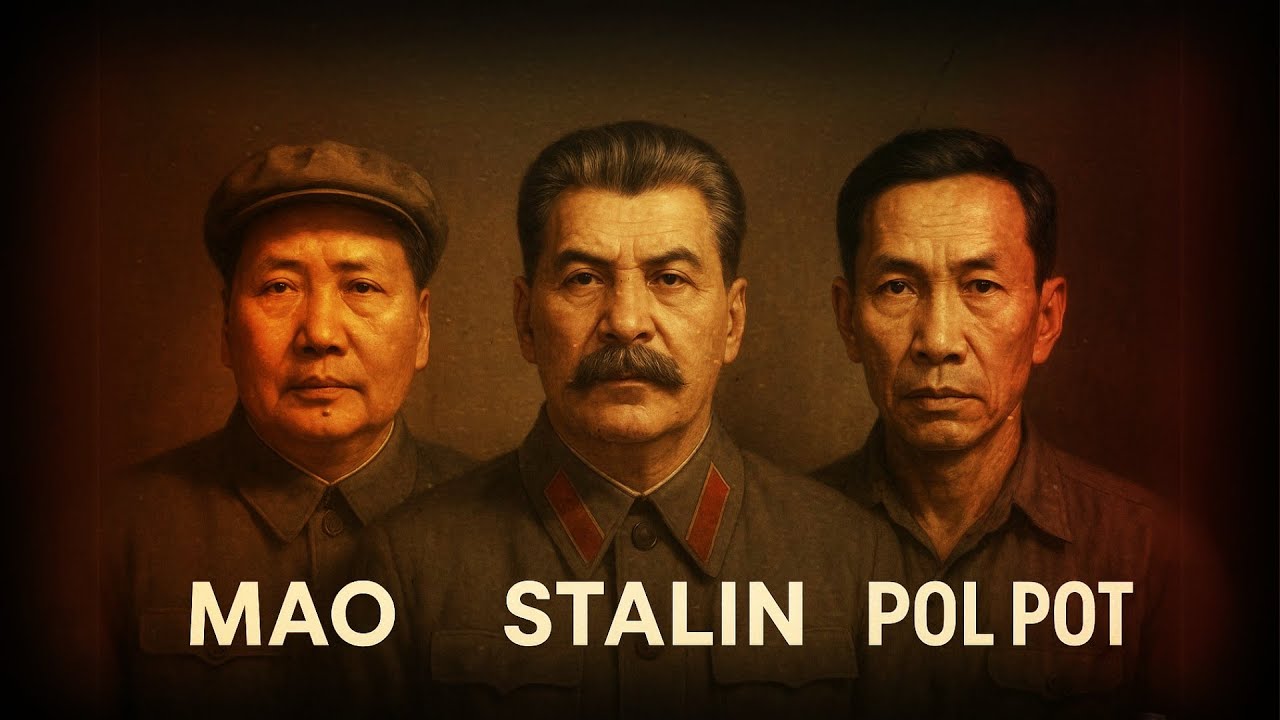
Through the brutal legacies of Stalin, Mao, and Pol Pot, we explore why communism—when turned into policy—so often collapses into tyranny. This article does not present a nuanced philosophical discussion; instead, it delivers a harsh, fact-based indictment of the historical outcomes of unchecked communist rule.

Stalin’s Soviet Union: Terror Behind the Curtain

Joseph Stalin’s reign over the Soviet Union from the 1920s to the 1950s is one of the bloodiest chapters in modern history. Rising to power after Lenin’s death, Stalin transformed the USSR into a totalitarian state through relentless purges, forced collectivization, and a cult of personality. The infamous Great Purge of the 1930s saw millions arrested, exiled, or executed under false pretenses. Even top Communist Party members and military leaders were not safe. Stalin weaponized fear to eliminate opposition, real or imagined.

Meanwhile, the forced collectivization of agriculture led to the Holodomor—an artificial famine in Ukraine that killed millions. Grain quotas were enforced with brutality, and dissenters were sent to gulags, Soviet labor camps infamous for inhumane conditions and staggering death rates. Stalin’s policies left the USSR industrialized but at the cost of tens of millions of lives. His version of communism traded freedom for fear and ideology for iron-fisted control. Any dream of equality was buried beneath the weight of state terror.

Mao’s China: Utopia Through Starvation

Mao Zedong promised a revolutionary new era for China—an end to imperialism, poverty, and inequality. Instead, he unleashed one of the deadliest social engineering experiments in history. His Great Leap Forward (1958–1962) sought rapid industrialization and agricultural reform by mobilizing peasants into communes and redirecting labor from farms to steel production. The result was catastrophic. Poor planning, inflated grain reports, and state propaganda led to mass famine. An estimated 30 to 45 million people died—many from starvation, others from execution or overwork.

But Mao didn’t stop there. In 1966, he launched the Cultural Revolution to purge capitalist and traditional elements from Chinese society. Red Guards—radical youth militia—were encouraged to attack intellectuals, destroy historical artifacts, and denounce their own families. Schools shut down. Chaos reigned. Thousands were killed, millions persecuted. Mao’s vision of communism consumed the very people it claimed to liberate. His legacy is a haunting reminder of the dangers of unchecked ideological zeal.

Pol Pot and the Khmer Rouge: Back to Year Zero

Pol Pot’s Khmer Rouge regime in Cambodia (1975–1979) took communist extremism to its most horrific extreme. Inspired by Maoist thought, Pol Pot envisioned an agrarian utopia, free from modernity, class distinctions, and even money. To realize this dream, he emptied cities, abolished currency, and forced urban dwellers into slave labor in the countryside. Intellectuals, professionals, and those who wore glasses were deemed enemies of the revolution.

What followed was genocide. Nearly a quarter of Cambodia’s population—about 1.7 to 2 million people—died from execution, starvation, disease, or overwork. The Tuol Sleng prison in Phnom Penh became infamous for torture and mass murder. Families were torn apart, religion was banned, and any sign of individuality was punished. Pol Pot’s vision of perfect equality produced unparalleled suffering. The Khmer Rouge collapsed only when Vietnam invaded and overthrew the regime in 1979, revealing a nation devastated by ideology-driven brutality.

Why “Real Communism” Always Fails

Defenders of communism often insist that the ideology has simply never been implemented “correctly.” But history suggests a different pattern: the systemic suppression of dissent, economic mismanagement, and human rights abuses appear consistently wherever communism has been tried at a national scale. Centralized planning eliminates competition and innovation. The promise of equality becomes a justification for silencing individual thought and enforcing conformity. Authoritarianism fills the power vacuum left by the dismantling of democratic institutions.

Every major communist regime has relied on propaganda, censorship, and state terror to maintain control. These aren’t accidents or betrayals of the doctrine—they are symptoms of the doctrine’s flaws when applied in the real world. The dream of a classless paradise becomes a nightmare precisely because of the unchecked power that the ideology demands. When the state owns everything, dissent becomes treason. True progress demands not blind faith in utopia, but critical thought, historical awareness, and unwavering respect for human dignity.

The Modern Myth and Its Appeal

Despite its grim history, communism still finds supporters today, often among those disillusioned with capitalism or inequality. The appeal of its promises—free healthcare, housing for all, and the end of poverty—is undeniable. But these ideals obscure the cost. The romanticization of revolution can blind people to the realities of authoritarian rule. In today’s polarized political climate, it’s more important than ever to confront history honestly and critically.

The ghosts of the 20th century’s failed revolutions should not be forgotten. Their stories serve as warnings about the seductive power of ideology and the danger of mistaking slogans for solutions. While reform is necessary in every society, extremism—whether economic, political, or ideological—inevitably breeds oppression. Only by remembering these dark chapters can we safeguard future generations from repeating the same catastrophic mistakes.

Conclusion: Never Again Forgotten

Communism, as practiced in the 20th century, promised freedom and delivered chains. The regimes of Stalin, Mao, and Pol Pot represent cautionary tales, not blueprints for justice. Their legacies should be studied not to revive their ideals, but to understand the horrors that arise when ideology overrides humanity.

This is why communism “works every time”—not in building utopias, but in creating suffering. The facts speak louder than any revolutionary chant. Let history be a mirror, not a blueprint. History has shown that when ideology overrides humanity, the cost is always measured in lives lost and freedoms destroyed.

Categories
W1 World

The Soviet Union: Rise, Dominance, Collapse – A Definitive History of a 20th-Century Superpower

Introduction

The Soviet Union, officially known as the Union of Soviet Socialist Republics (USSR), was a global superpower that reshaped the geopolitical and social landscapes of the 20th century. Established in the aftermath of the Russian Revolution, the USSR was built on a foundation of Marxist-Leninist ideology, promising equality and an end to class struggles.

Over nearly seven decades, the Soviet Union transformed from a revolutionary experiment into a sprawling empire, encompassing 15 republics and exerting significant influence over global affairs. This article delves into the complex history of the Soviet Union, from its revolutionary birth to its dramatic dissolution, exploring the leaders, policies, and pivotal events that defined this colossal state.

The Birth of the Soviet Union: Lenin’s Vision

The Soviet Union was born in a time of upheaval and revolution. The Russian Revolution of 1917, led by Lenin and the Bolshevik Party, overthrew the tsarist regime, replacing it with a socialist government. By 1922, the USSR was officially formed, uniting Russia, Ukraine, Belarus, and the Transcaucasian republics under one federal system. Lenin’s vision was rooted in Marxist ideology, aiming to create a classless society where the means of production were owned collectively.

However, the early years of the Soviet Union were fraught with challenges. The Russian Civil War (1917–1923) devastated the economy and society, leaving millions dead and infrastructure in ruins. Lenin’s New Economic Policy (NEP), introduced in 1921, temporarily allowed limited private enterprise to stabilize the economy. Yet Lenin’s health declined, and his death in 1924 set the stage for a fierce power struggle between Joseph Stalin and Leon Trotsky. Stalin’s rise to power marked a dramatic shift in the Soviet Union’s trajectory, as he consolidated authority and redefined the nation’s future.

Stalin’s Era: Consolidation and Terror

Joseph Stalin’s leadership from 1924 to 1953 was transformative and brutal. Under Stalin, the USSR became a totalitarian state, where dissent was ruthlessly suppressed. Stalin implemented the Five-Year Plans, which focused on rapid industrialization and collectivization of agriculture. While these policies propelled the Soviet Union into becoming an industrial power, they also caused widespread suffering. Millions of peasants resisted collectivization, leading to mass deportations and the devastating Holodomor famine in Ukraine, which claimed millions of lives.

Stalin’s rule was also marked by the Great Purge, a campaign of political repression in the 1930s. Prominent party members, military leaders, and ordinary citizens were accused of being “enemies of the state” and were executed or sent to labor camps. Despite these atrocities, Stalin’s policies laid the groundwork for the USSR’s military and industrial strength, which would prove critical during World War II.

The USSR in World War II: A Turning Point

World War II was a defining moment for the Soviet Union, both in terms of loss and victory. The German invasion of 1941, known as Operation Barbarossa, brought the war to Soviet soil, leading to immense devastation. However, the Red Army’s resilience turned the tide of the war. The Battle of Stalingrad (1942–1943) was a significant victory, marking a turning point in the conflict.

By the war’s end, the Soviet Union had suffered over 20 million deaths, making it one of the most heavily affected nations. Despite this, it emerged as a global superpower, occupying much of Eastern Europe and establishing satellite states in the Eastern Bloc. This expansion of influence set the stage for the Cold War, a prolonged ideological struggle with the United States and its allies.

Khrushchev’s Thaw and the Space Race

The death of Stalin in 1953 brought significant changes to Soviet leadership and policy. Nikita Khrushchev, who became First Secretary of the Communist Party in 1953, sought to distance himself from Stalin’s oppressive legacy. His “Khrushchev Thaw” aimed to reduce censorship, release political prisoners, and promote a more open society.

Khrushchev’s tenure also saw the USSR achieve remarkable technological milestones. The launch of Sputnik in 1957 marked the beginning of the Space Race, with the Soviet Union claiming the first artificial satellite in orbit. In 1961, Yuri Gagarin became the first human in space, cementing the USSR’s reputation as a technological leader.

However, Khrushchev’s leadership was not without controversy. His handling of the Cuban Missile Crisis in 1962 brought the world to the brink of nuclear war. Domestically, his agricultural policies, such as the Virgin Lands Campaign, failed to address systemic inefficiencies. By 1964, Khrushchev was ousted, and Leonid Brezhnev rose to power.

Brezhnev’s Era: Stability and Stagnation

Leonid Brezhnev’s rule (1964–1982) is often remembered for its stability and stagnation. The early years of Brezhnev’s leadership saw economic growth and an emphasis on social welfare. However, this “golden period” was short-lived, as systemic inefficiencies and corruption began to erode the Soviet economy.

Brezhnev’s foreign policy focused on maintaining the USSR’s influence as a global superpower. The Soviet Union extended its reach into Africa, Asia, and Latin America, often supporting revolutionary movements. However, the invasion of Afghanistan in 1979 marked a turning point, as it drained resources and provoked international condemnation. Domestically, the stagnation era saw little innovation or reform, leaving the USSR ill-prepared for the challenges of the 1980s.

Gorbachev’s Reforms and Collapse of the USSR

By the 1980s, the Soviet Union faced mounting crises. Economic decline, political corruption, and growing unrest among its republics threatened its stability. Mikhail Gorbachev, who became General Secretary in 1985, introduced bold reforms to address these issues.

Gorbachev’s policies of Perestroika (restructuring) aimed to decentralize the economy and introduce limited market reforms. Glasnost (openness) sought to promote transparency and freedom of speech, allowing public criticism of the government for the first time. While these reforms were groundbreaking, they also had unintended consequences.

Glasnost emboldened nationalist movements in the republics, leading to demands for independence. The attempted coup by hardline communists in August 1991 further destabilized the Soviet Union. By December 25, 1991, Gorbachev resigned, and the USSR was formally dissolved, marking the end of an era.

Legacy of the Soviet Union

The Soviet Union left an indelible mark on world history. It was a symbol of ideological ambition and a force in global politics. The USSR’s achievements in science, education, and culture continue to influence former Soviet states and the broader world, serving as a testament to the power of centralized efforts in driving innovation and progress.

However, the Soviet legacy is also marred by human rights abuses, economic inefficiencies, and political repression. Its dissolution reshaped the global order, creating new alliances and rivalries that still impact geopolitics today. The lessons of its rise and fall remain relevant in understanding the balance between ideology, governance, and human rights, offering valuable insights for future generations navigating complex political landscapes.

Conclusion

The Soviet Union’s history is a tapestry of ambition, resilience, and tragedy. From its revolutionary birth under Lenin to its dissolution under Gorbachev, the USSR’s story is a testament to the complexities of statecraft and ideology. Its legacy continues to shape the geopolitical landscape, offering valuable lessons for future generations.

The dissolution of the Soviet Union not only reshaped global geopolitics but also profoundly impacted the lives of millions within its former borders, leaving a legacy of both progress and unresolved challenges. Its story serves as a powerful reminder of the complexities of balancing ideological ambition with the realities of governance and the human cost of pursuing power.

Categories
W2 World

Stalin’s Strategic Role in the Life and Death Struggle of WWII: Shaping Germany vs. Russia

Introduction:

When we reflect on World War II, Winston Churchill’s iconic phrase “Our Finest Hour” often evokes images of the Battle of Britain and the resilience of the British people in the face of relentless German bombing. However, reassessing the annals of history reveals a narrative where Joseph Stalin’s role in the life and death struggle between Germany and Russia emerges as a strategic linchpin. Stalin’s leadership and decisions during this tumultuous period arguably played a role that was ultimately more critical for British survival than the famed ‘Our Finest Hour’ in the Battle of Britain itself.

Stalin’s Early Strategic Calculations:

As the storm clouds of war gathered over Europe, Stalin, the Soviet Union’s enigmatic leader, recognized the impending threat from Nazi Germany. The Molotov-Ribbentrop Pact of 1939, a non-aggression treaty between Stalin and Hitler, bought the Soviet Union time but was essentially a tactical maneuver to delay the inevitable conflict. Stalin, keenly aware of the Soviet Union’s vulnerabilities, began preparing for the looming clash by modernizing the military and fortifying the western borders.

The Invasion of the Soviet Union:

Despite Stalin’s efforts, Operation Barbarossa unfolded in June 1941, catching the Soviet Union off guard. The massive German invasion aimed to crush the Soviets swiftly and decisively. The initial weeks of the invasion saw catastrophic losses for the Red Army, as German forces advanced deep into Soviet territory. Stalin’s leadership faced a severe test as the fate of the Soviet Union hung in the balance.

Stalin’s Tenacity and Scorched Earth Policy:

Amidst the chaos, Stalin displayed an unyielding determination that proved pivotal in shaping the course of the war. He ordered a scorched earth policy, implementing a strategy of destroying infrastructure and resources to deny the advancing German forces any strategic advantage. The vastness of the Soviet Union, coupled with the harsh Russian winter, gradually shifted the momentum against the Germans. Stalin’s unwavering resolve to sacrifice territory for time bought the Red Army the breathing space it needed to regroup and mount a formidable defense.

Stalingrad: A Turning Point:

The Battle of Stalingrad, a brutal and protracted conflict from 1942 to 1943, stands as a testament to Stalin’s strategic acumen. The Soviet victory in this pivotal battle marked a turning point in the Eastern Front, as the Red Army began to push the German forces back. The brutal house-to-house fighting and the sheer tenacity of the Soviet defenders showcased a resilience that would become synonymous with Stalin’s leadership.

Lend-Lease and the Allied Alliance:

Recognizing the magnitude of the threat posed by Germany, Stalin sought to strengthen ties with the Western Allies. The Lend-Lease Act of 1941, initiated by the United States, provided crucial material support to the Soviet Union, including weapons, vehicles, and food. This influx of resources significantly bolstered the Soviet war effort and helped tip the scales in favor of the Allies on the Eastern Front.

The Role of Soviet Intelligence:

Stalin’s influence extended beyond the battlefield, reaching into the realm of intelligence. Soviet spies, operating deep within German territory, provided critical information about German military plans and capabilities. The intelligence gathered by Soviet agents played a pivotal role in shaping Soviet strategy and disrupting German operations, further underscoring Stalin’s impact on the struggle against the German war machine.

The Legacy of Stalin’s Leadership:

As the war in the East unfolded, Stalin’s leadership left an indelible mark on the conflict. His strategic decisions, often ruthless and pragmatic, were geared towards securing the survival of the Soviet Union. The sacrifices made by the Soviet people under Stalin’s rule were immense, with millions paying the ultimate price for victory. Despite the controversies surrounding Stalin’s regime, his role in shaping the struggle between Germany and Russia during World War II cannot be understated.

Conclusion:

While the Battle of Britain rightfully claims its place in history as ‘Our Finest Hour,’ a reassessment of World War II reveals that Stalin’s leadership in the life and death struggle between Germany and Russia played a role perhaps more critical for British survival. Stalin’s tenacity, strategic calculations, and the sacrifices made by the Soviet people turned the tide on the Eastern Front, creating a formidable Eastern Alliance that ultimately contributed significantly to the defeat of Nazi Germany. As we revisit this complex chapter in history, acknowledging Stalin’s impact becomes integral to understanding the interconnected web of alliances and strategies that shaped the outcome of World War II.

Categories
W2 World

Resilience Amidst Oppression: The Polish Resistance and Six Years Under Nazi Rule

The occupation of Poland by Nazi forces in World War II marked a dark and tumultuous period in the nation’s history. For six harrowing years, from 1939 to 1945, Poland bore the brutal weight of Hitler’s regime. However, amidst the oppression and tyranny, a remarkable tale of resilience and defiance emerged through the valiant efforts of the Polish resistance.

The invasion of Poland in September 1939 marked the onset of the country’s tragic fate under Nazi rule. The Polish people faced widespread persecution, with mass arrests, executions, and the establishment of ghettos. Yet, despite the overwhelming odds stacked against them, a clandestine network of resistance movements began to take shape, embodying the unyielding spirit of the Polish populace.

The Polish resistance movement was a heterogeneous tapestry, encompassing various groups and organizations united by a common goal: to resist and fight against the Nazi occupation. The Home Army (Armia Krajowa), one of the largest underground resistance movements in occupied Europe, played a pivotal role in coordinating acts of sabotage, intelligence gathering, and aiding persecuted individuals, including Jews targeted in the Holocaust.

Throughout the six years of occupation, the Polish resistance engaged in a multifaceted struggle against the oppressors. Acts of sabotage targeted Nazi infrastructure, disrupting supply lines and communication networks. Underground publications and secret radio broadcasts served as vital tools for disseminating information and rallying support for the resistance cause.

The Polish people’s resistance was not limited to armed struggle; cultural and intellectual resistance also played a significant role. Artists, writers, and educators clandestinely preserved Poland’s cultural heritage, defying attempts to suppress the nation’s identity. Underground universities operated in secret, ensuring the continuity of education and intellectual pursuits, despite the occupation’s attempts to extinguish knowledge and erode national pride.

The Warsaw Uprising of 1944 stands as a poignant testament to the unwavering courage and sacrifice of the Polish resistance. The valiant but ultimately unsuccessful uprising aimed to liberate Warsaw from Nazi control. Though met with brutal reprisals by the German forces, the uprising symbolized the indomitable spirit of a nation refusing to succumb to oppression.

The end of World War II brought liberation to Poland but not without immense sacrifice. The Polish resistance had paid a heavy toll in lives lost, yet their resilience and bravery had contributed significantly to the eventual defeat of the Nazi regime. However, the aftermath of the war saw Poland falling under Soviet domination, a different form of subjugation that challenged the ideals for which the resistance had fought.

During the six years under Nazi rule, Poland endured immeasurable losses while displaying remarkable resilience. The country suffered immense human casualties, with millions of lives lost due to executions, forced labor, and the atrocities of war. The Holocaust decimated Poland’s Jewish population, causing irreparable cultural and demographic losses. Additionally, the physical devastation was profound, with cities, infrastructure, and cultural heritage sites destroyed by the conflict.

The occupation also resulted in a loss of sovereignty and independence for Poland. The imposition of Nazi rule subjected the country to harsh oppression, eroding freedoms, and suppressing national identity. Moreover, the post-war period saw Poland fall under Soviet domination, leading to decades of political subjugation and ideological suppression.

However, amidst the losses, the Polish resistance fostered a legacy of courage, unity, and resilience. The underground movements, despite facing overwhelming odds, upheld the nation’s spirit and fought fiercely for freedom and dignity. The resistance efforts not only contributed significantly to the defeat of the Nazi regime but also symbolized the unwavering determination of the Polish people to resist oppression.

If Poland had never experienced Nazi rule, the nation might have retained its sovereignty and avoided the devastation and trauma inflicted by the occupation. Without the horrors of war, Poland could have experienced a more stable and prosperous period, fostering its cultural heritage and societal development without the scars of conflict and oppression.

A Poland untouched by Nazi occupation might have seen greater political stability and economic growth, enabling the country to advance technologically and socially without the setbacks caused by wartime destruction and post-war Soviet influence. The preservation of lives, cultural heritage, and national identity could have flourished uninterrupted, allowing Poland to evolve without the burdens of wartime atrocities and subsequent political turmoil.

A Poland free from Nazi rule might have experienced a different trajectory, one marked by progress, stability, and a stronger sense of national unity. The resilience and spirit demonstrated by the Polish people during those tumultuous years under occupation could have manifested in the nation’s advancement and flourishing had it been spared the horrors of war and external subjugation.

In conclusion, the story of the Polish resistance during the six years under Hitler’s occupation is a testament to the enduring human spirit in the face of adversity. Despite immense odds, the bravery, sacrifices, and determination of the Polish people in their fight against oppression serve as an inspiration, highlighting the unyielding pursuit of freedom, dignity, and justice.

Categories
W2 World

The Silent Machinations: How Stalin’s NKVD Spies Orchestrated Trotsky’s Downfall

Introduction:

In the shadowy corridors of Soviet intelligence during the tumultuous 20th century, the notorious NKVD, led by Joseph Stalin, orchestrated a web of espionage that extended even to his closest allies. This article unravels the complex tale of how Stalin’s NKVD spies meticulously planned and executed the downfall of Leon Trotsky, a rival and former ally turned dissident. Drawing on interviews with former NKVD intelligence officers and eyewitness accounts, we delve into the ruthless machinations of a paranoid dictator and the espionage that shaped one of the most significant political upheavals of the era.

The Rise of the NKVD:

The NKVD, or People’s Commissariat for Internal Affairs, was Stalin’s instrument of control, tasked with maintaining order through surveillance, repression, and espionage. As Stalin solidified his grip on power, the NKVD’s influence expanded, and its intelligence apparatus became a formidable force in shaping the fate of individuals deemed threats to the Soviet regime.

  1. Stalin’s Paranoia and Spying Allies: Stalin’s paranoia knew no bounds, extending even to his wartime Allies. The NKVD, under his direct control, engaged in extensive espionage operations, scrutinizing both enemies and supposed friends. Stalin’s fixation on eliminating perceived threats led to a pervasive culture of surveillance within the Soviet Union.
  2. Trotsky’s Fall from Grace: Leon Trotsky, once a key figure in the Bolshevik Revolution and a close associate of Stalin, fell out of favor with the Soviet leader. As Trotsky voiced dissent and opposition to Stalin’s policies, he became a target of the NKVD’s relentless intelligence-gathering machine.
  3. Espionage within the Inner Circle: The NKVD infiltrated Trotsky’s inner circle with dedicated spies, exploiting personal relationships and exploiting vulnerabilities. Former comrades turned against him, feeding information to the NKVD about Trotsky’s activities, associates, and potential plots against the regime.
  4. Assassination Attempts: Stalin’s determination to eliminate Trotsky reached its peak with a series of assassination attempts. The NKVD played a central role in orchestrating these efforts, deploying agents to track Trotsky’s movements and coordinate attacks. While some attempts failed, the relentless pursuit ultimately led to Trotsky’s exile.
  5. Exile and Endgame: Trotsky’s forced exile did not mark the end of the NKVD’s pursuit. The espionage machine continued its efforts to undermine and discredit him on the global stage. The NKVD’s influence extended beyond Soviet borders, with agents surveilling and influencing Trotsky’s activities in his various places of refuge.
  6. The Ice Pick Assassination: In 1940, the NKVD’s relentless pursuit culminated in the infamous ice pick assassination of Leon Trotsky in Mexico. Ramón Mercader, an undercover NKVD agent, infiltrated Trotsky’s inner circle and carried out the assassination, marking a gruesome end to one of the most significant political rivalries of the 20th century.
  7. Post-Assassination Fallout: The repercussions of Trotsky’s assassination were felt not only within the Soviet Union but also internationally. The NKVD’s success in eliminating a prominent dissident sent a chilling message to potential opposition figures. The legacy of Trotsky’s downfall reverberated through the Cold War era.

Revelations from Former NKVD Operatives:

Interviews with former NKVD intelligence officers offer a unique perspective on the inner workings of Stalin’s espionage apparatus. These individuals, now willing to shed light on their experiences, provide insights into the motivations, methods, and consequences of their actions. The revelations include details about the intense internal surveillance, the cultivation of informants, and the high-stakes operations that defined this dark chapter in Soviet history, unraveling the intricate layers of deceit and loyalty within the secretive world of Soviet intelligence.

Conclusion:

The story of how Stalin’s NKVD spies took down Trotsky is a chilling tale of political intrigue, betrayal, and ruthless determination. As Stalin’s paranoia fueled an unprecedented level of internal and external spying, the NKVD became an instrument of terror, dismantling even the most entrenched rivals. The legacy of Trotsky’s downfall remains a stark reminder of the lengths to which a paranoid dictator will go to eliminate perceived threats.

Through interviews with former NKVD operatives and eyewitnesses, we gain a nuanced understanding of the individuals who played pivotal roles in shaping the fate of one of the 20th century’s most significant political figures. The espionage machinery that orchestrated Trotsky’s demise stands as a haunting symbol of the dark forces that operated within the Soviet Union during Stalin’s era.

Categories
W3 World

Hitler and Stalin: A Tale of Contrasting Legacies That Shaped the Twentieth Century

The personalities and legacies of Adolf Hitler and Joseph Stalin continue to cast long shadows over the events of the twentieth century. While these two figures shared certain similarities, they were also profoundly different in their ideologies, methods, and the impact they had on the world. This article delves into the lives of Hitler and Stalin, exploring the complex interplay between their similarities and differences.

Adolf Hitler, the charismatic leader of Nazi Germany, and Joseph Stalin, the iron-fisted ruler of the Soviet Union, both rose to power during a time of upheaval and discontent. Hitler’s ascent followed the devastation of World War I and the economic turmoil of the Great Depression, while Stalin seized control of the Soviet Union after the chaos of the Russian Revolution and the subsequent Civil War. Their rise to power was fueled by their ability to tap into the grievances and aspirations of their respective populations.

One of the striking similarities between Hitler and Stalin was their authoritarian leadership styles. Both men exhibited a strong desire for absolute control and a ruthless willingness to suppress dissent. Hitler established a totalitarian regime in Germany, consolidating power under the Nazi Party and imposing a cult of personality around himself. Stalin, on the other hand, maintained an iron grip on the Soviet Union through his position as General Secretary of the Communist Party, using purges, forced collectivization, and the infamous Gulag system to eliminate any perceived threats to his rule.

While Hitler and Stalin both pursued aggressive expansionist agendas, their ideological motivations differed significantly. Hitler’s ideology of National Socialism revolved around the notions of racial superiority and territorial conquest. His quest for Lebensraum, or living space, fueled his ambitions to expand German territory and establish a racially pure Aryan empire. Stalin, on the other hand, adhered to the principles of Marxism-Leninism and sought to spread communism worldwide. His focus was not on racial superiority but rather on the establishment of a global socialist order.

The impact of Hitler and Stalin on their respective countries and the world was immense. Hitler’s policies led to the outbreak of World War II, which resulted in the deaths of tens of millions of people and brought unprecedented devastation to Europe. The Holocaust, the systematic genocide of six million Jews and millions of others, stands as one of the darkest chapters in human history and a testament to Hitler’s virulent anti-Semitism.

Stalin’s rule, characterized by forced collectivization, widespread purges, and state-controlled economic planning, had a profound impact on the Soviet Union and its people. The Great Purge, carried out in the late 1930s, resulted in the execution or imprisonment of millions of Soviet citizens, including political opponents, intellectuals, and even high-ranking party officials. The Soviet Union, under Stalin’s leadership, also experienced rapid industrialization and emerged as a global superpower after World War II.

Despite their shared brutalities, Hitler and Stalin had contrasting approaches to foreign policy. Hitler’s aggressive expansionism led to the invasion of neighboring countries, including Poland, France, and the Soviet Union, triggering World War II. Stalin, initially caught off guard by Hitler’s invasion, formed an uneasy alliance with the Allied powers after Germany attacked the Soviet Union. The Soviet Union played a crucial role in the eventual defeat of Nazi Germany, turning the tide of the war in favor of the Allies.

In terms of their personal lives, Hitler and Stalin were remarkably different. Hitler projected an image of a charismatic leader with a carefully crafted public persona, while Stalin remained secretive and reclusive, rarely appearing in public and cultivating an air of mystery. Hitler was known for his fiery speeches and ability to captivate crowds, while Stalin operated from the shadows, exercising control through fear and the purges of potential rivals.

The legacy of Hitler and Stalin is one of devastation and human suffering. Their actions, ideologies, and policies shaped the course of history and left an indelible mark on the world. The atrocities committed under their regimes serve as a stark reminder of the dangers of totalitarianism and unchecked power.

The inclusion of primary materials and memoirs as sources lends valuable substance to the psycho-historical analysis of Hitler and Stalin. By drawing from firsthand accounts, documents, and personal recollections, researchers and historians gain access to the thoughts, motivations, and experiences of these two influential figures.

Primary materials, such as diaries, letters, speeches, and official documents, offer glimpses into the minds of Hitler and Stalin. They provide insights into their decision-making processes, political strategies, and personal beliefs. These sources allow historians to delve beyond the surface-level understanding of their actions and policies, revealing the complexities of their characters and the factors that shaped their ideologies.

Memoirs, written by individuals who had direct interactions with Hitler and Stalin, offer a unique perspective on their personalities and behaviors. Former associates, high-ranking officials, and even family members provide intimate accounts that shed light on the private lives and inner workings of these leaders. These personal recollections add depth and nuance to the psycho-historical analysis, allowing for a more comprehensive understanding of their psychological makeup and the impact it had on their decision-making.

Moreover, the use of primary materials and memoirs helps counterbalance the tendency for historical narratives to be shaped by post-facto interpretations and biases. By examining the raw materials of the time, historians can construct a more accurate and nuanced portrayal of Hitler and Stalin. These sources serve as tangible evidence, grounding the psycho-historical analysis in concrete details and providing a more solid foundation for understanding their actions and motivations.

However, it is important to approach these sources with caution. Memoirs, in particular, can be influenced by personal biases, selective memory, and the passage of time. Not all primary materials may be readily available or entirely reliable, as some may have been destroyed or altered to serve particular agendas. Historians must critically evaluate and cross-reference multiple sources to ensure the accuracy and validity of their findings.

Overall, the inclusion of primary materials and memoirs as sources enriches the psycho-historical analysis of Hitler and Stalin. These firsthand accounts offer valuable insights into their personalities, motivations, and actions, providing a deeper understanding of their roles in shaping the twentieth century. By utilizing these sources, researchers can construct a more nuanced and comprehensive portrayal of these influential figures, grounding their analysis in tangible evidence and contributing to a more robust historical understanding.

In conclusion, Adolf Hitler and Joseph Stalin, while sharing certain similarities, were fundamentally different figures who left lasting imprints on the twentieth century. Their rise to power, leadership styles, ideological motivations, and impact on their respective countries and the world set them apart. Finally, the effects of their rule, including World War II, the Holocaust, and the Great Purge, continue to shape our understanding of the complexities and horrors of the past century.

Categories
W4 World

The Frozen Lifeline: The Heroic Arctic Convoys of World War II

During World War II, the Soviet Union faced a critical challenge of keeping its economy and military functioning amidst the German invasion. The Axis powers had effectively cut off land routes of supply, which left Stalin with only one lifeline: the sea. The Allies launched Operation Dervish in August 1941, the first of the Arctic Convoys that would bring vital supplies to the Soviet Union via the treacherous and icy waters of the Arctic.

The Arctic Convoys were a dangerous and risky endeavor. The Germans had air superiority, and the Soviet Union had no air or naval forces in the region to provide protection. The convoys had to sail through the Barents Sea, a dangerous and unpredictable area where the weather could turn from calm to fierce storms in a matter of hours. The harsh environment was also a significant factor, with temperatures dropping to minus 50 degrees Celsius and causing equipment and machinery to freeze.

The Arctic Convoys were a vital link between the Allies and the Soviet Union, as they supplied the USSR with much-needed raw materials, fuel, military equipment, and food. The British and American ships would typically sail from the United Kingdom, Iceland, and North America to the port of Murmansk in the northwestern part of the Soviet Union. From there, the supplies would be transported via railway to other parts of the country.

The convoys faced numerous challenges and dangers, with German air and naval forces actively hunting the ships. The convoys also had to navigate through minefields and deal with icebergs and pack ice. The Arctic conditions were extremely hazardous, with sailors suffering from frostbite, hypothermia, and other cold-related illnesses.

Despite the risks, the Arctic Convoys continued to sail through the war years, with 78 convoys reaching the Soviet Union between August 1941 and May 1945. The losses were significant, with 85 merchant ships and 16 Royal Navy warships sunk, along with over 3,000 Allied personnel losing their lives.

However, the Arctic Convoys played a critical role in the war effort, providing the Soviet Union with essential supplies that allowed them to fight back against the German invasion. The convoys supplied the Soviet Union with around 4 million tonnes of cargo, including tanks, aircraft, ammunition, and food.

In addition to the significant losses mentioned, it is worth noting that the Arctic Convoys faced some of the harshest conditions of any naval operation during World War II. The convoys had to navigate through freezing temperatures, storms, and ice floes, which made the journey extremely dangerous and challenging. The sailors faced the constant threat of hypothermia, frostbite, and other weather-related injuries. The ships themselves were also at risk, as the icy waters made it difficult to maintain their engines and equipment.

Despite these challenges, the Allied convoys played a crucial role in the war effort by providing essential supplies to the Soviet Union. The convoys delivered over four million tons of supplies, including tanks, planes, ammunition, and food, which helped keep the Soviet war machine running. The convoys also served as a lifeline for the Soviet people, who were struggling with food and fuel shortages due to the war.

Without the Arctic Convoys, the Soviet Union would have been in an even more precarious position, and it is possible that the outcome of the war could have been different. The convoys represented a remarkable display of courage and determination by the sailors who participated in them, and they played a vital role in securing victory in World War II.

Moreover, without Operation Dervish and the subsequent Arctic Convoys, the Soviet Union would have faced even greater difficulty in their fight against Nazi Germany. The USSR was already struggling to keep up with the demands of the war, and the loss of Allied supplies would have made the situation even more dire.

The German military was well aware of the importance of the Arctic Convoys to the Soviet war effort, and they made several attempts to disrupt them. They launched numerous air and submarine attacks on the convoys, and even sent battleships and cruisers to intercept them.

If the Arctic Convoys had been unsuccessful, the Soviet Union would have been severely weakened in their fight against Nazi Germany. They would have struggled to maintain their military equipment, feed their troops, and keep their factories running.

The Allies may have also faced a longer and more difficult war in Europe. Without the Soviet Union as a major front against Nazi Germany, the Allies may have been forced to take on more of the fighting themselves, which could have resulted in more casualties and a longer war.

In short, the success of Operation Dervish and the Arctic Convoys was crucial in the eventual Allied victory in World War II. It provided a lifeline to the Soviet Union and helped keep Nazi Germany fighting on multiple fronts, ultimately leading to their defeat.

The importance of the Arctic Convoys is often overlooked, with the focus of the war effort typically centered around the European and Pacific theaters. However, the convoys were vital in keeping the Soviet Union supplied and fighting on the Eastern Front. The effort and sacrifice of the sailors who sailed through the dangerous Arctic waters should not be forgotten.

In conclusion, the Arctic Convoys were a crucial lifeline for the Soviet Union during World War II, providing vital supplies that allowed them to continue the fight against the Axis powers. The convoys faced numerous challenges and dangers, but the bravery and sacrifice of the sailors ensured that the supplies kept coming. The Arctic Convoys were a significant contribution to the Allied war effort, and their legacy should be remembered.

Categories
W4 World

The Dark Side of Stalin’s War Machine: Forced Labor and Human Rights Abuses

The Soviet Union’s war machine played a crucial role in the defeat of Nazi Germany during World War II. However, its development was not without its dark history. Under Stalin’s leadership, the Soviet Union became a highly industrialized nation, with a focus on building up its military capabilities. This led to the creation of massive war factories that produced tanks, planes, and other weapons of war.

But as the Nazis advanced into Soviet territory, it became clear that these factories were at risk of being captured or destroyed. In response, Stalin ordered for the factories to be dismantled and moved east, away from the advancing enemy forces. The scale of this operation was immense, with over one and a half million railway trucks being used to transport the factories and their equipment to safety.

During World War II, the Soviet Union produced over 80,000 tanks, more than twice as many as all other countries combined. They also produced 229,000 aircraft, which accounted for 35% of all aircraft built during the war. The Soviet Union’s massive production of weapons and equipment allowed them to field enormous armies, with over 34 million men and women serving in the Red Army by the end of the war.

This numerical advantage, coupled with the quality of their weapons, allowed the Soviet Union to push back the German military and eventually capture Berlin in May 1945. Without the Soviet war machine, it is possible that the Eastern Front could have been lost, and the war could have ended very differently.

However, this decision had a significant impact on the Soviet war effort, as it allowed the country to maintain its production of military equipment despite the loss of its industrial heartland. However, the move came at a great cost. The transportation of the factories and equipment caused a major disruption to the Soviet economy, and the relocation led to the displacement of millions of people.

Furthermore, the Soviet war machine was also built on the backs of forced labor. Stalin’s regime relied heavily on the use of forced labor camps, known as gulags, to provide the manpower needed for the war factories. Prisoners were subjected to harsh conditions and were often worked to death.

Therefore, the Soviet Union’s war machine also had a dark legacy of human rights abuses. The Red Army’s advance into Germany in the final days of the war was marked by widespread rape and pillage, and Soviet soldiers were notorious for their brutality towards German civilians.

In addition to the use of forced labor, the Soviet Union’s war machine also relied heavily on the suffering and sacrifice of its own citizens. The harsh conditions and brutal tactics used by the Soviet military caused immense suffering and loss of life. The Battle of Stalingrad, for example, saw over 1 million Soviet soldiers and civilians killed or wounded.

The Soviet Union’s post-war expansion also had a dark side, with the forced relocation of millions of people and the suppression of political dissent. Soviet leader Joseph Stalin’s policies resulted in the deaths of millions of people, including those who were executed, died in gulags, or perished in famines caused by collectivization.

Despite the dark history of the Soviet war machine, it played a significant role in the defeat of Nazi Germany in World War II. The Soviet Union’s ability to mobilize its resources and industry for the war effort was impressive, and the Red Army’s fierce determination in battle was a key factor in turning the tide of the war on the Eastern Front.

Despite the atrocities committed in the name of the Soviet war machine, there is no denying the important role it played in the defeat of Nazi Germany. The Soviet Union’s massive military production capabilities allowed it to outproduce the Germans in tanks, planes, and other weapons of war. And while the decision to move the factories east had a significant impact on the Soviet economy and its people, it ultimately proved to be a wise move that helped secure victory in the war.

Without the Soviet war machines, the outcome of World War II could have been very different. The Soviet Union’s massive production of tanks, artillery, and other weapons played a crucial role in the defeat of Nazi Germany on the Eastern Front. If the Soviet war machine had not been able to produce and deploy these weapons, the Nazis may have been able to gain the upper hand and potentially win the war. Additionally, without the Soviet Union’s contribution to the Allied war effort, the war may have lasted longer and been even more devastating.

In conclusion, the dark history of the Soviet war machine is a reminder of the high cost of war and the moral complexities of military production. While it played a crucial role in the defeat of Nazi Germany, it came at a great cost to the Soviet people and involved numerous human rights abuses. The legacy of this war machine is a reminder of the importance of balancing military might with ethical considerations.

Categories
W4 World

The Tank Defense of Stalingrad: How Soviet Tanks Turned the Tide in World War II

The battle of Stalingrad in 1942 is widely regarded as one of the most significant battles in World War II. It was a major turning point in the war and marked the first time that the German army suffered a significant defeat on the Eastern Front. The battle lasted for months and was characterized by brutal fighting in the streets and buildings of Stalingrad. At the heart of the Soviet defense was a small force of tanks, which played a crucial role in holding back the German advance.

The battle began in the summer of 1942 when the German army launched an offensive against the Soviet Union with the aim of capturing the oil fields of the Caucasus region. The German army quickly advanced deep into Soviet territory, but their progress was slowed by the difficult terrain and the stubborn resistance of the Soviet army.

As the Germans approached Stalingrad, they encountered fierce resistance from the Soviet defenders. The city was a major industrial center and a key transportation hub, and both sides recognized its strategic importance. The Germans launched a series of attacks on the city, but they were unable to break through the Soviet defenses.

The Soviet defense of Stalingrad was centered around a small force of tanks, which were used to hold key positions and repel German attacks. The tanks were heavily outnumbered, and their crews were often forced to fight for days on end without rest or resupply.

One of the key factors that allowed the Soviet tanks to hold out against the German offensive was their superior firepower. The Soviet tanks were armed with powerful guns and were able to take out German tanks and other armored vehicles at long range. This allowed the Soviet tank crews to engage the enemy from a safe distance and minimize their own losses.

Another key advantage of the Soviet tanks was their mobility. The tanks were able to move quickly through the streets of Stalingrad, allowing them to outmaneuver the slower German tanks and avoid being surrounded. The tanks were also able to support Soviet infantry units, allowing them to advance and hold key positions.

Despite their advantages, the Soviet tanks faced significant challenges during the battle. The harsh winter weather and the difficult terrain made it difficult for the tanks to maneuver, and many of the Soviet tanks suffered from mechanical breakdowns. The crews of the tanks also faced significant psychological stress, as they were often under constant attack and had to endure harsh living conditions.

One of the most famous episodes of the battle of Stalingrad was the defense of the Mamayev Kurgan, a hill overlooking the city. The hill was a key strategic position, and both sides recognized its importance. The Germans launched a series of attacks on the hill, but they were repelled by the Soviet defenders, who were supported by a small force of tanks.

The Soviet tank crews were often forced to fight in close quarters, engaging German tanks and infantry at point-blank range. The fighting was brutal, and many of the Soviet tanks were damaged or destroyed. However, the tank crews were able to hold the hill and prevent the Germans from taking it.

The defense of Stalingrad was a major turning point in World War II. The German army suffered a significant defeat, losing an entire army in the process. The battle marked the first time that the German army had been forced to retreat on the Eastern Front, and it gave the Soviet Union a major psychological boost.

The battle also demonstrated the effectiveness of tanks in urban warfare. The Soviet tanks played a crucial role in holding back the German advance, and their superior firepower and mobility allowed them to outmaneuver and outgun the slower German tanks.

The battle of Stalingrad in 1942 was a pivotal moment in World War II. The defense of Stalingrad was characterized by brutal fighting in the streets and buildings of the city, and at the heart of the Soviet defense were the tanks, which played a crucial role in holding back the German offensive. The Soviet tanks were heavily outnumbered and faced significant challenges, but their superior firepower and mobility allowed them to outmaneuver and outgun the slower German tanks.

The battle of Stalingrad also highlighted the importance of urban warfare and the effectiveness of tanks in such environments. The tank crews were forced to fight in close quarters, engaging German tanks and infantry at point-blank range. This required a high level of skill and courage from the tank crews, who often had to endure harsh living conditions and constant attacks.

The defense of Stalingrad marked a major turning point in World War II, both in terms of the military and the psychological impact. The German army suffered a significant defeat, losing an entire army in the process. This was the first time that the German army had been forced to retreat on the Eastern Front, and it gave the Soviet Union a major boost in morale.

The battle also had a significant impact on the course of the war. The German army was forced to divert significant resources away from other fronts to deal with the aftermath of the battle. This weakened the German war effort and allowed the Soviet Union to gain the upper hand in the East.

Overall, the battle of Stalingrad was a pivotal moment in World War II, demonstrating the importance of tanks in urban warfare and marking a significant turning point in the conflict. The bravery and skill of the Soviet tank crews played a crucial role in the defense of the city, and their efforts helped to turn the tide of the war in the East.

Categories
W5 World

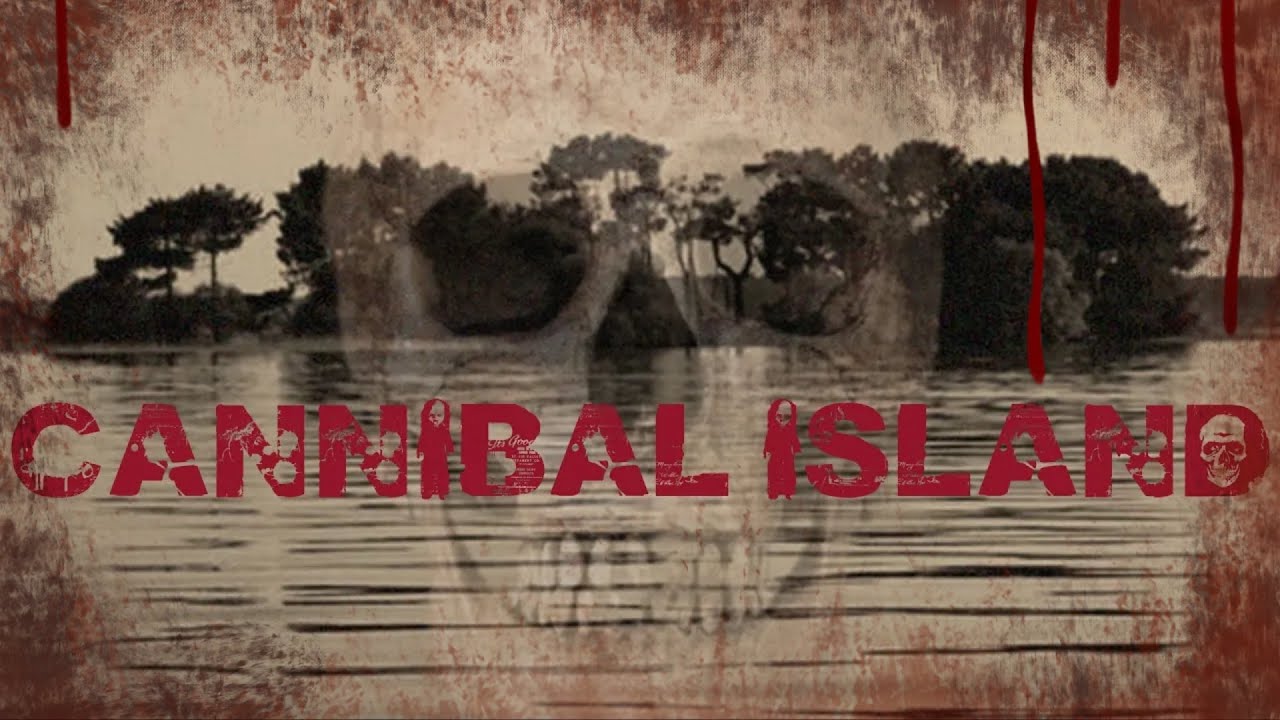
Surviving Nazinsky: The Horrors of Cannibal Island in Soviet Russia

The Nazinsky Cannibal Island is a dark and disturbing chapter in the history of the Soviet Union. The story of the island serves as a reminder of the brutality of the Soviet regime and the human cost of authoritarianism.

In 1933, the Soviet government exiled thousands of people to the Nazino Island in the Tomsk region of Siberia. These people were labeled as “enemies of the state” and were sent to the island without proper food, water, or shelter. The conditions on the island were beyond inhumane, and many of the prisoners died within the first few days of their arrival.

The situation on the island was so dire that some of the survivors resorted to cannibalism to stay alive. The prisoners were forced to work long hours in the cold, with little to no food, and no medical attention. Many of them died from starvation, exposure, and disease.

The island was named after Pavel Nazin, the head of the local NKVD secret police who oversaw the brutal treatment of the prisoners. Nazin was known for his brutal tactics and disregard for human life.

The situation on the island became so dire that the government eventually sent a team of investigators to the island to assess the situation. However, by the time they arrived, the majority of the prisoners had already perished.

The survivors of Nazinsky Island faced a long road to recovery. Many of them suffered from physical and emotional trauma for years to come. The legacy of the island serves as a warning to future generations about the dangers of unchecked power and the importance of human rights.

In the years since the closure of the island, the story of Cannibal Island has been told through books, films, and documentaries. The story serves as a grim reminder of the atrocities committed in the name of ideology and the need for accountability in the face of abuses of power.

As the prisoners arrived on Nazino Island, they were immediately thrown into a hellish existence. They were given no shelter or protection from the elements, and many were forced to sleep outside in the freezing cold. The meager rations of flour and water that they were given were barely enough to sustain them, and they were forced to work long hours in grueling conditions.

The situation on the island quickly became dire, and the guards began to resort to violence to maintain control. Many of the prisoners were brutally beaten or killed, and some were thrown into pits filled with quicklime to dispose of their bodies. As the days went on, the situation became even more desperate, and many of the prisoners turned to cannibalism as a means of survival.

The survivors of Nazinsky Island have described the horror of their experience in vivid detail. They spoke of the constant hunger and thirst, the brutal treatment by the guards, and the desperate acts of cannibalism that some of them were forced to commit. They also spoke of the incredible resilience and bravery of their fellow prisoners, who worked together to try and survive the horrific conditions.

In the end, the Soviet government was forced to acknowledge the atrocities that had taken place on Nazino Island. The island was shut down, and the surviving prisoners were eventually released. However, the legacy of Cannibal Island lives on as a haunting reminder of the dangers of totalitarianism and the importance of human rights.

As the prisoners continued to die from starvation, exposure, and disease, the situation on Nazino Island became increasingly dire. Some of the survivors resorted to cannibalism in order to stay alive. The victims included both the deceased and the living, as some prisoners were murdered for their flesh. The conditions on the island were beyond inhumane, and the prisoners were treated as less than animals.

When news of the situation on Nazino Island reached Moscow, the Soviet government sent a team of investigators to assess the situation. However, by the time they arrived, the majority of the prisoners had already perished. The government ultimately decided to close down the island and transfer the remaining prisoners to other labor camps.

The story of Nazinsky Island is a grim reminder of the brutality of the Soviet regime and the human cost of authoritarianism. It is a testament to the resilience of the human spirit that some of the prisoners were able to survive the horrific conditions on the island and live to tell their stories. While the island no longer exists, its legacy serves as a warning to future generations about the dangers of unchecked power and the importance of human rights.

Moreover, the tale of Cannibal Island also serves as a stark reminder of the dangers of authoritarianism and the need for respect for human rights. The island may no longer exist, but its legacy lives on, reminding us of the atrocities that can occur when those in power prioritize their own interests above those of the people they are supposed to serve.

It is important to remember and honor the victims of Nazinsky Cannibal Island, and to ensure that such horrific events never happen again. We must continue to speak out against injustice and oppression, and work to build a world where all people are treated with dignity and respect, regardless of their race, religion, or political beliefs.

Categories
W5 World

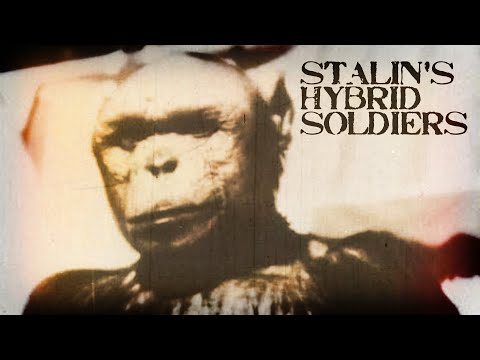
The Mystery of Stalin’s Super Soldier Experiments

During the Soviet era, Joseph Stalin was known for his ruthlessness and his obsession with developing a super army that could defeat any enemy. One of the most enduring legends of Stalin’s era is the story of the “super soldiers” – humans with extraordinary physical and mental abilities created through a series of experiments. While many of these stories are simply myths, there is some evidence to suggest that Stalin did indeed have a fascination with creating a super army, and that he may have even authorized experiments aimed at creating super soldiers.

The idea of creating super soldiers was not a new one. Throughout history, people have been searching for ways to enhance human abilities, whether through training, drugs, or technology. During World War II, both the Allies and the Axis powers experimented with various methods of creating super soldiers, including the use of drugs and other performance-enhancing substances. In the Soviet Union, however, the focus was on more unconventional methods.

According to some accounts, Stalin was particularly interested in the possibility of creating soldiers with psychic powers. He reportedly consulted with a number of psychics and parapsychologists in an effort to determine whether it was possible to develop telepathy, telekinesis, and other psychic abilities. While there is no concrete evidence to support these claims, there are some indications that Soviet scientists did indeed experiment with psychic powers.

One of the most famous stories about Stalin’s super soldier experiments involves a group of soldiers who were supposedly given an experimental drug that gave them superhuman strength and endurance. According to the legend, these soldiers were able to lift incredible amounts of weight and run for days without stopping. While there is no evidence to support this story, it is possible that Soviet scientists did experiment with performance-enhancing drugs.

Another story that has circulated for years involves a group of soldiers who were allegedly subjected to intense training that involved freezing them in ice water and forcing them to run through snowdrifts for hours at a time. According to the legend, these soldiers were able to withstand extreme cold and were virtually immune to frostbite. While it is true that Soviet soldiers were trained to operate in extreme cold, there is no evidence to suggest that they were subjected to such extreme methods of training.

Despite the lack of concrete evidence, there are some indications that Stalin did indeed authorize experiments aimed at creating super soldiers. In 1946, for example, a secret research program was established at the Academy of Medical Sciences in Moscow. The program, which was known as “Project A”, was designed to investigate the use of drugs and other methods of enhancing human performance.

One of the most prominent scientists involved in Project A was Sergei Brukhonenko, a physiologist who was known for his work on the preservation of organs for transplant. Brukhonenko was particularly interested in the use of drugs to enhance human performance, and he reportedly conducted experiments on both animals and humans.

One of the most controversial experiments conducted by Brukhonenko involved the use of a drug called “metrazol”, which was used to induce seizures in patients with epilepsy. Brukhonenko believed that the drug could be used to enhance human performance, and he reportedly gave it to a group of soldiers in an effort to increase their endurance. While the results of this experiment are unclear, it is possible that Brukhonenko’s research contributed to the development of performance-enhancing drugs in the Soviet Union.

Despite the rumors and legends, it is clear that the concept of creating super soldiers was a real one in Stalin’s Soviet Union. While there is little concrete evidence to suggest that Stalin’s scientists were successful in creating soldiers with extraordinary abilities, it is possible that some experiments were conducted in secret. Today, the legend of Stalin’s super soldiers lives on as a reminder of the dark and often bizarre history of the Soviet Union.

It is a reminder of the lengths to which the regime was willing to go in order to gain an edge over its enemies, both real and imagined. The idea of super soldiers may seem like something out of a comic book or science fiction novel, but the fact that such experiments were even considered speaks volumes about the desperation and paranoia of Stalin’s regime.

It is also a reminder of the ethical questions that arise when science and politics intersect. The desire for power and control can lead to a disregard for human life and dignity, and the Soviet Union’s super soldier experiments are just one example of this. As we continue to push the boundaries of science and technology, it is important to remember the lessons of history and to ensure that we never repeat the mistakes of the past.

While the truth about Stalin’s super soldiers may never be fully known, the legend will continue to fascinate and inspire speculation for years to come. The stories of enhanced soldiers with superhuman abilities may seem far-fetched, but they also serve as a reminder of the incredible potential of science and the limitless possibilities of human imagination. Whether or not these experiments were successful, the fact that they were even attempted is a testament to the power of human curiosity and the drive to push beyond our limits.

Categories
W5 World

The Legacy of Field Marshal Georgy Zhukov: A Controversial but Brilliant Military Leader

Field Marshal Georgy Konstantinovich Zhukov was a prominent Soviet military commander during World War II and one of the most renowned military strategists in history. Born on December 1, 1896, in Strelkovka, Kaluga Oblast, Russia, he was the son of a peasant family. Zhukov graduated from a military academy in 1924 and began his career as an infantry officer. He rose through the ranks of the Soviet army to become a prominent military commander during World War II, playing a key role in the defeat of Nazi Germany. In this article, we will delve into the life and accomplishments of this legendary military commander.

Zhukov’s military career began in 1915, when he joined the Russian army as a cavalryman. During World War I, he fought on the Eastern Front and was wounded in the head. After the war, he joined the Red Army and fought in the Russian Civil War, distinguishing himself as a skilled commander. He became a member of the Communist Party in 1931 and rapidly rose through the ranks of the Soviet army.

During World War II, Zhukov played a key role in the Soviet Union’s victory over Nazi Germany. He was appointed Chief of the General Staff in 1941, just months after Germany invaded the Soviet Union. In this position, he oversaw the Soviet Union’s military strategy and was responsible for planning and coordinating its military operations. Zhukov played a key role in several of the Soviet Union’s most important victories, including the Battle of Stalingrad, the Battle of Kursk, and the Battle of Berlin.

At the Battle of Stalingrad in 1942, Zhukov was responsible for organizing the Soviet counterattack that encircled the German Sixth Army, leading to its ultimate defeat. This battle is often considered one of the turning points of World War II. Zhukov’s leadership and military strategy were also critical to the Soviet victory at the Battle of Kursk in 1943, the largest tank battle in history.

Zhukov continued to play a key role in the Soviet Union’s victory over Nazi Germany, leading the Red Army into Berlin in 1945 and accepting the surrender of German forces on behalf of the Soviet Union. He was promoted to Marshal of the Soviet Union in 1943, making him one of the highest-ranking military officers in the Soviet Union. Zhukov was also awarded the title of Hero of the Soviet Union four times for his military accomplishments.

After the war, Zhukov continued to serve in the Soviet army and played a key role in the military occupation of Germany. In 1946, he was removed from his position as Chief of the General Staff and appointed Commander-in-Chief of Soviet forces in the Far East. However, he was later dismissed from this position due to his disagreements with Joseph Stalin.

In 1955, Zhukov was appointed Minister of Defense, a position he held until 1957. He was responsible for the modernization and reform of the Soviet military during his tenure. However, he was dismissed from this position as well, again due to his disagreements with Soviet leaders.

Zhukov is widely regarded as one of the greatest military commanders of the 20th century. He is credited with playing a key role in the Soviet Union’s victory over Nazi Germany and for his military accomplishments during World War II. His contributions to the Soviet military are also recognized, particularly in his modernization and reform of the Soviet armed forces.

Zhukov’s legacy is also controversial, however, due to his relationship with Soviet leaders and his role in the repression of political dissidents and suppression of uprisings in countries such as Hungary and East Germany. Despite this, he is still widely regarded as one of the greatest military commanders of all time and played a critical role in the defeat of Nazi Germany in World War II. His tactics and strategies continue to be studied and applied by military leaders around the world today.

Despite these controversies, Zhukov is widely regarded as one of the greatest military commanders in history. His contributions to the Soviet Union’s victory in World War II cannot be overstated, and his military tactics and strategies have been studied and emulated by military leaders around the world.

In recognition of his achievements, Zhukov was awarded numerous honors and accolades throughout his career. These included the Order of Lenin, the Order of the Red Banner, and the Hero of the Soviet Union, among many others. He was also elected to the Presidium of the Supreme Soviet, the highest legislative body in the Soviet Union.

After his retirement from the military, Zhukov continued to be an influential figure in Soviet politics. He served as a member of the Central Committee of the Communist Party of the Soviet Union, and later as a deputy chairman of the Council of Ministers. However, his relationship with Soviet leaders became increasingly strained, and he was eventually removed from his position and expelled from the Communist Party in 1957.

Despite this setback, Zhukov’s contributions to Soviet and world history remain significant. His military genius and leadership helped shape the course of World War II and the post-war world. His legacy as a brilliant strategist and courageous commander continues to inspire military leaders and historians around the world.

Categories
W5 World

Fueling the Frontlines: The Soviet Oil Wars and Their Global Impact

Introduction

Oil has always been a highly coveted resource and has been a major factor in many conflicts, including Caucasus, Stalingrad, and Baku, throughout history. The Soviet Union was no exception, as its vast oil reserves in many regions played a crucial role in the country’s economy and military might. The race to control this black gold led to a fierce and bloody struggle, which had far-reaching consequences. This article explores the war for Soviet oil, its impact, and its legacy. This article explores the war for Soviet oil, which was not only fought on the battlefield but also in the boardrooms of major oil companies and political negotiations.

The Importance of Soviet Oil: An Overview

The Soviet Union’s vast oil reserves were a crucial factor in the country’s industrial and military power. As such, controlling the production and distribution of oil became a matter of national security, leading to intense competition and conflict. While the Caucasus, Stalingrad, and Baku are well-known as key battlegrounds in the struggle for Soviet oil, other conflicts and wars related to the oil industry also emerged. This article explores the various struggles and wars for Soviet oil, highlighting their impact on Soviet and world history.

Oil was the backbone of the German war machine during World War II, and the Soviet Union was one of the largest oil producers in the world. The Germans recognized the importance of Soviet oil reserves and made it a top priority to capture them. The Soviet Union, on the other hand, relied heavily on oil exports to finance their war effort.

Soviet oil was critical to the country’s industrialization and military expansion. By the 1930s, the Soviet Union had become one of the world’s leading oil producers, with vast reserves in the Caucasus, Siberia, and Central Asia. The country’s oil industry was the backbone of its economy, providing crucial revenue and employment opportunities.

The Struggle for Control

During the early 20th century, the Soviet Union was rapidly industrializing, which led to a surge in demand for oil. However, the country lacked the technology and expertise to extract and refine its vast oil reserves. As a result, the Soviet government sought help from foreign oil companies, which were willing to invest in the country’s oil industry in exchange for a share of the profits. There were a number of conflicts and wars related to the Soviet oil industry that emerged beyond the Caucasus, Stalingrad, and Baku.

During World War II, the Soviet Union faced several challenges to its oil supply, which led to the development of new oil fields in the Volga-Urals region and Siberia. In the post-war era, there were conflicts over control of oil resources in Central Asia and the Caspian Sea. Additionally, the collapse of the Soviet Union and the subsequent privatization of the oil industry led to further competition and conflicts among various groups and individuals vying for control of lucrative oil fields.

The Nazi Invasion and the Battlefields

When Germany invaded the Soviet Union in 1941, the Caucasus oil fields became a primary target. The Germans were keen to secure these oil reserves, which they believed could tip the balance of the war in their favor. The ensuing battle for the Caucasus in the Caspian Sea was one of the deadliest of the war, with both sides suffering heavy casualties. The Soviet Union eventually emerged victorious, but at a great cost.

On the other hand, Baku, located in present-day Azerbaijan, was one of the most critical oil-producing regions in the Soviet Union. The Germans launched a massive assault on Baku in August 1942, but the Soviets managed to repel the attack. The battle for Baku was a significant turning point in the War for Soviet Oil, as it prevented the Germans from securing a steady supply of oil.

Also, during World War II, the Soviet Union’s oil fields were a key target for Nazi Germany, which sought to cut off the Soviet Union’s oil supply and cripple its war effort. The Battle of Stalingrad (1942-43), one of the most significant battles of the war, was fought primarily over control of the city’s oil refineries.

Post-War Expansion and the Cold War

After World War II, the Soviet Union continued to expand its oil industry, driven by the demand for oil in the reconstruction of Europe and the growing Cold War tensions. The country’s oil output continued to grow, reaching a peak in the 1970s. However, the Soviet Union’s reliance on oil exports made it vulnerable to fluctuations in the global oil market.

After World War II, the Soviet Union emerged as a superpower and its oil reserves became a major geopolitical asset. The United States and other Western powers feared the Soviet Union’s growing influence and sought to undermine it by controlling the world’s oil supply. This led to the establishment of the Organization of the Petroleum Exporting Countries (OPEC), which was seen as a way to limit the Soviet Union’s access to the global oil market.

The Impact of the War for Soviet Oil

The War for Soviet Oil had significant consequences for the outcome of World War II. The Germans’ failure to secure a steady supply of oil limited their military capabilities and ultimately led to their defeat. The Soviet Union, on the other hand, was able to maintain its oil exports and finance its war effort, which played a crucial role in their victory over the Germans.

The Soviet Union’s economy was heavily reliant on oil exports, and the country’s collapse in 1991 was partly due to a decline in oil prices and production. The privatization of the Soviet oil industry led to the emergence of wealthy oligarchs who controlled the country’s oil reserves and profited from its exports. This led to a new era of corruption and political instability in the country, and finally taking the Soviet Union to its collapse.

Conclusion

The war for Soviet oil was a defining feature of 20th-century geopolitics, during World War II and shaping the Cold War and the global oil industry. The Soviet Union’s vast oil reserves enabled it to become a superpower, but the struggle to secure and maintain control over these resources exacted a heavy toll on the Soviet economy and environment. Today, the legacy of the Soviet oil industry lives on, as oil continues to be a crucial commodity in modern times, and the War for Soviet Oil serves as a reminder of its importance in shaping world events.