Categories
W1 World

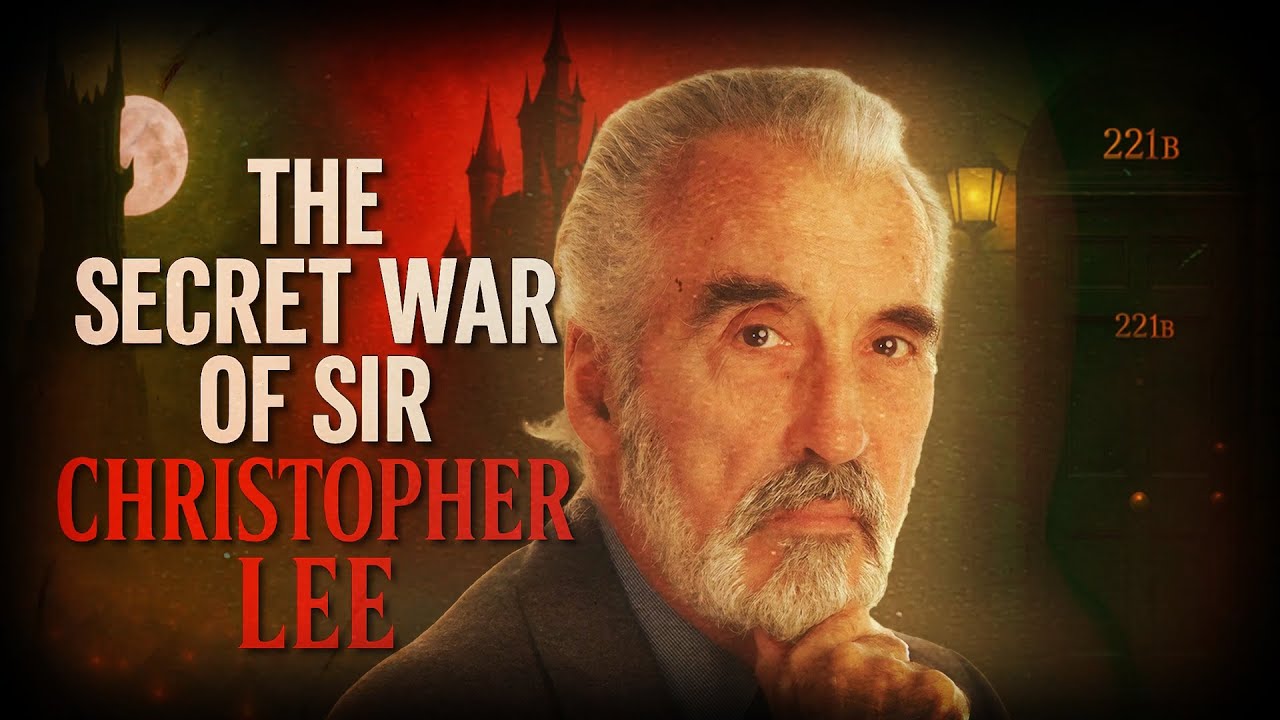
The Secret War of Sir Christopher Lee: From Covert Battlefield Missions to Big Screen Legend

Introduction: The Man Behind the Myths

Sir Christopher Lee is best remembered as a towering presence on screen—Dracula, Saruman, Count Dooku. But behind his cinematic legacy lies a shadowy past more thrilling than any of his film roles. Before Hollywood, before Hammer Horror, Lee was a soldier and a spy. During World War II, he served with distinction in the Royal Air Force and was attached to British intelligence and special forces, including the SAS and the Special Operations Executive (SOE).

Some of his missions remain classified, adding an air of mystery to an already enigmatic man. This is the story of a war hero whose real life may have inspired fictional legends like James Bond, and whose experiences shaped him as both an actor and a man. Long before he wore fangs or wielded a wizard’s staff, he stared down real danger in the shadows of history.

The Making of a Warrior: Early Life, War

Born in 1922 to a military family, Christopher Frank Carandini Lee grew up in a world shaped by war and aristocracy. His father was a decorated army officer, and his mother came from Italian nobility. From an early age, Lee showed an interest in languages, history, and adventure.

Lee was fluent in several languages—skills that would later serve him well in intelligence work. When World War II broke out, Lee enlisted in the Royal Air Force. Initially grounded due to a vision problem, he nonetheless found ways to serve. His aptitude and demeanor quickly led him into intelligence roles, and eventually into elite covert units.

Into the Shadows: SOE, SAS, Missions

Lee was quietly recruited into the SOE—Special Operations Executive, Winston Churchill’s infamous spy organization, often referred to as “the Ministry of Ungentlemanly Warfare.” He also had ties with the SAS, the Special Air Service, known for its deadly raids behind enemy lines. His work included sabotage operations, tracking down Nazi war criminals, and assisting in the liberation of concentration camps.

Lee operated in North Africa, Italy, and possibly Eastern Europe. Although Lee remained tight-lipped about many of his missions, he once told interviewers, with a knowing smile, “Let’s just say I was involved in some very confidential things.”

Hunting Evil: Post-War Pursuit of Nazis

Following the war, Lee worked with the Central Registry of War Criminals and Security Suspects (CROWCASS), the organization tasked with identifying and capturing Nazi war criminals. It was grueling and emotionally exhausting work—digging through evidence of atrocities and helping bring fugitives to justice.

Lee was present at several interrogations and assisted with intelligence that led to arrests. This chapter of his life haunted him and shaped his profound sense of justice. He once said, “If I could take just one man down who committed such acts, it was all worth it.”

Silence and Secrecy: A Code That Endured

Throughout his life, Lee maintained a strict code of silence regarding his military service. He believed that talking too much would dishonor the memory of those who served and died. When Peter Jackson asked him how he knew what a man sounded like when stabbed in the back—a moment while filming The Lord of the Rings—Lee replied, “Because I know what it sounds like.”

This cryptic answer added to the legend, but it was rooted in real, harrowing experience. Even in his autobiography, he glossed over many wartime details, preserving the dignity and confidentiality of those turbulent years.

Hollywood and the Haunted Heroic Past

After the war, Lee returned to civilian life and eventually found his way to the silver screen. His imposing height, deep voice, and stoic demeanor made him perfect for villainous roles. But beneath the horror makeup and menacing characters was a man shaped by unimaginable experiences.

Lee’s time in war gave him an intensity and authenticity that few actors could match. He was not pretending to understand fear or death—he had lived it. His military discipline carried over into his acting career; he was professional, punctual, and precise.

A Real-Life Bond: Spy, Soldier, or Legend?

Many have speculated that Christopher Lee’s cousin, Ian Fleming, drew on Lee’s life for inspiration when creating James Bond. Fleming and Lee were close, and the timeline of Lee’s wartime service overlaps significantly with Fleming’s own intelligence work.

Like Bond, Lee was suave, multilingual, deadly when needed, and accustomed to moving through shadows. While Lee never confirmed the theory, he didn’t deny it either. The parallels are compelling: both were British, both were involved in secretive operations across Europe, and both had a cool, lethal charisma.

Recognition Long Overdue: Hidden Valor

Despite his service, Lee never boasted or sought recognition for his military contributions. It wasn’t until much later in life that many people learned of his wartime record. In 2009, he was knighted for his contributions to drama and charity—but his military service was mentioned with reverence.

Lee’s commitment to duty, silence, and integrity stood in stark contrast to the modern age of oversharing. Lee’s life serves as a reminder that true heroism often resides in humility. In truth, he was the myth behind the myth.

Legacy: From War Rooms to Wizardry

Sir Christopher Lee’s legacy is unique. Few people can claim to have fought Nazis and also portrayed wizards and Sith Lords. His war service adds a profound dimension to his performances. When you see him wield a sword or issue a grave warning as Saruman, remember: this was not an act.

This was a man who had looked evil in the face and lived to tell the tale—if only in hints and whispers. His roles in cinema become even more iconic when framed by the knowledge of the life he led before the camera rolled.

Conclusion: A Hero in Shadow and Light

Sir Christopher Lee lived many lives. Soldier, spy, actor, legend. His wartime service remains a lesser-known but essential part of his story. In a century marked by conflict and change, Lee stood as a bridge between the brutal realities of war and the magical worlds of film. He showed that heroism takes many forms—on the battlefield, on the screen, and in the quiet dignity of a life lived with purpose and honor.

Overall, the world may remember him for Dracula or Saruman, but behind those characters stood a real man—a man who once fought in the shadows to defend the light. Sir Christopher Lee’s legacy is more than cinematic—he lived a life so extraordinary, it rivaled even the legends he portrayed on screen. In many ways, he wasn’t just playing heroes and villains—he was living the kind of story most actors could only dream of.

Categories
W1 World

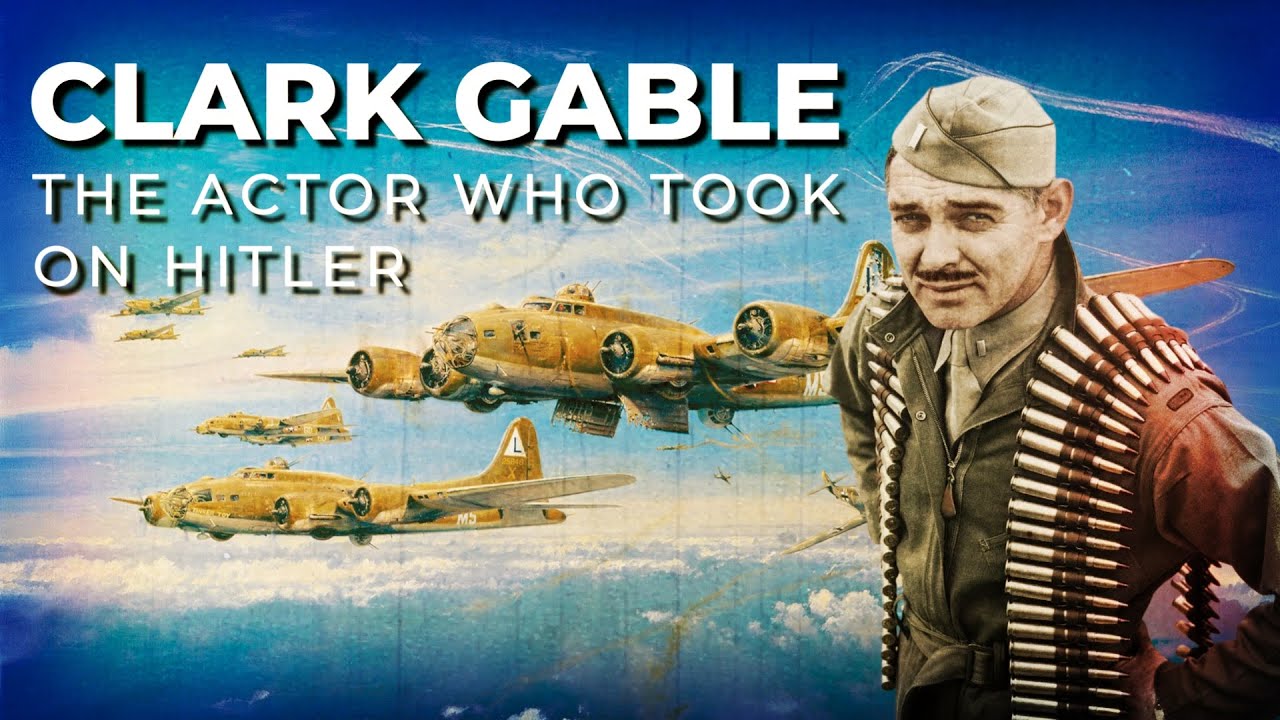
Clark Gable: The Hollywood Hero Who Fought on the Frontlines And Defied Hitler in WWII

From Stardom to Warfront

Clark Gable was more than just the “King of Hollywood.” By the late 1930s, his name was synonymous with cinematic excellence, and his role as Rhett Butler in Gone with the Wind had cemented his place in pop culture history. Adored by millions and envied by fellow actors, Gable had it all—wealth, fame, and charisma. But when World War II erupted, everything changed.

The attack on Pearl Harbor in 1941 stirred something deeper in the actor’s heart. Instead of staying in the safety of Tinseltown, Gable made a decision that would shock Hollywood: he volunteered for military service. His choice was a bold defiance of celebrity privilege and a testament to his deep sense of patriotism and loss.

The Death of Carole Lombard

One of the most heartbreaking turning points in Gable’s life was the tragic death of his beloved wife, actress Carole Lombard. In January 1942, Lombard was returning from a successful war bond rally when her plane crashed in Nevada, killing all aboard. Gable was devastated. Friends said he was never the same.

Many believe this personal tragedy spurred his enlistment—Lombard had died serving the war effort, and Gable wanted to honor her memory by doing the same. Shortly afterward, he joined the U.S. Army Air Forces, refusing any special treatment due to his fame. At 41, Gable was older than most recruits, but he insisted on serving as an equal, not as a movie star.

From Actor to Aerial Gunner

Gable trained rigorously at Miami and later at the gunnery school in Texas. Despite being a Hollywood icon, he endured the same grueling physical tests as any other soldier. He was assigned to the 351st Bomb Group and flew combat missions over Nazi-occupied Europe. Gable took to the skies in B-17 Flying Fortresses as an aerial gunner—one of the most dangerous jobs in the war.

Gable completed at least five combat missions over Germany, braving enemy fire, freezing altitudes, and the very real risk of never coming back. During one bombing run, shrapnel nearly missed his head, tearing through his boot and killing the man standing next to him. Gable never flinched. He earned the Air Medal and the Distinguished Flying Cross for his courage.

A Filmstar Behind Enemy Lines

While flying real combat missions, Gable also used his Hollywood skills to aid the war effort in another way: propaganda and recruitment. The U.S. government asked him to make a film that would boost morale and inspire enlistment. The result was Combat America, a documentary showcasing the bravery of American airmen.

Gable narrated the film and appeared throughout, but it wasn’t just acting—it was his real unit, real footage, and real emotion. The film was praised for its authenticity and became a powerful recruitment tool. Nazi Germany took notice of Gable’s involvement. Reportedly, Adolf Hitler offered a reward for Gable’s capture, dead or alive, recognizing the cultural threat he posed.

Gable’s Return to Civilian Life

Gable was honorably discharged in 1944 as a major. Unlike other stars who used the war as a PR opportunity, Gable returned without fanfare. He refused to capitalize on his service and quietly resumed his acting career. Though he returned to the big screen in films like The Hucksters and Mogambo, many said the war had changed him. He was more reserved, introspective, and less enchanted with the glitz of Hollywood.

Gable never remarried until the final years of his life, and many close to him believed he never fully recovered from Lombard’s death and the trauma of the war. Yet his service remained a badge of honor—a personal chapter he rarely spoke of but carried with quiet pride. That chapter, etched in loss and courage, shaped the man behind the legend far more than Hollywood ever could.

Final Days and a Quiet Farewell

In the final chapter of his life, Clark Gable began to slow down, both professionally and personally. After years of stardom, wartime service, and public appearances, he longed for a simpler life. In 1960, while filming The Misfits alongside Marilyn Monroe, Gable—though still commanding on screen—was visibly worn by years of physical strain and emotional loss. Just days after filming wrapped, he suffered a massive heart attack.

Gable passed away on November 16, 1960, at the age of 59, leaving behind a grieving nation and an unborn son, John Clark Gable. Though his death marked the end of a golden era, it also cemented his place as a true American icon—an actor, a soldier, and a man who lived with principle and died with quiet dignity.

Gable’s Lasting Legacy and Impact

Clark Gable’s decision to enlist during the peak of his fame broke the mold of Hollywood celebrity. He wasn’t the only star to serve—Jimmy Stewart, Henry Fonda, and others also joined the fight—but Gable’s story stood out because of his age, rank, and personal loss. He risked his life repeatedly and asked for no special treatment, embodying a kind of patriotism and humility that is rare in any era.

Today, his legacy endures not only through his classic films but also through his wartime bravery. Gable remains a symbol of courage—not just in the roles he played, but in the life he lived when the cameras stopped rolling. His decision to trade glamour for grit at the height of his fame speaks volumes about his character. In both reel and real life, Clark Gable stood tall when it mattered most.

Hollywood Hero, American Patriot

Clark Gable was more than a screen icon—he was a man who turned grief into action and fame into service. At a time when he could have hidden behind the lights of Hollywood, he chose to face the horrors of war head-on. His story reminds us that true heroism lies not in who you are, but in what you do when it matters most.

Clark Gable’s journey from the glitz of Hollywood to the grim skies of wartime Europe remains one of the most compelling examples of courage and conviction. In choosing duty over comfort, he proved that true heroism transcends the silver screen. His legacy reminds us that even icons can rise above fame to fight for something far greater—freedom, sacrifice, and country.