Categories
W1 World

The Somme’s Bloody Toll: Why Hundreds of Thousands Paid the Price in a Devastating Battle

Introduction: Britain’s Darkest Battle

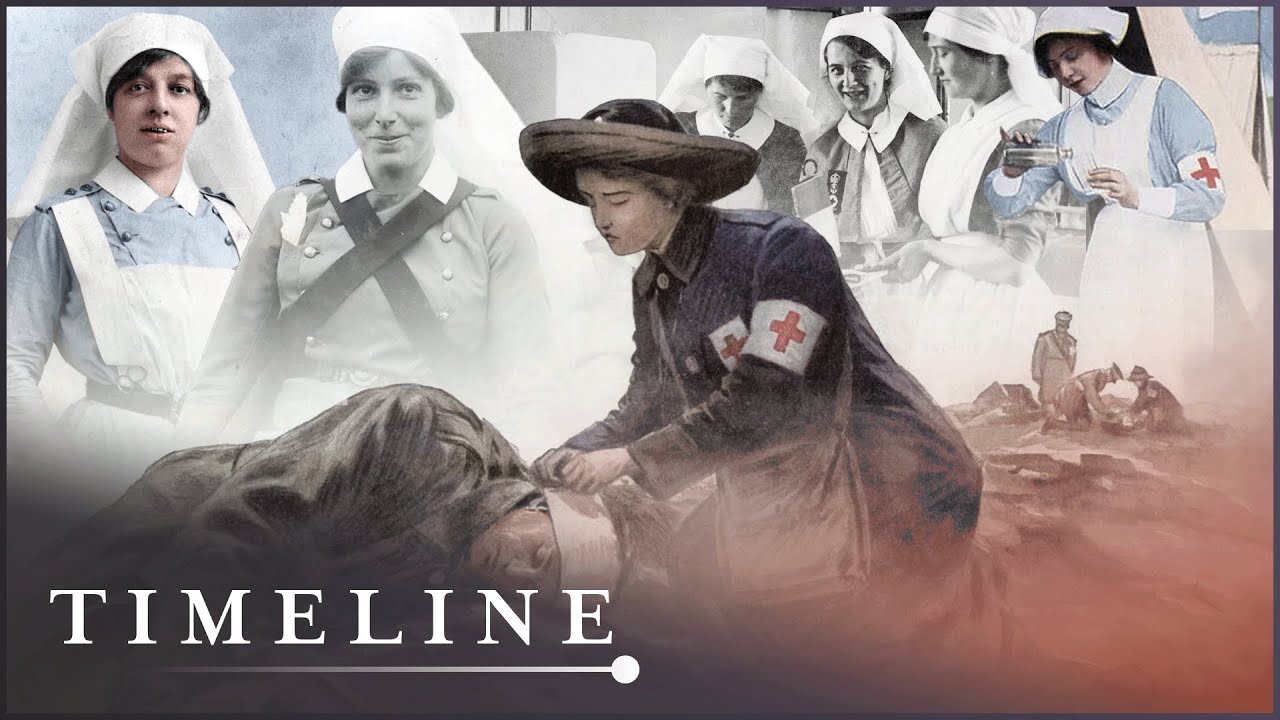
Few battles have left a deeper scar on British national memory than the Battle of the Somme. Fought from July 1 to November 18, 1916, it remains one of the deadliest and most haunting campaigns in human history. In just over four brutal months, the British Empire suffered around 420,000 casualties—killed, wounded, or missing—while their French allies lost another 200,000 men. German losses were even greater, with estimates of over 450,000 dead and wounded.

What began as a bold attempt to break the stalemate on the Western Front quickly descended into a nightmare of death, mud, and shattered hopes. The Battle of the Somme would come to symbolize the tragic and devastating cost of outdated military tactics clashing with the brutal and unforgiving realities of modern industrial warfare. In this article, we explore why the Somme proved so catastrophically deadly for Britain and examine whether the enormous human cost achieved any meaningful strategic goals.

Planning the Offensive at the Somme

The Somme offensive was originally intended to relieve the French Army, heavily engaged at Verdun, and to break through entrenched German defenses along a wide front. British commanders, led by General Sir Douglas Haig and General Sir Henry Rawlinson, believed that a prolonged artillery bombardment would decimate German positions, clearing the way for an easy infantry advance. Over 1.5 million shells were fired during a week-long barrage, which was expected to destroy enemy barbed wire, trenches, and fortifications.

However, many shells were defective, and German forces had constructed deep, reinforced bunkers that survived the bombardment with minimal losses. The British high command, confident of victory, ordered their soldiers to advance slowly and in tightly packed lines, believing resistance would be negligible. Tragically, these miscalculations would result in devastating casualties on the very first day.

Misjudgments and Overconfidence

One of the most fatal errors of the Somme campaign was the overconfidence of British military leadership. Senior commanders, many of whom had little experience with modern industrial warfare, continued to apply outdated 19th-century tactics against a technologically advanced enemy. The British Army was composed largely of newly raised volunteer units, known as Kitchener’s Army, whose enthusiasm was unmatched but whose training was often rushed and insufficient.

Planners assumed that slow, deliberate advances would be enough once German defenses were obliterated. They underestimated the ability of German troops to quickly man their machine guns once the bombardment ceased. The rigid attack orders left British troops marching across open fields, fully exposed to relentless fire from well-entrenched defenders. The result was catastrophic: nearly 60,000 British casualties on the first day alone, including more than 19,000 killed.

Outdated Tactics, New Technology

The Battle of the Somme revealed a tragic mismatch between old battlefield strategies and new technological realities. Warfare had changed dramatically with the advent of rapid-fire machine guns, heavy artillery, and intricate trench systems. However, military thinking had not kept pace. Traditional massed infantry assaults against fortified lines were no longer viable, but the British generals persisted with these approaches.

Barbed wire defenses were often still intact, forcing advancing troops to bunch up and become easy targets. While tanks made their first appearance during the Somme, their limited numbers, mechanical unreliability, and slow speeds meant they had little real impact. The commanders’ failure to adapt to the demands of industrialized warfare turned the battlefield into a slaughterhouse, where bravery alone was no match for machine guns and artillery shells.

The Heavy Toll on a Generation

The human cost of the Battle of the Somme for Britain was staggering and had long-lasting effects on society. The heavy casualties disproportionately affected young men, especially those from small towns and cities across Britain. Many “Pals Battalions”—units composed of men who had enlisted together from the same communities—were virtually wiped out in a single morning. Whole neighborhoods lost their youth and future leaders, creating a profound and collective grief that haunted Britain for decades.

The horror of the Somme helped destroy the romantic ideals of war that had characterized the pre-1914 era. Instead of glorious heroism, the dominant images of the First World War became mud, death, and futility. The trauma experienced by soldiers and their families back home contributed to a broader societal shift toward skepticism, disillusionment, and the questioning of traditional authority.

Gains Versus the Immense Costs

Historians have long debated whether the Somme achieved anything that justified its enormous price. In purely territorial terms, the gains were minimal—British and French forces advanced only about six miles over four months of fighting. Nevertheless, some argue that the battle played a crucial role in weakening the German Army, inflicting heavy casualties that the Germans could ill afford to replace.

Others maintain that the Somme exposed critical flaws in British military leadership, leading to reforms that ultimately contributed to victory in 1918. Still, it is difficult to ignore the sense that the battle epitomized the worst excesses of attritional warfare, where tens of thousands of lives were sacrificed for objectives that often seemed strategically insignificant. For many, the Somme remains a byword for senseless slaughter.

Lessons Learned From the Somme

Despite its catastrophic beginning, the Battle of the Somme forced important changes in British military doctrine. As the battle dragged on, commanders began to recognize the need for better coordination between artillery and infantry, improved communication systems, and greater tactical flexibility. New strategies such as creeping barrages, where artillery fire moved forward just ahead of advancing infantry, were developed to reduce exposure to enemy fire.

The early use of tanks, though ineffective at the Somme, sparked innovations that would lead to their decisive role later in the war. By learning painful lessons about how to fight a modern industrial war, the British Army gradually evolved into a more effective fighting force. Tragically, these improvements came too late for the hundreds of thousands who had already fallen on the fields of northern France.

The Lasting Legacy of the Somme

The legacy of the Battle of the Somme is deeply etched into British history and collective memory. The battlefields of France are now home to countless cemeteries and memorials, most notably the Thiepval Memorial, which honors over 72,000 missing soldiers. Annual commemorations ensure that the sacrifices of the Somme are not forgotten.

The battle also influenced literature, art, and popular culture, inspiring works that grapple with the horror and futility of war. In many ways, the Somme marked the end of a more innocent age, replacing optimism with a more cynical and questioning view of authority, empire, and the nature of war itself. It stands today as a solemn reminder of the terrible price of strategic miscalculation and human error on a grand scale.

Conclusion: The Somme’s Bitter Cost

The Battle of the Somme remains one of the most tragic episodes in British military history. It exemplified the terrible human cost of the First World War, the failures of outdated tactics, and the brutal realities of industrialized combat. While historians continue to debate whether the sacrifices were strategically necessary, there is no disputing that the fields of the Somme became a graveyard for a generation.

The battle reshaped Britain, leaving scars that lasted far beyond the war itself. Remembering the Somme is not only about honoring those who died but also about understanding the profound consequences of leadership, technology, and sacrifice in times of war. The fields of the Somme stand today as a solemn reminder of sacrifice, resilience, and the enduring lessons of unimaginable loss.

Categories
W1 World

Wings of Defiance: How British Women Redefined Feminism During the Battle of Britain

Introduction: When War Called, Women Answered

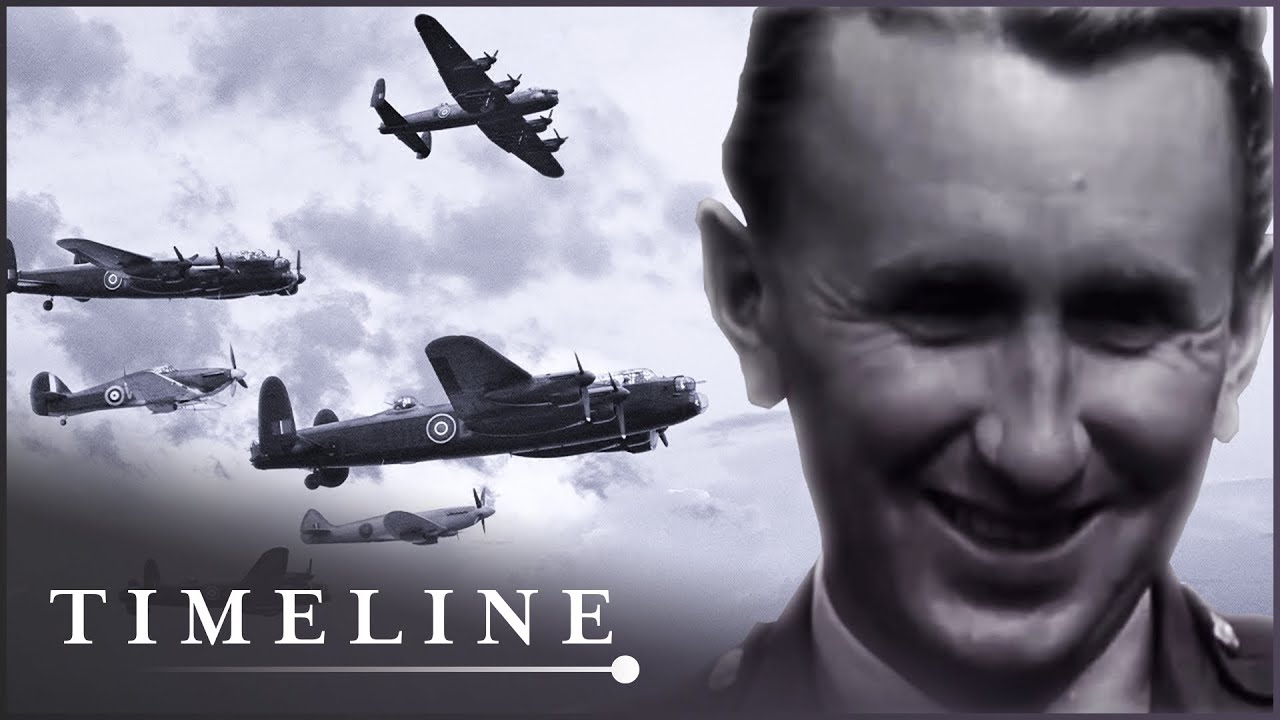
The summer of 1940 saw Britain standing alone against the Nazi threat, its skies aflame with aerial dogfights and its people bracing for invasion. While the Battle of Britain has long been immortalized through the daring feats of male RAF pilots, an equally compelling and often underappreciated force was at work behind the scenes: the women of Britain.

In radar bunkers, aircraft factories, and even the cockpits of Spitfires and Hurricanes, thousands of women defied societal expectations to support their country’s survival. This wasn’t just a wartime necessity—it was the ignition of a feminist boom that reshaped gender roles in British society forever.

From Kitchen to Command: The Rise of the WAAF

Before the war, the notion of women engaging in military work was foreign to many. But with men called to the front lines, women stepped into roles once thought unimaginable. The Women’s Auxiliary Air Force (WAAF), formed in 1939, became a cornerstone of the RAF’s support system.

By 1940, thousands of WAAF personnel were operating radar equipment, plotting enemy aircraft movements in control rooms, and maintaining base operations. They were trained rigorously and trusted with decisions that directly influenced the outcome of the Battle of Britain.

Former WAAF operator Margaret Thomas recalled, “We plotted blips on radar screens with trembling hands at first—but soon, we were making life-and-death decisions without blinking.” These women weren’t just assistants; they were essential to Britain’s air defense network. Their visibility and responsibility marked a critical departure from traditional gender roles.

The ATA: Women Who Flew with No Guns and No Fear

While the WAAF ensured British skies were well-watched, another group of women took to the skies themselves. The Air Transport Auxiliary (ATA) was charged with ferrying aircraft—Spitfires, Hurricanes, and even bombers—from factories to airfields. And yes, women were at the controls.

The ATA was the first British organization to allow women to fly military aircraft. Though not allowed to fight in combat, their missions were perilous. They flew without weapons, radios, or navigational help, often in poor weather and in aircraft they had just met for the first time.

Among these fearless flyers was Mary Ellis, who delivered over 1,000 aircraft during the war. “Each plane had its own quirks. Some were dangerous, others just grumpy. But we flew them all because the boys needed them,” she said in an interview decades later. These women didn’t just support the war—they made victory possible.

On the Ground: Factory Workers and Home Front Army

Beyond the radar rooms and runways, women manned the industrial backbone of Britain’s war machine. In factories across the country, they assembled aircraft, ammunition, and radios. Often working long shifts under hazardous conditions, these women showed that strength and endurance were not male-exclusive domains.

One of the most iconic images of wartime Britain became that of the female munitions worker, her arms dusted with powder, her eyes set with purpose. These women balanced war production with caring for children and households, proving that “doing one’s bit” had no gender limitations.

Their contributions also transformed the economy. Women earned their own wages, took on leadership roles in unions, and gained financial independence—sparking broader conversations about equality that would carry into the post-war decades.

Breaking Stereotypes in the Ops Rooms and Airfields

Inside the operations rooms—nerve centers of the RAF’s battle coordination—women tracked aircraft, calculated fuel rates, and issued warnings to pilots. They worked under extreme pressure, often during bombing raids, and played a decisive role in intercepting enemy fighters.

At airfields, WAAF mechanics and engineers repaired planes damaged in combat, while female drivers and dispatchers ensured vital communication lines remained unbroken. In these male-dominated environments, women earned respect for their skill and cool-headedness.

One male officer wrote in his diary, “Without the girls in the plotting rooms and at the switches, we would’ve been flying blind.” That acknowledgment alone marks a pivotal moment in the war’s social fabric—when capability overtook convention.

Voices from the War: Stories of Courage and Defiance

Many of the women who served in these critical roles recall the experience not just as duty, but as liberation. They found identity, pride, and community. Jean Law, a radar specialist, shared, “The war gave us confidence. It showed us we were just as smart and strong as any man.”

Others recalled facing skepticism, especially in aviation, where male pilots were initially reluctant to trust their female counterparts. But performance quickly silenced doubt. ATA pilot Joy Lofthouse once quipped, “The aircraft didn’t care whether you were male or female—it just wanted to fly.”

Aftermath and Impact: A Legacy Written in the Skies

When the war ended, many of these women were expected to return quietly to domestic life. But something had changed. The visibility of women’s contributions had shattered the illusion that they were incapable of handling high-stakes work. It laid a foundation for post-war feminist movements, accelerated the push for equal employment rights, and opened military and civil service doors that had previously been bolted shut.

Though official recognition took decades—WAAF and ATA veterans only received formal honors in the 2000s—their influence remains unmistakable. Modern RAF units, women in combat aviation, and even national policy shifts toward gender parity can trace their roots back to the women who dared to serve in Britain’s darkest hour.

Conclusion: Forgotten Feminists of the War Effort

The Battle of Britain was not just won in the skies—it was also won in the shadows, where women worked tirelessly and fearlessly to secure their country’s future. In doing so, they reshaped public perceptions of what women could—and should—do in times of crisis. Their courage lit a fire under the feminist movement in Britain, one that would continue to grow for decades to come.

In the story of Britain’s resistance, their names may not always be in the history books—but their legacy echoes in every radar station, airfield, and open cockpit. These women didn’t just change the war—they changed the world. Their courage soared beyond the clouds, forever reshaping both the war effort and the fight for women’s equality.

Categories
W1 World

Unearthing the Dark Secrets of Roman Britain: The Shocking Mass Infant Grave and Grisly Finds

Introduction: A Haunting Discovery

The soil of the United Kingdom has long been a treasure trove of archaeological wonders, revealing insights into the lives of those who walked the land centuries ago. However, some discoveries have been far more chilling than expected. One such find was the shocking discovery of a mass infant grave — a macabre testament to the mysterious and, at times, disturbing aspects of Roman Britain. Alongside this, researchers uncovered a man bizarrely buried on a large pile of meat, deepening the mystery.

What do these strange and unsettling discoveries tell us about life, death, and even possible ritualistic practices in Roman Britain? The exploration of these grim finds reveals a society far more complex — and at times more brutal — than commonly imagined. Through the lens of these archaeological revelations, we gain a glimpse into the reality of Roman Britain’s social order, cultural beliefs, and even dark rituals.

Uncovering the Mass Infant Grave

The discovery of a mass infant grave shocked archaeologists and historians alike. Found at a Roman villa site in Hambleden, Buckinghamshire, this unsettling burial contained the skeletal remains of over 97 newborn babies, all buried within a confined area. The infants appeared to have been less than a few weeks old at the time of their deaths, raising immediate questions about the cause and significance of such a grim discovery. Analysis of the site revealed no signs of disease or mass illness, ruling out common medical explanations.

Instead, researchers began exploring the disturbing possibility that these infants were victims of infanticide — a practice that, while horrifying to modern sensibilities, was not uncommon in certain parts of the ancient world. In Roman society, unwanted children — particularly those born out of wedlock, with deformities, or born to impoverished families — were sometimes abandoned or deliberately killed. The sheer number of remains, however, suggests something far beyond isolated cases of infanticide. Some experts propose the babies may have been sacrificed in rituals linked to fertility cults or religious practices.

Theories Behind the Mass Infant Grave

Historians and archaeologists have proposed several theories to explain the Hambleden site. Some researchers suggest that the mass grave may have been linked to a Roman brothel, where pregnancies were frequent, and newborns were unwanted or seen as an economic burden. The consistent age range of the infants aligns with this theory, as it suggests they were killed shortly after birth to prevent future complications.

Another theory points to ritualistic practices. In Roman culture, religious ceremonies occasionally involved blood sacrifices to appease deities or ensure prosperity. While evidence linking Roman Britain directly to child sacrifices is limited, the cultural context does support such grim possibilities. Others propose a more pragmatic explanation: high infant mortality rates combined with the practice of discreetly disposing of bodies. In a time when survival was precarious, families may have chosen to quietly bury deceased infants in one area to avoid attracting attention or stigma.

The Mystery of the Meat-Buried Man

Equally baffling was the discovery of a man buried atop a large pile of animal meat at a different site in Roman Britain. The man’s body was carefully positioned, and the meat — believed to be large cuts from livestock — was deliberately placed beneath him.

The meaning behind this bizarre burial remains unclear. Some historians suggest this may have been part of a sacrificial ritual, where the meat symbolized a gift to the gods to accompany the deceased into the afterlife. Others theorize that the meat may have been intended as a form of symbolic protection or nourishment for the spirit on its journey beyond death. While no clear conclusion has been reached, the discovery emphasizes the enigmatic nature of Roman burial customs in Britain.

What These Discoveries Reveal

These shocking archaeological finds provide valuable insights into the social dynamics, spiritual beliefs, and hardships faced by people in Roman Britain. The mass infant grave highlights the grim reality of societal pressures, economic struggles, and potentially disturbing practices tied to fertility, purity, or social status. Meanwhile, the meat-buried man reveals the unique fusion of Roman traditions with localized Celtic beliefs — a blending of cultures that defined much of Roman Britain.

Such discoveries challenge the idealized perception of Roman civilization as highly sophisticated and orderly. Instead, they reveal a society that, while advanced in engineering, governance, and military power, was also shaped by cultural anxieties, superstition, and sometimes brutal customs.

The Role of Digging For Britain

Professor Alice Roberts and her team from Digging For Britain have played a pivotal role in bringing these unsettling yet fascinating stories to public attention. By investigating sites across the UK, the program has uncovered numerous forgotten chapters of British history. Their meticulous research has shed light on the daily lives, social hierarchies, and even the spiritual beliefs of ancient communities.

The discoveries have revealed surprising evidence of cultural exchanges, trade networks, and even mysterious rituals that took place in Roman Britain. Such findings challenge traditional narratives and suggest that Roman Britain was far more complex and enigmatic than previously thought. From burial sites to ancient fortifications and artifacts, these findings continue to reshape our understanding of life in Roman Britain and the mysterious traditions that shaped its people.

Cultural Beliefs and Superstitions

The mass Roman baby grave and other unusual burials also point to the influence of ancient cultural beliefs and superstitions. In Roman Britain, practices related to death often reflected a combination of Roman traditions, local Celtic customs, and mystical beliefs. Infants may have been seen as spiritually vulnerable, prompting certain burial rituals to protect their souls or ward off evil spirits.

Similarly, the discovery of a man buried on a pile of meat might indicate a symbolic offering or ritual designed to ensure safe passage to the afterlife. These findings reveal the complex spiritual landscape of Roman Britain, where fear of the unknown often shaped burial practices.

Conclusion: Unanswered Questions

The discovery of the mass infant grave and the meat-buried man has opened a window into a disturbing yet significant aspect of Roman Britain’s past. While theories continue to emerge, the exact motivations behind these unsettling rituals and practices remain elusive. Were they acts of desperation, deeply rooted in cultural beliefs, or signs of something far more sinister? Whatever the truth, these haunting finds remind us that history is rarely as straightforward as it seems — and that the soil beneath our feet still holds many untold stories waiting to be unearthed.

Categories
W1 World

War Gaming Against the U-Boat Threat: How Britain Outsmarted the Nazi Peril in WWII

Introduction: The U-Boat Threat for Britain

At the outbreak of World War II, the German Kriegsmarine launched an aggressive campaign to strangle Britain’s supply lines using their formidable fleet of U-boats. These stealthy submarines prowled the Atlantic, targeting merchant ships carrying vital food, fuel, and war materials to the British Isles. The German High Command, under Admiral Karl Dönitz, believed that an all-out U-boat offensive could force Britain into submission by cutting off its lifeline. This strategy, known as the Battle of the Atlantic, became one of the most significant threats to the survival of the United Kingdom.

As the war progressed, the U-boats wreaked havoc on Allied convoys. German wolf packs—groups of submarines coordinating their attacks—sank thousands of tons of shipping, creating shortages that threatened Britain’s war effort. The Royal Navy, stretched thin and struggling to keep merchant vessels safe, needed a game-changing strategy. It was within this desperate scenario that war gaming emerged as a crucial tool in countering the U-boat menace.

The Role of Vera Laughton Mathews and the WRENS

During the early years of the war, Britain saw the reformation of the Women’s Royal Naval Service (WRENS) under the leadership of Vera Laughton Mathews. Tasked with playing an integral role in the war effort, the WRENS initially performed administrative and logistical duties. However, Mathews had a broader vision—one that would see women taking a more direct role in naval operations.

With the Royal Navy struggling to develop counter-U-boat tactics, the Admiralty sought innovative solutions. This led to the creation of the Western Approaches Tactical Unit (WATU) in 1942, a top-secret department dedicated to analyzing and simulating naval battles. It was here that Mathews pushed for the inclusion of WRENS in war gaming exercises, recognizing their analytical capabilities and attention to detail.

Women were soon assigned to work with experienced naval officers in what would become one of the most influential tactical teams of the war. Their mission was clear: study U-boat attack patterns, develop counter-strategies, and refine convoy defense tactics using war gaming simulations.

The Return of a War Gaming Mastermind

To spearhead this initiative, the Royal Navy turned to Captain Gilbert Roberts, a retired naval officer and a seasoned expert in war gaming. Roberts had previously engaged in naval war games before the war and was known for his strategic acumen. Now recalled to service, he was given the monumental task of devising a way to neutralize the U-boat threat using war gaming techniques.

War gaming had long been used in military strategy, but Roberts took it to a new level. Instead of merely using it as a theoretical exercise, he applied it to real-world scenarios, simulating U-boat attacks and defensive maneuvers on an operational scale. Working closely with the WRENS and experienced naval commanders, Roberts began reconstructing recorded U-boat attacks to analyze weaknesses in Allied convoy defenses.

The War Gaming Room: Simulating Naval Battles

Inside the Western Approaches Tactical Unit, a specially designed war gaming room became the nerve center of counter-U-boat operations. Large tabletop maps represented the Atlantic, with wooden ship models indicating convoy movements and U-boat positions. The WRENS, acting as enemy submarines, moved pieces based on actual attack reports, recreating the tactics employed by German commanders.

Through these simulations, patterns began to emerge. The team discovered that U-boats often targeted the edges of convoys, exploited gaps in escort coverage, and coordinated night attacks to maximize damage. By studying these vulnerabilities, the team devised innovative countermeasures, such as the “Raspberry” maneuver—a sudden, coordinated turn by convoy ships to disrupt U-boat attack patterns.

One of the most significant breakthroughs came when the team identified the importance of aggressive escort tactics. Rather than reacting defensively to U-boat attacks, convoy escorts were trained to take the offensive, actively hunting down submarines before they could strike. This approach led to the refinement of the “Hunter-Killer” groups—dedicated warships that sought out and engaged enemy submarines before they could inflict damage.

Implementing the Strategies at Sea

Armed with these newly developed tactics, Royal Navy commanders put the WATU strategies into action. Escort captains underwent specialized training based on the war gaming exercises, equipping them with the knowledge to predict and counter U-boat movements.

The results were remarkable. Convoy survival rates improved significantly, and the losses inflicted by U-boats began to decline. One of the earliest tests of these tactics came in 1943 when a British convoy successfully repelled multiple U-boat attacks using aggressive escort maneuvers learned through war gaming.

The impact of WATU’s work extended beyond the Royal Navy. The United States Navy, recognizing the effectiveness of British war gaming techniques, adopted similar training methods for their anti-submarine warfare efforts. The collaboration between British and American forces in implementing these strategies played a key role in turning the tide of the Battle of the Atlantic.

The Legacy of WATU and War Gaming

By the time World War II ended, the war gaming efforts at WATU had contributed significantly to the Allied victory in the Atlantic. The ability to simulate battles and predict enemy behavior provided the Royal Navy with a strategic edge over the once-dominant U-boat forces.

Captain Gilbert Roberts and the WRENS received recognition for their contributions, though their role remained classified for many years. Today, historians acknowledge the pioneering work of WATU in advancing modern military strategy. The principles of war gaming developed during the war continue to influence military planning and simulation-based training programs across the world.

Moreover, the success of the WRENS in a traditionally male-dominated sphere laid the groundwork for greater inclusion of women in military strategy and operational roles. Their analytical skills and dedication helped shift perceptions, paving the way for more integrated armed forces in the post-war years.

Conclusion: The Innovation and Strategy

The fight against the U-boat peril was not won solely through superior firepower but through intelligence, strategy, and innovative thinking. The use of war gaming by Britain’s Western Approaches Tactical Unit demonstrated that understanding the enemy’s tactics and simulating combat scenarios could change the course of battle.

Led by the foresight of Captain Gilbert Roberts and driven by the determination of the WRENS, the war gaming initiative proved to be a decisive factor in securing Britain’s supply lines and ensuring the survival of the war effort. The lessons learned from WATU’s work remain relevant today, serving as a testament to the power of strategy, adaptation, and unconventional problem-solving in warfare.

Categories
W1 World

Unveiling Orford Ness: Exploring Britain’s Abandoned Anti-Nuclear War Base

Introduction: An Account of Unlocking Forgotten Corridors

Embarking on a journey to unlock the secrets of Britain’s abandoned anti-nuclear war base, we find ourselves standing on the precipice of history, poised to delve into the mysteries of four extraordinary abandoned locations. Among these, Orford Ness emerges as a beacon of intrigue, its silent shores bearing witness to a century of clandestine operations and classified research. Nestled off the coast of Suffolk, England, this remote peninsula has stood as a sentinel against the tides of time, preserving tales of secrets, spies, and superpowers within its sandy dunes and crumbling edifices.

A Legacy Shrouded in Secrecy: Orford Ness and the MOD’s Reign

Orford Ness’s association with secrecy and clandestine activities dates back to the early 20th century when it was acquired by the Ministry of Defence (MOD). From its inception, the peninsula became a hub of military experimentation and research, shielded from public scrutiny by layers of security and classified information. Its remote location and vast expanse of uninhabited marshland made it an ideal testing ground for weapons development, surveillance technology, and nuclear research. Over the decades, Orford Ness evolved into a labyrinth of hidden bunkers, underground laboratories, and covert monitoring stations, serving as a silent sentinel against potential threats to national security.

The Cold War Chronicles: Espionage, Innovation, and Superpower Rivalry

Throughout the Cold War, Orford Ness played a pivotal role in Britain’s efforts to maintain its position on the global stage. As the specter of nuclear conflict loomed large over the horizon, the MOD intensified its activities on the peninsula, transforming it into a frontline outpost in the battle against communism. From monitoring Soviet missile tests to conducting experiments on radioactive materials, Orford Ness became a crucible of innovation and espionage, where the fate of nations hung in the balance. Against the backdrop of superpower rivalry and geopolitical brinkmanship, the peninsula stood as a testament to the resilience and determination of those who sought to safeguard the nation’s security in the face of an uncertain future.

Abandoned Yet Echoing: Orford Ness’s Enduring Legacy

In 1993, as the Cold War drew to a close and the threat of nuclear conflict began to recede, Orford Ness was finally decommissioned by the MOD. Yet, despite its closure, the legacy of secrecy and intrigue that defined the peninsula’s existence continues to echo through the corridors of time. Today, Orford Ness stands as a haunting reminder of a bygone era, its abandoned buildings and crumbling infrastructure bearing witness to the sacrifices made in the name of national security. Though no longer a bastion of military might, the echoes of its past continue to resonate, drawing visitors from around the world to uncover the secrets hidden within its silent shores.

Unlocking the Doors: Delving Into Orford Ness’s Hidden Depths

For intrepid explorers and history enthusiasts alike, Orford Ness offers a unique opportunity to step back in time and experience a piece of Britain’s hidden history. Guided tours of the peninsula provide access to its abandoned buildings and secret installations, allowing visitors to delve into the mysteries of its past. From the iconic pagodas of the Cobra Mist radar station to the eerie remains of the bomb ballistics testing site, each location offers a glimpse into the shadowy world of Cold War espionage and intrigue. As visitors wander through the decaying remnants of a bygone era, they are transported back to a time when the fate of nations hung in the balance and the secrets of the world lay hidden beneath the sands of Orford Ness.

Conclusion: Unveiling the Secrets of Orford Ness and Beyond

As we unlock the doors to Britain’s abandoned anti-nuclear war base, we peel back the layers of secrecy that have shrouded Orford Ness for decades. From its origins as a military testing ground to its role in the Cold War arms race, the peninsula stands as a testament to the ingenuity, determination, and sacrifice of those who sought to safeguard the nation’s security. Though its buildings may now lie abandoned and its secrets laid bare, the legacy of Orford Ness endures as a reminder of the price of freedom and the enduring human spirit in the face of adversity. Through exploration and discovery, we honor the sacrifices made in the name of national security and ensure that the stories of Orford Ness and other abandoned locations are preserved for generations to come.

Categories
W2 World

Preserving Britain’s Priceless WW2 Treasures at the Imperial War Museum: Unveiling Untold Efforts

Introduction:

Nestled in the heart of London, the Imperial War Museum stands as a guardian of Britain’s military heritage, housing thousands of priceless artifacts from the nation’s armed forces. Beyond the glass cases and dimly lit halls, a dedicated team of staff works tirelessly to preserve these treasures, ensuring that the stories they carry remain vivid and accessible. Join us as we delve into the behind-the-scenes efforts at the Imperial War Museum, exploring the incredible history encapsulated within its walls and the challenges of maintaining these irreplaceable relics from World War II.

The Imperial War Museum: A Repository of Valor:

The Imperial War Museum, founded in 1917, has evolved into the United Kingdom’s largest military museum. Its extensive collection spans the history of conflicts involving British and Commonwealth forces, with a significant focus on the artifacts from World War II. From tanks and aircraft to personal letters and uniforms, the museum houses a vast array of items that provide a tangible connection to the past.

Preservation Challenges:

Maintaining these artifacts poses unique challenges, especially when dealing with items that have weathered the tests of time and conflict. Conservationists and curators at the Imperial War Museum employ a delicate balance of science and art to ensure the long-term preservation of each object. Factors such as temperature, humidity, and exposure to light are meticulously controlled to prevent deterioration, corrosion, or fading.

One of the primary challenges faced by the museum is the fragility of organic materials, such as fabrics and paper. Uniforms, diaries, and letters from World War II carry with them the whispers of the past, and conservators work diligently to safeguard these fragile links to history. Each artifact is assessed individually, and specialized techniques are employed to arrest decay and prevent irreversible damage.

The Human Stories Behind the Artifacts:

What sets the Imperial War Museum apart is its commitment to telling the human stories behind the artifacts. Beyond the strategic significance of tanks and aircraft, the museum values the personal items that offer glimpses into the lives of those who served. Letters exchanged on the front lines, photographs capturing moments of camaraderie, and mementos carried by soldiers become windows into the lived experiences of individuals during the war.

Through meticulous curation, the museum strives to provide a holistic narrative that goes beyond dates and battles. Objects are not mere relics but vessels that carry the emotions, sacrifices, and resilience of those who lived through one of the most tumultuous periods in history.

Educating Future Generations:

The Imperial War Museum is not only a repository of artifacts but also a dynamic educational institution. Its mission extends beyond the preservation of objects to the dissemination of knowledge. Educational programs, exhibitions, and outreach initiatives aim to engage visitors, particularly younger generations, fostering an understanding of the profound impact of war on society.

Through interactive displays, immersive experiences, and educational workshops, the museum endeavors to make history tangible and relevant. By connecting the past with the present, it seeks to instill a sense of responsibility for the preservation of peace and an appreciation for the sacrifices made by those who came before.

A Glimpse Into the Collections:

As we journey through the Imperial War Museum, we encounter artifacts that encapsulate the essence of World War II. Tanks bearing scars from the Battle of Normandy, aircraft that soared through the skies in historic battles, and personal items that belonged to both soldiers and civilians unfold a vivid tapestry of the wartime experience.

One notable artifact is the Enigma machine, a cryptographic device used by the Germans during the war. Its capture and subsequent code-breaking efforts at Bletchley Park played a pivotal role in Allied intelligence. The machine stands as a symbol of ingenuity and determination in the face of adversity.

The museum’s Holocaust Exhibition confronts the atrocities of war, ensuring that the lessons from this dark chapter are not forgotten. Personal testimonies, artifacts, and interactive displays provide a sobering reminder of the human cost of conflict and the importance of safeguarding democratic values.

The Future of Preservation:

As technology advances, the Imperial War Museum embraces innovative approaches to preservation. Digitization efforts allow for the creation of virtual archives, ensuring that the stories and artifacts are accessible to a global audience. High-resolution imaging, 3D scanning, and immersive technologies enable a deeper exploration of the collections, bridging the gap between physical and digital preservation.

Conclusion:

The Imperial War Museum stands as a guardian of Britain’s priceless World War II treasures, offering a poignant and immersive experience that transcends the confines of time. The tireless efforts of its staff, from conservators to educators, breathe life into artifacts that bear witness to the triumphs and tragedies of a bygone era.

As we walk through the hallowed halls of the museum, we are reminded that each artifact, carefully preserved and thoughtfully curated, is more than an object – it is a vessel carrying the weight of history. The Imperial War Museum serves not only as a tribute to the past but as a beacon guiding us towards a future where the lessons learned from conflict pave the way for a more peaceful world.

Categories
W2 World

The Stark Inequality That Paved the Way for Victorian Progress: A Glimpse into Daily Life

Introduction:

The Victorian era, often hailed as the dawn of the modern world, was characterized by unprecedented advancements and innovations that laid the foundation for the modern age. However, beneath the surface of progress, the stark reality of staggering inequality served as the fuel for these transformative changes. In this exploration, we delve into the intricate tapestry of Victorian life, unveiling the harsh disparities that shaped the trajectory of an era marked by both brilliance and hardship.

  1. Economic Disparities: The industrial revolution, a hallmark of the Victorian era, brought about rapid economic growth and technological advancements. However, this progress was underpinned by extreme economic disparities. The burgeoning middle class prospered, but the working class faced harsh conditions in factories and mines, struggling to make ends meet. The stark contrast between opulent wealth and abject poverty was a defining feature of Victorian society.
  2. Industrial Revolution’s Impact on Labor: The boom in industries led to a shift from agrarian economies to urban industrial centers. While this transition fueled economic growth, it also subjected the working class to grueling labor conditions, long hours, and meager wages. Child labor was rampant, highlighting the exploitation that often accompanied the era’s progress.
  3. Urbanization Challenges: The rapid urbanization during the Victorian period brought about significant challenges. Overcrowded and unsanitary living conditions in cities contributed to the spread of diseases, with inadequate healthcare exacerbating the plight of the impoverished. The struggle for housing, coupled with inadequate sanitation, created a stark dichotomy between the haves and the have-nots.
  4. Education Disparities: Despite strides in education, access to learning was far from equitable. The wealthy had access to quality education, while the lower classes often had limited or no educational opportunities. This educational divide perpetuated social stratification, hindering upward mobility for many.
  5. Gender Inequality: Victorian society was marked by strict gender roles and a profound lack of women’s rights. Women of the upper classes were confined to domestic roles, while the working-class women labored alongside men in factories, often facing hazardous conditions. The fight for women’s suffrage gained momentum during this period, reflecting the simmering discontent among women seeking social and political equality.
  6. Cultural and Social Divide: The cultural and social divide in Victorian society was evident in the stark contrast between the refined lifestyles of the upper classes and the struggles of the working poor. Lavish lifestyles, elegant social events, and cultural refinement coexisted with the stark realities of poverty, disease, and social unrest.
  7. Philanthropy and Social Reform: The stark inequality of Victorian society did not go unnoticed, prompting philanthropic efforts and social reform movements. Figures like Charles Dickens used their influence to shed light on the plight of the underprivileged, contributing to a growing awareness of social injustices. The philanthropic endeavors of the wealthy aimed to address some of the consequences of inequality, but systemic change remained elusive.
  8. Political Reforms: The stark inequality and social unrest paved the way for political reforms. The Reform Acts of the 19th century expanded voting rights and sought to address some of the imbalances in representation. While these reforms were steps toward a more inclusive society, challenges persisted, and the impact on the lives of the working class was gradual.
  9. Technological Advancements and Luxury: The Victorian period witnessed remarkable technological advancements that elevated the quality of life for the affluent. The advent of the steam engine, improved transportation, and innovations in communication contributed to a lifestyle marked by convenience and luxury for the upper echelons of society.
  10. Legacy of Victorian Inequality: The stark inequality that fueled Victorian progress left a lasting legacy. While the era’s innovations laid the groundwork for the modern world, the societal imbalances sowed the seeds for future movements advocating for workers’ rights, women’s rights, and social justice.

Conclusion:

The Victorian era stands as a testament to the paradoxical nature of progress and inequality. The remarkable advancements that shaped the modern world emerged on the foundation of stark disparities in wealth, opportunity, and social justice. By unraveling the complexities of daily life during this transformative period, we gain a deeper understanding of the human cost behind the veneer of progress and the enduring legacy of Victorian inequality. In the intricate dance of progress and hardship, the stark inequality of Victorian life not only set the stage for the modern era but also ignited a spark that would fuel future movements for social justice and equality.

Categories
W2 World

Under the Bombs: Recounting the Terrifying Nights of German Raids Over Britain in WW2

Introduction:

World War II marked a tumultuous period in history, with one of the most haunting chapters being the relentless German bombing raids over Britain. This article presents a powerful account of the devastating attacks on the central towns and airfields of England, delving into the horrors of the notorious blitz on Coventry and the smaller yet impactful raids on the airfields of Lincolnshire and East Anglia. As the air raid sirens wailed and the drone of enemy aircraft echoed through the night, the people of Britain faced an unprecedented threat that would test their mettle and reshape the course of the war.

The Blitz on Coventry:

The city of Coventry endured one of the most severe bombing raids during the war. On the night of November 14, 1940, German Luftwaffe targeted the heart of Coventry, aiming to cripple its industrial and manufacturing capabilities. The relentless waves of incendiary and high-explosive bombs laid waste to the city, leaving a devastating trail of destruction. The iconic Coventry Cathedral, a symbol of resilience, stood in ruins, and the city’s infrastructure was reduced to rubble.

The human toll was equally profound, as thousands lost their lives, and many more were left injured and displaced. The blitz on Coventry was not only an attack on a strategic target but also a ruthless assault on the spirit of the British people. The resilience displayed in the aftermath of this tragedy became a symbol of the nation’s determination to withstand the horrors of war.

Raids on Airfields in Lincolnshire and East Anglia:

While the blitz on major cities like Coventry garnered significant attention, the German Luftwaffe also targeted the airfields of Lincolnshire and East Anglia with strategic precision. These airfields were crucial hubs for the Royal Air Force (RAF), and crippling them was a key objective for the Germans.

The raids on these airfields posed a direct threat to Britain’s defense capabilities. The Battle of Britain, fought in the skies over England, had already demonstrated the importance of these airfields in repelling enemy forces. By targeting them, the Germans aimed to gain air superiority and pave the way for a potential invasion.

The raids on Lincolnshire and East Anglia, though smaller in scale compared to the blitz on cities, were no less impactful. They tested the resilience of RAF personnel and the local communities supporting the war effort. The constant threat from above and the ever-present danger shaped daily life, creating an atmosphere of tension and uncertainty.

The Human Side of the Bombings:

Behind the statistics and strategic implications of the bombing raids lies the human side of the story. The civilians caught in the crossfire, the brave firefighters and rescue workers, and the airmen who took to the skies to defend their homeland all experienced the terror firsthand. Their stories are a testament to the indomitable human spirit in the face of adversity.

Children evacuated from urban areas to escape the bombings, families huddled in air raid shelters, and communities banding together to rebuild – these narratives provide a poignant glimpse into the collective resilience that defined Britain during the dark days of World War II.

Legacy and Reflections:

The terror in the skies over Britain during World War II left an enduring impact on the nation’s psyche. The scars of the bombing raids, both physical and emotional, shaped the post-war era. The reconstruction efforts, the establishment of memorial sites, and the collective remembrance of those who perished are integral parts of the legacy left by the war.

In reflecting on this turbulent period, it is essential to acknowledge the sacrifices made by those who lived through the bombings and the resilience that ultimately triumphed over terror. The memories of the terror in the skies over Britain serve as a solemn reminder of the human cost of conflict and the importance of preserving peace.

Conclusion:

The German bombing raids on the central towns, airfields, and cities of England during World War II left an indelible mark on the nation’s history. The blitz on Coventry and the targeted attacks on airfields in Lincolnshire and East Anglia showcased the relentless determination of both the aggressors and the defenders. As we reflect on the terror in the skies over Britain, we honor the courage of those who faced adversity with resilience, acknowledging the profound human experiences that unfolded amidst the chaos of war.

Categories
W2 World

The Pivotal Role of Lord Dowding: Architect of Victory in the Battle of Britain

Introduction

In the annals of history, there are individuals whose contributions stand as pivotal moments, forever shaping the course of events. One such figure is Hugh Dowding, also known as Lord Dowding, whose crucial role in the Battle of Britain remains etched in the annals of World War II. As the commander of the Royal Air Force’s Fighter Command, Dowding was instrumental in structuring an entire air defense force capable of confronting the formidable aerial might of the Luftwaffe. This article explores Dowding’s remarkable leadership and argues that it was primarily his strategic genius that saved Britain from defeat against Hitler in 1940, only for him to face a subsequent, unjust humiliation at the end of the conflict.

The Stakes of the Battle of Britain

The Battle of Britain, waged between July and October 1940, was a pivotal moment in World War II. As Adolf Hitler’s forces swept across Europe, the British Isles stood as a lone bastion of resistance. The Luftwaffe, Germany’s air force, was tasked with achieving air superiority over Britain—a critical step in the Nazi plan to invade and subdue the nation.

The stage was set for a battle of immense proportions. Britain’s survival hinged on its ability to withstand the relentless aerial onslaught launched by the Luftwaffe. In this dire hour, Hugh Dowding emerged as the key figure responsible for organizing and leading the defense against the formidable German air force.

Dowding’s Visionary Leadership

Hugh Dowding, a brilliant and innovative thinker, was appointed the head of the Royal Air Force’s Fighter Command in 1936. In the years leading up to the Battle of Britain, Dowding implemented a series of groundbreaking changes that would prove critical in the coming conflict.

One of Dowding’s most significant contributions was his championing of the integrated air defense system, which became known as the Dowding System. This system incorporated radar technology, early warning systems, and a decentralized command structure that allowed for quick and efficient deployment of fighter aircraft. The Dowding System revolutionized the way Britain defended its airspace, giving the RAF a crucial edge in responding to Luftwaffe attacks.

Dowding also understood the importance of preserving the lives of his pilots. He introduced tactics that emphasized the element of surprise, limiting direct engagement with enemy aircraft and promoting hit-and-run strategies. This approach not only conserved valuable fighter planes but also boosted the morale and confidence of RAF pilots.

The Battle of Britain

When the Battle of Britain erupted in the summer of 1940, Dowding’s meticulous preparations were put to the test. The Luftwaffe launched relentless waves of attacks, targeting British airfields, cities, and industrial centers. Despite overwhelming odds, Dowding’s leadership proved decisive.

Under Dowding’s command, RAF Fighter Command displayed unwavering resolve and extraordinary courage. The British pilots, often outnumbered, engaged the Luftwaffe with tenacity and skill. Dowding’s strategic brilliance and the effectiveness of the Dowding System allowed the RAF to inflict significant losses on the Luftwaffe, forcing a strategic reassessment by the German High Command.

By October 1940, it was clear that Hitler’s plan to conquer Britain through air superiority had failed. The Battle of Britain ended in victory for the British, with Dowding’s leadership and innovative tactics playing a pivotal role in this historic achievement.

Unjust Humiliation and Legacy

Despite his monumental contributions to Britain’s victory in the Battle of Britain, Hugh Dowding’s career took a surprising turn following the conflict. In November 1940, Dowding was relieved of his command, a decision that would later be regarded as unjust and politically motivated.

Some historians argue that Dowding’s ousting was due to his outspoken and controversial personality, which clashed with certain members of the British government. Others attribute it to the desire for scapegoats following perceived failures in other theaters of the war. Regardless of the reasons, Dowding’s removal marked a bitter end to the career of the man who had orchestrated one of the most crucial victories in British history.

After his departure from active service, Dowding lived a quiet life in retirement, during which he authored a book on spiritualism and became known for his advocacy of the paranormal. It wasn’t until decades later that the British government officially recognized Dowding’s contributions by erecting a statue in his honor on the Victoria Embankment in London.

Conclusion

Hugh Dowding’s leadership and visionary strategies during the Battle of Britain remain a testament to the power of innovation and determination in the face of overwhelming odds. His creation of the Dowding System and his ability to inspire and lead the RAF’s Fighter Command were instrumental in thwarting Hitler’s plans for a Nazi-dominated Britain.

Yet, Dowding’s story is a poignant reminder of the complexities and politics of wartime leadership. His unjust removal from command at the height of his career stands as a sobering example of how the fortunes of war can impact even the most brilliant and dedicated individuals.

Today, the legacy of Lord Dowding endures not only in the memory of the Battle of Britain but also as a symbol of resilience, innovation, and leadership in the face of adversity. His contributions continue to be celebrated as a crucial chapter in Britain’s history of perseverance and victory during World War II.

Categories
W2 World

Unveiling the Past: Is It Possible to Recreate Medieval Castles in Today’s Times?

Introduction

In the modern age of steel, concrete, and technology, the prospect of building a medieval castle may seem like a relic of the past, an art lost to the annals of history. However, a dedicated team of historians, archaeologists, and architects is on a quest to unravel the secrets of medieval castle construction. In this 1000-word article, we delve into their journey, exploring the resurrection of age-old techniques, the role of medieval stonemasons, and the meticulous craftsmanship that brings forth magnificent castles from the 13th century.

Unearthing the Mysteries of Medieval Castles

While the world still boasts some of the finest standing castles from the medieval era, the knowledge of how these architectural marvels were constructed has faded into obscurity. The construction methods, tools, and techniques that once defined this craft have been shrouded in the mists of time. The ambitious endeavor to build a medieval castle from scratch aims not only to recreate history but also to rekindle the lost artistry of the past.

Mastering the Craft of Stonemasonry

At the heart of this remarkable project lies the quest to revive the skills of medieval stonemasons. These master builders, whose craft was their legacy, held the key to the construction of formidable fortresses and splendid castles. The modern team of historians and architects embarks on a journey to unlock the ancient wisdom of these craftsmen, deciphering the enigmatic language of stone and mortar.

The Precision of a Spiral Staircase

One of the most intriguing aspects of medieval castles is the presence of beautiful spiral staircases, architectural wonders of their time. To recreate this craftsmanship, the team begins with the daunting task of extracting stone from quarries, much like their medieval predecessors. But the true challenge lies in the precision required for crafting each step of the staircase.

Geometry: The Medieval Builder’s Secret Weapon

Geometry emerges as the unsung hero of medieval castle construction. Every stone used in building a spiral staircase is meticulously marked out with the aid of this closely guarded knowledge. The ancient principles of geometry, passed down through generations, enable the craftsmen to lay the foundation for the castle’s ascent. In a world where accuracy was paramount, mastering these geometrical secrets was the key to crafting both functional and visually stunning structures.

The Hand-Carved Elegance

As the stones are prepared for the spiral staircase, the true essence of medieval craftsmanship is unveiled. Each step is meticulously hand-carved, a painstaking process that can span three days for a single step. This dedication to detail and precision is a testament to the unwavering commitment of the craftsmen to honor the traditions of their forebears.

Harnessing the Power of the Past: The Treadmill-Powered Crane

In an era where technology reigned supreme, the medieval stonemasons ingeniously harnessed human power to elevate their creations. A treadmill-powered crane, reconstructed for this project, transports the meticulously carved steps into their rightful place within the castle’s structure. This resurrection of ancient engineering showcases the resourcefulness and innovation of medieval builders.

The Collaborative Force: Historians, Archaeologists, and Architects

In the ambitious endeavor to recreate medieval castles using 13th-century techniques in today’s world, a collaborative team comprising historians, archaeologists, and architects plays a pivotal role. Historians offer historical context and authenticity, delving into ancient texts and documents to guide the project.

Archaeologists unearth tangible remnants of medieval structures, providing concrete evidence of construction methods. Architects bridge the temporal gap, transforming historical findings into physical reality, ensuring safety and adherence to modern standards. This multidisciplinary synergy breathes life into history, preserving the legacy of medieval craftsmanship and inspiring generations by making the past palpable in the present.

The Legacy of Medieval Castles

As the medieval castle begins to take shape, it becomes more than a mere architectural endeavor; it becomes a tangible connection to the past. The castle embodies the legacy of an era defined by fortifications, grandeur, and chivalry. It offers a glimpse into a world where craftsmanship, artistry, and precision thrived amidst the challenges of medieval life.

Breathing Life into History

In the ambitious undertaking of constructing a medieval castle using the techniques of the 13th century, a profound connection is forged between the past and the present. This monumental project breathes life into history, rekindling the forgotten artistry and craftsmanship of a bygone era. It serves as a testament to the dedication of historians, archaeologists, and architects who labor tirelessly to bridge the temporal gap, ensuring that the echo of medieval castles remains vivid and inspiring in our ever-evolving world.

Conclusion

The voyage to recreate a medieval castle using the methods of the 13th century is a testament to our enduring fascination with the past. It highlights the unwavering commitment of historians, archaeologists, and architects to bridge the chasm between eras, resurrecting the craftsmanship and wisdom of a bygone age. In an era characterized by rapid progress and technological marvels, this audacious endeavor not only revives history but also imparts a profound appreciation for the artistry and skill of our ancestors. Through this monumental project, the echoes of medieval castles continue to reverberate, reminding us of the timeless allure of a distant epoch.

Categories
W2 World

Charles and Camilla: The Controversial Royal Romance and the Future of the Monarchy

Introduction

The marriage of Prince Charles and Camilla Parker Bowles has been a subject of controversy and intrigue, particularly due to Camilla’s involvement in Charles’ previous marriage to Princess Diana. As the longest-reigning Queen, Elizabeth passed away on September 8, 2022, Prince Charles ascended the throne, making Camilla the queen consort, now queen. This article delves into the complexities surrounding their relationship and explores whether Camilla can ultimately win the hearts of the British people or further fuel controversy in an already-troubled institution. To understand the present and future of this royal romance, it is essential to examine its past against all odds and consider the implications for King, Queen, and country.

The Past

Controversy and Tragedy The love story between Prince Charles and Camilla dates back to their youth, but it was not without challenges. When Charles and Camilla first fell in love, societal norms and the constraints of royalty hindered their relationship from progressing. Instead, Charles married Lady Diana Spencer in a lavish ceremony that captivated the world. However, behind closed doors, the marriage faced turmoil, infidelity rumors, and eventual separation, leading to one of the most heartbreaking chapters in royal history.

Camilla’s involvement in Charles and Diana’s marriage drew public scrutiny and criticism, painting her as the “other woman” and sparking heated debates within the monarchy and the nation. The tragic death of Princess Diana in 1997 further intensified the public’s perception of Charles and Camilla’s relationship, leaving a deep scar in the hearts of many Britons who revered the People’s Princess.

The Present

A Royal Marriage Despite the tumultuous past, Prince Charles and Camilla persevered in their relationship and eventually married in a private ceremony in 2005. Camilla was given the title of Duchess of Cornwall, and her role as a member of the royal family gradually evolved. Over the years, she engaged in numerous public engagements and charity work, slowly winning some supporters while others remained skeptical.

As Prince Charles ascended the throne in 2022, making Camilla the queen consort, her position within the monarchy took on even greater significance. While some segments of the population have grown to accept Camilla, others continue to harbor reservations and question her suitability for the role of queen. The challenge for the royal couple lies in balancing tradition with modern sentiments, seeking to strike a delicate balance between the traditional aspects of royalty and the expectations of a changing society.

The Future

Reconciling the Past and Embracing Change The future of Charles and Camilla’s marriage and the monarchy itself is uncertain. As the new king and queen consort, they face the task of reconciling the legacy of the past with a forward-looking approach. For Camilla, the road to acceptance may be a gradual one, requiring ongoing efforts to connect with the British people and demonstrate her dedication to her royal duties.

The monarchy, as an institution, is not immune to public sentiment and evolving societal norms. It must navigate the complexities of a modern world, acknowledging the mistakes of the past while adapting to the expectations of a new generation. The ability of Charles and Camilla to embrace change, address past controversies, and connect with the people will significantly influence the monarchy’s relevance and public perception.

Camilla as a New Royal

Queen Camilla’s role as a royal has evolved over the years, marked by both challenges and moments of acceptance. As the wife of King Charles and now the queen consort, she carries the weight of a storied past, with controversies surrounding her relationship with Prince Charles during his marriage to Princess Diana. Despite this, Camilla has embraced her role with grace and determination, engaging in a wide range of public engagements and charitable endeavors.

Her dedication to her royal duties and commitment to various causes have won her some admirers, while others remain cautious. As Queen, Camilla’s journey is one of seeking acceptance, reconciliation, and demonstrating her unwavering support for the monarchy and the British people. Her influence as a royal will undoubtedly continue to unfold, shaping her legacy and her impact on the monarchy’s future.

Conclusion

The marriage of Prince Charles and Camilla Parker Bowles has weathered considerable controversy and challenges, with Camilla’s role in Charles’ previous marriage to Princess Diana casting a long shadow. As King Charles and Queen Camilla begin their reign, they must navigate the complexities of public perception and the expectations of a changing society. The future of the monarchy rests on their ability to reconcile the past, embrace change, and connect with the British people.

Whether Camilla will ultimately win a place in the hearts of the British people remains uncertain. However, the royal couple’s dedication to their duties, their commitment to charitable work, and their efforts to engage with the public are critical in shaping their acceptance and the future of the monarchy. As they embark on this new chapter, the nation watches with intrigue and anticipation, hoping for a royal romance that will stand the test of time and unite the people in support of their king and queen.

Categories
W2 World

Guernsey: A Chronicle of Wartime Resilience, Rediscovery, and Defiance Against Hitler

Introduction

In the annals of World War II history, the Channel Islands, including Guernsey, hold a unique and often overlooked distinction. While mainland Britain remained unconquered by Nazi Germany, these islands were the only part of the British Isles to fall under German occupation during the Second World War. This article delves into the extraordinary wartime experience of Guernsey and its neighboring islands, shedding light on the people who lived through this unprecedented chapter of history. From daring commando raids on Sark to the fascinating reconnoiter of untouched World War II archaeology submerged in an Alderney quarry, the secrets of Guernsey during the Nazi occupation are revealed.

The Channel Islands: A Vulnerable Outpost

Situated in the English Channel, the Channel Islands are a group of British Crown dependencies, each with its own unique identity and history. In the early stages of World War II, these islands were deemed indefensible and strategically insignificant by the British government. As a result, the decision was made to demilitarize them, leaving them largely defenseless in the face of German aggression.

The Invasion of Guernsey and the Channel Islands

On June 30, 1940, just weeks after the Dunkirk evacuation and the fall of France, German forces launched Operation Green Arrow, the occupation of the Channel Islands. Guernsey, the second-largest of the islands, was captured on July 1, 1940. This marked the beginning of a five-year occupation that would profoundly impact the lives of the islanders.

The Nazi occupation brought with it strict regulations, curfews, and the imposition of the German Reichsmark as the official currency. Islanders had to adapt to a new way of life under the watchful eye of their occupiers.

Life Under Occupation: Adaptation and Resistance

Life on Guernsey and the other Channel Islands during the occupation was marked by a mix of resilience, adaptation, and resistance. Islanders faced shortages of essential goods, as the German forces requisitioned supplies for their own use. Food, fuel, and other necessities became increasingly scarce, leading to inventive solutions such as home gardening and rationing.

Resistance against the occupation manifested in various forms. Some islanders secretly maintained contact with the British government in exile and supported the local resistance movement. Others engaged in acts of civil disobedience, while a few risked their lives to shelter escaped Allied prisoners of war.

Daring Commando Raids and Resistance Efforts

Despite the odds, acts of defiance and resistance persisted throughout the occupation. One of the most audacious events was the daring commando raid on Sark in October 1942. British commandos infiltrated the island to gather intelligence and carry out sabotage missions. Though the operation was ultimately unsuccessful, it demonstrated the determination of the Allies to disrupt Nazi control.

Additionally, islanders like Louisa Gould on Jersey and Doreen Le Poidevin on Guernsey risked their lives by sheltering escaped POWs. Their stories serve as a testament to the bravery and compassion of the islanders during this dark period.

The End of Occupation and Rediscovery

As the tide of the war turned against Nazi Germany, the Channel Islands were isolated and cut off from their occupiers. By May 1945, with the surrender of Nazi forces, the Channel Islands were finally liberated by British troops. The islanders emerged from five years of occupation to a world forever changed.

In the decades that followed, the secrets of Guernsey and the Channel Islands during the Nazi occupation began to surface. Archaeological excavations unearthed hidden bunkers, tunnels, and fortifications, shedding light on the physical legacy of the occupation. In Alderney, an abandoned quarry yielded a treasure trove of World War II relics submerged in its depths, including vehicles, artillery pieces, and personal effects.

Unearthing the Secrets of Guernsey

In the years following the liberation of Guernsey and the Channel Islands from Nazi occupation, a profound curiosity emerged about the hidden aspects of those turbulent times. Archaeologists, historians, and islanders alike embarked on a quest to uncover the secrets that lay beneath the surface. Buried beneath layers of history and memory were tangible remnants of the occupation — silent witnesses to a period marked by resilience and resistance.

The diligent efforts of those seeking to unearth these secrets have not only revealed the physical legacy of the occupation — the bunkers, tunnels, and fortifications — but also the intangible spirit of an island community that, against all odds, held onto hope and humanity during their darkest days. As the secrets of Guernsey continue to be brought to light, they serve as a poignant reminder of the enduring power of the human spirit, even in the face of adversity. These discoveries provide not only historical insights but also a profound testament to the indomitable will of a people who refused to be defined by the occupation but instead sought to reclaim their island’s history and heritage.

Conclusion

The Nazi occupation of Guernsey and the Channel Islands remains a testament to the resilience and spirit of the islanders who endured it. Their stories of adaptation, resistance, and courage are an integral part of the islands’ history, reminding us that even in the darkest times, the human spirit can triumph over oppression.

As the secrets of Guernsey continue to be uncovered, they provide valuable insights into the complexities of life under occupation and the enduring human capacity for hope and resistance. Overall, the Channel Islands’ unique wartime experience serves as a reminder of the profound impact of war on even the most remote and seemingly insignificant corners of the world.

Categories
W2 World

The Negligence of the Chlorine Industry: Tackling Dioxin Poisoning in 90s Britain and Beyond

In the 1990s, a wave of panic swept across Britain as the threat of dioxin poisoning became increasingly evident. Dioxins, a group of highly toxic chemicals, were found to be present in various environmental sources, including food, water, and the air. The potential health risks associated with dioxin exposure were alarming, with studies linking them to heart attacks, liver disease, and neurological problems. This article aims to expose the negligence of the chlorine industry in tackling this potential time bomb and shed light on the actions taken to stop the increase of this perfect poison.

Dioxins are unintentional byproducts of industrial processes, including the manufacturing of chlorine-based products. The chlorine industry plays a significant role in the production of numerous chemicals, including bleach, pesticides, and plastics. Unfortunately, the production and disposal of these chlorine-based products often lead to the release of dioxins into the environment.

Despite the known dangers of dioxins, the chlorine industry had been slow to address the issue adequately. In many cases, industrial processes were outdated and lacked proper safety measures to prevent dioxin emissions. Additionally, waste disposal practices were often insufficient, allowing dioxins to contaminate soil and water sources.

The consequences of this negligence became apparent as dioxin levels in the environment soared, posing a significant risk to public health. Exposure to even small amounts of dioxins can have long-lasting and devastating effects on human health. The World Health Organization has classified dioxins as a Group 1 carcinogen, indicating that they are known to cause cancer in humans.

Heart attacks emerged as one of the major medical conditions linked to dioxin exposure. Studies have shown that long-term exposure to dioxins can increase the risk of cardiovascular diseases, including heart attacks. These toxic chemicals have been found to disrupt normal heart function, leading to the development of heart conditions.

Liver disease was another health concern associated with dioxin exposure. The liver plays a crucial role in detoxifying harmful substances, including dioxins. However, excessive exposure to dioxins overwhelms the liver’s capacity to eliminate them, resulting in liver damage and the development of diseases such as cirrhosis and liver cancer.

Neurological problems were also connected to dioxin exposure. Studies have indicated that dioxins can interfere with the normal functioning of the nervous system, leading to a range of neurological disorders. These include developmental delays, cognitive impairments, and even the onset of neurodegenerative diseases such as Parkinson’s and Alzheimer’s.

The public outcry over the dioxin panic of the 90s prompted regulatory bodies and environmental organizations to take action. Stricter regulations were implemented to limit dioxin emissions from industrial processes. The chlorine industry was urged to adopt cleaner production methods, including the use of advanced technologies and best practices to minimize dioxin formation.

Efforts were also made to address dioxin-contaminated sites. Cleanup operations were initiated to remove or neutralize dioxin-contaminated soil and water sources, reducing the risk of further exposure. Additionally, public awareness campaigns were launched to educate the population about the potential dangers of dioxins and the importance of reducing exposure.

Furthermore, research and monitoring programs were established to track dioxin levels in the environment and evaluate their impact on public health. This ongoing surveillance enables authorities to identify areas of concern and implement targeted measures to mitigate dioxin contamination.

While progress has been made in reducing dioxin emissions and protecting public health, the battle against this perfect poison is far from over. The chlorine industry must continue to prioritize safety and sustainability, adopting practices that minimize dioxin formation and ensure proper waste management. Government agencies should strengthen regulations and enforce compliance to prevent further dioxin contamination.

The dioxin panic of the 90s Britain served as a wake-up call for the chlorine industry and regulatory bodies. As we move into the subsequent decades, it is important to examine the progress made in tackling dioxin contamination and the position of the industry in addressing this ongoing concern.

2000s: In the early 2000s, significant efforts were made to reduce dioxin emissions and improve waste management practices within the chlorine industry. Stricter regulations were implemented, compelling companies to adopt cleaner production methods and invest in technologies that minimize dioxin formation. This decade saw a notable decline in dioxin levels, thanks to improved industrial practices and enhanced environmental monitoring.

Government agencies and environmental organizations continued to conduct research and surveillance programs to assess the impact of dioxins on public health. The focus shifted towards evaluating long-term exposure effects and identifying potential areas of concern, allowing for targeted interventions and risk reduction strategies.

2010s: The 2010s witnessed further advancements in addressing dioxin contamination. The chlorine industry increasingly embraced sustainable practices, including the adoption of cleaner technologies and the promotion of circular economy principles. Efforts were made to reduce reliance on chlorine-based products and explore alternative, environmentally friendly options.

Collaboration between industry stakeholders, scientific communities, and regulatory bodies intensified during this decade. Research and development focused on identifying and implementing innovative solutions to minimize dioxin emissions at every stage of the production process. Improved monitoring techniques allowed for more accurate tracking of dioxin levels, enabling authorities to respond swiftly to any potential threats.

Public awareness campaigns played a vital role in educating the population about the risks associated with dioxins and promoting responsible consumption habits. The emphasis on sustainable practices and environmental consciousness prompted individuals and businesses to make more informed choices, further reducing dioxin exposure.

2020s: As we enter the 2020s, the battle against dioxin contamination continues, albeit with a more comprehensive and holistic approach. The chlorine industry has made significant strides in reducing dioxin emissions and adopting sustainable practices. New technologies, such as advanced filtration systems and greener manufacturing processes, have become more prevalent, minimizing the formation and release of dioxins.

Regulatory frameworks have become more stringent, ensuring compliance and accountability within the industry. Continuous monitoring and risk assessment programs help identify emerging concerns and guide proactive measures to prevent dioxin contamination. This includes addressing legacy pollution, such as contaminated sites, and implementing remediation efforts to restore affected areas.

Public awareness and consumer demand for environmentally friendly products have intensified, encouraging businesses to prioritize sustainability and reduce their ecological footprint. This shift in mindset has led to increased investments in research and development of alternative materials and technologies that are inherently dioxin-free.

While significant progress has been made over the past decades, the fight against dioxin contamination is an ongoing endeavor. Continued collaboration between industry, government bodies, and the public is essential to maintain momentum and ensure a future free from the perils of this perfect poison. Through sustained efforts, advancements in technology, and a collective commitment to sustainability, we can strive for a cleaner and healthier environment for generations to come.

In conclusion, the dioxin panic of 90s Britain highlighted the negligence of the chlorine industry in addressing the potential time bomb of dioxin poisoning. Dioxins pose significant health risks, including heart attacks, liver disease, and neurological problems, with no safe level of exposure. The industry’s slow response and inadequate safety measures contributed to the increase in dioxin levels in the environment. However, through stricter regulations, cleanup efforts, and public awareness campaigns, progress has been made in reducing dioxin emissions and protecting public health. Continued vigilance and concerted efforts are crucial to ensure a safer and healthier future, free from the clutches of this perfect poison.

Categories
W3 World

Aerial Chronicles: Tracing the Rich Heritage of British Aviation in the South-East

As planes crisscross the skies above the south-east of England, traversing some of the world’s busiest airspace, it’s a remarkable journey back in time to the Isle of Sheppey, where British aviation first took flight. This region, with its rich aviation history, offers a fascinating glimpse into the past and showcases the evolution of aviation technology.

The Isle of Sheppey, located in the county of Kent, holds a significant place in the annals of British aviation. It was here that the pioneering aviator Samuel Cody made history with his first powered flight in 1908. Amidst the serene landscape, Cody’s efforts marked a groundbreaking moment in the quest for human flight.

Moving north of London, the history of airships unfolds, both ancient and modern. The Royal Airship Works in Cardington, Bedfordshire, stands as a testament to the grand ambitions of airship travel. Originally built during the early 20th century, it housed the construction and testing of the colossal R100 and R101 airships. These behemoths were intended to connect Britain to its distant colonies, but the dream of airship travel faced tragic setbacks with the disastrous crash of the R101 in 1930.

However, airship technology has seen a resurgence in the modern era, with companies exploring innovative designs and sustainable alternatives for air travel. Hybrid airships, combining elements of airplanes, helicopters, and airships, have rekindled interest in the potential of these lighter-than-air crafts.

The south-east of England holds another pivotal place in aviation history as the region that led the fight in the Battle of Britain during World War II. The Battle of Britain Memorial Flight offers the unique opportunity to experience a flight in a Spitfire, an iconic fighter plane that played a crucial role in defending Britain against enemy forces.

As we take to the skies in a Spitfire, we are reminded of the bravery and sacrifice of the pilots who fought valiantly in the skies above Britain. The experience provides a visceral connection to the past, honoring those who defended the country’s freedom and independence.

Throughout the south-east, aviation enthusiasts can explore a plethora of museums, aviation heritage sites, and interactive exhibits, immersing themselves in the evolution of British aviation. From vintage aircraft collections to state-of-the-art flight simulators, these sites offer a comprehensive journey through time, allowing visitors to appreciate the incredible strides made in aviation technology.

Beyond the nostalgia, the region remains a hub of modern aviation and aerospace development. Cutting-edge research facilities, aerospace companies, and airfields contribute to Britain’s continued involvement in the global aviation industry.

As we travel the south-east of England, we not only witness the remarkable progress in aviation but also gain insight into the challenges and triumphs faced by pioneers and aviators throughout history. From the daring flights of early aviators to the technological advancements that shape the future of air travel, the journey through British aviation history is a captivating one.

Continuing on our journey through the south-east of England, we delve deeper into the fascinating world of British aviation. Exploring the region’s rich heritage, we encounter a diverse array of sites that showcase the enduring spirit of innovation and the remarkable achievements that have shaped aviation history.

Heading further east from the Isle of Sheppey, we arrive at the historic city of Canterbury, known for its majestic cathedral and medieval charm. But tucked away within its boundaries lies another hidden gem for aviation enthusiasts—the Spitfire and Hurricane Memorial Museum. This extraordinary museum pays homage to the iconic Spitfire and Hurricane fighter planes, which played a pivotal role in defending Britain during World War II. Through meticulously restored aircraft, immersive exhibits, and personal accounts, visitors gain a profound appreciation for the courage and skill of the pilots who took to the skies to protect their homeland.

Continuing our journey, we make our way to the picturesque county of Sussex, where an aviation landmark awaits. The Goodwood Aerodrome, nestled within the estate of the Goodwood House, offers a unique blend of past and present. As one of Britain’s oldest operational airfields, it carries a sense of history that can be felt as you stroll along the runway. From vintage aircraft exhibitions and exhilarating flying displays to the opportunity to take to the skies in a classic biplane, Goodwood Aerodrome provides an immersive experience that captivates aviation enthusiasts of all ages.

As we venture further into the south-east, we reach the vibrant city of Brighton. While renowned for its seaside charm, Brighton is also home to the Shoreham Aircraft Museum, dedicated to preserving the legacy of World War II aircraft. This volunteer-run museum showcases an impressive collection of restored military planes, including the legendary Hawker Hurricane. Visitors can marvel at these historic aircraft up close, learning about the wartime experiences of the pilots who flew them and gaining insight into the indomitable spirit of the era.

Our journey concludes in the town of Duxford, located in the county of Cambridgeshire. Here, the Imperial War Museum Duxford awaits, standing as a testament to the country’s aviation heritage. Spanning over 100 acres, this sprawling museum houses an extensive collection of aircraft, ranging from early pioneers to modern jets. Visitors can witness thrilling aerial displays, explore interactive exhibits, and even board iconic aircraft such as the Concorde. With its diverse range of attractions and immersive experiences, the Imperial War Museum Duxford serves as a fitting finale to our exploration of British aviation.

As we reflect on our journey through the south-east of England, it becomes evident that the region’s contribution to aviation history is profound and enduring. From the early days of flight on the Isle of Sheppey to the heroic efforts of World War II pilots, and the preservation of aviation heritage in museums and airfields, the south-east offers a comprehensive and captivating narrative of British aviation.

This journey not only celebrates the remarkable achievements and advancements in aviation but also highlights the intrepid spirit and unwavering determination of those who dared to defy gravity. British aviation history is an intricate tapestry woven with stories of innovation, bravery, and the pursuit of dreams.

So, whether you’re an aviation enthusiast or simply intrigued by the wonders of flight, the south-east of England beckons with its rich heritage, immersive experiences, and a deep appreciation for the pioneers who forever changed the skies above us. Embark on this remarkable journey and discover the fascinating world of British aviation, where the past merges with the present, and the spirit of innovation soars to new heights.

In conclusion, the south-east of England is an aviation enthusiast’s dream, offering a captivating tapestry of British aviation history. From the pioneering flights on the Isle of Sheppey to the home of airships in Cardington, and the immersive experience of flying in a Spitfire, the region celebrates the extraordinary achievements of the past while embracing the innovations of the future. This journey through time not only reminds us of the profound impact of aviation on our world but also pays tribute to the courage, determination, and ingenuity of those who took to the skies and changed the course of history.

Categories
W2 World

The Kapyong Conflict: A Decisive Turning Point in Avoiding a Devastating Nuclear Catastrophe

On April 24, 1951, amidst the chaos of the Korean War, a critical battle took place that would have far-reaching consequences for the entire world. The Chinese People’s Volunteer Army, following a successful rout of the South Korean army, pursued their enemy to the lines of Australian and Canadian troops who were desperately digging fall-back defenses. This encounter, known as the Battle of Kapyong, would prove to be a pivotal moment that prevented the escalation of the conflict into a catastrophic nuclear world war.

As part of China’s Fifth Offensive, the Chinese People’s Volunteer Army launched an attack on the United Nations forces in an attempt to drive them out of South Korea. The battle unfolded near the Kapyong Valley, a strategic location that served as an ancient invasion route to Seoul, the capital of South Korea. During the battle, the Chinese forces confronted Australian and Canadian troops who were responsible for defending the valley. Despite being heavily outnumbered, the United Nations forces held the advantage of high ground and artillery support.

The battle quickly turned into a fierce and close-quarter encounter, with individual soldiers engaged in intense and personal combat. The heroic resistance put up by the Australian and Canadian troops ultimately resulted in a significant victory, halting the Chinese offensive and preventing the fall of Seoul. The Battle of Kapyong marked a crucial turning point in the Korean War and played a pivotal role in preventing a potential nuclear world war.

The battleground was a valley, the ancient and traditional invasion route to Seoul. The stakes were high: if the valley fell, the southern capital would be lost, and with it, the entire war. The United Nations troops, comprising Australian and Canadian forces, held a significant military advantage with their strategic positions on the high ground and the support of artillery. However, they were vastly outnumbered by the Chinese forces who relied solely on their superior numbers.

In the midst of the battle, individual soldiers from both sides found themselves locked in a harrowing struggle. The fight was up close and personal, often in total darkness, with bayonets and sheer determination driving the combatants forward. Young men from different nations were thrust into this intense confrontation, where the outcome would shape the course of history.

The Battle of Kapyong represented a crucial moment in China’s Fifth Offensive of the Korean War. The Chinese forces aimed to expel the foreign troops from South Korea, pushing them back into the sea. However, what transpired on that fateful day changed the trajectory of the conflict. The Chinese were denied a decisive victory, and their hopes of a swift expulsion of foreign troops were dashed.

The valiant defense put up by the Australian and Canadian troops proved to be a turning point. Despite being outnumbered, they utilized their advantageous positions and the support of artillery to inflict heavy casualties on the advancing Chinese forces. The determination and resilience of these soldiers halted the Chinese offensive and forced them into a period of reassessment and negotiation.

The significance of the Battle of Kapyong cannot be overstated. Had the Chinese forces emerged victorious, pushing the foreign troops out of South Korea, it is likely that the United States would have suffered another crushing defeat. This could have had dire consequences, potentially triggering a chain of events that might have led to a nuclear holocaust in Asia and escalated into a full-blown World War Three.

The battle not only prevented the immediate threat of a nuclear conflict but also had broader implications for the ongoing negotiations and future direction of the Korean War. The Chinese were compelled to reassess their strategy and engage in peace talks, realizing that their initial objectives were not easily attainable. The Battle of Kapyong acted as a reality check, demonstrating the resilience and determination of the United Nations forces and making it clear that a swift victory would not come without significant cost.

The significance of the Battle of Kapyong extends far beyond the immediate military victory. Had the Chinese forces succeeded in their offensive and driven the foreign troops out of South Korea, it is likely that the United States would have faced another devastating defeat. This could have had dire consequences, potentially escalating the conflict into a nuclear war with global implications. The battle effectively prevented such a catastrophic outcome and forced the Chinese forces to reconsider their aggressive tactics.

The aftermath of the Battle of Kapyong saw a shift in the dynamics of the Korean War. The Chinese, recognizing the resilience and determination of the United Nations forces, were compelled to reassess their strategy. The battle demonstrated that a quick and decisive victory was not easily attainable, prompting them to engage in negotiations rather than pushing for an all-out military triumph.

Beyond its immediate impact, the Battle of Kapyong had a lasting legacy in shaping the future of the Korean Peninsula. The stalemate that followed the battle eventually led to the signing of an armistice in 1953, bringing an end to the active hostilities. While the Korean War did not result in a formal peace treaty, the armistice created a demilitarized zone that has maintained relative stability in the region for decades.

Finally, the valor and sacrifice of the Australian and Canadian troops in the Battle of Kapyong should not be forgotten. Their unwavering courage and resilience not only saved countless lives on the battlefield but also prevented the unimaginable horror of a nuclear world war. Their actions serve as a testament to the power of individual bravery and the profound impact it can have on shaping the course of history.

In conclusion, the Battle of Kapyong stands as a pivotal moment in the Korean War. It was a battle fought in the darkness, where individual soldiers from different nations faced each other with bayonets and determination. The victory of the Australian and Canadian troops not only halted the Chinese offensive but also prevented the escalation of the conflict into a nuclear world war. Their sacrifice and bravery changed the course of history and brought about a period of negotiation and eventual armistice. The Battle of Kapyong serves as a reminder of the immense consequences that can hinge on the outcome of a single battle, and the importance of valor and courage in the face of adversity.

Categories
W2 World

The Battle of Britain: The RAF’s Epic Stand Against the Luftwaffe’s Offensive

In the face of a looming threat from the Luftwaffe, the Royal Air Force (RAF) embarked on a series of crucial preparations that would ultimately shape the outcome of World War II’s most famous battle. The year was 1940, and Britain found itself in a state of crisis following a devastating defeat in Europe. This article delves into the key moments that led to the Battle of Britain and explores how the RAF’s meticulous preparations and the support of the Allies played a pivotal role in saving a nation.

The stage was set for the Battle of Britain after the fall of France in June 1940. With the British Expeditionary Force evacuated from Dunkirk, the German forces stood poised to launch a full-scale invasion of Britain. As the Luftwaffe, the German air force, prepared for an offensive, the RAF found itself facing a formidable challenge.

Recognizing the gravity of the situation, the RAF underwent a series of critical preparations to bolster its defenses. One of the key elements of their strategy was the implementation of a sophisticated radar network along the British coastline. This early warning system, known as Chain Home, provided crucial information about incoming enemy aircraft, enabling the RAF to respond swiftly and effectively.

In addition to radar, the RAF focused on strengthening its fighter squadrons. Aircraft such as the iconic Spitfire and the Hawker Hurricane became the backbone of the RAF’s air defense. The pilots underwent intensive training, honing their skills and preparing for the relentless air battles to come. The development of innovative tactics, such as the famous “Big Wing” formation, also played a crucial role in maximizing the effectiveness of the RAF’s fighter force.

The success of the RAF’s preparations was further enhanced by the support of the Allies. In a remarkable display of solidarity, pilots from various countries, including Poland, Czechoslovakia, Canada, Australia, and New Zealand, joined the ranks of the RAF. These international volunteers brought invaluable experience, skills, and a shared determination to defend Britain against the Luftwaffe’s onslaught.

As the summer of 1940 unfolded, the Battle of Britain entered a critical phase. The Luftwaffe launched a relentless campaign of air strikes, targeting British airfields, radar stations, and industrial centers. The RAF fought back with unwavering resolve, engaging the enemy in intense aerial battles over the skies of southern England.

The Luftwaffe’s objective was twofold: to establish air superiority and to cripple Britain’s war effort by destroying its infrastructure. However, the RAF’s resilience and determination proved to be a formidable obstacle. Despite being outnumbered, the RAF’s skilled pilots and the effectiveness of its defense systems inflicted heavy losses on the Luftwaffe.

The turning point came on September 15, 1940, a day forever etched in history as “Battle of Britain Day.” The Luftwaffe launched a massive assault, sending wave after wave of bombers escorted by fighters. In response, the RAF mustered its forces and engaged the enemy in an epic confrontation. The ferocity of the aerial battle was unmatched, and by the end of the day, the RAF emerged victorious, dealing a significant blow to the Luftwaffe’s morale and strategic plans.

The Battle of Britain marked a critical moment in World War II. The RAF’s resolute defense not only prevented a German invasion but also fundamentally changed the course of the war. Hitler’s plan for a swift conquest of Britain was thwarted, and the Allies gained a newfound confidence that would propel them towards ultimate victory.

The RAF’s preparations and the unwavering support of the Allies were instrumental in securing this pivotal victory. The radar network, the skilled pilots, and the determination to defend Britain at all costs were key factors in withstanding the Luftwaffe’s offensive. Moreover, the international collaboration within the RAF demonstrated the power of unity in the face of a common enemy.

The Battle of Britain stands as a testament to the courage, resilience, and indomitable spirit of the RAF and the British people. It is a reminder of how meticulous preparations, strategic thinking, and the unwavering commitment to freedom can overcome even the most daunting challenges. During the preparations for the Battle of Britain, the Royal Air Force (RAF) focused on several crucial elements to strengthen its defense against the Luftwaffe’s offensive. Here are some of the most important pointers:

  1. Radar Network: The implementation of a sophisticated radar network, known as Chain Home, provided early warning of incoming enemy aircraft. This allowed the RAF to track and respond to Luftwaffe formations with greater efficiency.
  2. Fighter Squadrons: The RAF concentrated on strengthening its fighter squadrons, particularly with the deployment of aircraft like the Spitfire and the Hurricane. These planes played a vital role in engaging and repelling enemy attacks.
  3. Pilot Training: Intensive pilot training programs were conducted to enhance skills, combat techniques, and aerial tactics. RAF pilots underwent rigorous training to prepare for the intense air battles they would face.
  4. International Volunteers: The RAF received support from international volunteers who joined its ranks, bringing their experience and skills to bolster the defense. Pilots from countries such as Poland, Czechoslovakia, Canada, Australia, and New Zealand joined forces with the RAF to protect Britain.
  5. Strategic Planning: The RAF developed innovative tactics, such as the “Big Wing” formation, to maximize the effectiveness of its fighter force. These strategic plans aimed to engage the enemy with superior firepower and tactical advantages.
  6. Industrial Production: The RAF focused on ramping up the production of aircraft, ensuring a steady supply of planes to meet the demands of the conflict. The industrial capacity of the nation was mobilized to support the war effort.
  7. Civil Defense: Civil defense measures were implemented to protect airfields, radar stations, and other key infrastructure from Luftwaffe attacks. This included the establishment of air raid shelters, blackout procedures, and the active involvement of the civilian population in defense efforts.
  8. Intelligence Gathering: The RAF worked closely with intelligence agencies to gather information on enemy movements, tactics, and targets. This intelligence played a vital role in formulating effective counter-strategies and anticipating Luftwaffe actions.

These preparations proved instrumental in fortifying the RAF’s defense and creating a formidable force to face the Luftwaffe’s offensive. The combination of advanced radar systems, skilled pilots, international collaboration, strategic planning, and industrial production set the stage for the RAF’s resilience and ultimate victory in the Battle of Britain.

In conclusion, the RAF’s preparations for the Luftwaffe’s offensive were a critical period in 1940 that shaped the outcome of the Battle of Britain. The implementation of radar systems, the strengthening of fighter squadrons, and the support of international volunteers all played a pivotal role in saving Britain from German invasion. The Battle of Britain not only marked a turning point in World War II but also showcased the bravery and determination of the RAF pilots who defended their nation against overwhelming odds. It serves as a powerful reminder of the resilience and triumph of the human spirit in the face of adversity.

Categories
W3 World

Unyielding Skies: The Indomitable RAF Bomber Crews and Their Lasting Impact in WWII

During World War II, the Royal Air Force (RAF) bomber crews played a vital role in defending Britain and sustaining the fight against enemy forces. These brave men, comprising pilots, navigators, bombardiers, gunners, and engineers, embarked on perilous missions night after night, facing tremendous risks and challenges to deliver devastating blows to the enemy. Their unwavering determination, courage, and resilience were instrumental in turning the tide of the war and securing victory for the Allied forces.

With the outbreak of World War II, the RAF established Bomber Command as a specialized unit responsible for strategic bombing operations. Under the leadership of Air Chief Marshal Sir Arthur Harris, the command focused on launching nighttime raids against enemy targets, aiming to weaken enemy morale, disrupt industrial production, and cripple the enemy war machine.

RAF bomber crews underwent rigorous training to prepare them for the demanding and dangerous missions ahead. They received instruction on navigation, bombing techniques, aircraft operation, and aerial gunnery. The crews practiced coordination and communication, honing their skills as a cohesive unit. Training included simulated night flights, combat simulations, and survival exercises, all aimed at equipping the crews with the necessary skills and knowledge to face the challenges of nighttime bombing operations.

Operating under the cover of darkness, RAF bomber crews faced numerous obstacles and dangers. Flying over enemy territory, they encountered intense anti-aircraft fire, enemy fighter planes, adverse weather conditions, and the constant threat of mechanical failure. Navigating through the darkness required exceptional skill and precision, with navigators relying on rudimentary instruments and their knowledge of the night sky to guide the aircraft to their targets.

The crews had to contend with the mental and physical strain of prolonged missions, enduring cramped and freezing conditions inside the aircraft for hours on end. Fatigue and exhaustion were constant companions, but the crews remained resolute in their determination to carry out their missions and contribute to the war effort.

The RAF employed a range of heavy bombers, including the iconic Avro Lancaster, the Handley Page Halifax, and the Short Stirling. These aircraft were modified to carry heavy bomb loads and had extended range capabilities, enabling them to reach deep into enemy territory. The crews relied on their technical knowledge and mechanical skills to keep the aircraft in optimal condition, conducting pre-flight checks, engine maintenance, and repairs while operating in challenging conditions.

RAF bomber crews were at the forefront of the Allied strategic bombing campaign, known as the “Bomber Offensive.” Their missions targeted key industrial centers, transportation networks, and enemy infrastructure, aiming to disrupt production, hinder military operations, and undermine enemy morale. The crews faced great personal risk as they flew into heavily defended enemy airspace, subjecting themselves to intense anti-aircraft fire and the constant threat of enemy fighters.

The crews’ skill and bravery were demonstrated in high-profile operations such as the “Dambusters” raid on German dams and the bombing of industrial cities like Hamburg, Berlin, and Dresden. These missions took a heavy toll on both the aircraft and the crews, but they played a crucial role in weakening the enemy’s ability to wage war and contributed significantly to the eventual Allied victory.

The wartime experiences of RAF bomber crews were not without sacrifice. Many crews faced the tragedy of losing comrades, either due to enemy action or operational accidents. The physical and emotional toll of their experiences left a lasting impact on the crews and their families, with the scars of war enduring long after the conflict had ended.

The bravery and dedication of RAF bomber crews have been widely recognized and celebrated. Their contributions to the war effort were instrumental in securing victory for the Allied forces. The RAF Bomber Command Memorial in London stands as a testament to their sacrifice and serves as a reminder of their courage and the debt owed to them by future generations.

The impact of the Royal Air Force (RAF) in World War II was profound and far-reaching. As the first line of defense against enemy air attacks, the RAF successfully defended Britain during the Battle of Britain, preventing a German invasion and securing a crucial turning point in the war. Through their aerial superiority, RAF pilots inflicted heavy losses on enemy aircraft and disrupted German military operations.

The RAF’s strategic bombing campaign also played a significant role in weakening enemy infrastructure and morale, ultimately contributing to the Allied victory. Today, the RAF’s legacy serves as a reminder of the importance of air power, innovation, and the courage and sacrifice of those who served, providing valuable lessons for military strategy and national defense in the modern era.

The relevance of the RAF’s impact in World War II extends to the present day. The lessons learned from the RAF’s successes and challenges continue to shape military doctrine and the development of air power capabilities. The strategic use of air forces, precision bombing techniques, and integrated air defense systems have become integral components of modern warfare.

Moreover, the RAF’s spirit of innovation and adaptability in the face of evolving threats remains an inspiration for military forces worldwide. The RAF’s legacy also underscores the importance of international cooperation and alliance-building in confronting shared security challenges. As conflicts and security threats persist in the contemporary world, the RAF’s historical significance serves as a reminder of the enduring relevance and critical role of air power in protecting nations and promoting global stability.

Furthermore, the RAF’s legacy in World War II highlights the resilience and determination of a nation facing overwhelming odds. It symbolizes the unwavering commitment and sacrifice of the men and women who served in the RAF, demonstrating the indomitable spirit that can inspire future generations in the face of adversity. Today, the RAF’s contribution in World War II stands as a testament to the power of air superiority, strategic thinking, and the enduring impact of a well-trained and highly skilled air force.

Overall, the RAF bomber crews played a pivotal role in defending Britain and sustaining the fight during World War II. Their relentless determination, skill, and sacrifice were crucial in turning the tide of the war. Despite the immense challenges they faced, they carried out their missions night after night, inflicting heavy damage on the enemy and contributing to the eventual Allied victory. The legacy of these brave men lives on, reminding us of the courage and resilience that were essential in overcoming the darkest days of the war.

Categories
W3 World

The Noble Dukes of England: Guardians of Tradition and Catalysts for Progress

Queen Elizabeth II’s historic reign as the longest-serving British monarch began on September 9th, 2015. The vivid image of her surrounded by dukes during her 1953 coronation evokes a sense of tradition and grandeur. Once wielding substantial power, these noble dukes now fulfill important roles in supporting the monarchy and driving progress in modern-day Britain.

With exclusive access to dukes such as Norfolk, Argyll, Montrose, Marlborough, and others, this article explores the enthralling history and dynamic functions of their esteemed dukedoms. From preserving heritage to spearheading regional development, the noble dukes continue to leave an indelible mark on British society.

Dukedoms, the highest rank in the British peerage, have a rich history that dates back centuries. Originating from the Norman Conquest, dukes were initially military commanders responsible for protecting and governing large portions of land. Over time, their roles expanded to encompass political influence, allowing them to advise the king and shape the country’s destiny.

During the medieval period, the dukes of Norfolk held immense power and were known as the premier dukes of England. The Howard family, whose lineage dates back to the 15th century, has maintained this prestigious title for centuries. The dukes of Norfolk have played significant roles in English history, including leading armies, serving as courtiers, and even enduring religious and political upheavals.

While the power and influence of the noble dukes have diminished over time, they still retain important functions in modern-day Britain. Their primary role lies in supporting the monarchy and acting as custodians of tradition. They are involved in key royal events, such as the coronation, state visits, and the opening of Parliament.

Furthermore, noble dukes are often appointed as representatives of the crown in their respective regions. Their regional influence extends beyond mere ceremonial duties, as they serve as patrons of numerous charitable organizations, cultural institutions, and local projects. This allows them to actively contribute to their communities and foster a sense of heritage and continuity.

  • The Duke of Norfolk: The Duke of Norfolk holds the premier dukedom and is also the Earl Marshal of England. The role of Earl Marshal involves organizing and overseeing ceremonial events, including state funerals and the Order of the Garter. This noble dukedom has a storied history, closely intertwined with the English monarchy.
  • The Duke of Argyll: The dukedom of Argyll holds immense historical significance in Scotland. The Campbell family, who hold this title, played a pivotal role in Scottish politics and the Jacobite uprisings. Today, the Duke of Argyll is actively involved in the cultural and economic development of his region.
  • The Duke of Marlborough: The dukedom of Marlborough is renowned for its ancestral seat, Blenheim Palace. The Churchill family, with their distinguished lineage, holds this title. The Duke of Marlborough acts as a guardian of this magnificent estate and plays an active role in promoting cultural heritage and tourism.
  • The Duke of Montrose: The dukedom of Montrose, held by the Graham family, is deeply rooted in Scottish history. The dukes of Montrose have been influential figures, contributing to the arts, education, and land management. The current Duke of Montrose continues this legacy by championing conservation efforts and rural development.
  • The Duke of Richmond: The dukedom of Richmond, held by the Lennox family, has a long-standing connection with the British royal family. The Duke of Richmond actively engages in promoting sports, cultural events, and philanthropy.
  • The Duke of Grafton: The dukedom of Grafton, held by the FitzRoy family, traces its roots back to Charles II. The current Duke of Grafton is involved in various charitable endeavors and is a patron of the arts.
  • The Duke of Bedford: The dukedom of Bedford, held by the Russell family, has a prominent place in English history. The Duke of Bedford is known for his involvement in charitable initiatives, land management, and supporting local businesses.
  • The Duke of Devonshire: The dukedom of Devonshire, held by the Cavendish family, is renowned for Chatsworth House and its extensive art collection. The Duke of Devonshire promotes arts, culture, and heritage conservation.
  • The Duke of Beaufort: The dukedom of Beaufort, held by the Somerset family, has a rich heritage associated with the Plantagenets and Tudors. The Duke of Beaufort focuses on estate management, rural development, and equestrian pursuits.
  • The Duke of Rutland: The dukedom of Rutland, held by the Manners family, has a notable presence in English history and literature. The Duke of Rutland is actively involved in promoting tourism, heritage, and local community initiatives.
  • The Duke of Portland: The dukedom of Portland, held by the Bentinck family, boasts an illustrious lineage. The Duke of Portland engages in heritage preservation, land management, and environmental conservation.
  • The Duke of Manchester: The dukedom of Manchester, held by the Montagu family, has historical ties to the English Civil War. The Duke of Manchester is involved in philanthropy and promoting international understanding.
  • The Duke of Northumberland: The dukedom of Northumberland, held by the Percy family, is one of the oldest and largest noble titles in England. The Duke of Northumberland actively supports education, historic preservation, and community development.
  • The Duke of St. Albans: The dukedom of St. Albans, held by the Beauclerk family, traces its lineage to King Charles II. The Duke of St. Albans is involved in various charitable causes, including supporting veterans and animal welfare.
  • The Duke of Leinster: The dukedom of Leinster, held by the FitzGerald family, has Irish roots and a rich cultural heritage. The Duke of Leinster promotes Irish arts, history, and charitable initiatives.
  • The Duke of Hamilton: The dukedom of Hamilton, held by the Douglas-Hamilton family, is deeply entwined with Scottish history. The Duke of Hamilton supports the arts, education, and historic preservation.
  • The Duke of Buccleuch and Queensberry: The dukedom of Buccleuch and Queensberry, held by the Montagu-Douglas-Scott family, is one of the largest landowners in the United Kingdom. The Duke of Buccleuch and Queensberry focuses on land management, conservation, and community projects.
  • The Duke of Atholl: The dukedom of Atholl, held by the Murray family, is associated with the historic Atholl Highlanders, Europe’s only private army. The Duke of Atholl supports Scottish traditions, cultural events, and conservation efforts.
  • The Duke of Sutherland: The dukedom of Sutherland, held by the Egerton family, has significant historical ties to Scottish Highland estates. The Duke of Sutherland is involved in land management, environmental conservation, and community initiatives.
  • The Duke of Westminster: The dukedom of Westminster, held by the Grosvenor family, is renowned for its vast property holdings, including London’s prestigious Grosvenor Estate. The Duke of Westminster focuses on urban development, heritage preservation, and philanthropy.
  • The Duke of Abercorn: The dukedom of Abercorn, held by the Hamilton family, has strong connections to Irish and British history. The Duke of Abercorn is involved in charitable endeavors and promotes cultural exchange between Ireland and the United Kingdom.
  • The Duke of Wellington: The dukedom of Wellington, held by the Wellesley family, is closely linked to the famous Duke of Wellington who defeated Napoleon at the Battle of Waterloo. The Duke of Wellington is engaged in historic preservation, military heritage, and philanthropy.
  • The Duke of Northumberland: The dukedom of Northumberland, held by the Percy family, is one of the oldest and largest noble titles in England. The Duke of Northumberland actively supports education, historic preservation, and community development.
  • The Duke of Westminster: The dukedom of Westminster, held by the Grosvenor family, is renowned for its vast property holdings, including London’s prestigious Grosvenor Estate. The Duke of Westminster focuses on urban development, heritage preservation, and philanthropy.

Each of these noble dukes contributes to their respective regions and upholds the traditions and values associated with their historic dukedoms. Their continued involvement in various fields, such as culture, heritage, philanthropy, and community development, demonstrates their commitment to maintaining the legacy and significance of their noble titles in modern-day Britain.

While noble dukes have adapted to the changing times, their roles remain closely tied to preserving history, heritage, and cultural identity. Many dukes have opened their ancestral homes to the public, offering tours, hosting events, and supporting local tourism. This not only allows people to appreciate the grandeur of these estates but also contributes to the economic development of the surrounding areas.

Moreover, noble dukes have become advocates for social and environmental causes. They leverage their positions to address issues such as conservation, sustainable farming, and the welfare of rural communities. By collaborating with local organizations and charities, they work towards a better future while upholding the values of their illustrious titles.

Finally, the noble dukes of England, with their fascinating history and modern-day function, continue to play a vital role in supporting the monarchy and upholding tradition. While their power may have diminished over time, their titles and responsibilities remain significant in preserving heritage, fostering community development, and championing worthy causes. As custodians of the past and ambassadors for the future, the noble dukes embody the enduring spirit of the British peerage, ensuring that the legacy of their dukedoms remains vibrant and relevant in the 21st century.

Categories
W3 World

The Norman Conquest of England: From Vikings to Cultural Transformation

Introduction

In the year 1066, a pivotal event unfolded in Britain that would forever alter the course of history. The Norman invasion, led by William the Conqueror, brought the French to the shores of England. However, what is often overlooked is that the Normans themselves were descendants of Vikings from Scandinavia. This article delves into the remarkable journey of the Normans, their assimilation into medieval European society, and how their conquest of Britain transformed the destiny of the island nation.

From Vikings to Normans

The origins of the Normans can be traced back to the Vikings who, in the 8th century, struck fear along the European coastlines with their raids and plundering. However, unlike their Viking ancestors, the proto-Normans chose a different path. They began to settle in the territories they conquered, cultivating the land and establishing themselves as rulers. Through this process, they gradually assimilated into the medieval European society and abandoned their pagan ways, embracing Christianity.

The turning point for the Normans occurred in the 10th century when Rollo, a Viking leader, negotiated a treaty with the Frankish King Charles the Simple. The treaty granted Rollo the region of present-day Normandy in northern France, in exchange for his conversion to Christianity and his loyalty to the Frankish king. This marked the beginning of the Norman state and the integration of the Viking descendants into the fabric of medieval Europe.

The Normans quickly embraced the French language and adopted the customs and traditions of their Frankish neighbors. They intermarried with the local population, including Frankish nobility, solidifying their position as a ruling elite. Over time, they developed a distinct Norman identity that blended elements of their Viking heritage with the emerging medieval European culture. This unique fusion of influences would play a crucial role in their subsequent conquests.

In 1066, William, Duke of Normandy, set his sights on England. Claiming that he was the rightful heir to the English throne, William embarked on an ambitious campaign to assert his dominance. Leading an army of Norman knights and soldiers, he crossed the English Channel and landed in England. The ensuing Battle of Hastings, fought on October 14, 1066, resulted in William’s victory over King Harold II of England, securing his position as William the Conqueror.

Impact on England and Beyond

The Norman Conquest of England had far-reaching consequences. The Normans brought with them a new ruling class, language, and culture that significantly influenced the development of England. The French language became the language of the nobility, and French customs and legal systems were introduced. The impact extended beyond England, as the Normans embarked on conquests in Wales, Ireland, and Scotland, leaving their mark on the broader British Isles.

One of the enduring legacies of the Norman Conquest is the creation of the Domesday Book. Compiled in 1086, this comprehensive survey documented land ownership, resources, and wealth across England. It served as a testament to the Normans’ administrative prowess and their desire to establish centralized governance. The Domesday Book provided valuable insights into the social, economic, and political landscape of England, shaping future governance systems.

Norman architecture left an indelible mark on the British landscape. The Normans introduced Romanesque architectural styles, characterized by rounded arches, thick walls, and imposing structures such as castles and cathedrals. Examples include the Tower of London, Durham Cathedral, and the iconic Bayeux Tapestry, which vividly depicts the events leading up to and during the Norman Conquest.

Transformations After the Norman Conquest

After the Norman Conquest of England in 1066, the lives of the English people underwent significant and sudden changes. These changes encompassed various aspects of society, including governance, language, land ownership, and cultural norms. Here are some key transformations that occurred:

  1. New Ruling Class: The Normans established themselves as the ruling elite in England. They replaced the existing Anglo-Saxon nobility and introduced a feudal system where land was granted to loyal followers in exchange for military service and loyalty. The Norman nobility held vast estates and enjoyed privileges and authority.
  2. Language Shift: The conquest brought a significant linguistic change. The Normans spoke Old French, and French quickly became the language of the English nobility and the court. English, the language of the common people, experienced a decline in prestige and usage among the ruling classes.
  3. Cultural Integration: Over time, the Normans and the English population began to intermingle and intermarry, leading to a blending of cultures. English traditions and customs gradually influenced the Norman conquerors, and the two cultures merged to form a new hybrid culture.
  4. Land Redistribution: The Normans conducted an extensive survey known as the Domesday Book, which documented land ownership and resources. This survey served as a basis for the redistribution of land, ensuring that the Norman rulers maintained control over valuable estates. Many English landowners lost their properties, and the land was consolidated in the hands of the Norman aristocracy.
  5. Legal Reforms: The Normans introduced new legal systems and reforms in England. They established royal courts and implemented a centralized system of justice. Norman legal customs, such as trial by combat and the presumption of guilt, replaced certain Anglo-Saxon legal practices.
  6. Architectural Influence: Norman architecture left a lasting impact on the English landscape. They constructed castles, cathedrals, and monasteries, characterized by their sturdy Romanesque style with rounded arches and thick walls. These structures served as symbols of Norman power and authority.
  7. Church and Religious Practices: The Norman Conquest brought changes to the English church. Norman bishops and clergy were appointed to key positions, and Norman monastic orders, such as the Benedictines, gained prominence. The Normans also introduced architectural and artistic styles influenced by continental Europe to English churches.
  8. Socioeconomic Changes: The Normans implemented changes in the economic system. The feudal system established by the Normans had a significant impact on society, with peasants working the land in exchange for protection from their Norman lords. The wealth and resources of England were largely controlled by the Norman ruling class.

These sudden changes following the Norman Conquest led to a significant transformation in the social, cultural, and political landscape of England. The impact of the Normans was profound and shaped the course of English history for centuries to come.

Conclusion

The Norman Conquest of Britain was a transformative event that reshaped the destiny of the island nation. From their Viking origins to their assimilation into medieval European society, the Normans brought a unique blend of cultural influences to England. Their conquest established a new ruling class, influenced the English language and legal systems, and left an architectural legacy that still stands today. The French conquerors changed the course of history, leaving an enduring imprint on Britain and its subsequent development.

Categories
W4 World

Princess Alice: The Remarkable Story of Bravery and Selflessness in a Lifetime

Princess Alice, the mother-in-law of Queen Elizabeth II, is a remarkable figure in history, yet few people have heard of her. She was a great granddaughter of Queen Victoria and married into the Greek royal family, but her life was not easy. After the Greek monarchy was overthrown, she suffered a nervous breakdown and was institutionalized and subjected to experimental treatments by psychiatrists, including Sigmund Freud himself.

This trauma affected her marriage and her only son, Prince Philip, who grew up with a fractured childhood. However, Princess Alice overcame her mental illness and became a hero of World War II. She risked her life to hide a Jewish family from the Nazis, an act of bravery that earned her recognition from Yad Vashem as Righteous Among the Nations.

When Prince Philip married Queen Elizabeth II, Princess Alice could have chosen a comfortable life as a member of the royal family. Instead, she devoted herself to working with the poor in Greece. She gave away all her possessions and even founded her own religious order, the Christian Sisterhood of Martha and Mary. Princess Alice’s selflessness and courage make her a truly inspiring figure, and her story deserves to be remembered.

Princess Alice of Battenberg, born Victoria Alice Elizabeth Julia Marie, was born on February 25, 1885, in Windsor Castle. She was the great-granddaughter of Queen Victoria and the daughter of Prince Louis of Battenberg and Princess Victoria of Hesse and by Rhine. In 1903, she married Prince Andrew of Greece and Denmark, and the couple had five children, including their only son, Prince Philip, who would later marry Queen Elizabeth II.

In 1922, after a military coup, the Greek monarchy was overthrown, and Princess Alice’s husband, Prince Andrew, was arrested and banished from the country. The family fled to France, where they lived in reduced circumstances. It was during this time that Princess Alice began to experience mental health issues, and she was diagnosed with schizophrenia.

Princess Alice’s illness led to her being institutionalized and subjected to experimental treatments by psychiatrists, including Sigmund Freud himself. Her husband, Prince Andrew, was reportedly unsympathetic to her illness, and the strain on their marriage was evident. Their only son, Prince Philip, was sent to live with relatives in England and was raised by various family members.

During World War II, Princess Alice returned to Greece and dedicated herself to working with the poor. She became known for her humanitarian efforts, and in 1943, she risked her own life to hide a Jewish family from the Nazis. The family, the Cohens, had been friends of hers for many years, and she hid them in her home in Athens until they could be smuggled out of the country.

Princess Alice’s bravery and selflessness during the war earned her recognition from Yad Vashem as Righteous Among the Nations. She was one of only a few members of royal families to receive this honor.

After the war, Princess Alice continued to work with the poor in Greece. She gave away all her possessions and even founded her own religious order, the Christian Sisterhood of Martha and Mary. The order provided nursing and care for the poor and the sick in Greece. Princess Alice became known as “Mother Superior Alice” and was widely respected for her work.

In 1967, a military coup in Greece forced Princess Alice to leave the country once again. She spent the remainder of her life in England, where she died on December 5, 1969, at the age of 84.

Princess Alice, the mother-in-law of Queen Elizabeth II, accomplished many remarkable things throughout her life. Here are some of her notable achievements:

  1. Helped Jews during WWII: Princess Alice risked her own life to hide a Jewish family in her Athens home during World War II. This act of bravery earned her recognition from Yad Vashem as Righteous Among the Nations.
  2. Founded a religious order: In 1949, Princess Alice founded the Christian Sisterhood of Martha and Mary, a nursing order based in Athens that focused on helping the poor and sick.
  3. Supported charitable causes: Throughout her life, Princess Alice supported a variety of charitable causes, including organizations that helped disabled children, orphanages, and hospitals.
  4. Worked as a nurse: During World War I, Princess Alice trained as a nurse and worked at a hospital in Greece. She also volunteered as a nurse during World War II.
  5. Advocated for mental health: Princess Alice’s own struggles with mental illness led her to become an advocate for mental health awareness and treatment. She was particularly interested in helping children with mental health issues.
  6. Embraced her faith: Princess Alice was a deeply religious woman and converted to the Greek Orthodox Church in 1928. Her faith played an important role in her life and inspired many of her charitable works.

Overall, Princess Alice was a remarkable woman who dedicated her life to helping others. Her selflessness and courage continue to inspire people today. Princess Alice’s life was one of great hardship, but also of great courage and selflessness.

Despite her own struggles with mental illness, she dedicated her life to helping others, and her actions during World War II saved the lives of Jewish refugees. Her story is a reminder that even in the darkest of times, there are those who will rise to the occasion and do what is right. Princess Alice’s legacy continues to inspire people around the world, and she is truly a hero of our time.

Categories
W4 World

The Resilience and Determination of the RAF: Most Significant Days of the Battle of Britain

The Battle of Britain was a crucial event in World War II, where the Royal Air Force (RAF) of Britain fought against the German Luftwaffe in an intense air battle for air supremacy over Britain. The battle took place from July to October 1940, and during this period, there were several significant days that marked a turning point in the battle. In this article, we will discuss the most significant days of the Battle of Britain, including Eagle Day, Hardest Day, and other days. We will also examine the spirit of the Londoners who defied the Axis and ultimately ended the war in the last weeks of September.

Eagle Day was the first significant day of the Battle of Britain. It was on August 13, 1940, when the German Luftwaffe launched a massive assault on the RAF in an attempt to gain air superiority over the English Channel. The Luftwaffe’s goal was to pave the way for a German invasion of Britain. The RAF was outnumbered, but they mounted a valiant defense, and the intense air battles that ensued were some of the fiercest in the history of air warfare. The RAF’s successful defense on Eagle Day marked a turning point in the Battle of Britain. This event also marked the last major attempt by the Luftwaffe to gain air superiority over Britain.

The Battle of Britain was a turning point in World War II, and there were many other significant days during this battle. August 15, 1940, was an important day when the Germans attempted to destroy the RAF’s radar stations, which were essential for detecting incoming enemy aircraft. The Germans believed that by destroying the radar stations, they could blind the RAF and gain a significant advantage. However, the RAF quickly repaired the damage and continued to detect incoming enemy aircraft, which helped them maintain their air defense.

The Hardest Day was another significant day in the Battle of Britain, which took place on August 18, 1940. The Luftwaffe launched a massive attack on the RAF’s airfields, with over 1,500 German aircraft taking part in the battle. The RAF suffered heavy losses, but they managed to defend their airfields and prevent the Luftwaffe from gaining control of the skies. The Hardest Day was a significant victory for the RAF and demonstrated their resilience and determination.

Another significant day during the Battle of Britain was September 7, 1940, when the Germans began bombing London in an attempt to break the spirit of the British people. This marked the start of the Blitz, a period of intense bombing that lasted for several months. The British people showed incredible resilience and determination, and despite the heavy bombing, they continued to carry on with their daily lives. The Blitz failed to break the spirit of the British people, and it ultimately proved to be a strategic mistake by the Germans, as it diverted resources away from the main battlefronts.

September 15, 1940, was another significant day in the Battle of Britain, which became known as “Battle of Britain Day.” This day saw the Luftwaffe launch a massive attack on London, with over 1,000 German aircraft taking part in the assault. The RAF was determined to defend the city, and the intense air battles that ensued were some of the most intense in the history of air warfare. The RAF managed to hold off the Luftwaffe and prevent them from inflicting significant damage on the city. This victory was a significant morale boost for the British people and marked a turning point in the Battle of Britain.

The spirit of the Londoners who defied the Axis during the Battle of Britain was remarkable. Despite the heavy bombing raids, the people of London remained defiant and continued to carry on with their daily lives. They showed incredible resilience and determination in the face of adversity. This spirit was captured in the famous speech by Winston Churchill, where he said, “Never in the field of human conflict was so much owed by so many to so few.” The bravery and sacrifice of the RAF pilots and the spirit of the Londoners were instrumental in the eventual victory of the Allies in World War II.

In the last weeks of September 1940, the RAF emerged victorious, and the Luftwaffe’s morale was severely weakened. The Luftwaffe began to focus its attention on the Eastern Front, which ultimately proved to be a costly mistake for the Axis powers. The Battle of Britain was a crucial turning point in World War II, and it demonstrated the resilience and determination of the British people. The RAF’s successful defense was a testament to their bravery and skill, and it ultimately led to the defeat of the German air force.

The Battle of Britain did not have a specific final victory day, but it is generally considered to have ended on October 31, 1940. This was the day when the last significant daylight raid was launched by the German Luftwaffe against London. After this, the Luftwaffe shifted its focus to nighttime bombing raids, and the intensity of the air battle gradually diminished. The Royal Air Force emerged as the victors of the Battle of Britain, having successfully defended Britain against the German air force and prevented a German invasion.

In conclusion, the Battle of Britain was a critical event in World War II, and there were several significant days that marked a turning point in the battle. Eagle Day, Hardest Day, and Battle of Britain Day were some of the most significant days that demonstrated the resilience and determination of the RAF and the British people. Despite being outnumbered and outgunned, the RAF mounted a valiant defense, which ultimately led to their victory. The spirit of the Londoners who defied the Axis during the Battle of Britain was remarkable and captured in the famous speech by Winston Churchill. The Battle of Britain was a crucial turning point in World War II, and it demonstrated the power of determination, bravery, and sacrifice in the face of adversity.

Categories
W4 World

Remembering the Battle of Britain: Stories of Courage and Legacy

The Battle of Britain is considered one of the most significant events of World War II, marking a pivotal moment in the conflict. This battle was a major turning point in the war, as it prevented the Nazis from gaining control of the British skies, which would have had disastrous consequences for the Allies.

The Battle of Britain was fought between July and October 1940, and it was a confrontation between the Royal Air Force (RAF) and the German Air Force (Luftwaffe). Hitler had plans to invade Britain, but before he could do that, he needed to gain control of the skies.

The Battle of Britain was an intense and prolonged conflict, with the RAF pilots defending Britain against the might of the Luftwaffe. The battle was fought in the air and on the ground, with both sides sustaining significant losses. However, it was the bravery and determination of the RAF pilots that proved decisive in the end.

The story of the Battle of Britain is one of courage, determination, and sacrifice. The pilots who defended Britain in the summer of 1940 were young men who were willing to risk everything to protect their country. They flew in planes that were often outdated and outmatched, but they made up for it with their skill and bravery.

The strong arm behind the shield was a nation united to defend its freedom. The people of Britain supported the pilots and the war effort, with many volunteering to help in any way they could. The Home Guard was set up to protect the country in the event of an invasion, and the people of Britain rallied together to support the war effort.

The Battle of Britain was not just a military conflict; it was a battle of wills. The Nazis wanted to break the spirit of the British people, but they failed. The people of Britain stood firm, and their resolve never wavered. The Battle of Britain was a significant moment in the war, and it paved the way for eventual victory.

As we reflect on the Battle of Britain, it’s important to remember that the events of seventy years ago still resonate with us today. In addition to the historical accounts, it’s also valuable to hear contemporary interviews and stories that illustrate this point.

So, here we have come up with stories on the Battle of Britain that highlight the enduring impact of this critical event in British history. These stories illustrate how the bravery and sacrifice of those who fought during the Battle of Britain continue to inspire and shape British culture and identity today.

One such interview is with Sir Tom Moore, the World War II veteran who raised over £32 million for the National Health Service during the COVID-19 pandemic. Sir Tom served in Burma during the war, but he also remembers the impact of the Battle of Britain on the home front. In an interview with the BBC, he said, “I remember the Battle of Britain very well. It was a time when we didn’t know what was going to happen. It was a time of great fear, but also of great determination. The people of Britain came together to defend our country, and we succeeded.”

Another story that highlights the lasting impact of the Battle of Britain is that of the British Airborne Forces. The Airborne Forces were founded during the war, and their first major operation was during the invasion of Normandy in 1944. However, their training and tactics were heavily influenced by the experiences of the RAF during the Battle of Britain. In fact, the famous battle cry of the Parachute Regiment, “Who Dares Wins,” was first coined by the pilots of the RAF.

One of the stories comes from Wing Commander Andy Green, a Royal Air Force (RAF) fighter pilot who served in the Gulf War and now holds the world land-speed record. In an interview with the BBC, he shared his thoughts on the Battle of Britain: “The Battle of Britain was a defining moment in our history. It showed that a small group of people with the right training and equipment could defend their country against overwhelming odds. That lesson is still relevant today, as we face new threats and challenges.”

Another story that highlights the continued relevance of the Battle of Britain is that of the annual commemorative event held at the RAF Memorial in London. The ceremony honors the bravery and sacrifice of the RAF pilots who fought in the Battle of Britain, and is attended by members of the royal family, politicians, and military leaders. In recent years, the ceremony has taken on added significance as a reminder of the sacrifices made by service personnel in contemporary conflicts, such as Afghanistan and Iraq.

The Story of the Women’s Auxiliary Air Force (WAAF): During the Battle of Britain, the Women’s Auxiliary Air Force (WAAF) played a crucial role in supporting the RAF. They worked in a variety of roles, including administration, maintenance, and communications. Their efforts helped to ensure that the RAF pilots were properly supported and equipped to defend the skies over Britain.

Interview with a Current RAF Pilot: To gain a modern perspective on the Battle of Britain, it’s important to hear from those who are currently serving in the RAF. In an interview with a current RAF pilot, they shared their thoughts on the legacy of the Battle of Britain: “As an RAF pilot, I’m constantly reminded of the sacrifices made by those who came before me. The Battle of Britain was a defining moment in our history, and it’s an honor to continue that legacy today.”

The Role of Radar in the Battle of Britain: One of the key factors in the RAF’s successful defense during the Battle of Britain was their use of radar technology. Radar allowed the RAF to track incoming enemy aircraft and respond quickly to threats. The importance of radar in modern air defense is a testament to the legacy of the Battle of Britain.

The Impact of the Battle of Britain on British Identity: The Battle of Britain played a significant role in shaping British identity and national pride. It was a time when the people of Britain came together to defend their country against a common threat, and that spirit of unity and determination is still celebrated today.

Interview with a Battle of Britain Veteran: To gain a firsthand account of the Battle of Britain, it’s important to hear from those who were there. In an interview with a Battle of Britain veteran, they shared their memories of the intense air battles and the bravery of their fellow pilots. Their account serves as a powerful reminder of the sacrifices made by those who defended Britain’s skies.

The Legacy of the Battle of Britain in Popular Culture: The Battle of Britain has been the subject of numerous films, books, and television shows over the years. This enduring legacy in popular culture serves as a reminder of the ongoing impact of the Battle of Britain on British society. It also ensures that the sacrifices made by the RAF pilots during that time will never be forgotten.

These additional stories illustrate the ongoing impact of the Battle of Britain on British culture and identity. They demonstrate that the lessons learned from the Battle of Britain, such as the importance of courage, determination, and sacrifice, continue to resonate with people today. As we commemorate the 80th anniversary of the Battle of Britain, it is important to remember not only the historical events of the summer of 1940, but also the enduring legacy of those who defended Britain’s skies and paved the way for eventual victory.

Overall, these contemporary interviews and stories serve as a reminder that the Battle of Britain was not just a historical event, but one that has had lasting impact on the people and culture of Britain. The bravery and sacrifice of those who defended the skies during the summer of 1940 is still celebrated and remembered today.

In conclusion, the Battle of Britain was a defining moment in World War II. The RAF’s last stand against the Luftwaffe prevented the Nazis from gaining control of the British skies and ultimately led to their defeat. The Battle of Britain was a testament to the bravery and determination of the pilots who defended Britain and the nation united behind them. The events of 15th September 1940 were the crux of the battle, and they will forever be remembered.

Categories
W4 World

Unsung Heroes of the Battle of Britain: Stories of Bravery and Skill

The Battle of Britain was a pivotal moment in World War II, and it was fought between the Royal Air Force (RAF) of Great Britain and the German Luftwaffe. The battle lasted from July to October 1940 and was one of the first major campaigns to be fought entirely by air forces. The RAF’s victory in the battle prevented Germany from gaining air superiority over Britain and thus ensured that the country would not be invaded.

This battle was a significant event in World War II that pitted the Royal Air Force (RAF) of Great Britain against the German Luftwaffe. The battle, which lasted from July to October 1940, was fought entirely by air forces and was a pivotal moment in the war. While many pilots served valiantly in this battle, there are several unsung heroes whose bravery and skill deserve recognition.

The Battle of Britain was fought by a small number of pilots, who became known as “The Few.” These pilots flew the iconic Spitfire and Hurricane fighter planes and were responsible for defending Britain’s airspace against the German attacks. The heroes of the Battle of Britain are many, but a few stand out for their bravery and skill. Here are some of their stories:

  • Sir Douglas Bader

Douglas Bader was a fighter pilot who lost both his legs in a flying accident before the war. Despite this, he was determined to serve in the RAF and was eventually accepted into the service. Bader became one of the most successful pilots of the Battle of Britain, and he was credited with shooting down 22 enemy planes.

Bader’s most famous moment came when he was shot down and captured by the Germans. He refused to let his disability prevent him from escaping, and he attempted to flee several times. Bader was eventually transferred to the infamous Colditz Castle, where he spent the rest of the war as a prisoner of war.

  • Geoffrey Wellum

Geoffrey Wellum was one of the youngest pilots to serve in the Battle of Britain, and he was just 18 years old when he joined the RAF. Wellum flew the Spitfire fighter plane and was involved in many of the most intense battles of the campaign.

Wellum’s experiences during the Battle of Britain were later chronicled in his book “First Light,” which is considered one of the best accounts of the battle. Wellum went on to serve in the RAF for the rest of the war and was eventually awarded the Distinguished Flying Cross for his bravery.

  • Sir Keith Park

Keith Park was the commander of the RAF’s 11 Group, which was responsible for defending London and the southeast of England during the Battle of Britain. Park’s strategy of using radar to detect incoming enemy planes and then sending fighters to intercept them was crucial to the RAF’s victory in the battle.

Park was a New Zealander and had previously served in the First World War. He was a brilliant tactician and was highly respected by his men. Park was later promoted to Air Chief Marshal and went on to serve in other important roles during the war.

  • Robert Stanford Tuck

Robert Stanford Tuck was one of the most famous pilots of the Battle of Britain, and he was credited with shooting down 27 enemy planes. Tuck was known for his aggressive flying style and his willingness to take risks.

Tuck was shot down and captured by the Germans during the Battle of Britain, but he managed to escape and make his way back to Britain. He went on to serve in other important roles during the war, including leading a squadron of Spitfires during the D-Day landings.

  • Adolph “Sailor” Malan

Adolph Malan was a South African pilot who flew for the RAF during the Battle of Britain. Malan was the commander of the No. 74 Squadron, which was responsible for defending the southeast of England.

Malan was known for his aggressive tactics and his ability to inspire his men. He was credited with shooting down 27 enemy planes during the Battle of Britain, and he went on to serve in other important roles during the war.

  • Pilot Officer Archie McInnes

Archie McInnes was a Scottish pilot who served with the No. 601 Squadron during the Battle of Britain. He was involved in numerous dogfights with the enemy and was credited with shooting down four German planes.

McInnes was known for his tenacity and his willingness to take risks. In one particular encounter, he followed a German plane into a cloud bank, where he lost sight of the enemy. Despite being outnumbered and outmatched, McInnes managed to outmaneuver his opponent and shoot down the plane. Sadly, McInnes was killed in action on October 7, 1940, at the age of 23.

  • Flight Lieutenant James Brindley Nicolson

James Nicolson was a Canadian pilot who served with the No. 249 Squadron during the Battle of Britain. He was involved in a dogfight with the enemy on August 16, 1940, during which he sustained severe injuries to his face, chest, and legs.

Despite his injuries, Nicolson managed to shoot down a German plane before his own plane was engulfed in flames. He managed to bail out of the plane but suffered further injuries upon landing. Nicolson was later awarded the Victoria Cross, the highest award for bravery in the British Armed Forces.

  • Squadron Leader Brian Lane

Brian Lane was a British pilot who served with the No. 19 Squadron during the Battle of Britain. He was involved in numerous dogfights with the enemy and was credited with shooting down at least eight German planes.

Lane was known for his calm demeanor and his ability to lead his squadron in the face of danger. During one particularly intense battle, he took out three enemy planes in quick succession, inspiring his men to fight harder. Lane survived the war and went on to become a successful businessman.

  • Pilot Officer Keith Ogilvie

Keith Ogilvie was a Scottish pilot who served with the No. 610 Squadron during the Battle of Britain. He was involved in numerous dogfights with the enemy and was credited with shooting down at least five German planes.

Ogilvie was known for his bravery and his willingness to take on the enemy, no matter the odds. During one encounter, he found himself outnumbered by enemy planes but managed to outmaneuver them and shoot down two planes before making a hasty retreat. Ogilvie survived the war and went on to become a successful businessman.

  • Flying Officer Tom Neil

Tom Neil was a British pilot who served with the No. 249 Squadron during the Battle of Britain. He was involved in numerous dogfights with the enemy and was credited with shooting down at least 13 German planes.

Neil was known for his accuracy and his ability to outmaneuver the enemy. During one particularly intense battle, he shot down three enemy planes in quick succession before his own plane was damaged. Despite his injuries, Neil managed to fly his damaged plane back to base, inspiring his men to fight harder.

In conclusion, the Battle of Britain was a significant event in World War II, and the bravery and skill of the pilots who fought in this battle deserve recognition. While there were many heroes of the Battle of Britain, the stories of these ten unsung heroes highlight the courage and determination of those who served in this campaign.

Their contributions to the war effort were invaluable, and without their bravery and sacrifice, the outcome of the Battle of Britain and the war as a whole may have been very different. The legacy of these pilots lives on, and their stories continue to inspire future generations of pilots and military personnel. We should always remember and honor the sacrifices made by these heroes and strive to uphold the values they fought to defend.

Overall, the heroes of the Battle of Britain were a diverse group of men who came from different backgrounds and countries. They shared a common goal of defending Britain from the German Luftwaffe and their bravery and sacrifice will always be remembered and honored.

Categories
W4 World

British Naval Blockade in WW1: Weakening Germany’s Economy and Military Power

During World War I, Britain used warships to enforce a blockade against Germany and its allies. This strategy was aimed at preventing the enemy from receiving vital supplies, and it ultimately had a significant impact on the outcome of the war. The British blockade prevented Germany from importing critical goods, including food, fuel, and raw materials, which significantly weakened their military and economic capabilities.

The strategy also forced the Germans to divert resources to the development of alternative sources of production, such as synthetic oil, which further strained their resources. The article will delve into the details of how Britain’s use of warships in the blockade was able to bring about a significant strategic advantage for the Allied forces.

The First World War saw some of the most intense naval battles in history. Two of the greatest navies, Britain’s Royal Navy and Germany’s Kaiserliche Marine, faced off in a fierce struggle for control of the seas. While there were many naval engagements, one of the most significant strategies used by Britain was the use of a naval blockade against Germany.

At the start of the war, the British Navy was the most powerful in the world, with Germany not far behind. Both sides had their own strategies, but for Britain, one of the key ways to win the war was to cut off Germany’s supply of raw materials and food. The blockade was seen as a way to starve Germany into submission.

The blockade was carried out by a fleet of British warships, which patrolled the waters around Germany and the surrounding seas. They would stop and search any ship that they suspected was carrying goods that could aid the German war effort. The blockade was not just limited to military goods but also included everyday items such as food and medicine.

This blockade was incredibly effective, and by 1917, Germany was struggling to maintain its war effort due to a lack of essential supplies. As a result, the German government began to ration food, leading to widespread hunger and malnutrition. This led to social unrest and a decline in morale, which had a significant impact on the German army’s ability to fight.

The blockade was not without its problems, however. The German Navy responded by using submarines to attack British merchant ships, leading to the sinking of many vessels and the loss of life. This led to tensions between the two sides, with the British accusing Germany of using unrestricted submarine warfare.

Despite these challenges, the blockade was a crucial part of Britain’s war effort. It helped to weaken Germany’s economy and morale, making it easier for the Allies to gain the upper hand in the war. By the end of the war, the blockade had played a significant role in bringing Germany to its knees.

The British blockade strategy in WW1 had significant positive effects for the Allies. By cutting off Germany’s supply of goods, including food and military equipment, the blockade weakened the German economy and military power. This caused a shortage of vital resources in Germany and led to civilian unrest, further weakening the German war effort.

The blockade also prevented Germany from importing vital materials such as oil and rubber, which hindered their ability to sustain their war machine. This forced Germany to rely on synthetic alternatives that were of lower quality and less effective, further weakening their military power.

The blockade also prevented the German navy from entering the Atlantic Ocean, keeping them confined to the Baltic Sea and the North Sea. This allowed the Allies to maintain naval supremacy in the Atlantic, which helped secure vital supply lines and transport troops and resources to Europe.

Furthermore, the blockade prevented Germany from trading with neutral countries, effectively cutting them off from the global economy. This hurt Germany’s ability to fund their war efforts, as they could not rely on foreign loans or trade.

Overall, the British blockade played a crucial role in the eventual victory of the Allies in WW1. By weakening the German war effort and limiting their access to vital resources, the blockade helped turn the tide of the war in favor of the Allies.

Further, the naval blockade was a key strategy used by Britain in WW1. By using its powerful navy to cut off Germany’s supplies, Britain was able to weaken its enemy and ultimately bring about victory. While the blockade had its challenges, it was a crucial element in the war effort and a testament to the power of the Royal Navy.

In conclusion, the use of warships to create blockades during World War I was a crucial strategy for the British and their allies. By effectively cutting off Germany’s supply routes, the blockade contributed to their eventual defeat. However, the blockade also had significant humanitarian consequences, leading to shortages and famine in Germany.

Finally, the use of unrestricted submarine warfare by the Germans in response only worsened the situation. Overall, the use of naval blockades was a complex and controversial tactic that had both positive and negative impacts on the war and its aftermath.

Categories
W4 World

Britain’s Lone Stand in WW2: The Battle of Britain and the Start of the Blitz

In the early years of World War II, Britain found itself standing alone against the might of Nazi Germany. The German war machine had already conquered much of Europe, and it seemed as though nothing could stand in its way. In 1940, the German Luftwaffe launched a massive air campaign against Britain, with the goal of destroying the Royal Air Force and paving the way for a ground invasion. This period became known as the Battle of Britain, and it was a defining moment in the war.

The Battle of Britain began in July 1940, with waves of German planes attacking British airfields and cities. The RAF fought back valiantly, with pilots engaging in dogfights over the English Channel and launching bombing raids on German targets. The Germans hoped to weaken Britain’s air defenses and pave the way for a successful invasion, but the British held strong. The air campaign lasted for months, with both sides suffering heavy losses. In the end, however, the RAF emerged victorious, and the Germans were forced to abandon their plans for an invasion.

While the Battle of Britain was raging in the skies above, another theater of war was opening up in North Africa. Italian troops had entered the region, hoping to take control of British-held territories and establish a foothold in the Mediterranean. The British responded with a counterattack, launching a series of operations to push the Italians back. Over the course of the next year, British and Italian forces engaged in a series of battles and skirmishes across the deserts of North Africa.

Despite the challenges faced on both the home front and in the war overseas, Britain refused to give in. The government, led by Winston Churchill, rallied the nation with his famous speeches and calls to action. The British people came together in a show of unity and determination, working to support the war effort in any way they could. They endured air raids, food shortages, and other hardships, all in the name of defeating the Nazi threat.

In the end, Britain’s determination and resilience paid off. With the help of their allies, they were able to turn the tide of the war and ultimately emerge victorious. The Battle of Britain was a crucial turning point in the conflict, as it showed that the seemingly invincible German war machine could be defeated. It also demonstrated the power of unity and determination, and the importance of standing firm in the face of adversity.

Britain’s ability to deal with the war alone in 1940 was largely due to a combination of factors. Firstly, the country had already been preparing for the possibility of war for several years prior to the outbreak of hostilities. This included the creation of the Home Guard, the establishment of air raid precautions, and the stockpiling of essential supplies.

Secondly, Britain’s geographical position helped to protect it from invasion. Its island status meant that it could control access to its territory, and the English Channel acted as a natural barrier against the German army.

Thirdly, Britain had a strong and experienced military, including the Royal Navy, the Army, and the Royal Air Force (RAF). These forces were able to hold off the German military in the Battle of Britain, which was a significant turning point in the war.

In terms of the role Britain played in the beginning and building up of the Second World War, the country’s policy of appeasement towards Nazi Germany in the 1930s has been widely criticized. This policy allowed Hitler to expand his territories and build up his military strength, which ultimately led to the outbreak of war.

However, once war had begun, Britain played a key role in mobilizing Allied forces and providing vital logistical support. The country’s strong navy allowed it to control the Atlantic and maintain supply lines to the Soviet Union, while the RAF played a crucial role in defeating the German Luftwaffe.

Overall, Britain’s ability to stand alone in 1940 was a testament to its resilience, determination, and military strength. While the country may have been outmatched in terms of resources, it was able to hold off the German military long enough to allow the Allies to regroup and launch a counteroffensive.

Today, the memory of those dark days in 1940 still resonates with the British people. The Battle of Britain is remembered as a testament to the bravery and sacrifice of the RAF pilots and other service members who fought to protect their country. It also serves as a reminder of the importance of standing up for what is right, even in the face of overwhelming odds.

In conclusion, the year 1940 was a pivotal moment in the history of World War II, when Britain stood alone against the Axis powers. It was a time of great uncertainty and danger, but also of resilience and determination. The bravery of the Royal Air Force pilots during the Battle of Britain and the stoic spirit of the British people during the Blitz are still celebrated today as examples of unwavering courage in the face of adversity.

The events of 1940 also highlighted the importance of alliances and cooperation in the fight against tyranny and oppression. Ultimately, Britain’s ability to hold out against overwhelming odds helped to turn the tide of the war and paved the way for eventual victory. The lessons of 1940 continue to inspire future generations to stand up for what is right and just, even in the darkest of times.

Categories
W4 World

The Battle in the Factories: How Britain Outproduced Germany in WWII

During World War II, Britain faced a daunting challenge: to produce enough aircraft to maintain air superiority over Nazi Germany. This was no easy feat, as Germany had a highly organized and efficient war machine that was producing more aircraft than Britain at the outset of the war. However, by the end of the war, Britain had not only matched Germany’s production but had exceeded it. How did Britain achieve this remarkable feat?

One of the key factors was the country’s early recognition of the importance of mass production. In the years leading up to the war, the British aircraft industry had begun to adopt the principles of mass production, which had been pioneered in the United States. This involved breaking down the production process into a series of small, specialized tasks, each of which could be performed by a worker with limited training. By doing so, the industry was able to produce aircraft more quickly and at a lower cost.

Another factor was the efficiency of British industry. During the war, the government took control of the economy, implementing a series of measures to ensure that industry was working at maximum capacity. This involved measures such as rationing, which ensured that raw materials were used efficiently, and the use of standard parts, which made production more streamlined. As a result, British factories were able to produce aircraft faster and more efficiently than their German counterparts.

But it wasn’t just a matter of production efficiency. Britain also had an advantage in terms of the quality of its aircraft designs. While German aircraft were often highly advanced and technologically sophisticated, they were also complex and difficult to produce. In contrast, British aircraft designs were often simpler and more robust, making them easier to manufacture.

One of the most famous examples of this was the Supermarine Spitfire, which became one of the iconic symbols of the war. The Spitfire was designed by R.J. Mitchell, who focused on creating an aircraft that was fast, agile, and easy to produce. The resulting design was not only highly effective in combat, but it was also relatively simple to manufacture, making it an ideal aircraft for mass production.

Another key factor in Britain’s success was the country’s ability to innovate. During the war, British scientists and engineers were constantly developing new technologies and techniques to improve aircraft production. For example, they developed new types of materials, such as high-strength aluminum alloys, which were used to make aircraft stronger and lighter. They also introduced new manufacturing techniques, such as the use of jigs and fixtures, which made production more precise and consistent.

Britain’s ability to build more airplanes than Germany played a critical role in the outcome of the Second World War. The Royal Air Force (RAF) was able to maintain air superiority over the skies of Britain, which was essential for repelling the German Luftwaffe during the Battle of Britain in 1940. The production of aircraft also enabled the RAF to conduct bombing campaigns against German targets on the continent, ultimately leading to the weakening of Germany’s war effort.

Moreover, Britain’s ability to produce more aircraft than Germany ensured that the Allies had air superiority in other theaters of war, such as North Africa and the Mediterranean. This allowed the Allies to conduct successful campaigns against Axis powers in those regions and ultimately paved the way for the invasion of Italy and the liberation of Europe.

In addition, the production of airplanes played a critical role in the supply chain and logistics of the Allied war effort. Transport planes were used to ferry troops and supplies across the globe, while reconnaissance planes provided essential intelligence for military operations. The production of airplanes also boosted the economy and provided employment for thousands of workers, particularly women who were able to enter the workforce in large numbers for the first time.

Overall, Britain’s ability to produce more airplanes than Germany was a key factor in the success of the Allied war effort. It ensured air superiority in critical theaters of war, weakened the Axis powers, and provided essential logistical support to the Allies.

Furthermore, Britain’s airplane production capabilities also played a significant role in boosting the morale of the British people and the Allied forces. The sight of squadrons of British planes filling the skies during the Battle of Britain and other crucial battles helped to instill a sense of pride and confidence in the war effort. Additionally, the production of aircrafts provided jobs and economic growth, as well as an increase in technological advancements that could be applied to post-war civilian industries.

In conclusion, Britain’s success in building more airplanes than Germany during World War II was due to a combination of factors, including early adoption of mass production techniques, efficiency measures, innovative design, and constant technological development. These factors allowed the British aircraft industry to outstrip its German counterpart, and played a critical role in the country’s eventual victory in the war.

Categories
W4 World

From Executions to Luxury Apartments: The Fascinating History of Shepton Mallet Prison

HM Prison Shepton Mallet, located in Somerset, England, is a prison with a long and fascinating history. The prison was established in the early 17th century and has seen many prisoners come and go over the years, including some notable figures. However, the prison’s most significant chapter came during World War II, when it was used as the U.S. military’s death row.

Shepton Mallet prison was originally built in 1610 as a house of correction, designed to hold those who were considered a public nuisance. Over time, the prison expanded, and by the early 19th century, it had become a gaol for debtors and petty criminals. The prison’s reputation was notorious, with many reports of poor conditions, mistreatment of prisoners, and a high mortality rate.

During the 20th century, HMP Shepton Mallet was used for a variety of purposes. During the First World War, the prison was used to house German prisoners of war, and during the Second World War, it was used as a store for historical documents, including the Domesday Book.

However, the prison’s most significant period came during World War II, when it was taken over by the United States military. The U.S. Army used the prison as a detention center for soldiers convicted of serious crimes, including murder and rape, and those who had been sentenced to death.

The U.S. military’s use of Shepton Mallet prison began in 1942 when it was decided that the U.S. Army needed its own execution facility in England. Previously, American soldiers who had been sentenced to death had been sent to British prisons for execution. However, this was deemed unacceptable, and Shepton Mallet prison was chosen as the site for a new execution facility.

The U.S. Army made significant changes to the prison to turn it into an execution facility. They added a new brick wall around the prison to make it more secure, and they built a new execution chamber inside the prison. The execution chamber was a small room with a trapdoor in the floor, and it was here that 18 American soldiers were executed during the war.

The U.S. Army’s use of HMP Shepton Mallet as a death row was controversial, with many people in the UK questioning the need for American soldiers to have their own execution facility. Some also criticized the conditions in the prison, which were reportedly harsh.

After the war, Shepton Mallet prison returned to its role as a civilian prison, and it remained in use until it was finally closed in 2013. Over its 400-year history, the prison saw many notable prisoners, including the infamous Kray twins in the 1950s.

There are several significant historical stories related to HM Prison Shepton Mallet. Here are some of them:

  1. Role in the Monmouth Rebellion: In 1685, Shepton Mallet prison was used to hold prisoners from the Monmouth Rebellion, a failed attempt to overthrow King James II. Over 500 rebels were held in the prison before being either executed or transported to the colonies.
  2. Famous Inmates: Shepton Mallet prison has also housed some famous inmates throughout its history, including William Hogarth, the famous painter and satirist, who was imprisoned for debt in 1732.
  3. Executions and Escape Attempts: Throughout its 400-year history, Shepton Mallet prison has seen numerous executions and escape attempts. One of the most notable executions was that of Joseph Merceron in 1837, a notorious East London gangster who was convicted of corruption and forgery. There were also several escape attempts, including the famous 1960 “Great Escape” when six prisoners managed to break out of the prison.
  4. Women’s Suffrage Movement: In 1917, during the women’s suffrage movement, a group of suffragettes were imprisoned in Shepton Mallet prison for their activism. The conditions of their imprisonment were harsh, and they were subjected to force-feeding when they went on hunger strike.
  5. Role as a Store for Historical Documents During Wartime: During World War I, Shepton Mallet prison was used to store historical documents and artifacts from the British Museum and the Public Record Office to protect them from the bombing in London. The documents were stored in specially built underground tunnels, which are still accessible today.
  6. Nazi Occupation: During World War II, Shepton Mallet prison was briefly occupied by the Nazis. The Germans used the prison as a holding center for British prisoners of war before transporting them to the continent.
  7. U.S. Military’s WWII Death Row: During World War II, Shepton Mallet prison became the U.S. military’s death row. The prison was chosen because it was considered to be one of the most secure prisons in Britain at the time. Between 1942 and 1945, 18 American soldiers were executed at the prison for crimes such as rape and murder.
  8. Renovation and Repurposing: In 2013, the prison was closed and put up for sale. It was eventually purchased by developers who renovated the prison and turned it into luxury apartments. Today, visitors can still see the original prison walls and some of the prison’s historical features, such as the execution room and the underground tunnels.

These stories highlight the rich and varied history of Shepton Mallet prison, from its use as a place of punishment to its role in protecting historical artifacts and its eventual transformation into luxury apartments.

Today, the prison is open to the public as a museum, allowing visitors to explore the prison’s fascinating history. The museum includes exhibits on the prison’s role in both World Wars, as well as its use as a civilian prison. Visitors can also see the prison’s execution chamber, which remains in almost the same condition as it was during the war.

Overall, Shepton Mallet prison is a fascinating historical site that provides a glimpse into the darker side of British history. From its early days as a house of correction to its use as a civilian prison and the U.S. military’s death row, the prison’s history is rich and complex. As a museum, it offers a unique opportunity to learn about the lives of those who were held within its walls and the history of the prison itself.

Categories
W4 World

The Battle of Britain: How the RAF Defied the Odds and Prevented Hitler’s Invasion

The Battle of Britain was a pivotal moment in World War II, marking the first major military campaign fought entirely by air forces. It was fought between the Royal Air Force (RAF) and the German Luftwaffe in the summer and autumn of 1940, and it played a key role in preventing Hitler’s planned invasion of Britain. In this article, we will explore the reasons why the Germans lost the Battle of Britain and why air superiority was never achieved.

Firstly, it is important to understand the strategic context of the Battle of Britain. Hitler had recently conquered France and was planning a full-scale invasion of Britain, codenamed Operation Sea Lion. However, in order to do this, he needed to achieve air superiority over the English Channel and southern England. The Luftwaffe was ordered to destroy the RAF and its airfields, in what was known as the “Battle of Britain.”

The Germans had several advantages in the early stages of the battle. They had more experienced pilots and superior aircraft, particularly the Messerschmitt Bf 109 fighter, which was faster and more agile than the RAF’s main fighter, the Hawker Hurricane. The Germans also had a numerical advantage, with around 2,500 aircraft compared to the RAF’s 650.

However, despite these advantages, the Germans were unable to achieve air superiority. One reason for this was the strength of the RAF’s air defense system. This included an extensive network of radar stations, which provided early warning of approaching enemy aircraft, as well as a sophisticated system of ground control, which directed RAF fighters to intercept the Luftwaffe.

The RAF also had several other key advantages. For one, they were fighting on home turf, which meant they had a better understanding of the geography and weather conditions. This allowed them to take advantage of local weather patterns and use cloud cover to their advantage, making it harder for the Luftwaffe to locate and attack RAF airfields. The RAF also had better logistics and maintenance capabilities, which allowed them to repair and refuel their planes more quickly than the Germans.

Another important factor was the quality of the RAF’s pilots. While the Germans may have had more experienced pilots overall, the RAF had a higher proportion of “ace” pilots – those who had shot down five or more enemy aircraft. These pilots were often younger and less experienced than their German counterparts, but they were highly motivated and had been trained to fight in a specific style that emphasized teamwork and communication.

Perhaps most importantly, the Germans made several strategic mistakes that cost them the battle. One of the biggest mistakes was the decision to switch from attacking RAF airfields to bombing civilian targets, in what became known as the Blitz. This allowed the RAF time to recover and rebuild, and it also turned public opinion against the Germans, as many Britons saw the attacks as a sign of cowardice and desperation.

The Germans also failed to appreciate the importance of Britain’s naval blockade, which prevented them from receiving vital supplies and reinforcements. This meant that the Luftwaffe’s resources were stretched thin, and they were unable to sustain the kind of sustained air campaign that would have been necessary to achieve air superiority.

The chances of German victory in the Battle of Britain were not very high. Despite having a larger and more experienced air force, the German Luftwaffe underestimated the resilience and tactics of the British Royal Air Force (RAF). Additionally, the Germans faced logistical challenges in sustaining their air campaign over Britain, with long supply lines and limited resources.

If Germany had won the Battle of Britain and successfully invaded Britain, the outcome of World War II would have been dramatically different. With Britain out of the war, Germany would have had a secure base from which to launch further military operations against the Soviet Union and the United States. This would have greatly expanded Germany’s military and economic power, and could have potentially led to a German victory in the war.

It’s also important to consider the impact on Europe and the rest of the world. With Germany dominating the European continent, other countries would have had to either align with Germany or face potential invasion. This could have led to a drastically different political and economic landscape in Europe, potentially leading to a prolonged period of instability and conflict. Overall, the outcome of the Battle of Britain played a crucial role in shaping the course of World War II and the world as we know it today.

In conclusion, the Battle of Britain was a key turning point in World War II, and it demonstrated the power of air power in modern warfare. While the Germans had several advantages, including superior aircraft and experienced pilots, they were ultimately unable to achieve air superiority. The RAF’s strength in air defense, logistics, and pilot quality, combined with strategic mistakes by the Germans, all played a role in the outcome of the battle. Despite common belief, the RAF were not as outnumbered as many people think, and their victory was a testament to the power of effective planning and execution.

Categories
W4 World

The Battle of Britain: What if Germany had Won Britain in World War II

The Battle of Britain was a pivotal moment in World War II, marking the first major military campaign fought entirely by air forces. It was fought between the Royal Air Force (RAF) and the German Luftwaffe in the summer and autumn of 1940, and it played a key role in preventing Hitler’s planned invasion of Britain. The RAF’s victory in the battle was a turning point in the war, but what would have happened if Britain had lost?

At the time, it seemed entirely possible that Germany could have won the Battle of Britain. The Germans had several advantages in the early stages of the battle. They had more experienced pilots and superior aircraft, particularly the Messerschmitt Bf 109 fighter, which was faster and more agile than the RAF’s main fighter, the Hawker Hurricane. The Germans also had a numerical advantage, with around 2,500 aircraft compared to the RAF’s 650.

Had the Germans won the Battle of Britain, it is likely that they would have proceeded with Operation Sea Lion, the planned invasion of Britain. The plan called for the landing of around 160,000 troops on the coast of southern England, supported by the Luftwaffe. The invasion would have been one of the largest amphibious assaults in history and would have required the establishment of air superiority over southern England.

If the Germans had achieved air superiority over Britain, the consequences would have been dire. Britain would have been cut off from the rest of the world, unable to receive supplies or reinforcements. The German navy would have been free to operate in the English Channel, disrupting British shipping and preventing any attempt at a counter-invasion.

Churchill, who was Prime Minister at the time, had made it clear that he would fight to the end. In the event of a German victory, he would likely have gone down fighting. Churchill was known for his determination and resolve, and it is unlikely that he would have accepted defeat without a fight.

If Churchill had been captured or killed, it is unclear who would have taken his place. There were other potential leaders in the British government, such as Foreign Secretary Lord Halifax, who was known to be more sympathetic to the idea of negotiating a peace deal with Hitler. It is possible that Halifax could have taken over as Prime Minister and attempted to negotiate a settlement with the Germans.

However, it is unlikely that Hitler would have been interested in a peace deal with Britain. He saw Britain as the last remaining obstacle to his domination of Europe and was determined to defeat it. A victory in the Battle of Britain would have given him a secure base from which to launch further military operations against the Soviet Union and the United States. This would have greatly expanded Germany’s military and economic power, and could have potentially led to a German victory in the war.

The impact on Europe and the rest of the world would have been significant. With Germany dominating the European continent, other countries would have had to either align with Germany or face potential invasion. This could have led to a drastically different political and economic landscape in Europe, potentially leading to a prolonged period of instability and conflict.

It is important to note that a German victory in the Battle of Britain was not guaranteed. Despite having a larger and more experienced air force, the German Luftwaffe underestimated the resilience and tactics of the British Royal Air Force (RAF). Additionally, the Germans faced logistical challenges in sustaining their air campaign over Britain, with long supply lines and limited resources.

A German victory in the Battle of Britain would have had significant consequences for both Europe and the rest of the world. One of the most immediate consequences would have been the invasion of Britain itself. The planned Operation Sea Lion would have seen the landing of around 160,000 troops on the coast of southern England, supported by the Luftwaffe. The invasion would have been one of the largest amphibious assaults in history and would have required the establishment of air superiority over southern England. If the Germans had succeeded in landing their troops and establishing a foothold on British soil, it would have been a major blow to the Allied war effort.

Another consequence would have been the isolation of Britain from the rest of the world. With the Germans controlling the skies over Britain, it would have been nearly impossible for the British to receive supplies or reinforcements. This would have severely weakened Britain’s ability to continue fighting the war. The German navy would have been free to operate in the English Channel, disrupting British shipping and preventing any attempt at a counter-invasion.

A German victory would have also had significant political consequences. It is unlikely that Churchill would have surrendered without a fight, but if he had been captured or killed, it is unclear who would have taken his place. Lord Halifax, the Foreign Secretary, was known to be more sympathetic to the idea of negotiating a peace deal with Hitler. If Halifax had taken over as Prime Minister, he might have attempted to negotiate a settlement with the Germans. However, it is unlikely that Hitler would have been interested in a peace deal with Britain, as he saw Britain as the last remaining obstacle to his domination of Europe.

A German victory would have greatly expanded Germany’s military and economic power, which could have potentially led to a German victory in the war. With Britain out of the war, Germany would have been able to focus its military efforts on the Soviet Union and the United States. This would have given the Germans a secure base from which to launch further military operations, greatly expanding their military and economic power.

The impact of a German victory would have been felt far beyond Europe. It could have potentially led to a prolonged period of instability and conflict, with other countries forced to either align with Germany or face potential invasion. This would have significantly altered the political and economic landscape of the world, with far-reaching consequences for decades to come.

Overall, a German victory in the Battle of Britain would have had devastating consequences for Europe and the rest of the world. The invasion of Britain, the isolation of the country, and the expansion of Germany’s military and economic power would have altered the course of the war and potentially led to a drastically different political and economic landscape. While a German victory was not guaranteed, it is clear that the outcome of World War II would have been dramatically different had the Battle of Britain gone the other way.

In conclusion, if Britain had lost the Battle of Britain, the outcome of World War II would have been dramatically different. With Britain out of the war, Germany would have had a secure base from which to launch further military operations against the Soviet Union and the United States. This would have greatly expanded Germany’s military and economic power, and could have potentially led to a German victory in the war. The impact on Europe and the rest of the world would have been significant, with Germany dominating the continent and potentially leading to a prolonged period of instability and conflict.

The consequences of a German victory in the Battle of Britain would have been far-reaching and devastating. The entire course of World War II would have been altered, and the world as we know it today would be drastically different. It is a sobering reminder of the importance of courage and determination in the face of adversity, and the bravery of the RAF pilots who fought in the Battle of Britain should never be forgotten.

Categories
W4 World

The Norman Conquest of Wales: How it Changed the Course of Welsh History

The Norman Conquest of England in 1066 is well known, but their invasion of Wales is a lesser-known part of history. The Normans were a people of Viking origin who settled in what is now northern France and eventually became a powerful force in medieval Europe. In the late 11th century, they turned their sights to Wales, a land of independent kingdoms that had resisted outside rule for centuries.

The Normans arrived in Wales in the 1070s, led by William FitzOsbern, Earl of Hereford, and his cousin, Ralph de Mortimer. They were initially interested in securing the border between England and Wales, which was a constant source of conflict. However, they soon realized the wealth and resources of Wales and began to make plans for conquest.

The Normans’ first target was the kingdom of Gwent in southeast Wales. They built a castle at Chepstow, which still stands today, and used it as a base to launch attacks on the Welsh. The Welsh kingdoms were divided and lacked a united front against the Normans, which made them vulnerable to attack.

The Normans were skilled in siege warfare and quickly captured many Welsh castles. They also introduced the motte-and-bailey castle design to Wales, which consisted of a raised earth mound (the motte) with a wooden or stone fortress (the bailey) on top. This design proved effective in both defensive and offensive warfare.

The most famous Welsh ruler to resist the Normans was Gruffydd ap Cynan, king of Gwynedd in north Wales. Gruffydd was a charismatic leader who had already fought off several previous invasions, including one by the English king Harold Godwinson. In 1075, Gruffydd and his army ambushed and defeated a Norman force led by Robert Fitzhamon, Lord of Gloucester. This victory boosted Welsh morale and showed that the Normans were not invincible.

However, the Normans were not deterred and continued their campaign. In 1081, they captured the important Welsh stronghold of Rhuddlan and established a new castle there. This gave them control over the coastal trade routes and made it easier to bring in reinforcements and supplies.

Over the next few years, the Normans gradually conquered much of Wales. They established new towns and castles, including Montgomery and Pembroke, which still bear their names. The Normans also brought with them the concept of feudalism, which replaced the traditional Welsh system of land ownership and governance.

The Norman invasion had a profound impact on Wales. It brought an end to the independent kingdoms and established a new ruling class. The Welsh language and culture were suppressed, and the Welsh people were treated as second-class citizens in their own land. However, the Normans also brought new ideas and technology, which had a lasting impact on Welsh society.

In the centuries that followed, the Welsh people continued to resist the Normans and eventually regained their independence. Today, Wales is a proud nation with a rich cultural heritage and a distinct identity.

Before the Normans invaded Wales in the 11th century, the region was made up of various independent kingdoms and princedoms. The Welsh people had a strong sense of identity and culture, with their own language, customs, and traditions. They were also skilled farmers, traders, and warriors.

During the Norman invasion, which began in the late 1060s, the Welsh were initially successful in repelling the invaders. However, over time the Normans gained a foothold in Wales and began to establish their own settlements and castles. This led to a period of conflict between the Normans and the Welsh, with many battles and skirmishes taking place over the years.

Life during the Norman period was marked by significant changes for the Welsh people. The Normans introduced new laws, customs, and ways of life, which often conflicted with traditional Welsh practices. The Normans also built numerous castles and fortifications, which were used to control the Welsh population and prevent rebellion.

Despite the challenges posed by the Normans, the Welsh people continued to maintain their own identity and culture. They adapted to the changing circumstances, adopting some Norman practices while retaining their own traditions. They also continued to resist Norman rule, launching several rebellions over the years in an attempt to regain their independence.

After the Normans, Wales experienced a period of turmoil and instability, with various factions vying for power. The Welsh eventually succeeded in reasserting their independence, and in the late 13th century, the Welsh prince Llywelyn ap Gruffydd was recognized as the Prince of Wales by the English Crown.

Today, Wales remains a distinct and proud nation with a rich history and culture. The Norman invasion played a significant role in shaping the region, introducing new ideas and practices while also challenging traditional Welsh ways of life. While the period of Norman rule was marked by conflict and upheaval, it also contributed to the development of Welsh identity and the formation of a unique cultural heritage.

In conclusion, the Norman invasion of Wales was a pivotal moment in Welsh history. It marked the end of the independent kingdoms and the beginning of a new era of Norman rule. The Normans brought new ideas and technology to Wales, but they also suppressed the Welsh language and culture. Despite this, the Welsh people continued to resist and eventually regained their independence. The legacy of the Norman invasion can still be seen in the many castles and towns they built, as well as in the enduring Welsh spirit of resilience and independence.