Categories
W1 World

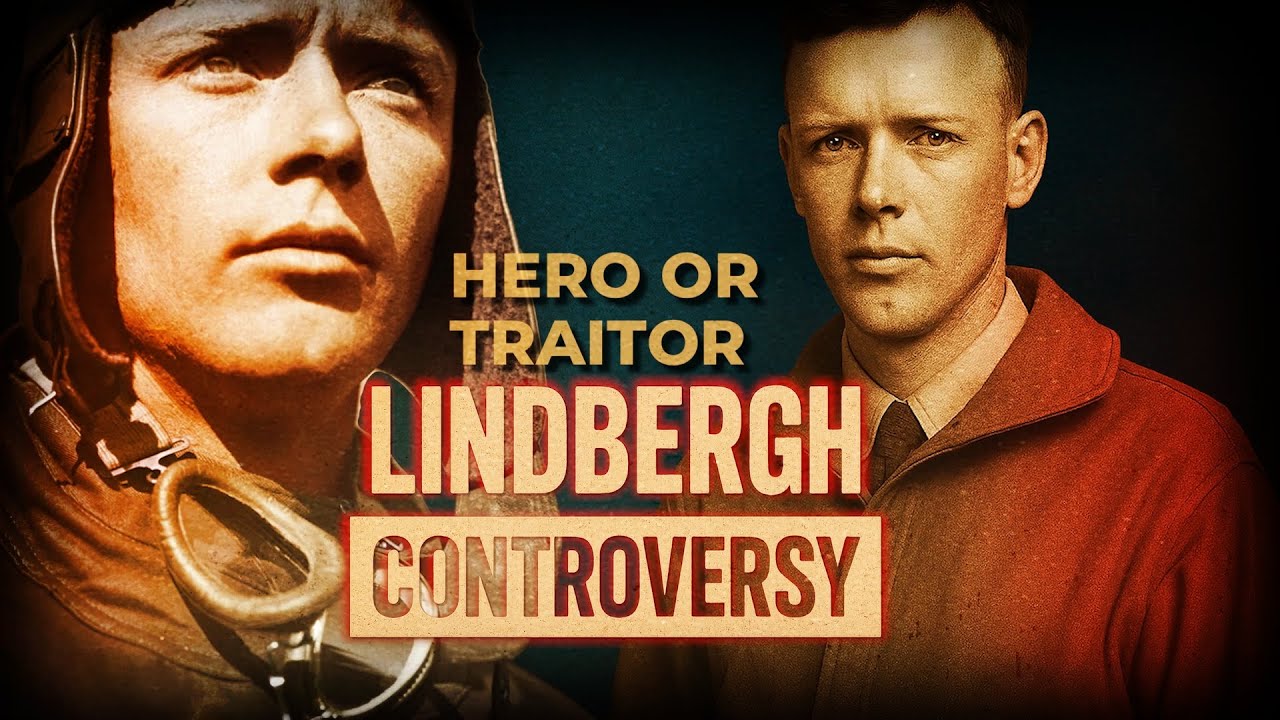
The Fall of Charles Lindbergh: From Celebrated Hero to Controversial Pariah, Nazi Sympathizer

Introduction: America’s Tarnished Icon

Charles Lindbergh, the legendary aviator who captured the hearts of millions with his solo flight across the Atlantic, was once celebrated as a national hero. His 1927 achievement, flying from New York to Paris, not only made him an international icon but also symbolized the American spirit of adventure, determination, and progress. Yet, just a decade after this monumental achievement, Lindbergh’s reputation began to unravel, as his controversial political beliefs, alleged sympathies with Nazi Germany, and antisemitic remarks turned him from a beloved hero into a figure of national disgrace.

In this article, we explore the rapid fall of Charles Lindbergh, examining the ties that led to his association with controversial political movements and exploring the truth behind his actions and beliefs during a critical period in American history. Charles Lindbergh’s transformation from a national hero to a deeply polarizing figure is a tale of betrayal, disillusionment, and the complexities of patriotism.

Lindbergh’s Heroic Rise to Fame

Charles Lindbergh’s fame began in 1927 with his groundbreaking transatlantic flight. The 25-year-old pilot made history by flying nonstop from Roosevelt Field in New York to Le Bourget Field near Paris, covering 3,600 miles in a 33.5-hour journey. This feat, which earned him the Orteig Prize, made him the first person to complete a solo transatlantic flight, an achievement that was hailed as one of the greatest in aviation history.

The accomplishment not only made Lindbergh a household name but also captured the imagination of the American public, who saw in him a symbol of the nation’s technological prowess and pioneering spirit. With his success, Lindbergh became the embodiment of American exceptionalism, receiving accolades from across the globe and becoming a model for the American youth of the time.

But as quickly as he rose to fame, Lindbergh would see his image transform from that of a hero to one associated with controversy and suspicion.

Political Shifts and America First

In the 1930s, as the world moved toward World War II, Lindbergh’s political views began to shift in a direction that would cast a shadow over his previously untarnished image. An outspoken critic of American involvement in the conflict, Lindbergh became heavily involved in the America First Committee (AFC), a political organization that advocated for the United States’ neutrality and opposed intervention in Europe’s escalating war.

While many Americans sympathized with the committee’s anti-war stance, Lindbergh’s involvement in the AFC eventually led to much deeper controversies. His outspoken opposition to President Franklin D. Roosevelt’s foreign policies and his frequent criticism of the growing involvement of the United States in global affairs made him a target for criticism. But what truly set Lindbergh apart from other isolationists was the nature of his rhetoric and his increasing alignment with far-right political groups, which was seen by many as dangerous and irresponsible.

Ties to Nazi Germany and Controversy

One of the most contentious aspects of Lindbergh’s post-aviation career was his alleged sympathy toward Nazi Germany. Lindbergh’s public speeches during the late 1930s and early 1940s raised suspicions about his political leanings, particularly his admiration for Germany’s achievements in aviation and his criticism of British policies.

In 1939, Lindbergh traveled to Germany as part of a fact-finding mission, where he met with high-ranking Nazi officials, including Hermann Göring, the head of the Luftwaffe. Lindbergh’s visit to Germany, combined with his positive remarks about the country’s technological advancements, fueled accusations that he was aligning himself with Nazi ideology. His stance appeared to contrast sharply with the more widely held American position, which was growing increasingly hostile toward the Nazi regime.

During his speeches for the America First Committee, Lindbergh repeatedly praised Germany’s military buildup, suggesting that the United States should learn from Nazi technological advancements. He also expressed concerns about the influence of Jewish organizations in the U.S. government, further deepening his association with far-right groups.

Antisemitism and Divisive Remarks

One of the most damaging aspects of Lindbergh’s legacy was his alleged antisemitism. While Lindbergh was not openly hostile toward Jews in the way that Nazi leaders were, his comments and actions left a trail of suspicion. He was particularly vocal in his criticism of Jewish organizations that lobbied for U.S. intervention in World War II, claiming that these groups were driving the United States into war for their own interests.

In a 1941 speech in Des Moines, Iowa, Lindbergh stated: “We, and we alone, are the ones who should be making decisions about this country’s involvement in war.” He further blamed “the Jewish race” for pushing America toward conflict with Germany. These remarks sparked outrage, with many accusing him of being a covert antisemite who used his platform to promote discriminatory views.

While Lindbergh’s defenders later argued that he was simply expressing concern about the power of foreign influence in American politics, there was little doubt that his rhetoric had crossed a line. His words helped solidify his association with the far-right and cast a shadow over his legacy.

The Hero’s Sudden Fall from Grace

Lindbergh’s fall from grace was not swift; it was a gradual erosion of the public’s trust. His political views, including his alignment with the America First Committee and his criticisms of the U.S. government’s foreign policies, alienated many of his former supporters. However, it was his associations with Nazi Germany and his controversial remarks about Jewish Americans that ultimately tarnished his reputation beyond repair.

As the United States entered World War II following the attack on Pearl Harbor in December 1941, Lindbergh’s isolationist views became increasingly irrelevant. He was banned from making public speeches, and his reputation as a hero was deeply marred. The man who had once been hailed as a symbol of American courage and achievement now faced widespread scorn and distrust.

Redemption and Lasting Impact

In the years following the war, Lindbergh attempted to rehabilitate his image. He continued his career in aviation, working as a consultant for the U.S. government and participating in scientific and environmental causes. He even sought to distance himself from his past associations with Nazi Germany, writing a memoir in which he defended his wartime actions and sought to explain his earlier views.

Despite these efforts, Lindbergh’s reputation was never fully restored. His legacy remains deeply complicated, and he continues to be a polarizing figure in American history. Some view him as a tragic hero who was undone by his misguided political beliefs, while others see him as a symbol of betrayal and tarnished ideals.

Conclusion: From Hero to Pariah

The rise and fall of Charles Lindbergh serves as a cautionary tale about the dangers of ideological extremism and the fragility of public opinion. The aviator who once symbolized American innovation and bravery became, in the eyes of many, a symbol of misguided nationalism, antisemitism, and political hubris. His tarnished legacy is a reminder that even the brightest heroes can fall from grace when their actions and beliefs are called into question.

As time passes, Lindbergh’s contributions to aviation history remain significant, but his political views and controversial associations continue to overshadow his achievements. Ultimately, Lindbergh’s fall from grace is a tragic chapter in the story of American iconography—a reminder that heroes can fall, and once the pedestal is knocked down, the consequences can be far-reaching.

Categories
W1 World

The Pen Before the Sword: How American Reporters Boldly Paved the Path to WWII

Introduction

The United States’ entry into World War II is often attributed to the devastating attack on Pearl Harbor on December 7, 1941. While the attack was undeniably the final catalyst, the seeds for America’s involvement had been sown much earlier. Long before the Japanese planes descended on Hawaii, a group of courageous journalists was at work abroad, painting a vivid picture of the chaos, oppression, and growing threat posed by fascist regimes. These reporters challenged the dominant isolationist sentiment in the U.S., bringing the realities of war into American homes through gripping reports, radio broadcasts, and heartfelt accounts.

Their efforts were far more than just journalism. They were acts of bravery and advocacy, undertaken in hostile environments where censorship, propaganda, and personal danger loomed large. This article explores the pivotal role these correspondents played in shifting public opinion and paving the way for the United States’ eventual entry into the war. It also examines what life was like for these intrepid individuals, shedding light on their contributions and sacrifices during one of history’s most turbulent periods.

The Isolationist America of the 1930s

In the years following World War I, America turned inward. The horrors of trench warfare and the staggering loss of life left the nation deeply skeptical of foreign entanglements. The Great Depression further solidified this stance, as Americans focused on economic survival rather than global politics. Laws like the Neutrality Acts of the 1930s reflected widespread public opposition to involvement in another European conflict, prohibiting the sale of arms to warring nations and restricting American ships from entering war zones.

Polling data from the late 1930s underscored this sentiment. In 1937, only 5% of Americans believed the U.S. should intervene in Europe’s brewing conflicts. However, as the Axis powers—Nazi Germany, Fascist Italy, and Imperial Japan—became increasingly aggressive, a small but determined group of journalists sought to change this narrative. They understood that America’s isolationism was not just a policy choice but a psychological barrier, one that required powerful storytelling to overcome.

Reporting From the Frontlines: The Journalists

Journalists like Edward R. Murrow, William L. Shirer, and Dorothy Thompson emerged as key figures in this effort. These correspondents did not merely report the news; they lived it, embedding themselves in war zones and Axis-controlled territories to bring firsthand accounts to the American public.

Murrow’s broadcasts from London during the Blitz became iconic. With his signature opening, “This… is London,” he described the nightly bombings, the resilience of the British people, and the widespread devastation. His reports went beyond statistics and explosions, capturing the human spirit in a way that resonated deeply with his audience. By hearing about the courage of ordinary Londoners, Americans began to see the war not just as a distant problem but as a struggle for values they shared.

Shirer, stationed in Berlin, faced even greater risks. Reporting from the heart of Nazi Germany, he witnessed the rise of Adolf Hitler’s totalitarian regime and its increasingly aggressive policies. Through his broadcasts and later his Berlin Diary, Shirer exposed the propaganda, militarism, and oppression that defined the Third Reich. His work provided Americans with an unvarnished look at life under fascism, countering the sanitized narratives that Nazi sympathizers sought to promote.

Thompson, one of the first journalists to recognize Hitler’s ambitions, used her platform to warn Americans about the dangers of appeasement. She famously described Hitler as a “great actor” who could manipulate crowds with ease, urging her readers to take the threat of Nazism seriously. As one of the few female correspondents of her time, Thompson faced unique challenges, but her incisive commentary reached millions and influenced public discourse.

Shaping Public Opinion: From Neutrality to Awareness

The work of these journalists gradually chipped away at America’s isolationist stance. Through their vivid storytelling, they highlighted the human cost of fascist aggression and framed the conflict as a moral issue rather than a geopolitical one. Murrow’s accounts of the Blitz, for example, emphasized the courage and suffering of British civilians, making it clear that the fight against Germany was not just a European problem but a battle for shared democratic values.

Shirer’s reports exposed the extent of Nazi atrocities, including the persecution of Jews, political dissidents, and other marginalized groups. Although the full horrors of the Holocaust would not be widely understood until after the war, early reports of anti-Semitic violence and discriminatory laws began to shift American perceptions of the Axis powers.

The stories these journalists told were not abstract or distant; they were deeply personal. Listeners and readers could imagine themselves in the shoes of the people they heard about, whether it was a family huddled in a bomb shelter or a dissident risking everything to resist tyranny. By humanizing the victims of fascism, these reporters built a bridge of empathy that made isolationism increasingly untenable.

The Challenges and Sacrifices of War Reporting

The work of these correspondents was not without significant risks. Reporting during wartime meant navigating bombed-out cities, evading enemy patrols, and enduring the psychological toll of witnessing atrocities firsthand. Journalists often worked under strict censorship, both from foreign governments and their own editors, who were wary of publishing stories that might alienate advertisers or provoke political backlash.

For Shirer, operating in Nazi Germany meant constant surveillance. He often smuggled his notes out of the country to avoid confiscation, knowing that being caught could result in imprisonment—or worse. Murrow, too, faced personal danger, frequently broadcasting from rooftops during air raids to capture the sounds of war in real-time.

Despite these challenges, these journalists understood the importance of their work. They were not merely reporting facts; they were shaping history. Their broadcasts and articles helped build a case for intervention, influencing policymakers and preparing the American public for the inevitability of war.

The Role of Media in Mobilizing America

By the late 1930s and early 1940s, the impact of these journalists was evident. Public opinion polls showed a gradual increase in support for aiding Britain and opposing the Axis powers. The Lend-Lease Act of 1941, which allowed the U.S. to supply military aid to Allied nations, marked a significant shift in policy and public sentiment.

When Pearl Harbor occurred, the groundwork for intervention had already been laid. While the attack galvanized the nation, it did so within a context shaped by years of journalistic effort. The American public understood that the war was not just about avenging Pearl Harbor but about defending democratic values and preventing global tyranny.

Here are Some Lessons for Today’s World

The story of how American journalists helped bring the nation into World War II underscores the enduring power of the press. In an era of disinformation and polarized media, their work serves as a reminder of journalism’s potential to inform, inspire, and mobilize. Modern conflicts, from Ukraine to the Middle East, highlight the continuing need for accurate, on-the-ground reporting to illuminate complex global issues.

Just as Murrow and his contemporaries brought the realities of war to American audiences, today’s journalists face the challenge of cutting through noise and misinformation to deliver the truth. Their legacy is a testament to the idea that a well-informed public is the cornerstone of democracy.

Conclusion

The journalists who covered the rise of fascism and the early years of World War II were more than chroniclers of history—they were catalysts for change. Their courage, skill, and unwavering commitment to truth helped turn the tide of public opinion, preparing a reluctant nation for its role in one of history’s most defining conflicts.

Overall, their legacy endures as a testament to the power of storytelling and the vital role of journalism in shaping the course of events. In a world still grappling with the challenges of war, oppression, and misinformation, their example reminds us that the pen can indeed be mightier than the sword. By learning from their work, we can strive to create a future where truth, empathy, and justice prevail.

Categories
W2 World

In the Crucible of Conflict: The Harsh Realities and Lasting Impact of the Eastern Front in WWII

World War II witnessed numerous theaters of conflict, each marked by its own unique set of challenges and hardships. The Eastern Front, spanning vast expanses of Europe and Asia, became notorious for its brutal conditions. However, while the Pacific Theater escalated with the Japanese occupying mainland China, Singapore, and Indonesia, a determined Australian offensive sought to drive the Japanese forces back. This article delves into the unforgiving environment and the relentless struggle faced by soldiers on the Eastern Front during this critical period.

The Eastern Front was characterized by an immense geographical expanse, stretching from the Arctic Circle to the Black Sea. Soldiers were thrust into diverse landscapes, from the freezing winters of Russia to the scorching heat of the Asian steppes. The Australians, in their offensive against the Japanese, encountered dense jungles, marshlands, and treacherous mountain ranges, where the environment itself posed a formidable adversary. The oppressive humidity and stifling heat added to the physical toll on soldiers, making each step a grueling test of endurance.

War ravages both the human spirit and the physical landscape. The Eastern Front was no exception, as cities, towns, and villages lay in ruins, their shattered remains providing little shelter or respite for soldiers engaged in combat. Crumbling infrastructure, rubble-strewn streets, and war-torn buildings presented constant reminders of the destruction wrought by the conflict. Troops often had to navigate through the debris, facing the constant threat of ambushes, booby traps, and snipers.

The vast distances involved in the Eastern Front posed immense challenges in terms of supply and logistics. Roads were frequently destroyed, railways disrupted, and bridges demolished, hindering the delivery of essential provisions to the frontlines. The Australian offensive against the Japanese required meticulous planning to ensure a steady flow of ammunition, rations, and medical supplies. Soldiers often found themselves grappling with shortages, living in harsh conditions, and enduring hunger, exacerbating the already daunting task of battling a determined enemy.

The Eastern Front was a theater of war where survival was a constant struggle. Beyond the immediate dangers of enemy fire, soldiers faced a multitude of other threats. Disease and infection ran rampant due to unsanitary conditions, lack of medical facilities, and scarcity of clean water. Malaria, dysentery, and frostbite were among the common afflictions that plagued the troops. Moreover, soldiers had to contend with the ever-present specter of hunger, exhaustion, and mental trauma, resulting in severe physical and psychological strain.

The Eastern Front presented an array of unique challenges in terms of terrain. In the dense jungles and marshlands, soldiers encountered limited visibility, making it easy for enemies to launch surprise attacks. The Japanese forces, adept at guerrilla warfare, employed hit-and-run tactics, blending into the surroundings with ease. Additionally, the mountainous regions posed additional difficulties, with steep slopes, treacherous paths, and harsh weather conditions testing the endurance and agility of soldiers.

The Eastern Front’s brutal conditions not only exacted a physical toll but also had a profound psychological impact on the soldiers. The constant threat of death, the brutality of the enemy, and the atrocities witnessed on both sides of the conflict left indelible scars. Soldiers often battled feelings of despair, hopelessness, and the grim reality of their mortality. The strain of war led to increased cases of post-traumatic stress disorder (PTSD), contributing to long-term psychological trauma among those who survived the Eastern Front’s horrors.

The broader impact and legacy of the brutal conditions on the Eastern Front during World War II are far-reaching and have left lasting impressions on history. They stand as a testament to the resilience and sacrifices of those who endured the unimaginable, serving as a somber reminder of the human cost of war and the imperative to strive for peace. Here are some key aspects to consider:

  1. Human Losses and Devastation: The Eastern Front witnessed some of the most intense and bloody battles of the war. The scale of human losses was staggering, with millions of soldiers and civilians perishing. Entire cities and towns were reduced to rubble, leaving behind a trail of devastation and grief. The Eastern Front’s impact on human lives cannot be overstated, as countless families were torn apart, communities were shattered, and entire generations were scarred by the horrors they experienced.
  2. Strategic Shifts and War Outcomes: The Eastern Front played a crucial role in shaping the outcome of World War II. The German invasion of the Soviet Union aimed to secure vital resources, expand territorial control, and crush Soviet resistance. However, the Soviets’ dogged determination, coupled with the harsh conditions and vastness of the Eastern Front, gradually turned the tide of the war. The Soviet Union’s ultimate triumph in repelling the German forces from their homeland significantly weakened Hitler’s war machine and paved the way for Allied victories in other theaters.
  3. Transformation of Warfare: The Eastern Front served as a laboratory for evolving military strategies, tactics, and technologies. Both sides experimented with new approaches to warfare, adapting to the challenges of the Eastern Front. The massive armored clashes, the development of mobile warfare, and the incorporation of combined arms tactics had a profound influence on subsequent military doctrines. Lessons learned from the Eastern Front, such as the importance of logistics, winter warfare, and adapting to diverse terrains, continue to shape modern military thinking.
  4. Post-War Geopolitical Realities: The Eastern Front’s impact extended beyond the war itself, influencing the post-war geopolitical landscape. The Soviet Union emerged as a superpower and an ideological rival to the Western world. The division of Europe into Eastern and Western blocs, symbolized by the Iron Curtain, was a direct consequence of the Soviet Union’s territorial gains during the war. The legacy of the Eastern Front and the subsequent Cold War defined global politics for decades, leaving a lasting impact on international relations.
  5. Remembrance and Commemoration: The legacy of the Eastern Front is remembered through various memorials, museums, and commemorations. Nations involved in the conflict honor the sacrifices made by their soldiers, preserving the memory of those who fought and perished in the brutal conditions. The Eastern Front serves as a reminder of the horrors of war, the resilience of the human spirit, and the importance of striving for peace and understanding.

Overall, the impact and legacy of the brutal conditions on the Eastern Front of World War II are multifaceted. From human losses and strategic shifts to the transformation of warfare and post-war geopolitical realities, the Eastern Front left an indelible mark on history. It serves as a stark reminder of the immense sacrifices and suffering endured by those caught in the midst of the conflict, and it continues to shape our understanding of war, resilience, and the pursuit of peace.

The Eastern Front of World War II, with its harsh climate, unforgiving terrain, and relentless warfare, was a crucible of suffering and endurance. As the Australians undertook their offensive against the Japanese in the Pacific Theater, they too faced the arduous challenges reminiscent of the Eastern Front. This theater of war serves as a poignant reminder of the immense sacrifices made by soldiers and the brutal realities of warfare. Despite the brutality they faced, the soldiers on the Eastern Front displayed unwavering determination, resilience, and the will to survive amidst the harshest of conditions.

Categories
W3 World

The Dark Stain of Injustice: The Mass Incarceration of Japanese Americans in World War II

Introduction

During World War II, the United States experienced a regrettable episode of injustice and prejudice: the mass incarceration of Japanese Americans. In 1942, President Franklin D. Roosevelt signed Executive Order 9066, which paved the way for the forced removal and confinement of individuals of Japanese ancestry. This executive order, motivated by fear and wartime hysteria, resulted in the uprooting and detention of thousands of innocent men, women, and children in confinement camps scattered across the country. This article explores the historical context, experiences, and lasting impact of this dark chapter in American history.

The Historical Context

The attack on Pearl Harbor by the Japanese on December 7, 1941, plunged the United States into World War II and ignited widespread fear and suspicion towards Japanese Americans. The prevailing sentiment at the time was marked by a mixture of wartime hysteria, racial prejudice, and the perception of Japanese Americans as potential threats to national security. These sentiments, coupled with unfounded accusations of disloyalty, created a climate that allowed for the mass incarceration of an entire community.

On February 19, 1942, President Roosevelt signed Executive Order 9066, which authorized the establishment of military zones from which certain individuals could be excluded. This order ultimately led to the forced removal and internment of over 120,000 Japanese Americans, two-thirds of whom were American citizens. The West Coast became the focal point of the forced evacuation, as Japanese Americans were uprooted from their homes, businesses, and communities, often with minimal notice and limited opportunity to secure their possessions.

Life in Confinement Camps

Japanese Americans were forcibly relocated to confinement camps located in remote and desolate areas across the United States. These camps, euphemistically referred to as “relocation centers,” were hastily constructed and characterized by barbed-wire fences, guard towers, and strict military-style regulations. Families were forced to live in cramped and overcrowded barracks, with communal dining and bathroom facilities. The loss of personal freedom, dignity, and privacy was deeply felt by those interned.

Despite these challenging conditions, Japanese Americans demonstrated remarkable resilience and resourcefulness. They established schools, cultivated gardens, and created vibrant cultural and community organizations within the confines of the camps. However, the internment experience inflicted deep emotional and psychological scars on individuals and families, with long-lasting effects on their sense of belonging and identity.

Injustice and Legal Challenges

The mass incarceration of Japanese Americans was widely criticized even during its implementation. Many questioned the constitutionality and morality of the forced removal and detention of innocent individuals solely based on their ancestry. Some individuals resisted the injustice and brought legal challenges to the internment. One notable case was Korematsu v. United States, in which Fred Korematsu, a Japanese American, challenged the constitutionality of the internment. Unfortunately, the Supreme Court upheld the government’s actions, ruling that the need for national security outweighed the individual rights of Japanese Americans.

The mass incarceration of Japanese Americans during World War II remains a dark chapter in American history. Driven by fear, prejudice, and wartime hysteria, Executive Order 9066 enabled the forced removal and internment of thousands of innocent individuals solely based on their Japanese ancestry. Families were uprooted from their homes, stripped of their belongings, and confined to remote and desolate camps.

Legacy and Reconciliation

In the years following World War II, the internment of Japanese Americans gradually came to be recognized as a grave injustice. The Civil Liberties Act of 1988 acknowledged the wrongful nature of the incarceration and provided reparations and a formal apology to surviving Japanese American internees. This recognition was a significant step towards healing the wounds inflicted on the community and acknowledging the importance of protecting civil liberties during times of national crisis.

The legacy of the mass incarceration of Japanese Americans serves as a poignant reminder of the fragility of civil rights and the dangers of succumbing to fear and prejudice during times of crisis. It highlights the importance of safeguarding the rights and liberties of all individuals, regardless of their ethnicity or national origin, and serves as a call to learn from the mistakes of the past to ensure a more just and inclusive future.

Japanese Americans’ Stories of Incarceration and Hope

Life in the confinement camps was marked by cramped conditions, loss of personal freedom, and a profound sense of injustice. Despite these hardships, Japanese Americans demonstrated resilience and found ways to create a semblance of normalcy within the confines of the camps. However, the emotional and psychological scars inflicted by the internment persisted long after the camps were closed. Here are 10 stories of Japanese Americans who were impacted by the mass incarceration during World War II:

  1. Michiko Tanaka: A young college student, Michiko Tanaka was forced to leave her studies and abandon her dreams of becoming a nurse when she and her family were evacuated from their home in California. Despite the challenges, she found solace in supporting her family and fellow incarcerees during their time in the confinement camps.
  2. Hiroshi Yamamoto: As a successful businessman in Seattle, Hiroshi Yamamoto had built a thriving grocery store before being forcibly relocated. In the face of adversity, he remained determined and resilient, working tirelessly to rebuild his life and community after the war.
  3. Mary Nakamura: Mary Nakamura was just a child when she and her family were removed from their home in Los Angeles and sent to a confinement camp. Despite the loss of her childhood innocence, she found strength in her love for art and used her talent to document life in the camp, capturing the emotions and experiences of those around her.
  4. George Suzuki: George Suzuki, a decorated World War I veteran, faced the irony of serving his country only to be imprisoned by it during World War II. Despite the injustice, he remained committed to his principles and actively challenged the internment through legal means, becoming an advocate for the rights of Japanese Americans.
  5. Emiko Kimura: Emiko Kimura was a young teenager when she and her family were forced to leave their home in Oregon and relocate to a confinement camp. She vividly recalls the emotional toll it took on her family and the sense of loss they experienced. After the war, she dedicated her life to educating others about the internment and advocating for social justice.
  6. Takeshi Nakamura: Takeshi Nakamura, a skilled carpenter, lost his business and livelihood when he was uprooted from his community and sent to a confinement camp. Despite the adversity, he found solace in his craftsmanship and used his skills to improve the living conditions within the camp, providing comfort to his fellow incarcerees.
  7. Yuriko Sugano: Yuriko Sugano, a young schoolteacher, was abruptly removed from her classroom and sent to a confinement camp. Despite the disruption to her education and career, she continued to teach within the camp, ensuring that the children had some semblance of normalcy and access to education during their internment.
  8. Frank Yamaguchi: Frank Yamaguchi, a dedicated farmer in California, faced the loss of his land and livelihood when he and his family were forced into a confinement camp. Despite the challenges, he maintained his connection to the land by cultivating gardens within the camp, providing fresh produce and a sense of normalcy for his family and fellow incarcerees.
  9. Alice Nakamura: Alice Nakamura, a young mother, experienced the trauma of giving birth while confined in a camp. The lack of proper medical facilities and resources posed a significant risk to her and her child’s well-being. Her story highlights the additional hardships faced by pregnant women and new mothers during the internment.
  10. Tomo Tanaka: Tomo Tanaka, a talented musician, had her dreams of pursuing a career in music shattered when she and her family were forcibly removed from their home in Seattle. Despite the setback, she used her passion for music to bring solace and joy to her fellow incarcerees, organizing concerts and performances within the camp.

These stories represent a fraction of the diverse experiences and resilience demonstrated by Japanese Americans who endured the mass incarceration during World War II. Each individual’s story serves as a poignant reminder of the profound impact the internment had on their lives and the strength they exhibited in the face of adversity.

Conclusion

As we reflect on this dark chapter in American history, it is crucial to remember the resilience and strength of the Japanese American community, who persevered in the face of adversity. Their stories remind us of the power of hope, unity, and the unwavering commitment to justice in the face of injustice. May the memory of their struggle inspire us to build a society that values and protects the rights and dignity of all its citizens.

Categories
W3 World

The Search for the Lost “Super Dreadnought”: Uncovering the Mysteries of the USS Arizona

Introduction

Over 75 years ago, on December 7, 1941, the USS Arizona, a mighty “super dreadnought” battleship, became one of the tragic symbols of the attack on Pearl Harbor. On that fateful day, 1,177 men lost their lives as the ship was engulfed in flames and sank beneath the waters of the harbor. Today, the USS Arizona remains a solemn shrine and a poignant monument, visited by tourists and the families of those who perished. This article delves into the ongoing search for the lost “super dreadnought” and the enduring significance of the USS Arizona as a testament to the bravery and sacrifice of those who served.

The USS Arizona: A Super Dreadnought

Commissioned in 1916, the USS Arizona was one of the most formidable battleships of its time. As part of the Pennsylvania class, it was considered a “super dreadnought” due to its powerful armament and advanced design. The ship boasted a main battery of twelve 14-inch guns, had a displacement of over 31,000 tons, and could reach a top speed of 21 knots. The USS Arizona was a symbol of American naval might and played a crucial role in maintaining peace and stability in the Pacific.

The Attack on Pearl Harbor

On that infamous Sunday morning of December 7, 1941, the tranquility of Pearl Harbor was shattered by the surprise attack launched by the Imperial Japanese Navy. The USS Arizona, moored on Battleship Row, suffered a direct hit from a Japanese bomb that ignited a catastrophic explosion in the ship’s forward magazine. The ensuing fireball engulfed the vessel, and within minutes, it sank beneath the harbor’s waters, taking the lives of the majority of its crew.

The Search and Recovery Efforts

In the aftermath of the attack, the United States Navy embarked on a mission to recover the bodies of those lost on the USS Arizona. However, due to the precarious conditions and ongoing hostilities, the salvage operations were limited. The decision was made to leave the ship resting on the harbor floor as a memorial to the fallen crew members. Since then, efforts have been made to preserve and commemorate the USS Arizona and the men entombed within its hull.

Remarkable Discoveries and Insights

The ongoing search for the lost “super dreadnought” USS Arizona has yielded remarkable outputs and significant developments to date. Through dedicated efforts utilizing advanced sonar imaging and underwater exploration techniques, researchers, archaeologists, and divers have uncovered a wealth of information about the ship’s final resting place. These discoveries have provided valuable insights into the tragic events of Pearl Harbor, honoring the memory of the 1,177 men who lost their lives and contributing to our understanding of this pivotal moment in history.

Preserving a Shrine and Monument

The submerged wreckage of the USS Arizona has become a revered memorial, serving as the final resting place for the brave sailors who perished on that tragic day. The National Park Service, in collaboration with the Navy, oversees the USS Arizona Memorial, which stands above the sunken battleship. This memorial allows visitors to pay their respects, learn about the history of the ship, and reflect on the profound impact of the attack on Pearl Harbor.

Technological Advances in Exploration

Advancements in underwater exploration technology have provided new opportunities to study and document the USS Arizona. Sonar imaging, remotely operated vehicles (ROVs), and 3D mapping techniques have allowed researchers to gain a deeper understanding of the ship’s condition and explore areas that were previously inaccessible. These technological breakthroughs have contributed to ongoing research and the preservation of the ship’s legacy.

The Enduring Significance and Legacy

The USS Arizona serves as a powerful symbol of sacrifice and remembrance. It represents not only the loss of 1,177 lives but also the resilience and unity of a nation in the face of adversity. The ship’s wreckage stands as a stark reminder of the price paid for freedom and the lasting impact of the attack on Pearl Harbor. It continues to evoke strong emotions and serves as a catalyst for reflection, ensuring that the memory of those who served and perished on the USS Arizona remains alive.

Conclusion

The search for the lost “super dreadnought” USS Arizona, sunk during the attack on Pearl Harbor, continues to captivate and engage people around the world. Over 75 years after that fateful day, the ship remains a solemn reminder of the bravery and sacrifice of the men who served aboard her. As efforts persist to explore and preserve the wreckage, the USS Arizona stands as a powerful symbol of resilience, unity, and remembrance.

It serves as a testament to the enduring significance of Pearl Harbor and the unwavering commitment to honor the memory of those who lost their lives. The search for the lost “super dreadnought” not only seeks to uncover the mysteries of the past but also ensures that their stories live on, inspiring generations to remember and learn from the lessons of history.

Categories
W3 World

Shattered Lives and Lost Liberties: Executive Order 9066 and the Shame of Japanese American Incarceration

Introduction

In 1942, amidst the turmoil of World War II, President Franklin D. Roosevelt signed Executive Order 9066, marking a dark chapter in American history. This executive order paved the way for the forced incarceration of Japanese Americans in confinement camps across the United States.

Men, women, and children of Japanese ancestry were uprooted from their homes on the West Coast and subjected to years of confinement, solely based on their heritage. In this article, we delve into the details of Executive Order 9066, exploring its motivations, the lasting shame it carries, and its enduring impact on individuals and society.

The Context of Fear and Prejudice

As World War II raged on, fear and prejudice fueled a climate of suspicion and hostility towards Japanese Americans in the United States. The attack on Pearl Harbor by the Imperial Japanese Navy in 1941 intensified these sentiments, leading to the unjust targeting of innocent individuals. Despite the fact that the majority of Japanese Americans were loyal citizens, their ethnicity alone made them victims of widespread discrimination.

The Rationale Behind Executive Order 9066

Executive Order 9066 was ostensibly justified as a measure to ensure national security and protect against potential acts of espionage or sabotage by individuals of Japanese descent. It was a response to the prevailing belief that Japanese Americans posed a threat to the country’s safety, despite the lack of evidence supporting such claims. The order authorized the forced removal and internment of approximately 120,000 Japanese Americans, denying them their civil liberties and subjecting them to harsh living conditions within confinement camps.

The Injustice and Human Cost

The impact of Executive Order 9066 was devastating and far-reaching. Families were uprooted from their homes, their properties seized, and their lives disrupted. Japanese Americans, many of whom were American citizens, were subjected to mass incarceration solely based on their heritage. The confinement camps, often located in desolate and remote areas, were overcrowded and lacking in basic amenities. The physical, emotional, and psychological toll on those incarcerated was profound, and the scars of this injustice endure to this day.

The Violation of Civil Liberties

Executive Order 9066 represented a significant violation of the civil liberties and constitutional rights of Japanese Americans. The order authorized the suspension of the writ of habeas corpus, enabling the government to detain individuals without trial or due process. Japanese Americans were stripped of their freedom, treated as potential enemies within their own country, and denied the fundamental principles upon which the United States was founded.

The Executive Order 9066 serves as a stark reminder of the dangers of sacrificing civil liberties in the name of national security. It stands as a cautionary tale, urging us to question and challenge policies that target individuals based on their ethnicity, religion, or other characteristics. The order serves as a reminder that the protection of civil liberties is not only crucial during times of peace but especially in times of fear and crisis.

The Pursuit of Justice and Reconciliation

In the years following World War II, efforts were made to address the injustice of Executive Order 9066. In 1988, President Ronald Reagan signed the Civil Liberties Act, formally apologizing for the internment and providing reparations to those affected. The act acknowledged the grave injustice inflicted upon Japanese Americans and sought to provide a measure of redress for the wrongs committed.

Despite these efforts, the impact of Executive Order 9066 continues to reverberate through generations. Families were torn apart, businesses and livelihoods were lost, and the psychological scars of confinement and discrimination persist. The intergenerational trauma experienced by Japanese Americans serves as a reminder of the lasting damage caused by such a discriminatory policy.

The Legacy of Shame and Remembrance

Even as the years have passed, the legacy of Executive Order 9066 remains a stain on the nation’s history. It serves as a painful reminder of the consequences of unchecked fear, prejudice, and the erosion of civil liberties. The internment of Japanese Americans stands as a shameful example of the injustices perpetrated in the name of national security, underscoring the importance of vigilance in safeguarding the rights and dignity of all individuals.

Remembering the injustices of Executive Order 9066 is an essential step towards reconciliation and healing. It is a reminder of the resilience and strength of Japanese Americans who, despite facing immense hardship and injustice, have contributed significantly to the fabric of American society. Their stories serve as a testament to the human spirit and the enduring fight for justice and equality.

Lessons for the Present and Future

The impact of Executive Order 9066 extends beyond its immediate consequences. It serves as a cautionary tale, reminding us of the dangers of scapegoating and the need for a steadfast commitment to upholding the principles of equality, justice, and human rights. The order stands as a stark reminder that the actions taken in the name of security must always be tempered by respect for individual liberties and the inherent worth and dignity of every person.

In today’s world, where debates surrounding immigration, national security, and the treatment of marginalized communities persist, the lessons of Executive Order 9066 are more relevant than ever. It calls upon us to resist prejudice, discrimination, and the erosion of civil liberties. It urges us to stand up for the principles of justice, equality, and human dignity.

As a nation, it is our responsibility to acknowledge the shame of Executive Order 9066 and ensure that such a violation of civil liberties is never repeated. By recognizing the mistakes of the past, we can strive to create a more inclusive and just society—one that upholds the principles of fairness, compassion, and respect for all.

Conclusion

Executive Order 9066 represents a shameful moment in World War II America, when fear, prejudice, and the erosion of civil liberties led to the forced incarceration of Japanese Americans. The order violated the principles upon which the United States was founded and inflicted immeasurable harm on innocent individuals and their families.

Its legacy serves as a stark reminder of the enduring impact of discrimination and the importance of safeguarding civil liberties. By acknowledging the wrongs of the past and actively working towards justice and reconciliation, we can strive to build a society that upholds the dignity and rights of all individuals, regardless of their background or heritage.

Categories
W4 World

The Attack on Pearl Harbor: How Japan’s Miscalculation Led to America’s Entry into WWII

On December 7, 1941, the Japanese launched a surprise attack on the US Pacific Fleet stationed at Pearl Harbor, Hawaii. The attack resulted in a catastrophic loss of life and ships, and it drew the United States into World War II. But what was the motivation behind Japan’s decision to attack America, and how did they plan and execute it?

The origins of Japan’s decision to attack the United States can be traced back to their desire for resources and expansion in Asia. The United States had imposed an embargo on Japan, limiting their access to crucial resources such as oil and steel. Japan saw this as a threat to their expansion and power, and believed that the only way to secure their goals was to launch a pre-emptive strike on the US Pacific Fleet.

The plan to attack Pearl Harbor was meticulously planned and executed. Japanese Admiral Isoroku Yamamoto, the mastermind behind the attack, recognized the risk involved in attacking America. He knew that if the attack failed, it would result in Japan’s defeat. However, he also believed that a successful attack on the United States would give Japan the chance to cripple America’s Pacific Fleet and knock them out of the war.

The attack was carried out with precision and speed. The Japanese launched a surprise attack on Pearl Harbor using aircraft carriers, which was a new form of naval warfare at the time. The attack resulted in the destruction of much of the US Pacific Fleet, including eight battleships, three cruisers, and four destroyers. More than 2,400 Americans were killed, and 1,200 were wounded.

The attack on Pearl Harbor was a major miscalculation on Japan’s part. It brought the United States into World War II and ended Japan’s hopes for expansion and power in Asia. The United States quickly mobilized and launched a counter-attack on Japan, eventually leading to the defeat of Japan and the end of the war.

The Pearl Harbor attack was a significant turning point in World War II, not only for the United States but for Japan and the world as a whole. Japan’s attack on the US Pacific Fleet was a gamble that ultimately led to its defeat.

In terms of the immediate aftermath of the attack, Japan was seen as the winner, as it had inflicted significant damage on the US Navy, particularly by destroying or severely damaging eight battleships, several cruisers, and destroyers. However, this was only a temporary victory, as it ultimately led to Japan’s downfall. The attack prompted the United States to enter World War II, joining the Allied Powers and turning the tide of the war in their favor.

Japan’s attack on Pearl Harbor had significant implications for the war, as it prompted the United States to join the war effort and declare war on Japan. This resulted in a massive increase in American military power, as well as the eventual defeat of Japan. In the aftermath of the attack, the United States went on the offensive, launching a series of devastating attacks against Japan, including the bombing of Hiroshima and Nagasaki.

The legacy of the attack on Pearl Harbor is still felt today, particularly in the United States, where it is remembered as a symbol of resilience and strength in the face of adversity. The attack is also seen as a reminder of the importance of preparedness and the need to remain vigilant in the face of potential threats.

Overall, while Japan may have won the initial battle by attacking Pearl Harbor, it ultimately lost the war. The attack brought the United States into the war, leading to a significant increase in American military power and the eventual defeat of Japan. The attack on Pearl Harbor remains a significant moment in world history and a reminder of the importance of preparedness and vigilance in the face of potential threats.

However, if Japan had not conducted the Pearl Harbor attack, it is possible that the United States may not have entered World War II, or at least not entered as quickly or decisively. The attack was a major catalyst for the United States to join the war effort against Japan, and ultimately against Germany and Italy as well.

Without the United States joining the war effort, it is possible that the outcome of the war could have been different. The United States provided significant military and economic aid to the Allied forces, and its entry into the war marked a turning point in the conflict.

If Japan had not attacked Pearl Harbor, it is also possible that the war in the Pacific could have unfolded differently. Japan may have continued its aggressive expansion in Asia and the Pacific, but without the United States as a major adversary, it may have faced less opposition. However, it is difficult to predict the exact course of events that would have taken place.

In terms of the legacy of the Pearl Harbor attack, it remains a significant event in both Japanese and American history. The attack caused a great deal of loss of life and damage to property, and it remains a symbol of the destructive power of war. It also marked a significant turning point in World War II and the history of the 20th century.

In conclusion, the attack on Pearl Harbor was a bold move by Japan that backfired. It was a calculated risk that resulted in a devastating loss for Japan and ultimately led to their defeat. The war in the Pacific launched a new form of naval warfare, and by the summer of 1942, the United States ruled the waves, but Japan was still a powerful force on land and in the air. It took several years of fighting, but ultimately, the United States emerged victorious in the war.

Categories
W4 World

The Legacy of Pearl Harbor: How a Single Event Shaped the World

In the fall of 1940, President Franklin D. Roosevelt was running for his third term of office. He knew that America’s entry into World War II was all but inevitable, but the American public did not want war. Roosevelt needed a way to change public opinion and garner support for the war effort.

Meanwhile, across the Pacific, the Empire of Japan was expanding its territory and influence. The Japanese government believed that it needed to secure resources to fuel its growing economy, and it saw the United States as a major obstacle to achieving its goals.

In July 1941, Japan occupied French Indochina, which led to a freeze on U.S. assets in Japan and a ban on oil exports to Japan. This move was a severe blow to the Japanese economy, which was heavily dependent on American oil imports.

The Japanese government realized that it needed to take drastic action to secure the resources it needed. In September 1941, Japanese leaders began planning a surprise attack on the U.S. Pacific Fleet stationed at Pearl Harbor, Hawaii. The goal was to cripple the U.S. naval fleet and buy Japan time to secure the resources it needed to continue its expansion.

On December 7, 1941, the Japanese launched their surprise attack on Pearl Harbor. At 7:55 a.m., Japanese planes descended on the naval base and began bombing and strafing ships, airplanes, and other military targets.

The attack was swift and devastating. The USS Arizona was hit by a bomb and exploded, killing 1,177 sailors and Marines. The USS Oklahoma capsized, trapping 429 sailors and Marines inside. In total, 2,403 Americans were killed and 1,178 were wounded.

The attack on Pearl Harbor shocked the American public and galvanized support for the war effort. President Roosevelt addressed Congress the next day, famously calling the attack a “date which will live in infamy.” The United States declared war on Japan, and Germany and Italy declared war on the United States in turn.

The attack on Pearl Harbor marked a turning point in World War II. The United States had been reluctant to enter the war, but after the attack, there was no turning back. The U.S. military would go on to play a major role in defeating the Axis powers, and the war would have a profound impact on the course of history.

In the end, the Japanese leaders had awakened the sleeping giant. The attack on Pearl Harbor had the opposite effect of what they had intended, and it would lead to their ultimate defeat in the war.

If Japan had not attempted the attack on Pearl Harbor, the US might have remained neutral for longer or even throughout the war. The US would have continued to supply Britain and the Soviet Union, but they would not have joined the war as active participants.

Japan’s fate would have been uncertain if they didn’t launch the attack on Pearl Harbor. They might have been able to secure the resources they needed through diplomacy, or they might have continued to expand their empire through military means. If Japan had not attacked Pearl Harbor, it is possible that the United States may not have developed the atomic bomb, or at least not have used it on Japan. This means that Japan could have avoided the devastation of the atomic bombings of Hiroshima and Nagasaki.

The face of the war would have been very different if the US had not entered it. Without the US’s industrial and military might, the war in Europe would have likely dragged on for much longer, and the outcome may have been different. The Soviet Union might have had a more difficult time against the Germans without the US supplying them with weapons and materials.

The world would have also been very different. Without the US entering the war, the post-war power dynamics would have been different, and it’s possible that the United States would not have emerged as a superpower in the aftermath. It’s difficult to say exactly how events would have unfolded, but the outcome would have been significantly altered without Japan’s attack on Pearl Harbor.

In conclusion, the attack on Pearl Harbor was a turning point in world history, leading to the US’s entry into World War II and ultimately leading to Japan’s defeat. The surprise attack was a bold and daring move by Japan that ultimately backfired, leading to the destruction of their empire and the end of the war.

Had Japan not launched the attack, it is difficult to predict how history would have unfolded. However, it is certain that the world would have been drastically different. The legacy of Pearl Harbor continues to be felt today, serving as a reminder of the high cost of war and the importance of peace and diplomacy.

The attack on Pearl Harbor serves as a reminder of the devastating impact of war on both individuals and nations. It is a lesson that should never be forgotten, as we strive to promote peace and cooperation between nations. The bravery and sacrifices of those who fought in World War II should be honored and remembered, so that future generations may learn from their experiences and work towards a more peaceful world.

Categories
W4 World

The Transformation of General Motors: How American Industry Out-Produced the World in WWII

World War II was a global conflict that required massive amounts of resources and production to sustain. The United States played a crucial role in the Allied victory, thanks in large part to its ability to out-produce the rest of the world. American factories were able to produce vast quantities of military equipment, from tanks and planes to guns and ammunition, at an unprecedented pace.

The United States entered the war after the surprise attack on Pearl Harbor by the Japanese in December 1941. This attack not only brought the U.S. into the war, but it also united the country behind a common goal: to defeat the Axis powers. To do this, the country would need to rapidly ramp up production of military equipment and supplies.

One of the keys to America’s success was the country’s ability to quickly convert its factories to produce military equipment. Prior to the war, many of these factories had been producing consumer goods, such as cars and appliances. However, with the onset of the war, the U.S. government worked closely with private industry to retool these factories for military production.

One of the most notable examples of this was the transformation of General Motors (GM) into a major military manufacturer. Prior to the war, GM was primarily known for producing cars, but during the war, the company produced a wide range of military equipment, including tanks, planes, and guns.

During World War II, General Motors (GM) transformed from a major automobile manufacturer to one of the largest producers of war material in the world. The story of GM’s transformation is a fascinating one, marked by innovation, government intervention, and the hard work of dedicated employees.

At the outset of the war, the United States government recognized the need for increased production of war materials, including vehicles, weapons, and aircraft. To meet this need, the government established the War Production Board (WPB), which was tasked with coordinating industrial production and allocating resources to manufacturers.

As one of the largest and most successful companies in the United States, GM was a key target of the WPB’s efforts to ramp up production. Initially, however, GM was hesitant to transition to war production. The company’s leaders were concerned about the potential impact on their core business, as well as the logistical challenges of transitioning to a new production model.

The government ultimately convinced GM to participate in the war effort through a combination of incentives and persuasion. One key incentive was the opportunity to earn significant profits from war production contracts. Additionally, the government made it clear that participating in the war effort was a patriotic duty, and that failure to do so could have negative consequences for the company’s reputation.

Despite these incentives, however, the transition to war production was not an easy one for GM. The company had to retool its factories, hire and train new workers, and shift its entire focus from automobile production to war material production. This required a significant amount of investment and effort, as well as a willingness to take risks and experiment with new production methods.

One of the keys to GM’s success was the company’s ability to leverage its existing manufacturing expertise and apply it to war production. GM’s engineers and production specialists were able to design and manufacture high-quality weapons, vehicles, and aircraft quickly and efficiently, using the same production techniques that they had developed for automobile manufacturing.

Another important factor in GM’s success was the hard work and dedication of its employees. Workers at GM factories worked long hours, often in shifts around the clock, to produce the materials needed for the war effort. They took pride in their work and were motivated by the knowledge that their efforts were helping to protect their country and support the war effort.

In the end, GM’s transformation was a remarkable achievement. The company produced a staggering amount of war material during World War II, including tanks, aircraft engines, and weapons. By the end of the war, GM had produced more than 9,000 B-24 Liberator bombers alone.

The story of GM’s transformation during World War II is a testament to the power of innovation, hard work, and government intervention. It shows how a company can adapt to new circumstances and meet the needs of its country in times of crisis, and how a dedicated workforce can achieve great things even in the face of significant challenges.

GM’s transformation was not without its challenges. The company had to quickly retrain its workers and invest in new machinery to produce military equipment. Additionally, the company had to navigate a complex web of government regulations and contracts to ensure that it was producing the equipment that the military needed.

Despite these challenges, GM was able to successfully produce large quantities of military equipment during the war. In fact, the company’s output of tanks, planes, and guns was so high that it exceeded the combined output of Germany and Japan.

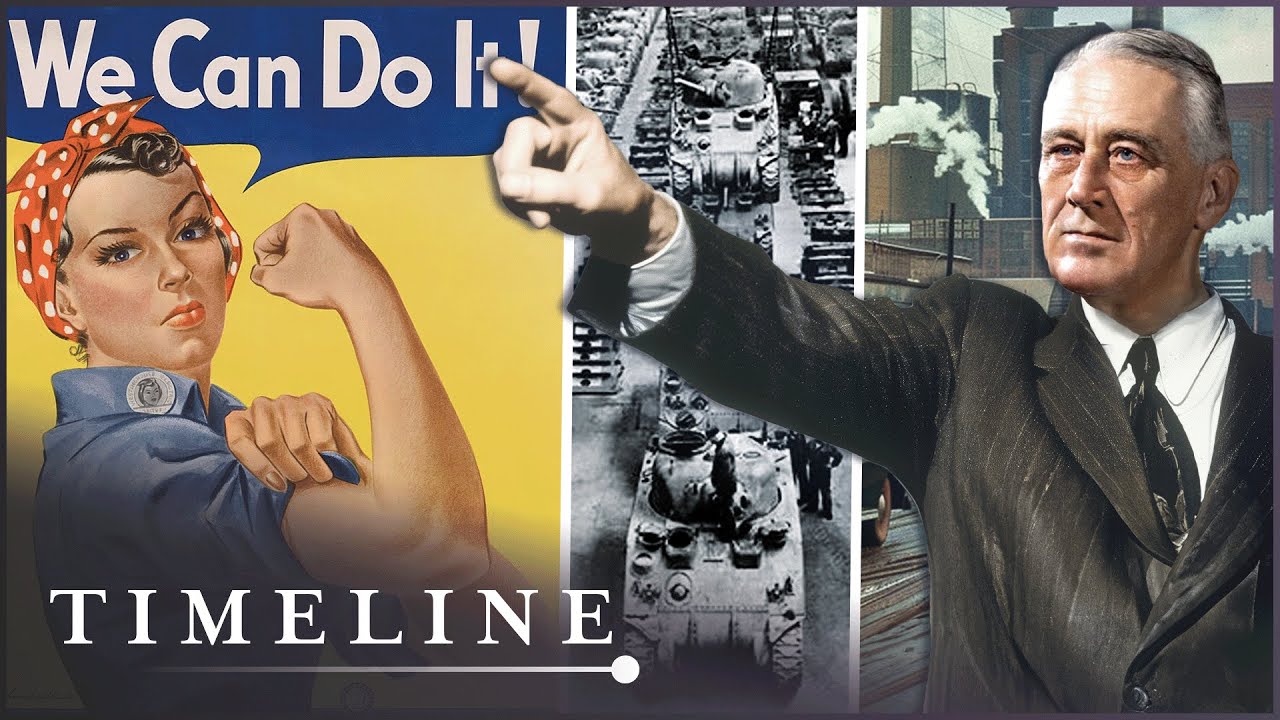
GM was not alone in its transformation. American factories across the country were quickly retooled for military production, and they were able to produce vast quantities of equipment and supplies. By the end of the war, the U.S. had produced over 103,000 tanks, 324,000 airplanes, and 2.4 million military vehicles.

The ability of American factories to out-produce the rest of the world was due in part to the country’s vast resources and industrial capacity. The U.S. had a large workforce, abundant raw materials, and a robust transportation infrastructure that allowed for efficient production and distribution of goods.

Additionally, the U.S. government played a key role in the country’s wartime production efforts. The government provided funding and incentives for companies to produce military equipment, and it worked closely with private industry to ensure that the right equipment was being produced at the right time.

Another important factor was the use of mass production techniques pioneered by companies like Ford. These techniques allowed for the rapid production of large quantities of equipment and supplies, and they helped to streamline the production process.

The success of American factories in out-producing the rest of the world was a major factor in the Allied victory. The U.S. was able to provide the equipment and supplies necessary to sustain the war effort, and this helped to tilt the balance in favor of the Allies.

In conclusion, the ability of American factories to out-produce the rest of the world was a key factor in the Allied victory in World War II. The rapid transformation of factories like General Motors into major military manufacturers was a testament to the ingenuity and resourcefulness of the American people. With the right resources, incentives, and mass production techniques, American factories were able to produce vast quantities of military equipment and supplies that helped to secure victory in the war.

Categories
W4 World

How the US Industrial Might Won the War: The Dominance of American Production in WWII

During World War II, the United States emerged as a global superpower largely due to its remarkable ability to produce goods on a massive scale. The US dominated the production war, outproducing all of its enemies combined, and providing the Allies with the essential weapons, equipment, and supplies needed to win the war.

One of the key factors that contributed to the US’s dominance in the production war was its strong industrial base. The US had a highly developed and efficient industrial sector, with advanced machinery, assembly lines, and transportation infrastructure that allowed for quick and efficient production of goods. Additionally, the US government played a significant role in promoting industrial growth through policies such as tax incentives and subsidies for defense-related industries.

Another critical factor was the US’s ability to ramp up production quickly. As soon as the US entered the war, the government implemented a series of measures to mobilize the country’s resources for the war effort. These measures included rationing, price controls, and the creation of the War Production Board, which directed the allocation of resources and oversaw the conversion of peacetime industries to wartime production.

The US also benefited from its vast resources and geographic location. The country had abundant natural resources, such as oil, coal, and iron, which provided the raw materials necessary for industrial production. Additionally, the US’s distance from the fighting in Europe and Asia allowed it to operate without fear of direct attack, which minimized the disruption to its production capabilities.

The US’s success in the production war was evident in the sheer volume of goods it produced. During the war, the US produced 297,000 airplanes, 86,000 tanks, 2.4 million trucks, and 41 billion rounds of ammunition. These figures far exceeded the production capabilities of its enemies and allowed the US to maintain a significant military advantage throughout the war.

The US also played a critical role in providing supplies and equipment to its allies. Through the Lend-Lease program, the US provided billions of dollars worth of aid to the UK, the Soviet Union, and other Allies, including weapons, vehicles, and other supplies. This aid was critical to the war effort and helped keep the Allies in the fight.

Despite its success, there were some challenges that the US faced in the production war. One major issue was the shortage of skilled workers, as many men had been drafted into the military. To address this, the US government encouraged women to enter the workforce, and by the end of the war, nearly one-third of all workers in the defense industry were women.

Another challenge was the need to balance the production of military goods with the needs of the civilian population. The government had to ensure that enough goods were being produced for the war effort while also ensuring that there were sufficient supplies of consumer goods for the civilian population.

Japan’s production was limited due to its lack of natural resources, particularly oil, which it needed to fuel its military machinery. The country had to rely heavily on imports, which were cut off by the US naval blockade, severely hampering its production. Additionally, Japan’s industrial sector was largely focused on producing consumer goods, which meant that it was ill-equipped to rapidly produce the necessary military equipment and weaponry. As a result, Japan struggled to match the production capacity of the US, which was producing at an unprecedented level during the war.

Germany, on the other hand, had a more developed industrial sector and was able to produce advanced weaponry, such as the Messerschmitt Bf 109 fighter plane and the Tiger II tank. However, Germany’s production capacity was limited by Allied bombing campaigns, which destroyed many of its factories and infrastructure. Additionally, Germany was facing shortages of key resources, such as oil and rubber, which impacted its production capability.

Despite these challenges, both Japan and Germany were able to produce significant amounts of military equipment and weaponry. However, they were ultimately outmatched by the US, which had a vast industrial base and was able to ramp up production to an unprecedented level during the war. The US was producing more planes, tanks, and ships than any other country, allowing it to dominate the production war and ultimately emerge victorious.

In conclusion, Japan and Germany faced significant challenges in their production capabilities during World War II, which ultimately limited their ability to match the production capacity of the US. Despite their efforts, they were ultimately outmatched by the sheer size and scale of US industry, which played a critical role in the Allied victory.

In December 1941, Admiral Yamamoto of Japan accurately predicted that if his country went to war with the United States, they would only be able to hold out for six months. The Battle of Midway ultimately shifted the balance in the Pacific and proved Yamamoto’s prediction to be true. It was clear that Yamamoto recognized the power of US industry, which gave the nation a significant advantage in the war effort.

Admiral Yamamoto’s prediction about the duration of the war with the US was based on his understanding of the US’s industrial capacity. He knew that the US had vast resources, including raw materials, oil, and manpower, and that it could quickly mobilize its industrial complex to produce weapons, ships, and aircraft in large quantities. In contrast, Japan’s industrial capacity was limited, and it lacked many of the critical resources needed for a prolonged war.

Despite Japan’s initial successes in the Pacific, Yamamoto’s prediction proved to be accurate. The US’s industrial might allowed it to recover quickly from the initial setbacks and build up a massive military machine that eventually overwhelmed Japan’s forces. The US produced more aircraft, tanks, and ships than Germany and Japan combined, giving it a significant advantage in the war.

In conclusion, the US’s dominance in the production war played a critical role in its victory in World War II. Its strong industrial base, ability to ramp up production quickly, and abundant resources allowed it to produce a staggering volume of goods, providing the Allies with the weapons and equipment needed to win the war. The US’s success in the production war helped establish it as a global superpower and set the stage for its continued economic and military dominance in the post-war era.

Categories
W4 World

The Mysteries and Memories of the Lost Battleships and Submarines of Pearl Harbor

On December 7, 1941, the Japanese launched a surprise attack on Pearl Harbor, a US naval base in Hawaii. The attack resulted in the sinking of eight battleships, three cruisers, and four submarines. Over 2,400 Americans were killed, and nearly 1,200 were wounded. The event is widely considered to be a turning point in American history, as it led to the United States’ direct involvement in World War II.

Despite being one of the most well-documented and highly publicized events in world history, mysteries surrounding the attack and its aftermath still remain. One of the most intriguing mysteries is the fate of the lost battleships and submarines of Pearl Harbor.

The fate of the Japanese submarine that sparked the attack on Pearl Harbor, the I-16, remains unknown. The I-16 was one of five Japanese submarines that were deployed to the waters near Pearl Harbor to provide reconnaissance for the upcoming attack. On December 7, 1941, the I-16 fired torpedoes at the USS Curtiss, but missed their target.

The submarine was then chased by several US Navy ships but managed to escape. It was last seen heading west toward Japan, but it is unclear what happened to the vessel after that. Some speculate that the I-16 may have been sunk by a US submarine or aircraft, but there is no concrete evidence to support this theory.

The USS Arizona is perhaps the most famous battleship lost during the attack. The ship was hit by several bombs and sank quickly, killing 1,177 crew members. Today, the USS Arizona Memorial stands over the submerged remains of the ship, which still leaks oil into the water.

Moreover, efforts have been made in recent years to use advanced technologies to study the ship and its contents in order to better understand the environmental impact of the oil leak. Despite the fact that the ship still leaks oil into the water, no one is sure exactly how much oil is left inside the wreck. In recent years, efforts have been made to use advanced technologies to study the ship and its contents in order to better understand the environmental impact of the oil leak.

Another battleship lost during the attack was the USS Oklahoma. The ship was hit by multiple torpedoes and capsized, trapping over 400 crew members inside. Many of the crew were eventually rescued, but 429 sailors and Marines perished. The ship was eventually righted and towed to the United States, but it was deemed too damaged to be repaired and was sold for scrap in 1946.

The USS Utah was another battleship lost during the attack. The ship was hit by torpedoes and capsized, killing 64 crew members. The ship was eventually righted but was deemed too damaged to be repaired and was used as target practice by the Navy.

In addition to the battleships, four submarines were also lost during the attack. The USS Tautog was moored in the harbor and suffered minor damage but was able to participate in the war effort. The USS Cachalot was out to sea during the attack and was not damaged. The USS Narwhal was also out to sea and was able to participate in the war effort. However, the USS Dolphin was moored in the harbor and was severely damaged, causing it to be decommissioned.

Despite the loss of so many ships, much of the wreckage has been accounted for and studied. However, some mysteries still remain. One such mystery is the whereabouts of the USS Utah’s bell. The bell was removed from the ship before it was used for target practice, but its current location is unknown. Many believe that it was taken as a souvenir by a member of the crew or a visitor to the site.

The fate of the lost submarines also remains something of a mystery. While the USS Tautog, Cachalot, and Narwhal were able to participate in the war effort, the fate of the last submarine, the USS Dolphin, is more uncertain. After being decommissioned, the Dolphin was used for target practice and sank in the Pacific Ocean in 1968. However, rumors persist that the submarine was actually sunk intentionally by the Navy to dispose of classified materials that were still on board.

The lost battleships and submarines of Pearl Harbor serve as a reminder of the bravery and sacrifice of those who served during World War II. They also highlight the ongoing efforts to study and preserve the history of the attack and its aftermath.

In recent years, there have been efforts to use advanced technologies such as 3D scanning and sonar mapping to create detailed digital models of the lost ships and submarines. These models can be used to better understand the structural integrity of the wrecks and to plan for their preservation.

There are also ongoing efforts to search for the missing USS Utah bell and to monitor the environmental impact of the oil leak from the USS Arizona. These efforts not only honor the memory of those who lost their lives in the attack, but they also contribute to our understanding of this pivotal moment in American history.

In conclusion, the lost battleships and submarines of Pearl Harbor represent a significant chapter in the history of World War II and continue to intrigue historians and enthusiasts alike. While many mysteries remain, ongoing efforts to study and preserve these wrecks serve as a testament to the bravery and sacrifice of those who served during this tumultuous time in our history.

Categories
W4 World

Flying Tigers and the Hump Route: The Dangerous Aerial Resupply Over the Himalayas During WW2

During World War II, the Himalayan Mountains were not just a picturesque landscape, but a treacherous and deadly airspace known as the Hump Route. The Hump Route was a vital supply line between India and China, and the only way to provide essential supplies to the Chinese armies fighting the Japanese in the Pacific. This perilous route was manned by the famous Flying Tigers, a unit of the United States Army Air Forces, who changed the course of the war in the Far East.

The Hump Route was the brainchild of General Claire Lee Chennault, the commander of the Flying Tigers, who recognized the strategic importance of keeping China in the war effort. However, the Hump Route was not an easy task. Pilots had to fly through a region known for its unpredictable weather, high altitude, and deadly terrain. The journey was particularly challenging because the aircraft had to carry heavy cargo, which put a considerable strain on the engines.

The Flying Tigers were tasked with providing aerial defence of China during the last six months of 1941 to June 1942. They had to defend the Hump Route against the Japanese, who had taken control of much of Southeast Asia, including Burma. The Japanese tried to cut off the vital supply line by attacking the airfields in India and China, and by sending fighter planes to intercept the cargo planes. The Flying Tigers fought back with their P-40 Warhawk planes, which were faster and more agile than the Japanese planes.

Despite the heroic efforts of the Flying Tigers, the Hump Route was one of the deadliest airspaces of World War II. It is estimated that over 700 planes were lost, and 1,500 airmen perished during the supply runs. The journey was particularly perilous during the monsoon season, when the weather was at its worst, and visibility was almost zero.

The Hump Route was not just a test of the pilots’ courage but also their endurance. The flights took up to ten hours, and the pilots had to deal with a lack of oxygen, freezing temperatures, and engine malfunctions. The planes were not equipped with the latest navigational equipment, and pilots had to rely on maps, compasses, and visual landmarks to navigate their way through the treacherous terrain.

Despite the dangers, the Hump Route was a lifeline for the Chinese armies fighting the Japanese. Without the supplies flown in from India, the Chinese would not have been able to hold off the Japanese army, and the outcome of the war in the Pacific could have been very different. The Flying Tigers were lauded as heroes, and their bravery and sacrifice are still remembered today.

During World War II, the Hump Route was one of the most dangerous and deadly airspaces in the world. The route, which crossed over the Himalayas from western China to India, was the only way to deliver supplies to the Chinese during the war. It was also the site of some of the most daring and heroic air missions in history, flown by the famous Flying Tigers.

The Flying Tigers, officially known as the American Volunteer Group (AVG), were a group of pilots recruited by the United States government to help defend China against the Japanese. Led by legendary fighter pilot Claire Chennault, the Flying Tigers quickly became one of the most feared and respected units in the war.

In late 1941, just before the attack on Pearl Harbor, the Flying Tigers were already in China, flying missions to protect Chinese cities and supply lines. They flew the famous P-40 Warhawk fighter planes, painted with distinctive shark’s teeth on the nose.

When Japan attacked Pearl Harbor on December 7, 1941, the United States entered the war on the side of the Allies. The Flying Tigers became an official part of the United States Army Air Forces, but they continued to fly under their own flag and operate in China.

The Hump Route was critical to the war effort in China. It was the only way to get supplies to the Chinese army and to keep the airfields in China operational. But flying over the Himalayas was incredibly dangerous. The mountains were some of the highest in the world, and the weather was unpredictable and often treacherous.

The pilots of the Flying Tigers were some of the few who were capable of flying the Hump Route. They flew in all kinds of weather, often with limited visibility and without the aid of modern navigation equipment. They flew at high altitudes, where the air was thin and the temperature was well below freezing. And they did it all while being shot at by Japanese planes.

The Hump Route claimed the lives of many pilots during the war. But the Flying Tigers continued to fly, despite the danger. They knew that the supplies they were delivering were crucial to the Chinese war effort, and that without their deliveries, China would likely fall to the Japanese.

For six months, from December 1941 to June 1942, the Flying Tigers provided crucial last ditch aerial defence of China. Their bravery and determination changed the course of the war in the Far East. But their story has largely been untold, until now.

The legacy of the Flying Tigers lives on today. Their heroism and sacrifice continue to inspire generations of pilots and military personnel. And the Hump Route, once a deadly and treacherous airspace, is now a symbol of the bravery and determination of the Flying Tigers and all who flew it during World War II.

In conclusion, the Hump Route was one of the most dangerous airspaces of World War II. The Flying Tigers played a crucial role in defending the supply line and keeping China in the war effort. The Hump Route was a testament to the pilots’ courage, endurance, and skill, and their contribution to the war effort should not be forgotten.

Categories
W7 World

Remembering Pearl Harbor: The Japanese Attack on the United States in 1941

Introduction

On the morning of December 7, 1941, the Japanese launched a surprise military attack on the United States naval base at Pearl Harbor, Hawaii. This attack, which came without warning and caused significant damage and loss of life, remains one of the most pivotal events of World War II. The attack on Pearl Harbor was a defining moment in world history, marking the entry of the United States into World War II and forever changing the course of the war. The attack forced the United States to declare war on Japan and ultimately led to the country’s involvement in the global conflict.

The attack resulted in the deaths of 2,403 Americans and marked the entry of the United States into World War II. The attack on Pearl Harbor was a defining moment not just for the United States, but for the entire world. It marked the beginning of a new phase in the war and triggered a series of events that would shape the course of history for decades to come. In this article, we’ll take a closer look at the Japanese attack on Pearl Harbor, exploring its history, key events, and impact on the course of the war.

History of the Attack on Pearl Harbor

On the morning of December 7, 1941, Japanese planes launched a surprise attack on the U.S. naval base at Pearl Harbor. The attack was carried out by 353 Japanese aircraft in two waves, and targeted the battleships, cruisers, and aircraft stationed at the base. The attack began at 7:55 a.m. and lasted for two hours, during which time the Japanese destroyed or damaged 19 U.S. naval vessels and more than 300 aircraft. The attack was a devastating blow to the United States and its military capabilities. The USS Arizona, one of the battleships that was attacked, suffered a catastrophic explosion and sank, resulting in the deaths of 1,177 sailors and Marines. In total, 2,403 Americans were killed and 1,178 were wounded in the attack. Here are some key events related to the Pearl Harbor attack:

  • The United States had imposed an oil embargo on Japan in July 1941, which severely impacted Japan’s ability to conduct military operations.
  • In November 1941, the US intercepted Japanese messages indicating an attack was imminent, but they were unable to determine the specific target.
  • On December 7, 1941, Japan launched a surprise attack on Pearl Harbor, killing 2,403 Americans and destroying numerous battleships and aircraft.
  • Following the attack, the United States declared war on Japan and entered World War II on the side of the Allies.
  • The attack on Pearl Harbor led to the internment of Japanese Americans, who were forced to relocate to internment camps throughout the United States.
  • In 1944, the United States launched a series of devastating air raids on Tokyo and other Japanese cities, culminating in the use of atomic bombs on Hiroshima and Nagasaki in August 1945.
  • The end of World War II saw Japan occupied by American forces and a new constitution implemented, which renounced war and established a democratic government.

The attack on Pearl Harbor was a turning point in World War II and a defining moment in the history of the United States. It left an indelible mark on the nation’s collective memory and serves as a reminder of the importance of preparedness and vigilance in the face of threats to national security.

Criticism and Controversy Surrounding the Attack

The Japanese attack on Pearl Harbor was widely criticized as a treacherous and unprovoked act of aggression. The attack was condemned by the international community, including the United Kingdom, Canada, and Australia, and led to the entry of the United States into World War II. However, in recent years, some historians have argued that the attack on Pearl Harbor was not entirely unexpected and that the United States had intelligence indicating that an attack was imminent. They have also suggested that the United States government may have allowed the attack to happen in order to provide a justification for entering the war. Here are some key points regarding the criticism and controversy surrounding the Pearl Harbor attack are:

  • The attack was a surprise, but some argue that the United States had intelligence that could have prevented it.
  • The failure to anticipate the attack led to the belief that the American military was unprepared and complacent.
  • Some people also criticized the American commanders for the way they handled the attack and for not being able to effectively respond to it.
  • The attack on Pearl Harbor was a major factor in the decision of the United States to enter World War II, which led to the use of atomic bombs on Japan and the eventual defeat of the Axis powers.
  • The Pearl Harbor attack has been a topic of debate and controversy for decades, with some people arguing that it was a necessary and justified action by Japan, while others see it as an act of aggression and a violation of international law.

Overall, the Pearl Harbor attack remains a significant event in world history that continues to be studied and debated today.

The Aftermath of the Pearl Harbor Attack

The attack on Pearl Harbor had a profound impact on the course of World War II and on the relationship between the United States and Japan. The day after the attack, President Franklin D. Roosevelt asked Congress to declare war on Japan, which they did with near-unanimous support. The attack on Pearl Harbor also led to the internment of Japanese Americans in the United States, with more than 120,000 people of Japanese descent being forced into internment camps. The attack also had a lasting impact on the U.S. military, with a renewed focus on preparedness and the development of new military technologies. Here are some key points on the aftermath of the Pearl Harbor attack:

  • The United States immediately declared war on Japan and entered World War II.
  • The attack on Pearl Harbor united the American people and strengthened their resolve to fight the war.
  • The attack resulted in significant damage to the US Pacific Fleet, but Japan did not succeed in destroying the vital repair and refueling facilities.
  • The US government implemented a range of measures to boost the war effort, including rationing, draft calls, and an increase in industrial production.
  • The attack led to the forced internment of Japanese Americans living in the United States, as they were perceived as a potential security threat.
  • The US military launched a series of offensives against Japan, including the famous Doolittle Raid and the Battle of Midway, which ultimately led to Japan’s defeat in the war.

These key points illustrate the far-reaching and long-lasting consequences of the Pearl Harbor attack on both the United States and the wider world.

Conclusion

The attack on Pearl Harbor is a stark reminder of the devastating effects of war and the need for diplomacy and cooperation among nations. As we reflect on this tragic event, it’s important to remember the sacrifices made by those who fought and died in the service of their country. By studying the history of the attack on Pearl Harbor, we can gain a better understanding of the complex political and military factors that led up to it, and work towards a more peaceful and cooperative future.

The attack was a devastating blow to the United States and its military capabilities, but also served as a rallying cry for the American people and a reminder of the importance of preparedness and vigilance. Although the attack on Pearl Harbor caused immeasurable damage and loss of life, it also served as a rallying cry for the United States and its allies, galvanizing them to take swift and decisive action against their enemies. The legacy of the attack is still felt today, as we continue to grapple with the complex issues of war, diplomacy, and international relations.

FAQs

When did the Japanese attack Pearl Harbor? The Japanese attack on Pearl Harbor took place on December 7, 1941.

Why did Japan attack Pearl Harbor? Japan attacked Pearl Harbor in order to destroy the United States Pacific Fleet, which was seen as a potential threat to Japanese expansion in the Pacific.

How many people were killed in the attack on Pearl Harbor? The attack on Pearl Harbor resulted in the deaths of 2,403 Americans, including 68 civilians.

Was the attack on Pearl Harbor a surprise? Yes, the attack on Pearl Harbor was a surprise to the United States military, as they did not expect Japan to launch an attack on American soil.

How did the United States respond to the attack on Pearl Harbor? The United States responded to the attack on Pearl Harbor by declaring war on Japan the following day, December 8, 1941.

What was the impact of the attack on Pearl Harbor? The attack on Pearl Harbor led to the United States’ entry into World War II and changed the course of the war in the Pacific. It also had a significant impact on American society and led to the internment of Japanese Americans during the war.

References

  • Pearl Harbor attack timeline
  • Causes of Pearl Harbor attack
  • Consequences of Pearl Harbor attack
  • Controversy surrounding Pearl Harbor attack
  • Japan’s strategy in Pearl Harbor attack
  • Historical significance of Pearl Harbor attack
  • US response to Pearl Harbor attack
  • Lessons learned from Pearl Harbor attack
  • Remembering Pearl Harbor
  • Pearl Harbor memorial and museum
Categories
W7 World

The World Wars: The Most Destructive Wars in Human History

Introduction

The World Wars were two of the most devastating and catastrophic wars in human history. They were fought on a global scale, involved millions of people, and resulted in immense destruction and loss of life. The First World War began in 1914 and lasted until 1918, while the Second World War started in 1939 and ended in 1945. These wars had a profound impact on the world, shaping the course of history and leaving a lasting legacy that is still felt today.

About World Wars

The term “world war” refers to a global conflict involving many of the world’s great powers or nations, typically fought on multiple fronts and involving large-scale military engagements. It is a term used to describe wars that have a global impact and involve a significant portion of the world’s population and resources. The World Wars were two global conflicts that took place in the 20th century and involved many of the world’s major powers.

The First World War began in 1914 and lasted until 1918, while the Second World War lasted from 1939 to 1945. Both wars had a profound impact on the world, causing immense loss of life and leading to significant political, economic, and social changes. The wars also introduced new technologies and weapons of war, such as tanks and nuclear weapons, and marked a turning point in world history.

World War I

World War I, also known as the Great War, was a global conflict that lasted from 1914 to 1918. It involved the major powers of the world, divided into two opposing alliances: the Allies and the Central Powers. The war was triggered by the assassination of Archduke Franz Ferdinand of Austria-Hungary by a Serbian nationalist in 1914 and escalated into a full-scale war with the involvement of multiple countries.

The war had a profound impact on the world and changed the course of history. Moreover, World War I or the Great War, was a global conflict that lasted from 1914 to 1918. It involved the majority of the world’s nations, including the great powers of Europe, and resulted in the deaths of millions of soldiers and civilians.

Causes

Militarism: The belief that a country should maintain a strong military in order to protect itself and expand its influence. This belief was a major factor leading up to both World War I and World War II, as nations competed to build up their military strength and assert their dominance.

Alliances: European countries formed alliances with one another to protect themselves in case of an attack, as they believed that maintaining a strong military was essential to protect their national interests and expand their influence. These alliances created a complex web of relationships that drew multiple nations into the conflict.

Imperialism: The desire to expand one’s empire and gain more territory. Imperialism was a significant factor leading up to both World War I and World War II, as countries competed for power and resources, often resulting in tensions and conflicts between nations.

Nationalism: The belief that one’s country is superior to others and deserves to be powerful and respected. This ideology often leads to competition and conflict between nations, as each seeks to prove its superiority over the others, which can contribute to the outbreak of wars.

Key Events

Assassination of Archduke Franz Ferdinand: The assassination of the heir to the Austro-Hungarian throne in 1914, which sparked the war. The assassination of Archduke Franz Ferdinand was carried out by a Serbian nationalist and led to a chain reaction of events that eventually drew many of the major powers of Europe into the war.

Trench Warfare: The style of warfare that characterized the Western Front, with soldiers living and fighting in trenches. Trench warfare led to a stalemate on the Western Front, with neither side able to make significant advances for much of the war.

Battle of the Somme: One of the bloodiest battles of the war, fought between British and German forces in 1916. The Battle of the Somme lasted for five months and resulted in over one million casualties, making it one of the deadliest battles in human history.

Entry of the United States: The entry of the US into the war in 1917, which helped turn the tide in favor of the Allies. The US became a major player in the war effort, contributing troops, supplies, and resources to the Allies, ultimately helping to secure victory in World War I.

Germany’s invasion of Belgium: In 1914, Germany invaded Belgium in order to launch an attack on France, violating Belgian neutrality and prompting Britain to enter the war.

Battle of the Marne: In September 1914, Allied forces halted Germany’s advance towards Paris in a crucial battle along the Marne River, marking the end of the German’s Schlieffen Plan and leading to a prolonged war of attrition.

Battle of Jutland: The largest naval battle of World War I, fought between the British and German navies in 1916 off the coast of Denmark, which resulted in heavy losses on both sides but left the British in control of the seas.

Zimmerman Telegram: In 1917, Germany sent a secret telegram to Mexico proposing an alliance against the United States in exchange for territory lost in the Mexican-American War. The intercepted telegram was a major factor in the US decision to enter the war.

Russian Revolution: In 1917, the Bolsheviks led by Vladimir Lenin overthrew the Russian government, leading to the establishment of a socialist state and the withdrawal of Russia from World War I.

Consequences

Loss of Life: An estimated 16 million people died in the war, including both military personnel and civilians. The loss of life had a profound impact on the world, with entire communities and families being devastated by the war’s toll. It also highlighted the importance of peacekeeping efforts and diplomacy in preventing such catastrophic events in the future.

League of Nations: The international organization founded after World War I to promote peace and cooperation between nations, but ultimately failed to prevent the outbreak of World War II.

Demise of empires: The end of several empires after World War I, including the Ottoman Empire and Austro-Hungarian Empire, which led to the redrawing of national boundaries and the creation of new nation-states.

Economic losses and depression: The massive economic losses suffered by Europe after World War I, including high inflation and unemployment, which contributed to the Great Depression of the 1930s.

Rise of totalitarianism: The emergence of totalitarian regimes in the 1920s and 1930s, including Nazi Germany and Communist Russia, which rejected democracy and individual liberties, and sought to control all aspects of society.

New Technologies: The war saw the development and use of new technologies, such as tanks and chemical warfare. These technologies revolutionized warfare and set the stage for modern military tactics and equipment. These new technologies had a profound impact on warfare in the 20th century.

Treaty of Versailles: The treaty that ended the war had significant implications for Europe and the world, setting the stage for the Second World War. The treaty placed blame on Germany for the war and imposed harsh reparations, leading to economic and political instability in the country.

World War II

World War II was a global conflict that lasted from 1939 to 1945, involving the majority of the world’s nations, including all of the great powers, organized into two opposing military alliances: the Allies and the Axis powers. It was the deadliest conflict in human history, with an estimated 70-85 million fatalities, including 6 million Jews who were victims of the Holocaust.

The war began with the invasion of Poland by Nazi Germany and the subsequent declarations of war by the United Kingdom and France. The conflict ultimately ended with the unconditional surrender of Germany and Japan, marking the beginning of the post-war era and the emergence of the United States and the Soviet Union as superpowers. The war had a profound impact on the world and its legacy can still be felt today.

Causes

Treaty of Versailles: The treaty that ended World War I imposed harsh penalties on Germany, which led to resentment and the rise of Adolf Hitler. The treaty also redrew the map of Europe and created new nations, but some argue that the terms were too harsh and set the stage for future conflicts.

Appeasement: The policy of giving in to the demands of a hostile power in order to avoid conflict, which encouraged Hitler’s aggression. Appeasement was a controversial policy pursued by Britain and France in the 1930s towards Nazi Germany, which allowed Hitler to expand his territories and build up his military without significant opposition.

Economic Depression: The 1929 stock market crash led to a worldwide economic depression, causing high unemployment rates, widespread poverty, and a rise in protectionist policies that further worsened economic conditions across the world.

Militarism and Expansionism: Japan’s desire for more territory and resources, leading to its aggressive expansion in Asia. Japan’s militaristic and expansionist policies led to its invasion of China, the annexation of Manchuria, and ultimately, its entry into World War II.

Rise of Fascism and Dictators: Economic and political instability paved the way for the rise of dictators such as Adolf Hitler in Germany, Benito Mussolini in Italy, and Joseph Stalin in the Soviet Union. Fascism was characterized by authoritarianism, nationalism, and the suppression of political opposition and individual freedoms.

Failure of the League of Nations: Despite its creation after World War I to prevent future conflicts, the League of Nations failed to address the aggressive actions of dictators and prevent the outbreak of World War II, which became inevitable at the moment.

Key Events

Invasion of Poland: Germany’s invasion of Poland in 1939, which sparked the war in Europe. The invasion of Poland was a clear violation of international law and marked the beginning of a new era of warfare that would have devastating consequences for the entire world.

Blitzkrieg: Germany’s lightning-fast style of warfare, which allowed it to quickly conquer much of Europe. This strategy involved the coordinated use of ground troops, tanks, and air power to overwhelm enemy defenses and quickly advance into enemy territory.

Battle of Stalingrad: A turning point in the war, where the Soviet Union defeated Germany in a major battle in 1942-1943. This victory is considered to be one of the most significant battles of the war and marked a major turning point in favor of the Allies.

Atomic Bombings of Hiroshima and Nagasaki: The United States dropped atomic bombs on the Japanese cities of Hiroshima and Nagasaki in August 1945, leading to Japan’s surrender. The use of atomic bombs marked the first and only time nuclear weapons have been used in warfare, and had a significant impact on the world’s understanding of nuclear weapons and their devastating power.

Holocaust: The genocide of six million Jews by Nazi Germany, along with millions of others who were deemed undesirable by the regime. The Holocaust is considered one of the most heinous crimes against humanity, and its impact on the Jewish community and the world as a whole is still felt today. The atrocities committed during the Holocaust served as a reminder of the dangers of extreme nationalism, racism, and prejudice.

D-Day: D-Day, or the Normandy landings, was a major military operation during World War II in which Allied forces invaded Nazi-occupied France on June 6, 1944. The operation involved the largest amphibious invasion in history, with over 156,000 troops landing on the beaches of Normandy.

Consequences

Use of Nuclear Weapons: The use of atomic bombs marked the first and only time nuclear weapons have been used in warfare. The development and proliferation of nuclear weapons have been a major concern for global security and international relations since the end of World War II.

The making of Superpowers: The war had a profound impact on the world, leading to the establishment of new nations, the collapse of empires, the formation of new alliances, and the emergence of the United States and the Soviet Union as superpowers, which shaped the global political landscape for decades to come.

The establishment of the United Nations: The United Nations (UN) was founded in 1945 as an international organization to promote peace, security, and cooperation among countries around the world. It replaced the failed League of Nations as the primary forum for addressing global issues and conflicts.

The Nuremberg Trials: A series of military tribunals held by the Allied powers after World War II to prosecute prominent leaders of Nazi Germany for war crimes, crimes against humanity, and other offenses. The trials set a precedent for holding individuals accountable for atrocities committed during war and helped establish international humanitarian law.

The beginning of the Cold War: The Cold War was a state of political and military tension between the Western powers, led by the United States, and the Eastern powers, led by the Soviet Union, from the end of World War II until the collapse of the Soviet Union in 1991. It was characterized by ideological differences, proxy wars, and a nuclear arms race, but never escalated into direct military conflict.

Decolonization and rise of nationalism: After World War II, many European empires began to dismantle their colonial empires, granting independence to their former colonies. This led to a rise in nationalism and the formation of new nation-states across Africa, Asia, and the Middle East.

Creation of the state of Israel: In 1948, the state of Israel was established in the former British mandate of Palestine, following a UN resolution partitioning the region into separate Jewish and Arab states. The creation of Israel led to ongoing conflict between Israel and its Arab neighbors, as well as displacement and hardship for Palestinian Arabs.

Conclusion

The World Wars were a dark chapter in human history. They caused unimaginable destruction, loss of life, and widespread socio-economic and political changes. However, they also paved the way for the establishment of new political and economic systems and the emergence of the United States as a superpower. It is essential to remember the lessons of these wars and strive towards a peaceful and harmonious world.

FAQs

When did World War I start and end? World War I started on July 28, 1914, and ended on November 11, 1918.

When did World War II start and end? World War II started on September 1, 1939, and ended on September 2, 1945.

How many people died in World War I and World War II? It is estimated that around 17 million military personnel and civilians died during World War I and approximately 75 million people died during World War II.

What was the significance of the Treaty of Versailles? The Treaty of Versailles was significant as it ended World War I and imposed harsh penalties and reparations on Germany, leading to their economic downfall and the rise of Nazi Germany.

What was the Holocaust? The Holocaust was the systematic extermination of Jews and other minority groups by the Nazis during World War II, resulting in the deaths of approximately 6 million Jews.