Categories
W1 World

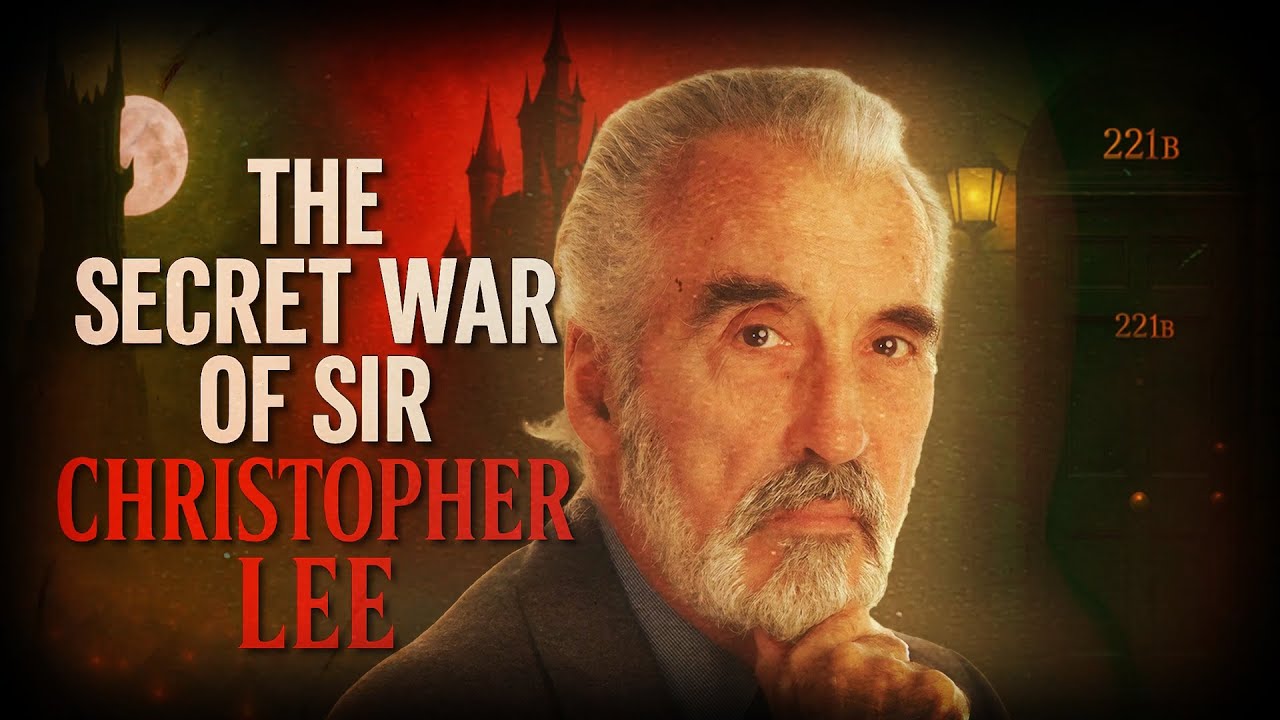
The Secret War of Sir Christopher Lee: From Covert Battlefield Missions to Big Screen Legend

Introduction: The Man Behind the Myths

Sir Christopher Lee is best remembered as a towering presence on screen—Dracula, Saruman, Count Dooku. But behind his cinematic legacy lies a shadowy past more thrilling than any of his film roles. Before Hollywood, before Hammer Horror, Lee was a soldier and a spy. During World War II, he served with distinction in the Royal Air Force and was attached to British intelligence and special forces, including the SAS and the Special Operations Executive (SOE).

Some of his missions remain classified, adding an air of mystery to an already enigmatic man. This is the story of a war hero whose real life may have inspired fictional legends like James Bond, and whose experiences shaped him as both an actor and a man. Long before he wore fangs or wielded a wizard’s staff, he stared down real danger in the shadows of history.

The Making of a Warrior: Early Life, War

Born in 1922 to a military family, Christopher Frank Carandini Lee grew up in a world shaped by war and aristocracy. His father was a decorated army officer, and his mother came from Italian nobility. From an early age, Lee showed an interest in languages, history, and adventure.

Lee was fluent in several languages—skills that would later serve him well in intelligence work. When World War II broke out, Lee enlisted in the Royal Air Force. Initially grounded due to a vision problem, he nonetheless found ways to serve. His aptitude and demeanor quickly led him into intelligence roles, and eventually into elite covert units.

Into the Shadows: SOE, SAS, Missions

Lee was quietly recruited into the SOE—Special Operations Executive, Winston Churchill’s infamous spy organization, often referred to as “the Ministry of Ungentlemanly Warfare.” He also had ties with the SAS, the Special Air Service, known for its deadly raids behind enemy lines. His work included sabotage operations, tracking down Nazi war criminals, and assisting in the liberation of concentration camps.

Lee operated in North Africa, Italy, and possibly Eastern Europe. Although Lee remained tight-lipped about many of his missions, he once told interviewers, with a knowing smile, “Let’s just say I was involved in some very confidential things.”

Hunting Evil: Post-War Pursuit of Nazis

Following the war, Lee worked with the Central Registry of War Criminals and Security Suspects (CROWCASS), the organization tasked with identifying and capturing Nazi war criminals. It was grueling and emotionally exhausting work—digging through evidence of atrocities and helping bring fugitives to justice.

Lee was present at several interrogations and assisted with intelligence that led to arrests. This chapter of his life haunted him and shaped his profound sense of justice. He once said, “If I could take just one man down who committed such acts, it was all worth it.”

Silence and Secrecy: A Code That Endured

Throughout his life, Lee maintained a strict code of silence regarding his military service. He believed that talking too much would dishonor the memory of those who served and died. When Peter Jackson asked him how he knew what a man sounded like when stabbed in the back—a moment while filming The Lord of the Rings—Lee replied, “Because I know what it sounds like.”

This cryptic answer added to the legend, but it was rooted in real, harrowing experience. Even in his autobiography, he glossed over many wartime details, preserving the dignity and confidentiality of those turbulent years.

Hollywood and the Haunted Heroic Past

After the war, Lee returned to civilian life and eventually found his way to the silver screen. His imposing height, deep voice, and stoic demeanor made him perfect for villainous roles. But beneath the horror makeup and menacing characters was a man shaped by unimaginable experiences.

Lee’s time in war gave him an intensity and authenticity that few actors could match. He was not pretending to understand fear or death—he had lived it. His military discipline carried over into his acting career; he was professional, punctual, and precise.

A Real-Life Bond: Spy, Soldier, or Legend?

Many have speculated that Christopher Lee’s cousin, Ian Fleming, drew on Lee’s life for inspiration when creating James Bond. Fleming and Lee were close, and the timeline of Lee’s wartime service overlaps significantly with Fleming’s own intelligence work.

Like Bond, Lee was suave, multilingual, deadly when needed, and accustomed to moving through shadows. While Lee never confirmed the theory, he didn’t deny it either. The parallels are compelling: both were British, both were involved in secretive operations across Europe, and both had a cool, lethal charisma.

Recognition Long Overdue: Hidden Valor

Despite his service, Lee never boasted or sought recognition for his military contributions. It wasn’t until much later in life that many people learned of his wartime record. In 2009, he was knighted for his contributions to drama and charity—but his military service was mentioned with reverence.

Lee’s commitment to duty, silence, and integrity stood in stark contrast to the modern age of oversharing. Lee’s life serves as a reminder that true heroism often resides in humility. In truth, he was the myth behind the myth.

Legacy: From War Rooms to Wizardry

Sir Christopher Lee’s legacy is unique. Few people can claim to have fought Nazis and also portrayed wizards and Sith Lords. His war service adds a profound dimension to his performances. When you see him wield a sword or issue a grave warning as Saruman, remember: this was not an act.

This was a man who had looked evil in the face and lived to tell the tale—if only in hints and whispers. His roles in cinema become even more iconic when framed by the knowledge of the life he led before the camera rolled.

Conclusion: A Hero in Shadow and Light

Sir Christopher Lee lived many lives. Soldier, spy, actor, legend. His wartime service remains a lesser-known but essential part of his story. In a century marked by conflict and change, Lee stood as a bridge between the brutal realities of war and the magical worlds of film. He showed that heroism takes many forms—on the battlefield, on the screen, and in the quiet dignity of a life lived with purpose and honor.

Overall, the world may remember him for Dracula or Saruman, but behind those characters stood a real man—a man who once fought in the shadows to defend the light. Sir Christopher Lee’s legacy is more than cinematic—he lived a life so extraordinary, it rivaled even the legends he portrayed on screen. In many ways, he wasn’t just playing heroes and villains—he was living the kind of story most actors could only dream of.

Categories
W2 World

Nakam: Holocaust Survivors Turned Nazi Hunters – Pursuing Justice Amidst the Ruins

In the aftermath of World War II, as the world grappled with the horrors of the Holocaust, a group of Holocaust survivors embarked on a daring and audacious mission known as “Nakam,” which means “revenge” in Hebrew. These individuals, driven by a burning desire for justice and retribution, sought to track down and punish the Nazi war criminals responsible for the genocide of six million Jews. This article delves into the gripping story of Nakam and the Holocaust survivors who transformed into Nazi hunters, shedding light on their relentless pursuit of justice, the challenges they faced, and the enduring legacy of their actions.

The Post-War Landscape: Survivors Amidst Devastation

As World War II drew to a close in 1945, Europe lay in ruins, and the scale of the Holocaust became horrifyingly apparent. Millions of Jews had perished in concentration and extermination camps, and survivors emerged from the darkness of these camps to a world forever changed. Many were left without families, homes, or possessions, but they carried with them the indelible memories of the atrocities they had witnessed.

The Genesis of Nakam: Seeking Justice

In this chaotic post-war period, a group of Holocaust survivors resolved to take matters into their own hands. The Nakam, also known as the Jewish Avengers, was born. Composed of individuals from various backgrounds, including former partisans and resistance fighters, the group shared a common purpose: to exact revenge on the perpetrators of the Holocaust.

Their motivation was deeply personal. They believed that justice could not be left solely to the international courts, which were grappling with the monumental task of prosecuting war criminals. The Nakam felt an urgency to hold the Nazi perpetrators accountable for their crimes and to ensure that they faced the punishment they deserved.

Operation Kibbutz: Poisoning German Prisoners of War

One of Nakam’s most audacious plans was codenamed “Operation Kibbutz.” In the summer of 1946, members of the group infiltrated a U.S. Army detention facility for German prisoners of war near Nuremberg. Their objective was to poison the food and water supply of thousands of German POWs, which they believed would serve as retribution for the Jewish lives lost in the Holocaust.

The operation was thwarted by British authorities, who arrested the Nakam operatives and confiscated the poison. This foiled plan not only highlighted the determination of the avengers but also the moral and ethical dilemmas surrounding their actions. It raised questions about the line between justice and vengeance.

The Struggles of Nakam: Internal Tensions and Ethical Dilemmas

Nakam was not without its internal tensions and debates. Some members questioned the morality of their mission, arguing that revenge could not bring back the millions of Jewish lives lost. Others were concerned about the potential harm to innocent German civilians. These ethical dilemmas cast a shadow over the group’s activities and led to divisions among its members.

The Establishment of the Mossad and the Eichmann Capture

As Nakam’s efforts faced mounting challenges, the landscape of Nazi hunting shifted. In 1947, with the founding of the State of Israel, a new intelligence agency emerged: the Mossad. Initially focused on gathering intelligence and ensuring the security of the fledgling nation, the Mossad later became instrumental in tracking down and capturing Nazi war criminals.

One of the Mossad’s most famous operations was the capture of Adolf Eichmann, one of the chief architects of the Holocaust. In 1960, Israeli agents located Eichmann in Argentina, abducted him, and brought him to trial in Israel. His capture and subsequent trial brought the horrors of the Holocaust to the forefront of international consciousness and underscored Israel’s commitment to bringing Nazi war criminals to justice.

Nakam’s Legacy: A Complex Chapter in Holocaust History

The story of Nakam is a complex and controversial chapter in Holocaust history. While their thirst for revenge may be understandable given the unimaginable suffering they endured, it also raises profound moral questions about the pursuit of justice. Nakam’s actions, including their planned poisoning of German POWs, remain deeply contentious.

As time has passed, the Nakam avengers have largely faded into obscurity, but their legacy lives on in the broader context of Holocaust remembrance and the pursuit of justice for Nazi war crimes. Their story serves as a stark reminder of the enduring trauma and indomitable spirit of Holocaust survivors who, in the aftermath of one of humanity’s darkest chapters, sought to hold those responsible to account.

In the end, Nakam’s quest for justice, though fraught with ethical complexities, reflects the unwavering determination of Holocaust survivors to ensure that the memory of their loved ones and the atrocities of the Holocaust would never be forgotten. Their actions, driven by a desire to make the world confront the horrors of the past, leave an indelible mark on the history of the Holocaust and its aftermath. Nakam’s audacious pursuit of justice, marked by moral dilemmas and determination, stands as a testament to the enduring legacy of Holocaust survivors who vowed that the horrors of the past would never be buried in history’s shadows.

Categories
W2 World

Herberts Cukurs: The Notorious ‘Butcher of Riga’ and the Assassination Plot by Nazi Hunters

Herberts Cukurs, a decorated officer in the Latvian Air Force and renowned pilot, once hailed as a national hero, would later become one of Latvia’s most reviled figures. Following the Nazi invasion and the subsequent collaboration with fascist forces, Cukurs earned the chilling nickname “The Hangman of Riga.” He was held responsible for the extermination of approximately 30,000 Latvian Jews. However, the passage of time saw Cukurs finding refuge in Sao Paolo, Brazil, living a seemingly quiet and unassuming life. Little did he know that the Israeli secret service, determined to bring Nazi war criminals to justice, was closing in on him. This article delves into the gripping tale of Herberts Cukurs, the audacious assassination plot against him, and the race against time to deliver justice.

Herberts Cukurs, born in 1900, was raised in a world marked by both turbulence and promise. Raised in Latvia, he displayed exceptional talent and ambition from a young age. As he embarked on his journey, Cukurs found his calling in aviation, emerging as a skilled pilot and a national hero. His early life was defined by his passion for flying, his dedication to his country, and his unwavering pursuit of excellence. However, the trajectory of his life would take a dark turn with the onset of World War II and the subsequent Nazi invasion, leading him down a path of collaboration, infamy, and ultimately, the weight of his heinous crimes.

Cukurs’ transformation from celebrated pilot to a collaborator with the Nazis was a dark chapter in his life. As Latvia fell under German occupation, Cukurs joined forces with the fascist regime and actively participated in the persecution and extermination of Latvian Jews. His ruthless efficiency and participation in the Holocaust earned him the notorious moniker, “The Hangman of Riga.” Yet, after the war, Cukurs managed to evade capture and fled to South America, seeking refuge in Brazil.

For two decades, Cukurs lived in relative obscurity in Sao Paolo, far from the prying eyes of those seeking justice. However, his past caught up with him when the Israeli secret service, driven by a relentless determination to bring Nazi war criminals to account, uncovered his whereabouts. A team of skilled agents was dispatched to Brazil, tasked with a dangerous mission: to apprehend Cukurs and bring him to justice. Determined to bring him to justice for his role in the extermination of 30,000 Latvian Jews, they devised a master plan to ensnare the greedy and paranoid Cukurs.

The Israeli agents faced a daunting challenge as they sought to infiltrate Cukurs’ world and execute their plan without arousing suspicion. Disguised as an innocent acquaintance, a cunning spy was selected to get close to Cukurs, gain his trust, and ultimately carry out the assassination. In a dramatic turn of events, Herberts Cukurs met his fate when a cunning spy successfully executed his assassination, bringing an end to the life of the notorious “Butcher of Riga” and ensuring that justice was served for the victims of his heinous crimes.

The success of the mission hinged on the spy’s ability to remain undetected, to manipulate Cukurs’ paranoia and greed, and to strike before Cukurs saw through the disguise. As the spy delved deeper into Cukurs’ life, the extent of the notorious war criminal’s paranoia became apparent. Cukurs, haunted by his past and fearing retribution, had become increasingly suspicious of those around him. His wealth and connections further fueled his belief that he was a target. The spy found himself navigating a treacherous path, balancing the need to gain Cukurs’ confidence while constantly evading detection.

The tension escalated as the spy’s encounters with Cukurs grew increasingly frequent. Every interaction was a high-stakes game, with the spy’s life and the mission’s success hanging in the balance. Time was running out, and the window of opportunity to deliver justice was closing rapidly. The spy had to strike with precision, executing the plan flawlessly to ensure Cukurs could no longer escape his dark past.

The climactic moment arrived when the spy found himself face to face with Cukurs, the man responsible for the deaths of thousands. The spy’s true identity remained concealed, and as the opportunity presented itself, he seized the moment, bringing an end to the life of the notorious “Butcher of Riga.” The mission was accomplished, and justice was served. However, the question remained whether a cunning spy could successfully eliminate Cukurs before he saw through the disguise and evaded justice once again.

The assassination of Herberts Cukurs served as a significant milestone in the pursuit of Nazi war criminals. It symbolized the tireless efforts of those dedicated to hunting down individuals who had escaped justice for far too long. Cukurs’ demise was not only a reckoning for his own heinous acts but also a message to others who believed they could elude accountability.

In conclusion, Herberts Cukurs’ transformation from celebrated pilot to the notorious “Butcher of Riga” and his subsequent escape to Brazil is a dark and haunting tale. The audacious plot to bring him to justice, orchestrated by the Israeli secret service, showcases the lengths to which individuals were willing to go in the pursuit of justice and the solemn duty to remember the victims of the Holocaust. The successful execution of the assassination mission served as a powerful reminder that even those who believed they had evaded accountability would face the consequences of their actions. Herberts Cukurs’ story stands as a testament to the resilience of those committed to seeking justice and ensuring that the crimes of the past are never forgotten.

Categories
W3 World

From Infamy to Justice: Unmasking Paul Touvier, France’s Notorious War Criminal

Introduction

During World War II, France witnessed the rise of a heinous individual, Paul Touvier, who would go on to become one of the country’s most notorious war criminals. With a reputation for anti-Semitism and a role in hunting down resistance fighters and Jews, Touvier earned the chilling nickname “Hangman of Lyon.” Despite his atrocities, Touvier managed to escape retribution after the war, seeking refuge within the Catholic Church. This article delves into the disturbing story of Paul Touvier, shedding light on his crimes, his ability to evade capture, and the tireless efforts of French investigator Jean-Louis Recordon to bring him to justice.

Paul Touvier: Frances Infamous War Criminal

Paul Touvier was a notorious war criminal in France during World War II. Known as the “Hangman of Lyon,” he was a key figure in a pro-Nazi paramilitary police force, targeting Jews and resistance fighters. After the war, Touvier escaped retribution by seeking refuge within the Catholic Church, hiding behind the protection of sympathetic clergy members. It wasn’t until 1988 that a high-ranking French investigator, Jean-Louis Recordon, was assigned the task of capturing Touvier. Despite the challenges posed by Touvier’s network of support and his ability to change his identity, Recordon tirelessly pursued him. Touvier was eventually brought to trial in 1994, marking a significant milestone for France. His case raises important questions about accountability and collaboration, emphasizing the ongoing need for justice and the preservation of human rights.

Paul Touvier’s Reign of Terror and Escape

Paul Touvier was a key figure in a pro-Nazi paramilitary police force during the Second World War. With fervent anti-Semitic views, he relished his role in persecuting “enemies of the state,” targeting Jews and resistance fighters alike. Operating in Lyon, Touvier was responsible for countless acts of brutality, participating in arrests, interrogations, and executions. His merciless actions earned him the infamous moniker, the “Hangman of Lyon,” and instilled fear in the hearts of those he targeted.

Following the end of the war, Touvier faced the imminent threat of retribution. However, his deep connections within the Catholic Church allowed him to find refuge and evade capture. Touvier exploited his devout Catholicism and sought sanctuary in various religious institutions, hiding behind the protection of clergy members sympathetic to his cause. With their assistance, he managed to live in hiding and evade justice for several decades.

Jean-Louis Recordon’s Challenging Manhunt

By 1988, Paul Touvier had become France’s most notorious war criminal still at large. The French government, determined to see him held accountable for his crimes, assigned the task of capturing him to high-ranking investigator Jean-Louis Recordon. Recordon embarked on a relentless pursuit of Touvier, dedicated to bringing him to justice and ensuring that the victims of his heinous acts received closure and recognition.

The manhunt for Touvier proved to be an arduous and complex endeavor. His network of support within the Catholic Church, along with sympathetic individuals who shielded him, presented significant obstacles. Touvier’s ability to continuously change his identity and avoid detection added to the challenges faced by investigators. However, Recordon remained steadfast, tirelessly following leads, conducting interviews, and gathering evidence to build a case against Touvier.

The Trial and Conviction of Poul Touvier

In 1994, more than four decades after his crimes, Paul Touvier finally faced trial. The process was a significant milestone for France, as it was the first trial of a French citizen for crimes against humanity committed during the war. The trial exposed the extent of Touvier’s atrocities and allowed the survivors and families of the victims to confront him in a court of law. Ultimately, Touvier was found guilty of crimes against humanity and sentenced to life imprisonment.

Paul Touvier’s case serves as a somber reminder of the atrocities committed during World War II and the subsequent challenges in bringing war criminals to justice. It highlights the complexities and difficulties faced by investigators in pursuing individuals who had evaded capture for many years. Touvier’s ability to exploit religious institutions and find sanctuary within them raises important questions about accountability, collaboration, and the responsibility of organizations in safeguarding justice.

Conclusion

The story of Paul Touvier is a chilling account of one of France’s worst war criminals and his ability to escape capture for decades. Touvier’s crimes, his affiliation with the Catholic Church, and his subsequent pursuit by investigator Jean-Louis Recordon shed light on the dark corners of history and the tireless efforts required to bring perpetrators of war crimes to justice. Touvier’s reign of terror and his escape from accountability underline the importance of confronting and addressing the past to ensure a more just and inclusive future. As we reflect on the legacy of Paul Touvier, may his story serve as a reminder of the atrocities committed during World War II and the ongoing need for vigilance in the pursuit of justice and the protection of human rights.

Categories
W4 World

The Courageous Couple: The Klarsfelds’ Mission to Capture the Nazi Butcher of Lyon

Introduction

During World War II, Klaus Barbie, a notorious Gestapo officer, unleashed terror in Lyon, France, earning himself the chilling moniker “the Butcher of Lyon.” His war crimes included the deportation and torture of countless individuals, particularly Jews and members of the French Resistance. However, Barbie’s reign of terror eventually came to an end thanks to the unwavering determination and bravery of a married couple, Beate and Serge Klarsfeld. This article delves into the captivating story of Beate Klarsfeld, a German activist, and her husband Serge, as they embarked on a relentless mission to bring Klaus Barbie to justice.

The Rise of Klaus Barbie

Klaus Barbie, born in Germany in 1913, joined the Nazi Party and the SS during World War II. He quickly rose through the ranks and was appointed as the head of the Gestapo in Lyon, France, in 1942. In this position of power, Barbie oversaw the arrest, torture, and deportation of thousands of innocent people. His brutal methods and sadistic nature made him one of the most feared figures in Lyon during the war.

Beate Klarsfeld: The Activist’s Calling

Beate Klarsfeld, born Beate Auguste Künzel in Berlin in 1939, grew up in post-war Germany, haunted by her country’s dark past. Deeply affected by the stories of the Holocaust and the atrocities committed by Nazi officers, she dedicated her life to seeking justice for the victims. Beate’s first encounter with the atrocities of the past was when she saw a documentary about the Auschwitz concentration camp. This experience ignited a fire within her, and she resolved to take action against those responsible.

In 1971, Beate and Serge Klarsfeld, who had married in 1963, learned that Klaus Barbie was living in Bolivia under a false identity. They saw an opportunity to bring him to justice and embarked on a daring plan to expose his whereabouts. Beate disguised herself as a journalist and arranged a meeting with Barbie, pretending to interview him for a book. During their encounter, Beate accused Barbie of his war crimes and publicly denounced him, capturing the attention of the international media.

The Extradition Capture and Trial

Following their confrontation with Klaus Barbie, Beate and Serge Klarsfeld tirelessly campaigned for his extradition to France to stand trial for his crimes. They faced numerous obstacles and resistance, both from the Bolivian government and certain sectors within the French establishment. However, their relentless efforts and unwavering determination gradually garnered international support and put pressure on the authorities to take action.

In 1983, after years of persistence and international pressure, Klaus Barbie was finally apprehended by the French authorities. He was extradited to France, where he faced trial for his crimes against humanity. The trial was a significant moment in history, as it brought to light the atrocities committed by Barbie and allowed the survivors and families of the victims to confront their tormentor in a court of law. In 1987, Klaus Barbie was found guilty of crimes against humanity and sentenced to life imprisonment.

The Legacy of Klarsfeld Couple

The capture of Klaus Barbie by Beate and Serge Klarsfeld stands as a testament to the power of determination, courage, and unwavering commitment to justice. Their tireless efforts not only brought a notorious war criminal to account for his actions but also shed light on the dark corners of history that many wished to forget. The Klarsfelds’ work serves as a reminder of the importance of confronting the past, seeking truth and justice, and ensuring that the crimes of the Holocaust and the Nazi era are never forgotten or repeated.

Beate and Serge Klarsfeld’s relentless pursuit of Klaus Barbie had a profound impact on the memory and understanding of the Holocaust. Their work played a significant role in exposing the horrors of Nazi crimes and ensuring that the perpetrators faced justice. Through their actions, they demonstrated that individuals can make a difference in confronting the atrocities of the past, regardless of their nationality or background.

The legacy of Beate and Serge Klarsfeld extends far beyond the capture of Klaus Barbie. Their relentless activism and dedication to preserving historical memory led them to uncover and document the identities of many other Nazi war criminals who had managed to evade justice. They played a vital role in bringing them to trial and ensuring that the truth of the Holocaust would not be forgotten.

The Impact of Klarsfelds’ Work

Moreover, the Klarsfelds’ work had a profound impact on the collective memory of nations. By exposing the dark past and holding war criminals accountable, they contributed to the ongoing process of reconciliation and healing for survivors and their families. Their efforts also prompted broader discussions about the responsibility of nations and individuals in addressing past atrocities and preventing their recurrence.

The courageous actions of Beate and Serge Klarsfeld remind us that it is our duty to confront and address the atrocities of history. They exemplify the power of determined individuals who refuse to let the crimes of the past be buried and who fight tirelessly for justice, even in the face of formidable obstacles. Their legacy serves as an inspiration for future generations to stand up against injustice, defend human rights, and ensure that the lessons of history are never forgotten.

Conclusion

Beate and Serge Klarsfeld’s mission to capture Klaus Barbie, the Butcher of Lyon, stands as a testament to their unwavering commitment to justice and their tireless efforts to confront the atrocities of the past. Their bravery and determination not only brought a notorious war criminal to account but also contributed to the preservation of historical memory and the pursuit of truth. Their work serves as a reminder of the importance of never forgetting the crimes of the Holocaust and the ongoing need to confront and address past atrocities to build a more just and compassionate future.

Categories
W4 World

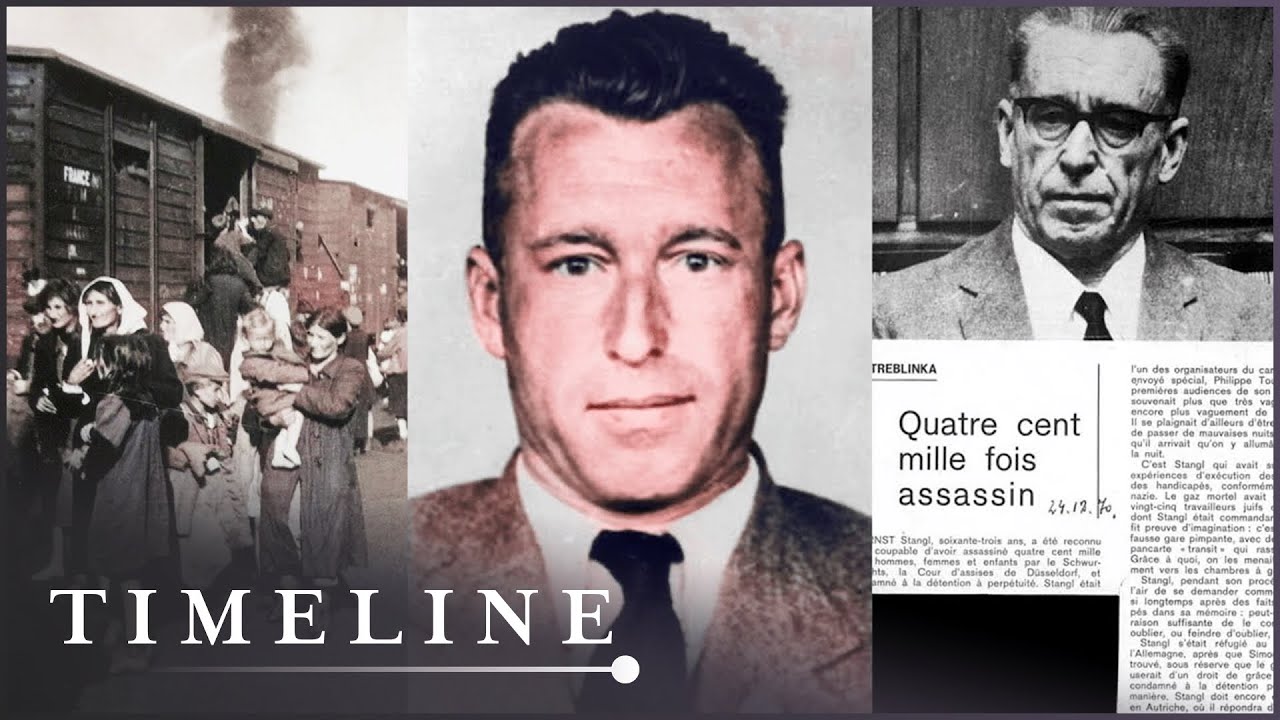
The Hunt for Franz Stangl: From Nazi Mass Murderer to Police Officer

The hunt for Nazi war criminals has been a long and arduous process, with many escaping justice for decades. One such individual was Franz Stangl, a former Austrian police officer turned mass murderer responsible for the genocide of 800,000 people during World War II. The incredible hunt for Stangl, who fled to Brazil following the war, serves as a testament to the tireless efforts of Nazi hunters to bring war criminals to justice.

Stangl, a fervent believer in Hitler’s theories on race and Aryan superiority, joined the Nazi party and worked his way up the ranks. He proved to have a knack for mass murder and was eventually put in charge of three Polish extermination camps, where he oversaw the genocide of hundreds of thousands of people.

After the war ended, Stangl followed a well-worn ‘ratline’ to escape justice. He fled to Rome, where he assumed a false identity and worked for the Vatican for a brief period of time. From there, he made his way to Syria and eventually to Brazil, where he spent nearly two decades living in comfortable exile.

Despite the passage of time, Nazi hunters never gave up on the search for Stangl. In the 1960s, Simon Wiesenthal, a renowned Nazi hunter, received a tip that Stangl was living in Brazil. Wiesenthal passed this information along to the West German authorities, who began an investigation into Stangl’s whereabouts.

The investigation ultimately led to Stangl’s arrest in Brazil in 1967. He was extradited to West Germany, where he stood trial for his crimes. Stangl was found guilty of war crimes and crimes against humanity and was sentenced to life in prison.

The hunt for Stangl was a monumental undertaking, requiring cooperation between various governments and organizations. It was a testament to the dedication and perseverance of those who worked tirelessly to bring Nazi war criminals to justice.

Franz Stangl was born in 1908 in Austria and grew up in a small town called Altmünster. His father was a railway worker, and his mother was a homemaker. Stangl left school at the age of 14 and started working as a machinist apprentice. Later, he joined the Austrian police force, and his career as a law enforcement officer began.

In 1931, Stangl joined the Nazi party, believing in Hitler’s ideology of Aryan superiority. He quickly rose through the ranks, becoming a member of the Gestapo, the secret police of Nazi Germany. Stangl was known for his efficiency and dedication to the Nazi cause, and he quickly caught the attention of his superiors.

During World War II, Stangl was assigned to the T-4 program, which was responsible for the extermination of people with disabilities. In this program, Stangl worked as an administrator and was responsible for organizing the transportation of disabled individuals to the killing centers. He was later transferred to the euthanasia program in the occupied territories, where he worked as an inspector and was responsible for the killing of tens of thousands of people.

In 1942, Stangl was assigned to the Sobibor extermination camp in Poland, where he served as the commandant. He oversaw the killing of over 800,000 people, mostly Jews, in Sobibor and other extermination camps. Stangl was known for his brutality and indifference to the suffering of others.

Despite his crimes, Stangl managed to evade capture by Allied forces after the war. He fled to Italy and then to Syria, where he lived under a false name for several years. In 1951, Stangl managed to obtain a passport and fled to Brazil, where he lived for nearly two decades under the protection of the local government.

It wasn’t until 1967 that Stangl was finally arrested in Brazil and extradited to Germany to stand trial for his crimes. He was found guilty of multiple counts of murder and sentenced to life in prison. In 1971, Stangl died in prison of heart failure.

Stangl’s life is a stark reminder of the dangers of blind obedience to authority and the consequences of unchecked power. His involvement in the extermination of millions of people is a sobering reminder of the atrocities committed during the Holocaust, and serves as a warning against the rise of extremist ideologies.

Today, the legacy of Stangl and his crimes lives on as a reminder of the atrocities committed during World War II. The hunt for Nazi war criminals continues to this day, with efforts to bring those responsible for these heinous crimes to justice ongoing.

In conclusion, Franz Stangl was a former Austrian police officer who became a mass murderer responsible for the genocide of 800,000 people during World War II. His escape to Brazil following the war did not deter Nazi hunters, who continued to search for him for decades. The hunt for Stangl serves as a reminder of the atrocities committed during World War II and the ongoing efforts to bring Nazi war criminals to justice.

Categories
W4 World

The Hunt for Erich Priebke: The Nazi War Criminal and His Capture 50 Years Later

Erich Priebke, one of the highest-ranking Gestapo officers in Rome during the Second World War, was responsible for one of Italy’s worst atrocities, the Ardeatine Cave massacres. On a direct order from Adolf Hitler, Priebke orchestrated the assassination of 335 Italian civilians, including 75 Jews.

After the war, Priebke fled to Argentina and lived in hiding for more than 50 years. But in 1994, a team of American TV journalists stumbled onto his trail and helped bring him to justice.

Priebke was born in 1913 in Hennigsdorf, Germany. He joined the Nazi Party in 1933 and became a member of the SS in 1939. During the war, he served as an officer in the SS and the Gestapo, and was responsible for the torture and execution of numerous prisoners.

In March 1944, Priebke was appointed the head of the Gestapo in Rome. On March 23, 1944, a group of Italian partisans attacked a column of German soldiers, killing 33. In retaliation, Priebke ordered the execution of 10 Italian civilians for every German soldier killed.

The following day, 335 Italian civilians were rounded up and taken to the Ardeatine Caves, outside Rome. There, they were shot and killed by SS troops under Priebke’s command.

After the war, Priebke fled to Argentina, where he lived under an assumed name for more than 50 years. But in 1994, a team of American TV journalists working for ABC’s “PrimeTime Live” stumbled onto his trail.

The journalists were in Argentina investigating the Nazi war criminal Klaus Barbie, known as the “Butcher of Lyon,” when they received a tip that Priebke was also living in the country. They tracked him down to the town of Bariloche, where he was living under the name “Erich Priecker.”

The journalists arranged for an interview with Priebke, posing as tourists interested in the town’s German history. During the interview, Priebke admitted to his role in the Ardeatine Cave massacres.

The journalists secretly recorded the interview and passed the tape to the Italian authorities. The Italian government requested Priebke’s extradition, and after a lengthy legal battle, he was extradited to Italy to stand trial.

In 1998, Priebke was found guilty of war crimes and sentenced to life in prison. He died in 2013 at the age of 100, while still serving his sentence.

The case of Erich Priebke demonstrates the importance of holding war criminals accountable, even decades after the atrocities they committed. It also highlights the role that investigative journalists can play in uncovering hidden truths and bringing justice to victims and their families.

Erich Priebke was born on July 29, 1913, in Hennigsdorf, Germany, to a working-class family. He grew up in a strict household with his father, who was a railroad worker, and his mother, who was a homemaker. Priebke was an athletic young man and became involved in sports, particularly rowing and boxing, which he continued to participate in throughout his life.

Priebke joined the Nazi party in 1933, shortly after Adolf Hitler came to power in Germany. He served in the German military during World War II and was assigned to the SS, the paramilitary organization responsible for many of the Nazi regime’s atrocities. Priebke quickly rose through the ranks, becoming an officer in the Gestapo, the secret police force known for its brutality and role in the Holocaust.

As one of the highest-ranking Gestapo officers in Rome during the war, Priebke was responsible for one of Italy’s worst atrocities — the Ardeatine Cave massacres. On March 24, 1944, Priebke orchestrated the assassination of 335 Italian civilians in retaliation for an attack on German soldiers. The victims, who ranged in age from 15 to 75, were rounded up and shot in the back of the head. Priebke personally oversaw the killings and later bragged about his role in the massacre.

After the war, Priebke fled to Argentina, where he lived under a false identity for nearly 50 years. He worked as a schoolteacher and eventually became a citizen of Argentina. However, in 1994, a high-profile team of American TV journalists stumbled onto his trail, leading to his eventual capture and extradition to Italy to face trial for his role in the Ardeatine Cave massacres.

During his trial, Priebke showed no remorse for his actions and denied responsibility for the massacre. He was sentenced to life in prison, but his sentence was later commuted to house arrest due to his advanced age and poor health. Priebke remained under house arrest until his death on October 11, 2013, at the age of 100.

Priebke’s personal life is not well documented, but it is known that he was married and had children. His wife, Hilda, was also a Nazi sympathizer and reportedly shared his beliefs in the superiority of the Aryan race. Priebke’s son, Jorge, has also been involved in far-right politics and has expressed support for his father’s actions during the war.

Overall, Erich Priebke’s life was marked by his involvement in the Nazi regime and his role in one of Italy’s worst atrocities. Despite living for nearly 50 years as a fugitive from justice, he was eventually brought to trial and held accountable for his actions. His case serves as a reminder of the importance of holding war criminals accountable and seeking justice for victims of atrocities.

In conclusion, the story of how an American news crew found the last Nazi officer, Erich Priebke, is a testament to the power of investigative journalism and the importance of holding war criminals accountable. It is a reminder that justice can be served, even many years after the crimes were committed, and that we must never forget the atrocities of the past.

Categories
W4 World

The Klarsfelds: The Jewish Couple Who Hunted Down Nazi and Pursued Justice for Holocaust Victims

Simon Wiesenthal, one of the most well-known Nazi hunters of the 20th century, once said, “When history looks back, I want people to know that the Nazis could not kill millions of people with impunity.” Wiesenthal dedicated his life to hunting down Nazi war criminals, but he was not the only one. In fact, there were many individuals who risked their lives to bring these criminals to justice, including a Jewish couple who hunted down Nazi war criminal Kurt Lischka.

Kurt Lischka, the former Gestapo Chief in Paris, was responsible for the largest mass arrest in French history and the murder of 33,000 Jews. After the war, he managed to evade justice by settling in Cologne, Germany, thanks to a legal loophole. However, Nazi hunters Serge and Beate Klarsfeld were determined to bring him and other war criminals to justice. Their efforts led to Lischka being filmed running through the streets of Cologne, which they hoped would shame Germany into adopting a new law to prosecute Nazi criminals.

Kurt Lischka was a high-ranking official in the Gestapo, the secret police of Nazi Germany. He was responsible for the deportation of thousands of Jews from France to concentration camps during World War II. After the war, Lischka fled to Germany, where he lived under an assumed name and worked for the German government. However, in 1960, a French court convicted him of war crimes in absentia and sentenced him to death.

It was at this point that Beate and Serge Klarsfeld, a young Jewish couple living in France, decided to take matters into their own hands. The Klarsfelds had both lost family members in the Holocaust, and they were determined to bring Nazi war criminals to justice. They began by researching Lischka’s whereabouts and tracking him down.

The Klarsfelds discovered that Lischka was living under the name Alois Brunner in Syria, where he was working as an advisor to the government. Beate traveled to Syria and managed to get close to Lischka, pretending to be a journalist. She confronted him about his past and recorded the conversation. Lischka admitted to his role in the deportation of Jews, but he showed no remorse for his actions.

After Beate returned to France, the Klarsfelds began lobbying the French and German governments to have Lischka extradited and brought to justice. Their efforts paid off in 1980, when Lischka was arrested in Syria and extradited to France. He was tried and convicted of war crimes and sentenced to life in prison. Lischka died in prison in 1989.

The Klarsfelds’ success in bringing Lischka to justice was just one of their many achievements in the field of Nazi hunting. They also tracked down and helped bring to justice other high-profile war criminals, including Klaus Barbie, the “Butcher of Lyon,” and Jean Leguay, who was responsible for the deportation of Jews from France. In addition to their work as Nazi hunters, the Klarsfelds were also political activists, working to raise awareness of issues facing the Jewish community and fighting against anti-Semitism.

Their work has not gone unnoticed. In 1984, Serge Klarsfeld was awarded the Legion of Honor, the highest civilian honor in France. Beate Klarsfeld has received numerous awards for her work, including the German Order of Merit and the Legion of Honor. Together, the Klarsfelds have left a lasting legacy as two of the most prominent Nazi hunters of the 20th century.

After successfully bringing Nazi war criminals to justice, Beate and Serge Klarsfeld continued their activism and advocacy work for several decades. In the 1980s, they established the Association of Sons and Daughters of Jewish Deportees from France, which aimed to raise awareness about the persecution of Jews during the Holocaust and to combat anti-Semitism.

The couple also worked to uncover the fate of missing Jewish children who were taken from their families during the war. In 1986, Beate Klarsfeld made an unsuccessful bid for the presidency of France. While she did not win, her campaign helped to raise awareness about the issues of racism and anti-Semitism in the country.

The Klarsfelds also continued to track down and expose former Nazis who had gone into hiding. In 1991, they located Alois Brunner, a top aide to Adolf Eichmann who was responsible for deporting tens of thousands of Jews to death camps. They provided evidence of his whereabouts to the French government, which led to Brunner’s conviction in absentia and his sentencing to life in prison.

In addition to their activism, the Klarsfelds also wrote several books about their experiences and the history of the Holocaust. Beate’s memoir, “Wherever They May Be,” was published in 1974, while Serge wrote a comprehensive history of the Vichy regime in France.

Today, the Klarsfelds are recognized as pioneers in the fight against Nazi war criminals and advocates for human rights. They have received numerous awards and honors for their work, including the Legion of Honor, France’s highest civilian honor, and the Raoul Wallenberg Award, which recognizes individuals who have shown exceptional courage and humanitarianism in the face of genocide and human rights abuses.

Overall, Beate and Serge Klarsfeld’s activism and advocacy work spanned several decades and contributed significantly to the pursuit of justice for victims of the Holocaust. Their tireless efforts to track down and expose former Nazis, raise awareness about the persecution of Jews, and combat anti-Semitism have left a lasting legacy and continue to inspire others to fight for human rights and justice.

In conclusion, the story of the Klarsfelds and their pursuit of Kurt Lischka is a testament to the courage and determination of those who have dedicated their lives to bringing Nazi war criminals to justice. Their work has helped ensure that the atrocities committed during the Holocaust are never forgotten, and that those responsible are held accountable for their actions.

Categories
W4 World

The Elusive Nazi Fugitive: How Adolf Eichmann Was Finally Captured and Brought to Justice

In 1960, Adolf Eichmann, one of the most notorious Nazi war criminals, was living incognito in Argentina with his family under the alias Riccardo Klement. Eichmann was known as the architect of Hitler’s “final solution” and was directly responsible for the murder of six million Jews. He was now himself a hunted man.

Eichmann’s life on the run began in 1945 when he escaped from an American internment camp. He fled to Italy and then to Argentina, where he settled with his family. He lived there for more than a decade before his whereabouts were discovered by Nazi hunters.

The search for Eichmann was led by Simon Wiesenthal, a Holocaust survivor who had dedicated his life to tracking down Nazi war criminals. Wiesenthal received a tip in 1953 that Eichmann was living in Argentina, but it took several years of investigation before he was able to confirm the information.

Wiesenthal passed the information on to the Israeli intelligence agency, Mossad, which began planning Eichmann’s capture. Mossad agents arrived in Argentina in 1960 and began surveillance of Eichmann’s home. They discovered that he left for work each day on the same bus and was living under the name of Riccardo Klement.

Mossad agents abducted Eichmann on May 11, 1960, as he was walking from the bus stop to his home. They disguised him as an El Al airline employee and flew him out of Argentina on a special flight.

Eichmann was taken to Israel, where he was put on trial for war crimes and crimes against humanity. The trial was one of the most high-profile in history and was broadcast around the world. Eichmann was found guilty and was executed by hanging on May 31, 1962.

The capture and trial of Adolf Eichmann were seen as a major victory for Holocaust survivors and their families. It demonstrated that Nazi war criminals could be brought to justice, no matter how long it took.

However, the capture of Eichmann was not without controversy. Some argued that Israel had overstepped its bounds by capturing Eichmann in a foreign country without the permission of the Argentine government. Others criticized the trial itself, claiming that Eichmann was denied a fair trial and that the Israeli government had used the trial as a political tool.

Despite the controversy, the capture of Eichmann remains a significant moment in the history of Nazi hunting. It marked a turning point in the effort to bring Nazi war criminals to justice and demonstrated the determination of Holocaust survivors and their families to seek justice for the crimes committed against them.

The capture of Eichmann also had broader implications for international law. It established the principle of universal jurisdiction, which allows countries to prosecute individuals for crimes committed outside their borders, regardless of where the crime was committed or the nationality of the perpetrator or victim.

Today, the hunt for Nazi war criminals continues. Many of those responsible for the atrocities committed during the Holocaust have never been brought to justice. However, the legacy of Simon Wiesenthal and the other Nazi hunters who dedicated their lives to tracking down these criminals lives on.

Adolf Eichmann was born on March 19, 1906, in Solingen, Germany. He grew up in a middle-class family and had a relatively unremarkable childhood. In 1925, he joined the Austrian Nazi Party and later the German Nazi Party in 1932.

Eichmann quickly rose through the ranks of the Nazi Party and became an expert on Jewish affairs. He played a key role in implementing the Nazis’ plan for the “Final Solution,” which aimed to exterminate the Jewish population of Europe.

Eichmann’s role in the Holocaust was significant. He was responsible for the organization and implementation of the transportation of Jews to concentration and extermination camps. He was also involved in the planning of the gas chambers and crematoria used in the mass murder of Jews.

Eichmann’s atrocities against the Jewish people were carried out with a cold and efficient precision. He was known for his bureaucratic approach to the genocide, keeping detailed records of the transports and the numbers of Jews killed. He was a master at logistics, ensuring that the trains arrived on time and that the victims were efficiently processed and killed.

At the end of World War II, Eichmann went into hiding. He fled to Argentina with the help of the “ratline,” a network of people who helped Nazi war criminals escape justice. Eichmann settled in Buenos Aires with his family and assumed the false identity of “Ricardo Klement.”

For years, Eichmann lived in relative obscurity in Argentina. However, in the early 1960s, a group of Israeli intelligence agents learned of his whereabouts and began planning his capture. In May 1960, a team of Mossad agents abducted Eichmann and brought him to Israel to stand trial for his crimes against humanity.

Eichmann’s trial was a major international event. It was the first time that the world had seen a high-ranking Nazi official held accountable for the atrocities of the Holocaust. Eichmann was found guilty and sentenced to death by hanging. He was executed on May 31, 1962.

Adolf Eichmann was a key figure in the implementation of the Holocaust. He played a major role in the transportation and extermination of millions of Jews. After the war, he fled to Argentina, where he lived for years under an assumed identity.

Eichmann was eventually captured and brought to Israel to stand trial for his crimes. Eichmann’s trial was a pivotal moment in the history of the Holocaust and helped to bring many of the perpetrators of the genocide to justice.

In conclusion, the story of Adolf Eichmann’s capture and trial is one of the most significant in the history of Nazi hunting. Eichmann’s role in the Holocaust and his subsequent flight from justice made him one of the most wanted men in the world.

The capture of Eichmann demonstrated that Nazi war criminals could be brought to justice, no matter how long it took. The legacy of Eichmann’s capture and trial continues to influence international law and the pursuit of justice for victims of war crimes and crimes against humanity.

Categories
W4 World

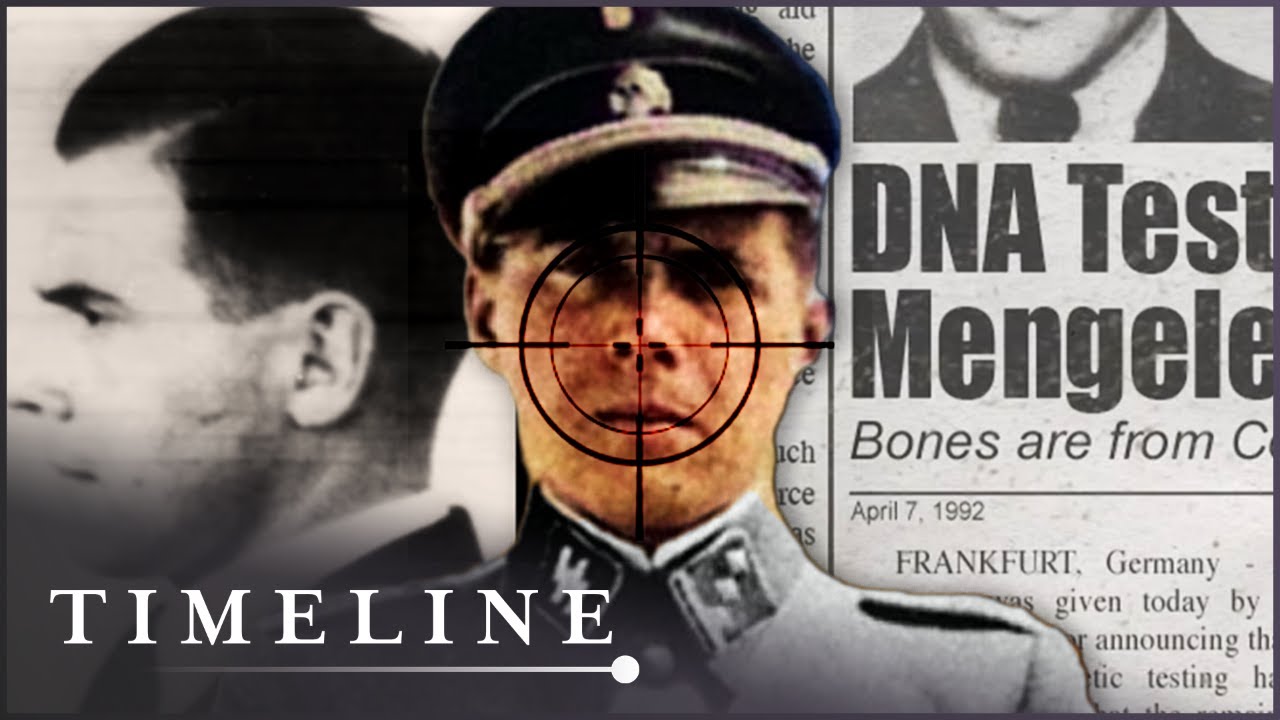
The Hunt for Dr. Joseph Mengele: The Notorious ‘Angel of Death’ of Auschwitz-Birkenau

Dr. Joseph Mengele, also known as the ‘Angel of Death’, was one of the most notorious Nazi war criminals. He is infamous for his sadistic and perverse medical experiments on prisoners at the Auschwitz-Birkenau concentration camp. After the end of World War II, Mengele escaped to Buenos Aires, where he lived under a false identity and enjoyed a luxurious lifestyle. However, the West German government indicted Mengele in 1959 for mass murder, and the manhunt for the Angel of Death began.

Mengele’s Life and Crimes

Dr. Joseph Mengele was born in Gunzburg, Bavaria, on March 16, 1911. He studied medicine and anthropology at the University of Munich and later became a member of the Nazi party. In 1943, Mengele was sent to the Auschwitz-Birkenau concentration camp, where he served as a medical officer.

During his time at Auschwitz, Mengele conducted horrific experiments on prisoners, particularly on twins. He was obsessed with twins and believed that they held the key to genetic research. He conducted experiments on twins by injecting them with chemicals, infecting them with diseases, and performing other painful and inhumane procedures.

Mengele also carried out experiments on Roma people and other prisoners, including amputations without anesthesia, sterilizations, and other medical procedures that often led to the prisoners’ deaths. It is estimated that Mengele was responsible for the deaths of around 400,000 people during his time at Auschwitz.

Escape to South America

In January 1945, as the Allies were closing in on the Nazi regime, Mengele fled Auschwitz and went into hiding. He traveled under a false identity to various locations in Germany, Austria, and Italy, before eventually making his way to Argentina.

Mengele settled in Buenos Aires and lived under the name ‘José Mengele.’ He initially lived with other Nazi war criminals and received financial support from his family in Germany. He later bought a house in a fashionable suburb of Buenos Aires and started a new life.

For many years, Mengele enjoyed a luxurious lifestyle in South America. He socialized with other Germans and was even able to travel abroad using false identities. He continued to send letters to his family in Germany and even received visits from them.

The Manhunt for the Angel of Death

Mengele’s comfortable life in South America came to an end in 1959, when the West German government issued a warrant for his arrest for mass murder. The authorities in Argentina were alerted to Mengele’s presence in the country, and the manhunt for the Angel of Death began.

The search for Mengele was led by Simon Wiesenthal, a Holocaust survivor and Nazi hunter. Wiesenthal had dedicated his life to tracking down Nazi war criminals and bringing them to justice. He had received information about Mengele’s whereabouts and worked tirelessly to ensure that he was brought to trial.

The search for Mengele lasted for many years and involved cooperation between various international agencies. The Mossad, Israel’s intelligence agency, was also involved in the search, as it was believed that Mengele had fled to Paraguay or Brazil.

Death and Legacy

Despite the efforts of the authorities and Nazi hunters, Mengele was never caught. He continued to live in South America until his death in 1979. He drowned while swimming in the ocean near his home in Brazil and was buried under a false name.

The legacy of Dr. Joseph Mengele is one of horror and brutality. His experiments on prisoners at Auschwitz were among the most depraved and inhumane acts of the Nazi regime. Although he was never brought to justice for his crimes, Mengele’s name has become synonymous with the atrocities committed during the Holocaust.

The manhunt for the Angel of Death brought attention to the issue of bringing Nazi war criminals to justice. Many other high-ranking Nazis had also escaped to South America after the war, and their presence in the region became known as the ‘ratline.’

The search for Mengele also highlighted the complicity of various governments in helping Nazi war criminals to escape justice. For example, it was later revealed that the Argentine government had provided support and protection to Mengele during his time in the country.

Mengele’s experiments on twins have had lasting effects on the survivors and their families. Many of the twins suffered from lifelong physical and psychological problems as a result of the experiments. The survivors have also struggled with the guilt of being spared while their siblings and fellow prisoners were subjected to Mengele’s cruel experiments.

In 1985, a team of forensic experts identified the remains of Mengele based on DNA analysis. His remains were exhumed and returned to his family in Germany for burial. The search for justice for Mengele’s victims and the other victims of the Holocaust continues to this day.

In conclusion, Dr. Joseph Mengele’s life and crimes are a chilling reminder of the horrors of the Holocaust. His experiments on prisoners at Auschwitz were among the most inhumane and depraved acts committed during the Nazi regime. Mengele’s escape to South America and the manhunt for the Angel of Death highlighted the complicity of various governments in helping Nazi war criminals to evade justice.

Although Mengele was never caught and brought to trial for his crimes, his legacy lives on as a symbol of the atrocities committed during the Holocaust. The search for justice for his victims and the other victims of the Holocaust continues to this day, as we strive to remember the past and prevent such atrocities from happening again in the future.