Categories
W1 World

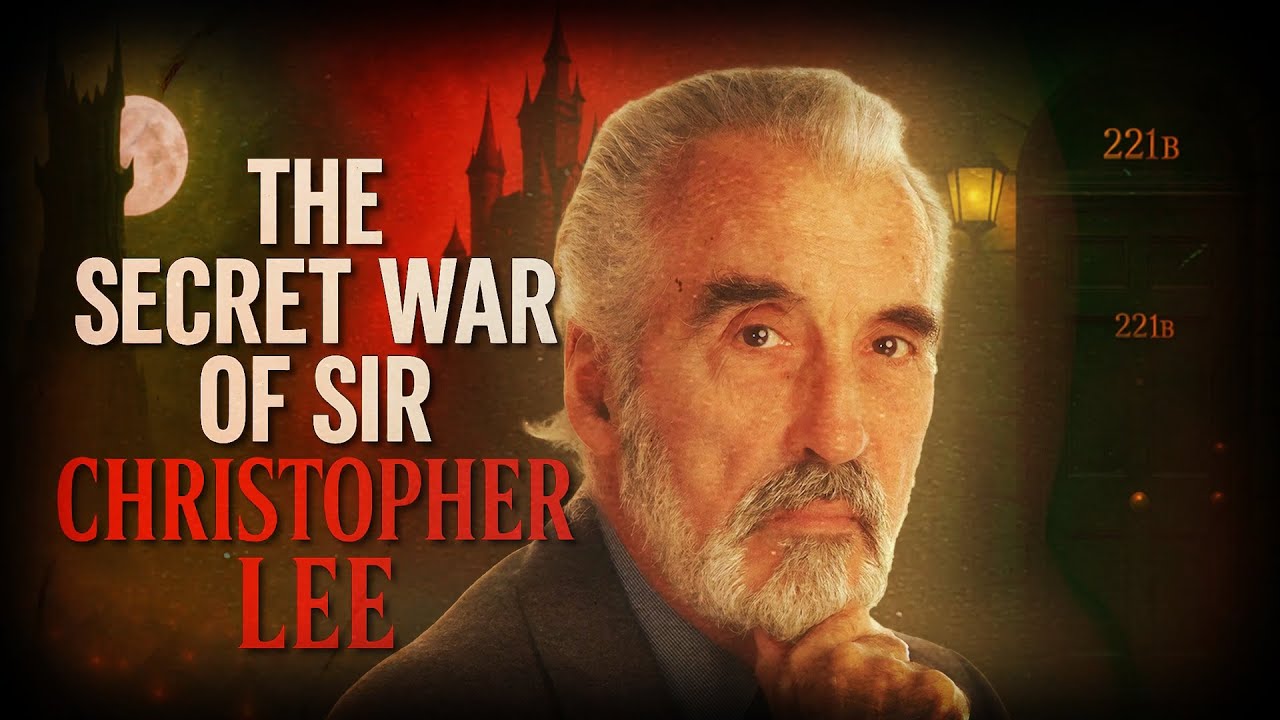
The Secret War of Sir Christopher Lee: From Covert Battlefield Missions to Big Screen Legend

Introduction: The Man Behind the Myths

Sir Christopher Lee is best remembered as a towering presence on screen—Dracula, Saruman, Count Dooku. But behind his cinematic legacy lies a shadowy past more thrilling than any of his film roles. Before Hollywood, before Hammer Horror, Lee was a soldier and a spy. During World War II, he served with distinction in the Royal Air Force and was attached to British intelligence and special forces, including the SAS and the Special Operations Executive (SOE).

Some of his missions remain classified, adding an air of mystery to an already enigmatic man. This is the story of a war hero whose real life may have inspired fictional legends like James Bond, and whose experiences shaped him as both an actor and a man. Long before he wore fangs or wielded a wizard’s staff, he stared down real danger in the shadows of history.

The Making of a Warrior: Early Life, War

Born in 1922 to a military family, Christopher Frank Carandini Lee grew up in a world shaped by war and aristocracy. His father was a decorated army officer, and his mother came from Italian nobility. From an early age, Lee showed an interest in languages, history, and adventure.

Lee was fluent in several languages—skills that would later serve him well in intelligence work. When World War II broke out, Lee enlisted in the Royal Air Force. Initially grounded due to a vision problem, he nonetheless found ways to serve. His aptitude and demeanor quickly led him into intelligence roles, and eventually into elite covert units.

Into the Shadows: SOE, SAS, Missions

Lee was quietly recruited into the SOE—Special Operations Executive, Winston Churchill’s infamous spy organization, often referred to as “the Ministry of Ungentlemanly Warfare.” He also had ties with the SAS, the Special Air Service, known for its deadly raids behind enemy lines. His work included sabotage operations, tracking down Nazi war criminals, and assisting in the liberation of concentration camps.

Lee operated in North Africa, Italy, and possibly Eastern Europe. Although Lee remained tight-lipped about many of his missions, he once told interviewers, with a knowing smile, “Let’s just say I was involved in some very confidential things.”

Hunting Evil: Post-War Pursuit of Nazis

Following the war, Lee worked with the Central Registry of War Criminals and Security Suspects (CROWCASS), the organization tasked with identifying and capturing Nazi war criminals. It was grueling and emotionally exhausting work—digging through evidence of atrocities and helping bring fugitives to justice.

Lee was present at several interrogations and assisted with intelligence that led to arrests. This chapter of his life haunted him and shaped his profound sense of justice. He once said, “If I could take just one man down who committed such acts, it was all worth it.”

Silence and Secrecy: A Code That Endured

Throughout his life, Lee maintained a strict code of silence regarding his military service. He believed that talking too much would dishonor the memory of those who served and died. When Peter Jackson asked him how he knew what a man sounded like when stabbed in the back—a moment while filming The Lord of the Rings—Lee replied, “Because I know what it sounds like.”

This cryptic answer added to the legend, but it was rooted in real, harrowing experience. Even in his autobiography, he glossed over many wartime details, preserving the dignity and confidentiality of those turbulent years.

Hollywood and the Haunted Heroic Past

After the war, Lee returned to civilian life and eventually found his way to the silver screen. His imposing height, deep voice, and stoic demeanor made him perfect for villainous roles. But beneath the horror makeup and menacing characters was a man shaped by unimaginable experiences.

Lee’s time in war gave him an intensity and authenticity that few actors could match. He was not pretending to understand fear or death—he had lived it. His military discipline carried over into his acting career; he was professional, punctual, and precise.

A Real-Life Bond: Spy, Soldier, or Legend?

Many have speculated that Christopher Lee’s cousin, Ian Fleming, drew on Lee’s life for inspiration when creating James Bond. Fleming and Lee were close, and the timeline of Lee’s wartime service overlaps significantly with Fleming’s own intelligence work.

Like Bond, Lee was suave, multilingual, deadly when needed, and accustomed to moving through shadows. While Lee never confirmed the theory, he didn’t deny it either. The parallels are compelling: both were British, both were involved in secretive operations across Europe, and both had a cool, lethal charisma.

Recognition Long Overdue: Hidden Valor

Despite his service, Lee never boasted or sought recognition for his military contributions. It wasn’t until much later in life that many people learned of his wartime record. In 2009, he was knighted for his contributions to drama and charity—but his military service was mentioned with reverence.

Lee’s commitment to duty, silence, and integrity stood in stark contrast to the modern age of oversharing. Lee’s life serves as a reminder that true heroism often resides in humility. In truth, he was the myth behind the myth.

Legacy: From War Rooms to Wizardry

Sir Christopher Lee’s legacy is unique. Few people can claim to have fought Nazis and also portrayed wizards and Sith Lords. His war service adds a profound dimension to his performances. When you see him wield a sword or issue a grave warning as Saruman, remember: this was not an act.

This was a man who had looked evil in the face and lived to tell the tale—if only in hints and whispers. His roles in cinema become even more iconic when framed by the knowledge of the life he led before the camera rolled.

Conclusion: A Hero in Shadow and Light

Sir Christopher Lee lived many lives. Soldier, spy, actor, legend. His wartime service remains a lesser-known but essential part of his story. In a century marked by conflict and change, Lee stood as a bridge between the brutal realities of war and the magical worlds of film. He showed that heroism takes many forms—on the battlefield, on the screen, and in the quiet dignity of a life lived with purpose and honor.

Overall, the world may remember him for Dracula or Saruman, but behind those characters stood a real man—a man who once fought in the shadows to defend the light. Sir Christopher Lee’s legacy is more than cinematic—he lived a life so extraordinary, it rivaled even the legends he portrayed on screen. In many ways, he wasn’t just playing heroes and villains—he was living the kind of story most actors could only dream of.

Categories
W1 World

The Real Rambo: Roy Benavidez and His Heroism in the Face of Death in Vietnam

Introduction

War has a way of creating legends, but few stories of heroism rival even the greatest fiction. In the heart of the Vietnam War, wounded, outnumbered, and facing impossible odds, one man, Roy Benavidez, defied death itself—again and again. His bravery, resilience, and sheer willpower would earn him the Medal of Honor and a place in military history as one of the most remarkable warriors of the 20th century.

Roy Benavidez’s courage and resilience in the face of overwhelming adversity stand as a testament to the unwavering spirit of a soldier who refused to surrender. His story is one of extraordinary sacrifice, proving that true heroism is forged in moments of absolute peril.

A Tough Beginning: The Making of a Warrior

Roy P. Benavidez was born in 1935 in Lindenau, Texas, to a poor Mexican-American family. Orphaned at a young age, he grew up under the harsh realities of segregation and discrimination. Despite these hardships, he developed an unbreakable spirit and a determination to rise above his circumstances.

As a teenager, Benavidez worked in the fields and performed various odd jobs to help support his family. However, he yearned for a better future, and in 1955, he joined the U.S. Army. This decision set him on the path that would ultimately define his legacy. He endured rigorous training, first as a paratrooper and later as a Green Beret, specializing in covert operations and guerrilla warfare.

The Mission: A Desperate Call for Help

On May 2, 1968, during the height of the Vietnam War, a 12-man Special Forces reconnaissance team was ambushed by a battalion of North Vietnamese soldiers in the jungles of Cambodia. The situation was dire, and the team was nearly wiped out. When the call for an emergency extraction came, Benavidez, stationed at Loc Ninh, volunteered without hesitation.

Armed with only a knife and medical supplies, he boarded a helicopter and flew into the battlefield. As soon as he touched down, he sprinted toward the stranded soldiers, despite facing withering enemy fire. Within moments, he was shot multiple times, but he pressed on, determined to save his fellow soldiers.

Roy Benavidez: A One-Man Army

Benavidez’s bravery that day was nothing short of extraordinary. Wounded in the leg, face, and head, he continued to drag and carry wounded soldiers to the rescue helicopter. He armed himself with weapons from fallen comrades and returned fire while administering medical aid.

As the evacuation continued, Benavidez was hit by grenade shrapnel and stabbed with a bayonet in hand-to-hand combat. Yet, he fought back, killing his attacker and continuing his mission. Bleeding profusely and barely able to stand, he refused to leave until every soldier was accounted for.

After six grueling hours of battle, Benavidez finally collapsed from his wounds as he was loaded onto the last helicopter. By then, he had saved at least eight men and killed countless enemy combatants. His heroism went far beyond the call of duty.

The Aftermath: A Battle for Recognition

Doctors at the base assumed Benavidez was dead upon arrival. He was placed in a body bag, but as they were about to zip it shut, he spat in the doctor’s face to signal that he was still alive. His survival was nothing short of miraculous. Over the next year, he underwent multiple surgeries and a painful recovery process.

Initially, Benavidez was awarded the Distinguished Service Cross for his bravery. However, his fellow soldiers and commanding officers pushed for a proper recognition of his actions. After years of advocacy, President Ronald Reagan finally awarded him the Medal of Honor in 1981. During the ceremony, Reagan remarked, “If the story of his heroism were a movie script, you would not believe it.”

Roy Benavidez: A Legacy of Inspiration

After retiring from the military, Benavidez dedicated his life to helping veterans and inspiring young Americans. He traveled across the country, sharing his story and emphasizing the importance of resilience, discipline, and patriotism. His speeches and personal accounts inspired countless individuals, proving that courage is not just about battlefield heroics but about perseverance in the face of adversity.

Roy Benavidez passed away in 1998, but his legacy endures. His name graces schools, streets, and military facilities, ensuring that future generations remember his sacrifices and bravery. His story is a testament to the unbreakable human spirit, proving that true heroes do not seek glory—they simply do what must be done.

Conclusion

Roy Benavidez was more than just a soldier; he was a legend. His story stands as one of the most awe-inspiring examples of courage and sacrifice in American military history. From a tough childhood to the battlefields of Vietnam, his journey was one of relentless determination and selflessness. His actions on May 2, 1968, earned him a place among the greatest warriors of all time, proving that real heroes walk among us.

Roy Benavidez’s legacy is a powerful reminder of the bravery, sacrifice, and unbreakable will that define the greatest warriors in history. His name lives on as an inspiration to soldiers and civilians alike, proving that one person’s determination can change the course of history.

Categories
W2 World

Bridging Time: Modern Soldiers and the Reality of 1942 Special Forces Training

Introduction:

In the annals of military history, the year 1942 marked a pivotal moment when an elite group of over six hundred Canadian soldiers underwent rigorous training to form a lethal battalion. Their mission: to parachute behind German lines and wreak havoc upon the enemy alongside their American counterparts. As we delve into the training methods of these special forces from the past, the question arises: Can modern soldiers handle the reality of 1942 special forces training?

I. The Birth of Special Forces:

The context of 1942 was a world at war, and the need for unconventional warfare strategies became increasingly apparent. Special forces emerged as a response to the evolving nature of conflict, demanding soldiers with exceptional skills, resilience, and adaptability. The joint Canadian-American project, which birthed the First Special Service Force (FSSF), aimed to create a unit capable of conducting covert operations deep behind enemy lines.

II. The Harsh Realities of 1942 Training:

The training regimen devised for the FSSF was nothing short of grueling, demanding physical and mental toughness beyond conventional military standards. Endurance runs, obstacle courses, and combat drills were intensified to simulate the unpredictable challenges awaiting these elite soldiers. From mastering unconventional weapons to perfecting parachute drops, the training aimed to forge a unit capable of operating independently in hostile territory.

III. Physical Conditioning Beyond Conventional Limits:

Modern soldiers, accustomed to advanced training methodologies and technology, might find it challenging to fathom the physical conditioning endured by their counterparts in 1942. The FSSF’s training included arduous long-distance marches, cold-weather survival exercises, and hand-to-hand combat drills. The physical demands were relentless, pushing soldiers to their limits and beyond, fostering a level of endurance seldom required in conventional military training today.

IV. Unconventional Weaponry and Specialized Skills:

The arsenal available to special forces in 1942 was markedly different from that of contemporary soldiers. Training encompassed the use of unconventional weapons such as the V-42 combat knife, the M1942 Stiletto, and the M1A1 Thompson submachine gun. Modern soldiers, accustomed to advanced firearms and cutting-edge technology, might find themselves grappling with the simplicity and distinctiveness of these World War II-era weapons.

V. Survival Training in Hostile Environments:

Survival skills were paramount for the FSSF, given their mission to operate deep behind enemy lines. Training in survival techniques, camouflage, and evasion tactics took soldiers into diverse and challenging environments. Modern soldiers, who often rely on sophisticated gear and technology, would likely find themselves stepping out of their comfort zones in adapting to the austere conditions faced by their 1942 counterparts.

VI. Mental Resilience and Adaptability:

Beyond physical prowess, the training aimed to instill mental resilience and adaptability. The FSSF soldiers were subjected to intense psychological conditioning, preparing them for the isolation, stress, and uncertainty inherent in covert operations. The ability to think on their feet and adapt to rapidly changing circumstances was a cornerstone of their training, qualities that remain relevant for special forces in any era.

VII. Technological Disparities:

Modern soldiers benefit from cutting-edge technology, advanced communication systems, and precise weaponry. The FSSF, operating in an era devoid of such advancements, relied on ingenuity, resourcefulness, and strategic thinking. Bridging the technological disparities between then and now would be a significant challenge for today’s soldiers facing the stark realities of 1942 special forces training.

VIII. Lessons for the Modern Soldier:

While the nature of warfare has evolved, and technology has transformed the battlefield, the training philosophies from 1942 offer enduring lessons for the modern soldier. The emphasis on physical fitness, mental resilience, adaptability, and survival skills remains as crucial today as it was during World War II. The historical context of the FSSF’s training serves as a reminder that the core attributes of a successful special forces unit are timeless.

IX. Adapting Traditions to Contemporary Challenges:

Modern soldiers, equipped with knowledge and insights from the past, can adapt the lessons of 1942 to contemporary challenges. Integrating the principles of physical and mental toughness, survival skills, and adaptability into modern training programs can enhance the capabilities of special forces facing the complex and dynamic threats of the 21st century.

Conclusion:

The reality of 1942 special forces training presents a formidable challenge to the modern soldier. As we reflect on the historical crucible that forged elite units like the FSSF, we recognize the enduring qualities of resilience, adaptability, and resourcefulness. While the methods and technology have evolved, the essence of what makes a special forces soldier exceptional remains rooted in the lessons learned from the past. Bridging time, the modern soldier can draw inspiration from the indomitable spirit of those who, in 1942, trained to operate behind enemy lines and change the course of history.

Categories
W5 World

The Underground Soldiers: The Grueling Reality of Tunnel Rats in the Vietnam War

During the Vietnam War, the Viet Cong (VC) utilized an extensive network of tunnels throughout the country. These tunnels were used for everything from living quarters to weapons storage, and presented a major challenge for American troops. To combat this, the U.S. military developed a specialized unit known as the “Tunnel Rats.”

The Tunnel Rats were typically small-statured soldiers who were trained to navigate the narrow, maze-like tunnels and engage the enemy in close-quarters combat. Their primary mission was to gather intelligence, destroy enemy supplies, and eliminate VC soldiers hiding in the tunnels.

The work of the Tunnel Rats was incredibly dangerous, with booby traps and ambushes being common occurrences. The tunnels were often dark and filled with deadly animals like snakes and spiders. Additionally, the Tunnel Rats had to be constantly aware of the possibility of a cave-in or collapse.

Despite the dangers, the Tunnel Rats were highly effective in disrupting the Viet Cong’s operations. They were able to gain valuable intelligence on enemy positions and movements, and were responsible for destroying many enemy supply caches. Their work helped to weaken the VC’s hold on the country and contributed to the ultimate American victory.

While the Tunnel Rats were often criticized for their dangerous work, they are remembered today as brave soldiers who put their lives on the line in a highly unconventional war.

During the Vietnam War, the U.S. Army and its allies faced a new challenge in the form of an intricate network of underground tunnels that the Viet Cong used to their advantage. These tunnels were used for a variety of purposes, including transportation, storage, and housing, and often extended for miles. The U.S. military quickly realized that conventional tactics were not effective in combating this underground threat and developed a new group of soldiers who were specifically trained for the task.

These soldiers, known as “tunnel rats,” were tasked with the dangerous job of crawling through the narrow, dark tunnels to locate and eliminate enemy soldiers, weapons, and supplies. The tunnel rats were typically volunteers, and they underwent intense training to prepare for their mission. They learned how to navigate the tight, cramped spaces of the tunnels and how to use various tools and weapons, such as pistols, knives, and explosives, to accomplish their objectives.

The job of the tunnel rats was incredibly dangerous, and they faced many risks in the tunnels, including ambushes, booby traps, and enemy soldiers armed with knives and other close-range weapons. The tunnels were also infested with various creatures, including snakes, spiders, and rats, which added to the danger and discomfort of the mission.

Despite the challenges, the tunnel rats were highly effective in their mission. They were responsible for locating and destroying thousands of enemy weapons, supplies, and tunnels, and they often worked in coordination with other soldiers and units to disrupt enemy operations. However, the toll on these soldiers was high, and many of them suffered from physical and psychological trauma as a result of their service in the tunnels.

The legacy of the tunnel rats has been mixed. While they were lauded for their bravery and effectiveness in combat, many veterans have criticized the tactics used during the war and the toll it took on the soldiers. Nevertheless, the tunnel rats remain a unique and fascinating part of the history of the Vietnam War.

The tunnel rats were an integral part of the U.S. military’s operations during the Vietnam War. These brave soldiers risked their lives every day to enter the dangerous underground tunnels that the Viet Cong used to move undetected around the battlefield.

The work of the tunnel rats was extremely dangerous and required exceptional bravery and skill. The tunnels were narrow, dark, and often booby-trapped with tripwires, pit traps, and poisonous snakes. In addition, the Viet Cong were known to use deadly gases, such as carbon monoxide, to try to kill any soldiers who entered the tunnels.

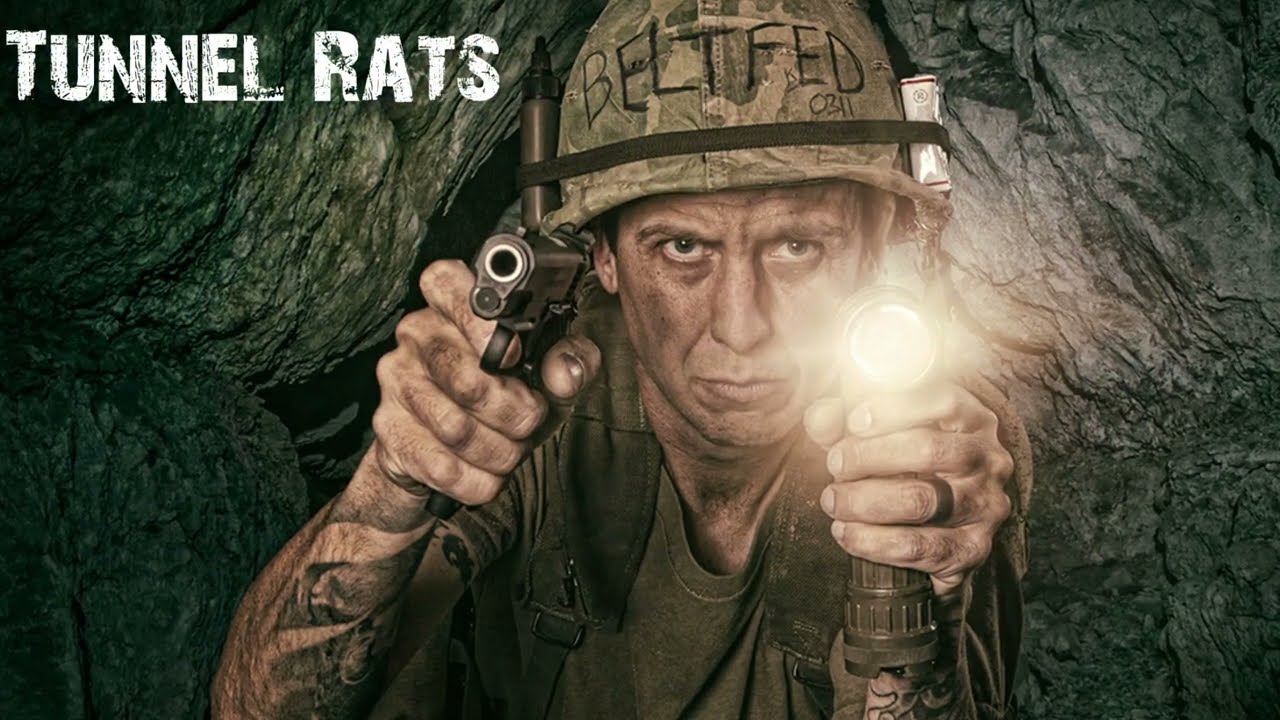
To combat these threats, the tunnel rats had to rely on their training and their wits. They often had to crawl on their bellies through the tunnels, using only their hands and feet to move forward. They carried only a small flashlight, a pistol, and a knife, and had to be able to react quickly to any unexpected danger.

Despite the danger, the tunnel rats played a critical role in the war effort. They were responsible for gathering intelligence on the Viet Cong’s activities and movements, as well as destroying the tunnels and the supplies and weapons stored inside them. In some cases, they even captured or killed high-ranking Viet Cong officials who were hiding in the tunnels.

The tunnel rats were highly respected by their fellow soldiers for their bravery and their ability to perform such a dangerous job. However, they also faced significant psychological and emotional challenges, as the constant stress of working in such a dangerous environment took its toll on them.

In conclusion, the tunnel rats were an important part of the U.S. military’s operations during the Vietnam War. Their bravery and skill helped to disrupt the Viet Cong’s movements and gather valuable intelligence, but it came at a great cost to their physical and mental well-being. The tunnel rats deserve to be remembered and honored for their sacrifices and their service to their country.