Categories
W1 World

Eternal Egypt: How Pharaohs Engineered Immortality Through Tombs, Rituals, and Magic

Introduction: The Pharaohs’ Eternal Quest

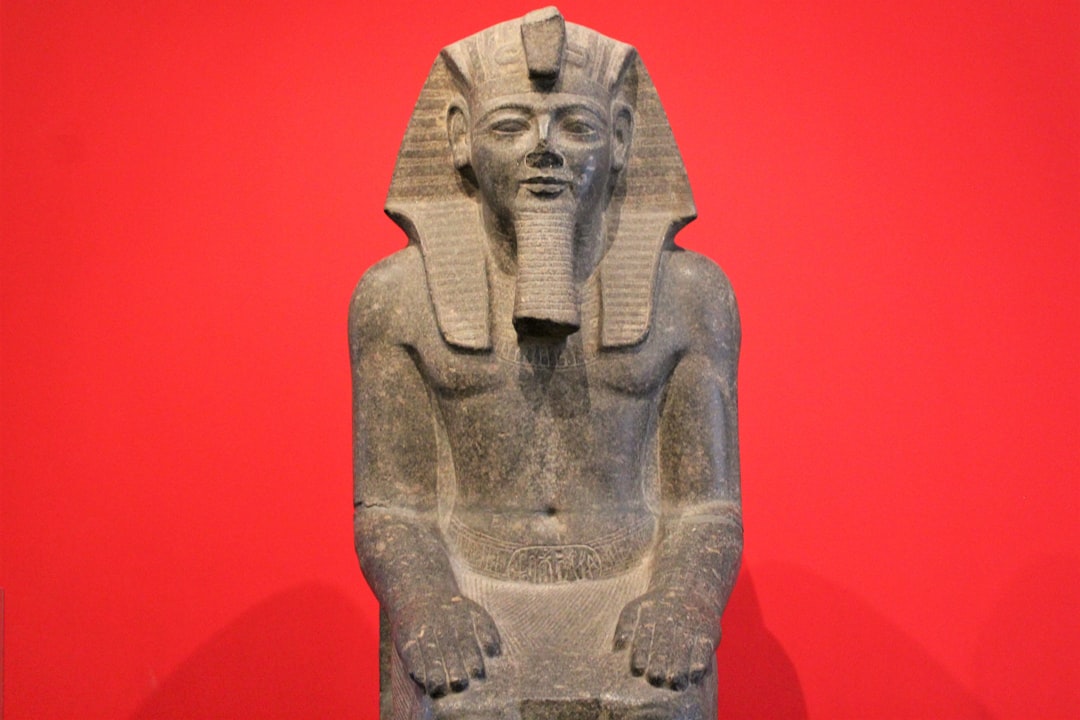
The pharaohs of ancient Egypt were not merely kings—they were living gods, intermediaries between the divine and the mortal. But even gods, in human form, had to face death. What sets the pharaohs apart in human history is their extraordinary and sophisticated obsession with conquering mortality. Their belief in an eternal afterlife was not symbolic—it was literal, and they planned for it with staggering precision.

From the awe-inspiring Step Pyramid of Saqqara built for Djoser—the earliest colossal stone structure in history—to the iconic tomb of Tutankhamun, their quest for immortality gave rise to some of the most astonishing funerary practices ever devised. Blending spirituality, architecture, science, and magic, the Egyptians created a civilization where death was not an end, but the beginning of eternity.

Architecture – Building the Path to Eternity

In ancient Egypt, a pharaoh’s life was a preparation for the afterlife, and his tomb was his eternal vessel. The grandeur of Egyptian tomb architecture reflected not just status, but deeply held spiritual beliefs. The concept of “ma’at”—cosmic order—demanded balance and perfection in all things, especially in death.

The Step Pyramid of Saqqara, constructed around 2667 BCE for King Djoser, was the first monumental stone building ever built. Designed by the high priest and architect Imhotep, the structure broke from tradition—replacing low mastabas with a stacked, stairway-to-heaven formation. This architectural innovation symbolized a ladder to the gods, literally helping the pharaoh ascend to the heavens.

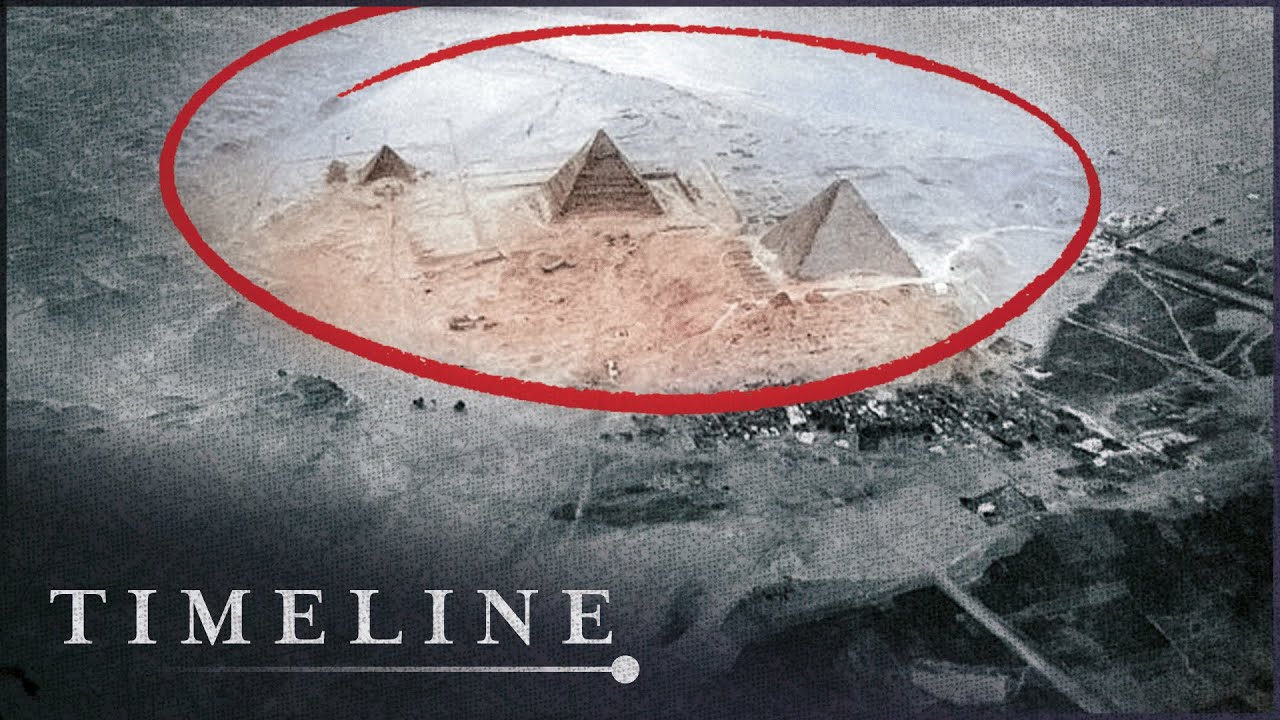
Later pharaohs, like Khufu, Khafre, and Menkaure, built the Great Pyramids of Giza, further refining this celestial journey. These structures weren’t just tombs—they were mathematical, spiritual, and symbolic engines, aligned with stars and cardinal points to help guide the pharaoh’s soul, or “ka,” to the afterlife.

Preserved – Mummification as Science, Ritual

For the pharaoh to live forever, his physical body had to be preserved. Mummification was both a sacred rite and a highly developed proto-scientific process. It took 70 days to complete and involved removing internal organs, drying the body with natron salt, and wrapping it in layers of linen—each stage accompanied by ritual prayers and incantations.

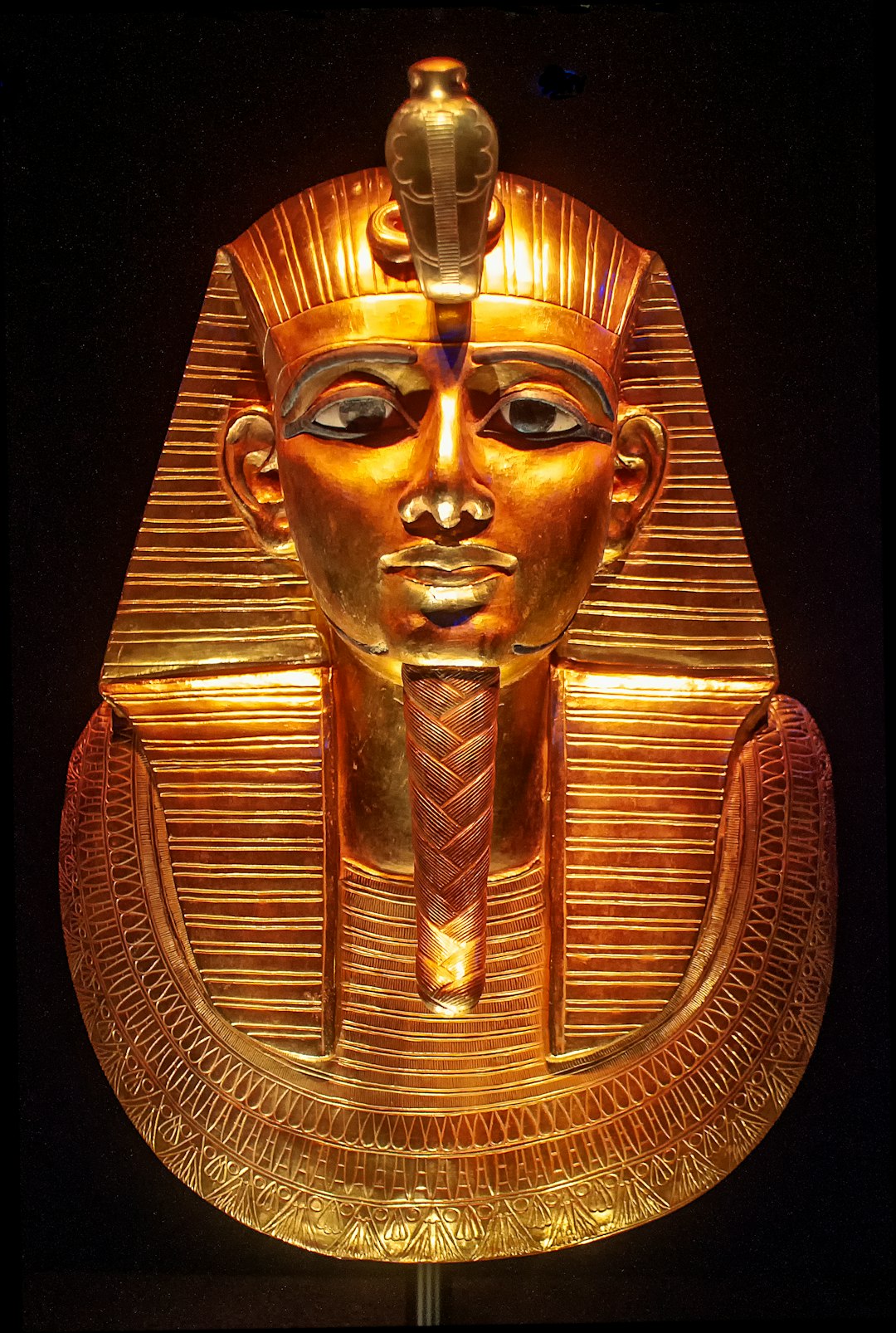
The body was not just a shell; it was essential for the soul’s return. The “ba” (spiritual personality) and “ka” (life force) could only reunite with the deceased if the body remained intact. Pharaohs were buried with elaborate funerary masks, amulets like the Eye of Horus, and magical items to protect their soul and guide them through the dangers of the underworld.

Recent discoveries, including X-ray scans and CT imaging of mummies, reveal the advanced anatomical understanding of Egyptian embalmers. For example, Tutankhamun’s mummification shows signs of chemical experimentation, possibly indicating attempts to preserve him more effectively—though these may have backfired, causing partial decomposition.

The Book of the Dead – Manual for the Afterlife

The journey through the afterlife was treacherous, filled with monsters, judgment, and divine tests. To navigate this perilous path, pharaohs were buried with The Book of the Dead, a collection of magical spells, hymns, and instructions compiled over centuries.

This “book” was not a single volume but a customized scroll placed in tombs, written in hieroglyphics on papyrus or linen. It served as a spiritual guidebook, helping the pharaoh overcome obstacles in the Duat (underworld) and pass the Weighing of the Heart—a divine judgment overseen by Osiris.

If the heart was lighter than the feather of Ma’at, the soul would achieve eternal life; if heavier, it would be devoured by the monstrous Ammit. Modern translations reveal that these texts also contain philosophical wisdom, not just superstition—reflecting a complex vision of morality, truth, and cosmic justice.

Hidden Tombs – Secret Traps and Royal Curses

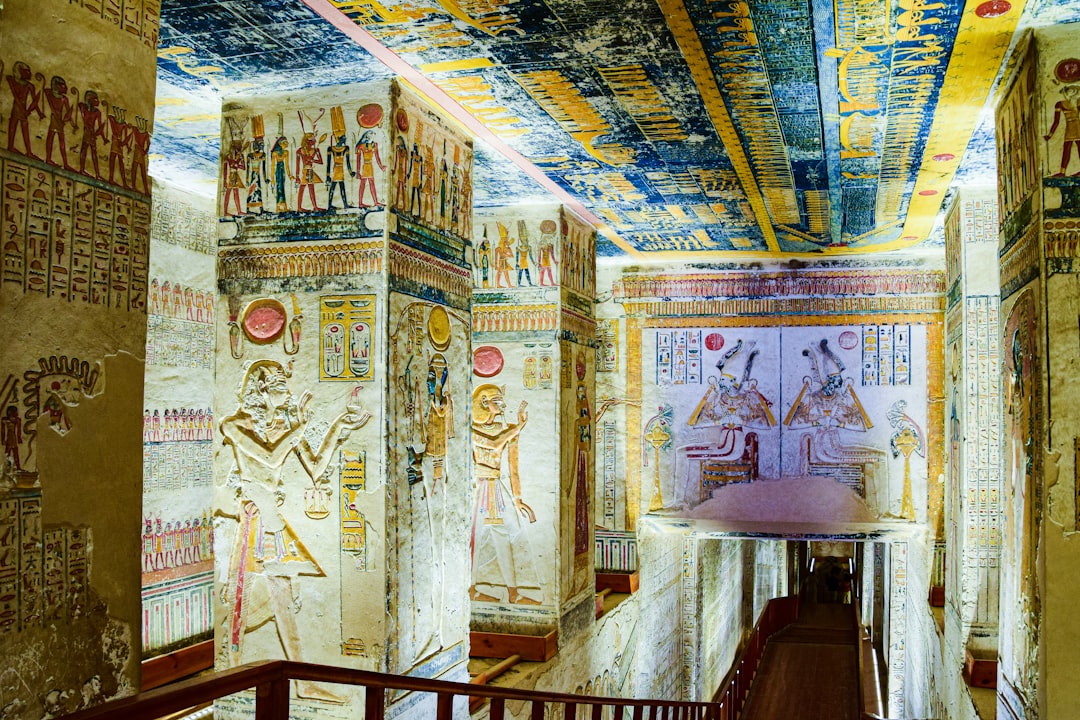
Egyptian tombs were not only sacred spaces but fortresses of secrecy, designed to outwit grave robbers and preserve the pharaoh’s journey for eternity. The Valley of the Kings, the royal necropolis of the New Kingdom, is riddled with hidden chambers, decoy paths, and symbolic architecture.

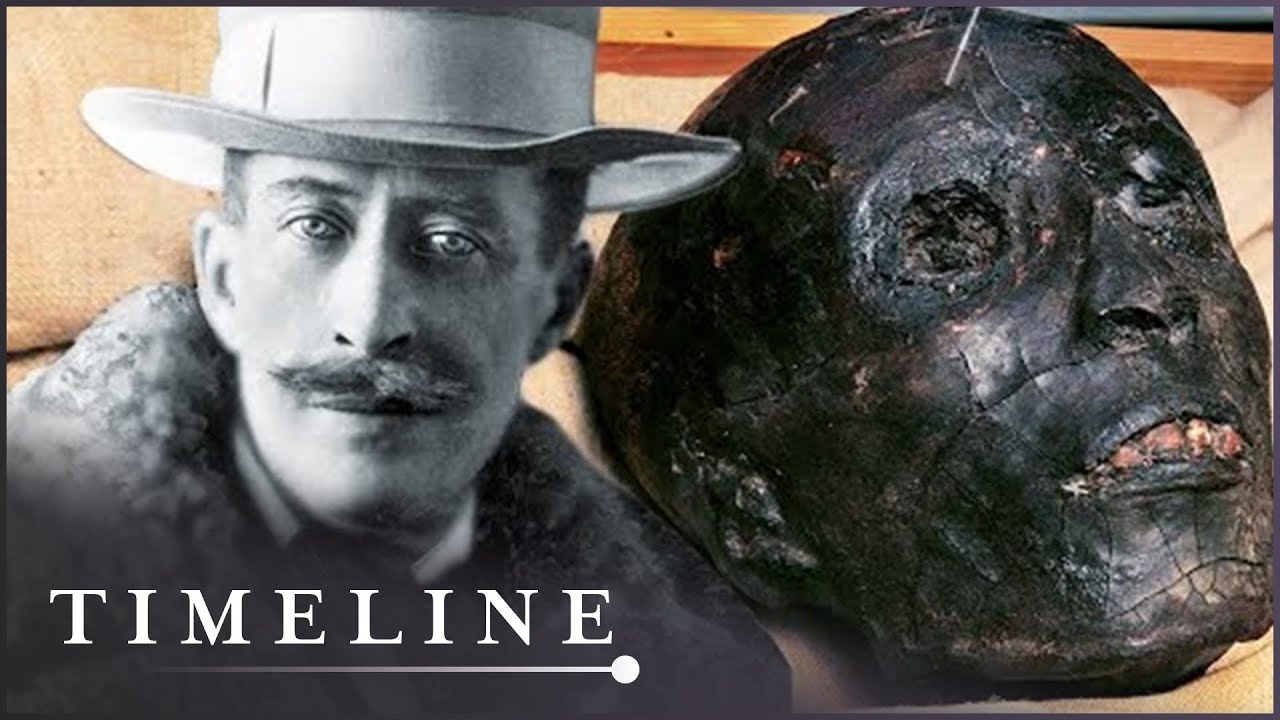
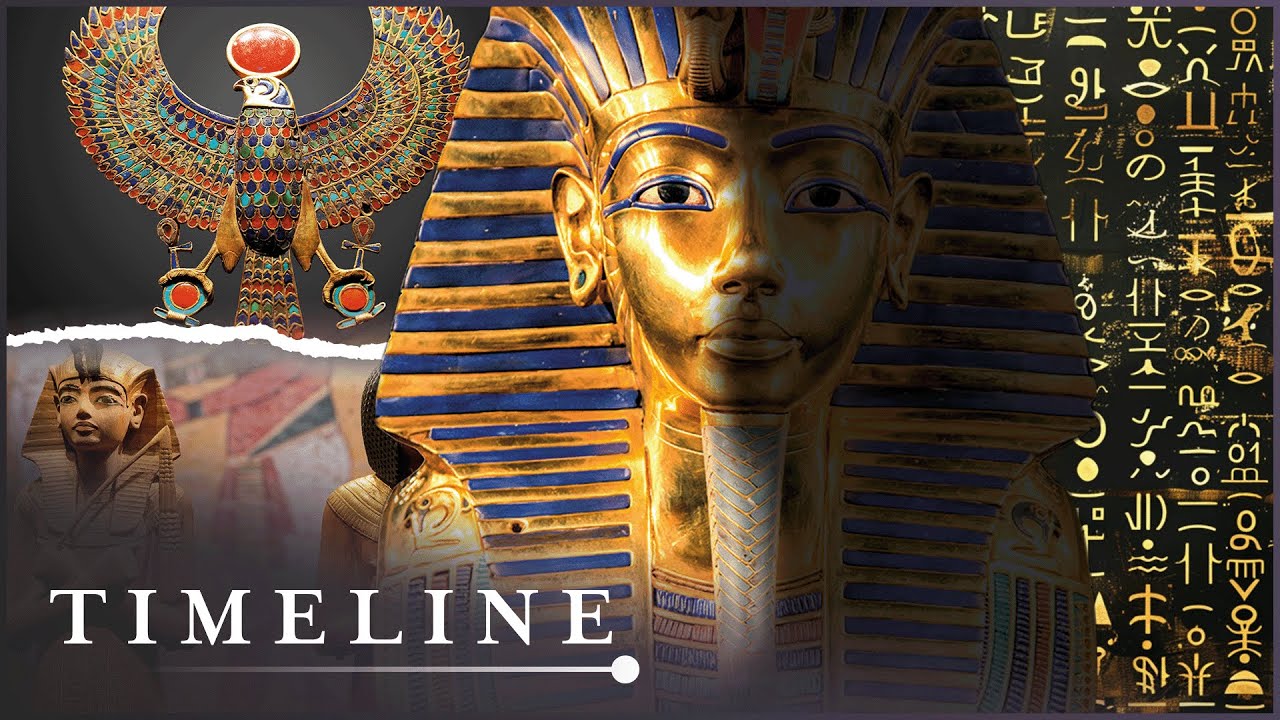
Perhaps the most famous tomb is that of Tutankhamun, discovered by Howard Carter in 1922. Unlike most royal tombs, it was relatively intact. Its golden mask, nested sarcophagi, and thousands of artifacts stunned the world and offered unmatched insight into pharaonic burial rituals.

Tutankhamun’s tomb also sparked stories of curses—with mysterious deaths of several expedition members giving rise to the “Curse of the Pharaohs.” Though most scientists dismiss these as coincidence, some speculate on potential microbial dangers from sealed tombs or psychological stress triggered by the intense experience of such discoveries.

Modern Discoveries – Science vs Spirituality

The 21st century has brought a new golden age of Egyptology. With ground-penetrating radar, 3D scanning, and DNA analysis, researchers are uncovering lost tombs and rewriting what we know about ancient beliefs. Projects at Saqqara, Abydos, and the Valley of the Kings continue to reveal hidden chambers and cryptic inscriptions.

In 2020, a cache of over 100 sealed coffins was found near Saqqara—some untouched for 2,500 years. In 2023, a “digital unwrapping” of Amenhotep I’s mummy gave us the first 3D look at a pharaoh’s burial without physically disturbing it. These advances show that ancient rituals and modern science can coexist, illuminating not just how the pharaohs lived, but how they died—and what they believed came after.

Some researchers now believe there are still undiscovered tombs, possibly belonging to Nefertiti or even Imhotep, hiding behind false walls or under desert sands. Every new find brings us closer to understanding how deeply the Egyptians believed in the permanence of the soul.

Conclusion: When Death Was Just Beginning

For the pharaohs of ancient Egypt, death was not a final curtain—it was an initiation into a divine eternity. Through architecture, ritual, texts, and preservation, they built an elaborate system designed to cheat death and live forever. They didn’t just hope for immortality—they engineered it. From Djoser’s revolutionary step pyramid to the magical incantations buried with Tutankhamun, every element of their civilization served a single goal: to defy time.

And remarkably, in many ways, they succeeded. Thousands of years later, we still speak their names, study their bodies, marvel at their works, and ponder the mysteries they left behind. The pharaohs are not just remembered—they are still present. In doing so, they achieved exactly what they set out to do: cheat death and become eternal.

Categories
W1 World

Unveiling the Mystical Allure of the Blue Lotus: Ancient Egypt’s Sacred and Enigmatic Flower

Introduction

The ancient Egyptians left behind a treasure trove of imagery, artifacts, and inscriptions that continue to fascinate and puzzle historians. Among these mysteries is the blue lotus, a recurring motif in Egyptian art, tombs, and rituals. Found in almost every tomb, the blue lotus was not just a decorative element but a profound symbol of life, death, and rebirth.

This sacred flower held a special place in the lives of ancient Egyptians, embodying spirituality, sensuality, and even narcotic allure. In this article, we delve into the captivating story of the blue lotus, its role in the private lives of the pharaohs, and its symbolic and medicinal significance in ancient Egyptian culture.

A Flower Steeped in Symbolism

The blue lotus, scientifically known as Nymphaea caerulea, grew abundantly along the Nile River. Its vibrant blue petals and intoxicating fragrance made it a standout feature in the Egyptian landscape. More than just a botanical marvel, the flower symbolized creation and rebirth.

In Egyptian mythology, the blue lotus was associated with the sun god Ra and creation stories. According to legend, the flower would close at night and sink into the water, only to reemerge and bloom with the sunrise—a daily act that mirrored the cyclical nature of life and death. This symbolism made it a prominent motif in tombs, temples, and artworks, representing the eternal journey of the soul.

The Blue Lotus in Rituals and Religion

The blue lotus was central to many religious rituals in ancient Egypt. Priests and pharaohs often used the flower in ceremonies dedicated to deities like Ra, Hathor, and Osiris. Its presence in funerary rites was equally significant, symbolizing the deceased’s resurrection and unity with the divine.

Depictions of the blue lotus are common in tomb paintings and carvings. These images often show individuals holding or inhaling the flower, suggesting its use in meditative and spiritual practices. The flower’s ability to float on water without getting wet also reinforced its association with purity and divine connection.

The Narcotic Allure of Ancient Mysticism

Beyond its spiritual symbolism, the blue lotus had a more earthly appeal: its psychoactive properties. The flower contains compounds that produce mild euphoric and sedative effects when consumed or inhaled. Ancient Egyptians likely brewed the flower into teas or soaked it in wine, creating an intoxicating elixir.

The narcotic effects of the blue lotus were not just for recreational purposes but also played a role in enhancing religious and social experiences. The flower’s ability to induce a state of relaxation and heightened awareness made it a valuable tool in achieving spiritual enlightenment and deepening interpersonal connections.

The Blue Lotus in the Private Lives of Pharaohs

Pharaohs, as divine rulers, were intimately connected to the symbolism and use of the blue lotus. It was a staple in royal rituals, feasts, and personal ceremonies. The flower often appeared in jewelry, furniture, and perfumes, signifying luxury and divine favor.

The blue lotus also played a role in love and sensuality. In ancient Egyptian art, scenes of couples sharing blue lotus flowers are common, hinting at its use as an aphrodisiac. These depictions suggest that the flower was not only a symbol of purity but also of passion and intimate connection.

Mystery and Misinterpretation

While the blue lotus holds a significant place in Egyptian culture, its full meaning remains elusive. Modern interpretations often rely on fragmented evidence, leading to debates among historians and Egyptologists. Some view the flower purely as a religious symbol, while others emphasize its medicinal and recreational uses.

The lack of written records explicitly detailing the flower’s role adds to the mystery. Much of what we know comes from artistic depictions and chemical analyses of residues found in tomb artifacts.

Rediscovering the Blue Lotus

The allure of the blue lotus extends beyond ancient Egypt. In recent years, the flower has gained popularity in modern wellness and alternative medicine. Its extracts are used in teas, oils, and supplements, marketed for their calming and mood-enhancing properties.

Archaeological discoveries continue to shed light on the flower’s significance. Ongoing studies aim to decode its role in ancient Egyptian society, offering new insights into the lives of the pharaohs and their people.

The Blue Lotus in Modern Research

Modern researchers and botanists have delved deeper into the properties of the blue lotus, revealing scientific insights that align with ancient accounts of its effects. Studies suggest that the flower contains alkaloids, such as nuciferine and aporphine, which may induce mild euphoria, relaxation, and heightened awareness. These findings support the belief that the blue lotus played a role in enhancing spiritual and social experiences in ancient Egypt.

Additionally, its potential as a natural remedy for anxiety and insomnia has reignited interest in its use in contemporary wellness practices. By bridging the gap between ancient tradition and modern science, the blue lotus continues to captivate and inspire as a symbol of transcendence and harmony.

Legacy of the Blue Lotus

The blue lotus remains a potent symbol of ancient Egyptian culture, embodying the complexities of life, death, and spirituality. Its dual role as a sacred object and a source of earthly pleasure highlights the intricate balance between the material and the divine in Egyptian thought.

As we uncover more about this enigmatic flower, we gain a deeper appreciation for the ancient Egyptians’ sophisticated understanding of nature and its connection to the human experience. The blue lotus, with its enduring beauty and mystery, continues to captivate and inspire, much like the civilization that revered it.

Conclusion

The blue lotus stands as a timeless symbol of ancient Egypt’s profound connection to nature, spirituality, and the mysteries of existence. Revered for its beauty, intoxicating properties, and deep symbolic meanings, it offers a window into the lives and beliefs of one of history’s most fascinating civilizations.

From its role in religious ceremonies to its presence in the intimate moments of the pharaohs, the blue lotus embodies the harmony of the physical and the divine. Overall, as modern science and archaeology continue to uncover its secrets, the flower’s legacy reminds us of the enduring allure of the past and its ability to inspire wonder and curiosity across the ages.

Categories
W1 World

The Splendour of Egypt’s Pharaohs: Unveiling the Legacy of Ancient Cities and Necropolises

Introduction

Ancient Egypt, often referred to as one of the cradles of civilization, is a land that continues to fascinate historians, archaeologists, and tourists alike. The grandeur of Egypt’s pharaohs and their awe-inspiring monuments have stood the test of time, from towering pyramids to majestic temples and sprawling necropolises. These architectural marvels not only reflect the pharaohs’ desire for eternal life but also provide a window into their advanced understanding of construction, shipbuilding, and urban planning. This article delves into the magnificent cities and necropolises of Ancient Egypt, exploring the symbols of power and legacy that have survived the ages and their relevance today.

The Rise of Ancient Egyptian Cities

The foundation of Egypt’s ancient cities was deeply rooted in the Nile River, which provided sustenance and a means of transportation. The Nile was the lifeblood of Egypt, allowing cities like Memphis, Thebes, and Amarna to flourish. Memphis, the first capital of unified Egypt, was a bustling metropolis in its time and a symbol of political power. It was home to the great Temple of Ptah and the iconic pyramids of Giza, built to house the tombs of pharaohs.

Thebes, another significant city, rose to prominence during the New Kingdom era. It was not only a political center but also a religious hub, home to the grand temple complexes of Karnak and Luxor. Amarna, though short-lived as a capital under Pharaoh Akhenaten, remains significant for its unique architectural style and focus on the worship of Aten, the sun god. These cities reflect the Egyptians’ advanced urban planning skills, characterized by the construction of temples, royal residences, and elaborate tombs.

The Power of Pyramids: Symbols of Eternity

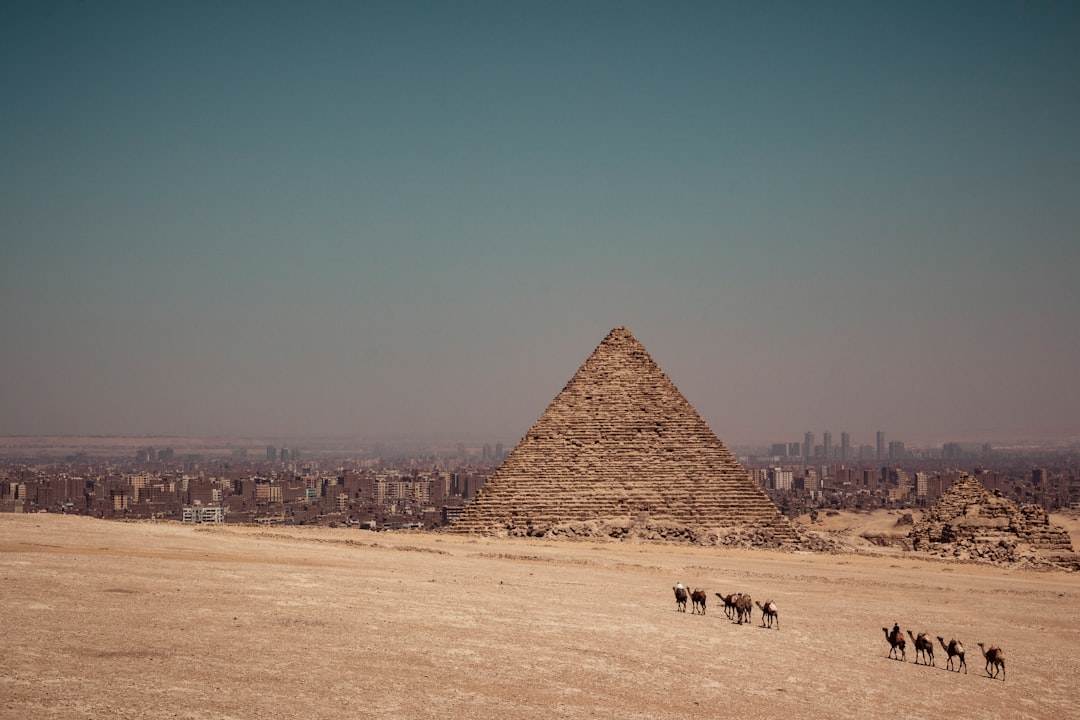
When one thinks of ancient Egypt, the pyramids are among the first images that come to mind. These colossal structures were built as tombs for pharaohs, serving as eternal homes for their bodies and souls. The Great Pyramid of Giza, built for Pharaoh Khufu, remains one of the Seven Wonders of the Ancient World. Its sheer size and precision are testaments to the Egyptians’ unparalleled engineering skills.

Beyond their architectural brilliance, pyramids were imbued with deep spiritual significance. The triangular shape was believed to symbolize the rays of the sun, guiding the pharaoh’s soul to the afterlife. For the Egyptians, the afterlife was a continuation of life on Earth, and the grandeur of their burial monuments reflected their desire for immortality. Today, the pyramids remain powerful symbols of endurance, representing the intersection of spirituality, power, and ingenuity.

Necropolises: Cities of the Dead

While cities like Memphis and Thebes were bustling with the living, their surrounding necropolises were the eternal resting places for the dead. The most famous of these necropolises is the Giza Plateau, home to the Great Pyramids and the Sphinx. Another notable necropolis is the Valley of the Kings, located near Thebes, where over 60 tombs of pharaohs and nobles have been discovered, including the tomb of the legendary Tutankhamun.

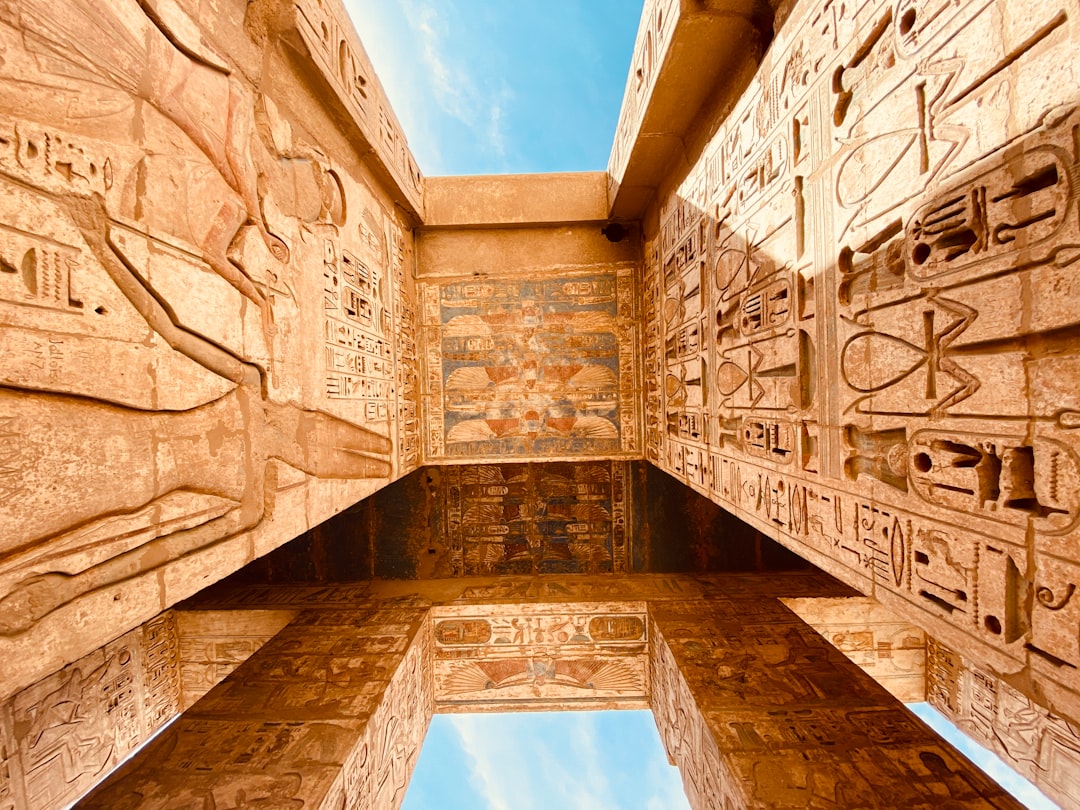
These necropolises were not merely graveyards; they were meticulously planned “cities of the dead,” mirroring the grandeur of life on Earth. The tombs were adorned with intricate hieroglyphics, wall paintings, and sculptures depicting the pharaohs’ journeys through the afterlife. Burial chambers were filled with treasures, food, and tools that the deceased would need in the next world. The care with which these necropolises were constructed reflects the Egyptians’ belief in the importance of maintaining the physical body and the soul’s connection to it.

Shipbuilding: Mastery of the Nile and Beyond

Shipbuilding played a crucial role in Egypt’s rise as a powerful civilization. The Egyptians’ mastery of the Nile not only facilitated trade but also enabled the construction of monumental architecture. Timber was scarce in Egypt, but they ingeniously used what was available to build ships capable of navigating the Nile’s waters. The Egyptians were also known for their seafaring abilities, undertaking expeditions to distant lands like Lebanon and Punt (modern-day Somalia) to acquire valuable resources like cedarwood, gold, and incense.

The most famous depiction of ancient Egyptian shipbuilding comes from the tomb of Pharaoh Khufu. His burial site included a full-sized ship, known as the Solar Boat, which was discovered intact in 1954 near the Great Pyramid of Giza. This boat was believed to carry Khufu’s soul through the afterlife, symbolizing the importance of boats not only for practical purposes but also in religious rituals. Today, the Solar Boat serves as a powerful reminder of Egypt’s maritime prowess and spiritual beliefs.

Pharaonic Symbols and Their Legacy

Pharaonic symbols, many of which originated in these ancient cities and necropolises, still resonate in modern culture. The ankh, symbolizing eternal life, and the eye of Horus, representing protection and good health, remain widely recognized even today. The scarab beetle, associated with rebirth and transformation, adorned the tombs of pharaohs and continues to be used as a symbol of renewal.

The pharaohs themselves were seen as living gods, and their cartouches, or name inscriptions, were placed on everything from temple walls to jewelry. These symbols were intended to protect the pharaohs in the afterlife and ensure their legacy would endure through the ages. In many ways, the Egyptians succeeded in their quest for immortality, as these symbols continue to fascinate and inspire people around the world.

The Modern Significance of Egypt’s Ancient Legacy

Egypt’s ancient cities, necropolises, and symbols continue to captivate modern society. They serve as a bridge to a distant past, allowing us to glimpse the beliefs, practices, and achievements of a civilization that has long since vanished. But more than that, these sites have become symbols of resilience, standing as a testament to human ingenuity, creativity, and the pursuit of eternal life.

Today, archaeologists and historians continue to uncover new discoveries in Egypt’s deserts, revealing ever more details about the lives of the pharaohs and the people who lived in their kingdoms. Museums around the world display artifacts from ancient Egypt, drawing millions of visitors who are eager to connect with the legacy of this remarkable civilization. The preservation of these ancient sites and artifacts remains a priority for Egypt and the global community, ensuring that the splendour of Egypt’s pharaohs will continue to inspire future generations.

Conclusion

The grandeur of ancient Egypt, from its awe-inspiring cities and necropolises to its masterful shipbuilding and enduring symbols, reflects a civilization that was far ahead of its time. The pharaohs’ quest for immortality and the meticulous care they put into building their tombs and monuments speak to their belief in the eternal nature of life. The legacy of these ancient structures and symbols continues to captivate the world today, offering a glimpse into a time when gods walked among men and the afterlife was just as real as the physical world. Egypt’s ancient splendour not only shaped history but also left an indelible mark on the cultural imagination, a legacy that endures through the sands of time.

Categories
W1 World

Hidden Treasures of the Sahara: Unearthing Ancient Secrets and Wonders Beneath the Sands

Introduction: Endless Mysteries of Sahara

The Sahara Desert, the vast and unforgiving stretch of arid land that dominates Northern Africa, has long been shrouded in mystery. Stretching over 9 million square kilometers, it remains a place of intrigue, danger, and rebellion. For thousands of years, it has stood as a barrier, sheltering ancient secrets beneath its sands, and only recently have researchers and explorers begun to unveil the hidden wonders that lie beneath its surface. From lost cities to ancient trade routes, the Sahara holds some of the most spectacular and undiscovered treasures of the ancient world.

A Land of Ancient Civilizations

When people think of ancient Egypt, they often envision the fertile lands along the Nile, where towering pyramids and majestic temples arose. However, the Egyptians’ influence stretched far beyond the riverbanks into the Sahara, a place they could never fully control. Despite the desert’s harsh conditions, the Egyptians ventured deep into this vast wilderness, establishing trade routes and uncovering valuable resources like gold, copper, and precious stones.

While Egypt’s ancient treasures are often associated with the banks of the Nile, the Sahara has its own hidden gems. The desert has preserved ancient relics, some untouched for centuries, waiting to be uncovered by archaeologists and adventurers alike. Recent technological advancements, such as satellite imagery, have revealed signs of ancient settlements and irrigation systems, suggesting that much of the Sahara once supported thriving communities long before it became the arid expanse we know today.

The Lost Cities of the Sahara

One of the most intriguing discoveries in the Sahara is the existence of ancient cities that thrived thousands of years ago. The desert has revealed remnants of lost civilizations, some of which predate the pharaohs of Egypt. For example, in modern-day Libya, the ancient city of Garama flourished from around 500 BC to 500 AD, serving as the capital of the Garamantes, a powerful and wealthy people who traded with both the Egyptians and the Romans.

The Garamantes built extensive underground irrigation systems, known as foggaras, which allowed them to cultivate crops in the middle of the desert. These ingenious systems tapped into underground water sources, supporting not only agriculture but also a thriving urban population. Today, the remnants of Garama and its neighboring cities lie buried beneath the sands, a testament to the resourcefulness and innovation of the ancient desert dwellers.

The Sahara as a Trade Hub

Beyond lost cities, the Sahara was once a bustling trade hub that connected North Africa to sub-Saharan regions. Caravans of camels carried goods such as gold, salt, and ivory across the desert, facilitating commerce and cultural exchange between ancient civilizations. The desert was crisscrossed by ancient trade routes, some of which have only recently been mapped by researchers.

These trade routes also carried knowledge, religion, and ideas, influencing cultures across vast distances. The trans-Saharan trade contributed to the spread of Islam throughout North Africa and into sub-Saharan Africa, shaping the religious and cultural landscape of the region. The legacy of this trade is still evident today in the architecture, language, and customs of the desert’s inhabitants.

The Golden Treasures of the Desert

The Sahara is not only a place of lost cities and ancient trade routes; it is also a repository of untold wealth. In ancient times, the desert was rich in valuable resources, including gold, which was highly sought after by Egyptian pharaohs and other ancient rulers.

One of the most famous legends of hidden treasure in the Sahara is the tale of the lost gold mines of King Solomon. According to legend, King Solomon’s mines were located somewhere in the desert, filled with untold riches. While these mines have never been found, the legend continues to captivate treasure hunters and archaeologists alike, inspiring expeditions into the Sahara’s remotest regions.

In more recent times, rumors of hidden Nazi treasures buried in the desert during World War II have also fueled treasure hunts. The German Afrika Korps, led by Field Marshal Erwin Rommel, fought in North Africa during the war, and some believe that valuable artifacts and gold were hidden in the Sahara’s vast expanse as the war drew to a close.

Prehistoric Art and Lost Languages

The Sahara is also home to some of the world’s most remarkable prehistoric art. Scattered throughout the desert are thousands of ancient rock carvings and paintings, depicting animals, hunting scenes, and even early forms of writing. These artworks, some of which are over 10,000 years old, offer a glimpse into a time when the Sahara was not a barren desert but a lush and fertile landscape teeming with wildlife.

One of the most famous sites is the Tassili n’Ajjer plateau in Algeria, where an extensive collection of prehistoric rock art was discovered. These carvings and paintings depict animals such as elephants, giraffes, and rhinoceroses, suggesting that the Sahara once had a much wetter climate. The artworks also feature human figures, some engaged in rituals and dances, offering insight into the spiritual lives of the ancient people who once inhabited the region.

In addition to prehistoric art, the Sahara has also yielded evidence of lost languages. Researchers have uncovered inscriptions in ancient scripts that are still not fully understood, offering tantalizing clues to the existence of forgotten cultures that once thrived in the region.

The Secrets of the Desert’s Ancient Tombs

Much like the Egyptians buried their pharaohs in elaborate tombs, the people of the Sahara also practiced burial rituals that reflected their beliefs in the afterlife. Archaeologists have discovered ancient burial sites scattered across the desert, some of which contain human remains dating back thousands of years. These tombs often contain grave goods, such as pottery, jewelry, and weapons, suggesting that the people of the Sahara believed in an afterlife similar to the Egyptians.

One of the most famous burial sites is the so-called “Black Mummy” of Uan Muhuggiag, a 5,000-year-old mummified child discovered in Libya’s Acacus Mountains. The body was naturally mummified by the desert’s dry conditions, and the discovery of the Black Mummy has provided valuable insight into the burial practices and beliefs of the ancient desert dwellers.

Modern Explorations and Discoveries

Despite centuries of exploration, the Sahara continues to reveal new secrets. In recent years, archaeologists have made significant discoveries in the desert, thanks to advances in technology. Satellite imagery and ground-penetrating radar have allowed researchers to map ancient settlements and trade routes that were previously unknown. These technologies have also helped to locate buried tombs and other archaeological sites, offering new opportunities for discovery.

In addition, the desert’s remote regions remain largely unexplored, leaving the possibility that even more ancient wonders lie hidden beneath the sands. From lost cities to buried treasure, the Sahara continues to captivate the imagination of adventurers and historians alike.

Conclusion: The Timeless Allure of the Sahara

The Sahara, a land of extremes, holds within its sands the stories of ancient civilizations, lost cities, and untold treasures. Whether it be the forgotten kingdoms, the hidden tombs, or the mysterious rock art, the desert continues to be a source of fascination and wonder. As archaeologists continue to uncover its secrets, the Sahara reminds us that even the harshest landscapes can conceal the most extraordinary mysteries. Overall, the legend of the Sahara’s hidden wonders endures, as timeless and enigmatic as the desert itself, waiting for those brave enough to venture into its vast and perilous expanse.

Categories
P1 People UN

The Suez Crisis of 1956: A Turning Point in International Relations and Peacekeeping

Introduction

The Suez Crisis of 1956, also known as the Second Arab-Israeli War, marked a pivotal moment in mid-20th century geopolitics. This crisis, triggered by Egypt’s nationalization of the Suez Canal, drew in multiple nations and highlighted the complexities of post-colonial international relations. The United Nations’ involvement in the crisis, particularly through the establishment of the first United Nations peacekeeping force, underscored the organization’s evolving role in global conflict resolution. This article provides a comprehensive overview of the Suez Crisis, examining its historical background, broader geopolitical implications, and the UN’s response.

Historical Background

The Suez Canal’s Strategic Importance

The Suez Canal, an artificial waterway connecting the Mediterranean Sea to the Red Sea, was completed in 1869 and quickly became a critical maritime route for global trade. Initially managed by the Suez Canal Company, which was controlled by French and British interests, the canal was a symbol of Western economic and strategic dominance in the Middle East.

Egypt’s Nationalization of the Canal

In July 1956, Egyptian President Gamal Abdel Nasser announced the nationalization of the Suez Canal Company, asserting Egypt’s sovereignty over the vital waterway. This decision came amidst rising tensions between Egypt and the Western powers, particularly over the withdrawal of American and British funding for the Aswan High Dam project. Nasser’s move was seen as a direct challenge to British and French colonial influence, provoking a strong reaction from both countries.

The Outbreak of Conflict

The Tripartite Aggression

The nationalization of the Suez Canal escalated into a military confrontation when, on October 29, 1956, Israeli forces launched a surprise attack on Egypt, swiftly occupying the Sinai Peninsula. This military action was part of a secret agreement between Israel, France, and the United Kingdom, known as the Protocol of Sèvres. The plan aimed to regain Western control over the Suez Canal and to undermine Nasser’s regime.

British and French Involvement

On October 31, British and French forces began bombing Egyptian positions and, subsequently, landed troops in the Suez Canal Zone. The intervention was justified by the pretext of separating the warring parties and ensuring the free passage of ships through the canal. However, the real motivations were more aligned with protecting their strategic and economic interests in the region.

International Reaction and the Role of the United Nations

Condemnation and Diplomacy

The tripartite invasion by Israel, France, and the United Kingdom was met with widespread international condemnation. The United States, under President Dwight D. Eisenhower, strongly opposed the invasion, fearing it would destabilize the region and drive Arab nations closer to the Soviet Union during the height of the Cold War. The Soviet Union also condemned the invasion, threatening military intervention in support of Egypt.

The UN’s Involvement

Unable to resolve the crisis within the Security Council due to the vetoes exercised by France and the United Kingdom, the matter was referred to the General Assembly under the “Uniting for Peace” resolution. This marked a significant moment for the United Nations, as it showcased the organization’s capacity to address international crises even when the Security Council was deadlocked.

Proposal to Build UNEF

UN Secretary-General Dag Hammarskjöld proposed the creation of the United Nations Emergency Force (UNEF), the first peacekeeping force in UN history. This force was mandated to supervise the withdrawal of the invading forces and to act as a buffer between Egyptian and Israeli troops, ensuring the cessation of hostilities and the maintenance of the ceasefire.

The Establishment and Impact of UNEF

Formation of the United Nations Emergency Force (UNEF)

UNEF’s establishment marked a milestone in the UN’s peacekeeping efforts. Comprising troops from various neutral countries, the force was deployed to oversee the withdrawal of British, French, and Israeli forces from Egyptian territory. By early 1957, the withdrawal was completed, and UNEF took up positions along the ceasefire lines, helping to restore stability in the region.

UNEF’s Role and Success

The success of UNEF in diffusing the Suez Crisis had profound implications for international peacekeeping. It demonstrated the UN’s ability to mobilize and deploy peacekeeping forces rapidly, providing a template for future operations. Additionally, UNEF’s deployment highlighted the importance of impartiality and multilateralism in peacekeeping efforts, principles that continue to underpin UN missions today.

Broader Geopolitical Implications

Decline of Colonial Powers

The Suez Crisis had far-reaching consequences for the involved nations and the broader international order. For Britain and France, the crisis exposed the limitations of their declining imperial power and accelerated the process of decolonization. The failure of the military intervention undermined their global standing and highlighted their reliance on American support in the post-war world.

Rise of Arab Nationalism

For Egypt and the Arab world, the crisis was a significant victory. Nasser emerged as a hero of anti-colonial resistance, bolstering his position domestically and internationally. The nationalization of the Suez Canal was a powerful assertion of Arab sovereignty and control over regional resources, inspiring similar movements across the Middle East and North Africa.

Cold War Dynamics

The crisis also marked a turning point in the Cold War. The United States’ opposition to the invasion, driven by a desire to prevent Soviet influence in the Middle East, underscored the geopolitical complexities of the era. The Suez Crisis highlighted the need for new forms of international cooperation and conflict resolution, paving the way for more robust multilateral institutions and frameworks.

Lessons Learned and Legacy

Principles of Peacekeeping

The Suez Crisis provided several key lessons for international diplomacy and conflict resolution. It underscored the importance of respecting national sovereignty and the dangers of unilateral military interventions. The crisis also highlighted the potential for multilateral institutions like the United Nations to play a central role in managing and resolving international conflicts.

Impact on UN Peacekeeping

The establishment of UNEF set a precedent for future UN peacekeeping operations, demonstrating the effectiveness of neutral, multinational forces in maintaining peace and security. The principles of impartiality, consent of the parties, and non-use of force except in self-defense, established during UNEF’s deployment, have become cornerstones of UN peacekeeping doctrine.

Conclusion

The Suez Crisis of 1956 was a defining moment in 20th-century history, reshaping the geopolitical landscape and the role of international institutions in conflict resolution. The crisis highlighted the declining influence of colonial powers, the rise of nationalist movements in the post-colonial world, and the complexities of Cold War geopolitics.

The United Nations’ response, particularly through the establishment of UNEF, marked a significant evolution in its peacekeeping capabilities. By successfully supervising the withdrawal of occupying forces and maintaining the ceasefire, the UN demonstrated its potential as a mediator and peacekeeper in international conflicts.

As we reflect on the Suez Crisis, its lessons remain relevant today. The importance of multilateralism, respect for national sovereignty, and the role of international institutions in maintaining peace and security are principles that continue to guide global diplomacy and conflict resolution efforts. The Suez Crisis serves as a reminder of the enduring challenges and opportunities in the quest for a more peaceful and just world.

Categories
W1 World

Echoes of Eternity: Unveiling the Enigmatic Charms of Ancient Egypt

Introduction:

Ancient Egypt, with its timeless monuments and enigmatic artifacts, holds a special place in the annals of human history. From the colossal Pyramids to the majestic temple at Karnak, the remnants of this ancient civilization continue to captivate the imagination of people worldwide. In this comprehensive exploration, we embark on a journey to unravel the mysteries of Ancient Egypt, delving deep into its fascinating history and uncovering the secrets behind its enduring legacy.

The Pyramids: Marvels of Ancient Engineering

At the forefront of Ancient Egypt’s mysteries stand the Pyramids, towering monuments that have withstood the test of time for over four millennia. Built as tombs for pharaohs, these architectural marvels continue to astound researchers with their precise construction and alignment with celestial phenomena. Despite centuries of study, the methods employed by the ancient Egyptians to build the Pyramids remain a subject of debate and speculation. From theories of ramp systems to suggestions of advanced engineering techniques, the true secrets behind the construction of these monumental edifices continue to elude modern scholars, sparking ongoing investigations and research endeavors.

The Temple at Karnak: Sanctuary of Gods and Pharaohs

Another wonder of Ancient Egypt is the sprawling temple complex at Karnak, dedicated to the worship of the gods and the glorification of pharaohs. Covering an area of over 200 acres, Karnak stands as the largest religious complex ever constructed, a testament to the wealth and power of the ancient Egyptian priesthood. Its towering columns, intricately carved reliefs, and sacred lakes bear witness to the grandeur and magnificence of the civilization that built it. Yet, beneath its imposing façade lie countless mysteries waiting to be unearthed. From the purpose of its hidden chambers to the significance of its religious rituals, Karnak continues to intrigue archaeologists and historians alike, offering glimpses into the spiritual beliefs and practices of ancient Egypt and serving as a focal point for ongoing archaeological investigations.

The Sphinx: Guardian of Secrets

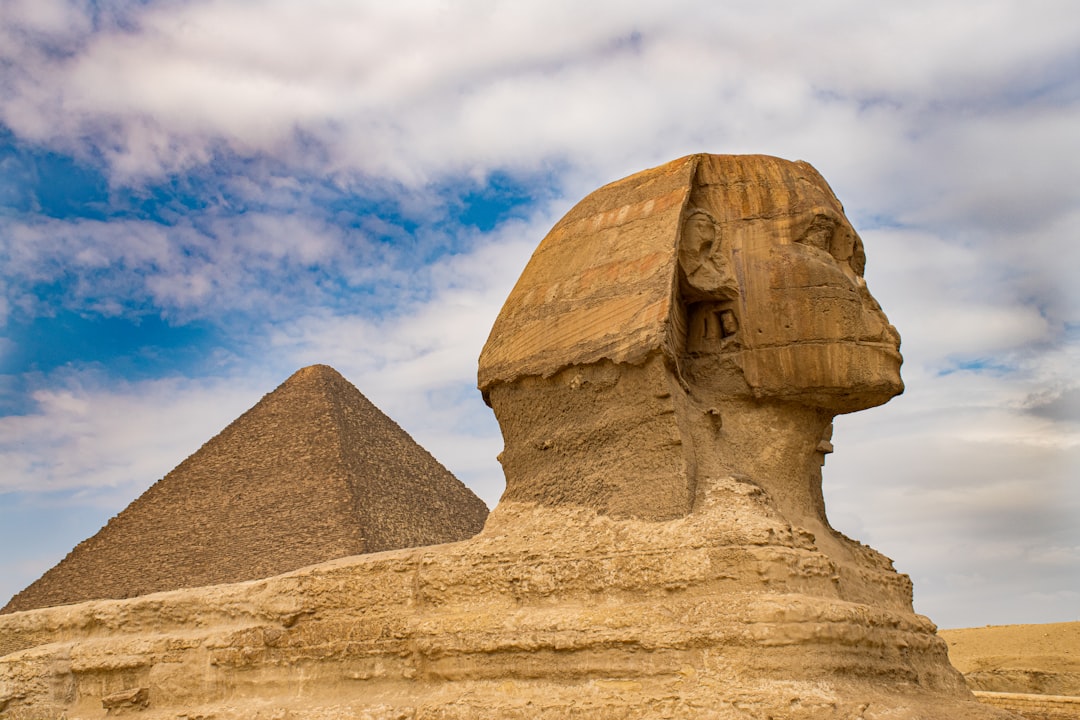
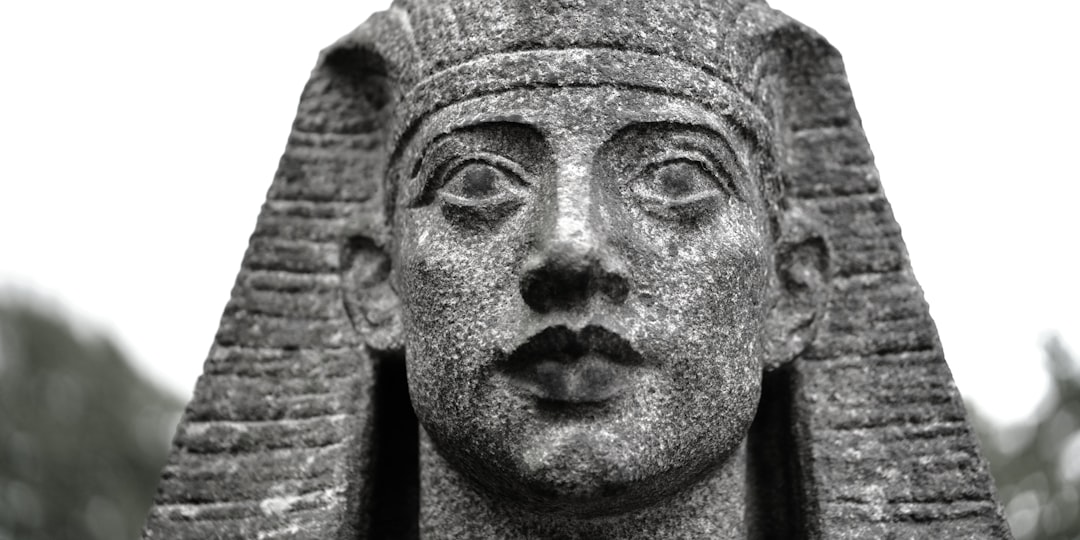
No discussion of Ancient Egypt’s mysteries would be complete without mentioning the Sphinx, a majestic statue with the body of a lion and the head of a human. Carved from a single block of limestone, the Sphinx stands as a symbol of strength and wisdom, guarding the entrance to the Giza plateau. Yet, despite its iconic status, the origins and purpose of the Sphinx remain shrouded in mystery. Who built it and why? Was it meant to represent a pharaoh or a deity? These questions continue to fuel speculation and intrigue, making the Sphinx one of the most enduring enigmas of ancient Egypt. Ongoing archaeological excavations and technological advancements offer hope of uncovering new insights into the secrets of this ancient guardian.

The Rosetta Stone: Key to Deciphering Ancient Texts

In 1799, a chance discovery near the town of Rosetta would unlock the secrets of Ancient Egypt’s written language. The Rosetta Stone, inscribed with a decree issued by King Ptolemy V in 196 BCE, contains the same text written in three scripts: hieroglyphic, demotic, and Greek. This invaluable artifact provided the key to deciphering the hieroglyphic script, allowing scholars to unlock a treasure trove of ancient texts and literature. From religious hymns to administrative documents, the decipherment of hieroglyphs revolutionized our understanding of ancient Egyptian culture and history, shedding light on its religious beliefs, political organization, and social customs.

Legacy of Egypt: Influence on Art, Science, Religion

Beyond its mysteries, Ancient Egypt’s legacy endures in myriad ways, shaping the course of human civilization for millennia. From its contributions to art and architecture to its advancements in medicine and mathematics, the influence of ancient Egypt can be felt across continents and centuries. The iconic motifs of Egyptian art, such as the hieroglyphs and stylized figures, have inspired artists and designers throughout history, leaving an indelible mark on global culture. Moreover, its religious beliefs and funerary practices continue to fascinate scholars and enthusiasts alike, offering insights into the human quest for immortality and spiritual transcendence. The enduring legacy of Ancient Egypt serves as a testament to the resilience and creativity of one of the world’s most remarkable civilizations, leaving an indelible imprint on the fabric of human history.

Conclusion:

In conclusion, Ancient Egypt stands as a testament to the ingenuity, creativity, and spiritual depth of one of the world’s most fascinating civilizations. From the awe-inspiring Pyramids to the intricate temple complexes, each monument serves as a window into the cultural, religious, and artistic achievements of this ancient culture. While many mysteries of Ancient Egypt have been unraveled through centuries of research and exploration, countless questions still remain, fueling ongoing investigations and inspiring new generations of scholars and enthusiasts. As we continue to unravel the secrets of Ancient Egypt, may we gain a deeper appreciation for the enduring legacy of this extraordinary civilization and the mysteries that continue to captivate our imaginations.

Categories
W2 World

The Six-Day War: Israel vs Egypt – A Tank Battle for the Ages

In the annals of modern warfare, few conflicts have been as swift, dramatic, and consequential as the Six-Day War of 1967. This clash between Israel and Egypt, among other Arab states, witnessed a remarkable tank battle in the Sinai Peninsula that altered the course of history. In this article, we will delve into the events leading up to the war, the astonishing tank battle that unfolded, and the far-reaching implications of this brief but intense confrontation.

The Prelude to War

The origins of the Six-Day War can be traced back to longstanding tensions in the Middle East. By the mid-20th century, the region was a cauldron of political and territorial disputes. Israel, established in 1948, found itself surrounded by Arab nations that refused to recognize its right to exist. Egypt, under the leadership of President Gamal Abdel Nasser, emerged as a prominent antagonist of Israel.

Nasser’s Egypt had a bone to pick with Israel, particularly regarding control of the Sinai Peninsula. In 1956, Egypt had nationalized the Suez Canal, a vital waterway for global trade. In response, Israel, along with France and the United Kingdom, launched the Suez Crisis. International pressure forced them to withdraw, but the issue of the Sinai remained unresolved.

By the 1960s, hostilities between Israel and Egypt were at a fever pitch. Nasser’s fiery rhetoric and support for Palestinian militants fueled the flames of conflict. The United Nations Emergency Force, stationed in the Sinai since the Suez Crisis, was expelled by Egypt in May 1967, further escalating tensions.

The Lightning Strike

The Six-Day War began on June 5, 1967, with Israel’s audacious pre-emptive strike against Egypt’s air force. This surprise attack, codenamed Operation Focus, aimed to gain air superiority quickly. In a matter of hours, Israeli jets devastated the Egyptian Air Force, destroying nearly 400 aircraft on the ground. It was a crippling blow that left Egypt’s defenses vulnerable.

With air superiority established, Israel swiftly turned its attention to the Sinai Peninsula, a territory of strategic importance. The Sinai was sparsely populated, arid, and dominated by vast deserts, making it ideal for tank warfare.

The Battle for the Sinai

What followed was one of the most significant tank battles in history. Israel, with its modern, well-trained army, faced Egypt’s larger but less technologically advanced forces. The heart of this battle lay in the northern Sinai, where the Egyptian Second Army was stationed.

Israeli armored divisions, led by General Ariel Sharon, launched a daring offensive into the Sinai. They encountered determined Egyptian resistance, including T-34 and T-55 tanks, as well as infantry armed with anti-tank missiles. The fighting was intense, with both sides sustaining heavy casualties.

Key battles punctuated this campaign. At Abu-Ageila, Israeli forces encircled and defeated an Egyptian brigade, capturing hundreds of prisoners. The capture of the Mitla Pass, where fierce fighting occurred, allowed Israel to threaten Egypt’s strategic positions further.

One of the defining moments of the tank battle was the Battle of Um Katef. Israeli forces, in a daring night assault, stormed Egyptian defenses, routing the entrenched troops. By the end of this engagement, Israel had penetrated deep into the Sinai.

Victory and Ceasefire

The ferocity of Israel’s advance took the Egyptian leadership by surprise. Panic ensued in Cairo as the Israeli military closed in on the Suez Canal. Egypt, realizing the gravity of the situation, pleaded for a ceasefire.

On June 10, 1967, a mere five days after the war began, a ceasefire was brokered. Israel had achieved a stunning victory. It not only secured the Sinai Peninsula but also gained control of the Gaza Strip, the West Bank, and East Jerusalem, significantly expanding its territory.

Implications and Aftermath

The Six-Day War had profound and enduring consequences for the Middle East. Israel’s territorial gains reshaped the political landscape, leading to decades of conflict and negotiation. The war also precipitated a wave of Palestinian displacement, laying the groundwork for the Palestinian-Israeli conflict that endures to this day.

For Egypt, the defeat was a significant setback, but it also marked a turning point. President Nasser, who had resigned in the wake of the war but was quickly reinstated due to popular demand, began a process of political and military reform. His successor, Anwar Sadat, eventually pursued a peace agreement with Israel in 1979.

In conclusion, the Six-Day War of 1967, with its lightning-fast tank battles and geopolitical ramifications, remains a pivotal moment in the history of the Middle East. It shaped the region’s dynamics for decades to come, leaving a legacy of conflict, diplomacy, and the enduring quest for peace.

In the end, the Six-Day War, marked by its lightning-fast tank battles and geopolitical consequences, stands as a stark reminder of the volatile nature of the Middle East. Its legacy continues to shape the region, emphasizing the urgent need for lasting solutions and peaceful coexistence. As history unfolds, the lessons of the Six-Day War remain a crucial guidepost for future endeavors toward stability and understanding in this complex part of the world.

Categories
P1 People UN

Egypt’s Economic Revival: Empowering Small Businesses to Foster Growth and Stability

Introduction

The Arab Spring was a period of hope and aspiration for many Egyptians. Beginning in late 2010, this wave of protests, uprisings, and regime changes promised to reshape the social and political landscapes of the Middle East and North Africa. In Egypt, the revolution was marked by the ousting of President Hosni Mubarak in February 2011, which sparked optimism for a future characterized by greater democracy, economic prosperity, and social justice. Among the groups most hopeful for change were small business owners and entrepreneurs, particularly in the rural regions of Upper Egypt, where economic opportunities had long been limited. However, the journey from political upheaval to economic rejuvenation has been complex and challenging. This article delves into the role of small businesses in Egypt’s post-revolution economy, exploring the hurdles they face and the initiatives designed to support their growth and development.

The Promise of the Arab Spring and Economic Challenges

The Arab Spring was a time of unprecedented political activism, driven by demands for greater freedom, government accountability, and economic opportunity. Egyptians across the country hoped that the end of Mubarak’s 30-year rule would lead to significant economic reforms that would benefit ordinary citizens. One of the key areas of focus was the empowerment of small and medium-sized enterprises (SMEs), which have long been recognized as vital engines for economic growth, job creation, and poverty reduction.

However, the period following the revolution was marked by economic instability and uncertainty. The transition of power was turbulent, with political infighting, protests, and sporadic violence continuing to disrupt daily life. Economic indicators such as inflation, unemployment, and public debt began to rise, further exacerbating the challenges faced by SMEs. In rural areas like Upper Egypt, where poverty rates are higher and access to resources is more limited, the struggle was even more pronounced. Small business owners, farmers, and aspiring entrepreneurs faced significant obstacles, including a lack of access to finance, insufficient infrastructure, and bureaucratic hurdles.

The Role of Small Businesses in Egypt’s Economy

Small businesses play a crucial role in the Egyptian economy. They account for over 90% of the country’s private sector, employing the majority of the workforce and contributing significantly to GDP. These enterprises range from family-run shops and agricultural businesses to small-scale manufacturers and service providers. In rural areas, particularly in Upper Egypt, SMEs are essential for providing livelihoods, reducing poverty, and promoting local development.

Despite their importance, small businesses in Egypt have historically been underserved by financial institutions and government policies. Many small business owners lack access to formal banking services, relying instead on informal networks for credit and financial support. The regulatory environment can be cumbersome, with complex licensing requirements and administrative procedures posing barriers to entry and growth. Moreover, infrastructure challenges, such as inadequate roads, unreliable electricity, and limited access to technology, further hinder the ability of SMEs to compete and thrive.

Post-Revolution Initiatives to Support Small Businesses

In the wake of the Arab Spring, both the Egyptian government and international organizations recognized the need to support small businesses as a means of fostering economic stability and growth. Several initiatives have been launched to address the challenges faced by SMEs and to create a more conducive environment for their success.

  1. Access to Finance: One of the critical barriers for small businesses in Egypt is access to finance. To address this issue, the Central Bank of Egypt (CBE) introduced several initiatives to encourage banks to lend to SMEs. These included lower interest rates for loans to small businesses and the establishment of dedicated SME banking units within commercial banks. Additionally, microfinance institutions have expanded their outreach, providing financial services to underserved rural areas. The launch of the “Tahya Misr” (Long Live Egypt) fund also aimed to support youth and small entrepreneurs by offering microloans and grants.
  2. Training and Capacity Building: Recognizing that financial support alone is not sufficient, various programs have focused on enhancing the skills and capacities of small business owners. The Social Fund for Development (SFD), now integrated into the Micro, Small, and Medium Enterprise Development Agency (MSMEDA), has been instrumental in providing training programs, business development services, and technical assistance to entrepreneurs. International organizations, such as the United Nations Development Programme (UNDP) and the International Labour Organization (ILO), have also partnered with local NGOs to deliver capacity-building initiatives, particularly targeting women and youth.
  3. Market Access and Digitalization: Improving market access for small businesses has been another area of focus. Initiatives to enhance local and international market linkages include trade fairs, export promotion programs, and partnerships with multinational companies. The government has also emphasized the importance of digitalization, encouraging SMEs to adopt e-commerce platforms and digital marketing strategies to reach a broader customer base. Efforts to improve internet infrastructure and expand mobile payment services have supported this transition, making it easier for small businesses to engage in the digital economy.

Challenges and Obstacles

Despite these initiatives, small businesses in Egypt continue to face significant challenges. The economic impact of the COVID-19 pandemic further strained the already vulnerable SME sector. Lockdowns, reduced consumer spending, and supply chain disruptions led to closures and financial losses for many small business owners. Although government stimulus packages and relief measures were introduced, the reach and effectiveness of these interventions were often limited.

Corruption and bureaucratic inefficiencies remain persistent problems, with many small business owners facing delays and additional costs in obtaining licenses and permits. Moreover, the informal nature of much of Egypt’s economy means that a large number of SMEs operate outside the formal sector, limiting their access to official support programs and services. For small businesses in rural and marginalized communities, these challenges are often compounded by a lack of education and awareness about available resources and opportunities.

Success Stories and Hope for the Future

Despite the obstacles, there have been notable success stories that demonstrate the resilience and potential of Egypt’s small businesses. Many entrepreneurs have leveraged their local knowledge and cultural heritage to create unique products and services that appeal to both domestic and international markets. Social enterprises have emerged, addressing community needs while generating income and employment. Women entrepreneurs, in particular, have made significant strides, breaking traditional barriers and contributing to economic and social development.

Programs like the UN Women’s support for female entrepreneurship have empowered women to start and grow their own businesses, leading to greater financial independence and community leadership. Success stories from these initiatives provide hope that, with continued support and reform, small businesses in Egypt can thrive, driving economic growth and social progress.

Conclusion

The journey from the Arab Spring to economic prosperity in Egypt has been marked by challenges and setbacks. However, the critical role of small businesses in the country’s economic revival cannot be overstated. Empowering small business owners, particularly in rural and underserved regions, is essential for fostering inclusive growth, reducing poverty, and ensuring long-term stability. While significant progress has been made, much more needs to be done to create a supportive environment for SMEs, including improving access to finance, simplifying regulations, and enhancing infrastructure. As Egypt continues to navigate its path forward, the success of its small businesses will be a key determinant of the country’s future prosperity and resilience.

Categories
W3 World

A Spirited Journey: Unraveling the History of Beer from Ancient Egypt to Global Delight

Introduction

Beer, one of the oldest and most beloved beverages in human history, traces its origins back thousands of years. From its humble beginnings in ancient civilizations to its present-day status as a global cultural phenomenon, beer has undergone a remarkable journey of evolution and transformation. This article explores the fascinating history of beer, with a particular focus on its creation in Ancient Egypt and its subsequent spread and development around the world.

Ancient Egypt: The Birthplace of Beer

The story of beer begins in Ancient Egypt, where it was an integral part of the daily life and religious rituals of the civilization. The ancient Egyptians not only consumed beer but also worshipped a goddess specifically associated with the brewing process, named Tjenenet. Beer was considered a vital dietary staple, providing nourishment, hydration, and even medicinal properties.

Beer in Ancient Egypt was brewed using barley, which was soaked in water and allowed to ferment naturally. The fermentation process involved the use of yeast, which was either wild or cultivated from previous batches. The resulting brew was thick and porridge-like, consumed through a straw to filter out solid particles.

Spread of Brewing Techniques

The art of brewing beer gradually spread from Ancient Egypt to neighboring civilizations, such as the Mesopotamians and the Sumerians. These cultures refined the brewing process, introducing new techniques and ingredients. For instance, the Sumerians utilized a clay vessel called a “kur” for fermentation and added various flavorings, such as dates and honey.

Beer in Ancient Europe

As beer-making techniques continued to evolve, the craft of brewing reached ancient Europe. The Celts, Germanic tribes, and other early European cultures embraced beer as an essential part of their social and cultural traditions. Brewing methods varied across regions, with ingredients like malted grains, herbs, and even hallucinogenic plants being incorporated into beer recipes.

Medieval Monasteries and Brewing

During the Middle Ages, beer production became closely associated with monastic life. Monasteries played a pivotal role in advancing brewing techniques and preserving knowledge related to the craft. Monks developed their own brewing recipes, often using locally available ingredients and adopting innovative methods such as hop cultivation for flavoring and preservation. Some of the world’s oldest surviving breweries can be traced back to medieval monasteries.

The Reinheitsgebot and Brewing Regulations

In 1516, the German Beer Purity Law, known as the Reinheitsgebot, was enacted in the Duchy of Bavaria. This law stipulated that beer could only be brewed using three ingredients: water, barley, and hops. The Reinheitsgebot aimed to ensure the quality and purity of beer and became a significant influence on brewing practices in Germany and beyond.

Industrial Revolution and Commercial Brewing

The advent of the Industrial Revolution in the 18th century brought about significant changes in the brewing industry. The invention of steam power and the development of refrigeration techniques revolutionized beer production, enabling larger-scale operations and longer shelf life for the beverage. Commercial breweries emerged, catering to the growing demand for beer in urban centers.

Craft Beer Renaissance

In recent decades, there has been a resurgence of interest in traditional brewing methods and artisanal beer production. The craft beer movement has gained momentum worldwide, with small, independent breweries focusing on unique flavors, experimental recipes, and locally sourced ingredients. Craft breweries have reinvigorated the beer industry, offering consumers a diverse range of styles and flavors to explore.

Globalization of Beer

With advancements in transportation and international trade, beer has become a truly global beverage. Beers from different countries and regions, each with their distinctive brewing traditions, have gained popularity worldwide. Cultural exchange and globalization have led to the fusion of brewing techniques and flavors, resulting in the emergence of hybrid beer styles and the celebration of beer diversity.

Beer Today and Future Trends

In the present day, beer continues to be a beloved beverage enjoyed by people of various cultures and backgrounds. Craft beer continues to flourish, offering consumers an ever-expanding array of flavors and styles. Additionally, there is a growing interest in low-alcohol and non-alcoholic beers, reflecting changing consumer preferences and a focus on health and wellness.

In terms of future trends, sustainability and innovation are likely to shape the beer industry. Breweries are exploring eco-friendly practices, such as using renewable energy sources and reducing water usage. Furthermore, advancements in technology may lead to new brewing techniques and the introduction of novel ingredients, expanding the boundaries of beer production.

Conclusion

From its origins in Ancient Egypt to its global presence today, the history of beer is a testament to the ingenuity and creativity of human civilization. Beer has evolved from a basic sustenance to a cultural symbol, connecting people across time and continents. Whether enjoyed in ancient temples, medieval monasteries, or modern craft breweries, beer remains an enduring beverage that brings people together, sparks conversations, and celebrates the art of brewing.

Categories
W4 World

The Mysteries of the Pyramids: Unraveling the Secrets of Their Geographic Placement

The pyramids of Egypt are one of the most iconic structures in the world. They have fascinated people for centuries and continue to do so to this day. While much is known about the pyramids themselves, there is still much that remains a mystery, particularly when it comes to their placement. The question of why the pyramids were built where they were has intrigued historians and archaeologists for decades.

One of the most popular theories is that the placement of the pyramids was not random, but rather had a deeper meaning. Some believe that the pyramids were built to align with certain astronomical events, such as the rising and setting of specific stars. This theory is based on the fact that the pyramids are aligned to the north, south, east, and west, with remarkable precision. It is possible that the ancient Egyptians were using the pyramids as a type of astronomical observatory, enabling them to track the movements of the stars.

Another theory is that the placement of the pyramids was related to the religious beliefs of the ancient Egyptians. It is known that the ancient Egyptians believed in an afterlife, and that the pharaohs believed they would continue to rule in the afterlife. It is possible that the pyramids were built to serve as a symbol of the pharaoh’s power and authority, both in this life and the next. The fact that the pyramids were located on the west bank of the Nile, where the sun sets, is consistent with the idea that they were meant to symbolize the pharaoh’s journey into the afterlife.

Despite these theories, there are also those who believe that the placement of the pyramids was largely practical. The pyramids were built near the Nile, which was the lifeline of ancient Egypt. The river provided water, transportation, and fertile land for farming. By building the pyramids near the Nile, the ancient Egyptians could easily transport the massive blocks of stone that were used in their construction.

One thing that is certain is that the placement of the pyramids was not arbitrary. The ancient Egyptians were skilled engineers and architects, and the precision with which they built the pyramids is a testament to their expertise. Whether the placement of the pyramids had a deeper meaning or was simply a matter of practicality, it is clear that they were built to endure. Despite being thousands of years old, the pyramids still stand today as a testament to the ingenuity and skill of the ancient Egyptians.

The placement of the pyramids has long been a subject of fascination and speculation. While some theories are based on scientific research and archaeological evidence, others are shrouded in mystery and mythology.

The Great Pyramid of Giza, the most famous of all the pyramids, was built for the Pharaoh Khufu during the Fourth Dynasty. Its location on the Giza plateau is significant as it was the highest point in the region, symbolizing the pharaoh’s elevated status. Some theories suggest that the layout of the pyramids reflects the positions of the stars in the constellation Orion, which was associated with Osiris, the god of the afterlife.

The Pyramid of Djoser, the oldest of the pyramids, was built during the Third Dynasty and is located at Saqqara. It is believed to have been built as a step pyramid, with each level representing a journey to the afterlife. The pyramid’s location is significant as it was close to Memphis, the capital of Egypt at the time, and was also believed to be the location of the god Ptah’s creation of the world.

The Pyramid of Khafre, the second-largest pyramid, is located next to the Great Pyramid of Giza and is believed to have been built for the Pharaoh Khafre. Its position on the Giza plateau and its alignment with the Sphinx suggests that it was built as a part of a larger funerary complex, with the Sphinx acting as a guardian of the pharaoh’s tomb.

The Nile River, which flows through the Nile Valley, played a significant role in the placement of the pyramids. The river provided water for the crops that sustained the Egyptian people and also facilitated transportation of the massive stone blocks used in the construction of the pyramids. The Egyptians also believed that the Nile was the source of life and that the pharaohs were responsible for maintaining the river’s fertility.

The ancient Egyptian religion and mythology also played a role in the placement of the pyramids. The Egyptians believed that the pharaohs were divine beings who needed to be buried in elaborate tombs in order to reach the afterlife. The pyramid shape, with its pointed top symbolizing the pharaoh’s journey to the heavens, was the perfect design for these tombs.

While there are many theories about the placement of the pyramids, the truth is that we may never know for sure why they were built where they were. However, what is certain is that the pyramids continue to inspire awe and wonder, and that their significance goes far beyond their physical location. As long as they stand, the pyramids will continue to be a symbol of the ancient world, and a reminder of the incredible achievements of the people who built them.

In conclusion, the placement of the pyramids is a complex and multifaceted subject, with many theories and assumptions based on scientific research, mythology, and religious beliefs. While there is still much to be discovered and understood about the pyramids, their enduring presence continues to captivate and inspire people from all over the world.

Categories
W4 World

The Mysterious Curse of King Tutankhamun and the Secrets of His Reign

The discovery of Tutankhamun’s tomb in 1922 by Howard Carter was a remarkable moment in the history of Egyptology. The young pharaoh’s burial chamber was found to be filled with a treasure trove of artifacts and valuable objects, leading to a renewed fascination with ancient Egypt. However, the tomb also held a mysterious curse, which has since become the stuff of legend.

According to popular belief, the curse was cast upon those who entered the tomb and disturbed the pharaoh’s remains. The curse supposedly caused a series of tragic events, including the deaths of several people associated with the expedition. However, the curse’s origins and validity have been a topic of debate for many years.

One theory is that the curse was simply a way to deter looters from entering the tomb. The idea was to create a sense of fear and respect for the tomb, making it less likely to be vandalized. Another theory is that the curse was a coincidence, with the deaths being attributed to other causes.

Regardless of the curse’s validity, the discovery of Tutankhamun’s tomb was a significant moment in ancient history. The young pharaoh was only 18 years old when he died and ruled for a brief period in the 14th century BCE. Despite his short reign, Tutankhamun was able to restore the traditional Egyptian religion and overturn the changes made by his predecessor, Akhenaten.

Tutankhamun’s tomb was found to be filled with many valuable artifacts, including the iconic death mask made of solid gold. The mask is one of the most famous Egyptian artifacts, and its striking beauty has captivated people for centuries.

However, Tutankhamun’s reign and legacy were not without controversy. His father, Akhenaten, had attempted to introduce a monotheistic religion centered around the sun god Aten. This move was highly controversial and ultimately led to Akhenaten’s downfall. Tutankhamun’s decision to restore the traditional religion was likely seen as a return to stability and normalcy, which may have contributed to his popularity among the people.

Another interesting aspect of Tutankhamun’s reign is his family’s history. Tutankhamun’s father, Akhenaten, was married to Nefertiti, one of the most famous queens of ancient Egypt. However, it is unclear what happened to Nefertiti after Akhenaten’s death, and some believe that she may have become pharaoh under the name Smenkhkare.

Tutankhamun himself was married to his half-sister, Ankhesenamun. The marriage was likely a political move to consolidate power, but it also highlights the importance of royal bloodlines in ancient Egypt. The couple had two daughters, both of whom died young, which may have contributed to Tutankhamun’s untimely death.

Overall, the story of Tutankhamun’s tomb and the supposed curse associated with it has captivated people for decades. However, the young pharaoh’s reign and legacy are just as fascinating, with many unanswered questions about his family and the political climate of ancient Egypt.

Tutankhamun, also known as King Tut, ascended to the throne at a young age of 9 or 10, after his father’s death. He was the son of the pharaoh Akhenaten and one of his wives. King Tut was initially named Tutankhaten, but after his father’s death, he changed his name to Tutankhamun, which means “the living image of Amun.”

During his reign, King Tut restored the traditional religious practices of Egypt that were abandoned by his father, who favored a monotheistic religion based on the worship of the sun disc Aten. King Tut’s restoration of the traditional practices was welcomed by the Egyptian people, and it is believed that this move helped to stabilize the country after the turmoil of his father’s reign.

King Tut’s reign was short, lasting only 10 years, and it is generally considered unremarkable. However, recent research suggests that King Tut might have been more involved in the affairs of state than previously believed. For instance, recent analysis of his tomb’s walls suggests that he might have taken a more active role in foreign affairs than previously thought.

Despite the brevity of his reign and the lack of significant accomplishments, King Tut’s tomb is one of the most famous and significant archaeological discoveries in history. The discovery of his tomb, almost entirely intact, in the Valley of the Kings by Howard Carter in 1922, created an international sensation and sparked a renewed interest in Egyptology.

The discovery of King Tut’s tomb provided a wealth of information about ancient Egyptian burial practices, religion, art, and daily life. The tomb contained numerous treasures, including a solid gold death mask that is one of the most iconic artifacts of ancient Egypt.

King Tut’s tomb was also significant because it was the first tomb of a pharaoh to be discovered largely intact. Previous tombs had been looted or destroyed by robbers or natural disasters, but King Tut’s tomb remained hidden and undisturbed for over 3,000 years.

Despite the importance of his tomb, King Tut’s life and reign remain shrouded in mystery. His early death, possibly from illness or injury, at the age of 18 or 19, cut short any potential accomplishments he might have had. However, his legacy lives on through the many artifacts and treasures found in his tomb, which provide valuable insights into the world of ancient Egypt.

In conclusion, King Tut remains a figure of fascination and intrigue to this day, over 3,000 years after his death. His brief reign might have been unremarkable, but his tomb has provided an unparalleled window into the world of ancient Egypt and continues to captivate scholars and the public alike.

Categories
W4 World

The Fascinating Legends and Enigmatic Deities of Ancient Egypt

The ancient Egyptian civilization is known for its rich mythology, which featured numerous gods and goddesses who played important roles in their culture and religion. Many of these deities were depicted in art and architecture, and their stories have been passed down through the generations.

One of the most intriguing aspects of ancient Egyptian mythology is the mysterious nature of many of their deities. These gods and goddesses often had complex backstories and seemingly contradictory attributes, making them difficult to understand and even more difficult to categorize.

Perhaps the most enigmatic of these deities is Anubis, the god of mummification and the afterlife. Anubis was often depicted as a jackal-headed figure, and he was responsible for guiding the souls of the dead through the underworld. Despite his importance in Egyptian mythology, however, little is known about the origins of Anubis or why he was associated with the jackal.

Another mysterious deity is Hathor, the goddess of fertility, love, and music. Hathor was often depicted as a cow or a woman with cow horns and was associated with the Milky Way. She was a popular goddess in ancient Egyptian religion, but her origins and exact role in the pantheon remain somewhat unclear.

Similarly, the god Set is a complex figure in Egyptian mythology. Set was originally a god of the desert and storms, but he later became associated with chaos and evil. Despite his negative reputation, however, Set was still considered an important deity and was often invoked for protection.

One of the most well-known Egyptian deities is Isis, the goddess of motherhood and magic. Isis was also associated with healing, and she was often depicted as a woman with a headdress in the shape of a throne. Like many of the other Egyptian gods and goddesses, however, Isis had a complex backstory, and her role in the mythology evolved over time.

Perhaps one of the most intriguing aspects of ancient Egyptian mythology is the way in which these gods and goddesses were intertwined with daily life. People would often offer prayers and sacrifices to the gods, and they believed that their actions could influence the behavior of the deities. The ancient Egyptians also believed that the gods could control natural phenomena like the flooding of the Nile and the rising and setting of the sun.

Despite the apparent complexity of their mythology, however, the ancient Egyptians had a very practical approach to religion. They saw their gods and goddesses as powerful beings who could be appeased or angered, and they believed that by following certain rituals and customs, they could ensure their own well-being and the prosperity of their communities.

The art and architecture of ancient Egypt also reflected the importance of their religion. Temples and other structures were often built to honor specific deities, and the walls of these buildings were adorned with scenes depicting the gods and their activities. Artifacts like jewelry and statues were also often imbued with religious significance, and these items were frequently buried with the dead in order to help them in the afterlife.

Here are a few stories related to some of the deities of ancient Egypt:

  • The Story of Osiris and Isis

Osiris was one of the most important deities in ancient Egypt, associated with the afterlife and resurrection. According to myth, Osiris was murdered by his jealous brother Seth, who cut his body into pieces and scattered them throughout the land. Isis, Osiris’ wife and sister, gathered his body parts and magically reassembled him, then brought him back to life long enough for them to conceive a son, Horus. Osiris then descended to the underworld to rule over the dead, while Horus took up the fight against Seth to avenge his father’s death.

This story reflects the Egyptian belief in the cyclical nature of life and death, as well as the power of magic and the role of family relationships in the divine hierarchy.

  • The Story of Ra and the Sun

Ra was the god of the sun and one of the most powerful deities in the Egyptian pantheon. According to myth, Ra rode his solar boat across the sky during the day, then descended to the underworld at night to battle the serpent Apep, who threatened to swallow the sun and plunge the world into darkness.

One day, Ra grew old and feeble, and his subjects began to rebel against him. In response, he called upon the goddess Hathor to become his eye and seek out those who had betrayed him. Hathor went on a rampage, killing and destroying everything in her path until Ra finally relented and called her back. To pacify her, Ra ordered his followers to brew beer mixed with red ochre, which resembled blood, and Hathor drank herself into a drunken stupor. The next day, Ra was reborn as a young man, and the cycle of the sun began anew.

This story reflects the Egyptian belief in the power of the sun and its cyclical nature, as well as the importance of balance and appeasing the gods to maintain order in the world.

  • The Story of Anubis and the Weighing of the Heart

Anubis was the god of embalming and mummification, and was often depicted as a jackal or a man with a jackal’s head. According to myth, when a person died, their soul would be led by Anubis to the Hall of Ma’at, where their heart would be weighed against a feather of truth. If their heart was heavier than the feather, it would be devoured by the monster Ammit, and their soul would be condemned to eternal punishment. If their heart was lighter than the feather, they would be granted eternal life in the afterlife.

This story reflects the Egyptian belief in the importance of preparing the body for the afterlife, as well as the role of judgment and morality in determining one’s fate in the next life.

These are just a few of the many stories and myths associated with the deities of ancient Egypt, which continue to fascinate and inspire people around the world today.

In conclusion, the gods and goddesses of ancient Egypt remain a fascinating and mysterious aspect of their civilization. Despite the passage of thousands of years, their stories and influence continue to captivate people around the world. Whether through art, architecture, or mythology, the deities of ancient Egypt continue to inspire wonder and awe.

Categories
W4 World

The Mysteries Surrounding King Tutankhamun’s Life, Reign and Death

King Tutankhamun, better known as King Tut, is perhaps the most famous pharaoh of ancient Egypt. He is known for his tomb, which was discovered nearly intact in the Valley of the Kings by archaeologist Howard Carter in 1922. However, what many people do not know is that there was a conspiracy to bury King Tut in secret, which ultimately led to the preservation of his tomb.

King Tut became pharaoh at a young age, around 9 or 10 years old, after the death of his father Akhenaten. Akhenaten was a controversial pharaoh who had attempted to replace the traditional polytheistic religion of Egypt with a monotheistic worship of the sun god Aten. After his death, the young King Tut was put under the control of a group of advisers, including his vizier Ay and the general Horemheb.

It is believed that these advisers conspired to bury King Tut in secret, possibly because they did not want him to be buried with the wealth and treasures that would normally accompany a pharaoh in death. Instead, they may have planned to bury him in a smaller tomb with fewer treasures, and use the rest for their own benefit.

However, their plan was foiled by the unexpected death of King Tut at a young age, possibly due to illness or injury. The advisers were forced to quickly prepare a tomb for the young pharaoh, but they did not have the time to remove all of the wealth and treasures that had been intended for his burial.

King Tut’s tomb was eventually discovered by Howard Carter in 1922, nearly 3,000 years after it had been sealed. The tomb was filled with an incredible amount of wealth and treasure, including gold masks, jewelry, furniture, and other artifacts.

The discovery of King Tut’s tomb was a major event in the world of archaeology and Egyptology, as it provided a rare glimpse into the life and culture of ancient Egypt. It also sparked a renewed interest in Egyptology, and led to a surge in tourism to Egypt.

However, the conspiracy to bury King Tut in secret also had an unintended consequence. Because the tomb was hastily prepared and not looted over the centuries, it was able to remain almost completely intact until its discovery in 1922. This made it an incredibly valuable archaeological site, as it allowed scholars to learn more about the culture and religion of ancient Egypt.

In conclusion, the conspiracy to bury King Tut in secret was a misguided attempt by his advisers to preserve wealth and power. However, their plan ultimately led to the preservation of one of the most important archaeological finds in history. The discovery of King Tut’s tomb has had a lasting impact on our understanding of ancient Egypt, and will continue to be studied and admired for generations to come.

King Tutankhamun was an ancient Egyptian pharaoh who reigned from 1332-1323 BCE during the New Kingdom period. His reign was relatively short, and he ascended to the throne at the age of nine or ten. Despite his short reign, Tutankhamun is one of the most well-known pharaohs due to the discovery of his intact tomb in 1922 by archaeologist Howard Carter.

During Tutankhamun’s reign, Egypt was still recovering from the religious reforms of his predecessor, Akhenaten. Akhenaten had attempted to institute a monotheistic religion centered around the worship of the god Aten, which caused considerable upheaval and instability in Egypt. Tutankhamun, likely with the help of his advisors, restored the traditional polytheistic religion and temples, which helped to stabilize the country.

One of the most significant events during Tutankhamun’s reign was the construction of his tomb, which was likely begun during his lifetime. Tutankhamun’s tomb was not grandiose like those of his predecessors, but it was still filled with an impressive array of treasures and goods.

Tutankhamun’s death at a young age has long been the subject of speculation and conspiracy theories. The official cause of death, according to modern forensic analysis, was likely complications from a broken leg. However, some historians and theorists have suggested that he was murdered, possibly by his advisors or even his wife, to gain power.

One of the most famous conspiracies surrounding Tutankhamun’s tomb is the Curse of the Pharaohs, which was said to be unleashed on those who disturbed the tomb. The idea of the curse gained traction after a series of deaths and misfortunes befell those involved in the tomb’s discovery and excavation, but most modern historians dismiss the idea as superstition.

In recent years, research has revealed that Tutankhamun was not as physically fit as previous thought, likely due to his inbreeding. Tutankhamun’s parents were likely siblings, which would have led to a higher likelihood of genetic defects.

Overall, Tutankhamun’s reign was relatively short and unremarkable in terms of major accomplishments. However, his tomb and the treasures within it have made him one of the most well-known pharaohs in history, and the mystery surrounding his death and tomb have sparked countless theories and conspiracies.

Categories
W4 World

The Golden Legacy of King Tutankhamun: A Symbol of Ancient Egypt’s Wealth and Power

Tutankhamun, better known as King Tut, is one of the most famous pharaohs of ancient Egypt. His reign was short, but his legacy has lasted for millennia thanks in large part to the discovery of his tomb by archaeologist Howard Carter in 1922. However, it was not just the discovery of his tomb that captured the world’s attention, but also the incredible amount of gold and other treasures found within it.

King Tut’s tomb contained an astounding amount of gold. The walls were lined with gold leaf, and the furniture, jewelry, and other artifacts found within were often made of solid gold or decorated with it. The most famous piece of gold found in the tomb is, of course, the golden mask that covered Tutankhamun’s mummified face.

The mask is made of solid gold and weighs over 20 pounds. It is incredibly detailed, with intricate designs and hieroglyphics covering its surface. The mask was placed directly over Tutankhamun’s mummified face to protect it in the afterlife. It has become one of the most iconic images of ancient Egypt, and is a symbol of the incredible wealth and power of the pharaohs.

But why was gold so important to the ancient Egyptians? In ancient Egypt, gold was considered the flesh of the gods. It was believed to have magical properties, and was associated with the sun god Ra, who was one of the most important gods in the Egyptian pantheon. Gold was used to create objects of religious significance, such as temple offerings and statues of the gods. It was also used to create jewelry and other luxury goods for the wealthy.

In addition to its religious and cultural significance, gold also had practical uses in ancient Egypt. It was used in medicine to treat a variety of ailments, and was believed to have purifying properties. Gold was also used in dentistry to create dental bridges and fillings.

The incredible amount of gold found in Tutankhamun’s tomb has led to countless theories and speculations about the source of his wealth. Some historians believe that Tutankhamun inherited his wealth from his predecessors, particularly Amenhotep III and Akhenaten. Both of these pharaohs were known for their love of luxury and their extravagant building projects.

Others believe that Tutankhamun’s wealth came from his own reign, and that he was able to amass such a large amount of gold through his conquests and trade with other nations. There is some evidence to support this theory, as Tutankhamun’s tomb contained artifacts from as far away as Syria and Nubia.

However, the most likely explanation for Tutankhamun’s wealth is that it was simply accumulated over time by the pharaohs who preceded him. The ancient Egyptians were known for their love of gold, and the pharaohs in particular were able to accumulate vast amounts of it through tribute, trade, and conquest.

The discovery of Tutankhamun’s tomb and the incredible amount of gold within it had a profound impact on the field of archaeology and Egyptology. It provided a rare glimpse into the life and culture of ancient Egypt, and sparked renewed interest in the field. It also led to a surge in tourism to Egypt, as people flocked to see the treasures of King Tut’s tomb for themselves.

However, the discovery of Tutankhamun’s tomb also had unintended consequences. The rush to excavate and remove the treasures from the tomb caused damage to some of the artifacts, and the looting of other tombs in the Valley of the Kings increased as people searched for similar treasures. This led to the implementation of stricter regulations regarding archaeological excavation and preservation.

Despite the controversy surrounding the excavation of Tutankhamun’s tomb, it remains one of the most important archaeological finds in history. The incredible amount of gold found within the tomb is a testament to the wealth and power of the pharaohs of ancient Egypt, and the cultural significance of gold to their society.

Today, many of the artifacts found within Tutankhamun’s tomb are on display at the Egyptian Museum in Cairo, including the famous golden mask. These treasures continue to captivate people from around the world, and serve as a reminder of the incredible achievements of the ancient Egyptians.

In conclusion, the discovery of Tutankhamun’s tomb and the incredible amount of gold found within it is a testament to the power and wealth of the pharaohs of ancient Egypt. Gold was considered the flesh of the gods and had both religious and practical uses in ancient Egyptian society.

While the exact source of Tutankhamun’s wealth remains a mystery, it is likely that it was accumulated over time by the pharaohs who preceded him. The discovery of Tutankhamun’s tomb had a profound impact on the field of archaeology and Egyptology, and continues to captivate people around the world today.

King Tutankhamun, also known as King Tut, was an ancient Egyptian pharaoh who ruled during the 18th dynasty. He ascended to the throne at a young age, around 9 or 10 years old, and his reign lasted only 10 years before his untimely death. Despite his short reign, Tutankhamun is considered one of the most well-known pharaohs due to the discovery of his tomb, which contained an incredible amount of gold and treasures.

His cause of death remains a mystery, leading to various conspiracy theories and speculation. Some believe he was murdered, while others suggest he died from an injury or illness. However, recent studies suggest that he might have died due to complications from a broken leg, combined with a severe case of malaria.

Categories
W5 World

The Enigmatic Pharaoh: Unraveling the Mystery of Akhenaten’s Revolution

Introduction

The reign of Pharaoh Akhenaten, who ruled Egypt during the 18th dynasty in the mid-14th century BC, remains shrouded in mystery. During his time as ruler, Akhenaten made the controversial decision to abandon the polytheistic religion that had been practiced in Egypt for centuries, and instead instituted the worship of a single god, Aten. This revolutionary move caused upheaval and confusion throughout the kingdom, and Akhenaten’s decision to move the capital to a remote location further added to the sense of uncertainty. Through an examination of historical records and archaeological evidence, we will attempt to shed light on this fascinating period in ancient Egyptian history.

The Mystery of Akhenaten’s Revolution: An Overview

Akhenaten’s reign was marked by a number of controversial actions, including his rejection of traditional Egyptian polytheism in favor of monotheism centered around the god Aten, his decision to move the capital from Thebes to a newly-built city at Amarna, his promotion of his wife Nefertiti to the status of co-regent, and his apparent neglect of foreign affairs and military campaigns. Additionally, Akhenaten’s physical appearance depicted in art and sculpture, with elongated features and a feminine appearance, has led to much speculation and debate about his possible medical conditions or religious beliefs.

These actions and controversies have made Akhenaten a fascinating and enigmatic figure in ancient Egyptian history. Despite his significant contributions to the arts and architecture of Ancient Egypt, Akhenaten’s reign was short-lived and his successors worked to erase his memory and undo his reforms. The reasons for his radical actions remain a mystery, with theories ranging from religious fervor to political motivations. This article delves into the enigma of Akhenaten’s revolution, exploring the possible reasons behind his abandonment of the traditional religion and his establishment of a new capital.

Elevation of the Aten to Supreme God

One of the most revolutionary action of Akhenaten was his decision to elevate the god Aten to the position of supreme deity, effectively replacing the traditional pantheon of Egyptian gods. This was a radical departure from centuries of Egyptian religious tradition, and it is believed that Akhenaten’s motivations for this change were both political and theological. Some scholars suggest that he was attempting to consolidate his power by presenting himself as the sole intermediary between the Aten and the people, while others argue that he may have genuinely believed in the superiority of the Aten over the other gods.

The Birth of a New Religion

One of the most perplexing aspects of Akhenaten’s reign was his sudden decision to abandon the established religion of Egypt. Scholars have debated the reasons behind this move for decades, with some suggesting that it may have been influenced by the Pharaoh’s personal beliefs or a desire to centralize power under his own rule. Others argue that political tensions between the priesthood and the royal court may have played a role in the decision, or that Akhenaten may have been influenced by contact with foreign cultures. Regardless of his motives, this decision had a profound impact on Egyptian religion and culture, and it was largely reversed after Akhenaten’s death.

Building a New Capital of Egypt

In addition to changing the religious practices of Egypt, Akhenaten also made the bold decision to move the capital city to a new location. He chose a remote bay on the edge of the Nile, and there he built a magnificent city from scratch, which he called Akhetaten or Amarna. The city, which was located in a remote area on the edge of the Nile, featured grand palaces, temples, and public buildings, and was surrounded by a wall to keep out intruders. However, the decision to move the capital to such a remote location was a risky one, and it is not entirely clear why Akhenaten made this choice.

Elevation of Nefertiti to Unprecedented Status

Another controversial action of Akhenaten was his decision to elevate his wife, Nefertiti, to a status never before seen in ancient Egypt. She was not only portrayed alongside him in royal ceremonies and art, but also given the title of co-regent, which was traditionally reserved only for male rulers. This was a significant departure from the norm and caused controversy among the ruling class and religious establishment of the time. This elevation of Nefertiti’s status is believed to have contributed to the growing resistance to Akhenaten’s rule and may have played a role in the eventual downfall of his revolutionary reign.

Akhenaten’s Artistic, Architectural Innovations

Akhenaten also introduced a new style of art that was markedly different from the traditional styles of Egyptian art. This style was characterized by elongated, exaggerated figures, and a focus on naturalistic depictions of the human form. The style is sometimes referred to as the “Amarna style,” named after the new capital city that Akhenaten built. The introduction of this new style of art was seen as another break from tradition and caused further controversy in ancient Egypt.

A Legacy of Mystery: Akhenaten Reign

Despite decades of study and research, many questions about Akhenaten’s reign remain unanswered. The reasons behind his decision to abandon traditional Egyptian religion, as well as the choice to move the capital to a remote location, continue to baffle scholars and historians. Some have even suggested that Akhenaten’s rule may have been cut short by his own people, who were resistant to his revolutionary changes. Nevertheless, the legacy of Akhenaten’s reign continues to fascinate and intrigue scholars and laypeople alike, and his story serves as a reminder of the complexities of history and the mysteries that continue to surround us.

Conclusion

Akhenaten’s revolution remains one of the most fascinating mysteries in ancient Egyptian history. Despite the numerous theories put forth by scholars over the years, we may never truly know the motivations behind his dramatic religious and societal changes. However, the legacy of Akhenaten’s reign and the city of Amarna continue to captivate historians and archaeologists, providing new insights into the rich and complex history of ancient Egypt. Perhaps as further research and discoveries are made, we may come closer to unraveling the enigma of Akhenaten and his revolutionary vision for Egypt.

Categories
W5 World

The World’s Most Notorious Artefact Thefts: Should They be Returned to Their Rightful owners?

Introduction

Museums around the world are home to a vast array of cultural artefacts, from ancient Egyptian mummies to precious artefacts from indigenous communities. However, as society progresses and awareness of historical injustices increases, questions arise regarding the ownership and repatriation of these artefacts. What happens when artefacts are stolen or taken without consent? Should they be returned to their rightful owners, and if so, who has the right to claim them? This article explores the contentious issue of whether artefacts should be returned to their rightful owners.

Artefact Thefts and Museum Debates: An Overview

The question of whether artefacts should be returned to their rightful owners has been a contentious issue for decades. From the Elgin Marbles to the Benin Bronzes, museums around the world are facing increasing pressure to return cultural treasures that were taken from their countries of origin during colonialism and other forms of exploitation. The debate raises important questions about the ethics of collecting and exhibiting artefacts, the responsibility of museums to respect the rights and cultural heritage of others, and the role of power and privilege in shaping the history and ownership of these objects.

This article will explore the various perspectives on this complex issue and the challenges that museums face as they navigate competing demands and interests. It delves into the history of artefact theft and its impact on cultures and communities, as well as the ethical and legal implications of repatriation. The article also examines notable cases that have sparked international attention, including the debate over the return of sacred objects to Indigenous communities and the controversy surrounding the Benin Bronzes. The aim of the article is to provide insight into the ongoing museum debates and shed light on this important and complex issue.

The World’s Most Notorious Artefact Thefts

Over the years, there have been numerous high-profile thefts of priceless artefacts, leaving museums, art collectors, and historians scrambling to recover these treasures. These incidents have garnered widespread media attention, and some of the stolen pieces remain missing to this day. In this article, we will take a closer look at the 10 most notorious artefacts thefts in history, examining their significance and the aftermath of each theft. From the theft of the Mona Lisa to the looting of Baghdad’s National Museum, these stories highlight the devastating impact of cultural theft and the ongoing efforts to recover stolen treasures.

  1. Mona Lisa, 1911: The most famous art theft in history occurred when the Mona Lisa was stolen from the Louvre. The thief was caught two years later, and the painting was returned to the museum.
  2. Ishtar Gate, 1917: During World War I, German archaeologists stole the Ishtar Gate from the ancient city of Babylon. The gate was eventually returned to Iraq in the 1950s.
  3. Benin Bronzes, 1897: The British army looted thousands of bronze sculptures from the Kingdom of Benin in modern-day Nigeria. Many of these artefacts are still held in museums in Europe.
  4. Elgin Marbles, 1801-1812: Lord Elgin, the British ambassador to the Ottoman Empire, removed marble sculptures from the Parthenon in Athens and brought them to England. Greece has been requesting their return ever since.
  5. Nazi Art Theft, 1933-1945: During World War II, the Nazis stole countless works of art from museums and private collections across Europe. Many of these artefacts are still missing.
  6. The Amber Room, 1941: The Amber Room was a priceless chamber decorated with amber panels, gold leaf, and mirrors. The Nazis stole it from a palace in Russia and its whereabouts remain unknown.
  7. The Scream, 1994: Edvard Munch’s famous painting The Scream was stolen from a museum in Norway. The thieves were caught, and the painting was recovered several months later.
  8. The Irish Crown Jewels, 1907: The Irish Crown Jewels were stolen from Dublin Castle, and the culprit was never caught. The jewels were never recovered.
  9. The Nefertiti Bust, 1913: German archaeologists excavated the Nefertiti Bust in Egypt and took it back to Germany. Egypt has been requesting its return ever since.
  10. The Gardner Museum Heist, 1990: Two thieves stole 13 works of art from the Isabella Stewart Gardner Museum in Boston. The paintings, including works by Rembrandt and Vermeer, have never been recovered.

These stories also underscore the importance of protecting cultural heritage and the need for increased awareness and accountability in the art world. While some of the stolen artefacts have been recovered and returned to their rightful owners, others continue to be missing, reminding us of the ongoing challenges in combating cultural theft and preserving our shared cultural heritage for future generations.

The History of Artefact Repatriation

The issue of artefact repatriation is not a new one. Throughout history, cultures and civilizations have taken items from one another, often as a result of conflict or colonization. These artefacts, once considered spoils of war or the spoils of colonialism, found their way into museums and private collections across the world. In some cases, the artefacts were taken without the consent of their owners, or even stolen outright. As awareness of these injustices grows, so too does the demand for repatriation.

The Case for Repatriation

Those who advocate for the repatriation of artefacts argue that they belong to the cultures and communities from which they were taken. They argue that the artefacts are not just objects, but part of a larger cultural heritage and identity that has been stripped away through colonization and exploitation. The return of these artefacts, they argue, is not only a matter of justice, but a crucial step in the process of healing and reconciliation. By contrast, those who oppose the return of artefacts argue that they belong to museums that can provide proper care, preservation, and interpretation, allowing for greater access and education for the public.

The Challenges of Repatriation

While the case for repatriation may be strong, the process itself is not without challenges. Determining who the rightful owners of an artefact are can be difficult, particularly when it comes to artefacts that were taken many years or even centuries ago. Additionally, many museums argue that they have a responsibility to preserve and display these artefacts for the benefit of the public, and that returning them would deprive future generations of the opportunity to learn about and appreciate these important historical objects.

Conclusion

The question of whether artefacts should be returned to their rightful owners is a complex and multifaceted one, with no easy answers. While the repatriation of cultural artefacts may be a matter of justice and healing for some, it is important to consider the broader implications of such actions, including the impact on public education and historical preservation. As we continue to grapple with these issues, it is crucial that we engage in respectful and nuanced dialogue, recognizing the complex histories and cultures that surround these artefacts.

Categories
W5 World

The Moving Statue of Khafre: Uncovering A Pharaoh’s Journey Through Time

Introduction

Khafre, also known as Khafra or Chephren, was the fourth pharaoh of the Fourth Dynasty of Egypt, who ruled from 2558 to 2532 BCE. He is best known for building the second-largest pyramid at Giza, which bears his name, as well as the Great Sphinx. However, one of the greatest mysteries surrounding Khafre is the transportation of his colossal statue, which is estimated to weigh around 20 tons and stands at over six feet tall. Despite the lack of cranes, trucks, or even a wheel, this statue was transported thousands of kilometers across Egypt, from the quarries of Aswan to its current location in the Cairo Museum. How was it done?

The Mystery of Khafre: An Overview

Khafre’s rule was marked by significant building projects, including the construction of the second largest pyramid in Giza, which stands at 471 feet (143 meters) and is still a remarkable feat of engineering today. In addition to this, Khafre commissioned the construction of the Sphinx, which stands guard over his pyramid complex to this day. These impressive structures are a testament to Khafre’s power and influence as a pharaoh, and his legacy has endured for thousands of years.

However, one of the most intriguing mysteries surrounding Khafre is the method by which his enthroned statue was transported such a vast distance without the use of modern technology.The statue is just one aspect of his legacy, which includes the construction of the Great Sphinx and the famous pyramid bearing his name. This article delves into the mystery of the Khafre Enthroned statue, a remarkable feat of ancient engineering that was moved over thousands of kilometers without the use of modern machinery. Through an exploration of his life and achievements, we gain a greater understanding of the rich and complex history of ancient Egypt.

The Mystery of the Moving Statue

Khafre’s statue, commonly referred to as Khafre Enthroned, was carved from a single block of diorite, a hard and dense stone that is extremely difficult to work with. Not only was the statue of significant size and weight, but it was also a symbol of the pharaoh’s power and authority. Moving such a statue would have required a herculean effort, but somehow, the ancient Egyptians managed it.

Theories abound as to how the statue was transported. Some suggest that it was dragged on sledges, while others propose that it was transported by boat along the Nile River. It is also possible that a combination of these methods was used. However, what is certain is that the ancient Egyptians possessed a remarkable knowledge of engineering and logistics, as evidenced by the construction of the pyramids and other monumental structures.

The statue of Khafre Enthroned remains a source of wonder and mystery to this day. Despite the many theories put forward, we may never know exactly how it was moved to its final resting place without modern machinery. However, it serves as a testament to the engineering skills and creativity of the ancient Egyptians, and to the power and influence of Khafre during his reign.

Khafre’s Actions and Achievements

In addition to the mystery of his moving statue, Khafre’s reign was marked by several significant achievements. He is credited with the construction of the second-largest pyramid at Giza, which stands at 143.5 meters and was originally clad in polished limestone. The pyramid is also notable for its complex internal structure, which includes a series of chambers and passageways.

Khafre is also responsible for the construction of the Great Sphinx, a massive statue of a reclining lion with a human head, which is thought to have been carved from the limestone bedrock adjacent to the pyramid, and, believed to represent the pharaoh himself.. The Sphinx stands at 73 meters long and 20 meters tall and is believed to have been built as a symbol of Khafre’s power and divinity.

Other notable achievements during Khafre’s reign include the development of trade networks with neighboring regions, including Nubia and the Sinai Peninsula, and the expansion of the temple complex at Giza. Khafre also commissioned numerous temples and other structures throughout Egypt, including the Temple of Khafre at Giza and the Mortuary Temple of Khafre in the Valley Temple complex.

There is also evidence to suggest that Khafre may have ordered the removal and destruction of the temples and monuments of his predecessors in an attempt to erase their legacy and bolster his own power. Despite his many accomplishments, Khafre’s legacy remains somewhat shrouded in mystery, particularly when it comes to the enigmatic statue that bore his likeness across vast distances.

Khafre’s Life and Legacy

Khafre was the fourth pharaoh of the Fourth Dynasty of Egypt’s Old Kingdom period. He is believed to have reigned for around 26 years, from approximately 2520 to 2494 BC. During his rule, Khafre commissioned the construction of the second largest pyramid in Giza, which is now commonly known as the Pyramid of Khafre. He was also responsible for numerous other architectural and artistic achievements, including the Great Sphinx, which is located next to his pyramid complex.

Khafre was a strong and capable ruler, who maintained Egypt’s stability and prosperity during his reign. He was known for his military campaigns, which helped to expand Egypt’s borders and secure its position as a major power in the region. Additionally, he implemented a number of administrative reforms, which improved the efficiency of the government and helped to increase tax revenue.

Despite his many accomplishments, Khafre was not without controversy. There are indications that he may have used forced labor to build his pyramid, and some scholars have suggested that his reign may have been marked by political intrigue and internal conflict. However, these claims remain speculative, and the overall legacy of Khafre’s reign is one of impressive cultural and architectural achievements.

Conclusion

The mystery of Khafre Enthroned continues to fascinate scholars and the general public alike. Despite centuries of study and research, the question of how his statue was transported remains unanswered. However, through an examination of historical records and archaeological evidence, we can gain a greater understanding of Khafre’s reign and the remarkable achievements of the ancient Egyptians. Finally, the mystery of Khafre Enthroned and his moving statue still captivates historians and enthusiasts alike, offering a glimpse into the incredible engineering feats and advanced civilization of ancient Egypt.

Categories
W5 World

Napoleon’s Egyptian Campaign: A Conquest for Power and Knowledge

Introduction

Napoleon’s Egyptian Campaign proved to be a turning point in the history of Egypt, and it left a lasting impact on the relationship between Europe and the Middle East. In 1798, Napoleon Bonaparte, the then General of the French Army, embarked on a military campaign that would change the course of history. He set out to conquer Egypt, then a province of the Ottoman Empire, with the goal of disrupting British trade routes to India and establishing French supremacy in the region. What followed was a series of battles and skirmishes that would prove to be one of the most significant military campaigns of the Napoleonic era.

Napoleon’s Egyptian Campaign: An Overview

Napoleon’s attempt to conquer Egypt is one of the most fascinating episodes in his career as a military leader. The campaign, which took place from 1798 to 1801, was not only a military expedition but also a cultural and scientific mission. Napoleon’s goal was to establish a French presence in Egypt, disrupt British trade with India, and open up new cultural and scientific horizons for France. The campaign was a significant turning point in the history of both Egypt and Europe.

For Egypt, it marked the beginning of the country’s modernization and awakening. For Europe, it opened up new perspectives on the Muslim world, initiating a period of cultural and intellectual exchange that would have a lasting impact on European thought and scholarship. During his campaign in Egypt, Napoleon was successful in several battles and managed to occupy many of the country’s major cities. However, he faced several challenges, including the fierce resistance from the local Mamluk forces and the spread of disease among his troops.

Despite these setbacks, Napoleon’s expedition in Egypt had a significant impact on Western culture and knowledge, as the scientific mission he brought with him helped to advance the study of Egyptology and contributed to the development of the modern science of archaeology. The expedition also sparked an interest in the Orientalist movement, which portrayed the Islamic world through a romanticized lens, and influenced Western art and literature for many years to come.

Preparing for the Expedition

Before setting out for Egypt, Napoleon spent months planning and preparing for the expedition. He assembled a massive army of over 35,000 soldiers, including engineers, scientists, artists, and scholars, who would be tasked with studying and documenting the history, culture, and architecture of the region. He also brought along a contingent of naval vessels to support his troops, as well as a fleet of scientists and scholars to study the natural resources and antiquities of Egypt.

Scientific Mission to Explore Egypt

Napoleon’s expedition to Egypt was not just a military campaign, but also a scientific mission. In addition to his army of 38,000 men and 10,000 sailors, Napoleon brought along 167 men of science and arts to explore the land and conduct research. This was the first time that the West had embarked on a scholarly encounter with the Muslim world. The expedition brought together some of the finest minds from Europe, who would go on to study and document the ancient civilization of Egypt. The mission paved the way for future archaeological expeditions, and helped to establish Egyptology as a field of study.

Napoleon’s Military Campaign

Upon landing in Egypt in July 1798, Napoleon’s army met little resistance and quickly captured Alexandria, the country’s second-largest city. They then proceeded to march towards Cairo, the capital of Egypt, where they faced fierce resistance from the Mamluk army. Despite the Mamluk’s formidable cavalry, Napoleon’s superior military tactics and firepower allowed him to emerge victorious in the Battle of the Pyramids, giving the French control of Cairo.

However, Napoleon’s military victories in Egypt were short-lived. In August 1799, the British, who had formed an alliance with the Ottoman Empire, launched an attack on the French fleet anchored in Aboukir Bay. The resulting Battle of the Nile was a decisive victory for the British, who destroyed much of the French fleet and cut off Napoleon’s supply lines. With his army weakened and vulnerable to attack, Napoleon was forced to abandon his dreams of establishing French supremacy in Egypt and return to France.

The Legacy of Egyptian Campaign

Despite the ultimate failure of his Egyptian campaign, Napoleon’s invasion of Egypt had far-reaching consequences that would shape the future of the region. The campaign introduced Western culture, ideas, and technology to Egypt, leading to a cultural renaissance that would influence generations of Egyptian thinkers and artists. It also spurred an interest in Egyptology, leading to the discovery and preservation of many ancient Egyptian artifacts and monuments.

Conclusion

Napoleon’s attempt to conquer Egypt, while ultimately unsuccessful, was a significant military campaign that had a lasting impact on the history and culture of the region. The legacy of the campaign is still felt today, with the cultural and historical artifacts uncovered during the expedition serving as a testament to the enduring influence of Napoleon’s Egyptian campaign. The failure of Napoleon’s Egyptian campaign proved to be a turning point in his career and marked the end of France’s imperial dreams in the Middle East.

Categories
W7 World

The Enigmatic Misfit Mummy: Unraveling the Tragic Tale of Egypt’s Elite

Introduction

The world of archaeology is full of surprises, and sometimes the most unexpected discoveries can lead to the most fascinating stories. In the case of the Misfit Mummies, a body inside a too-large coffin and other unusual features set off a chain of events that would ultimately reveal a tragic tale from ancient Egypt. The ancient Egyptians were experts at preserving their dead, mummifying them to last for thousands of years. But sometimes, things didn’t go according to plan, and that is where the Mummy Investigation Team comes in. In this mystery, they are called upon to unravel the secrets of a misfit mummy that has baffled experts for years.

An Overview

The story of the mystery of the misfit mummies is a captivating story about the discovery of a mummy that didn’t seem to belong to its coffin. This mystery leads the Mummy Investigation Team to uncover a tragic tale that took place in the court of one of Egypt’s greatest pharaohs. With intriguing clues and fascinating historical context, this article is a must-read for anyone interested in ancient Egypt and its mysteries.

As the investigation progresses, the Mummy Investigation Team realizes that the mummy is missing its genitals, a highly unusual feature for a female mummy. This discovery leads them to investigate further and they soon find evidence of an overbite, which suggests that the mummy is not the original owner of the coffin. The team is now faced with the daunting task of identifying the mummy and unraveling the mystery behind its misfit status.

Through a combination of scientific analysis, historical research, and archeological investigation, the Mummy Investigation Team gradually uncovers the truth about the misfit mummy. Their discoveries shed new light on the lives and customs of ancient Egyptian society, and reveal a tragic tale of power, betrayal, and vengeance played out at the highest levels of Pharaonic Egypt.

There have been several discoveries and investigations into ancient Egyptian mummies that have revealed surprising and intriguing details about their lives, deaths, and cultural practices. The study of mummies continues to fascinate archaeologists and researchers, and new discoveries are made every year. The mystery of the misfit mummies is just one example of the many intriguing and puzzling discoveries in the field of Egyptology.

The Clues

When the Mummy Investigation Team encountered the misfit mummy, they were immediately intrigued by its odd appearance. The coffin was clearly not made for the person inside, and there were other peculiarities that hinted at a deeper mystery.

The investigation of the misfit mummies begins with a few peculiar clues. A body inside a coffin which is too large for it, missing genitals, and an obvious overbite are the clues that set the Mummy Investigation Team on the trail in this mystery. They know who the coffin was made for – a female Egyptian temple dancer – but what they need to know is who rests there now and why this mummy is in such strange condition.

These clues, i.e. the body inside the coffin is too large for it, the mummy is missing genitals, and it has an obvious overbite, prompt the Mummy Investigation Team to delve deeper into the mystery and discover the true identity and story of the misfit mummy. Through careful examination and analysis, they unravel a tragic tale that sheds light on the social and political climate of ancient Egypt.

The Investigation

As the team began their investigation, they quickly discovered that the coffin had been intended for a female Egyptian temple dancer, but the body inside belonged to someone else entirely. The mummy was male and had an obvious overbite, as well as missing genitals. The team was determined to uncover the identity of the misfit mummy and the reason for its unusual condition.

The team begins by examining the coffin itself. It is intricately decorated with images of the goddess Nut and hieroglyphics that suggest it belonged to a woman named Mer-Neith-it-es. However, the body inside is clearly male, with a missing right hand, missing genitals, and an overbite so pronounced that it could only have been caused by an inherited condition. The team soon realizes that this is no ordinary case of mistaken identity – there is something much more sinister at play.

The Discovery

After painstaking analysis of the coffin, the mummy, and other artifacts found with it, the Mummy Investigation Team makes a startling discovery. The body inside the coffin is not just any male – it is the son of Pharaoh Ramesses III, who was murdered in a palace coup orchestrated by his own wife and son. The missing hand, missing genitals, and overbite are all evidence of the punishments that were meted out to him after his death, to ensure that he could not have a proper burial and eternal life in the afterworld.

The Misfit Mummies may have been an unexpected discovery, but it ultimately led to a fascinating insight into the world of ancient Egypt and the lengths that people would go to in order to conceal their crimes. It’s a reminder that even after thousands of years, there are still mysteries waiting to be uncovered in the sands of Egypt.

The Revelation

Through painstaking research and examination, the team pieced together a tragic tale of love, betrayal, and murder that played out at the highest levels of ancient Egyptian society. The misfit mummy was revealed to be the remains of a high-ranking court official who was executed for his supposed involvement in a plot to overthrow one of Egypt’s greatest pharaohs. His body was hastily mummified and placed in the wrong coffin as a way to hide the evidence of his execution.

In the end, the Mummy Investigation Team has provided closure not just for the enigmatic misfit mummy, but also for the people who lived during this time. Through their work, we are able to better understand the complexities of ancient civilizations and the struggles they faced, and the importance of continuing to unravel the mysteries that lie beneath the sands of time.

Conclusion

The discovery of this misfit mummy is a reminder that even the most powerful and privileged people in ancient societies were not immune to the cruelty and intrigue that often characterized their lives. It is a testament to the skill and dedication of the Mummy Investigation Team that they were able to unravel the mystery and shed light on a tragic chapter in Egyptian history. This misfit mummy is not just an oddity – it is a window into the past that reveals the darker side of human nature.

Categories
W7 World

Exploring the Mysterious World of the Ancient Egyptian Afterlife: Beliefs and Rituals

Introduction

The ancient Egyptians believed in an afterlife, where the soul continued its journey after death. The Egyptian culture is famous for its elaborate funerary practices, including mummification and the construction of elaborate tombs and burial chambers. The ancient Egyptians were a civilization that placed great emphasis on the afterlife. Their belief in the continuity of life after death led to the development of complex funerary practices and rituals that have fascinated people for centuries. This article delves into the mysterious world of the ancient Egyptian afterlife, exploring their beliefs, rituals, and customs.

Ancient Egyptian and Afterlife: An Overview

The ancient Egyptians were known for their elaborate beliefs and rituals surrounding the afterlife. They believed that life on earth was just a temporary stage, and that the soul would continue to exist in the afterlife. The concept of the afterlife played a significant role in their religion, and the Egyptians spent a great deal of time and resources preparing for the journey to the next world.

The belief in the afterlife was deeply rooted in the Egyptian culture and was a central theme in their religion. The ancient Egyptians believed that the afterlife was a continuation of life on earth and that the soul would need certain things to survive in the afterlife. They believed that the soul would need a physical body, food, water, and other necessities to continue its journey in the afterlife.

To ensure that the deceased had everything they needed in the afterlife, the ancient Egyptians developed elaborate burial customs and funerary rites. The Egyptians believed that the body of the deceased had to be preserved through mummification, a process that involved removing the internal organs and packing the body with salt and other materials to prevent decay. The mummification process was expensive and time-consuming, and it was reserved for the wealthy and elite members of society.

In addition to mummification, the Egyptians also believed that the soul needed a place to live in the afterlife. This is why they built elaborate tombs and pyramids for their pharaohs and other important members of society. These tombs were filled with all sorts of treasures, including food, clothing, and even furniture, to ensure that the deceased had everything they needed in the afterlife.

The belief in the afterlife was so strong in ancient Egypt that it influenced every aspect of their daily lives. They believed that the gods and goddesses were responsible for controlling the natural world and that by appeasing them, they could ensure a successful journey to the afterlife. As a result, the ancient Egyptians built magnificent temples and dedicated them to various gods and goddesses. They also performed elaborate rituals and ceremonies to honor and appease the gods and ensure their place in the afterlife.

Overall, the belief in the afterlife was a fundamental part of ancient Egyptian culture and religion. The Egyptians believed that the afterlife was a continuation of life on earth and that the soul needed certain things to survive. This belief influenced every aspect of their daily lives and resulted in elaborate burial customs, funerary rites, and the construction of magnificent tombs and temples.

The Belief in Afterlife

The ancient Egyptians believed that death was not the end of life but the beginning of a new journey. They believed that the soul continued to exist after death, and it was necessary to preserve the body and provide for its needs in the afterlife. The soul, or ka, was believed to need a physical body to survive and enjoy the afterlife, which is why the ancient Egyptians developed the practice of mummification.

The Process of Mummification

The process of mummification involved removing the internal organs, drying the body, and wrapping it in linen bandages. This process took around seventy days to complete and was carried out by skilled embalmers. The mummified body was then placed in a sarcophagus, which was decorated with hieroglyphs and symbols representing the deceased’s life and journey to the afterlife.

The Book of the Dead

The Book of the Dead was a collection of spells and rituals that were believed to help the deceased navigate the afterlife successfully. These spells were written on papyrus scrolls and placed in the tomb with the mummy. The spells included instructions on how to pass through the gates of the underworld, how to avoid dangerous creatures, and how to reach the judgment hall of Osiris.

Judgment of Osiris

The ancient Egyptians believed that the soul would be judged after death by the god Osiris. The heart of the deceased was weighed against the feather of Ma’at, the goddess of truth and justice. If the heart was heavier than the feather, it was believed that the person had led an unworthy life and would be devoured by a monster. If the heart was lighter than the feather, the person would pass the judgment and continue the journey to the afterlife.

Conclusion

The ancient Egyptian afterlife was a mysterious and complex world that was intricately linked to their beliefs and customs. The Egyptians believed in preserving the body, providing for its needs, and preparing for the soul’s journey to the afterlife. They developed elaborate rituals and practices, including mummification and the Book of the Dead, to ensure the soul’s safe passage. The ancient Egyptian afterlife remains a fascinating topic, and the legacy of their beliefs and customs continues to influence modern culture.

Categories
W7 World

Unveiling the Hidden World: The Daily Life of Ancient Egyptians

Introduction

The civilization of Ancient Egypt is one of the most intriguing and fascinating cultures in human history. Its monumental architecture, art, and religious beliefs continue to captivate people today. But what about the daily life of the ordinary Ancient Egyptian? What did they eat, wear, and do for fun? This article will provide a detailed exploration of the fascinating and intricate daily life of Ancient Egyptians, shedding light on their beliefs, customs, and traditions that have intrigued and captivated historians and archaeologists for centuries.

Ancient Egyptians’ Everyday Life: An Overview

Ancient Egypt was a remarkable civilization that flourished for thousands of years, and the everyday life of its people was rich in culture, traditions, and beliefs. From their magnificent pyramids to their hieroglyphic writing and intricate art, the ancient Egyptians left behind a legacy that still fascinates people today. This article will explore the daily life of ancient Egyptians, including their social structure, food, clothing, family life, and religious beliefs.

By examining the different aspects of their daily lives, we can gain a better understanding of the customs and practices that made ancient Egypt such a unique and enduring culture. From the food they ate to the clothes they wore, the ancient Egyptians’ everyday life was shaped by their culture and religion. The Nile River played a crucial role in their society, providing water for agriculture and transportation. The farmers would use a simple tool called a shaduf to lift water from the river to irrigate their crops.

The ancient Egyptians were also known for their rich and vibrant art, which reflected their beliefs and daily life. Wall paintings and sculptures depicted scenes of agriculture, hunting, and religious ceremonies. Many of these artworks can still be seen today in museums around the world. In terms of clothing, linen was the most commonly used material due to the hot and dry climate. Men wore short skirts, while women wore longer dresses with straps over one or both shoulders. Jewelry was also an important part of their attire, and both men and women adorned themselves with bracelets, necklaces, and earrings.

Religion played a significant role in the daily lives of the ancient Egyptians, and their beliefs about the afterlife influenced many aspects of their culture. They believed that the soul could live on after death, and they mummified their dead in order to preserve the body for the afterlife. Funerary rites and offerings were also performed to ensure that the deceased had everything they needed in the next world. Overall, the ancient Egyptians’ everyday life was shaped by their unique culture and beliefs, and their legacy continues to fascinate and intrigue people around the world.

The Basics of Ancient Egyptian Life

The civilization of Ancient Egypt lasted for over three thousand years, from around 3100 BCE to 30 BCE. During this time, Egyptians developed a rich culture that included literature, art, religion, and a complex system of government. Despite the long duration of Ancient Egypt, the basic elements of everyday life remained relatively constant.

Family and Social Life

The family was the core of Ancient Egyptian society. Marriage was an important institution, and most people married young. Women had a higher status than in many other ancient cultures, and could own property, conduct business, and even divorce their husbands. Social classes were also a prominent feature of Ancient Egyptian life, with the pharaoh and his court at the top, and farmers and laborers at the bottom.

Food and Drink

The Ancient Egyptians had a varied diet that included bread, beer, vegetables, and meat. Fish and fowl were also common, as were dates and other fruits. The Nile River was the main source of water and provided fish, while beer was the most popular drink. Wine was also consumed, but mainly by the upper classes.

Clothing and Appearance

The Ancient Egyptians were known for their distinctive clothing and jewelry. Clothing was made from linen, which was abundant in Egypt, and was usually white. Men wore kilts, while women wore dresses with straps over the shoulders. Jewelry was also an important part of Ancient Egyptian life, and both men and women wore elaborate pieces made from gold and precious stones.

Work and Leisure

Work was an important part of Ancient Egyptian life, and most people were involved in agriculture or industry. Farmers worked the fields, while artisans produced pottery, jewelry, and textiles. Education was also highly valued, with scribes and other educated individuals playing important roles in society. In their free time, Egyptians enjoyed a variety of leisure activities, such as hunting, fishing, and board games.

Death and the Afterlife

The Ancient Egyptians believed in an afterlife, and death was an important part of their religion and culture. They believed that the soul needed to be preserved after death in order to enter the afterlife. This led to the development of complex burial practices, including the construction of tombs, mummification, and the creation of funerary objects such as amulets and sarcophagi.

Conclusion

The daily life of an Ancient Egyptian was complex and varied, with a strong emphasis on family, work, and religion. Their diet, clothing, and leisure activities were influenced by their environment and social class, while their belief in the afterlife shaped their views on death and burial. By examining the everyday life of the Ancient Egyptians, we can gain a better understanding of this fascinating civilization and the enduring legacy it has left behind.

Categories
W7 World

Athens, Daughter of Egypt? Unraveling the Connection Between Two Ancient Civilizations

Introduction

The ancient city of Athens is known as the cradle of Western civilization, but its influence may have roots in a surprising place: Egypt. While they are geographically distant, these two great civilizations had more in common than meets the eye. In this article, we will explore the connection between Athens and Egypt and how this link may have shaped the course of history.

Athens, Daughter of Egypt? An overview

Ancient Egypt’s influence on Athens is evident in various aspects of Athenian culture, including architecture, religion, and art. For instance, the Athenians borrowed elements of the Egyptian architectural style, such as the use of columns and obelisks, which they incorporated into their own designs. In addition, the Athenians adopted some aspects of Egyptian religious practices, such as the cult of the goddess Isis, which became popular in Athens during the Hellenistic period.

The impact of Egyptian art on Athens is also apparent, with Athenian artists frequently depicting Egyptian motifs and themes in their works. For instance, Athenian vase painters often depicted Egyptian deities and symbols on their pottery, while sculptors created works such as the Sphinx of Naxos, a statue that combined Egyptian and Greek elements.

While Athens may not have been a direct offspring of Egypt, it is clear that the two civilizations had a significant influence on each other. The exchange of ideas and cultural practices between the two societies contributed to the development of a unique and diverse Hellenic culture. As such, the question of whether Athens can be considered a daughter of Egypt is not a simple one, but rather a complex issue that highlights the interconnectedness of ancient civilizations.

The Rise of Athens and Egypt

Athens and Egypt have both played significant roles in shaping the ancient world. Athens, known for its democratic system and philosophical ideas, and Egypt, known for its rich culture and ancient civilization, were two of the most influential societies of their time. While their cultures and traditions were distinct, they both shared a common goal of achieving greatness and leaving a lasting legacy. This article explores the relationship between Athens and Egypt, and how they contributed to each other’s rise to power.

The Rise of Athens

Athens emerged as a powerful city-state in the 5th century BC, when it defeated the Persian Empire in the famous Battle of Marathon. Athens was a hub of intellectual and cultural activity, and was home to some of the greatest minds in history, such as Socrates, Plato, and Aristotle. Its democratic system of government was unique in the ancient world, and set the standard for modern democracies.

The Rise of Egypt

Egypt, on the other hand, had a long and rich history that dated back to the prehistoric period. The civilization of Ancient Egypt was one of the earliest and most advanced in the world, and it had a profound influence on the cultures of the Mediterranean region. Its pyramids, temples, and monuments continue to inspire awe and wonder today.

The Connection between Athens and Egypt

Despite being separated by great distances, Athens and Egypt had a strong connection that spanned centuries. Both cultures were deeply influenced by each other, and many of their ideas and practices were shared. For example, the Greek philosopher Pythagoras, who is known for his contributions to mathematics, is said to have studied in Egypt. Likewise, the Egyptian goddess Isis was worshipped in Athens, and her cult spread throughout the Mediterranean.

Finally, Athens and Egypt were two of the most influential societies of the ancient world, and their legacies continue to shape our modern world. While they were distinct cultures with their own unique traditions and customs, they shared a common goal of achieving greatness and leaving a lasting impact on history. The relationship between Athens and Egypt serves as a reminder of the power of cross-cultural exchange, and how it can shape the course of history.

The Influence of Egypt on Greek Philosophy and Religion

Egyptian beliefs about the afterlife and the divine world also had a profound impact on Greek philosophy and religion. The Greeks were heavily influenced by Egyptian ideas about the soul and the nature of the gods. The famous Greek philosopher Pythagoras is said to have studied in Egypt, and many scholars believe that he was influenced by Egyptian ideas about reincarnation and the immortality of the soul. Similarly, the Greek philosopher Thales of Miletus is said to have traveled to Egypt to learn about the stars and the cosmos.

The Cultural Exchange Between Athens and Egypt

The cultural exchange between Athens and Egypt was not a one-way street. While the Greeks were certainly influenced by the art, religion, and philosophy of Egypt, they also had a profound impact on Egyptian culture. One example of this is the Egyptian ruler Ptolemy II Philadelphus, who was a patron of the arts and literature. He encouraged the creation of a great library in Alexandria, which became a center of learning and scholarship in the ancient world. The library was modeled after the library of Athens, and many of the works of Greek literature that were collected there were eventually translated into Egyptian.

The Legacy of Athens and Egypt

Today, the legacy of Athens and Egypt can be seen in many aspects of modern society. Greek philosophy and art have had a profound impact on Western culture, while Egyptian beliefs about the afterlife and the divine world continue to fascinate and inspire people around the world. The enduring influence of these ancient civilizations is a testament to their enduring power and relevance. Whether we are exploring the ruins of Athens or marveling at the wonders of ancient Egypt, we are still in awe of the achievements of these great cultures and the incredible legacy that they have left behind.

Conclusion

Athens and Egypt may seem like unlikely bedfellows, but their shared influence on the ancient world cannot be ignored. From cultural exchange to lasting legacies, these two great civilizations have left their mark on history. By uncovering the connection between Athens and Egypt, we can gain a greater appreciation for the rich and complex tapestry of human civilization.

Categories
W7 World

Exploring the Saqqara Tomb: An Ancient Egyptian Treasure Trove

Introduction

Ancient Egypt is known for its rich history and culture, but also for its darker side. The Saqqara Tomb is an ancient Egyptian burial site that has captivated the attention of archaeologists and historians since its discovery in 2018. This remarkable discovery sheds new light on the culture and society of ancient Egypt, offering a glimpse into the beliefs and practices surrounding death and the afterlife. In this article, we will explore the Saqqara Tomb in greater detail, examining its historical significance and the treasures it holds. Join us as we delve into the fascinating world of the Saqqara Tomb and explore the wonders of ancient Egyptian civilization.

The Tomb of Wahtye: An overview

Often referred to as the Saqqara Tomb, the tomb of Wahtye was discovered in 2018 by an Egyptian archaeological mission in Saqqara, Egypt. The tomb had been untouched for over 4,000 years and was an exciting discovery for archaeologists and historians, providing new insights into ancient Egyptian culture and beliefs surrounding death and the afterlife.

The Saqqara tomb is a vast necropolis that served as the burial site for ancient Egyptian royalty and elites, and the discovery of the Wahtye tomb within it was a significant archaeological find. The discovery of the tomb allowed for a deeper understanding of ancient Egyptian beliefs and practices surrounding death and the afterlife, as well as offering a glimpse into the life of a high-ranking official during the reign of King Neferirkare.

The tomb belonged to a high-ranking official named Wahtye, who lived during the reign of King Neferirkare. The tomb is a remarkable discovery, as it contains not only Wahtye’s mummy and funerary offerings, but also stunning paintings and reliefs that depict scenes from his life and the afterlife. The documentary follows the team of archaeologists and experts as they carefully excavate the tomb and uncover its secrets.

Discovering the Saqqara Tomb

The Saqqara Tomb was discovered in 2018 by an Egyptian archaeological mission, and it is considered one of the most significant finds in recent history. The tomb belonged to a high-ranking official named Wahtye, who served during the reign of King Neferirkare. The tomb was found intact, with its treasures and decorations still in place, offering a rare glimpse into the life of an elite member of ancient Egyptian society.

The Significance of the Saqqara Tomb

The discovery of the Saqqara Tomb has significant historical and archaeological significance. The tomb’s untouched state provided archaeologists with an invaluable opportunity to study the burial customs, beliefs, and technologies of ancient Egypt. The tomb also contains a wealth of artistic treasures, including stunning reliefs, sculptures, and paintings that offer insight into the ancient Egyptian artistic style and techniques.

The Treasures of the Saqqara Tomb

The Saqqara Tomb’s treasures include an array of artistic and technological achievements that demonstrate the sophistication and ingenuity of ancient Egyptian culture. The tomb’s walls are adorned with stunning reliefs and paintings that depict various scenes of Wahtye’s life, including hunting and fishing. The tomb also contained a variety of funerary equipment, including a mummy and an array of offerings intended to ensure Wahtye’s successful journey to the afterlife.

Age of Fear: Rituals of Death

Through the excavation of Wahtye’s tomb and the exploration of ancient Egyptian death rituals, we get a glimpse into the rich and complex culture of ancient Egypt. The discovery of Wahtye’s tomb and its treasures offer a unique window into the past, shedding light on the technological and artistic achievements of this remarkable civilization.

Ancient Egyptians believed that death was not the end of life, but rather the beginning of a journey to the afterlife. They believed that a person’s soul had to pass through a series of trials and obstacles in order to reach the afterlife and achieve immortality. This belief led to a culture of death rituals and offerings that were intended to help the deceased on their journey.

While the ancient Egyptians lived in an age of fear surrounding death, their belief in the afterlife and the journey to immortality has left an enduring legacy that continues to fascinate and inspire us today. The documentary serves as a reminder of the richness and complexity of ancient Egyptian culture and the importance of continuing to uncover the secrets of this fascinating civilization.

Conclusion

The discovery of the Saqqara Tomb is an exciting moment in the field of archaeology, offering a rare and valuable glimpse into ancient Egyptian society and culture. The treasures found within the tomb provide invaluable insights into the beliefs, customs, and technologies of the time, and the tomb’s untouched state makes it one of the most significant archaeological finds of recent times. The Saqqara Tomb is a testament to the ingenuity and sophistication of ancient Egyptian culture, and its discovery serves as a reminder of the enduring legacy of this remarkable civilization.

Categories
W7 World

The Forgotten Deities of Ancient Egypt: Exploring the Lost Gods and Goddesses

Introduction

The ancient Egyptians had a complex pantheon of gods and goddesses that they worshipped for thousands of years. While some of these deities, such as Osiris and Ra, are well-known today, there were many other gods and goddesses that were once widely worshipped but have since fallen into obscurity. In this article, we will explore some of these lost gods of ancient Egypt.

The Lost Gods and Goddesses: An Overview

Ancient Egypt is known for its complex and rich pantheon of gods and goddesses. While some deities, such as Osiris and Ra, are well-known, there were many other gods and goddesses that were once widely worshipped but have since fallen into obscurity.

These lost gods and goddesses include Anhur, a god of war and hunting; Meretseger, a goddess of the Theban Necropolis and protector of the dead; Wepwawet, a wolf-headed god who guided the dead to the afterlife and protected the pharaoh in battle; Heket, a goddess of fertility and childbirth; Min, a god of fertility and sexuality; Neith, a goddess of war and hunting and protector of the dead; Nefertum, a god of beauty and perfume who was a protector of the pharaoh; and Renenutet, a goddess of agriculture and harvest.

Egyptian Beliefs About the Gods and Goddesses

The ancient Egyptians believed in a complex pantheon of gods and goddesses that were central to their religious beliefs and practices. These deities were believed to control the natural world and to govern human life. Each god or goddess had their own unique characteristics, attributes, and mythology, and they were worshipped through various rituals and ceremonies.

Egyptians believed that the gods and goddesses could intervene in their lives and protect them from harm, and so they made offerings and sacrifices to them in order to gain their favor. The religious beliefs of ancient Egyptians were deeply intertwined with their daily lives, and the gods and goddesses played a vital role in their culture and society.

The Lost Gods and Goddesses: A Background

The ancient Egyptians worshipped a vast pantheon of gods and goddesses that evolved over time, and some deities were more popular than others during certain periods of Egyptian history. As dynasties rose and fell, some gods and goddesses were replaced or forgotten entirely. In addition, many of the temples and shrines dedicated to these deities were destroyed or abandoned, leading to the loss of their stories and legends.

Despite their obscurity today, these lost gods and goddesses played significant roles in ancient Egyptian religion and mythology. Exploring these lesser-known deities can provide insight into the complex and dynamic nature of ancient Egyptian beliefs and practices. Exploring these lost gods and goddesses offers a greater understanding of the beliefs and practices of ancient Egyptians and highlights the importance of their religion in their daily lives.

The Lost Gods Goddesses of Ancient Egypt

In the next few lines, we will explore some of the lost gods and goddesses of ancient Egypt, examining their origins, myths, and significance. Through this exploration, we hope to shed light on the diverse and multifaceted nature of ancient Egyptian religion and to highlight the importance of these forgotten deities in their culture and society.

Anhur: Anhur was a god of war and hunting who was often depicted as a man with a headdress made of feathers. He was worshipped in the city of Thinis in Upper Egypt and was associated with the goddess Mehit, who was a protective goddess of the north.

Meretseger: Meretseger was a goddess of the Theban Necropolis, the vast cemetery complex located on the west bank of the Nile opposite Thebes. She was depicted as a cobra or a woman with a cobra’s head and was known as the “Lady of the West”. Meretseger was a protector of the dead and was believed to punish tomb robbers and other desecrators.

Wepwawet: Wepwawet was a wolf-headed god who was worshipped in Upper Egypt. He was associated with the god Anubis and was often depicted as a guide for the dead on their journey to the afterlife. Wepwawet was also a god of war and was believed to protect the pharaoh in battle.

Heket: Heket was a goddess of fertility and childbirth who was often depicted as a frog. She was a protector of pregnant women and was believed to assist in the birth of children. Heket was also associated with the goddess Hathor and was worshipped throughout Egypt.

Min: Min was a god of fertility and sexuality who was often depicted as a man with an erect phallus. He was worshipped in the city of Akhmim in Upper Egypt and was believed to be a protector of crops and livestock.

Neith: Neith was a goddess of war and hunting who was worshipped in the city of Sais in Lower Egypt. She was often depicted as a woman with a bow and arrow and was associated with the goddesses Isis and Hathor. Neith was also a protector of the dead and was believed to assist the pharaoh in his journey to the afterlife.

Nefertum: Nefertum was a god of beauty and perfume who was often depicted as a man with a lotus flower on his head. He was worshipped in the city of Memphis and was believed to be a protector of the pharaoh. Nefertum was also associated with the god Ptah, who was the patron deity of craftsmen.

Renenutet: Renenutet was a goddess of agriculture and harvest who was often depicted as a cobra or a woman with a cobra’s head. She was worshipped throughout Egypt and was believed to protect crops and ensure a bountiful harvest. Renenutet was also associated with the god Sobek, who was a patron of the Nile.

As we delve into the world of the lost gods and goddesses of ancient Egypt, we can gain a deeper appreciation for the rich and complex nature of their beliefs and practices. Through exploring these forgotten deities, we can gain a greater understanding of the ways in which ancient Egyptians viewed the world around them and their place within it.

Conclusion

The gods and goddesses of ancient Egypt were numerous and complex. While some of these deities, such as Osiris and Ra, remain well-known today, there were many other gods and goddesses that were once widely worshipped but have since fallen into obscurity. However, by exploring these lost gods of ancient Egypt, we can gain a greater understanding of the beliefs and practices of this fascinating civilization.

Categories
W7 World

The Rise and Fall of Ancient Egypt: A Fascinating Journey Through Time

Introduction

Ancient Egypt is renowned for its impressive architectural feats, iconic pyramids, and the enigmatic Sphinx. It was a society that thrived for over 3000 years, with a rich and complex culture that has fascinated people for centuries. However, despite its immortality in popular culture, the great civilization of Ancient Egypt eventually fell, leaving behind only traces of its once-mighty existence. The civilization of ancient Egypt may have fallen, but its legacy endures. From towering pyramids to stunning artworks, the artifacts and monuments of ancient Egypt continue to fascinate and inspire people around the world, providing a glimpse into a culture that has captivated scholars and laypeople alike for thousands of years.

Ancient Egypt: An Overview

Ancient Egypt, with its towering pyramids and fascinating mythology, remains one of the most intriguing and studied civilizations in human history. For thousands of years, Egypt stood as a symbol of power and wealth, with its pharaohs ruling over a vast empire and its people flourishing through the use of advanced technology and innovative systems of governance. However, despite its seemingly eternal prosperity, Ancient Egypt eventually fell, leaving behind a legacy that continues to fascinate and inspire people around the world.

Ancient Egypt is one of the most fascinating and iconic civilizations in human history. From the pyramids and sphinx to the Nile River and pharaohs, it has captivated people for centuries. This ancient civilization lasted for more than 3000 years and left behind a rich legacy of art, architecture, religion, and culture. The Egyptians were renowned for their monumental architecture, including temples, pyramids, and obelisks, which were built to honor their gods and pharaohs. They also had a complex system of hieroglyphic writing and a deep understanding of mathematics and astronomy.

Their religion was polytheistic, with a pantheon of gods and goddesses who governed different aspects of life. The afterlife played a significant role in their beliefs, and mummification was a common practice to preserve the bodies of the deceased. Despite its eventual decline, Ancient Egypt continues to inspire and intrigue people around the world. In this article, we will explore the reasons behind the decline and fall of this once great civilization and the enduring legacy it left behind.

The Rise and Fall of Ancient Egypt

Ancient Egypt emerged as a dominant power in the Mediterranean region around 3100 BC, with the unification of Upper and Lower Egypt under the pharaoh Narmer. Over the centuries, the country saw the rise and fall of powerful dynasties, each leaving their mark on the country’s art, architecture, and culture. The Old Kingdom, Middle Kingdom, and New Kingdom are the most well-known periods of Ancient Egyptian history, with each period marked by distinct achievements and challenges.

Despite being one of the most powerful civilizations in the world, Ancient Egypt eventually succumbed to a series of factors that led to its decline. One of the key factors was the invasion of foreign powers, such as the Persians and the Greeks. These invasions weakened Egypt’s power and exposed its vulnerabilities.

Another major factor was internal strife and political instability. The country saw periods of weak and ineffective rulers, which led to economic decline, social unrest, and eventually, the fall of the central government.

The End of an Era

By the end of the 20th dynasty in 1085 BC, Ancient Egypt had already begun its descent into obscurity. It was no longer the powerful civilization it once was, and the country saw a period of instability and division. The country was eventually conquered by foreign powers, such as the Assyrians and the Persians, and became a mere shadow of its former self.

Despite its decline, Ancient Egypt’s legacy lives on in the many artifacts, monuments, and stories that have been preserved over the centuries. The Great Pyramids of Giza, the Temple of Karnak, and the Valley of the Kings are just a few examples of the magnificent achievements of this great civilization.

Immortal Egypt

While Ancient Egypt may have eventually fallen, its legacy lives on as a symbol of human achievement and innovation. The civilization’s contributions to art, architecture, mathematics, medicine, and astronomy continue to influence and inspire people today. The mystery and allure of Ancient Egypt have captured the imagination of people for centuries, and its legacy continues to fascinate and intrigue us. Despite the challenges and hardships that led to its eventual downfall, Ancient Egypt will always be remembered as a civilization that pushed the boundaries of human potential and left an indelible mark on the world.

Despite the fall of ancient Egypt, the country remains a hub of rich cultural heritage and attracts millions of visitors every year. Its iconic landmarks such as the Pyramids of Giza, the Sphinx, and the temples of Luxor continue to awe visitors and showcase the magnificent accomplishments of the ancient Egyptians. Moreover, modern Egypt is a melting pot of cultures, with diverse communities and traditions that have evolved over centuries. This fusion of the past and present has created a unique and vibrant society, making Egypt a fascinating destination for travelers seeking to experience the wonders of both ancient and modern civilizations.

Conclusion

The story of Ancient Egypt is one of the most fascinating and complex narratives in human history. From the creation of one of the world’s earliest civilizations to its eventual decline and collapse, the story of Egypt is one of triumph, innovation, and ultimately, human frailty. Despite the many challenges and setbacks it faced, Egypt’s legacy endures to this day, inspiring awe and wonder in people all over the world. Through the study of Egypt’s history, culture, and people, we gain not only a better understanding of our shared human experience but also a deeper appreciation for the many wonders of this remarkable world we inhabit.

Categories
W7 World

The Legacy of Amenhotep III: Examining the Reign of Egypt’s “Greatest Pharaoh”

Introduction

Amenhotep III, also known as Amenhotep the Magnificent, ruled Egypt during the 18th Dynasty in the New Kingdom period. He was the son of the Pharaoh Thutmose IV and his Queen, Mutemwiya. Amenhotep III is considered one of the greatest pharaohs in ancient Egypt’s history, with a reign that lasted for 38 years. His achievements in architecture, art, and diplomacy left an indelible mark on Egypt’s history. But was he truly the greatest pharaoh to rule Egypt? In this article, we will delve into the reign of Amenhotep III, one of ancient Egypt’s most fascinating and accomplished pharaohs. We will explore the life, reign, and legacy of Amenhotep III and try to answer this question. We will examine his legacy and explore the reasons why he is often regarded as one of Egypt’s greatest rulers.

The Life and Reign of Amenhotep III: An Overview

Amenhotep III was born in Thebes, Egypt, in 1388 BC. His father, Thutmose IV, was a powerful pharaoh who had expanded Egypt’s territory and built many temples throughout the country. Amenhotep III succeeded his father at the age of 12 and began his reign as a co-regent with his mother, Queen Mutemwiya. During his reign, Amenhotep III focused on expanding Egypt’s economy and strengthening its international relations.

He built many temples and monuments throughout the country, including the Temple of Luxor, the Temple of Karnak, and the Colossi of Memnon. He also established diplomatic relationships with many foreign nations, including the Mitanni Empire and the Hittite Kingdom. Amenhotep III was also known for his love of art and luxury. He commissioned many statues and reliefs depicting himself and his family, and he surrounded himself with the finest art and craftsmanship of the time.

Amenhotep III was also famous for his harem, which consisted of hundreds of wives and concubines. But his reign was not without its challenges. In his later years, he suffered from ill health and faced threats from foreign invaders. His successor, Amenhotep IV, would go on to change Egypt’s religion and political system, which would ultimately lead to the downfall of the 18th Dynasty.

Was Amenhotep III Egypt’s greatest pharaoh?

Amenhotep III’s reign lasted for nearly four decades, during which he implemented numerous building projects and established diplomatic relations with other powerful nations. He was known for his immense wealth, luxurious lifestyle, and love for the arts. His rule was marked by stability and prosperity, and he was widely regarded as a benevolent ruler.One of Amenhotep III’s most famous achievements was the construction of the Temple of Amun at Karnak, which he enlarged and embellished with numerous impressive structures.

Amenhotep III also commissioned the construction of the Colossi of Memnon, two massive stone statues of himself that stand at the entrance to his funerary temple. Despite his impressive accomplishments, Amenhotep III’s legacy is somewhat overshadowed by that of his son, Akhenaten, who is known for his revolutionary religious reforms. Some historians argue that Amenhotep III’s reign paved the way for these reforms by promoting the worship of the sun disk god, Aten.

So, was Amenhotep III Egypt’s greatest pharaoh? It’s difficult to say definitively, as each pharaoh contributed to the development and legacy of ancient Egypt in their own unique ways. However, Amenhotep III’s reign undoubtedly stands out as a period of great cultural, artistic, and economic flourishing, making him one of the most fascinating and significant pharaohs in ancient Egypt’s history.

Amenhotep III’s Legacy

Amenhotep III left behind an incredible legacy that would influence Egypt for centuries to come. His grand building projects, including the construction of the Colossi of Memnon, the Temple of Luxor, and the Temple of Karnak, continue to astound visitors to this day. His diplomacy with foreign nations, particularly with the Mitanni and the Hittites, helped maintain Egypt’s power and influence in the region. Moreover, Amenhotep III’s son, Amenhotep IV (later known as Akhenaten), would go on to revolutionize Egyptian religion and society by introducing the concept of monotheism and moving the capital city to a new location.

Although Akhenaten’s reforms were eventually reversed after his death, they nonetheless had a lasting impact on Egyptian history and culture. Amenhotep III was undoubtedly one of Egypt’s greatest pharaohs, whose reign was marked by immense wealth, grand building projects, diplomatic successes, and a flourishing artistic and cultural scene. His legacy continues to inspire awe and wonder to this day, as Egyptologists and history enthusiasts alike continue to uncover new discoveries about this remarkable ruler and his time. Despite the challenges he faced, Amenhotep III’s legacy endured long after his death.

Akhenaten’s architectural achievements, including the Temple of Luxor and the Colossi of Memnon, remain some of the most impressive structures in Egypt. His diplomatic efforts helped establish Egypt as a major power in the ancient world, and his love of art and luxury set a standard for future pharaohs. But was he truly Egypt’s greatest pharaoh? That is a matter of debate. While his achievements were certainly impressive, some historians argue that other pharaohs, such as Ramesses II and Thutmose III, had a greater impact on Egypt’s history.

Conclusion

Amenhotep III was undoubtedly one of ancient Egypt’s most remarkable pharaohs. His reign was marked by great achievements such as the construction of some of the most impressive monuments in Egypt, including the Colossi of Memnon and the Temple of Luxor. He was also known for his diplomatic skills, maintaining peaceful relationships with neighboring empires and even forging alliances through marriage. However, his reign was not without controversy, as he was criticized for his indulgent lifestyle and perceived neglect of religious duties. Despite these criticisms, Amenhotep III’s legacy as a great pharaoh lives on, and his reign is widely regarded as one of the most prosperous and culturally significant periods in Egyptian history.

Categories
W7 World

The Very First Ancient Egyptians: How They Became Pyramid Builders

Introduction

The history of Ancient Egypt is a fascinating one, filled with mystery, intrigue, and wonder. But before the towering pyramids and intricate hieroglyphs that we associate with Ancient Egypt, there were the very first Egyptians. These were a people who lived thousands of years ago, in the Nile Valley, and who laid the foundations for the great civilization that would follow. The story of the ancient Egyptians is truly one of human triumph and creativity, and it will continue to inspire and awe us for generations to come.

The Very First Ancient Egyptians

The ancient Egyptians are one of the most fascinating civilizations in human history. Their monumental achievements, such as the building of the pyramids and the development of a highly sophisticated writing system, continue to capture our imagination today. But how did it all start? What were the very first ancient Egyptians like, and how did they become the advanced civilization we know today?

The story of the first ancient Egyptians begins over 5,000 years ago, in the Nile River Valley. At that time, the region was populated by small, isolated communities of hunter-gatherers and farmers. Over time, these communities began to grow and interact with each other, forming the foundation for the early Egyptian civilization. The early Egyptians were not yet the grand builders and architects we associate with the civilization, but they were already developing religious beliefs and a complex social hierarchy. As the centuries passed, their culture continued to evolve, and they began to build the grand monuments that we still marvel at today.

The article delves into the earliest civilization of Ancient Egypt and how it has evolved over time. It explores the transformation of primitive farmers into pyramid builders and the early evidence for Egypt’s gods and their obsession with death and the afterlife. The article is divided into several sections, including “Origins of Ancient Egyptians,” “Life of Ancient Egyptians,” “Religion and Beliefs,” “Art and Architecture,” and “Legacy of Ancient Egyptians.” The goal of the article is to provide readers with a comprehensive understanding of the very first Ancient Egyptians and their impact on history.

The Prehistoric Origins of Ancient Egypt

The Ancient Egyptians are famous for their pyramids, mummies, and hieroglyphs. However, before they became the architects of these grand monuments, they were simple farmers living along the Nile River. So, how did the people of Egypt evolve from primitive farmers to skilled builders of massive structures?

The story of the first Ancient Egyptians dates back to the prehistoric era, around 5000 BCE. At this time, the Nile River provided a vital source of water and fertile land for farming. The people of Egypt learned to harness the power of the river, creating irrigation systems to maximize their crops. They built mud-brick homes and developed a hieroglyphic writing system to record their daily lives.

Early Egyptian Society: From Farmers to Builders

Over time, these early Egyptians began to organize into larger groups, creating small villages and towns. They traded goods with neighboring communities and developed a complex social hierarchy. As their population grew, they faced new challenges such as famine and disease, which led to the development of medicine and more advanced farming techniques.

The Emergence of Egyptian Religion and the Afterlife

The Ancient Egyptians were also fascinated with the afterlife, as evidenced by their elaborate burial practices. The early evidence for this obsession with death and the afterlife dates back to the predynastic period, around 3100 BCE. Grave goods such as pottery and jewelry were buried with the deceased, and some tombs were constructed with chambers for the dead person’s soul.

Evidence of Early Egyptian Gods and Goddesses

As the Ancient Egyptians continued to develop, they also began to worship gods and goddesses, such as Ra, Osiris, and Isis. These deities were believed to control the natural world and were often depicted with human or animal features. Temples were built to honor these gods, and priests played an important role in religious ceremonies and rituals.

The pinnacle of Ancient Egyptian civilization was the construction of the pyramids, which began around 2600 BCE. These massive structures were built as tombs for the pharaohs, the rulers of Egypt. The Great Pyramid of Giza, built for Pharaoh Khufu, stands over 450 feet tall and is one of the Seven Wonders of the Ancient World.

The Evolution of Egyptian Art and Culture

In just a few centuries, the people of Egypt had transformed from simple farmers to skilled builders of massive structures, with an advanced writing system, complex social hierarchy, elaborate burial practices, and a fascination with the afterlife and gods. The legacy of the Ancient Egyptians continues to fascinate and inspire people around the world today.

In modern times, Egypt is still known for its rich cultural heritage, with many ancient monuments and artifacts still standing. The country has also evolved into a modern, vibrant society with a mix of traditional and contemporary customs. From the Nile River to the bustling cities, Egypt remains a land of wonder and beauty, with a fascinating history that stretches back to the very first Ancient Egyptians.

The Legacy of the First Ancient Egyptians

The legacy of the first Ancient Egyptians can still be felt today. From their early beginnings as simple farmers to the builders of grand pyramids and temples, the people of ancient Egypt left an indelible mark on history. Their religion, with its elaborate pantheon of gods and goddesses, and their fascination with death and the afterlife, has also had a lasting impact. Even as we continue to learn more about these early people and their way of life, we can see their influence all around us in the art, architecture, and culture of Egypt and beyond.

Conclusion

The ancient Egyptians were a fascinating and complex civilization that left a lasting impact on the world. From their beginnings as simple farmers along the Nile River, they developed into a society of great power and influence. Their remarkable achievements in architecture, engineering, art, and religion continue to captivate us to this day. While their civilization eventually declined and was conquered by outside forces, their legacy lives on in the many wonders they left behind.