Categories
W1 World

Killdozer: Marvin Heemeyer’s Rampage That Shook America, Exposed Small-Town Corruption

A Bulldozer Became a Weapon

On June 4, 2004, a quiet welder named Marvin Heemeyer transformed a Colorado mountain town into a battleground. Sealed inside a homemade armored bulldozer, he left destruction in his wake—flattening buildings, tearing through businesses, and sparking one of the most infamous acts of domestic vengeance in modern American history.

Was Heemeyer simply a madman with a grudge? Or was he a symbol of a citizen crushed by a corrupt system? His story is complex, filled with frustration, paranoia, and a fierce belief in personal justice. For many, it remains one of the most chilling examples of how deep societal and personal grievances can erupt into violence.

The Man Behind the Machine

Born in South Dakota in 1951, Marvin Heemeyer was an ordinary man by most standards. A skilled welder and self-made businessman, he served in the U.S. Air Force before eventually settling in Granby, Colorado, a small town with fewer than 2,000 residents. In Granby, Heemeyer ran a successful muffler repair shop and was known for being friendly and competent.

But beneath the surface, Heemeyer harbored a strong sense of right and wrong, and a deep resentment toward what he perceived as injustice. He documented many of his frustrations in audio tapes and journals, later found by investigators. His writings showed a man who felt betrayed by the very institutions meant to protect him—local government, courts, and influential town figures.

A Zoning Dispute Turns Toxic

Heemeyer’s conflict with the town began when he purchased land for his muffler shop in 1992. The trouble escalated in the late 1990s when a concrete batch plant was approved for construction adjacent to his property. Heemeyer was deeply opposed to the project, believing it would block access to his shop, lower property value, and pollute the environment.

He tried to fight back through official channels, attending city council meetings, filing lawsuits, and petitioning local officials. But each attempt failed. Over time, Heemeyer began to believe he was the target of a conspiracy by local elites, including politicians, business owners, and even judges. His grievances intensified, and he became increasingly isolated and bitter.

“I was always willing to be reasonable until I had to be unreasonable,” he declared in a chilling posthumous recording.

To Heemeyer, the situation had become more than a property dispute—it was a battle for justice. And he believed he was losing.

Birth of the Brutal Killdozer

Unbeknownst to anyone, Heemeyer began working on his plan in secret. Over a year and a half, he transformed a Komatsu D355A bulldozer into an unstoppable armored vehicle in a metal shed on his property. He custom-fitted the bulldozer with steel-and-concrete armor plating—up to a foot thick in places—rendering it virtually impervious to bullets and small explosives.

Inside, he installed cameras protected by bulletproof glass and wired them to multiple monitors so he could see outside while completely sealed within. The interior was equipped with air circulation systems, gun ports, and even a cooling mechanism. Heemeyer stocked it with food and water, prepared for a prolonged standoff.

This was no spontaneous act of revenge. The Killdozer was a meticulously planned war machine, and Heemeyer had designed it with precision and intent. He was not just reacting—he was executing a mission.

Granby Under Fierce Siege

On the afternoon of June 4, 2004, Heemeyer climbed into the Killdozer, lowered the armor plating with a winch, and sealed himself inside forever. Around 3 p.m., the bulldozer smashed through the side of his muffler shop and began its path of destruction.

Heemeyer targeted buildings and businesses he believed had wronged him: the Granby town hall, the home of a former judge, the local newspaper office, a hardware store, and the concrete batch plant that started it all. Over the next two hours, he demolished 13 buildings, shocking the town and capturing the attention of the nation.

Police responded quickly, but their weapons were useless against the makeshift tank. Over 200 rounds were fired, and tear gas and flashbangs were deployed—all to no effect. SWAT teams attempted to use explosives and heavy machinery, but nothing stopped the Killdozer.

The rampage ended only when the machine crashed into a building and became stuck in a basement foundation. Unable to escape, and with law enforcement closing in, Heemeyer took his own life with a handgun.

Miraculously, despite the scale of destruction, no civilians were killed. Some believe Heemeyer deliberately avoided harming people, even as he destroyed property. Others argue it was sheer luck. Either way, the outcome added a layer of myth to his already extraordinary tale.

Marvin: Martyr or Madman?

In the years following the incident, Marvin Heemeyer became a controversial figure. To some, he was a dangerous domestic terrorist who could have easily caused mass casualties. To others, especially online, he became a folk hero—a modern-day vigilante who took a stand against an unjust system that ignored his cries for help.

Heemeyer’s recorded messages and writings paint a complex picture. He believed he was chosen by a higher power to carry out his mission, even referring to divine guidance in his plans. He likened himself to biblical figures who faced overwhelming odds in the pursuit of justice.

“God blessed me in advance for the task that I am about to undertake,” he said in one of his audio tapes.

Still, mental health professionals and critics argue that Heemeyer displayed signs of paranoia and delusion, and that his actions were those of a man disconnected from reality. The debate continues to this day: Was Marvin Heemeyer a martyr for the voiceless or a mentally unstable man who chose violence over reason?

Killdozer: Aftermath and Legacy

Granby was left shaken. The damage totaled over $7 million, and the emotional toll on the small community was immeasurable. Some of the buildings destroyed were never rebuilt, and the incident became a dark chapter in the town’s history.

Authorities dismantled the Killdozer and scrapped its parts, hoping to prevent it from becoming a shrine for anti-government extremists. Despite their efforts, Heemeyer’s story lived on, fueled by internet forums, documentaries, and conspiracy theories.

His journals and audio recordings, later released to the public, provide insight into the mind of a man who believed he had no other recourse. They also serve as a disturbing reminder of how unchecked grievance, isolation, and a sense of powerlessness can lead to devastating consequences.

Killdozer’s Message for America

Marvin Heemeyer’s story taps into a larger national narrative—one where individuals feel increasingly alienated from government and civic institutions. It reflects the growing chasm between citizens and bureaucracy, where red tape, perceived corruption, and loss of voice can lead people to the edge.

In an era of rising populism and anti-establishment sentiment, the Killdozer saga continues to resonate. It remains a cautionary tale, reminding us of what happens when democratic processes fail some individuals—and when frustration turns to fury.

A Warning in Steel and Rage

The Killdozer was more than a bulldozer. It was a manifestation of rage, a tank built from despair and meticulous engineering. Marvin Heemeyer believed the system had failed him, and rather than walk away, he chose to fight back—with steel, concrete, and fire. Whether he was a hero or a villain, his story forces us to confront uncomfortable truths: What happens when a person believes all avenues of justice are closed?

How do small-town disputes spiral into national tragedies? And how can a society prevent another Marvin Heemeyer from emerging from the shadows, armed with both skills and rage? In the end, Marvin Heemeyer’s rampage was a symbol. Not of justice, and not of madness alone—but of a moment when one man’s broken faith in the system led him to break everything around him.

Categories
W3 World

Unraveling the Tapestry of the Caste System: A Historical Perspective

Introduction

The caste system is a social institution deeply rooted in the history and culture of India. As a method of social organization, it divides society into distinct hierarchies based on professions, trades, and hereditary factors. This intricate system has played a significant role in shaping Indian society for centuries, influencing everything from marriage and inheritance to socio-economic opportunities. In this article, we will explore the history of the caste system, its origins, evolution, and its lasting impact on the Indian way of life.

History of Casts System: An Overview

The caste system, deeply rooted in the history and culture of India, is a method of social organization that divides society into hierarchies based on professions and trades. Originating from Vedic times, it evolved into a complex structure with varnas and jatis, leading to social stratification and limited mobility between castes. With its impact on marriage, inheritance, and socio-economic opportunities, the caste system has played a significant role in shaping Indian society.

Despite efforts to address its negative consequences, it remains a contentious issue, reflecting both positive contributions to specialization and economic growth and negative aspects of entrenched inequalities and social discrimination. The caste system continues to be a subject of ongoing debate and reform in modern India, as the nation grapples with finding a delicate balance between preserving cultural heritage and promoting social equality and inclusivity.

India: Origins of the Caste System

The origins of the caste system in India can be traced back to ancient times, and its development can be attributed to a combination of factors. Vedic literature, dating back to around 1500 BCE, provides some of the earliest references to the varna system, the precursor to the caste system. Initially, this system was based on four broad social classes, known as varnas – Brahmins (priests and scholars), Kshatriyas (warriors and rulers), Vaishyas (merchants and traders), and Shudras (artisans and laborers).

As Indian society evolved, this simple classification system expanded, and numerous subgroups emerged within each varna. Over time, these subgroups, known as jatis, became increasingly rigid and inherited, leading to the development of the caste system as we know it today. Additionally, the caste system integrated indigenous tribal groups into the social fabric, further solidifying its structure.

Evolution and Social Stratification

The caste system’s evolution was deeply influenced by religion, particularly Hinduism. According to Hindu religious texts, each varna and jati had a distinct role and responsibility within society. This notion of dharma, or duty, was central to the caste system’s perpetuation and legitimized social hierarchy. Consequently, individuals were born into specific castes, and their occupations and social standing were predetermined based on their caste affiliation.

As society progressed, the caste system’s division became more pronounced, leading to a highly stratified society where mobility between castes was limited. Individuals were expected to marry within their own caste, and inter-caste marriages were frowned upon or even forbidden. This practice further fortified the boundaries between castes, ensuring that hereditary occupations and social roles remained unchanged over generations.

Caste System: Impact on Society

The caste system’s influence was pervasive, permeating almost every aspect of Indian society. The division of labor based on castes led to specialization, contributing to the growth of trade and the economy. However, it also created social barriers and led to the marginalization and exploitation of certain castes, particularly the Shudras and the Dalits (formerly known as untouchables).

Dalits, at the bottom of the caste hierarchy, were subjected to severe discrimination and social exclusion. They were often relegated to menial and degrading jobs and were considered impure, leading to their segregation from mainstream society. The caste system became a tool of oppression, perpetuating inequalities and denying individuals the opportunity to break free from the confines of their birth.

Caste System: British Colonial Influence

The British colonial rule in India, starting in the 18th century, further complicated the dynamics of the caste system. The colonial administration sought to categorize and classify the diverse Indian population based on their occupations and social status. Census operations conducted by the British included the enumeration of castes, inadvertently institutionalizing and reinforcing caste identities.

While the British did not create the caste system, their administrative practices exacerbated its impact. The categorization of castes in official records solidified caste consciousness and deepened the existing divisions within Indian society.

Caste and Politics in Independent India

After India gained independence in 1947, the Constitution of India sought to address the issue of caste-based discrimination and inequality. It prohibited caste-based discrimination and implemented affirmative action policies to uplift marginalized castes and tribes through reservation in education, government jobs, and legislative bodies.

While these efforts aimed to promote social justice, they also fueled debates and controversies. Some argue that reservations perpetuate caste-based identities and hinder social integration, while others see them as a necessary step to address historical injustices.

Conclusion

The caste system’s history in India is a complex tapestry woven over millennia, shaping the country’s social, cultural, and economic fabric. It originated from Vedic times and evolved into a deeply ingrained hierarchical structure, influencing every aspect of Indian society. The caste system’s impact on society has been both positive, with contributions to specialization and economic growth, and negative, with entrenched inequalities and social discrimination.

In contemporary India, efforts to address the caste system’s negative consequences continue, with strides being made towards social justice and equality. While it remains a complex and contentious issue, acknowledging the historical origins and evolution of the caste system is essential in understanding its lasting impact on the Indian way of life.

Categories
P1 People UN

Natural Capital Accounting: A Game-Changer for Sustainable Growth and Economic Policy

Introduction

In recent years, as the world grapples with environmental degradation, climate change, and loss of biodiversity, there has been a growing realization that traditional economic indicators like Gross Domestic Product (GDP) do not capture the full spectrum of a country’s wealth and well-being. A new approach, known as Natural Capital Accounting (NCA), is emerging as a crucial tool to bridge this gap. It represents a fundamental shift in how we perceive and manage our natural environment, highlighting its intrinsic value and its essential role in sustaining economic and social health. NCA aims to systematically account for the value of nature’s contributions to the economy, making it a game-changing system in global policy-making and environmental conservation.

Background and History

Natural Capital Accounting traces its roots back to the growing awareness of environmental sustainability in the late 20th century. Environmental economists started advocating for ways to include the value of natural resources and ecosystem services in national accounting systems. They argued that GDP, the conventional measure of a country’s economic performance, fails to consider the depletion of natural resources and the degradation of ecosystems. This gap led to distorted perceptions of economic growth, as activities that harm the environment were often seen as economically beneficial simply because they contributed to GDP.

The concept of natural capital – the world’s stocks of natural assets, including geology, soil, air, water, and all living things – gained traction in the 1990s. It became increasingly clear that the depletion and degradation of these assets posed risks not only to the environment but also to the economy and human well-being. For example, deforestation could lead to loss of biodiversity, disruption of water cycles, and increased carbon emissions, ultimately affecting agriculture, fisheries, and even public health. Despite these consequences, there was no systematic way to account for such environmental costs in economic planning and decision-making.

The United Nations (UN) and other international organizations began working on frameworks to integrate natural capital into national accounting systems. This effort culminated in the System of Environmental-Economic Accounting (SEEA), which provides a standardized framework for measuring the interaction between the economy and the environment. Building on SEEA, the SEEA Ecosystem Accounting (SEEA EA) framework has been developed to provide more detailed guidance on accounting for ecosystems and their services.

The Launch of SEEA Ecosystem Accounting

In March 2021, UN Chief Economist Elliott Harris announced the SEEA Ecosystem Accounting (SEEA EA) as a transformative tool that will revolutionize policy-making related to climate change and biodiversity. SEEA EA is set to be adopted by the 52nd session of the UN Statistical Commission, marking a significant step towards mainstreaming natural capital accounting globally. This framework offers a comprehensive and integrated approach to organizing biophysical data, measuring ecosystem services, tracking changes in ecosystem assets, and linking this information to economic and other human activities.

Harris emphasized that SEEA EA is akin to GDP in its importance. While GDP measures economic output, SEEA EA focuses on the value of nature’s contributions to society. “Nature provides services that we value, that we need, that we cannot exist without,” Harris stated. “We need to account for that value, those benefits, in measuring our progress.” By capturing the economic value of ecosystem services – such as clean air, water purification, pollination, and climate regulation – SEEA EA aims to ensure that nature is no longer treated as an externality in economic planning but as a core component of economic wealth.

The Role of SEEA EA in Environmental and Economic Policy

The implementation of SEEA EA comes at a critical juncture. The COVID-19 pandemic has exposed the vulnerabilities of our interconnected world and underscored the need for integrated solutions that address both environmental and economic challenges. As Harris pointed out, “Our planet is broken, like right after World War II. We need transformational economic thinking.” In the wake of the pandemic, there is a pressing need for an economic and environmental “bailout” to prevent the imminent risks of climate and biodiversity crises.

SEEA EA provides a framework for countries to make informed decisions that balance economic growth with environmental sustainability. By quantifying the value of natural capital, policymakers can better assess the trade-offs between economic activities and environmental conservation. For instance, when evaluating infrastructure projects, governments can use SEEA EA to weigh the benefits of development against the potential costs of ecosystem degradation. This approach promotes a more sustainable allocation of resources, ensuring that economic activities do not undermine the natural systems upon which they depend.

Furthermore, SEEA EA can help track progress towards international sustainability goals, such as the United Nations Sustainable Development Goals (SDGs). By providing a standardized method for measuring ecosystem services and their contributions to human well-being, SEEA EA enables countries to report on their efforts to protect biodiversity, combat climate change, and ensure sustainable use of natural resources. It also facilitates international comparisons, encouraging countries to learn from each other’s successes and challenges in implementing sustainable practices.

Implications for Businesses and the Private Sector

The adoption of SEEA EA is not limited to governments; it also has significant implications for businesses and the private sector. As natural capital accounting becomes more widespread, companies will be expected to account for their environmental impacts and dependencies. This shift will drive businesses to adopt more sustainable practices, reduce their ecological footprints, and invest in nature-based solutions. Companies that fail to consider their natural capital risks may face reputational damage, regulatory penalties, and financial losses as consumers, investors, and regulators increasingly demand greater environmental accountability.

On the other hand, businesses that embrace natural capital accounting can unlock new opportunities for innovation and competitive advantage. By understanding the value of ecosystem services, companies can develop products and services that contribute to environmental conservation and resilience. For example, industries such as agriculture, forestry, and tourism can benefit from sustainable practices that enhance biodiversity, improve ecosystem health, and ensure long-term productivity. Natural capital accounting also opens up avenues for green finance, with investors seeking to support projects that deliver positive environmental outcomes.

Towards a New Era of Sustainable Development

The launch of SEEA Ecosystem Accounting marks a pivotal moment in the global effort to integrate environmental sustainability into economic decision-making. By recognizing the value of nature’s contributions, SEEA EA provides a powerful tool for addressing the dual crises of climate change and biodiversity loss. As Harris aptly put it, “What we measure, we value, and what we value, we manage.” The adoption of SEEA EA will enable governments, businesses, and communities to make more informed choices that balance economic growth with environmental preservation.

Conclusion

In this new era of sustainable development, natural capital accounting will play a crucial role in building resilient economies and societies. As we continue to face the challenges of a changing climate and the ongoing COVID-19 pandemic, it is essential to adopt integrated approaches that safeguard both human well-being and the planet’s health. By valuing and protecting our natural capital, we can create a more sustainable, equitable, and prosperous future for all. It is now up to nations, businesses, and individuals to fully embrace this transformative framework and work collectively towards a more resilient and sustainable planet.

Categories
W7 World

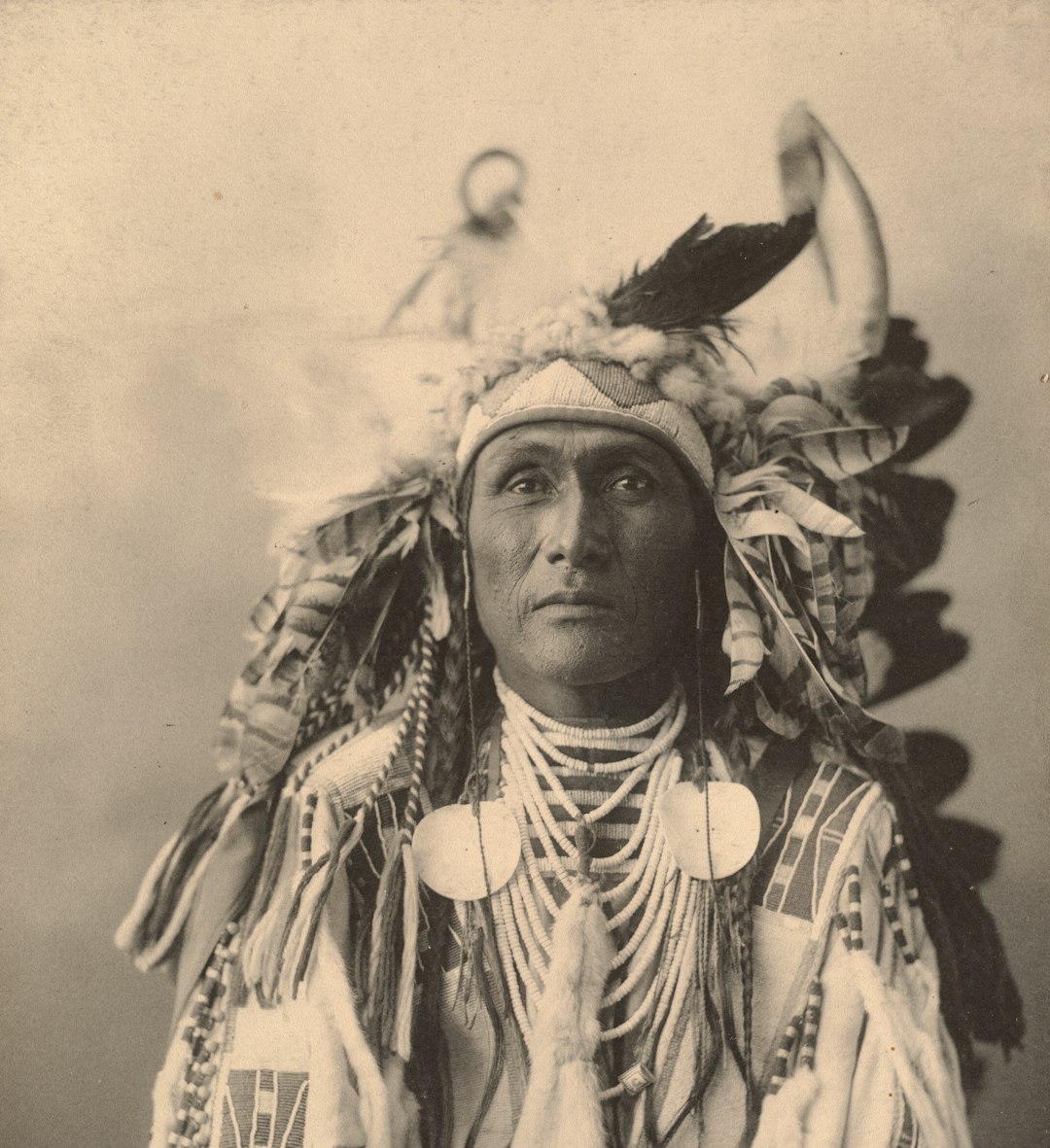
Diversity and Complexity of Indigenous Political Systems in North America Before Columbus

Introduction

The indigenous peoples of North America before Columbus were diverse in their cultural practices and political systems. There was no single system of government that was universally practiced among the various tribes and nations. Moreover, there were some commonalities in the ways that many indigenous societies governed themselves. The indigenous peoples of North America had diverse and complex political systems that were shaped by their unique cultures and environments.

These systems varied greatly across tribes and regions, but all shared a deep respect for nature and a strong sense of community. However, the arrival of European colonizers in the Americas brought significant changes to Indigenous political systems. Forced assimilation and the imposition of foreign governance structures disrupted traditional systems and caused significant harm to Indigenous communities. Today, many Indigenous nations are working to revitalize their traditional governance systems and regain sovereignty over their lands and resources.

Native American’s Indigenous Political Systems: An Overview

The political systems of Indigenous Peoples in North America before Columbus were diverse and complex. There was no single governing system or structure that could be applied across all tribes and nations. Instead, each group had its own unique approach to governance and decision-making. Some Indigenous communities were led by chiefs or councils of elders, while others had more egalitarian systems in which decisions were made by consensus. In some cases, women held positions of power and played significant roles in decision-making.

Additionally, the relationship between different Indigenous communities varied greatly. Some groups engaged in trade and alliances with neighboring tribes, while others were in conflict and engaged in warfare. Overall, the diversity and complexity of Indigenous political systems highlights the rich and varied cultures of North America’s original inhabitants. Understanding these systems is important in recognizing the historical and ongoing impacts of colonization on Indigenous communities and their struggle for self-determination.

Furthermore, Indigenous political systems were often interconnected with their spiritual and social practices. For many tribes, the land was not just a physical space, but a sacred entity with its own spirits and energies. This meant that decisions regarding the land and its resources were often intertwined with spiritual beliefs and practices. In addition, many Indigenous communities had strong social structures that were closely tied to their political systems. Clan systems, for example, were common in many tribes and played a role in determining leadership and decision-making.

Consensus-Based Decision Making in Indigenous Political Systems

One common feature of indigenous political systems was the emphasis on consensus-based decision making. Tribal councils or other forms of collective decision-making bodies were common, and decisions were made through a process of discussion and debate until a consensus was reached. This ensured that the interests and perspectives of all members of the community were taken into account, and that decisions were made in the best interest of the group as a whole.

The Role of Leadership by Example in Native American Governments

Another feature of indigenous political systems was the importance of leadership by example. Leaders were expected to be models of ethical behavior and to demonstrate their commitment to the well-being of the community through their actions. They were not seen as rulers with absolute power, but rather as servants of the people who were entrusted with the responsibility of leading the community in a good way.

Women’s Contributions to Political Life in Indigenous Societies

The role of women in indigenous political systems varied depending on the tribe or nation. In some societies, women held positions of leadership and were involved in decision-making processes. In others, women played important roles in the spiritual and economic life of the community, but had less influence in political affairs. However, in many indigenous societies, the contributions of women were highly valued and respected.

Consensus Building among the Kith and Kin

In some cases, indigenous political systems were organized around kinship networks. Leaders were chosen based on their family ties to other members of the community, and decisions were made through a process of consultation and consensus building among the various kin groups.

It is important to recognize that these are broad generalizations, and that the political systems of indigenous societies were highly diverse and complex. There were countless variations in the ways that different tribes and nations organized themselves politically, and these systems evolved over time in response to changing social, economic, and environmental conditions.

Conclusion

The indigenous peoples of North America before Columbus used a variety of political systems that were characterized by consensus-based decision making, leadership by example, and varying degrees of involvement by women. These systems were highly diverse and complex, and reflected the unique cultural and historical experiences of each tribe and nation. The diversity and complexity of Indigenous political systems in North America before Columbus is a testament to the richness and resilience of Indigenous cultures.

Indigenous peoples of North America before Columbus had a diverse and complex political system, and their mastery of the environment allowed them to flourish. Their knowledge, practices, and traditions were passed down through generations and have continued to shape their communities today. It is important to recognize and celebrate their contributions to society and to learn from their wisdom in order to build a more sustainable and just world for all.