Categories
W1 World

Why Communism Works: A Brutal Satire of Utopian Promises, Totalitarian Realities

Introduction: The Price of Utopia

Communism, in its ideal form, promises a classless, stateless society built on cooperation and equality. It offers a dream of shared resources, the abolition of exploitation, and freedom from capitalist oppression. But history tells a darker tale. In practice, this utopian vision often gives rise to authoritarian regimes, mass suffering, and horrifying loss of life.

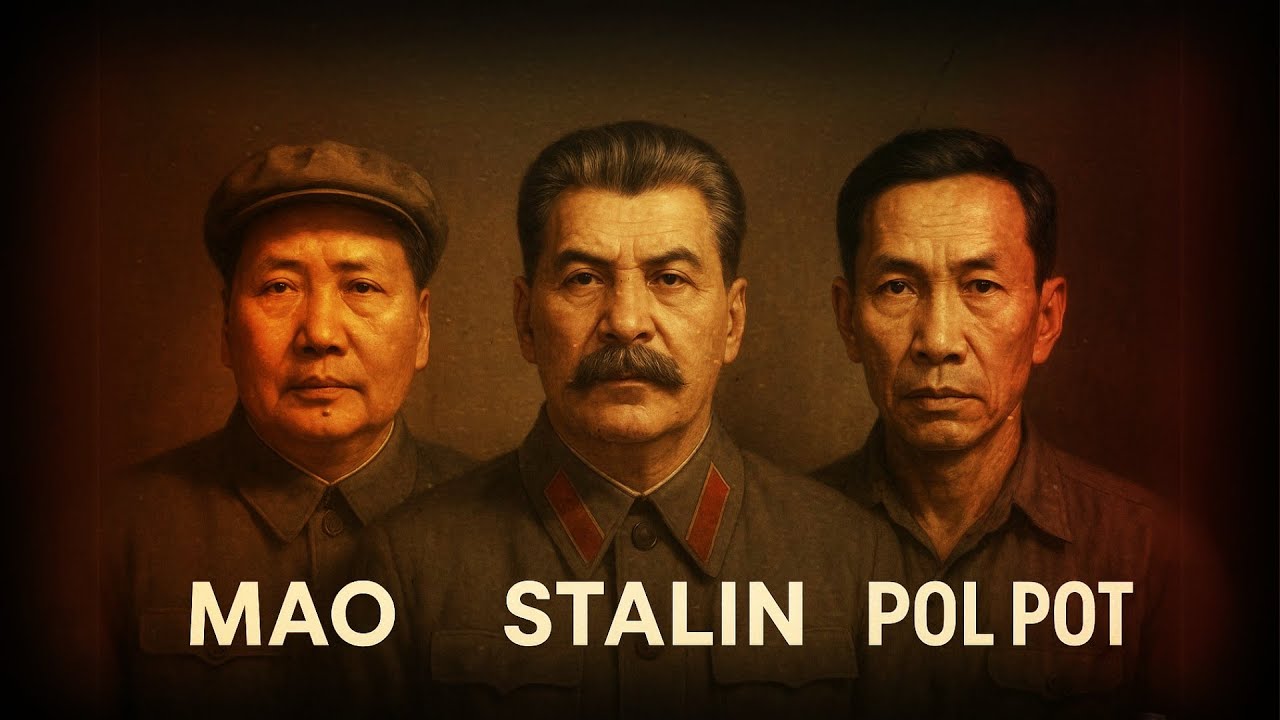
Through the brutal legacies of Stalin, Mao, and Pol Pot, we explore why communism—when turned into policy—so often collapses into tyranny. This article does not present a nuanced philosophical discussion; instead, it delivers a harsh, fact-based indictment of the historical outcomes of unchecked communist rule.

Stalin’s Soviet Union: Terror Behind the Curtain

Joseph Stalin’s reign over the Soviet Union from the 1920s to the 1950s is one of the bloodiest chapters in modern history. Rising to power after Lenin’s death, Stalin transformed the USSR into a totalitarian state through relentless purges, forced collectivization, and a cult of personality. The infamous Great Purge of the 1930s saw millions arrested, exiled, or executed under false pretenses. Even top Communist Party members and military leaders were not safe. Stalin weaponized fear to eliminate opposition, real or imagined.

Meanwhile, the forced collectivization of agriculture led to the Holodomor—an artificial famine in Ukraine that killed millions. Grain quotas were enforced with brutality, and dissenters were sent to gulags, Soviet labor camps infamous for inhumane conditions and staggering death rates. Stalin’s policies left the USSR industrialized but at the cost of tens of millions of lives. His version of communism traded freedom for fear and ideology for iron-fisted control. Any dream of equality was buried beneath the weight of state terror.

Mao’s China: Utopia Through Starvation

Mao Zedong promised a revolutionary new era for China—an end to imperialism, poverty, and inequality. Instead, he unleashed one of the deadliest social engineering experiments in history. His Great Leap Forward (1958–1962) sought rapid industrialization and agricultural reform by mobilizing peasants into communes and redirecting labor from farms to steel production. The result was catastrophic. Poor planning, inflated grain reports, and state propaganda led to mass famine. An estimated 30 to 45 million people died—many from starvation, others from execution or overwork.

But Mao didn’t stop there. In 1966, he launched the Cultural Revolution to purge capitalist and traditional elements from Chinese society. Red Guards—radical youth militia—were encouraged to attack intellectuals, destroy historical artifacts, and denounce their own families. Schools shut down. Chaos reigned. Thousands were killed, millions persecuted. Mao’s vision of communism consumed the very people it claimed to liberate. His legacy is a haunting reminder of the dangers of unchecked ideological zeal.

Pol Pot and the Khmer Rouge: Back to Year Zero

Pol Pot’s Khmer Rouge regime in Cambodia (1975–1979) took communist extremism to its most horrific extreme. Inspired by Maoist thought, Pol Pot envisioned an agrarian utopia, free from modernity, class distinctions, and even money. To realize this dream, he emptied cities, abolished currency, and forced urban dwellers into slave labor in the countryside. Intellectuals, professionals, and those who wore glasses were deemed enemies of the revolution.

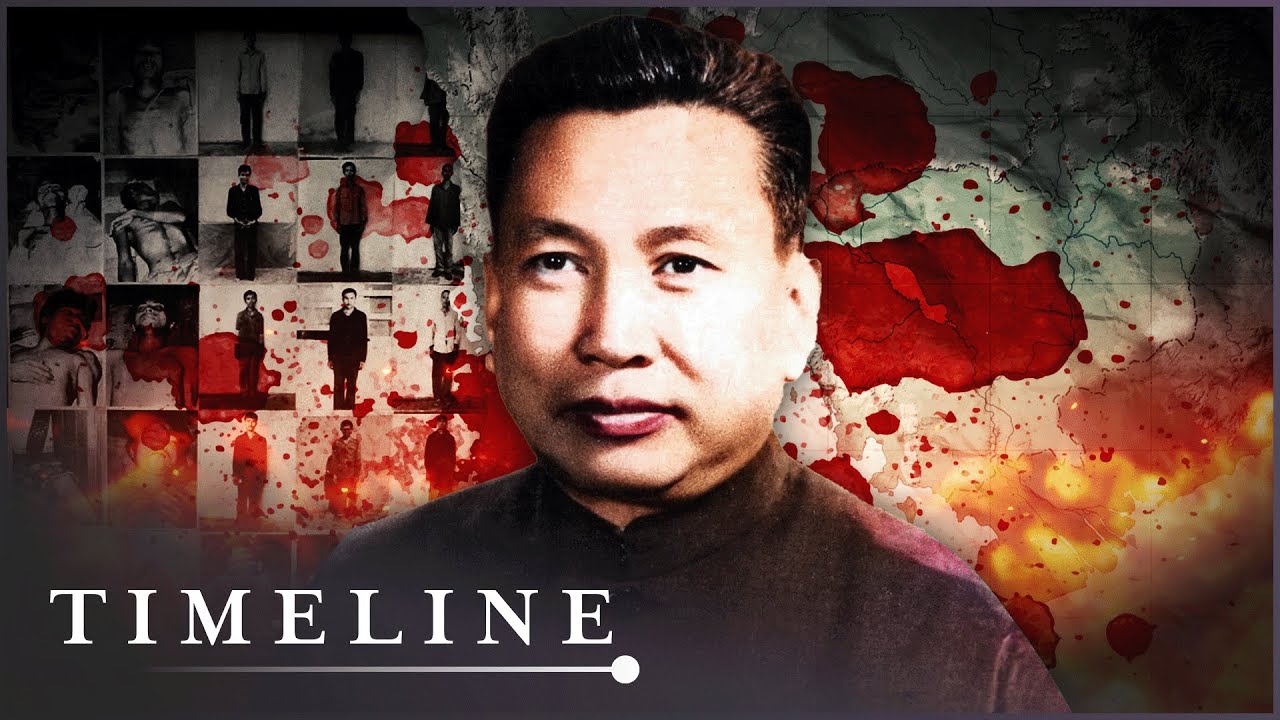
What followed was genocide. Nearly a quarter of Cambodia’s population—about 1.7 to 2 million people—died from execution, starvation, disease, or overwork. The Tuol Sleng prison in Phnom Penh became infamous for torture and mass murder. Families were torn apart, religion was banned, and any sign of individuality was punished. Pol Pot’s vision of perfect equality produced unparalleled suffering. The Khmer Rouge collapsed only when Vietnam invaded and overthrew the regime in 1979, revealing a nation devastated by ideology-driven brutality.

Why “Real Communism” Always Fails

Defenders of communism often insist that the ideology has simply never been implemented “correctly.” But history suggests a different pattern: the systemic suppression of dissent, economic mismanagement, and human rights abuses appear consistently wherever communism has been tried at a national scale. Centralized planning eliminates competition and innovation. The promise of equality becomes a justification for silencing individual thought and enforcing conformity. Authoritarianism fills the power vacuum left by the dismantling of democratic institutions.

Every major communist regime has relied on propaganda, censorship, and state terror to maintain control. These aren’t accidents or betrayals of the doctrine—they are symptoms of the doctrine’s flaws when applied in the real world. The dream of a classless paradise becomes a nightmare precisely because of the unchecked power that the ideology demands. When the state owns everything, dissent becomes treason. True progress demands not blind faith in utopia, but critical thought, historical awareness, and unwavering respect for human dignity.

The Modern Myth and Its Appeal

Despite its grim history, communism still finds supporters today, often among those disillusioned with capitalism or inequality. The appeal of its promises—free healthcare, housing for all, and the end of poverty—is undeniable. But these ideals obscure the cost. The romanticization of revolution can blind people to the realities of authoritarian rule. In today’s polarized political climate, it’s more important than ever to confront history honestly and critically.

The ghosts of the 20th century’s failed revolutions should not be forgotten. Their stories serve as warnings about the seductive power of ideology and the danger of mistaking slogans for solutions. While reform is necessary in every society, extremism—whether economic, political, or ideological—inevitably breeds oppression. Only by remembering these dark chapters can we safeguard future generations from repeating the same catastrophic mistakes.

Conclusion: Never Again Forgotten

Communism, as practiced in the 20th century, promised freedom and delivered chains. The regimes of Stalin, Mao, and Pol Pot represent cautionary tales, not blueprints for justice. Their legacies should be studied not to revive their ideals, but to understand the horrors that arise when ideology overrides humanity.

This is why communism “works every time”—not in building utopias, but in creating suffering. The facts speak louder than any revolutionary chant. Let history be a mirror, not a blueprint. History has shown that when ideology overrides humanity, the cost is always measured in lives lost and freedoms destroyed.

Categories
W3 World

Journey Through the Lost World: Pol Pot, the Khmer Rouge, and Cambodia’s Enigmatic Jungles

Introduction

Cambodia, a land shrouded in impenetrable jungles and ancient ruins, has captivated the imaginations of adventurers for centuries. With a history where kings ascended to god-like status and monks sought heavenly peace, this mysterious country is now beginning to reveal its dark beauty. However, hidden within its depths lies a haunting chapter in history—the Khmer Rouge regime, which held sway over Cambodia for more than 30 years, isolating the jungles from the modern world.

This article delves into the enigmatic landscapes, explores the Khmer Rouge stronghold, and sheds light on the need to protect both the forests and the endangered wildlife that inhabit them. Though the journey through the jungles and along the river may be challenging, it is a voyage that bears great significance.

Pol Pot and the Cambodian Jungles

Pol Pot, the infamous leader of the Khmer Rouge, had a complex relationship with the jungles of Cambodia. Born Saloth Sar, Pol Pot was drawn to the ideologies of communism and revolutionary ideals. As he rose to power, he saw the jungles as a strategic advantage, using their dense vegetation and isolated terrain to establish strongholds and hideouts for his militant group. The jungles provided a natural barrier against external threats and allowed the Khmer Rouge to operate with relative secrecy, away from the prying eyes of the outside world.

For over three decades, the jungles became synonymous with the reign of terror unleashed by Pol Pot and his regime. However, the jungles also held a symbolic significance for Pol Pot. They represented a return to a mythical, agrarian utopia where he believed Cambodia’s true identity could be restored. Pol Pot envisioned a radical transformation of Cambodian society, uprooting urban populations and forcing them into labor camps in the countryside.

Pol Pot believed that by cutting off ties with the outside world and returning to an agrarian society, Cambodia could achieve a self-sufficient and egalitarian utopia. The jungles became both a physical and ideological backdrop for his vision, as he sought to mold Cambodia according to his radical communist principles, leaving a legacy of destruction and devastation in his wake.

The Enigma of the Khmer Rouge

To truly comprehend the legacy of the Khmer Rouge, one must venture deep into the Cambodian jungles and encounter those who were once part of this militant group. By engaging with former Khmer Rouge militants, it becomes possible to penetrate the last bastions of their regime and witness the remnants of their dark reign. The journey culminates in a visit to the final resting place of one of history’s most ruthless killers—Pol Pot.

This experience offers a chilling glimpse into the atrocities committed under the Khmer Rouge and serves as a solemn reminder of the need to confront and learn from the horrors of the past. It is through these haunting encounters in the jungle that we gain a deeper understanding of the devastating impact of Pol Pot and the Khmer Rouge, ensuring that their atrocities are not forgotten and that history is not repeated.

Khmer Rouge: The Arduous Journey

Embarking on a journey through the Cambodian jungles is no easy feat. The treacherous terrain and dense vegetation present numerous challenges, testing the limits of physical endurance and mental fortitude. However, the difficulties faced along the way are not in vain. Each step taken into the heart of these jungles unravels a forgotten world, unveiling the historical significance and the deep scars left by the Khmer Rouge regime.

The journey becomes an act of remembrance, a testament to the resilience of the Cambodian people, and a commitment to ensuring that such atrocities never recur. Exploring the lost world of the Khmer Rouge is a profound experience that confronts the dark chapters of human history.

It serves as a powerful reminder of the importance of understanding the past, acknowledging the victims, and working towards a future of peace and reconciliation. By shedding light on the atrocities committed during this tragic period, we pay homage to the countless lives lost and honor the resilience of the survivors.

Preserving the Forests and Wildlife

Amidst the jungles of Cambodia, a battle is being waged to protect the precious forests and the diverse wildlife that calls them home. These ecosystems, which have thrived in isolation for years, are now threatened by deforestation and illegal poaching. The trek through the jungles and along the river serves as a poignant reminder of the urgent need to preserve these fragile habitats.

By safeguarding the forests, we not only protect the endangered wildlife but also ensure the ecological balance that sustains the beauty and biodiversity of this remarkable land. It is our responsibility to stand as guardians of these pristine jungles, preserving them for future generations to appreciate and ensuring that the dark history of the Khmer Rouge does not overshadow the importance of environmental conservation.

Conclusion

Cambodia’s impenetrable jungles hold secrets that have long fascinated adventurers, but they also bear witness to a harrowing chapter in history—the Khmer Rouge regime and the Cambodian genocide. Venturing into these jungles unveils the remnants of this dark past and emphasizes the urgent need to protect the forests and the endangered wildlife within.

The journey through the jungles and along the river is a testament to the strength of the Cambodian people and their determination to confront the past while shaping a brighter future. As we delve into the lost world of the Khmer Rouge, we are reminded of the importance of remembrance, preservation, and the pursuit of justice.