Categories
W1 World

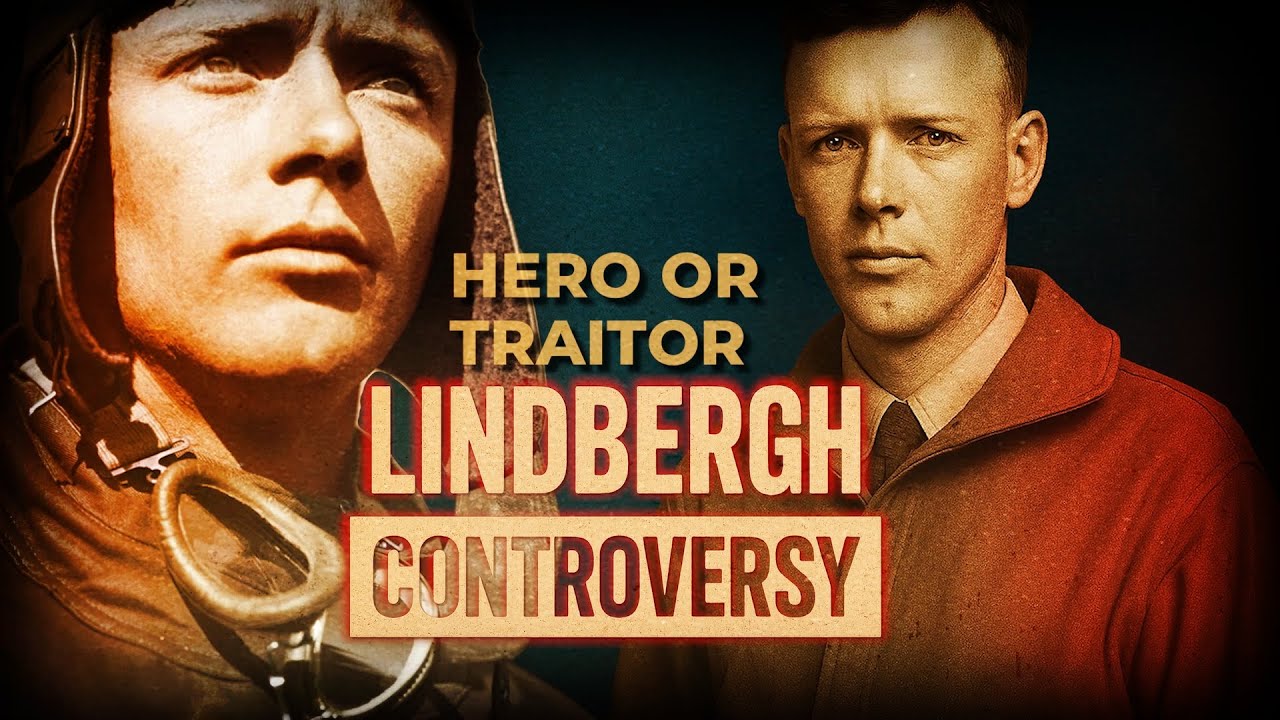
The Fall of Charles Lindbergh: From Celebrated Hero to Controversial Pariah, Nazi Sympathizer

Introduction: America’s Tarnished Icon

Charles Lindbergh, the legendary aviator who captured the hearts of millions with his solo flight across the Atlantic, was once celebrated as a national hero. His 1927 achievement, flying from New York to Paris, not only made him an international icon but also symbolized the American spirit of adventure, determination, and progress. Yet, just a decade after this monumental achievement, Lindbergh’s reputation began to unravel, as his controversial political beliefs, alleged sympathies with Nazi Germany, and antisemitic remarks turned him from a beloved hero into a figure of national disgrace.

In this article, we explore the rapid fall of Charles Lindbergh, examining the ties that led to his association with controversial political movements and exploring the truth behind his actions and beliefs during a critical period in American history. Charles Lindbergh’s transformation from a national hero to a deeply polarizing figure is a tale of betrayal, disillusionment, and the complexities of patriotism.

Lindbergh’s Heroic Rise to Fame

Charles Lindbergh’s fame began in 1927 with his groundbreaking transatlantic flight. The 25-year-old pilot made history by flying nonstop from Roosevelt Field in New York to Le Bourget Field near Paris, covering 3,600 miles in a 33.5-hour journey. This feat, which earned him the Orteig Prize, made him the first person to complete a solo transatlantic flight, an achievement that was hailed as one of the greatest in aviation history.

The accomplishment not only made Lindbergh a household name but also captured the imagination of the American public, who saw in him a symbol of the nation’s technological prowess and pioneering spirit. With his success, Lindbergh became the embodiment of American exceptionalism, receiving accolades from across the globe and becoming a model for the American youth of the time.

But as quickly as he rose to fame, Lindbergh would see his image transform from that of a hero to one associated with controversy and suspicion.

Political Shifts and America First

In the 1930s, as the world moved toward World War II, Lindbergh’s political views began to shift in a direction that would cast a shadow over his previously untarnished image. An outspoken critic of American involvement in the conflict, Lindbergh became heavily involved in the America First Committee (AFC), a political organization that advocated for the United States’ neutrality and opposed intervention in Europe’s escalating war.

While many Americans sympathized with the committee’s anti-war stance, Lindbergh’s involvement in the AFC eventually led to much deeper controversies. His outspoken opposition to President Franklin D. Roosevelt’s foreign policies and his frequent criticism of the growing involvement of the United States in global affairs made him a target for criticism. But what truly set Lindbergh apart from other isolationists was the nature of his rhetoric and his increasing alignment with far-right political groups, which was seen by many as dangerous and irresponsible.

Ties to Nazi Germany and Controversy

One of the most contentious aspects of Lindbergh’s post-aviation career was his alleged sympathy toward Nazi Germany. Lindbergh’s public speeches during the late 1930s and early 1940s raised suspicions about his political leanings, particularly his admiration for Germany’s achievements in aviation and his criticism of British policies.

In 1939, Lindbergh traveled to Germany as part of a fact-finding mission, where he met with high-ranking Nazi officials, including Hermann Göring, the head of the Luftwaffe. Lindbergh’s visit to Germany, combined with his positive remarks about the country’s technological advancements, fueled accusations that he was aligning himself with Nazi ideology. His stance appeared to contrast sharply with the more widely held American position, which was growing increasingly hostile toward the Nazi regime.

During his speeches for the America First Committee, Lindbergh repeatedly praised Germany’s military buildup, suggesting that the United States should learn from Nazi technological advancements. He also expressed concerns about the influence of Jewish organizations in the U.S. government, further deepening his association with far-right groups.

Antisemitism and Divisive Remarks

One of the most damaging aspects of Lindbergh’s legacy was his alleged antisemitism. While Lindbergh was not openly hostile toward Jews in the way that Nazi leaders were, his comments and actions left a trail of suspicion. He was particularly vocal in his criticism of Jewish organizations that lobbied for U.S. intervention in World War II, claiming that these groups were driving the United States into war for their own interests.

In a 1941 speech in Des Moines, Iowa, Lindbergh stated: “We, and we alone, are the ones who should be making decisions about this country’s involvement in war.” He further blamed “the Jewish race” for pushing America toward conflict with Germany. These remarks sparked outrage, with many accusing him of being a covert antisemite who used his platform to promote discriminatory views.

While Lindbergh’s defenders later argued that he was simply expressing concern about the power of foreign influence in American politics, there was little doubt that his rhetoric had crossed a line. His words helped solidify his association with the far-right and cast a shadow over his legacy.

The Hero’s Sudden Fall from Grace

Lindbergh’s fall from grace was not swift; it was a gradual erosion of the public’s trust. His political views, including his alignment with the America First Committee and his criticisms of the U.S. government’s foreign policies, alienated many of his former supporters. However, it was his associations with Nazi Germany and his controversial remarks about Jewish Americans that ultimately tarnished his reputation beyond repair.

As the United States entered World War II following the attack on Pearl Harbor in December 1941, Lindbergh’s isolationist views became increasingly irrelevant. He was banned from making public speeches, and his reputation as a hero was deeply marred. The man who had once been hailed as a symbol of American courage and achievement now faced widespread scorn and distrust.

Redemption and Lasting Impact

In the years following the war, Lindbergh attempted to rehabilitate his image. He continued his career in aviation, working as a consultant for the U.S. government and participating in scientific and environmental causes. He even sought to distance himself from his past associations with Nazi Germany, writing a memoir in which he defended his wartime actions and sought to explain his earlier views.

Despite these efforts, Lindbergh’s reputation was never fully restored. His legacy remains deeply complicated, and he continues to be a polarizing figure in American history. Some view him as a tragic hero who was undone by his misguided political beliefs, while others see him as a symbol of betrayal and tarnished ideals.

Conclusion: From Hero to Pariah

The rise and fall of Charles Lindbergh serves as a cautionary tale about the dangers of ideological extremism and the fragility of public opinion. The aviator who once symbolized American innovation and bravery became, in the eyes of many, a symbol of misguided nationalism, antisemitism, and political hubris. His tarnished legacy is a reminder that even the brightest heroes can fall from grace when their actions and beliefs are called into question.

As time passes, Lindbergh’s contributions to aviation history remain significant, but his political views and controversial associations continue to overshadow his achievements. Ultimately, Lindbergh’s fall from grace is a tragic chapter in the story of American iconography—a reminder that heroes can fall, and once the pedestal is knocked down, the consequences can be far-reaching.

Categories
W5 World

The Social Media Revolution: Transforming the Way We Connect and Communicate

Introduction

The Age of Social Media, which began in the early 21st century, has revolutionized the way people interact and consume information. Social media platforms have transformed how individuals connect with each other, share their opinions, and engage with news and entertainment content. This article will examine the origins and societal impact of social media, as well as the challenges and threats it poses to humanity.

The Age of Social Media: An Overview

The Age of Social Media, which started in the early 21st century, has transformed the way people communicate and consume information. The widespread use of social networking platforms has led to significant changes in social dynamics, cultural norms, and political discourse. As social media continues to evolve and expand, it is essential to understand its origins, impact, and future implications for society. The rise of social media has also brought about significant changes in the way businesses and organizations operate.

With the ability to reach a large audience quickly and easily, social media has become a powerful marketing and advertising tool. It has also given rise to new business models, such as influencer marketing and e-commerce platforms. Additionally, social media has become a platform for political activism and social movements, with people using it to raise awareness and advocate for causes. However, social media has also been criticized for promoting misinformation and fake news, and for contributing to issues such as cyberbullying and online harassment.

Origins of Social Media

Social media platforms like Facebook, Twitter, and Instagram have become an integral part of modern life. But how did social media come about? The origins of social media can be traced back to the development of the internet itself. The World Wide Web was created in the late 1980s as a way for researchers to share information, and by the mid-1990s, it had become a popular tool for communication and commerce.

The first social networking site, Six Degrees, was launched in 1997. This platform allowed users to create a profile and connect with other users. However, it was not until the launch of MySpace in 2003 that social media began to gain significant traction. MySpace was a platform that allowed users to create personalized profiles, connect with friends, and share music and other content.

Impact on Society

Social media has had a profound impact on society, both positive and negative. On the positive side, social media has made it easier for individuals to connect with each other regardless of location, which has led to the formation of online communities centered around shared interests. Social media has also made it easier for businesses to reach new customers and has democratized access to information.

However, social media has also had negative effects on society. The spread of fake news and misinformation has become a major concern, as social media platforms have allowed rumors and propaganda to spread rapidly. Social media has also been criticized for its role in perpetuating cyberbullying and online harassment.

Challenges and Threats

Social media presents a range of challenges, from the spread of misinformation to issues of privacy and security. Social media platforms have struggled to balance the need for free expression with the need to protect users from harmful content. As a result, platforms like Facebook and Twitter have implemented measures like content moderation and fact-checking to try and mitigate the spread of false information and hate speech.

Another challenge is the impact of social media on mental health. Studies have shown that excessive social media use can lead to anxiety, depression, and feelings of isolation. Social media has also been linked to addiction, as users often feel compelled to constantly check their feeds and notifications. Additionally, social media poses various threats, including cyberbullying, fake news, privacy violations, addiction, and the spread of extremist ideologies.

Conclusion

The Age of Social Media has had a significant impact on modern society. While social media has enabled people to connect and share information in new ways, it has also presented challenges like the spread of misinformation and the negative effects on mental health. As social media continues to evolve and shape our world, it is important to consider the impact it has on our lives and take steps to address the challenges it presents.

FAQs

What is the age of social media? The age of social media refers to the period of time starting from the early 21st century when there was a significant advancement in online communication and the widespread availability of social networking platforms.

How has social media impacted our lives? Social media has significantly changed the way we interact with each other, consume information, and share our personal experiences. It has also led to the rise of social media influencers, online activism, and digital marketing.

What are the benefits of social media? Social media has made communication faster and more convenient, making it easier to connect with friends and family across the world. It has also provided a platform for people to voice their opinions and raise awareness about important social issues.

What are the challenges of social media? The challenges of social media include issues related to privacy, online harassment, cyberbullying, and the spread of fake news and misinformation. It has also been associated with addiction, anxiety, and other mental health problems.

References

  • Impact of social media on society, culture, and politics
  • Social media addiction and its consequences
  • Privacy concerns in the age of social media
  • Role of social media in shaping public opinion and activism
  • Business opportunities and challenges in social media marketing
  • Social media influencers and their impact on consumer behavior
  • Cyberbullying and online harassment on social media platforms
  • Misinformation and fake news spread through social media
  • Effects of social media on mental health and well-being
  • Social media marketing to boost engagement and reach