Categories
W1 World

The Formative Years of Napoleon Bonaparte: From Corsican Roots to the Rise of an Emperor

Introduction

From his birth in the Corsican capital of Ajaccio in August 1769, Napoleon Bonaparte seemed destined for greatness. Despite this grand destiny, his early years were far from extraordinary, and like many figures of historical renown, his childhood was riddled with struggles. His journey from a troubled childhood to becoming one of the most influential military leaders in history is not only remarkable but also a testament to his determination, intellect, and adaptability.

Corsica: A Place of Identity and Conflict

Napoleon was born just a year after Corsica had been annexed by France, following years of struggle for independence. This shift played a profound role in shaping young Napoleon’s early life. His father, Carlo Buonaparte, was a lawyer and minor noble who had initially supported Corsican independence but later shifted allegiances to France after the annexation. Napoleon’s early identity was shaped by this duality—being Corsican yet part of the French Empire.

This sense of cultural conflict stayed with Napoleon throughout his early years. He spoke Corsican as his first language, and his early interactions with French-speaking peers often left him feeling like an outsider. Despite the family’s minor nobility status, they were not particularly wealthy, and Napoleon’s accent and Corsican heritage marked him as different in the French schools he would later attend.

Early Education: A Time of Isolation and Hardship

At the age of nine, Napoleon left Corsica to attend a prestigious military academy in mainland France, the Royal Military Academy of Brienne. This transition was difficult for him. Isolated from his family, and with limited command of the French language, Napoleon struggled to fit in. He faced bullying from his peers due to his Corsican origins and provincial accent. These early experiences of alienation would shape his later personality, giving rise to the resilience and ambition that became defining traits.

Although he was not the most popular student, Napoleon excelled academically, particularly in subjects like mathematics and military history. These subjects would later become critical to his success as a military strategist. His performance at Brienne led to an opportunity to attend the prestigious École Militaire in Paris, where he completed his studies in just one year, a record pace.

Despite excelling academically, Napoleon often felt inferior due to his social standing and lack of wealth compared to many of his aristocratic classmates. His family’s modest means placed him at a disadvantage, and this class disparity left him feeling a deep sense of resentment. These feelings would fuel his later determination to rise above his peers and claim a place in history.

Early Life: Family Ties and Early Ambitions

Napoleon’s relationship with his family, particularly his mother Letizia Ramolino, played an important role in his early development. Letizia was a strict and disciplined woman, qualities that were passed down to her son. She instilled in him a sense of duty and resilience, traits that would serve him well in the turbulent world of military and political life.

Despite their relative poverty, the Buonaparte family was ambitious. Napoleon’s father, Carlo, ensured that his children received a solid education, recognizing that their future depended on it. Carlo’s death in 1785, when Napoleon was just 16, placed a heavy burden on the young man, who now found himself responsible for his family. This early sense of responsibility pushed Napoleon to pursue success with even greater fervor.

Napoleon’s early ambition was not limited to military conquest; he also harbored dreams of liberating Corsica from French rule. He briefly aligned himself with Corsican revolutionary leader Pasquale Paoli, but their relationship quickly soured, and Napoleon was forced to flee Corsica with his family. This disillusionment with Corsican nationalism marked a turning point in Napoleon’s life, as he began to fully embrace his French identity.

Early Military Career: The Rise of a Prodigy

Napoleon’s entry into the military was the making of him. Despite his small stature and unassuming presence, he quickly discovered a remarkable gift for leadership and strategy. His first taste of combat came during the French Revolution, where he fought for the revolutionary government and quickly rose through the ranks. His skills in artillery, a field often overlooked by other military officers, earned him early recognition.

By 1793, at the age of just 24, Napoleon had made a name for himself with his decisive role in the Siege of Toulon, a major victory for the revolutionary forces. His innovative use of artillery and keen strategic mind impressed his superiors, and he was promoted to brigadier general, a meteoric rise that marked the beginning of his illustrious career.

Rise to Power: The Influence of the French Revolution

The French Revolution played a pivotal role in shaping Napoleon’s early career. The chaos and upheaval of the time created opportunities for young and ambitious officers like Napoleon to distinguish themselves. His loyalty to the revolutionary cause was pragmatic, and he skillfully navigated the shifting political landscape to secure his rise to power.

Napoleon’s ability to form alliances and his deep understanding of the political and social currents of the time set him apart from his peers. He was able to exploit the instability of the revolution, first aligning himself with the radical Jacobins and then shifting his support as the political winds changed. This adaptability would later define his political career, enabling him to rise from a relatively obscure background to become Emperor of France.

Legacy of Early Struggles: The Making of a Leader

Napoleon’s early struggles, from his difficult childhood in Corsica to his isolation and hardship in French military schools, were instrumental in shaping the leader he would become. These experiences gave him a profound sense of determination and self-reliance, traits that would serve him throughout his military campaigns and political maneuverings.

While Napoleon’s military genius and political acumen are widely recognized, his early years are often overlooked. However, it was these formative experiences that forged his resilience, ambition, and keen strategic mind. His rise to power was not simply the result of luck or circumstance; it was the culmination of years of struggle and personal growth.

Conclusion

Napoleon Bonaparte’s early life was marked by adversity and struggle, but it was these very challenges that shaped him into one of history’s most formidable leaders. From his humble beginnings in Corsica to his rise through the ranks of the French military, Napoleon’s story is one of perseverance and ambition.

The early hardships he faced instilled in him the resilience and determination needed to conquer Europe and build an empire that would shape the course of history. His legacy endures, not just as a brilliant military commander, but as a man who overcame his childhood struggles to leave an indelible mark on the world.

Categories
W1 World

The Rosenberg Affair: Execution, Espionage, and the Legacy of Betrayal

In the annals of Cold War history, few cases are as emblematic of the era’s paranoia and espionage as that of Julius and Ethel Rosenberg. Accused of passing atomic secrets to the Soviet Union, they were convicted in 1951 and executed in 1953, leaving behind a legacy of controversy and debate. But to truly understand the Rosenberg case, one must delve into the murky depths of World War II’s most secretive project: the Manhattan Project.

The seeds of the Rosenberg case were sown during the height of World War II, amidst the frantic race to develop atomic weapons. The Manhattan Project, led by the United States, brought together some of the world’s brightest scientific minds in a quest for nuclear supremacy. Yet, the project was shrouded in secrecy, with only a select few privy to its inner workings.

In the backdrop of this clandestine endeavor lay the 1943 Quebec Agreement, a pivotal pact between the United States, Canada, and the United Kingdom. Under this agreement, these nations pooled their scientific resources, with Canada and the UK supplying vital personnel for the Manhattan Project. However, crucially, the Soviet Union was kept in the dark. The agreement underscored the prevailing atmosphere of distrust and secrecy that characterized the wartime alliance against the Axis powers.

But it was the 1944 Hyde Park Agreement, signed by British Prime Minister Winston Churchill and US President Franklin D. Roosevelt, that further solidified the veil of secrecy surrounding the Manhattan Project. This accord reaffirmed the commitment to keep atomic research strictly confidential, shielding it from prying eyes, even those of allied nations.

The rationale behind such secrecy was clear: to prevent the Axis powers, particularly Nazi Germany, from obtaining nuclear capabilities. However, the unintended consequence was the cultivation of an atmosphere of suspicion and paranoia that would persist long after the war’s end.

It was within this environment that Julius and Ethel Rosenberg, a working-class couple from New York City, became entangled in a web of espionage allegations. Both fervent supporters of leftist causes, they were drawn into the orbit of Soviet sympathizers and Communist Party members during the tumultuous years of the Red Scare.

The turning point came with the arrest of Klaus Fuchs, a German-born physicist who had worked on the Manhattan Project. In 1950, Fuchs confessed to passing atomic secrets to the Soviet Union, igniting fears of communist infiltration within the US government and scientific community. Fuchs’ revelations cast a shadow of suspicion over others involved in atomic research, including Julius Rosenberg, who had connections to leftist circles.

The subsequent trial of Julius and Ethel Rosenberg captivated the nation and sent shockwaves around the world. Prosecutors painted them as traitors who had betrayed their country by divulging classified information to America’s Cold War rival. Yet, the evidence against them was circumstantial at best, relying heavily on the testimony of witnesses with dubious credibility.

The Rosenberg case quickly morphed into a cause célèbre, with supporters rallying behind the couple and denouncing what they saw as a miscarriage of justice. To many, the trial epitomized the excesses of McCarthyism and the erosion of civil liberties in the name of national security.

Despite international outcry and appeals for clemency, Julius and Ethel Rosenberg were sentenced to death in 1951. Their execution by electrocution in 1953 marked the culmination of one of the most controversial chapters in American legal history.

Decades later, the legacy of the Rosenberg case continues to provoke heated debate and scholarly scrutiny. While some view them as martyrs persecuted for their political beliefs, others see them as willing collaborators who jeopardized national security for ideological ends.

What remains indisputable, however, is the pivotal role played by the Manhattan Project and its veil of secrecy in shaping the trajectory of the Rosenberg case. In their fervor to safeguard atomic secrets, US authorities inadvertently fueled the flames of suspicion and paranoia that engulfed Julius and Ethel Rosenberg, condemning them to a fate that continues to haunt the American conscience.

The aftermath of the Rosenberg case reverberated far beyond the courtroom. It contributed to a climate of fear and suspicion that pervaded American society throughout the Cold War era. The Red Scare intensified, with accusations of communist sympathies leading to widespread paranoia and the vilification of political dissenters.

Moreover, the case highlighted the ethical dilemmas inherent in the pursuit of national security. While the need to safeguard sensitive information was paramount, the methods employed to achieve this goal often infringed upon fundamental rights and principles of justice. The Rosenberg case serves as a stark reminder of the dangers posed by unchecked government power and the erosion of civil liberties in the name of security.

In recent years, new evidence has emerged that sheds further light on the Rosenberg case and calls into question the validity of their convictions. Declassified documents and testimonies have raised doubts about the extent of the Rosenbergs’ involvement in espionage and the fairness of their trial. These revelations have reignited debate over their guilt or innocence, fueling calls for a reevaluation of their legacy.

Regardless of where one stands on the guilt or innocence of Julius and Ethel Rosenberg, their case remains a cautionary tale about the perils of sacrificing freedom for security. It serves as a reminder of the fragility of democracy and the importance of upholding the principles of justice, even in times of crisis. As the world grapples with new threats and challenges in the 21st century, the lessons of the Rosenberg case continue to resonate, reminding us of the enduring struggle to balance security and liberty in an uncertain world.

Categories
W1 World

Unveiling the Enigmatic Encounter: The Girl in Georgia Who Communicated with the Dead

In the tranquil suburbs of Georgia, a peculiar tale unfurled, captivating the attention of locals and beyond. Andy and Lisa Wyrick found themselves in a realm where the boundaries between the seen and the unseen blurred, all because of their four-year-old daughter, Heidi, and her purported encounters with the departed.

It all began innocuously enough, as Heidi regaled her parents with tales of her imaginary playmates. Among them was “Mr. Gordy,” a spectral figure resembling an elderly man who delighted in pushing her on the swing. However, it was Heidi’s mention of “Con” that sent shivers down her parents’ spines—a description of a young man allegedly missing an arm and adorned with blood.

Lisa, perturbed by her daughter’s vivid imagination, confided in a neighbor about Heidi’s imaginary companions. To her astonishment, the neighbor revealed a startling revelation—both Mr. Gordy and Con were not figments of Heidi’s imagination but once-living residents of the area who had long since passed away.

The revelation plunged the Wyricks into a whirlpool of disbelief and fascination. How could Heidi, a mere child, have knowledge of individuals she had never met, let alone individuals who had departed from the realm of the living long before her birth?

As word of Heidi’s encounters spread, so too did speculation and intrigue. Some dismissed the phenomenon as mere childhood fantasy, attributing Heidi’s tales to an overactive imagination. Yet, others found themselves drawn to the possibility of a deeper, more profound explanation—one that transcended the boundaries of conventional understanding.

The Wyricks found themselves inundated with inquiries, both from curious neighbors and skeptical onlookers. Amidst the clamor, they grappled with their own internal turmoil—striving to reconcile their daughter’s inexplicable experiences with the rational confines of reality.

In their quest for answers, the Wyricks turned to experts in the realms of psychology, parapsychology, and the occult. Skeptics sought to debunk Heidi’s encounters through scientific scrutiny, attributing her tales to suggestibility or subconscious cues gleaned from her surroundings. However, others approached the phenomenon with an open mind, exploring the possibility of extrasensory perception or communication with the spirit world.

As the debate raged on, Heidi’s encounters continued unabated, defying attempts at rationalization. Each interaction with Mr. Gordy and Con seemed to deepen the mystery, as Heidi relayed details and insights that defied logical explanation.

For the Wyricks, Heidi’s experiences became a catalyst for introspection and spiritual exploration. They found solace in the possibility that their daughter possessed a unique gift—an ability to bridge the gap between the living and the dead, offering glimpses into realms beyond the comprehension of mortal minds.

Yet, with enlightenment came trepidation, as the Wyricks grappled with the implications of Heidi’s purported abilities. They found themselves torn between embracing the inexplicable and shielding their daughter from the scrutiny and skepticism of the outside world.

Amidst the speculation and debate surrounding Heidi’s encounters, one fact remained indisputable—the uncanny accuracy of her descriptions of Mr. Gordy and Con. Records confirmed that both individuals had indeed lived in the area, their lives and tragic ends aligning eerily with Heidi’s accounts. This verifiable connection served as a tantalizing thread linking the mundane with the mystical, prompting further inquiry into the enigmatic nature of Heidi’s communion with the departed.

In the end, the tale of the girl in Georgia who communicated with the dead remained shrouded in ambiguity. To some, it stood as a testament to the resilience of belief in the face of skepticism—a reminder that mysteries abound in the uncharted territories of human consciousness. To others, it served as a cautionary tale—a reminder of the dangers of delving too deeply into realms beyond our comprehension.

Regardless of interpretation, Heidi’s encounters left an indelible mark on those who bore witness to her inexplicable experiences. In a world governed by the tangible and the known, her tale served as a poignant reminder that truth, in all its myriad forms, is often stranger than fiction.

Categories
W2 World

Syphilis Through the Ages: Unraveling a Centuries-Old Medical Enigma

In the annals of medical history, few diseases have intrigued and confounded researchers as much as syphilis. A disease characterized by its devastating effects, it struck fear into the hearts of those it afflicted and puzzled physicians for centuries. The traditional narrative surrounding syphilis has long held that it was part of “the Columbian exchange” – a term used to describe the transfer of plants, animals, and diseases between the New World and the Old. According to this view, syphilis made its gruesome debut in Europe in 1495, arriving with Christopher Columbus and his crew upon their return from the Americas.

However, as the pages of history continue to be scrutinized and the archaeological record undergoes meticulous examination, a different narrative begins to emerge. It challenges the conventional wisdom, suggesting that syphilis may have been present in Europe long before Columbus set sail for the New World. In this exploration, we delve into the intriguing world of syphilis, tracing its enigmatic journey through time and geography.

The Arrival of Syphilis in Europe: A Paradigm Shift?

Historically, it was believed that syphilis was unknown to Europeans until the late 15th century. The popular theory held that Columbus and his crew contracted the disease during their voyages to the Americas and unwittingly introduced it to the Old World upon their return. This narrative seemed plausible, given the catastrophic impact syphilis had on Europe during the 1495 outbreak. Its rapid spread across the continent spared no one, from paupers to princes, and its effects were nothing short of devastating.

Challenging the Conventional View: The Evidence of Syphilis in Europe

However, recent archaeological findings and a reevaluation of historical records have raised intriguing questions about the traditional view of syphilis’s origin. Evidence of syphilis has been uncovered in skeletal remains from sites in France, Italy, and England that predate Columbus’s voyages. Perhaps most compelling are the signs of the disease found in bones from a medieval graveyard in Hull, England. These skeletal remains bear the unmistakable marks of syphilis, suggesting that the disease was indeed present in Europe before Columbus’s historic journeys.

The Syphilis Enigma: Why Did the 1495 Outbreak Appear So Deadly?

If syphilis was not entirely new to Europe, as the evidence indicates, a puzzling question arises: why did the 1495 outbreak appear so deadly, and why did it grip Europe as if it were an entirely new plague? This enigma has confounded historians and scientists alike. Some theories propose that the strain of syphilis brought back by Columbus and his crew may have been more virulent or different in some way from the strains already present in Europe.

Unraveling the Syphilis Puzzle: A Complex Medical Mystery

The story of syphilis is a complex and multifaceted medical mystery that continues to captivate researchers. Its origins, transmission, and the factors that fueled its deadly outbreaks remain subjects of intense study. As scientists delve deeper into the genetic and historical evidence, the true story of syphilis may gradually come to light.

Syphilis’s Role in Advancing Medicine

The emergence of syphilis in Europe, whether as a result of the Columbian exchange or preexisting presence, had a profound impact on the development of medical knowledge. As the disease spread rapidly and afflicted people from all walks of life, physicians and scholars were compelled to study its symptoms, transmission, and potential treatments. This newfound urgency in the face of a deadly disease contributed to advances in medical science.

Throughout the centuries, medical practitioners conducted extensive research on syphilis, leading to breakthroughs in diagnosis and treatment. From the pioneering work of Paul Ehrlich, who introduced the first effective treatment with the discovery of Salvarsan in the early 20th century, to modern antibiotic therapies, the fight against syphilis propelled medical innovation.

The lessons learned from this enigmatic disease continue to shape our understanding of infectious diseases and underscore the importance of vigilance in the face of emerging health challenges. In the intricate tapestry of medical history, syphilis stands as both a grim reminder of the past and a testament to the resilience of human determination in the pursuit of knowledge and healing.

The Centuries-Old Legacy of Syphilis

Beyond the debates surrounding its origins, syphilis leaves behind a legacy of suffering and medical intrigue. Throughout history, countless individuals fell victim to its ravages, from ordinary citizens to rulers of nations. The quest to understand and ultimately conquer this relentless disease has driven medical progress and continues to inspire research into infectious diseases.

In conclusion, within the evolving narrative of syphilis, the disease that swept across Europe in 1495 remains a central enigma. While its introduction to Europe may have been more complex than previously thought, the impact of syphilis on human history cannot be denied. It serves as a stark reminder of the ever-evolving interplay between disease and human society, challenging our understanding of the past and the forces that shape it.

Categories
W4 World

The Enigma of Saint Peter: Unraveling the Mysteries of History’s First Pope

St. Peter is recognized as the first pope in the Roman Catholic Church, and he played a pivotal role in spreading Christianity throughout the Roman Empire. Despite his significance, there is much that remains unknown about the life and legacy of this religious leader. One of the most intriguing aspects of St. Peter’s story is the mystery surrounding his holy relics.

The relics of St. Peter have been the subject of much fascination and debate for centuries. According to tradition, St. Peter was martyred in Rome and buried on the Vatican Hill. In the 4th century, the Emperor Constantine ordered a basilica to be built on the site of St. Peter’s tomb, which became known as St. Peter’s Basilica. Over the centuries, various popes and religious figures have claimed to possess relics of St. Peter, including bones, teeth, and even his purported crucifixion nails.

The quest to locate and authenticate St. Peter’s relics has been ongoing for centuries. In the 16th century, Pope Paul V commissioned a team of experts to locate and identify the bones of St. Peter. The search was difficult, as the basilica had been built and rebuilt multiple times over the centuries, and there were conflicting accounts of the location of St. Peter’s tomb.

Eventually, in the 1940s, a team of archaeologists led by Monsignor Ludwig Kaas discovered a series of tombs beneath the basilica. One of these tombs was identified as St. Peter’s, and inside were bones that were believed to be those of the saint. The discovery was met with great excitement, and the bones were subjected to extensive testing and analysis.

However, not everyone was convinced that the bones were truly those of St. Peter. Some critics argued that the bones could have belonged to any number of individuals, and that the identification was based on circumstantial evidence at best. Despite these doubts, the Catholic Church officially declared the bones to be those of St. Peter in 1968.

The quest for St. Peter’s relics continues to this day, with new discoveries and controversies emerging regularly. In 2013, Pope Francis displayed a bone fragment that was said to be from St. Peter’s relics, but some experts argued that it could not be definitively linked to the saint. Other relics, including a purported piece of the saint’s brain, have also been discovered over the years.

The mystery of St. Peter’s relics speaks to the enduring fascination with this historical figure and the power of religious relics in general. For believers, relics offer a tangible connection to the past and a sense of spiritual closeness to revered figures like St. Peter. For skeptics, relics can be seen as objects of superstition and a reminder of the dangers of blind faith.

Despite the ongoing debates and controversies surrounding St. Peter’s relics, there is no denying the impact that this figure has had on the history of Christianity and the world as a whole. His teachings and legacy continue to inspire and guide millions of people around the globe, making him one of the most influential religious figures of all time.

St. Peter is one of the most important figures in Christianity. According to the New Testament, he was one of the twelve apostles chosen by Jesus of Nazareth to spread his teachings. He is often referred to as the “Prince of the Apostles” and is considered the first pope of the Catholic Church. Despite his prominent role in Christian history, much remains unknown about his life, including the details surrounding his death and burial.

There are various theories about how St. Peter died. According to tradition, he was crucified in Rome under the Emperor Nero in the mid-1st century AD. However, some scholars question the accuracy of this account, suggesting that it was a later invention meant to legitimize the papacy’s authority in Rome. Others propose that he may have died in Jerusalem, where he had been active in the early Christian community.

The location of St. Peter’s burial is also a matter of debate. According to tradition, he was buried on the Vatican Hill in Rome, where the Basilica of St. Peter now stands. In the 1940s, archaeologists discovered what was believed to be St. Peter’s tomb beneath the basilica, confirming the traditional belief that he was buried there. However, the discovery of two large archaeological sites in Rome and Israel has challenged this long-held belief.

The first site, known as the “Scavi,” is located beneath St. Peter’s Basilica. In the 1940s, Pope Pius XII authorized an excavation of the site in search of St. Peter’s tomb. The excavation team uncovered a small niche in a wall that contained bones and other artifacts dating back to the 1st century AD. Although the bones were not conclusively identified as St. Peter’s, they were consistent with the traditional belief that he was buried on the Vatican Hill.

The second site, located in Israel, is known as the “House of Peter.” It was discovered in the 1990s by an Israeli archaeologist named Amos Kloner. The site is believed to be the location of a 1st-century house that was used by St. Peter as a base for his missionary activities in the region. The discovery of the site has challenged the traditional belief that St. Peter never left Rome, suggesting that he may have also been active in the early Christian community in Israel.

The importance of St. Peter in the life of Jesus of Nazareth and the powers he was said to have are also a matter of debate. According to the New Testament, Jesus referred to Peter as the “rock” upon which he would build his church. Peter was also said to have been given the power to bind and loose sins, a power that has been passed down through the papacy. These claims have been a source of controversy and debate within the Christian community for centuries.

Today, the discoveries at the Scavi and the House of Peter have added a new twist to the mysteries surrounding St. Peter. They challenge long-held beliefs about his life and death, and raise new questions about his role in the early Christian community. Despite these new discoveries, St. Peter remains a central figure in Christian history and a symbol of the enduring power of faith.

In conclusion, the quest for St. Peter’s holy relics is a fascinating and ongoing chapter in the history of Christianity. The search for these relics has led to remarkable discoveries and controversies, and continues to capture the imaginations of believers and skeptics alike. Whether or not the relics are truly authentic, they remain a powerful symbol of the enduring legacy of this first pope and the impact that he had on the world.

Categories
W5 World

Saparmurat Niyazov, Turkmenbashi: The Unconventional Leader of Turkmenistan

Introduction

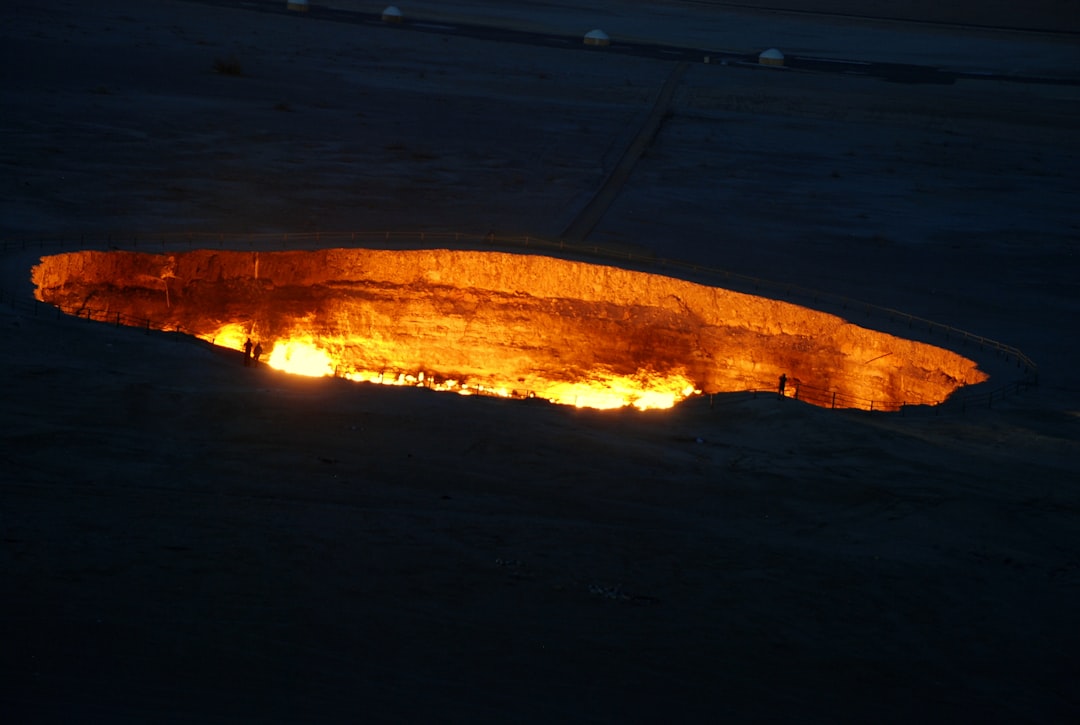
Turkmenbashi, which means “leader of the Turkmen,” was the nickname of Saparmurat Niyazov, the first president of Turkmenistan. He ruled the country with an iron fist for over two decades, from 1991 until his death in 2006. Despite being a dictator who had absolute control over the country, he was often portrayed as a benevolent leader who cared deeply for his people. The life and reign of Saparmurat Niyazov, better known as Turkmenbashi, provide a cautionary tale of the dangers of unchecked power and the cult of personality. This article looks at the legacy of Turkmenbashi and how his reign continues to shape the country today.

Saparmurat Niyazov’s Reign: An Overview

Saparmurat Niyazov, also known as Turkmenbashi, was a dictator who ruled Turkmenistan for more than two decades with an iron fist. He was known for his eccentric personality, grandiose projects, and repressive policies. This article delves into the life of Niyazov, from his humble beginnings to his rise to power and controversial reign as Turkmenistan’s leader. It examines his policies, including his cult of personality, suppression of political opposition, and ambitious infrastructure projects, and explores the impact of his rule on the people of Turkmenistan.

Under Niyazov’s rule, Turkmenistan became an isolated nation with strict controls on freedom of speech, the press, and the internet. Niyazov was known for his cult of personality and eccentricities, such as renaming months of the year after himself and his family members and erecting a gold statue of himself that rotated to always face the sun. Despite his oppressive rule, he was able to maintain popularity among some segments of the population through his emphasis on traditional Turkmen culture and his efforts to build up the country’s infrastructure.

Early Life and Rise to Power

Saparmurat Niyazov was born in 1940 in the town of Gypjak, which is now known as Turkmenbashi in his honor. He grew up in poverty and lost his parents at a young age. Despite his difficult upbringing, he excelled in school and eventually went on to study engineering in Leningrad (now St. Petersburg). After returning to Turkmenistan, he worked in various government positions before being appointed the head of the Communist Party in 1985. In 1991, Turkmenistan declared its independence from the Soviet Union, and Niyazov became the country’s first president.

Niyazov quickly consolidated his power, disbanded all opposition parties, and established a one-party state. He was re-elected as president in 1992 with over 99% of the vote, in an election that was widely criticized as rigged. Despite his humble beginnings, Saparmurat Niyazov rose to become one of the most powerful and oppressive leaders in Central Asia. His regime was marked by a personality cult, human rights abuses, and economic mismanagement, leaving a lasting impact on Turkmenistan even after his death. Although Niyazov faced criticism from human rights organizations and the global community, he still maintained a strong following among the Turkmen population who viewed him as a symbol of their national identity and source of pride.

The Cult of Turkmenbashi

Niyazov’s regime was characterized by an intense personality cult, with the president positioning himself as a father figure and protector of the Turkmen people. He renamed the months of the year after himself and his family members, and ordered the construction of numerous monuments and statues in his honor. He also wrote and published the “Ruhnama,” a book that was meant to serve as a moral guide for the Turkmen people. The book was required reading in schools and government offices, and those who failed to memorize it risked losing their jobs. Niyazov also banned ballet, opera, and circuses, claiming that they were “decadent” and had no place in Turkmen culture.

Niyazov’s personality cult extended beyond his own lifetime. After his death in 2006, his successor, Gurbanguly Berdimuhamedow, continued to maintain the cult of personality and uphold many of Niyazov’s policies. However, some changes were made, such as the reinstatement of the traditional names for the months of the year and the lifting of the ban on circus performances. Nevertheless, Turkmenistan remains one of the most repressive countries in the world, with limited freedoms and a lack of political opposition.

Human Rights Abuses

Despite his image as a benevolent leader, Niyazov’s regime was marked by widespread human rights abuses. The government tightly controlled the media and cracked down on dissent, with critics and opposition figures being imprisoned, tortured, or killed. The country’s secret police, known as the National Security Committee, was notorious for its brutality. Niyazov also implemented policies that were detrimental to the country’s economy and social fabric. He banned foreign currency and closed the country’s hospitals, claiming that Turkmenistan had no need for them. He also diverted resources away from education and healthcare, instead using them to fund lavish projects like the Ashgabat Olympic Stadium, which was built at a cost of over $1 billion.

Niyazov’s policies had a significant impact on Turkmenistan’s economy and social development. Despite being rich in natural resources, such as oil and natural gas, the country faced widespread poverty and unemployment under his regime. The country’s reliance on gas exports, coupled with Niyazov’s lack of investment in diversifying the economy, left it vulnerable to fluctuations in the global energy market. Additionally, his policies towards healthcare and education left the country ill-equipped to address the needs of its population, resulting in inadequate services and resources for many Turkmen citizens.

Legacy and Aftermath

After Niyazov’s death in 2006, Gurbanguly Berdimuhamedow was appointed as the country’s new president. While Berdimuhamedow has made some attempts at reform, Turkmenistan remains one of the most closed and repressive countries in the world. The personality cult surrounding Niyazov has also persisted, with many public buildings and streets still bearing his name. While Niyazov was often portrayed as a happy and benevolent leader, the truth is that he was a ruthless dictator who violated human rights and squandered his country’s resources. His legacy continues to be felt in Turkmenistan to this day.

Under Berdimuhamedow’s leadership, there have been some limited efforts to modernize the country’s economy and infrastructure, such as allowing foreign investment and expanding internet access. However, political freedoms remain severely restricted, with the government closely monitoring and suppressing any dissent. Human rights organizations continue to report cases of torture, arbitrary detention, and other abuses in the country. Despite some cosmetic changes, Turkmenistan under Berdimuhamedow’s rule has yet to shake off its reputation as a repressive and authoritarian state.

Conclusion

While Niyazov’s reign may have been marked by impressive economic growth and infrastructure development, it came at a steep cost to the freedom and human rights of the Turkmen people. His legacy is one of oppression, censorship, and extravagance, a stark reminder of the need for democratic governance and respect for the rule of law. As Turkmenistan continues to navigate the challenges of a post-Turkmenbashi era, it is crucial that the country works to address the legacy of his rule and pursue a path towards greater political and social freedom for all of its citizens.

Categories
W5 World

Fueling the Frontlines: The Soviet Oil Wars and Their Global Impact

Introduction

Oil has always been a highly coveted resource and has been a major factor in many conflicts, including Caucasus, Stalingrad, and Baku, throughout history. The Soviet Union was no exception, as its vast oil reserves in many regions played a crucial role in the country’s economy and military might. The race to control this black gold led to a fierce and bloody struggle, which had far-reaching consequences. This article explores the war for Soviet oil, its impact, and its legacy. This article explores the war for Soviet oil, which was not only fought on the battlefield but also in the boardrooms of major oil companies and political negotiations.

The Importance of Soviet Oil: An Overview

The Soviet Union’s vast oil reserves were a crucial factor in the country’s industrial and military power. As such, controlling the production and distribution of oil became a matter of national security, leading to intense competition and conflict. While the Caucasus, Stalingrad, and Baku are well-known as key battlegrounds in the struggle for Soviet oil, other conflicts and wars related to the oil industry also emerged. This article explores the various struggles and wars for Soviet oil, highlighting their impact on Soviet and world history.

Oil was the backbone of the German war machine during World War II, and the Soviet Union was one of the largest oil producers in the world. The Germans recognized the importance of Soviet oil reserves and made it a top priority to capture them. The Soviet Union, on the other hand, relied heavily on oil exports to finance their war effort.

Soviet oil was critical to the country’s industrialization and military expansion. By the 1930s, the Soviet Union had become one of the world’s leading oil producers, with vast reserves in the Caucasus, Siberia, and Central Asia. The country’s oil industry was the backbone of its economy, providing crucial revenue and employment opportunities.

The Struggle for Control

During the early 20th century, the Soviet Union was rapidly industrializing, which led to a surge in demand for oil. However, the country lacked the technology and expertise to extract and refine its vast oil reserves. As a result, the Soviet government sought help from foreign oil companies, which were willing to invest in the country’s oil industry in exchange for a share of the profits. There were a number of conflicts and wars related to the Soviet oil industry that emerged beyond the Caucasus, Stalingrad, and Baku.

During World War II, the Soviet Union faced several challenges to its oil supply, which led to the development of new oil fields in the Volga-Urals region and Siberia. In the post-war era, there were conflicts over control of oil resources in Central Asia and the Caspian Sea. Additionally, the collapse of the Soviet Union and the subsequent privatization of the oil industry led to further competition and conflicts among various groups and individuals vying for control of lucrative oil fields.

The Nazi Invasion and the Battlefields

When Germany invaded the Soviet Union in 1941, the Caucasus oil fields became a primary target. The Germans were keen to secure these oil reserves, which they believed could tip the balance of the war in their favor. The ensuing battle for the Caucasus in the Caspian Sea was one of the deadliest of the war, with both sides suffering heavy casualties. The Soviet Union eventually emerged victorious, but at a great cost.

On the other hand, Baku, located in present-day Azerbaijan, was one of the most critical oil-producing regions in the Soviet Union. The Germans launched a massive assault on Baku in August 1942, but the Soviets managed to repel the attack. The battle for Baku was a significant turning point in the War for Soviet Oil, as it prevented the Germans from securing a steady supply of oil.

Also, during World War II, the Soviet Union’s oil fields were a key target for Nazi Germany, which sought to cut off the Soviet Union’s oil supply and cripple its war effort. The Battle of Stalingrad (1942-43), one of the most significant battles of the war, was fought primarily over control of the city’s oil refineries.

Post-War Expansion and the Cold War

After World War II, the Soviet Union continued to expand its oil industry, driven by the demand for oil in the reconstruction of Europe and the growing Cold War tensions. The country’s oil output continued to grow, reaching a peak in the 1970s. However, the Soviet Union’s reliance on oil exports made it vulnerable to fluctuations in the global oil market.

After World War II, the Soviet Union emerged as a superpower and its oil reserves became a major geopolitical asset. The United States and other Western powers feared the Soviet Union’s growing influence and sought to undermine it by controlling the world’s oil supply. This led to the establishment of the Organization of the Petroleum Exporting Countries (OPEC), which was seen as a way to limit the Soviet Union’s access to the global oil market.

The Impact of the War for Soviet Oil

The War for Soviet Oil had significant consequences for the outcome of World War II. The Germans’ failure to secure a steady supply of oil limited their military capabilities and ultimately led to their defeat. The Soviet Union, on the other hand, was able to maintain its oil exports and finance its war effort, which played a crucial role in their victory over the Germans.

The Soviet Union’s economy was heavily reliant on oil exports, and the country’s collapse in 1991 was partly due to a decline in oil prices and production. The privatization of the Soviet oil industry led to the emergence of wealthy oligarchs who controlled the country’s oil reserves and profited from its exports. This led to a new era of corruption and political instability in the country, and finally taking the Soviet Union to its collapse.

Conclusion

The war for Soviet oil was a defining feature of 20th-century geopolitics, during World War II and shaping the Cold War and the global oil industry. The Soviet Union’s vast oil reserves enabled it to become a superpower, but the struggle to secure and maintain control over these resources exacted a heavy toll on the Soviet economy and environment. Today, the legacy of the Soviet oil industry lives on, as oil continues to be a crucial commodity in modern times, and the War for Soviet Oil serves as a reminder of its importance in shaping world events.

Categories
W5 World

The Shopping Experience of Victorian England: A Journey Back In Time

Introduction

A group of modern shopkeepers and their families have taken on the challenge of reviving the British High Street. They’re embarking on a journey through time, setting up shop in a neglected market square in Shepton Mallet to live and trade through six key eras of history. In this series, they begin their journey in the 1870s, the birth of the high street. This article is about a group of modern shopkeepers and their families who are taking on the challenge of reviving the British High Street by setting up shop in a neglected market square in Shepton Mallet.

The Victorian Shopping Experience: An Overview

The Shopping Experience of Victorian England takes us on a journey back in time, providing an authentic look at the shops and trades that shaped the British High Street. They are embarking on a journey through six key eras of history, starting with the birth of the high street in the Victorian era. The shopkeepers represent the key trades of the time, including the butcher, baker, candlestick maker, and grocer.

Through the eyes of modern shopkeepers and their families, we see the customs and manners of the time, as well as the skills and trades that were necessary to succeed in the highly competitive market of the Victorian era. From the butcher expertly selecting and preparing meat for customers, to the baker baking fresh bread every day using traditional methods, to the candlestick maker handcrafting beautiful candles for all occasions, and the grocer sourcing the finest produce, the shopkeepers represent the key trades of the time.

The article explores the Victorian shopping experience, including the customs and manners of the time, and celebrates the skills and trades that shaped the British High Street. Their journey through the eras of history is a reminder of the importance of innovation and adaptability in business, and a celebration of the resilience and diversity of British shopkeepers. The article concludes by highlighting the importance of innovation and adaptability in business and the vital role of shopkeepers in shaping our culture and society.

The Key Trades of the Victorian Era

The shopkeepers represent the key trades of the Victorian era. There’s the butcher, who expertly selects and prepares meat for customers. The baker, who bakes fresh bread every day using traditional methods. The candlestick maker, who handcrafts beautiful candles for all occasions. And the grocer, who sources the finest produce for his customers.

The Victorian era was a time of great change and innovation, and the key trades of the time were instrumental in shaping the British High Street. These trades were vital to the success of the local economy and the wellbeing of the community. The butcher was responsible for selecting and preparing the finest cuts of meat for customers, while the baker used traditional methods to create fresh bread every day.

The candlestick maker crafted beautiful candles for all occasions, and the grocer sourced the finest produce from around the world. Each trade required a unique set of skills and expertise, and shopkeepers took great pride in their work. These trades were the backbone of the local economy, providing employment for many people and sustaining the community. Today, we can still see the influence of these trades on the modern high street, and their legacy continues to inspire new generations of shopkeepers and entrepreneurs.

Shopping Experience of Victorian England

The shopkeepers and their families immerse themselves in the Victorian era, dressing in period clothing and using authentic tools and equipment to run their businesses. They engage with customers in a way that reflects the customs and manners of the time, providing a truly authentic shopping experience. The Marvellous Shopping Experience of Victorian England is not only a journey back in time, but also a celebration of the skills and trades that shaped the British High Street.

By exploring the past, the shopkeepers hope to inspire a new generation of entrepreneurs and bring life back to neglected high streets across the country. The Victorian shopping experience was vastly different from what we know today. It was a time when shopping was seen as a leisurely activity, and customers expected a high level of service and attention from shopkeepers. Customers would often visit their local shops to browse and chat with the shopkeepers, and the quality of the products and customer service was a key factor in the success of a shop.

Shopkeepers would take great pride in their work, and many had unique skills and expertise that set them apart from their competitors. The Victorian era was also a time of great innovation, and many new products and technologies were introduced to the market, including new types of food, fabrics, and household items. Today, we can still see the influence of the Victorian era on the shopping experience, and many of the customs and practices from that time continue to shape the way we shop and do business.

Conclusion

The journey of the modern shopkeepers through the eras of history is a reminder of the importance of innovation and adaptability in business. By looking back at the past, we can learn valuable lessons that can help us to create a brighter future for the British High Street. The Shopping Experience of Victorian England is a journey that celebrates the diversity and resilience of British shopkeepers, and their vital role in shaping our culture and society.

Categories
W5 World

The Prehistoric Treasures of the Rocky Mountains: A Journey into Dinosaur Fossil Hunting

Introduction

The Rocky Mountains are one of the most fossil-rich areas in the world. With vast expanses of rock formations dating back millions of years, it is no surprise that the area is a treasure trove of dinosaur fossils. Paleontologists from around the world flock to the Rocky Mountains in search of these prehistoric remains. Dinosaur fossils have captivated people’s imaginations for centuries, and the Rocky Mountains are a treasure trove of these prehistoric remains. The hunt for dinosaur fossils in this region has been ongoing for more than a century and has yielded some of the world’s most remarkable discoveries.

Dinosaur Hunt: An Overview

The Rocky Mountains of North America are a treasure trove for paleontologists and dinosaur enthusiasts, offering some of the most significant and diverse fossil discoveries in the world. Over the years, the region has yielded remarkable fossils of different species of dinosaurs, from the iconic Tyrannosaurus Rex to the massive herbivorous sauropods. The hunt for dinosaur fossils in the Rocky Mountains has been an ongoing effort that has involved a combination of scientific research, exploration, and sheer luck. This article will explore the history of dinosaur fossil discoveries in the region, the methods used by paleontologists to uncover and study them, and the significance of these findings in our understanding of the Earth’s prehistoric past.

In recent years, advancements in technology and new techniques for extracting and analyzing fossils have led to exciting new discoveries in the Rocky Mountains. Paleontologists have discovered a variety of new dinosaur species and gained new insights into the lives of these prehistoric creatures. With ongoing research and exploration, the hunt for dinosaur fossils in the Rocky Mountains is far from over and holds the potential for many more exciting discoveries in the future.

The Excavation Process

Excavating dinosaur fossils is a meticulous and time-consuming process. After the fossils have been discovered and documented, paleontologists use specialized tools to carefully extract them from the ground, ensuring that they are not damaged in the process. The first step is to locate a site where fossils are likely to be found. This can involve surveying the terrain for certain types of rock formations or looking for areas where fossils have previously been found.

Once a potential site has been identified, the next step is to begin the excavation process. The excavation process is a delicate balance between uncovering the fossil and preserving it. Paleontologists use a variety of tools to carefully remove the surrounding rock and dirt from the fossil. This can take weeks, months, or even years depending on the size and complexity of the fossil.

Types of Fossils Found in the Rocky Mountains

The Rocky Mountains are home to a wide variety of dinosaur fossils. Some of the most commonly found fossils include those of the Triceratops, Stegosaurus, and Tyrannosaurus Rex. However, paleontologists have also discovered fossils of lesser-known dinosaurs such as the Allosaurus and the Apatosaurus. The Rocky Mountains are home to a wide variety of dinosaur fossils, including bones, teeth, tracks, and even entire skeletons. Some of the most commonly found dinosaur fossils in the area include the Stegosaurus, Triceratops, and Tyrannosaurus Rex.

The Importance of Dinosaur Fossils

The study of dinosaur fossils found in the Rocky Mountains is crucial to understanding the evolution and diversity of life on Earth. Dinosaur fossils are not only fascinating, but they also provide valuable insight into the world as it was millions of years ago. By studying these fossils, paleontologists can learn about the environment in which these creatures lived, their behavior, and even their physiology. The study of dinosaur fossils has contributed greatly to our understanding of the natural world and has helped shape our knowledge of evolution and the history of life on Earth.

Challenges Faced by Paleontologists

While the hunt for dinosaur fossils is exciting, it is not without its challenges. The Rocky Mountains can be a harsh and unforgiving environment, and the excavation process can be physically demanding. Additionally, funding for research can be limited, and competition for grants can be fierce. Despite these challenges, paleontologists continue to push forward in their quest to uncover the secrets of the past. These fossils provide a glimpse into the prehistoric world and help scientists better understand the evolution and behavior of these magnificent creatures.

Conclusion

The search for dinosaur fossils in the Rocky Mountains is a fascinating and important endeavor. The fossils found in this region provide valuable insight into the prehistoric world and help us better understand the history of life on Earth. While the process of excavating these fossils can be challenging, the rewards are great for those who are willing to put in the time and effort. The hunt for dinosaur fossils will continue for years to come, and we can only imagine what new discoveries will be made in the future.