Categories
W1 World

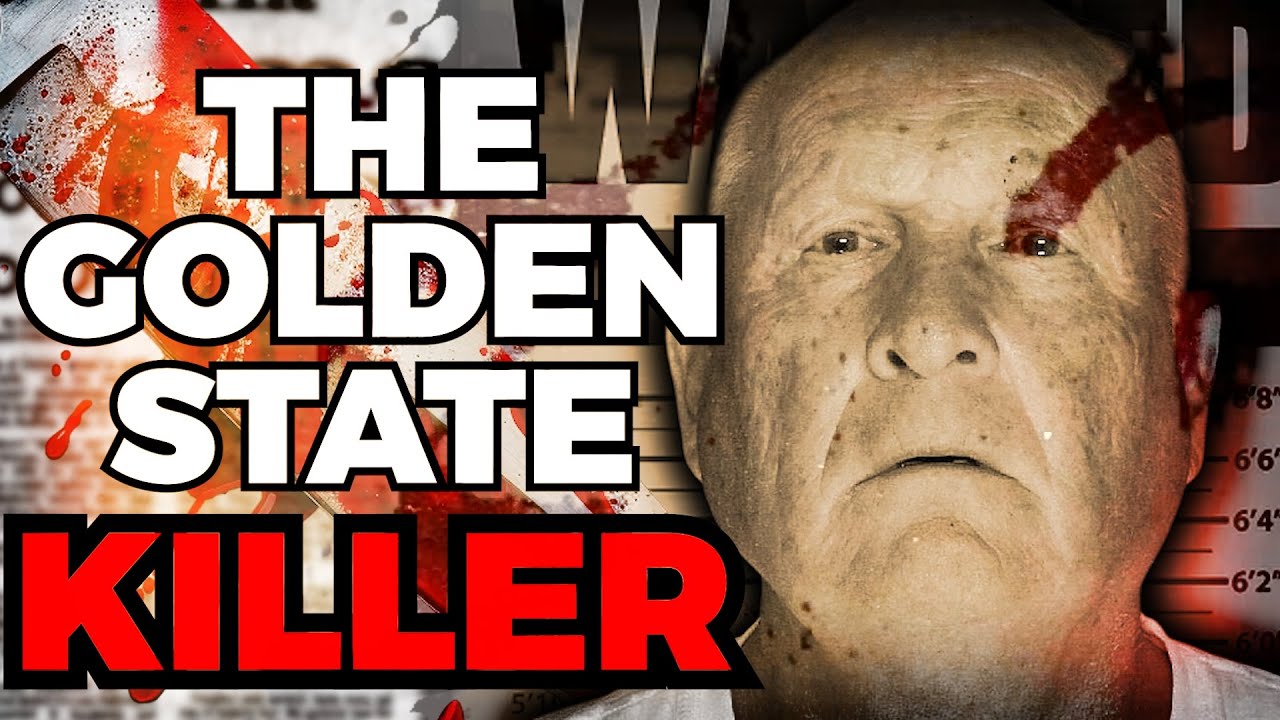
The Golden State Killer Finally Unmasked: How Joseph DeAngelo Eluded Justice for 44 Years

Introduction: Face Behind Mask of Fear

For more than four decades, a nameless, faceless predator haunted California. Known by many names—the Visalia Ransacker, the East Area Rapist, the Original Night Stalker, and finally the Golden State Killer—he committed over 50 rapes, 13 confirmed murders, and more than 100 burglaries across the state between 1974 and 1986.

Then, in April 2018, a shocking revelation rocked the country: the monster behind the mask was Joseph James DeAngelo, a former police officer, Vietnam veteran, and seemingly ordinary suburban father. For 44 years, he had lived a double life—predator by night, family man by day—while victims waited, and investigators hunted shadows. This is the story of how he got away for so long, how he was finally caught, and how his case changed criminal investigations forever.

The Early Years: The Visalia Ransacker

Before he became infamous, DeAngelo was believed to be the Visalia Ransacker, a prowler responsible for over 100 break-ins in Visalia, California, between 1974 and 1975. His pattern was disturbing: he often entered homes when residents weren’t home, stole small items of sentimental value, and left signs of having lingered—sometimes rearranging furniture or leaving food uneaten.

It wasn’t until the murder of Claude Snelling in 1975—who was shot while trying to stop his daughter’s attempted kidnapping—that the threat escalated. The Ransacker disappeared shortly after, coinciding with DeAngelo’s transfer to a new police department. Authorities now believe this was his first known killing—and his transition into something darker.

East Area Rapist Terror: A Reign of Fear

From 1976 to 1979, the Sacramento suburbs were gripped by fear. A masked man—agile, organized, and sadistic—began a spree of sexual assaults and home invasions. Dubbed the East Area Rapist, he targeted single women at first, then couples. He would stalk victims beforehand, break into homes to unlock windows or unload guns, and return days or weeks later to attack.

His modus operandi was chilling: he often tied up the male partner, placed dishes on his back, and told him if he heard a sound, the woman would die. Then he would repeatedly rape and torment the woman for hours.

Despite composite sketches, stakeouts, and increased patrols, he eluded law enforcement. He changed jurisdictions frequently, and police departments were not yet fully cooperative or technologically connected, which allowed him to slip through the cracks.

Evolution into the Original Night Stalker

By 1979, the East Area Rapist seemed to disappear. But soon after, a new predator emerged in Southern California—more violent, more brutal. Known initially as the Original Night Stalker, he struck in Orange County, Ventura, and Santa Barbara, committing a series of double homicides and sexual assaults from 1979 to 1986.

It would take decades before authorities realized the East Area Rapist and the Original Night Stalker were the same man—a conclusion made possible only by the eventual use of DNA evidence.

During these years, DeAngelo was living a seemingly ordinary life. He had married, raised children, and worked as a mechanic after being fired from the police force for shoplifting. No one suspected the loving father and quiet neighbor to be the killer who had haunted California’s nightmares.

The Officer in Uniform with a Dark Secret

Perhaps the most shocking detail about Joseph DeAngelo is that during the height of his crime spree, he served as a police officer in Exeter and Auburn, California. His job gave him access to police tactics, radios, and inside knowledge of investigations—information he likely used to stay one step ahead of law enforcement.

When DeAngelo was fired in 1979 for shoplifting dog repellent and a hammer—tools associated with the rapist’s kit—his crimes didn’t stop, but they did shift locations, making him even harder to track.

That a man sworn to protect the public was in fact a sadistic predator added another layer of horror to his already grotesque legacy—a betrayal not just of his victims, but of the very badge he once wore.

How Forensic Genealogy Cracked the Case

For years, the Golden State Killer case went cold. But with the rise of DNA testing and genealogy databases, a new possibility emerged. In 2018, investigators uploaded crime scene DNA from the Golden State Killer to GEDmatch, a public genealogy website.

They built a family tree using distant relatives and narrowed down potential suspects. One name stood out: Joseph James DeAngelo, now a 72-year-old retiree living in Citrus Heights. Law enforcement began to surveil him, collecting DNA from items he discarded—like a tissue found in his trash.

The results were conclusive: DeAngelo’s DNA matched the Golden State Killer’s. On April 24, 2018, DeAngelo was arrested. The man who had stalked the night for decades had finally been unmasked.

The Victims Speak: Trauma and Closure

At DeAngelo’s 2020 sentencing hearing, over two dozen survivors and family members gave harrowing testimony about the devastation he caused. Some victims had waited over 40 years to confront their attacker in court.

Many described a lifetime of fear, PTSD, and broken relationships. Others expressed relief that justice had finally arrived. The courtroom became a place of collective catharsis—a reckoning with a past long shrouded in silence.

DeAngelo himself offered no explanation, only a brief statement: “I am truly sorry to everyone I’ve hurt.” For many, it rang hollow. He was sentenced to multiple life terms without parole, ensuring he would die in prison.

A Landmark: The Rise of Genetic Sleuthing

The Golden State Killer case was the first high-profile arrest using forensic genealogy, and it has since revolutionized how law enforcement approaches cold cases. It marked a turning point where family trees became investigative tools, bridging science and justice in unprecedented ways.

Since DeAngelo’s capture, dozens of other cold cases have been solved using similar techniques. The case prompted public debate about privacy and ethics, but it also proved the power of science in serving justice.

Investigators are now revisiting hundreds of unsolved crimes, hoping that DNA—and the public’s voluntary sharing of genetic information—can bring answers once thought lost to time.

Conclusion: The Justice Delivered, at Last

Joseph DeAngelo lived two lives: a trusted officer, father, and neighbor by day; a rapist, killer, and tormentor by night. For decades, he escaped accountability, hidden in plain sight. But in the end, he was brought down not by a confession or eyewitness, but by a strand of DNA—a silent witness that never forgets.

Finally, his capture not only delivered long-overdue justice to survivors and victims’ families but also transformed criminal investigations. The shadows he once thrived in are shrinking—and cold cases once thought unsolvable are warming in the light of science. The Golden State Killer was unmasked—and with him, a new era of justice began.

Categories
W1 World

The Deep State Unveiled: Exploring the Hidden Power Struggles Shaping America’s Government

Introduction

The term “Deep State” has become a focal point of intense debate in political discourse, particularly within the United States. The concept suggests that a clandestine network of power exists within the government, operating independently of elected officials and influencing national policies and decisions. While proponents argue that the Deep State is a reality, opponents dismiss it as a conspiracy theory. This article delves into the origins, arguments, and evidence surrounding the Deep State, exploring both sides of this contentious issue.

Origins of the Deep State Concept

The idea of a Deep State isn’t unique to the United States. The term originated in Turkey during the mid-20th century, referring to a shadowy coalition of military officials, intelligence operatives, and other elites who allegedly manipulated the government to maintain their power. Over time, the concept migrated to other countries and became a lens through which some view hidden influences in government.

In the U.S., the notion of a Deep State gained prominence in the 2010s, particularly during the Trump administration. Supporters of the theory argue that entrenched bureaucrats, intelligence agencies, and other non-elected officials are working behind the scenes to thwart the will of the people and undermine the administration’s agenda.

Evidence Cited by Proponents

Proponents of the Deep State theory point to several instances they believe support their claims:

  1. Leaks and Whistleblowers: Numerous leaks of classified information and internal government communications have fueled suspicions of internal sabotage. High-profile whistleblowers, such as Edward Snowden and Chelsea Manning, revealed extensive surveillance programs and government misconduct, leading some to believe in a hidden network of power.
  2. Unelected Bureaucracy: The federal bureaucracy comprises millions of employees who are not elected and often remain in their positions regardless of changes in administration. Critics argue that these career officials can wield significant influence over policy implementation, sometimes contrary to the directives of elected leaders.
  3. Intelligence Community Actions: The actions of the FBI, CIA, and other intelligence agencies have come under scrutiny, particularly in relation to surveillance practices and alleged political interference. The handling of investigations into political figures, such as the Russia probe, has been cited as evidence of an internal effort to influence political outcomes.
  4. Media and Big Tech Allegations: Some argue that the media and major technology companies collude with government insiders to shape public perception and suppress dissenting voices, further suggesting the existence of a coordinated effort to control the narrative.

Counterarguments by Skeptics

Critics of the Deep State theory dismiss these claims as unsubstantiated and based on paranoia. They offer several counterarguments:

  1. Checks and Balances: The U.S. government operates under a system of checks and balances designed to prevent any single entity from gaining unchecked power. Skeptics argue that the mechanisms of democracy, such as congressional oversight and judicial review, are sufficient to prevent the emergence of a shadow government.
  2. Complexity of Government: The sheer size and complexity of the federal government make it implausible for a secretive cabal to control its operations. Critics argue that what is perceived as a Deep State is often the result of bureaucratic inertia, competing interests, and the natural challenges of governance.
  3. Transparency and Accountability: Opponents point to the numerous oversight bodies, audits, and public disclosures that hold government agencies accountable. They contend that the level of scrutiny applied to government actions makes it difficult for any secretive group to operate undetected for long.
  4. Political Polarization: Many skeptics view the Deep State narrative as a product of political polarization, used to delegitimize opponents and explain away political setbacks. They argue that framing bureaucratic resistance as part of a sinister plot oversimplifies the complexities of policy disagreements and governance.

The Role of Media and Public Perception

The media plays a crucial role in shaping public perception of the Deep State. Right-leaning outlets often amplify claims of a hidden government conspiracy, while left-leaning media dismiss such claims as baseless. This polarized coverage contributes to the division in public opinion, with a significant portion of the population believing in the existence of a Deep State.

Public opinion polls have shown that belief in the Deep State varies widely, often along partisan lines. A 2018 Monmouth University poll found that a majority of Americans, across political affiliations, believed in the possibility of a Deep State, although the degree of belief differed between Republicans and Democrats.

Implications and Consequences

The debate over the Deep State has significant implications for trust in government and democratic institutions. Belief in a hidden government can erode confidence in public officials and the electoral process, leading to increased cynicism and political disengagement. On the other hand, dismissing concerns about undue influence can alienate those who feel their voices are not heard, fueling further distrust and division.

The controversy also impacts governance, as accusations of Deep State interference can undermine the legitimacy of government actions and create a hostile environment for public servants. This can lead to a chilling effect, where officials are reluctant to make decisions or speak out for fear of being labeled as part of the Deep State.

Conclusion

The concept of a Deep State remains one of the most polarizing and debated topics in contemporary U.S. politics. While proponents argue that there is substantial evidence of a hidden network wielding power, skeptics maintain that such claims are unfounded and fueled by political partisanship. As the debate continues, it is crucial for citizens to critically evaluate the evidence, consider multiple perspectives, and remain vigilant in holding government institutions accountable. Whether the Deep State is a reality or a myth, the conversation it sparks reflects deeper concerns about transparency, power, and trust in democratic governance.

Categories
P1 People UN

The State of the Global Climate Amid COVID-19 Pandemic Challenges: An In-Depth Analysis

Introduction

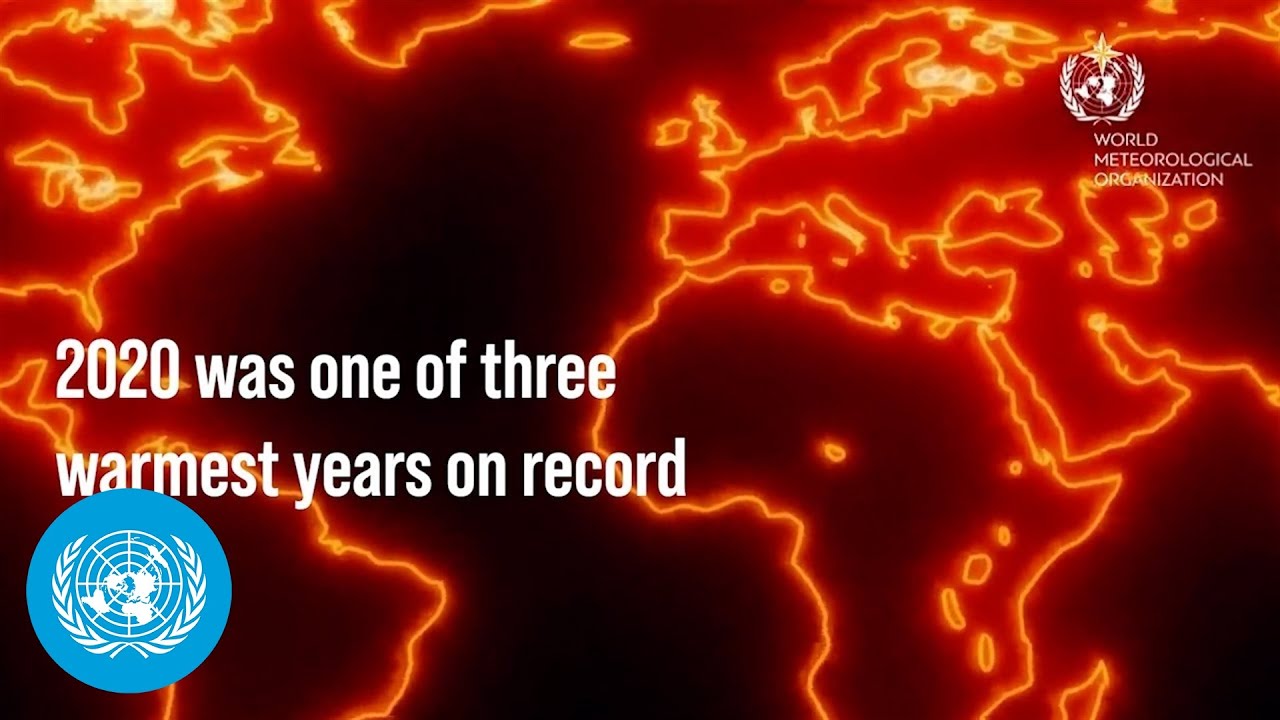
The global climate has reached a critical juncture, even as the world grapples with the ongoing challenges of the COVID-19 pandemic. Despite the temporary reduction in greenhouse gas emissions during lockdowns, the broader climate crisis continues to accelerate. The year 2020 ranked as one of the three warmest years ever recorded, underscoring the accelerating pace of global warming and the urgent need for climate action. Rising temperatures, extreme weather events, and environmental degradation persist, highlighting the urgent need for sustained action. As nations focus on recovery efforts, the intersection of pandemic resilience and climate sustainability presents both challenges and opportunities.

Addressing these dual crises requires innovative solutions and international cooperation to safeguard the planet’s future while ensuring a just and equitable recovery for all. In April 2021, the World Meteorological Organization (WMO) released its pivotal report on the state of the global climate, a document that underscores the profound impacts of climate change amid the COVID-19 pandemic. The joint press conference held by the WMO and United Nations Secretary-General António Guterres highlighted a sobering reality: the pandemic’s economic slowdown did little to mitigate the drivers of climate change. Instead, the year 2020 saw a compounding of crises, with extreme weather events exacerbating the global health emergency.

The Double Blow of Extreme Weather and COVID-19

The WMO’s report, launched on April 19, 2021, paints a vivid picture of a world grappling with simultaneous crises. Extreme weather events, which have been intensifying due to climate change, hit vulnerable populations with devastating force in 2020. The COVID-19 pandemic, a global health crisis with far-reaching economic repercussions, has further compounded the impact of these environmental disasters. The convergence of these crises has created a “double blow” for millions of people worldwide, revealing how intertwined global health and climate resilience truly are.

According to the WMO report, the pandemic did not significantly slow down the drivers of climate change. Despite reduced economic activity and decreased greenhouse gas emissions during the height of global lockdowns, the underlying issues driving climate change—such as deforestation, industrial emissions, and fossil fuel use—remained largely unaddressed. As a result, the acceleration of climate impacts continued unabated, demonstrating the deep-rooted nature of the climate crisis.

Climate Change Drivers: An Unstoppable Force

The report emphasizes that while there were short-term reductions in carbon dioxide (CO2) emissions due to the pandemic, these were not sufficient to counteract the long-term trends in global warming. The temporary dip in emissions was largely overshadowed by the persistence of climate change drivers. Industrial activities, energy consumption, and land-use changes continued to fuel greenhouse gas emissions, undermining any short-lived benefits of reduced economic activity.

The WMO’s findings highlight that the structural changes needed to address climate change—such as transitioning to renewable energy, enforcing stricter emissions regulations, and investing in sustainable infrastructure—have not been adequately prioritized. The global response to the pandemic has illustrated the need for integrated solutions that address both public health and environmental sustainability.

The Impact of Extreme Weather Events

2020 was marked by a series of severe weather events that underscored the urgency of addressing climate change. From record-breaking heatwaves and devastating wildfires to unprecedented hurricanes and flooding, the year was a stark reminder of the growing frequency and intensity of extreme weather events.

One of the most notable events was the record-setting Atlantic hurricane season, which saw an unprecedented number of named storms and hurricanes. The 2020 wildfire season in the United States and Australia also garnered significant attention, with vast areas of land scorched and countless communities displaced. These extreme weather events not only caused immediate destruction but also had long-term effects on ecosystems, economies, and human health.

The report highlights how climate change is increasing the likelihood and severity of such events. Rising global temperatures contribute to more intense heatwaves, altered precipitation patterns, and stronger storms. As these impacts become more pronounced, they exacerbate existing vulnerabilities and create new challenges for affected communities.

The Human Cost: Vulnerability and Inequality

The WMO’s report underscores the profound impact of climate change on already vulnerable populations, shedding light on the stark inequalities exacerbated by extreme weather events. Communities in developing countries, often grappling with existing socio-economic challenges, face the brunt of climate-induced disasters. These areas are frequently hit by severe storms, floods, and droughts, which devastate livelihoods and infrastructure. The pandemic has magnified these hardships, exposing the deep-rooted deficiencies in healthcare systems and emergency response capabilities.

The interplay between climate change and the COVID-19 pandemic has intensified these disparities, creating a vicious cycle of vulnerability. For instance, regions plagued by frequent flooding or prolonged droughts have seen their already fragile infrastructure stretched to breaking point. The pandemic has not only disrupted essential services but also hindered recovery efforts, as resources that could have been allocated to climate adaptation and disaster relief have been diverted to address immediate health crises. This double burden has underscored the urgency of addressing the systemic inequalities that leave these communities most exposed to both environmental and health shocks.

Women, children, and marginalized groups are disproportionately affected, facing heightened risks of displacement, food insecurity, and economic instability. The pandemic has compounded these issues, with lockdowns and social distancing measures often exacerbating existing vulnerabilities. In many cases, these groups are left with fewer resources and support systems, further widening the inequality gap. The crisis has made it clear that targeted support and resilience-building measures are essential to address the needs of these populations and ensure their safety and well-being in the face of ongoing and future crises.

Moving Forward: Integrated Solutions and Global Action

The WMO report highlights the critical need for a holistic and integrated approach to addressing the dual challenges of climate change and pandemic recovery. It emphasizes that tackling these interconnected issues requires a coordinated global response that merges climate action with efforts to strengthen public health systems and enhance resilience against future shocks. This approach involves more than just mitigating greenhouse gas emissions; it requires adapting to the changing climate and preparing for the inevitable impacts that will continue to affect communities worldwide.

Key recommendations from the report stress the importance of a multifaceted strategy:

  • Enhanced Climate Action: There is a pressing need to accelerate efforts to reduce emissions and transition to renewable energy sources. This includes implementing policies that promote energy efficiency, sustainable land use, and conservation practices. Additionally, there must be a concerted effort to support innovation and technology that can help mitigate climate change and reduce carbon footprints.
  • Strengthening Resilience: Investing in infrastructure and systems that are resilient to extreme weather events is crucial. This involves upgrading urban planning to incorporate climate resilience, building disaster-resistant infrastructure, and ensuring that communities have access to early warning systems and emergency response resources. Strengthening social safety nets and support systems is also essential to help communities recover more quickly and effectively from both environmental and health crises.
  • Equitable Support: Providing targeted assistance to vulnerable communities is vital for addressing both the immediate and long-term impacts of climate change and the pandemic. This support should focus on addressing the specific needs of marginalized groups, including women, children, and low-income families. It should also involve enhancing access to healthcare, food security, and economic opportunities to help these communities build resilience and reduce their vulnerability to future shocks.
  • Global Cooperation: Fostering international collaboration and sharing knowledge and resources is essential for tackling the interconnected issues of climate change and public health. This involves strengthening global partnerships, supporting climate finance mechanisms, and ensuring that countries with fewer resources have access to the tools and support they need to address these challenges. Collaborative efforts should also focus on enhancing data sharing and research to better understand the impacts of climate change and develop effective solutions.

The WMO report serves as a crucial call to action, highlighting the need for a unified global effort to address the complex and intertwined challenges of climate change and pandemic recovery. By implementing these recommendations, we can work towards a more resilient and equitable future, ensuring that we are better prepared to face the multifaceted crises that lie ahead.

Conclusion

The WMO’s 2020 report serves as a critical reminder of the pressing need for concerted global action to address the dual crises of climate change and COVID-19. The year 2020 exposed the vulnerabilities of our interconnected world and highlighted the urgent need for integrated solutions that address both environmental and health challenges. As we move forward, it is imperative that nations, communities, and individuals work together to build a more resilient and sustainable future.

By taking decisive action now, we can mitigate the impacts of climate change, strengthen our public health systems, and ensure that we are better prepared for future crises. The lessons learned from the pandemic and the ongoing climate emergency must guide our efforts to create a more equitable and sustainable world for all. Only through collective commitment and bold policy changes can we safeguard the planet and secure a healthier, more stable future for generations to come. This moment presents a unique opportunity to rethink our priorities and adopt strategies that promote both human well-being and environmental stewardship.