Categories
W1 World

From Fort to Palace: The Fall of Medieval Military Fortresses and the Rise of Regal Splendor

Introduction: From Battlefield to Fairytale

In the Middle Ages, castles loomed over the countryside as formidable military fortresses, centers of power, and homes to nobility. Built for defense and dominance, they were strategic strongholds that shaped the political and military landscapes of their time. Their towering walls and moats were not only barriers against invasion but symbols of authority and feudal control.

But as centuries passed, their thick walls and moats gave way to balconies, gardens, and banquets. Increasingly, castles transitioned into lavish residences that served more as symbols of authority and refinement than bastions of war. This transformation offers a window into the shifting currents of military technology, cultural ideals, and royal ambition.

Windsor Castle and the Royal Reinvention

One of the most striking examples of this shift is Windsor Castle during the reign of Edward III in the 14th century. Edward, a monarch steeped in chivalric ideals and a deep sense of royal prestige, initiated sweeping renovations that turned the fortress into a grand palace reflecting his imperial aspirations. At the heart of this transformation was the establishment of the Order of the Garter, Edward’s own revival of Arthurian legend. It brought together England’s most loyal and powerful knights in a circle modeled after the fabled Knights of the Round Table.

Windsor became more than a castle—it was a stage upon which the king dramatized his divine right to rule. The Garter ceremonies, held in St George’s Chapel, symbolized unity, loyalty, and the glamour of chivalry. These rituals helped elevate Edward’s image across Europe and left a lasting architectural and cultural legacy. The towered silhouette of Windsor no longer warned of incoming armies but stood as a proud emblem of royal continuity.

Warfare: Changing Tools, Changing Roles

The fading role of castles in warfare was also due to advancements in military technology. The arrival of gunpowder and cannon made even the thickest walls vulnerable. Siege warfare changed dramatically; traditional battlements and towers could no longer withstand prolonged bombardment. Cannons such as the French “Basilisk” or the Ottoman Empire’s famed bombards during the 1453 siege of Constantinople demonstrated the vulnerability of stone walls.

Castles began to lose their primary function as defensive structures. Instead, military priorities shifted to newer fortification designs such as star forts, which could better deflect artillery. As a result, many older castles were repurposed, abandoned, or rebuilt as elaborate homes reflecting Renaissance and Baroque ideals. Castles became showcases of heritage and wealth rather than frontline defenses.

Burg Eltz: Noble Identity Without the War

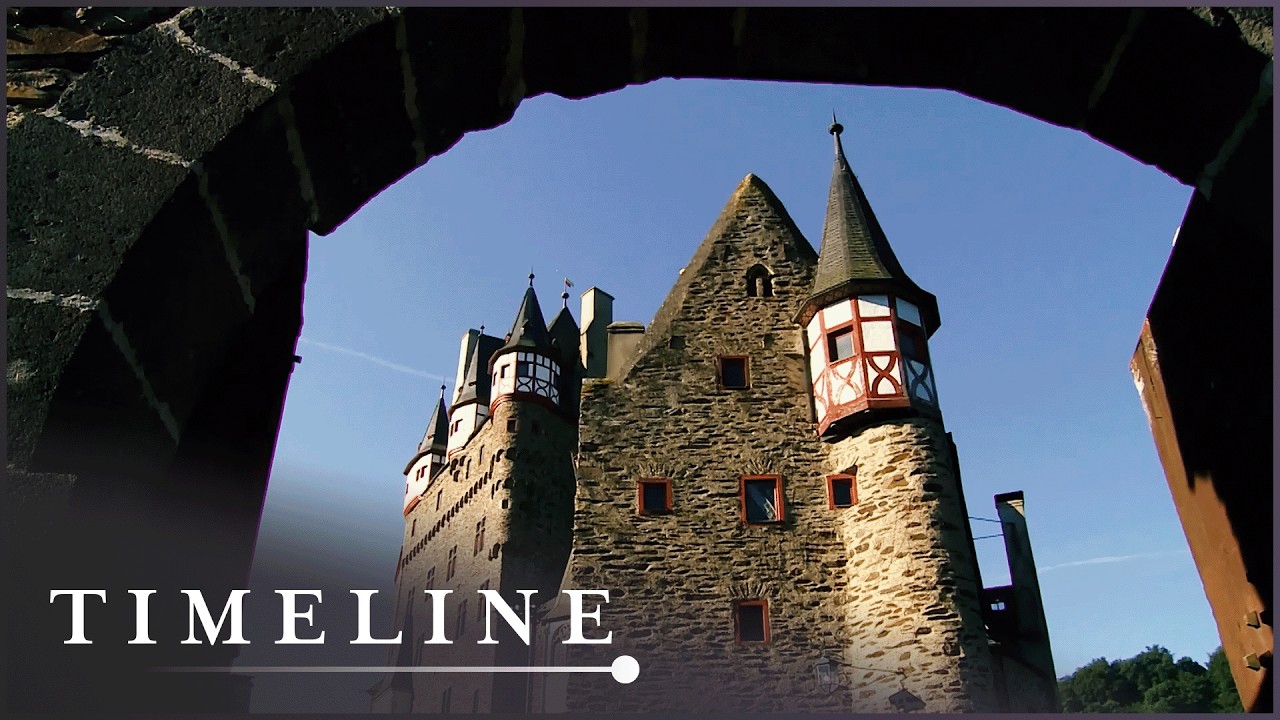
Burg Eltz in Germany illustrates a different aspect of this evolution. Nestled in the Moselle hills, this 15th-century stronghold is less about warfare and more about continuity and status. Remarkably untouched by conflict or decay, Burg Eltz survived because it adapted to changing times. Rather than being a garrison, it became a multigenerational home that balanced medieval design with increasing comfort.

Burg Eltz exemplifies how smaller noble families preserved their legacy without engaging in warfare. The castle’s elegant wooden balconies, intricate armory, and frescoed rooms speak to a period when appearance and symbolism mattered more than military readiness. The Eltz family maintained its independence through diplomacy and allegiance, allowing the castle to stand as a preserved monument to aristocratic life.

Loire Valley: Castles Become Grand Châteaux

Nowhere is the shift from fort to palace more visible than along the Loire Valley in France. By the 16th century, powerful nobles and royals commissioned opulent châteaux such as Chambord and Chenonceau—structures more akin to Renaissance palaces than medieval fortresses. They reflected ideals of leisure, proportion, and classical beauty, inspired by Italy’s flourishing art and architecture.

These châteaux were built not for war, but for entertainment, courtship, and artistic patronage. Wide staircases, decorative facades, and expansive gardens signaled a dramatic departure from defensive necessity. The Renaissance’s humanist values found a home in these buildings, where the celebration of intellect, beauty, and culture supplanted the grit of feudal struggle.

Chambord, with its iconic double helix staircase, is rumored to have been influenced by Leonardo da Vinci himself. The Loire châteaux became the blueprint for palaces across Europe, culminating in extravagant structures like Versailles. This trend represented a broader cultural pivot—royal and noble residences were now curated experiences, not military instruments.

Cardiff Castle and 19th-Century Gothic Revival

By the 19th century, the military function of castles was virtually obsolete, yet public fascination with them only grew. The Gothic Revival period saw a resurgence in castle building—not for defense, but for nostalgia, drama, and national pride. Cardiff Castle in Wales, extensively remodeled by the Marquess of Bute and architect William Burges, was transformed into a fantasy vision of the medieval past.

Richly decorated interiors, heraldic motifs, and whimsical towers gave Cardiff Castle an almost theatrical presence. This revival was part of a larger Victorian fascination with Gothic architecture, which found parallels in literature (such as Tennyson’s Arthurian poems) and historical fiction (like Sir Walter Scott’s Ivanhoe). These castles projected an idealized version of the Middle Ages, one that emphasized myth over history.

They also mirrored the British Empire’s self-image: powerful, ancient, and cultured. The medieval castle became a canvas for imperial identity and architectural storytelling.

Stone and Symbol: A Rich Legacy of Nostalgia

Though medieval castles have long since lost their role as military outposts, their cultural and architectural legacy continues to shape our world. Today, they serve as museums, tourist attractions, and filming locations, preserving a visual memory of power, romance, and resistance. The fantasy genre, from Game of Thrones to Harry Potter, has reinvigorated global fascination with castles, making them enduring icons of both history and imagination.

Their transformation from fortresses to palaces—and ultimately to symbols—reflects broader shifts in human society: from conflict to courtly life, from survival to splendor. The story of castles is not just about stone and steel; it’s about how civilizations evolve, repurpose their past, and enshrine their values in architecture that outlasts empires.

Why Castles Changed: Power, Prestige, Peace

So what truly caused the decline of the military fortress? The answer lies in a confluence of factors:

  • Advancements in warfare made stone walls ineffective.
  • Political centralization reduced the need for local lords to defend territory.
  • Economic growth allowed the elite to invest in luxury, not logistics.
  • Cultural movements like the Renaissance and Gothic Revival shifted architectural priorities toward beauty and symbolism.

Ultimately, castles changed because the world around them changed. Peace, prosperity, and progress allowed people to imagine a life beyond defense—a life of art, ideals, and architectural wonder.

Conclusion: Stones, Symbols, and Stories Past

Medieval castles may have lost their military relevance, but they gained something equally powerful—a lasting legacy as symbols of imagination, identity, and culture. From Edward III’s Arthurian vision at Windsor to the romantic daydream of Cardiff Castle, these fortresses evolved into stages for royal narratives and social aspiration.

Today, they survive not as outposts of war, but as monuments to history, where each stone tells a story—not just of battles fought, but of identities shaped, myths revived, and a world in transition. Their silent walls now echo with the legacy of changing empires, evolving tastes, and the enduring human desire to leave a mark on the landscape of time.