Categories
W1 World

Eternal Egypt: How Pharaohs Engineered Immortality Through Tombs, Rituals, and Magic

Introduction: The Pharaohs’ Eternal Quest

The pharaohs of ancient Egypt were not merely kings—they were living gods, intermediaries between the divine and the mortal. But even gods, in human form, had to face death. What sets the pharaohs apart in human history is their extraordinary and sophisticated obsession with conquering mortality. Their belief in an eternal afterlife was not symbolic—it was literal, and they planned for it with staggering precision.

From the awe-inspiring Step Pyramid of Saqqara built for Djoser—the earliest colossal stone structure in history—to the iconic tomb of Tutankhamun, their quest for immortality gave rise to some of the most astonishing funerary practices ever devised. Blending spirituality, architecture, science, and magic, the Egyptians created a civilization where death was not an end, but the beginning of eternity.

Architecture – Building the Path to Eternity

In ancient Egypt, a pharaoh’s life was a preparation for the afterlife, and his tomb was his eternal vessel. The grandeur of Egyptian tomb architecture reflected not just status, but deeply held spiritual beliefs. The concept of “ma’at”—cosmic order—demanded balance and perfection in all things, especially in death.

The Step Pyramid of Saqqara, constructed around 2667 BCE for King Djoser, was the first monumental stone building ever built. Designed by the high priest and architect Imhotep, the structure broke from tradition—replacing low mastabas with a stacked, stairway-to-heaven formation. This architectural innovation symbolized a ladder to the gods, literally helping the pharaoh ascend to the heavens.

Later pharaohs, like Khufu, Khafre, and Menkaure, built the Great Pyramids of Giza, further refining this celestial journey. These structures weren’t just tombs—they were mathematical, spiritual, and symbolic engines, aligned with stars and cardinal points to help guide the pharaoh’s soul, or “ka,” to the afterlife.

Preserved – Mummification as Science, Ritual

For the pharaoh to live forever, his physical body had to be preserved. Mummification was both a sacred rite and a highly developed proto-scientific process. It took 70 days to complete and involved removing internal organs, drying the body with natron salt, and wrapping it in layers of linen—each stage accompanied by ritual prayers and incantations.

The body was not just a shell; it was essential for the soul’s return. The “ba” (spiritual personality) and “ka” (life force) could only reunite with the deceased if the body remained intact. Pharaohs were buried with elaborate funerary masks, amulets like the Eye of Horus, and magical items to protect their soul and guide them through the dangers of the underworld.

Recent discoveries, including X-ray scans and CT imaging of mummies, reveal the advanced anatomical understanding of Egyptian embalmers. For example, Tutankhamun’s mummification shows signs of chemical experimentation, possibly indicating attempts to preserve him more effectively—though these may have backfired, causing partial decomposition.

The Book of the Dead – Manual for the Afterlife

The journey through the afterlife was treacherous, filled with monsters, judgment, and divine tests. To navigate this perilous path, pharaohs were buried with The Book of the Dead, a collection of magical spells, hymns, and instructions compiled over centuries.

This “book” was not a single volume but a customized scroll placed in tombs, written in hieroglyphics on papyrus or linen. It served as a spiritual guidebook, helping the pharaoh overcome obstacles in the Duat (underworld) and pass the Weighing of the Heart—a divine judgment overseen by Osiris.

If the heart was lighter than the feather of Ma’at, the soul would achieve eternal life; if heavier, it would be devoured by the monstrous Ammit. Modern translations reveal that these texts also contain philosophical wisdom, not just superstition—reflecting a complex vision of morality, truth, and cosmic justice.

Hidden Tombs – Secret Traps and Royal Curses

Egyptian tombs were not only sacred spaces but fortresses of secrecy, designed to outwit grave robbers and preserve the pharaoh’s journey for eternity. The Valley of the Kings, the royal necropolis of the New Kingdom, is riddled with hidden chambers, decoy paths, and symbolic architecture.

Perhaps the most famous tomb is that of Tutankhamun, discovered by Howard Carter in 1922. Unlike most royal tombs, it was relatively intact. Its golden mask, nested sarcophagi, and thousands of artifacts stunned the world and offered unmatched insight into pharaonic burial rituals.

Tutankhamun’s tomb also sparked stories of curses—with mysterious deaths of several expedition members giving rise to the “Curse of the Pharaohs.” Though most scientists dismiss these as coincidence, some speculate on potential microbial dangers from sealed tombs or psychological stress triggered by the intense experience of such discoveries.

Modern Discoveries – Science vs Spirituality

The 21st century has brought a new golden age of Egyptology. With ground-penetrating radar, 3D scanning, and DNA analysis, researchers are uncovering lost tombs and rewriting what we know about ancient beliefs. Projects at Saqqara, Abydos, and the Valley of the Kings continue to reveal hidden chambers and cryptic inscriptions.

In 2020, a cache of over 100 sealed coffins was found near Saqqara—some untouched for 2,500 years. In 2023, a “digital unwrapping” of Amenhotep I’s mummy gave us the first 3D look at a pharaoh’s burial without physically disturbing it. These advances show that ancient rituals and modern science can coexist, illuminating not just how the pharaohs lived, but how they died—and what they believed came after.

Some researchers now believe there are still undiscovered tombs, possibly belonging to Nefertiti or even Imhotep, hiding behind false walls or under desert sands. Every new find brings us closer to understanding how deeply the Egyptians believed in the permanence of the soul.

Conclusion: When Death Was Just Beginning

For the pharaohs of ancient Egypt, death was not a final curtain—it was an initiation into a divine eternity. Through architecture, ritual, texts, and preservation, they built an elaborate system designed to cheat death and live forever. They didn’t just hope for immortality—they engineered it. From Djoser’s revolutionary step pyramid to the magical incantations buried with Tutankhamun, every element of their civilization served a single goal: to defy time.

And remarkably, in many ways, they succeeded. Thousands of years later, we still speak their names, study their bodies, marvel at their works, and ponder the mysteries they left behind. The pharaohs are not just remembered—they are still present. In doing so, they achieved exactly what they set out to do: cheat death and become eternal.

Categories
W1 World

Unveiling the Mystical Allure of the Blue Lotus: Ancient Egypt’s Sacred and Enigmatic Flower

Introduction

The ancient Egyptians left behind a treasure trove of imagery, artifacts, and inscriptions that continue to fascinate and puzzle historians. Among these mysteries is the blue lotus, a recurring motif in Egyptian art, tombs, and rituals. Found in almost every tomb, the blue lotus was not just a decorative element but a profound symbol of life, death, and rebirth.

This sacred flower held a special place in the lives of ancient Egyptians, embodying spirituality, sensuality, and even narcotic allure. In this article, we delve into the captivating story of the blue lotus, its role in the private lives of the pharaohs, and its symbolic and medicinal significance in ancient Egyptian culture.

A Flower Steeped in Symbolism

The blue lotus, scientifically known as Nymphaea caerulea, grew abundantly along the Nile River. Its vibrant blue petals and intoxicating fragrance made it a standout feature in the Egyptian landscape. More than just a botanical marvel, the flower symbolized creation and rebirth.

In Egyptian mythology, the blue lotus was associated with the sun god Ra and creation stories. According to legend, the flower would close at night and sink into the water, only to reemerge and bloom with the sunrise—a daily act that mirrored the cyclical nature of life and death. This symbolism made it a prominent motif in tombs, temples, and artworks, representing the eternal journey of the soul.

The Blue Lotus in Rituals and Religion

The blue lotus was central to many religious rituals in ancient Egypt. Priests and pharaohs often used the flower in ceremonies dedicated to deities like Ra, Hathor, and Osiris. Its presence in funerary rites was equally significant, symbolizing the deceased’s resurrection and unity with the divine.

Depictions of the blue lotus are common in tomb paintings and carvings. These images often show individuals holding or inhaling the flower, suggesting its use in meditative and spiritual practices. The flower’s ability to float on water without getting wet also reinforced its association with purity and divine connection.

The Narcotic Allure of Ancient Mysticism

Beyond its spiritual symbolism, the blue lotus had a more earthly appeal: its psychoactive properties. The flower contains compounds that produce mild euphoric and sedative effects when consumed or inhaled. Ancient Egyptians likely brewed the flower into teas or soaked it in wine, creating an intoxicating elixir.

The narcotic effects of the blue lotus were not just for recreational purposes but also played a role in enhancing religious and social experiences. The flower’s ability to induce a state of relaxation and heightened awareness made it a valuable tool in achieving spiritual enlightenment and deepening interpersonal connections.

The Blue Lotus in the Private Lives of Pharaohs

Pharaohs, as divine rulers, were intimately connected to the symbolism and use of the blue lotus. It was a staple in royal rituals, feasts, and personal ceremonies. The flower often appeared in jewelry, furniture, and perfumes, signifying luxury and divine favor.

The blue lotus also played a role in love and sensuality. In ancient Egyptian art, scenes of couples sharing blue lotus flowers are common, hinting at its use as an aphrodisiac. These depictions suggest that the flower was not only a symbol of purity but also of passion and intimate connection.

Mystery and Misinterpretation

While the blue lotus holds a significant place in Egyptian culture, its full meaning remains elusive. Modern interpretations often rely on fragmented evidence, leading to debates among historians and Egyptologists. Some view the flower purely as a religious symbol, while others emphasize its medicinal and recreational uses.

The lack of written records explicitly detailing the flower’s role adds to the mystery. Much of what we know comes from artistic depictions and chemical analyses of residues found in tomb artifacts.

Rediscovering the Blue Lotus

The allure of the blue lotus extends beyond ancient Egypt. In recent years, the flower has gained popularity in modern wellness and alternative medicine. Its extracts are used in teas, oils, and supplements, marketed for their calming and mood-enhancing properties.

Archaeological discoveries continue to shed light on the flower’s significance. Ongoing studies aim to decode its role in ancient Egyptian society, offering new insights into the lives of the pharaohs and their people.

The Blue Lotus in Modern Research

Modern researchers and botanists have delved deeper into the properties of the blue lotus, revealing scientific insights that align with ancient accounts of its effects. Studies suggest that the flower contains alkaloids, such as nuciferine and aporphine, which may induce mild euphoria, relaxation, and heightened awareness. These findings support the belief that the blue lotus played a role in enhancing spiritual and social experiences in ancient Egypt.

Additionally, its potential as a natural remedy for anxiety and insomnia has reignited interest in its use in contemporary wellness practices. By bridging the gap between ancient tradition and modern science, the blue lotus continues to captivate and inspire as a symbol of transcendence and harmony.

Legacy of the Blue Lotus

The blue lotus remains a potent symbol of ancient Egyptian culture, embodying the complexities of life, death, and spirituality. Its dual role as a sacred object and a source of earthly pleasure highlights the intricate balance between the material and the divine in Egyptian thought.

As we uncover more about this enigmatic flower, we gain a deeper appreciation for the ancient Egyptians’ sophisticated understanding of nature and its connection to the human experience. The blue lotus, with its enduring beauty and mystery, continues to captivate and inspire, much like the civilization that revered it.

Conclusion

The blue lotus stands as a timeless symbol of ancient Egypt’s profound connection to nature, spirituality, and the mysteries of existence. Revered for its beauty, intoxicating properties, and deep symbolic meanings, it offers a window into the lives and beliefs of one of history’s most fascinating civilizations.

From its role in religious ceremonies to its presence in the intimate moments of the pharaohs, the blue lotus embodies the harmony of the physical and the divine. Overall, as modern science and archaeology continue to uncover its secrets, the flower’s legacy reminds us of the enduring allure of the past and its ability to inspire wonder and curiosity across the ages.

Categories
W1 World

The Splendour of Egypt’s Pharaohs: Unveiling the Legacy of Ancient Cities and Necropolises

Introduction

Ancient Egypt, often referred to as one of the cradles of civilization, is a land that continues to fascinate historians, archaeologists, and tourists alike. The grandeur of Egypt’s pharaohs and their awe-inspiring monuments have stood the test of time, from towering pyramids to majestic temples and sprawling necropolises. These architectural marvels not only reflect the pharaohs’ desire for eternal life but also provide a window into their advanced understanding of construction, shipbuilding, and urban planning. This article delves into the magnificent cities and necropolises of Ancient Egypt, exploring the symbols of power and legacy that have survived the ages and their relevance today.

The Rise of Ancient Egyptian Cities

The foundation of Egypt’s ancient cities was deeply rooted in the Nile River, which provided sustenance and a means of transportation. The Nile was the lifeblood of Egypt, allowing cities like Memphis, Thebes, and Amarna to flourish. Memphis, the first capital of unified Egypt, was a bustling metropolis in its time and a symbol of political power. It was home to the great Temple of Ptah and the iconic pyramids of Giza, built to house the tombs of pharaohs.

Thebes, another significant city, rose to prominence during the New Kingdom era. It was not only a political center but also a religious hub, home to the grand temple complexes of Karnak and Luxor. Amarna, though short-lived as a capital under Pharaoh Akhenaten, remains significant for its unique architectural style and focus on the worship of Aten, the sun god. These cities reflect the Egyptians’ advanced urban planning skills, characterized by the construction of temples, royal residences, and elaborate tombs.

The Power of Pyramids: Symbols of Eternity

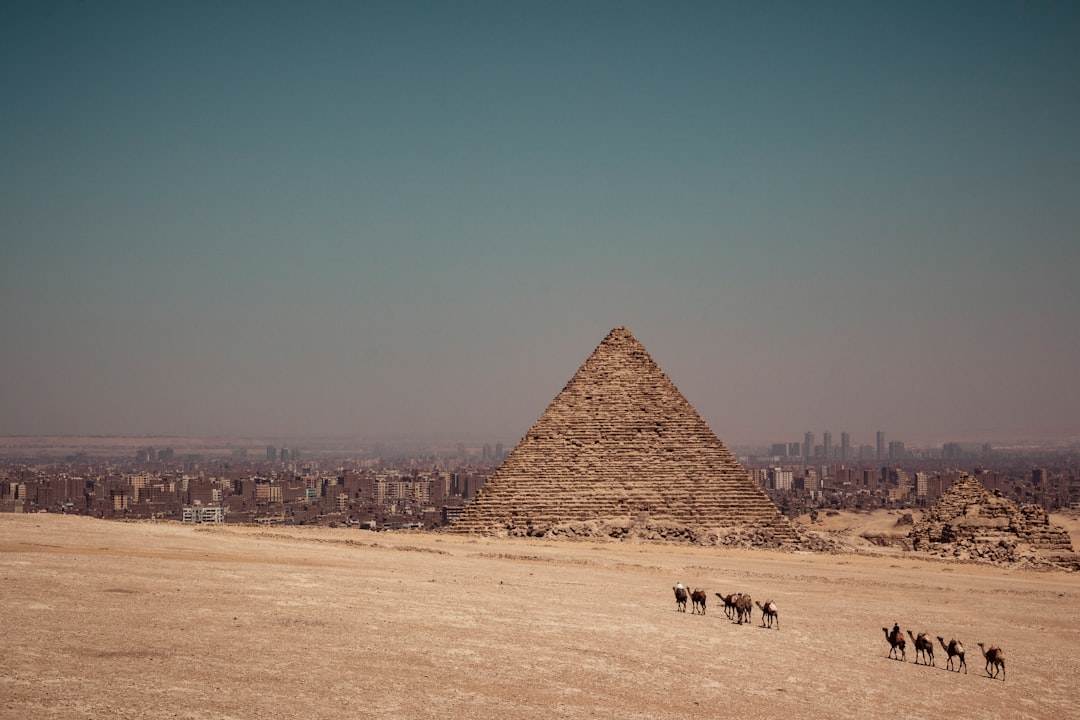
When one thinks of ancient Egypt, the pyramids are among the first images that come to mind. These colossal structures were built as tombs for pharaohs, serving as eternal homes for their bodies and souls. The Great Pyramid of Giza, built for Pharaoh Khufu, remains one of the Seven Wonders of the Ancient World. Its sheer size and precision are testaments to the Egyptians’ unparalleled engineering skills.

Beyond their architectural brilliance, pyramids were imbued with deep spiritual significance. The triangular shape was believed to symbolize the rays of the sun, guiding the pharaoh’s soul to the afterlife. For the Egyptians, the afterlife was a continuation of life on Earth, and the grandeur of their burial monuments reflected their desire for immortality. Today, the pyramids remain powerful symbols of endurance, representing the intersection of spirituality, power, and ingenuity.

Necropolises: Cities of the Dead

While cities like Memphis and Thebes were bustling with the living, their surrounding necropolises were the eternal resting places for the dead. The most famous of these necropolises is the Giza Plateau, home to the Great Pyramids and the Sphinx. Another notable necropolis is the Valley of the Kings, located near Thebes, where over 60 tombs of pharaohs and nobles have been discovered, including the tomb of the legendary Tutankhamun.

These necropolises were not merely graveyards; they were meticulously planned “cities of the dead,” mirroring the grandeur of life on Earth. The tombs were adorned with intricate hieroglyphics, wall paintings, and sculptures depicting the pharaohs’ journeys through the afterlife. Burial chambers were filled with treasures, food, and tools that the deceased would need in the next world. The care with which these necropolises were constructed reflects the Egyptians’ belief in the importance of maintaining the physical body and the soul’s connection to it.

Shipbuilding: Mastery of the Nile and Beyond

Shipbuilding played a crucial role in Egypt’s rise as a powerful civilization. The Egyptians’ mastery of the Nile not only facilitated trade but also enabled the construction of monumental architecture. Timber was scarce in Egypt, but they ingeniously used what was available to build ships capable of navigating the Nile’s waters. The Egyptians were also known for their seafaring abilities, undertaking expeditions to distant lands like Lebanon and Punt (modern-day Somalia) to acquire valuable resources like cedarwood, gold, and incense.

The most famous depiction of ancient Egyptian shipbuilding comes from the tomb of Pharaoh Khufu. His burial site included a full-sized ship, known as the Solar Boat, which was discovered intact in 1954 near the Great Pyramid of Giza. This boat was believed to carry Khufu’s soul through the afterlife, symbolizing the importance of boats not only for practical purposes but also in religious rituals. Today, the Solar Boat serves as a powerful reminder of Egypt’s maritime prowess and spiritual beliefs.

Pharaonic Symbols and Their Legacy

Pharaonic symbols, many of which originated in these ancient cities and necropolises, still resonate in modern culture. The ankh, symbolizing eternal life, and the eye of Horus, representing protection and good health, remain widely recognized even today. The scarab beetle, associated with rebirth and transformation, adorned the tombs of pharaohs and continues to be used as a symbol of renewal.

The pharaohs themselves were seen as living gods, and their cartouches, or name inscriptions, were placed on everything from temple walls to jewelry. These symbols were intended to protect the pharaohs in the afterlife and ensure their legacy would endure through the ages. In many ways, the Egyptians succeeded in their quest for immortality, as these symbols continue to fascinate and inspire people around the world.

The Modern Significance of Egypt’s Ancient Legacy

Egypt’s ancient cities, necropolises, and symbols continue to captivate modern society. They serve as a bridge to a distant past, allowing us to glimpse the beliefs, practices, and achievements of a civilization that has long since vanished. But more than that, these sites have become symbols of resilience, standing as a testament to human ingenuity, creativity, and the pursuit of eternal life.

Today, archaeologists and historians continue to uncover new discoveries in Egypt’s deserts, revealing ever more details about the lives of the pharaohs and the people who lived in their kingdoms. Museums around the world display artifacts from ancient Egypt, drawing millions of visitors who are eager to connect with the legacy of this remarkable civilization. The preservation of these ancient sites and artifacts remains a priority for Egypt and the global community, ensuring that the splendour of Egypt’s pharaohs will continue to inspire future generations.

Conclusion

The grandeur of ancient Egypt, from its awe-inspiring cities and necropolises to its masterful shipbuilding and enduring symbols, reflects a civilization that was far ahead of its time. The pharaohs’ quest for immortality and the meticulous care they put into building their tombs and monuments speak to their belief in the eternal nature of life. The legacy of these ancient structures and symbols continues to captivate the world today, offering a glimpse into a time when gods walked among men and the afterlife was just as real as the physical world. Egypt’s ancient splendour not only shaped history but also left an indelible mark on the cultural imagination, a legacy that endures through the sands of time.

Categories
W1 World

Echoes of Eternity: Unveiling the Enigmatic Charms of Ancient Egypt

Introduction:

Ancient Egypt, with its timeless monuments and enigmatic artifacts, holds a special place in the annals of human history. From the colossal Pyramids to the majestic temple at Karnak, the remnants of this ancient civilization continue to captivate the imagination of people worldwide. In this comprehensive exploration, we embark on a journey to unravel the mysteries of Ancient Egypt, delving deep into its fascinating history and uncovering the secrets behind its enduring legacy.

The Pyramids: Marvels of Ancient Engineering

At the forefront of Ancient Egypt’s mysteries stand the Pyramids, towering monuments that have withstood the test of time for over four millennia. Built as tombs for pharaohs, these architectural marvels continue to astound researchers with their precise construction and alignment with celestial phenomena. Despite centuries of study, the methods employed by the ancient Egyptians to build the Pyramids remain a subject of debate and speculation. From theories of ramp systems to suggestions of advanced engineering techniques, the true secrets behind the construction of these monumental edifices continue to elude modern scholars, sparking ongoing investigations and research endeavors.

The Temple at Karnak: Sanctuary of Gods and Pharaohs

Another wonder of Ancient Egypt is the sprawling temple complex at Karnak, dedicated to the worship of the gods and the glorification of pharaohs. Covering an area of over 200 acres, Karnak stands as the largest religious complex ever constructed, a testament to the wealth and power of the ancient Egyptian priesthood. Its towering columns, intricately carved reliefs, and sacred lakes bear witness to the grandeur and magnificence of the civilization that built it. Yet, beneath its imposing façade lie countless mysteries waiting to be unearthed. From the purpose of its hidden chambers to the significance of its religious rituals, Karnak continues to intrigue archaeologists and historians alike, offering glimpses into the spiritual beliefs and practices of ancient Egypt and serving as a focal point for ongoing archaeological investigations.

The Sphinx: Guardian of Secrets

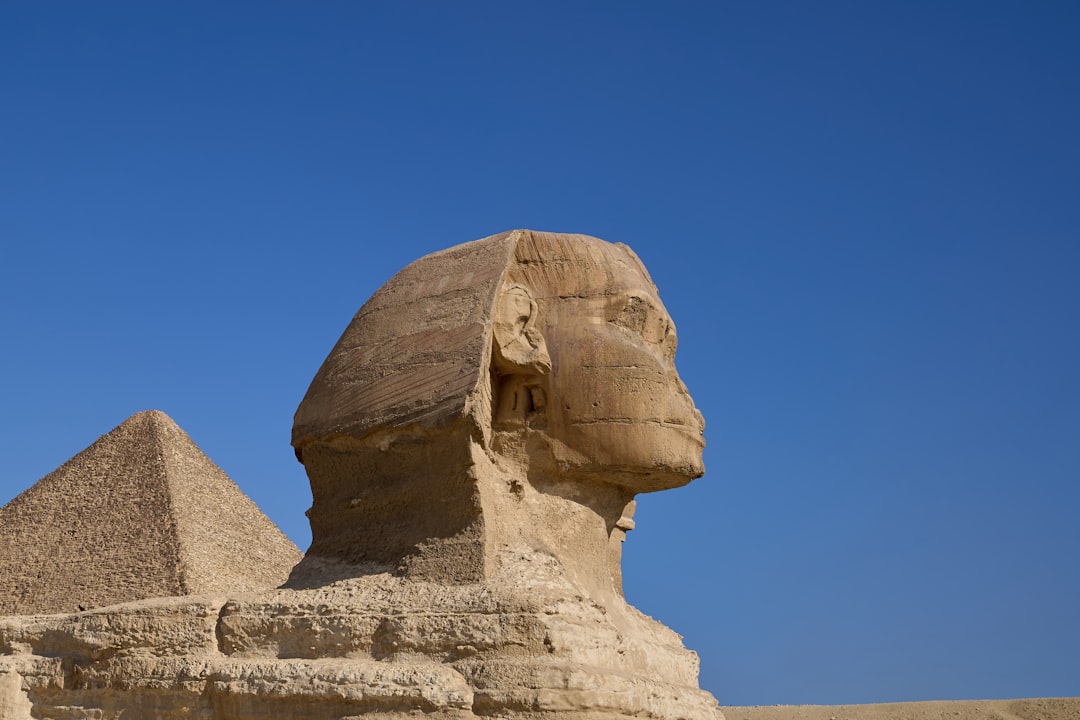
No discussion of Ancient Egypt’s mysteries would be complete without mentioning the Sphinx, a majestic statue with the body of a lion and the head of a human. Carved from a single block of limestone, the Sphinx stands as a symbol of strength and wisdom, guarding the entrance to the Giza plateau. Yet, despite its iconic status, the origins and purpose of the Sphinx remain shrouded in mystery. Who built it and why? Was it meant to represent a pharaoh or a deity? These questions continue to fuel speculation and intrigue, making the Sphinx one of the most enduring enigmas of ancient Egypt. Ongoing archaeological excavations and technological advancements offer hope of uncovering new insights into the secrets of this ancient guardian.

The Rosetta Stone: Key to Deciphering Ancient Texts

In 1799, a chance discovery near the town of Rosetta would unlock the secrets of Ancient Egypt’s written language. The Rosetta Stone, inscribed with a decree issued by King Ptolemy V in 196 BCE, contains the same text written in three scripts: hieroglyphic, demotic, and Greek. This invaluable artifact provided the key to deciphering the hieroglyphic script, allowing scholars to unlock a treasure trove of ancient texts and literature. From religious hymns to administrative documents, the decipherment of hieroglyphs revolutionized our understanding of ancient Egyptian culture and history, shedding light on its religious beliefs, political organization, and social customs.

Legacy of Egypt: Influence on Art, Science, Religion

Beyond its mysteries, Ancient Egypt’s legacy endures in myriad ways, shaping the course of human civilization for millennia. From its contributions to art and architecture to its advancements in medicine and mathematics, the influence of ancient Egypt can be felt across continents and centuries. The iconic motifs of Egyptian art, such as the hieroglyphs and stylized figures, have inspired artists and designers throughout history, leaving an indelible mark on global culture. Moreover, its religious beliefs and funerary practices continue to fascinate scholars and enthusiasts alike, offering insights into the human quest for immortality and spiritual transcendence. The enduring legacy of Ancient Egypt serves as a testament to the resilience and creativity of one of the world’s most remarkable civilizations, leaving an indelible imprint on the fabric of human history.

Conclusion:

In conclusion, Ancient Egypt stands as a testament to the ingenuity, creativity, and spiritual depth of one of the world’s most fascinating civilizations. From the awe-inspiring Pyramids to the intricate temple complexes, each monument serves as a window into the cultural, religious, and artistic achievements of this ancient culture. While many mysteries of Ancient Egypt have been unraveled through centuries of research and exploration, countless questions still remain, fueling ongoing investigations and inspiring new generations of scholars and enthusiasts. As we continue to unravel the secrets of Ancient Egypt, may we gain a deeper appreciation for the enduring legacy of this extraordinary civilization and the mysteries that continue to captivate our imaginations.

Categories
W7 World

Exploring the Saqqara Tomb: An Ancient Egyptian Treasure Trove

Introduction

Ancient Egypt is known for its rich history and culture, but also for its darker side. The Saqqara Tomb is an ancient Egyptian burial site that has captivated the attention of archaeologists and historians since its discovery in 2018. This remarkable discovery sheds new light on the culture and society of ancient Egypt, offering a glimpse into the beliefs and practices surrounding death and the afterlife. In this article, we will explore the Saqqara Tomb in greater detail, examining its historical significance and the treasures it holds. Join us as we delve into the fascinating world of the Saqqara Tomb and explore the wonders of ancient Egyptian civilization.

The Tomb of Wahtye: An overview

Often referred to as the Saqqara Tomb, the tomb of Wahtye was discovered in 2018 by an Egyptian archaeological mission in Saqqara, Egypt. The tomb had been untouched for over 4,000 years and was an exciting discovery for archaeologists and historians, providing new insights into ancient Egyptian culture and beliefs surrounding death and the afterlife.

The Saqqara tomb is a vast necropolis that served as the burial site for ancient Egyptian royalty and elites, and the discovery of the Wahtye tomb within it was a significant archaeological find. The discovery of the tomb allowed for a deeper understanding of ancient Egyptian beliefs and practices surrounding death and the afterlife, as well as offering a glimpse into the life of a high-ranking official during the reign of King Neferirkare.

The tomb belonged to a high-ranking official named Wahtye, who lived during the reign of King Neferirkare. The tomb is a remarkable discovery, as it contains not only Wahtye’s mummy and funerary offerings, but also stunning paintings and reliefs that depict scenes from his life and the afterlife. The documentary follows the team of archaeologists and experts as they carefully excavate the tomb and uncover its secrets.

Discovering the Saqqara Tomb

The Saqqara Tomb was discovered in 2018 by an Egyptian archaeological mission, and it is considered one of the most significant finds in recent history. The tomb belonged to a high-ranking official named Wahtye, who served during the reign of King Neferirkare. The tomb was found intact, with its treasures and decorations still in place, offering a rare glimpse into the life of an elite member of ancient Egyptian society.

The Significance of the Saqqara Tomb

The discovery of the Saqqara Tomb has significant historical and archaeological significance. The tomb’s untouched state provided archaeologists with an invaluable opportunity to study the burial customs, beliefs, and technologies of ancient Egypt. The tomb also contains a wealth of artistic treasures, including stunning reliefs, sculptures, and paintings that offer insight into the ancient Egyptian artistic style and techniques.

The Treasures of the Saqqara Tomb

The Saqqara Tomb’s treasures include an array of artistic and technological achievements that demonstrate the sophistication and ingenuity of ancient Egyptian culture. The tomb’s walls are adorned with stunning reliefs and paintings that depict various scenes of Wahtye’s life, including hunting and fishing. The tomb also contained a variety of funerary equipment, including a mummy and an array of offerings intended to ensure Wahtye’s successful journey to the afterlife.

Age of Fear: Rituals of Death

Through the excavation of Wahtye’s tomb and the exploration of ancient Egyptian death rituals, we get a glimpse into the rich and complex culture of ancient Egypt. The discovery of Wahtye’s tomb and its treasures offer a unique window into the past, shedding light on the technological and artistic achievements of this remarkable civilization.

Ancient Egyptians believed that death was not the end of life, but rather the beginning of a journey to the afterlife. They believed that a person’s soul had to pass through a series of trials and obstacles in order to reach the afterlife and achieve immortality. This belief led to a culture of death rituals and offerings that were intended to help the deceased on their journey.

While the ancient Egyptians lived in an age of fear surrounding death, their belief in the afterlife and the journey to immortality has left an enduring legacy that continues to fascinate and inspire us today. The documentary serves as a reminder of the richness and complexity of ancient Egyptian culture and the importance of continuing to uncover the secrets of this fascinating civilization.

Conclusion

The discovery of the Saqqara Tomb is an exciting moment in the field of archaeology, offering a rare and valuable glimpse into ancient Egyptian society and culture. The treasures found within the tomb provide invaluable insights into the beliefs, customs, and technologies of the time, and the tomb’s untouched state makes it one of the most significant archaeological finds of recent times. The Saqqara Tomb is a testament to the ingenuity and sophistication of ancient Egyptian culture, and its discovery serves as a reminder of the enduring legacy of this remarkable civilization.

Categories
W7 World

The Very First Ancient Egyptians: How They Became Pyramid Builders

Introduction

The history of Ancient Egypt is a fascinating one, filled with mystery, intrigue, and wonder. But before the towering pyramids and intricate hieroglyphs that we associate with Ancient Egypt, there were the very first Egyptians. These were a people who lived thousands of years ago, in the Nile Valley, and who laid the foundations for the great civilization that would follow. The story of the ancient Egyptians is truly one of human triumph and creativity, and it will continue to inspire and awe us for generations to come.

The Very First Ancient Egyptians

The ancient Egyptians are one of the most fascinating civilizations in human history. Their monumental achievements, such as the building of the pyramids and the development of a highly sophisticated writing system, continue to capture our imagination today. But how did it all start? What were the very first ancient Egyptians like, and how did they become the advanced civilization we know today?

The story of the first ancient Egyptians begins over 5,000 years ago, in the Nile River Valley. At that time, the region was populated by small, isolated communities of hunter-gatherers and farmers. Over time, these communities began to grow and interact with each other, forming the foundation for the early Egyptian civilization. The early Egyptians were not yet the grand builders and architects we associate with the civilization, but they were already developing religious beliefs and a complex social hierarchy. As the centuries passed, their culture continued to evolve, and they began to build the grand monuments that we still marvel at today.

The article delves into the earliest civilization of Ancient Egypt and how it has evolved over time. It explores the transformation of primitive farmers into pyramid builders and the early evidence for Egypt’s gods and their obsession with death and the afterlife. The article is divided into several sections, including “Origins of Ancient Egyptians,” “Life of Ancient Egyptians,” “Religion and Beliefs,” “Art and Architecture,” and “Legacy of Ancient Egyptians.” The goal of the article is to provide readers with a comprehensive understanding of the very first Ancient Egyptians and their impact on history.

The Prehistoric Origins of Ancient Egypt

The Ancient Egyptians are famous for their pyramids, mummies, and hieroglyphs. However, before they became the architects of these grand monuments, they were simple farmers living along the Nile River. So, how did the people of Egypt evolve from primitive farmers to skilled builders of massive structures?

The story of the first Ancient Egyptians dates back to the prehistoric era, around 5000 BCE. At this time, the Nile River provided a vital source of water and fertile land for farming. The people of Egypt learned to harness the power of the river, creating irrigation systems to maximize their crops. They built mud-brick homes and developed a hieroglyphic writing system to record their daily lives.

Early Egyptian Society: From Farmers to Builders

Over time, these early Egyptians began to organize into larger groups, creating small villages and towns. They traded goods with neighboring communities and developed a complex social hierarchy. As their population grew, they faced new challenges such as famine and disease, which led to the development of medicine and more advanced farming techniques.

The Emergence of Egyptian Religion and the Afterlife

The Ancient Egyptians were also fascinated with the afterlife, as evidenced by their elaborate burial practices. The early evidence for this obsession with death and the afterlife dates back to the predynastic period, around 3100 BCE. Grave goods such as pottery and jewelry were buried with the deceased, and some tombs were constructed with chambers for the dead person’s soul.

Evidence of Early Egyptian Gods and Goddesses

As the Ancient Egyptians continued to develop, they also began to worship gods and goddesses, such as Ra, Osiris, and Isis. These deities were believed to control the natural world and were often depicted with human or animal features. Temples were built to honor these gods, and priests played an important role in religious ceremonies and rituals.

The pinnacle of Ancient Egyptian civilization was the construction of the pyramids, which began around 2600 BCE. These massive structures were built as tombs for the pharaohs, the rulers of Egypt. The Great Pyramid of Giza, built for Pharaoh Khufu, stands over 450 feet tall and is one of the Seven Wonders of the Ancient World.

The Evolution of Egyptian Art and Culture

In just a few centuries, the people of Egypt had transformed from simple farmers to skilled builders of massive structures, with an advanced writing system, complex social hierarchy, elaborate burial practices, and a fascination with the afterlife and gods. The legacy of the Ancient Egyptians continues to fascinate and inspire people around the world today.

In modern times, Egypt is still known for its rich cultural heritage, with many ancient monuments and artifacts still standing. The country has also evolved into a modern, vibrant society with a mix of traditional and contemporary customs. From the Nile River to the bustling cities, Egypt remains a land of wonder and beauty, with a fascinating history that stretches back to the very first Ancient Egyptians.

The Legacy of the First Ancient Egyptians

The legacy of the first Ancient Egyptians can still be felt today. From their early beginnings as simple farmers to the builders of grand pyramids and temples, the people of ancient Egypt left an indelible mark on history. Their religion, with its elaborate pantheon of gods and goddesses, and their fascination with death and the afterlife, has also had a lasting impact. Even as we continue to learn more about these early people and their way of life, we can see their influence all around us in the art, architecture, and culture of Egypt and beyond.

Conclusion

The ancient Egyptians were a fascinating and complex civilization that left a lasting impact on the world. From their beginnings as simple farmers along the Nile River, they developed into a society of great power and influence. Their remarkable achievements in architecture, engineering, art, and religion continue to captivate us to this day. While their civilization eventually declined and was conquered by outside forces, their legacy lives on in the many wonders they left behind.

Categories
W7 World

The Great Pyramid of Giza: Unraveling the Mysteries of Ancient Egypt

Introduction

The Great Pyramid of Giza, also known as the Pyramid of Khufu or the Pyramid of Cheops, is one of the most iconic and awe-inspiring structures in the world. Located on the outskirts of Cairo, Egypt, this ancient wonder has captured the imaginations of people for centuries, drawing visitors from all over the globe who come to marvel at its grandeur and mystery. In this article, we will explore the fascinating history of the Great Pyramid of Giza, its construction, and the many mysteries that continue to surround it to this day.

The Great Pyramid of Giza: An Overview

In the heart of Egypt, a timeless symbol of human achievement and architectural prowess stands resolute against the sands of time – the Great Pyramid of Giza. Constructed around 2560 BCE, this monumental structure, also known as the Pyramid of Khufu or the Pyramid of Cheops, remains a testament to the ingenuity, dedication, and cultural significance of ancient Egyptian civilization.

The Pharaoh and the Monument

At the helm of this awe-inspiring endeavor was Pharaoh Khufu, also known as Cheops. He ruled during the Old Kingdom’s Fourth Dynasty and envisioned a lasting monument that would etch his legacy into history. The Great Pyramid, located on the Giza Plateau near modern-day Cairo, was conceived not just as a tomb, but as a gateway to the afterlife and a representation of the pharaoh’s divine connection.

Architectural Marvel and Construction

The sheer scale of the Great Pyramid is a testament to ancient Egypt’s unparalleled architectural prowess. Composed of massive limestone and granite blocks, the pyramid’s original height was approximately 146.6 meters (481 feet). Its precision and symmetry, even by today’s standards, are remarkable achievements.

The construction process, shrouded in mystery and debated by scholars, is believed to have involved a colossal labor force, including skilled artisans, laborers, and architects. The method of transporting and placing the immense stone blocks remains an intriguing puzzle, with theories ranging from ramps to counterweights. The organization required to oversee such an endeavor underscores the advanced administrative capabilities of the ancient Egyptians.

Symbolism and Astronomical Alignment

Beyond its physical dimensions, the Great Pyramid is imbued with profound symbolism. Its shape, with four sloping sides and a square base, was thought to represent the descending rays of the sun god Ra. The pyramid’s orientation, aligned with incredible precision to the cardinal points, reflects the ancient Egyptians’ deep connection to the cosmos and their reverence for celestial forces.

The pyramid’s internal layout is equally intriguing. The intricate chambers and passages are believed to hold symbolic significance related to the pharaoh’s journey to the afterlife. The King’s Chamber, with its granite sarcophagus, is a focal point of mystery and speculation, fueling theories about the pyramid’s spiritual and cosmic significance.

Engineering Marvels and Technological Mastery

The construction of the Great Pyramid required not only meticulous planning but also a profound understanding of engineering and mathematics. The precision in the pyramid’s dimensions, the alignment of its sides, and the intricacy of its internal structures showcase the ancient Egyptians’ mastery of these disciplines.

Moreover, the use of advanced tools such as copper chisels, stone hammers, and wooden sledges underscored their innovative approach to construction. The techniques employed by ancient craftsmen, often passed down through generations, enabled them to manipulate massive stone blocks with remarkable precision.

Cultural and Historical Context

The Great Pyramid’s significance extends beyond its physical attributes. It embodies the ancient Egyptians’ deeply ingrained religious beliefs, where the pharaoh’s journey to the afterlife was intricately linked with monumental architecture. The pyramid complex, including the causeway, temples, and smaller pyramids, created a sacred landscape dedicated to the pharaoh’s eternal journey.

The pyramid also serves as a historical marker, offering insights into the organizational capabilities of ancient Egypt’s society. The construction required not just a vast labor force but a complex administrative structure to manage resources, logistics, and labor allocation. The social, economic, and technological aspects of pyramid construction provide a window into the intricate tapestry of ancient Egyptian life.

Legacy and Modern Fascination

The legacy of the Great Pyramid of Giza is etched not only in stone but in the collective human imagination. Throughout history, it has captured the minds of scholars, explorers, and travelers, drawing them to its majestic presence. From the accounts of ancient Greek historians to modern archaeological investigations, the pyramid has been a subject of unending fascination.

The Great Pyramid’s enduring allure extends to its role in popular culture, inspiring countless works of literature, art, and media. It serves as a universal symbol of human ambition and achievement, a reminder of what can be accomplished with determination and innovation.

Overall, the Great Pyramid of Giza stands as a timeless testament to the heights of human achievement and the depths of ancient Egyptian culture. From its monumental dimensions to its intricate symbolism, it encapsulates the multifaceted aspects of a civilization that flourished millennia ago.

Beyond its physical form, the pyramid symbolizes the enduring human quest for meaning, legacy, and connection to the cosmos. It serves as a bridge between the past and the present, inviting us to contemplate the mysteries of ancient Egypt and the remarkable accomplishments of those who came before us.

In the modern world, the Great Pyramid of Giza remains an embodiment of the human spirit’s boundless capacity for innovation and creativity. It serves as a reminder that the pursuit of knowledge, the desire to leave a lasting legacy, and the ability to shape the world around us are intrinsic to our nature as humans.

The Magnificence of the Great Pyramid of Giza

The Great Pyramid of Giza is a massive stone structure that stands over 140 meters tall and covers an area of over 13 acres. It is the largest of the three pyramids in the Giza complex and was built over 4,500 years ago during the reign of the Pharaoh Khufu. The pyramid is made up of over 2 million blocks of limestone, each weighing an average of 2.5 tons, and is considered to be one of the most impressive feats of engineering in the ancient world.

Construction of the Great Pyramid of Giza

The construction of the Great Pyramid of Giza is a remarkable achievement that continues to baffle experts to this day. Despite the immense size of the structure, the precise techniques used to cut and transport the massive stone blocks remain a mystery. It is believed that the stones were quarried from nearby sites and then transported to the building site using a system of ramps and pulleys. The exact number of workers involved in the construction of the pyramid is unknown, but it is estimated that up to 100,000 people may have been involved in the project at its peak.

Purpose of the Great Pyramid of Giza

The purpose of the Great Pyramid of Giza is another mystery that continues to elude historians and archaeologists. While it is widely believed that the pyramid was built as a tomb for the Pharaoh Khufu, there is no conclusive evidence to support this theory. Some researchers believe that the pyramid may have had a more symbolic purpose, serving as a representation of the Pharaoh’s power and wealth. Others suggest that the pyramid may have been used for astronomical observation or as a site for religious rituals.

Mysteries of the Great Pyramid of Giza

The Great Pyramid of Giza is surrounded by many mysteries and legends that continue to intrigue people to this day. One of the most famous of these is the theory that the pyramid was built with the help of extraterrestrial beings, an idea that has been popularized by numerous books and documentaries. Another mystery surrounding the pyramid is the so-called “air shafts” that were discovered inside the structure. These shafts, which were originally thought to have a symbolic purpose, have since been found to be aligned with the stars, leading some researchers to believe that they may have been used for astronomical observations.

The Legacy of the Great Pyramid of Giza

The Great Pyramid of Giza is a testament to the ingenuity and skill of the ancient Egyptians, who were able to construct one of the most impressive structures in human history using only the most basic tools and techniques. While many of the mysteries surrounding the pyramid may never be fully understood, its legacy as a symbol of human achievement and wonder will continue to captivate people for generations to come.

Conclusion

The Great Pyramid of Giza is not only a testament to the incredible engineering and architectural achievements of the ancient Egyptians, but also a reflection of their beliefs and customs. Despite thousands of years of exposure to the elements and human interference, it remains standing as a reminder of the rich history and cultural heritage of Egypt. Its construction is a mystery that continues to intrigue and fascinate people around the world, and it will undoubtedly remain a symbol of the ingenuity and creativity of the human spirit for generations to come.

FAQs about The Great Pyramid of Giza

Q: When was the Great Pyramid of Giza built? A: The Great Pyramid of Giza was built over 4,500 years ago during the reign of the Pharaoh Khufu.

Q: How was the Great Pyramid of Giza constructed? A: The precise techniques used to construct the Great Pyramid of Giza

Q: How long did it take to build the Great Pyramid of Giza? A: It is estimated that the construction of the Great Pyramid of Giza took around 20 years to complete.

Q: How many blocks of stone were used to build the Great Pyramid of Giza? A: It is estimated that around 2.3 million blocks of stone were used to construct the Great Pyramid of Giza, with some of the blocks weighing as much as 80 tons.

Q: What was the purpose of the Great Pyramid of Giza? A: The purpose of the Great Pyramid of Giza is still debated by scholars today, but it is widely believed to have been a tomb for the Pharaoh Khufu.

Q: How tall is the Great Pyramid of Giza? A: The Great Pyramid of Giza stands at a height of approximately 147 meters (481 feet).

Q: Can you go inside the Great Pyramid of Giza? A: Yes, it is possible to enter the Great Pyramid of Giza, although access to the interior is limited and requires a special ticket. Visitors are only allowed to enter a small section of the pyramid and are not permitted to climb to the top.