Categories
W1 World

From Fort to Palace: The Fall of Medieval Military Fortresses and the Rise of Regal Splendor

Introduction: From Battlefield to Fairytale

In the Middle Ages, castles loomed over the countryside as formidable military fortresses, centers of power, and homes to nobility. Built for defense and dominance, they were strategic strongholds that shaped the political and military landscapes of their time. Their towering walls and moats were not only barriers against invasion but symbols of authority and feudal control.

But as centuries passed, their thick walls and moats gave way to balconies, gardens, and banquets. Increasingly, castles transitioned into lavish residences that served more as symbols of authority and refinement than bastions of war. This transformation offers a window into the shifting currents of military technology, cultural ideals, and royal ambition.

Windsor Castle and the Royal Reinvention

One of the most striking examples of this shift is Windsor Castle during the reign of Edward III in the 14th century. Edward, a monarch steeped in chivalric ideals and a deep sense of royal prestige, initiated sweeping renovations that turned the fortress into a grand palace reflecting his imperial aspirations. At the heart of this transformation was the establishment of the Order of the Garter, Edward’s own revival of Arthurian legend. It brought together England’s most loyal and powerful knights in a circle modeled after the fabled Knights of the Round Table.

Windsor became more than a castle—it was a stage upon which the king dramatized his divine right to rule. The Garter ceremonies, held in St George’s Chapel, symbolized unity, loyalty, and the glamour of chivalry. These rituals helped elevate Edward’s image across Europe and left a lasting architectural and cultural legacy. The towered silhouette of Windsor no longer warned of incoming armies but stood as a proud emblem of royal continuity.

Warfare: Changing Tools, Changing Roles

The fading role of castles in warfare was also due to advancements in military technology. The arrival of gunpowder and cannon made even the thickest walls vulnerable. Siege warfare changed dramatically; traditional battlements and towers could no longer withstand prolonged bombardment. Cannons such as the French “Basilisk” or the Ottoman Empire’s famed bombards during the 1453 siege of Constantinople demonstrated the vulnerability of stone walls.

Castles began to lose their primary function as defensive structures. Instead, military priorities shifted to newer fortification designs such as star forts, which could better deflect artillery. As a result, many older castles were repurposed, abandoned, or rebuilt as elaborate homes reflecting Renaissance and Baroque ideals. Castles became showcases of heritage and wealth rather than frontline defenses.

Burg Eltz: Noble Identity Without the War

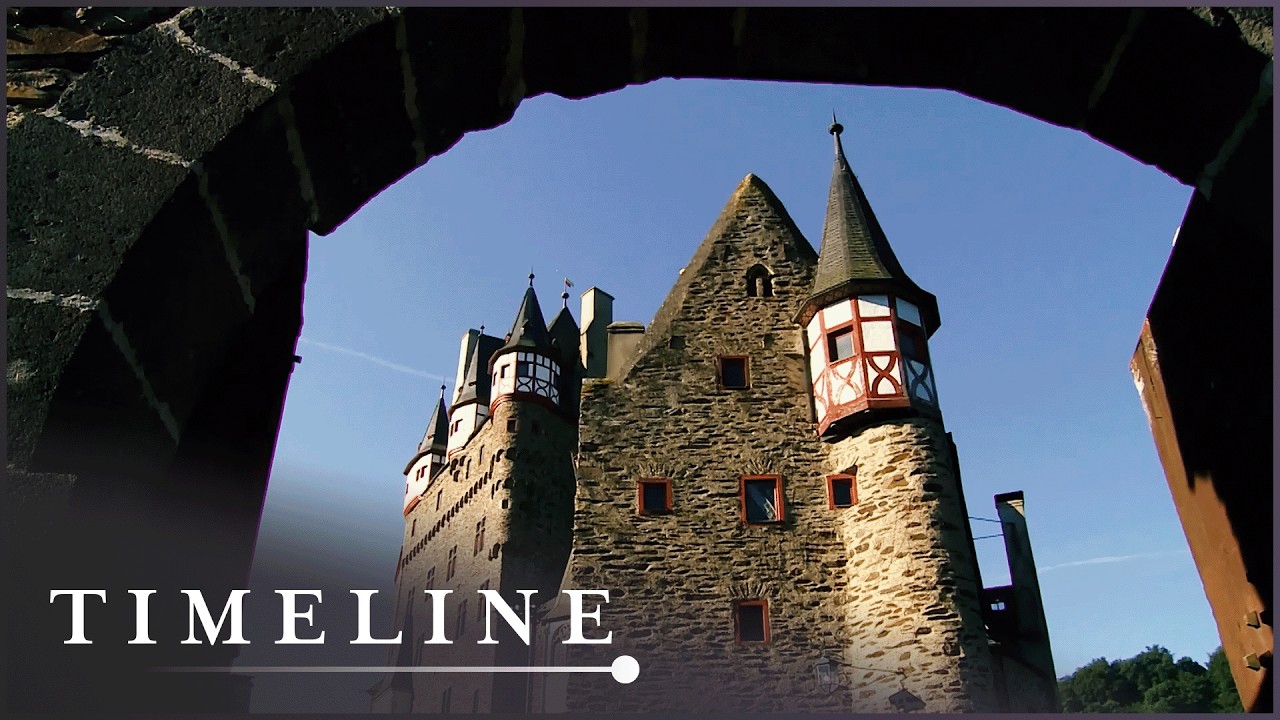
Burg Eltz in Germany illustrates a different aspect of this evolution. Nestled in the Moselle hills, this 15th-century stronghold is less about warfare and more about continuity and status. Remarkably untouched by conflict or decay, Burg Eltz survived because it adapted to changing times. Rather than being a garrison, it became a multigenerational home that balanced medieval design with increasing comfort.

Burg Eltz exemplifies how smaller noble families preserved their legacy without engaging in warfare. The castle’s elegant wooden balconies, intricate armory, and frescoed rooms speak to a period when appearance and symbolism mattered more than military readiness. The Eltz family maintained its independence through diplomacy and allegiance, allowing the castle to stand as a preserved monument to aristocratic life.

Loire Valley: Castles Become Grand Châteaux

Nowhere is the shift from fort to palace more visible than along the Loire Valley in France. By the 16th century, powerful nobles and royals commissioned opulent châteaux such as Chambord and Chenonceau—structures more akin to Renaissance palaces than medieval fortresses. They reflected ideals of leisure, proportion, and classical beauty, inspired by Italy’s flourishing art and architecture.

These châteaux were built not for war, but for entertainment, courtship, and artistic patronage. Wide staircases, decorative facades, and expansive gardens signaled a dramatic departure from defensive necessity. The Renaissance’s humanist values found a home in these buildings, where the celebration of intellect, beauty, and culture supplanted the grit of feudal struggle.

Chambord, with its iconic double helix staircase, is rumored to have been influenced by Leonardo da Vinci himself. The Loire châteaux became the blueprint for palaces across Europe, culminating in extravagant structures like Versailles. This trend represented a broader cultural pivot—royal and noble residences were now curated experiences, not military instruments.

Cardiff Castle and 19th-Century Gothic Revival

By the 19th century, the military function of castles was virtually obsolete, yet public fascination with them only grew. The Gothic Revival period saw a resurgence in castle building—not for defense, but for nostalgia, drama, and national pride. Cardiff Castle in Wales, extensively remodeled by the Marquess of Bute and architect William Burges, was transformed into a fantasy vision of the medieval past.

Richly decorated interiors, heraldic motifs, and whimsical towers gave Cardiff Castle an almost theatrical presence. This revival was part of a larger Victorian fascination with Gothic architecture, which found parallels in literature (such as Tennyson’s Arthurian poems) and historical fiction (like Sir Walter Scott’s Ivanhoe). These castles projected an idealized version of the Middle Ages, one that emphasized myth over history.

They also mirrored the British Empire’s self-image: powerful, ancient, and cultured. The medieval castle became a canvas for imperial identity and architectural storytelling.

Stone and Symbol: A Rich Legacy of Nostalgia

Though medieval castles have long since lost their role as military outposts, their cultural and architectural legacy continues to shape our world. Today, they serve as museums, tourist attractions, and filming locations, preserving a visual memory of power, romance, and resistance. The fantasy genre, from Game of Thrones to Harry Potter, has reinvigorated global fascination with castles, making them enduring icons of both history and imagination.

Their transformation from fortresses to palaces—and ultimately to symbols—reflects broader shifts in human society: from conflict to courtly life, from survival to splendor. The story of castles is not just about stone and steel; it’s about how civilizations evolve, repurpose their past, and enshrine their values in architecture that outlasts empires.

Why Castles Changed: Power, Prestige, Peace

So what truly caused the decline of the military fortress? The answer lies in a confluence of factors:

  • Advancements in warfare made stone walls ineffective.
  • Political centralization reduced the need for local lords to defend territory.
  • Economic growth allowed the elite to invest in luxury, not logistics.
  • Cultural movements like the Renaissance and Gothic Revival shifted architectural priorities toward beauty and symbolism.

Ultimately, castles changed because the world around them changed. Peace, prosperity, and progress allowed people to imagine a life beyond defense—a life of art, ideals, and architectural wonder.

Conclusion: Stones, Symbols, and Stories Past

Medieval castles may have lost their military relevance, but they gained something equally powerful—a lasting legacy as symbols of imagination, identity, and culture. From Edward III’s Arthurian vision at Windsor to the romantic daydream of Cardiff Castle, these fortresses evolved into stages for royal narratives and social aspiration.

Today, they survive not as outposts of war, but as monuments to history, where each stone tells a story—not just of battles fought, but of identities shaped, myths revived, and a world in transition. Their silent walls now echo with the legacy of changing empires, evolving tastes, and the enduring human desire to leave a mark on the landscape of time.

Categories
W1 World

The Moral Decline of Universities: Challenges, Trends, and Solutions in Higher Education

Introduction:

In contemporary discourse, the moral landscape of universities has become a focal point of scrutiny and concern, as institutions of higher learning grapple with a myriad of ethical challenges. Once revered as bastions of knowledge and intellectual integrity, universities now confront a complex array of issues ranging from academic dishonesty and campus culture to broader societal trends that impact the ethical fabric of higher education. This article aims to delve into the multifaceted factors contributing to the moral decline of universities, examining historical trends, recent developments, and potential strategies for revitalizing ethical standards in the academic sphere.

Academic Integrity:

At the heart of the moral decline of universities lies the erosion of academic integrity, a trend that has garnered increased attention in recent years. Numerous studies and surveys have documented a rise in incidents of plagiarism, fabrication of research data, and other forms of academic dishonesty across institutions worldwide. For example, a comprehensive study conducted by the International Center for Academic Integrity found that approximately 68% of undergraduate students admit to engaging in cheating behaviors during their academic careers. These findings underscore the pervasive nature of academic misconduct and its detrimental impact on the credibility and reliability of scholarly research.

Several factors contribute to the deterioration of academic integrity within universities. The pressure to publish in prestigious journals, secure research funding, and attain tenure has intensified in an increasingly competitive academic landscape, leading some scholars to resort to unethical practices to meet professional demands. The proliferation of online resources and digital technologies has facilitated the ease of plagiarism and cheating, blurring the boundaries between original scholarship and derivative work. Moreover, the commodification of education, driven by market forces and neoliberal policies, has transformed universities into profit-driven enterprises, where student enrollment numbers and tuition revenue often take precedence over academic rigor and ethical scholarship.

Campus Culture and Social Justice:

In addition to issues of academic integrity, universities grapple with broader challenges related to campus culture and social justice. Incidents of discrimination, harassment, and sexual misconduct have exposed deep-seated inequities and power imbalances within academic institutions, prompting calls for greater accountability and inclusivity. According to a comprehensive survey conducted by the Association of American Universities, a significant proportion of undergraduate students report experiencing sexual assault or misconduct during their college years, highlighting the urgent need for institutional reform and support services for survivors.

Furthermore, the suppression of dissenting viewpoints and the politicization of academic discourse have created a climate of intellectual homogeneity and ideological conformity, stifling free expression and critical inquiry on campus. Recent controversies surrounding controversial speakers, academic boycotts, and cancel culture have reignited debates about the limits of academic freedom and the role of universities in fostering open dialogue and intellectual diversity. These developments underscore the complex interplay between academic values, societal norms, and institutional governance structures within the university setting.

Solutions and Strategies:

Addressing the moral decline of universities requires a multifaceted approach that encompasses institutional reform, ethical education, and a reaffirmation of core values. Universities must prioritize the cultivation of ethical leadership and moral reasoning skills among students, faculty, and administrators, equipping them with the tools needed to navigate ethical dilemmas with integrity and compassion. Comprehensive ethics education programs, integrated into curricula across disciplines, can foster a culture of ethical awareness and accountability, instilling in students a sense of ethical responsibility and civic engagement.

Moreover, institutions must commit to fostering a climate of transparency, inclusivity, and diversity, where all members of the university community feel valued, respected, and empowered to contribute to the intellectual and social fabric of the institution. This entails implementing robust reporting mechanisms for incidents of misconduct, providing support services for survivors of harassment and violence, and promoting diversity and inclusion initiatives that celebrate the richness of human experience and perspective. By fostering a culture of ethical leadership, intellectual curiosity, and social responsibility, universities can reclaim their role as agents of positive change and beacons of moral and intellectual excellence in society.

Conclusion:

Finally, the moral decline of universities poses significant challenges to the integrity and vitality of higher education in the 21st century. However, by acknowledging and addressing the root causes of this decline, universities can chart a path toward renewal and revitalization, reaffirming their commitment to academic excellence, ethical leadership, and social justice. As guardians of knowledge and stewards of the public trust, universities have a responsibility to uphold the highest standards of integrity, accountability, and ethical conduct, thereby fulfilling their mission as engines of progress and enlightenment in an ever-changing world.

Categories
W7 World

The Viking Age: Scandinavians Plundering and Trading in Europe

Introduction

The Viking Age, spanning from the late 8th to the mid-11th century, was a period of great historical significance in Northern Europe. During this time, Scandinavian raiders and traders ventured out to other parts of Europe, leaving a lasting impact on the region’s history and culture. The Vikings were renowned for their seafaring skills, fearsome reputation, and unique societal structure. This article will explore the fascinating history of the Viking Age, including their raids, trade networks, societal structure, and cultural contributions to European history.

The Vikings Age and its Impact

The Viking Age was a period in European history spanning from the late 8th century to the mid-11th century. During this time, Scandinavian seafarers, commonly known as Vikings, raided, traded, and colonized various parts of Europe. The Vikings’ impact on Europe was significant, and their legacy still resonates today.

Know who were the Vikings

The Vikings were seafarers and warriors from modern-day Norway, Sweden, and Denmark. They were known for their long ships, which allowed them to travel long distances and raid unsuspecting coastal towns. However, the Vikings were not just raiders but also traders, farmers, and craftsmen.

Viking Raids throughout Europe

The Vikings were infamous for their raids on monasteries, towns, and villages throughout Europe. They would strike quickly and disappear just as fast, leaving behind destruction and terror. The Vikings were also known to engage in slave trading, taking captives from their raids and selling them in markets throughout Europe and the Middle East.

Viking Expansion and Colonization

As the Viking Age progressed, the Vikings began to expand their territories and establish settlements throughout Europe. The Vikings established colonies in Iceland, Greenland, and Vinland (North America), and even ventured as far as the Middle East and Russia. The Viking expansion had a significant impact on European history, as it led to the creation of new cultures and societies.

Viking Culture and Society

Viking society was divided into classes, with the Jarls (nobles) at the top, followed by the Karls (freemen) and the Thralls (slaves). The Vikings were known for their rich mythology and religion, which included gods such as Odin, Thor, and Loki. Viking society also had a strong oral tradition, with stories and myths passed down from generation to generation.

Legacy of the Vikings

The Viking Age had a significant impact on European history, shaping the continent’s cultural, social, and political landscape. The Vikings’ seafaring skills and navigation technology paved the way for further exploration and discovery. The Vikings’ impact on language, art, and literature can still be seen today, particularly in Scandinavia and the British Isles.

Conclusion

The Viking Age was a significant period in history that saw Scandinavian raiders embark on expeditions of plundering and trading throughout Europe. The Vikings’ prowess on the sea, their distinctive longships, and their impact on trade, commerce, and warfare are just some of the factors that make this era noteworthy. Furthermore, the Vikings’ culture, mythology, and language continue to fascinate people to this day. The legacy of the Viking Age is still evident in modern Scandinavia and has had a lasting impact on the development of European history and culture.

FAQs about The Viking Age and Scandinavia’s Impact

Who were the Vikings? The Vikings were a seafaring people from the late eighth to early 11th century. They were known for their naval skills, longboats, and their raids across Europe and beyond.

Where did the Vikings come from? The Vikings were from Scandinavia, which includes modern-day Norway, Denmark, and Sweden.

What did the Vikings wear? The Vikings wore clothing made from wool, linen, and animal skins. They also wore jewelry and had elaborate hairstyles.

How did the Vikings influence European culture? The Vikings had a significant impact on European culture, particularly in areas such as language, art, and technology. They also played a role in the development of feudalism.

What is the legacy of the Vikings? The Vikings left behind a rich cultural legacy that can still be seen today, including in place names, art, and literature. They also contributed to the development of the modern nations of Norway, Denmark, and Sweden.

What did the Vikings eat? The Vikings were known for their hearty, simple meals, which included fish, meat, and vegetables. They also drank mead, a type of fermented honey drink.

Did the Vikings wear helmets with horns? Contrary to popular belief, the Vikings did not wear helmets with horns. This image was popularized in the 19th century and has no basis in historical fact.

Did the Vikings discover America? The Vikings established a colony in Vinland (North America), but it was short-lived and did not lead to any permanent settlement. Christopher Columbus is credited with discovering America in 1492.

Categories
W7 World

The Rise and Fall of the Mayan Civilization – A Look into the History and Legacy

Introduction

The Mayan civilization is one of the most fascinating and mysterious ancient civilizations in the world. This ancient civilization flourished in Central America from around 2000 BCE to the 16th century CE, and during that time, the Mayans developed a rich culture, remarkable achievements in astronomy, mathematics, and art, and a sophisticated system of writing that still puzzles researchers today.

Overview of the Mayan Civilization

The Mayan civilization is believed to have originated in the Yucatan Peninsula in present-day Mexico, and it is thought to have developed from earlier cultures in the region. The civilization reached its peak between 250 and 900 CE, during which time the Mayans built impressive cities, including Tikal, Palenque, and Chichen Itza. These cities were home to vast pyramids, temples, and palaces, many of which still stand today as a testament to the Mayan civilization’s architectural achievements.

The Mayan civilization was also known for its remarkable achievements in the fields of art, astronomy, mathematics, and architecture. They were skilled mathematicians and astronomers, developing a complex calendar system based on astronomical observations. Their architecture, which includes towering pyramids and grand temples, was designed with precise measurements and intricate carvings.

However, despite their advancements, the Mayans faced several challenges throughout their history. One of the biggest challenges was environmental degradation, as the Mayans relied heavily on agriculture and deforestation led to soil erosion and decreased crop yields. Additionally, political instability and warfare between Mayan city-states also contributed to the decline of their civilization.

Today, the Mayan civilization continues to fascinate and intrigue people around the world, and their legacy lives on in the ruins of their ancient cities, which have been designated as UNESCO World Heritage sites. Through the study of their history, culture, and achievements, we can gain a better understanding of the complex and diverse societies that have shaped our world.

In short, the Mayan civilization was a complex and sophisticated society that made significant contributions to the world in various fields. Their achievements in art, astronomy, mathematics, and architecture continue to amaze and inspire people to this day. Despite facing numerous challenges throughout their history, the Mayans left a lasting legacy that has shaped our understanding of the ancient world.

The Mayan Astronomy and Mathematics

The Mayans were skilled astronomers who were able to track the movements of the stars, planets, and the sun. They used their knowledge of astronomy to develop a highly accurate calendar, which was based on a system of cycles that lasted for various periods of time. The Mayan calendar was a complex system that allowed the Mayans to predict celestial events with remarkable accuracy.

The Mayans also made significant contributions to the field of mathematics. They developed a numerical system that was based on the number 20, rather than the number 10 used in most modern numerical systems. The Mayans used this system to perform complex mathematical calculations and to keep track of time. They also developed a symbol for zero, which was a groundbreaking achievement that would later be adopted by other cultures around the world.

The Mayan Art and Writing

The Mayans were also known for their remarkable achievements in art and writing. They developed a complex system of hieroglyphic writing that is still not fully understood today. Mayan hieroglyphs were used to record important events, such as battles, ceremonies, and the lives of rulers. The Mayans also produced beautiful works of art, including elaborate pottery, sculptures, and carvings. The Mayan art was characterized by intricate designs and elaborate decoration, often depicting scenes from everyday life, as well as the gods and goddesses that were central to their religion.

Mayan writing was also advanced, featuring hieroglyphics that were used to record historical events, religious ceremonies, and important dates. The discovery of the Mayan script in the 19th century was a significant breakthrough in the understanding of the civilization, as it provided valuable insights into their language, culture, and history. Today, scholars continue to study Mayan art and writing to gain a deeper understanding of this fascinating civilization.

The Rise of the Mayan Civilization

The rise of the Mayan civilization is a fascinating chapter in the history of Central America. This ancient civilization flourished in the region from around 2000 BCE to the 16th century CE, and its achievements in various fields continue to inspire people today. The Maya developed a complex and sophisticated society, with advanced knowledge in astronomy, mathematics, art, and writing. The Mayan civilization was known for its remarkable architecture, including the iconic stepped pyramids, and its impressive agricultural practices that sustained a large population.

Here are key pointers on The Rise of the Mayan Civilization:

  1. The Mayan civilization began to emerge in the region of modern-day Mexico and Central America around 2000 BCE.
  2. Agriculture played a crucial role in the development of the Mayan civilization. They cultivated crops such as maize, beans, and squash, which allowed them to build permanent settlements and form complex societies.
  3. The Mayans developed a sophisticated system of writing, which they used to record their history, myths, and religious beliefs.
  4. They also made significant advancements in mathematics, including the development of a calendar system that was more accurate than the one used in Europe at the time.
  5. The Mayan civilization was organized into city-states, each with its own ruler and government. These city-states often engaged in warfare, but they also traded with each other and formed alliances.
  6. The Mayan civilization reached its peak between the 3rd and 9th centuries CE, with the construction of monumental architecture, such as the famous pyramids at Chichen Itza and Tikal.
  7. The Mayan civilization declined in the 10th century CE, for reasons that are still debated by scholars. Some theories suggest that overpopulation, environmental degradation, and political instability may have contributed to their downfall.

The Fall of the Mayan Civilization

The reasons for the decline of the Mayan civilization are still not fully understood, but there are several theories. One theory suggests that environmental factors, such as drought and deforestation, played a significant role in the civilization’s downfall. Another theory suggests that political instability, warfare, and disease were contributing factors. Despite the uncertain cause of their decline, the Mayan civilization remains an important part of the history of Central America and the world.

Here are key pointers on The Fall of the Mayan Civilization:

  1. Environmental factors: The Mayan civilization was heavily dependent on agriculture, and deforestation, soil erosion, and droughts may have led to a decline in agricultural production and food shortages.
  2. Warfare and conflict: Mayan city-states were often in competition with each other and engaged in warfare. This could have weakened the civilization and made it more vulnerable to outside invaders.
  3. Disease: As the Mayans became more interconnected through trade and commerce, diseases such as smallpox and measles could have been introduced, causing widespread illness and death.
  4. Political instability: There is evidence that political unrest and conflict may have contributed to the decline of the Mayan civilization. This may have been due to disputes over resources, power struggles, or other factors.
  5. Migration: Some historians believe that the Mayans may have migrated away from their urban centers and dispersed into smaller, more rural communities as a way of adapting to the changing environmental and social conditions.

Overall, the decline of the Mayan civilization is a complex and multifaceted phenomenon that is still the subject of much debate and speculation among scholars today.

Conclusion

The Mayan civilization is a fascinating and important part of the world’s history. The achievements of the Mayans in astronomy, mathematics, art, and writing are remarkable, and their legacy continues to inspire people today. Although the reasons for their decline are still debated by scholars, the Mayan civilization left an indelible mark on the world and their cultural and intellectual contributions continue to be studied and celebrated to this day.

Faqs

What were the achievements of the Mayans? The Mayans were accomplished in various fields such as astronomy, mathematics, art, and writing. They created a complex calendar system, developed advanced architectural techniques, and produced beautiful pottery and other crafts.

What was the religion of the Mayans? The Mayans had a polytheistic religion, with many gods and goddesses who represented natural forces and elements. They conducted elaborate rituals and ceremonies to appease these deities and ensure a good harvest and other favorable outcomes.

What led to the decline of the Mayan civilization? The decline of the Mayan civilization is still a subject of debate among historians and archaeologists. Some theories suggest that factors such as overpopulation, warfare, and environmental degradation contributed to their downfall.

What is the significance of Mayan hieroglyphics? Mayan hieroglyphics are an important aspect of their writing system, which was used to record historical events, religious beliefs, and other aspects of their culture. Deciphering these hieroglyphics has provided valuable insights into Mayan society and history.

Where can I see Mayan ruins today? There are several sites in Central America where you can see Mayan ruins, including Chichen Itza and Tulum in Mexico, Tikal in Guatemala, and Copan in Honduras. These sites offer a glimpse into the rich history and culture of the Mayan civilization.