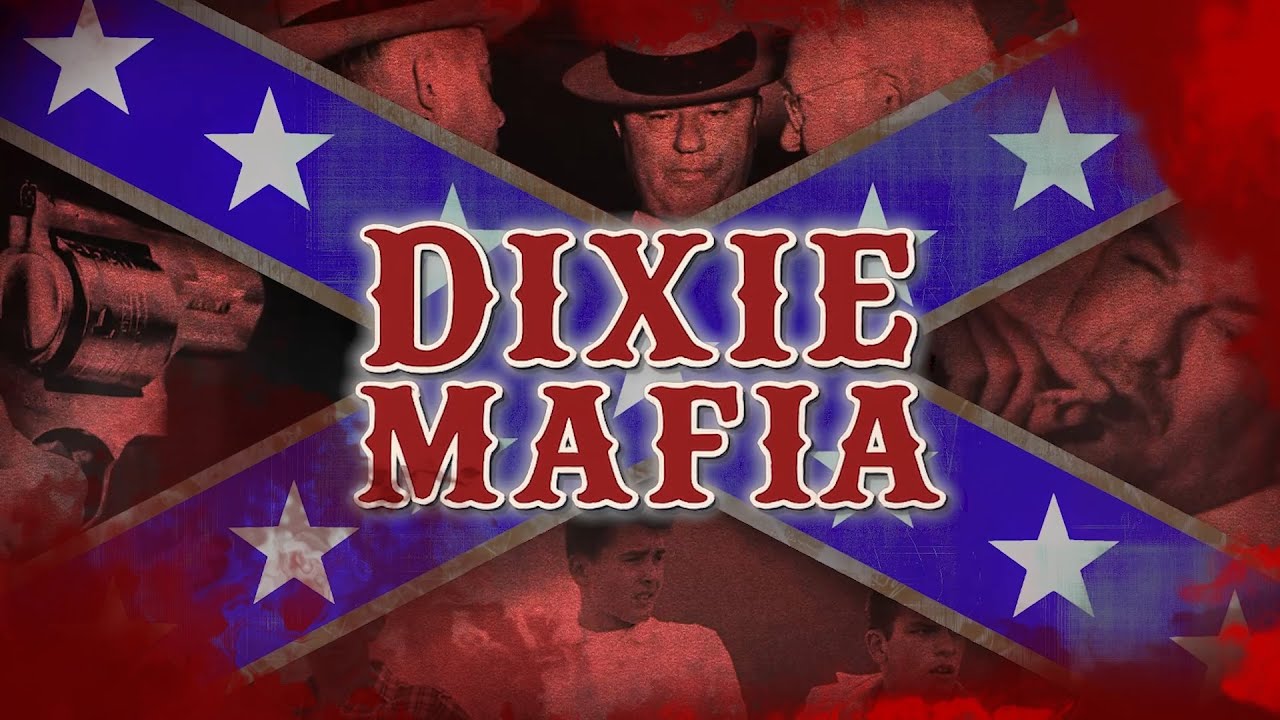
Introduction: Crime in the Cotton Shadows
They weren’t the Corleones. They didn’t sip fine wine or speak in Italian whispers. The Dixie Mafia was as American as moonshine and murder, a syndicate of criminals born in the heart of the Deep South. For decades, they ruled roadhouses, rigged courthouses, and operated out of small-town motels instead of mob mansions. They weren’t bound by codes of honor or family loyalty—only greed and violence.
From the backroads of Mississippi to the dusty streets of Louisiana and Arkansas, this loosely knit network of thieves, hitmen, and corrupt officials flourished beneath the radar. Most Americans have never heard of them—but those who have rarely forget. This is the story of the Dixie Mafia, a criminal underworld that made the South run red while the rest of the country looked away.
Origins: Moonshine, Mayhem, Mississippi Roots
The Dixie Mafia began as a ragtag group of bootleggers and hustlers in the 1950s and 60s. Born out of the moonshine culture in Mississippi, these early criminals operated in a world where rural poverty, political corruption, and weak law enforcement provided perfect cover. There were no official initiations, no loyalty oaths—just a shared understanding that everyone got paid, and snitches ended up dead.
Unlike the hierarchical Italian Mafia, the Dixie Mafia had no true “bosses.” It was more of a brand than a bureaucracy—a banner under which criminals could operate, share contacts, and access dirty lawmen and judges who looked the other way for a fee. This loose structure made the Dixie Mafia harder to dismantle, as its members operated independently yet benefited from a shared reputation of fear and violence.
Key Figures: The Ruthless Southern Godfathers
One of the most infamous names tied to the Dixie Mafia is Kirksey Nix, a career criminal who eventually operated from behind bars. Nix was tied to gambling rackets, contract killings, and a phone scam operation from prison that generated millions. His influence, even while incarcerated, showed just how decentralized yet dangerous this syndicate could be.
Other notable names included Jim “Big Jim” West, a gambler and enforcer, and Billy Burt, a brutal hitman for the Georgia faction. These weren’t subtle operators—they made their presence felt with violence, intimidation, and sheer audacity. Whether blowing up cars or rigging elections, they were a force unlike anything else in American crime history.
Ties to Power: Judges, Sheriffs, and Politicians
What made the Dixie Mafia so dangerous wasn’t just their willingness to kill—it was their ability to buy silence. Local sheriffs were frequently on the take, judges handed down favorable rulings, and politicians owed their careers to the syndicate’s muscle.
In one case, the corruption ran so deep that a Mississippi district attorney investigating the group was assassinated in broad daylight. Court files vanished, witnesses recanted, and no one was ever convicted. This wasn’t crime hiding from the law; this was crime wearing a badge.
Perhaps most controversially, whispers of Dixie Mafia involvement reached the orbit of Bill Clinton during his time as Governor of Arkansas. While no direct evidence implicated Clinton himself, several associates and events—like the Mena Airport drug smuggling operations—bore the hallmarks of Dixie Mafia involvement. The blurred lines between crime and politics were never more evident than in the shadowy corridors of Southern power.
Global Reach: Inside the Medellín Connection
While the Dixie Mafia started with moonshine and slot machines, by the 1980s, their ambitions went global. They found partners in the Medellín Cartel, becoming middlemen for Pablo Escobar’s empire. Drugs flowed north through the Gulf Coast, hidden in shrimp boats and private planes. In return, cash and favors went south.
This partnership transformed the Dixie Mafia from a regional menace into a transnational criminal force. DEA investigations in the 1980s and 90s uncovered Dixie Mafia figures acting as logistical liaisons for South American traffickers. Though many operations were busted, key figures escaped justice, hidden by layers of corruption and the chaos of jurisdictional confusion.
Roadhouses, Revenues: Controlling Small Towns
One of the Dixie Mafia’s most chilling strengths was its control over entire communities. In many Southern towns, the local economy, law enforcement, and justice system were all under their thumb. They ran roadhouses, illegal casinos, and truck stops that served as hubs for drug deals, prostitution rings, and black-market sales.
If someone crossed them, they vanished. Murders were often staged as accidents. And because many crimes occurred in jurisdictions without proper investigative resources, killings went unsolved. Journalists who got too curious were silenced, and families learned to keep their heads down. This wasn’t just organized crime—it was social control, exercised through fear and familiarity.
Decline and Resurgence: Where Are They Now?
By the late 1990s, federal crackdowns and internal betrayals began to unravel parts of the Dixie Mafia. RICO cases, witness flips, and changing political landscapes made it harder to operate as openly as before. Many leaders were arrested or died, and for a time, it seemed the empire was crumbling. But whispers remain.
In recent years, law enforcement has suggested that elements of the Dixie Mafia are still active—now operating in the opioid trade, cyber fraud, and local political manipulation. Their methods may have evolved, but the DNA remains the same: violence, corruption, and a deep-rooted connection to Southern life.
Conclusion: America’s Hidden Underworld
The Dixie Mafia didn’t need Hollywood to mythologize them. Their story is real—and more terrifying than fiction. While the nation watched films about New York mob bosses and Chicago hitmen, the Deep South was rotting from the inside. The Dixie Mafia blended in, wore no uniforms, and never spoke Sicilian—but they were deadly all the same.
Their crimes, though often overlooked by the national media, changed laws, killed public servants, and reshaped Southern politics. They remind us that organized crime doesn’t always wear Armani or operate out of cigar lounges—it can just as easily wear cowboy boots, shake your hand at the town fair, and run for sheriff. In the shadows of the South, the Dixie Mafia made its own rules. And for too long, no one dared to break them.