Britain has a rich history in the aviation industry, with a long list of influential engineers and designers who have shaped the course of aeronautic history. From the first designs of Sir George Cayley to the cutting-edge technology of today, Britain’s contributions have been pivotal in the development of the modern airplane.
Sir George Cayley is known as the father of aviation, and rightly so. In 1799, he designed the first model of a glider that had a wingspan of nearly 5 feet. His early experiments paved the way for the development of the modern airplane, and his designs continue to inspire engineers and designers to this day.
The early days of aviation in Britain were marked by the efforts of pioneers such as Samuel Cody, who built and flew the first airplane in Britain in 1908. This was followed by the designs of Geoffrey de Havilland, who created some of the earliest successful aircraft for the Royal Flying Corps during World War I.
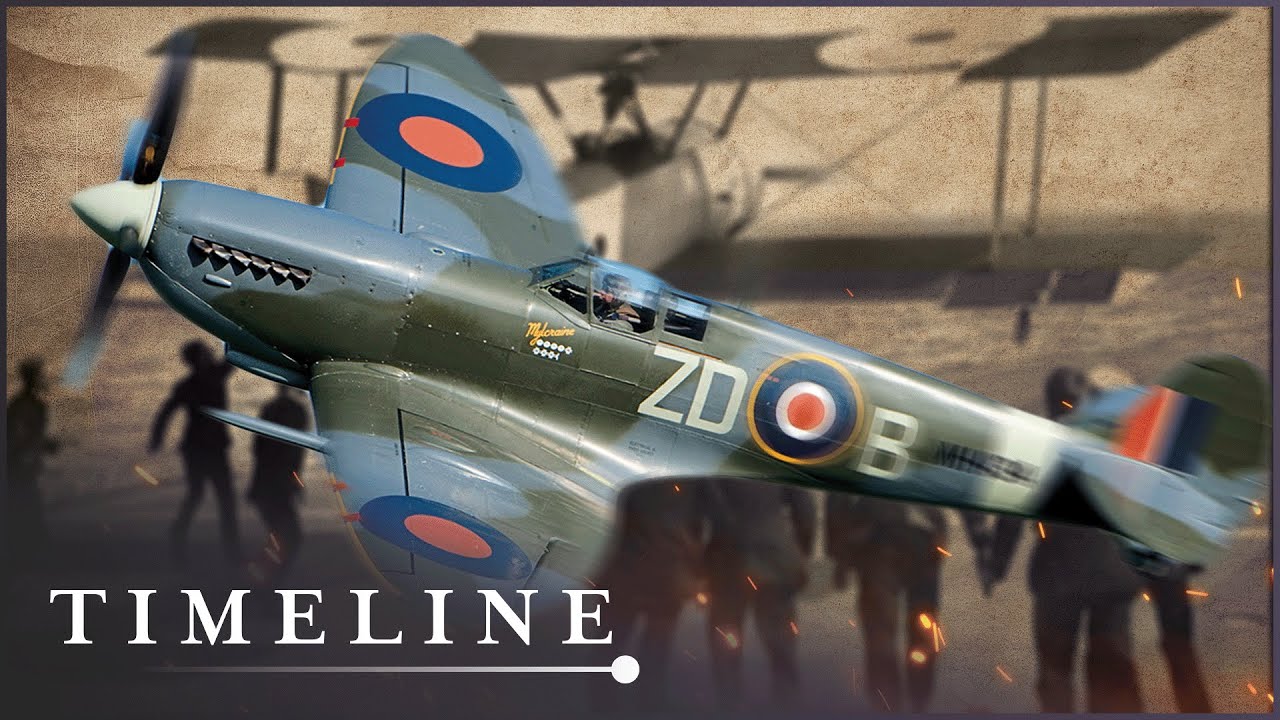
In the inter-war period, Britain’s aircraft industry continued to thrive, with the development of aircraft such as the Hawker Hurricane and the Supermarine Spitfire. These iconic planes played a crucial role in the Battle of Britain and helped turn the tide of the war in favor of the Allies.
One of the most significant developments in British aviation came in the post-war era, with the creation of the jet engine. Sir Frank Whittle is credited with single-handedly inventing the turbojet engine, which revolutionized aviation by providing faster and more efficient flight.
The development of the jet engine led to the creation of some of the most iconic planes in British aviation history, including the de Havilland Comet, which was the world’s first commercial jet airliner. The Comet’s success paved the way for the development of other jet-powered aircraft, including the BAC One-Eleven and the Vickers VC10.
The 1960s saw the development of the Concorde, a supersonic passenger jet that remains one of the most iconic aircraft ever built. The Concorde was a joint venture between the British and French governments, and it represented the pinnacle of British aviation technology at the time.
In recent years, British aviation has continued to push the boundaries of technology and design. The Airbus A380, the world’s largest passenger airliner, was developed in part by British engineers and designers. The A380 represents the cutting edge of aviation technology, with its advanced fly-by-wire systems and fuel-efficient engines.
British aviation has come a long way since the early days of Sir George Cayley’s glider. Today, the industry is a major contributor to the UK economy, with companies such as BAE Systems, Rolls-Royce and Airbus employing thousands of people in high-tech jobs.
However, the industry is not without its challenges. The UK’s decision to leave the European Union has raised concerns about the impact on the aviation industry, particularly in terms of regulatory issues and access to the EU’s single aviation market.
Despite these challenges, the future of British aviation looks bright. The country’s leading universities continue to produce talented engineers and designers, while the industry is investing heavily in research and development to create the next generation of aircraft.
Britain has a rich history in the aviation industry, producing some of the most iconic and powerful aircraft over the years. Here are some of the most notable aircraft that have been designed and developed by Great Britain:
- Hawker Hurricane: The Hawker Hurricane was a single-seat fighter aircraft used by the Royal Air Force (RAF) during World War II. It was designed and built by Hawker Aircraft Limited and was one of the primary fighters used by the RAF during the Battle of Britain. The Hurricane was known for its versatility and ruggedness and was credited with shooting down more enemy aircraft than any other British aircraft during the war.
- Supermarine Spitfire: The Supermarine Spitfire was another iconic British fighter aircraft that saw extensive service during World War II. It was designed and built by Supermarine Aviation Works, and like the Hurricane, it played a key role in the Battle of Britain. The Spitfire was known for its agility and speed, and its elliptical wing design has become an iconic symbol of British aviation.
- de Havilland Comet: The de Havilland Comet was the world’s first commercial jet airliner and was designed and built by de Havilland Aircraft Company in the 1940s. It revolutionized air travel by reducing travel times and improving passenger comfort. However, the Comet also suffered from a series of fatal accidents, leading to its eventual withdrawal from service.
- Vickers VC10: The Vickers VC10 was a long-range airliner that was designed and built by Vickers-Armstrongs (Aircraft) Ltd. It was introduced in 1964 and was known for its high-speed cruising capabilities and advanced engineering. The VC10 was also used by the RAF for military transport and air-to-air refueling.
- Concorde: The Concorde was a supersonic passenger airliner that was jointly developed by British and French engineers in the 1960s. It was designed and built by British Aerospace and Aerospatiale and was the flagship of British Airways and Air France. The Concorde was capable of flying at twice the speed of sound and was renowned for its luxury and speed. However, the high cost of operating the aircraft and a fatal accident in 2000 led to its eventual retirement in 2003.
- Airbus A380: The Airbus A380 is a double-deck, wide-body airliner that was designed and built by Airbus, a consortium of European aerospace companies. It was first introduced in 2007 and is one of the largest passenger aircraft in the world. The A380 is known for its advanced engineering and technology, and its efficiency has made it a popular choice for many airlines.
In conclusion, Great Britain has played a significant role in the evolution of aircraft over the years, producing some of the most iconic and powerful aircraft in history. The evolution of the modern airplane can be observed from the early gliders of Sir George Cayley to the cutting-edge technology of today. From the Hawker Hurricane and Supermarine Spitfire to the Concorde and Airbus A380, British aircraft have continued to push the boundaries of what is possible in aviation.
Overall, these mighty aircrafts not only demonstrate the ingenuity and skill of British engineers but also represent significant milestones in the history of aviation. The industry has faced many challenges over the years, but it has always emerged stronger and more innovative. With a rich history and a bright future, British aviation is set to continue its legacy of excellence for many years to come.