Categories
P1 People UN

Afghanistan’s Economic Crisis and Women’s Employment: A Struggle for Survival and Dignity

Introduction

Afghanistan, a country steeped in history and rich in culture, has faced numerous challenges over the decades, ranging from political instability to economic turmoil. However, one of the most persistent and heartbreaking issues is the plight of Afghan women, who have borne the brunt of these challenges. Women in Afghanistan face significant barriers to employment, compounded by restrictive social norms and ongoing political instability. Despite some progress over the years, the current situation for Afghan women remains dire, particularly in the wake of the Taliban’s return to power in 2021.

Historical Context: A Long Struggle for Rights

The history of women’s employment in Afghanistan is a reflection of the broader socio-political changes that have occurred in the country. In the 1960s and 1970s, under the monarchy and later the communist regime, women made significant strides in education and employment. The urban areas, particularly Kabul, saw women working as teachers, doctors, and civil servants. However, the Soviet invasion in 1979 and the subsequent civil war in the 1980s and 1990s shattered these gains. The rise of the Taliban in the mid-1990s marked a dark period for Afghan women, who were barred from working outside the home and denied access to education.

The US-led invasion in 2001 brought a renewed focus on women’s rights. International aid poured into the country, and numerous programs were launched to support women’s education and employment. By the 2010s, Afghan women were again working in various sectors, including government, healthcare, education, and the private sector. However, these gains were fragile, heavily dependent on international support and the presence of foreign troops.

The Taliban’s Return: A Reversal of Progress

The Taliban’s return to power in August 2021 marked a significant setback for women’s rights in Afghanistan. Almost immediately, restrictions were imposed on women, echoing the draconian measures of the 1990s. Women were barred from working in most government jobs, and those who had been working were either dismissed or faced severe restrictions. Education for girls was severely curtailed, with secondary schools and universities largely closed to female students.

Kanni Wignaraja, Director of the Regional Bureau for Asia and the Pacific of the UN Development Program (UNDP), highlighted the current state of affairs, noting the contradictory nature of the Taliban’s policies. “There have been a lot of restrictions on women’s work. At the same time, curiously, there have been some easing of restrictions on women working in certain fields,” she said.

Wignaraja pointed out that while women are allowed to work in trade, commerce, and the health sector, their participation in formal public service has plummeted. “Formal employment of women dropped even further, it was that dropped to 11 percent and now it’s half of that at 6 percent,” she added.

This stark decline in women’s employment opportunities has had a devastating impact on the Afghan economy. With half of the population effectively excluded from meaningful economic participation, the country’s economic recovery is severely hampered.

Economic Contraction: A Crisis of Unprecedented Proportions

The economic situation in Afghanistan has deteriorated rapidly since the Taliban’s takeover. Stephen Rodriques, UNDP Resident Representative in Afghanistan, described the country’s economic decline in stark terms. “Since 2021, since the takeover, the Afghan economy contracted by 27 percent. Now, by way of comparison, when the US had its great depression, in the 1930s, the US economy had contracted by about 29 percent over a period of four years initially. So, we’re looking at contraction at the same level as a Great Depression,” Rodriques explained.

This economic collapse has pushed millions of Afghans into poverty. Rodriques noted that “69 percent of the population are living at a subsistence level. They’re barely able to afford basic needs: utilities, food, shelter, etc.” The humanitarian crisis in Afghanistan is severe, with millions of people reliant on international aid to survive.

However, the international community’s focus on short-term humanitarian assistance, while necessary, is not enough to address the root causes of the crisis. Rodriques emphasized the need for sustainable economic growth, stating, “The humanitarian assistance over the last two years has been quite important to prevent people from starving. But now the Afghan economy simply has to grow. And we have to find ways to enable people to have a decent livelihood so they can have a life of dignity.”

The Impact on Women: A Double Burden

Afghan women face a double burden in this economic crisis. Not only are they disproportionately affected by the economic contraction, but they also bear the brunt of the Taliban’s gender-specific restrictions. The loss of employment opportunities has left many women unable to support their families, pushing them deeper into poverty.

The ban on girls’ education compounds this issue, as it prevents the next generation of women from gaining the skills and knowledge needed to participate in the workforce. “The biggest, biggest challenge here is the continued edict that bans girls’ education,” Wignaraja said. “So, not being able to move forward after grade six is a big, big stumbling block.”

Despite the grim situation, there are some glimmers of hope. Wignaraja noted that the Taliban have shown some willingness to allow women to work in certain fields, particularly in healthcare. “There is encouragement for women to go into nursing and midwifery and in fact, when I was there, the discussion of some medical fields,” she said. However, the fact that no girls graduated from grade 12 last year highlights the severe challenges ahead.

The Broader Impact: A Society in Crisis

The restrictions on women’s employment and education are not just a women’s issue; they are a societal issue. The exclusion of half the population from meaningful economic participation hinders the entire country’s development. The economic contraction has led to a reduction in household incomes, increased food insecurity, and a rise in child labor as families struggle to survive.

Moreover, the broader impact of these restrictions extends to the social fabric of Afghanistan. The marginalization of women has led to increased gender-based violence, as women are forced into more precarious and dependent situations. The mental health of women, already under strain from decades of conflict, is further deteriorating as they face increasing isolation and despair.

Environmental and Climate Challenges: A Compounding Factor

Adding to the socio-economic challenges is the severe impact of climate change and environmental degradation in Afghanistan. Wignaraja highlighted the “harsh impact of continuous natural disasters” and expressed concern about the “scarcity of water.” The depletion of water resources is particularly alarming, with the water table dropping dramatically across many parts of the country.

Climate change is exacerbating the vulnerabilities of Afghan women, who are often responsible for securing water and food for their families. The combination of economic hardship, social restrictions, and environmental stressors is creating a perfect storm of challenges that threaten the survival and well-being of millions of Afghan women and their families.

The Way Forward: Hope Amidst Despair

Despite the dire situation, there is hope for the future. The resilience of Afghan women, who have faced and overcome numerous challenges throughout history, is a testament to their strength and determination. However, for meaningful progress to be made, the international community must prioritize the inclusion of women in Afghanistan’s economic recovery efforts.

This includes not only providing immediate humanitarian assistance but also investing in long-term development projects that create sustainable livelihoods for women. The restoration of girls’ education is crucial, as is the removal of barriers to women’s employment in all sectors.

Conclusion

Ultimately, the future of Afghanistan depends on the full participation of its women. As Wignaraja and Rodriques have pointed out, the country’s economic recovery and social stability are inextricably linked to the empowerment of women. Without it, Afghanistan risks remaining trapped in a cycle of poverty and conflict, with devastating consequences for its people. Empowering Afghan women is not just a moral imperative—it’s the key to unlocking the nation’s potential for peace, prosperity, and progress.

Categories
P1 People UN

The Plight of Afghan Women: The Taliban’s Ban on Education and Its Wider Implications

Introduction

Since the Taliban’s return to power in 2021, Afghan women and girls have faced severe restrictions on their right to education. This ban, which continues for the third consecutive year, underscores a broader struggle for gender equality and women’s rights in Afghanistan. The situation reflects a profound regression from the modest advancements made in the past decades and highlights the ongoing plight of Afghan women, whose aspirations and basic rights are being systematically suppressed.

This enduring denial of educational opportunities not only stifles individual potential but also undermines the country’s long-term development prospects. The continued exclusion of women from educational and professional spheres perpetuates a cycle of inequality and marginalization, stalling progress and deepening the socio-economic crisis in Afghanistan. The international community’s efforts to address this crisis are critical, but without sustained pressure and meaningful change on the ground, the future for Afghan women remains uncertain and fraught with challenges.

Historical Context: Progress and Reversal

Afghanistan’s history with women’s education has been marked by stark contrasts and upheavals. During the Taliban’s initial rule in the 1990s, women faced a stringent prohibition against attending schools and universities. This period was characterized by severe restrictions on women’s rights, with educational institutions for girls shut down and women’s participation in public life virtually erased. The oppressive environment stifled the aspirations of an entire generation of Afghan women and girls, leaving them without opportunities for personal or professional development.

The fall of the Taliban in 2001 brought a dramatic shift, spurred by substantial international support and intervention. This period marked the beginning of a notable transformation, with a renewed focus on rebuilding Afghanistan’s education sector. By 2010, Afghan girls were increasingly enrolling in schools, and women’s roles in society began to expand. The international community’s investments in education and advocacy for women’s rights facilitated this progress, leading to a significant improvement in educational opportunities and a gradual increase in women’s participation in various sectors.

However, this progress faced severe setbacks with the Taliban’s resurgence in 2021. The group’s return to power signaled a dramatic reversal of the hard-won gains achieved over the previous two decades. The Taliban’s stringent interpretation of Islamic law has led to a sweeping and enforced ban on female education, deeply affecting the lives of millions of Afghan girls and women. Schools for girls have been closed, and educational institutions have been restricted, effectively nullifying years of advancement and reimposing a culture of exclusion.

This renewed restriction on education not only deprives Afghan girls of critical learning opportunities but also has broader implications for the country’s future. The denial of education undermines the potential for personal and professional growth for millions of women, perpetuating a cycle of inequality and limiting the country’s overall development. The social and economic repercussions of this educational ban are profound, affecting not only individual lives but also the broader prospects for Afghanistan’s progress and stability. The international community continues to face the challenge of addressing this crisis, as ongoing efforts to support Afghan women and advocate for their rights remain crucial in the fight for gender equality and sustainable development.

The Power of Inclusion: Afghan Women and Regional Prosperity

On the margins of the 68th Session of the Commission on the Status of Women, former Deputy Speaker of the Afghan Parliament, Fawzia Koofi, addressed the dire situation. Koofi emphasized that the Taliban’s ban on women’s education, “under the name of Islam,” is in contradiction with true Islamic principles. She noted that the education year’s start marks a grim milestone for the third consecutive year that girls are barred from school, reflecting a persistent denial of their rights.

Koofi’s reflections resonate with those of other Afghan women leaders. Fatima Gailani, former President of the Afghan Red Crescent, described the closure of schools for women as an egregious denial of their rights, likening it to being force-fed or prevented from practicing one’s faith. Her comparison underscores the deep personal and cultural significance of education for Afghan women.

Naheed Sarabi, Afghanistan’s former Deputy Finance Minister, added a critical economic perspective. She argued that sustainable economic growth cannot be achieved without the full participation of women. The exclusion of women from education and public life undermines not only their individual rights but also the broader economic and social development goals of the country.

Ongoing Crisis: Impact and Implications

The Taliban’s ban on women’s education has far-reaching consequences. Educational institutions are essential for personal development and social progress. By denying girls access to education, the Taliban is perpetuating a cycle of poverty and limiting opportunities for future generations. The current restrictions have also led to a widespread exodus of educated Afghans, further depriving the country of skilled professionals and exacerbating the humanitarian crisis.

The ban affects more than just the immediate educational environment. It has broader implications for Afghan society. Women who are barred from education are less likely to participate in the workforce, contribute to the economy, or engage in civic life. This exclusion hampers the development of a diverse and dynamic society and impedes progress toward achieving the Sustainable Development Goals (SDGs).

International Response and Future Prospects

The international community has expressed condemnation and concern over the Taliban’s policies. Various UN agencies, human rights organizations, and governments have called for the restoration of women’s rights and access to education in Afghanistan. Despite these appeals, tangible progress remains elusive.

The UN’s Education Cannot Wait (ECW) initiative, which has previously invested in Afghan education, reflects the international community’s commitment to addressing the crisis. Recent efforts, such as the $18 million grant announced in March 2024 for a Multi-Year Resilience Programme, aim to support over 150,000 children across conflict-affected areas. This funding highlights the critical role of global solidarity in addressing educational needs amid conflict.

Conclusion

The plight of Afghan women and girls, denied education and opportunities for years, underscores the need for sustained international pressure and support. The Taliban’s ban represents a significant setback for women’s rights and national development. Addressing this crisis requires not only immediate humanitarian aid but also long-term strategies that support education and empower women.

Efforts must focus on advocating for policy changes, supporting grassroots organizations, and ensuring that international assistance is effectively targeted. By prioritizing the education and empowerment of Afghan women, the global community can help pave the way for a more equitable and prosperous future for Afghanistan.

Categories
P1 People UN

Afghanistan’s Gender Crisis: The Struggle of Women Under a Nation’s Regressive Policies

Introduction

Afghanistan’s gender crisis is a profound and ongoing tragedy that has drawn global attention, particularly in the wake of the Taliban’s return to power in August 2021. The systematic rollback of women’s rights and freedoms under the Taliban regime represents a severe regression from the progress made in the two decades prior. While the international community watches, Afghan women find themselves increasingly marginalized, with their basic rights stripped away, their voices silenced, and their futures threatened. This crisis not only impacts the lives of millions of women in Afghanistan but also sets a dangerous precedent for the global struggle for gender equality.

Historical Context: A Journey of Progress and Setbacks

The struggle for women’s rights in Afghanistan has been a long and arduous journey, marked by periods of both progress and regression. During the 1960s and 1970s, Afghanistan saw a brief era of modernization, where women enjoyed greater access to education, employment, and political participation. However, the Soviet invasion in 1979 and the subsequent civil war plunged the country into chaos, leading to a significant decline in women’s rights.

The Taliban’s rise to power in the mid-1990s brought about one of the darkest periods for Afghan women. The regime imposed draconian restrictions, including banning women from working, attending school, or even leaving their homes without a male guardian. These oppressive measures were justified under a strict interpretation of Sharia law, leading to widespread suffering and deprivation for Afghan women.

A Glimmer of Hope: The Post-2001 Era

The U.S.-led invasion of Afghanistan in 2001, following the September 11 attacks, resulted in the ousting of the Taliban regime. This ushered in a new era of hope for Afghan women, who began to regain some of their lost rights. International aid and support helped rebuild the country’s infrastructure, including schools, hospitals, and legal institutions. Women returned to work, pursued higher education, and even participated in politics. By 2021, women made up 27% of the Afghan parliament, and girls accounted for nearly 40% of school enrollments.

This progress, however, was fragile and heavily dependent on the presence and support of the international community. The withdrawal of U.S. and NATO forces in 2021, followed by the rapid return of the Taliban to power, threatened to erase two decades of hard-won gains for Afghan women.

The Taliban’s Return: A Regression into Darkness

Since the Taliban regained control of Afghanistan, the situation for women has deteriorated rapidly. The regime quickly reinstated many of its previous restrictions, severely curtailing women’s rights and freedoms. Women have been banned from secondary and higher education, barred from most forms of employment, and are once again required to wear the burqa in public. The Taliban has also dissolved the Ministry of Women’s Affairs, replacing it with the Ministry for the Promotion of Virtue and Prevention of Vice, which enforces the regime’s strict interpretation of Islamic law.

These regressive policies have plunged Afghan women into a state of fear and uncertainty. The progress made over the past two decades is rapidly unraveling, with women being pushed back into the shadows, denied the opportunity to contribute to society, and stripped of their agency.

The 2024 Gender Report: A Grim Reality

The 2024 Afghanistan Gender Country Profile, produced by UN Women with the support of the European Union, provides a comprehensive overview of the current state of gender equality in Afghanistan under Taliban rule. The report paints a grim picture, highlighting the severe and far-reaching consequences of the Taliban’s policies on women and girls.

Alison Davidian, the Head of UN Women’s Country Office in Afghanistan, emphasized the gravity of the situation during a briefing to reporters in New York. “Three years ago, a woman in Afghanistan could technically decide to run for president. Now, she may not even be able to decide when to go and buy groceries,” Davidian remarked, underscoring the dramatic reversal of women’s rights under the Taliban. She further noted that no woman in Afghanistan holds a leadership position with political influence at either the national or provincial level, highlighting the systematic erasure of women from public life.

The report also warns of the long-term impacts of these policies on future generations. By 2026, the exclusion of 1.1 million girls from school and 100,000 women from universities is projected to result in a 45% increase in early childbearing and a 50% increase in maternal mortality. The Taliban’s restrictions on women’s education and employment will have devastating consequences for the health, well-being, and economic prospects of Afghan women and their families.

The Broader Implications: A Global Repercussion

The gender crisis in Afghanistan is not an isolated issue; it has broader implications for the global struggle for women’s rights and gender equality. The Taliban’s systematic oppression of women and girls sets a dangerous precedent, sending a message to other repressive regimes that such actions can be taken with impunity. If the international community fails to hold the Taliban accountable for their actions, it risks undermining the progress made in gender equality around the world.

Moreover, the plight of Afghan women serves as a stark reminder of the importance of safeguarding and advancing women’s rights in all contexts, particularly in conflict and post-conflict settings. The international community must continue to advocate for the rights of Afghan women, providing them with the support and solidarity they need to resist and survive under Taliban rule.

The Role of the International Community: A Call to Action

The international community has a critical role to play in addressing the gender crisis in Afghanistan. While the situation on the ground is dire, it is not without hope. Global leaders, organizations, and advocates must continue to pressure the Taliban to respect and uphold the rights of women and girls. This includes leveraging diplomatic channels, imposing targeted sanctions on those responsible for human rights violations, and ensuring that humanitarian aid reaches those who need it most.

In addition, the international community must support Afghan women who continue to resist the Taliban’s oppression. This can be done through providing safe havens for those at risk, offering financial and technical assistance to women’s organizations operating in Afghanistan, and amplifying the voices of Afghan women on the global stage.

A Crisis with Global Stakes

The gender crisis in Afghanistan is not just a tragedy for the women and girls living under the Taliban’s rule; it is a crisis with global stakes. The erosion of women’s rights in Afghanistan threatens to undermine the progress made in gender equality worldwide and embolden other repressive regimes to follow suit. As Alison Davidian aptly put it, “We cannot leave Afghan women to fight alone. If we do, we have no moral ground to fight for women’s rights anywhere else.” The fate of Afghan women is inextricably linked to the fate of women everywhere, and the international community must act with urgency and resolve to address this crisis.

Conclusion

Afghanistan’s gender crisis represents a stark and urgent challenge that transcends borders. As the rights and freedoms of Afghan women are systematically stripped away, the world faces a moral imperative to respond. This is not merely a localized issue but a symbol of the broader struggle for gender equality and human rights globally. The erosion of progress in Afghanistan serves as a cautionary tale, reminding us that the fight for women’s rights is far from over and must be defended with vigilance and determination.

Categories
P1 People UN

Afghan Women: Resilience Amid Conflict and the Unyielding Fight for Rights

Introduction

The story of Afghan women is one of profound resilience, determination, and courage. For decades, Afghanistan has been plagued by relentless conflict, with the scars of war visible in every corner of the nation. Among the most affected by this turmoil are Afghan women, who have endured immense suffering yet have emerged as powerful voices for change and advocates for various causes. This article explores the historical context of Afghan women’s struggles, their contributions to society, and their ongoing fight for rights in the face of adversity.

The Legacy of Conflict: Decades of War and Its Impact on Afghan Women

Afghanistan’s modern history is marked by conflict, beginning with the Soviet invasion in 1979, followed by civil wars, the rise of the Taliban, and the U.S.-led intervention in 2001. Each of these conflicts has had devastating consequences for the country’s population, particularly for women.

During the Soviet-Afghan War (1979-1989), the country became a battleground for global powers, with Afghan women caught in the crossfire. As the conflict dragged on, millions of Afghans were displaced, and many women lost their husbands, sons, and brothers. The war also led to widespread poverty, further marginalizing women in a patriarchal society that already limited their rights and opportunities.

The rise of the Taliban in the mid-1990s brought a new level of repression to Afghan women. The Taliban’s strict interpretation of Islamic law led to the imposition of severe restrictions on women’s rights. Women were banned from working, attending school, and even leaving their homes without a male guardian. The Taliban’s rule effectively erased women from public life, leaving them isolated and vulnerable.

The U.S.-led intervention in 2001, following the 9/11 attacks, promised to liberate Afghan women from the Taliban’s oppressive rule. While the fall of the Taliban regime did lead to some improvements in women’s rights, the subsequent two decades of conflict and instability continued to pose significant challenges for Afghan women. Despite the efforts of the international community and Afghan women themselves, progress has been slow, and many of the gains made in the early 2000s remain fragile.

The Silent Suffering: The Legacy of Explosive Ordnance

One of the most insidious legacies of Afghanistan’s decades-long conflict is the widespread presence of explosive ordnance. Landmines, unexploded bombs, and improvised explosive devices (IEDs) litter the Afghan landscape, posing a constant threat to civilians, particularly women and children.

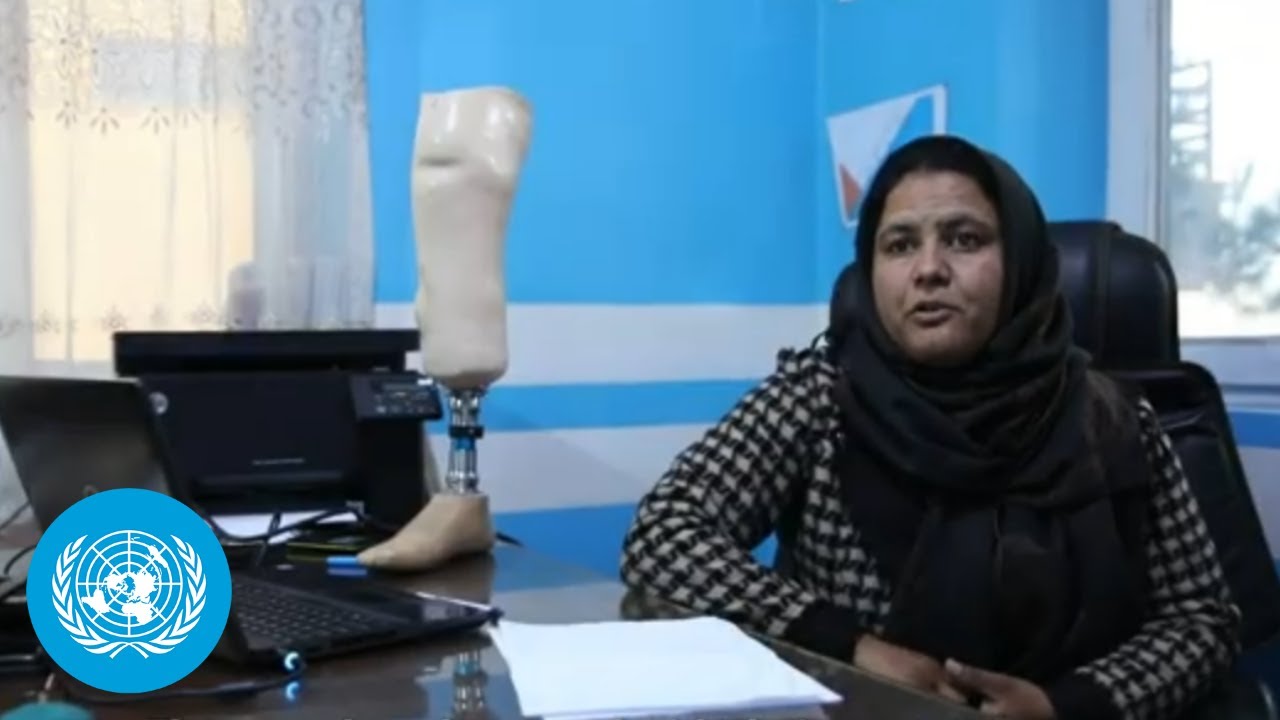
Women in rural areas, who are often responsible for gathering firewood, fetching water, and tending to livestock, are at particular risk of encountering these deadly remnants of war. The loss of a limb or life due to an explosion is a tragic reality for many Afghan women, compounding the already immense challenges they face in a war-torn society.

Moreover, the psychological toll of living in an environment where danger lurks at every turn cannot be overstated. The fear of encountering explosive ordnance has led to heightened anxiety and trauma among Afghan women, many of whom have lost family members or been injured themselves. The presence of these deadly devices not only threatens physical safety but also perpetuates a cycle of fear and instability that hinders the country’s recovery and development.

Rising from the Ashes: Afghan Women as Activists and Advocates

Despite the overwhelming challenges they face, Afghan women have shown remarkable resilience and strength. Over the years, a number of Afghan women have emerged as activists and advocates for various causes, becoming powerful voices for change in a society that has historically silenced them.

Women’s Rights and Education

Education has been one of the most significant battlegrounds for Afghan women’s rights. During the Taliban’s rule, girls were banned from attending school, and women were forbidden from working as teachers. The fall of the Taliban allowed for the reopening of schools, and Afghan women and girls have fought tirelessly for their right to education ever since.

One of the most notable figures in this struggle is Malala Yousafzai, who, although not Afghan, has become a symbol of the fight for girls’ education in the region. Afghan women activists, inspired by Malala’s courage, have campaigned for the reopening of schools and the provision of safe learning environments for girls. Their efforts have led to increased enrollment of girls in schools and a growing awareness of the importance of education for women’s empowerment.

Health and Human Rights

Afghan women have also become advocates for health and human rights, addressing the critical issues of maternal health, access to healthcare, and human rights violations. The lack of adequate healthcare facilities, particularly in rural areas, has made pregnancy and childbirth perilous for Afghan women. Activists have worked to improve access to maternal healthcare services and raise awareness about the importance of reproductive health.

Furthermore, Afghan women have played a crucial role in documenting and addressing human rights abuses in the country. Organizations like the Afghan Women’s Network (AWN) have been at the forefront of advocating for women’s rights, documenting cases of violence against women, and providing support to survivors. These efforts have been instrumental in bringing attention to the plight of Afghan women and pressuring the government and international community to take action.

Disability Rights and Inclusion

The prevalence of landmines and other explosive devices has led to a significant number of Afghan women living with disabilities. These women face additional layers of discrimination and exclusion in a society that already marginalizes them. However, some Afghan women have become advocates for disability rights, working to ensure that those with disabilities are not forgotten in the broader struggle for human rights and inclusion.

These advocates have fought for the rights of people with disabilities to access education, healthcare, and employment opportunities. They have also worked to raise awareness about the challenges faced by women with disabilities and to promote their inclusion in all aspects of society. Their efforts have helped to break down barriers and challenge the stigma associated with disability in Afghanistan.

The Road Ahead: Challenges and Hopes for the Future

The future for Afghan women remains uncertain, particularly in light of recent political developments and the resurgence of the Taliban. The fragile gains made over the past two decades are at risk of being rolled back, and Afghan women face the daunting challenge of preserving their rights in an increasingly hostile environment.

Despite these challenges, the resilience and determination of Afghan women offer a glimmer of hope. The stories of Afghan women activists and advocates serve as a testament to their strength and their unwavering commitment to building a better future for themselves and their communities.

The international community has a critical role to play in supporting Afghan women during this difficult time. This includes providing humanitarian aid, supporting women’s rights organizations, and ensuring that the rights of Afghan women are not sacrificed in political negotiations. The voices of Afghan women must be heard and respected, and their rights must be protected as the country navigates its uncertain future.

Conclusion

The story of Afghan women is one of resilience, courage, and the relentless pursuit of justice and equality. Despite the immense challenges they face, Afghan women have emerged as powerful advocates for change, fighting for education, health, human rights, and inclusion in a society scarred by decades of war. Their story is not just one of suffering but also one of hope and determination. As Afghanistan continues to grapple with its complex political and social challenges, the resilience and strength of its women will remain a beacon of hope for a better future.

Categories
P1 People UN

Empowering Women: Caretaking Support and Inclusivity in Uruguay’s Armed Forces

Introduction

Uruguay, a country often lauded for its progressive social policies and strong commitment to human rights, is making significant strides in gender equality within its armed forces. Recognizing the barriers that household responsibilities and traditional gender roles impose on women, the Uruguayan government, with support from the United Nations, is implementing innovative measures to promote women’s participation in security and defense institutions. These efforts not only aim to create a more inclusive military but also enhance the effectiveness and diversity of Uruguay’s peacekeeping missions.

Historical Context of Women in Uruguay’s Armed Forces

The participation of women in Uruguay’s armed forces has a relatively recent history. Traditionally, military institutions worldwide have been male-dominated, and Uruguay is no exception. It wasn’t until the late 20th century that significant efforts were made to integrate women into the armed forces. The first official recognition of women’s roles in the Uruguayan military came in 1980 when women were allowed to join the National Navy in administrative positions.

Throughout the 1990s and early 2000s, policies gradually evolved to include women in various non-combat roles across the armed forces. However, these initial steps were often limited by societal norms and institutional biases that viewed women as secondary to their male counterparts in terms of capability and commitment. The real turning point began in the early 21st century when Uruguay started to re-evaluate its military policies in light of global movements towards gender equality and the increasing importance of inclusive peacekeeping operations.

United Nations Support and Policy Changes

The United Nations has been a crucial ally in Uruguay’s journey toward gender-inclusive armed forces. The UN’s advocacy for the integration of women into peacekeeping operations has influenced many countries to adopt more progressive policies. For Uruguay, this support has translated into a series of reforms aimed at reducing gender-specific barriers within the military.

One significant area of focus has been addressing the dual burdens that women often face: professional responsibilities and household duties. Traditional gender roles in Uruguay, as in many parts of the world, assign primary caretaking and domestic responsibilities to women. This cultural norm can hinder women’s ability to commit fully to demanding careers in the military. To tackle this issue, Uruguay, with UN backing, has introduced several supportive measures.

Integrated Childcare Systems and Scholarships

Among the most impactful initiatives are the integrated childcare systems and scholarships for single-parent households. These measures are designed to alleviate the domestic burdens that disproportionately fall on women, thereby enabling them to participate more fully in the armed forces.

Integrated childcare systems provide on-site childcare facilities at military bases and institutions. This allows military personnel, especially women, to perform their duties knowing that their children are in safe and supportive environments. These facilities are equipped to handle the unique schedules and demands of military life, offering flexible hours and comprehensive care.

In addition to on-site childcare, Uruguay has introduced scholarships for single-parent households to cover childcare costs during peacekeeping deployments. This initiative is particularly important for single mothers who might otherwise be unable to serve in international missions due to childcare responsibilities. By providing financial assistance, the military ensures that these women can fulfill their professional roles without compromising their family obligations.

Broader Impacts on Military Effectiveness

The inclusion of women in the armed forces is not just a matter of equity but also of operational effectiveness. Diverse military units are better equipped to handle a variety of situations, particularly in peacekeeping missions where understanding and addressing the needs of local populations are crucial. Women bring unique perspectives and skills that enhance the overall capabilities of military operations.

For Uruguay, these changes have already begun to yield positive results. Increased female participation has led to more balanced and sensitive approaches in peacekeeping missions. Women peacekeepers are often more effective in community engagement and in dealing with issues such as sexual and gender-based violence, which are prevalent in many conflict zones.

Personal Stories and Motivations

The personal stories of women in Uruguay’s armed forces highlight the profound impact of these supportive measures. Take the example of Captain Maria Gonzalez, a single mother who faced significant challenges balancing her military career and childcare responsibilities. Before the introduction of integrated childcare systems, Maria often struggled to find reliable care for her children, which affected her ability to participate in extended deployments.

With the new childcare support, Maria’s situation improved dramatically. She now has access to on-site childcare at her base, which allows her to focus on her duties without worrying about her children’s welfare. Moreover, she received a scholarship that covered additional childcare costs during her recent peacekeeping mission in Africa. This support enabled her to contribute effectively to the mission while ensuring her children were well cared for.

Maria’s story is just one of many that illustrate the transformative power of these policies. Women across Uruguay’s armed forces are finding new opportunities and achieving greater professional satisfaction thanks to the removal of traditional barriers.

Future Directions and Continued Support

While significant progress has been made, there is still work to be done. The cultural shift towards gender equality within the military is ongoing, and continued efforts are needed to ensure these changes are deeply rooted and sustainable. The Uruguayan government, in collaboration with international partners like the UN, is committed to further enhancing support systems and promoting gender-sensitive policies.

Future initiatives may include expanding the scope of childcare support, increasing mentorship programs for women in the military, and implementing more comprehensive training on gender equality for all military personnel. Additionally, efforts to change societal perceptions and encourage more women to pursue careers in the armed forces will be crucial.

Global Implications and Lessons Learned

Uruguay’s approach offers valuable lessons for other countries seeking to promote gender equality in their security and defense sectors. The integration of supportive measures, such as childcare systems and scholarships, can significantly reduce barriers for women and create a more inclusive and effective military.

Furthermore, Uruguay’s success underscores the importance of international cooperation and support. The UN’s role in advocating for and supporting these changes highlights the potential of global partnerships to drive meaningful progress in gender equality.

Conclusion

Uruguay’s efforts to support women’s participation in the armed forces through integrated childcare systems and financial assistance for single-parent households represent a significant step towards gender equality in the military. These initiatives not only empower women but also enhance the operational effectiveness of the armed forces. As Uruguay continues to lead by example, it provides a model for other nations to follow, demonstrating that with the right policies and support, gender barriers in the military can be effectively dismantled. By prioritizing inclusivity and recognizing the unique contributions of women, Uruguay is paving the way for a more equitable and capable military force.

Categories
P3 People UN

How Economic Inequalities Impact Women’s Reproductive Health: A Global Perspective

Introduction

Economic inequalities have far-reaching effects, shaping various aspects of individuals’ lives, particularly in the realm of health. Women’s reproductive health is one of the areas most severely impacted by economic disparities. This connection is not just a contemporary issue but is deeply rooted in historical socio-economic structures. The United Nations Population Fund (UNFPA) released a report highlighting the connection between economic inequality and disparities in women’s reproductive health. This article explores the historical context of this issue, examines the broader implications of economic inequality on reproductive health, and considers global efforts to address these challenges.

Historical Context of Economic Inequality and Reproductive Health

The intersection of economic inequality and reproductive health is not new. Throughout history, women from lower socio-economic backgrounds have faced disproportionate challenges in accessing reproductive health services. In the early 20th century, the availability of reproductive healthcare was often a privilege of the wealthy, with poorer women lacking access to basic services like contraception, safe childbirth, and abortion. The disparity was stark, with wealthy women enjoying better healthcare outcomes, while poor women often suffered from preventable complications, maternal mortality, and unintended pregnancies.

This divide continued well into the mid-20th century, even as advancements in medical technology and public health campaigns began to reduce maternal mortality rates globally. However, these benefits were not equitably distributed. Women in low-income countries and disadvantaged communities within wealthier nations continued to experience higher rates of maternal mortality and morbidity. Economic inequality created barriers to accessing quality healthcare, including distance to healthcare facilities, cost of services, and lack of education about reproductive health.

The Link Between Economic Inequality and Reproductive Health

According to October 2017 report by the UNFPA, developing countries face staggering reproductive health challenges each year, with 89 million unintended pregnancies highlighting the gap in access to family planning and contraception. This often leads to 48 million abortions, many of which are unsafe and pose significant risks to women’s health. Additionally, the report reveals that 10 million pregnancies end in miscarriages, while 1 million stillbirths occur, underscoring the urgent need for improved maternal and child healthcare services. These statistics reflect the broader issues of reproductive health inequalities and the critical importance of expanding access to quality healthcare and education in these regions.

The UNFPA’s report brought renewed attention to the persistent link between economic inequality and reproductive health. The report highlighted that economic disparities exacerbate inequalities in women’s reproductive health outcomes. Women in lower-income brackets are more likely to experience unintended pregnancies, complications during childbirth, and higher rates of maternal and infant mortality. These issues are compounded by limited access to family planning services, inadequate sexual and reproductive health education, and a lack of autonomy in reproductive decision-making.

Economic inequality also affects women’s ability to access safe and legal abortion services, where permitted. In many countries, restrictive abortion laws disproportionately impact poor women, who may not afford to travel to areas where safe abortion is available. This forces many into unsafe procedures, further jeopardizing their health. Moreover, women in poverty are less likely to receive adequate prenatal and postnatal care, increasing the risk of complications for both mother and child.

The Broader Perspective: Social Determinants of Health

To fully understand the impact of economic inequality on women’s reproductive health, it is essential to consider the broader social determinants of health. These include factors such as education, employment, living conditions, and access to healthcare services. Women who lack access to education are more likely to marry early, have more children, and face challenges in accessing reproductive health services. Additionally, unemployment or low-income employment often leads to inadequate healthcare coverage, limiting access to necessary reproductive health services.

Living conditions also play a critical role. Women living in impoverished communities often face environmental hazards, inadequate sanitation, and limited access to clean water, all of which can negatively impact reproductive health. Furthermore, economic inequality often correlates with gender inequality, where women have less control over financial resources and reproductive decisions, further exacerbating their health outcomes.

The Global Response to Reproductive Health Inequality

Addressing the inequalities in women’s reproductive health requires a multifaceted approach that includes policy interventions, healthcare reforms, and community-based initiatives. Over the years, international organizations, governments, and NGOs have worked to bridge the gap in reproductive health services between different socio-economic groups.

The UNFPA has been at the forefront of these efforts, advocating for the integration of reproductive health services into primary healthcare, particularly in low-income countries. Their 2017 report emphasized the need for targeted interventions to address the root causes of inequality, such as poverty, lack of education, and inadequate healthcare infrastructure. The report also called for increased investment in family planning services, which are essential in reducing unintended pregnancies and improving maternal health outcomes.

In addition to the UNFPA’s efforts, other global initiatives have sought to address reproductive health inequalities. The World Health Organization (WHO) has promoted the concept of universal health coverage, which aims to ensure that all individuals, regardless of economic status, have access to quality healthcare services. This includes reproductive health services, such as contraception, maternal healthcare, and safe abortion where legal.

Case Studies: Impact and Progress

Several countries have made significant progress in reducing reproductive health disparities through targeted interventions. In Bangladesh, for example, government-led initiatives focused on improving access to contraception and maternal healthcare in rural areas have significantly reduced maternal mortality rates. Similarly, in Rwanda, the government’s investment in community health workers has improved access to reproductive health services in remote areas, contributing to a decline in maternal and infant mortality.

However, despite these successes, challenges remain. In many parts of Sub-Saharan Africa and South Asia, economic inequality continues to hinder progress in improving women’s reproductive health. In these regions, women from low-income backgrounds are still more likely to experience poor reproductive health outcomes due to limited access to services and education.

Conclusion

Economic inequality is a significant determinant of women’s reproductive health, with far-reaching consequences for individuals, families, and societies. The UNFPA’s report highlighted the urgent need to address these inequalities to ensure that all women, regardless of their economic status, can access the reproductive health services they need. While progress has been made in some areas, much work remains to be done to close the gap between rich and poor women’s health outcomes.

To achieve this, it is essential to continue advocating for policies that address the root causes of economic inequality, including poverty, education, and healthcare access. By doing so, we can move closer to a world where all women have the opportunity to achieve optimal reproductive health, free from the constraints of economic disparity. Only through sustained global efforts and a commitment to equity can we ensure that every woman, regardless of her economic background, has the right to make informed choices about her reproductive health and future.

Categories
P3 People UN

The Critical Role of Women’s Participation in Advancing Societies: A Global Perspective

Introduction

The participation of women in political, economic, and social spheres is essential for the comprehensive advancement of societies. This principle has been increasingly recognized and advocated for by global leaders, including UN Deputy Secretary-General Amina J. Mohammed. In her numerous engagements with ministers and female civil society leaders across various countries, Mohammed has consistently emphasized the importance of ensuring women’s participation and parity in development processes. This article delves into the historical context of women’s participation, explores the broader implications of their involvement in societal advancement, and highlights global efforts to achieve gender parity in political and economic domains.

Historical Context: The Struggle for Women’s Participation

The fight for women’s participation in societal development is deeply rooted in history, dating back to the early feminist movements of the 19th and 20th centuries. These movements sought to challenge the patriarchal structures that marginalized women and excluded them from decision-making processes. In the late 19th century, women in various parts of the world began organizing to demand their rights, including the right to vote, access to education, and participation in the workforce.

The suffrage movement, which gained momentum in the early 20th century, was a significant milestone in the fight for women’s participation. Women’s suffrage was first achieved in New Zealand in 1893, followed by several other countries in the early 20th century. The right to vote was a crucial step towards women’s full participation in political life, allowing them to influence policies and decisions that affect their lives and communities.

Despite these early victories, women’s participation remained limited, particularly in political and economic spheres. The post-World War II era saw significant changes, with more women entering the workforce and participating in political life. However, the struggle for gender equality continued, as women faced numerous barriers, including discrimination, lack of access to education, and societal norms that relegated them to subordinate roles.

The Importance of Women’s Participation in Political and Economic Development

The importance of women’s participation in advancing societies cannot be overstated. When women are included in political and economic processes, they bring unique perspectives and experiences that contribute to more comprehensive and effective decision-making. Research has shown that countries with higher levels of gender equality tend to have more robust economies, lower levels of corruption, and better social outcomes.

In political development, women’s participation is crucial for ensuring that policies reflect the needs and priorities of all members of society. Women leaders often prioritize issues such as healthcare, education, and social welfare, which are essential for the well-being of communities. Additionally, women’s involvement in peacebuilding and conflict resolution has been shown to lead to more sustainable and lasting peace agreements.

In the economic sphere, women’s participation is vital for driving economic growth and development. Women’s labor force participation boosts productivity, innovation, and competitiveness. Moreover, when women have access to economic resources and opportunities, they invest in their families and communities, leading to improved health, education, and overall well-being.

Global Efforts to Promote Women’s Participation

Over the years, various international organizations, governments, and civil society groups have worked to promote women’s participation in political and economic development. The United Nations has been at the forefront of these efforts, advocating for gender equality and the empowerment of women through its various programs and initiatives.

UN Deputy Secretary-General Amina J. Mohammed has been a vocal advocate for women’s participation and parity in development processes. During her meetings with ministers and female civil society leaders in many countries, Mohammed has consistently called for concerted efforts to ensure that women have equal opportunities to participate in political and economic life. She has emphasized that women’s participation is not just a matter of justice and human rights but is also essential for achieving sustainable development.

In addition to the United Nations, other global initiatives have sought to advance women’s participation. The Sustainable Development Goals (SDGs), adopted by the UN in 2015, include a specific goal (Goal 5) dedicated to achieving gender equality and empowering all women and girls. This goal calls for ending all forms of discrimination against women and girls, ensuring their full participation in leadership and decision-making, and promoting policies that support gender equality.

The Women, Peace, and Security (WPS) agenda, established by UN Security Council Resolution 1325 in 2000, is another critical initiative aimed at promoting women’s participation in peacebuilding and conflict resolution. The WPS agenda recognizes that women’s involvement is essential for achieving sustainable peace and security and calls for the inclusion of women in all aspects of peace processes.

Case Studies: The Impact of Women’s Participation

The impact of women’s participation can be seen in various countries that have made significant strides towards gender equality. For example, in Rwanda, women’s participation in political life has led to significant progress in gender equality. Rwanda has one of the highest percentages of women in parliament globally, with women holding over 60% of parliamentary seats. This representation has resulted in policies that address issues such as gender-based violence, maternal health, and education.

In Iceland, gender equality has been a key driver of the country’s economic success. Iceland consistently ranks as one of the top countries for gender equality, with women actively participating in the workforce and holding leadership positions in both the public and private sectors. The country’s commitment to gender equality has contributed to its high levels of economic growth and social well-being.

Challenges and the Way Forward

Despite the progress made in promoting women’s participation, significant challenges remain. Women continue to face barriers such as discrimination, lack of access to education and resources, and cultural norms that limit their opportunities. Additionally, women are often underrepresented in decision-making processes, both in political and economic spheres.

To address these challenges, it is essential to continue advocating for policies and initiatives that promote gender equality and women’s participation. This includes efforts to eliminate discriminatory laws and practices, improve access to education and economic opportunities, and create supportive environments that enable women to participate fully in political and economic life.

UN Deputy Secretary-General Amina J. Mohammed’s continued advocacy for women’s participation and parity is crucial in this regard. Her efforts, along with those of other global leaders, can help ensure that women have the opportunities and support they need to contribute to the advancement of societies.

Conclusion

The participation of women in political and economic development is critical for the advancement of societies. As history has shown, when women are included in decision-making processes, they bring valuable perspectives and contribute to more effective and comprehensive solutions. Global efforts, such as those led by the United Nations and advocates like Amina J. Mohammed, are essential for promoting gender equality and ensuring that women have the opportunities to participate fully in the development of their societies.

As we move forward, it is imperative to continue addressing the barriers that prevent women from participating fully in political and economic life. By doing so, we can build more just, equitable, and prosperous societies where everyone has the opportunity to thrive. Empowering women to participate fully in all aspects of society is not just a pathway to progress; it is the cornerstone of a more just and prosperous world.

Categories
P3 People UN

Pioneers of Women’s Rights the UN and Beyond: Shaping History and Advancing Equality

Introduction

The history of women’s rights is inextricably linked to the broader narrative of global development and human rights. Over the years, pioneering women have not only fought for their place in society but have also played a crucial role in defining the history of the United Nations (UN). These trailblazers have contributed significantly to the creation and evolution of a world body that stands as a beacon for equality, justice, and peace. Their efforts have laid the foundation for the ongoing struggle to champion women’s rights worldwide, a cause that remains as relevant today as it was at the inception of the UN.

The Foundational Role of Women in the United Nations

When the United Nations was established in 1945, the world was emerging from the devastation of World War II. The atrocities and suffering witnessed during the war underscored the need for a global organization dedicated to peace, security, and human rights. Women were instrumental in shaping the foundational principles of the UN, advocating for the inclusion of gender equality as a core value.

One of the most significant contributions of women during this period was the inclusion of gender equality in the UN Charter. The Charter, which serves as the constitution of the UN, is a pioneering document in itself. It was the first international agreement to affirm the equality of men and women as a fundamental human right. This milestone was achieved largely due to the efforts of women leaders like Eleanor Roosevelt of the United States, Minerva Bernardino of the Dominican Republic, and Hansa Mehta of India, among others. These women were part of the drafting committee and played a pivotal role in ensuring that gender equality was enshrined in the Charter, setting a precedent for future international agreements.

Women at the Helm of the Universal Declaration of Human Rights

The Universal Declaration of Human Rights (UDHR), adopted by the UN General Assembly in 1948, is another landmark document that owes much to the contributions of pioneering women. Eleanor Roosevelt, who chaired the drafting committee, was a formidable advocate for human rights and played a central role in the creation of the UDHR. Her leadership and vision were instrumental in crafting a document that would serve as a universal standard for human rights, including the rights of women.

Eleanor Roosevelt’s efforts were complemented by other women on the committee, such as Hansa Mehta, who famously argued for the use of the phrase “all human beings” instead of “all men” in the Declaration’s opening statement. This change, though seemingly minor, had profound implications for the recognition of women’s rights as human rights. The UDHR, thus, became a powerful tool in the global fight for gender equality, inspiring countless movements and legal reforms aimed at protecting and promoting the rights of women.

The Role of Women in Advancing Peace and Security

Women’s contributions to the UN have not been limited to human rights. They have also played a critical role in the organization’s efforts to promote peace and security. The landmark UN Security Council Resolution 1325, adopted in 2000, recognized for the first time the unique impact of armed conflict on women and the essential role women play in peacebuilding and conflict resolution. This resolution was the result of years of advocacy by women’s groups and female leaders within the UN, who highlighted the need for a gender perspective in peace and security efforts.

Resolution 1325 has since become a cornerstone of the UN’s Women, Peace, and Security agenda, leading to the adoption of additional resolutions that address issues such as sexual violence in conflict and the participation of women in peace processes. Women like Margot Wallström, who served as the UN Special Representative on Sexual Violence in Conflict, have been at the forefront of these efforts, pushing for greater accountability and protection for women in conflict zones.

Women’s Role: Continuing the Legacy

The contributions of pioneering women to the United Nations have laid a strong foundation for gender equality and human rights, but the work is far from complete. As we move forward, it is crucial to continue building on this legacy, ensuring that women’s rights remain at the forefront of global efforts to promote peace, security, and development.

Advancing Women in Leadership

One of the key challenges in continuing the legacy of women’s rights is ensuring that women are represented in leadership roles across all sectors. Although women have made significant strides in leadership positions within the UN and other international organizations, there is still much work to be done. Increasing the number of women in decision-making roles is essential to ensuring that policies and initiatives reflect the diverse experiences and needs of women around the world.

Women’s leadership is particularly important in areas such as peace and security, where their participation has been shown to lead to more sustainable and inclusive outcomes. Ensuring that women are at the table in peace negotiations and post-conflict reconstruction efforts is not just a matter of justice but also a practical necessity for building lasting peace.

Strengthening Legal Protections for Women’s Rights

The fight for gender equality requires strong legal frameworks that protect women’s rights and ensure accountability for violations. While the UN has been instrumental in establishing international standards for women’s rights, these must be implemented and enforced at the national level.

Countries must be encouraged to adopt and strengthen laws that protect women from violence, discrimination, and exploitation. This includes not only legal protections against gender-based violence but also laws that promote equal access to education, healthcare, and economic opportunities. The UN can play a vital role in supporting member states in these efforts, providing technical assistance and resources to help countries build the necessary legal and institutional frameworks.

Promoting Women’s Economic Empowerment

Economic inequality remains one of the most significant barriers to gender equality. Women, particularly in the Global South, continue to face disproportionate challenges in accessing education, employment, and financial resources. Addressing these inequalities is essential for empowering women and enabling them to fully participate in society.

The United Nations’ Sustainable Development Goals (SDGs) provide a roadmap for addressing economic inequality, with a focus on promoting decent work, economic growth, and reduced inequalities. Achieving these goals will require targeted efforts to ensure that women have access to the resources and opportunities they need to thrive. This includes investments in education, healthcare, and infrastructure, as well as policies that promote equal pay and labor rights for women.

Engaging Women in Peace and Security Efforts

The Women, Peace, and Security agenda, established by UN Security Council Resolution 1325, remains a critical area of focus for the United Nations. Ensuring that women are not only protected in conflict zones but are also empowered to participate in peacebuilding efforts is essential for achieving sustainable peace.

Women have a unique perspective and set of skills that are invaluable in peace processes. Their involvement leads to more comprehensive and lasting solutions to conflict. However, women are often underrepresented in peace negotiations and post-conflict reconstruction efforts. The UN must continue to advocate for the inclusion of women in all aspects of peace and security, providing support and resources to ensure their meaningful participation.

Building a Global Movement for Women’s Rights

The legacy of pioneering women in the United Nations is a testament to the power of collective action. The progress made in advancing women’s rights has been the result of tireless advocacy by women’s groups, civil society organizations, and individual leaders around the world.

Moving forward, it is essential to build on this momentum by strengthening the global movement for women’s rights. This requires fostering partnerships between governments, international organizations, civil society, and the private sector. By working together, these stakeholders can create a more inclusive and equitable world where women’s rights are respected and protected.

Education and awareness-raising are also critical components of this effort. Ensuring that the next generation understands the importance of gender equality and is equipped to continue the fight for women’s rights is essential for sustaining progress. The UN can play a pivotal role in this regard by supporting educational initiatives and campaigns that promote gender equality and challenge harmful stereotypes.

Conclusion

The contributions of women to the history of the United Nations have been profound and far-reaching, laying the groundwork for ongoing efforts to achieve gender equality and human rights. However, the work is far from finished. As we look to the future, it is essential to continue building on the legacy of these pioneering women, ensuring that their vision of a just and equal world becomes a reality. By advancing women in leadership, strengthening legal protections, promoting economic empowerment, engaging women in peace and security, and building a global movement for women’s rights, we can honor their legacy and create a brighter future for all.