Categories
W1 World

The Rothschild Legacy: Banking Empire, Global Power, and the Line Between Truth and Myth

Introduction: Power, Wealth, Global Speculation

For over two centuries, the name Rothschild has evoked images of immense wealth, unparalleled financial acumen, and secretive global influence. Their story begins in the cramped quarters of Frankfurt’s Jewish ghetto and stretches into the gilded halls of European power. Rising through skill, timing, and a profound understanding of international finance, the Rothschilds established one of the most powerful banking dynasties in history.

But with great wealth came great scrutiny—and a tidal wave of myths, rumors, and conspiracy theories that would haunt their legacy. They became synonymous with both capitalist success and shadowy manipulation, a duality that fueled endless fascination and suspicion. As their empire expanded across borders and generations, so too did the belief that the Rothschilds were pulling the strings of world affairs.

Origins in Frankfurt: The Founding of a Dynasty

The Rothschild dynasty began in the mid-18th century with Mayer Amschel Rothschild, a modest coin dealer and banker operating in the Judengasse (Jewish alley) of Frankfurt. His success stemmed from a keen understanding of currency markets, a deep trust from his clientele, and his ability to build relationships with influential figures—particularly Prince William of Hesse-Kassel. Mayer’s breakthrough came when he started managing large sums of money for German nobility, and his fortune expanded from there.

Recognizing that political instability in Europe required financial agility, Mayer implemented an innovative strategy: he placed each of his five sons in strategic European cities—London, Paris, Vienna, Naples, and Frankfurt. This allowed the family to establish a pan-European financial network, capable of transferring money, intelligence, and securities faster and more securely than traditional couriers. It became the backbone of their empire and set them apart from competitors.

Banking on Wars: Napoleonic Era and Beyond

The Napoleonic Wars marked the Rothschilds’ emergence as dominant players in global finance. Nathan Mayer Rothschild, stationed in London, became insental in financing Britain’s war efforts against Napoleon. His ability to move gold and credits across war-torn Europe enabled the British military to continue fighting when others faltered. The Rothschild network effectively acted as the wartime bank for much of Europe.

One particularly enduring legend claims that Nathan Rothschild used insider knowledge of Napoleon’s defeat at Waterloo in 1815 to manipulate the London stock exchange and amass a fortune. While historians dispute the specifics, the event became a symbol of the family’s ability to leverage information and timing for financial gain. Regardless of myth or fact, this period solidified their position as indispensable financiers of governments.

The Rothschild Reach: Monarchs, Railways, and Empires

Throughout the 19th century, the Rothschilds continued to grow their influence, becoming synonymous with modernization and economic development. They were key players in the construction of Europe’s railways, a vital industry that fueled the continent’s industrial revolution. They invested in mines, steel production, and communication technologies, transforming themselves into architects of economic infrastructure.

Their reach extended far beyond banking. They funded the Suez Canal, supported the building of the European telegraph system, and even provided financial assistance to stabilize economies following political upheaval. Kings, popes, and emperors often turned to the Rothschilds in times of financial distress, and their advice carried significant political weight. While they did not seek political office, their influence often exceeded that of elected officials.

Controversy: From Antisemitism to Modern Myths

The Rothschilds’ immense power and Jewish identity made them prime targets for antisemitism and paranoia. In the late 19th and early 20th centuries, they were demonized in tracts like The Protocols of the Elders of Zion, a notorious forgery that accused Jewish elites of conspiring to control the world. Although debunked, this hoax became a foundational text for antisemitic ideologies and fueled Nazi propaganda decades later.

To this day, the Rothschild name is often invoked in conspiracy circles as a symbol of hidden control—allegedly orchestrating wars, manipulating currencies, and steering international organizations from the shadows. These theories persist in part because the family has remained private, and because their real influence—while not omnipotent—was undeniably vast. In a world increasingly wary of elite power, the Rothschilds became the perfect scapegoat.

The Zionism Link and Conspiracy: Myth and Reality

The Rothschilds’ involvement in Zionism, particularly through Baron Edmond de Rothschild, has also been heavily mythologized. Edmond, part of the French branch of the family, supported early Jewish settlers in Palestine during the late 19th century. He financed agricultural projects, hospitals, and schools, earning him the title “Father of the Yishuv” (the Jewish community in Palestine).

Yet, this support was humanitarian and philanthropic, not political manipulation. Conspiracy theorists falsely claim the Rothschilds masterminded the creation of Israel for financial or imperial gain. In reality, Edmond’s efforts were motivated by Jewish solidarity and philanthropy, not a global plot. While the Rothschild name is honored in Israel—appearing on buildings and institutions—their actual role was one of support, not sovereignty.

Decline: From Banking Titans to Private Philanthropists

The 20th century brought significant changes to the Rothschild family’s role in global finance. The rise of nation-states, the expansion of government-run central banks, and the collapse of empires diminished their influence. The two World Wars devastated Europe’s old financial order, and much of the Rothschilds’ wealth and property in countries like Austria and Germany were lost to war or nationalization.

Despite this, the family adapted. Some Rothschild banks merged with modern institutions or pivoted to investment banking. Others turned their focus to cultural and scientific philanthropy. Today, the family still owns wineries, art collections, and charitable foundations that support everything from conservation to cancer research. Though no longer the world’s most powerful banking family, the Rothschilds remain relevant—albeit in quieter, more selective ways.

A Name Bigger Than the Truth?

Over time, the Rothschild name has transcended the family itself. It represents both the awe of economic achievement and the unease of financial centralization. They were pioneers of a new financial world, shaping modern capitalism and helping governments navigate the volatility of the 19th and early 20th centuries.

Yet their legacy is clouded by exaggerations and falsehoods. In the age of digital misinformation, the Rothschilds have become a symbol for everything from Illuminati theories to anti-globalist paranoia. Disentangling their real impact from fabricated claims requires a balanced view—one that neither vilifies nor deifies them.

Conclusion: Between Legacy and Legend

The Rothschilds left an indelible mark on the financial world and global history, but much of what we think we know about them is shaped more by myth than reality. Their true story is a fascinating journey through ambition, innovation, and the burden of visibility. In today’s world of misinformation, revisiting the facts behind their legacy is more important than ever.

Their rise reminds us how finance and politics often intertwine, and how even great influence can be twisted into dangerous fiction. As the world continues to grapple with wealth inequality and the role of elites, the Rothschild story remains a powerful lens through which to examine the intersection of money, myth, and modern power.

Categories
W1 World

Secrets, Scandals, and Subversion: Unmasking the Dark Truth Behind the Iran-Contra Affair

Introduction

In the secretive underworld of geopolitics, where diplomacy often collides with deception, few scandals have shaken the foundations of American democracy like the Iran-Contra affair. It was a high-stakes tale of hostages, arms deals, and covert wars, unfolding behind closed doors during the Reagan administration. What began as a secret mission to rescue hostages and fight communism spiraled into a constitutional crisis that exposed the peril of power without accountability.

At the heart of the controversy lay a shocking contradiction: the U.S. government, while publicly condemning terrorism and vowing never to negotiate with enemies, was secretly selling weapons to Iran—then a sworn adversary—and funneling the profits to fund a rebel army in Nicaragua. The result was not only a constitutional crisis but a profound reckoning with the limits of presidential power, congressional oversight, and the fragile trust between government and people.

In the Dark Shadows of Power: A Prelude to Deception

In the 1980s, at the height of Cold War paranoia and Middle Eastern volatility, a clandestine operation took root in the heart of Washington. It was a scheme so audacious, so labyrinthine, that when it finally came to light, it nearly derailed the presidency of Ronald Reagan. The Iran-Contra scandal was more than a political firestorm—it was a window into how power, when unchecked, can warp national ideals and circumvent the very Constitution designed to restrain it.

At its core, Iran-Contra was an illegal arms-for-hostages operation with a side mission: to covertly fund a rebel war in Central America, all while evading congressional oversight. But to truly understand how the United States government became embroiled in such duplicity, we must first examine its components—and the people who orchestrated them.

What Was the Iran-Contra Affair? A Web of Illicit Deals

The Iran-Contra scandal was essentially two covert operations rolled into one illicit enterprise. On one side, the U.S. secretly sold weapons to Iran, a country officially designated as a state sponsor of terrorism and then engaged in a brutal war with Iraq. The supposed aim? To use Iran’s influence to secure the release of American hostages held by Hezbollah in Lebanon.

On the other side, the profits from these illegal arms sales were channeled to support the Contra rebels in Nicaragua—a right-wing paramilitary group fighting to overthrow the leftist Sandinista government. The catch? Congress had explicitly banned U.S. aid to the Contras under the Boland Amendment, making the entire operation not just unethical but illegal.

This duality—the betrayal of declared enemies and the subversion of domestic law—formed the essence of the Iran-Contra affair, a scandal that linked the Middle East, Central America, and Washington D.C. in a chain of deception.

Who Was Involved? The Shadowy Architects of Covert Chaos

Several key players emerged from the shadows of this scandal, each playing a critical role in constructing and executing the operation:

  • Ronald Reagan – The President of the United States at the time, Reagan’s public persona as a staunch anti-terrorist and Cold Warrior stood in direct contradiction to the covert dealings that unfolded under his watch. While Reagan denied knowing the full extent of the operations, his vague recollections and contradictory statements fueled suspicion and controversy.
  • Oliver North – A Marine Lieutenant Colonel working for the National Security Council (NSC), North was the primary architect of the operation. He managed the logistics, moved the funds, and maintained the communication channels. North became the face of the scandal, famously testifying before Congress in full dress uniform, defending the actions as patriotic, if not legal.
  • John Poindexter – Reagan’s National Security Adviser, Poindexter approved North’s activities and was instrumental in creating a system that deliberately avoided accountability.
  • William Casey – Then-Director of the CIA, Casey was deeply involved in foreign covert operations and supported efforts to fund the Contras, though his full involvement remains murky due to his death during the investigation.
  • Robert McFarlane – Predecessor to Poindexter, McFarlane initiated the arms dealings with Iran, motivated in part by a belief in realpolitik and desperation to free American hostages.

Together, this cadre of officials manipulated intelligence channels, dodged congressional restrictions, and operated under the cloak of national security, believing the ends justified the means.

How Did It All Unravel? The Scandal Breaks into Public View

The scandal began to unravel in late 1986, when a Lebanese newspaper first broke the story of U.S. arms sales to Iran. The revelation set off a domino effect of inquiries and investigations. In the United States, Attorney General Edwin Meese confirmed that profits from the arms deals had been diverted to the Contras, sending shockwaves through the political establishment.

Congress launched televised hearings, and a special prosecutor, Lawrence Walsh, was appointed. The Tower Commission, a panel led by former Senator John Tower, conducted its own investigation and concluded that the operation had occurred outside the bounds of normal government oversight.

What emerged was a portrait of a “rogue” foreign policy apparatus, where National Security Council staff circumvented official channels and operated in secrecy, with little to no presidential accountability.

Oliver North’s congressional testimony became a cultural moment—equal parts patriotic theater and political spectacle. He admitted to shredding documents, lying to Congress, and conducting unauthorized operations, yet claimed moral justification. The American public was divided: some saw a patriot; others saw a lawbreaker.

The Reagan Factor: What Exactly Did the President Know?

The most pressing question throughout the Iran-Contra investigations remained: What did President Reagan know, and when did he know it?

While no definitive proof ever surfaced linking Reagan directly to the full scope of the illegal operations, investigators criticized him for poor oversight and willful ignorance. The Tower Commission found no conclusive evidence that Reagan knew funds were diverted to the Contras, but it painted him as detached from the details of his own administration’s policies.

This ambiguity allowed Reagan to weather the storm, but his legacy was irreparably stained. Public trust took a severe hit, and comparisons to Watergate—only a decade prior—became inevitable.

Legacy and Consequences: A Tale of Pardons and Precedents

Despite dozens of indictments, few involved in Iran-Contra faced lasting consequences. Oliver North was convicted on several counts, but his convictions were later overturned due to immunized congressional testimony. In 1992, President George H. W. Bush—who had been Vice President during the scandal—pardoned six key figures, including Poindexter and former Defense Secretary Caspar Weinberger, effectively ending prosecutions.

These pardons drew bipartisan criticism and raised questions about the abuse of executive power. Critics argued they prevented full accountability and set a dangerous precedent for future administrations.

In the aftermath, Iran-Contra reshaped how Americans viewed intelligence operations, the limits of executive authority, and the fragility of constitutional checks and balances. It also emboldened future shadowy dealings, as leaders learned that, with the right spin and legal maneuvering, the consequences of subverting democracy could be fleeting.

Final Reflections: Deception in the Name of Democracy

The Iran-Contra scandal was not just a tale of secret wars or hostages freed by under-the-table deals. It was a crisis of democratic integrity. It showed how national security could be weaponized as a shield to defy accountability. It highlighted the risks of unchecked presidential power and the dangers of clandestine policymaking beyond the reach of law.

In hindsight, the Iran-Contra affair didn’t just challenge the Constitution—it exploited its gray areas. And while Reagan survived politically, the scandal cast a long shadow over American foreign policy and trust in government for years to come.

It serves as a cautionary tale: that in the pursuit of what some call freedom, others may trade in secrets, skirt the law, and compromise the very ideals they claim to defend. The Iran-Contra story remains a potent reminder that truth is often the first casualty of covert wars.

Conclusion

The Iran-Contra affair left an indelible scar on American political history. It exposed the ease with which constitutional safeguards could be bypassed under the guise of patriotism and national interest. While some of its key players walked away unscathed or even lionized, the scandal underscored the perils of unchecked executive ambition and the danger of operating in secrecy.

Decades later, the echoes of Iran-Contra still serve as a stark reminder: in a democracy, transparency is not a luxury—it is a necessity. And when leaders blur the lines between right and wrong, the cost is not just political fallout, but the erosion of public trust in the very institutions meant to protect it. In the end, Iran-Contra was more than a scandal—it was a warning about the fragility of democracy when truth is sacrificed for power.

Categories
P1 People UN

The Art of Ending Wars: Exploring the UN’s Peacemaking Strategies and Global Impact

Introduction

Wars and conflicts have been part of human history for centuries, leaving destruction, loss, and deep-seated divisions in their wake. But how do we put an end to wars? What strategies and efforts are needed to bring warring parties to the negotiating table and ensure lasting peace? The United Nations (UN) has played a pivotal role in this complex and often challenging process, offering a platform for dialogue, mediation, and conflict resolution. This article delves into the intricate world of UN peacemaking, exploring why wars start, how they can be ended, and how everyone can contribute to a more peaceful world.

The Origins of Conflict: Why Do Wars Start?

Wars are the result of a complex interplay of factors, including political, economic, social, and cultural issues. At their core, conflicts often arise from disputes over power, resources, or ideology, with underlying grievances that may have festered for years or even decades. In some cases, wars are triggered by a sudden event, such as an assassination or territorial incursion, while in others, they are the culmination of long-standing tensions and hostilities.

The reasons behind the start of wars can be deeply rooted in history, with issues like colonialism, ethnic divisions, and economic inequalities often playing a significant role. In many cases, wars are fueled by the perception of injustice, with one group feeling marginalized or oppressed by another. The desire for revenge or the need to assert dominance can further escalate these tensions, leading to full-blown conflict.

The Tough Reality: Why Peace Agreements Often Fail and Why We Keep Trying

Ending a war is often more challenging than starting one. Peace agreements, which are meant to bring an end to hostilities, are notoriously difficult to negotiate and even harder to implement. One of the main reasons for this is the deep mistrust that often exists between the warring parties. After years of conflict, it can be difficult for former enemies to trust each other enough to commit to a peace agreement, leading to the collapse of peace efforts.

Another challenge is that peace agreements often require significant compromises from both sides, which can be difficult to achieve. In some cases, external actors may also play a role in derailing peace efforts, either by continuing to support one of the parties in the conflict or by undermining the peace process for their own strategic interests.

Despite these challenges, the international community continues to strive for peace, recognizing that the alternative—continued conflict and suffering—is far worse. The UN, in particular, plays a critical role in these efforts, working tirelessly to bring conflicting parties together and mediate peace agreements.

Beyond the Violence: How War Shapes People and Societies

War leaves deep scars on the individuals and societies it touches. The trauma of conflict can have long-lasting effects, shaping the attitudes, beliefs, and behaviors of those involved. In many cases, war fosters a cycle of violence, with individuals and communities seeking revenge for past wrongs. This can create a deeply entrenched culture of hostility, making it difficult to achieve reconciliation and lasting peace.

Peacemakers face the challenge of navigating these deep-seated differences to find common ground. This often requires addressing the root causes of the conflict, such as poverty, inequality, and social exclusion, and promoting healing and reconciliation among the affected populations. In some cases, this may involve truth and reconciliation commissions, which provide a platform for victims and perpetrators to share their stories and seek forgiveness.

The process of rebuilding a war-torn society is long and arduous, requiring not only the restoration of physical infrastructure but also the repair of social fabric. This includes addressing the psychological wounds of war, rebuilding trust between communities, and creating opportunities for economic and social development.

The Power of Words: Dialogue and Understanding in Peacemaking

One of the most effective tools in peacemaking is dialogue. The power of words cannot be underestimated in breaking down barriers and fostering understanding between conflicting parties. Through dialogue, warring parties can express their grievances, understand each other’s perspectives, and explore potential solutions to their conflict.

Dialogue is not just about negotiation; it is also about building relationships and trust. In many cases, the success of a peace process depends on the ability of the parties to develop a mutual understanding and respect for each other. This can be achieved through informal conversations, backchannel communications, and confidence-building measures that help to create an environment conducive to peace.

The UN has played a key role in facilitating dialogue between conflicting parties, often through the use of special envoys or mediators who work behind the scenes to bring the parties together. These efforts are often complex and delicate, requiring patience, perseverance, and a deep understanding of the issues at hand.

The UN’s Role: Behind-the-Scenes Peacemaking

The United Nations is more than just a forum for debates; it is an active player in global peacemaking efforts. The UN’s role in conflict resolution is multifaceted, involving diplomacy, mediation, and peacekeeping operations. The UN Secretary-General and his or her good offices play a crucial behind-the-scenes role in bringing conflicting parties to the negotiating table.

The Secretary-General often appoints special envoys or representatives to mediate in conflicts, working to build consensus among the parties and facilitate negotiations. These efforts are supported by the UN’s vast network of agencies, which provide expertise in areas such as human rights, development, and humanitarian assistance.

The UN also works closely with regional organizations, such as the African Union and the European Union, to coordinate peacemaking efforts and ensure that they are effective and sustainable. In some cases, the UN deploys peacekeeping missions to help monitor ceasefires, protect civilians, and support the implementation of peace agreements.

Hope in Action: Real-Life Examples of Successful Peacemaking

Despite the challenges, there have been many successful examples of peacemaking efforts that have saved countless lives and brought lasting peace to war-torn regions. One such example is the peace process in Mozambique, where the UN played a key role in mediating between the government and rebel forces, leading to the signing of the General Peace Agreement in 1992. This agreement ended a brutal 16-year civil war and paved the way for democratic elections and the country’s subsequent development.

Another inspiring example is the peace process in El Salvador, where the UN facilitated negotiations between the government and the Farabundo Martí National Liberation Front (FMLN). The resulting Chapultepec Peace Accords, signed in 1992, brought an end to a 12-year civil war and laid the foundation for political reform and reconciliation in the country.

These examples demonstrate the power of peacemaking and the importance of international cooperation in resolving conflicts. They also highlight the potential for peace, even in the most intractable of conflicts, when the international community comes together to support dialogue and negotiation.

You Can Make a Difference: Contributing to a Peaceful World

While peacemaking is often seen as the domain of diplomats and international organizations, everyone has a role to play in promoting peace. Simple actions, such as practicing active listening, showing empathy, and promoting understanding in our daily interactions, can contribute to a more peaceful world.

Individuals can also support peace efforts by staying informed about global conflicts, advocating for peaceful solutions, and supporting organizations that work to promote peace and human rights. By fostering a culture of peace in our communities, we can help to create the conditions necessary for lasting peace at the global level.

The Power of UN Peacemaking

The United Nations has a long history of helping countries end conflicts and build peace. Through its peacemaking efforts, the UN has played a crucial role in resolving many of the world’s most challenging conflicts. Despite the obstacles and setbacks, the UN’s commitment to peace remains unwavering.

Conclusion

By understanding the complexities of conflict and the strategies used to resolve them, we can all contribute to a more peaceful world. Whether through dialogue, empathy, or support for international peace efforts, each of us has the power to make a difference. The road to peace is long and difficult, but with determination and cooperation, it is a journey that can lead to a brighter, more peaceful future for all.

Categories
W2 World

The French and Indian War of 1754: Colonial Conflict and Its Impact on America’s Destiny

Introduction

The year 1754 marked the beginning of a tumultuous and blood-soaked period in North American history, known as the French and Indian War. This conflict was a theater of the larger Seven Years’ War, which pitted the North American colonies of the British Empire against those of the French. Both sides garnered support from various Native American tribes, transforming the war into a complex and multifaceted struggle for dominance in the New World. In this article, we delve into the origins, key events, and lasting impact of the French and Indian Wars that unfolded in the midst of the 18th century.

The Origins of Conflict

The roots of the French and Indian War can be traced back to the longstanding colonial rivalry between the British and the French. Both European powers sought to expand their influence and territorial control in North America, and the Ohio River Valley became a major point of contention.

The French had established a chain of forts and trading posts in the region, which they aimed to link to their colonies in Canada and Louisiana. The British, on the other hand, believed that the Ohio Valley was part of their colonial territory, and they were determined to assert their dominance.

The conflict escalated when, in 1754, a young George Washington, then a lieutenant colonel in the British colonial militia, led an ill-fated expedition to drive the French from the Ohio Valley. The resulting skirmish, known as the Battle of Jumonville Glen, marked the first military engagement of the French and Indian War.

Alliances and Tribal Involvement

What made the French and Indian War particularly complex was the involvement of Native American tribes on both sides. The British formed alliances with tribes such as the Iroquois Confederacy, who saw the British as potential trading partners and protectors against the westward expansion of the French.

Conversely, the French maintained strong ties with various Native American nations, including the Huron, Algonquin, and the powerful and influential Ottawa Confederacy. These alliances were often based on mutual economic interests, as the French traded extensively with indigenous peoples for fur pelts.

The Role of Guerrilla Warfare

The French and Indian War was characterized by a unique form of warfare. Traditional European-style battles were less common, as the rugged terrain and dense forests of North America favored guerrilla tactics and ambushes. Native American warriors, who were highly skilled in these tactics, played a crucial role in these asymmetrical conflicts.

The British, initially unaccustomed to such warfare, had to adapt quickly. They began employing their own irregular forces, including colonial militias and frontiersmen who were familiar with the terrain. The war’s brutal nature and the frequent use of guerrilla tactics contributed to its nickname, “The Wilderness War.”

Key Events and Turning Points

The French and Indian War saw several key events and turning points that shifted the balance of power and determined the outcome of the conflict. Notable among these events are:

  1. The Siege of Fort William Henry (1757): The French, led by General Louis-Joseph de Montcalm, captured the British-held Fort William Henry after a brutal siege. The subsequent massacre of British soldiers and civilians by Native American allies of the French is a dark chapter in the war’s history.
  2. The Battle of Quebec (1759): British forces, commanded by General James Wolfe, successfully scaled the cliffs of Quebec and defeated the French under General Montcalm in a pivotal battle. Both Wolfe and Montcalm perished in the conflict, but the British victory marked a significant turning point in the war.
  3. The Treaty of Paris (1763): The conflict officially ended with the signing of the Treaty of Paris in 1763. The treaty saw France cede Canada to Britain and Louisiana to Spain, effectively ending French colonial presence in North America.

Legacy and Impact

The French and Indian War had profound and far-reaching consequences. While it marked the end of French colonial rule in North America, it also laid the groundwork for the American Revolution. Several factors contributed to this:

  1. Financial Strain: The cost of the war left Britain in significant debt, leading to increased taxation on the American colonies, which would later fuel resentment and rebellion.
  2. Colonial Unity: The war fostered a sense of unity among the American colonies as they had fought alongside one another against a common enemy. This unity would play a crucial role in the formation of the Continental Congress and the pursuit of independence.
  3. Conflict with Natives: The war intensified the westward expansion of British colonists, leading to further conflicts with Native American tribes and eventually contributing to the outbreak of Pontiac’s Rebellion in 1763.
  4. Proclamation of 1763: In an attempt to manage tensions with Native Americans, King George III issued the Proclamation of 1763, which restricted colonial settlement west of the Appalachian Mountains. This measure angered many colonists, who viewed it as a violation of their rights.

Conclusion

The French and Indian War, with its intricate web of alliances, guerrilla warfare, and pivotal battles, was a defining moment in North American history. Its legacy is felt in the pages of history books, the formation of the United States, and the enduring influence of the conflicts and alliances forged during this tumultuous period. The year 1754 serves as a poignant reminder of the bloodshed and complexity of colonial rivalries in the New World, setting the stage for a revolutionary era that would change the course of history.

Categories
W2 World

The Napoleonic Wars: From Rise to Defeat and the Lasting Impact on Europe

The Napoleonic period stands as one of the most transformative and dramatic eras in European history. It was during this time that a man named Napoleon Bonaparte rose from humble origins to become Emperor of the French, leaving an indelible mark on the continent and shaping the course of warfare for decades to come. This article aims to provide an overview of the Napoleonic Wars, tracing Napoleon’s journey from his early days to his fateful defeat at Waterloo in 1815.

Born in Corsica in 1769, Napoleon Bonaparte exhibited exceptional military and leadership skills from a young age. His rise to power began during the French Revolution, as he swiftly ascended the ranks of the French military. In 1799, he orchestrated a coup d’état, overthrowing the French Directory and establishing himself as First Consul, effectively making him the most powerful figure in France.

Napoleon’s military campaigns and conquests soon followed, as he embarked on a mission to expand French influence and establish a vast empire. His victories at Marengo in 1800 and Austerlitz in 1805 showcased his military genius and solidified his reputation as a formidable commander. The Napoleonic Wars had begun in earnest.

Throughout the early 19th century, Napoleon’s forces engaged in conflicts across Europe, often facing coalitions of European powers united against him. The wars were characterized by innovative military tactics, swift movements, and large-scale battles. Napoleon’s army, known as the Grande Armée, swept through Europe, conquering vast territories and installing puppet governments loyal to France.

However, the tide began to turn against Napoleon with the disastrous Russian campaign of 1812. Despite initial successes, the Russian winter, logistical challenges, and guerrilla warfare tactics inflicted heavy casualties and dealt a severe blow to the French forces. This defeat marked the start of a downward spiral for Napoleon and his empire.

The following years saw a series of military defeats and a growing opposition to Napoleon’s rule. European powers, united in their determination to overthrow the French Emperor, formed alliances and launched offensives against him. The Peninsular War, fought in the Iberian Peninsula against Spanish and Portuguese forces, further depleted Napoleon’s resources and stretched his forces thin.

The turning point came in 1814 when a coalition of European powers invaded France itself. Facing overwhelming odds, Napoleon was forced to abdicate and was exiled to the island of Elba. However, his exile proved to be short-lived, as he managed to escape and return to France for a brief period known as the Hundred Days. This period culminated in the Battle of Waterloo in June 1815, where Napoleon faced an allied army led by the Duke of Wellington. The battle ended in decisive defeat for Napoleon, marking the end of his rule and the Napoleonic era.

The Napoleonic Wars: 1799-1815 (France, Europe): A Timeline

  • 1799: After achieving numerous victories in battles, General Napoleon Bonaparte is appointed as the First Consul of France, consolidating extensive powers.
  • 1804: Napoleon ascends to the position of Emperor of the newly established French Empire, marking a significant shift in his authority.
  • 1805: The French naval forces, under the command of Admiral Horatio Nelson, suffer defeat at the hands of the British and Spanish fleets in the Battle of Trafalgar, off the coast of Spain.
  • 1812: During the French invasion of Russia, Napoleon emerges victorious at the Battle of Borodino and eventually captures Moscow. However, he is forced to retreat due to substantial losses, caused by both Russian forces and the harsh Russian winter.
  • 1813: Napoleon’s armies face a decisive defeat at the Battle of Leipzig, where a coalition of Russian, Prussian, Austrian, and Swedish forces, joined against him, in Germany.
  • 1814: Napoleon abdicates his throne and is sent into exile on the Mediterranean island of Elba, located in Italy.
  • 1815: Napoleon escapes from his exile on Elba and manages to raise a new army. However, his forces are defeated by the combined British and Prussian armies, led by the Duke of Wellington and Gebhard Leberecht von Blücher, in the Battle of Waterloo, which takes place in Belgium.
  • 1815: Following his defeat at Waterloo, Napoleon is once again exiled, this time to the remote southern Atlantic island of St. Helena, situated off the coast of Africa.

The defeat at Waterloo brought an end to the Napoleonic Wars, as Napoleon was once again forced to abdicate and was exiled, this time to the remote island of Saint Helena, where he would spend the remainder of his life. The defeat at the Battle of Waterloo in 1815 had a significant impact on both Napoleon’s life and the course of European history.

Waterloo marked the end of Napoleon’s rule and his final defeat, leading to his second abdication and subsequent exile to the remote island of Saint Helena. The defeat shattered his dreams of restoring his empire and cemented his status as a legendary figure in history. Napoleon Bonaparte passed away on May 5, 1821, on the remote island of Saint Helena, where he had been exiled after his defeat at the Battle of Waterloo.

In terms of Europe’s history, the Battle of Waterloo marked the end of the Napoleonic era and the downfall of French dominance on the continent. The defeat resulted in the restoration of the Bourbon monarchy in France and the reestablishment of conservative political orders across Europe. The Congress of Vienna, held in the aftermath of Napoleon’s defeat, aimed to restore stability and redraw the map of Europe, undoing some of the territorial changes brought about by Napoleon’s conquests.

Waterloo also had a lasting impact on European geopolitics. It solidified the influence of the great powers, such as Britain, Russia, Prussia, and Austria, in shaping the political landscape. The defeat of Napoleon at Waterloo, along with the subsequent diplomatic agreements, set the stage for a century of relative peace in Europe known as the Concert of Europe, which sought to maintain a balance of power and prevent major conflicts.

The Battle of Waterloo and its aftermath continue to be subjects of intense study and fascination. It was a turning point that not only marked the end of Napoleon’s remarkable career but also had profound implications for the future of Europe. The legacy of Waterloo and its impact on both Napoleon’s life and European history make it a defining moment in the annals of warfare and diplomacy.

Napoleon Bonaparte’s war style was marked by his exceptional military tactics, strategic genius, and ability to inspire his troops. He revolutionized warfare with his innovative approach, emphasizing speed, mobility, and surprise. Napoleon’s use of combined arms tactics, integrating infantry, cavalry, and artillery, allowed for swift and decisive victories on the battlefield. His famous battles, such as Austerlitz and Waterloo, demonstrated his ability to outmaneuver and defeat larger enemy forces. Napoleon’s military brilliance not only brought him numerous victories but also influenced military thinking and strategy for generations to come.

The impact of Napoleon’s wars was profound and far-reaching. He transformed the nature of warfare itself, introducing concepts such as mass conscription, military discipline, and standardized uniforms. His conquests reshaped the map of Europe, redrawing borders and creating new political alliances. The Napoleonic Wars ignited nationalist sentiments and stirred up revolutionary fervor across the continent.

Additionally, Napoleon’s legal reforms, known as the Napoleonic Code, influenced legal systems in many countries and remain influential to this day. Despite his ultimate defeat, Napoleon’s military legacy and the profound impact of his wars continue to be studied and analyzed by historians and military strategists worldwide.

Overall, the legacy of the Napoleonic Wars is significant and far-reaching. Napoleon’s military strategies, administrative reforms, and legal codes left a lasting impact on Europe and influenced military thinking for generations. The wars also paved the way for political and social changes, such as the spread of nationalism and the rise of powerful European states.

In conclusion, the Napoleonic Wars were a defining chapter in European history. They witnessed the meteoric rise and eventual fall of Napoleon Bonaparte, from his humble beginnings to his legendary victories and ultimate defeat at Waterloo. The Napoleonic era left an indelible mark on the continent, shaping the future of warfare, politics, and society for years to come.

Categories
W4 World

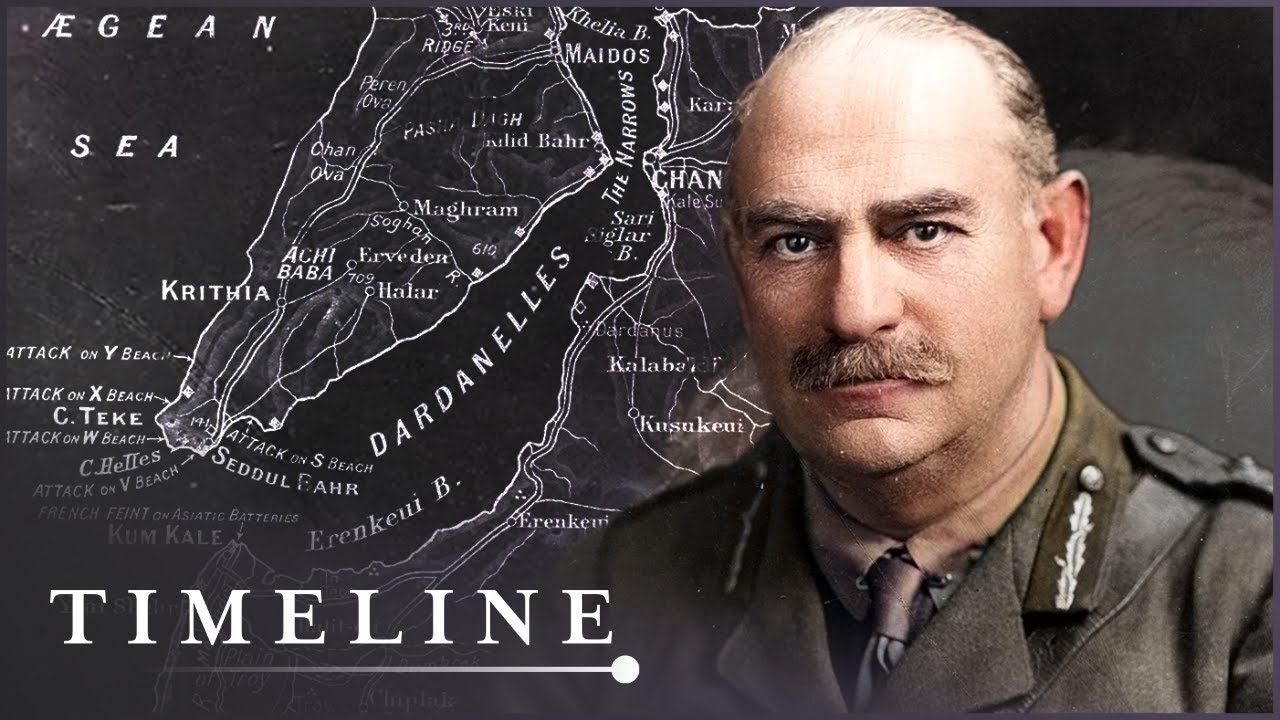
General John Monash and the Monash Four: Their Contributions to World War I and Beyond

Sir John Monash is widely regarded as Australia’s greatest general and an innovator in modern warfare. He was born in Melbourne, Australia on June 27, 1865, and his family originally came from Prussia. His parents were German-Jewish immigrants who had fled to Australia to escape anti-Semitism. Despite growing up in a poor family, Monash excelled academically, winning scholarships to the University of Melbourne and later the University of Cambridge.

Before the First World War, Monash had a successful career as a civil engineer, overseeing the construction of several bridges and railways in Victoria, Australia. However, when war broke out in Europe in 1914, he volunteered for service in the Australian Imperial Force (AIF). He quickly rose through the ranks, eventually becoming commander of the Australian Corps in 1918.

Monash is best known for his innovative tactics during the Battle of Hamel in July 1918, where he successfully used a combination of infantry, tanks, and artillery to achieve a swift victory against the Germans. This was the first time that all three elements had been used together in such a coordinated fashion, and it became a model for future battles.

Monash also played a key role in the Battle of Amiens, which marked the beginning of the Hundred Days Offensive, a series of Allied offensives that led to the end of the war. His innovative use of artillery and tanks helped break through the German lines, and he was widely praised for his leadership during the battle.

After the war, Monash returned to Australia, where he continued to make significant contributions to society. He was involved in the development of Melbourne’s Shrine of Remembrance, which is dedicated to Australian soldiers who died in all wars, and he was a strong advocate for the construction of the Sydney Harbour Bridge.

Monash passed away on October 8, 1931, at the age of 66. His legacy as Australia’s greatest general lives on, and he is remembered as a brilliant strategist and a champion of innovation in warfare.

But Monash’s impact on the world extended beyond his military career. In addition to his four children, Monash had four great uncles who also served in the Australian forces during the First World War. They were known as the “Monash Four,” and all of them fought under Monash’s command.

The Monash Four were:

  1. Private Lewis Monash – Lewis was the youngest of the Monash Four, and he served in the 8th Battalion of the AIF. He was killed in action at Gallipoli in August 1915.
  2. Corporal David Monash – David was also a member of the 8th Battalion, and he was wounded at Gallipoli in August 1915. He later fought in France and Belgium, where he was awarded the Military Medal for bravery.
  3. Private Henry Monash – Henry served in the 22nd Battalion of the AIF, and he fought at Gallipoli, where he was wounded. He also fought in France and Belgium, where he was awarded the Military Medal for bravery.
  4. Private Isaac Monash – Isaac served in the 2nd Pioneer Battalion of the AIF, and he fought in France and Belgium. He was wounded twice and was awarded the Military Medal for bravery.

All four of the Monash Four were descended from Monash’s grandfather, Solomon Monash, who had arrived in Australia from Prussia in the 1850s. They were all volunteers, like Monash himself, and they all served with distinction under his command.

General John Monash and his four great uncles played significant roles in the war history of the world, particularly during World War I.

General Monash was a brilliant military strategist who revolutionized the tactics and techniques of warfare. He was instrumental in several key battles, including the Battle of Hamel and the Battle of Amiens, both of which were decisive victories for the Allies. Monash’s innovative tactics, including the use of combined arms and the coordination of infantry, artillery, and tanks, helped break the stalemate of trench warfare and paved the way for the Allies to win the war.

Monash’s four great uncles also fought bravely in World War I, serving in the Australian Imperial Force (AIF). Private Samuel Monash was killed in action at Gallipoli in 1915, while Private Solomon Monash died of wounds sustained in France in 1917. Corporal Lewis Monash was wounded twice in action but survived the war, while Sergeant Isaac Monash was captured by the Germans and spent two years as a prisoner of war before being released in 1918.

The sacrifices and contributions of Monash and his four great uncles are a testament to the courage and dedication of Australian soldiers in World War I. Their bravery and selflessness continue to inspire generations of Australians and remind us of the high cost of freedom and democracy.

In conclusion, General John Monash was not only a great military leader but also a visionary who changed the course of warfare. His innovative tactics and strategic planning contributed significantly to the Allied victory in World War I, and his legacy continued to inspire military leaders around the world. Monash’s commitment to inclusivity and equality also set him apart, and his leadership paved the way for a more diverse and representative military. The story of General Monash and his four great uncles is a testament to the bravery and sacrifice of those who fought for their country and a reminder of the importance of strong leadership in times of war.

Categories
W5 World

The Evolution of Battlefield Medicine: How Wars Have Driven Medical Advancements

Introduction

War is undoubtedly one of the most tragic events in human history. However, amidst the chaos and destruction, wars have also driven medical advancements that have saved countless lives. From ancient battles to modern-day conflicts, wars have been the catalyst for developing new techniques, instruments, and medicines to treat injuries and illnesses. This article delves into the ways in which wars have transformed medical technology, focusing on the advancements achieved through war experience and how surgeons and medics coped with the battle-scarred.

The Evolution of Military Medicine

The history of military medicine dates back to ancient civilizations. During battles, medics were responsible for treating the wounded and transporting them to safe zones. Over the years, advancements in medical technology led to the establishment of military hospitals and the creation of military medical corps.As civilizations developed, the importance of medical care for military personnel became increasingly recognized. In ancient times, soldiers would receive rudimentary medical attention on the battlefield before being transported to hospitals.

During the medieval period, religious orders set up hospitals specifically to care for sick and wounded soldiers. The concept of a dedicated medical corps for the military began to take shape in the 19th century, with the establishment of the Medical Department of the United States Army in 1818. Today, military medicine continues to play an important role in protecting the health and well-being of service members, with ongoing research and development to improve medical technologies and treatments.

Medical Advancements During World War I

The advancements made during World War I paved the way for even greater medical innovations during subsequent conflicts. The First World War saw significant advancements in the field of military medicine, with the development of new surgical techniques and medicines to treat injuries caused by modern weapons. During World War I, medical technology made significant strides due to the unprecedented scale of the conflict and the devastating injuries that soldiers sustained from modern weaponry.

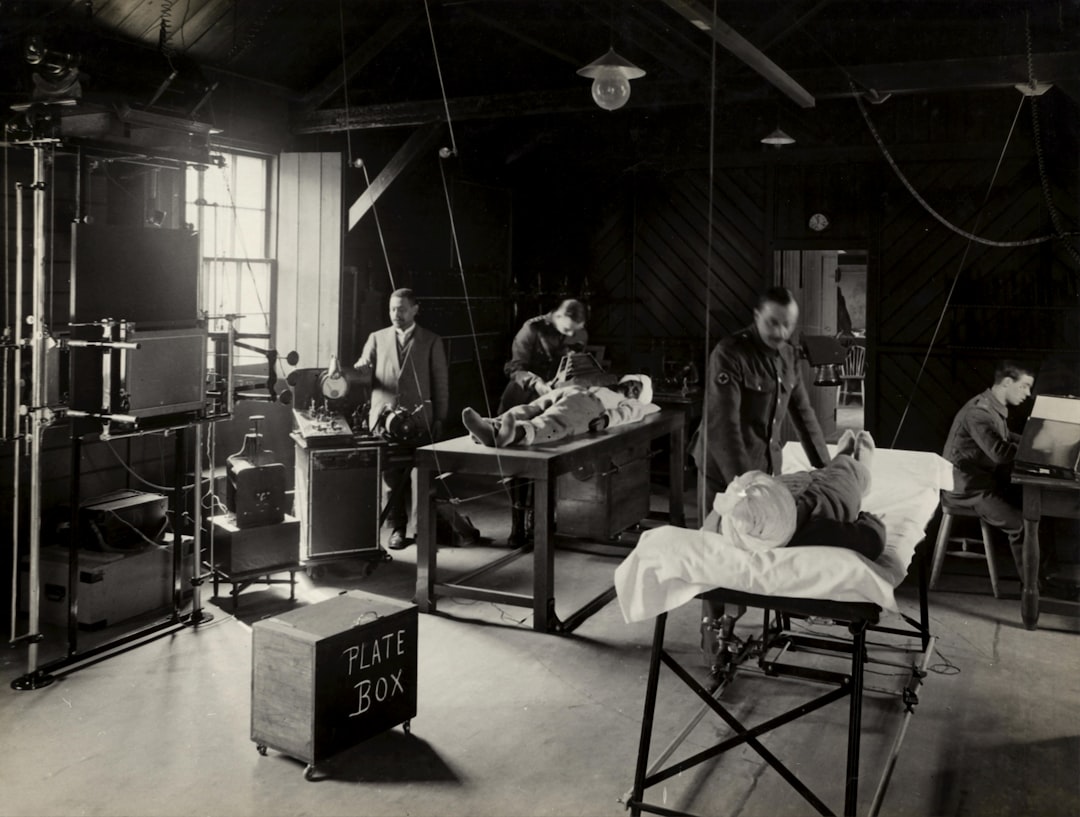
This led to the development of new surgical techniques and medicines to treat injuries such as gunshot wounds, gas poisoning, and shrapnel injuries. Some of the most notable advances included the introduction of antiseptics to prevent infection, blood transfusions to replace lost blood, and the use of X-rays to locate foreign objects in the body. One of the most notable medical advancements during World War I was the development of blood banks, which revolutionized the treatment of wounded soldiers. These innovations laid the groundwork for further medical advancements in subsequent wars.

Medical Advancements During World War II

World War II saw significant advancements in medical technology, with many of the innovations still in use today. The use of penicillin as an antibiotic to treat infections was a significant breakthrough, as was the development of blood transfusions and plastic surgery techniques. The war also saw the introduction of mobile hospitals and air medical evacuation, which helped to improve the chances of survival for wounded soldiers.

In addition to these advancements, World War II also brought about the use of X-rays and ultrasound technology in the field of medical diagnostics. The development of these technologies allowed doctors to identify injuries and illnesses that were previously undetectable, improving the chances of successful treatment. Furthermore, the use of prosthetics also became more widespread during World War II, as the number of soldiers returning home with amputations increased. The need for more advanced prosthetic limbs pushed researchers to develop new technologies that have continued to improve over time.

Spanish Civil War and Medical Advancements

The Spanish Civil War, fought from 1936 to 1939, may not have been the largest conflict of the 20th century, but it was certainly a crucial moment for medical advancements. This war saw the emergence of new surgical techniques and innovations, such as blood transfusions and the first use of antibiotics on the battlefield. The experience gained from treating a large number of wounded soldiers in a short period of time allowed doctors and medics to develop better and more effective methods of caring for the battle scarred.

In addition, the Spanish Civil War was a testing ground for new medical technologies, such as mobile field hospitals and the use of ambulances to transport wounded soldiers to hospitals. The war also provided an opportunity to train medical personnel in a combat setting, allowing them to gain valuable experience that would later be applied in World War II and other conflicts. Overall, the Spanish Civil War played a crucial role in the evolution of military medicine, paving the way for more advanced and effective treatment of wounded soldiers in future conflicts.

Korean and Vietnam Wars and Medical Advancements

During the Korean and Vietnam Wars (1950-1953 and 1955-1975, respectively), medical advancements continued to be made. The Korean War saw the use of helicopters to transport wounded soldiers to field hospitals, while the Vietnam War saw the development of portable ultrasound machines and the widespread use of defibrillators to revive soldiers suffering from heart attacks. The use of body armor and Kevlar helmets also helped to reduce the number of head injuries and fatalities.

The Korean and Vietnam Wars saw further advancements in medical technology. In Korea, medical teams used helicopters to evacuate wounded soldiers from the battlefield, while Vietnam saw the introduction of medical evacuation helicopters equipped with advanced medical equipment. During both wars, surgeons developed new techniques for treating traumatic injuries, including amputations, and the use of artificial limbs became more widespread.

War Surgeons Through Battlefield Experience

War Surgeons details how experience on the battlefield has led to major medical breakthroughs. From the first amputations, to the advent of anesthesia, the mastery of plastic surgery, and developments in neuroscience, remote control operations and telemedicine. Surgeons and medics have been pushed to their limits during times of war, and as a result, have developed innovative and life-saving techniques.

The need to rapidly and effectively treat injuries sustained in battle has driven advances in medical technology, as well as improvements in surgical techniques and practices. These advancements have benefitted not only those who have served in wars but also civilians who require medical care. For example, the use of tourniquets, developed to save the lives of wounded soldiers, has now become a common medical practice in civilian life.

In addition, war surgeons have played a crucial role in the development of prosthetics, including the use of advanced materials such as carbon fiber. The use of telemedicine and remote surgery has also been pioneered by military medical personnel, allowing for critical surgeries to be performed in remote and dangerous locations. Overall, the experience gained by war surgeons has led to significant advancements in medical technology that have had a profound impact on the treatment and care of patients in both military and civilian settings.

Modern Warfare and Battlefield Medicine

Modern warfare continues to drive medical advancements. The use of unmanned vehicles, such as drones, has allowed medical teams to transport medical supplies and perform remote medical procedures. The development of advanced prosthetics has also made it possible for injured soldiers to regain some of their mobility and independence. Additionally, the use of virtual reality technology is being explored as a tool for treating psychological trauma, such as PTSD.

The increasing use of nanotechnology in medicine is also a significant area of development, with applications ranging from wound care to drug delivery. Military research is playing a key role in advancing this field, with the goal of developing more effective treatments for combat injuries. Furthermore, advances in telemedicine are enabling medical professionals to remotely diagnose and treat soldiers on the battlefield, reducing the need for physical transportation to hospitals. As warfare evolves, it is likely that medical technology will continue to adapt and improve to meet the unique challenges of the modern battlefield.

Conclusion

While wars have caused immense human suffering, they have also driven some of the most significant medical advancements in history. From ancient battlefields to modern-day conflicts, medical technology has evolved in response to the injuries and illnesses suffered by soldiers. Through the dedication of surgeons, medics, and researchers, many of the advancements achieved through war experience have been adapted for civilian use, helping to improve the health and wellbeing of people around the world.

Categories
W5 World

The Brutal Reality of the Napoleonic Wars: A Glimpse into Life on the Battlefield

Introduction

The Napoleonic Wars were a series of conflicts that took place between 1803 and 1815, involving several European powers and led by France’s Emperor Napoleon Bonaparte. The wars had a significant impact on European history, with their outcomes shaping the continent’s political landscape for decades to come. However, what was it like to fight during the Napoleonic Wars? How did soldiers endure the harsh conditions and the dangers of battle? In this article, we will explore the experiences of soldiers during this tumultuous period of history.

The Napoleonic Wars: An Overview

The Napoleonic Wars were a series of conflicts that spanned over two decades and saw the French Empire under the leadership of Napoleon Bonaparte fight against various coalitions of European powers. The wars were characterized by large-scale battles that involved hundreds of thousands of troops, and they marked a significant shift in the way wars were fought. The Napoleonic Wars were a series of major conflicts that took place in Europe from 1803 to 1815.

The wars involved many of the major powers of Europe, and they had a profound impact on the political and social landscape of the continent. One of the most significant aspects of the Napoleonic Wars was the way in which they were fought. This article will explore what it was like to fight during this period, examining the weapons and tactics that were used, as well as the experiences of soldiers on the battlefield.

Battle Tactics and Weaponry

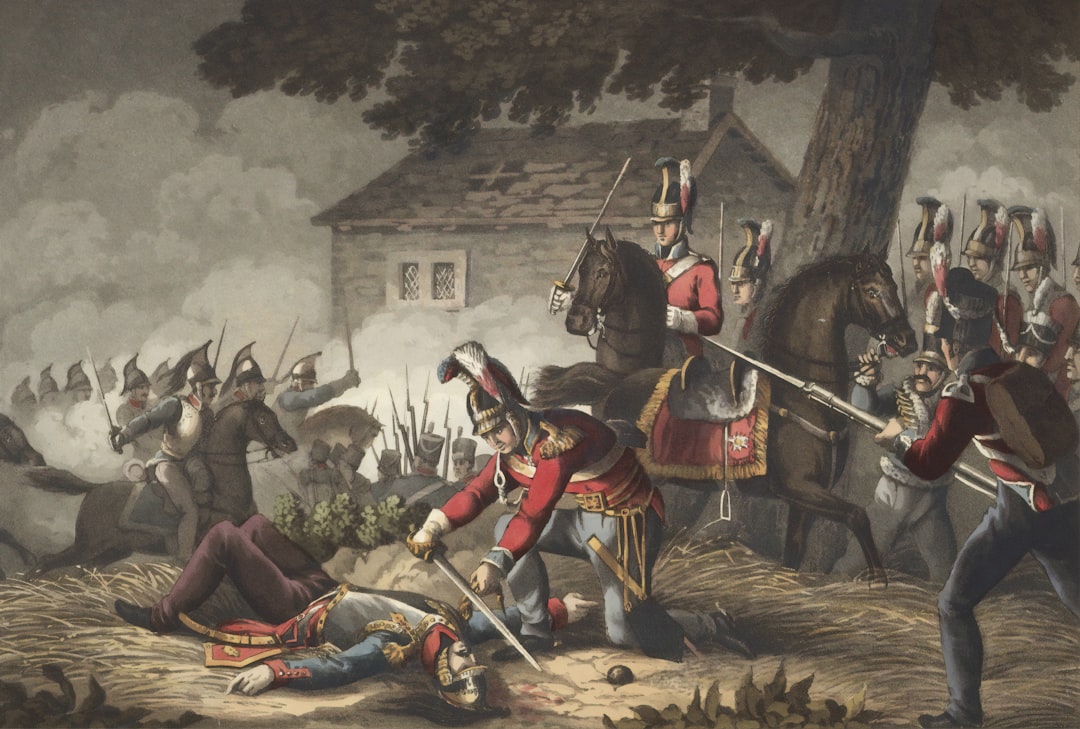
During the Napoleonic Wars, firearms had become the dominant weapon on the battlefield. The musket was the standard infantry weapon, and soldiers would stand in line and fire in unison to create a wall of lead that would devastate enemy formations. Bayonets were also commonly used, and soldiers were trained to use them in close combat. Cavalry charges were also a common tactic, and soldiers on horseback would charge into enemy lines to create chaos and confusion.

Battle tactics and weaponry were crucial to success on the battlefield. Infantry tactics emphasized the use of the line formation, with soldiers standing shoulder to shoulder and firing in unison. Cavalry charges were also common, with sabers and lances as the primary weapons. Artillery played a significant role in battles, using cannon fire to devastate enemy formations. Muskets were the most common weapon, with bayonets attached for close combat. These tactics and weapons evolved throughout the war as armies learned from each other and new technologies were developed.

Recruitment and Training

Recruitment for the Napoleonic Wars was mainly done through press gangs, which were groups of sailors or soldiers sent out to forcefully recruit men into the army or navy. Training was rigorous and focused on discipline and obedience to superiors, with drills and exercises meant to build physical strength and endurance.

During the Napoleonic Wars, soldiers were often recruited through a form of conscription known as “press gangs,” where men were forcibly enlisted into the army or navy. However, voluntary recruitment was also common, with promises of adventure, pay, and the chance to escape poverty. Once enlisted, soldiers underwent rigorous training, including drilling and maneuvers, as well as education on the use of firearms and other weapons. Training was essential to prepare soldiers for the realities of battle and to ensure they could work effectively as part of a unit.

Life as a Soldier on Campaign

Life as a soldier during the Napoleonic Wars was tough. Soldiers would often be forced to march long distances to get to the battlefield, carrying heavy packs filled with equipment and supplies. Once on the battlefield, soldiers would be exposed to the elements, often having to sleep in the open air without shelter. Food was scarce, and soldiers would often have to scavenge for food or rely on rations that were often spoiled.

Life on campaign during the Napoleonic Wars was incredibly challenging for soldiers. They faced long marches, harsh weather conditions, and often had to live in cramped and unsanitary conditions. Food and water shortages were common, and disease was rampant. In addition to the physical hardships, soldiers also had to deal with the emotional toll of being away from their families and loved ones for extended periods of time. Despite these difficulties, however, many soldiers developed a strong sense of camaraderie and loyalty to their fellow soldiers, which helped them to endure the challenges of life on campaig

The Horror of Battle During Napoleon Age

The Napoleonic Wars were some of the bloodiest conflicts in history, and the horrors of battle were something that soldiers had to endure every day. The sound of musket fire and cannon blasts was deafening, and soldiers had to fight through thick smoke and dust that obscured their vision. The sight of wounded and dying soldiers was a common one, and the smell of blood and gunpowder was overwhelming.

The psychological toll of war was also immense. Many soldiers suffered from PTSD (post-traumatic stress disorder) or what was then called “soldier’s heart.” The constant exposure to death and violence could break even the strongest of men. Some soldiers turned to alcohol or opium to numb the pain, while others relied on their comrades for support. It was a difficult and often traumatic time, and it is a testament to the bravery and resilience of the soldiers who fought in the Napoleonic Wars.

Medical Care and Disease

Medical care during the Napoleonic Wars was primitive and often ineffective. Medical treatment was generally limited to amputations and other surgeries, with no effective anesthetic available. In addition, diseases such as dysentery, typhus, and smallpox were rampant, and often more deadly than the enemy. Medical knowledge was limited, and many soldiers died from infections that would be easily treatable today.

Despite the grueling conditions and high mortality rates, many soldiers from different countries were drawn to the Napoleonic Wars, which were seen as an opportunity for adventure, honor, and glory. However, the reality of life on the battlefield was often far from romanticized notions of war. It was a brutal and unforgiving conflict, with soldiers facing not only the enemy but also disease, starvation, and the harsh elements. Nonetheless, the tactics, weaponry, and medical practices developed during the Napoleonic Wars had a significant impact on future military strategies and techniques.

Aftermath and Legacy

The aftermath of the Napoleonic Wars was just as devastating as the wars themselves. Millions of people had died, and entire regions had been devastated by the fighting. The wars had also ushered in a new era of nationalism and changed the balance of power in Europe. The wars had left a lasting impact on the world, shaping politics, culture, and society for decades to come. The legacy of the Napoleonic Wars can still be seen today in the architecture, art, literature, and music of the time. It serves as a reminder of the human cost of war and the importance of striving for peace.

The Napoleonic Wars had a profound impact on the world, both in terms of politics and warfare. The wars saw the rise of nationalism, and they laid the groundwork for the modern nation-state system. They also saw the development of new military tactics and technologies that would shape warfare for decades to come. The Napoleonic Wars were a brutal and transformative period in history. Soldiers who fought in these wars endured unimaginable hardships, and the legacy of these conflicts can still be felt today.

Conclusion

Fighting during the Napoleonic Wars was an experience that challenged soldiers physically, mentally, and emotionally. From recruitment and training to battle tactics and medical care, soldiers faced numerous challenges that tested their resolve and perseverance. Despite the hardships, soldiers fought with courage and dedication, driven by a sense of duty to their country and a belief in their cause. The Napoleonic Wars had a profound impact on European history, and the sacrifices made by soldiers during this period should not be forgotten.

Categories
W5 World

Surviving Colonial Wars: The Resilience and Strategies of North America’s First Nations

Introduction

For centuries, the First Nations of North America endured the devastating impact of colonial wars. Despite facing immense challenges, they were able to not only survive but also preserve their culture and way of life. Their success in surviving these colonial wars offers valuable insights into their resilience, resourcefulness, and ability to persevere. This article explores some of the strategies and tactics used by the First Nations to overcome the obstacles they faced during this tumultuous period in history.

How The First Nations Survived: An Overview

When the first European colonizers arrived in North America, they encountered a land that was already inhabited by numerous Indigenous communities, collectively referred to as the First Nations. Over the next several centuries, these communities were forced to navigate the challenges of colonialism and warfare, as European powers sought to claim and control the land. Despite facing tremendous challenges and obstacles, the First Nations were able to not only survive but also resist and adapt to the changing landscape of North America.

This article explores the strategies and tactics used by the First Nations to overcome the challenges they faced during the colonial wars. The article examines the resilience of the First Nations, their collaboration and alliance building, their use of guerrilla warfare tactics, and their acts of cultural resistance in order to maintain their way of life and cultural identity. This overview provides readers with a brief understanding of the article’s main focus, while also highlighting the importance of the topic in understanding the history and culture of North America.

Resilience in the Face of Adversity

The First Nations of North America faced tremendous adversity during the colonial wars, including displacement, disease, and cultural erasure. However, their resilience allowed them to adapt to changing circumstances and maintain their way of life. They drew on their deep connection to the land and their traditional knowledge to survive and resist colonial domination.

The First Nations demonstrated great strength and resilience in the face of immense challenges, such as epidemics, forced displacement, and loss of territory. They drew on their deep connection to the land and community support systems to overcome these obstacles and continue their way of life. Despite facing immense challenges such as displacement, disease, and cultural erasure, they were able to maintain their way of life.

Collaboration and Alliance Building

First Nations tribes across North America were able to survive colonial wars by collaborating and forming alliances with one another. By coming together, they were able to pool their resources and knowledge, creating a more robust defense against colonial forces. The Iroquois Confederacy, for example, formed an alliance with the British during the French and Indian War, which allowed them to gain a strategic advantage over the French.

The First Nations’ collaboration and alliance building allowed them to strengthen their military and diplomatic capabilities, increasing their ability to resist colonial expansion. These alliances also helped to preserve traditional trade routes and cultural practices among different tribes.

Guerrilla Warfare and Tactics

The First Nations also used guerrilla warfare tactics to outmaneuver their colonial adversaries. They would use hit-and-run tactics, ambushes, and other surprise attacks to inflict damage on the enemy and then retreat back into the safety of the forest. This style of warfare was effective because it allowed the First Nations to conserve their resources and avoid head-on confrontations with superior colonial forces.

The First Nations’ use of guerrilla warfare tactics allowed them to remain a formidable force against colonial powers despite being outnumbered and outgunned. They relied on their knowledge of the terrain, mobility, and surprise attacks to inflict significant damage on colonial armies, making it difficult for the latter to control the territory.

Cultural Resistance and its Power

The First Nations were not only able to survive colonial wars but also preserve their culture and way of life. They did this through acts of cultural resistance, such as maintaining traditional language and customs and passing them down from one generation to the next. This resistance helped to strengthen their cultural identity and prevent it from being eroded by the forces of colonialism.

They maintained traditional language and customs and passed them down from one generation to the next, strengthening their cultural identity and preventing it from being eroded by the forces of colonialism. Cultural resistance was a powerful way for the First Nations to maintain their autonomy and independence in the face of colonial domination.

Ability to Adapt and its Importance

The First Nations demonstrated remarkable adaptability in the face of colonialism, combining traditional knowledge with new technologies and strategies to survive and thrive in a changing world. The First Nations were able to survive and thrive in North America due in large part to their ability to adapt to changing circumstances.

As Europeans brought new diseases, technologies, and ways of life to the continent, Indigenous communities were forced to adjust and evolve in order to survive. One example of this adaptability can be seen in the way that First Nations communities embraced new trading opportunities with European colonizers. By trading furs, food, and other goods, Indigenous communities were able to form strategic alliances and gain access to new technologies and resources.

Conclusion

Despite the immense challenges they faced during the colonial wars, the First Nations of North America were able to survive and preserve their culture and way of life. Their resilience, collaboration, guerrilla warfare tactics, and cultural resistance allowed them to adapt to changing circumstances and resist colonial domination. Their legacy continues to inspire people today to fight against oppression and work towards a better future.

Categories
W5 World

The Wars of the Roses: Unraveling Britain’s Complex and Brutal Civil Strife

Introduction

The Wars of the Roses was a series of English civil wars that occurred between the House of Lancaster and the House of York, both of which were branches of the royal Plantagenet family. The conflict took place between 1455 and 1487 and was one of the bloodiest and most devastating in English history. The war got its name from the emblems used by the two warring factions, the white rose of York and the red rose of Lancaster, which have become iconic symbols of the conflict. This article delves into the Wars of the Roses, exploring recent studies that have cast doubt on the existence of the chivalric code during this bloody conflict.

Wars of The Roses: An Overview

The Wars of the Roses were a series of English civil wars fought between the House of Lancaster and the House of York from 1455 to 1487. The conflict resulted in a significant shift in power from the medieval nobility to the monarchy, and ultimately led to the establishment of the Tudor dynasty under Henry VII. The Wars of the Roses were characterized by a series of battles and political maneuverings, with both sides struggling for control of the English throne. This period in English history was marked by significant bloodshed and political instability, and had a profound impact on the country’s development in the centuries that followed.

The Wars of the Roses were a brutal and bloody period in British history, characterized by bitter family feuds, political intrigue, and devastating battles. The conflict left a lasting impact on England, shaping its political and social structures for centuries to come. Despite the chivalric ideals that have been associated with this period, recent archaeological discoveries have cast doubt on whether the age of chivalry ever really existed. The discovery of mutilated skeletons from the War of the Roses reminds us of the grim realities of this era and the extreme violence that was often employed in pursuit of power.

The Causes of the War

The Wars of the Roses had a complex set of causes, but the central issue was the question of who had the rightful claim to the English throne. The conflict was exacerbated by a power struggle between the nobility and the monarchy, as well as by economic, social, and religious factors. The clash was fueled by a complex web of political, social, and economic factors that had been brewing for decades, including disputes over the royal succession, regional power struggles, grievances between noble families, personal rivalries, vendettas, and ambitions, as well as by military tactics and strategies.

The Major Battles it Saw

The Wars of the Roses saw a series of major battles, many of which were decisive in determining the outcome of the war. The Battle of St Albans in 1455 was the first battle of the conflict and saw the Yorkists under Richard Plantagenet, Duke of York, defeat the Lancastrians. The Battle of Towton in 1461 was the largest and bloodiest battle of the war, resulting in a Yorkist victory and the coronation of Edward IV. The Battle of Bosworth Field in 1485 was the final battle of the conflict and saw Henry Tudor, a Lancastrian, defeat Richard III, a Yorkist, and ascend to the throne as Henry VII.

The Impact of the War

The Wars of the Roses had a profound impact on English society and politics, marking the end of the medieval period and the beginning of the early modern era. The conflict resulted in the deaths of many prominent nobles and the weakening of the power of the aristocracy. The war also paved the way for the Tudor dynasty, which ruled England for over a century and was responsible for many significant reforms and developments. The Wars of the Roses also had a lasting cultural impact, inspiring many works of literature and art, including William Shakespeare’s plays.

Doubts Cast on the Age of Chivalry

However, recent studies and discoveries have cast doubt on the existence of the age of chivalry, a period in which knights were believed to have followed a strict code of honor and conduct. The discovery of 38 mutilated skeletons from the War of the Roses in the late 15th century has raised questions about the reality of this romanticized era. These bodies, found with multiple stab wounds and missing noses and ears, suggest a brutal and savage side to the conflict that was at odds with the ideals of chivalry. Archaeologists believe that the mutilations were intended to prevent the souls of the victims from going to heaven, further highlighting the cruel nature of the Wars of the Roses.

Conclusion

The Wars of the Roses remains one of the bloodiest and most significant conflicts in British history, with its legacy still evident in the cultural, political, and social fabric of England today. Nevertheless, the Wars of the Roses remain a fascinating and important chapter in British history, offering insight into the complex and turbulent forces that have shaped this nation over the centuries. The discovery of these mutilated skeletons provides a stark reminder of the brutal reality of the Wars of the Roses and the toll it took on the people who fought and died in this bloody conflict.

Categories
W7 World

Oliver Cromwell and Ireland: The Brutal Conflict of the English Civil War

Introduction

The conflict between Oliver Cromwell and Ireland during the English Civil Wars is a dark and complex chapter in Irish history. The brutal campaigns waged by Cromwell’s forces against the Irish population left a deep scar on the Irish psyche that can still be felt today. In this article, we will delve into the causes of this conflict, the key events that took place, and the long-term consequences for Ireland and its people.

Oliver Cromwell is one of the most controversial figures in English history, and his actions in Ireland during the mid-17th century are still a source of debate and disagreement. The conflict between Cromwell’s forces and the Irish has been characterized as a brutal and bloody campaign, with both sides suffering significant casualties and the civilian population enduring great hardship.

Oliver Cromwell vs Ireland: The Background

The conflict between Cromwell and Ireland was rooted in centuries of tension and mistrust between the English and Irish. The English had long sought to exert their control over Ireland, often through military force and the establishment of English settlements. This led to frequent uprisings and rebellions by the Irish, who resented the English presence and sought to preserve their own culture and traditions.

The English Civil Wars, which began in 1642, only served to exacerbate these tensions. The Irish, who were predominantly Catholic, sided with the Royalists, who were also Catholic sympathizers. Cromwell, who was a Puritan and a staunch supporter of the Parliamentarian cause, saw the Irish as a threat to his vision of a Protestant-led England.

Oliver Cromwell vs Ireland: An Overview

In 1649, Cromwell landed in Ireland with a force of around 12,000 soldiers. His campaign was brutal and uncompromising, with many Irish civilians being killed or forced to flee their homes. The city of Drogheda was famously sacked, with an estimated 2,000 people being killed, including many civilians.

Cromwell’s campaign in Ireland was marked by a series of battles and skirmishes, with the Irish forces often putting up fierce resistance. The conflict was further complicated by the fact that the Irish were divided among themselves, with different factions supporting different leaders and agendas.

One of the most significant events of the conflict was the Siege of Clonmel in 1650. The town was held by a force of Irish Confederate soldiers, who were besieged by Cromwell’s forces. After several weeks of fierce fighting, the Irish were finally defeated, with many being killed in the process.

English Civil War: The Roots of the Conflict

The roots of the conflict between Cromwell and Ireland go back to the English Reformation in the 16th century. The Catholic Church had been the dominant religious institution in Ireland for centuries, and the English monarchs saw the island as a strategic and economic prize. In the 1530s, Henry VIII broke away from the Catholic Church and established the Church of England, which became the official religion of the English state. In Ireland, however, the Catholic Church remained the dominant faith, and the English monarchs struggled to impose their will on the Irish population.

In the 1640s, the English Civil Wars erupted between the forces of Parliament and those of King Charles I. The conflict was fought over political, religious, and economic issues, and it was the first time that a modern army was raised and equipped in England. As the war dragged on, both sides looked for allies and support, and the Irish Catholics saw an opportunity to press their own grievances against the English crown.

English Civil War: Key Events

In 1641, a rebellion broke out in Ireland that was led by Catholic landowners and aimed at redressing their grievances against the English government. The rebellion quickly spread throughout the country, and the English authorities responded with force. In 1649, Cromwell arrived in Ireland with a well-equipped and highly trained army, determined to crush the rebellion once and for all.

What followed was a campaign of terror and brutality that left a deep scar on the Irish psyche. Cromwell’s forces captured towns and cities, killing anyone who resisted and putting the population to the sword. The siege of Drogheda in September 1649 is perhaps the most infamous event of the campaign, where Cromwell’s forces killed almost 3,000 men, women, and children.

Long-Term Consequences: The Legacy

The long-term consequences of Cromwell’s campaign in Ireland were profound. The Irish population was decimated, and the economy was left in ruins. The Catholic Church was severely weakened, and the Protestant Ascendancy became the dominant political and economic force in Ireland. The conflict also set the stage for centuries of sectarian violence, with Catholics and Protestants bitterly divided over issues of identity, religion, and power.

The legacy of Cromwell’s campaign in Ireland is still felt to this day. Many Irish people see him as a symbol of English oppression and brutality, and his actions are often cited as an example of the mistreatment of the Irish by the English. The conflict also had a profound impact on Irish culture and society. The displacement of thousands of Irish civilians and the destruction of many towns and villages led to significant social and economic disruption. The legacy of the conflict can still be seen in the sectarian and political divisions that continue to plague Northern Ireland to this day.

Conclusion

The conflict between Oliver Cromwell and Ireland during the English Civil Wars was a dark and complex chapter in Irish history. The roots of the conflict go back centuries, and the brutality of Cromwell’s campaign left a deep scar on the Irish psyche that can still be felt today. The long-term consequences of the conflict were profound, and it set the stage for centuries of sectarian violence.

It is important that we remember this chapter in history and work towards a more peaceful and tolerant future. The conflict between Oliver Cromwell and Ireland was a tragic and brutal chapter in English and Irish history. The conflict was characterized by violence, suffering, and hardship, with both sides suffering significant casualties. The legacy of the conflict is still felt today, and it serves as a reminder of the dangers of sectarianism and political conflict.