Categories
W1 World

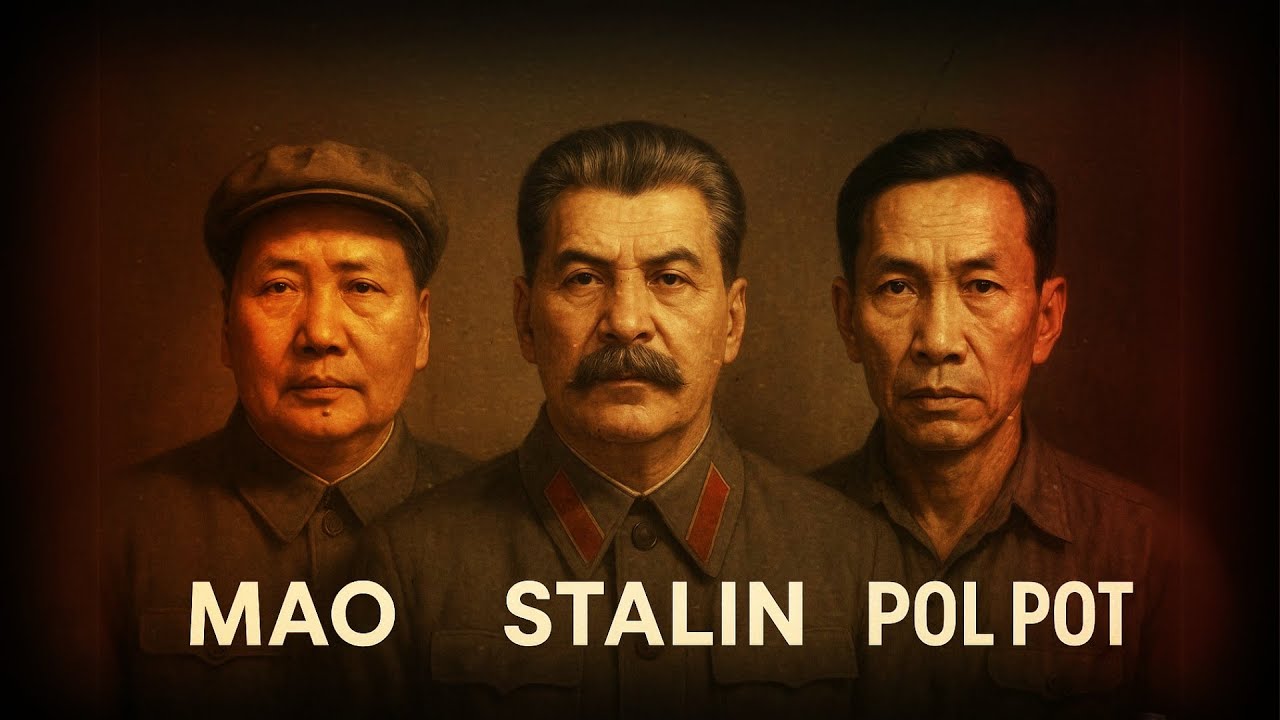
Why Communism Works: A Brutal Satire of Utopian Promises, Totalitarian Realities

Introduction: The Price of Utopia

Communism, in its ideal form, promises a classless, stateless society built on cooperation and equality. It offers a dream of shared resources, the abolition of exploitation, and freedom from capitalist oppression. But history tells a darker tale. In practice, this utopian vision often gives rise to authoritarian regimes, mass suffering, and horrifying loss of life.

Through the brutal legacies of Stalin, Mao, and Pol Pot, we explore why communism—when turned into policy—so often collapses into tyranny. This article does not present a nuanced philosophical discussion; instead, it delivers a harsh, fact-based indictment of the historical outcomes of unchecked communist rule.

Stalin’s Soviet Union: Terror Behind the Curtain

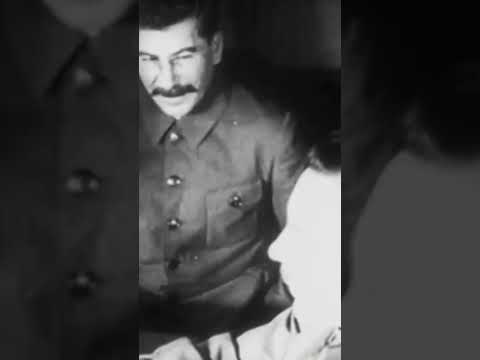
Joseph Stalin’s reign over the Soviet Union from the 1920s to the 1950s is one of the bloodiest chapters in modern history. Rising to power after Lenin’s death, Stalin transformed the USSR into a totalitarian state through relentless purges, forced collectivization, and a cult of personality. The infamous Great Purge of the 1930s saw millions arrested, exiled, or executed under false pretenses. Even top Communist Party members and military leaders were not safe. Stalin weaponized fear to eliminate opposition, real or imagined.

Meanwhile, the forced collectivization of agriculture led to the Holodomor—an artificial famine in Ukraine that killed millions. Grain quotas were enforced with brutality, and dissenters were sent to gulags, Soviet labor camps infamous for inhumane conditions and staggering death rates. Stalin’s policies left the USSR industrialized but at the cost of tens of millions of lives. His version of communism traded freedom for fear and ideology for iron-fisted control. Any dream of equality was buried beneath the weight of state terror.

Mao’s China: Utopia Through Starvation

Mao Zedong promised a revolutionary new era for China—an end to imperialism, poverty, and inequality. Instead, he unleashed one of the deadliest social engineering experiments in history. His Great Leap Forward (1958–1962) sought rapid industrialization and agricultural reform by mobilizing peasants into communes and redirecting labor from farms to steel production. The result was catastrophic. Poor planning, inflated grain reports, and state propaganda led to mass famine. An estimated 30 to 45 million people died—many from starvation, others from execution or overwork.

But Mao didn’t stop there. In 1966, he launched the Cultural Revolution to purge capitalist and traditional elements from Chinese society. Red Guards—radical youth militia—were encouraged to attack intellectuals, destroy historical artifacts, and denounce their own families. Schools shut down. Chaos reigned. Thousands were killed, millions persecuted. Mao’s vision of communism consumed the very people it claimed to liberate. His legacy is a haunting reminder of the dangers of unchecked ideological zeal.

Pol Pot and the Khmer Rouge: Back to Year Zero

Pol Pot’s Khmer Rouge regime in Cambodia (1975–1979) took communist extremism to its most horrific extreme. Inspired by Maoist thought, Pol Pot envisioned an agrarian utopia, free from modernity, class distinctions, and even money. To realize this dream, he emptied cities, abolished currency, and forced urban dwellers into slave labor in the countryside. Intellectuals, professionals, and those who wore glasses were deemed enemies of the revolution.

What followed was genocide. Nearly a quarter of Cambodia’s population—about 1.7 to 2 million people—died from execution, starvation, disease, or overwork. The Tuol Sleng prison in Phnom Penh became infamous for torture and mass murder. Families were torn apart, religion was banned, and any sign of individuality was punished. Pol Pot’s vision of perfect equality produced unparalleled suffering. The Khmer Rouge collapsed only when Vietnam invaded and overthrew the regime in 1979, revealing a nation devastated by ideology-driven brutality.

Why “Real Communism” Always Fails

Defenders of communism often insist that the ideology has simply never been implemented “correctly.” But history suggests a different pattern: the systemic suppression of dissent, economic mismanagement, and human rights abuses appear consistently wherever communism has been tried at a national scale. Centralized planning eliminates competition and innovation. The promise of equality becomes a justification for silencing individual thought and enforcing conformity. Authoritarianism fills the power vacuum left by the dismantling of democratic institutions.

Every major communist regime has relied on propaganda, censorship, and state terror to maintain control. These aren’t accidents or betrayals of the doctrine—they are symptoms of the doctrine’s flaws when applied in the real world. The dream of a classless paradise becomes a nightmare precisely because of the unchecked power that the ideology demands. When the state owns everything, dissent becomes treason. True progress demands not blind faith in utopia, but critical thought, historical awareness, and unwavering respect for human dignity.

The Modern Myth and Its Appeal

Despite its grim history, communism still finds supporters today, often among those disillusioned with capitalism or inequality. The appeal of its promises—free healthcare, housing for all, and the end of poverty—is undeniable. But these ideals obscure the cost. The romanticization of revolution can blind people to the realities of authoritarian rule. In today’s polarized political climate, it’s more important than ever to confront history honestly and critically.

The ghosts of the 20th century’s failed revolutions should not be forgotten. Their stories serve as warnings about the seductive power of ideology and the danger of mistaking slogans for solutions. While reform is necessary in every society, extremism—whether economic, political, or ideological—inevitably breeds oppression. Only by remembering these dark chapters can we safeguard future generations from repeating the same catastrophic mistakes.

Conclusion: Never Again Forgotten

Communism, as practiced in the 20th century, promised freedom and delivered chains. The regimes of Stalin, Mao, and Pol Pot represent cautionary tales, not blueprints for justice. Their legacies should be studied not to revive their ideals, but to understand the horrors that arise when ideology overrides humanity.

This is why communism “works every time”—not in building utopias, but in creating suffering. The facts speak louder than any revolutionary chant. Let history be a mirror, not a blueprint. History has shown that when ideology overrides humanity, the cost is always measured in lives lost and freedoms destroyed.

Categories
W1 World

Vladimir Lenin’s Revolutionary Vision: How He Changed the Course of Post-WW1 Russia

Introduction

When discussing the transformations that took place in Russia following World War I, one name towers above all others: Vladimir Lenin. Born into an upper-middle-class family in 1870, Lenin’s journey from a disillusioned student to the architect of the Soviet Union reshaped not just Russia, but the entire world. His revolutionary ideas, encapsulated in Leninism, brought about the Bolshevik Revolution and set the course for the Soviet state that would dominate global politics for much of the 20th century. This article explores how Lenin’s leadership after World War I fundamentally altered Russia’s trajectory, steering it towards communism, authoritarianism, and a fierce contest for world supremacy.

Lenin’s Early Life: Seeds of Revolution

Vladimir Ilyich Ulyanov, known to history as Lenin, was born into privilege but became radicalized by personal tragedies that transformed his worldview. His father, a school inspector, passed away unexpectedly when Lenin was just 16. Worse yet, his older brother, Alexander, was executed by Tsarist authorities in 1887 for participating in an assassination plot against Tsar Alexander III. These events deeply affected Lenin and propelled him toward Marxism, as he sought a way to destroy the autocratic system that had claimed his brother’s life.

By the time Lenin was a young adult, he had fully embraced Marxism, and his intellectual prowess quickly distinguished him as a leader within Russia’s revolutionary circles. Lenin believed that only a violent overthrow of the capitalist system could free Russia from its oppressive Tsarist regime, and he dedicated his life to achieving this goal.

The Rise of Lenin and the Bolshevik Revolution

The early 20th century was marked by political unrest in Russia, spurred on by widespread poverty, a stagnant economy, and the failure of Tsar Nicholas II to reform his autocratic government. World War I only exacerbated these issues. Russia’s ill-prepared military suffered staggering losses, while the war drained the country’s resources, leading to mass famine and widespread discontent. Amid this chaos, Lenin saw an opportunity to put his revolutionary ideas into action.

In 1917, the February Revolution forced Tsar Nicholas II to abdicate, and a provisional government took control. However, this new government, led by Alexander Kerensky, failed to address the issues plaguing Russia, particularly its continued involvement in the war. Lenin, who was in exile in Switzerland at the time, saw his chance to capitalize on this dissatisfaction. With the help of the German government, which hoped to destabilize Russia, Lenin was smuggled back into the country in April 1917.

Upon his return, Lenin rallied the Bolshevik Party and issued his famous April Theses, which called for an immediate end to Russia’s participation in the war, the redistribution of land to the peasants, and the establishment of a socialist state. By October 1917, Lenin had gained enough support to launch a coup against the provisional government, leading to the Bolshevik Revolution.

The October Revolution and Lenin’s Consolidation of Power

The October Revolution was a swift and decisive blow to the provisional government. On October 25, 1917, Bolshevik forces stormed the Winter Palace in Petrograd (now St. Petersburg), effectively overthrowing Kerensky’s government. The Bolsheviks, under Lenin’s leadership, took control of the country and declared the formation of the Russian Soviet Federative Socialist Republic, the first socialist state in the world.

Lenin immediately set about consolidating power. One of his first actions was to pull Russia out of World War I by signing the Treaty of Brest-Litovsk with Germany in March 1918. This controversial treaty ceded vast amounts of Russian territory to the Central Powers, but Lenin viewed it as a necessary sacrifice to secure the survival of the fledgling Soviet state.

To solidify his control, Lenin also established the Cheka, a secret police force that would later evolve into the KGB. The Cheka was tasked with rooting out counter-revolutionaries and ensuring loyalty to the Bolshevik regime. This marked the beginning of the Red Terror, a period of political repression during which thousands of perceived enemies of the state were executed or imprisoned.

The Russian Civil War and Lenin’s War Communism

However, Lenin’s hold on power was far from secure. The Bolshevik seizure of power sparked a brutal civil war between the Red Army (loyal to the Bolsheviks) and the White Army (a loose coalition of monarchists, capitalists, and other anti-Bolshevik factions). The Russian Civil War, which lasted from 1918 to 1922, was a devastating conflict that claimed millions of lives and left the country in ruins.

During the war, Lenin implemented a policy known as War Communism. This policy involved the nationalization of industry, the requisitioning of grain from the peasants, and the establishment of a centralized economy. War Communism was aimed at keeping the Red Army supplied and the Bolshevik regime afloat, but it also led to widespread famine and economic collapse. Despite these hardships, the Red Army eventually triumphed, and the Soviet Union was officially established in 1922.

Lenin’s New Economic Policy: A Temporary Retreat

By the end of the civil war, Russia was on the brink of economic disaster. The policies of War Communism had alienated much of the population, and widespread famine threatened the survival of the Soviet state. Recognizing the need for change, Lenin introduced the New Economic Policy (NEP) in 1921. The NEP was a temporary retreat from the principles of communism, allowing for limited private enterprise and market mechanisms in agriculture and industry.

The NEP helped stabilize the economy and prevent further uprisings, but it also created divisions within the Bolshevik Party. Some, like Leon Trotsky, viewed the NEP as a betrayal of Marxist principles, while others, including Lenin, saw it as a necessary compromise to keep the revolution alive. Lenin understood that the Soviet Union was not yet ready for full-scale socialism and that some degree of economic pragmatism was essential to rebuild the country after years of war and hardship.

Despite the controversies, the NEP brought a measure of economic recovery, particularly in agriculture, where peasants were allowed to sell their surplus crops on the open market. It also stabilized the urban economy and allowed small businesses to reopen, providing much-needed goods and services. While it was intended to be a temporary measure, the NEP marked a significant shift in Lenin’s approach to governance, showing that he was willing to adapt Marxist theory to the practical realities of governing a war-torn and impoverished nation.

Lenin’s Legacy: Shaping the Future of Russia and the World

Lenin’s death in 1924, at the age of 53, marked the end of an era, but his impact on Russia and the world would be felt for decades to come. His ideas, codified in Leninism, became the ideological foundation of the Soviet Union and inspired communist movements across the globe. Lenin’s model of a vanguard party, which would lead the working class to revolution and seize control of the state, influenced the development of communist parties in countries like China, Vietnam, and Cuba.

However, Lenin’s legacy is also deeply intertwined with the authoritarianism that would come to define the Soviet Union under Joseph Stalin. While Lenin had laid the groundwork for a socialist state, Stalin took those foundations and built an autocratic regime that would repress millions in the name of preserving the revolution. Lenin’s creation of the Cheka and his use of terror to maintain power paved the way for Stalin’s purges and the establishment of a totalitarian state.

Beyond Russia, Lenin’s influence extended to the geopolitical landscape of the 20th century. The Cold War, which pitted the communist Soviet Union against the capitalist United States, was in many ways a direct consequence of Lenin’s revolution. The spread of communism, the rise of socialist movements, and the global contest for ideological supremacy all trace their roots back to Lenin’s leadership in the aftermath of World War I.

Conclusion

Vladimir Lenin’s role in shaping post-World War I Russia cannot be overstated. His leadership during the October Revolution, his consolidation of power through policies like War Communism, and his pragmatic introduction of the New Economic Policy laid the foundations for the Soviet Union and its influence on global politics. Lenin’s vision of a socialist state, though deeply flawed and marked by violence, inspired generations of revolutionaries and altered the course of world history.

Lenin’s legacy is a complex one. On the one hand, he succeeded in overthrowing the centuries-old Tsarist regime and establishing the first communist state in history, a feat that changed the course of the 20th century. On the other hand, his methods of governance, including political repression and the use of terror, contributed to the authoritarian nature of the Soviet Union under his successors. Ultimately, Lenin’s revolutionary ideas and his leadership in post-World War I Russia reshaped not only the future of his country but also the trajectory of global politics, leaving a legacy that is still debated and studied today.

Categories
W1 World

The Human Toll of Cold War: Nukes, Afghanistan, and the Tragedy of Missing Flight KAL 007

Introduction

The Cold War era, which stretched from the end of World War II in 1945 to the collapse of the Soviet Union in 1991, was defined by an intense ideological struggle between two superpowers: the United States and the Soviet Union. Marked by the ever-looming threat of nuclear annihilation, this period saw the world teetering on the edge of catastrophe under the doctrine of Mutually Assured Destruction (M.A.D.). Both sides built vast arsenals of nuclear weapons, operating under the principle that the total destruction of one would trigger the total destruction of the other.

As the contemporary geopolitical landscape continues to mirror aspects of the Cold War, examining the critical events of this era—including the Soviet invasion of Afghanistan and the tragic downing of a civilian airliner—provides essential insights into the human cost of geopolitical maneuvering. In exploring these pivotal moments, we also gain a deeper understanding of how they shaped modern international relations and continue to influence conflicts today.

The Soviet Invasion of Afghanistan

On December 24, 1979, the Soviet Union launched a military invasion of Afghanistan, marking a significant turning point in the Cold War dynamics. Just when the world had begun to sense a thaw in relations, the Soviet move sparked outrage in the West and was seen as a blatant act of aggression that jeopardized the delicate balance of power. The U.S. government, under President Jimmy Carter, swiftly condemned the invasion and initiated a response that would involve providing substantial military and financial support to the Afghan rebels known as the Mujahideen.

Operation Cyclone, the covert program orchestrated by the CIA, funneled billions of dollars in arms, training, and supplies to the Mujahideen fighters. These guerilla warriors, composed mainly of local Afghans, employed unconventional warfare tactics to counter the superior military might of the Soviet forces. The war soon evolved into a proxy battle, with the United States and its allies aiming to thwart Soviet expansionism in the region. The conflict would last nearly a decade, leading to a significant loss of life and the destabilization of Afghanistan—consequences that still resonate in the country today.

The Olympic Boycott

In the wake of the Soviet invasion, the world of sports became entangled in the Cold War narrative. In 1980, President Carter announced a U.S. boycott of the Moscow Olympics, rallying other nations to join him in protest against Soviet military actions in Afghanistan. This boycott was emblematic of the broader ideological battle playing out on the world stage. The involvement of high-profile figures such as Muhammed Ali, who advocated for the boycott, underscored the intertwining of sports and politics during this tumultuous time.

The absence of the U.S. team and many other countries at the Moscow Olympics transformed the event into a politically charged affair. The 1980 Olympics, which should have celebrated global unity and athletic prowess, became a stark representation of international tensions. This cultural protest illustrated the lengths to which nations would go to express dissent and assert their values, revealing how deeply the Cold War influenced every facet of society—including the realm of sports.

The Campaign for Nuclear Disarmament

As the geopolitical landscape darkened with the escalating arms race, fear began to grip populations worldwide. The prospect of nuclear annihilation became a constant source of anxiety for citizens in both the East and West. Mass demonstrations erupted across major cities, with activists rallying against the nuclear arms race and advocating for disarmament. Organizations like the Campaign for Nuclear Disarmament (CND) emerged as powerful voices, galvanizing public sentiment against the nuclear threat.

In response to these fears, governments initiated various measures to appease their citizens, such as constructing nuclear shelters and launching public awareness campaigns about survival strategies in the event of a nuclear attack. Despite these reassurances, the psychological burden of potential global annihilation weighed heavily on societies. The pervasive atmosphere of fear shaped political discourse and public opinion, resulting in a growing demand for peace and disarmament that would eventually lead to significant treaties in the years following the Cold War.

The Women of Afghanistan

The conflict in Afghanistan brought to light a remarkable and often overlooked aspect of the war—the involvement of women. Under Soviet rule, women had gained greater access to education and employment, enjoying a level of autonomy previously denied to them. As the Mujahideen resistance gained momentum, many women chose to join the fight to protect their newfound rights and freedoms. This unexpected emergence of female fighters challenged traditional gender norms and demonstrated their resilience amid a brutal conflict.

These women, often educated and driven by a desire to preserve the rights they had fought for, became an essential part of the resistance. Their participation illustrated the complex social dynamics of the Afghan struggle, revealing that the narrative of war was not solely defined by the clash of superpowers but also by the personal battles fought by individuals. The war in Afghanistan was not just a geopolitical contest; it was also a fight for dignity, autonomy, and identity.

The Downing of Flight KAL 007

Tragedy struck on September 1, 1983, when Korean Air Flight 007, a civilian jumbo jet traveling from New York to Seoul, disappeared from radar after straying into Soviet airspace over Kamchatka. Soviet fighter jets, perceiving the aircraft as a potential threat, shot it down, resulting in the deaths of all 269 passengers and crew members onboard. This catastrophic incident not only underscored the perils of Cold War tensions but also served as a grim reminder of how the superpowers’ actions could have devastating consequences for innocent civilians.

The downing of Flight KAL 007 intensified hostilities between the United States and the Soviet Union, prompting global condemnation of Soviet actions. The tragedy further complicated diplomatic relations, as both sides engaged in a war of words, each attempting to frame the narrative to their advantage. The incident highlighted the potential for miscommunication and misunderstanding in a world marked by military readiness and suspicion, revealing the human cost of a conflict that extended far beyond ideological disagreements.

Conclusion

The Cold War legacy is a complex tapestry woven from threads of ideology, conflict, and human experience. The Soviet invasion of Afghanistan, the Olympic boycott, the rise of anti-nuclear movements, and the tragic downing of Flight KAL 007 exemplify the multifaceted nature of this era. As we reflect on the human costs of these historical events, we must remember that behind the statistics and geopolitical strategies lie real lives—individuals caught in the crossfire of superpower rivalry. Understanding this intricate history is crucial not only for acknowledging the past but also for shaping a future where diplomacy prevails over conflict, and where the lessons of history guide us toward a more peaceful world.

The stories of courage, resilience, and tragedy during the Cold War remind us of the importance of fostering dialogue and cooperation among nations, ensuring that the specter of M.A.D. never again overshadows the promise of a brighter future. Recognizing this human element is vital not only for honoring the memories of those lost but also for fostering a collective commitment to ensuring that history does not repeat itself in the form of new conflicts driven by fear and misunderstanding.

Categories
W1 World

Dmitri Polyakov: The Soviet General Who Spied for the West and Paid the Ultimate Price

Introduction

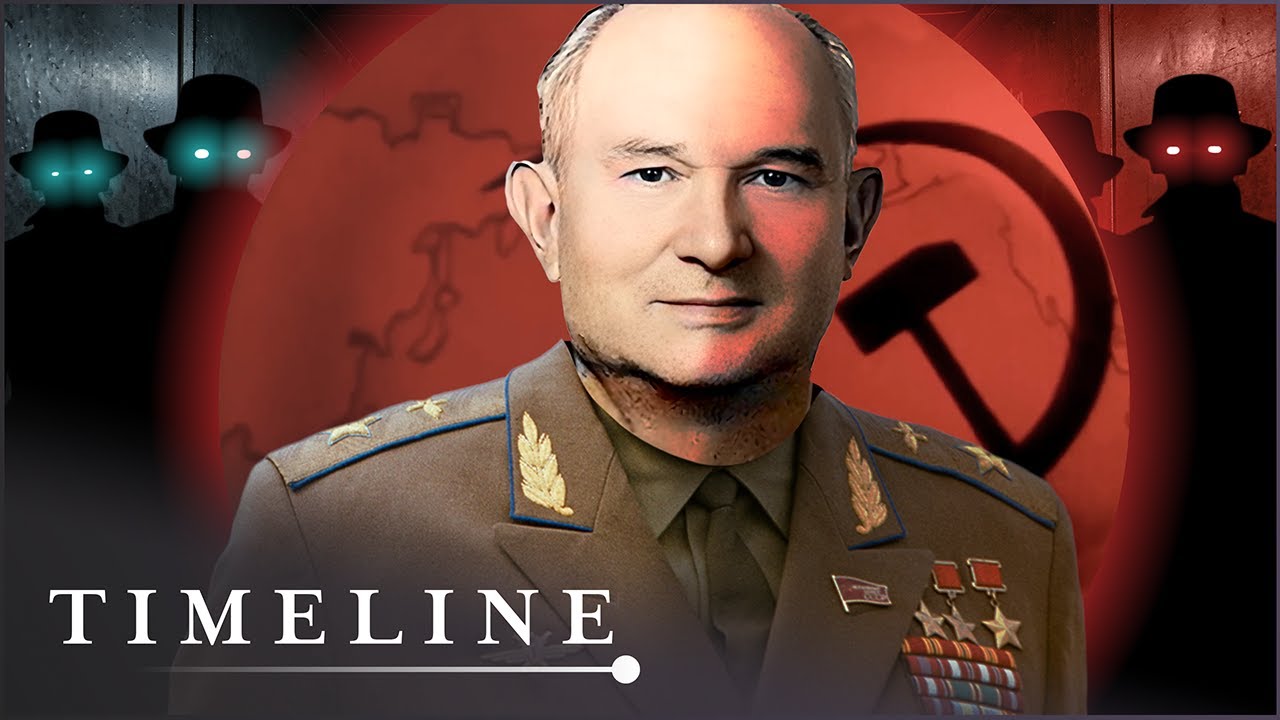
The Cold War was a period of intense espionage between the United States and the Soviet Union, as both superpowers vied for global influence and dominance. During this era, countless spies operated in the shadows, passing secrets that could have altered the course of history. One such figure stands out above all others: Dmitri Polyakov, a Soviet Military Intelligence General who became one of the most valuable assets the CIA ever had. Polyakov’s decision to turn against the Soviet Union wasn’t motivated by greed but by disillusionment with the regime he had sworn to serve. Betrayed by two infamous American spies, Aldrich Ames and Robert Hanssen, Polyakov’s story is a tale of courage, conviction, and ultimate tragedy.

Early Life and Military Career

Dmitri Fyodorovich Polyakov was born in 1921 in Ukraine, part of the then-Soviet Union. He grew up in a period of turmoil, witnessing the rise of Joseph Stalin’s brutal regime and the Soviet Union’s rapid militarization. Polyakov was a career military man, joining the Red Army in the late 1930s. His service during World War II earned him a place in the Soviet Union’s GRU (Main Intelligence Directorate), where he quickly rose through the ranks.

By the 1950s, Polyakov had become a respected and high-ranking officer in Soviet military intelligence. He was stationed in New York as part of the Soviet delegation to the United Nations, providing him with the perfect cover to conduct intelligence operations for the Soviet Union. However, it was during this time that his loyalty to the Communist regime began to wane.

The Decision to Switch Sides

Polyakov’s decision to turn on the Soviet Union was not an impulsive one. Unlike many spies, he wasn’t driven by financial gain or personal grievances. Instead, Polyakov became increasingly disillusioned with the corruption, inefficiency, and oppression of the Soviet regime. He believed that the USSR’s rigid, authoritarian system would ultimately fail its people, and he was particularly disgusted by the Stalinist purges and the brutality he saw within his own military ranks.

In the early 1960s, while stationed in New York, Polyakov made his first covert contact with the Federal Bureau of Investigation (FBI). Rather than defect outright, he offered to work as a spy, feeding valuable intelligence to the Americans while remaining in his post as a Soviet military officer. This decision marked the beginning of what would become one of the longest-running and most successful espionage operations in Cold War history.

Polyakov’s Role as a Spy

Polyakov was soon passed to the Central Intelligence Agency (CIA), where he was codenamed TOPHAT. Over the next two decades, Polyakov provided the CIA with an extraordinary volume of high-level intelligence. His position within the GRU gave him access to sensitive Soviet military and political information that was invaluable to U.S. policymakers.

Polyakov’s intelligence allowed the CIA to uncover Soviet military plans, details about Soviet weapons systems, and the names of Soviet spies operating in the United States and other countries. His information also helped the U.S. identify weaknesses in Soviet defense strategies and counterintelligence operations, giving the West a significant edge during a critical phase of the Cold War.

More importantly, Polyakov’s insights into Soviet leadership and military doctrine confirmed for American analysts that the Soviet Union was not as militarily dominant or cohesive as it appeared to be. This intelligence allowed the U.S. to avoid unnecessary military escalations based on the exaggerated perception of Soviet strength.

Polyakov’s value to the CIA was immense, and some intelligence officials later credited him with playing a crucial role in averting a global catastrophe by preventing miscalculations during the tense periods of the Cold War.

Loyalty to a Cause, Not a Nation

Unlike other defectors and double agents, Polyakov didn’t request large sums of money or lavish lifestyles in exchange for his espionage. He wasn’t in it for personal gain. Polyakov’s motivations were ideological; he genuinely believed that the Soviet system was broken and that aiding the United States would contribute to a better future for the Russian people.

While the CIA offered him financial compensation, Polyakov mostly refused. He continued to live a modest life in Moscow when he was not on assignment abroad. His commitment to his cause rather than to personal enrichment made him a unique and deeply respected figure among the American intelligence community.

Betrayed by the West

For nearly 20 years, Dmitri Polyakov’s espionage activities went undetected by the KGB, the Soviet Union’s notorious secret police. However, his luck ran out in the mid-1980s, when two American traitors revealed his identity to the Soviets.

The first was Aldrich Ames, a senior CIA officer who began selling secrets to the KGB in 1985. Ames’s betrayal was devastating for U.S. intelligence, as he compromised several key assets, including Polyakov. The second was Robert Hanssen, an FBI agent who also spied for the Soviet Union. Hanssen passed on critical information that further confirmed Polyakov’s identity as a spy.

In 1986, Polyakov was arrested by Soviet authorities, and in 1988, he was executed for treason. His death marked the tragic end of one of the most successful intelligence operations of the Cold War.

The Legacy of Dmitri Polyakov

Dmitri Polyakov’s legacy is complex and significant. While some view him as a traitor to his country, others regard him as a hero who stood up for what he believed was right, even at the cost of his life. Within the U.S. intelligence community, Polyakov is remembered as one of the greatest assets ever recruited by the CIA.

His betrayal by Ames and Hanssen led to significant introspection within the CIA and FBI, prompting reforms in how intelligence agencies manage and protect their assets. The damage caused by Ames and Hanssen was profound, but Polyakov’s contributions had already shifted the balance of power during the Cold War, and his impact was lasting.

Polyakov’s story also highlights the human cost of espionage. He operated for nearly two decades, knowing that exposure would mean death, yet he continued to pass vital intelligence to the CIA out of a deep sense of duty. His tragic end serves as a reminder of the sacrifices made by those who operate in the shadows, often with little recognition or reward.

Conclusion

Dmitri Polyakov was not just a Soviet general who switched sides; he was a man driven by principles and the desire to see a better world. His espionage helped prevent potential military conflicts and provided the U.S. with critical insights into Soviet military capabilities and intentions. Betrayed by his own allies, Polyakov paid the ultimate price for his convictions, but his legacy endures as one of the most extraordinary chapters in Cold War history.

Categories
W1 World

The Rosenberg Affair: Execution, Espionage, and the Legacy of Betrayal

In the annals of Cold War history, few cases are as emblematic of the era’s paranoia and espionage as that of Julius and Ethel Rosenberg. Accused of passing atomic secrets to the Soviet Union, they were convicted in 1951 and executed in 1953, leaving behind a legacy of controversy and debate. But to truly understand the Rosenberg case, one must delve into the murky depths of World War II’s most secretive project: the Manhattan Project.

The seeds of the Rosenberg case were sown during the height of World War II, amidst the frantic race to develop atomic weapons. The Manhattan Project, led by the United States, brought together some of the world’s brightest scientific minds in a quest for nuclear supremacy. Yet, the project was shrouded in secrecy, with only a select few privy to its inner workings.

In the backdrop of this clandestine endeavor lay the 1943 Quebec Agreement, a pivotal pact between the United States, Canada, and the United Kingdom. Under this agreement, these nations pooled their scientific resources, with Canada and the UK supplying vital personnel for the Manhattan Project. However, crucially, the Soviet Union was kept in the dark. The agreement underscored the prevailing atmosphere of distrust and secrecy that characterized the wartime alliance against the Axis powers.

But it was the 1944 Hyde Park Agreement, signed by British Prime Minister Winston Churchill and US President Franklin D. Roosevelt, that further solidified the veil of secrecy surrounding the Manhattan Project. This accord reaffirmed the commitment to keep atomic research strictly confidential, shielding it from prying eyes, even those of allied nations.

The rationale behind such secrecy was clear: to prevent the Axis powers, particularly Nazi Germany, from obtaining nuclear capabilities. However, the unintended consequence was the cultivation of an atmosphere of suspicion and paranoia that would persist long after the war’s end.

It was within this environment that Julius and Ethel Rosenberg, a working-class couple from New York City, became entangled in a web of espionage allegations. Both fervent supporters of leftist causes, they were drawn into the orbit of Soviet sympathizers and Communist Party members during the tumultuous years of the Red Scare.

The turning point came with the arrest of Klaus Fuchs, a German-born physicist who had worked on the Manhattan Project. In 1950, Fuchs confessed to passing atomic secrets to the Soviet Union, igniting fears of communist infiltration within the US government and scientific community. Fuchs’ revelations cast a shadow of suspicion over others involved in atomic research, including Julius Rosenberg, who had connections to leftist circles.

The subsequent trial of Julius and Ethel Rosenberg captivated the nation and sent shockwaves around the world. Prosecutors painted them as traitors who had betrayed their country by divulging classified information to America’s Cold War rival. Yet, the evidence against them was circumstantial at best, relying heavily on the testimony of witnesses with dubious credibility.

The Rosenberg case quickly morphed into a cause célèbre, with supporters rallying behind the couple and denouncing what they saw as a miscarriage of justice. To many, the trial epitomized the excesses of McCarthyism and the erosion of civil liberties in the name of national security.

Despite international outcry and appeals for clemency, Julius and Ethel Rosenberg were sentenced to death in 1951. Their execution by electrocution in 1953 marked the culmination of one of the most controversial chapters in American legal history.

Decades later, the legacy of the Rosenberg case continues to provoke heated debate and scholarly scrutiny. While some view them as martyrs persecuted for their political beliefs, others see them as willing collaborators who jeopardized national security for ideological ends.

What remains indisputable, however, is the pivotal role played by the Manhattan Project and its veil of secrecy in shaping the trajectory of the Rosenberg case. In their fervor to safeguard atomic secrets, US authorities inadvertently fueled the flames of suspicion and paranoia that engulfed Julius and Ethel Rosenberg, condemning them to a fate that continues to haunt the American conscience.

The aftermath of the Rosenberg case reverberated far beyond the courtroom. It contributed to a climate of fear and suspicion that pervaded American society throughout the Cold War era. The Red Scare intensified, with accusations of communist sympathies leading to widespread paranoia and the vilification of political dissenters.

Moreover, the case highlighted the ethical dilemmas inherent in the pursuit of national security. While the need to safeguard sensitive information was paramount, the methods employed to achieve this goal often infringed upon fundamental rights and principles of justice. The Rosenberg case serves as a stark reminder of the dangers posed by unchecked government power and the erosion of civil liberties in the name of security.

In recent years, new evidence has emerged that sheds further light on the Rosenberg case and calls into question the validity of their convictions. Declassified documents and testimonies have raised doubts about the extent of the Rosenbergs’ involvement in espionage and the fairness of their trial. These revelations have reignited debate over their guilt or innocence, fueling calls for a reevaluation of their legacy.

Regardless of where one stands on the guilt or innocence of Julius and Ethel Rosenberg, their case remains a cautionary tale about the perils of sacrificing freedom for security. It serves as a reminder of the fragility of democracy and the importance of upholding the principles of justice, even in times of crisis. As the world grapples with new threats and challenges in the 21st century, the lessons of the Rosenberg case continue to resonate, reminding us of the enduring struggle to balance security and liberty in an uncertain world.

Categories
W1 World

Putin’s Reign of Power: The Astonishing Journey from KGB Agent to Global Leader

Vladimir Putin’s ascent from a modest upbringing in St. Petersburg to the pinnacle of global power is a saga marked by ambition, cunning, and ruthlessness. His formative years were marked by hardship and adversity, growing up in a working-class family. Growing up in a cramped communal apartment, he experienced the challenges of post-war Soviet life firsthand. Despite his humble beginnings, Putin excelled academically and athletically, showing early signs of the determination and discipline that would define his future career.

Putin’s path to power began in the shadowy world of Soviet intelligence. After studying law at Leningrad State University, he joined the KGB in 1975, rising through the ranks to become a lieutenant colonel. His time in the KGB honed his skills in espionage, counterintelligence, and manipulation, providing him with valuable experience that would serve him well in his later political career. However, it was the collapse of the Soviet Union in 1991 that presented Putin with his first major opportunity for advancement.

In the chaotic aftermath of the Soviet collapse, Putin seized the moment, leveraging his connections within the security services to secure a position in the government of newly independent Russia. His meteoric rise through the ranks was propelled by his association with Anatoly Sobchak, the reformist mayor of St. Petersburg, who appointed Putin as his deputy in 1991. This marked the beginning of Putin’s ascent to power, as he quickly distinguished himself as a capable and loyal administrator.

The turning point came in 1999 when Boris Yeltsin, Russia’s first post-Soviet president, handpicked Putin as his successor. Appointing Putin as Prime Minister, Yeltsin effectively anointed him as the heir to the presidency. Putin’s ascension to power was swift and decisive, as he capitalized on Yeltsin’s waning popularity and the chaos of the post-Soviet transition to consolidate his grip on power. In December 1999, Yeltsin resigned, paving the way for Putin to assume the presidency on New Year’s Eve.

Putin’s early years in office were marked by a series of bold and controversial moves aimed at asserting Russia’s dominance on the world stage. His crackdown on Chechen separatists, culminating in the brutal Second Chechen War, solidified his reputation as a strong and decisive leader. Meanwhile, his efforts to centralize power and control over Russia’s economy earned him the support of the country’s oligarchs and security services, cementing his hold on power.

Despite his authoritarian tendencies, Putin’s rule has been marked by a complex relationship with the West. His attempts to cultivate closer ties with Western leaders, such as his early encounters with Tony Blair and George W. Bush, were tempered by his confrontational stance towards NATO expansion and perceived Western interference in Russia’s internal affairs. The annexation of Crimea in 2014 and Russia’s intervention in conflicts in Syria and Ukraine further strained relations with the West, leading to sanctions and diplomatic isolation.

Putin’s domestic policies have also faced criticism from human rights activists and political opponents. His crackdown on dissent, censorship of the media, and manipulation of elections have raised concerns about the erosion of democracy and civil liberties in Russia. The poisoning and imprisonment of opposition figures like Alexei Navalny underscore the lengths to which Putin will go to maintain his grip on power.

Yet, despite the controversies and criticisms, Putin’s popularity at home remains strong. His carefully cultivated image as a strong and decisive leader, combined with his efforts to restore Russia’s global standing, have endeared him to many Russians who see him as a symbol of stability and national pride. His approval ratings consistently hover above 60%, bolstered by state-controlled media and a crackdown on dissenting voices.

Vladimir Vladimirovich Putin, a Russian politician and former intelligence officer, has been a dominant figure in Russian politics for over two decades. Born on October 7, 1952, in Leningrad (now Saint Petersburg), Russia, Putin’s career has been characterized by a remarkable ascent to power and an iron grip on the levers of government. He has served in continuous positions as either president or prime minister since 1999, demonstrating a remarkable ability to navigate the complexities of Russian politics.

Putin’s tenure as prime minister from 1999 to 2000 and from 2008 to 2012, along with his presidency from 2000 to 2008 and since 2012, has been marked by a combination of strategic maneuvering, political savvy, and assertive leadership. His leadership style, characterized by a strong centralization of power and a tough stance on issues ranging from national security to foreign policy, has earned him both praise and criticism both domestically and internationally.

In addition to his political career, Putin’s personal life has also drawn public attention. He was married to Lyudmila Aleksandrovna Ocheretnaya from 1983 to 2014, and the couple had two daughters together. Despite his public persona as a strongman leader, Putin’s personal life remains relatively private, with little known about his hobbies or personal interests.

Throughout his time in office, Putin has faced numerous challenges, both at home and abroad. From economic crises to geopolitical tensions, he has navigated a complex landscape with skill and determination. His handling of events such as the annexation of Crimea in 2014 and Russia’s intervention in conflicts in Syria has shaped his reputation as a bold and decisive leader willing to assert Russia’s interests on the world stage.

His legacy, while remaining a subject of debate and speculation, continues to evolve as Putin consolidates his power and directs the course of Russia’s future. While some view him as a strong and effective leader who has restored Russia’s influence and stability, others criticize his authoritarian tendencies and suppression of political dissent. Whatever the verdict on his leadership, there is no denying the enduring impact of Vladimir Putin on Russian politics and global affairs.

As Putin’s reign enters its third decade, the question remains: What legacy will he leave behind? Will he be remembered as the strongman who restored Russia’s global standing, or as the autocrat who stifled dissent and trampled on human rights? Only time will tell, but one thing is certain: Putin’s reign of power has left an indelible mark on Russia and the world. Whether admired or feared, his influence on global politics is undeniable, shaping the course of history in the 21st century and beyond.

Categories
W2 World

The Dawn and Dusk of Bolshevik Dreams: The Revolutionary Odyssey of Trotsky

In the crucible of early 20th-century Russia, amidst the turmoil of World War I and the oppressive rule of Tsar Nicholas II, a revolutionary fervor simmered beneath the surface. Vladimir Lenin, exiled but undeterred, stoked the flames of discontent, advocating for the overthrow of the autocratic regime. As the war raged on and the suffering of the Russian people intensified, the stage was set for a seismic shift in the country’s political landscape.

The Bolshevik Revolution, led by Lenin and his cadre of dedicated revolutionaries, swept through Imperial Russia like a wildfire, toppling centuries of tsarist rule and heralding the dawn of a new era. With Lenin at the helm, the Bolsheviks seized control of the government, promising radical change and an end to the injustices that had plagued Russian society for generations.

However, the euphoria of revolution soon gave way to the harsh realities of governance. Russia was in chaos, its economy in shambles, and its people desperate for stability. Lenin’s vision of a socialist utopia clashed with the pragmatic demands of nation-building, forcing the Bolsheviks to navigate treacherous waters in their quest to consolidate power and reshape society.

Amidst this tumultuous backdrop, one figure emerged as a central figure in the Bolshevik leadership: Leon Trotsky. A charismatic orator and brilliant strategist, Trotsky played a pivotal role in the early days of the revolution, commanding the Red Army and spearheading efforts to defend the fledgling Soviet state against internal and external threats.

Yet, Trotsky’s ascent to power was not without its challenges. As Lenin’s health declined, a power struggle erupted within the ranks of the Bolshevik leadership, pitting Trotsky against his rival, Joseph Stalin. While Trotsky advocated for a continuation of Lenin’s revolutionary policies and a commitment to international socialism, Stalin championed a more conservative approach focused on consolidating power within the Soviet Union.

In the ensuing struggle for supremacy, Stalin emerged victorious, leveraging his political acumen and ruthless tactics to outmaneuver Trotsky and his supporters. Trotsky was marginalized within the party, stripped of his positions of authority, and ultimately exiled from the Soviet Union.

The exile marked the beginning of a new chapter in Trotsky’s life, as he embarked on a journey that would take him from one corner of the globe to another. Despite his efforts to rally opposition to Stalin’s regime from abroad, Trotsky found himself increasingly isolated and marginalized, his revolutionary fervor waning in the face of mounting setbacks and personal hardships.

Leon Trotsky, born Lev Davidovich Bronshteyn on November 7, 1879, in Yanovka, Ukraine, was a revolutionary leader, Marxist theorist, and key figure in the early years of the Soviet Union. His upbringing in Ukraine exposed him to the social and political upheavals of the time, leading him to become involved in underground activities as a teenager. He was arrested, jailed, and later exiled to Siberia, where he joined the Social Democratic Party.

Throughout his life, Trotsky played a central role in the Russian Revolution of 1917, serving as a leading member of the Bolshevik Party alongside Vladimir Lenin. He played a key role in organizing the October Revolution and was appointed People’s Commissar for Foreign Affairs in the new Soviet government.

Trotsky’s contributions to the revolution extended beyond politics. He was instrumental in the creation of the Red Army, serving as its founder and commander during the Russian Civil War. His leadership and strategic acumen were critical in securing victory for the Bolsheviks against their various opponents.

However, Trotsky’s relationship with Joseph Stalin, Lenin’s eventual successor, grew increasingly contentious. Their ideological differences and personal animosities eventually led to Trotsky’s expulsion from the Communist Party and his subsequent exile from the Soviet Union.

Leon Trotsky had two spouses during his lifetime. He married his first wife, Aleksandra Sokolovskaya, in 1899, but their marriage ended in 1902. Subsequently, in 1903, Trotsky married Natalia Sedova, with whom he shared a partnership until his death in 1940. Sedova played a significant role in Trotsky’s life, providing support during his political endeavors and exile, demonstrating a steadfast commitment to their shared revolutionary ideals.

Despite his exile, Trotsky remained active in socialist politics, founding the Fourth International and continuing to advocate for global revolution against capitalist exploitation. His writings, including works such as “The Revolution Betrayed” and “History of the Russian Revolution,” remain influential in Marxist thought to this day.

Tragically, Trotsky’s life would come to a violent end in 1940, when he was assassinated by a Soviet agent in Mexico City. His death marked the final chapter in a tumultuous saga that had begun amidst the chaos of revolution and ended amidst the shadows of betrayal and persecution.

Today, Trotsky is remembered as one of the most important figures of the 20th century, whose contributions to Marxist theory and revolutionary practice continue to inspire activists and intellectuals around the world. His legacy as a champion of socialism, internationalism, and working-class liberation remains enduring, even in the face of political persecution and personal tragedy.

In conclusion, the life and death of Leon Trotsky stand as a testament to the complexities and contradictions of the Bolshevik Revolution. A towering figure in the annals of history, Trotsky’s legacy is one of courage, idealism, and ultimately, tragedy. As the Bolsheviks struggled to forge a new society out of the ashes of the old, Trotsky’s vision of a world free from oppression and exploitation remained a beacon of hope for generations to come.

Categories
W2 World

Unmasking the Cold War’s Secret Skirmishes: Deception, Espionage, and the Pursuit of Power

Introduction

On April 8th, 1950, in the midst of the Cold War, the skies over international waters bore witness to a clandestine aerial confrontation. Soviet Pilot Anatolij Gerasimov, at the helm of his Lavochkin 11 fighter plane, took aim at the imposing silhouette of the US Navy PB 4Y2 Privateer. In a deafening burst of gunfire, a hail of bullets struck the massive American four-engined spy plane. The Privateer shuddered, and its fate was sealed. Airmen scrambled to bail out of the fatally damaged aircraft, and parachutes blossomed in the sky. Meanwhile, on the Soviet side, a swift rescue operation swung into action. Yet, what followed was not just a tale of aerial combat; it was a story of secrecy, deception, and the deliberate fabrication of events. As Gerasimov and his three wingmen returned to their base, they were tasked with signing pilot reports that asserted a deliberate lie—that the plane had exploded with no survivors.

The Cold War: A Global Standoff

To understand the significance of this secret air skirmish, we must first examine the broader context of the Cold War. Beginning after World War II, the Cold War was a period of intense political and military tension between the United States and the Soviet Union. Both superpowers engaged in a bitter rivalry, each vying for supremacy on the global stage. The clash extended beyond ideological differences, encompassing espionage, proxy conflicts, and covert operations.

The US Navy PB 4Y2 Privateer

The US Navy PB 4Y2 Privateer was not just an ordinary aircraft; it was a four-engined spy plane with a critical role in intelligence gathering. These planes were used for reconnaissance missions, collecting vital information behind enemy lines. Equipped with advanced technology for the time, they played a pivotal role in Cold War espionage.

Anatolij Gerasimov: Soviet Pilot

Anatolij Gerasimov, the Soviet pilot at the center of this story, represented the skilled aviators of the Soviet Union. Trained to operate Lavochkin 11 fighter planes, these pilots were tasked with defending Soviet airspace and engaging in covert operations when necessary.

The Fatal Encounter

The encounter between Gerasimov’s Lavochkin 11 and the US Navy PB 4Y2 Privateer was fraught with tension. As bullets from Gerasimov’s fighter plane tore through the sky, the Privateer suffered critical damage. Airmen aboard the stricken aircraft were forced to make a harrowing decision: to abandon their doomed plane and parachute into the treacherous waters below.

The Soviet Rescue Operation

On the Soviet side, a rapid rescue operation swung into action. Soviet forces, equipped with boats and aircraft, raced to retrieve the downed American airmen from the frigid waters of the Baltic Sea. The operation showcased the efficiency of Soviet search and rescue efforts during this era.

The Deception

However, what happened next was a carefully orchestrated act of deception. Gerasimov and his fellow pilots returned to their base, where they were tasked with signing pilot reports that told a fabricated tale. According to these reports, the US Navy PB 4Y2 Privateer had exploded in mid-air, leaving no survivors. This deliberate lie was intended to mislead the international community about the true nature of the encounter.

The Broader Implications

The secret air skirmishes of the Cold War, such as the one involving Gerasimov and the Privateer, were not isolated incidents. They were part of a broader pattern of espionage, intrigue, and covert operations that characterized this era. These skirmishes underscored the high stakes of the Cold War and the lengths to which both superpowers were willing to go to protect their interests and maintain an image of invincibility.

The End of an Era

The end of the Cold War in the early 1990s marked a significant turning point in history. With the dissolution of the Soviet Union, many of the secrets and hidden stories from this era began to surface. The once-concealed air skirmishes, like the one involving Gerasimov, emerged from the shadows and into the annals of history.

The Legacy of Secrecy

The legacy of secrecy that shrouded the Cold War air skirmishes continues to intrigue historians and scholars. These covert encounters, like the one involving Anatolij Gerasimov and the US Navy PB 4Y2 Privateer, reveal the extent to which nations were willing to go to protect their interests and maintain an aura of invulnerability. They serve as a stark reminder of the hidden complexities that characterized the Cold War, a period marked by intense rivalry, espionage, and the relentless pursuit of power on the global stage. As we delve deeper into the annals of history, the legacy of these secret skirmishes reminds us that the truth is often far more elusive than it seems, and that the echoes of the Cold War continue to reverberate in the present day.

Unveiling the Veil of Secrecy

The tales of these secret air skirmishes during the Cold War, such as the fateful encounter involving Anatolij Gerasimov and the US Navy PB 4Y2 Privateer, offer a glimpse into the clandestine world of espionage and covert operations that defined an era. As we unveil the veil of secrecy surrounding these events, we confront the shadowy underbelly of global geopolitics. The decisions made in the heat of those moments—whether to fabricate the truth or to reveal it—shaped the course of history and left a legacy of intrigue and ambiguity. In retrospect, these encounters serve as a sobering reminder of the lengths to which nations would go to protect their interests and maintain a façade of invincibility during a period when the world teetered on the brink of conflict.

Revealing the Cold War’s Hidden Skirmishes

The enigmatic air skirmishes of the Cold War, exemplified by the fateful encounter involving Anatolij Gerasimov and the US Navy PB 4Y2 Privateer, offer a rare glimpse into the world of clandestine operations and espionage that defined an era. As we peel back the layers of secrecy shrouding these events, we confront the shadowy underbelly of global geopolitics during the Cold War. The choices made during those critical moments, whether to distort the truth or unveil it, not only shaped the course of history but also left behind a legacy of intrigue and uncertainty. In hindsight, these encounters serve as a poignant reminder of the extremes to which nations would go to safeguard their interests and maintain an illusion of invincibility during a period when the world teetered on the brink of conflict.

Conclusion

The secret air skirmishes of the Cold War serve as a reminder of the intense rivalry and secrecy that defined this era. The encounter between Anatolij Gerasimov and the US Navy PB 4Y2 Privateer was just one episode in a larger saga of espionage and covert operations. As we look back on these events, we gain insight into the complexities of Cold War history and the lengths to which nations would go to protect their interests and maintain a facade of invincibility. In the end, these skirmishes are a testament to the enduring human capacity for secrecy, deception, and the pursuit of power in the shadow of global conflict.

Categories
W2 World

The Man Who Saved the World: The Remarkable Courage of Stanislav Petrov

In the annals of history, there are instances where the actions of a single individual can alter the course of humanity. Such is the case with Stanislav Petrov, a man whose name may not be widely known, but whose actions on a fateful day in 1983 prevented a catastrophic nuclear war and earned him the title of “the man who saved the world.”

Stanislav Petrov was a lieutenant colonel in the Soviet Union’s Strategic Rocket Forces, responsible for monitoring American and NATO activities regarding ballistic missile launches. His duty was to analyze incoming data from satellite-based early warning systems and assess whether it indicated an imminent nuclear attack.

On September 26, 1983, Petrov was on duty at the Serpukhov-15 bunker, south of Moscow, when the alarm bells began to ring. The Soviet early warning system had detected the launch of multiple ballistic missiles from the United States. The tension in the bunker was palpable, as the world teetered on the brink of a potential nuclear holocaust.

As the sirens blared and the indicators on the control panel flashed red, Petrov faced an unimaginable decision. The protocol dictated that in the event of an apparent missile attack, he was to inform his superiors, who would then decide whether to launch a retaliatory strike. The fate of the world rested on his shoulders.

However, Petrov’s instincts and analytical skills led him to question the validity of the incoming data. He reasoned that a surprise attack by the United States would likely involve a barrage of missiles, rather than the few detected by the early warning system. Moreover, he knew that the system itself was not infallible, prone to technical glitches and false alarms.

In a courageous act of defiance against the pressure and protocol that dictated his actions, Petrov made a decision that would alter history. He chose not to report the incoming missiles to his superiors, believing it to be a false alarm. He trusted his instincts and relied on his understanding of the system’s limitations, effectively preventing a hasty and potentially catastrophic retaliation.

His decision, though made under immense pressure and with the awareness of the consequences, turned out to be correct. It was later revealed that the system had indeed malfunctioned, mistaking sunlight reflections off high-altitude clouds for missile launches. Petrov’s calmness and rationality in the face of a potential nuclear Armageddon saved the world from the devastating consequences of an all-out nuclear war.

Despite his pivotal role in averting disaster, Petrov’s heroic actions went largely unnoticed outside a small circle of colleagues and superiors. The Soviet authorities, concerned about the potential embarrassment and implications of a faulty early warning system, downplayed the incident. Petrov, a modest and humble man, continued his service in the military without much recognition for his extraordinary act of courage.

It was only years later, with the declassification of documents and accounts from those involved, that Petrov’s story began to emerge. Journalists and researchers started to uncover the truth about the man who single-handedly prevented the outbreak of a global catastrophe.

Stanislav Petrov’s legacy serves as a reminder of the immense responsibility entrusted to those who hold the power to initiate or prevent war. His ability to maintain a clear-headed assessment of the situation, question the reliability of the technology at hand, and ultimately follow his intuition, demonstrated the crucial role that human judgment and moral courage play in avoiding catastrophic mistakes.

Petrov’s actions also shed light on the inherent risks and fallibilities of early warning systems and the potential dangers of automated decision-making in matters of life and death. His story underscores the importance of human intervention, critical thinking, and the capacity to challenge established protocols when faced with high-stakes situations.

In the years following the incident, Stanislav Petrov received some recognition for his heroism, including the World Citizen Award and the Dresden Peace Prize. However, he remained modest and humble until his passing in 2017, never seeking personal glory or capitalizing on his role in saving the world.

Stanislav Petrov, the man who saved the world, represents the countless unsung heroes who, through their courage and integrity, have made a profound impact on the course of history. His story serves as a powerful reminder of the immense power and responsibility we possess as individuals and the potential for our actions to shape the destiny of the world.

In conclusion, the story of Stanislav Petrov stands as a testament to the power of individual judgment, moral courage, and the profound impact that a single person can have on the course of history. His calmness, rationality, and trust in his instincts prevented a potentially catastrophic nuclear war, saving countless lives and altering the trajectory of the world.

Petrov’s legacy serves as a reminder of the critical role that human intervention plays in the face of advanced technology and automated systems, emphasizing the need for unwavering ethical considerations in matters of global significance. His remarkable act of heroism will forever be remembered as a shining example of how one person’s actions can make a monumental difference and truly save the world.

Categories
W3 World

Breaking the Eastern Front: Hitler’s Audacious Invasion of the Soviet Union in World War II

Introduction

The invasion of the Soviet Union by Adolf Hitler’s Nazi Germany during World War II stands as one of the pivotal moments in history. Operation Barbarossa, as it was named, marked a significant turning point in the conflict and had far-reaching consequences. This article explores the motives and factors that drove Hitler to invade the Soviet Union, unraveling the complex web of political, strategic, ideological, and economic considerations behind this audacious military campaign.

Why Did Hitler Invade The Soviet Union?

The invasion of the Soviet Union by Adolf Hitler’s Nazi Germany during World War II, known as Operation Barbarossa, was driven by a combination of ideological, strategic, economic, geopolitical, and racial factors. Hitler’s deep-rooted anti-communist beliefs and his desire to eradicate Bolshevism fueled his ambition to conquer the Soviet Union and establish Germanic dominance. Strategically, Hitler aimed to neutralize the perceived threat posed by the Soviet Union and secure valuable resources, particularly oil reserves, to sustain Germany’s war effort.

Additionally, Hitler’s geopolitical ambitions for German expansion and his racial theories further motivated the invasion. However, Hitler’s miscalculations and underestimation of Soviet strength ultimately led to a prolonged and devastating conflict that played a significant role in the eventual downfall of Nazi Germany. The invasion of the Soviet Union stands as a stark reminder of the perils of overconfidence and the complexities of decision-making in pursuit of power.

Ideological Antagonism: Nazi Anti-Sovietism

At the core of Hitler’s decision to invade the Soviet Union was his deep-rooted ideological antagonism towards communism and his belief in Aryan racial superiority. Hitler viewed the Soviet Union as the embodiment of Bolshevism, a political ideology he saw as a threat to Germanic dominance and the spread of National Socialism. He perceived the Soviet Union as a reservoir of Slavic “Untermenschen” (subhumans) who needed to be conquered, enslaved, or exterminated. Hitler saw the invasion as a means to eradicate communism and establish Lebensraum (living space) for the Germanic master race.

Strategic Considerations: Neutralizing a Potential Threat

From a strategic standpoint, Hitler sought to neutralize the perceived threat posed by the Soviet Union. He believed that Stalin’s regime, with its vast resources and industrial capacity, posed a long-term danger to Germany’s ambitions for European hegemony. Hitler saw preemptive action as necessary to prevent the Soviets from launching an offensive against Germany and to secure valuable resources, including oil fields, in the Soviet territories.

Economic Interests: Access to Resources

The vast resources of the Soviet Union, particularly its oil reserves in the Caucasus region, held immense appeal for Hitler. Germany, facing resource shortages due to the British naval blockade, sought to secure access to oil, grain, and other valuable raw materials. Hitler envisioned the Soviet Union as a vast economic hinterland that could sustain Germany’s war machine and provide the foundation for his envisioned empire.

Geopolitical Ambitions: Expansion to the East

Hitler’s territorial ambitions extended beyond Western Europe. He saw the Soviet Union as a vast expanse ripe for German colonization and exploitation. In his view, the Slavic peoples inhabiting these territories were inferior and destined to serve German interests. Hitler aimed to redraw the map of Europe, establishing German domination from the Atlantic to the Pacific, with the Soviet Union acting as a springboard for further expansion into Asia.

Tactical Calculations: The Weakening of Britain

Hitler believed that defeating the Soviet Union would indirectly contribute to the weakening of Britain. By forcing the Soviet Union to the brink of collapse, he hoped to eliminate the possibility of a two-front war and divert British resources away from Europe. Hitler aimed to secure Germany’s eastern flank and concentrate his forces on defeating the British Empire.

Racial Theories: The Myth of “Jewish-Bolshevism”

Hitler’s anti-Semitic beliefs played a significant role in his decision to invade the Soviet Union. He propagated the myth of “Jewish-Bolshevism,” which claimed that Jews were the driving force behind communism and that the Soviet Union was a Jewish conspiracy to dominate the world. Hitler perceived the invasion as a mission to crush the alleged Jewish influence within the Soviet regime and eradicate the perceived Jewish threat.

Overconfidence & Misjudgment: Underestimating Soviet Strength

Despite the ideological, strategic, and economic motivations, Hitler’s decision to invade the Soviet Union was also influenced by his own hubris and miscalculations. He underestimated the resilience and military capabilities of the Soviet Union, particularly its vast manpower and ability to mobilize resources. Hitler’s failure to acknowledge the harsh realities of waging war in the vast Soviet territory would ultimately prove to be a grave strategic blunder.

The Profound Impact of Hitler’s Invasion of the Soviet Union

The broader impact of Hitler’s invasion of the Soviet Union during World War II was profound and far-reaching. It transformed the course of the war and had significant geopolitical, military, and human consequences. The invasion marked a turning point in the conflict, as it shifted the focus of the war to the Eastern Front and drew substantial resources and manpower away from other theaters of war. The Soviet Union’s resilience and determination to defend their homeland against the brutal Nazi onslaught played a pivotal role in turning the tide of the war in favor of the Allies.

Moreover, the invasion led to widespread devastation, loss of life, and suffering on an unprecedented scale, with millions of civilians and soldiers becoming victims of the conflict. The Soviet Union’s successful defense against Hitler’s forces not only preserved their own country but also contributed significantly to the ultimate defeat of Nazi Germany, making the invasion a crucial chapter in the annals of World War II.

Conclusion

The invasion of the Soviet Union by Nazi Germany was driven by a combination of ideological, strategic, economic, geopolitical, and racial factors. Hitler’s deep-seated anti-communist beliefs, coupled with his ambition for German expansion and access to Soviet resources, propelled him to launch Operation Barbarossa. However, his miscalculations and underestimation of Soviet strength would prove to be a turning point in World War II, leading to a protracted and devastating conflict that ultimately sealed Germany’s fate. Finally, the invasion of the Soviet Union stands as a cautionary tale, demonstrating the perils of overconfidence and the complexities of geopolitical decision-making in the pursuit of power and domination.

Categories
W3 World

The Battle of Gettysburg: Shaping the Course of the US Civil War and Defining American History

Introduction

During four dark years of bitter and bloody fighting between the Northern and Southern states, more than 600,000 troops lost their lives. The country was torn apart as the military, political, and ideological struggle dragged on and on. For those who lived through it, life would never be the same again. Among the many battles that defined the US Civil War, the Battle of Gettysburg stands out as one of the most pivotal and devastating encounters. Fought from July 1 to July 3, 1863, in the town of Gettysburg, Pennsylvania, this battle would forever change the course of the war and leave an indelible mark on American history.

Battle of Gettysburg: An Overview

The Battle of Gettysburg, fought from July 1 to July 3, 1863, in Gettysburg, Pennsylvania, was a pivotal and devastating event during the US Civil War. As the war raged on for four years, the nation was torn apart by a bitter and bloody struggle between the Northern and Southern states. With over 600,000 lives lost, this battle marked a turning point in the war and had profound consequences for the future of the United States.

The battle unfolded amidst a backdrop of deep divisions and escalating tensions between the Union and the Confederacy. The Northern states, fighting to preserve the Union and end slavery, clashed with the Southern states, who sought to maintain their way of life and protect the institution of slavery. The Battle of Gettysburg was a critical moment in this conflict, where both sides converged in a brutal and decisive engagement that would shape the course of the war.

Taking place in the small town of Gettysburg, Pennsylvania, the battle witnessed fierce fighting and immense casualties on both sides. The Union Army, led by General George G. Meade, faced off against the Confederate Army, commanded by General Robert E. Lee. The three-day battle saw a series of intense assaults, desperate defense, and strategically significant maneuvers, as both armies fought for control of the crucial battlefield.

Ultimately, the Union forces successfully repelled the Confederate attacks, forcing Lee’s army to retreat, and securing a significant victory for the Union. The Battle of Gettysburg proved to be a major setback for the Confederacy, diminishing their hopes of achieving a decisive victory and altering the course of the war in favor of the Union.

Prelude to Conflict

The Civil War

A Nation Divided The battle lines of the US Civil War were drawn along the ideological and political differences between the Northern states, known as the Union, and the Southern states, which formed the Confederacy. The Southern states had seceded from the Union, seeking to preserve their way of life and protect the institution of slavery. President Abraham Lincoln, determined to maintain the Union, called for troops to suppress the rebellion and restore order.

Military Campaigns and the Road to Gettysburg

Leading up to the Battle of Gettysburg, the Union and Confederate forces engaged in a series of major battles across different theaters of the war. Notable clashes included the Battle of Antietam and the Battle of Fredericksburg. Confederate General Robert E. Lee had achieved several victories, causing concern among Union commanders. In June 1863, General George G. Meade assumed command of the Union Army of the Potomac, tasked with confronting Lee’s Army of Northern Virginia.

The Battle Unfolds

Clash of Armies

In late June 1863, the Confederate and Union forces converged on the town of Gettysburg. The town’s strategic location and road network made it a crucial target for both armies. Initial skirmishes occurred as Confederate and Union troops encountered each other, leading to the deployment and positioning of forces.

The Three-Day Battle

  • Day One: July 1, 1863

The battle commenced with Confederate forces attacking Union troops northwest of Gettysburg. Fierce fighting erupted as Confederate troops pushed Union forces back. However, the Union defenders successfully held the high ground on Cemetery Hill and Culp’s Hill.

  • Day Two: July 2, 1863

The second day witnessed intense fighting at various locations, including Devil’s Den, Little Round Top, and the Peach Orchard. Union forces, under heavy pressure, defended key positions against determined Confederate assaults.

  • Day Three: July 3, 1863

On the final day of the battle, Confederate General Robert E. Lee ordered a massive assault on the center of the Union line known as Pickett’s Charge. Thousands of Confederate soldiers marched across open ground toward Cemetery Ridge but were met with devastating Union artillery and rifle fire. The assault was repulsed, marking a turning point in the battle.

The Human Toll

The Cost of Battle

The Battle of Gettysburg resulted in staggering casualties. Both sides suffered heavy losses, with estimates ranging from 46,000 to 51,000 total casualties. The battlefields and surrounding areas were strewn with the wounded and dead, creating a harrowing scene of devastation.

Heroism and Sacrifice

Amidst the chaos and violence, countless acts of heroism and sacrifice occurred. Soldiers on both sides displayed exceptional courage and resilience. Medical personnel worked tirelessly to care for the wounded, establishing makeshift field hospitals and providing critical aid amid the carnage.

Turning Point of the War

Union Victory and Confederate

Retreat The Battle of Gettysburg proved to be a turning point in the war. Despite fierce resistance, the Union defenders prevailed, halting General Lee’s ambitious invasion of the North. Lee’s army suffered heavy casualties and was forced to retreat back to Virginia. The Union victory at Gettysburg boosted Northern morale and shattered Confederate hopes of a decisive victory on Northern soil.

The Gettysburg Address

Months after the battle, President Abraham Lincoln visited the battlefield to dedicate the Soldiers’ National Cemetery. In his famous Gettysburg Address, delivered on November 19, 1863, Lincoln eloquently honored the fallen soldiers and articulated the principles of liberty, equality, and democracy that would guide the nation’s future.

Legacy and Impact

The Broader Context of the Civil War

The Battle of Gettysburg had significant implications for the overall course of the Civil War. It marked a turning point in the conflict, with the Union gaining momentum and ultimately prevailing. The battle provided a psychological and strategic blow to the Confederate cause, diminishing their prospects of victory.

Historical and Cultural Significance

In recognition of its importance, Gettysburg National Military Park was established in 1895 to preserve the battlefield and commemorate the soldiers who fought there. The park serves as a solemn reminder of the sacrifices made during the battle and the larger struggle for national unity and freedom.

Conclusion

The Battle of Gettysburg stands as a testament to the brutal realities of war and the resilience of a nation torn apart by internal strife. Its profound impact on the US Civil War and American history cannot be overstated. The battle’s legacy continues to remind us of the sacrifices made by those who fought and died, and it serves as a lasting symbol of the ongoing struggle for unity, equality, and the pursuit of a more perfect union.

Categories
W3 World

Reshaping the Continent: French-British Rivalry, Native American Allies, and Battle of New Orleans

The Battle of New Orleans, fought in 1815, stands as a significant event in North American history. This article explores the conflicts between the French and the British in North America during the eighteenth century, with a particular focus on the engagements that involved Native American warriors on both sides. By the end of the fighting, Quebec and Canada had fallen into British hands, marking a pivotal moment in the establishment of the British Empire’s dominance in North America.

The Battle of New Orleans, fought in 1815, stands as a significant event in North American history, symbolizing the conflicts between the French and the British in the eighteenth century. This article explores the engagements that featured Native American warriors on both sides, shedding light on their role in the larger struggle for territorial control. By the end of the battle, which concluded the War of 1812, the British hopes of expanding their empire in North America were dashed, solidifying the United States’ position on the continent.

In the tumultuous landscape of North America during the eighteenth century, the French and the British vied for dominance, igniting a series of conflicts that would shape the continent’s future. The Battle of New Orleans, fought in 1815, emerged as a pivotal moment in this struggle. This article examines the engagements that took place, paying special attention to the involvement of Native American warriors, who played a significant role on both sides of the conflict. As the battle concluded the War of 1812, it dealt a decisive blow to the British, halting their ambitions of expanding their empire in North America and solidifying the United States’ position as a dominant force in the region.

The French and British Rivalry in North America: Throughout the eighteenth century, the French and the British engaged in a fierce rivalry over territorial control in North America. The French had established a vast colonial empire, extending from the fertile lands of Louisiana in the south to the strategic stronghold of Quebec in the north. In their relentless pursuit of dominance, both factions came to recognize the pivotal role played by Native American allies, who proved instrumental in defending French interests, engaging in territorial disputes against the British forces, and leveraging their intimate knowledge of the land to their advantage.

Native American Involvement in the Conflicts: Native American tribes such as the Huron, Iroquois, and Shawnee found themselves intricately entwined within the complex tapestry of the intense French-British rivalry. Recognizing the inherent value of Native American warriors, both sides actively sought to enlist their support, acknowledging their unparalleled understanding of the terrain and their formidable combat skills. These strategic alliances with Native American tribes added a profound and dynamic dimension to the conflicts, providing invaluable support in terms of intelligence gathering, effective scouting, and employing adept guerrilla warfare tactics that greatly influenced the outcomes on the battlefield.

The French and Indian War (1754-1763): Within the broader context of the Seven Years’ War, the French and Indian War emerged as a pivotal conflict that irrevocably reshaped the balance of power between the French and the British in North America. Native American tribes faced a challenging choice, torn between aligning themselves with the French or siding with the British forces. Ultimately, the British emerged victorious, securing Quebec and Canada as part of their expanding empire. Consequently, Native American tribes that had previously pledged their support to the French experienced significant realignments in their allegiances and endured territorial transformations, as the consequences of this decisive defeat reverberated through the continent.

Pontiac’s Rebellion (1763-1766): Following the French and Indian War, discontent simmered among Native American tribes as the British tightened their control over the newly acquired territories. In response to their encroachment, Pontiac, a revered leader of the Ottawa tribe, skillfully united several tribes in a formidable rebellion against the British forces. Although the rebellion was ultimately suppressed, Pontiac’s bold and determined resistance vividly underscored the enduring tensions and unyielding resilience displayed by Native American tribes in the face of relentless British expansion.

The American Revolution and Native American Involvement: The American Revolution introduced a fresh wave of challenges and opportunities for Native American tribes. Some tribes, like the Iroquois Confederacy, initially aligned themselves with the British, perceiving this alliance as a means to protect their interests and maintain their hard-won autonomy. Conversely, other tribes, such as the Oneida and Tuscarora, forged alliances with the American colonists, driven by the desire to safeguard their own lands and secure their inherent rights. The conflicts of the revolution strained Native American alliances, exacerbating territorial disputes, and resulting in the displacement of indigenous communities across the continent as the competing forces clashed for control.

The Battle of New Orleans (1815): The Battle of New Orleans, fought between the United States and the British, stood as the dramatic culmination of years of simmering tensions and conflicts. Native American warriors were found on both sides of the battle lines, as certain tribes opted to reestablish their ties with the British forces. However, it was the resolute American forces, under the exceptional leadership of General Andrew Jackson, who ultimately prevailed. The Battle of New Orleans served as an enduring symbol of unwavering American resilience and determination, marking a definitive end to British ambitions in North America and solidifying the United States as a dominant power in the region for years to come.

Finally, the Battle of New Orleans serves as a testament to the resilience and strategic prowess of General Andrew Jackson and his diverse coalition of American troops, which included free people of color and even pirates, who successfully defended their homeland against the formidable British military force, forever etching their names in the annals of American history.

The conflicts between the French and the British in North America during the eighteenth century were complex and multifaceted, with Native American tribes playing significant roles on both sides. The French and Indian War, Pontiac’s Rebellion, and the American Revolution shaped the course of North American history, leading up to the decisive Battle of New Orleans in 1815. Through these conflicts, the British solidified their control over Quebec and Canada, marking a pivotal moment in the establishment of the British Empire in North America.

Categories
W3 World

The Cambridge Spies: A Tale of Betrayal at the Heart of British Intelligence

In the shadowy world of espionage, a gripping chapter unfolded at Cambridge University in the 1930s. Five disillusioned young men, drawn together by a shared dissatisfaction with the political climate, embarked on a treacherous journey that would ultimately shape the course of history. Unbeknownst to their colleagues and friends, these Cambridge students, known as the Cambridge Five, were secretly recruited by Soviet agents and became the most successful spies of the 20th century. In this article, we delve into the captivating story of the Cambridge Spies and their infiltration of the highest levels of both American and British governments, leaving an indelible mark on the world of intelligence.

In the hallowed halls of Cambridge University, five promising students caught the attention of Soviet agents. Their disillusionment with the prevailing political and social order, combined with a sense of idealism, made them ripe for recruitment. The infamous Cambridge Spies—Kim Philby, Guy Burgess, Donald Maclean, Anthony Blunt, and John Cairncross—would go on to betray their country and pledge their allegiance to the Soviet Union.

Armed with intellect, charm, and access to privileged circles, the Cambridge Spies set their sights on infiltrating the highest echelons of power. Their positions within British intelligence agencies and diplomatic circles provided them with unparalleled opportunities to gather sensitive information and pass it on to their Soviet handlers. The ramifications of their actions reverberated across the Atlantic, as they also managed to penetrate American governmental institutions, compromising national security on multiple fronts.

For years, the Cambridge Spies operated undetected, skillfully deceiving their colleagues and superiors. However, cracks began to appear in their carefully constructed façades. Suspicion fell upon these charismatic young men, leading to intense investigations and the gradual unravelling of their double lives. The exposure of their treachery sent shockwaves through the intelligence community and forever changed the landscape of espionage.

The impact of the Cambridge Spies’ actions cannot be overstated. Their betrayal compromised crucial intelligence operations, endangered lives, and damaged the trust between nations. The revelation of their identities and subsequent trials shattered the myth of British invulnerability and left an enduring stain on the reputation of Cambridge University. The repercussions of their espionage activities reverberated for decades, reshaping the intelligence community and fueling mistrust among allies.

The motivations behind the Cambridge Spies’ actions remain subjects of debate and speculation. Some argue that their disillusionment with the political climate and their belief in the ideals of socialism propelled them towards their treacherous path. Others point to personal grievances and a desire for personal gain. Regardless of their individual motives, the Cambridge Spies left an indelible mark on history, highlighting the complexities and vulnerabilities of human nature in the face of ideological fervor. Here are the early lives of all five Cambridge Spies:

  1. Kim Philby: Harold Adrian Russell Philby, known as Kim Philby, was born on January 1, 1912, in Ambala, India, to a well-connected British family. Growing up in a privileged environment, Philby developed a strong interest in politics and foreign affairs from an early age. He attended Westminster School and later studied history and economics at Trinity College, Cambridge. Philby’s charisma and intellect were evident during his university years, where he became involved in left-wing political circles and developed his socialist ideologies.
  2. Guy Burgess: George Andrew Macdonald Burgess, commonly known as Guy Burgess, was born on April 16, 1911, in Devonport, England. Coming from a middle-class background, Burgess exhibited a rebellious streak and a sharp wit from a young age. He attended Eton College, where his academic prowess and charm earned him recognition. Burgess’s time at Cambridge University deepened his socialist convictions, and he became involved in various leftist groups and intellectual circles.
  3. Donald Maclean: Donald Duart Maclean was born on May 25, 1913, in London, England. Coming from an affluent family with ties to the British establishment, Maclean had a privileged upbringing. He attended Gresham’s School and later studied classics and philosophy at Trinity Hall, Cambridge. Like his fellow spies, Maclean developed left-wing sympathies during his time at university and was drawn to the ideals of socialism.
  4. Anthony Blunt: Anthony Frederick Blunt was born on September 26, 1907, in Bournemouth, England. He hailed from an upper-middle-class family with a background in the arts and academia. Blunt’s early education took place at Marlborough College, where his talents in art and languages flourished. He went on to study modern languages at Trinity College, Cambridge. Blunt’s interests extended beyond academia, as he developed a passion for art history and became involved in leftist political activities.
  5. John Cairncross: John Cairncross was born on July 25, 1913, in Lesmahagow, Scotland. Raised in a modest family, Cairncross displayed exceptional academic abilities from an early age. He attended the University of Glasgow, where he studied classics and modern languages. Cairncross’s intelligence and linguistic skills caught the attention of his professors, and he was later awarded a scholarship to study at Trinity College, Cambridge. It was during his time at Cambridge that Cairncross became immersed in left-wing politics and began to question the existing social order.

These five individuals, with their diverse backgrounds and shared disillusionment, would eventually cross paths at Cambridge University, laying the groundwork for their fateful journeys as Soviet spies. Decades after their exposure, the legacy of the Cambridge Spies continues to captivate researchers, historians, and espionage enthusiasts. The intrigue surrounding their lives and motives serves as a reminder of the enduring fascination with espionage and the eternal quest for answers in the enigmatic world of intelligence.

In conclusion, the tale of the Cambridge Spies stands as a cautionary tale of betrayal and deceit within the realm of intelligence. These five Cambridge University students, fueled by disillusionment and ideological fervor, embarked on a path that would forever alter the course of history. Their infiltration of both American and British governments at the highest levels shattered trust, compromised national security, and left an indelible mark on the world of espionage. The Cambridge Spies remain a chilling reminder of the complex interplay between loyalty, ideology, and the pursuit of power, serving as a cautionary tale for generations to come.

Categories
W3 World

Shadows of Supremacy: The Secret War Between the CIA and KGB in the Battle for Berlin

For half a century, Berlin stood as the iconic symbol of the Cold War, a city at the epicenter of the intelligence battleground between the United States and the Soviet bloc. Within its borders, thousands of CIA and KGB agents meticulously observed each other, playing pivotal roles in what would become the largest information war in history.

Yet, the clash between these two intelligence agencies was just one facet of a much broader conflict that simmered beneath the surface of the Cold War. Behind the scenes, economic pressures, secret diplomacy, and espionage tactics defined this covert struggle that never erupted into open armed conflict. It was an underground war waged between two institutions, operating in the shadows without the knowledge of official diplomacy.

In this article, we delve into the untold stories of former CIA and KGB agents, shedding light on the hidden face of the Cold War. These firsthand accounts offer a glimpse into the high-stakes world of intelligence gathering and reveal the extent to which the CIA and KGB fought for supremacy in Berlin.

Berlin, divided by the infamous Berlin Wall, became a microcosm of the ideological struggle between the United States and the Soviet Union. The city’s divided status presented unique opportunities and challenges for both intelligence agencies. With each side seeking to gain an upper hand, the CIA and KGB operatives operated in a constant state of surveillance, infiltration, and counterintelligence.

The CIA, representing American interests, sought to gather intelligence on Soviet activities, monitor East German activities, and support Western allies. Agents meticulously built networks of informants, engaged in covert operations, and employed cutting-edge surveillance technology to gather crucial information behind the Iron Curtain.

On the other side, the KGB, the Soviet Union’s intelligence agency, aimed to protect its interests, gather intelligence on Western activities, and counter American influence. KGB agents worked tirelessly to infiltrate Western organizations, recruit spies, and thwart CIA operations in Berlin.

The intensity of the intelligence war reached unprecedented heights in Berlin. Both the CIA and KGB deployed vast resources and sophisticated techniques to outmaneuver each other. Espionage tactics included wiretapping, intercepting communications, conducting clandestine meetings, and even employing double agents.

Economic pressures also played a significant role in this clandestine conflict. Both superpowers sought to exploit Berlin’s strategic position as a gateway between East and West. The CIA and KGB engaged in economic espionage, attempting to gather sensitive information on trade, technology, and industrial capabilities. They sought any advantage that could bolster their respective countries’ economic and military strength.

The hidden war between the CIA and KGB in Berlin had profound implications for the broader Cold War. While never escalating into open armed conflict, this intelligence battle shaped the course of history. The information gathered by both agencies influenced diplomatic decisions, military strategies, and political maneuvering on a global scale.

Moreover, the covert conflict in Berlin had a lasting impact on the city itself. The constant presence of intelligence agencies created an atmosphere of suspicion and tension. Berlin became a hotbed of espionage activity, where ordinary citizens unwittingly found themselves entangled in a web of secrets and intrigue. The Berlin Wall, standing as a physical manifestation of the divided Cold War world, served as a constant reminder of the intelligence battle that raged beneath its imposing structure.

The broader impact of the CIA and KGB’s battle in Berlin extended far beyond the confines of the city itself. This clandestine conflict played a pivotal role in shaping the trajectory of the entire Cold War. The information gathered by both agencies influenced diplomatic decisions, military strategies, and political maneuvering on a global scale.

The intelligence war in Berlin heightened tensions between the United States and the Soviet Union, further polarizing the two superpowers and fueling the arms race. It served as a constant reminder of the deep ideological divide that defined the era and solidified Berlin’s status as a symbol of the broader Cold War struggle.

Decades later, the stories of those who were on the front lines of this secret war are finally being told. Former CIA and KGB agents shed light on the intricate workings of their agencies, the risks they took, and the sacrifices they made in service of their respective countries.

Their testimonies offer a glimpse into a hidden chapter of history, revealing the lengths to which intelligence agencies went to gain an edge over their adversaries. The clandestine struggle between the CIA and KGB in Berlin showcases the remarkable dedication, ingenuity, and resourcefulness of these agents, whose actions played a crucial role in shaping the outcome of the Cold War.

In conclusion, the battle between the CIA and KGB in Berlin was an integral part of the larger Cold War conflict. Through economic pressures, secret diplomacy, and espionage, these intelligence agencies waged an underground war, hidden from official diplomacy. The stories of former agents provide a rare glimpse into the high-stakes world of intelligence gathering and highlight the profound impact of their actions on the course of history. Berlin, with its divided status, became the epicenter of this secret battle, leaving an indelible mark on the city and shaping the fate of the Cold War itself.

Categories
W3 World

The Brink of Armageddon: Averting Nuclear Catastrophe in the Cuban Missile Crisis

The Cuban Missile Crisis of 1962 stands as one of the most perilous moments in modern history, when the world teetered on the brink of nuclear war. The tension between the United States and the Soviet Union reached a critical point when it was discovered that the Soviets had secretly deployed nuclear missiles in Cuba, just a stone’s throw away from American soil. In this article, we will delve into the fascinating account of Colonel Osvaldo Fernandez, a Cuban liaison officer who played a crucial role in averting a catastrophic conflict. We will also explore his reunion with Russian General Victor Yesin, reflecting on their shared experiences during those fateful days.

Colonel Osvaldo Fernandez was among the few Cubans who had firsthand knowledge of the events unfolding during the crisis. As a young liaison officer, his mission was to track the movements of Soviet troops and ensure the safe installation of nuclear missiles in Cuba, deterring a potential invasion by the United States. Fast forward 45 years, and Colonel Fernandez is reunited with Russian General Victor Yesin, who returns to Cuba to revisit the sites where he served as a young lieutenant responsible for arming the warheads.

During the crisis, the world held its breath as tensions escalated. The presence of Soviet nuclear missiles in Cuba was seen as an aggressive move by the United States, leading to a stand-off between the two superpowers. The actions of key individuals, like Colonel Fernandez and General Yesin, played a crucial role in maintaining a delicate balance and preventing an all-out war.

As Colonel Fernandez and General Yesin revisit the locations where they once played pivotal roles, memories come flooding back. They recall the immense pressure, the weight of responsibility, and the uncertainty that engulfed them during those tense days. Walking through the now-peaceful landscapes, they reflect on the magnitude of the crisis and the pivotal role they played in preventing a catastrophe.

Behind the scenes of the Cuban Missile Crisis, there were secret negotiations and diplomatic maneuverings aimed at finding a peaceful resolution. Colonel Fernandez and General Yesin provide unique insights into the high-stakes discussions and backchannel communications that took place between the United States, the Soviet Union, and Cuba. Their accounts shed light on the complex web of political strategies and negotiations that ultimately led to a peaceful resolution.

The Cuban Missile Crisis serves as a stark reminder of the devastating consequences that can arise from political brinkmanship and the unchecked escalation of tensions. Colonel Fernandez and General Yesin stress the importance of diplomacy, dialogue, and understanding in resolving conflicts and avoiding the catastrophic path of nuclear war. Their experiences highlight the need for leaders to maintain open lines of communication and pursue peaceful solutions even in the most challenging of circumstances.

Thanks to the efforts of individuals like Colonel Fernandez and General Yesin, the Cuban Missile Crisis ended without the outbreak of nuclear war. Their dedication, professionalism, and commitment to their respective missions played a vital role in deescalating the situation and preventing a global catastrophe. The lessons learned from this harrowing episode continue to resonate, reminding us of the fragility of peace and the urgent need for diplomacy. Here are 10 significant stories from the Cuban Missile Crisis:

  1. “The Discovery of Soviet Missile Sites” – The crisis began when US intelligence discovered Soviet missile sites being built in Cuba. This revelation sparked a wave of panic and led to intense deliberations among top American officials.
  2. “Kennedy’s Address to the Nation” – In a televised address, President John F. Kennedy informed the American public about the presence of Soviet missiles in Cuba. His speech outlined the gravity of the situation and the actions the United States would take.
  3. “The Naval Blockade” – As a response to the Soviet missile sites, President Kennedy ordered a naval blockade around Cuba to prevent further shipments of military equipment. This move heightened tensions and brought the world closer to the brink of war.
  4. “The U-2 Spy Plane Incident” – During the crisis, a US U-2 spy plane was shot down over Cuba, escalating tensions between the United States and the Soviet Union. The incident added further urgency to finding a peaceful resolution.
  5. “The Backchannel Negotiations” – Behind the scenes, US Attorney General Robert F. Kennedy engaged in secret negotiations with Soviet Ambassador Anatoly Dobrynin. These discussions played a crucial role in defusing the crisis and finding a peaceful solution.
  6. “The Quarantine Showdown” – The US naval blockade, referred to as a “quarantine,” led to a tense standoff with Soviet ships attempting to breach the blockade. This showdown increased fears of a direct confrontation between the two superpowers.
  7. “Khrushchev’s Letter” – Soviet Premier Nikita Khrushchev sent a letter to President Kennedy proposing a deal to resolve the crisis. The letter suggested that the Soviets would remove their missiles from Cuba in exchange for a US pledge not to invade the island.
  8. “The Removal of Jupiter Missiles” – As part of the negotiations, the United States agreed to remove its Jupiter missiles from Turkey, which were seen as a threat by the Soviet Union. This concession helped ease tensions and paved the way for a resolution.
  9. “The Public Exchange of Letters” – President Kennedy and Premier Khrushchev engaged in a public exchange of letters, emphasizing the importance of communication and diplomacy. These letters played a significant role in deescalating the crisis and fostering a more conciliatory atmosphere.
  10. “The Resolution and Aftermath” – Eventually, a peaceful resolution was reached, with the Soviets agreeing to dismantle their missile sites in Cuba. The crisis highlighted the need for improved communication and led to the establishment of a direct hotline between Washington and Moscow to prevent future misunderstandings.

These stories represent the key moments and developments during the Cuban Missile Crisis, highlighting the immense risks and the diplomatic efforts that ultimately prevented nuclear war. These stories serve as a reminder of the critical importance of diplomacy and strategic decision-making in times of crisis. The Cuban Missile Crisis stands as a testament to the fragility of global peace and the enduring legacy of averting a catastrophic nuclear conflict.

In conclusion, the Cuban Missile Crisis was a pivotal moment in world history, serving as a testament to the dangers of nuclear weapons and the importance of responsible leadership. Colonel Osvaldo Fernandez and General Victor Yesin’s reunion in Cuba brings forth memories of their shared experiences and the critical role they played in averting a devastating conflict. Their stories serve as a reminder of the fragility of peace and the necessity of diplomatic efforts to overcome seemingly insurmountable challenges. The Cuban Missile Crisis will forever stand as a stark reminder of humanity’s ability to narrowly avoid disaster and the imperative to pursue peaceful resolutions in times of crisis.

Categories
W4 World

Unveiling the Hidden Depths: The Secret World of WW2 Submarines

Introduction

World War II witnessed the emergence of a clandestine realm beneath the ocean’s surface, where secret submersibles of all shapes and sizes played a pivotal role in conducting covert warfare. From silent one-man midget subs to formidable U-boats on classified missions, these underwater “sneak craft” operated in the shadows, shaping the outcome of the war. This article delves into the unknown history of WW2 submarines, exploring their diverse designs, tactics, and the significant impact they had on the course of the war.

Unknown History of WWII Submarines

The world of WW2 submarines remains shrouded in secrecy and intrigue, with a multitude of clandestine operations and submerged battles that contributed significantly to the outcome of the war. From midget submarines to U-boats, these submerged warriors pushed the boundaries of naval warfare and demonstrated the potential of undersea combat. Their exploits in reconnaissance, sabotage, and attacks on merchant shipping revealed the strategic value of covert operations beneath the waves.

The unknown history of WW2 submarines serves as a reminder of the lengths to which nations went to gain an advantage in the war. These secret submersibles represented the pinnacle of engineering and innovation at the time, with each side striving to outdo the other in terms of design, weaponry, and tactics. The stories of the brave submariners who operated these stealthy vessels are a testament to their courage and ingenuity in the face of extreme danger.

As the war ended and the world transitioned into a new era, the lessons learned from WW2 submarines had a profound impact on the development of naval technology and doctrine. Submarines continued to evolve, becoming more advanced, capable, and versatile. The concept of stealth and underwater operations became a cornerstone of modern naval strategies, and the advancements in intelligence gathering and countermeasures reshaped the way nations approach undersea warfare.

Today, submarines play a crucial role in national defense and power projection, employing cutting-edge technology and sophisticated weaponry. They serve as a potent deterrent and a vital asset in maintaining maritime security. The legacy of WW2 submarines lives on in these modern-day underwater marvels, with their design principles and operational lessons learned serving as a foundation for ongoing advancements in naval capabilities.

The Rise of Midget Submarines

In the realm of underwater espionage, midget submarines played a vital role for both the Allied and Axis powers. These small and nimble submersibles, often crewed by just one or two men, were used for various purposes, including reconnaissance, sabotage, and coastal defense. Their compact size and stealthy nature allowed them to slip unnoticed into enemy harbors and wreak havoc on unsuspecting targets. From the British X-craft and Japanese Kaiten to the German Seehund, midget submarines left an indelible mark on the clandestine warfare of WW2.

The U-Boat Phenomenon

At the forefront of naval warfare during World War II stood the U-Boat submarine. Developed by Germany, U-Boats became a fearsome force that disrupted Allied shipping and posed a significant threat to supply lines. These long-range submarines prowled the oceans, employing advanced tactics such as wolf pack operations to overwhelm convoys. U-Boats targeted merchant vessels, sinking them with torpedoes or surface attacks, often inflicting heavy losses and severing crucial supply routes. The U-Boat’s impact on the war was immense, challenging the Allied forces to develop countermeasures and strategies to regain control of the seas.

Submersible Espionage

Submarines also played a crucial role in intelligence gathering and covert operations during the war. Specialized submarines equipped with advanced communication equipment and disguised as fishing vessels or civilian crafts conducted espionage missions, intercepting enemy signals, and relaying vital information back to their respective commands. These covert submersibles provided a strategic advantage by allowing the warring nations to stay one step ahead in the intelligence war.

The Battle of the Atlantic

The Battle of the Atlantic stands as a testament to the significance of submarine warfare in World War II. The contest for control over the vital shipping lanes became a relentless struggle between Allied escorts and U-Boats. The Allies developed convoy systems, deployed long-range aircraft for surveillance, and employed advanced anti-submarine warfare technologies such as sonar and depth charges to combat the U-Boat threat. Meanwhile, U-Boats continuously adapted their tactics, employing evasive maneuvers, acoustic torpedoes, and underwater snorkels to evade detection and strike at vulnerable targets. The Battle of the Atlantic became a protracted and grueling conflict, ultimately tipping in favor of the Allies as their relentless efforts curtailed the U-Boat menace.

Legacy and Lessons Learned

The hidden history of WW2 submarines left a lasting legacy on naval warfare. The innovations and tactics employed during the war laid the groundwork for future submarine development and operations. Lessons learned from the successes and failures of submarine warfare during WW2 played a crucial role in shaping post-war naval strategies, emphasizing the importance of anti-submarine warfare capabilities, improved intelligence gathering, and the development of advanced technologies to detect and counter underwater threats.

Conclusion

The unknown history of WW2 submarines reveals a fascinating and often overlooked aspect of the war. From midget submarines to U-boats, these silent warriors conducted clandestine operations, wreaking havoc and shaping the course of the conflict. Their impact on naval warfare and the lessons learned continue to reverberate in the present day, highlighting the enduring legacy of these submerged vessels and the brave men who operated them in the murky depths of World War II.

Categories
W4 World

The Deadly Depths of Cold War: The Secret Submarine Game of United States and Soviet Union

The Cold War between the United States and the Soviet Union was a global conflict that lasted for nearly half a century. While much of the attention during this time was focused on the nuclear arms race and the space race, there was also a secret war being waged beneath the waves of the world’s oceans. More than 20 collisions between American and Soviet submarines are only the tip of the iceberg as far as these secret operations are concerned. The underwater interface was perhaps the most merciless frontier between East and West.

During the Cold War, both the United States and the Soviet Union invested heavily in their respective submarine fleets. These underwater vessels were equipped with advanced technology and weapons systems, and they were capable of traveling undetected for weeks or even months at a time. Submarines were used for a variety of purposes, including intelligence gathering, surveillance, and even covert operations.

One of the most famous examples of submarine espionage during the Cold War was the deployment of Soviet submarines in the waters off the coast of the United States. Beginning in the 1960s, Soviet submarines began patrolling the Atlantic Ocean and the Caribbean Sea, searching for weaknesses in the American military’s defenses. These submarines were equipped with advanced sonar and listening devices, and they were able to intercept and record American communications, including military orders and classified information.

The United States responded by deploying its own submarines to track and monitor the Soviet vessels. These submarines were equipped with similar technology, and they were tasked with identifying and tracking Soviet submarines. This led to a deadly game of cat and mouse beneath the waves, with both sides constantly trying to gain the upper hand.

In addition to intelligence gathering, submarines were also used for covert operations during the Cold War. One of the most famous examples of this was Operation Ivy Bells, a joint CIA-Navy operation that involved tapping into Soviet underwater communication cables. Under the cover of darkness, Navy divers would swim out to the cables and attach listening devices, while a submarine provided cover and support. The operation was incredibly risky, but it provided the United States with valuable intelligence about Soviet military activities.

The use of submarines in the Cold War was not without its dangers. The underwater environment was harsh and unforgiving, and accidents could easily occur. The most famous example of this was the sinking of the Soviet submarine K-129 in 1968. The K-129 was on a covert mission to gather intelligence off the coast of Hawaii when it suddenly sank with all hands on board. The United States was able to recover the submarine and its contents, including nuclear missiles and code books.

The use of submarines in espionage did not end with the Cold War. In fact, submarines continue to be an important weapon in the espionage war even today. In recent years, there have been reports of increased submarine activity in the waters off the coast of Europe, with both Russia and NATO conducting operations in the region. Submarines are also being used to gather intelligence in the waters around China, where tensions have been escalating in recent years.

During the Cold War, the United States and the Soviet Union engaged in a tense naval arms race, with both sides heavily investing in submarine technology. Here are some important statistics related to the submarine activities of the two superpowers during the Cold War:

  • The Soviet Union built a total of 245 submarines, while the United States built 231 submarines.
  • The Soviet Union had a larger fleet of nuclear-powered submarines than the United States, with 190 to the US’s 120.
  • The United States had more submarines armed with nuclear-tipped ballistic missiles, with 41 submarines compared to the Soviet Union’s 31.
  • Between 1945 and 2015, there were 16 known accidents involving nuclear submarines. Of these, 10 involved Soviet submarines, 2 involved Russian submarines, and 4 involved American submarines.
  • During the Cuban Missile Crisis in 1962, a Soviet submarine nearly launched a nuclear torpedo at a US naval blockade, but the decision of one officer, Vasili Arkhipov, to veto the launch is credited with preventing a nuclear war.
  • The United States and the Soviet Union engaged in a number of secret operations to spy on each other’s underwater activities, such as tapping undersea communications cables and placing listening devices on the ocean floor.
  • In 1986, the Soviet submarine K-219 suffered a catastrophic missile explosion, killing three sailors and forcing the crew to scuttle the vessel. The incident was a major embarrassment for the Soviet navy and raised concerns about the safety of Soviet submarine technology.
  • The United States developed advanced submarine technology such as the USS Seawolf, which was designed to be faster, quieter, and more heavily armed than any other submarine in the world.

Overall, the submarine activities of the United States and the Soviet Union during the Cold War were a critical component of the arms race and played a significant role in shaping global politics and international relations.

In conclusion, the underwater theatre of the Cold War was a deadly game that was played out in the depths of the oceans. While much of this activity was shrouded in secrecy at the time, new information from the military apparatus of both sides is revealing more about these operations. The use of submarines in espionage and covert operations continues to this day, and it is clear that the underwater frontier remains an important battleground in the ongoing conflict between East and West.

Categories
W5 World

Surviving Nazinsky: The Horrors of Cannibal Island in Soviet Russia

The Nazinsky Cannibal Island is a dark and disturbing chapter in the history of the Soviet Union. The story of the island serves as a reminder of the brutality of the Soviet regime and the human cost of authoritarianism.

In 1933, the Soviet government exiled thousands of people to the Nazino Island in the Tomsk region of Siberia. These people were labeled as “enemies of the state” and were sent to the island without proper food, water, or shelter. The conditions on the island were beyond inhumane, and many of the prisoners died within the first few days of their arrival.

The situation on the island was so dire that some of the survivors resorted to cannibalism to stay alive. The prisoners were forced to work long hours in the cold, with little to no food, and no medical attention. Many of them died from starvation, exposure, and disease.

The island was named after Pavel Nazin, the head of the local NKVD secret police who oversaw the brutal treatment of the prisoners. Nazin was known for his brutal tactics and disregard for human life.

The situation on the island became so dire that the government eventually sent a team of investigators to the island to assess the situation. However, by the time they arrived, the majority of the prisoners had already perished.

The survivors of Nazinsky Island faced a long road to recovery. Many of them suffered from physical and emotional trauma for years to come. The legacy of the island serves as a warning to future generations about the dangers of unchecked power and the importance of human rights.

In the years since the closure of the island, the story of Cannibal Island has been told through books, films, and documentaries. The story serves as a grim reminder of the atrocities committed in the name of ideology and the need for accountability in the face of abuses of power.

As the prisoners arrived on Nazino Island, they were immediately thrown into a hellish existence. They were given no shelter or protection from the elements, and many were forced to sleep outside in the freezing cold. The meager rations of flour and water that they were given were barely enough to sustain them, and they were forced to work long hours in grueling conditions.

The situation on the island quickly became dire, and the guards began to resort to violence to maintain control. Many of the prisoners were brutally beaten or killed, and some were thrown into pits filled with quicklime to dispose of their bodies. As the days went on, the situation became even more desperate, and many of the prisoners turned to cannibalism as a means of survival.

The survivors of Nazinsky Island have described the horror of their experience in vivid detail. They spoke of the constant hunger and thirst, the brutal treatment by the guards, and the desperate acts of cannibalism that some of them were forced to commit. They also spoke of the incredible resilience and bravery of their fellow prisoners, who worked together to try and survive the horrific conditions.

In the end, the Soviet government was forced to acknowledge the atrocities that had taken place on Nazino Island. The island was shut down, and the surviving prisoners were eventually released. However, the legacy of Cannibal Island lives on as a haunting reminder of the dangers of totalitarianism and the importance of human rights.

As the prisoners continued to die from starvation, exposure, and disease, the situation on Nazino Island became increasingly dire. Some of the survivors resorted to cannibalism in order to stay alive. The victims included both the deceased and the living, as some prisoners were murdered for their flesh. The conditions on the island were beyond inhumane, and the prisoners were treated as less than animals.

When news of the situation on Nazino Island reached Moscow, the Soviet government sent a team of investigators to assess the situation. However, by the time they arrived, the majority of the prisoners had already perished. The government ultimately decided to close down the island and transfer the remaining prisoners to other labor camps.

The story of Nazinsky Island is a grim reminder of the brutality of the Soviet regime and the human cost of authoritarianism. It is a testament to the resilience of the human spirit that some of the prisoners were able to survive the horrific conditions on the island and live to tell their stories. While the island no longer exists, its legacy serves as a warning to future generations about the dangers of unchecked power and the importance of human rights.

Moreover, the tale of Cannibal Island also serves as a stark reminder of the dangers of authoritarianism and the need for respect for human rights. The island may no longer exist, but its legacy lives on, reminding us of the atrocities that can occur when those in power prioritize their own interests above those of the people they are supposed to serve.

It is important to remember and honor the victims of Nazinsky Cannibal Island, and to ensure that such horrific events never happen again. We must continue to speak out against injustice and oppression, and work to build a world where all people are treated with dignity and respect, regardless of their race, religion, or political beliefs.

Categories
W5 World

The Legacy of Field Marshal Georgy Zhukov: A Controversial but Brilliant Military Leader

Field Marshal Georgy Konstantinovich Zhukov was a prominent Soviet military commander during World War II and one of the most renowned military strategists in history. Born on December 1, 1896, in Strelkovka, Kaluga Oblast, Russia, he was the son of a peasant family. Zhukov graduated from a military academy in 1924 and began his career as an infantry officer. He rose through the ranks of the Soviet army to become a prominent military commander during World War II, playing a key role in the defeat of Nazi Germany. In this article, we will delve into the life and accomplishments of this legendary military commander.

Zhukov’s military career began in 1915, when he joined the Russian army as a cavalryman. During World War I, he fought on the Eastern Front and was wounded in the head. After the war, he joined the Red Army and fought in the Russian Civil War, distinguishing himself as a skilled commander. He became a member of the Communist Party in 1931 and rapidly rose through the ranks of the Soviet army.

During World War II, Zhukov played a key role in the Soviet Union’s victory over Nazi Germany. He was appointed Chief of the General Staff in 1941, just months after Germany invaded the Soviet Union. In this position, he oversaw the Soviet Union’s military strategy and was responsible for planning and coordinating its military operations. Zhukov played a key role in several of the Soviet Union’s most important victories, including the Battle of Stalingrad, the Battle of Kursk, and the Battle of Berlin.

At the Battle of Stalingrad in 1942, Zhukov was responsible for organizing the Soviet counterattack that encircled the German Sixth Army, leading to its ultimate defeat. This battle is often considered one of the turning points of World War II. Zhukov’s leadership and military strategy were also critical to the Soviet victory at the Battle of Kursk in 1943, the largest tank battle in history.

Zhukov continued to play a key role in the Soviet Union’s victory over Nazi Germany, leading the Red Army into Berlin in 1945 and accepting the surrender of German forces on behalf of the Soviet Union. He was promoted to Marshal of the Soviet Union in 1943, making him one of the highest-ranking military officers in the Soviet Union. Zhukov was also awarded the title of Hero of the Soviet Union four times for his military accomplishments.

After the war, Zhukov continued to serve in the Soviet army and played a key role in the military occupation of Germany. In 1946, he was removed from his position as Chief of the General Staff and appointed Commander-in-Chief of Soviet forces in the Far East. However, he was later dismissed from this position due to his disagreements with Joseph Stalin.

In 1955, Zhukov was appointed Minister of Defense, a position he held until 1957. He was responsible for the modernization and reform of the Soviet military during his tenure. However, he was dismissed from this position as well, again due to his disagreements with Soviet leaders.

Zhukov is widely regarded as one of the greatest military commanders of the 20th century. He is credited with playing a key role in the Soviet Union’s victory over Nazi Germany and for his military accomplishments during World War II. His contributions to the Soviet military are also recognized, particularly in his modernization and reform of the Soviet armed forces.

Zhukov’s legacy is also controversial, however, due to his relationship with Soviet leaders and his role in the repression of political dissidents and suppression of uprisings in countries such as Hungary and East Germany. Despite this, he is still widely regarded as one of the greatest military commanders of all time and played a critical role in the defeat of Nazi Germany in World War II. His tactics and strategies continue to be studied and applied by military leaders around the world today.

Despite these controversies, Zhukov is widely regarded as one of the greatest military commanders in history. His contributions to the Soviet Union’s victory in World War II cannot be overstated, and his military tactics and strategies have been studied and emulated by military leaders around the world.

In recognition of his achievements, Zhukov was awarded numerous honors and accolades throughout his career. These included the Order of Lenin, the Order of the Red Banner, and the Hero of the Soviet Union, among many others. He was also elected to the Presidium of the Supreme Soviet, the highest legislative body in the Soviet Union.

After his retirement from the military, Zhukov continued to be an influential figure in Soviet politics. He served as a member of the Central Committee of the Communist Party of the Soviet Union, and later as a deputy chairman of the Council of Ministers. However, his relationship with Soviet leaders became increasingly strained, and he was eventually removed from his position and expelled from the Communist Party in 1957.

Despite this setback, Zhukov’s contributions to Soviet and world history remain significant. His military genius and leadership helped shape the course of World War II and the post-war world. His legacy as a brilliant strategist and courageous commander continues to inspire military leaders and historians around the world.

Categories
W5 World

Fueling the Frontlines: The Soviet Oil Wars and Their Global Impact

Introduction

Oil has always been a highly coveted resource and has been a major factor in many conflicts, including Caucasus, Stalingrad, and Baku, throughout history. The Soviet Union was no exception, as its vast oil reserves in many regions played a crucial role in the country’s economy and military might. The race to control this black gold led to a fierce and bloody struggle, which had far-reaching consequences. This article explores the war for Soviet oil, its impact, and its legacy. This article explores the war for Soviet oil, which was not only fought on the battlefield but also in the boardrooms of major oil companies and political negotiations.

The Importance of Soviet Oil: An Overview

The Soviet Union’s vast oil reserves were a crucial factor in the country’s industrial and military power. As such, controlling the production and distribution of oil became a matter of national security, leading to intense competition and conflict. While the Caucasus, Stalingrad, and Baku are well-known as key battlegrounds in the struggle for Soviet oil, other conflicts and wars related to the oil industry also emerged. This article explores the various struggles and wars for Soviet oil, highlighting their impact on Soviet and world history.

Oil was the backbone of the German war machine during World War II, and the Soviet Union was one of the largest oil producers in the world. The Germans recognized the importance of Soviet oil reserves and made it a top priority to capture them. The Soviet Union, on the other hand, relied heavily on oil exports to finance their war effort.

Soviet oil was critical to the country’s industrialization and military expansion. By the 1930s, the Soviet Union had become one of the world’s leading oil producers, with vast reserves in the Caucasus, Siberia, and Central Asia. The country’s oil industry was the backbone of its economy, providing crucial revenue and employment opportunities.

The Struggle for Control

During the early 20th century, the Soviet Union was rapidly industrializing, which led to a surge in demand for oil. However, the country lacked the technology and expertise to extract and refine its vast oil reserves. As a result, the Soviet government sought help from foreign oil companies, which were willing to invest in the country’s oil industry in exchange for a share of the profits. There were a number of conflicts and wars related to the Soviet oil industry that emerged beyond the Caucasus, Stalingrad, and Baku.

During World War II, the Soviet Union faced several challenges to its oil supply, which led to the development of new oil fields in the Volga-Urals region and Siberia. In the post-war era, there were conflicts over control of oil resources in Central Asia and the Caspian Sea. Additionally, the collapse of the Soviet Union and the subsequent privatization of the oil industry led to further competition and conflicts among various groups and individuals vying for control of lucrative oil fields.

The Nazi Invasion and the Battlefields

When Germany invaded the Soviet Union in 1941, the Caucasus oil fields became a primary target. The Germans were keen to secure these oil reserves, which they believed could tip the balance of the war in their favor. The ensuing battle for the Caucasus in the Caspian Sea was one of the deadliest of the war, with both sides suffering heavy casualties. The Soviet Union eventually emerged victorious, but at a great cost.

On the other hand, Baku, located in present-day Azerbaijan, was one of the most critical oil-producing regions in the Soviet Union. The Germans launched a massive assault on Baku in August 1942, but the Soviets managed to repel the attack. The battle for Baku was a significant turning point in the War for Soviet Oil, as it prevented the Germans from securing a steady supply of oil.

Also, during World War II, the Soviet Union’s oil fields were a key target for Nazi Germany, which sought to cut off the Soviet Union’s oil supply and cripple its war effort. The Battle of Stalingrad (1942-43), one of the most significant battles of the war, was fought primarily over control of the city’s oil refineries.

Post-War Expansion and the Cold War

After World War II, the Soviet Union continued to expand its oil industry, driven by the demand for oil in the reconstruction of Europe and the growing Cold War tensions. The country’s oil output continued to grow, reaching a peak in the 1970s. However, the Soviet Union’s reliance on oil exports made it vulnerable to fluctuations in the global oil market.

After World War II, the Soviet Union emerged as a superpower and its oil reserves became a major geopolitical asset. The United States and other Western powers feared the Soviet Union’s growing influence and sought to undermine it by controlling the world’s oil supply. This led to the establishment of the Organization of the Petroleum Exporting Countries (OPEC), which was seen as a way to limit the Soviet Union’s access to the global oil market.

The Impact of the War for Soviet Oil

The War for Soviet Oil had significant consequences for the outcome of World War II. The Germans’ failure to secure a steady supply of oil limited their military capabilities and ultimately led to their defeat. The Soviet Union, on the other hand, was able to maintain its oil exports and finance its war effort, which played a crucial role in their victory over the Germans.

The Soviet Union’s economy was heavily reliant on oil exports, and the country’s collapse in 1991 was partly due to a decline in oil prices and production. The privatization of the Soviet oil industry led to the emergence of wealthy oligarchs who controlled the country’s oil reserves and profited from its exports. This led to a new era of corruption and political instability in the country, and finally taking the Soviet Union to its collapse.

Conclusion

The war for Soviet oil was a defining feature of 20th-century geopolitics, during World War II and shaping the Cold War and the global oil industry. The Soviet Union’s vast oil reserves enabled it to become a superpower, but the struggle to secure and maintain control over these resources exacted a heavy toll on the Soviet economy and environment. Today, the legacy of the Soviet oil industry lives on, as oil continues to be a crucial commodity in modern times, and the War for Soviet Oil serves as a reminder of its importance in shaping world events.

Categories
W7 World

The Cold War: A Historical Overview of Tensions between United States and Soviet Union

Introduction

The Cold War was a period of intense political and military tension between the United States and the Soviet Union, lasting from the end of World War II until the early 1990s. The two superpowers never engaged in direct military conflict, but the threat of nuclear war loomed throughout the entire period. The Cold War shaped international relations and global politics for decades to come and had a profound impact on the world as we know it today.

In short, the Cold War was a defining period of the 20th century, shaping the global political landscape for decades to come. Its impact was felt across the world, as the two superpowers engaged in a prolonged and intense rivalry for influence and power.

The Origins of the Cold War

The roots of the Cold War can be traced back to the end of World War II, when the Soviet Union and the United States emerged as the world’s two superpowers. The Soviet Union, under the leadership of Joseph Stalin, was a communist state that sought to spread its ideology around the world. The United States, on the other hand, was a capitalist democracy that saw itself as the leader of the free world.

The first major point of conflict between the two superpowers came in 1947, when the United States implemented the Truman Doctrine, a policy that aimed to contain the spread of communism. This was followed by the Marshall Plan, which provided aid to Western European countries to help them rebuild after World War II. The Soviet Union saw these policies as a direct threat to its own security and began to develop its own sphere of influence in Eastern Europe.

The Arms Race and the Space Race

One of the defining features of the Cold War was the arms race between the United States and the Soviet Union. Both countries invested heavily in nuclear weapons, with the United States developing the first atomic bomb in 1945 and the Soviet Union developing its own atomic bomb just four years later. The arms race reached its peak in the 1980s with the development of multiple independently targetable reentry vehicles (MIRVs), which allowed both sides to launch multiple warheads from a single missile.

Another important aspect of the Cold War was the space race. The Soviet Union launched the first artificial satellite, Sputnik, in 1957, which was followed by the first human in space, Yuri Gagarin, in 1961. The United States responded with its own space program, culminating in the moon landing in 1969.

The Cuban Missile Crisis

The closest the world ever came to nuclear war during the Cold War was the Cuban Missile Crisis in 1962. The Soviet Union had installed nuclear missiles in Cuba, just 90 miles from the coast of the United States. President John F. Kennedy responded by imposing a naval blockade around Cuba and demanding that the missiles be removed. After several tense days, the Soviet Union agreed to remove the missiles in exchange for a promise from the United States not to invade Cuba and to remove its own missiles from Turkey.

The End of the Cold War

The Cold War began to thaw in the 1980s with the policies of Soviet leader Mikhail Gorbachev, who sought to reform the Soviet economy and political system. The United States, under President Ronald Reagan, pursued a policy of military buildup and confrontation, but also engaged in negotiations with the Soviet Union to reduce nuclear weapons.

The end of the Cold War came suddenly and unexpectedly, with the fall of the Berlin Wall in 1989 and the collapse of the Soviet Union in 1991. The end of the Cold War marked the beginning of a new era in world history, but also left behind a legacy of distrust and suspicion between the United States and Russia.

Timeline of the Cold War

The events during Cold War marked a period of fluctuating tensions between the United States and Soviet Union, as both sides sought to gain advantages in the arms race and promote their respective ideologies around the world. The period between 1968 and 1985 was also marked by significant social and cultural changes, as the United States grappled with issues such as civil rights, feminism, and environmentalism, while the Soviet Union experienced increased public dissatisfaction with the Communist government.

Overall, the timeline of the Cold War shows how it spanned several decades and involved significant political and military events. The tensions between the United States and Soviet Union had far-reaching effects on global politics and international relations. Here is a timeline of the Cold War with details:

1945:

February: The Yalta Conference is held, with leaders of the United States, Great Britain, and the Soviet Union meeting to discuss the post-war reorganization of Europe.

April: President Franklin D. Roosevelt dies and is succeeded by Vice President Harry S. Truman.

July-August: The Potsdam Conference is held, with Truman, British Prime Minister Winston Churchill, and Soviet Premier Joseph Stalin discussing the reorganization of Europe after World War II.

August 6: The United States drops the first atomic bomb on the Japanese city of Hiroshima.

August 9: The United States drops the second atomic bomb on the Japanese city of Nagasaki.

August 14: Japan announces its surrender, ending World War II.

1946:

March: Winston Churchill gives his famous “Iron Curtain” speech, in which he describes the divide between Western Europe and the Soviet Union.

July: The United States proposes the Baruch Plan, calling for the international control of atomic energy.

September: The United States and Great Britain merge their occupation zones in Germany.

1947:

March: President Truman announces the Truman Doctrine, pledging support for countries threatened by communism.

June 5: U.S. Secretary of State George C. Marshall proposes the European Recovery Program (Marshall Plan) to aid European post-war recovery.

June 24: The Berlin Blockade begins as the Soviet Union restricts access to West Berlin.

September: The Soviet Union successfully tests its first atomic bomb.

1948:

February: The Communist Party takes control of Czechoslovakia.

April 4: The North Atlantic Treaty Organization (NATO) is established, forming a military alliance among Western democracies.

June: The Soviet Union blockades Berlin, leading to the Berlin Airlift.

June 24, 1948 – May 12, 1949: The Berlin Airlift takes place, supplying West Berlin with essential goods during the Soviet blockade.

May: The state of Israel is established.

September 21: The German Democratic Republic (East Germany) is founded.

1949:

April: The North Atlantic Treaty Organization (NATO) is formed, creating a military alliance between Western European countries and the United States and Canada.

September: The Soviet Union tests its first atomic bomb.

October: The People’s Republic of China is established.

1950:

June: The Korean War begins, with North Korea invading South Korea.

July: The United States commits troops to the Korean War.

1953:

January: President Truman announces the development of the hydrogen bomb.

March: Joseph Stalin dies and is succeeded by Nikita Khrushchev.

July: The Korean War ends with an armistice.

1954:

July: The Geneva Accords are signed, dividing Vietnam into North and South.

1955:

May: The Warsaw Pact is formed, creating a military alliance between the Soviet Union and its Eastern European satellites.

July: The first meeting of the Bandung Conference is held, bringing together newly independent countries in Asia and Africa.

1956:

October: The Hungarian Uprising takes place, with Hungarians rising up against Soviet control.

November: The Suez Crisis occurs, with Egypt nationalizing the Suez Canal and Britain, France, and Israel responding with military action.

1957:

October: The Soviet Union launches Sputnik, the first artificial satellite.

1961:

April: The Bay of Pigs invasion takes place, with the United States attempting to overthrow Fidel Castro’s government in Cuba.

August 13: The construction of the Berlin Wall begins, physically dividing East and West Berlin.

August: The Soviet Union erects the Berlin Wall.

1962:

October 16-28: The Cuban Missile Crisis escalates tensions as the U.S. and Soviet Union come close to nuclear conflict.

1963:

June: President John F. Kennedy delivers his “Ich bin ein Berliner” speech, showing support for West Berlin.

June 20: The “Hotline Agreement” is established, allowing direct communication between Washington D.C. and Moscow to prevent misunderstandings.

November: President Kennedy is assassinated and is succeeded by Lyndon B. Johnson.

1964:

August: The Gulf of Tonkin incident occurs, leading to increased U.S. involvement in the Vietnam War.

1968:

January: The Tet Offensive takes place, with North Vietnamese forces launching a surprise attack during the Vietnamese New Year.

August 21: The Soviet Union invades Czechoslovakia to suppress the Prague Spring, a period of liberalization and reform.

1969:

January: Richard Nixon becomes the 37th President of the United States.

July: The United States lands astronauts Neil Armstrong and Edwin “Buzz” Aldrin on the moon.

1972:

May: President Nixon visits Moscow, meeting with Soviet leader Leonid Brezhnev to discuss arms control and the reduction of tensions.

June: The Watergate scandal begins to unfold, with five men arrested for breaking into the Democratic National Committee headquarters in Washington, D.C.

1975:

April: North Vietnamese forces capture Saigon, the capital of South Vietnam, ending the Vietnam War.

August: The Helsinki Accords are signed by 35 nations, including the United States and the Soviet Union, promoting human rights and cooperation in Europe.

1980:

January: Ronald Reagan is inaugurated as the 40th President of the United States.

December: The United States and the Soviet Union begin talks on arms control in Geneva.

1983:

March: President Reagan announces the Strategic Defense Initiative (SDI), a program aimed at developing a missile defense system to protect against Soviet nuclear weapons.

September: A Soviet fighter jet shoots down a Korean Air Lines passenger plane, killing all 269 people on board.

1985:

March: Mikhail Gorbachev becomes the General Secretary of the Communist Party of the Soviet Union, initiating a period of reform known as “perestroika” and “glasnost”.

November: Reagan and Gorbachev hold a summit in Geneva, discussing arms control and the reduction of tensions.

1986:

January: Soviet Union launches its space station Mir into orbit.

April: Reacting to Soviet espionage, the United States expels 55 Soviet diplomats.

May: Soviet Union expels 260 Western diplomats in response to the April expulsions.

October: President Reagan and Soviet leader Gorbachev meet in Reykjavik, Iceland, for a summit on nuclear arms reductions.

1987:

December: United States and Soviet Union sign the Intermediate-Range Nuclear Forces (INF) Treaty.

1989:

November: The Berlin Wall falls, symbolizing the end of the Cold War in Europe.

1990:

February: Soviet Union agrees to withdraw its military forces from Afghanistan.

May: East and West Germany officially reunite as a single country.

July: The United States and Soviet Union sign the Strategic Arms Reduction Treaty (START).

1991:

August: Soviet hardliners launch a coup against Soviet leader Gorbachev, but it fails.

December: The Soviet Union officially dissolves, ending the Cold War.

The Cold War lasted for nearly five decades and had a profound impact on global politics and society. The threat of nuclear war loomed over the world for much of this period, and both the United States and the Soviet Union engaged in proxy wars and covert operations around the world. The Cold War also led to the creation of many international organizations, such as NATO and the Warsaw Pact, which played a significant role in shaping the post-war world order.

Conclusion

The Cold War had a profound impact on global politics and international relations, shaping the course of world history for decades to come. Despite the absence of direct military conflict between the two superpowers, the Cold War had a significant impact on countries around the world and resulted in proxy wars, arms races, and political upheavals. While the Cold War officially ended with the collapse of the Soviet Union in 1991, its legacy can still be felt in contemporary geopolitics. The lessons learned from the Cold War continue to inform the way in which countries approach international relations and conflict resolution.

FAQs

What caused the Cold War between the US and the Soviet Union? The Cold War was primarily caused by the ideological differences between the capitalist United States and the communist Soviet Union, as well as geopolitical competition for global influence and power.

How did the Cold War affect global politics? The Cold War had a significant impact on global politics, as it led to the formation of military alliances, proxy wars, and increased military spending. It also fueled the arms race and the development of nuclear weapons, which posed a constant threat of global destruction.

Who won the Cold War? There was no clear winner of the Cold War, as it ended without a direct military conflict. However, the United States emerged as the dominant world superpower, while the Soviet Union dissolved in 1991.

How long did the Cold War last? The Cold War lasted from the end of World War II in 1945 until the collapse of the Soviet Union in 1991, spanning over four decades of intense political and military tension between the United States and the Soviet Union. What were some key events of the Cold War? Some key events of the Cold War include the Cuban Missile Crisis, the Korean War, the Vietnam War, the Berlin Blockade, and the arms race.

Categories
W7 World

The Russian Revolution: Birth of the Soviet Union and the Transformation of History

Introduction

The Russian Revolution is a defining moment in the history of Russia and the world. It was a series of political and social upheavals that began in 1917 and led to the downfall of the Russian Empire and the establishment of the Soviet Union. Therefore, the Russian Revolution marked the end of the Romanov dynasty and the establishment of the Soviet Union, which would have a profound impact on global politics for decades to come. The revolution was also marked by a wave of violence, including mass protests, strikes, and military insurrections, and it brought about significant changes to Russian society, politics, and economy.

Overview and History of the Russian Revolution

The Russian Revolution of 1917 was a complex and multifaceted event that took place over several months. It was sparked by a combination of political, economic, and social factors, including the country’s participation in World War I, widespread discontent with the monarchy and the ruling elite, and growing calls for reform and revolution.

The revolution began in February 1917, when workers and soldiers in Petrograd (now St. Petersburg) staged a mass strike and protest, demanding an end to the war and better working conditions. The protests quickly spread to other parts of the country, and the Tsar was forced to abdicate the throne. A provisional government was established, but it failed to address the country’s pressing issues and was met with opposition from various revolutionary groups.

In October 1917, the Bolshevik Party, led by Vladimir Lenin, staged a coup and seized power. The Bolsheviks quickly established a new government, the Soviet Union, and began implementing radical socialist policies, including the nationalization of land and industry and the redistribution of wealth. The new government also worked to suppress opposition, often through violent means, and established a one-party state.

The impact of the Russian Revolution was significant and far-reaching. It marked the end of the Russian Empire and the beginning of a new era in global politics and international relations. The establishment of the Soviet Union as the world’s first socialist state sparked a wave of revolutionary fervor and inspired leftist movements around the world. The revolution also had profound effects on the Russian people, including significant social, economic, and cultural changes.

The Russian Revolution of 1917 was a turning point in world history, ushering in a new era of political and social upheaval. Its impact can still be felt today, as the ideas and legacies of the revolution continue to shape modern politics and society.

Timeline of the Russian Revolution: 1917-1922

February and March 1917: The February Revolution

Massive uprisings and discontent among the Russian population lead to the abdication of Tsar Nicholas II, ending centuries of Romanov rule. A provisional government is established under the leadership of Prince Georgy Lvov, but Russia’s political situation remains unstable.

September 1917: The Directorate Rules Under Alexander Kerensky

After the February Revolution, Alexander Kerensky takes the helm of the Provisional Government. Despite his efforts to stabilize the country, Russia continues to experience political turmoil and economic hardship.

October 1917: The October Revolution

Vladimir Lenin and the Bolsheviks seize power in Petrograd (formerly St. Petersburg), overthrowing Kerensky’s government. This event, known as the October Revolution, leads to the establishment of the Russian Soviet Federative Socialist Republic (RSFSR), marking the beginning of the socialist state.

1918-1922: The Russian Civil War

The Russian Civil War erupts, pitting the Communist Bolsheviks (Reds) against a coalition of their opponents, including anti-Bolshevik forces (Whites), foreign interventionists, and separatist movements. The war is characterized by a brutal struggle for control of the country, with widespread violence and suffering.

1922: Formation of the USSR

The Russian Soviet Federative Socialist Republic, along with 14 other Soviet republics, is united to form the Union of Soviet Socialist Republics (USSR), often referred to as the Soviet Union. This marks a significant consolidation of power and the beginning of the USSR’s existence as a superpower on the world stage.

Background and Causes of the Russian Revolution

The Russian Revolution had deep roots in the country’s history and social structure. The country’s vast size and diverse population, combined with a weak monarchy and an outdated economic system, created conditions ripe for revolutionary activity. Here are some key points about the background and causes of the Russian Revolution:

  • Political, economic, and social factors all contributed to the outbreak of the Russian Revolution in 1917.
  • Russia’s participation in World War I was a major factor, as the country faced significant economic and military challenges that left many people disillusioned with the government.
  • The monarchy and ruling elite were widely criticized for their corruption and inability to address the country’s problems, leading to growing discontent among the population.
  • The working class and peasant populations were particularly hard-hit by the economic and social issues facing the country, and many began to demand better conditions and greater political representation.
  • Intellectuals and political activists also played a significant role in agitating for change and advocating for various forms of revolutionary action.
  • The February Revolution of 1917, which overthrew the Tsarist government and established a provisional government, was driven by a combination of popular protests and political maneuvering among various factions.
  • The failure of the provisional government to address the country’s problems and the rise of opposition groups, including the Bolsheviks led by Vladimir Lenin, set the stage for the October Revolution and the establishment of the Soviet Union.

These are a few key points about the background and causes of the Russian Revolution. There were many complex factors at play, and the events of 1917 were the culmination of years of political and social unrest in Russia.

Key Events and Turning Points of the Russian Revolution

The Russian Revolution unfolded in several stages, beginning with the February Revolution in 1917, which led to the overthrow of the monarchy. The Bolsheviks, led by Vladimir Lenin, then took power in the October Revolution later that year. The Russian Civil War followed, which resulted in the establishment of the Soviet Union in 1922. Here are some key events and turning points of the Russian Revolution in pointers:

  • February Revolution (1917): Workers and soldiers in Petrograd stage a mass strike and protest, demanding an end to World War I, better working conditions, and political reforms. The protests spread to other cities, and the Tsar is forced to abdicate the throne. A provisional government is established but faces opposition from revolutionary groups.
  • July Days (1917): Leftist groups, including Bolsheviks, stage protests against the provisional government but are suppressed by military forces.
  • Kornilov Affair (1917): General Lavr Kornilov attempts to stage a military coup against the provisional government but fails due to opposition from revolutionary forces.
  • October Revolution (1917): The Bolshevik Party, led by Vladimir Lenin, stages a coup and seizes power. The new government establishes the Soviet Union and begins implementing radical socialist policies.
  • Treaty of Brest-Litovsk (1918): The new Soviet government signs a peace treaty with Germany, ending Russia’s involvement in World War I.
  • Russian Civil War (1918-1922): The new Soviet government faces opposition from various groups, including anti-communist forces, foreign armies, and nationalist movements. The conflict results in widespread destruction and loss of life.
  • Red Terror (1918-1922): The new Soviet government establishes a secret police force and uses violent means to suppress opposition.
  • New Economic Policy (1921): The Soviet government introduces a policy allowing for limited free-market activity to stimulate the economy.

These events and turning points shaped the course of the Russian Revolution and the establishment of the Soviet Union.

Impact of the Russian Revolution

The establishment of the Soviet Union had a significant impact on global politics, as it became a superpower with considerable influence in world affairs. The Soviet Union also served as a model for other countries seeking to establish socialist or communist governments.

Notable Figures of the Revolution: The Russian Revolution produced several notable figures, including Vladimir Lenin, Leon Trotsky, and Joseph Stalin. These leaders played a significant role in the establishment of the Soviet Union and the spread of communism around the world. Here are key impact of the Russian Revolution in pointers:

  • The Russian Revolution had a significant impact on the world, both in its immediate aftermath and in the decades that followed.
  • The establishment of the Soviet Union as a socialist state led to a new global political order, with communism becoming a major force in the 20th century.
  • The Russian Revolution also had a profound impact on the course of World War I, contributing to the collapse of the Eastern Front and ultimately the end of the war.
  • The revolution led to a period of intense social and economic change in Russia, as the new government implemented policies aimed at creating a more equal and just society.
  • However, the revolutionary government also faced significant challenges, including widespread opposition from both within and outside the country, and the impact of World War II.
  • The legacy of the Russian Revolution continues to be felt around the world, with debates over its legacy and impact continuing to shape global politics and society.

In short, the Russian Revolution fundamentally transformed the political, economic, and social landscape of Russia and had a profound impact on the rest of the world.

Conclusion

The Russian Revolution of 1917 was a pivotal event in world history that had far-reaching consequences. The establishment of the Soviet Union and the spread of communism around the world were direct results of this revolution. Despite the collapse of the Soviet Union in 1991, the legacy of the Russian Revolution continues to influence political discourse and global affairs to this day.

FAQs:

What were the causes of the Russian Revolution? The Russian Revolution had several causes, including the country’s weak monarchy, outdated economic system, and social inequality. The country’s involvement in World War I also contributed to the revolution.

What were the key events of the Russian Revolution? The Russian Revolution unfolded in several stages, beginning with the February Revolution in 1917, followed by the October Revolution later that year. The Russian Civil War followed, which resulted in the establishment of the Soviet Union in 1922.

What impact did the Russian Revolution have on the world? The Russian Revolution had a significant impact on global politics, as the establishment of the Soviet Union created a superpower with considerable influence in world affairs. The Soviet Union also served as a model for other countries seeking to establish socialist or communist governments.

Categories
W7 World

The Rise of Totalitarianism: A Dark Chapter in 20th Century History

Introduction

The 20th century was a time of great change, progress, and also of devastating violence. The century was a tumultuous time in world history, marked by wars, political upheaval, and the rise of totalitarian regimes. One of the most notable developments during this period was the rise of totalitarian regimes in Europe, including Nazi Germany and the Soviet Union. These regimes exerted a profound influence on world history and continue to be studied and debated today. In this article, we will explore the history and impact of these two of the most notorious of these regimes – Nazi Germany and the Soviet Unions – on the world.

The Rise of Totalitarian Regimes

The early 20th century saw the emergence of several new political movements that sought to overthrow traditional forms of government and establish new social orders. These movements included fascism, communism, and socialism. In Germany, the Nazi Party led by Adolf Hitler rose to power in 1933 and quickly began implementing its fascist ideology. In the Soviet Union, the Bolsheviks, led by Vladimir Lenin, had already established a communist government in 1917, and by the mid-1920s, Joseph Stalin had assumed complete control of the country. Here are some key points on the overview and history of the rise of totalitarianism in the 20th century:

Overview of Totalitarian Regimes

  • The rise of Nazi Germany began in 1933, when Adolf Hitler became chancellor and eventually assumed absolute power as Führer.
  • The Nazi regime was characterized by extreme nationalism, racism, and anti-Semitism, leading to the persecution and murder of millions of Jews and other groups during the Holocaust.
  • The Soviet Union, under the leadership of Joseph Stalin, rose to power in the aftermath of the Russian Revolution in 1917.
  • Stalin’s regime was characterized by totalitarian control, state terror, and the implementation of a command economy, leading to the deaths of millions of people through famine and political purges.

History of Totalitarian Regimes

  • Totalitarian regimes emerged in the 20th century, with Nazi Germany and the Soviet Union being the most notable examples.
  • These regimes were characterized by a strong centralized government, often led by a dictator or small group of leaders.
  • They sought to control all aspects of society, including politics, economics, culture, and even private life.
  • The rise of totalitarianism was influenced by factors such as the aftermath of World War I, economic instability, and the failure of democratic institutions.
  • Nazi Germany, led by Adolf Hitler, rose to power in 1933 and pursued a policy of aggression and expansionism that eventually led to World War II.
  • The Soviet Union, led by Joseph Stalin, emerged as a superpower after World War II and pursued a policy of communism that led to widespread repression and human rights abuses.
  • Both regimes were ultimately defeated, with Nazi Germany falling in 1945 and the Soviet Union collapsing in 1991.
  • The legacy of totalitarianism has had a lasting impact on global politics, with many countries adopting measures to prevent the rise of such regimes in the future.

The Impact of Totalitarianism

The totalitarian regimes of the 20th century had a profound impact on world history, both during their lifetimes and in the decades that followed. In Germany, the Nazi regime instituted a policy of aggressive expansionism, which led to the outbreak of World War II and the deaths of millions of people. The Soviet Union, meanwhile, established a system of government that was characterized by repression, censorship, and political purges. The legacy of these regimes is still felt today, both in the countries where they once ruled and in the global political landscape. Here are some key points on the impact of totalitarianism in the 20th century:

  • The impact of Nazi Germany and the Soviet Union on the world was immense and far-reaching.
  • The atrocities committed by the Nazi regime during the Holocaust led to the deaths of approximately six million Jews and other groups, and had a profound impact on world history and international relations.
  • The Soviet Union’s policies and actions under Stalin had a similarly devastating impact on its citizens, leading to the deaths of millions of people and a legacy of repression and fear that persisted for decades.
  • Totalitarian regimes led to the deaths of millions of people through policies such as forced labor, executions, and concentration camps.
  • The rise of totalitarianism also led to the devastation of entire cities and countries, particularly during World War II.
  • Totalitarianism resulted in the suppression of individual rights and freedoms, including freedom of speech, assembly, and the press.
  • The propaganda and censorship used by totalitarian regimes created a culture of fear and conformity.
  • The atrocities committed by totalitarian regimes have had a lasting impact on the international community, leading to efforts to prevent the rise of such regimes and to hold those responsible for their actions accountable.
  • Totalitarianism has also had a profound impact on the societies and cultures affected by it, with many struggling to rebuild and reconcile in the aftermath.

These are a few of the ways in which totalitarianism has impacted the world during the 20th century.

The Aftermath of Totalitarianism

The end of World War II marked the beginning of a new era in world history. The defeat of the Axis powers led to the collapse of Nazi Germany, and the Soviet Union emerged as one of the two superpowers in the world. In the decades that followed, the world witnessed a Cold War between the Soviet Union and the United States, as well as the gradual dismantling of communist governments in Eastern Europe. Today, the legacy of the totalitarian regimes of the 20th century is still felt around the world, as countries continue to grapple with issues of authoritarianism and human rights abuses. Here are some key points on the aftermath of totalitarianism in the 20th century:

  • The fall of Nazi Germany and the defeat of the Axis powers in World War II marked the end of one of the most destructive and heinous totalitarian regimes in history. The atrocities committed by the Nazis, including the Holocaust, had a profound impact on the world and the collective consciousness of humanity.
  • The Soviet Union, which had been a key ally in defeating Nazi Germany, emerged as a global superpower and a dominant force in international politics. However, the Soviet regime under Stalin was also marked by totalitarianism, with the brutal repression of dissent and the use of terror as a tool of state control.
  • The aftermath of World War II saw the emergence of the Cold War, a period of intense rivalry and tension between the United States and the Soviet Union. The two superpowers engaged in a global struggle for influence and power, with many proxy conflicts and ideological battles fought across the world.
  • The fall of the Soviet Union in 1991 marked the end of the Cold War and the collapse of one of the last remaining totalitarian regimes in the world. The end of the Soviet era was a transformative moment in world history, with many countries in Eastern Europe and elsewhere transitioning to democracy and free market economies.
  • However, the legacy of totalitarianism continues to be felt in many parts of the world, with authoritarian regimes and human rights abuses still prevalent in many countries. The need to protect and promote democratic values and human rights remains a critical challenge in the 21st century.

Overall, the rise and fall of totalitarian regimes in the 20th century had a profound impact on world history, shaping the political and social landscape of the modern era.

Conclusion

The rise of totalitarian regimes in the 20th century was a defining moment in world history. The rise of totalitarian regimes such as Nazi Germany and the Soviet Union in the 20th century represents a dark period in world history. These regimes, which were marked by repression, violence, and a commitment to radical ideologies, had a profound impact on the world both during their lifetimes and in the decades that followed. While the legacy of these regimes is still being debated today, there can be no doubt that their impact will be felt for generations to come. The legacies of these regimes continue to shape our understanding of the world and the importance of democracy, human rights, and freedom.

FAQs

Q: What is a totalitarian regime? A: A totalitarian regime is a form of government that exercises total control over all aspects of society, including the economy, media, and political life.

Q: What was the Holocaust? A: The Holocaust was the systematic persecution and murder of approximately six million Jews and other groups by the Nazi regime during World War II.

Q: How did the Soviet Union’s policies impact its citizens? A: The Soviet Union’s policies, under Stalin’s regime, led to the deaths of millions of people through famine and political purges, and created a legacy of repression and fear that persisted for decades.

Q: What lessons can we learn from the rise of totalitarian regimes in the 20th century? A: The rise of totalitarian regimes in the 20th century serves as a stark reminder of the importance of democracy, human rights, and freedom, and the need to remain vigilant against the erosion of these values.

Q: What were some of the key characteristics of Nazi Germany and the Soviet Union? A: Nazi Germany was characterized by its fascist ideology, aggressive expansionism, and policies of genocide against Jews and other groups. The Soviet Union, meanwhile, was marked by its communist ideology, repression, censorship, and political purges.

Q: How did the totalitarian regimes of the 20th century impact the world? A: The totalitarian regimes of the 20th century had a profound impact on world history, both during their lifetimes and in the decades that followed. They were responsible for millions of deaths and ushered in a new era of global conflict and competition.

Q: What is the legacy of the totalitarian regimes of the 20th century? A: The legacy of the totalitarian regimes of the 20th century is still being debated today. Some argue that they represent a cautionary tale about the dangers of authoritarianism and extremism, while others argue that they were necessary responses to the challenges of their time.

References

  • Totalitarianism in 20th century
  • Rise of totalitarian regimes
  • Impact of totalitarianism
  • Nazism and Soviet Union
  • Fascism and communism
  • World War II and Cold War
  • Authoritarianism and dictatorship
  • Human rights violations
  • Political repression
  • Historical atrocities
  • Totalitarianism in modern times
Categories
W7 World

The Fall of the Berlin Wall: Symbolic End to Cold War and New Era in World History

Introduction

The fall of the Berlin Wall in 1989 was a momentous event that marked the end of the Cold War and the beginning of a new era in world history. The wall had divided the city of Berlin for 28 years, separating families and friends and serving as a symbol of the ideological and political differences between the Soviet Union and the Western world. In this article, we will explore the history and significance of the Berlin Wall and its eventual fall.

History of the Berlin Wall

The Berlin Wall was constructed in 1961 by the German Democratic Republic (East Germany) to prevent its citizens from escaping to the West. The wall consisted of a heavily guarded concrete barrier, which was eventually fortified with barbed wire, guard towers, and anti-tank obstacles. The wall was a physical manifestation of the Cold War tensions between the Soviet Union and the Western powers, which had been simmering since the end of World War II.

The wall divided Berlin into two distinct parts: East Berlin, which was under Soviet control, and West Berlin, which was a democracy supported by the United States, Great Britain, and France. The wall effectively cut off East Berlin from the rest of the world, with East German citizens unable to leave the country without government permission. Here is a timeline of the important events related to the Berlin Wall:

  • August 13, 1961: Construction of the Berlin Wall begins, dividing East and West Berlin.
  • June 26, 1963: US President John F. Kennedy gives his famous “Ich bin ein Berliner” speech in West Berlin, expressing solidarity with the city and denouncing the Soviet Union.
  • August 17, 1962: Peter Fechter, a young East German attempting to escape to the West, is shot and left to die in no man’s land between the two sides.
  • August 14, 1961 to September 9, 1989: The Berlin Wall stands as a physical and ideological barrier, preventing East Germans from fleeing to the West.
  • November 9, 1989: East German authorities announce that citizens can cross the border to the West, leading to a jubilant celebration at the Wall and the eventual demolition of parts of the structure.
  • October 3, 1990: East and West Germany officially reunite, ending the division created by the Wall.

The making of the Berlin Wall

After World War II, Germany was divided into two parts, with the Soviet Union controlling the east and the Allies controlling the west. Tensions rose between the two sides, and in 1961, the East German government, with Soviet support, began constructing a wall to prevent East Germans from fleeing to the west. The wall was constructed overnight, dividing families, neighborhoods, and even streets. It was made of concrete, steel, barbed wire, and watchtowers, and became a symbol of the Cold War and the division of Germany. The construction of the Berlin Wall was a dramatic escalation of the tensions between the East and the West, and marked the beginning of a new phase in the Cold War. Here are some key points on the making of the Berlin Wall:

  • The making of the Berlin Wall started on August 13, 1961, and lasted for several weeks.
  • The East German government built the wall to stop the flood of refugees from the East to the West.
  • The wall was initially made of barbed wire fencing and concrete blocks and was later reinforced with concrete and steel.
  • The construction of the wall divided families, friends, and communities who were living on both sides of the city.
  • The wall was patrolled by armed guards, and anyone who tried to cross it risked being shot on sight.
  • The construction of the wall was met with international condemnation, and many Western leaders called for its demolition.

Significance of the Berlin Wall

The Berlin Wall was not only a symbol of the Cold War but also a physical manifestation of the division between the East and the West. It represented the failure of communism as a political and economic system and the triumph of democracy and capitalism. The wall also served as a reminder of the human cost of the Cold War, with families and friends separated for nearly three decades.

Here are some key points on the significance of the Berlin Wall:

  • Symbol of the Cold War: The Berlin Wall was a physical representation of the ideological divide between the capitalist West and the communist East during the Cold War. It became a symbol of the struggle between democracy and communism.
  • Human Rights Violations: The construction and existence of the wall resulted in severe human rights violations, including the separation of families, arbitrary arrests, and deaths of those trying to escape to the West.
  • Diplomatic Tensions: The building of the wall caused significant tensions between the East and the West. It sparked protests and condemnation from the international community, with many countries imposing economic sanctions on East Germany.
  • Collapse of the Soviet Union: The fall of the Berlin Wall in 1989 marked the beginning of the end of the Cold War and the collapse of the Soviet Union. It led to significant political changes in Eastern Europe and the reunification of Germany.
  • Unification of Europe: The fall of the Berlin Wall paved the way for the unification of Europe and the expansion of the European Union. It also signaled the end of the era of division and confrontation in Europe.
  • Cultural Significance: The fall of the Berlin Wall became an iconic moment in world history and has been the subject of many artistic and cultural representations. It symbolizes the triumph of freedom over oppression and the power of people to bring about change.

The fall of the Berlin Wall

The fall of the Berlin Wall was a result of a series of events that began in Hungary, where the government had opened its borders to the West. This led to a mass exodus of East Germans to Hungary and eventually to Austria and West Germany. The East German government, faced with a growing crisis, decided to open its borders to the West on November 9, 1989. The announcement was met with widespread celebration, with East Germans pouring into West Berlin and tearing down sections of the wall. The fall of the Berlin Wall was a transformative moment in world history, representing the end of the Cold War and the beginning of a new era of globalization and cooperation between the East and the West. Here are some key points on the fall of the Berlin Wall:

  • The fall of the Berlin Wall was a pivotal moment in history, symbolizing the end of the Cold War and the beginning of a new era of international relations.
  • The events leading up to the fall of the Wall began with a series of protests and demonstrations in East Germany, fueled by dissatisfaction with the government and the country’s struggling economy.
  • On November 9, 1989, the East German government announced that citizens could cross the border into West Germany. This announcement sparked a wave of people flooding to the Wall, and border guards eventually opened the gates.
  • The fall of the Wall was a spontaneous and emotional event, with crowds of people celebrating and chipping away at the concrete structure.
  • The reunification of Germany followed soon after, and the fall of the Berlin Wall remains a powerful symbol of hope, freedom, and unity.

Legacy of the Berlin Wall

The legacy of the Berlin Wall is a reminder of the dangers of division and the power of unity. The fall of the wall led to the reunification of Germany and the end of the Cold War, but it also highlighted the need for continued cooperation and understanding between different nations and cultures. The wall serves as a cautionary tale of the consequences of intolerance, and a symbol of the resilience and determination of the human spirit. Here are some key points on the legacy of the Berlin Wall:

  • The fall of the Berlin Wall marked the end of the Cold War and the beginning of a new era in world history.
  • It became a symbol of the division between East and West and the oppressive regime of the Soviet Union.
  • The construction and existence of the Berlin Wall had a profound impact on the lives of millions of people, both in East and West Germany.
  • It separated families, friends, and loved ones, and led to the deaths of many who attempted to cross it.
  • The fall of the Berlin Wall allowed for the reunification of Germany and the spread of democracy and capitalism throughout Eastern Europe.
  • The legacy of the Berlin Wall serves as a reminder of the dangers of division, the importance of freedom and democracy, and the need for unity in the face of oppression.

Conclusion

The fall of the Berlin Wall was a momentous event in world history, marking the end of the Cold War and the beginning of a new era of cooperation and globalization. The wall served as a reminder of the dangers of division and the power of unity, and its legacy continues to inspire people around the world. The fall of the Berlin Wall was a triumph of democracy and human rights over oppression and tyranny, and its lessons are more relevant today than ever before.

FAQs

When was the Berlin Wall built? The Berlin Wall was constructed in August 1961.

Why was the Berlin Wall built? The Berlin Wall was built by the communist government of East Germany to prevent people from fleeing to West Germany and to stop the influence of Western democracy.

How long was the Berlin Wall? The Berlin Wall was approximately 96 miles (155 kilometers) long.

When did the Berlin Wall fall? The Berlin Wall fell on November 9, 1989.

How did the Berlin Wall fall? The fall of the Berlin Wall was a result of the peaceful protests by East Germans and the pressure from the international community.

What happened to the Berlin Wall after it fell? The Berlin Wall was largely dismantled and its remains were sold as souvenirs. Today, only a few sections of the Wall remain as a historic reminder of its impact.

What was the impact of the fall of the Berlin Wall? The fall of the Berlin Wall marked the end of the Cold War and the beginning of a new era in world history. It led to the reunification of Germany and the collapse of communism in Europe.

Are there any memorials or museums related to the Berlin Wall? Yes, there are several memorials and museums related to the Berlin Wall, including the Berlin Wall Memorial, the East Side Gallery, and the Checkpoint Charlie Museum.

Why is the Berlin Wall considered a symbol of the Cold War? The Berlin Wall was a physical manifestation of the division between the democratic West and the communist East during the Cold War. Its construction and eventual fall symbolized the tensions and conflicts of this era.

How has the Berlin Wall impacted modern-day Berlin? The Berlin Wall has become an important symbol of the city’s history and serves as a reminder of the struggles and achievements of the German people. Its legacy continues to shape the identity and culture of Berlin today.

References

  • Fall of Berlin Wall
  • Berlin Wall History
  • Berlin Wall Timeline
  • Cold War Era
  • Significance of Berlin Wall
  • Legacy of Berlin Wall
  • Berlin Wall FAQs
  • Construction of Berlin Wall
  • Berlin Wall Memorial
  • Division of Germany
  • East-West Relations
  • Political Changes in Europe
  • German Reunification
  • Soviet Union Collapse
  • Iron Curtain
  • Brandenburg Gate
  • Checkpoint Charlie
  • Berlin Crisis
  • Peaceful Revolution
  • Cold War End
Categories
W7 World

The Space Race: How the Cold War Sparked a Technological Revolution

Introduction

The Space Race between the United States and the Soviet Union in the 1960s was one of the most significant events of the Cold War. It was a competition between the two superpowers to demonstrate their technological superiority and ideological prowess through their achievements in space exploration. This race had far-reaching implications, not just for the US and the Soviet Union but for the entire world. It resulted in significant advances in space technology and exploration, and laid the foundation for modern space programs.

The Cold War and the Space Race

The Space Race between the United States and the Soviet Union in the 1960s was a period of intense competition and innovation. This race to the stars resulted in significant advances in space technology and exploration. In this article, we will explore the history, key events, and impact of the Space Race.

  • The Space Race was a competition between the United States and the Soviet Union during the Cold War.
  • The Space Race was fueled by political tensions, national pride, and the desire to demonstrate technological superiority.
  • The Space Race had significant implications for the global balance of power and the Cold War itself.

The Firsts: Achievements of the Soviet Union and the United States

The Space Race began in the late 1950s when the Soviet Union launched the first artificial satellite, Sputnik, into orbit in 1957. This event triggered a wave of anxiety in the United States, as the Soviet Union’s technological achievement had surpassed the United States. In response, the United States launched its first satellite, Explorer 1, in 1958. This marked the beginning of the Space Race.

  • The Soviet Union was the first to launch a satellite, Sputnik, into space in 1957.
  • The United States was the first to send a human, Alan Shepard, into space in 1961.
  • The Soviet Union was the first to send a woman, Valentina Tereshkova, into space in 1963.

The Technological Advances: Development of Rockets and Satellites

The competition between the United States and the Soviet Union continued throughout the 1960s. In 1961, Soviet cosmonaut Yuri Gagarin became the first human to travel into space, orbiting Earth aboard the Vostok 1 spacecraft. Later that same year, American astronaut Alan Shepard became the first American in space aboard the Freedom 7 spacecraft.

  • The Space Race led to significant advances in rocket and satellite technology.
  • Both the United States and the Soviet Union developed more powerful rockets and more sophisticated satellites during the Space Race.
  • These technological advances had important applications beyond space exploration, including in the military and telecommunications.

The Apollo Missions: Landing on the Moon

In 1969, the United States achieved a historic milestone when NASA’s Apollo 11 mission successfully landed astronauts Neil Armstrong and Edwin “Buzz” Aldrin on the surface of the moon. This event marked a turning point in the Space Race, as the United States had accomplished what was once thought impossible.

  • The Apollo program was a series of missions undertaken by the United States to land a human on the Moon.
  • The Apollo 11 mission, in which Neil Armstrong became the first person to step on the Moon, was a major milestone in the Space Race.
  • The Apollo missions had significant cultural and political impact, inspiring people around the world and boosting American confidence during a time of social and political upheaval.

The Legacy: Impact of the Space Race on Science and Technology

The Space Race had significant technological and scientific advancements. One of the most notable advances was the development of the Saturn V rocket, the largest and most powerful rocket ever built. This rocket was used to launch the Apollo missions to the moon. The Space Race also led to the development of new technologies such as the personal computer and digital cameras, which were used in space exploration.

The Space Race had a significant impact on society as well. It sparked interest in science and technology, leading to increased investment in education and research. It also inspired the creation of new industries, such as satellite communication and remote sensing. The Space Race also had geopolitical implications, as it was seen as a symbol of the Cold War between the United States and the Soviet Union.

  • The Space Race had significant long-term effects on science and technology.
  • The development of new technologies during the Space Race, including satellites, rocket engines, and computers, had numerous applications in fields beyond space exploration.
  • The Space Race also inspired a new generation of scientists, engineers, and innovators.

Looking Back at the Space Race and Its Significance Today

The Space Race between the United States and the Soviet Union in the 1960s resulted in significant advances in space technology and exploration. This competition led to historic achievements, such as the landing of astronauts on the moon. The Space Race also had a lasting impact on society, inspiring interest in science and technology and creating new industries. The legacy of the Space Race can still be felt today, as space exploration continues to be a significant focus for many countries around the world.

  • The Space Race had a lasting impact on the course of human history.
  • Today, the legacy of the Space Race can be seen in a variety of areas, from space exploration to technological innovation to international cooperation.
  • Looking back at the Space Race can help us understand the importance of scientific and technological advancement in shaping our world.

Conclusion

The Space Race between the United States and the Soviet Union was a defining moment in the history of space exploration. The competition resulted in many groundbreaking achievements and technological advancements, including the first manned mission to the moon. Although the rivalry was fueled by political tensions and Cold War fears, it ultimately led to an unprecedented level of scientific innovation and cooperation. Today, space exploration continues to inspire the imagination of people around the world, and the legacy of the Space Race lives on as a testament to human ingenuity and perseverance.

FAQs

What was the Space Race? The Space Race was a competition between the United States and the Soviet Union to achieve significant advancements in space technology and exploration during the Cold War.

When did the Space Race take place? The Space Race took place primarily during the 1960s, although it had its roots in the late 1950s and continued into the early 1970s.

Who won the Space Race? The United States is generally considered to have won the Space Race by successfully landing astronauts on the Moon in 1969.

What were the major achievements of the Space Race? The major achievements of the Space Race included the first artificial satellite, first human in space, first spacewalk, and the first manned mission to land on the Moon.

What was the impact of the Space Race on science and technology? The Space Race led to significant advancements in space technology, computer science, and materials science, among other fields. It also inspired a generation of young people to pursue careers in science and engineering.

What is the significance of the Space Race today? The Space Race paved the way for modern space exploration and inspired ongoing research and development in space technology. It also serves as a reminder of the potential of human achievement and the importance of investing in science and technology.

References

  • Cold War rivalry between US and USSR
  • Advances in space technology during 1960s
  • Firsts of the Soviet Union and the United States in space exploration
  • Development of rockets and satellites
  • Apollo missions and landing on the moon
  • Impact of the Space Race on science and technology
  • Significance of the Space Race today