Categories
P1 People UN

Securing Africa’s Water: How Nuclear Science Safeguards Groundwater in the Sahel

Introduction

In the arid and drought-prone Sahel region of Africa, water is the most precious resource. Stretching from Senegal in the west to Sudan in the east, the Sahel is home to over 100 million people, many of whom rely on groundwater as their primary source of water for drinking, agriculture, and industry. However, as population growth, climate change, and increasing demand place unprecedented pressure on these water supplies, understanding the origins, quality, and sustainability of groundwater reserves has become more critical than ever.

A Vital Resource Under Pressure

In 2017, the International Atomic Energy Agency (IAEA) launched a groundbreaking project aimed at protecting these vital water resources. By utilizing isotopic techniques, scientists were able to assess groundwater reserves in five major aquifers and basins across the region. This project, spanning four years and involving 13 Sahelian countries—including Niger, Chad, and Mali—provided the first comprehensive overview of the region’s groundwater supplies.

The findings were published in five reports and offered crucial insights into the quality, origins, and pollution risks associated with these water reserves. This article takes a broader perspective on the significance of the IAEA’s findings, tracing the historical challenges facing the Sahel’s water supply, the development of nuclear science in water resource management, and the importance of sustainable solutions to protect Africa’s most vital resource.

The Sahel: A Region in Crisis for Decades

The Sahel is one of the world’s most vulnerable regions to the effects of climate change and desertification. Historically, it has experienced cycles of drought, causing widespread famine, displacement, and conflict. Between the 1970s and 1980s, the region suffered two devastating droughts that led to the deaths of millions of people and livestock, decimating local economies and driving mass migrations.

Water scarcity remains a constant concern, as the region continues to experience variable rainfall, exacerbated by rising temperatures and decreasing water availability. Despite these challenges, the Sahel is rich in groundwater resources stored in large, transboundary aquifers. These underground reservoirs, formed over thousands of years, hold significant potential to provide reliable and long-term water supplies to the region’s population. However, until recently, little was known about the quantity, quality, or renewal rates of these aquifers.

The IAEA’s project sought to fill this knowledge gap, using advanced nuclear science techniques to map groundwater reserves and assess their vulnerability to pollution and over-extraction. The findings have been a game-changer for water resource management in the Sahel, offering a scientific basis for sustainable water policies in the face of growing environmental pressures.

Nuclear Techniques: A Tool for Water Resource Management

Nuclear science, and in particular isotopic techniques, has become a critical tool in the study of groundwater resources. Isotopic hydrology involves the use of stable and radioactive isotopes to trace the movement, age, and sources of water within aquifers. By analyzing the isotopic composition of water molecules, scientists can determine the origin of groundwater, the rate of recharge, and the pathways it follows through underground reservoirs.

In the case of the Sahel, isotopic analysis has proven invaluable in differentiating between ancient “fossil” groundwater, which was deposited thousands of years ago, and more recently recharged water that is still connected to surface water systems. This distinction is crucial for managing groundwater sustainably, as fossil water is a non-renewable resource that, once depleted, cannot be replenished.

The IAEA’s project involved the collection and analysis of water samples from five major aquifers and basins shared by 13 countries. The results showed that significant reserves of good-quality water remain in these aquifers, and pollution has not yet become a serious threat. This is an important finding, as it suggests that, with careful management, the Sahel’s groundwater resources could provide a lifeline to millions of people in the region.

The Importance of Protecting Groundwater in the Sahel

Groundwater in the Sahel is a critical resource for both human survival and economic development. In many areas, surface water is scarce or unreliable due to erratic rainfall patterns and prolonged dry seasons. As a result, groundwater has become the primary source of water for many communities, particularly in rural areas where access to infrastructure is limited.

In addition to providing drinking water, groundwater is essential for agriculture, which remains the backbone of the Sahel’s economy. Irrigation, in particular, is heavily dependent on groundwater, as it allows farmers to grow crops during the dry season, ensuring food security for millions of people. Furthermore, groundwater supports industrial activities such as mining and manufacturing, which contribute to the region’s economic growth.

However, groundwater is not an infinite resource. Over-extraction, pollution, and mismanagement threaten the sustainability of these reserves. In some areas, groundwater levels are already declining due to unsustainable water use, and pollution from agriculture, industry, and human settlements poses a growing risk to water quality. Without proper management and conservation measures, the Sahel’s groundwater resources could become depleted or contaminated, exacerbating water scarcity and leading to further social and economic instability.

A Broader Perspective: Global Water Challenges

The challenges facing the Sahel are not unique. Across the world, water scarcity is becoming an increasingly pressing issue as climate change, population growth, and industrialization put more pressure on limited freshwater supplies. According to the United Nations, nearly two-thirds of the global population could face water shortages by 2025, with groundwater playing an increasingly important role in meeting the world’s water needs.

The IAEA’s work in the Sahel is part of a broader effort to use nuclear science to address global water challenges. Isotopic techniques are being used in countries around the world to assess groundwater resources, monitor pollution, and improve water management practices. By providing accurate and reliable data on the status of water reserves, these techniques are helping governments and policymakers make informed decisions about how to allocate and protect water resources.

In regions like the Sahel, where water is already a scarce and fragile resource, the stakes are particularly high. Without urgent action to manage and conserve groundwater, the region could face a future of chronic water shortages, leading to food insecurity, economic decline, and social unrest. The findings of the IAEA’s project offer hope, but they also underscore the need for continued investment in sustainable water management practices.

Towards Sustainable Water Management

The IAEA’s project has provided a wealth of data on the Sahel’s groundwater reserves, but the challenge now is to translate this information into effective policies and practices. Sustainable water management in the Sahel will require a combination of scientific knowledge, political will, and community engagement. Governments must prioritize the protection of groundwater, ensuring that it is used responsibly and equitably. This will involve implementing regulations to prevent over-extraction, monitoring water quality to detect pollution, and promoting efficient water use practices in agriculture and industry.

At the same time, local communities must be involved in the management of water resources. Many rural communities in the Sahel rely on traditional water management practices, and their knowledge and experience can play a crucial role in ensuring the sustainability of groundwater supplies. By working together, governments, scientists, and communities can develop solutions that balance the need for water with the imperative of conservation.

Conclusion

The IAEA’s work in the Sahel has shown that, despite the region’s many challenges, there is still hope for water security. By using nuclear science to assess groundwater reserves and monitor water quality, scientists have provided the data needed to manage these resources sustainably. However, the path to water security will require ongoing efforts to protect groundwater from over-extraction and pollution, as well as investment in technologies and policies that promote efficient water use.

For the people of the Sahel, the availability of clean, reliable water is not just a matter of survival—it is the foundation of their future. With careful management and the continued application of cutting-edge science, the region’s groundwater resources can be safeguarded, ensuring that this precious resource is available for generations to come.

Categories
P1 People UN

Understanding Long COVID: Symptoms, Treatments, and the Global Health Challenge

Introduction

The COVID-19 pandemic has left an indelible mark on global health, economies, and societies. While the acute phase of the pandemic has seen millions of people recover from the initial infection, a significant number continue to experience symptoms long after the virus has left their bodies. This phenomenon, commonly referred to as Long COVID, presents a new and complex challenge for individuals and healthcare systems worldwide.

The Lingering Shadow of COVID-19

Long COVID, also known as post-acute sequelae of SARS-CoV-2 infection (PASC), is a condition where symptoms persist for weeks or even months following the acute phase of COVID-19. These lingering symptoms can affect nearly every organ system, and the condition is still not fully understood. As researchers and healthcare providers grapple with this emerging issue, understanding Long COVID’s symptoms, potential treatments, and broader implications is crucial.

The Origins of Long COVID: A Historical Perspective

COVID-19, caused by the SARS-CoV-2 virus, first emerged in late 2019 in Wuhan, China, and quickly spread globally, leading to an unprecedented pandemic. While the primary focus during the early stages of the pandemic was on preventing severe illness, hospitalization, and death, it soon became apparent that the effects of the virus could extend beyond the acute infection.

By mid-2020, reports began to surface of individuals who had “recovered” from COVID-19 but continued to experience a range of debilitating symptoms. These cases were initially met with skepticism, as the medical community was focused on managing the immediate crisis. However, as more patients came forward with similar experiences, the concept of Long COVID began to gain recognition.

In December 2020, the World Health Organization (WHO) acknowledged the growing evidence of Long COVID and emphasized the need for further research to understand the condition. The WHO’s recognition marked a turning point, as it signaled to the global health community that Long COVID was a serious issue requiring attention and resources.

Symptoms of Long COVID: A Diverse and Pervasive Condition

Long COVID is characterized by a wide array of symptoms that can vary significantly from person to person. The condition does not seem to correlate directly with the severity of the initial COVID-19 infection, meaning that even those who had mild or asymptomatic cases can develop Long COVID. Some of the most common symptoms of Long COVID include:

  1. Fatigue: Persistent and overwhelming fatigue is one of the most frequently reported symptoms. This fatigue can be so severe that it interferes with daily activities and significantly impacts quality of life.
  2. Shortness of Breath: Many individuals with Long COVID report ongoing respiratory issues, including shortness of breath, even if they did not experience significant respiratory symptoms during the acute phase of the illness.
  3. Cognitive Impairment (“Brain Fog”): Cognitive symptoms, often referred to as “brain fog,” include difficulties with memory, concentration, and mental clarity. These symptoms can be particularly distressing and can affect an individual’s ability to work or engage in normal daily activities.
  4. Muscle and Joint Pain: Long COVID patients often experience muscle aches and joint pain, which can be persistent and debilitating.
  5. Chest Pain: Some individuals report ongoing chest pain or discomfort, which can be alarming and may require further investigation to rule out other conditions.
  6. Loss of Taste and Smell: While loss of taste and smell is a well-known symptom of acute COVID-19, in some cases, these senses do not fully return, or they may return only intermittently.
  7. Gastrointestinal Symptoms: Long COVID can also manifest in the digestive system, with symptoms such as nausea, diarrhea, and abdominal pain.
  8. Sleep Disturbances: Insomnia and other sleep disturbances are commonly reported by individuals with Long COVID.
  9. Mental Health Issues: The psychological impact of Long COVID should not be underestimated. Many individuals experience anxiety, depression, and post-traumatic stress disorder (PTSD) as a result of their prolonged illness.

Who is at Risk of Long COVID?

One of the most challenging aspects of Long COVID is that it can affect anyone who has contracted COVID-19, regardless of age, gender, or pre-existing health conditions. However, some groups appear to be at higher risk, including:

  • Women: Research suggests that women are more likely to develop Long COVID than men, although the reasons for this are not yet fully understood.
  • Older Adults: While Long COVID can affect individuals of any age, older adults are more likely to experience severe symptoms.
  • People with Pre-existing Conditions: Those with underlying health conditions, such as diabetes, obesity, or cardiovascular disease, may be more susceptible to developing Long COVID.
  • Individuals Who Experienced Severe COVID-19: Although Long COVID can occur after mild cases, those who were hospitalized or required intensive care during their initial infection may have a higher risk of prolonged symptoms.

Treatments and Management: Navigating Uncharted Waters

As of now, there is no specific cure for Long COVID, and treatment is largely focused on managing symptoms and improving quality of life. Given the wide range of symptoms associated with Long COVID, a multidisciplinary approach to care is often necessary. This may involve:

  • Physical Rehabilitation: For those experiencing fatigue, muscle weakness, or respiratory issues, physical therapy and pulmonary rehabilitation can be beneficial. Gradual, supervised exercise programs may help improve stamina and physical function.
  • Cognitive Rehabilitation: Individuals experiencing cognitive impairments may benefit from cognitive rehabilitation therapies, which focus on improving memory, attention, and other cognitive functions.
  • Mental Health Support: Psychological support, including counseling and, if necessary, medication, can be crucial for managing the mental health aspects of Long COVID. Support groups and peer networks can also provide valuable resources for individuals struggling with the emotional toll of the condition.
  • Symptom-specific Treatments: Depending on the specific symptoms, patients may require treatments such as pain management for muscle and joint pain, medications to address sleep disturbances, or nutritional support for gastrointestinal issues.

Research is ongoing to identify more targeted treatments for Long COVID. The WHO and other health organizations are working to develop guidelines for the management of Long COVID, but much remains to be learned about the condition.

The Global Response: WHO’s Role and Future Directions

The World Health Organization has played a crucial role in bringing attention to Long COVID and advocating for research and resources to address this emerging public health issue. In early 2021, the WHO established a global clinical case definition for Long COVID, which has helped standardize the understanding of the condition across different countries and healthcare systems.

The WHO has also emphasized the importance of patient-centered care, urging healthcare providers to listen to and validate the experiences of those with Long COVID. This approach is essential for ensuring that individuals receive the appropriate care and support.

Moreover, the WHO has called for increased funding for research into Long COVID, particularly studies that can help identify the underlying mechanisms of the condition and potential treatments. As the pandemic continues to evolve, understanding Long COVID will be critical for mitigating its long-term impact on global health.

Addressing the Long-Term Impact of COVID-19

Long COVID represents a significant and ongoing challenge in the fight against the COVID-19 pandemic. As millions of people around the world continue to experience its effects, it is clear that more needs to be done to support those affected and to understand this complex condition. Enhanced research efforts are crucial to uncovering the underlying mechanisms of Long COVID, while comprehensive healthcare strategies must be developed to address its multifaceted symptoms effectively. By addressing these needs, we can better support individuals navigating the long-term impact of the virus and improve overall public health resilience.

Conclusion

The global response to Long COVID will require a coordinated effort involving research, healthcare, and patient advocacy. By continuing to invest in understanding and treating Long COVID, the international community can help those suffering to regain their health and return to their daily lives. As we move forward, the lessons learned from Long COVID will also be invaluable in preparing for future public health challenges.

Categories
P1 People UN

Understanding UV Radiation: History, Health Impacts, and Protection Strategies

Introduction

Ultraviolet (UV) radiation, an invisible part of the electromagnetic spectrum, plays a significant role in both the environment and human health. Understanding its sources, effects, and the ways to protect ourselves is crucial for promoting public health and safety. This article delves into the history and background of UV radiation, its impact on health, and comprehensive protection strategies based on World Health Organization (WHO) guidelines and insights from experts such as Dr. Cornelia Baldermann, Scientific Senior Consultant at the German Federal Office for Radiation Protection.

The Origin and Nature of UV Radiation

UV radiation originates from the sun and is divided into three main types based on wavelength: UVA, UVB, and UVC. UVA has the longest wavelength (320-400 nm) and can penetrate deep into the skin, while UVB (280-320 nm) has a shorter wavelength and is responsible for sunburns. UVC (100-280 nm), with the shortest wavelength, is absorbed by the Earth’s atmosphere and does not reach the surface. Additionally, artificial sources like tanning beds, mercury vapor lighting, and welding equipment also emit UV radiation.

The sun is the primary natural source of UV radiation, but its intensity varies based on factors such as altitude, latitude, time of day, and weather conditions. UV radiation is stronger at higher altitudes and nearer to the equator. The peak hours for UV exposure are between 10 a.m. and 4 p.m., when the sun is at its highest point.

Historical Perspective on UV Radiation

The understanding of UV radiation dates back to the late 19th and early 20th centuries. In 1801, German physicist Johann Wilhelm Ritter discovered UV radiation by observing the darkening of silver chloride in the spectrum beyond violet light. This marked the beginning of scientific exploration into UV radiation’s properties and effects.

During the early 20th century, scientists began to uncover the harmful effects of UV radiation. Research demonstrated that prolonged exposure could lead to skin damage, including sunburn, premature aging, and skin cancer. These findings prompted further investigations into protective measures and public health recommendations.

The development of the ozone layer’s protective role in filtering out UVC and most UVB radiation was a significant scientific advancement. This natural shield absorbs the majority of harmful UV rays, preventing them from reaching the Earth’s surface. However, concerns over the depletion of the ozone layer due to human activities, such as the release of chlorofluorocarbons (CFCs), emerged in the latter half of the 20th century. The 1987 Montreal Protocol, an international treaty, was instrumental in curbing the production and use of ozone-depleting substances, thereby helping to protect the ozone layer and reduce the risk of UV radiation exposure.

Health Impacts of UV Radiation

UV radiation has both beneficial and harmful effects on health. Moderate exposure is essential for the synthesis of vitamin D, crucial for bone health and immune function. However, excessive exposure poses significant risks, including:

  1. Skin Cancer: Prolonged UV exposure is a leading cause of skin cancer, including melanoma, basal cell carcinoma, and squamous cell carcinoma. The risk is higher for individuals with fair skin, a history of sunburns, and those living in areas with intense sunlight. Melanoma, the deadliest form of skin cancer, accounts for a significant number of skin cancer deaths worldwide. According to the WHO, approximately 132,000 cases of melanoma and 2 to 3 million non-melanoma skin cancers occur globally each year.
  2. Eye Damage: UV radiation can damage various parts of the eye, leading to conditions such as cataracts, photokeratitis, and macular degeneration. Cataracts, a clouding of the eye’s lens, are a leading cause of blindness worldwide. Photokeratitis, also known as “snow blindness,” is a painful condition caused by UV-induced inflammation of the cornea. Long-term exposure to UV radiation can also contribute to macular degeneration, a leading cause of vision loss in older adults. Wearing sunglasses with UV protection is a simple yet effective way to reduce this risk.
  3. Premature Aging: Chronic UV exposure accelerates skin aging, resulting in wrinkles, fine lines, and loss of elasticity. This process, known as photoaging, is primarily driven by UVA rays. Photoaging affects both the epidermis and dermis, leading to changes in skin texture, pigmentation, and the development of actinic keratoses, which are precancerous lesions.
  4. Immune Suppression: UV radiation can suppress the skin’s local immune response, making it more susceptible to infections and possibly impacting overall immune function. This immunosuppressive effect can influence the body’s ability to combat infections, including those caused by viruses, bacteria, and fungi. Moreover, UV-induced immune suppression may affect the effectiveness of vaccinations.

Protective Measures Against UV Radiation

Protecting oneself from the harmful effects of UV radiation involves a combination of strategies. The WHO provides comprehensive guidelines, and experts like Dr. Cornelia Baldermann emphasize the importance of informed public behavior. Key protective measures include:

  1. Using Sunscreen: Broad-spectrum sunscreens with an SPF of 30 or higher protect against both UVA and UVB rays. It should be applied generously and reapplied every two hours, or more frequently if swimming or sweating. Sunscreens should cover all exposed skin, including often-overlooked areas such as the ears, neck, and the tops of feet. It’s also important to use sunscreen year-round, as UV radiation can penetrate clouds and reflect off surfaces like water, sand, and snow.
  2. Wearing Protective Clothing: Long-sleeved shirts, wide-brimmed hats, and UV-blocking sunglasses provide physical barriers against UV radiation. Clothing with a high ultraviolet protection factor (UPF) offers enhanced protection. Fabrics like tightly woven materials and dark colors provide better protection compared to lighter, loosely woven fabrics. Additionally, special UV-protective clothing is available, designed to block a higher percentage of UV rays.
  3. Seeking Shade: Staying in the shade, especially during peak sunlight hours (10 a.m. to 4 p.m.), significantly reduces UV exposure. This practice is particularly important for children and individuals with sensitive skin. Constructing or utilizing shaded areas, such as under trees, umbrellas, or shelters, can provide effective protection.
  4. Avoiding Tanning Beds: Artificial sources of UV radiation, such as tanning beds, pose similar risks to natural sunlight. Avoiding their use can prevent unnecessary exposure and reduce the risk of skin cancer. Many countries have implemented regulations or bans on the use of tanning beds, particularly for minors, to reduce the incidence of UV-related health issues.
  5. Regular Skin Checks: Monitoring the skin for changes and conducting regular self-examinations can help detect early signs of skin cancer. Dermatologists recommend professional skin exams for high-risk individuals. Recognizing the ABCDEs of melanoma—Asymmetry, Border irregularity, Color variation, Diameter greater than 6mm, and Evolution or change—can aid in early detection and treatment.

Expert Insights: Dr. Cornelia Baldermann

Dr. Cornelia Baldermann, a renowned expert in radiation protection, emphasizes the importance of public education and awareness in mitigating the risks associated with UV radiation. According to Dr. Baldermann, “Public health campaigns play a crucial role in informing people about the dangers of UV radiation and the simple steps they can take to protect themselves. From wearing sunglasses to using sunscreen, these measures are easy to implement and can significantly reduce the risk of long-term health issues.”

Dr. Baldermann also highlights the need for continuous research and innovation in UV protection. Advances in sunscreen formulations, UV-protective clothing materials, and technologies to monitor and predict UV levels can enhance public safety. She stresses the importance of global collaboration among scientists, policymakers, and healthcare professionals to address the challenges posed by UV radiation.

Global Initiatives and Public Health Campaigns

The WHO collaborates with various organizations worldwide to promote UV radiation awareness and protection. These initiatives include:

  1. World UV Day: Observed annually, World UV Day raises awareness about the dangers of UV radiation and encourages protective behaviors. Educational programs, community events, and social media campaigns are key components of this global effort. World UV Day aims to engage diverse audiences, including schools, workplaces, and outdoor recreational areas, to spread the message of sun safety.
  2. Sun Safety Programs: Schools and community centers implement sun safety programs to educate children and adults about UV protection. These programs often involve distributing sunscreen, organizing shade construction projects, and conducting interactive workshops. By instilling sun-safe habits early in life, these programs aim to reduce the long-term health risks associated with UV exposure.
  3. Policy Advocacy: The WHO advocates for policies that reduce UV exposure, such as regulations on tanning beds and guidelines for outdoor workers. These efforts aim to create environments that prioritize public health and safety. Policymakers are encouraged to implement measures such as mandatory UV protection for outdoor workers, restrictions on tanning bed use, and urban planning that incorporates shaded public spaces.
  4. UV Index Forecasting: The UV Index is a valuable tool for public health, providing daily forecasts of UV radiation levels. By monitoring the UV Index, individuals can take appropriate protective measures based on the predicted UV intensity. Public health agencies disseminate UV Index information through weather reports, mobile apps, and online platforms to ensure widespread access.

Conclusion

Understanding UV radiation and its effects on health is essential for developing effective protection strategies. Historical research and modern scientific advancements have illuminated the risks associated with UV exposure, prompting public health initiatives and expert recommendations. By following WHO guidelines and insights from experts like Dr. Cornelia Baldermann, individuals can take proactive steps to protect themselves from UV radiation and enjoy the sun safely.

Putting on your sunglasses, applying sunscreen, wearing protective clothing, and seeking shade are simple yet powerful measures to safeguard your health. Through continued education and awareness, we can mitigate the harmful impacts of UV radiation and promote a healthier future for all. As global efforts to protect the ozone layer continue, it remains vital to stay informed and vigilant about UV radiation and its effects on our well-being.

Categories
P1 People UN

Safeguarding Marine Life: Harnessing Nuclear Science to Combat Ocean Acidification

Introduction

Oceans cover more than 70% of our planet’s surface and are essential to life on Earth, playing a critical role in regulating the climate, providing food, and supporting biodiversity. For about one billion people, seafood is a primary source of animal protein, making the health of marine ecosystems crucial for global food security. However, our oceans are facing an unprecedented threat: ocean acidification, a process that occurs when excessive carbon dioxide (CO₂) emissions dissolve into seawater, forming carbonic acid and lowering the pH of the ocean. This phenomenon poses a significant risk to marine life, especially organisms with calcium carbonate shells and skeletons, such as corals, mollusks, and some plankton species, which form the base of the marine food web.

To address the complexities of ocean acidification and its impact on marine ecosystems, scientists have turned to advanced technologies, including nuclear and isotopic techniques. The International Atomic Energy Agency (IAEA) has been at the forefront of this research, spearheading initiatives to monitor, understand, and mitigate the effects of ocean acidification. By employing nuclear science, the IAEA aims to protect marine species, safeguard livelihoods, and support the global economy.

Understanding Ocean Acidification: A Global Threat

Ocean acidification is directly linked to the burning of fossil fuels, deforestation, and other human activities that increase atmospheric CO₂ levels. Since the Industrial Revolution, the concentration of atmospheric CO₂ has risen by more than 40%, and oceans have absorbed approximately 30% of this excess CO₂. While this absorption helps mitigate climate change by reducing the amount of CO₂ in the atmosphere, it comes at a significant cost. The CO₂ reacts with seawater to form carbonic acid, which dissociates into bicarbonate and hydrogen ions, lowering the ocean’s pH. Since pre-industrial times, the average pH of ocean surface waters has decreased from about 8.2 to 8.1, representing a 30% increase in acidity. Although this change may seem small, it has far-reaching implications for marine life and ecosystems.

Marine organisms that rely on calcium carbonate to build shells and skeletons, such as corals, clams, oysters, and some plankton species, are particularly vulnerable. Acidic waters reduce the availability of carbonate ions, essential for shell formation, making it difficult for these organisms to grow and survive. Coral reefs, often referred to as the “rainforests of the sea,” provide critical habitats for a vast array of marine species. As acidification weakens coral structures, entire ecosystems face the risk of collapse, leading to a decline in biodiversity and threatening the livelihoods of millions who depend on fishing and tourism.

The Role of Nuclear Science in Understanding Ocean Acidification

Nuclear science, through its precision and accuracy, offers invaluable tools for studying ocean acidification and its effects on marine life. The IAEA, with its dedicated laboratories and research facilities, has been utilizing nuclear and isotopic techniques to monitor changes in ocean chemistry and the health of marine ecosystems. One of the key methods employed is the use of radiocarbon dating and stable isotope analysis to trace carbon pathways in the ocean. By analyzing isotopic signatures, scientists can track the absorption of CO₂ by oceans and understand how it is distributed and utilized within marine ecosystems.

These techniques also help in studying the biological responses of marine organisms to acidification. For instance, researchers can use isotopic labeling to trace the uptake of carbon and other elements by marine species, observing how acidification affects their growth, reproduction, and physiological functions. This detailed understanding is crucial for predicting how marine ecosystems might respond to future changes in ocean chemistry and for developing strategies to mitigate adverse effects.

IAEA’s Research Initiatives and Global Collaboration

The IAEA has established several projects and partnerships to advance the study of ocean acidification. Through its Ocean Acidification International Coordination Centre (OA-ICC), the agency promotes research, facilitates data sharing, and provides training to scientists worldwide. The OA-ICC focuses on enhancing the capacity of member states to monitor and assess ocean acidification and its impacts on marine ecosystems.

One notable initiative is the collaboration between the IAEA and the Marine Environmental Studies Laboratory (MESL) in Monaco, where researchers conduct experiments to understand how different species respond to varying levels of acidity. These studies have revealed that some species, such as certain types of shellfish, experience significant stress and reduced growth rates under acidic conditions. By identifying vulnerable species and understanding their thresholds, scientists can develop targeted conservation strategies to protect them.

Furthermore, the IAEA is working with countries that rely heavily on marine resources to build their capacity to monitor ocean acidification. Training programs and workshops are conducted to equip local scientists with the skills and knowledge needed to carry out accurate measurements and assessments. This global collaboration is essential for creating a comprehensive network of monitoring sites, providing real-time data on ocean acidification trends and their impacts.

The Economic and Social Implications of Ocean Acidification

The economic and social consequences of ocean acidification are profound, particularly for coastal communities that depend on marine resources for their livelihoods. Fisheries and aquaculture, which provide jobs and income for millions of people, are at risk as acidification threatens the productivity and health of marine species. Shellfish industries, including oyster and mussel farming, have already reported significant losses due to the increased acidity of coastal waters, which hinders shell formation and increases mortality rates among juvenile shellfish.

Coral reefs, which support diverse marine life and attract millions of tourists each year, are also under threat. The degradation of coral reefs due to acidification, coupled with other stressors such as rising sea temperatures and pollution, could lead to the loss of these valuable ecosystems. This would not only affect biodiversity but also impact tourism revenues and the livelihoods of communities that rely on reef-based tourism.

Toward a Sustainable Future: Mitigation and Adaptation Strategies

Addressing the challenge of ocean acidification requires a multifaceted approach that combines scientific research, policy intervention, and community engagement. The use of nuclear and isotopic techniques by the IAEA is a critical component of this effort, providing the scientific basis for informed decision-making. However, mitigating ocean acidification ultimately depends on reducing CO₂ emissions at the source. Transitioning to renewable energy, implementing carbon capture and storage technologies, and adopting sustainable land-use practices are essential steps in curbing the rise of atmospheric CO₂ levels.

In addition to mitigation, adaptation strategies are necessary to build the resilience of marine ecosystems and coastal communities. These may include the development of marine protected areas to safeguard vulnerable species, the restoration of mangroves and seagrasses that act as natural carbon sinks, and the promotion of sustainable fishing practices. Public education and awareness campaigns are also vital in fostering a greater understanding of ocean acidification and encouraging collective action to protect our oceans.

Conclusion

Ocean acidification is a silent but pervasive threat to the health of our oceans and the well-being of millions of people worldwide. By harnessing the power of nuclear science, the IAEA and its partners are at the forefront of research efforts to unravel the complexities of this phenomenon and its impact on marine life. While these scientific advancements provide hope, the responsibility to protect our oceans lies with all of us.

Governments, industries, and individuals must work together to reduce carbon emissions, promote sustainable practices, and safeguard the marine ecosystems that are vital to our survival. Only through collective action can we ensure that our oceans remain a source of life, nourishment, and wonder for generations to come.

Categories
W7 World

Native American Science and Medicine: An Overlooked History

Introduction

The history of Native American science and medicine is a rich and often-overlooked part of world history. Prior to the arrival of Europeans in the Americas, indigenous peoples had developed sophisticated systems of knowledge and practice that allowed them to thrive in a wide range of environments. In this article, we will explore the history of Native American science and medicine, with a focus on the period before Columbus arrived in the Americas.

Native American Agriculture and Sustainability

One of the most impressive aspects of Native American science was their development of sustainable agricultural practices. In the Andes, for example, indigenous peoples developed terracing techniques that allowed them to grow crops on steep mountainsides. In the eastern woodlands of North America, indigenous peoples developed a system of slash-and-burn agriculture that allowed them to cultivate the land without destroying it.

These practices allowed Native American societies to support large populations and build complex civilizations. The history of Native American science and medicine is rich and varied, and reflects the diverse cultures and practices of Indigenous communities across North America. Traditional Indigenous knowledge about the natural world and its processes has been passed down through generations of Native Americans, shaping their way of life, beliefs, and medical practices.

Native American Medicine and Healing

Native American medicine was also highly advanced, with a focus on holistic healing that integrated the physical, emotional, and spiritual dimensions of health. Indigenous healers used a wide range of plants, minerals, and animal products to treat a wide range of illnesses, and many of these remedies are still used today. The Cherokee, for example, developed a system of medicine that included the use of herbs like ginseng, as well as massage and spiritual healing.

Traditional Medicine

Native American traditional medicine is based on a holistic approach, which considers the physical, emotional, and spiritual aspects of health. Healing practices and techniques vary widely across different Native American tribes and communities, but some common approaches include herbal medicine, massage, sweat lodges, and spiritual ceremonies.

Herbal Medicine

Herbal medicine has been used by Native Americans for centuries to treat a variety of health conditions. Plants such as sage, cedar, and tobacco are used for their healing properties, and are often burned or used in smudging ceremonies to cleanse the body and mind. Other plants, such as echinacea, goldenseal, and ginseng, have been used to boost the immune system and treat ailments such as colds, flu, and infections.

Massage

Massage is another important healing practice in Native American traditional medicine. Massage techniques vary across different tribes, but often involve the use of oil or other natural products, and are intended to relax the body, promote circulation, and relieve pain.

Sweat Lodges

Sweat lodges are another important aspect of Native American traditional medicine. These are small, enclosed structures made of natural materials such as wood and canvas, and are used for purification and spiritual ceremonies. Sweat lodges involve intense heat and steam, and are believed to help cleanse the body of toxins and negative energies.

Native American Astronomy and Mathematics

Native American science was not limited to the natural world. Indigenous peoples also developed sophisticated systems of astronomy and mathematics that allowed them to navigate the land and sea with great precision. The Maya, for example, developed a complex system of mathematics and astronomy that allowed them to calculate the movement of celestial bodies and develop a highly accurate calendar. The Anasazi of the American Southwest also developed a system of astronomy that allowed them to track the movement of the sun and stars, which helped them to determine the best times for planting and harvesting crops.

Native American Modern Contributions

In addition to traditional practices, Native American communities have also made significant contributions to modern medicine and science. Many Indigenous scientists and researchers have worked to incorporate traditional knowledge and practices into modern medical treatments and technologies, and to promote the use of culturally appropriate and holistic approaches to healthcare.

For example, the Cherokee Nation Health Services in Oklahoma has developed a range of innovative medical programs that incorporate traditional Cherokee healing practices, such as the use of herbs and storytelling, into modern medical treatments. Other Indigenous scientists and researchers have worked to develop new treatments for diseases such as cancer and diabetes, using traditional medicines and knowledge as a basis for their work.

Native American science and medicine offer a rich and complex history that reflects the diversity and complexity of Indigenous cultures across North America. Traditional healing practices continue to be an important part of Native American communities, and modern scientists and researchers are working to incorporate this knowledge into modern medical treatments and technologies.

Conclusion

The history of Native American science and medicine is a fascinating and complex one, and it is important that we recognize the contributions that indigenous peoples have made to the world’s knowledge and understanding. Prior to the arrival of Europeans, Native American societies had developed sophisticated systems of knowledge and practice that allowed them to thrive in a wide range of environments. By understanding and respecting these systems, we can gain a greater appreciation for the diversity and richness of human cultures.

Categories
W7 World

The Rise and Fall of the Mayan Civilization – A Look into the History and Legacy

Introduction

The Mayan civilization is one of the most fascinating and mysterious ancient civilizations in the world. This ancient civilization flourished in Central America from around 2000 BCE to the 16th century CE, and during that time, the Mayans developed a rich culture, remarkable achievements in astronomy, mathematics, and art, and a sophisticated system of writing that still puzzles researchers today.

Overview of the Mayan Civilization

The Mayan civilization is believed to have originated in the Yucatan Peninsula in present-day Mexico, and it is thought to have developed from earlier cultures in the region. The civilization reached its peak between 250 and 900 CE, during which time the Mayans built impressive cities, including Tikal, Palenque, and Chichen Itza. These cities were home to vast pyramids, temples, and palaces, many of which still stand today as a testament to the Mayan civilization’s architectural achievements.

The Mayan civilization was also known for its remarkable achievements in the fields of art, astronomy, mathematics, and architecture. They were skilled mathematicians and astronomers, developing a complex calendar system based on astronomical observations. Their architecture, which includes towering pyramids and grand temples, was designed with precise measurements and intricate carvings.

However, despite their advancements, the Mayans faced several challenges throughout their history. One of the biggest challenges was environmental degradation, as the Mayans relied heavily on agriculture and deforestation led to soil erosion and decreased crop yields. Additionally, political instability and warfare between Mayan city-states also contributed to the decline of their civilization.

Today, the Mayan civilization continues to fascinate and intrigue people around the world, and their legacy lives on in the ruins of their ancient cities, which have been designated as UNESCO World Heritage sites. Through the study of their history, culture, and achievements, we can gain a better understanding of the complex and diverse societies that have shaped our world.

In short, the Mayan civilization was a complex and sophisticated society that made significant contributions to the world in various fields. Their achievements in art, astronomy, mathematics, and architecture continue to amaze and inspire people to this day. Despite facing numerous challenges throughout their history, the Mayans left a lasting legacy that has shaped our understanding of the ancient world.

The Mayan Astronomy and Mathematics

The Mayans were skilled astronomers who were able to track the movements of the stars, planets, and the sun. They used their knowledge of astronomy to develop a highly accurate calendar, which was based on a system of cycles that lasted for various periods of time. The Mayan calendar was a complex system that allowed the Mayans to predict celestial events with remarkable accuracy.

The Mayans also made significant contributions to the field of mathematics. They developed a numerical system that was based on the number 20, rather than the number 10 used in most modern numerical systems. The Mayans used this system to perform complex mathematical calculations and to keep track of time. They also developed a symbol for zero, which was a groundbreaking achievement that would later be adopted by other cultures around the world.

The Mayan Art and Writing

The Mayans were also known for their remarkable achievements in art and writing. They developed a complex system of hieroglyphic writing that is still not fully understood today. Mayan hieroglyphs were used to record important events, such as battles, ceremonies, and the lives of rulers. The Mayans also produced beautiful works of art, including elaborate pottery, sculptures, and carvings. The Mayan art was characterized by intricate designs and elaborate decoration, often depicting scenes from everyday life, as well as the gods and goddesses that were central to their religion.

Mayan writing was also advanced, featuring hieroglyphics that were used to record historical events, religious ceremonies, and important dates. The discovery of the Mayan script in the 19th century was a significant breakthrough in the understanding of the civilization, as it provided valuable insights into their language, culture, and history. Today, scholars continue to study Mayan art and writing to gain a deeper understanding of this fascinating civilization.

The Rise of the Mayan Civilization

The rise of the Mayan civilization is a fascinating chapter in the history of Central America. This ancient civilization flourished in the region from around 2000 BCE to the 16th century CE, and its achievements in various fields continue to inspire people today. The Maya developed a complex and sophisticated society, with advanced knowledge in astronomy, mathematics, art, and writing. The Mayan civilization was known for its remarkable architecture, including the iconic stepped pyramids, and its impressive agricultural practices that sustained a large population.

Here are key pointers on The Rise of the Mayan Civilization:

  1. The Mayan civilization began to emerge in the region of modern-day Mexico and Central America around 2000 BCE.
  2. Agriculture played a crucial role in the development of the Mayan civilization. They cultivated crops such as maize, beans, and squash, which allowed them to build permanent settlements and form complex societies.
  3. The Mayans developed a sophisticated system of writing, which they used to record their history, myths, and religious beliefs.
  4. They also made significant advancements in mathematics, including the development of a calendar system that was more accurate than the one used in Europe at the time.
  5. The Mayan civilization was organized into city-states, each with its own ruler and government. These city-states often engaged in warfare, but they also traded with each other and formed alliances.
  6. The Mayan civilization reached its peak between the 3rd and 9th centuries CE, with the construction of monumental architecture, such as the famous pyramids at Chichen Itza and Tikal.
  7. The Mayan civilization declined in the 10th century CE, for reasons that are still debated by scholars. Some theories suggest that overpopulation, environmental degradation, and political instability may have contributed to their downfall.

The Fall of the Mayan Civilization

The reasons for the decline of the Mayan civilization are still not fully understood, but there are several theories. One theory suggests that environmental factors, such as drought and deforestation, played a significant role in the civilization’s downfall. Another theory suggests that political instability, warfare, and disease were contributing factors. Despite the uncertain cause of their decline, the Mayan civilization remains an important part of the history of Central America and the world.

Here are key pointers on The Fall of the Mayan Civilization:

  1. Environmental factors: The Mayan civilization was heavily dependent on agriculture, and deforestation, soil erosion, and droughts may have led to a decline in agricultural production and food shortages.
  2. Warfare and conflict: Mayan city-states were often in competition with each other and engaged in warfare. This could have weakened the civilization and made it more vulnerable to outside invaders.
  3. Disease: As the Mayans became more interconnected through trade and commerce, diseases such as smallpox and measles could have been introduced, causing widespread illness and death.
  4. Political instability: There is evidence that political unrest and conflict may have contributed to the decline of the Mayan civilization. This may have been due to disputes over resources, power struggles, or other factors.
  5. Migration: Some historians believe that the Mayans may have migrated away from their urban centers and dispersed into smaller, more rural communities as a way of adapting to the changing environmental and social conditions.

Overall, the decline of the Mayan civilization is a complex and multifaceted phenomenon that is still the subject of much debate and speculation among scholars today.

Conclusion

The Mayan civilization is a fascinating and important part of the world’s history. The achievements of the Mayans in astronomy, mathematics, art, and writing are remarkable, and their legacy continues to inspire people today. Although the reasons for their decline are still debated by scholars, the Mayan civilization left an indelible mark on the world and their cultural and intellectual contributions continue to be studied and celebrated to this day.

Faqs

What were the achievements of the Mayans? The Mayans were accomplished in various fields such as astronomy, mathematics, art, and writing. They created a complex calendar system, developed advanced architectural techniques, and produced beautiful pottery and other crafts.

What was the religion of the Mayans? The Mayans had a polytheistic religion, with many gods and goddesses who represented natural forces and elements. They conducted elaborate rituals and ceremonies to appease these deities and ensure a good harvest and other favorable outcomes.

What led to the decline of the Mayan civilization? The decline of the Mayan civilization is still a subject of debate among historians and archaeologists. Some theories suggest that factors such as overpopulation, warfare, and environmental degradation contributed to their downfall.

What is the significance of Mayan hieroglyphics? Mayan hieroglyphics are an important aspect of their writing system, which was used to record historical events, religious beliefs, and other aspects of their culture. Deciphering these hieroglyphics has provided valuable insights into Mayan society and history.

Where can I see Mayan ruins today? There are several sites in Central America where you can see Mayan ruins, including Chichen Itza and Tulum in Mexico, Tikal in Guatemala, and Copan in Honduras. These sites offer a glimpse into the rich history and culture of the Mayan civilization.

Categories
W7 World

The Legacy of Ancient Greek Contributions to Philosophy, Mathematics, Literature

Introduction

The ancient Greeks are widely regarded as one of the most influential civilizations in human history. Their contributions to philosophy, mathematics, and literature have had a profound impact on the world, and their legacy continues to be felt today. From the works of Plato and Aristotle to the mathematical discoveries of Euclid and Pythagoras, the Greeks have left an indelible mark on the development of human knowledge and thought. Their legacy can still be felt today, and their ideas and discoveries continue to shape the modern world.

Overview and History of The Ancient Greeks

The ancient Greeks were a civilization that emerged around 800 BC and lasted until the end of the Hellenistic period in 31 BC. The ancient Greeks lived in what is now known as Greece and other parts of the Mediterranean during this time. they developed a rich culture that included philosophy, art, literature, politics, and more. They are known for their significant contributions to philosophy, mathematics, literature, art, and science.

Ancient Greek culture had a profound influence on the Western world and their legacy can still be seen today in fields such as politics, philosophy, and language. The Greeks were divided into city-states, each with their own government and culture. These city-states, such as Athens and Sparta, were fiercely independent and often at war with one another. Despite this, they shared a common language, religion, and mythology, and developed a sense of Greek identity and pride.

During the Classical period, which lasted from 500-323 BC, Athens became the center of intellectual and cultural life in Greece. It was during this time that great philosophers such as Socrates, Plato, and Aristotle emerged, and the foundations of Western philosophy were laid. The Greeks also made significant advancements in mathematics, with mathematicians such as Pythagoras and Euclid making lasting contributions to the field.

The ancient Greeks also produced some of the world’s greatest works of literature, including the epic poems of Homer, the tragedies of Aeschylus, Sophocles, and Euripides, and the comedies of Aristophanes. Their art and architecture, characterized by their use of symmetry, proportion, and balance, continue to inspire and influence artists and architects today. Despite the decline of Greek civilization following the Hellenistic period, their legacy and influence continued to shape Western culture and thought for centuries to come.

Contributions to Philosophy

The ancient Greeks are known for their contributions to philosophy, which is the study of fundamental questions about existence, knowledge, and ethics. Some of the most famous Greek philosophers include Socrates, Plato, and Aristotle. They explored ideas such as truth, justice, and the nature of reality, and their ideas continue to influence philosophy to this day. Here are some contributions made by the ancient Greeks to philosophy:

  • The Greeks developed the concept of logic, which is the systematic study of reasoning and argumentation.
  • They also developed metaphysics, which explores questions about the nature of reality, existence, and the universe.
  • The Greeks were among the first to ask questions about ethics, including what it means to live a good life and how individuals should behave towards one another.
  • Socrates, Plato, and Aristotle are some of the most well-known Greek philosophers. They contributed to fields such as epistemology (the study of knowledge), political theory, and aesthetics (the study of beauty and art).
  • Greek philosophical ideas and texts have had a significant impact on Western philosophy and continue to be studied and debated today.

Contributions to Mathematics

The ancient Greeks also made significant contributions to mathematics. Euclid, for example, is known for his work in geometry, which laid the foundation for modern geometry. Pythagoras is famous for his theorem, which relates to the sides of a right triangle. The ancient Greeks also developed the concept of infinity, which has had a profound impact on mathematics and science. Here are some contributions made by the ancient Greeks in mathematics:

  • The Greeks were the first to use deductive reasoning, which is the basis of modern mathematics.
  • They developed the concept of proof and rigorously proved many mathematical theorems.
  • The Greeks invented the coordinate system, which allows for the precise graphing of geometric figures.
  • They developed the Pythagorean theorem, which relates to the sides of a right triangle and is still used in mathematics today.
  • The Greeks were also the first to prove that the ratio of the circumference of a circle to its diameter is a constant number, which is now known as pi.
  • They made important contributions to geometry, such as Euclid’s “Elements,” which is still considered a fundamental text in the subject.

These contributions and innovations made by the ancient Greeks laid the foundation for modern mathematics and continue to be studied and applied today.

Contributions to Literature

The ancient Greeks are perhaps best known for their contributions to literature. Some of the most famous works of Greek literature include the epic poems “The Iliad” and “The Odyssey,” which were written by the poet Homer. Other notable Greek writers include playwrights such as Aeschylus, Sophocles, and Euripides. Their works explored themes such as love, tragedy, and the human condition, and continue to be studied and performed to this day. Here are some contributions of the ancient Greeks to literature:

  • The ancient Greeks are famous for their epic poetry, which included works such as the Iliad and the Odyssey by Homer.
  • They also developed drama as an art form, with playwrights such as Aeschylus, Sophocles, and Euripides creating works that explored human nature and morality.
  • The Greeks also wrote historical accounts, with Herodotus and Thucydides considered the fathers of history for their accounts of the Persian Wars and the Peloponnesian War, respectively.
  • Greek literature also included philosophical works, such as those by Plato and Aristotle, which explored ideas such as ethics, politics, and metaphysics.
  • The Greeks also developed the concept of the fable, with Aesop’s Fables being a collection of moral stories that have been passed down through the ages.

These are just a few examples of the many contributions that the ancient Greeks made to literature.

Conclusion

The ancient Greeks are a testament to the power of human creativity and ingenuity. Through their achievements in philosophy, mathematics, and literature, they demonstrated the boundless potential of the human mind. Their ideas and discoveries continue to shape the modern world, and their legacy serves as a testament to the power of human creativity and intellect. As we look to the future, we can only hope to emulate the Greeks in their pursuit of excellence and their dedication to the betterment of humanity.

FAQs

What is philosophy? Philosophy is the study of fundamental questions about existence, knowledge, and ethics. It seeks to understand the nature of reality and the human experience.

Who were some famous Greek philosophers? Some of the most famous Greek philosophers include Socrates, Plato, and Aristotle.

What is the Pythagorean theorem? The Pythagorean theorem is a mathematical concept that relates to the sides of a right triangle. It states that the square of the length of the hypotenuse (the side opposite the right angle) is equal to the sum of the squares of the lengths of the other two sides.

References

  • Greek philosophy and its impact on Western thought
  • Mathematics in ancient Greece and its influence on modern mathematics
  • Greek literature and its enduring legacy
  • Plato, Aristotle, and other notable Greek philosophers
  • Euclid and other famous Greek mathematicians
  • Epic poetry and drama in ancient Greek literature
  • The origins of democracy in ancient Greece
  • Hellenistic philosophy and its influence on later thinkers
  • The role of Greek literature in shaping Western culture
  • Archimedes and his contributions to mathematics and science
Categories
W7 World

The Space Race: How the Cold War Sparked a Technological Revolution

Introduction

The Space Race between the United States and the Soviet Union in the 1960s was one of the most significant events of the Cold War. It was a competition between the two superpowers to demonstrate their technological superiority and ideological prowess through their achievements in space exploration. This race had far-reaching implications, not just for the US and the Soviet Union but for the entire world. It resulted in significant advances in space technology and exploration, and laid the foundation for modern space programs.

The Cold War and the Space Race

The Space Race between the United States and the Soviet Union in the 1960s was a period of intense competition and innovation. This race to the stars resulted in significant advances in space technology and exploration. In this article, we will explore the history, key events, and impact of the Space Race.

  • The Space Race was a competition between the United States and the Soviet Union during the Cold War.
  • The Space Race was fueled by political tensions, national pride, and the desire to demonstrate technological superiority.
  • The Space Race had significant implications for the global balance of power and the Cold War itself.

The Firsts: Achievements of the Soviet Union and the United States

The Space Race began in the late 1950s when the Soviet Union launched the first artificial satellite, Sputnik, into orbit in 1957. This event triggered a wave of anxiety in the United States, as the Soviet Union’s technological achievement had surpassed the United States. In response, the United States launched its first satellite, Explorer 1, in 1958. This marked the beginning of the Space Race.

  • The Soviet Union was the first to launch a satellite, Sputnik, into space in 1957.
  • The United States was the first to send a human, Alan Shepard, into space in 1961.
  • The Soviet Union was the first to send a woman, Valentina Tereshkova, into space in 1963.

The Technological Advances: Development of Rockets and Satellites

The competition between the United States and the Soviet Union continued throughout the 1960s. In 1961, Soviet cosmonaut Yuri Gagarin became the first human to travel into space, orbiting Earth aboard the Vostok 1 spacecraft. Later that same year, American astronaut Alan Shepard became the first American in space aboard the Freedom 7 spacecraft.

  • The Space Race led to significant advances in rocket and satellite technology.
  • Both the United States and the Soviet Union developed more powerful rockets and more sophisticated satellites during the Space Race.
  • These technological advances had important applications beyond space exploration, including in the military and telecommunications.

The Apollo Missions: Landing on the Moon

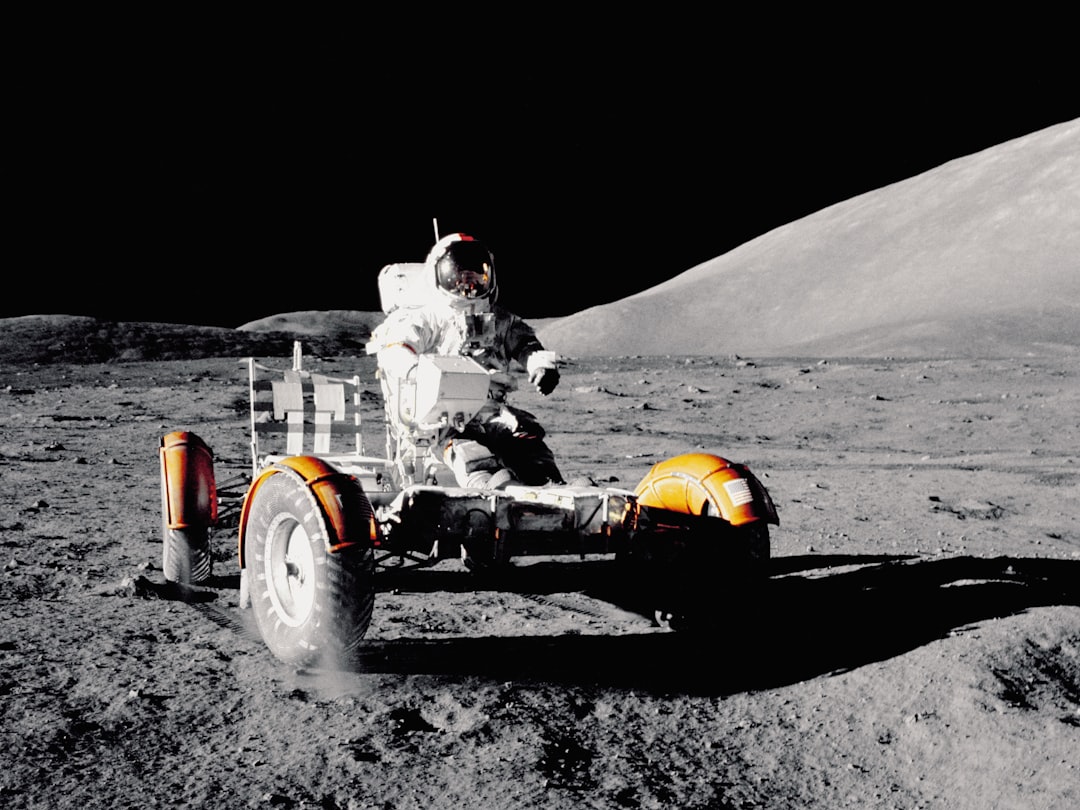
In 1969, the United States achieved a historic milestone when NASA’s Apollo 11 mission successfully landed astronauts Neil Armstrong and Edwin “Buzz” Aldrin on the surface of the moon. This event marked a turning point in the Space Race, as the United States had accomplished what was once thought impossible.

  • The Apollo program was a series of missions undertaken by the United States to land a human on the Moon.
  • The Apollo 11 mission, in which Neil Armstrong became the first person to step on the Moon, was a major milestone in the Space Race.
  • The Apollo missions had significant cultural and political impact, inspiring people around the world and boosting American confidence during a time of social and political upheaval.

The Legacy: Impact of the Space Race on Science and Technology

The Space Race had significant technological and scientific advancements. One of the most notable advances was the development of the Saturn V rocket, the largest and most powerful rocket ever built. This rocket was used to launch the Apollo missions to the moon. The Space Race also led to the development of new technologies such as the personal computer and digital cameras, which were used in space exploration.

The Space Race had a significant impact on society as well. It sparked interest in science and technology, leading to increased investment in education and research. It also inspired the creation of new industries, such as satellite communication and remote sensing. The Space Race also had geopolitical implications, as it was seen as a symbol of the Cold War between the United States and the Soviet Union.

  • The Space Race had significant long-term effects on science and technology.
  • The development of new technologies during the Space Race, including satellites, rocket engines, and computers, had numerous applications in fields beyond space exploration.
  • The Space Race also inspired a new generation of scientists, engineers, and innovators.

Looking Back at the Space Race and Its Significance Today

The Space Race between the United States and the Soviet Union in the 1960s resulted in significant advances in space technology and exploration. This competition led to historic achievements, such as the landing of astronauts on the moon. The Space Race also had a lasting impact on society, inspiring interest in science and technology and creating new industries. The legacy of the Space Race can still be felt today, as space exploration continues to be a significant focus for many countries around the world.

  • The Space Race had a lasting impact on the course of human history.
  • Today, the legacy of the Space Race can be seen in a variety of areas, from space exploration to technological innovation to international cooperation.
  • Looking back at the Space Race can help us understand the importance of scientific and technological advancement in shaping our world.

Conclusion

The Space Race between the United States and the Soviet Union was a defining moment in the history of space exploration. The competition resulted in many groundbreaking achievements and technological advancements, including the first manned mission to the moon. Although the rivalry was fueled by political tensions and Cold War fears, it ultimately led to an unprecedented level of scientific innovation and cooperation. Today, space exploration continues to inspire the imagination of people around the world, and the legacy of the Space Race lives on as a testament to human ingenuity and perseverance.

FAQs

What was the Space Race? The Space Race was a competition between the United States and the Soviet Union to achieve significant advancements in space technology and exploration during the Cold War.

When did the Space Race take place? The Space Race took place primarily during the 1960s, although it had its roots in the late 1950s and continued into the early 1970s.

Who won the Space Race? The United States is generally considered to have won the Space Race by successfully landing astronauts on the Moon in 1969.

What were the major achievements of the Space Race? The major achievements of the Space Race included the first artificial satellite, first human in space, first spacewalk, and the first manned mission to land on the Moon.

What was the impact of the Space Race on science and technology? The Space Race led to significant advancements in space technology, computer science, and materials science, among other fields. It also inspired a generation of young people to pursue careers in science and engineering.

What is the significance of the Space Race today? The Space Race paved the way for modern space exploration and inspired ongoing research and development in space technology. It also serves as a reminder of the potential of human achievement and the importance of investing in science and technology.

References

  • Cold War rivalry between US and USSR
  • Advances in space technology during 1960s
  • Firsts of the Soviet Union and the United States in space exploration
  • Development of rockets and satellites
  • Apollo missions and landing on the moon
  • Impact of the Space Race on science and technology
  • Significance of the Space Race today