Categories
P1 People UN

Transforming the Philippine Prison System: Addressing Overcrowding and Advocating for Reform

Introduction

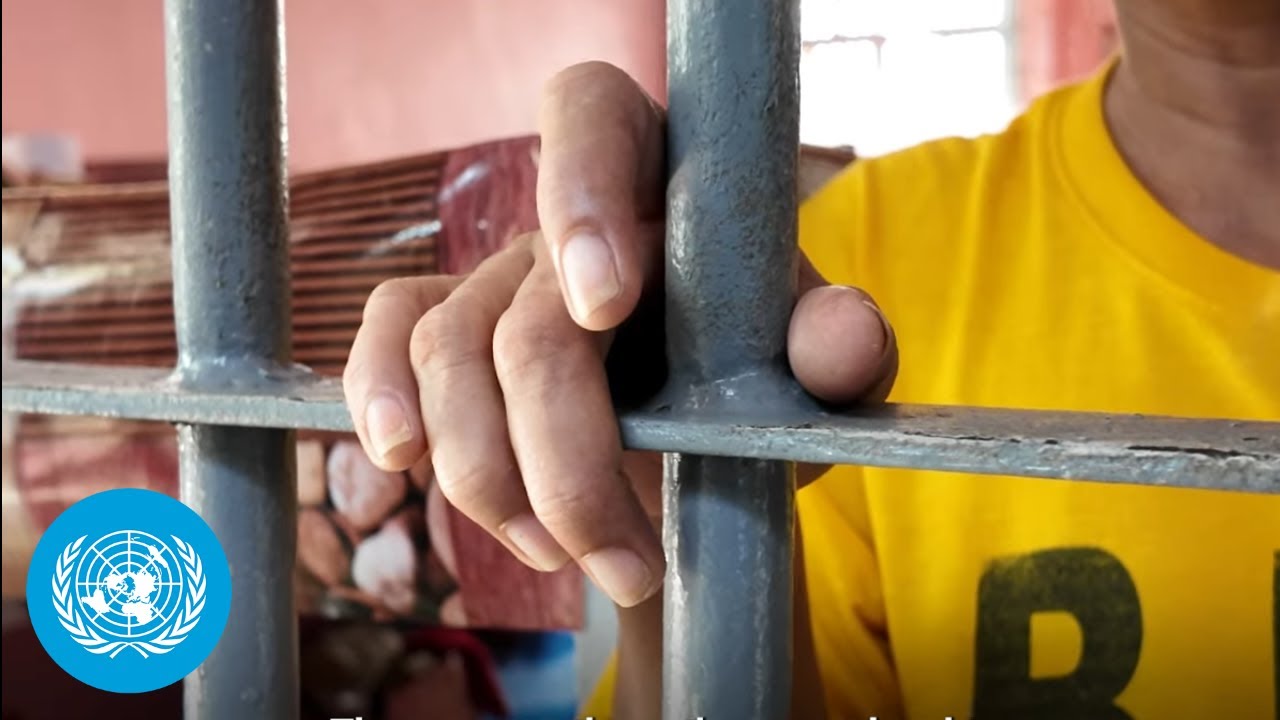
The Philippine prison system is notorious for its severe overcrowding and inhumane conditions. Supreme Court Justice Maria Filomena Singh aptly describes the situation: “It’s really not humane.” In facilities like Manila City Jail, inmates live in dire circumstances, with some 200 male prisoners sleeping on the floor without enough space to lie on their backs. This article explores the historical context of the overcrowding crisis, the collaborative efforts to address it, and the various initiatives and reforms being undertaken to create a more humane and effective prison system.

Historical Context and Background

Origins of Overcrowding

The problem of overcrowded prisons in the Philippines is deeply rooted in the country’s history and socio-political landscape. Several factors have contributed to the current crisis:

  1. High Crime Rates: Persistent high crime rates have consistently fed into the prison population, with the justice system struggling to keep pace with the influx of offenders.
  2. Slow Judicial Processes: The slow pace of judicial proceedings has resulted in prolonged pre-trial detentions, with many inmates languishing in jail for years without a conviction.
  3. Stringent Drug Policies: The aggressive anti-drug campaign launched by President Rodrigo Duterte has led to a surge in incarcerations for drug-related offenses, further straining the already overburdened prison system.

Impact of the War on Drugs

The war on drugs has had a particularly profound impact on the prison population. The campaign has resulted in the arrest and detention of thousands of individuals, many of whom are charged with minor drug offenses. This influx has pushed the capacity of prisons to the breaking point, creating conditions that are not only inhumane but also hazardous to health and safety.

Conditions in Overcrowded Prisons

Living Conditions

The living conditions in many Philippine prisons are appalling. Facilities like Manila City Jail, designed to house far fewer inmates than they currently do, are severely overcrowded. Inmates are often forced to sleep in shifts due to the lack of space, and basic amenities such as clean water, sanitation, and medical care are grossly inadequate.

Health and Safety Concerns

Overcrowding creates a breeding ground for diseases such as tuberculosis and other infectious illnesses. The lack of proper medical facilities exacerbates these health issues, leading to a high incidence of disease and mortality among inmates. Additionally, the cramped conditions often lead to violence and unrest, making prisons unsafe for both inmates and staff.

The Role of the United Nations and International Organizations

United Nations’ Involvement

Recognizing the severity of the crisis, the United Nations has been actively involved in supporting prison reform in the Philippines. The United Nations Office on Drugs and Crime (UNODC) has provided technical assistance and resources to improve prison conditions and reduce overcrowding. Daniele Marchesi, the UNODC Country Manager in the Philippines, advocates for diverting individuals with minor offenses and non-violent drug users from the prison system to the health system, highlighting the dual benefits of being more humane and cost-effective.

Other International Efforts

In addition to the United Nations, various international organizations and non-governmental organizations (NGOs) have been involved in prison reform efforts:

  1. International Committee of the Red Cross (ICRC): The ICRC has been instrumental in providing healthcare and improving sanitation in prisons, addressing some of the immediate humanitarian needs of inmates.
  2. Human Rights Watch: This organization has consistently raised awareness about the human rights violations in Philippine prisons, pressuring the government to undertake meaningful reforms.
  3. Amnesty International: By documenting and reporting on the conditions within the prison system, Amnesty International has played a crucial role in advocating for the rights of prisoners and promoting international standards of detention.

Government Initiatives and Reforms

Construction of New Facilities

One of the key initiatives has been the construction of new prison facilities to alleviate overcrowding. In Marawi, for example, a new prison facility built with the support of the United Nations conforms to the Nelson Mandela Standard Minimum Rules for the Treatment of Prisoners. This facility serves as a model for future construction projects, ensuring that inmates are housed in humane conditions.

Early Release Programs

To reduce the prison population, the government has implemented early release programs targeting inmates who have served a significant portion of their sentence, demonstrated good behavior, or suffer from terminal illnesses. These programs not only alleviate overcrowding but also facilitate the reintegration of inmates into society.

Alternative Sentencing and Diversion Programs

The government is increasingly focusing on alternative sentencing for minor offenses, including community service, probation, and rehabilitation programs for drug users. These measures aim to divert individuals from the overcrowded prison system and address their underlying issues in a more constructive manner.

Challenges and the Path Forward

Systemic Issues

Despite these efforts, significant challenges remain. The prison reform process is complex, requiring sustained political will, adequate funding, and comprehensive strategies that address both the symptoms and root causes of overcrowding. Justice Singh and other advocates emphasize that better facilities alone are not enough; systemic changes are needed to reduce incarceration levels and promote alternatives to imprisonment.

Socio-Economic Factors

Addressing the socio-economic factors that contribute to high crime rates and drug addiction is crucial. This includes improving access to education, creating economic opportunities, and strengthening social safety nets. By tackling these underlying issues, the government can reduce the overall crime rate and, consequently, the prison population.

Conclusion

The overcrowded and inhumane conditions in Philippine prisons represent a critical human rights issue that demands urgent attention and action. The collaborative efforts of the Philippine government, the United Nations, and various international organizations offer a glimmer of hope for meaningful reform. By focusing on reducing incarceration levels, promoting alternative sentencing, and improving prison conditions, it is possible to create a more humane and effective criminal justice system. As Justice Maria Filomena Singh poignantly states, it is not just about building better facilities but addressing the root causes of the problem to ensure that the dignity and rights of all individuals are upheld. The path forward requires a comprehensive approach that involves judicial reform, socio-economic development, and international cooperation to transform the prison system into one that respects human rights and fosters rehabilitation.

Categories
W2 World

North Korean Propaganda Machinery: Unveiling Anticapitalist Narrative in State Documentaries

Introduction:

North Korea, one of the world’s most secretive and isolated regimes, is known for its intense control over information and the propagation of a distinct anti-Western narrative. The government, led by the ruling Kim dynasty, utilizes various tools to disseminate its anticapitalist message to its citizens. This article explores the nature of state-funded messaging in North Korea, with a focus on a government documentary that exemplifies the regime’s efforts to shape its citizens’ perception of the outside world.

The Propagation of Anticapitalist Ideology:

The North Korean government, under the leadership of Kim Jong-un, employs a comprehensive propaganda apparatus to control the narrative and mold the worldview of its citizens. One of the central tenets of this propaganda is the promotion of an anticapitalist ideology, painting Western nations, particularly the United States, as malevolent forces seeking to undermine the socialist principles of North Korea.

State-Funded Documentaries as Propaganda Tools:

A key instrument in the government’s propaganda toolkit is the production and dissemination of state-funded documentaries. These documentaries serve as powerful tools for shaping public opinion, reinforcing ideological narratives, and fostering loyalty to the regime. One notable example is the documentary titled “Defending Our Socialism Against Western Imperialism,” which provides a glimpse into the nature and content of North Korean propaganda.

Themes Explored in the Documentary:

“Defending Our Socialism Against Western Imperialism” employs a variety of techniques to convey its anticapitalist message. The documentary often juxtaposes images of supposed Western decadence and social inequality with scenes of North Korean prosperity, emphasizing the alleged superiority of the country’s socialist system. Themes such as the dangers of capitalism, the perceived threat of Western imperialism, and the need for a strong, centralized government are recurrent throughout the film.

Demonization of the West:

The documentary uses selective and often manipulated footage to portray the West, especially the United States, as a symbol of moral decay and social injustice. Scenes of homelessness, protests, and economic disparity in Western countries are contrasted with staged depictions of content and prosperous North Korean citizens. This stark dichotomy aims to reinforce the narrative that socialism is the only path to a just and equitable society.

Cult of Personality:

Central to North Korean propaganda is the glorification of the ruling Kim family. “Defending Our Socialism Against Western Imperialism” is no exception, as it extensively features images and narratives showcasing the leadership qualities of Kim Jong-un. The documentary aims to create an aura of unwavering loyalty to the leader, emphasizing the necessity of a strong, centralized authority to protect the country from the perceived threats posed by the West.

Controlled Narratives and Limited Information:

In North Korea, access to information is tightly controlled, with citizens having limited exposure to external news sources. State-controlled media, including documentaries like the one discussed, serves as the primary source of information for the population. The government’s monopoly on information allows it to carefully curate narratives that align with its ideology, fostering a collective mindset among the citizens.

The Impact on North Korean Society:

The continuous exposure to state-sponsored propaganda, including documentaries like “Defending Our Socialism Against Western Imperialism,” has a profound impact on North Korean society. Citizens are conditioned to view the outside world through a narrow, ideological lens, reinforcing a sense of nationalistic pride and vigilance against perceived external threats.

The Impact Beyond Borders:

Beyond its borders, North Korean propaganda, including state-funded documentaries, has a global impact, influencing perceptions and shaping discussions on the regime’s ideology. The carefully crafted anticapitalist narrative portrayed in these documentaries not only reinforces the government’s control domestically but also plays a role in defining North Korea’s image on the international stage. As the world grapples with deciphering the intentions of this isolated nation, it is crucial to explore how such propaganda shapes global discourse and perceptions of North Korea’s political and social systems.

Conclusion:

The North Korean government’s use of documentaries as instruments of propaganda sheds light on the extent to which information is controlled within the country. “Defending Our Socialism Against Western Imperialism” serves as a case study in the regime’s efforts to shape its citizens’ perceptions of the world, promoting an anticapitalist ideology and fostering loyalty to the ruling Kim dynasty. As the international community grapples with understanding North Korea, analyzing the nature and content of state-funded documentaries provides valuable insights into the mechanisms through which the regime maintains control and perpetuates its ideological agenda.

Categories
W2 World

Helen Duncan: Britain’s ‘Last Witch’ and the Campaign for Pardon

Introduction

In the annals of history, the witch trials that swept across Europe in the 16th and 17th centuries remain a haunting reminder of the dark intersection between superstition and fear. However, what if we told you that even in the 20th century, during the tumultuous times of World War II, a woman was tried as a witch by the British government, illuminating the persistent grip of age-old beliefs? This is the story of Helen Duncan, often referred to as Scotland’s last witch, and the subsequent campaign to secure her posthumous pardon.

The Life of Helen Duncan

Helen Duncan was born in 1897 in Callander, Scotland. She lived a relatively ordinary life, marrying Henry Duncan in 1916 and having six children. However, it was during World War II that her life took a dramatic turn. In 1944, she was arrested under the Witchcraft Act of 1735 for her alleged supernatural abilities to communicate with the dead, and she was subsequently found guilty and imprisoned.

Tragically, Helen Duncan passed away in 1956. Decades later, her case gained renewed attention, leading to a campaign for her posthumous pardon, which highlighted the unjust nature of her trial and the broader importance of upholding individual rights and justice in times of crisis. Helen Duncan’s life, marked by her ordinary beginnings, extraordinary trial, and eventual passing, serves as a poignant reminder of the delicate balance between fear and justice in the face of unprecedented challenges.

The Unveiling of Helen Duncan’s Story

Amid the chaos and uncertainty of World War II, a name emerged that was not associated with the battlefield, but rather with the supernatural. Helen Duncan, a Scottish woman, found herself thrust into the spotlight for a very different reason – her alleged ability to communicate with the spirit world. In a time when people were searching for any source of hope or solace, Duncan’s spiritual séances gained popularity.

Duncan claimed to have the power to communicate with the dead, offering a glimmer of connection to loved ones lost to the war. While her supporters saw her as a beacon of comfort, skeptics and authorities viewed her as a threat. The British government was concerned that her séances might inadvertently reveal classified information about the war efforts, potentially aiding the enemy.

The Trial and Imprisonment

In 1944, Helen Duncan’s life took a dramatic turn when she was arrested under the Witchcraft Act of 1735. The archaic law was originally designed to suppress fraudulent spiritualists, but its application in Duncan’s case was undoubtedly a stretch. Charged with conspiracy to contravene the act, she was put on trial in a court of law. The crux of the government’s case rested on the premise that Duncan’s alleged spirit communications were merely a ruse to gather wartime intelligence.

The trial was a media sensation, and it underscored the tension between the mystical and the rational during a time of extreme uncertainty. Duncan was eventually found guilty and sentenced to nine months in prison. Her imprisonment highlighted the government’s determination to prevent any perceived threat, regardless of how unfounded it might seem to modern eyes.

Campaign for Pardon

As the years rolled on, society’s perspective shifted, and the injustice of Duncan’s trial became increasingly apparent. In 2001, nearly five decades after her death, a campaign to secure a posthumous pardon for Helen Duncan was initiated. Advocates argued that she had been unfairly targeted and harshly sentenced under a law that was entirely out of step with contemporary values.

The campaign to pardon Duncan gained momentum as people recognized the cruelty of her treatment and the absurdity of the charges brought against her. A woman who had offered comfort and solace to grieving families was ultimately branded a criminal for her alleged supernatural abilities. Her case also raised questions about the appropriate use of laws during wartime and the broader implications for civil liberties.

Symbol of Change

The campaign for Helen Duncan’s pardon was not just about rectifying an individual injustice; it was about acknowledging a broader societal shift. In an era where advancements in science, reason, and human rights were gaining prominence, Duncan’s trial stood as a stark reminder of how even the most developed societies can succumb to fear and superstition.

Duncan’s story became a symbol of the need for legal reform and the importance of safeguarding individual rights, even in times of crisis. The campaign was not only about her, but about affirming the principles that underpin a just and free society – principles that were notably challenged during her trial.

Legacy and Lessons

In 2008, the efforts of the campaign bore fruit when the Scottish Parliament issued a formal apology to Helen Duncan’s family. While a formal pardon under modern legal terms was not granted, the apology was a step towards acknowledging the wrongful treatment she had endured. Duncan’s case had led to discussions about the appropriateness of historical laws and the consequences of allowing fear and paranoia to dictate legal actions.

The story of Helen Duncan remains a cautionary tale about the dangers of allowing irrational fears to shape public policy and legal decisions. Her case reminds us that even in times of crisis, it is essential to uphold the principles of justice, fairness, and individual rights. Duncan’s trial may have been an anomaly in the modern age, but it serves as a reminder that vigilance is necessary to prevent such injustices from occurring again.

Conclusion

Helen Duncan’s trial as a witch during World War II was a bizarre episode that highlighted the complexities of fear, paranoia, and societal values. Her case stands as a testament to the power of fear to distort reason and the importance of safeguarding individual rights, even in the most tumultuous times. The campaign for her pardon was not just about rectifying a historic injustice; it was about reaffirming the values that should guide a just and equitable society. Helen Duncan’s story reminds us that the pursuit of truth and justice must always prevail over baseless accusations and the suppression of personal liberties.

Categories
W3 World

Unveiling the Path to Power: Hitler’s Rise and the 1933 German Election Uncovered

Introduction

The year 1933 marked a turning point in German history as Adolf Hitler ascended to power, transforming the nation’s political landscape and setting the stage for one of the darkest periods in human history. The secrets behind Hitler’s takeover of power are unveiled in this article, shedding light on the events that led to his 1933 German election victory. By examining the political climate, societal factors, propaganda techniques, and strategic maneuvering employed by Hitler and the Nazi Party, we gain a deeper understanding of how Hitler’s rise to power unfolded.

1933: Hitler’s Rise to Power in Germany

The year 1933 witnessed the rise of Adolf Hitler to power in Germany, a momentous event that would have far-reaching consequences for the nation and the world. This article delves into the secrets and events surrounding Hitler’s takeover of power, shedding light on the factors that contributed to his electoral victory in 1933. From the weakening of the Weimar Republic and the rise of the Nazi Party to the strategic use of propaganda, alliances, and political maneuvering, a comprehensive exploration of the circumstances surrounding Hitler’s rise to power provides invaluable insights into this pivotal period in history.

By examining the vulnerabilities of the Weimar Republic, the power of propaganda, and the political landscape of the time, we gain a deeper understanding of how Hitler and the Nazi Party managed to exploit societal discontent and seize control of the German government. The 1933 German election serves as a critical turning point, where Hitler’s manipulation, suppression of opposition, and intimidation tactics secured him the position of Chancellor and set the stage for the establishment of a totalitarian regime. Understanding the events leading up to Hitler’s rise to power in 1933 is crucial for comprehending the subsequent developments that would shape the course of history in the years to come.

The Weakening of the Weimar Republic

To comprehend Hitler’s rise to power, one must first understand the vulnerabilities of the Weimar Republic, the democratic government established in Germany after World War I. The economic hardships caused by the Great Depression, coupled with political instability, created a fertile ground for extremist ideologies. Discontent with the Versailles Treaty and the perception of the government’s inability to address the nation’s challenges fueled a sense of disillusionment among the German population, paving the way for Hitler’s rise.

The Rise of the Nazi Party

The National Socialist German Workers’ Party (NSDAP), commonly known as the Nazi Party, played a pivotal role in Hitler’s ascent to power. From its humble beginnings in the aftermath of World War I, the Nazi Party capitalized on the discontent and grievances of the German people. Hitler’s charismatic leadership and ability to exploit popular sentiments, combined with Joseph Goebbels’ skillful propaganda campaigns, propelled the party’s growth and attracted a broad base of support.

Propaganda and Manipulation

Propaganda emerged as a powerful tool in Hitler’s arsenal, allowing him to shape public opinion and consolidate his power. Through the use of mass rallies, meticulously crafted speeches, and the control of media outlets, Hitler manipulated public perception and successfully disseminated his anti-Semitic, anti-communist, and nationalist ideologies. The Nazis’ ability to control the narrative and manipulate information proved instrumental in rallying support and undermining their political opponents.

Strategic Alliances and Political Maneuvering

Hitler’s rise to power was facilitated by strategic alliances and political maneuvering. The conservative elite, seeking stability and fearing the rise of communism, made Faustian bargains with Hitler and the Nazi Party. In particular, the appointment of Hitler as Chancellor in January 1933 was facilitated by a backroom deal between conservative politicians and influential business figures who believed they could control and harness Hitler’s populist appeal for their own benefit.

The Reichstag Fire and the Enabling Act

The Reichstag fire of February 1933 became a pivotal event that further consolidated Hitler’s grip on power. The fire was attributed to a young Dutch communist, but Hitler and the Nazis used it as a pretext to suppress political opposition and curtail civil liberties. The subsequent passage of the Enabling Act in March 1933 granted Hitler dictatorial powers, effectively dismantling the foundations of the Weimar Republic and establishing the Nazi regime.

The 1933 German Election

The 1933 German election served as a crucial step in Hitler’s path to absolute power. Through propaganda, suppression of opposition parties, and the intimidation of voters, the Nazis manipulated the electoral process to their advantage. While the Nazi Party did not secure an absolute majority, their electoral gains, combined with intimidation tactics and the co-optation of the political system, allowed Hitler to solidify his position as Chancellor and lay the groundwork for the establishment of a totalitarian state.

The Aftermath of Hitler’s Rise

Hitler’s rise to power in 1933 marked the beginning of a dark chapter in German and world history. The subsequent implementation of policies promoting Aryan supremacy, anti-Semitism, and aggressive territorial expansion culminated in World War II and the Holocaust. The events leading up to Hitler’s electoral victory in 1933 serve as a stark reminder of the fragility of democracy, the dangers of populism, and the importance of safeguarding democratic institutions.

Conclusion

Hitler’s rise to power in 1933 was a culmination of various factors, including the weaknesses of the Weimar Republic, the Nazi Party’s effective propaganda machinery, strategic alliances, and political maneuvering. By exploiting societal grievances, manipulating public opinion, and utilizing propaganda tactics, Hitler successfully positioned himself as the savior of a disillusioned nation. The 1933 German election was a critical milestone in Hitler’s ascent to absolute power, paving the way for the establishment of a totalitarian regime that would forever leave an indelible mark on history.

Categories
W5 World

The POW/MIA Movement: How Vietnam Wives Took On the US Government

Introduction

The Vietnam War was one of the most divisive conflicts in US history, with widespread protests against the government’s involvement in the conflict. Among those most impacted by the war were the families of missing soldiers, many of whom were listed as prisoners of war or missing in action. In the years following the war, these families organized an activist movement that would come to be known as the POW/MIA movement, which sought to uncover the truth about their loved ones and hold the government accountable for their fates. Their unwavering dedication continues to inspire us today.

The POW/MIA Movement: An Overview

During the Vietnam War, thousands of American soldiers were taken as prisoners of war (POWs) by the North Vietnamese forces. The majority of them were eventually released or accounted for, but the fate of some remained unknown. This uncertainty led to the formation of a grassroots movement of wives, mothers, and family members of POW/MIA soldiers who were determined to uncover the truth about their loved ones. Their activism sparked a nationwide conversation about the possibility that some soldiers may have been left behind, leading to one of the most enduring questions of the Vietnam War: Were there still POWs in captivity after the conflict’s end?

The story of the Vietnam wives and families is a powerful reminder of the resilience and determination of those who fight for justice and accountability, even in the face of seemingly insurmountable odds. Their legacy continues to inspire and motivate activists around the world. The movement sought to uncover the truth about missing soldiers and hold the government accountable for their fates. Through their tireless efforts, the families brought attention to a neglected issue and helped to shape public opinion on the Vietnam War and its aftermath. This article will examine the impact of the movement on US policy towards Vietnam and the ongoing controversy surrounding the issue of missing soldiers.

The Birth of the Movement

The Vietnam wives and families organized the POW/MIA movement in the years following the Vietnam War. In the early 1970s, the families of POW/MIA soldiers began to come together to demand answers about their loved ones. They formed advocacy groups, such as the National League of Families of American Prisoners and Missing in Southeast Asia, to put pressure on the US government to investigate the whereabouts of their missing family members. These groups organized rallies, wrote letters to politicians, and spoke to the media to raise awareness about their cause.

The Controversial Issue of POW/MIA

As the Vietnam War ended, the question of whether any American soldiers remained in captivity became a hotly debated issue. The US government maintained that all prisoners of war had been released or accounted for, but some family members and activists disputed this claim. They pointed to reports of sightings of American prisoners in Vietnam and Laos and argued that the government was not doing enough to investigate these claims. This controversy fueled the activism of the POW/MIA families, who continued to demand answers and accountability from the government.

The Legacy of POW/MIA Movement

The activism of the POW/MIA families had a significant impact on public perception of the Vietnam War and the government’s handling of the conflict. The movement brought attention to the issue of missing soldiers and forced the government to take action to investigate their whereabouts. The controversy surrounding the POW/MIA issue also led to changes in US policy towards Vietnam, including the lifting of the trade embargo and the establishment of diplomatic relations. However, the issue of missing soldiers remains a contentious one, with some still believing that there may have been soldiers left behind in captivity after the war.

Inspiring Accountability and Change

The US government has conducted numerous investigations into the matter, but no concrete evidence of living prisoners has ever been found. Nevertheless, the legacy of the POW/MIA movement continues to inspire those who seek answers and accountability from their government. In the end, the story of the Vietnam wives and families serves as a powerful example of the resilience and determination of those who fight for truth and justice, and the impact that such movements can have on shaping the course of history. Their tireless efforts brought attention to a neglected issue and helped to shape public opinion on the Vietnam War and its aftermath.

Conclusion

The activism of the Vietnam wives and families is a testament to the power of grassroots movements to effect change and hold those in power accountable. Their efforts helped to shed light on the plight of missing soldiers and their families, and forced the government to confront the issue head-on. Despite the controversy surrounding the POW/MIA issue, the movement succeeded in bringing attention to the issue of missing soldiers and forced the government to take action. Today, the legacy of the movement continues to inspire those who seek answers and accountability from their government.

Categories
W7 World

Diversity and Complexity of Indigenous Political Systems in North America Before Columbus

Introduction

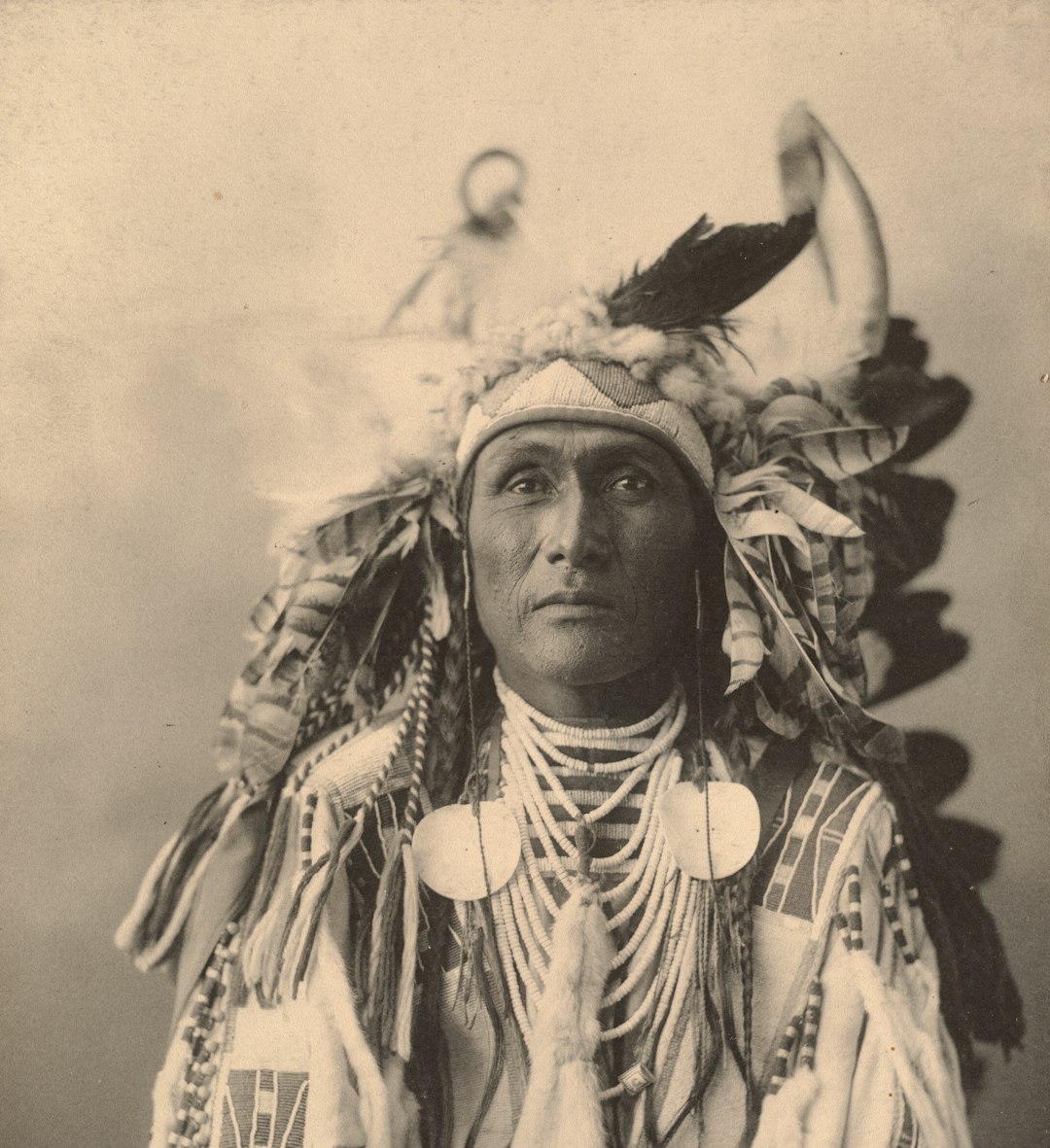
The indigenous peoples of North America before Columbus were diverse in their cultural practices and political systems. There was no single system of government that was universally practiced among the various tribes and nations. Moreover, there were some commonalities in the ways that many indigenous societies governed themselves. The indigenous peoples of North America had diverse and complex political systems that were shaped by their unique cultures and environments.

These systems varied greatly across tribes and regions, but all shared a deep respect for nature and a strong sense of community. However, the arrival of European colonizers in the Americas brought significant changes to Indigenous political systems. Forced assimilation and the imposition of foreign governance structures disrupted traditional systems and caused significant harm to Indigenous communities. Today, many Indigenous nations are working to revitalize their traditional governance systems and regain sovereignty over their lands and resources.

Native American’s Indigenous Political Systems: An Overview

The political systems of Indigenous Peoples in North America before Columbus were diverse and complex. There was no single governing system or structure that could be applied across all tribes and nations. Instead, each group had its own unique approach to governance and decision-making. Some Indigenous communities were led by chiefs or councils of elders, while others had more egalitarian systems in which decisions were made by consensus. In some cases, women held positions of power and played significant roles in decision-making.

Additionally, the relationship between different Indigenous communities varied greatly. Some groups engaged in trade and alliances with neighboring tribes, while others were in conflict and engaged in warfare. Overall, the diversity and complexity of Indigenous political systems highlights the rich and varied cultures of North America’s original inhabitants. Understanding these systems is important in recognizing the historical and ongoing impacts of colonization on Indigenous communities and their struggle for self-determination.

Furthermore, Indigenous political systems were often interconnected with their spiritual and social practices. For many tribes, the land was not just a physical space, but a sacred entity with its own spirits and energies. This meant that decisions regarding the land and its resources were often intertwined with spiritual beliefs and practices. In addition, many Indigenous communities had strong social structures that were closely tied to their political systems. Clan systems, for example, were common in many tribes and played a role in determining leadership and decision-making.

Consensus-Based Decision Making in Indigenous Political Systems

One common feature of indigenous political systems was the emphasis on consensus-based decision making. Tribal councils or other forms of collective decision-making bodies were common, and decisions were made through a process of discussion and debate until a consensus was reached. This ensured that the interests and perspectives of all members of the community were taken into account, and that decisions were made in the best interest of the group as a whole.

The Role of Leadership by Example in Native American Governments

Another feature of indigenous political systems was the importance of leadership by example. Leaders were expected to be models of ethical behavior and to demonstrate their commitment to the well-being of the community through their actions. They were not seen as rulers with absolute power, but rather as servants of the people who were entrusted with the responsibility of leading the community in a good way.

Women’s Contributions to Political Life in Indigenous Societies

The role of women in indigenous political systems varied depending on the tribe or nation. In some societies, women held positions of leadership and were involved in decision-making processes. In others, women played important roles in the spiritual and economic life of the community, but had less influence in political affairs. However, in many indigenous societies, the contributions of women were highly valued and respected.

Consensus Building among the Kith and Kin

In some cases, indigenous political systems were organized around kinship networks. Leaders were chosen based on their family ties to other members of the community, and decisions were made through a process of consultation and consensus building among the various kin groups.

It is important to recognize that these are broad generalizations, and that the political systems of indigenous societies were highly diverse and complex. There were countless variations in the ways that different tribes and nations organized themselves politically, and these systems evolved over time in response to changing social, economic, and environmental conditions.

Conclusion

The indigenous peoples of North America before Columbus used a variety of political systems that were characterized by consensus-based decision making, leadership by example, and varying degrees of involvement by women. These systems were highly diverse and complex, and reflected the unique cultural and historical experiences of each tribe and nation. The diversity and complexity of Indigenous political systems in North America before Columbus is a testament to the richness and resilience of Indigenous cultures.

Indigenous peoples of North America before Columbus had a diverse and complex political system, and their mastery of the environment allowed them to flourish. Their knowledge, practices, and traditions were passed down through generations and have continued to shape their communities today. It is important to recognize and celebrate their contributions to society and to learn from their wisdom in order to build a more sustainable and just world for all.

Categories
W7 World

The Greeks Developed Democracy: A Look at the Birthplace of Democratic Principles

Introduction

Democracy is a political system that allows people to participate in the decision-making process of their government. The concept of democracy has its roots in ancient Greece, where it was developed and practiced for the first time. The Greeks believed that every citizen should have an equal say in the running of their country, and they developed a system that allowed for this kind of participation. Today, democracy is one of the most widely adopted forms of government around the world, and its origins can be traced back to the Greeks.

The Origins of Democracy in Ancient Greece

The concept of democracy in ancient Greece developed in Athens, a city-state in Greece, in the 5th century BC. Athens was a direct democracy, meaning that all male citizens over the age of 18 had the right to participate in the decision-making process. Women, slaves, and foreigners were excluded from this democratic process.

The Athenians developed a system of government that involved the Assembly, which was open to all male citizens. The Assembly met regularly to discuss and vote on important issues affecting the city-state. In addition to the Assembly, there was also a Council of 500, which was responsible for managing the day-to-day affairs of the city-state. The Council was made up of 500 citizens who were chosen by lot each year.

The Key Features of Athenian Democracy

Athenian democracy was a unique system of government that had several key features. These included:

Direct Participation

All male citizens over the age of 18 had the right to participate in the decision-making process. This meant that they could attend the Assembly and vote on issues affecting the city-state.

Public Speaking

In Athenian democracy, public speaking was highly valued. Citizens who wished to participate in the Assembly were expected to be able to speak eloquently and persuasively.

Citizens’ Courts

The Athenians also developed a system of citizens’ courts. These courts were made up of a jury of citizens who were responsible for deciding the outcome of trials.

Limited Terms

The Athenians believed that holding public office should be a temporary duty, and so they limited the terms of their elected officials to one year.

A comprehensive look into Greek Democracy

The Golden Age of Athens saw the rise of great philosophers like Socrates, Plato, and Aristotle, who all wrote about the virtues of democracy. The word “democracy” itself comes from the Greek words “demos” (people) and “kratos” (rule or power). The Greeks believed that the power should be in the hands of the people rather than a small group of elites.

The concept of democracy that the Greeks developed was not perfect, as only male citizens had the right to vote, and slaves and women were excluded from political life. Nevertheless, it was an important step towards the development of modern democracy, and the ideas that the Greeks laid out are still influential today.

Today, democracy is the most common form of government in the world, with many countries adopting democratic principles and institutions. However, the idea of democracy remains contested, with debates over how much power the people should have and what role the government should play in society.

As we continue to explore the concept of democracy, it is important to look back at its origins in ancient Greece and understand the ideas and values that shaped it. By doing so, we can better appreciate the role that democracy plays in our lives today and work to build a more just and equitable society for all.

The Legacy of Athenian Democracy

The Athenian system of democracy had a profound impact on the development of democracy in other parts of the world. Although the Athenian system was limited to male citizens and excluded women, slaves, and foreigners, it was still an important step towards the development of more inclusive forms of democracy.

Today, the concept of democracy has evolved to include universal suffrage, the right to vote for all citizens regardless of gender, race, or social status. This evolution has been driven by the principles of equality and freedom that were first developed in ancient Greece.

Conclusion

The Greeks developed the concept of democracy in ancient Athens, where all male citizens over the age of 18 had the right to participate in the decision-making process. Athenian democracy was a unique system of government that involved direct participation, public speaking, citizens’ courts, and limited terms. The legacy of Athenian democracy has had a profound impact on the development of democracy in other parts of the world, and today, the principles of democracy continue to evolve and expand.

FAQs about Greek System of Democracy

Q. What was the Athenian system of democracy? A. The Athenian system of democracy was a unique system of government that involved direct participation, public speaking, citizens’ courts, and limited terms. All male citizens over the age of 18 had the right to participate in the decision-making process.

Q. Who was excluded from the Athenian system of democracy? A. Women, slaves, and foreigners were excluded from the democratic process in Athens.

Q. What was the legacy of Athenian democracy? A. The legacy of Athenian democracy includes the development of a system of government that valued citizen participation and individual rights, influencing democratic movements throughout history.

Q: Who developed the concept of democracy? A: The Greeks developed the concept of democracy.

Q: What is the meaning of the word “democracy”? A: The word “democracy” comes from the Greek words “demos” (people) and “kratos” (rule or power).

Q: Who had the right to vote in ancient Greek democracy? A: Only male citizens had the right to vote in ancient Greek democracy.

Q: Is democracy a perfect form of government? A: No, democracy is not a perfect form of government, but it is the most common form of government in the world today.