Categories
P1 People UN

Afghanistan’s Economic Crisis and Women’s Employment: A Struggle for Survival and Dignity

Introduction

Afghanistan, a country steeped in history and rich in culture, has faced numerous challenges over the decades, ranging from political instability to economic turmoil. However, one of the most persistent and heartbreaking issues is the plight of Afghan women, who have borne the brunt of these challenges. Women in Afghanistan face significant barriers to employment, compounded by restrictive social norms and ongoing political instability. Despite some progress over the years, the current situation for Afghan women remains dire, particularly in the wake of the Taliban’s return to power in 2021.

Historical Context: A Long Struggle for Rights

The history of women’s employment in Afghanistan is a reflection of the broader socio-political changes that have occurred in the country. In the 1960s and 1970s, under the monarchy and later the communist regime, women made significant strides in education and employment. The urban areas, particularly Kabul, saw women working as teachers, doctors, and civil servants. However, the Soviet invasion in 1979 and the subsequent civil war in the 1980s and 1990s shattered these gains. The rise of the Taliban in the mid-1990s marked a dark period for Afghan women, who were barred from working outside the home and denied access to education.

The US-led invasion in 2001 brought a renewed focus on women’s rights. International aid poured into the country, and numerous programs were launched to support women’s education and employment. By the 2010s, Afghan women were again working in various sectors, including government, healthcare, education, and the private sector. However, these gains were fragile, heavily dependent on international support and the presence of foreign troops.

The Taliban’s Return: A Reversal of Progress

The Taliban’s return to power in August 2021 marked a significant setback for women’s rights in Afghanistan. Almost immediately, restrictions were imposed on women, echoing the draconian measures of the 1990s. Women were barred from working in most government jobs, and those who had been working were either dismissed or faced severe restrictions. Education for girls was severely curtailed, with secondary schools and universities largely closed to female students.

Kanni Wignaraja, Director of the Regional Bureau for Asia and the Pacific of the UN Development Program (UNDP), highlighted the current state of affairs, noting the contradictory nature of the Taliban’s policies. “There have been a lot of restrictions on women’s work. At the same time, curiously, there have been some easing of restrictions on women working in certain fields,” she said.

Wignaraja pointed out that while women are allowed to work in trade, commerce, and the health sector, their participation in formal public service has plummeted. “Formal employment of women dropped even further, it was that dropped to 11 percent and now it’s half of that at 6 percent,” she added.

This stark decline in women’s employment opportunities has had a devastating impact on the Afghan economy. With half of the population effectively excluded from meaningful economic participation, the country’s economic recovery is severely hampered.

Economic Contraction: A Crisis of Unprecedented Proportions

The economic situation in Afghanistan has deteriorated rapidly since the Taliban’s takeover. Stephen Rodriques, UNDP Resident Representative in Afghanistan, described the country’s economic decline in stark terms. “Since 2021, since the takeover, the Afghan economy contracted by 27 percent. Now, by way of comparison, when the US had its great depression, in the 1930s, the US economy had contracted by about 29 percent over a period of four years initially. So, we’re looking at contraction at the same level as a Great Depression,” Rodriques explained.

This economic collapse has pushed millions of Afghans into poverty. Rodriques noted that “69 percent of the population are living at a subsistence level. They’re barely able to afford basic needs: utilities, food, shelter, etc.” The humanitarian crisis in Afghanistan is severe, with millions of people reliant on international aid to survive.

However, the international community’s focus on short-term humanitarian assistance, while necessary, is not enough to address the root causes of the crisis. Rodriques emphasized the need for sustainable economic growth, stating, “The humanitarian assistance over the last two years has been quite important to prevent people from starving. But now the Afghan economy simply has to grow. And we have to find ways to enable people to have a decent livelihood so they can have a life of dignity.”

The Impact on Women: A Double Burden

Afghan women face a double burden in this economic crisis. Not only are they disproportionately affected by the economic contraction, but they also bear the brunt of the Taliban’s gender-specific restrictions. The loss of employment opportunities has left many women unable to support their families, pushing them deeper into poverty.

The ban on girls’ education compounds this issue, as it prevents the next generation of women from gaining the skills and knowledge needed to participate in the workforce. “The biggest, biggest challenge here is the continued edict that bans girls’ education,” Wignaraja said. “So, not being able to move forward after grade six is a big, big stumbling block.”

Despite the grim situation, there are some glimmers of hope. Wignaraja noted that the Taliban have shown some willingness to allow women to work in certain fields, particularly in healthcare. “There is encouragement for women to go into nursing and midwifery and in fact, when I was there, the discussion of some medical fields,” she said. However, the fact that no girls graduated from grade 12 last year highlights the severe challenges ahead.

The Broader Impact: A Society in Crisis

The restrictions on women’s employment and education are not just a women’s issue; they are a societal issue. The exclusion of half the population from meaningful economic participation hinders the entire country’s development. The economic contraction has led to a reduction in household incomes, increased food insecurity, and a rise in child labor as families struggle to survive.

Moreover, the broader impact of these restrictions extends to the social fabric of Afghanistan. The marginalization of women has led to increased gender-based violence, as women are forced into more precarious and dependent situations. The mental health of women, already under strain from decades of conflict, is further deteriorating as they face increasing isolation and despair.

Environmental and Climate Challenges: A Compounding Factor

Adding to the socio-economic challenges is the severe impact of climate change and environmental degradation in Afghanistan. Wignaraja highlighted the “harsh impact of continuous natural disasters” and expressed concern about the “scarcity of water.” The depletion of water resources is particularly alarming, with the water table dropping dramatically across many parts of the country.

Climate change is exacerbating the vulnerabilities of Afghan women, who are often responsible for securing water and food for their families. The combination of economic hardship, social restrictions, and environmental stressors is creating a perfect storm of challenges that threaten the survival and well-being of millions of Afghan women and their families.

The Way Forward: Hope Amidst Despair

Despite the dire situation, there is hope for the future. The resilience of Afghan women, who have faced and overcome numerous challenges throughout history, is a testament to their strength and determination. However, for meaningful progress to be made, the international community must prioritize the inclusion of women in Afghanistan’s economic recovery efforts.

This includes not only providing immediate humanitarian assistance but also investing in long-term development projects that create sustainable livelihoods for women. The restoration of girls’ education is crucial, as is the removal of barriers to women’s employment in all sectors.

Conclusion

Ultimately, the future of Afghanistan depends on the full participation of its women. As Wignaraja and Rodriques have pointed out, the country’s economic recovery and social stability are inextricably linked to the empowerment of women. Without it, Afghanistan risks remaining trapped in a cycle of poverty and conflict, with devastating consequences for its people. Empowering Afghan women is not just a moral imperative—it’s the key to unlocking the nation’s potential for peace, prosperity, and progress.

Categories
P1 People UN

Adapting to Climate Change: Resilience and Innovation in Action

Introduction

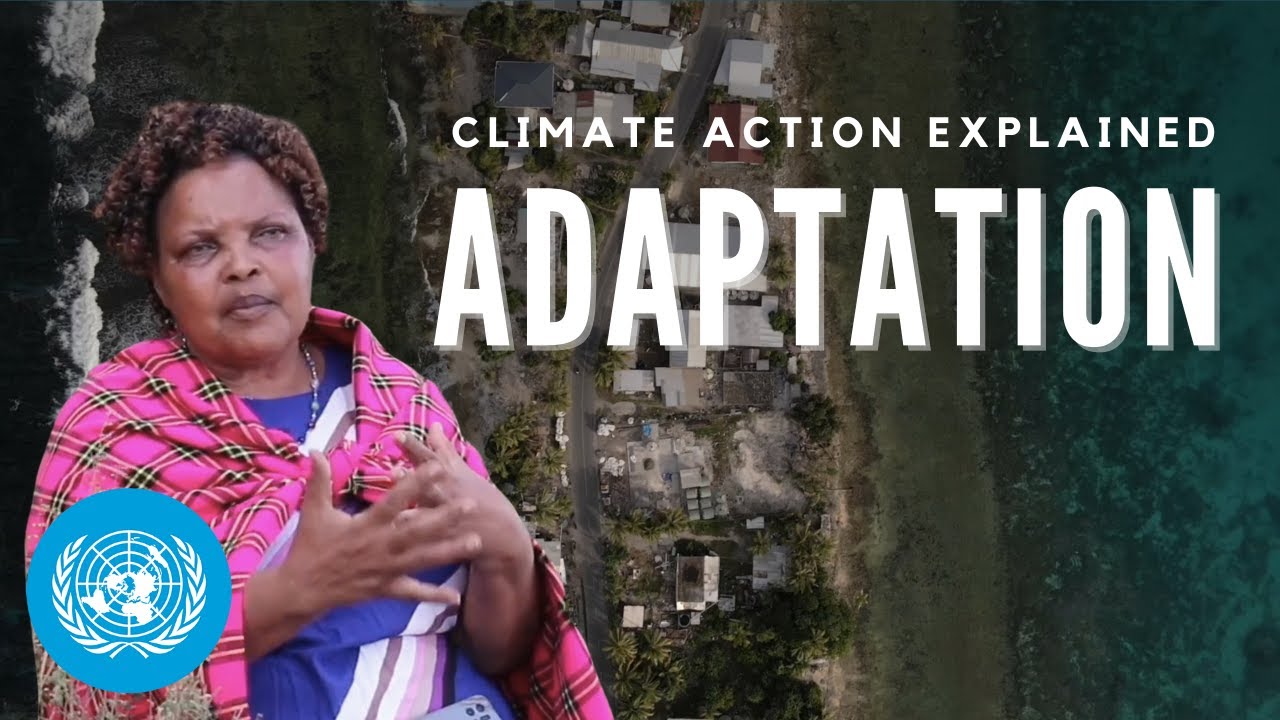
To fight climate change, we need to slash greenhouse gas emissions. But we also have to find ways to adapt to the impacts already happening and to come. This article explores how communities around the world are implementing adaptation solutions, focusing on the experiences of Tuvalu, Kenya, and Egypt. By understanding the historical context of climate adaptation and examining innovative strategies, we can gain insights into how to build a more resilient future.

Historical Context of Climate Adaptation

Early Recognition of Climate Impacts

The recognition of climate change impacts dates back to the mid-20th century when scientists began to observe and predict changes in weather patterns, sea levels, and temperatures. Early adaptation efforts focused on understanding these changes and developing strategies to mitigate their effects. Coastal cities, for instance, started to invest in sea walls and flood defenses to protect against rising sea levels.

Evolution of Adaptation Strategies

As the understanding of climate change deepened, adaptation strategies evolved from reactive to proactive measures. In the 1990s, the concept of sustainable development gained prominence, emphasizing the need to balance environmental, social, and economic goals. This shift led to the integration of climate adaptation into broader development plans, recognizing that resilience-building must address underlying vulnerabilities.

Global Frameworks and Agreements

International agreements have played a significant role in shaping climate adaptation efforts. The United Nations Framework Convention on Climate Change (UNFCCC) and the subsequent Paris Agreement underscored the importance of both mitigation and adaptation. These frameworks encouraged countries to develop National Adaptation Plans (NAPs) and implement adaptation projects to address specific climate risks.

Adaptation Solutions in Action

Coastal Protection in Tuvalu

Challenges of Rising Sea Levels

Tuvalu, a low-lying Pacific island nation, faces existential threats from rising sea levels. The increasing frequency and intensity of storms and king tides have exacerbated coastal erosion and flooding, endangering homes, infrastructure, and livelihoods. The country’s freshwater sources are also at risk due to saltwater intrusion, which compromises drinking water supplies and agriculture.

Community-Led Adaptation Projects

In response, Tuvalu has implemented community-led adaptation projects with support from the Green Climate Fund, the Government of Australia, and the Government of Tuvalu. These projects include constructing seawalls, restoring mangroves, and developing early warning systems for extreme weather events. Mangrove restoration, in particular, has proven effective in stabilizing coastlines, enhancing biodiversity, and providing natural barriers against storm surges.

Ensuring Food Security in Kenya

Agricultural Vulnerabilities

Kenya’s agricultural sector, which employs a significant portion of the population, is highly vulnerable to climate change. Erratic rainfall, prolonged droughts, and increased temperatures have led to crop failures and food insecurity, impacting rural communities the hardest. These climatic shifts are not only reducing agricultural productivity but also threatening traditional farming practices and local food systems. With many farmers struggling to adapt, there is an urgent need for innovative solutions and support to ensure sustainable livelihoods and food security for Kenya’s rural populations.

Innovative Farming Techniques

To address these challenges, Kenyan farmers are adopting innovative techniques such as climate-smart agriculture (CSA). Supported by Japan and other international donors, CSA practices include drought-resistant crops, efficient irrigation systems, and agroforestry. These techniques not only improve crop yields but also enhance soil health and water conservation, making agriculture more resilient to climate variability.

Preserving Nature in Egypt

Threats to Ecosystems

Egypt’s unique ecosystems, including the Nile Delta and coastal regions, are under threat from climate change. Rising temperatures, sea level rise, and salinization of freshwater resources pose significant risks to biodiversity, agriculture, and human settlements. Additionally, the loss of wetlands and coastal habitats exacerbates these challenges, further endangering both natural and human systems.

Integrated Adaptation Approaches

The SDG Climate Facility, funded by Sweden, is supporting integrated adaptation approaches in Egypt. Projects focus on sustainable water management, wetland restoration, and community-based conservation efforts. By involving local communities in the planning and implementation of these projects, Egypt is building resilience while preserving its natural heritage.

Tools and Opportunities for Climate Adaptation

Education and Capacity Building

Education and capacity-building programs are essential for effective climate adaptation. By equipping communities with knowledge about climate risks and adaptation strategies, these programs empower individuals to take proactive measures. Training in sustainable practices, disaster preparedness, and resource management enhances community resilience and adaptive capacity.

Financial and Technical Support

Access to financial and technical support is crucial for implementing adaptation projects. International funding mechanisms, such as the Green Climate Fund, provide resources for developing countries to undertake large-scale adaptation initiatives. Technical assistance, including climate modeling and risk assessments, helps communities design effective and context-specific solutions.

Community Engagement and Participatory Approaches

Community engagement is a cornerstone of successful adaptation. Participatory approaches that involve local stakeholders in decision-making processes ensure that adaptation measures are culturally appropriate, locally relevant, and widely accepted. By harnessing local knowledge and expertise, communities can develop innovative solutions tailored to their unique needs and conditions.

Global Efforts and Climate Action Explained

UNDP’s Climate Action Explained Series

UNDP’s Climate Action Explained video series, introduced by UNDP Goodwill Ambassador Nikolaj Coster-Waldau, showcases how people around the world are adapting to the impacts of climate change. The series takes viewers on a journey to 12 different countries, including Tuvalu, Kenya, and Egypt, highlighting the critical role of adaptation in building a resilient future. Through stories of resilience and innovation, the series demonstrates that change is still possible, and communities are leading the way.

Donor Support and International Collaboration

The success of adaptation initiatives is made possible by generous financial support from international donors and collaborative partnerships. The Green Climate Fund, various national governments, and other organizations provide essential funding and technical assistance for community-led adaptation projects worldwide. These collaborations enable communities to access the tools and opportunities they need to implement effective adaptation strategies.

Conclusion

Adapting to climate change is a multifaceted challenge that requires innovative solutions, community engagement, and international collaboration. By learning from the experiences of Tuvalu, Kenya, and Egypt, we can see how adaptation efforts are protecting coastal zones, ensuring food security, and preserving natural ecosystems. As we continue to support and amplify these efforts, we can build a more resilient and sustainable future for all.

Additional Resources

For further information on climate adaptation and resilience, consider exploring the following resources:

  1. UNDP Climate Action Explained: https://www.undp.org/climate-action
  2. Green Climate Fund: https://www.greenclimate.fund/
  3. SDG Climate Facility: https://www.undp.org/sdg-climate-facility

By delving into these resources, individuals and organizations can gain a deeper understanding of climate adaptation and contribute to ongoing efforts to build resilience in vulnerable communities worldwide.

Categories
P1 People UN

Young People as Climate Leaders: Shaping a Sustainable Future

Introduction

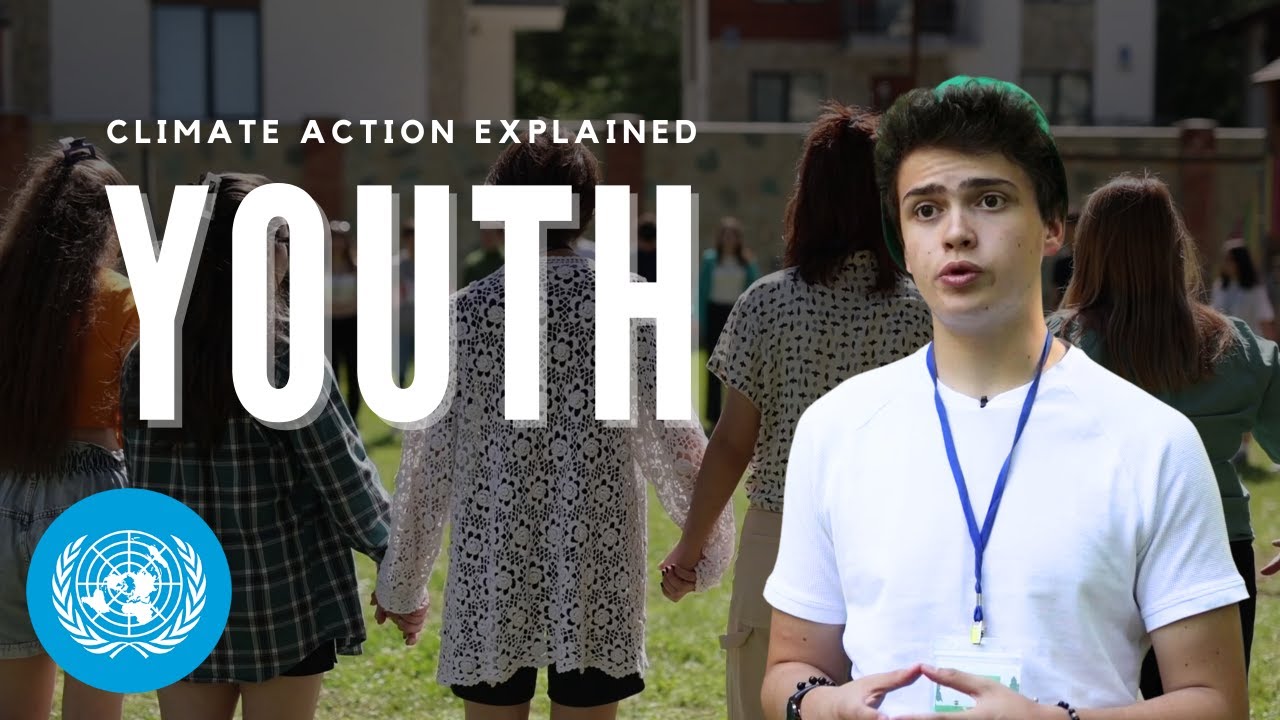
The decisions we make today about the future of our planet will affect young people more than anyone else. Yet, they are largely excluded from decisions on how to solve the climate crisis. This article explores how young people are becoming climate leaders, delving into the historical context of youth activism, the tools and opportunities they are accessing, and the impact of their actions. Join us on a journey to Georgia, India, and Panama to witness the transformative power of youth in driving climate action.

Historical Context of Youth Activism

Early Movements

Youth activism is not a new phenomenon. Throughout history, young people have been at the forefront of social and political movements. In the 1960s and 70s, young activists played a crucial role in the civil rights movement in the United States, anti-apartheid efforts in South Africa, and anti-war protests globally. These movements demonstrated the power of youth to effect change and challenge the status quo.

Emergence of Environmental Activism

The environmental movement of the late 20th century saw the rise of young activists who were concerned about pollution, deforestation, and the depletion of natural resources. The first Earth Day in 1970, which saw participation from millions of young people worldwide, marked a significant moment in environmental activism. This period laid the groundwork for the modern climate movement.

The Digital Age and Global Mobilization

The advent of the internet and social media has revolutionized youth activism, enabling young people to connect, organize, and mobilize on an unprecedented scale. Global movements like Fridays for Future, led by Greta Thunberg, have harnessed the power of digital platforms to raise awareness and demand urgent action on climate change. These movements have brought millions of young people together, demonstrating their collective power and determination to address the climate crisis.

Young People as Climate Leaders

The Need for Youth Inclusion

Young people have the most at stake when it comes to climate change, yet they are often excluded from decision-making processes. Including youth in climate action is essential for several reasons. Firstly, they bring fresh perspectives and innovative solutions to the table. Secondly, they have the energy and passion to drive long-term change. Lastly, empowering young people to take on leadership roles ensures that climate policies are inclusive and representative of future generations.

Case Studies: Georgia, India, and Panama

Georgia: Empowering Youth for Climate Action

In Georgia, young people are taking the lead in climate action through various initiatives. With support from the Green Climate Fund, Sweden, and Switzerland, Georgian youth are engaged in environmental education, advocacy, and community-based projects. These initiatives focus on raising awareness about climate change, promoting sustainable practices, and encouraging local communities to adopt climate-resilient strategies.

One notable project is the Youth Climate Ambassadors Program, which trains young leaders to advocate for climate action at local and national levels. Participants learn about climate science, policy, and communication skills, enabling them to effectively engage with policymakers and the public.

India: Harnessing Technology and Innovation

In India, young climate leaders are leveraging technology and innovation to address environmental challenges. The country’s large youth population is using digital tools to raise awareness, mobilize communities, and develop sustainable solutions. Initiatives like the Indian Youth Climate Network (IYCN) provide platforms for young people to collaborate on climate projects and campaigns.

One example is the Solar for Schools program, which aims to install solar panels in schools across the country. This initiative not only reduces carbon emissions but also provides students with hands-on experience in renewable energy technologies. By involving young people in practical climate solutions, the program fosters a sense of ownership and responsibility for the environment.

Panama: Protecting Forests and Indigenous Lands

In Panama, young Indigenous leaders are at the forefront of efforts to protect forests and preserve their cultural heritage. Supported by Belgium and Germany, these young activists are working to combat deforestation and promote sustainable land management practices. Their efforts are crucial for preserving the biodiversity of Panama’s forests and ensuring the rights and livelihoods of Indigenous communities.

The Youth for Nature initiative is one such project, where young Indigenous leaders collaborate with local communities to develop and implement conservation strategies. They organize workshops, conduct research, and engage in advocacy to protect their ancestral lands and promote sustainable development.

Tools and Opportunities for Youth Leadership

Education and Capacity Building

Access to education and capacity-building programs is essential for empowering young climate leaders. Initiatives that provide training in climate science, policy, and advocacy equip young people with the knowledge and skills needed to drive climate action. Educational programs should also emphasize the importance of sustainability and environmental stewardship from an early age.

Digital Platforms and Social Media

Digital platforms and social media are powerful tools for youth activism. They enable young people to connect, share information, and mobilize for climate action. Social media campaigns, online petitions, and virtual events have become effective means for raising awareness and demanding change. These platforms also provide opportunities for young people to collaborate on a global scale, amplifying their voices and impact.

Financial and Technical Support

Financial and technical support from governments, international organizations, and NGOs is crucial for enabling young people to undertake climate projects. Grants, scholarships, and mentorship programs provide the resources needed to develop and implement innovative solutions. Technical support, such as access to research and technology, further enhances the capacity of young climate leaders.

Global Efforts and Climate Action Explained

UNDP’s Climate Action Explained Series

UNDP’s Climate Action Explained video series, introduced by UNDP Goodwill Ambassador Nikolaj Coster-Waldau, showcases how young people around the world are driving climate action. The series takes viewers on a journey to 12 different countries, including Georgia, India, and Panama, highlighting the critical role of youth in combating climate change. Through stories of resilience and innovation, the series demonstrates that change is still possible, and young people are at the forefront of this fight.

Donor Support and International Collaboration

The success of these initiatives is made possible by generous financial support from international donors and collaborative partnerships. The Green Climate Fund, various national governments, and other organizations provide essential funding and technical assistance for youth-led climate projects worldwide. These collaborations enable young people to access the tools and opportunities they need to lead and shape the future of climate action.

Conclusion

Young people are becoming climate leaders, harnessing their passion, creativity, and determination to drive meaningful change. By including youth in decision-making processes, providing education and resources, and leveraging digital platforms, we can empower the next generation to lead the fight against climate change. The stories from Georgia, India, and Panama illustrate the transformative power of youth leadership. As we continue to support and amplify the voices of young climate leaders, we can build a safer, greener future for all.

Additional Resources

For further information on youth climate leadership and climate action, consider exploring the following resources:

  1. UNDP Climate Action Explained: https://www.undp.org/climate-action
  2. Green Climate Fund: https://www.greenclimate.fund/
  3. Indian Youth Climate Network (IYCN): https://iycn.in/
  4. Youth for Nature: https://www.youthfornature.org/

By delving into these resources, individuals and organizations can gain a deeper understanding of the vital role of youth in climate action and contribute to ongoing efforts to empower young climate leaders worldwide.

Categories
P1 People UN

Forests and Climate Change: Protecting Our Planet’s Vital Lifeline

Introduction

As the impacts of climate change become increasingly apparent, the urgency to mitigate its effects has never been greater. Among the many strategies to combat climate change, the role of forests stands out as a crucial and multifaceted solution. This article delves into the historical and contemporary significance of forests in the fight against climate change, explores the invaluable contributions of Indigenous Peoples and local communities in forest conservation, and highlights the efforts of global initiatives like the UNDP’s Climate Action Explained series.

The Historical Context of Forest Conservation

Ancient Recognition of Forests

Human civilizations have long recognized the importance of forests. Ancient cultures revered forests as sacred spaces and understood their role in maintaining ecological balance. Forests provided essential resources such as food, shelter, and medicinal plants, and were seen as vital for the survival of communities.

Industrialization and Deforestation

The advent of industrialization marked a turning point in human interaction with forests. Rapid industrial growth and urban expansion led to widespread deforestation, driven by the demand for timber, agricultural land, and infrastructure development. This large-scale deforestation had profound environmental consequences, contributing to habitat loss, biodiversity decline, and increased carbon emissions.

Emergence of Conservation Movements

The late 19th and early 20th centuries saw the emergence of conservation movements in response to the environmental degradation caused by unchecked industrialization. Pioneers like John Muir and Gifford Pinchot advocated for the preservation and sustainable management of forests, laying the groundwork for modern environmentalism.

Forests as Carbon Sinks

The Science Behind Carbon Sequestration

Forests play a critical role in mitigating climate change by acting as carbon sinks. Through the process of photosynthesis, trees absorb carbon dioxide (CO2) from the atmosphere and store it in their biomass (trunks, branches, leaves, and roots). This process, known as carbon sequestration, reduces the amount of CO2—a major greenhouse gas—contributing to global warming.

The Global Carbon Budget

According to the Intergovernmental Panel on Climate Change (IPCC), forests and other terrestrial ecosystems absorb about one-third of the CO2 emissions from human activities annually. This makes forests an indispensable component of the global carbon budget, underscoring the need for their protection and restoration.

Ecosystem Services Provided by Forests

Clean Water and Air

Forests play a vital role in maintaining clean water supplies. They act as natural water filters, trapping pollutants and sediments, and regulating water flow to prevent floods and droughts. Forests also improve air quality by absorbing pollutants and releasing oxygen.

Biodiversity and Food Security

Forests are home to over 80% of the world’s terrestrial biodiversity, providing habitat for countless species of plants, animals, and microorganisms. This biodiversity is essential for ecosystem stability and resilience. Forests also support food security by providing wild foods and resources for agriculture and livestock.

Soil Health and Erosion Control

Healthy forests contribute to soil health by adding organic matter and nutrients through leaf litter and decomposing plant material. Tree roots stabilize the soil, reducing erosion and preventing landslides, which is crucial for maintaining fertile land for agriculture and other uses.

Indigenous Peoples and Local Communities: Guardians of the Forest

Traditional Knowledge and Sustainable Practices

Indigenous Peoples and local communities have a deep-rooted connection with forests, often possessing extensive knowledge of sustainable forest management practices. Their traditional practices, such as agroforestry and rotational farming, enhance biodiversity and carbon sequestration while maintaining the health and productivity of forest ecosystems.

Case Studies: Ecuador, Ghana, and Cambodia

Ecuador: The Amazon Rainforest

In Ecuador, Indigenous communities are at the forefront of efforts to protect the Amazon Rainforest, one of the world’s most vital carbon sinks. Through the PROAmazonia programme, supported by the Green Climate Fund and the Global Environment Facility, these communities are implementing sustainable land management practices and restoring degraded lands.

Ghana: The Savanna Woodlands

In Ghana, the collaboration between the Green Climate Fund, the Forestry Commission of Ghana, and the Global Shea Alliance focuses on preserving the savanna woodlands. These efforts include the sustainable harvesting of shea nuts, which supports local economies and conserves forest landscapes.

Cambodia: The Forest Carbon Partnership Facility

Cambodia’s forest conservation initiatives are supported by the Forest Carbon Partnership Facility, funded by various international donors. Local communities are engaged in REDD+ (Reducing Emissions from Deforestation and Forest Degradation) projects that promote sustainable forest management and enhance carbon sequestration.

Global Efforts and Climate Action Explained

UNDP’s Climate Action Explained Series

UNDP’s Climate Action Explained video series, introduced by UNDP Goodwill Ambassador Nikolaj Coster-Waldau, showcases how people around the world are combating climate change through innovative and sustainable practices. The series takes viewers on a journey to 12 different countries, including Ecuador, Ghana, and Cambodia, highlighting the critical role of forests and the efforts of local communities in climate action.

Donor Support and International Collaboration

The success of these initiatives is made possible by generous financial support from international donors and collaborative partnerships. The Green Climate Fund, Global Environment Facility, Forest Carbon Partnership Facility, and various national governments provide essential funding and technical assistance for forest conservation projects worldwide.

The Path Forward: Opportunities and Challenges

Enhancing Forest Protection

Strengthening policies and enforcement mechanisms to protect forests from illegal logging, land conversion, and other threats is crucial. This includes expanding protected areas, supporting community-based forest management, and promoting sustainable land use practices.

Restoring Degraded Forests

Reforestation and afforestation initiatives are vital for restoring degraded forestlands. These efforts not only enhance carbon sequestration but also provide numerous ecosystem services and improve the livelihoods of local communities.

Addressing Climate Change Holistically

Combating climate change requires a holistic approach that integrates forest conservation with other climate actions, such as reducing fossil fuel emissions, promoting renewable energy, and enhancing climate resilience. Collaborative efforts at the local, national, and global levels are essential for achieving meaningful progress.

Conclusion

Forests are our closest allies in the fight against climate change. Their role as carbon sinks, providers of essential ecosystem services, and habitats for biodiversity makes them indispensable in our efforts to mitigate and adapt to climate change. The stories from Ecuador, Ghana, and Cambodia illustrate the powerful impact of community-led forest conservation initiatives. By supporting these efforts and embracing sustainable practices, we can still win the fight against climate change and ensure a safer, greener future for all.

Additional Resources

For further information on forest conservation and climate action, consider exploring the following resources:

  1. UNDP Climate Action Explained: https://www.undp.org/climate-action
  2. Green Climate Fund: https://www.greenclimate.fund/
  3. Global Environment Facility: https://www.thegef.org/
  4. Forest Carbon Partnership Facility: https://www.forestcarbonpartnership.org/
  5. UN-REDD Programme: https://www.un-redd.org/

By delving into these resources, individuals and organizations can gain a deeper understanding of the vital role of forests in climate action and contribute to ongoing efforts to protect and restore these critical ecosystems.

Categories
P1 People UN

The Global Transition to Clean Energy: A Pathway to a Sustainable Future

Introduction

Clean energy represents a pivotal shift in how we produce and consume power, aiming to minimize environmental impact and ensure a sustainable future. It encompasses a range of technologies and practices designed to reduce greenhouse gas emissions and reliance on fossil fuels. This comprehensive perspective delves into the history, significance, and global efforts to transition to clean energy, highlighting its profound implications for climate action, healthcare, education, and public transportation.

The Historical Context

The concept of clean energy is not new; its roots can be traced back to ancient civilizations. Early examples include the use of windmills in Persia and the harnessing of water power in ancient Greece. However, the modern clean energy movement gained momentum in the 20th century as concerns about environmental degradation and resource depletion grew.

The 1970s energy crises marked a significant turning point. The oil embargoes and subsequent fuel shortages underscored the vulnerabilities of relying heavily on fossil fuels. This period spurred research into alternative energy sources, including solar, wind, and geothermal power. Governments and institutions began to recognize the need for a diversified and sustainable energy portfolio.

The Importance of Clean Energy

The United Nations Development Programme (UNDP) emphasizes that energy is indispensable to our lives. Currently, a significant portion of the world’s energy comes from fossil fuels, which are major contributors to climate change. To address the climate crisis, a comprehensive transition to renewable energy and enhanced energy efficiency is imperative. Clean energy technologies, such as solar, wind, hydroelectric, and geothermal power, offer viable solutions to reduce carbon emissions and mitigate global warming.

Clean energy is also crucial for achieving several Sustainable Development Goals (SDGs). It promotes economic growth, enhances public health, improves education, and ensures sustainable cities and communities. By reducing pollution, clean energy helps prevent respiratory and cardiovascular diseases, contributing to overall well-being.

Global Efforts and Success Stories

The journey towards clean energy is marked by diverse efforts across the globe. The UNDP’s Climate Action Explained series highlights the transformative impact of clean energy in various countries.

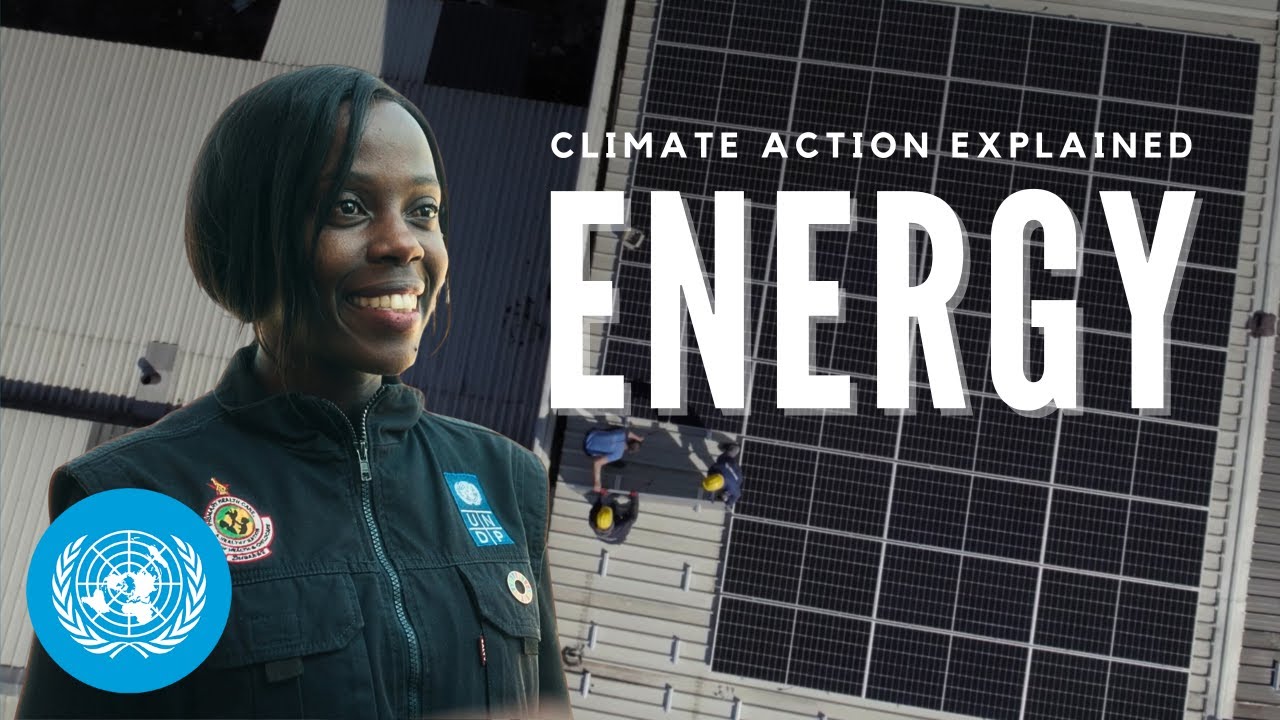
Zimbabwe: In Zimbabwe, renewable energy initiatives are making a significant difference in rural communities. Solar power projects provide reliable electricity to healthcare facilities, ensuring uninterrupted medical services. These initiatives also extend to schools, enhancing educational opportunities by powering digital learning tools. The Global Fund’s financial support has been instrumental in these achievements.

Bosnia and Herzegovina: This country is harnessing hydroelectric power to transition to a cleaner energy system. With financial support from Sweden, Bosnia and Herzegovina has developed small-scale hydroelectric plants that generate sustainable electricity. This shift not only reduces carbon emissions but also creates jobs and stimulates local economies.

Uruguay: Uruguay stands as a global leader in renewable energy adoption. The country’s commitment to wind and solar power has resulted in a remarkable transformation of its energy landscape. With backing from the Global Environment Facility, Uruguay has achieved nearly 100% renewable electricity generation. This transition has reduced energy costs, enhanced energy security, and positioned Uruguay as a model for sustainable development.

The Role of Innovation and Technology

Innovation and technology play a pivotal role in advancing clean energy. Breakthroughs in solar panel efficiency, wind turbine design, and energy storage systems have made renewable energy more accessible and cost-effective. The integration of smart grids and digital technologies enhances energy management, allowing for more efficient distribution and consumption.

Energy efficiency measures, such as LED lighting, electric vehicles, and energy-efficient appliances, complement renewable energy sources. These technologies reduce overall energy demand, further decreasing reliance on fossil fuels. Investments in research and development are critical to driving continuous improvements and fostering a culture of innovation.

Addressing Challenges and Misconceptions

Despite the progress, several challenges hinder the widespread adoption of clean energy. One major barrier is the initial cost of renewable energy infrastructure. Although the long-term benefits outweigh the costs, the upfront investment can be daunting for many countries and communities.

Additionally, there are misconceptions about the reliability of renewable energy. Critics argue that solar and wind power are intermittent and cannot provide consistent energy supply. However, advancements in energy storage technologies, such as batteries and pumped hydro storage, are addressing these concerns. These solutions enable the storage of excess energy for use during periods of low generation, ensuring a stable and reliable energy supply.

The Socioeconomic Impact of Clean Energy

The transition to clean energy is not only an environmental necessity but also a socioeconomic opportunity. Clean energy projects create jobs in manufacturing, installation, maintenance, and research. These jobs often offer higher wages and better working conditions compared to traditional fossil fuel industries.

In rural and underserved areas, clean energy projects can drive community development. For example, microgrids powered by solar or wind can provide electricity to remote villages, enabling economic activities, improving healthcare, and enhancing education. Access to reliable and affordable energy is a catalyst for development, reducing poverty and promoting equality.

Policy and Regulatory Frameworks

Effective policy and regulatory frameworks are crucial for the widespread adoption of clean energy. Governments play a vital role in creating an enabling environment through incentives, subsidies, and regulations. For instance, feed-in tariffs and tax credits can make renewable energy projects financially viable.

International cooperation is also essential. Agreements like the Paris Agreement bring together countries to commit to reducing carbon emissions and promoting renewable energy. Collaborative efforts, such as technology transfer and financial assistance, help developing countries leapfrog to clean energy solutions.

The Path Forward: A Call to Action

The alarming impacts of climate change are a daily reality, but it is not too late to take action. The transition to clean energy is not just a technological shift but a societal imperative. It requires collective effort from governments, businesses, and individuals to drive meaningful change.

UNDP’s Climate Action Explained video series showcases how people in 12 different countries are working towards a safer, greener future. Introduced by UNDP Goodwill Ambassador Nikolaj Coster-Waldau, the series explores adaptation to climate impacts, restoration of forests, sustainable energy solutions, and youth-driven climate action. These stories inspire hope and demonstrate that change is possible.

Generous financial support from UNDP donors, including the governments of Germany, Japan, the United Kingdom, Sweden, Belgium, Spain, Iceland, the Netherlands, and Portugal, has been instrumental in advancing these initiatives. Their contributions to the NDC Partnership and other collaborative efforts underscore the importance of global cooperation in tackling the climate crisis.

Conclusion

Clean energy is the cornerstone of a sustainable future. By transitioning to renewable energy sources and increasing energy efficiency, we can address the climate crisis and build a healthier, more equitable world. The journey towards clean energy is already underway, with countries like Zimbabwe, Bosnia and Herzegovina, and Uruguay leading the way. Through innovation, technology, and collective action, we can power communities sustainably and secure a greener future for generations to come. Join the global movement for clean energy and be a part of the solution.

Categories
P1 People UN

Haiti’s Pioneering Women: Rebuilding Lives Through Businesses After the 2010 Earthquake

Introduction

In January 2010, a catastrophic earthquake measuring 7.0 on the Richter scale struck Haiti, forever changing the lives of its people. The epicenter, near the capital city of Port-au-Prince, led to one of the deadliest natural disasters in recent history. The quake claimed over 220,000 lives, injured more than 300,000 people, and left approximately 1.5 million Haitians displaced. The devastation was unimaginable—homes, schools, and hospitals were reduced to rubble, and the already fragile infrastructure of the country was crippled.

Fourteen years later, the nation is still grappling with the long-term effects of this disaster. Despite substantial international aid efforts, Haiti faces a complex mix of political, social, and economic challenges that hinder its full recovery. Amid these challenges, however, a remarkable story of resilience and determination has emerged, particularly among the women of Haiti, who have taken on new roles as entrepreneurs, rebuilding their homes and livelihoods in the process.

The Immediate Aftermath: A Nation in Ruins

The 2010 earthquake was a seismic event not just in geological terms but also in the way it reshaped Haiti’s socio-economic landscape. The country, already the poorest in the Western Hemisphere, was ill-equipped to handle the scale of destruction that followed. Entire neighborhoods were flattened, leaving hundreds of thousands of people homeless. The healthcare system, already under strain, collapsed under the weight of the disaster, and the education system suffered a severe blow, with thousands of schools destroyed.

International aid poured in from around the globe, with governments, NGOs, and humanitarian organizations mobilizing resources to provide immediate relief. However, the scale of the disaster overwhelmed these efforts, and recovery was slow. In the years following the earthquake, Haiti faced numerous challenges, including political instability, corruption, and a cholera outbreak that further complicated the recovery process.

Women at the Forefront of Rebuilding

In the wake of the earthquake, women in Haiti found themselves at the forefront of the recovery efforts. Traditionally, Haitian women have played a significant role in the informal economy, often as market vendors or small-scale entrepreneurs. However, the earthquake forced many women to reimagine their roles, both within their families and their communities. With many men either killed or injured in the disaster, women became the primary breadwinners, responsible for rebuilding their homes and securing livelihoods for their families.

The devastation of 2010 left a vacuum that women in Haiti were quick to fill, turning to entrepreneurship as a means of survival and empowerment. In the immediate aftermath, many women started small businesses to meet the basic needs of their communities, such as selling food, clothing, and household goods. Over time, these small-scale ventures grew into more established businesses, contributing to the local economy and providing employment opportunities for others.

One such example is the rise of women-led cooperatives. These cooperatives have become a vital part of Haiti’s economy, particularly in rural areas where access to resources and infrastructure is limited. Women have organized themselves into groups, pooling their resources and knowledge to start businesses in agriculture, handicrafts, and food production. These cooperatives not only provide income for the women involved but also help to strengthen community ties and promote sustainable development.

The Role of International Support

The international community has played a crucial role in supporting the entrepreneurial efforts of Haitian women. Numerous NGOs and aid organizations have focused on empowering women through training, microfinance, and business development programs. For instance, the United Nations Development Programme (UNDP) has implemented several initiatives aimed at promoting gender equality and economic empowerment in Haiti. These programs provide women with the skills and resources needed to start and grow their businesses, as well as access to markets and networks that would otherwise be out of reach.

Microfinance institutions have also been instrumental in helping women entrepreneurs in Haiti. By providing small loans with flexible repayment terms, these institutions enable women to invest in their businesses and expand their operations. The impact of microfinance has been particularly significant in rural areas, where access to traditional banking services is limited. Through microfinance, many women have been able to break free from the cycle of poverty and build a more secure future for themselves and their families.

Haitian Women Entrepreneurs: Challenges and Barriers

Despite these successes, Haitian women entrepreneurs continue to face significant challenges. The political and economic instability that has plagued Haiti for years presents ongoing obstacles to business growth and development. Frequent natural disasters, such as hurricanes and floods, compound these challenges, often wiping out hard-earned progress in a matter of hours. Additionally, the country’s weak infrastructure, including poor road networks, unreliable electricity, and limited access to clean water, makes it difficult for businesses to operate efficiently.

Cultural and social barriers also persist. In many parts of Haiti, women’s roles are still largely confined to the domestic sphere, and they may face resistance when attempting to step into the public or economic arenas. Gender-based violence remains a serious issue, and many women entrepreneurs operate in environments where their safety is not guaranteed. Furthermore, access to education and training opportunities is often limited, particularly in rural areas, making it difficult for women to acquire the skills needed to succeed in business.

The Broader Impact: Women’s Empowerment and Community Development

Despite these challenges, the entrepreneurial activities of Haitian women have had a profound impact on their communities. Women’s businesses contribute to the local economy by creating jobs, generating income, and fostering economic resilience. In many cases, these businesses also promote social change by challenging traditional gender roles and empowering women to take on leadership positions within their communities.

The success of women entrepreneurs in Haiti has also had a ripple effect, inspiring other women and girls to pursue their own dreams and aspirations. Education plays a crucial role in this process. As women gain economic independence, they are more likely to invest in their children’s education, particularly the education of girls. This creates a positive cycle of empowerment, where educated women raise educated children, leading to greater opportunities for future generations.

Moreover, the entrepreneurial spirit of Haitian women has contributed to the overall development of the country. By driving economic growth at the grassroots level, women are helping to build more resilient communities that are better able to withstand future challenges. Their efforts are a testament to the power of resilience and determination in the face of adversity.

Looking Ahead: Building on Success

As Haiti continues to navigate the complex path to recovery, the role of women entrepreneurs will remain critical. Building on the successes of the past decade, there is a need for continued support from both the international community and local governments. This includes providing access to finance, training, and markets, as well as addressing the structural challenges that hinder business growth.

The story of Haiti’s women entrepreneurs is one of hope and perseverance. It is a story of how, in the face of unimaginable tragedy, women have risen to the challenge and rebuilt their lives, homes, and communities. Their achievements are a powerful reminder of the resilience of the human spirit and the transformative potential of entrepreneurship. As Haiti looks to the future, the empowerment of women will be a cornerstone of the nation’s progress, paving the way for a more prosperous and equitable society.

Conclusion

Fourteen years after the devastating earthquake of 2010, Haiti is still grappling with its aftermath. However, the resilience and determination of Haitian women offer a beacon of hope for the nation’s future. Through entrepreneurship, these women have not only rebuilt their lives but also contributed to the recovery and development of their communities. Their stories are a testament to the power of resilience, innovation, and the indomitable human spirit. As we look ahead, supporting the entrepreneurial efforts of Haitian women will be key to building a stronger, more resilient Haiti, where every individual has the opportunity to thrive.